
Villa Capodarco
- B&B with a pool in Le Marche
- 2 kilometers from the sea
- 6 rooms and suites
- Spa with jacuzzi and Turkish steam bath
- E-bike rentals

On day three of this cycling trip, you’ll ride into a desert. Not in Africa, but on the west coast of Sardinia, where the sand dunes of Piscinas rise more than fifty meters high. A day later, you’ll cycle past abandoned mines where lead and zinc were extracted from the rocks until the 1990s, and yet another day later, you’ll board a ferry to an island where they speak a Genoese dialect. It certainly won’t be boring.
This self-guided cycling vacation through southern Sardinia takes you along the west and south coasts of Sardinia over eight days, from the flamingos of Cabras to the Roman site of Nora near Pula. You’ll cycle at your own pace with the route on your phone, while your luggage is transported ahead to the next hotel. The local organizer calls this its classic and most-booked tour. You can book direct with them through Nature Travel Lab.
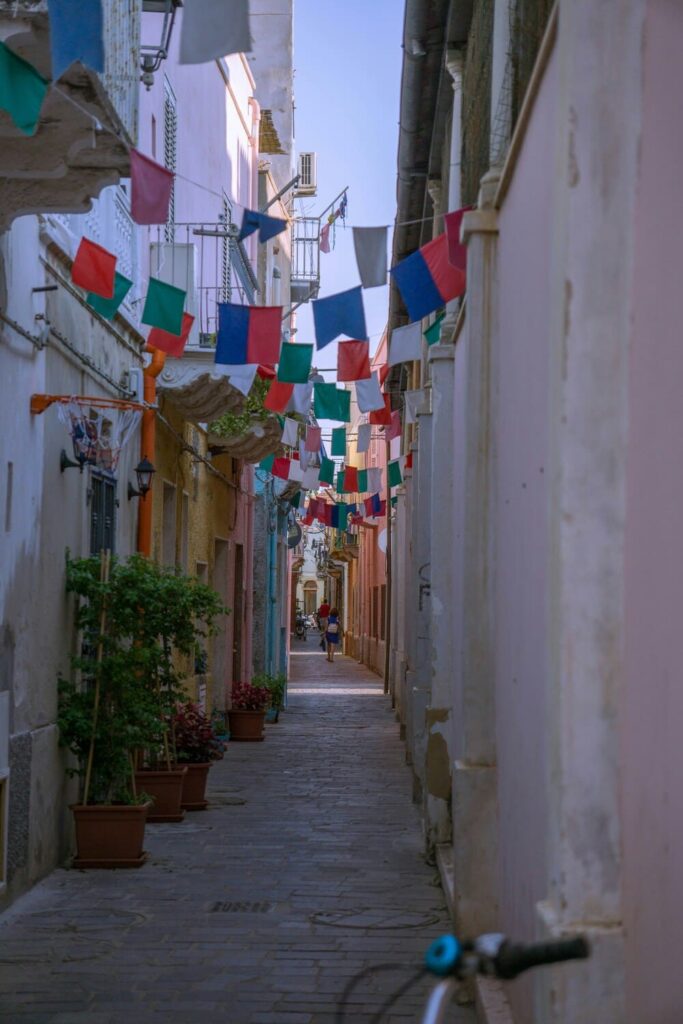
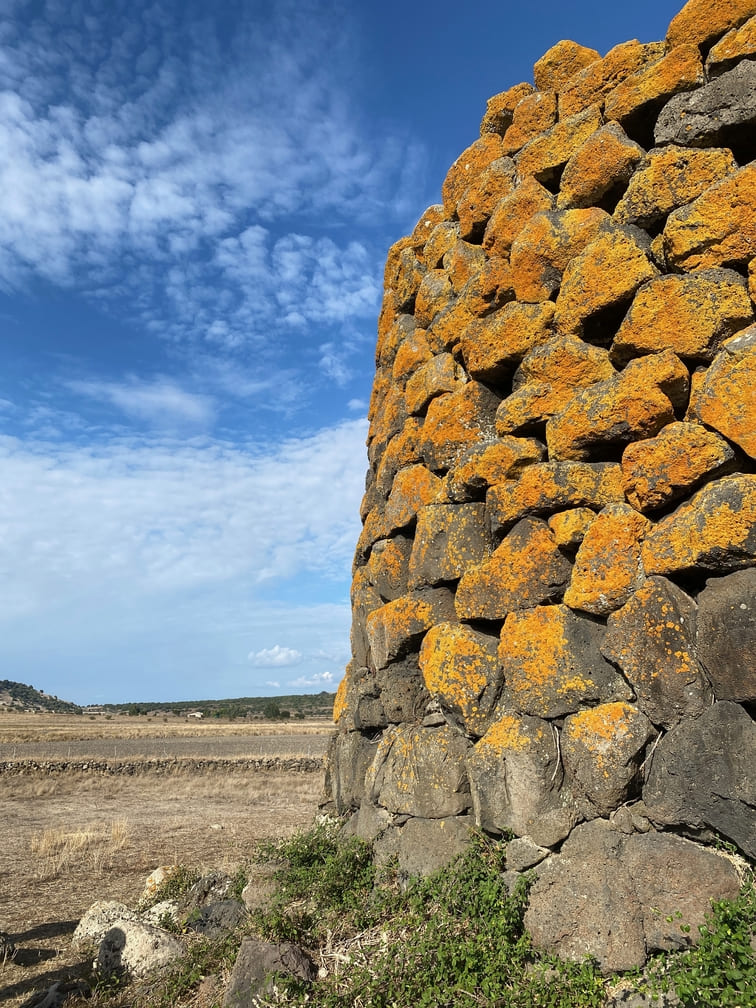
Southwestern Sardinia is the part of the island that most tourists skip. Unfairly so. You’ll cycle through a landscape where history is visible everywhere: Phoenician port cities, Roman ruins, Pisan churches, and a mining heritage that shaped the region until the 1990s. At the same time, this area is home to some of the island’s most beautiful and least crowded beaches.
The route has another advantage: you’ll cycle from north to south along the west coast. This means you’ll usually have the maestrale—the northwest wind that can blow quite strongly in the spring and fall—at your back.
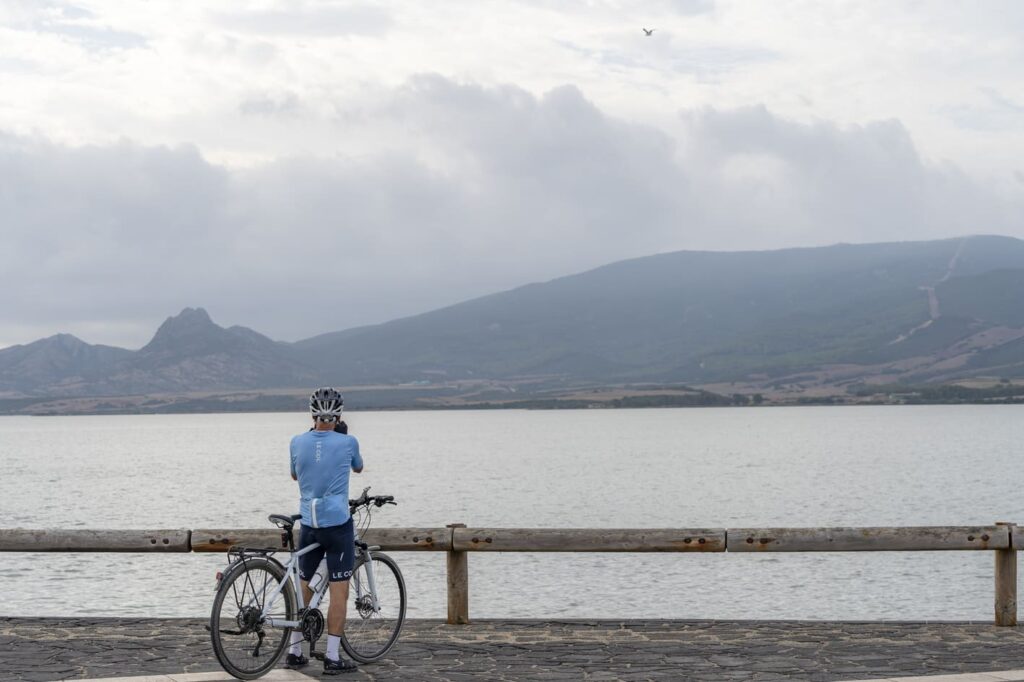
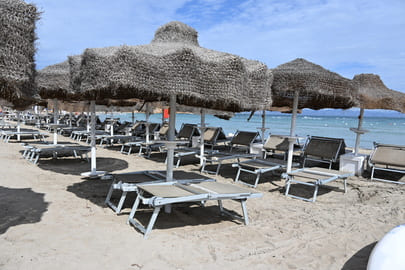
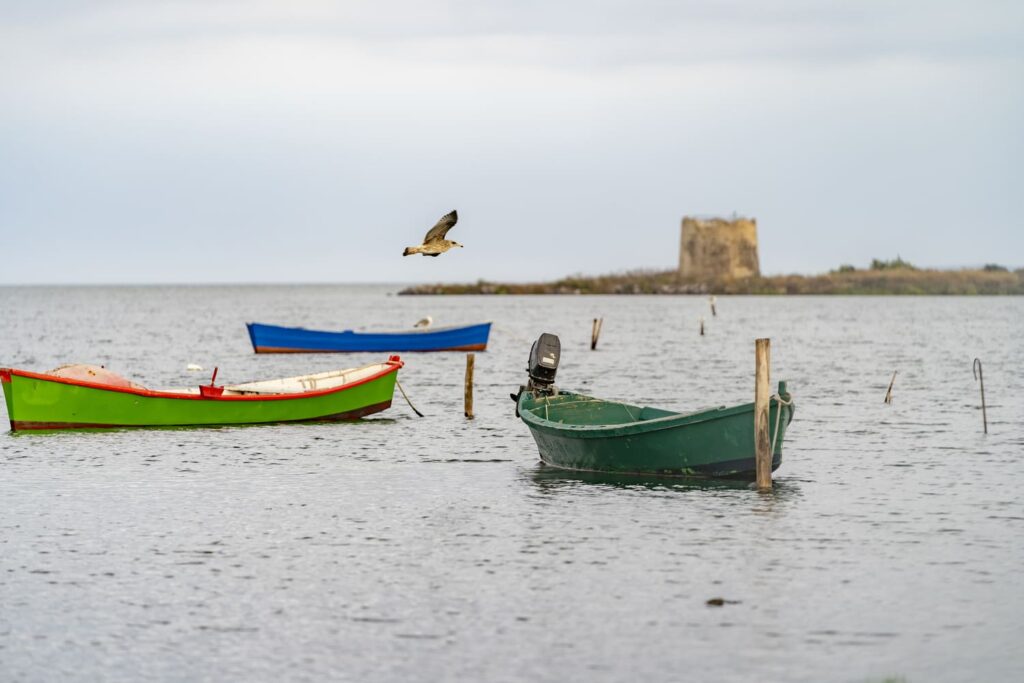
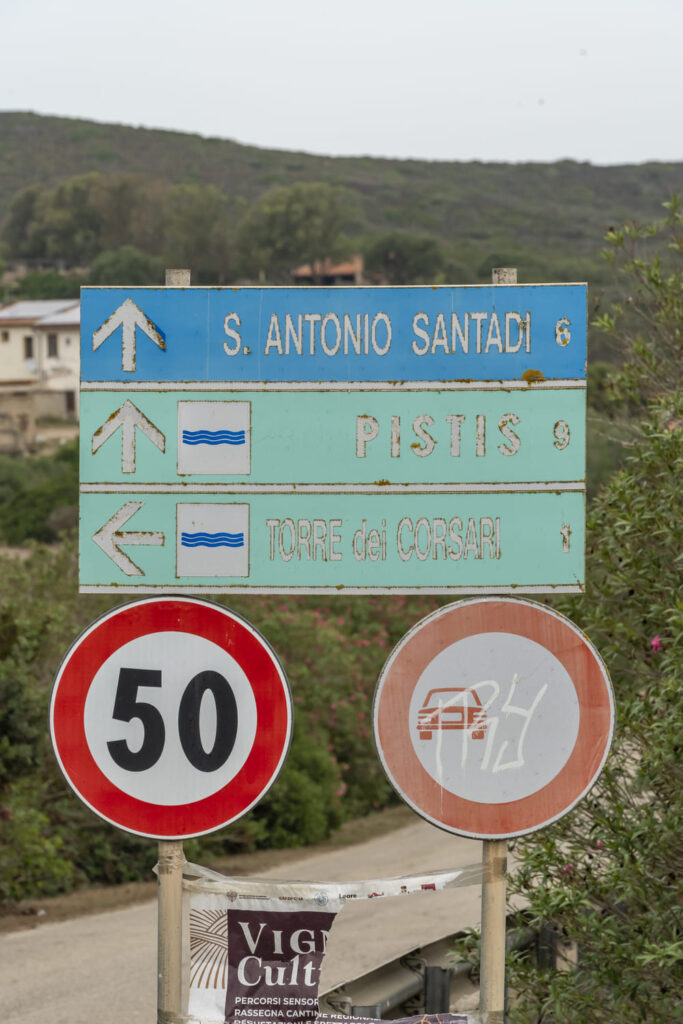
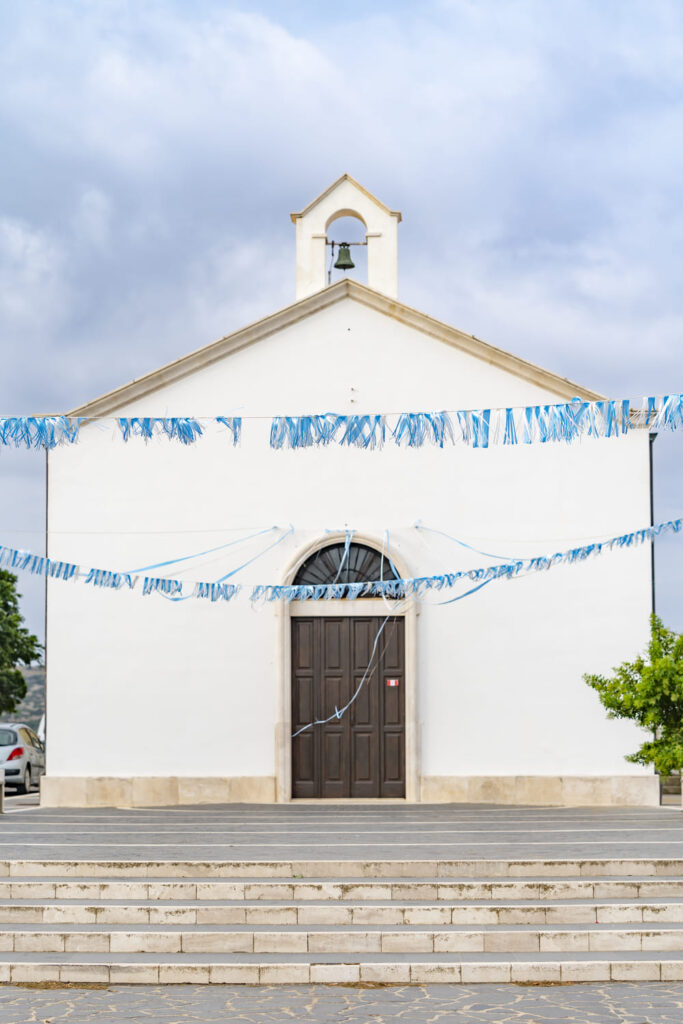
You’ll travel on your own or by transfer to Cabras, a fishing village on a large lagoon near Oristano. Upon arrival, you’ll receive an introduction to the route, either in person or by phone. Cabras is about a 1.5-hour drive from Cagliari and just over a 2-hour drive from Olbia.
You can start the first day with a loop around the Sinis Peninsula. You’ll cycle past lagoons teeming with flamingos, to the beaches of Is Arutas—with their quartz grains instead of sand—and to Tharros, a Phoenician and later Roman port city situated on a headland jutting into the sea. Then you’ll cycle through the medieval center of Oristano to Arborea. That village was built in the late 1920s on reclaimed marshland and was originally called Mussolinia. The straight roads and farmhouses still give it away. If you skip the loop, you’ll cycle 36 kilometers and enjoy a leisurely day.
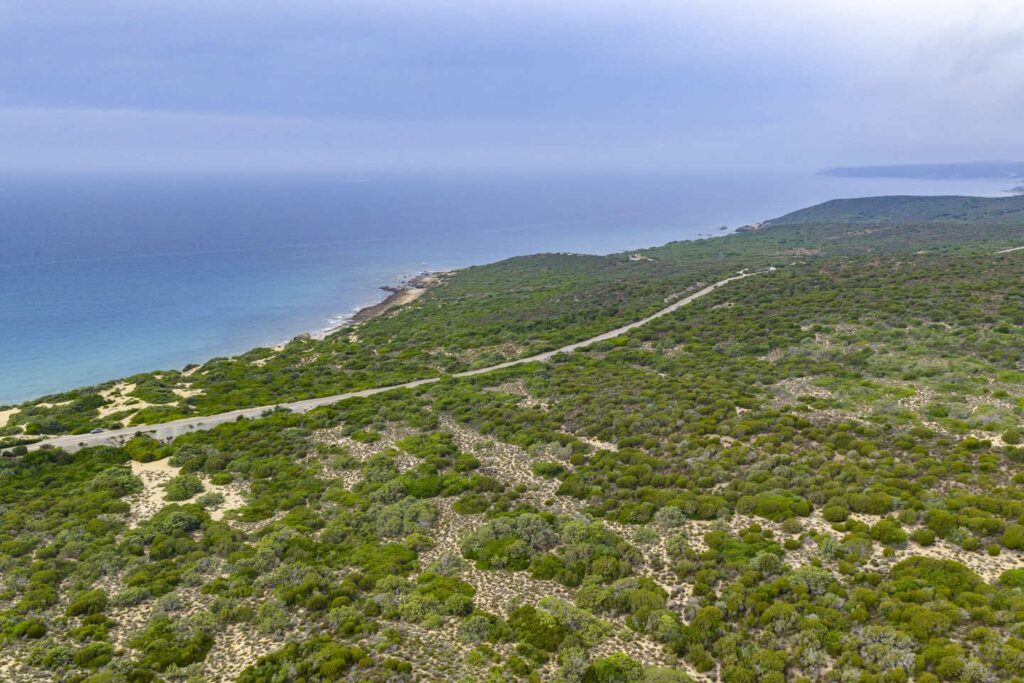
Today, the landscape becomes more rugged. You’ll cycle along the Costa Verde, a long and deserted coastline dotted with scrub and cliffs, toward the dunes of Piscinas. These sand dunes are among the tallest in Europe and extend all the way into the sea. Nearby lies the abandoned mining village of Ingurtosu, a preview of what’s to come tomorrow. You’ll spend the night at an agriturismo in the hills near Arbus. Expect your first serious climbs.
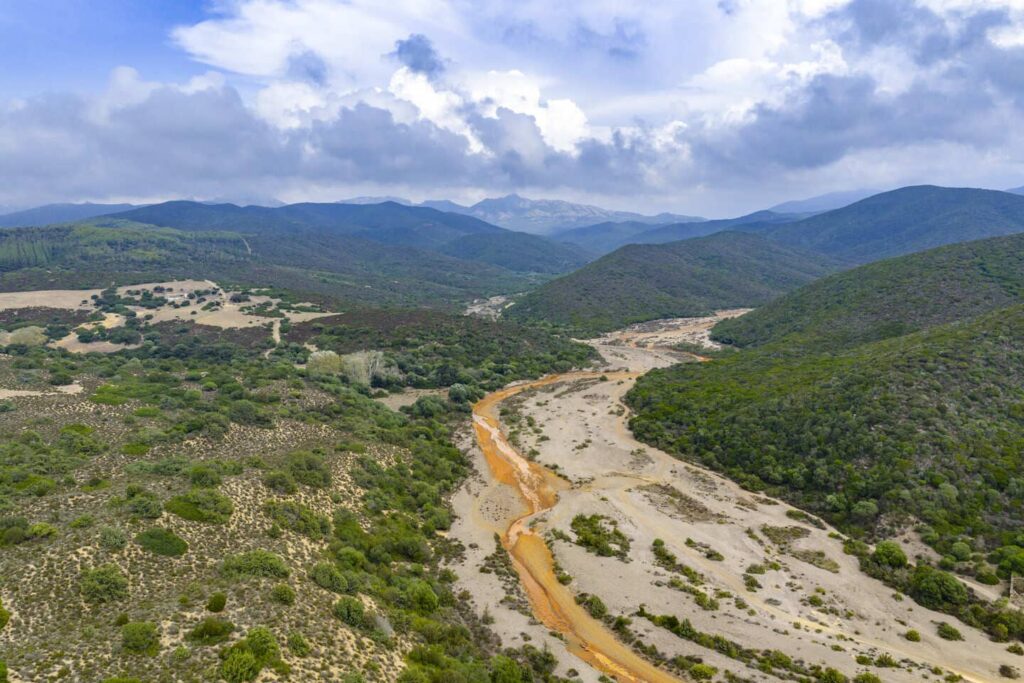
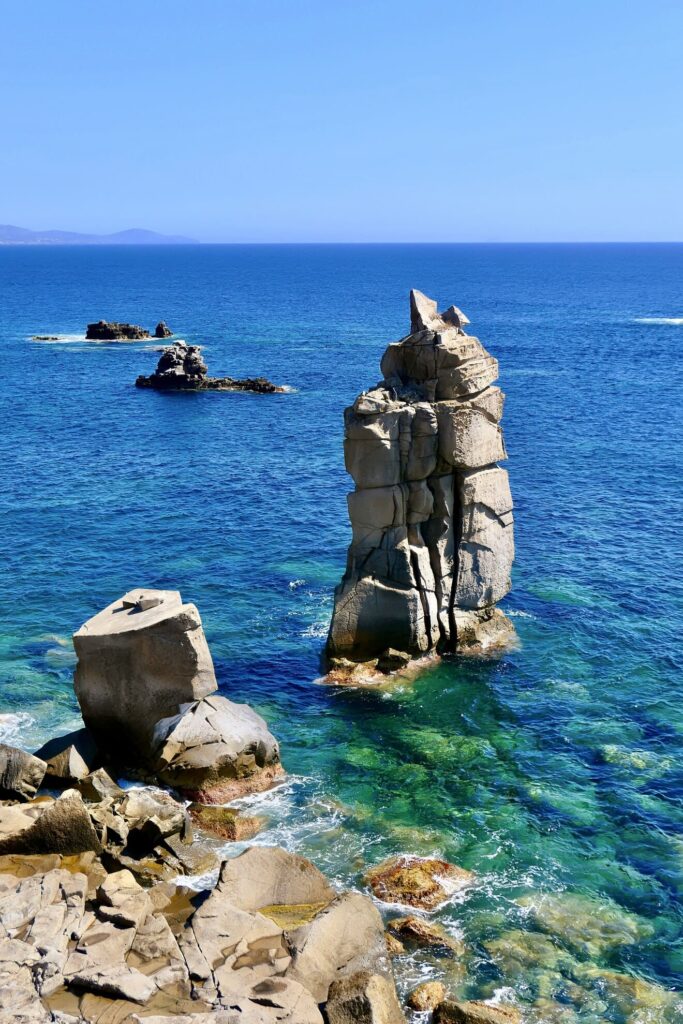
This stage focuses on Sardinia’s mining history. You’ll pass the abandoned mines of Planu Sartu and Acquaresi near Buggerru, as well as the golden beach of Portixeddu. Near Nebida, you’ll look out over the Pan di Zucchero, a massive limestone rock jutting out of the sea, and the Laveria Lamarmora, an old ore-washing plant clinging to the cliffs. It’s a short but hilly day. You’ll spend the night in the area around Gonnesa, Portoscuso, or Iglesias.
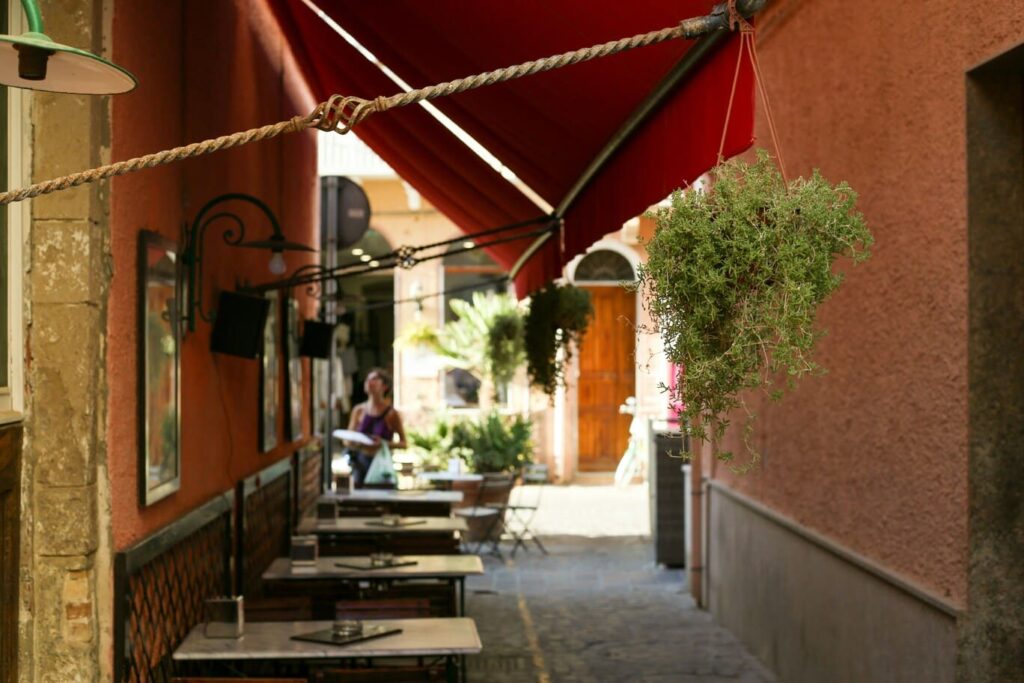
After descending to Fontanamare, you’ll cycle to Portoscuso, where you’ll take the ferry to Carloforte on the island of San Pietro. The town was founded in the 18th century by Ligurian families, and the residents still speak a dialect from the Genoa area. Carloforte is known for its bluefin tuna, which has been caught here for centuries. You’ll take a second ferry to Calasetta on the island of Sant’Antioco, where you’ll spend the night.
From Sant’Antioco, one of Italy’s oldest cities, you’ll cycle back to the mainland across the dam. You’ll ride through the rolling plains of the Sulcis region, among vineyards and olive trees. This is where Carignano del Sulcis is produced. In Tratalias stands the Santa Maria di Monserrato, a 13th-century Pisan-Romanesque church and one of the most important on the island. You’ll end your ride near Sant’Anna Arresi or Porto Pino, known for its white dunes.
The last and longest leg is also the most beautiful. The Costa del Sud between Teulada and Chia is one of Sardinia’s most beautiful coastal roads: white beaches, turquoise coves like Tuerredda, and cliffs such as Capo Malfatano with its 16th-century watchtower and Capo Spartivento with its lighthouse. The road winds up and down quite a bit. Near Pula, you’ll visit Nora, a Phoenician and later Roman city with a theater and mosaics, some of which are underwater.
The trip ends after breakfast. The airport and the port of Cagliari are about 45 minutes from Pula. Additional nights can be booked in consultation with the travel specialist.
The stages are manageable, ranging from 36 to 57 kilometers, but the terrain varies greatly from day to day. The first day, across the Sinis Peninsula to Arborea, is virtually flat. From the Costa Verde onward, the terrain becomes hilly, with the toughest climbs on days 3 and 4 through the Iglesiente region. The Costa del Sud on day 7 features a continuous series of ups and downs.
If you bike regularly, this trip is perfectly doable on a regular bike. If you mainly bike in the Netherlands or Belgium, opt for an e-bike. You’ll follow the route in the Ride with GPS app, and phone support is available along the way.
You’ll spend seven nights in hotels and agriturismi (three- and four-star), all with private bathrooms. In Category B, you’ll stay in standard accommodations; in Category A, you’ll stay in better hotels or rooms. Here’s a breakdown by stage:
Good to know: In Calasetta, you’ll stay in a Category B hostel, in a private room with a private bathroom. The specific accommodations depend on availability and will be confirmed at the time of booking.
The trip can be booked year-round and costs €800 per person in Category B and €1,150 per person in Category A, based on double occupancy.
Surcharges and extras:
When you request a quote, we’ll forward it to our local partner, who will confirm the price and availability directly with you (in English). If you agree, you confirm the trip. You pay the same price as if you were booking directly. You’ll handle the rest of the booking and payment directly with the local provider (with whom we have a good working relationship and established agreements). We’re always available to answer any questions you may have.
"*" indicates required fields
Category B departs every Saturday year-round; Category A departs from early April through early October. The best months for cycling are April through June, as well as September and October. In the spring, the lagoons are full of flamingos and the landscape is green. In the fall, the sea is still warm, and the beaches of the Costa del Sud are empty.
In July and August, it’s hot, and a high-season surcharge applies. The south coast is often mild in March and November as well, but the days are short and not everything is open.
Both the start and finish are in the southern part of the island, so the easiest way to get there and back is to fly to Cagliari. From the Cagliari airport, there’s a train to Oristano. From there, the tour operator will arrange a transfer to Cabras for €25, or you can take the bus. Afterward, a transfer will take you from Pula back to Cagliari. Of course, you can also fly into Olbia or Alghero.
Prefer not to fly? Travel by train to Civitavecchia near Rome and take the overnight ferry to Cagliari. Or take the ferry from Genoa to Porto Torres and continue by train to Oristano. That way, the trip begins and ends on the water.
You can book this cycling tour through Nature Travel Lab directly with a local specialist who has been organizing cycling, hiking, and kayaking tours on the island for over twenty years. The south is their home turf. Fill out the quote form at the bottom of this page, and we’ll put you in touch with the specialist and remain available to answer any questions.
Prefer the northern part of the island? Read about the cycling vacation through Northern Sardinia, from the Costa Smeralda to Alghero. Or read all about cycling in Sardinia.
The trip lasts 8 days and 7 nights. You’ll cycle for six days, covering a total of approximately 280 kilometers, with stages ranging from 36 to 57 kilometers. On days 2 and 3, longer routes are available.
The route ranges from moderate to challenging. The initial section around Oristano is flat, but the Costa Verde, the Iglesiente, and the Costa del Sud are hilly, with a few steep climbs. With an e-bike, the route is manageable for most cyclists.
The 8-day self-guided cycling tour starts at €800 per person in Category B and €1,150 in Category A, based on double occupancy, including 7 nights’ accommodation with breakfast and luggage transport. Bike rentals, transfers, and high-season rates are subject to additional charges.
You’ll cycle past the flamingos of the Sinis Peninsula, the ruins of Tharros, the dunes of Piscinas, the abandoned mines of the Iglesiente, Pan di Zucchero, the island of Carloforte, the Costa del Sud, and the ancient city of Nora near Pula.
The cycling vacation in Southern Sardinia begins in Cabras, near Oristano, and ends in Pula, near Cagliari. From the Cagliari airport, you’ll travel by train or shuttle to the starting point, and return by shuttle afterward.
Yes. You can take the train to Civitavecchia and then the ferry to Cagliari, or you can sail from Genoa to Porto Torres and take the train to Oristano.
Yes, the local specialist rents out bicycles and e-bikes. An e-bike costs €280 for the entire trip; a credit card is required as a deposit.
A local Sardinian specialist in cycling, hiking, and kayaking tours that has been in business for over twenty years. You can request a quote using the Nature Travel Lab form, after which we’ll put you in touch with the specialist.

With a passion for travel and photography and over 30 years of experience in the travel industry, I love to share my special nature travel tips. Travel is wonderful and important, you meet new people and cultures and it opens your view of the world.
Sant’Antioco: The Island in Sardinia You Can’t See in a Day Sant'Antioco is an island off the southern coast of Sardinia. You drive there from Sardinia across a causeway, but you arrive in a different world: a town that calls itself the oldest in Italy, tombs that...
Cycling in Sardinia: Where, When, and How Challenging In Sardinia, it’s not just the map that determines your route, but also the “maestrale”; this northwesterly wind can sweep across the island for days on end in the spring and fall. Once you know that, you’ll cycle...
Get inspired
Are you looking for the most beautiful hiking and biking routes? Or do you want information about traveling by train or advice for the most beautiful road trips through nature. Get inspired for your next trip in green; ideas for planning your own trip or opting for an organized trip.