
Gratis gids 10 verborgen natuurplekken in Europa
Gratis gids 10 verborgen natuurplekken in Europa. Meld je aan voor onze nieuwsbrief en ontvang inspirerende reistips en routes voor je volgende groene reis.

In addition to the romantic city on the water—which is in danger of losing its magic due to the influx of tourists—there is so much more to experience in the Veneto region. The region stretches from Belluno, near the Dolomites, to Rovigo, near the Po Delta in the south—an area ideal for birdwatching. Veneto is one of Italy’s most visited regions, but in much of the area, you don’t really notice that yet. Read here to find out why you should visit those lesser-known spots in Veneto.
Veneto has many walled cities due to its strategic location near Austria and Germany. For example, Citadella, located between Vicenza and Padua. Throughout the region, you’ll see the flag of Veneto featuring the winged lion, the symbol of St. Mark and the Republic of Venice. The region boasts no fewer than 9 UNESCO sites.
The Asiago Plateau lies at an altitude of 1,000 meters. It is a mountainous region that is flat at the top. The Altopiano Asiago is also known as the “Altopiano dei 7 comuni.” Asiago, Enego, Foza, Gallio, Lusiana, Roana, Rotzo, and Conco are the seven authentic mountain villages located in the area. It’s about a 1.5-hour drive from Venice, and the journey offers stunning views of varied landscapes. The area is interesting in all seasons; in the fall, the forests turn beautiful colors, and in the spring, the green fields are in bloom. The area is known for its delicious Asiago cheese and its many agritourism farms.


The town itself is fairly new—it was completely destroyed during World WarI —but that doesn’t make it any less charming. A car-free town center with a colorful shopping street serves as the backdrop twice a year (in the spring and fall) for the transport of cows to and from the mountains. This is done to provide the cattle with the freshest possible grass in every season. In winter, the town is an ideal base for winter sports in the mountains.
The Asiago Astrophysical Observatory is an astronomical observatory operated by the University of Padua. It is located on the Asiago Plateau and features a massive telescope that can be visited by appointment. During your visit, you’ll receive an explanation of how the telescope works and its capabilities. Moreover, it is very dark there, and on a clear night, you can see many stars with the naked eye.


In addition to the grappa produced there, Bassano del Grappa is famous for the Ponte Vecchio, also known as the Ponte degli Alpini (Bridge of the Soldiers), a bridge designed by Andrea Palladio in memory of the soldiers of World WarI. White asparagus is grown in Bassano and is often served with risotto. Bassano has a rich cultural heritage and is home to many artisans and artists.
Marostica is a small village built on a hillside. At the foot of the village stands a castle with a wall that extends all the way to the second castle at the top of the village. You can climb parts of the wall. In the village square—Piazza degli Scacchi—there is a life-size chessboard made of black-and-white tiles, where a live chess game is held every two years. This tradition dates back to 1454. The village is also known for its delicious cherries.
The area offers plenty of opportunities for walking, hiking, and biking, and in the winter, skiing and cross-country skiing.
Just north of the Asiago Plateau lies Monte Grappa, a mountain rising to 1,775 meters that borders the Prosecco Hills. The Brenta River flows between the two mountain ranges, passing through Padua on its way to Venice. Throughout the villages, monuments and museums serve as reminders of the battle that took place here during World WarI. Monte Grappa is the highest peak in the area. Cycling is very popular on and around Monte Grappa, and motorists are mindful of the many cyclists who must use the main thoroughfare. The area is often part of the Giro d’Italia in Italy.


In early October, the mountain village of Lusiana hosts the Pomo Pero, a village festival celebrating the apple and pear harvest. The event features a market with local products, among other things, to promote the importance of local produce and culture. Lusiana is the only village in the area that survived World War I.
The popular aperitif Spritz originates from this region. The drink was created by adding sparkling water to wine from Austria and Germany that was considered too strong. Later, Aperol or Campari was added, and it became the Aperol Spritz.
Sweet Hotel is located in Longa di Schiavon, near Vicenza. It’s centrally located for exploring Veneto by bike and is a stylish place with a great restaurant.
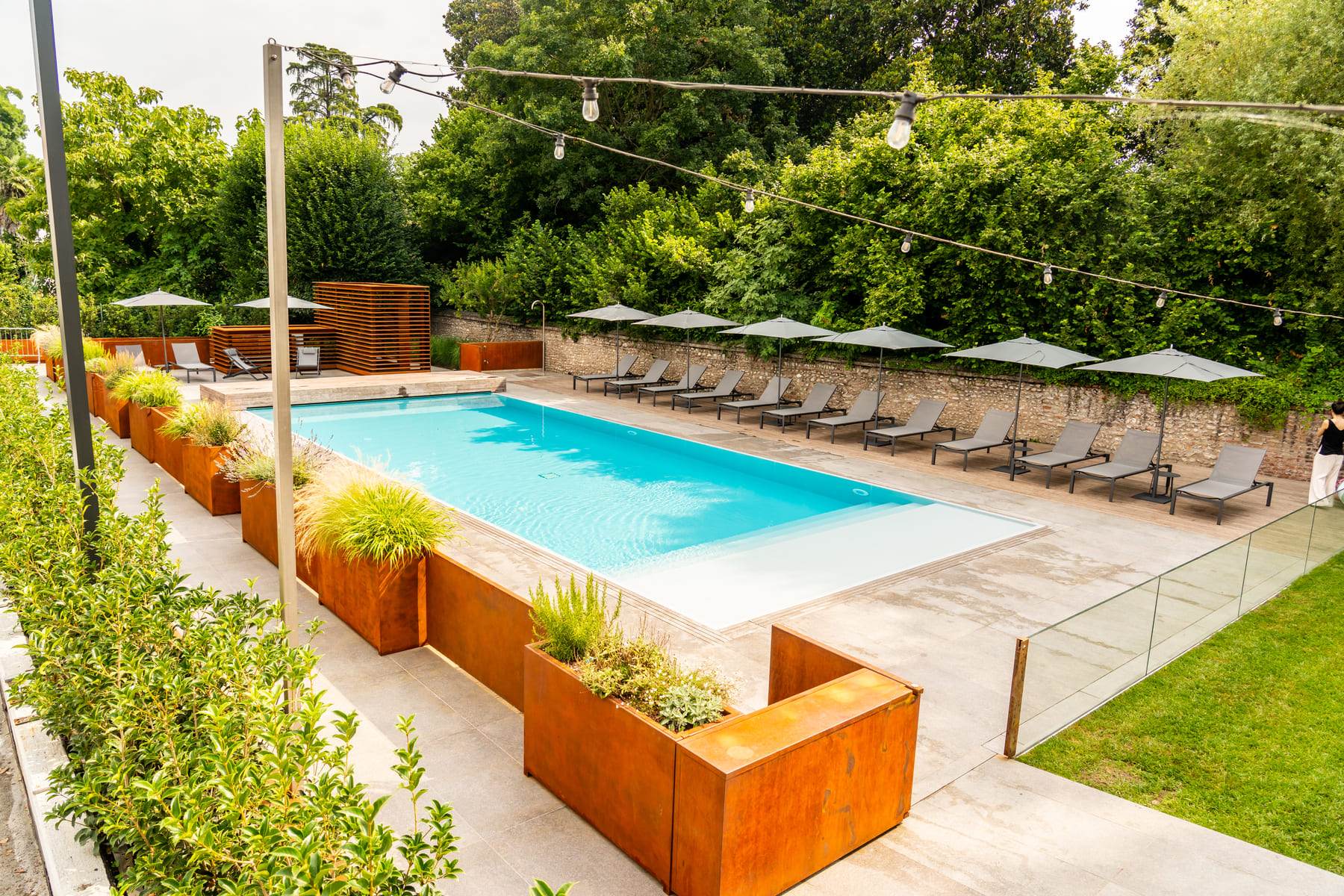

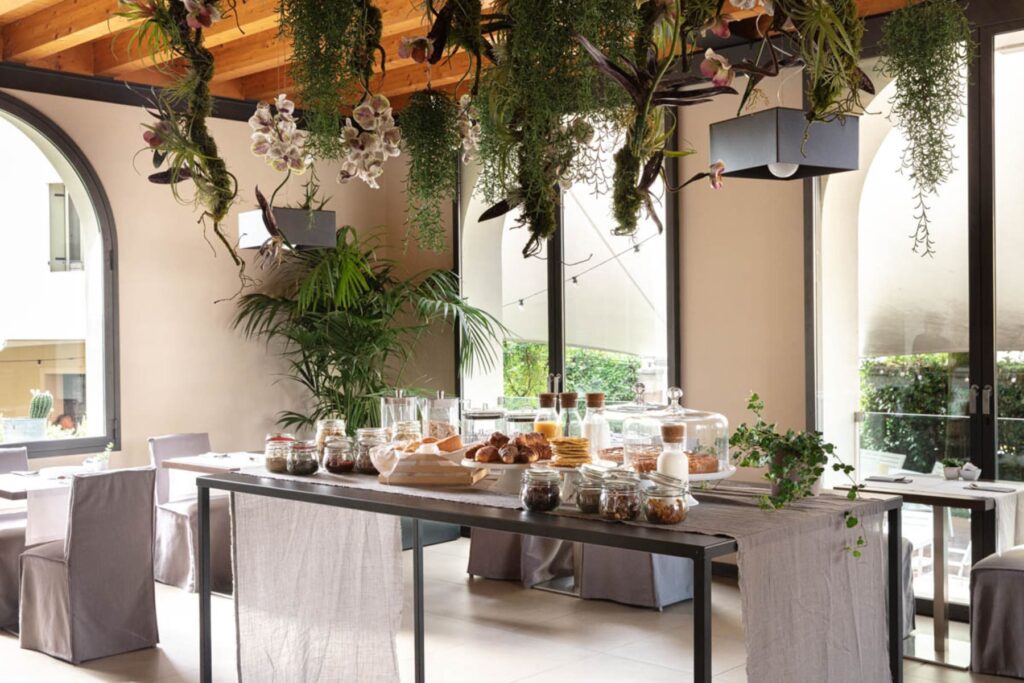
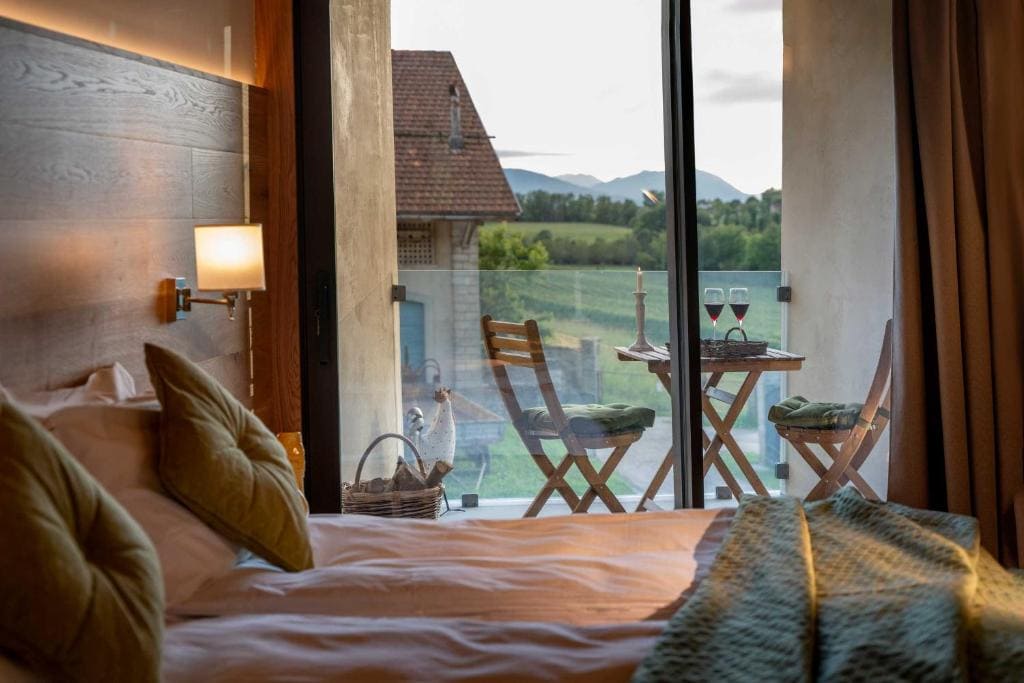
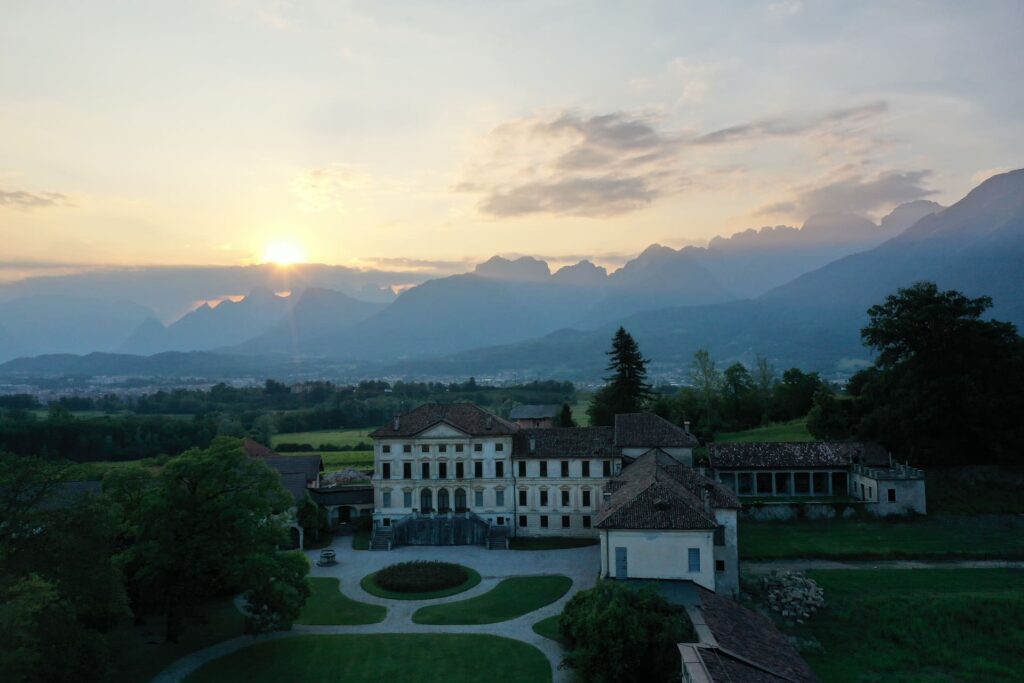
Just outside Belluno and close to the Dolomites, you’ll find the unique Villa di Modolo: 7 rooms and apartments in the old “latteria” of a centuries-old villa with a rich history.
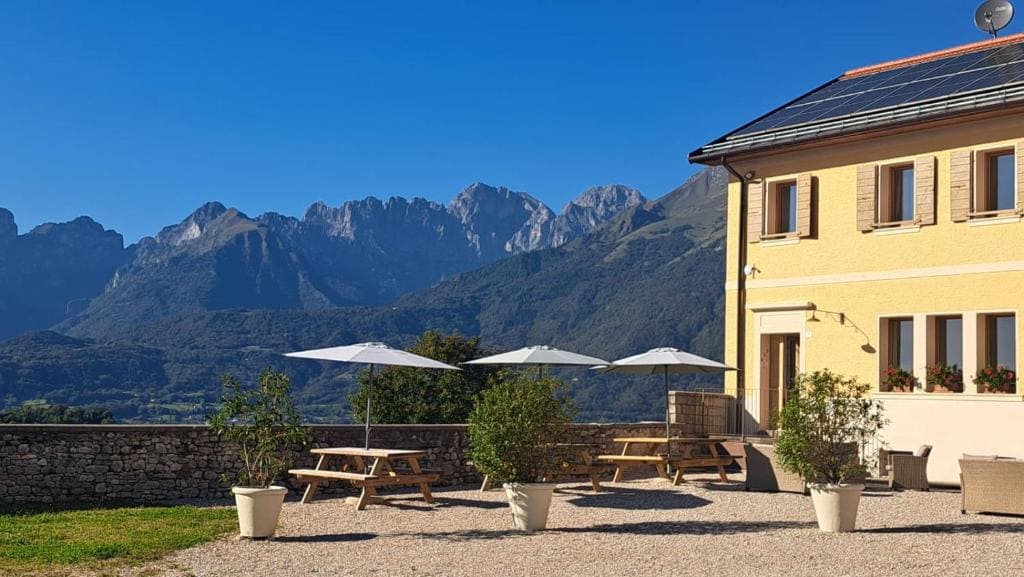
On the Asiagoguide.com website, you can book one-day or multi-day tours ranging from evening walks to fossil hunts or searches for World War I relics, as well as guided tours explaining the region’s flora and fauna (in English).

With a passion for travel and photography and over 30 years of experience in the travel industry, I love to share my special nature travel tips. Travel is wonderful and important, you meet new people and cultures and it opens your view of the world.

Slow Food Puglia: Tasting Mussels and Clementines in Taranto Starting in the summer of 2026, in the province of Taranto, in the far south of Italy, you can literally sample what small-scale local producers have to offer. At the same time, during these excursions,...
Gitschberg Jochtal: Hiking in the Summer, Skiing Away from the Crowds in the Winter Eight villages, no well-known name, and yet 300 kilometers of marked hiking trails in the summer and 55 kilometers of ski runs in the winter: that’s the Gitschberg Jochtal, on the...
Get inspired
Are you looking for the most beautiful hiking and biking routes? Or do you want information about traveling by train or advice for the most beautiful road trips through nature. Get inspired for your next trip in green; ideas for planning your own trip or opting for an organized trip.