Nature in Central Sweden: Waterfalls, Viewpoints, and Bears Around Ytterhogdal
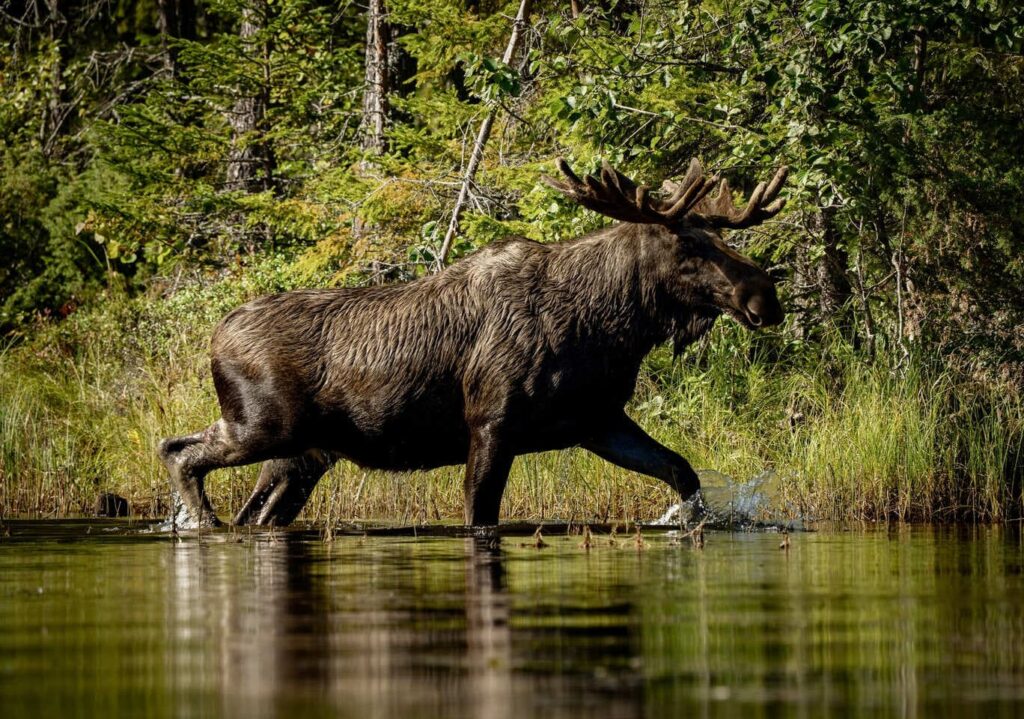
If you drive north on the E45, you’ll pass through Ytterhogdal. Most people just drive right through here. That’s understandable—Lapland beckons. But not far from the geographic center of Sweden lies a region of forests, rivers, and mountains where you’re more likely to encounter a moose than another tourist.
We’ve compiled a list of the most beautiful natural spots around Ytterhogdal, with tips from Bart and Mariëlle, who left the Netherlands a year and a half ago to settle in these woods and now run a vacation home here Friluft Sweden.
Ytterhogdal at a Glance
Ytterhogdal is a village in the municipality of Härjedalen in central Sweden, on the Ljusnan River. In the surrounding area, you’ll find mountains such as Flornipan and Fnuschen, waterfalls like Fettjeåfallet (approx. 60 meters) and Linafallet, the Hamra and Sonfjället national parks, swimming lakes, and a former gold mine with turquoise water.
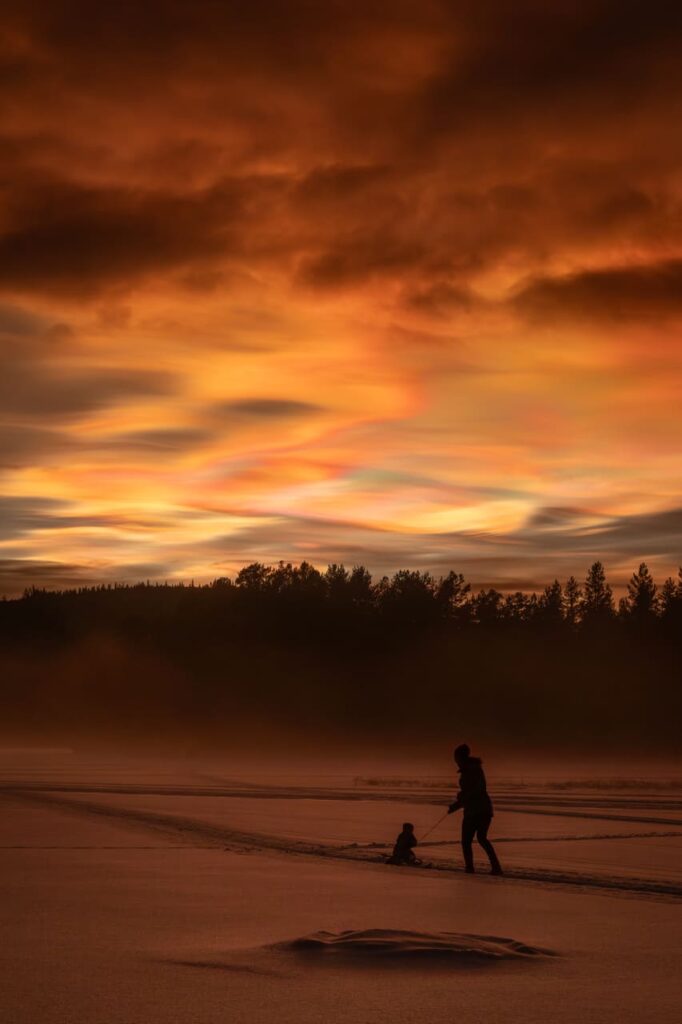
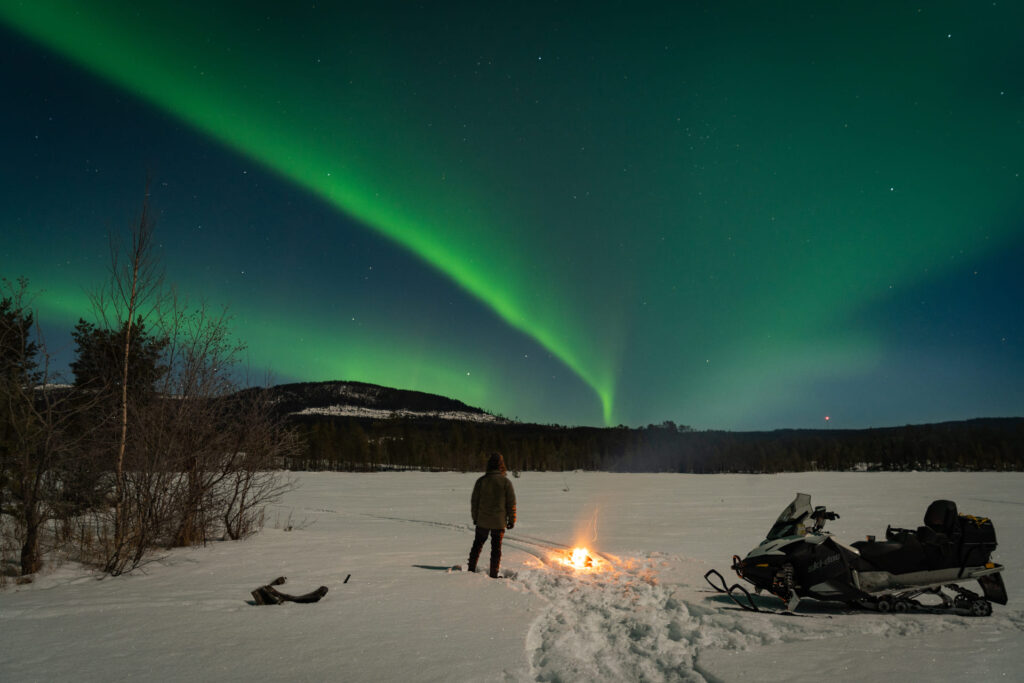
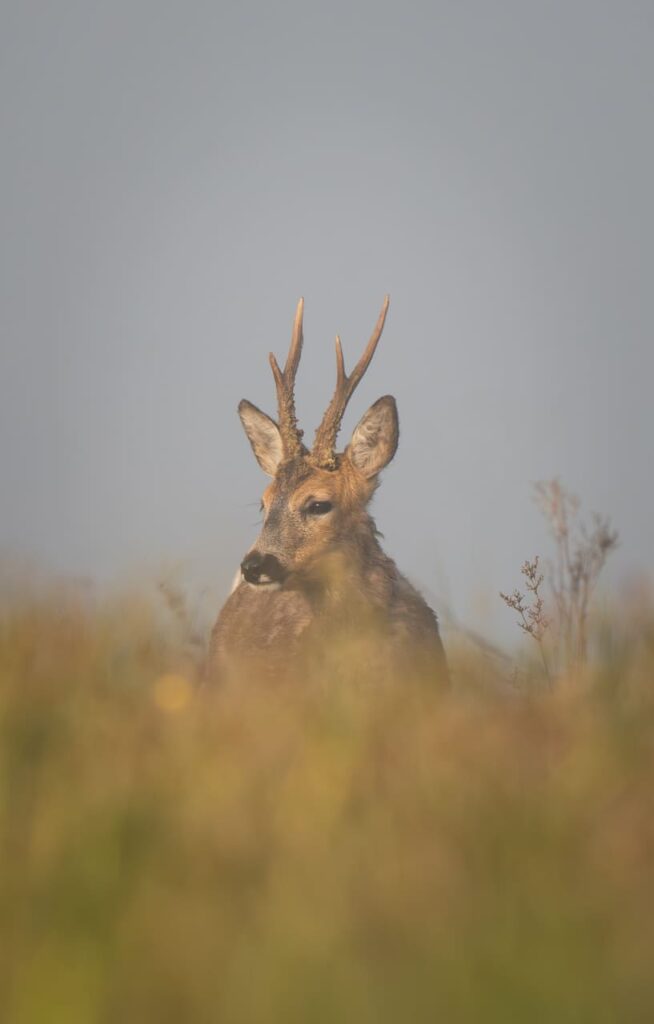
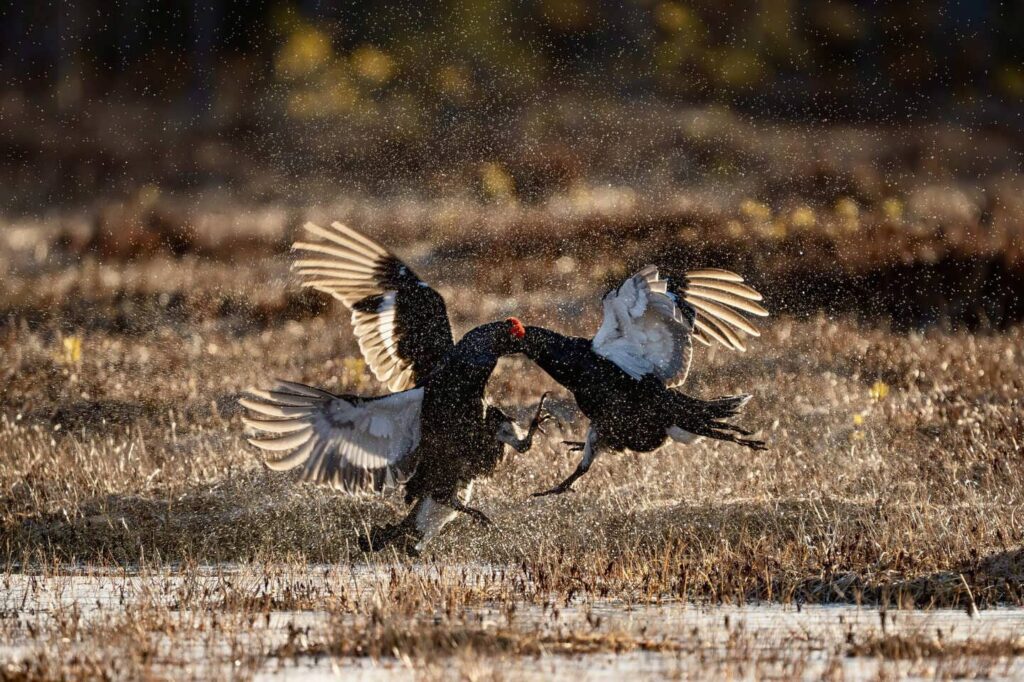
You can spot moose, roe deer, and black grouse there, and with a bit of luck, a brown bear. From September through March, you also have a chance to see the Northern Lights.
Where is Ytterhogdal located?
Ytterhogdal is located in the municipality of Härjedalen, in the province of Jämtland. Historically, the village belongs to the region of Hälsingland. Three regional names for a village of just a few hundred residents—Swedish administration in a nutshell. For you as a traveler, it doesn’t really matter. You’re right in the middle of the country here, on the E45, about 45 minutes from Sveg and an hour from Ljusdal.
In the village itself, you’ll find an ICA supermarket, a few places to grab coffee and lunch, and a free cross-country ski trail. The surrounding area consists of woods, water, and more woods. The villages of Storån, Flor, and Överhogdal are a 15-minute drive away.
Mountains with a View: Climbing for the View
Flornipan
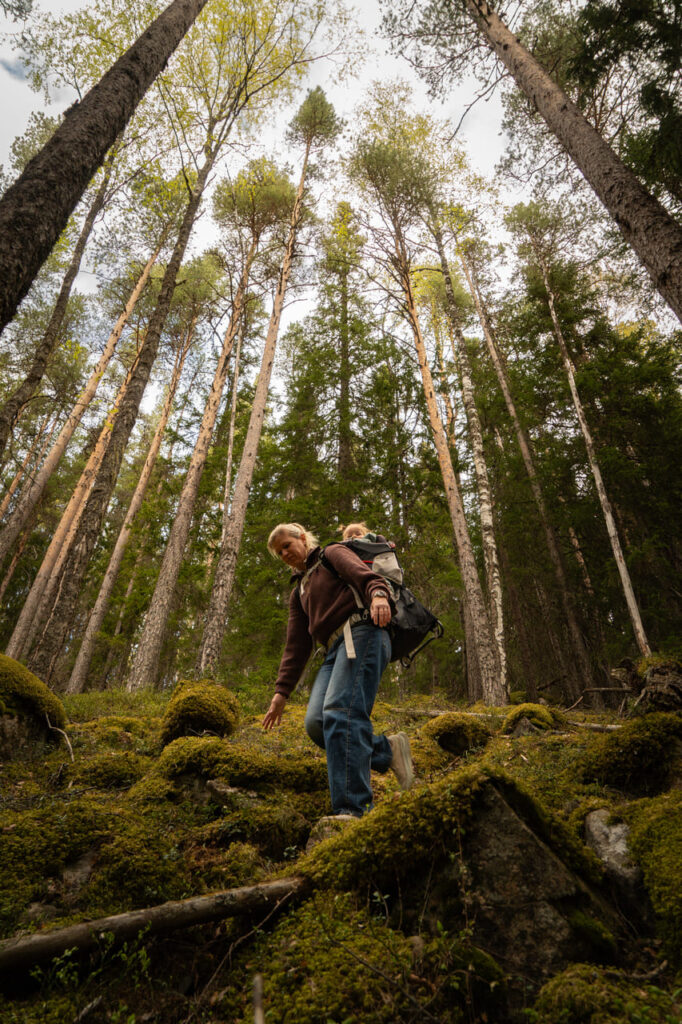
The second-highest mountain in the region. From Friluft Sweden in Storån, it takes about an hour and a half to hike there along a forest trail that’s quite steep in some places. From the top, you’ll look out over a sea of trees with a glistening lake here and there. TIP: Bring something to eat and drink; there’s nothing along the way.
Fnuschen
The highest mountain in the area, about seven kilometers from Ytterhogdal. At the summit stands a lookout tower that used to serve as a fire watchtower. From there, you can look out over mountains, forests, lakes, and marshes. You can drive almost all the way there and walk the last bit, or hike up from the village.
Waterfalls: From Hidden to Spectacular
Linafallet
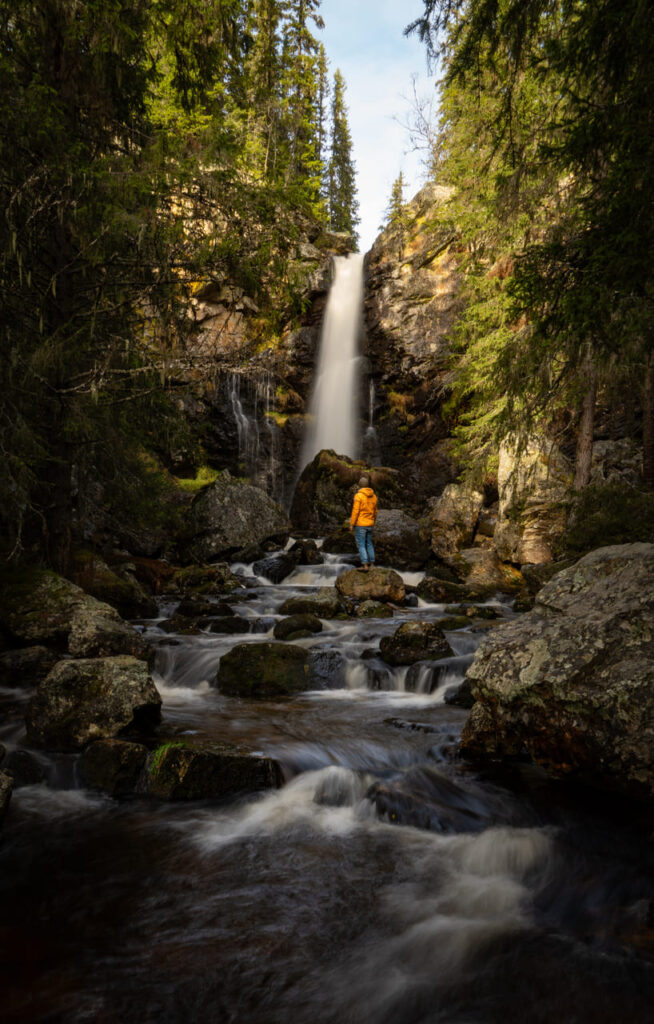
A small but powerful waterfall in the middle of the forest, between Överhogdal and Rätan. It’s a five-minute walk from the small road. There’s a bench—and that’s about it. Bring a thermos and take a moment to listen to the water.
The Fettje Case
With a drop of about 60 meters in two stages, the Fettjeåfallet is one of Sweden’s highest waterfalls. It is located near Klövsjö, just over an hour’s drive from Ytterhogdal. From the parking lot, you walk about two kilometers along the river, following a path with stone steps built by Nepalese Sherpas. At the waterfall, there is a rest area with a barbecue. In winter, the waterfall freezes into an ice wall, a favorite spot for ice climbers.
Sångbäcksfallet
It’s also near Klövsjö, and easy to combine with the Fettjeåfallet on the same day. Two waterfalls in one day trip—and you’ll definitely have had your fill of walking.
National Parks and Nature Reserves
Hamra National Park
Hamra, one of Sweden’s first national parks, is an hour to an hour and a half’s drive away. It is home to an old coniferous forest that has been left undisturbed for a very long time. Hiking trails of various lengths wind through the forest, across peat bogs, and along bodies of water, partly on wooden boardwalks. There’s a fire pit, benches, and restrooms. In the winter, cross-country ski trails are groomed here.
Sonfjället National Park
Sonfjället is a barren mountain ridge in Härjedalen that rises above the forests. The area has one of Sweden’s densest bear populations. You rarely see them, though, because bears are shy and have little interest in visitors. You’ll start at Nyvallen, a working farm. You can take a family hike of about 2.5 kilometers, or choose longer routes to the summit. In winter, the road to Nyvallen is closed.
Nearby Nature Reserves
The Långsidberget and Råtjärnberget-Djupdalsberget nature reserves are located around Ytterhogdal. Less well-known, even quieter, and perfect for a half-day of aimless wandering.
Enåsengruvan: a gold mine with turquoise water
Deep in the forest near Ramsjö lies Enåsengruvan, an open-pit gold mine that was in operation from 1984 to 1991. What remains is a pit filled with strikingly turquoise water, which takes on an almost unreal blue hue on a sunny day. A beautiful spot for photography. Swimming and diving are not recommended. The last few kilometers are along a bumpy gravel road; it’s best to walk the final stretch.
Swimming, canoeing, and fishing
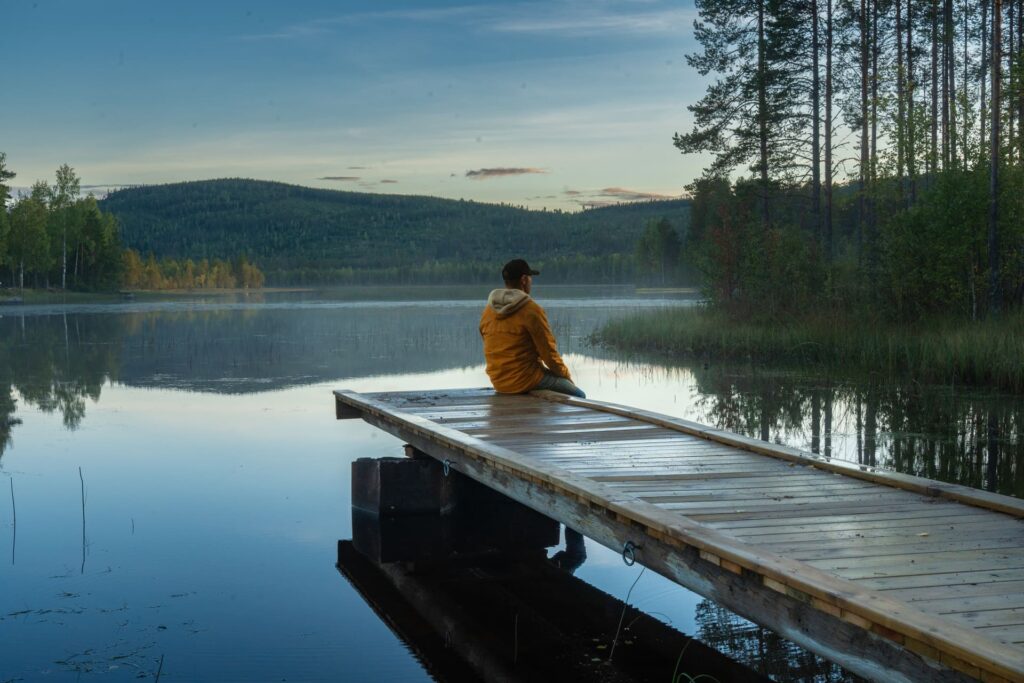
Sångsjön: a lake a few kilometers from Ytterhogdal, with a dock and changing area.
Swimming spot at Folkets Hus: right in the center of Ytterhogdal, near the rest area, with a dock.
Fishing: in the Ljusnan River, the small lake Abbortjärn, and the Hoan River near Flor. You can catch pike, perch, and zander, among other species. You’ll need a fishing license; ask locally where to buy one.
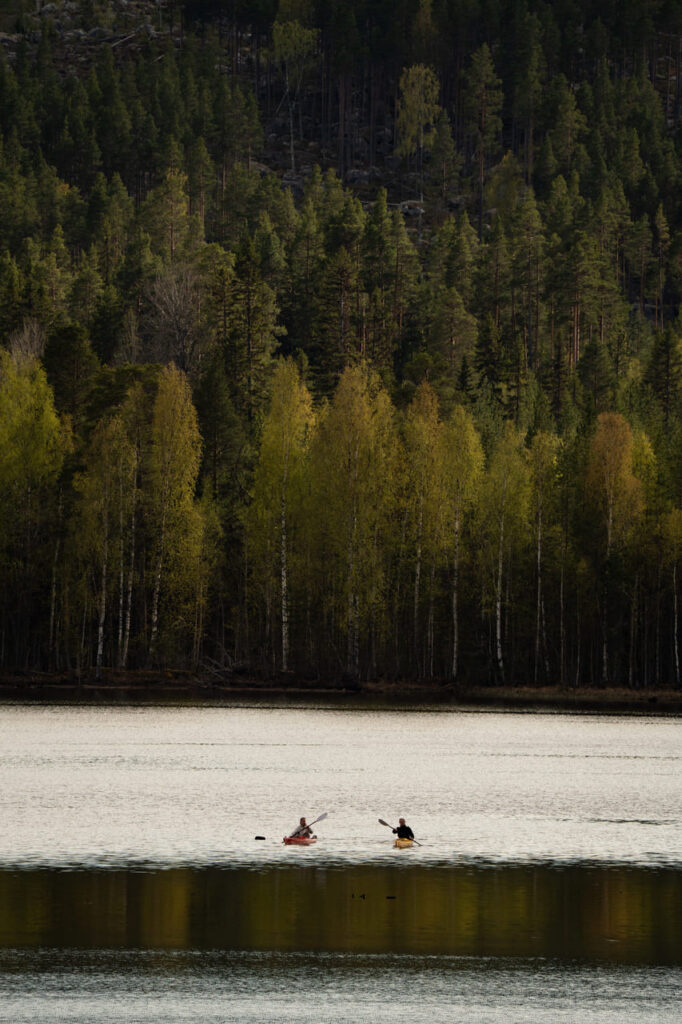
Canoeing and kayaking: The lake near Storån is ideal for paddling, past small islands and reed beds.
Wildlife Spotting Around Ytterhogdal
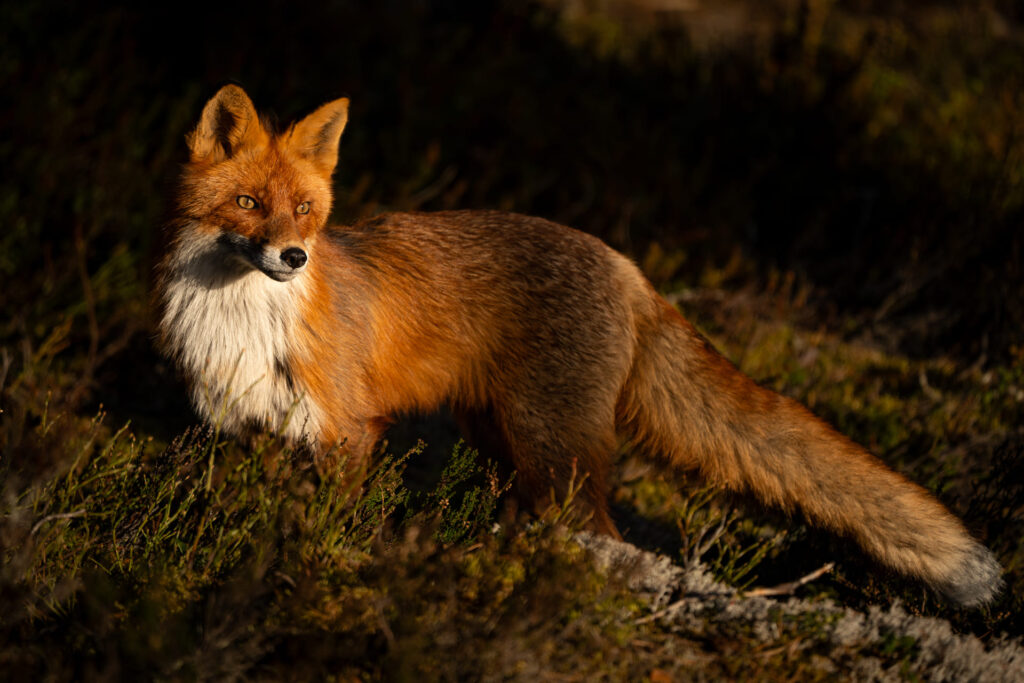
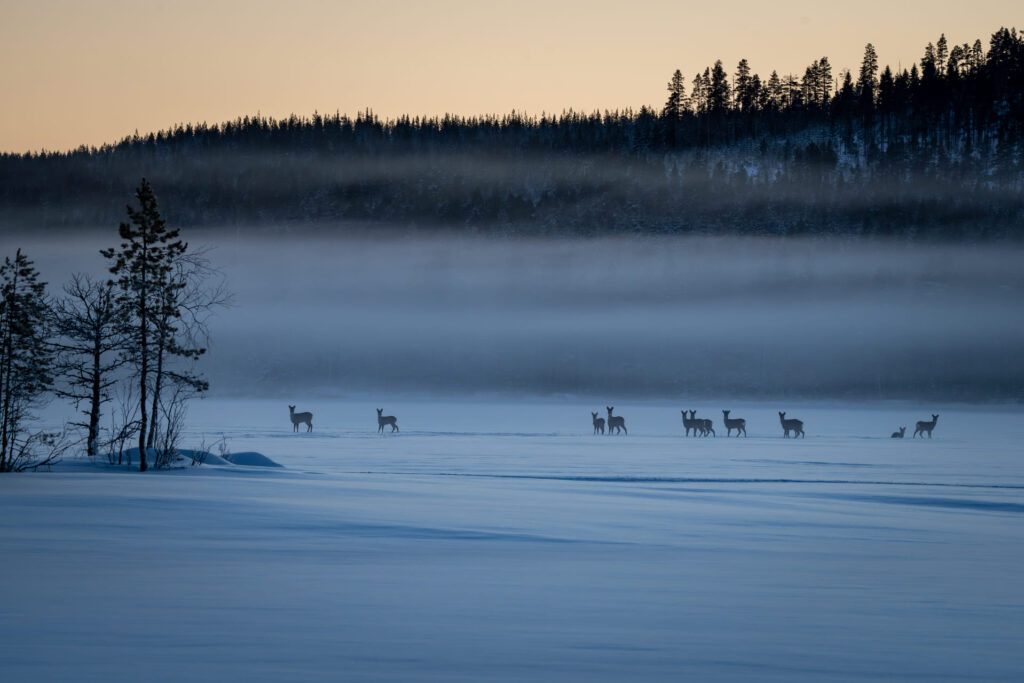
The forests are home to moose, red deer, roe deer, foxes, and brown bears. In March and April, capercaillies court at sunrise—a spectacle best viewed from a photography hide. Birdwatchers can also spot cranes, bald eagles, shrikes, and capercaillies. If you want to see a moose, you’ll have to get up early. To spot a bear, you’ll need a lot of luck—or a guide who knows where to look…
Winter in Central Sweden
Northern Lights: from September through March, when the sky is clear. You don’t have to go all the way to Lapland to see them; they’re a regular sight here, too.
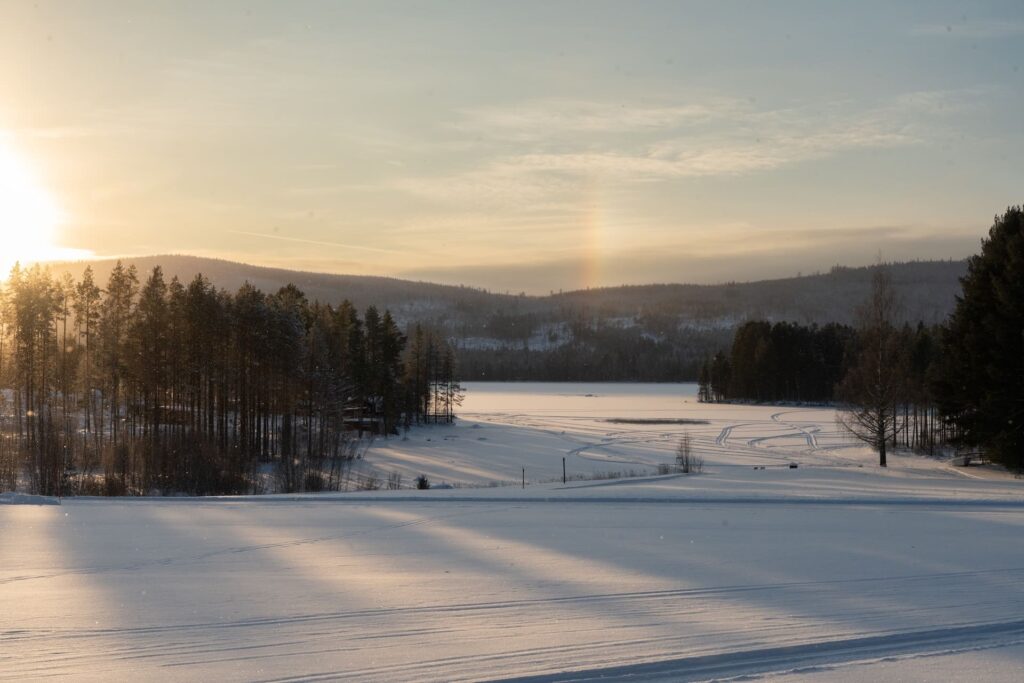
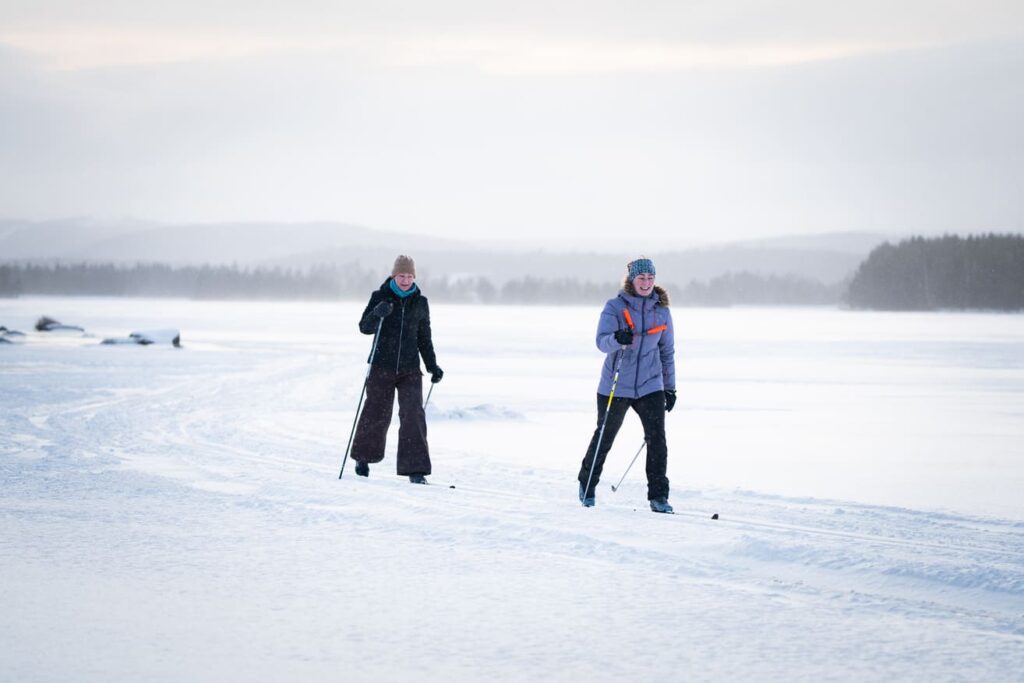
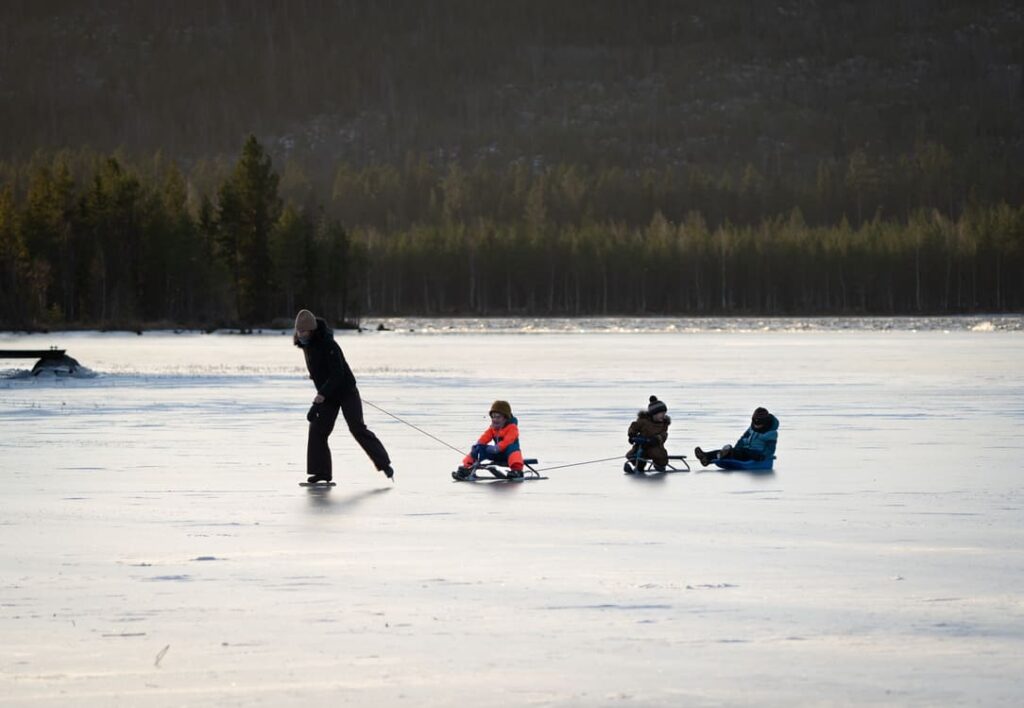
Cross-country skiing: There’s a free cross-country ski trail in Ytterhogdal, and tracks are groomed on frozen lakes.
Skiing: in Klövsjö and Vemdalen, just over an hour’s drive away.
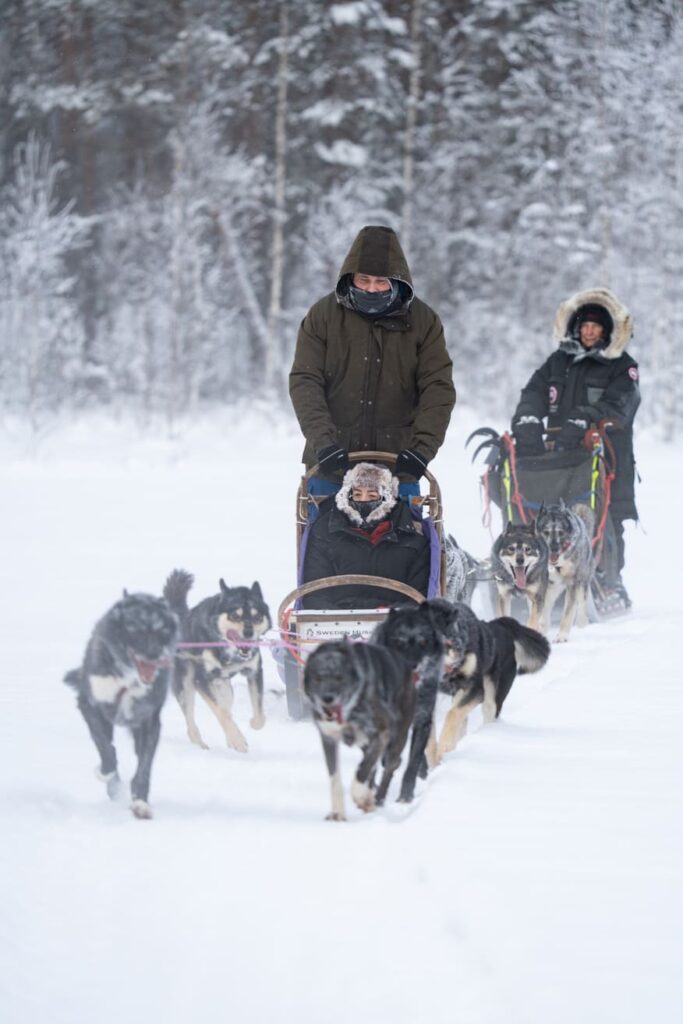
Husky tours and snowmobiles: through local operators in the area.
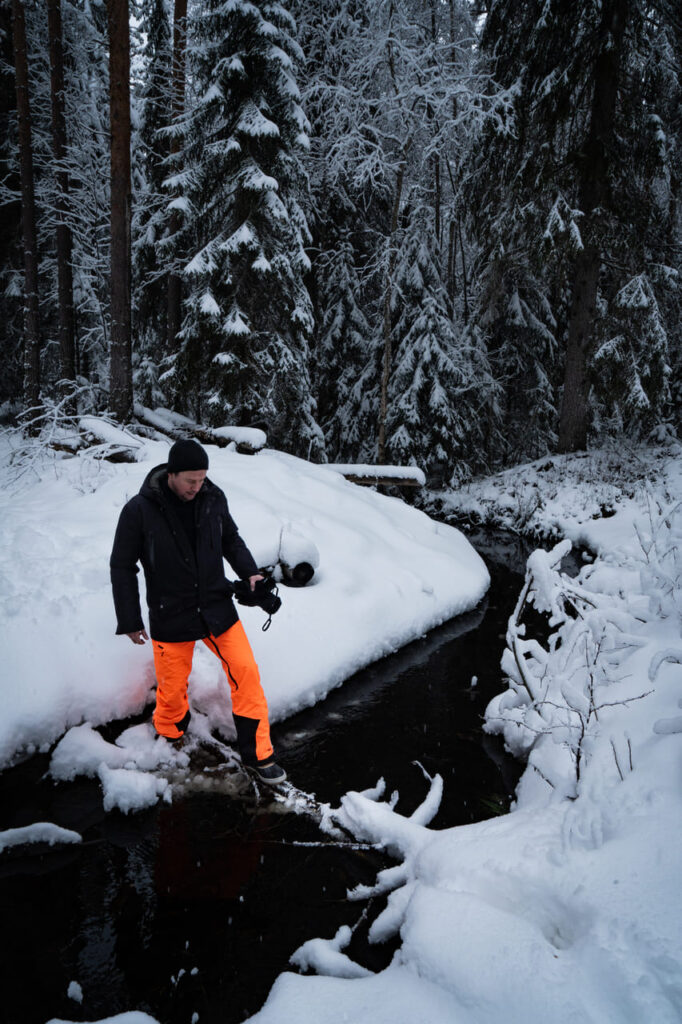
Snowshoeing and ice fishing: the most peaceful way to explore the winter forest.
With children
Ytterhogdal has an 18-hole mini-golf course in the center of the village, right next to a swimming area, and a free 9-hole disc golf course near the ski stadium. Is it raining? In Sveg, a 45-minute drive away, you’ll find a swimming pool, a larger supermarket, and outdoor stores.
Culture and Fika
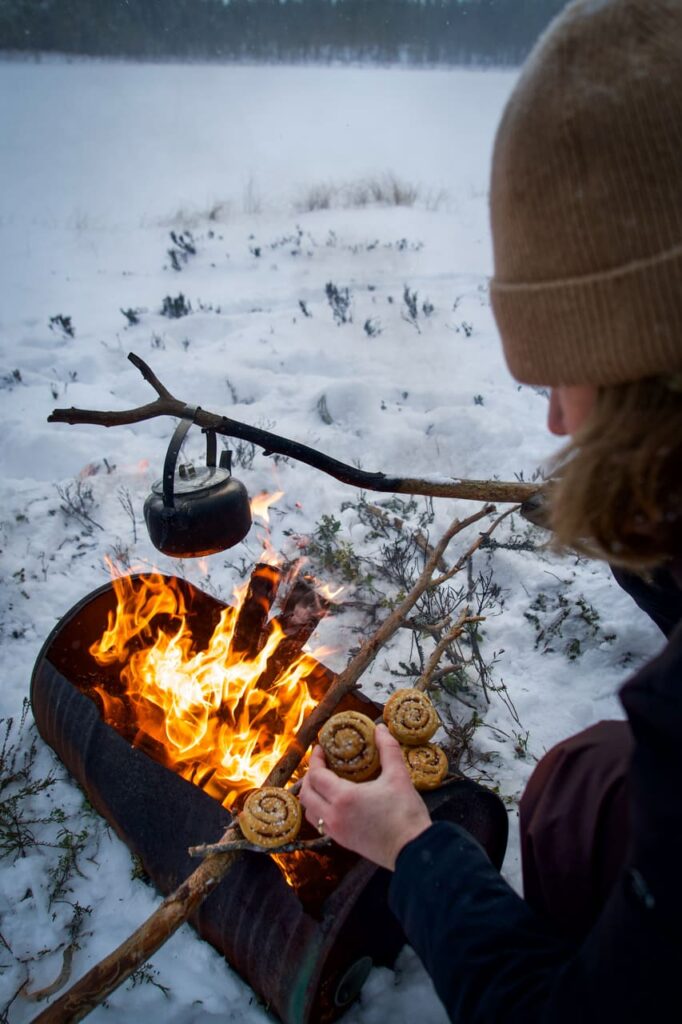
The Hembygdsgård in Ytterhogdal features historic buildings from the 18th and 19th centuries. There, you can enjoy coffee with waffles and homemade jam for a fika—the Swedish term for a coffee or tea break with something sweet on the side.
Wärdshuset Knoppergården is a historic inn serving homemade lunch. If you look a little further: in nearby Överhogdal, tapestries from the Viking Age were discovered in the church. They are now on display at the Jamtli Museum in Östersund. Please note: outside of the summer months, the opening hours of cafés and restaurants are limited, so be sure to check them in advance.
When are you going to Central Sweden?
Spring (April and May): the forest comes to life, grouse are courting, and moose make their presence known.
Summer (June through August): long, light evenings, swimming, canoeing, and berry picking.
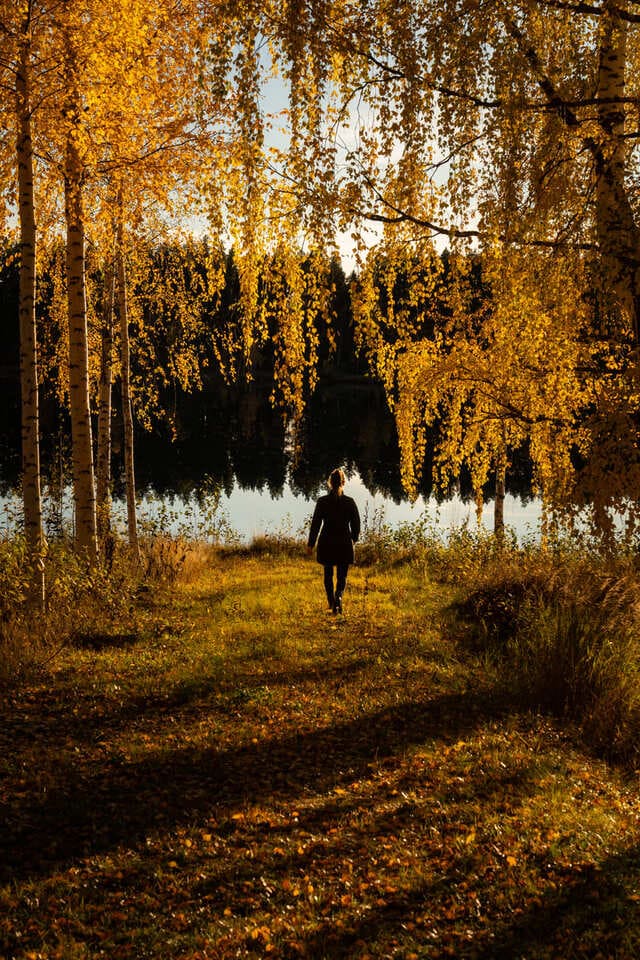
Fall (September and October): yellow birch trees, mushrooms, lingonberries, and the first chance to see the Northern Lights. Peaceful and ideal for those who want to avoid the crowds.
Winter (December through March): snow, ice, cross-country skiing, and long nights with the Northern Lights.
Spending the Night in Nature Around Ytterhogdal
The best place to stay in this region is Friluft Sweden: a converted barn that sleeps 1 to 6 people, located on the lake in Storån. The forest begins right at the edge of the property, and you can hike up Flornipan right from your front door. Host Bart will take you on wildlife safaris, canoeing trips, ice fishing excursions, or snowshoe hikes, and Mariëlle will help you explore the area. You book direct with the Dutch family.
If you drive your own car from the Netherlands, the trip takes about two days. By public transportation, you can take the train from Stockholm Arlanda to Ljusdal and drive the last hour in a rental car, or you can take the bus from Stockholm to Kårböle. All the options are listed in the article about Friluft Sweden.
Ytterhogdal on the map
Frequently Asked Questions About Nature in Central Sweden
Where is Ytterhogdal located?
Ytterhogdal is located in central Sweden, in the municipality of Härjedalen in the province of Jämtland, on the Ljusnan River and along the E45. Historically, the village is part of the Hälsingland region. It is not far from the geographic center of Sweden.
What are the most beautiful natural spots around Ytterhogdal?
Mountains with sweeping views, such as Flornipan and Fnuschen, the Fettjeåfallet waterfalls, Sångbäcksfallet and Linafallet, the Hamra and Sonfjället National Parks, the swimming lake Sångsjön, and the former Enåsengruvan gold mine with its turquoise waters.
How high is the Fettjeåfallet?
The Fettjeåfallet waterfall near Klövsjö drops about 60 meters in two stages, making it one of Sweden’s highest waterfalls. From the parking lot, it’s about a two-kilometer walk to the waterfall.
Can you see bears in central Sweden?
Yes, but you need a bit of luck. Sonfjället National Park is home to one of Sweden’s densest bear populations. Bears are shy, so you’ll have the best chance of seeing one with a local guide. You’re much more likely to see moose, roe deer, and grouse.
Can you see the Northern Lights in central Sweden?
Yes. Around Ytterhogdal, the Northern Lights can be seen regularly from September through March when the sky is clear. You don’t have to go all the way to Lapland to see them.
When is the best time to visit Central Sweden to enjoy nature?
Every season has something special to offer. Spring and fall are peaceful and great for wildlife watching; summer is perfect for swimming and canoeing; and winter is ideal for cross-country skiing, ice fishing, and the Northern Lights.
Where can you stay overnight in the countryside around Ytterhogdal?
Friluft Sweden in Storån is a lakeside vacation home for 1 to 6 people, offering guided outdoor activities led by the Dutch owners. You book direct with the owner.
Met een passie voor reizen en fotografie én meer dan 30 jaar ervaring in de reisbranche, deel ik graag mijn bijzondere natuur-reistips. Reizen is heerlijk en belangrijk, je ontmoet nieuwe mensen en culturen en het opent je blik op de wereld.
Hiking in Arouca: The Most Spectacular Hiking Trails in Portugal's Lush North 516 meters long, 175 meters above a raging river, and no turning back halfway across. That’s the Arouca 516 suspension bridge, the icon of the Arouca UNESCO Global Geopark. This geopark is...
Hiking along the Opal Coast: 3 Days on the GR120 Vast beaches, seawater in the most beautiful shades of blue, green fields. Hiking along the Opal Coast means becoming one with nature—with a touch of history here and there. In short: the Opal Coast on foot Route:...
Dovrefjell in the Fall: Musk Ox Safari from Oppdal A musk ox doesn't run away. If danger threatens, it either stands its ground or charges right at it. That works against a wolf, but not against a train. That's what our guide, Hannes, tells us as we walk across the...
Last September, we had a wonderful six-day hiking vacation from Bologna to Florence (Via Degli Dei). Not only was the weather perfect, but the organization also contributed to this wonderful experience. The hotels were good, and our luggage was always delivered to the hotel before we arrived. The private transfer was on time, and communication via WhatsApp during our hiking week went smoothly as well; responses were quick and clear. We can therefore definitely recommend this hiking vacation through Nature Travel Lab!
Rated 5 out of 5
We hebben afgelopen september een heerlijke wandelvakantie (zes dagen) gehad van Bologna naar Florence (Via Degli Dei). Niet alleen werkte het weer mee, maar ook de organisatie droeg bij aan deze fijne ervaring. De hotels waren goed en onze bagage werd steeds vóór onze aankomst bij het hotel afgeleverd. De privétransfer was op tijd en het contact via WhatsApp tijdens onze wandelweek verliep ook goed; er werd snel en duidelijk gereageerd. Wij kunnen deze wandelvakantie via Nature Travel Lab dan ook zeker aanbevelen!
Johan en Pauline
After reading the report on the “Alpenüberquerung,” we got really excited. The combination of hiking through beautiful nature and the luxury of luggage transport and a reserved hotel perfectly meets our desire to stay active but then be able to enjoy a well-deserved drink and a delicious meal. The hikes were manageable for us and very varied; some basic fitness is required, especially since we aren’t used to the elevation gain. The trip really gives you the feeling that you’re on a hiking expedition, especially since you hike on your own but meet the same fellow hikers in the afternoons and evenings at one of the mountain huts or at the hotel. Highly recommended for hikers who love unspoiled nature combined with the luxury of a hotel!
Rated 5 out of 5
Na het lezen van het verslag van de 'Alpenüberquerung' zijn we enthousiast geraakt. De combinatie van wandelen in de prachtige natuur en de luxe van het bagagetransport en een gereserveerd hotel, beantwoord helemaal aan onze wensen om actief bezig te zijn maar daarna lekker te kunnen genieten van een welverdiend drankje en een lekkere maaltijd. De wandelingen waren voor ons goed te doen en zeer gevarieerd; enige basisconditie is wel vereist, zeker omdat we de hoogtemeters niet gewend zijn. De tocht geeft je echt het gevoel dat je op een wandel-expeditie bent, helemaal omdat je individueel loopt maar 's middags en 's avonds dezelfde lopers treft in één van de hutjes op de berg of in het hotel. Absolute aanrader voor wandelaars die van ongerepte natuur houden gecombineerd met de luxe van een hotel!
Ton & Julia
Peloponnese Hiking Tour
Rated 5 out of 5
Wandelreis Peloponnesos
Mar en Co
A really beautiful six-day hike from Bologna to Florence. Communication with NatureTravelLab and the local agent was excellent. The information packet was waiting for us at the hotel in Bologna, and the app with the route worked great. Luggage transport was well organized every day, and our bags were waiting for us each time we arrived at our new room! We covered more than 1,400 meters of elevation gain, but unfortunately didn’t always get the views we’d hoped for due to cloud cover and some drizzle. Most days had great hiking weather. It was wonderful to walk into Florence on foot and stay there an extra day.
Rated 5 out of 5
Een hele mooie zesdaagse hike van Bologna naar Florence. Communicatie met NatureTravelLab en lokale agent was prima. Infopakket lag klaar in hotel in Bologna en app met route werkte top. Bagagevervoer was elke dag goed geregeld en de tassen stonden er elke dag weer als we aankwamen in onze nieuwe kamer! Meer dan 1.400 hoogtemeters gemaakt, maar hadden helaas niet altijd de gewenste uitzichten door bewolking met wat motregen. Meeste dagen prima wandelweer. Heerlijk om per voet Florence in te lopen en daar nog een dag extra gebleven
Jeroen
We experienced the Walk of the Gods as a great adventure. Our start in Bologna didn’t go quite as planned because our app wasn’t working yet and we couldn’t find a single sign for Via degli Dei in the square. Fortunately, we were quickly able to join two young hikers from Florence who were also doing the hike. After a wonderful night’s stay at the beautiful Rio Verde agritourism farm, Day 2 went much better with the help of the hiking app. Along the way, we enjoyed stunning views, met some great fellow hikers, and sampled delicious local dishes. Unfortunately, the weather wasn’t always on our side, and we had a day of heavy rain, which made the trail very slippery and required us to be careful. It’s a real treat when, on the last day, you can already see Florence in the distance and walk into this beautiful city a few hours later. Thank you so much for your quick and friendly responses to all our questions.
Rated 5 out of 5
We hebben de tocht der Goden als een groot avontuur ervaren. Onze start in Bologna verliep niet helemaal naar wens omdat onze app nog niet werkte en we op het plein geen enkel bordje konden vinden van Via degli Dei Gelukkig konden we snel aansluiten bij twee jonge wandelaars uit Florence die de tocht ook liepen. Na een heerlijke overnachting in een prachtige Agri toerisme Rio Verde verliep dag 2 een stuk beter met behulp van de wandel app. Onderweg hebben we genoten van prachtige uitzichten. Leuke wandelaars ontmoet en heerlijke streek gerechten geproefd. Helaas waren de weer goden ons niet altijd goed gezind en hadden we een dag volop regen waardoor het pad erg glibberig werd en het oppassen was. Het is volop genieten als je de laatste dag al van veraf Florence ziet liggen en deze mooie stad een paar uur later binnen loopt. Dank je wel voor jullie snelle vriendelijke reacties op al onze vragen.
Rob en Jose
We enjoyed the trip. We also made some changes to our itinerary, and the email correspondence went very smoothly. We started in Mantera; the next day, our first and only hike was a really beautiful one. The taxi picked us up right on time. Unfortunately, the second day’s route was almost the same when we cycled to Ostuni. The bikes were well-maintained, including panniers and helmets (these were simply included). You could even bring your own water bottle!!! We found the route very scenic and varied. There were charming little villages where we could stop for lunch or coffee. The app worked great. All the hotels ranged from good to excellent, though we didn’t think the hotel in Leuca was worthy of 4 stars. We followed your advice for the two nights we stayed there. We found Leuca a bit underwhelming for a two-day stay. We would have preferred to stay in Gallipoli or Lecce for two days. We took this trip in April and were very lucky with the weather. It’s still a quiet time of year, but we didn’t mind that. We definitely recommend it!!!
Rated 5 out of 5
We hebben de reis als prettig ervaren. We hebben ook onze reis aangepast en de mails gingen erg vlot. We zijn in Mantera begonnen, de volgende dag onze 1e en enige wandeling was een hele mooie wandeling. Werden netjes opgehaald door de taxi. Helaas was de 2e dag bijna de zelfde route toen we gingen fietsen naar Ostuni. De fietsen waren keurig verzorgd incl.fietstassen en helmen ( Dit zat er gewoon bij) Je zou zelf een bidon kunnen meenemen !!! De route vonden wij heel mooi en afwisselend. Leuke dorpjes om te lunchen of koffie te drinken. Gaat prima met de app. Alle hotels zijn prima tot uitstekend, echter het hotel in Leuca vonden wij geen 4 * waardig. Waar we 2 nachten verbleven zijn we vanuit jullie advies gegaan. We vonden in Leuca iets minder voor 2 dagen. We hadden liever in Gallipoli of in Lecce 2 dagen verbleven. Wij hebben deze reis in april gedaan, hadden veel geluk met weer. Is nog rustig periode, maar dat vonden wij niet erg. Het is zeker een aanrader !!!
Rondreis door Puglia
Thanks to a great tip from Nature Travel Lab, we had a wonderful week in Italy. Fattoria di Maiano, just outside Florence, was a beautiful and peaceful place. And the suggested road trips were a great guide for exploring the region. We’ll definitely check here for tips for our next vacation, too. Highly recommended!
Rated 5 out of 5
Dankzij een gouden tip van Nature Travel Lab een heerlijke week gehad in Italië. Fattoria di Maiano net buiten Florence was een prachtige en rustige plek. En de voorgestelde autoritten waren een heel mooi handboek om de regio te verkennen. Ook voor de volgende vakantie zullen we hier checken voor tips. Zeker een aanrader!
Tara en Roy
We spent a divine week in Italy: we walked the Path of the Gods, from Bologna to Florence—about 135 km spread over 6 days of hiking. Challenging distances and climbs, amazing views, nature, and a warm welcome every time we arrived at the agriturismo or albergo/hotel. All of this was perfectly organized by the Italian company Slow Active Tours, entirely in line with Nature Travel Lab’s itinerary proposal: upon arrival in Bologna, an information packet was waiting for us, complete with a hiking map, a booklet, and passports for the stamps. And the hiking app was very practical for along the way! Our luggage was transported every day and was always waiting for us when we arrived at the next location. Communication was smooth and clear. In short, highly recommended, well worth it, and well-organized.
Rated 5 out of 5
Wij hebben een goddelijke week in Italie doorgebracht: de Godenweg gelopen, van Bologna naar Florence, zo’n 135km verdeeld over 6 wandeldagen. Pittige afstanden en stijgingen, geweldige uitzichten, natuur en steeds weer een gastvrij onthaal bij aankomst in de agriturismo, of albergo/hotel. Dit alles was perfect georganiseerd door het Italiaanse Slow Active Tours, geheel volgens reisvoorstel van Nature Travel Lab: bij aankomst in Bologna lag er een infopakket klaar, met wandelkaart, boekje en paspoorten voor de stempels. En de wandelapp was zeer praktisch voor onderweg! De bagage werd elke dag vervoerd, en was steeds ter plekke als wij aankwamen op de volgende locatie. De communicatie verliep vlot en duidelijk. Kortom, aanrader, zeer de moeite waard en goed georganiseerd.
Roos & Marc
In September, I walked the Cammino Materano. Communicating with Madelon about the booking was a pleasure. To be honest, I was quite nervous because it was my first time doing a multi-day hike—alone and in a region I wasn’t familiar with—but I thoroughly enjoyed it. The hike to Matera was beautiful, and I was able to complete it without any trouble thanks to the clear on-site signage and the routing and advice provided by the GPS app. The rest of the organization was top-notch as well. My luggage always arrived on time at the right destination, and the hotels and B&Bs were of high quality. In addition, the organizers were easy to reach via WhatsApp if I had any questions. Highly recommended!
Rated 5 out of 5
In september heb ik de Cammino Materano gelopen. Het contact met Madelon voor de boeking was plezierig. Eerlijk gezegd vond ik best spannend, omdat het de eerste keer was dat ik een meerdaagse wandeling deed, alleen en in een voor mij onbekende regio, maar het is mij uitstekend bevallen. De wandeling naar Matera was prachtig en heb ik probleemloos kunnen lopen dankzij de heldere bewegwijzering ter plekke en routing en adviezen in de gps app. De overige organisatie was ook top. Mijn bagage was altijd op tijd op de juiste bestemming en de hotels/benb's waren van hoge kwaliteit. Daarnaast was de organisatie goed bereikbaar via whatsapp in geval van vragen. Dikke aanrader!
Barbara
Slovenia was absolutely amazing. A beautiful country, friendly people, lovely hiking trails, and truly top-notch hotels. The staff at the local organization were also very easy to reach and helpful. The hiking was manageable. As Dutch people, we’re not used to high altitudes, of course, so it was pretty tough at times. But it was also a lot of fun.
Rated 5 out of 5
Slovenie was helemaal geweldig. Mooi land, leuke mensen, mooi wandelroutes en echt top hotels. Ook waren de mensen van de lokale organisatie echt goed bereikbaar en behulpzaam. Lopen was goed te doen. Wij zijn als Nederlanders natuurlijk geen hoogtes gewend, dus dat was soms best pittig. Maar ook lekker.
Charlotte
We had a wonderful trip. Everything was well organized. Due to an unfortunate fall, I ended up traveling with my luggage for a day, but that was handled well, too. We really liked all the accommodations. Only the Hotel Hebe in St. Piero a Sieve was a little less impressive, but it was still okay.
Rated 4.8 out of 5
Wij hadden een fijne reis. Alles prima geregeld. Ik ben -door een ongelukkige val- een dag meegereisd met mijn bagage, ook dat werd goed geregeld. We vonden alle accommodaties heel fijn. Alleen hotel Hebe in st Piero a Sieve iets minder, maar wel oke.
Carla
Looks fantastic! I'm definitely going to book a trip with this company... they're committed to sustainability and personalized advice. Definitely worth it.
Rated 5 out of 5
Ziet er fantastisch uit! Ik ga zeker een reis bij deze organisatie boeken...ze staan voor duurzaamheid en persoonlijk advies. zeker de moeite waard.
Belinda
Madelon and her team are true experts. Thanks to their years of experience and passion for travel, they manage to surprise us time and time again.
Beautiful hikes, the most picturesque spots—it’s a real treat.
I highly recommend them!
Rated 5 out of 5
Madelon en haar team zijn echte experts. Door hun jarenlange ervaring en passie voor reizen weten ze ons iedere keer weer te verrassen.
Prachtige wandelingen, de mooiste plekjes en daardoor echt genieten.
Zeer zeker een aanrader!
Richard
Nature Travel Lab provided us with very helpful and honest assistance!
Rated 5 out of 5
We zijn heel adequaat en eerlijk geholpen door Nature Travel Lab!
Peter
If you’re looking for travel itineraries, the most beautiful hikes, and destinations, you can find it all here. You’ll find endless inspiration for your next trip. Beautiful cities are interspersed with nature. You’ll find everything you need to know about practical matters. Plus, there are plenty of tips for sustainable travel. That way, you’ll get the most out of your trip.
Rated 5 out of 5
Ben je op zoek naar reisroutes, de mooiste wandelingen en bestemmingen, dan kun je het hier allemaal vinden. Je vindt oneindig veel inspiratie voor een volgende reis. Mooie steden worden afgewisseld met natuur. Je leest alles over praktische zaken. Daarnaast worden er veel tips gegeven om duurzaam te reizen. Zo haal je alles uit je reis.
Marijke
45
Laat je inspireren
Ben je op zoek naar de mooiste wandel- en fietsroutes? Of wil je informatie over reizen met de trein of advies voor de mooiste roadtrips door de natuur. Laat je inspireren voor je volgende reis in het groen; ideeën om je eigen reis te plannen of te kiezen voor een georganiseerde reis.
Om je de beste gebruikerservaring te bieden, gebruikt deze website cookies. Door toestemming te geven ga je hiermee akkoord.
Functional
Altijd actief
The technical storage or access is strictly necessary for the legitimate purpose of enabling the use of a specific service explicitly requested by the subscriber or user, or for the sole purpose of carrying out the transmission of a communication over an electronic communications network.
Voorkeuren
De technische opslag of toegang is noodzakelijk voor het legitieme doel voorkeuren op te slaan die niet door de abonnee of gebruiker zijn aangevraagd.
Statistics
The technical storage or access that is used exclusively for statistical purposes.De technische opslag of toegang die uitsluitend wordt gebruikt voor anonieme statistische doeleinden. Zonder dagvaarding, vrijwillige naleving door je Internet Dienst Provider, of aanvullende gegevens van een derde partij, kan informatie die alleen voor dit doel wordt opgeslagen of opgehaald gewoonlijk niet worden gebruikt om je te identificeren.
Marketing
De technische opslag of toegang is nodig om gebruikersprofielen op te stellen voor het verzenden van reclame, of om de gebruiker op een site of over verschillende sites te volgen voor soortgelijke marketingdoeleinden.