Gratis gids 10 verborgen natuurplekken in Europa
Gratis gids 10 verborgen natuurplekken in Europa. Meld je aan voor onze nieuwsbrief en ontvang inspirerende reistips en routes voor je volgende groene reis.


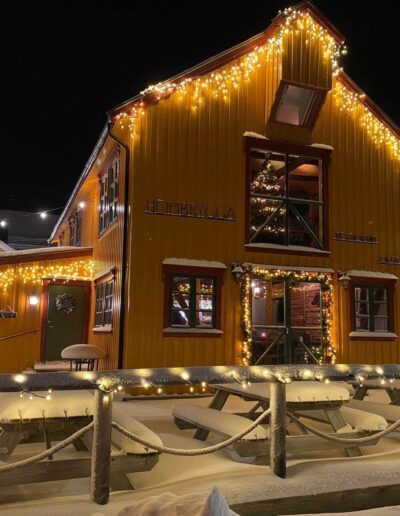
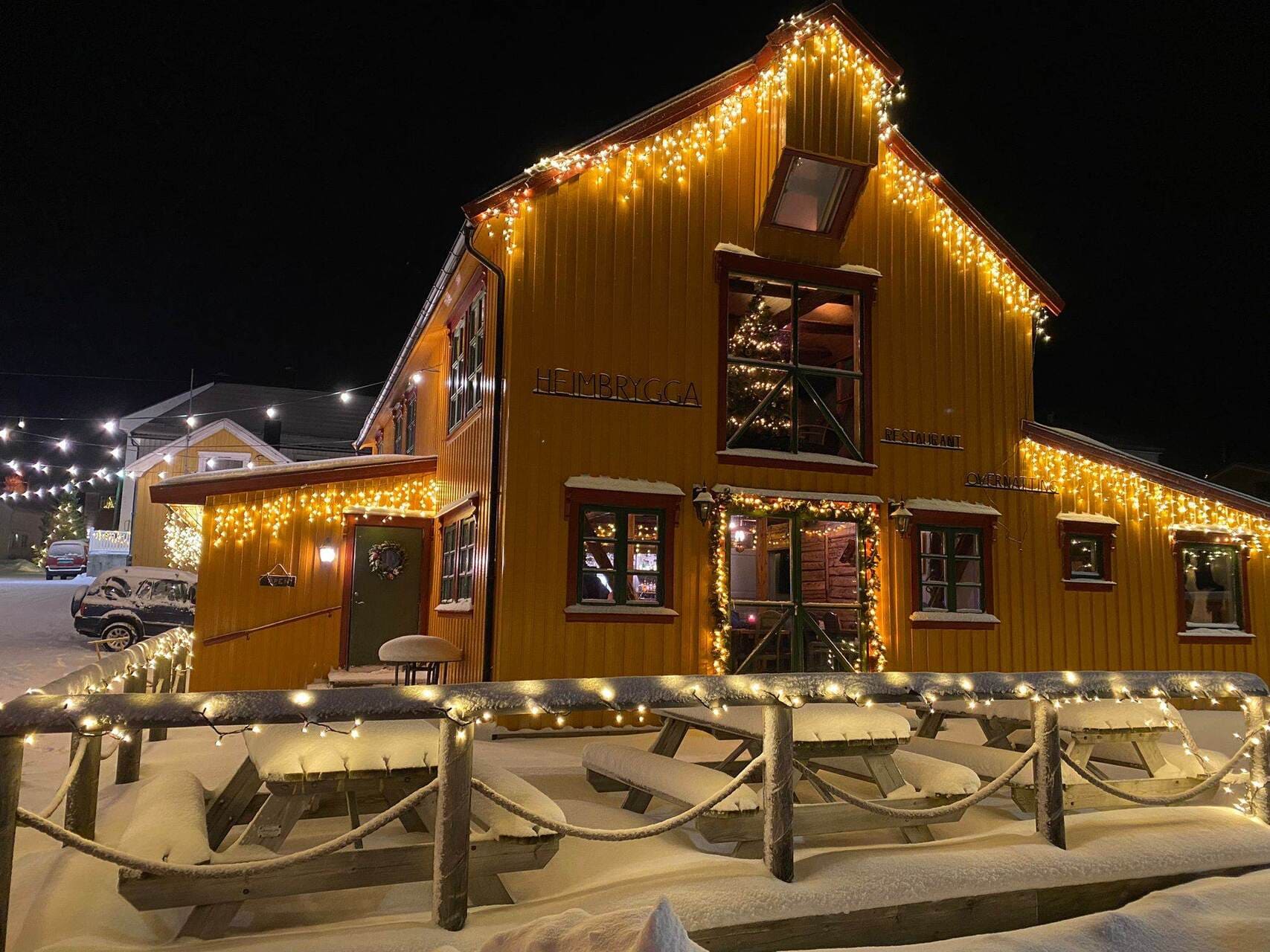
The fish served at Heimbrygga has never been transported by car. It goes straight from the boat into the kitchen, just a few meters away on the same pier. That says a lot about Skrova, a small island in the middle of the Vestfjord where about 200 people live and where it’s best to leave your car on the other side. And it says a lot about Heimbrygga: a restaurant with four guest rooms in the island’s oldest still-operating brygga.
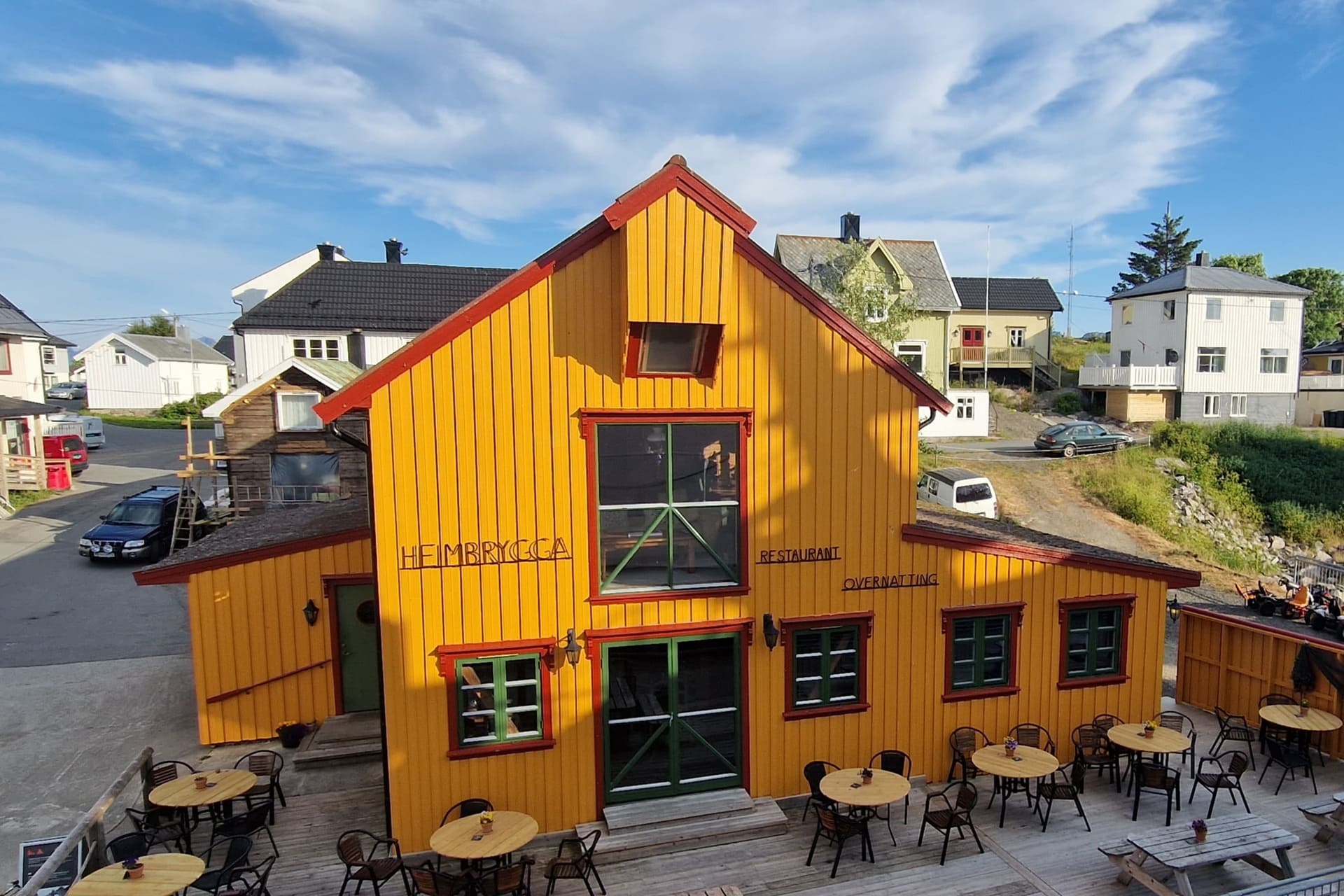
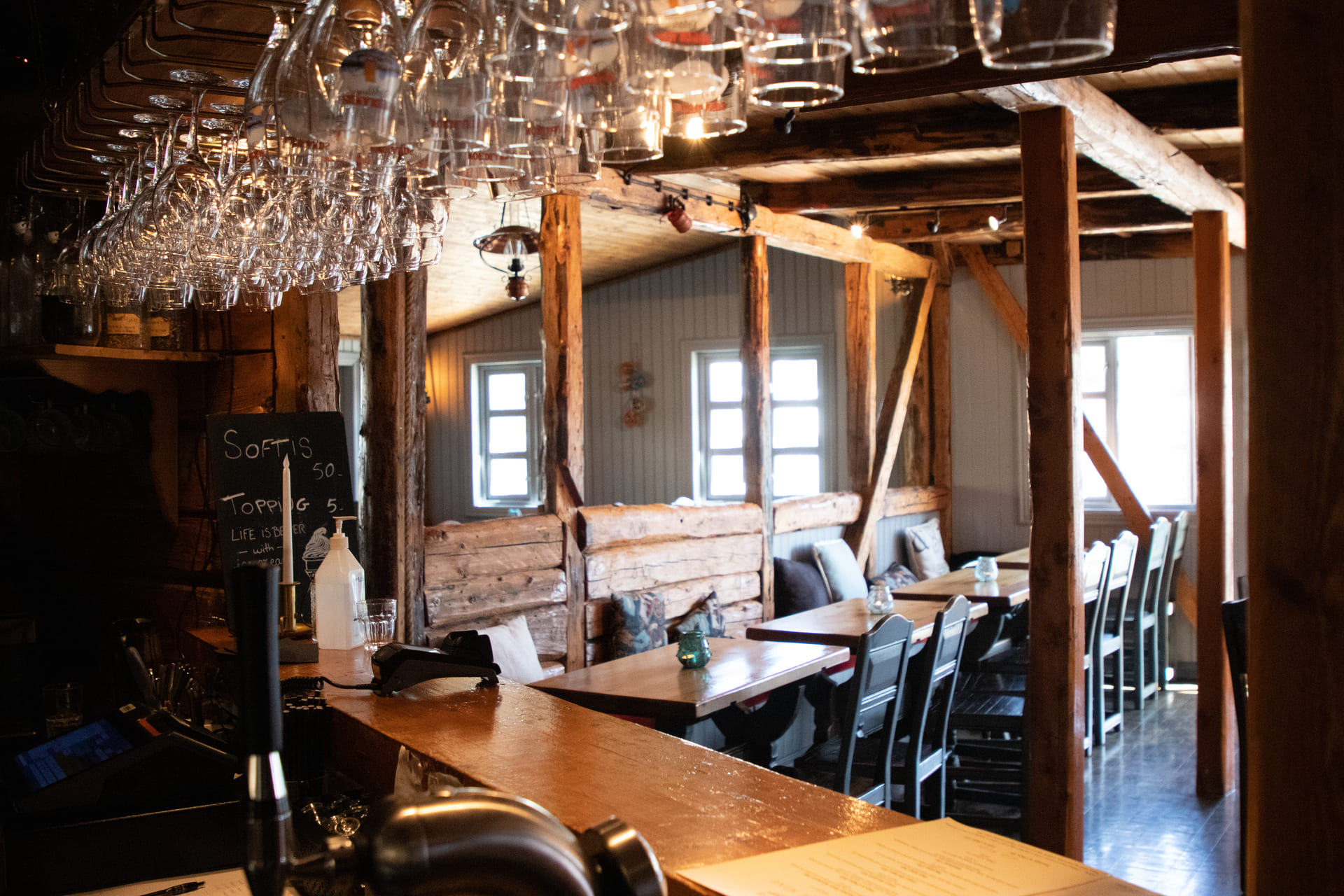
The wooden building is about 200 years old and is located right next to the ferry terminal. Downstairs, you can enjoy whatever the sea and the season have to offer. Upstairs, you’ll sleep in a simple room with a shared living room that overlooks the water. It’s not a hotel, but rather a guesthouse with a kitchen downstairs. If you want to explore the Lofoten Islands without the crowds of Reine and Hamnøy, this is the place for you.
A brygga (also spelled brygge in Norwegian) is a traditional wooden warehouse on the quay, built on or right next to the water. Fishermen would moor their boats there; fish were dried, salted, and stored there, and it often housed a shop or office as well. All along the Norwegian coast, these buildings formed the heart of the fishing village.
Over the course of two centuries, Heimbrygga served as a warehouse, a supplier’s store, a café, and a post office. In the 1990s, the building was completely restored, with most of the original wood preserved. It was then converted into a restaurant, and guest rooms were added on the first floor. Older visitors may still remember the building as Zacharias Brygga, Zakken, or Fotobrygga.
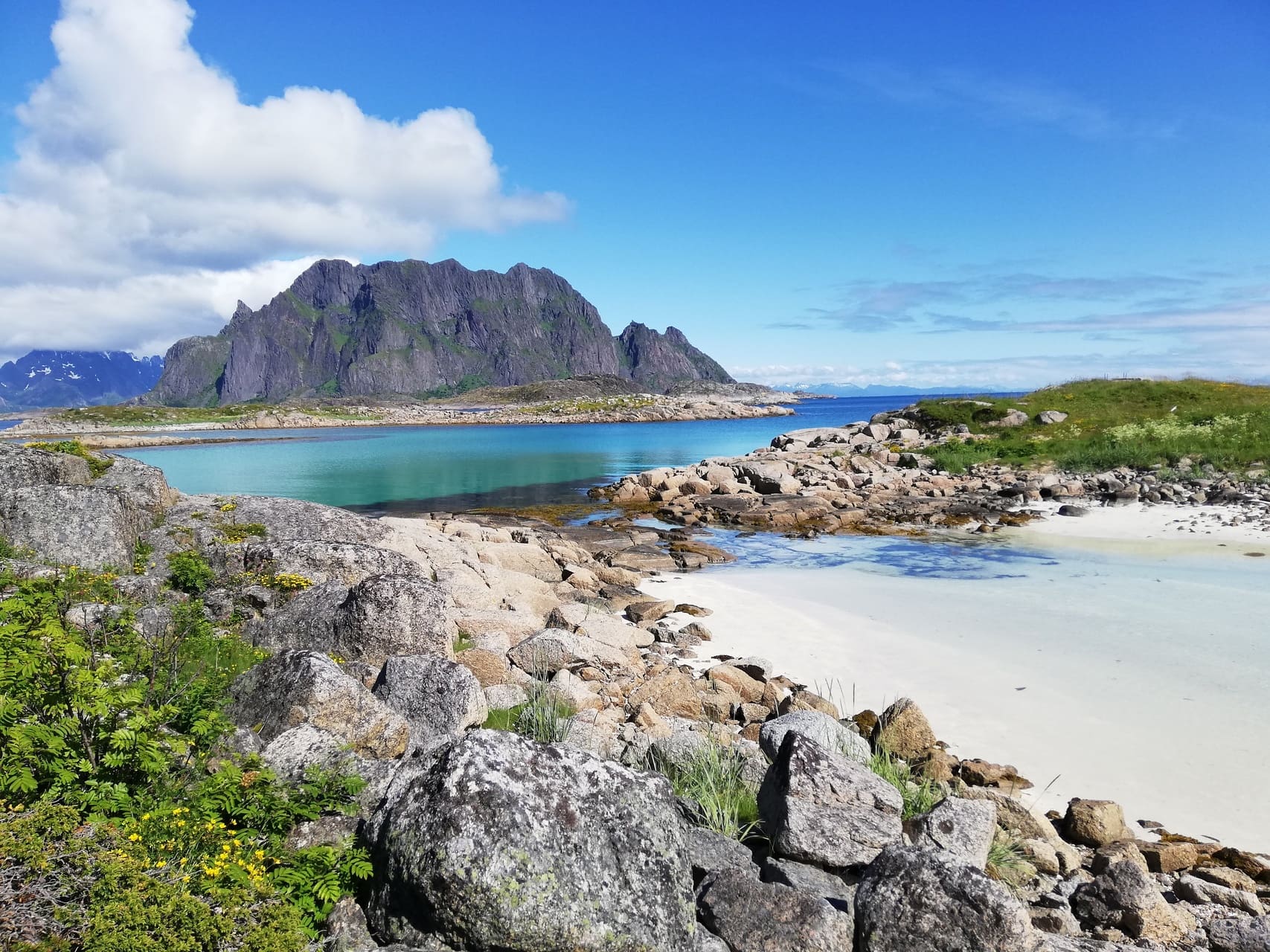
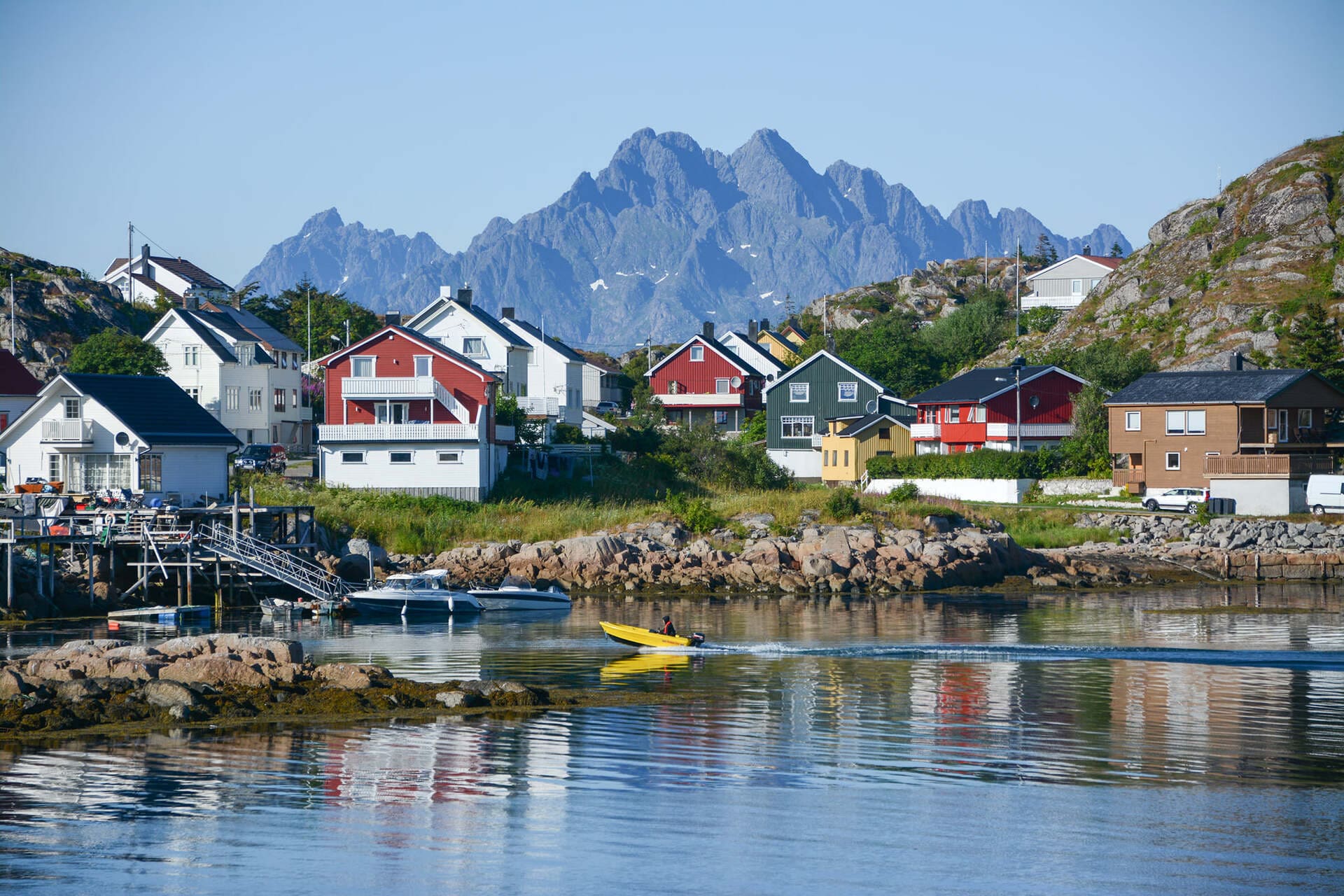
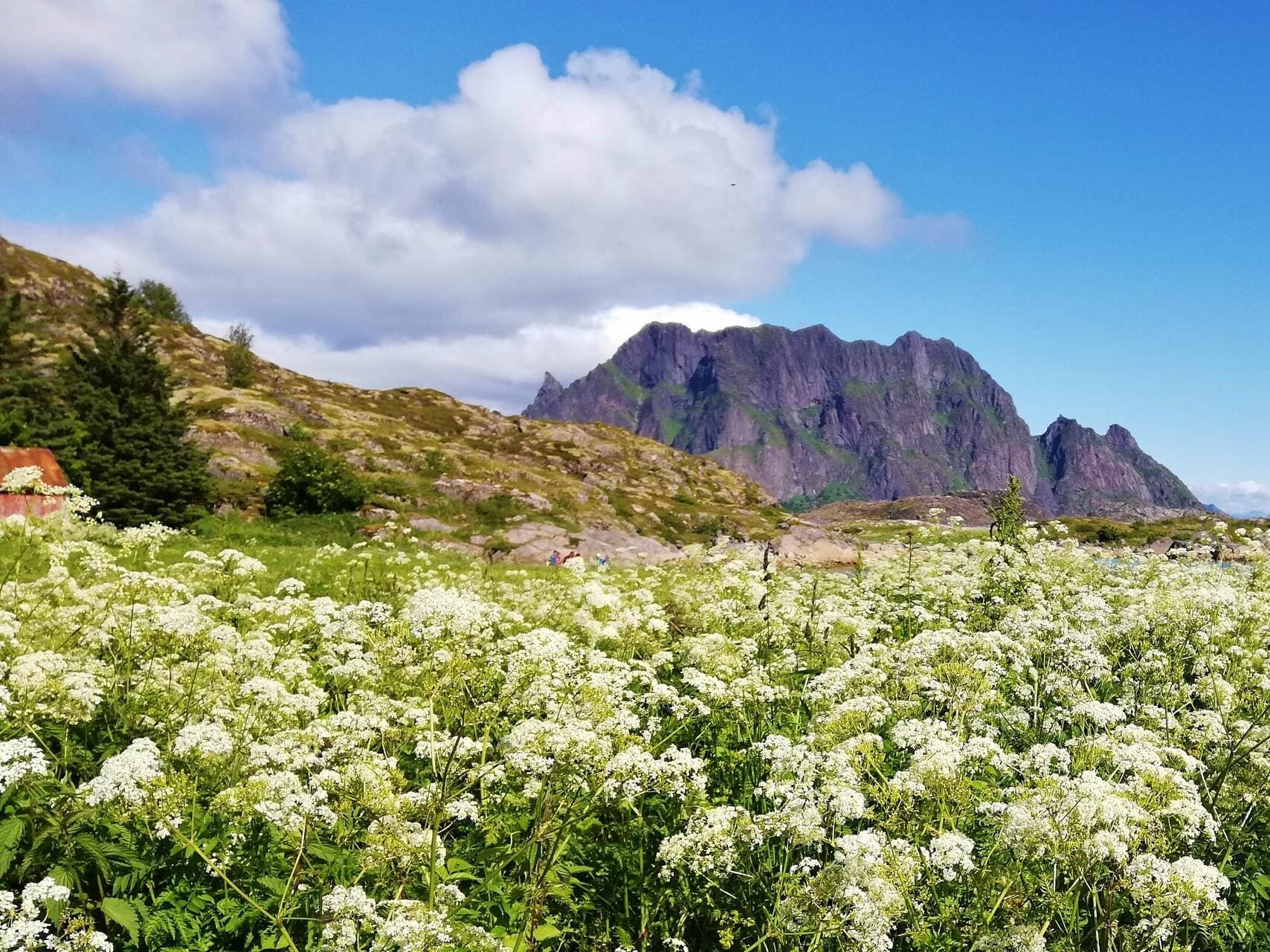
Skrova is located in the municipality of Vågan, about a 30-minute boat ride from Svolvær, the largest town in the Lofoten Islands. It is actually a group of small islands surrounding a sheltered natural harbor. Because of its location in the middle of the Vestfjord, it receives less rain and enjoys more sunshine than elsewhere in the Lofoten Islands. Combined with its white sandy beaches and turquoise waters, this has earned the island the nickname “Hawaii of the Lofoten Islands.”
Skrova was once the largest fishing village in the Lofoten. The history of fishing, fish processing, and whaling is visible everywhere—in the houses, the docks, and the stories. Today, about 200 people live there, and the village has a store, a school, a bakery, and art galleries. There is no road connection to the rest of the Lofoten Islands, and you can feel that in the pace of life. Outdoor photo exhibitions by various photographers are scattered across the island. The best known is the photo tunnel, which captures a hundred years of Skrova in pictures.
Skrova is a great addition to a trip through the archipelago’s well-known villages. Be sure to read our story about the Lofoten in the spring, from Svolvær and Reine to Henningsvær.
You’d be hard-pressed to find two people more different from each other. Mario is from the United States, grew up in a Norwegian-Sicilian family, and started working in restaurant kitchens at a young age. Monica is from Portugal and has spent her entire career in tourism. They met by chance on Skrova. Shortly after the start of the COVID-19 pandemic, they launched Fotobrygga, and in November 2021, they purchased the property.
They chose the new name with care. The island where the brygga stands is called Heimskrova. “Heim” is Old Norse for “home.” It’s where their guests are meant to feel at home—and where Mario and Monica themselves found a new home. On an island with 200 residents, work and personal life blend together, and that’s exactly the point: the owners source as much as possible locally, tailor their hours to the village’s schedule, and have recently started organizing the annual Sommerfest in Skrova.
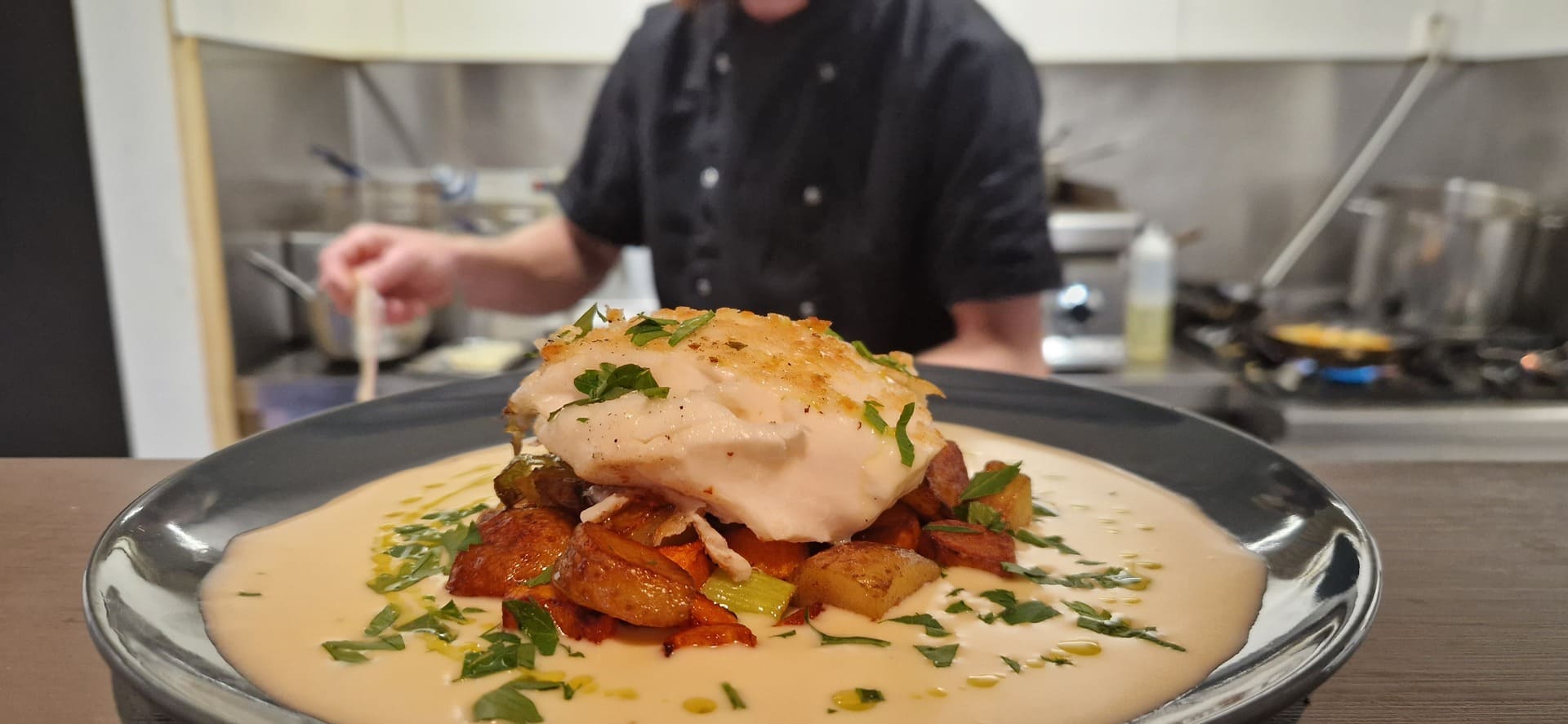
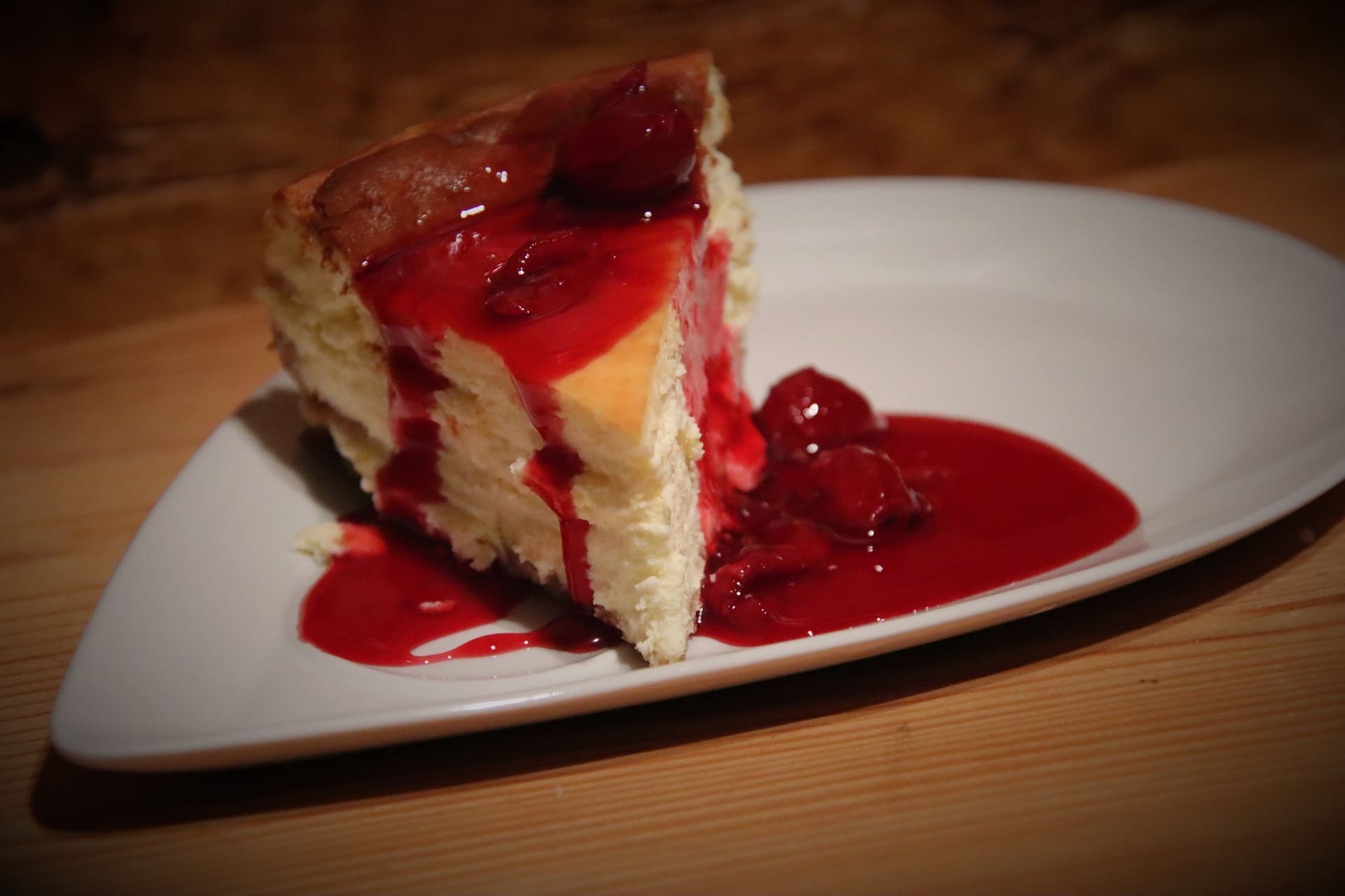
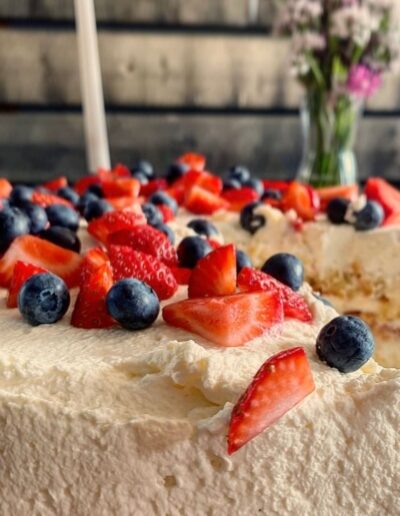
The restaurant on the ground floor has been Skrova’s living room for years. Islanders, fishermen, and travelers waiting for the boat all sit at the same tables here. The cuisine focuses on local dishes with an international twist. Everything is made in-house, using as many ingredients from the island and the surrounding area as possible. The fish is caught locally, and they dry and smoke most of it themselves. The menu changes with the seasons and depending on what the boats bring in.
On Fridays, there’s Ukeslutt, literally “the end of the week”: a rotating menu to wrap up the week. If you want to delve deeper into the island’s culinary culture, book Skrova Flavors, a three-course dinner inspired by Skrova’s food traditions. When the weather is nice, you’ll dine outdoors on the waterfront terrace.
During the dark winter months, Heimbrygga hosts a “julebord,” the Norwegian tradition where colleagues, friends, and families gather for a lavish Christmas feast. During dinner, there’s a pop-up Christmas shop featuring handmade products from local artisans, such as knitted items, candles, and printed bags. The proceeds go directly to the artisans. If you’d like to stay the night, you can book a package that includes lodging, breakfast, and activities.
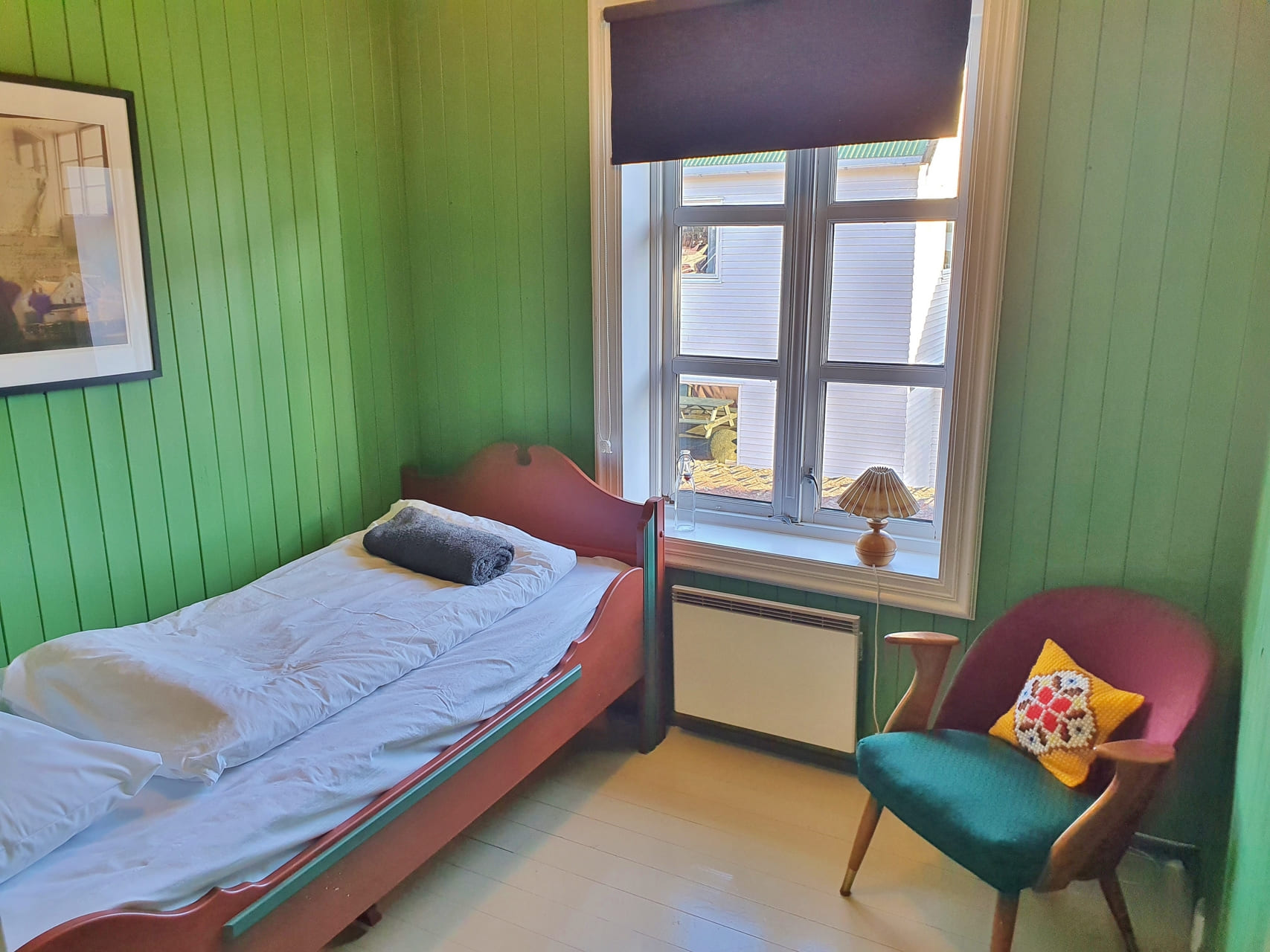
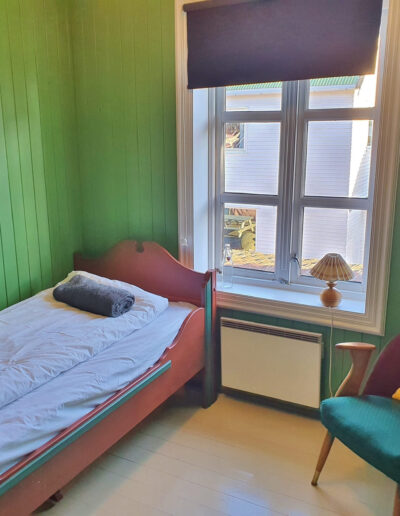
The accommodations are located on the first floor. There are three double rooms and one single room, two shared bathrooms, and a spacious living room with kitchen facilities and a view of the harbor. You can book a single room or rent the entire house, which is ideal for a group of friends or a family. Bedding, towels, heating, and Wi-Fi are provided.
To be honest: the rooms are compact, and some have bunk beds. And because the building is still largely made of the original wood, soundproofing is limited. When the restaurant downstairs is open, you can hear it. On the other hand, you’ll be sleeping in a piece of living coastal history, with the harbor right outside your window.
The accommodation is open year-round. The entire house can be rented by the week or by the month at a special rate. With good Wi-Fi, a private kitchen, and a living room right on the water, Heimbrygga is ideal if, for example, you want to write, unwind, or explore the Lofoten at a different pace.
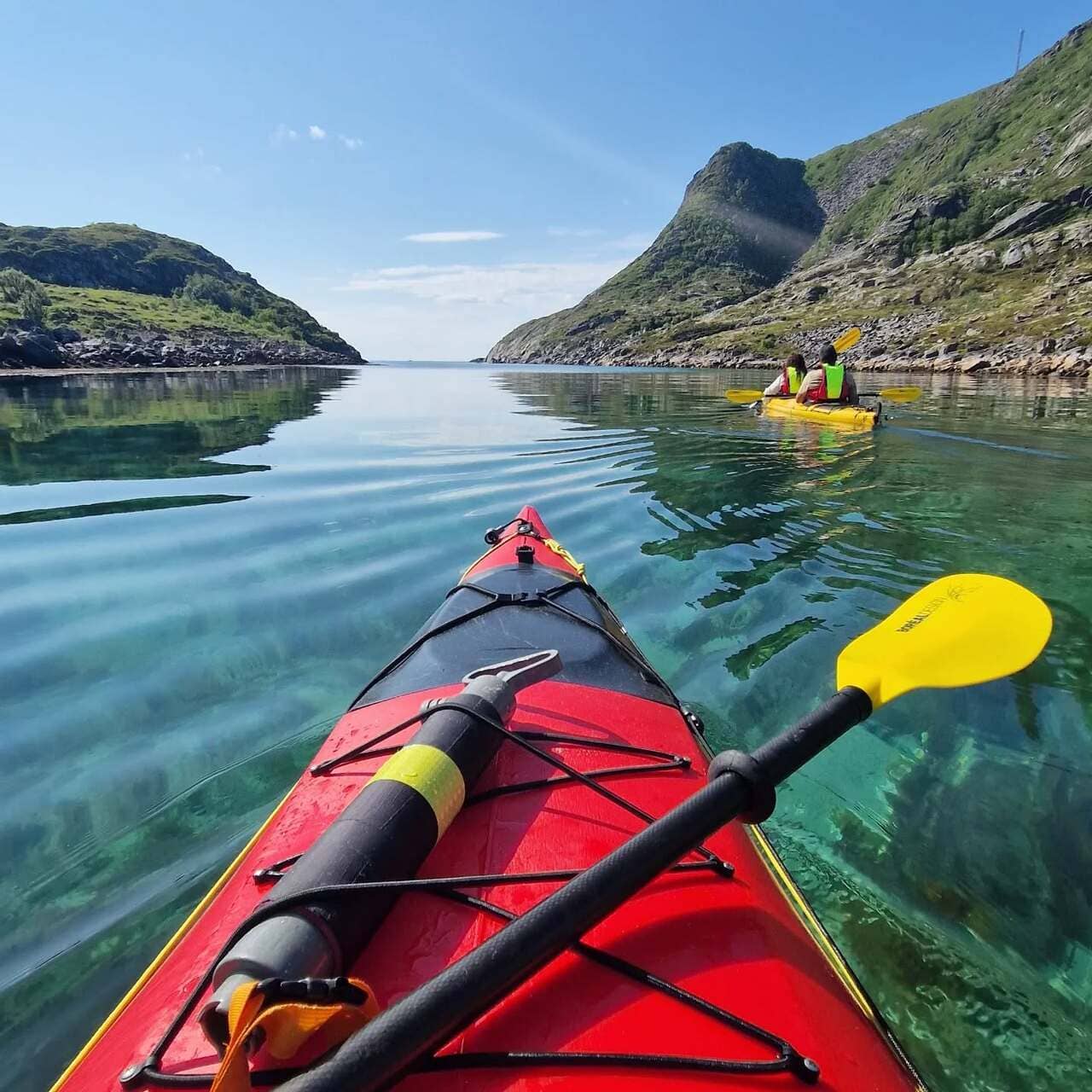
Skrova is small enough to explore on foot and large enough to spend days there. Heimbrygga can help you book activities. A few highlights:
Skrova is one of the easiest places in the Lofoten to reach without a car, and also one of the places where a car is least useful. The owners even advise against it: parking is difficult, and everything is within walking or biking distance. Heimbrygga is located right next to the ferry terminal.
Heimbrygga is a restaurant with small-scale accommodations located in a roughly 200-year-old wooden brygga on the island of Skrova in the Lofoten Islands, northern Norway. It is the oldest brygga on the island still in use. The restaurant is on the ground floor, and upstairs there are four guest rooms with a shared living room and kitchen.
A (free) ferry runs from Svolvær to Skrova three to five times a day. The crossing takes about 30 minutes. From Bodø, a high-speed ferry (hurtigbåt) runs daily via Skrova to Svolvær. Bodø is accessible by train via the Nordlandsbanen from Trondheim. Heimbrygga is located right at the ferry terminal, so you can walk straight inside from the boat.
No. The four rooms (three double rooms and one single room) share two bathrooms and a spacious living room with kitchen facilities and a view of the water. You can book a single room or the entire house.
Yes. The property is open year-round, and the entire house can be rented by the week or by the month at a special rate. For long-term stays and whole-house bookings, please contact the owners directly.
That depends on what you’re looking for. In the summer, you’ll find the midnight sun, long days for hiking, and water for kayaking. From fall through early spring, there’s a chance to see the Northern Lights. Starting in February, it’s the season for skrei, the Norwegian cod, and in November and December, Skrova is bathed in a special winter light, and it’s time for julebord.
The highest point on the island (Høgskrova, often called Skrovafjellet) is less than 300 meters high. The loop hike is about 4 kilometers long and takes one and a half to two hours. The final stretch is steep and rocky, with fixed ropes to help you climb. No climbing experience is necessary, but good shoes are a must.


You can find more information about the icons here
Take a look