
Gratis gids 10 verborgen natuurplekken in Europa
Gratis gids 10 verborgen natuurplekken in Europa. Meld je aan voor onze nieuwsbrief en ontvang inspirerende reistips en routes voor je volgende groene reis.

Sustainable lodging means staying at a property that demonstrably uses energy, water, and raw materials efficiently, sources supplies locally, treats its staff fairly, and protects the local natural environment and culture. The difference from a regular hotel isn’t a lack of comfort, but rather choices that you, as a guest, often don’t see. A certification or an independent audit makes those choices verifiable.
Updated on October 9, 2026, by Madelon Seignette
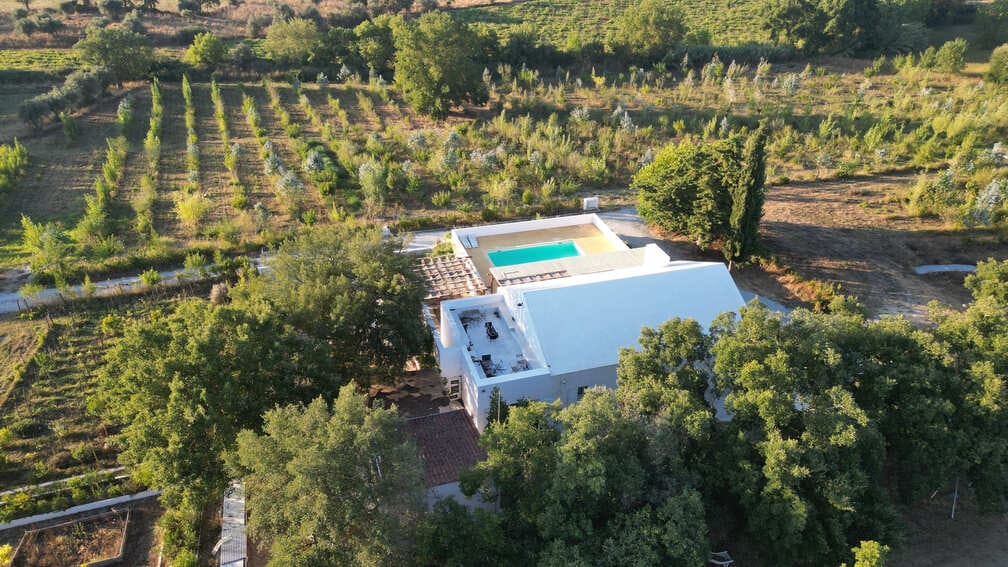


A sustainable accommodation can demonstrate exactly what it does. Vague terms like “green” or “eco” don’t mean much; measures, figures, and certifications do. Keep these five points in mind:
We also look for small-scale operations and character: eco-lodges, (family-run) B&Bs, and nature retreats with a compelling story. Two signs of greenwashing: using CO₂ offsetting as the sole sustainability claim, and implementing a single visible measure (no plastic straws) without further explanation. An honest business also admits what it hasn’t been able to achieve yet.
In Europe, there are five names you come across most often. The GSTC does not issue its own certification mark, but sets the global standard and recognizes certification marks that meet it.
| Certification Mark | Publisher | Where you’ll find it | What it tests |
| GSTC | Global Sustainable Tourism Council | As a form of recognition behind other certification marks | The International Basic Criteria for Sustainable Tourism |
| Green Key | Foundation for Environmental Education | Hotels, campgrounds, and B&Bs throughout Europe, many of them in the Netherlands | Energy, water, waste, procurement, guest communications |
| Green Globe | United Nations | Hotels, resorts, attractions | 44 criteria ranging from management to cultural heritage and the environment |
| EU Ecolabel | European Commission | Hotels and Campgrounds in the EU | Environmental Performance Throughout All Business Operations |
| Travelife | Travelife for Accommodations | Hotels, often booked through tour operators | Environment, Employees, Human Rights, Local Community |
| Biosphere | Responsible Tourism Institute | Especially Spain and Portugal | Environmental, Social, Cultural, and Economic Policy |
Note: The absence of a certification label does not automatically mean a business is not sustainable. For small family-owned businesses, certification is often too expensive; that is why Nature Travel Lab also evaluates businesses without a label. More about labels: Ecohotel: Tips and Labels.
Of all the accommodations that apply, about 20 percent are rejected. The selection now includes more than 100 locations. Each accommodation goes through the same steps:
The most common reasons for rejection: too large in scale and compensation only.
Elke accommodatie krijgt iconen voor de categorieën waarin ze aantoonbaar goed scoort.


| Category (filter) | What It’s All About | Examples of measures |
| Sustainable Construction (Architecture) | Local and natural materials, preservation of heritage | Wooden construction, restored farmhouse, passive cooling |
| Fair Food (Food) | Organic, local, and seasonal | Our own vegetable garden, local produce, vegetarian and vegan |
| Good for People (Social) | Local Employment and Ethical Sourcing | Staff from the region, local guides, support for village projects |
| Rest and Recovery (Well-being) | Health and Relaxation Through Natural Remedies | Sauna, yoga, natural personal care products |
| Environment and Surroundings (Surroundings & Environment) | Energy, water, waste, biodiversity, transportation | Solar panels, rainwater collection, discount for guests arriving by train |
| Climate-neutral (Zero footprint) | Net-zero emissions in operations | 100 percent green electricity from our own sources, heat recovery, nature restoration |
| Country | Accommodations | Region | Strong in (icons) | A concrete example |
| Italy | Gitschberg Eco-Hotel | Meransen, South Tyrol | Architecture, organic cuisine, social, charging station | 40 naturally decorated rooms; kitchen with 90% organic ingredients; organic architecture |
| Italy | Oasi Eco Boutique Hotel | Levanto, Liguria | Zero footprint, certification, social | Cinque Terre is accessible by train; CO2-neutral, Green Globe certification |
| Portugal | Gandum Village | Montemor-o-Novo, Alentejo | Certification, organic cuisine, architecture | Organic materials, adobe walls, regenerative agriculture |
| Portugal | Casa Cerro da Correia | Manteigas, Serra da Estrela | Certification, Environment | Hiking with a Shepherd; Biosphere-certified, ESG- and GEO-food certified |
| Norway | Wood Hotel Bodø | Bodø, Northern Norway | Architecture, certification, organic cuisine | Sustainable wood construction; Cultural heritage; food reduction goals |
| Norway | Heimbrygga | Skrova, Lofoten | Architecture, organic cuisine, social | Oude Brygga, seasonal cuisine on an island with 200 residents |
| Slovenia | Hotel St. Daniel | Štanjel, Karst | Certification, organic cuisine, architecture | Award-winning eco-hotel; Biohotel certification |
| Spain | Wecamp Pedraforca | Saldes, Catalan Pyrenees | Certification | In the Cadí-Moixeró Nature Park; Biosphere Certified |
| Finland | Kekkola Country House | Mikkeli, South Savo | Architecture, organic cuisine | Chef Cooks with Local Ingredients on Lake Saimaa |
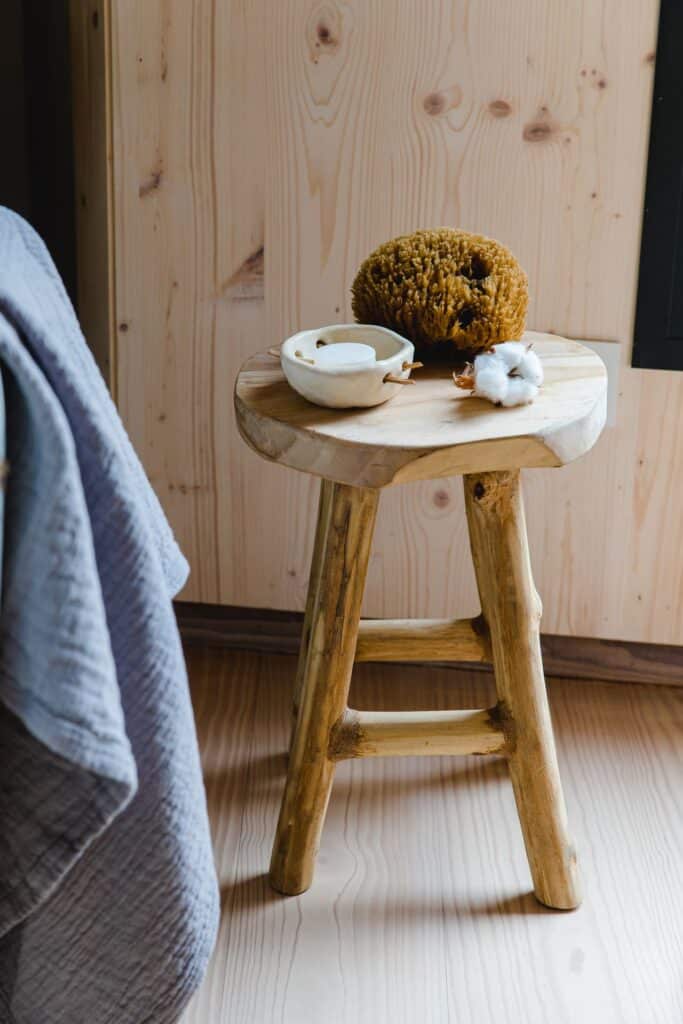
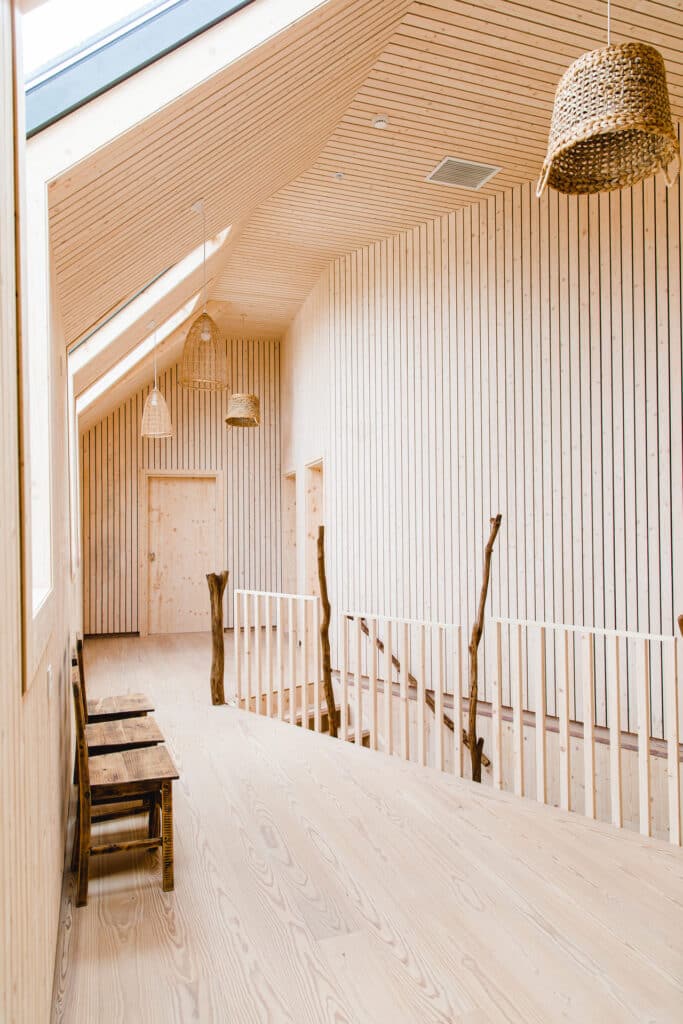
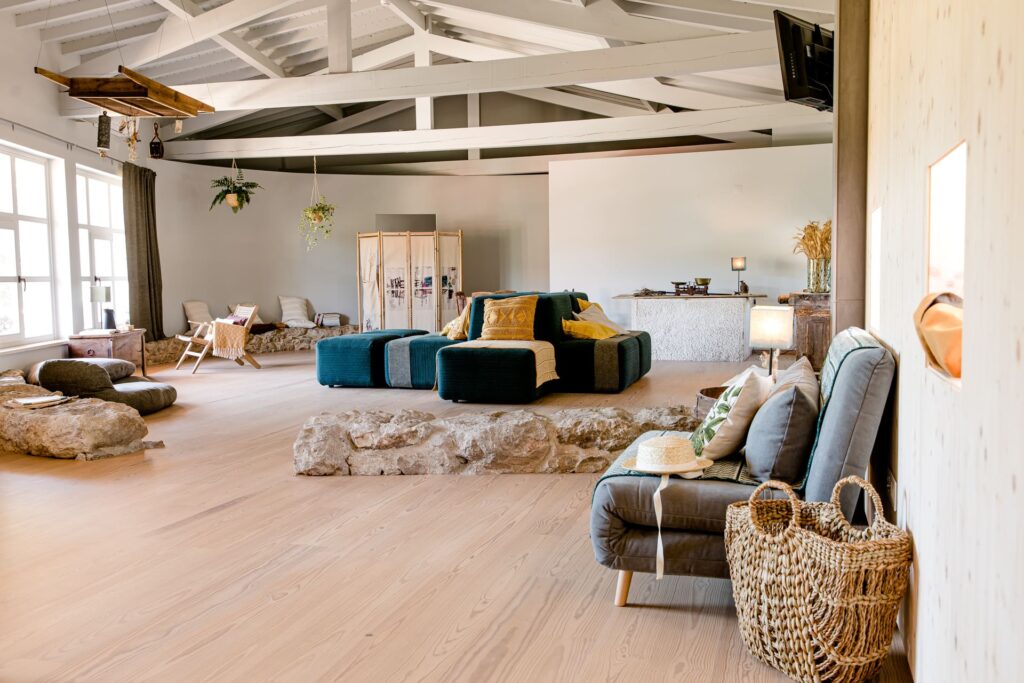
At The Nest by Cooking & Nature Hotels in Alvados, Portugal, I noticed during my visit, for example, that the building is made entirely of wood, with natural temperature control, wellness and yoga facilities, a zero-waste policy in the kitchen, and no plastic.
The biggest savings come from how you travel and where you book. Four steps:
View all sustainable accommodations in Europe



What is sustainable lodging? Sustainable lodging means staying at a property that demonstrably conserves energy, water, and raw materials, sources supplies locally, treats its staff fairly, and protects the environment. It’s about the entire business operation, not just a single measure. A certification mark or independent audit makes these claims verifiable.
How can you tell if a hotel is sustainable? A sustainable hotel can demonstrate concrete actions it takes: green energy, water conservation, local sourcing, fair labor practices, and environmental stewardship. Look for a recognized certification such as Green Key, the EU Ecolabel, or Travelife, or for a program that evaluates properties itself. Vague terms like “eco” without further explanation are a red flag.
What sustainability certifications are available for accommodations in Europe? The best-known ones are Green Key, the EU Ecolabel, Travelife, and Biosphere. The Global Sustainable Tourism Council (GSTC) sets the international criteria and recognizes certification programs that meet them. Small family-run businesses often do not have a certification because it is expensive; that does not necessarily say anything about their commitment.
Is sustainable lodging more expensive? No, not necessarily. Many sustainable measures, such as solar panels and water conservation, actually lower costs. Price differences are more often due to small scale, location, and service than to sustainability. The Nature Travel Lab selection includes accommodations ranging from simple to luxurious, from 1- to 5-star categories.
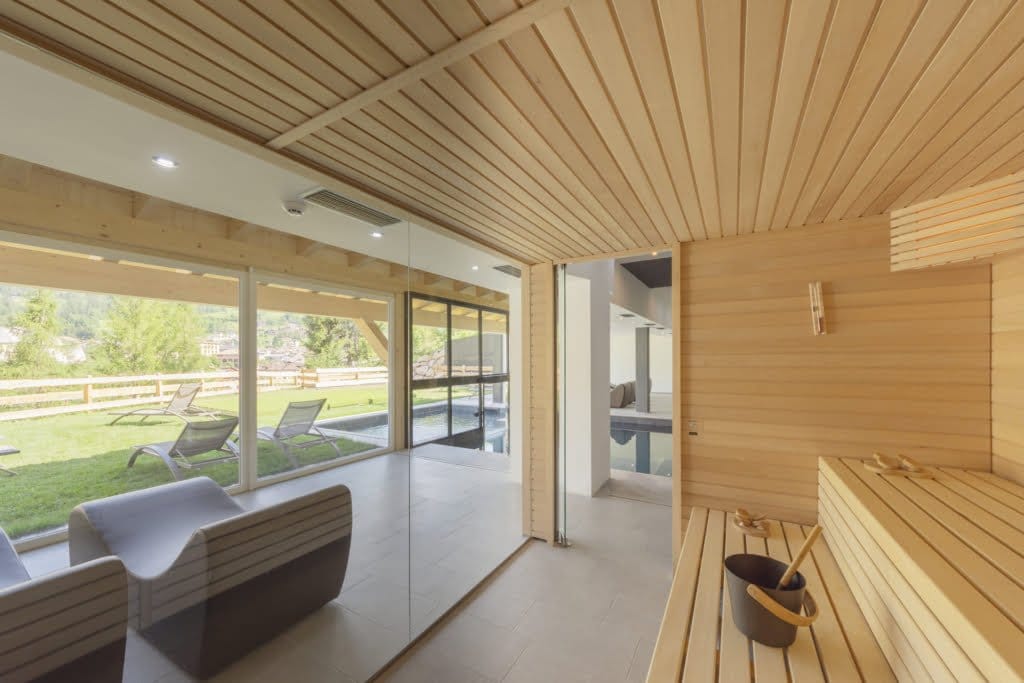
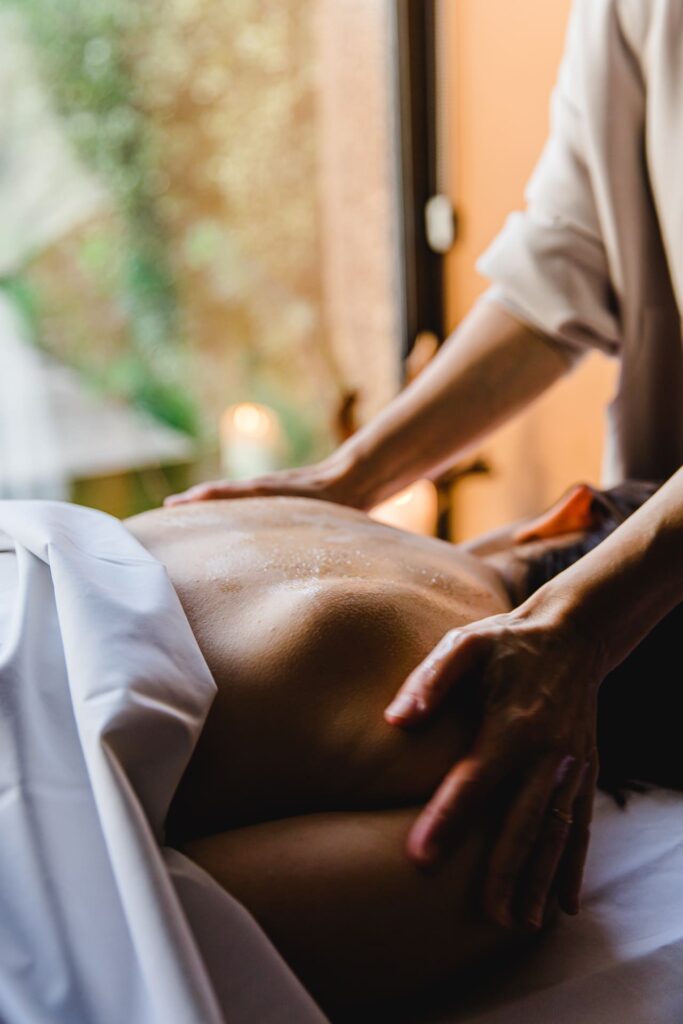
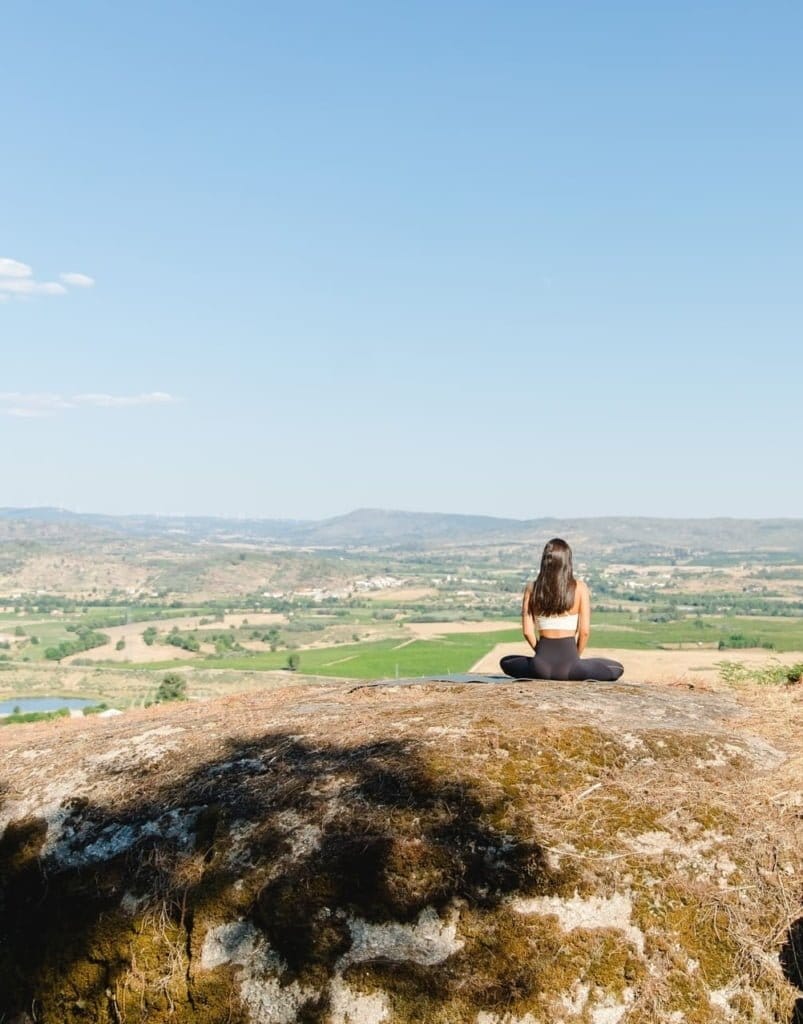
Is sustainable lodging less luxurious? No. The sustainable choices are mainly made behind the scenes: in energy, procurement, and construction. In fact, many sustainable accommodations are boutique hotels or designer lodgings with saunas, excellent cuisine, and plenty of space.
How can you spot greenwashing at accommodations? You can spot greenwashing by grandiose claims without evidence. Signs include: claiming only CO₂ offsets, a single, eye-catching measure without further explanation, or a self-invented “eco” label. An honest accommodation lists specific measures and also explains what hasn’t worked yet.


What is the difference between an eco-hotel, an eco-lodge, and an agriturismo? An eco-hotel is a hotel with an active sustainability policy. An eco-lodge is usually smaller, located in the heart of nature, and built with natural or local materials. An agriturismo is a working farm in Italy where you stay overnight and eat food grown on the farm; it isn’t necessarily sustainable, but it’s often small-scale and locally operated.
Where can you find sustainable accommodations in Europe? Nature Travel Lab offers a selection of over 100 sustainable accommodations in Europe, including in Italy, Portugal, Norway, Slovenia, Spain, and Finland. Each property has been assessed against the GSTC criteria and features icons that highlight its strengths. You book direct with the owner.
How does Nature Travel Lab determine whether an accommodation is sustainable? Each listing provides supporting documentation, such as certificates, photos, and ratings, and is evaluated against the GSTC criteria and a set of proprietary criteria. Approximately 20 percent of applications are rejected. Profiles are reviewed at least once a year.
Can you reach sustainable accommodations by train? Yes, some of the accommodations are located near a train station or are accessible by train and bus, such as the Oasi Eco Boutique Hotel in Levanto in the Cinque Terre. Some properties offer a discount for guests arriving by train. Be sure to ask about this when booking.
Does Nature Travel Lab engage in CO₂ offsetting? Nature Travel Lab focuses first on avoiding and reducing emissions. Offsetting is a supplementary measure, never the primary solution. Nature Travel Lab contributes financially to the Delta Plan for Biodiversity Restoration for nature restoration in the Netherlands.
Here are a few more examples from our selection.
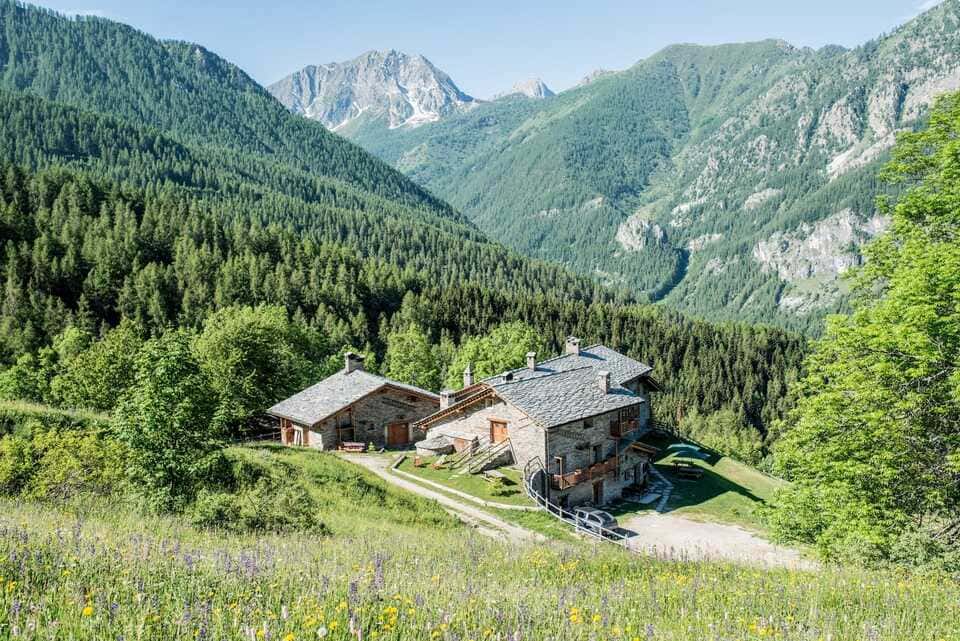
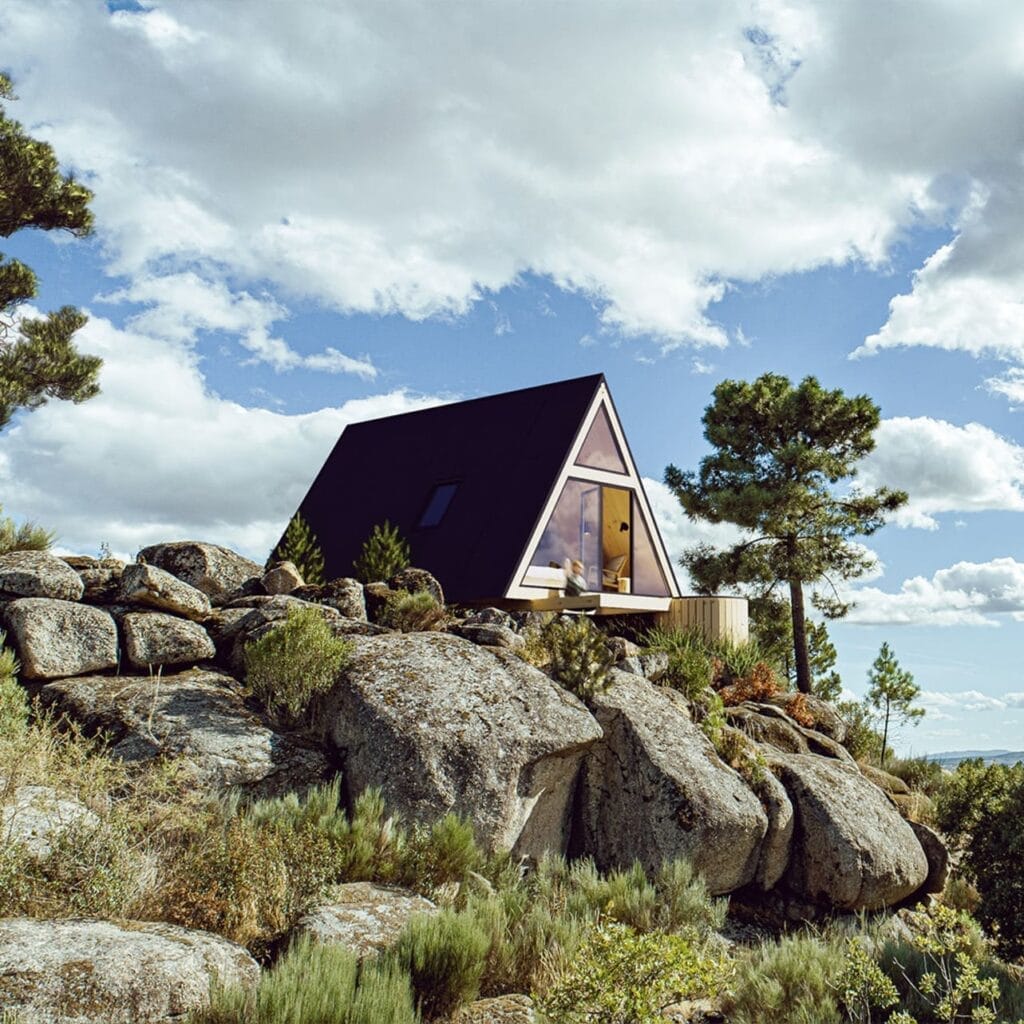
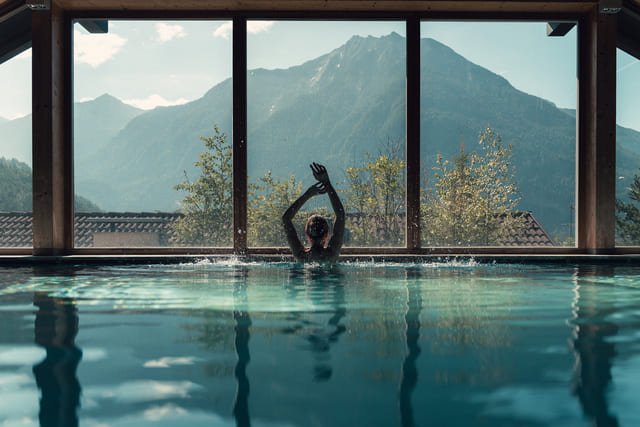
Is sustainable lodging less luxurious?
No. Comfort is the top priority; the difference lies in the conscious choices made behind the scenes (energy, water, procurement, well-being).
How do you verify claims?
We request proof (certificates, photos, data), speak with owners, and update profiles at least once a year.
What if I’m coming by train?
Filter by locations within public transit reach and ask for the train arrival bonus (where offered).
Can I let you know about my dietary preferences?
Yes. Select ” Food ” and check the listed options (vegetarian/vegan/gluten-free/lactose-free/detox).
What is an eco-hotel?
Ecohotel is a general term for a hotel that is committed to sustainability.
Do you practice CO₂ offsetting?
We focus on avoidance and reduction. Offsetting is supplementary and never the primary solution. We contribute (financially) to the Dutch Delta Plan for Biodiversity, thereby helping to restore nature in the Netherlands.
Check out all our sustainable accommodations here and plan your green getaway!

With a passion for travel and photography and over 30 years of experience in the travel industry, I love to share my special nature travel tips. Travel is wonderful and important, you meet new people and cultures and it opens your view of the world.

Aachen Off Track: A Green City Trip Featuring a Forest, an Organic Garden, and Charlemagne A city with an imperial history, surrounded by forests stretching all the way to the Belgian and Dutch borders. Aachen cannot be taken in at a single glance: its historic...
Harz National Park: Seeing the Forest Through Different Eyes "What a somber entrance," I thought as I drove into the Harz National Park. The densely forested area gradually gives way to a sort of lunar landscape. The dismal sight of the many hectares of dead trees...

Cinque Terre by Train from Levanto: Train Schedules, Tickets, and Tips The railroad through the Cinque Terre dates back to 1874 and is still the only practical way to connect the five World Heritage villages. Cars are hardly welcome there: the streets are too narrow,...
Get inspired
Are you looking for the most beautiful hiking and biking routes? Or do you want information about traveling by train or advice for the most beautiful road trips through nature. Get inspired for your next trip in green; ideas for planning your own trip or opting for an organized trip.