Gratis gids 10 verborgen natuurplekken in Europa
Gratis gids 10 verborgen natuurplekken in Europa. Meld je aan voor onze nieuwsbrief en ontvang inspirerende reistips en routes voor je volgende groene reis.

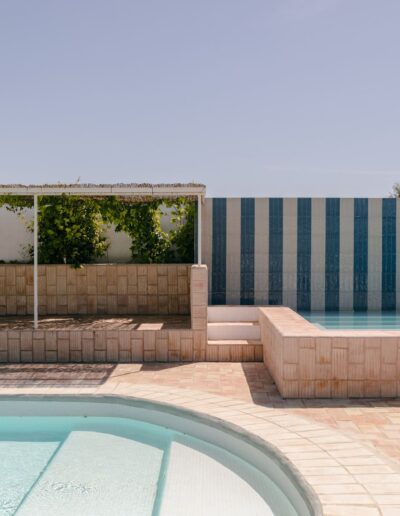

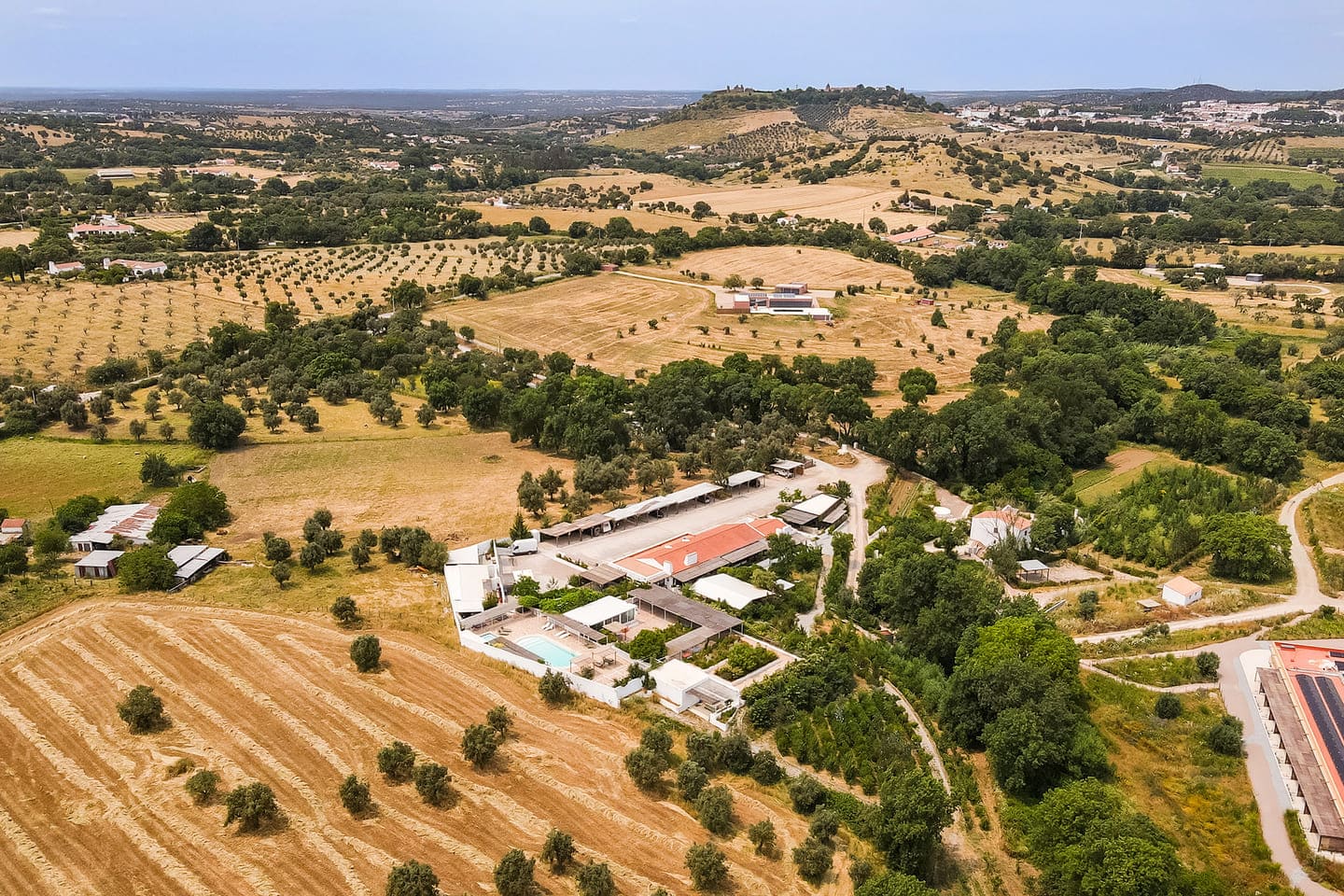
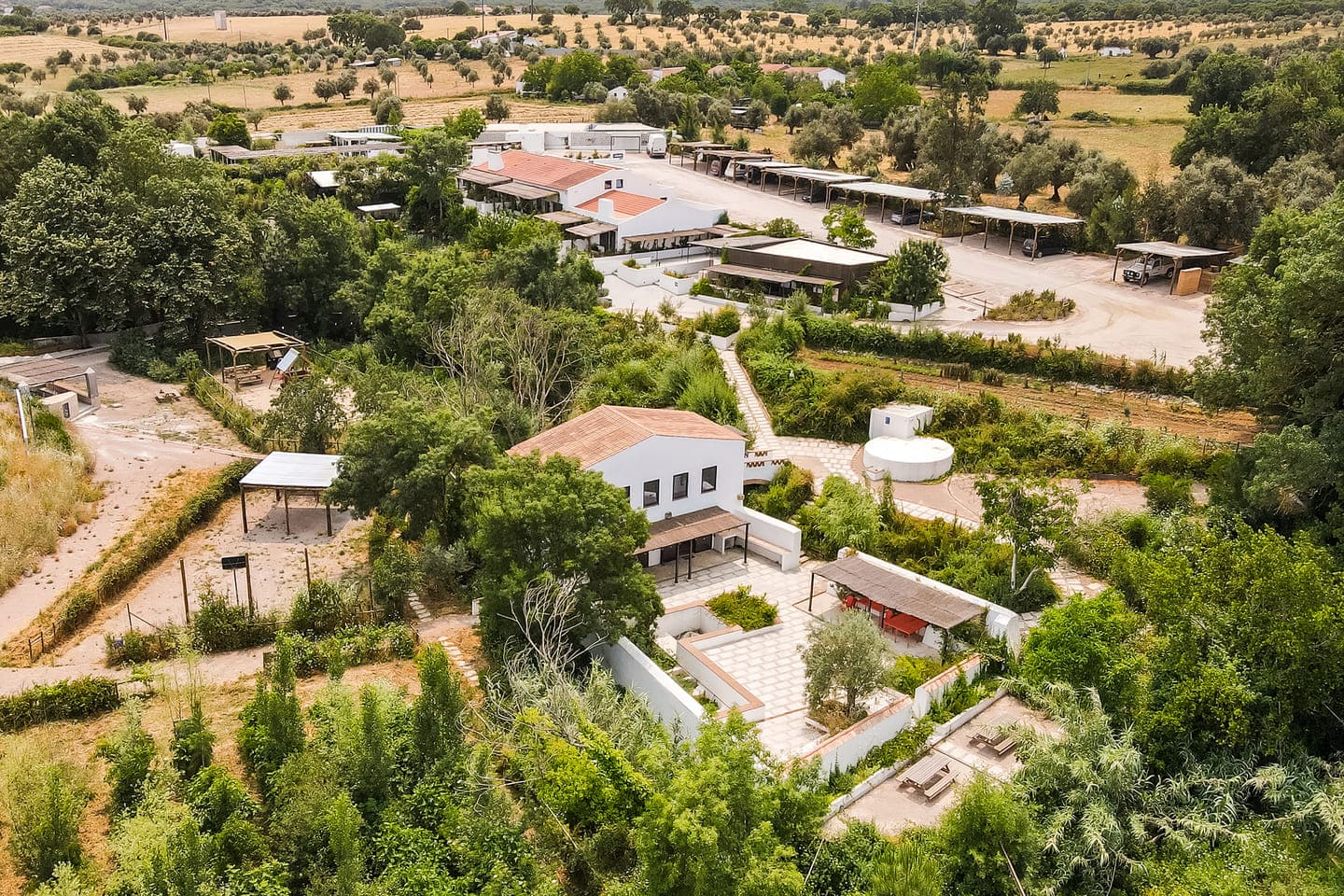
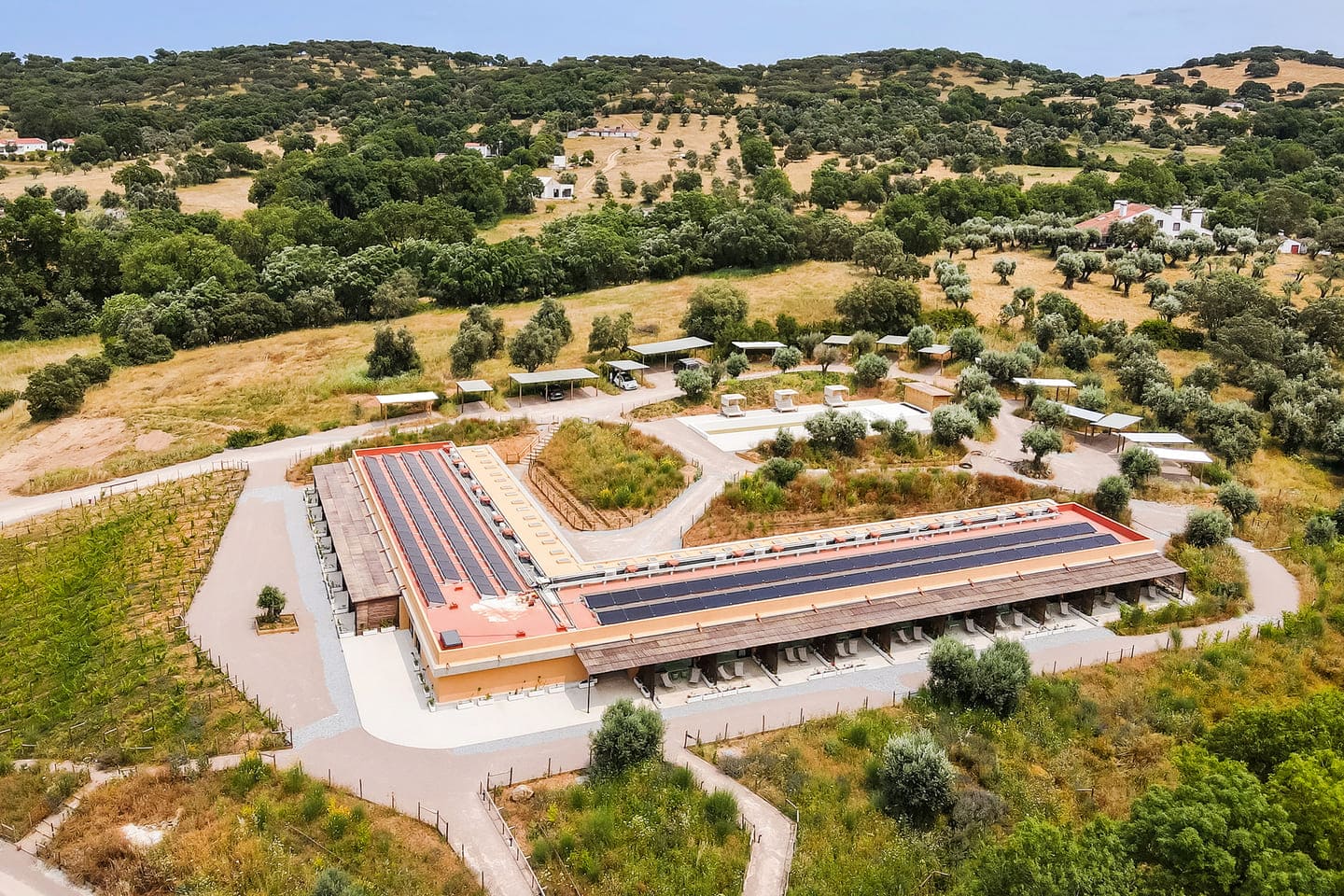
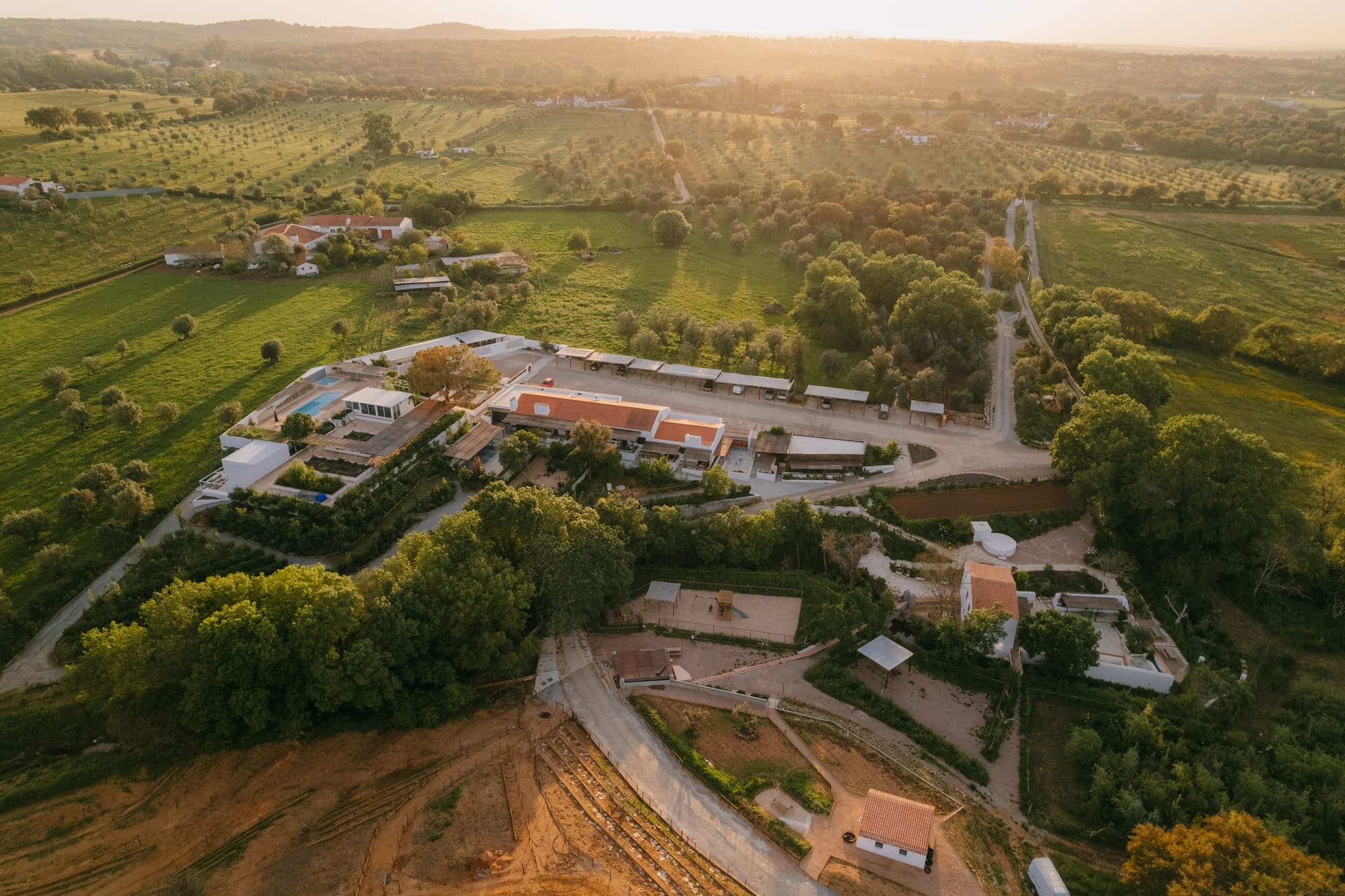
An hour’s drive from Lisbon. Fourteen hectares of Alentejo countryside. Eighteen hundred years of human history in the soil. And a hotel that doesn’t try to appear greener than it is, but was simply built that way.
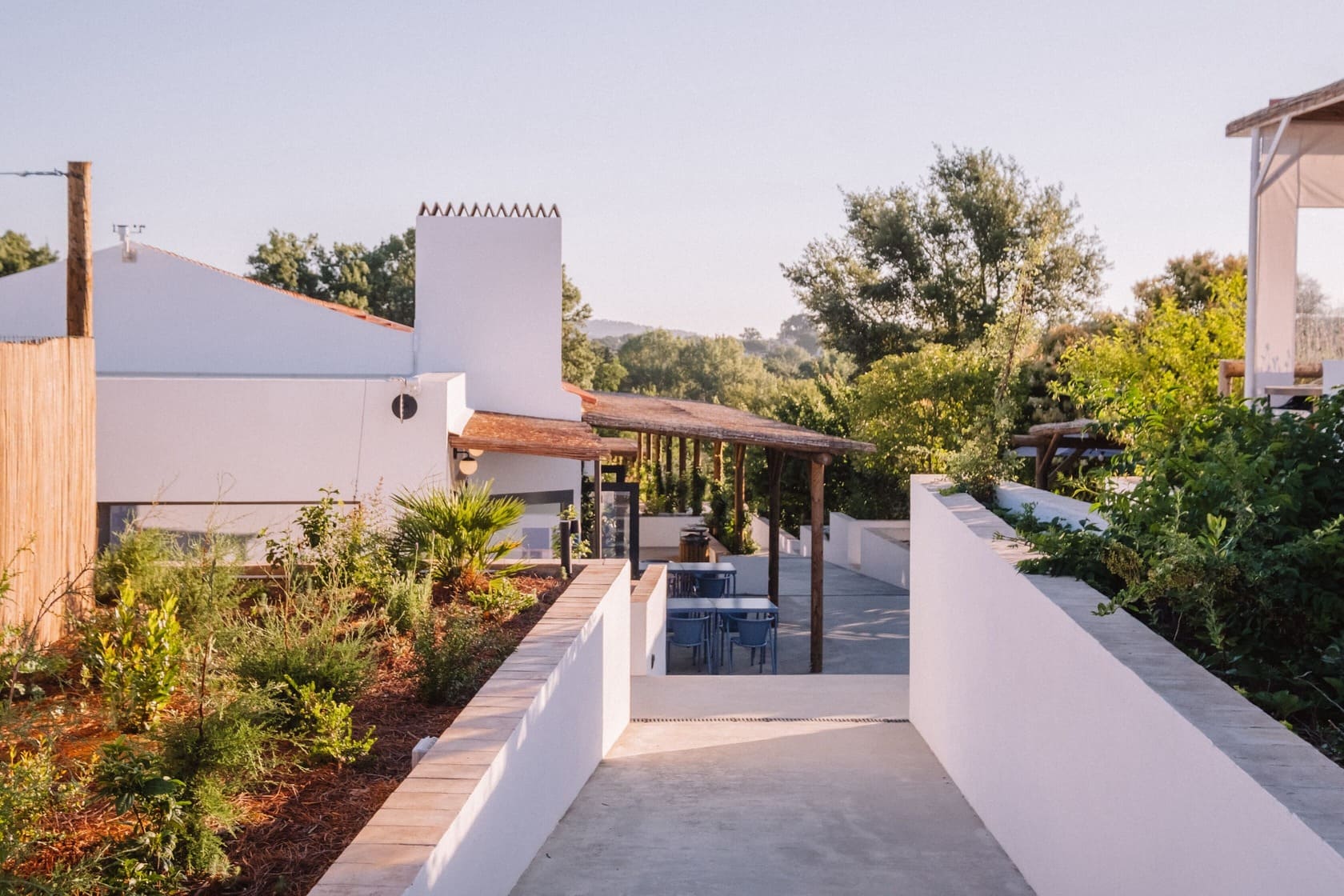
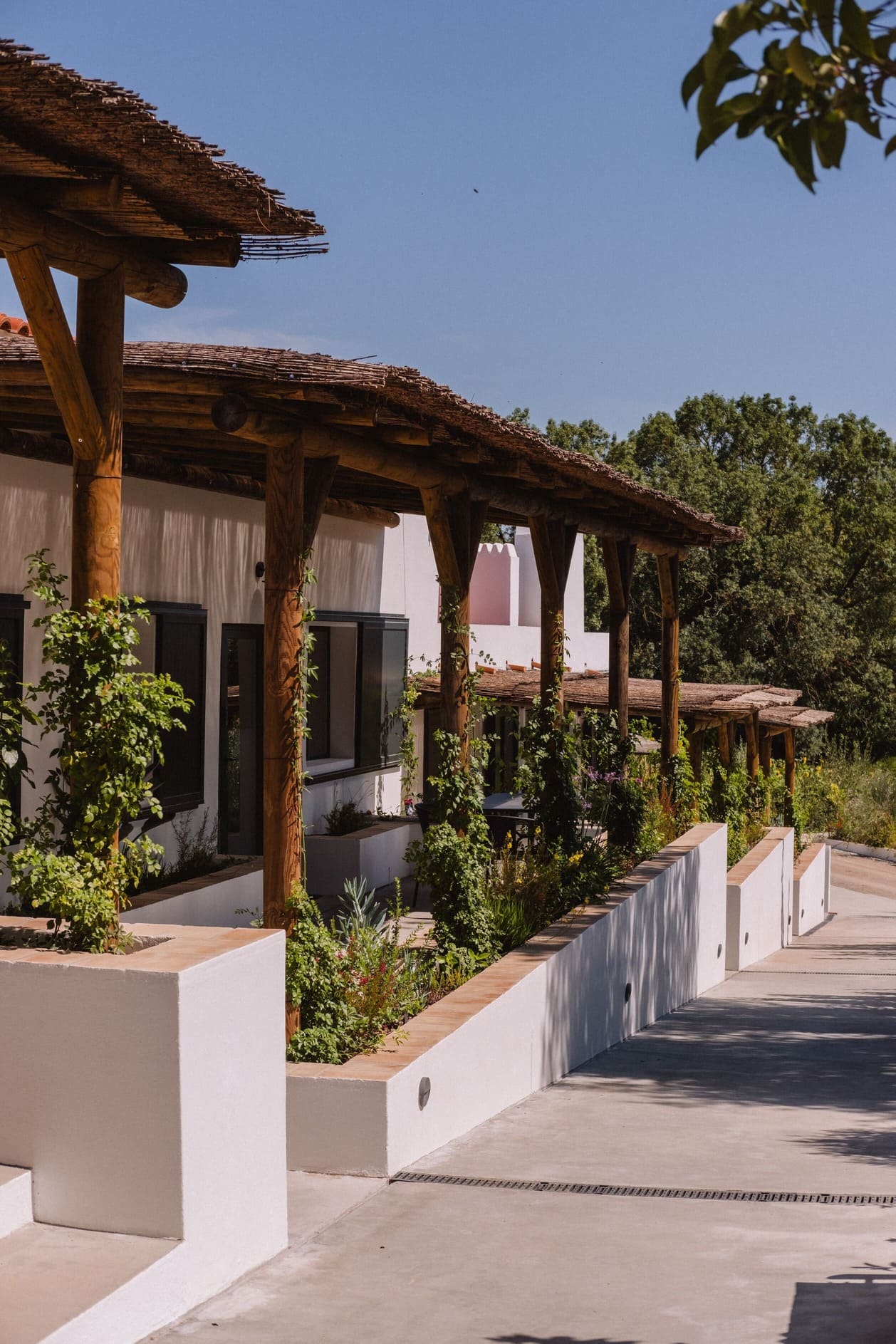
Gandum Village, near Montemor-o-Novo, is no ordinary country inn. It is a thoughtfully designed place where architecture, sustainability, and good food come together—without feeling like a manifesto. You’ll sleep between adobe walls that stay naturally cool, dine in a restaurant that sources ingredients from its own agroforestry garden, and sit outside in the evening as the Alentejo slowly grows dark. That’s it. It doesn’t need to be anything more.
Montemor-o-Novo isn’t on everyone’s bucket list. And that’s exactly why you should go there. No mass tourism, no cookie-cutter tourist route. Instead, a lively city center, a castle on the hill that you can see from kilometers away, and surrounding countryside that still feels authentic: green in the winter, dry and fragrant in the summer.
From Gandum Village, you’re three kilometers from the city center, with a view of that same castle. Plus, you’re in the Monfurado protected area—one of the few places in the Alentejo where the cork oaks still grow densely and biodiversity is high. What’s more: Évora is just half an hour away, and Comporta (with its wild beaches on the Atlantic coast) is an hour away. It’s secretly the perfect base for exploring the region.
Gandum is an hour away from Lisbon. But as soon as you arrive, the city feels miles away.
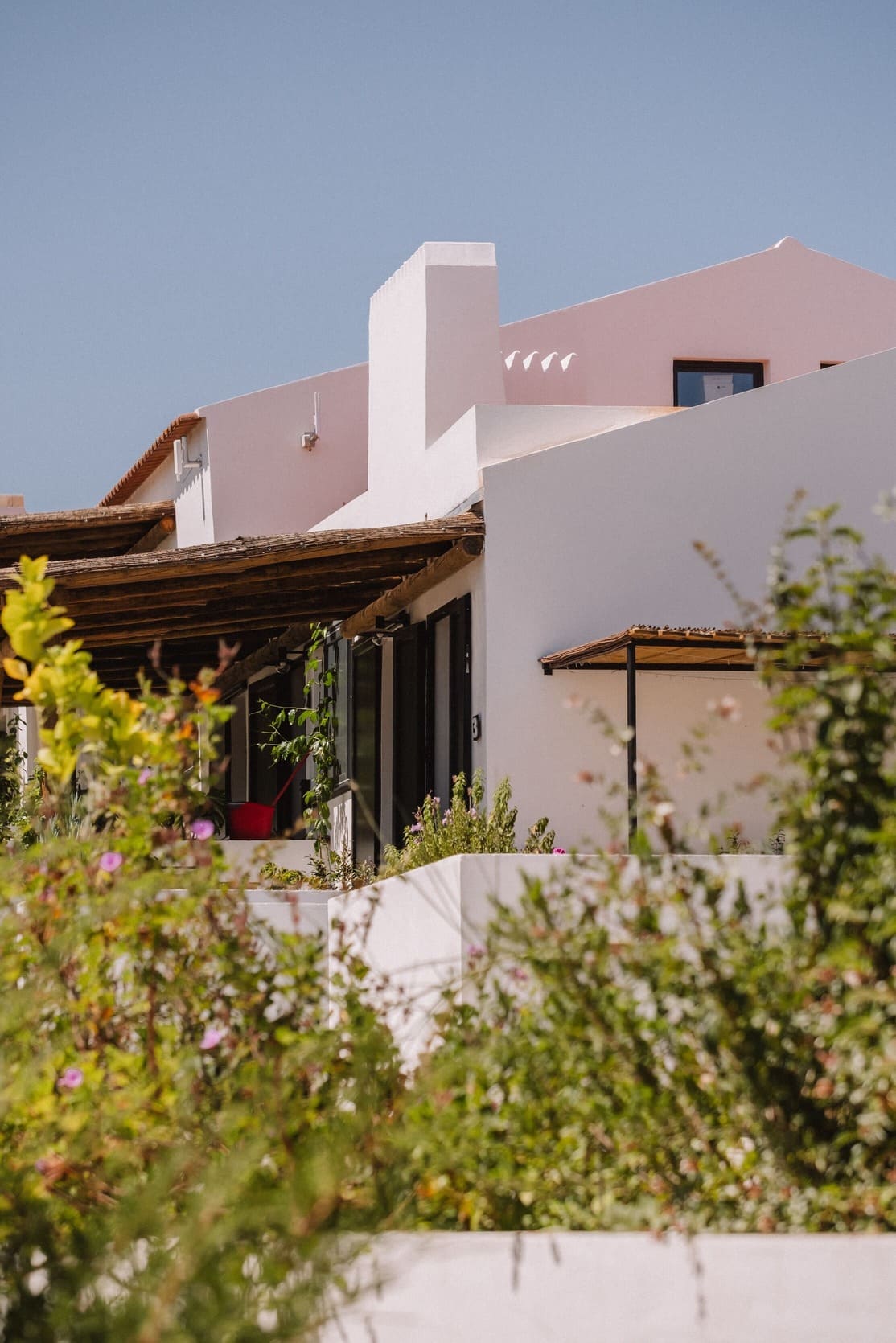
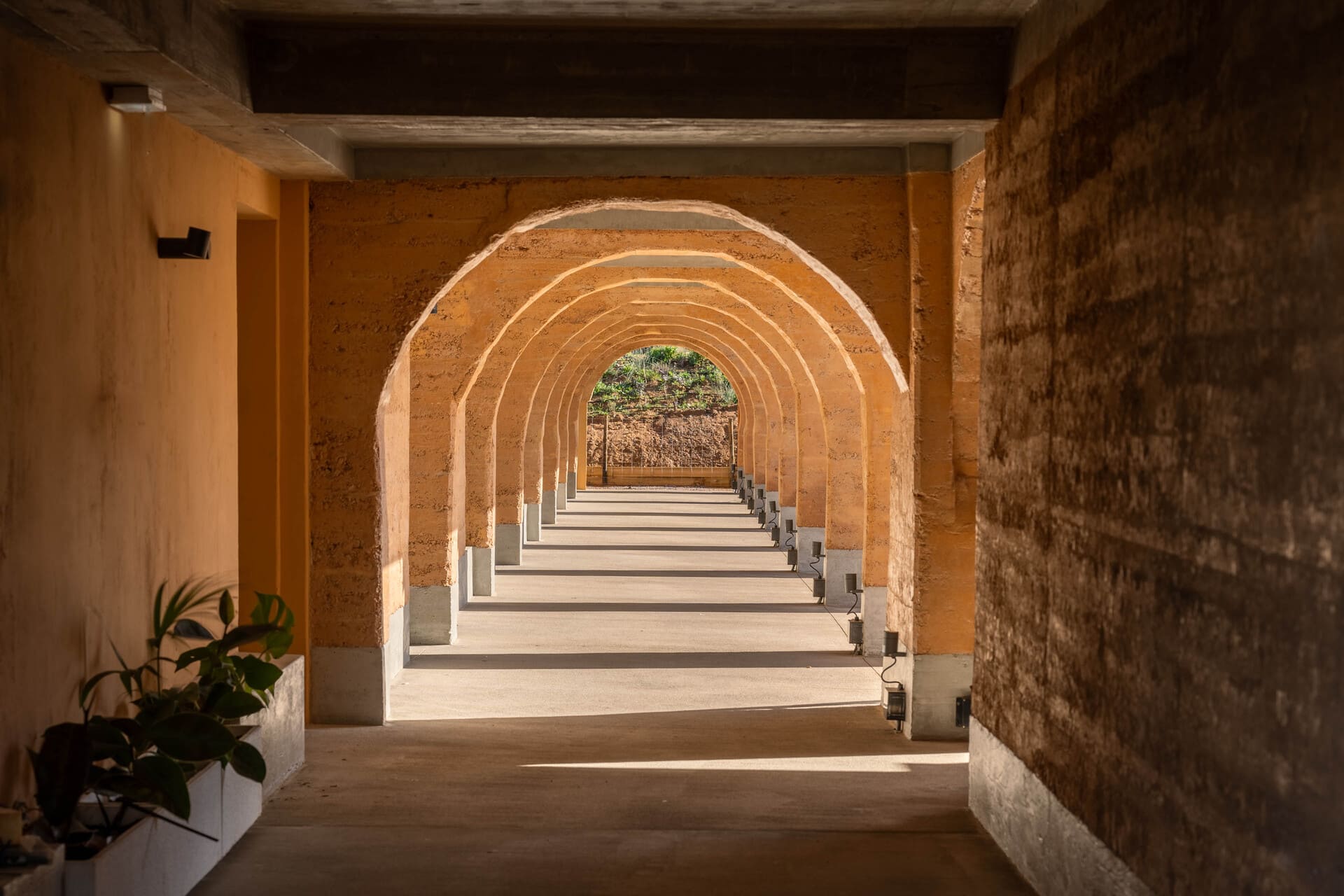
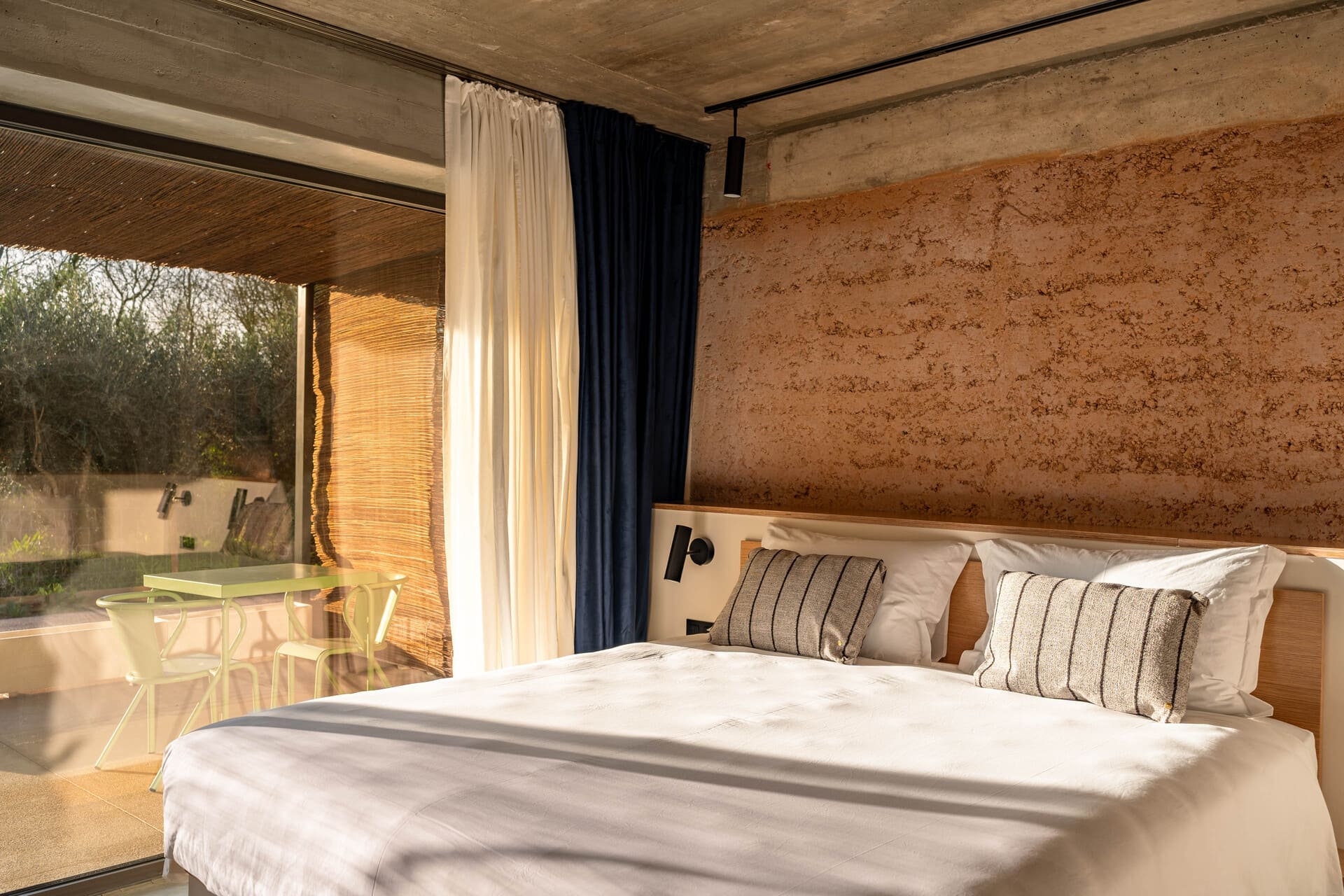
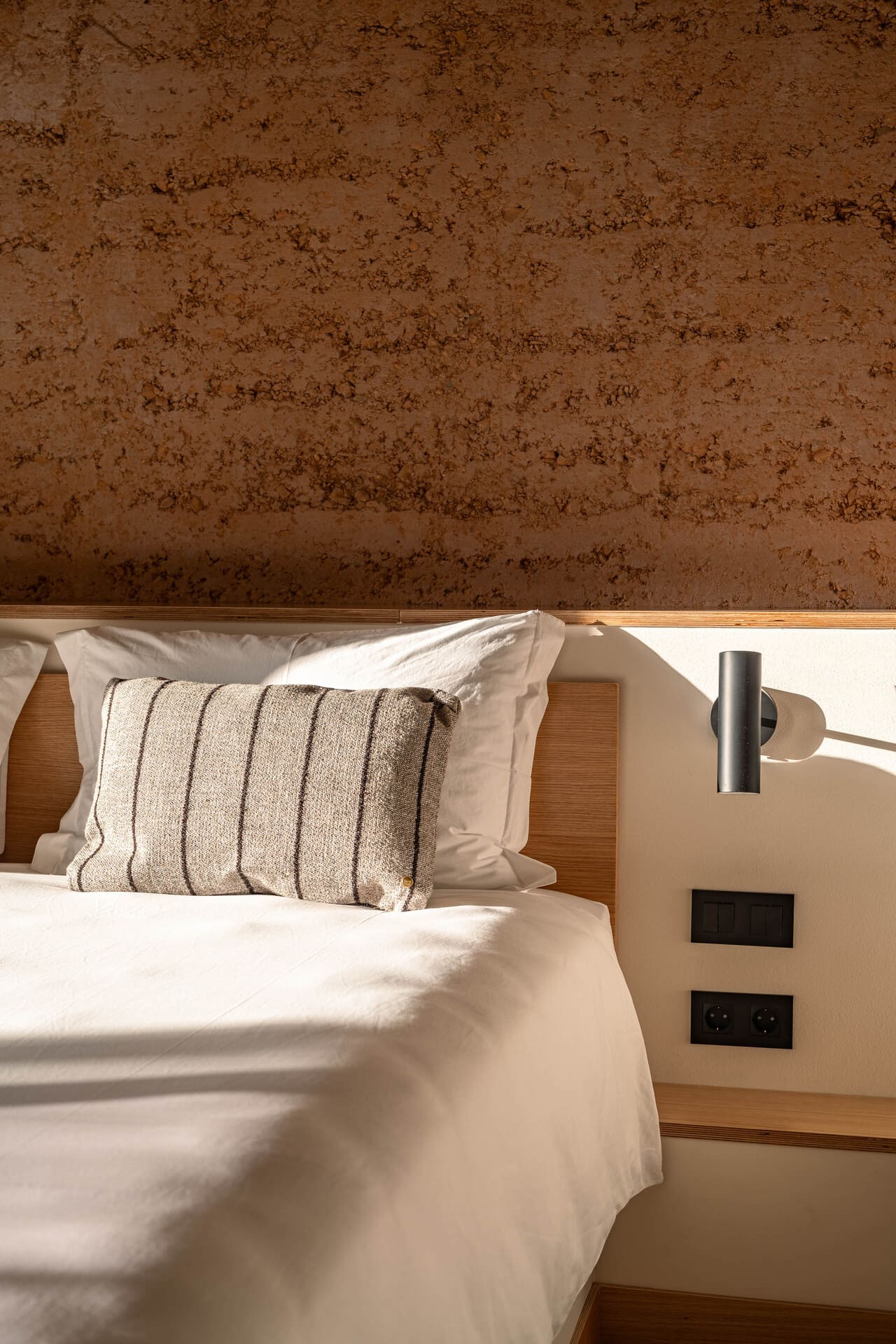
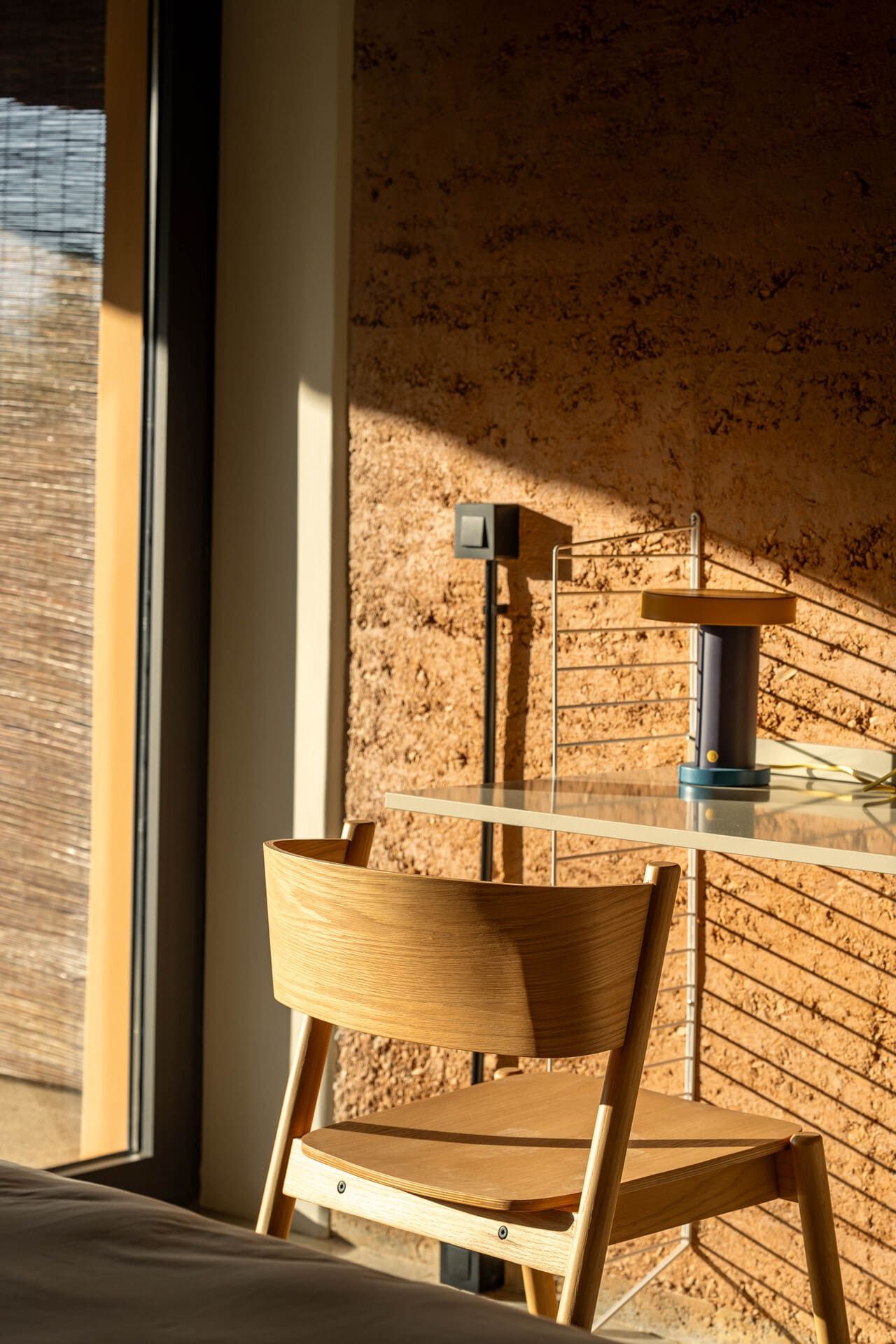
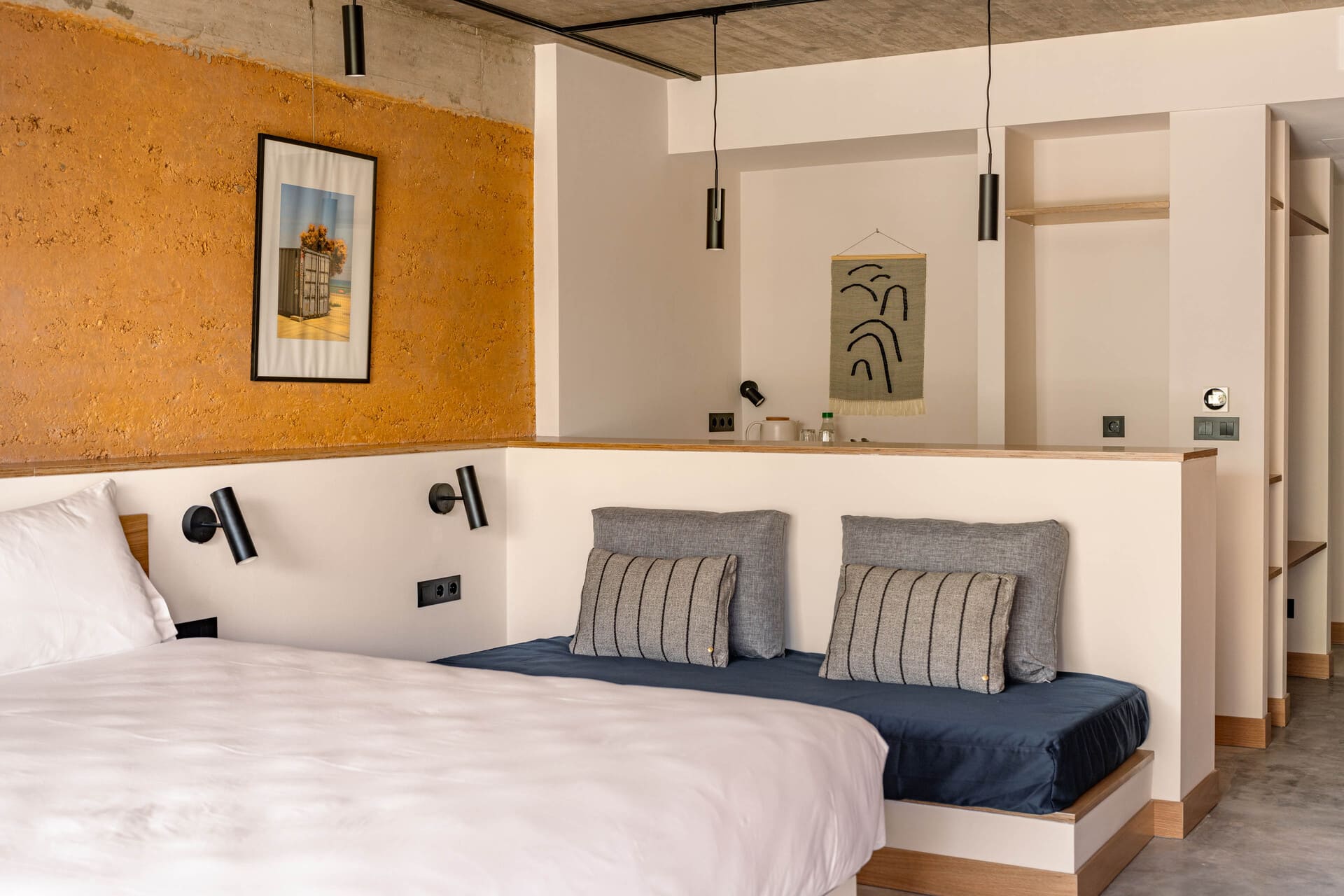
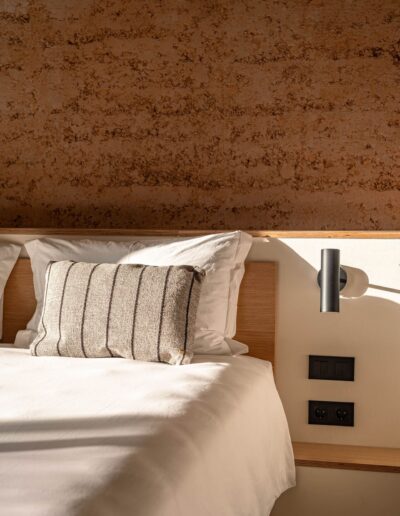
Gandum was built using rammed earth (taipa). An ancient technique that has been used in the Alentejo for centuries. Not out of nostalgia, but as a deliberate choice: the thick adobe walls create thermal mass, which means the rooms stay cool in the summer without aggressive air conditioning and retain heat in the winter. The architecture works with the climate, rather than against it.
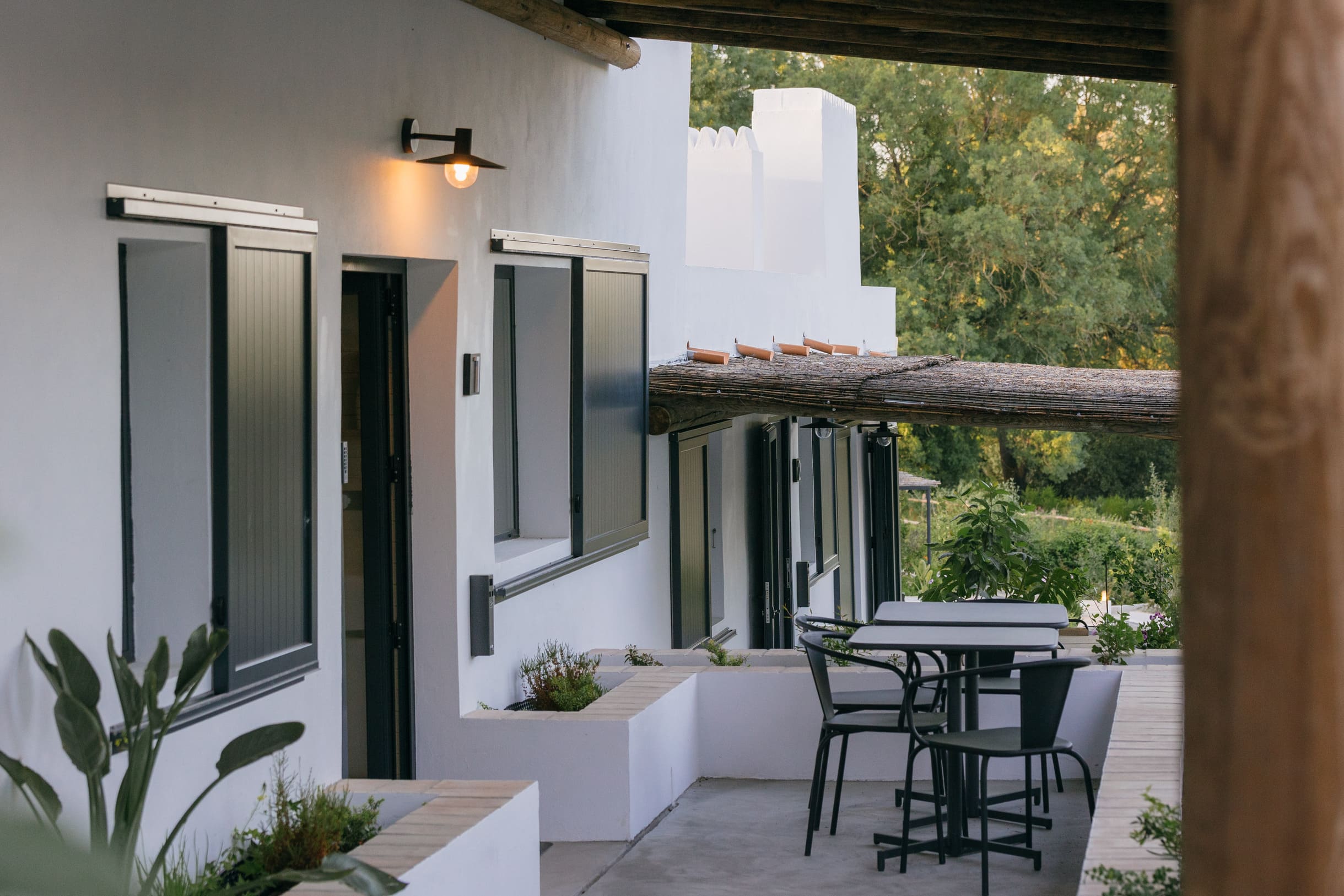
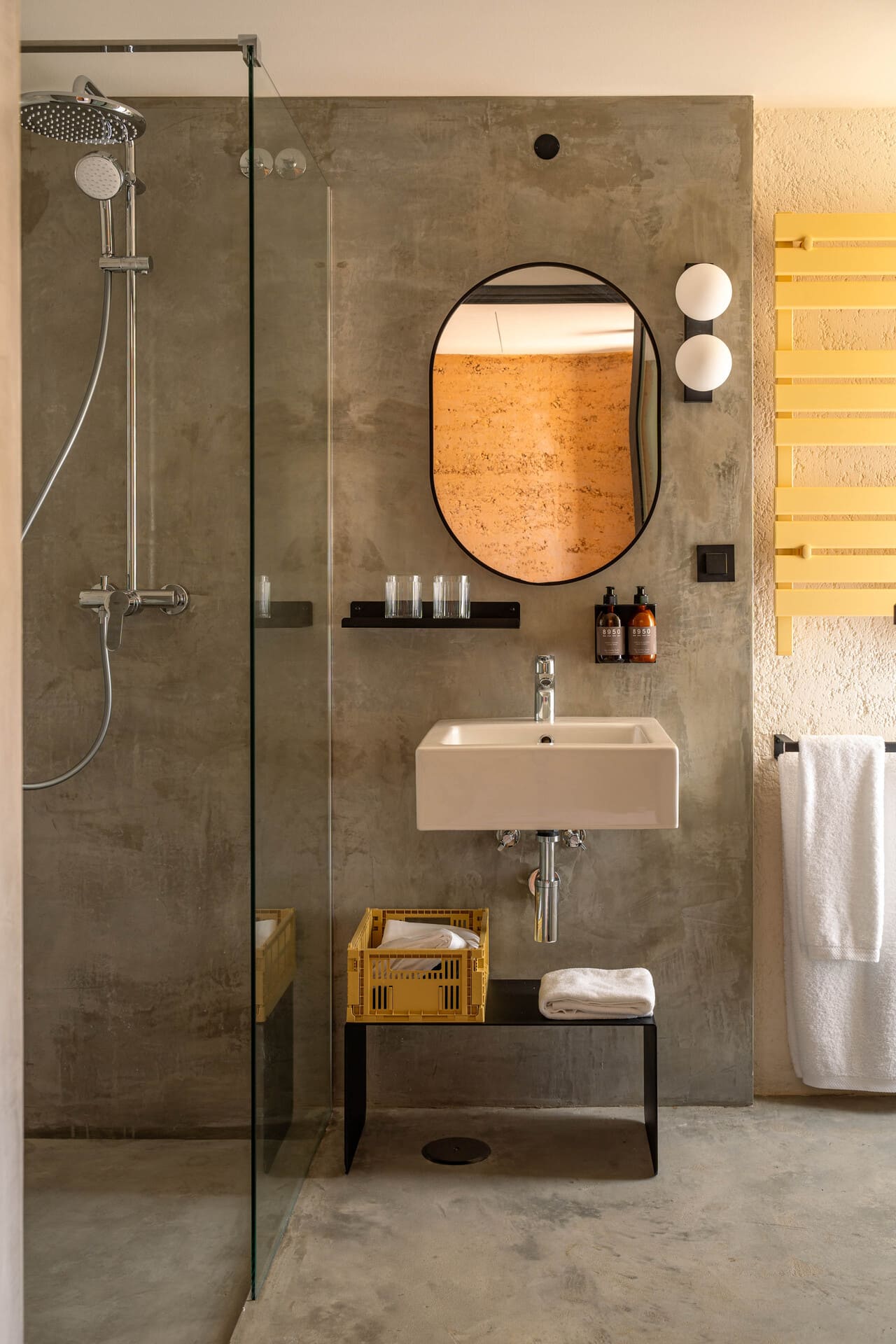
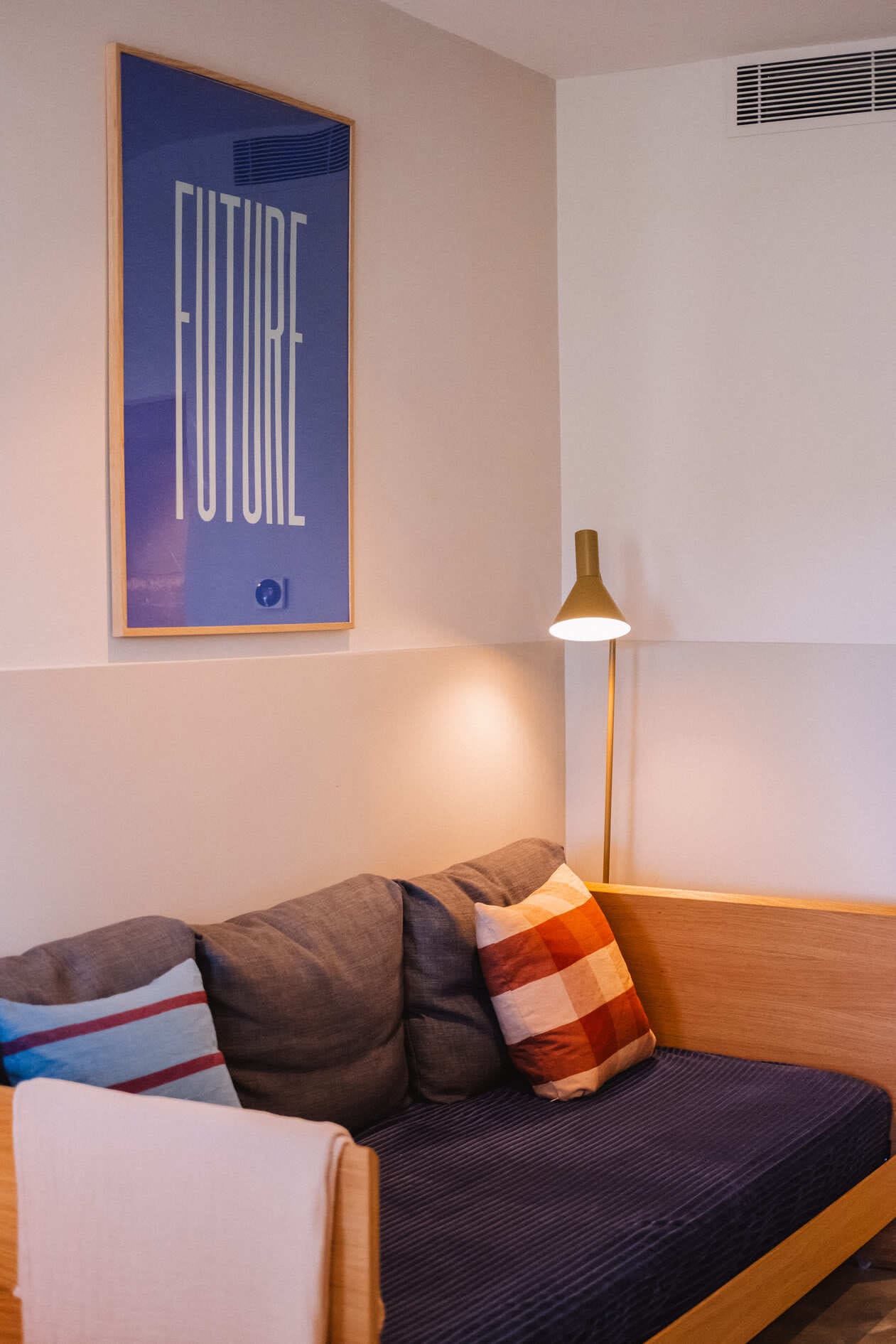
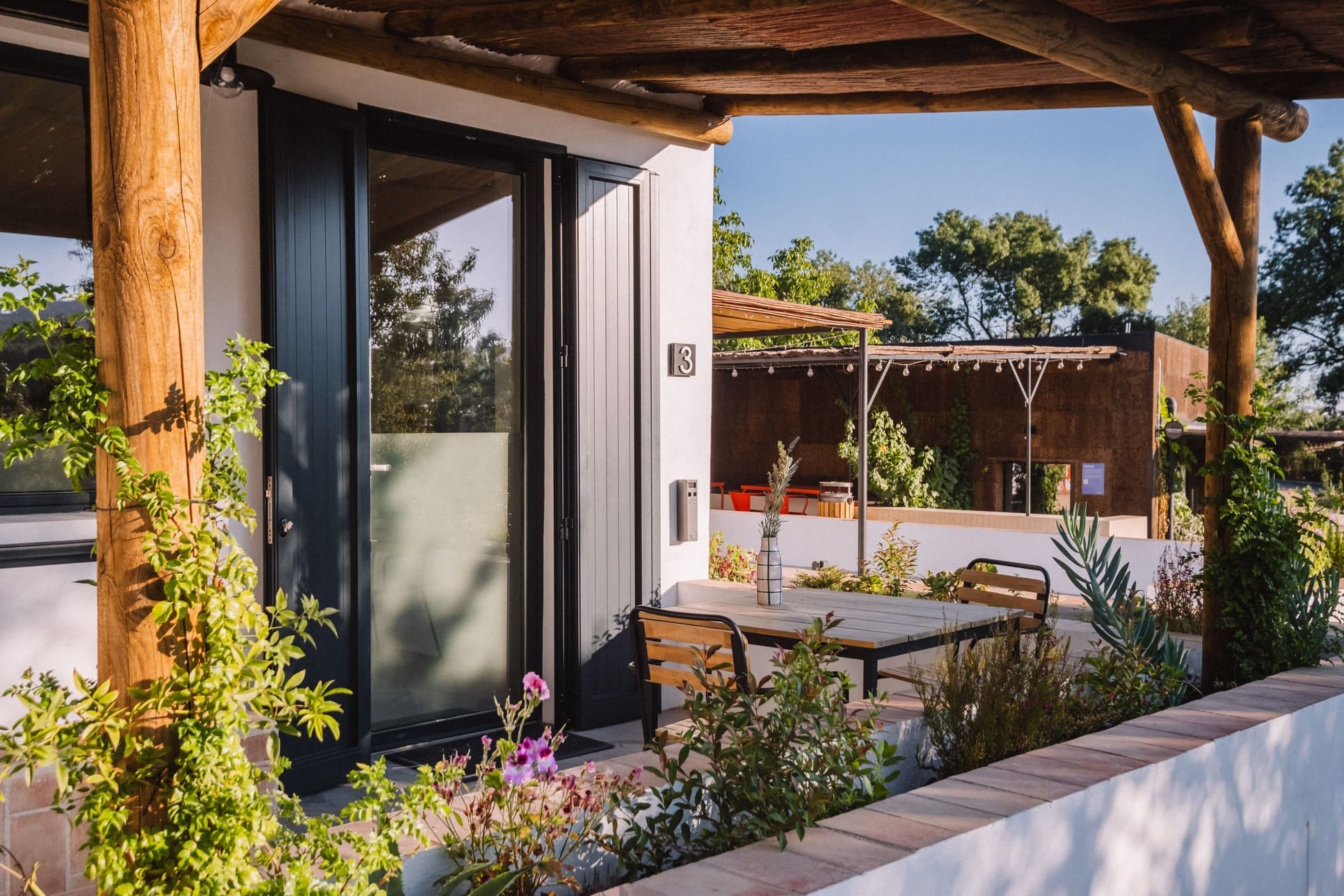
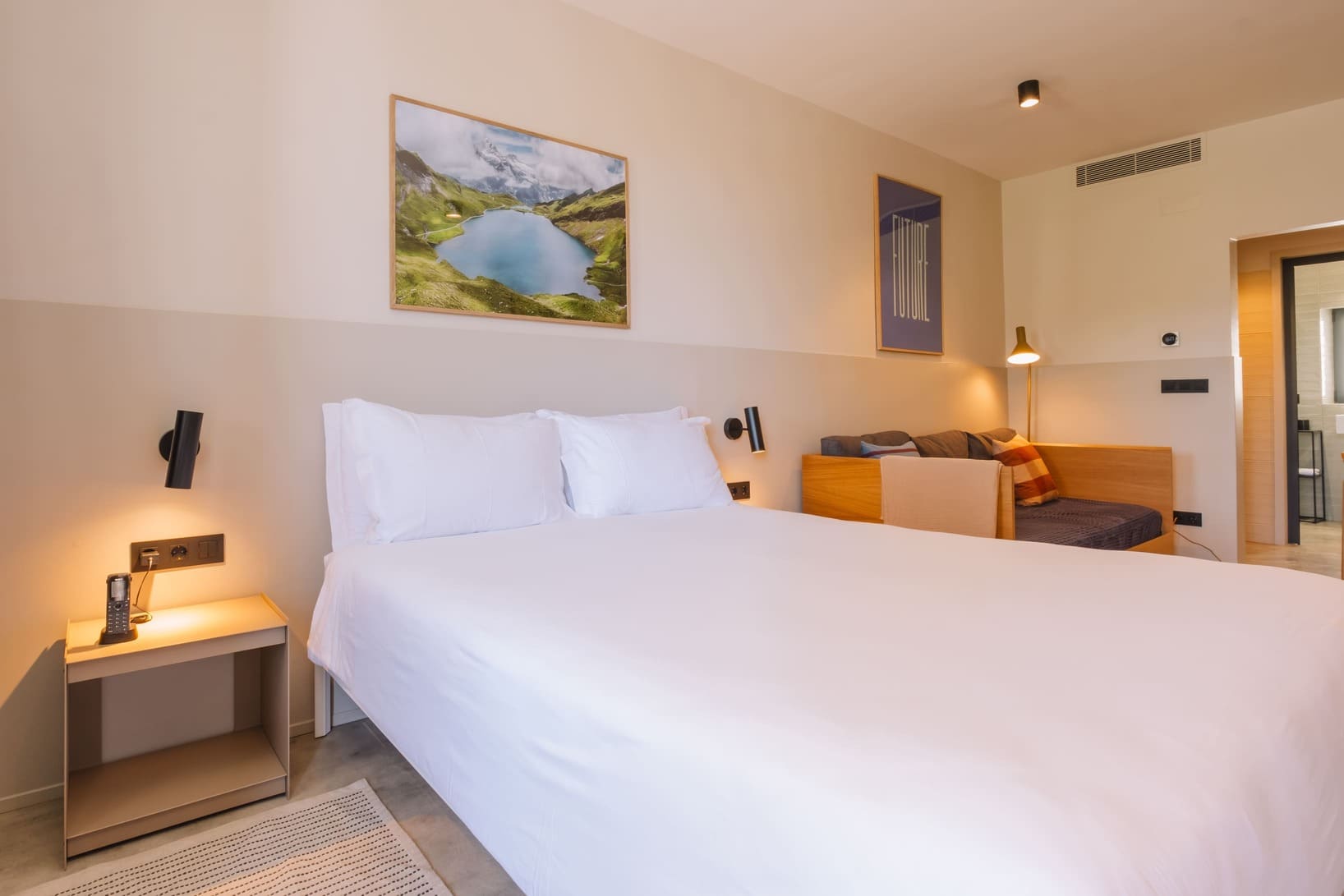
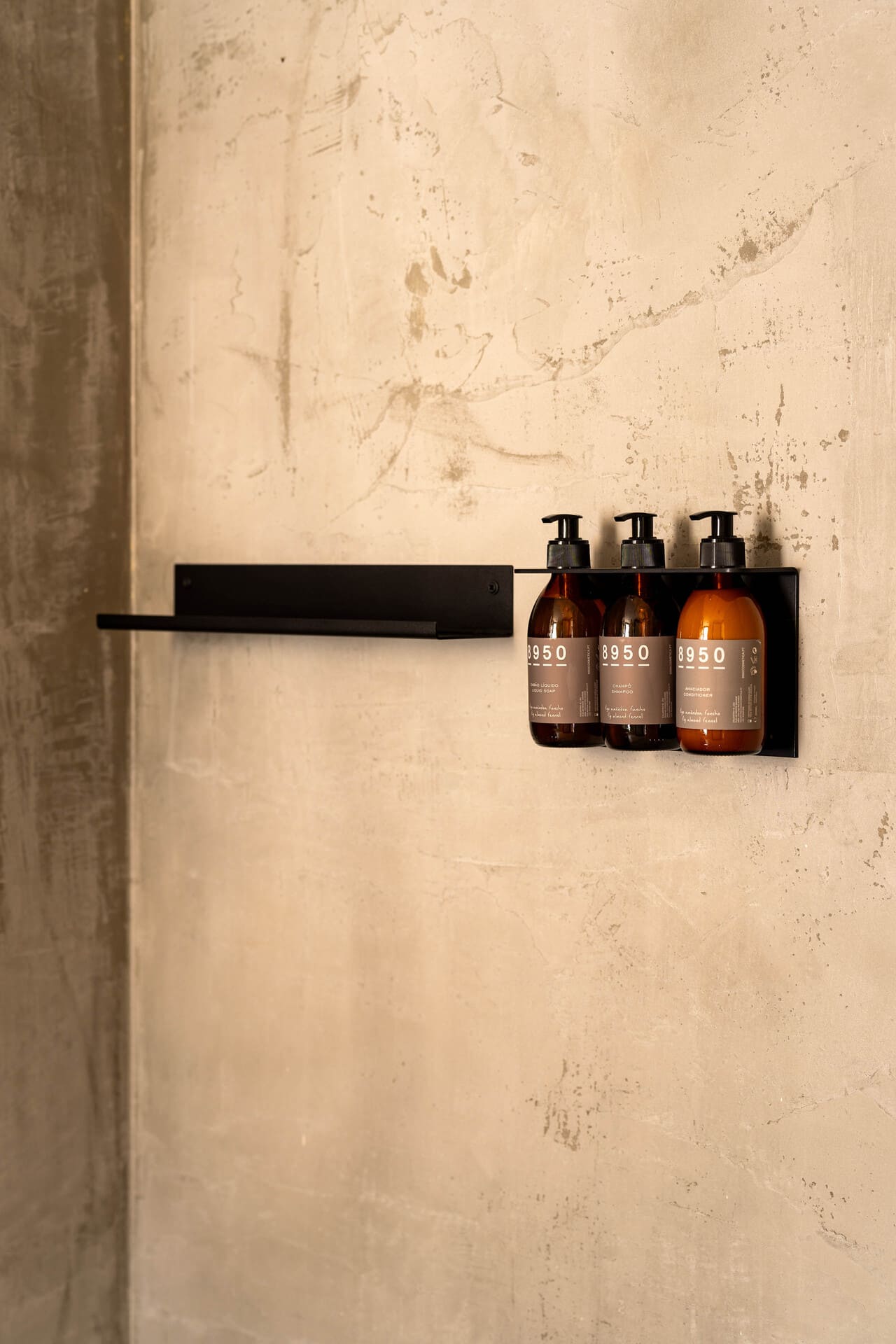
The hotel consists of two buildings. The Claustro building houses the 18 Earth Rooms: spacious rooms measuring about 35 m², featuring organic materials, a private terrace overlooking the Alentejo countryside, and a private bathroom. The adobe walls regulate temperature and humidity in a way you only notice when you wake up: feeling well-rested, without immediately understanding why.
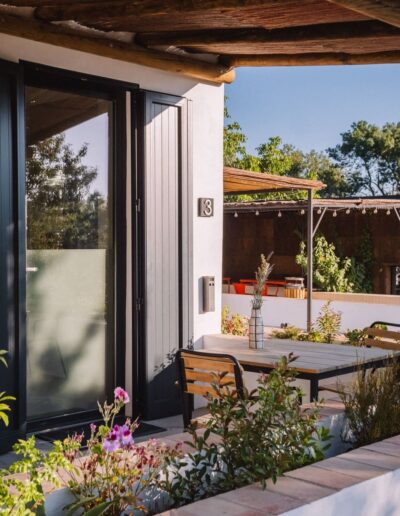
The Monte building houses three apartments (sleeping up to 6 people); ideal for families or small groups, each with a kitchenette and a balcony. All rooms are simply yet thoughtfully furnished: Scandinavian furniture alongside Portuguese handicrafts and organic mattresses.
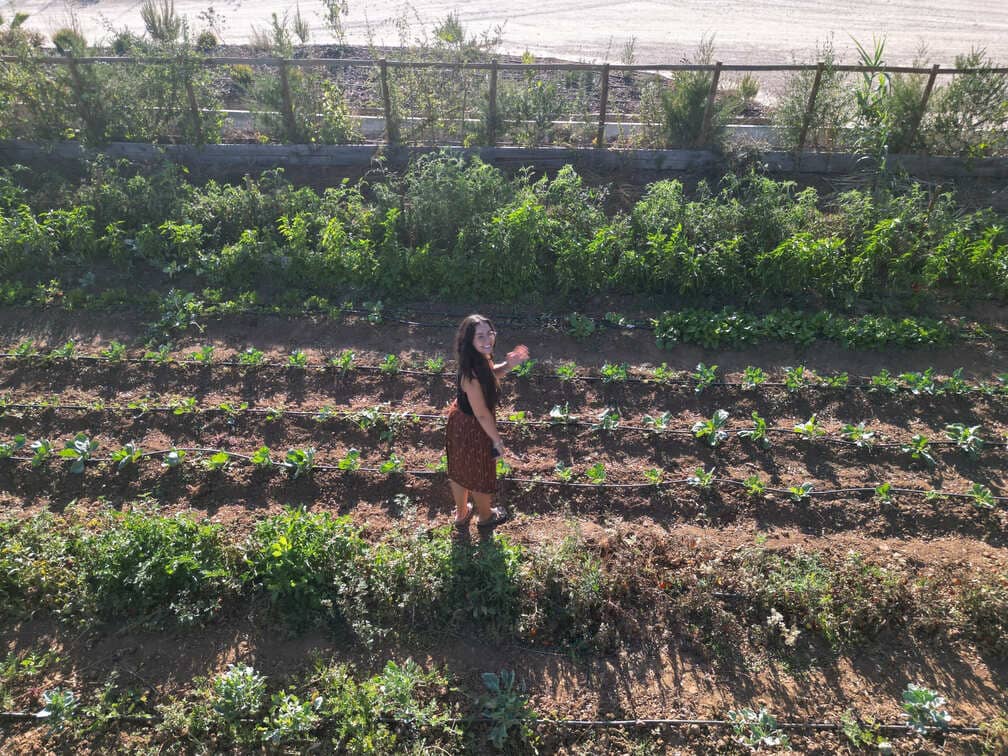
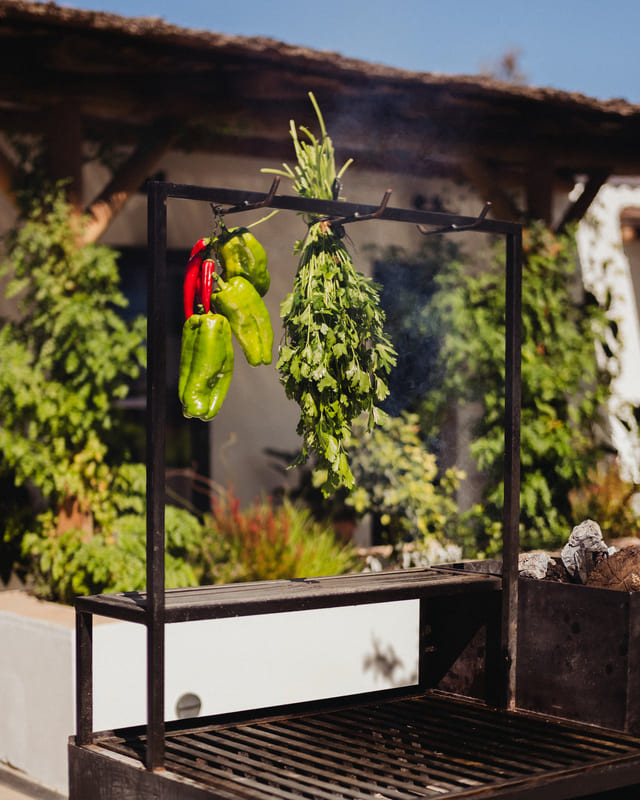
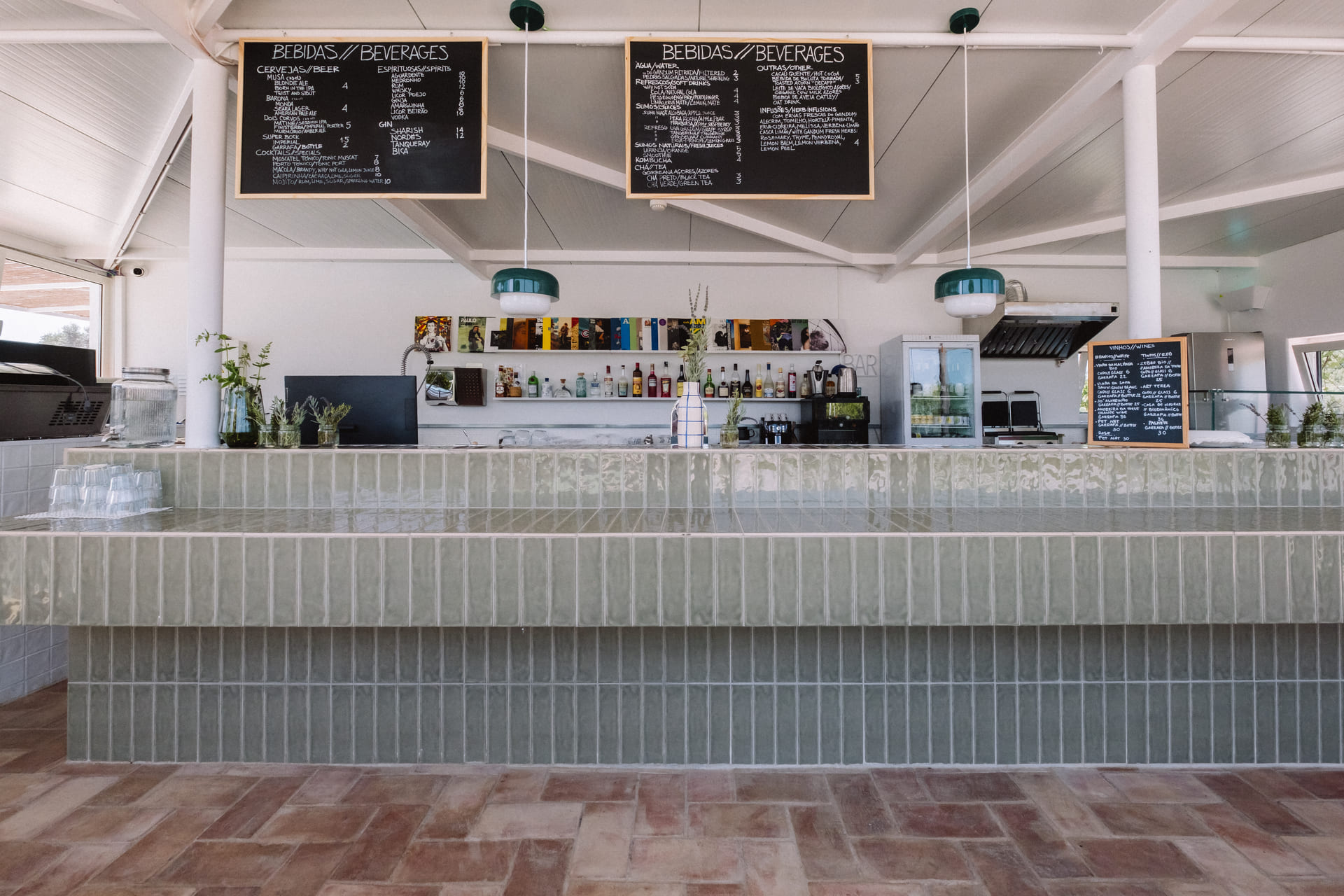
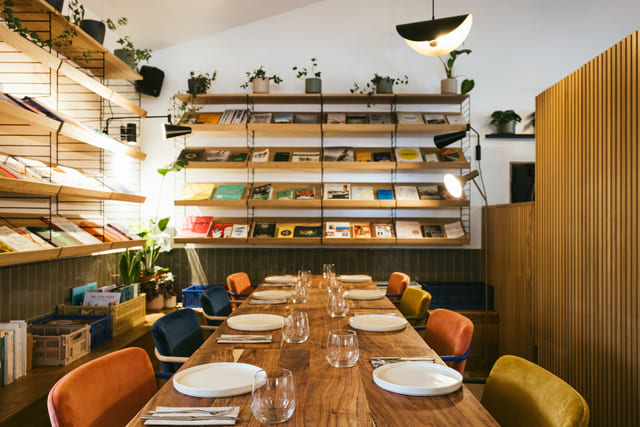
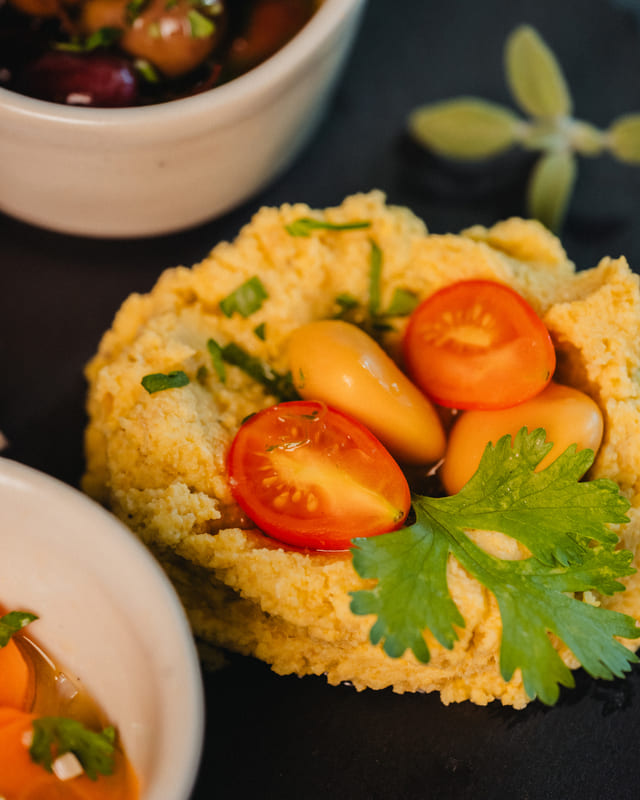
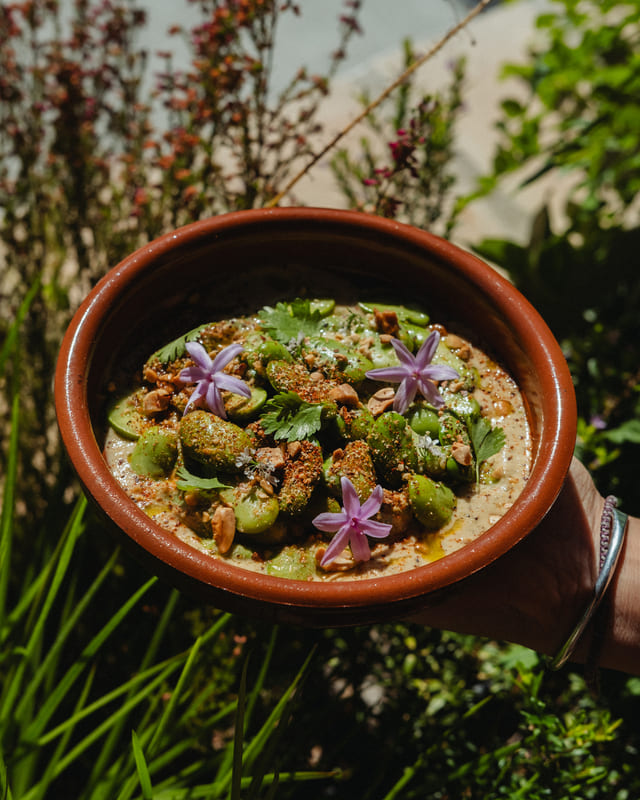
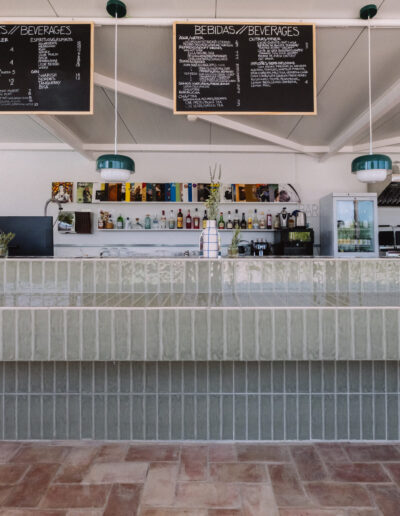
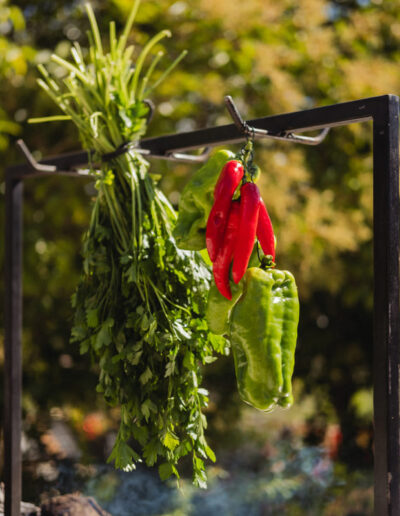
The restaurant is no afterthought. Chef Miguel Araújo cooks with whatever the season and the restaurant’s own agroforestry garden have to offer: vegetables, legumes, herbs, and grains take center stage. Meat and fish are served when appropriate, not as standard fare. The menu changes with the seasons, allowing guests to discover something new every time.
The reviews are unanimous: the food is exceptional. Guests describe it as “farm-to-table,” “absolutely top-notch,” and “the reason to come back.” The breakfast spread (fresh bread, local cheese, seasonal fruit, good coffee) sets the tone for the rest of the day.
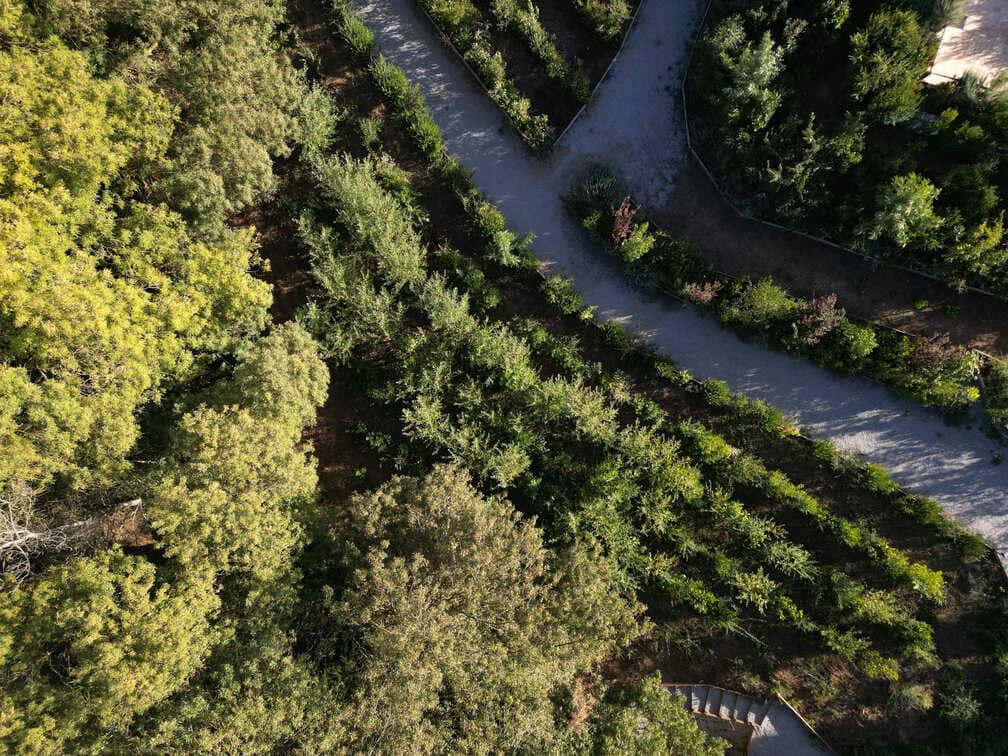
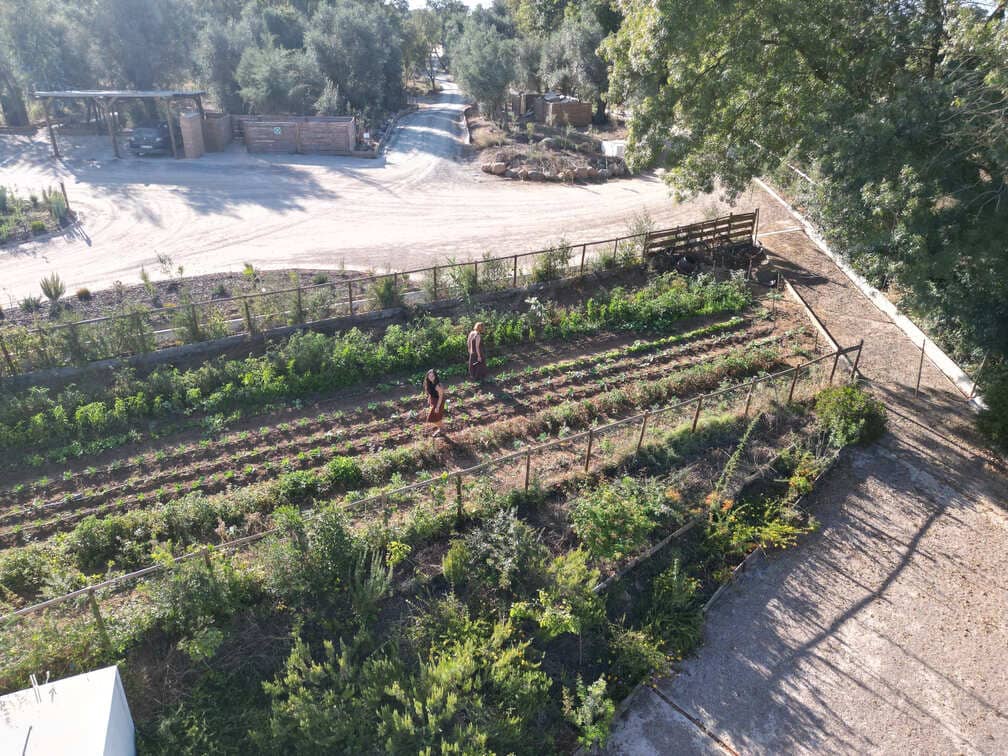
Gandum was founded by João Almeida and Martina Wiedemar. Both have backgrounds in sustainable development and climatology. They’ve put theory into practice, and it shows. Gandum runs entirely on solar power (170 solar panels), uses rainwater for irrigation, composts all organic waste, and has established three agroforestry systems with more than 50,000 native trees.
So sustainability isn’t just a marketing pitch, but a structural choice. What that means in practice:
Gandum is located within the Monfurado protected area. Storks, birds of prey, amphibians, and small mammals live on and around the property. Not because it was planned that way, but because the land is managed in a way that makes it a place they enjoy living in.
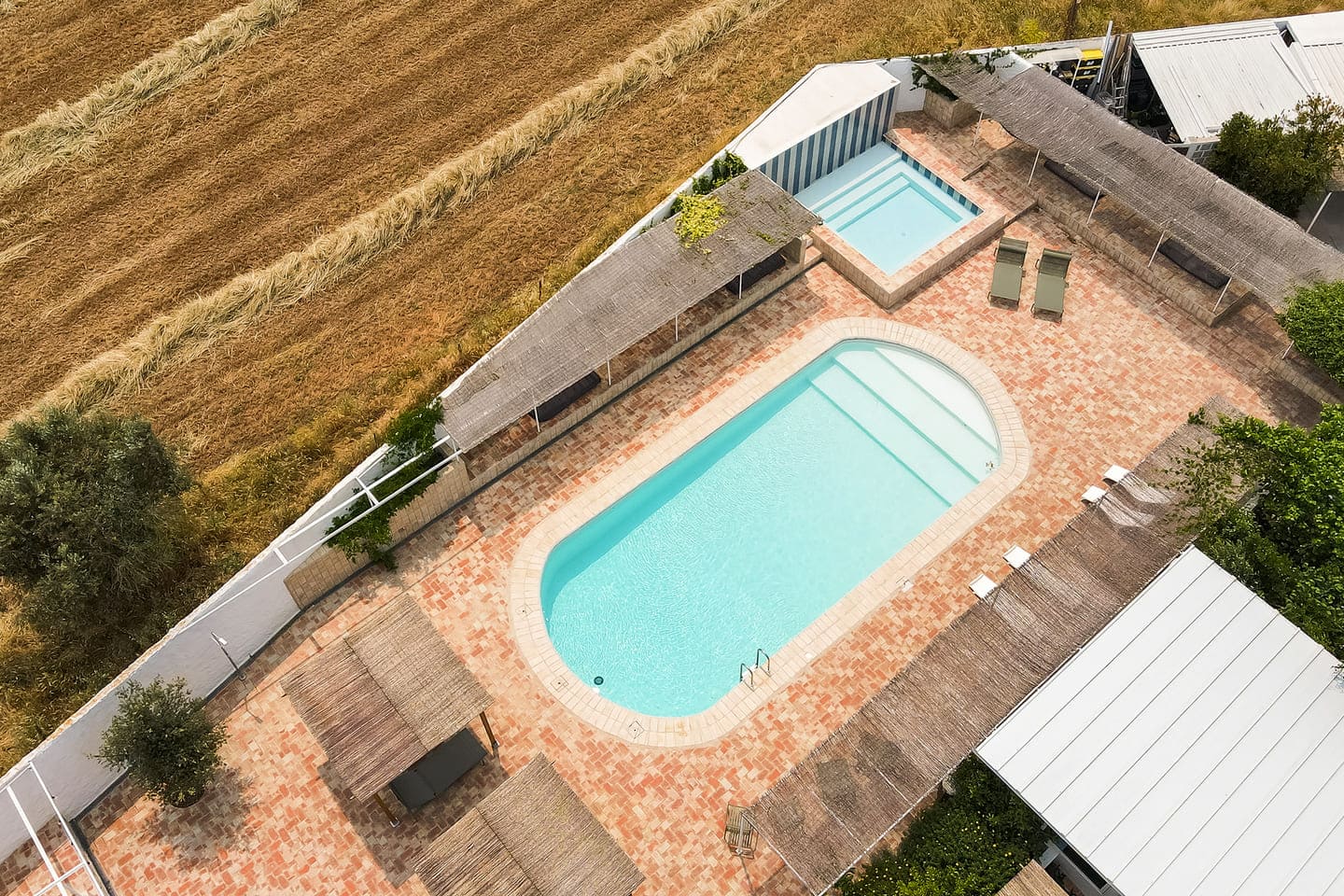
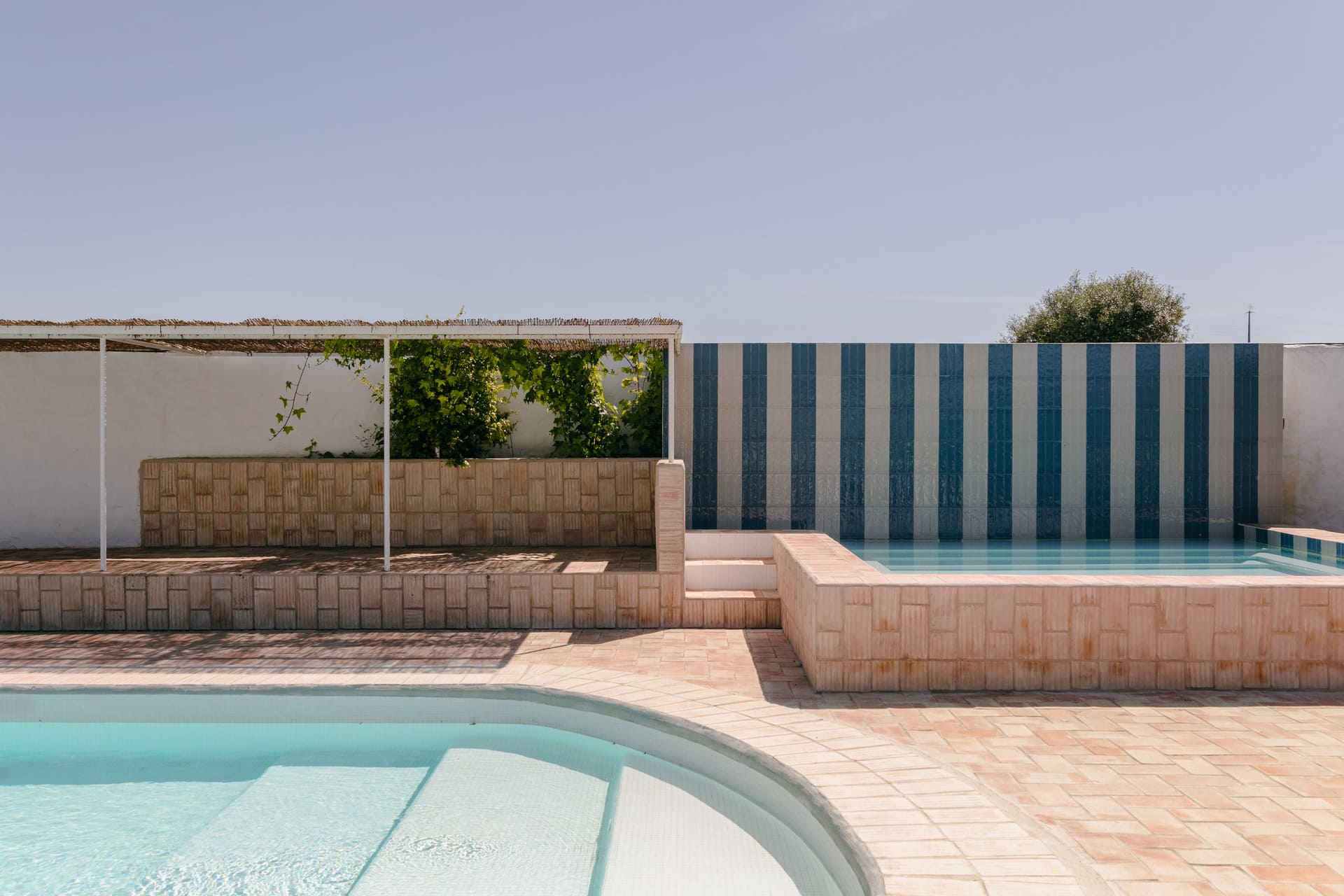
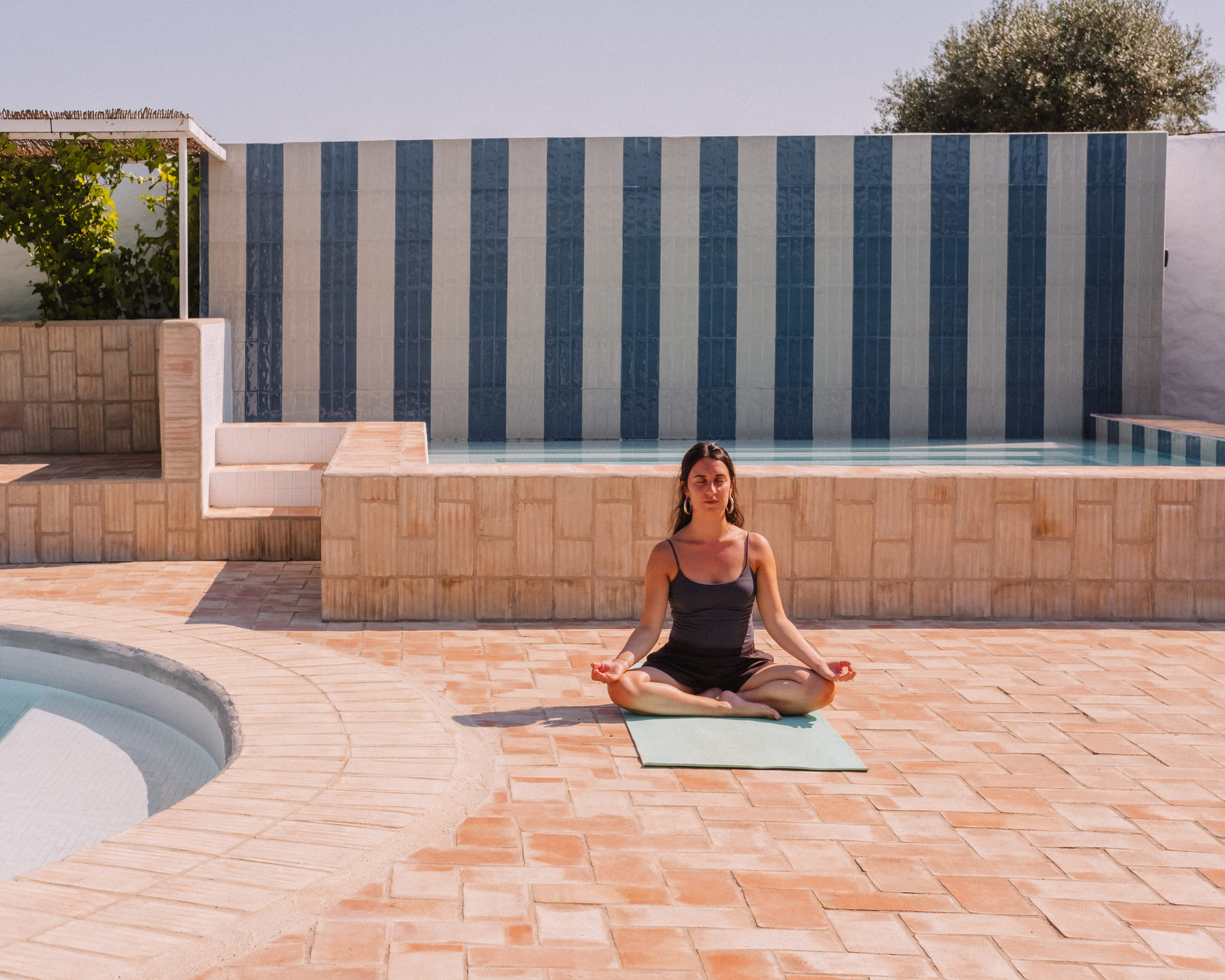
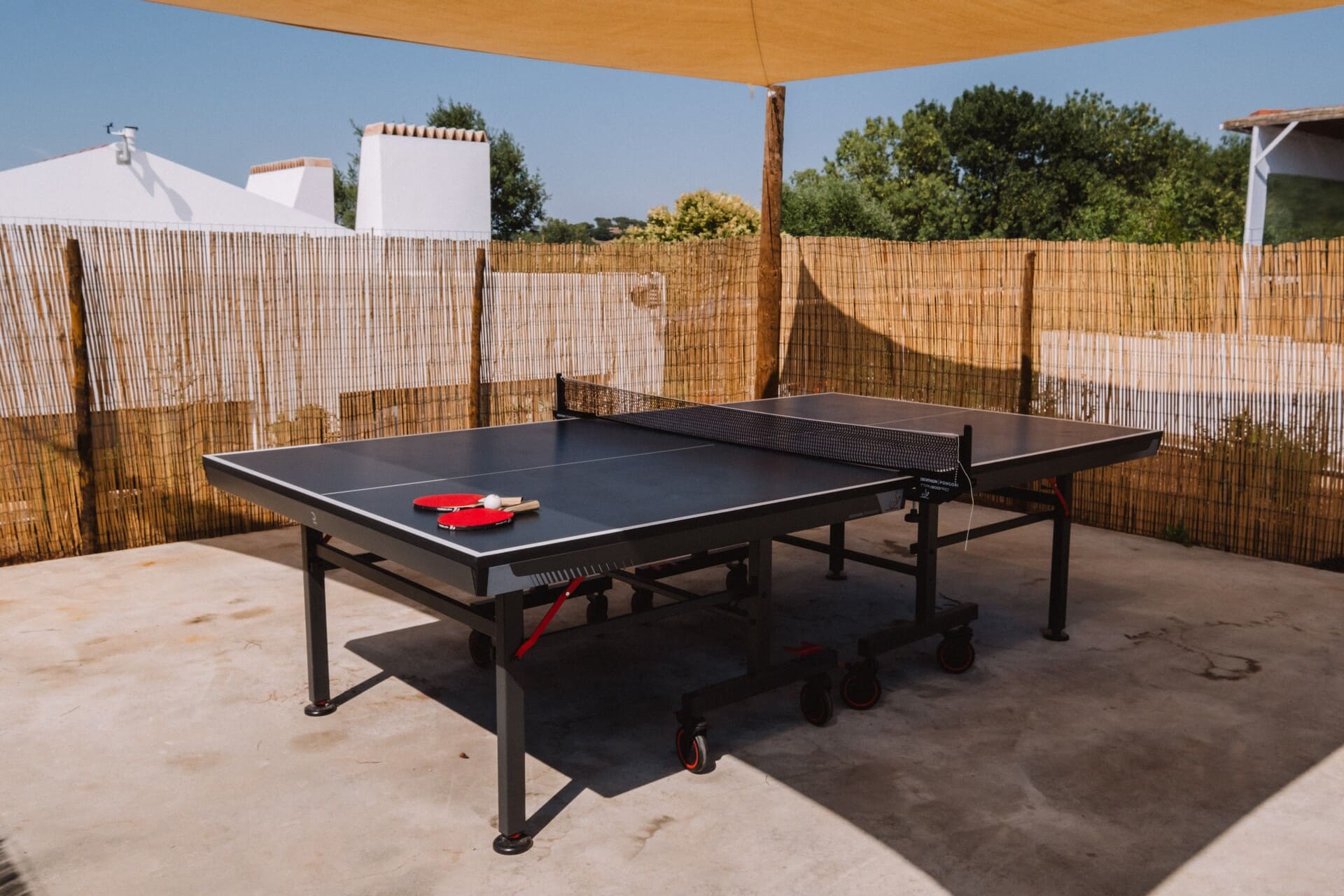
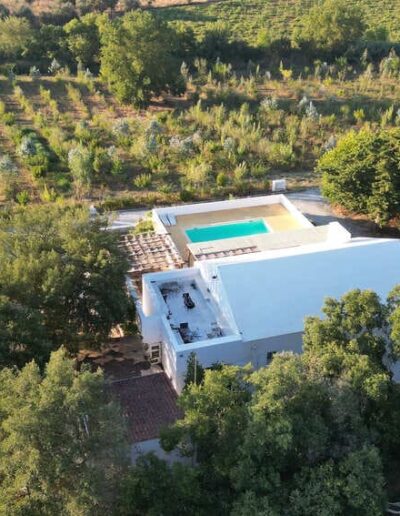
Gandum isn’t an activity resort. But if you want, there’s plenty to do. The grounds feature four swimming pools (including children’s pools), bike rentals, a coworking space, and hiking trails through the agroforestry garden and along the Gandum Creek. Yoga classes are available. Near the hotel: hiking and biking through the Monfurado Reserve, a day trip to Évora (a UNESCO World Heritage Site, half an hour away), or the wild beaches of Comporta.
Montemor-o-Novo itself is worth exploring: a lively town center with castle ruins, local taverns, and a wine tradition you won’t find in the tourist guides.
It’s true. The hotel is built with taipa (rammed earth), is powered by 260 solar panels, has three agroforestry systems, and produces some of its own food. Founders João and Martina have backgrounds in sustainable development and climatology.
Gandum is about 104 kilometers from downtown Lisbon. Outside of rush hour, you can get there in just over an hour. If you head out around 7:00 p.m. on Friday, you’ll avoid the crowds and be out on the terrace by 10:00 p.m.
Yes. The three Casas do Monte are specifically designed for families or groups (up to 6 people), with a kitchenette and separate living areas. There are two children’s pools, and pets are welcome. The grounds offer plenty of space for walking, biking, and playing.
The Provenance restaurant is open to hotel guests and outside visitors. Due to its small size and popularity, reservations are recommended, especially during peak season.
The Alentejo is beautiful all year round, but spring (March–May) and early fall (September–October) are ideal: pleasantly warm, less crowded, and nature at its best. In winter, the landscape is surprisingly green.





You can find more information about the icons here
Take a look