Gratis gids 10 verborgen natuurplekken in Europa
Gratis gids 10 verborgen natuurplekken in Europa. Meld je aan voor onze nieuwsbrief en ontvang inspirerende reistips en routes voor je volgende groene reis.

Choose your region

Alentejo
Northern Portugal
Azores
Madeira
Central Portugal
Algarve
Lisbon Region
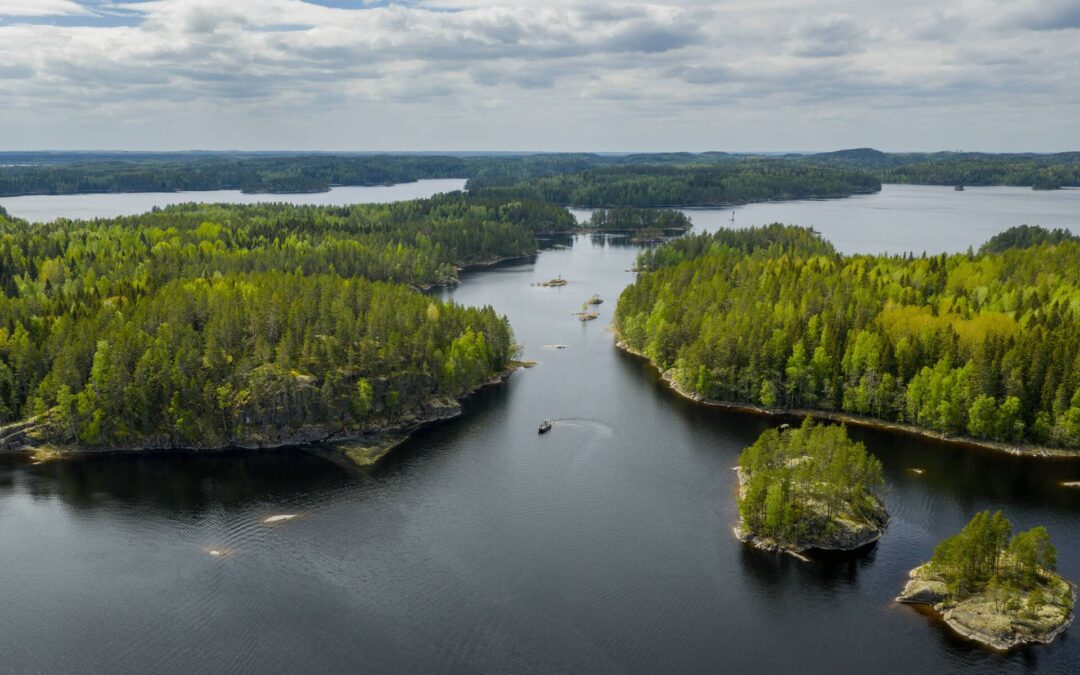
Finland has 41 national parks, spread across a country that stretches from the Gulf of Bothnia to well above the Arctic Circle. In the south, a 45-minute drive from Helsinki, lies Nuuksio: forests, rocks, and lakes within walking distance of the capital, with a good chance of spotting a flying squirrel. Further north, the landscape gradually transitions into taiga, with Oulanka National Park among the best known: waterfalls several meters high, suspension bridges over swirling waters, and dense coniferous and birch forests.
In Lapland, nature becomes more rugged. Lemmenjoki is Finland’s largest national park and one of the largest in Europe, with wilderness stretching as far as the eye can see. Pallas-Yllästunturi features the characteristic barren mountain peaks (tunturis) of the north, and Urho Kekkonen National Park borders Russia directly and has the country’s densest network of wilderness huts.
What characterizes Finland’s nature is not a single icon but the sum of its parts: reindeer roaming freely, brown bears in the eastern forests, lynxes and wolves that are there but rarely seen, and in the summer, the midnight sun, which makes it possible to hike for hours in the evening light. In the north, Sami culture still coexists with this landscape, with reindeer herding as its central theme.
Finland’s most famous hiking trail is the Karhunkierros Trail, also known as the Bear Trail, which runs right through Oulanka National Park: over 80 kilometers past ravines, suspension bridges, and the Oulankajoki River. You don’t have to hike the entire trail; short loops lasting a few hours are enough to give you a good sense of the park.
Further north, in Urho Kekkonen National Park, you can hike from cabin to cabin for days on end through open fell country, with Finland’s densest network of overnight cabins serving as a safety net. Pallas-Yllästunturi is more accessible: wide trails across barren peaks and through the forest, suitable for both day hikes and multi-day treks.
June through August is the classic hiking season, with long, bright days thanks to the midnight sun. If you’d rather avoid mosquitoes, plan your visit for September: that’s when the taiga turns bright orange and red during the so-called “ruska” season, and most of the insects have already disappeared. In winter, the same landscape transforms into a setting for snowshoeing and cross-country skiing, with the chance to see the Northern Lights as a bonus.
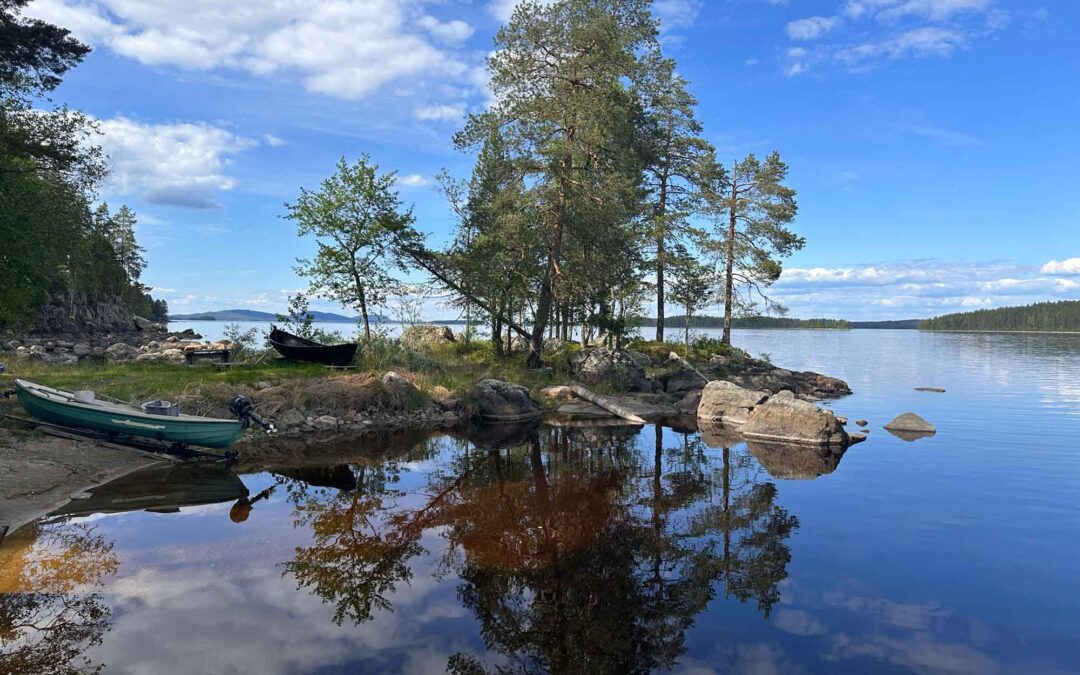
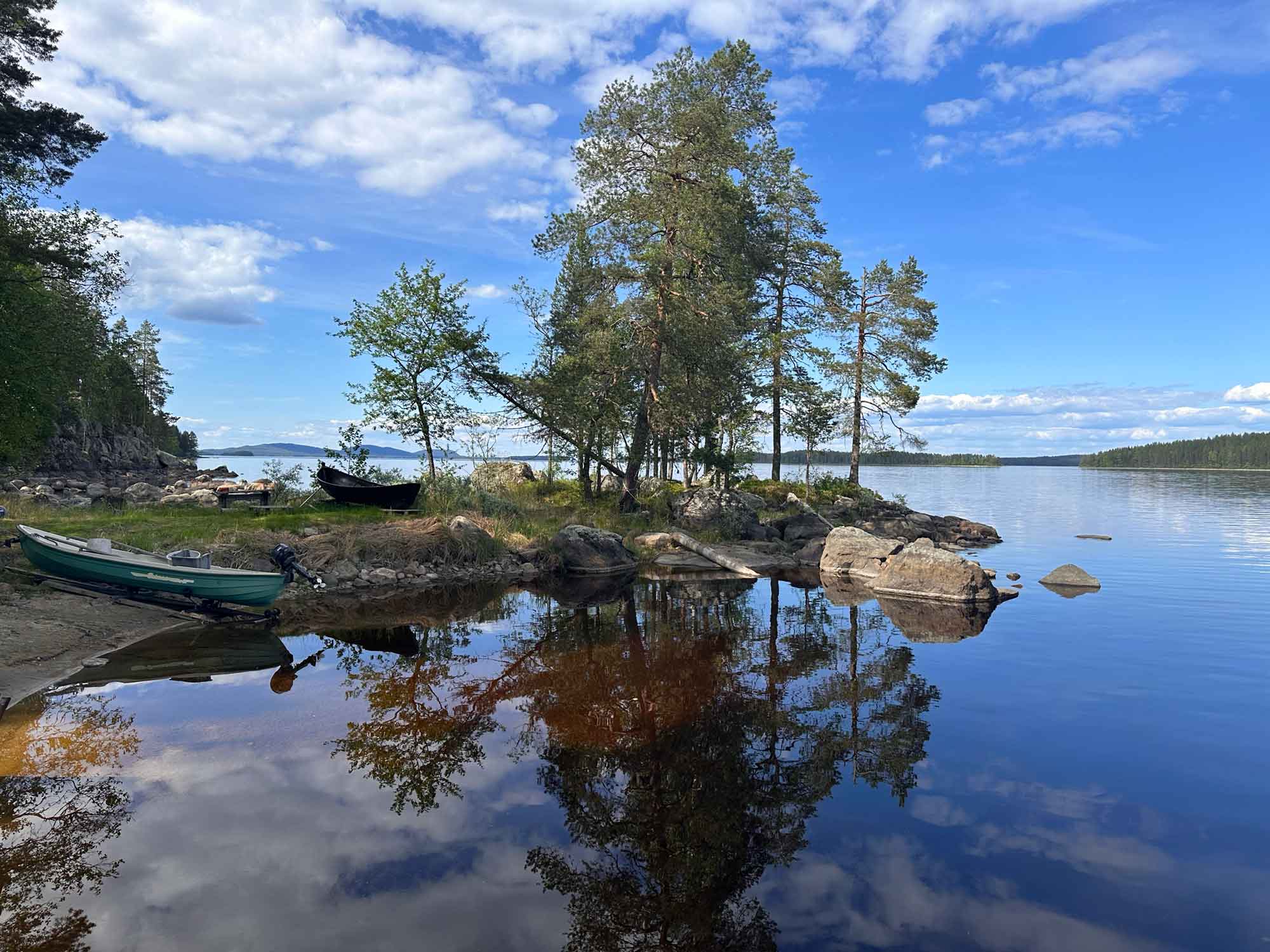
The mökki, a wooden cabin by a lake, is the quintessential Finnish place to stay—and exactly the kind of small-scale, bookable-directly accommodation that Nature Travel Lab is looking for: often built or managed by the owner themselves, with its own dock, sauna, and nothing but forest and water as a view. In the south, you’ll find them scattered among the thousands of lakes in the Saimaa and Päijänne regions, close enough for a long weekend.
In Lapland, the focus is more on the seasons: cabins with glass roofs or walls for those who want to wait for the Northern Lights from their bed in winter, and simpler cabins that mainly serve as a base for a day of hiking in Oulanka, Pallas-Yllästunturi, or Urho Kekkonen. The sauna isn’t just an extra here—it’s a standard feature: almost every place to stay, no matter how small, has one.
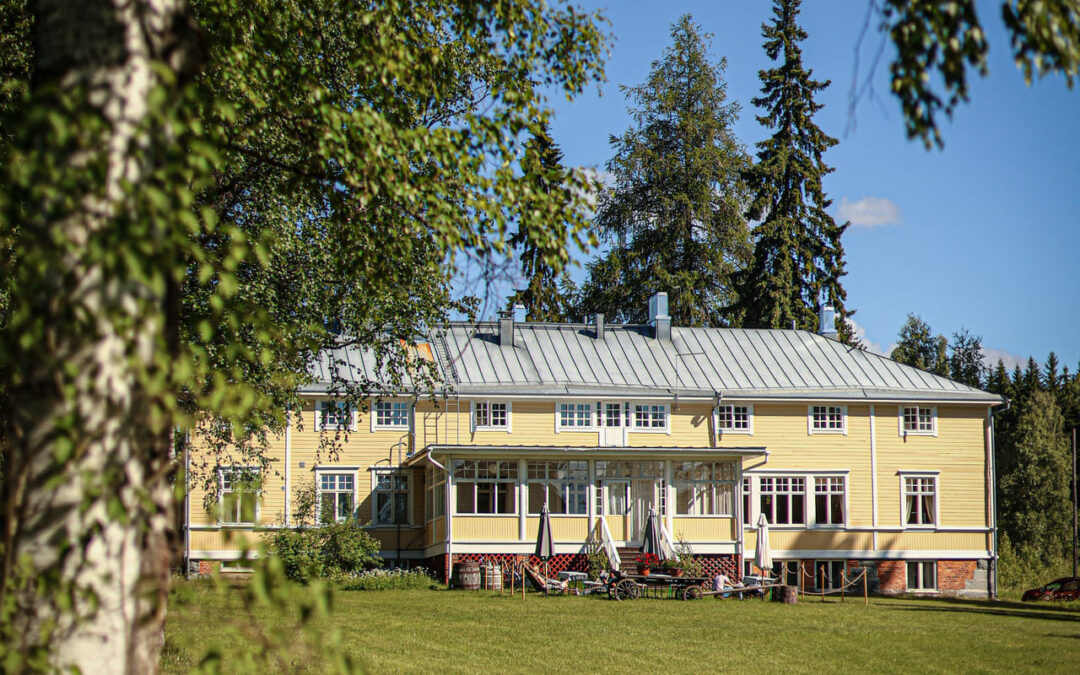
Those who prefer to combine comfort with nature can stay at small-scale lodges with just a few rooms, often run by a local family, with breakfast and a sauna included. It is precisely this small-scale, “Book direct with the owner” approach that makes Finland a logical addition to NatureTravelLab’s existing Scandinavia offerings.
“Nature is our greatest ally and inspiration.”
– Sir David Attenborough