
Gratis gids 10 verborgen natuurplekken in Europa
Gratis gids 10 verborgen natuurplekken in Europa. Meld je aan voor onze nieuwsbrief en ontvang inspirerende reistips en routes voor je volgende groene reis.

From Helsinki to the forests and lakes of North Karelia. A round-trip through a region where you can hike away from the crowds, canoes are everywhere, and the sauna is still a part of daily life.
Finland had been on my bucket list for quite some time. Not because of the Northern Lights or Santa Claus, but because it seems to be one of the few countries in Europe where nature still reigns supreme—where forests are larger than cities and lakes aren’t cluttered with vacation resorts. On my first visit, I travel from Helsinki to North Karelia, a region in the east of the country that proudly calls itself the soul of Finland.
That sounds like a big promise. But after a few days, I’m starting to understand what it means.
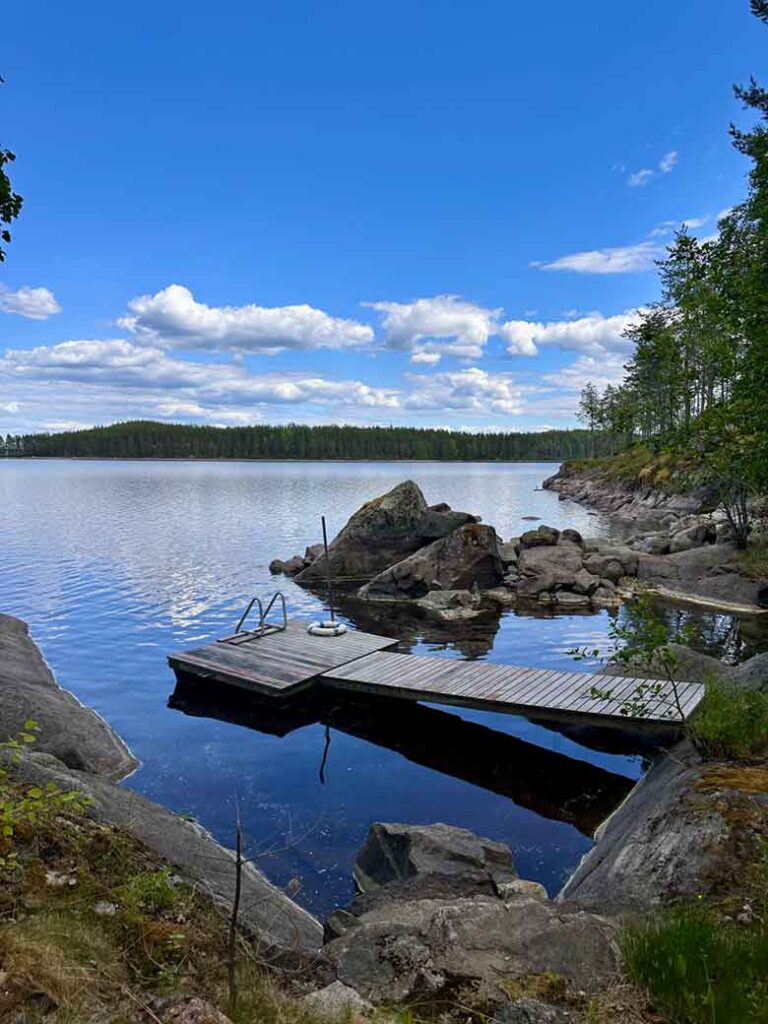
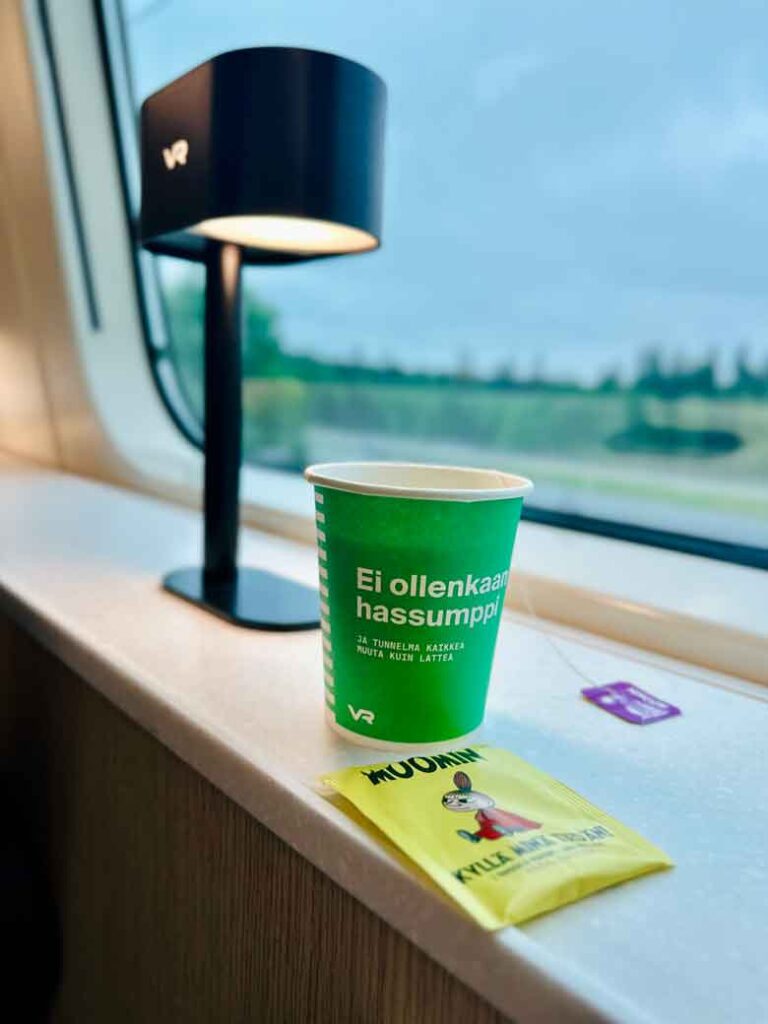
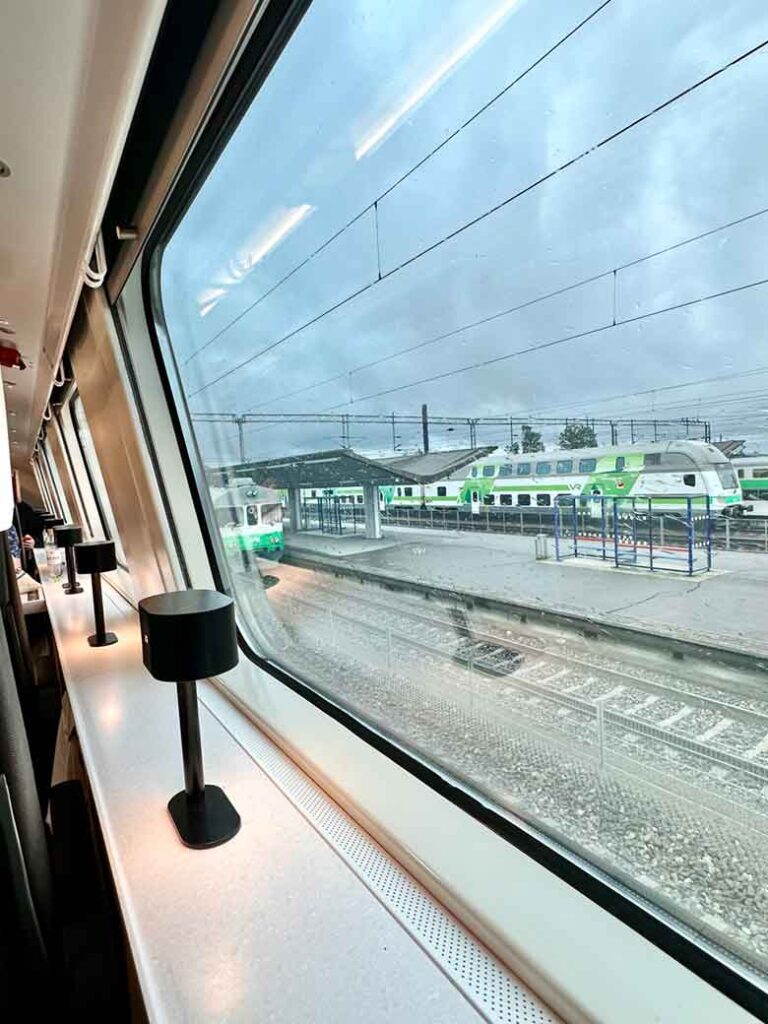
When you visit Finland, you don’t have to hop right into a car or onto a plane. From Helsinki, the train will take you to Joensuu, the largest city in North Karelia, in about four and a half hours. It’s a comfortable and sustainable way to travel.
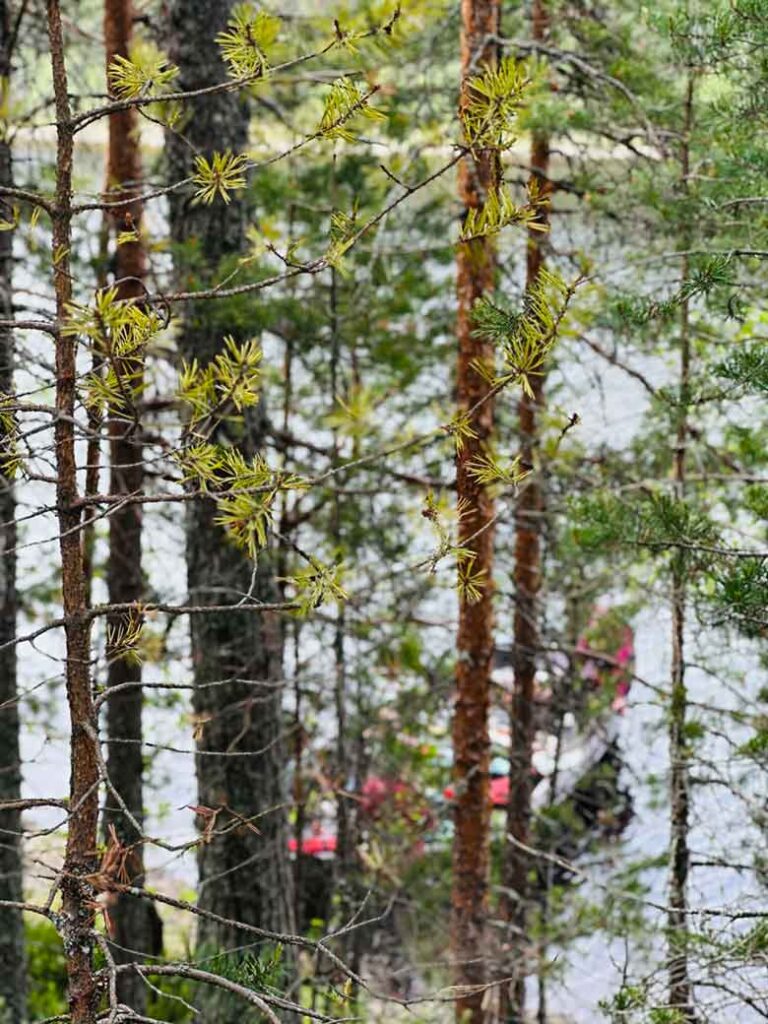
Don’t expect any spectacular panoramic views along the way. For hours on end, you’ll look out over vast forests, interspersed with lakes, wooden houses, and small stations where only a handful of people get off. After a while, the view even becomes a bit monotonous. And perhaps that says something about Finland. Nature here isn’t designed to impress. It’s simply there. Kilometer after kilometer.
Once you arrive in Joensuu, it’s immediately apparent that North Karelia is anything but deserted. The city has over 75,000 residents, and thanks to the university, there’s a lively atmosphere. Students fill the outdoor cafes, cyclists dominate the streets, and in the summer, festivals and events take place regularly. Anyone visiting the region would be wise to plan a few hours or even an overnight stay here before continuing on to Koli National Park.
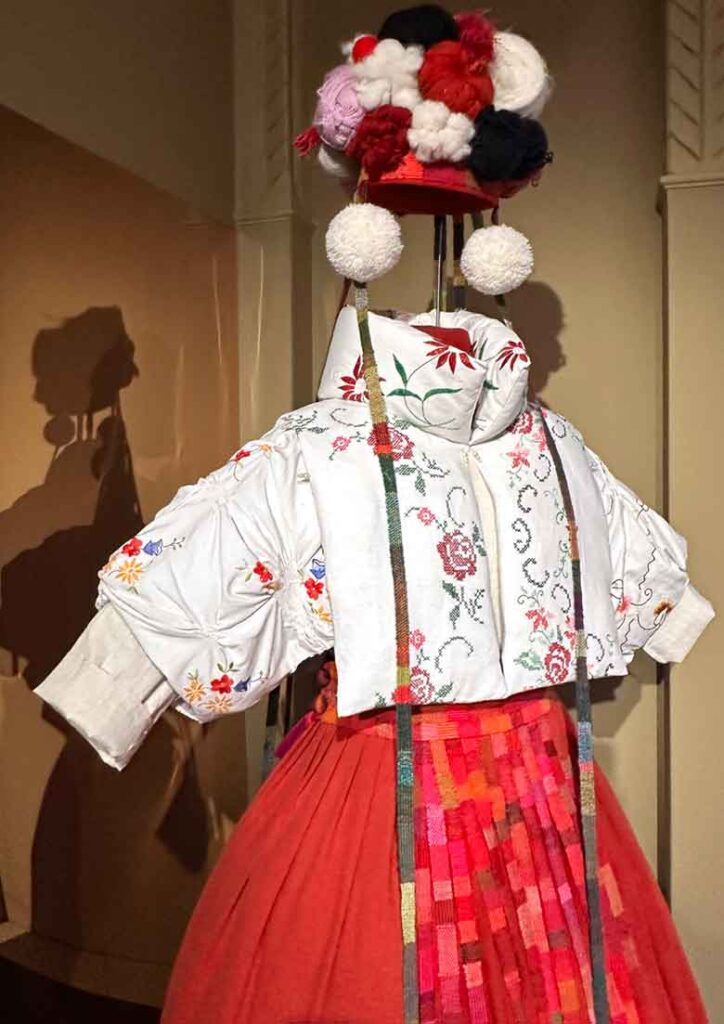
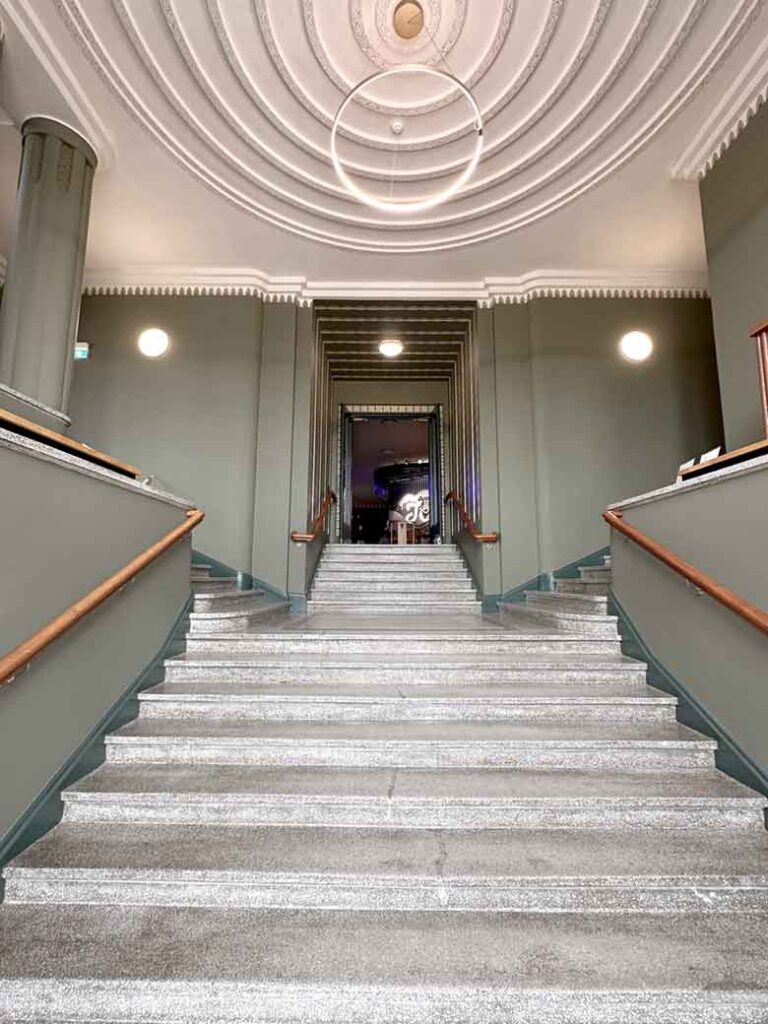
To gain a better understanding of the region, be sure to visit the Museo Eliel in Joensuu. The museum opened in 2025 following an extensive renovation of the historic city hall, designed by the famous Finnish architect Eliel Saarinen. Inside, you’ll discover the history, culture, and identity of North Karelia in a contemporary way. No dusty display cases here—just interactive exhibits, personal stories, and artifacts that show how life in this border region has evolved over the centuries.

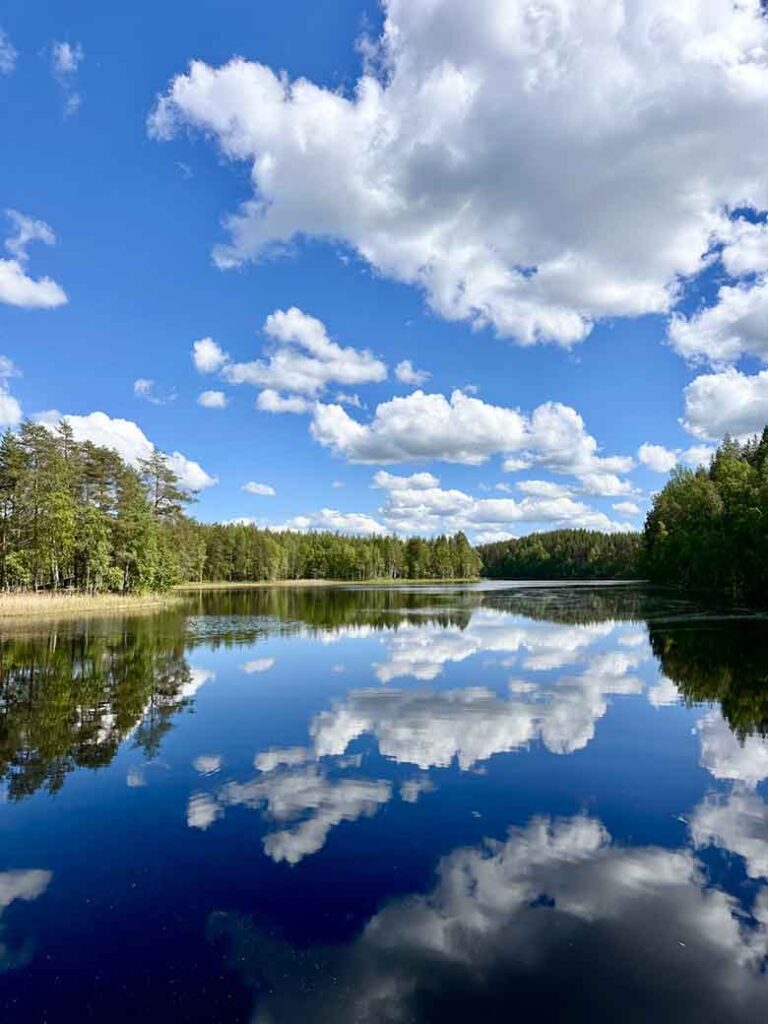
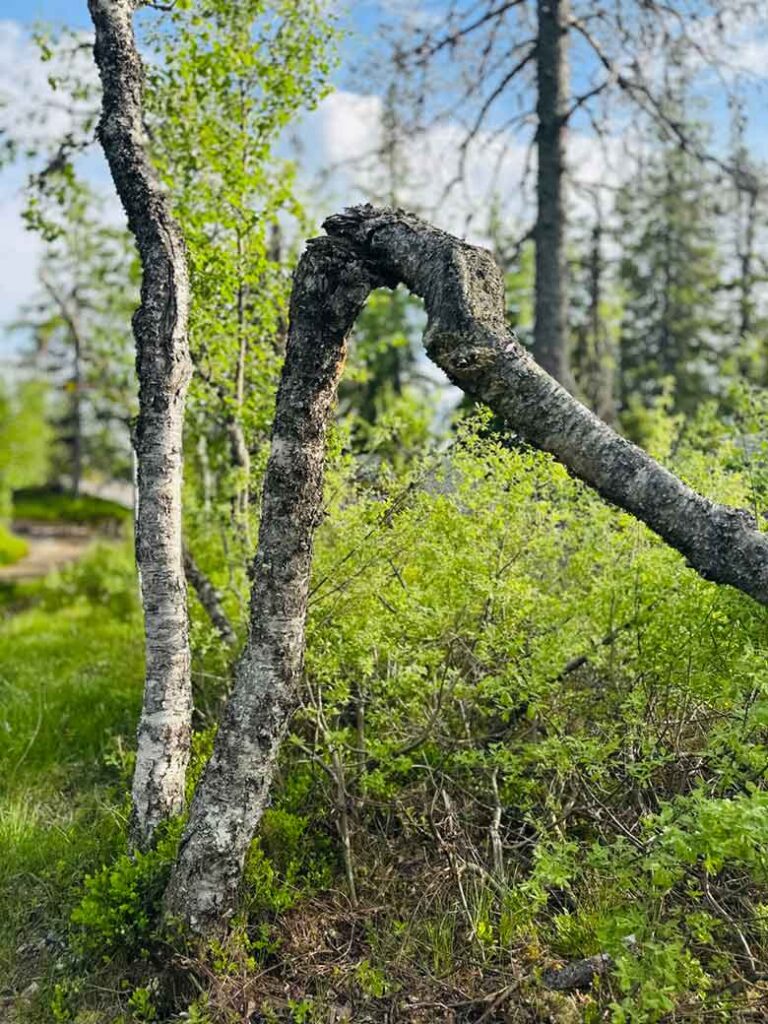
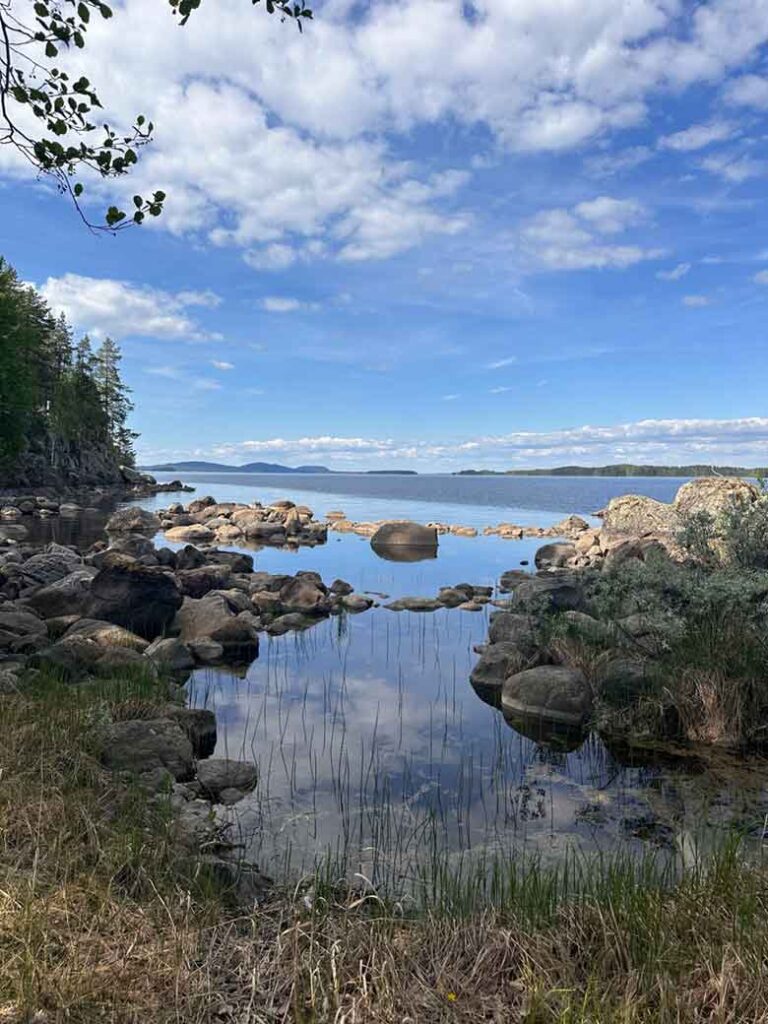
You’re here in the Finnish Lake District. You’ll notice it almost immediately. No matter where you drive, bike, or hike, water is never far away. Large lakes give way imperceptibly to smaller ponds, marshes, and rivers. In between lie dense forests of pines, spruces, and birches.
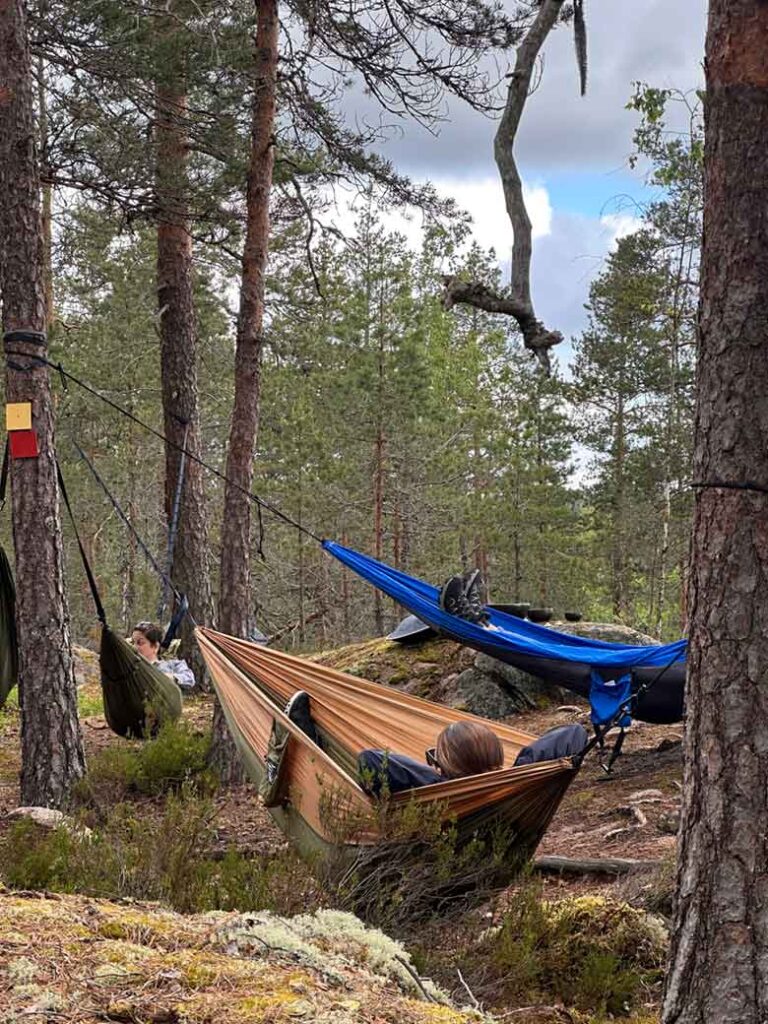
For active travelers, this is a real treat. You don’t have to be an experienced outdoor enthusiast to explore the area. Virtually every campground, lodge, or vacation rental offers canoes, SUPs, or bicycles for rent. Hiking trails are well-marked and range from short walks to day hikes.
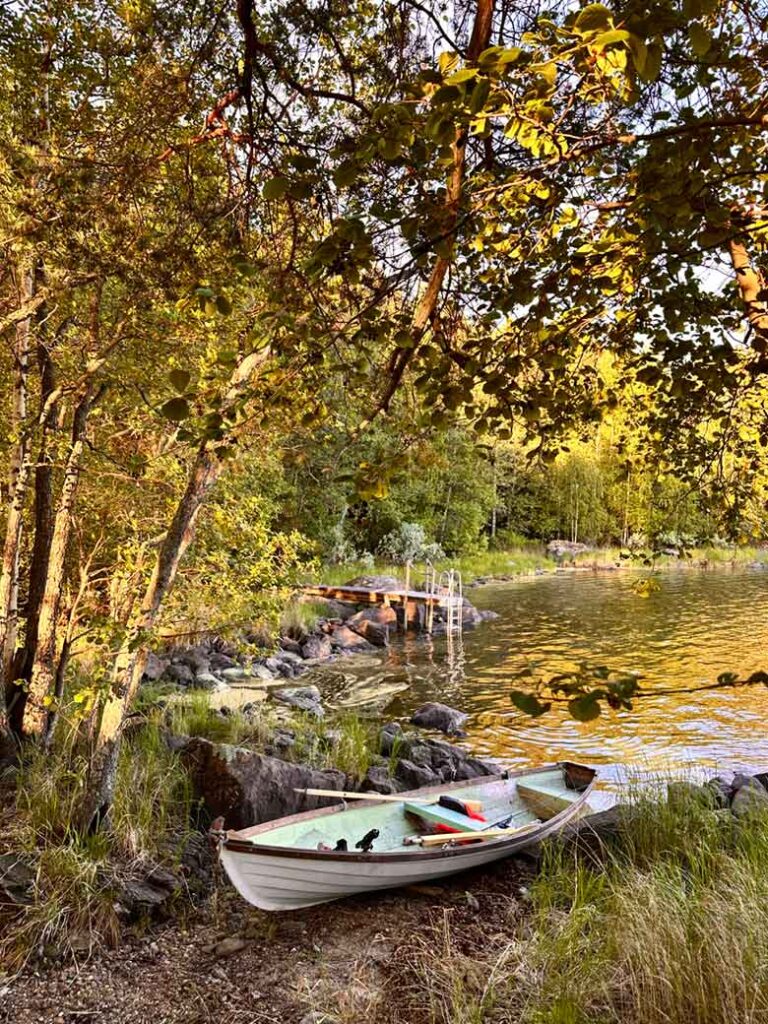
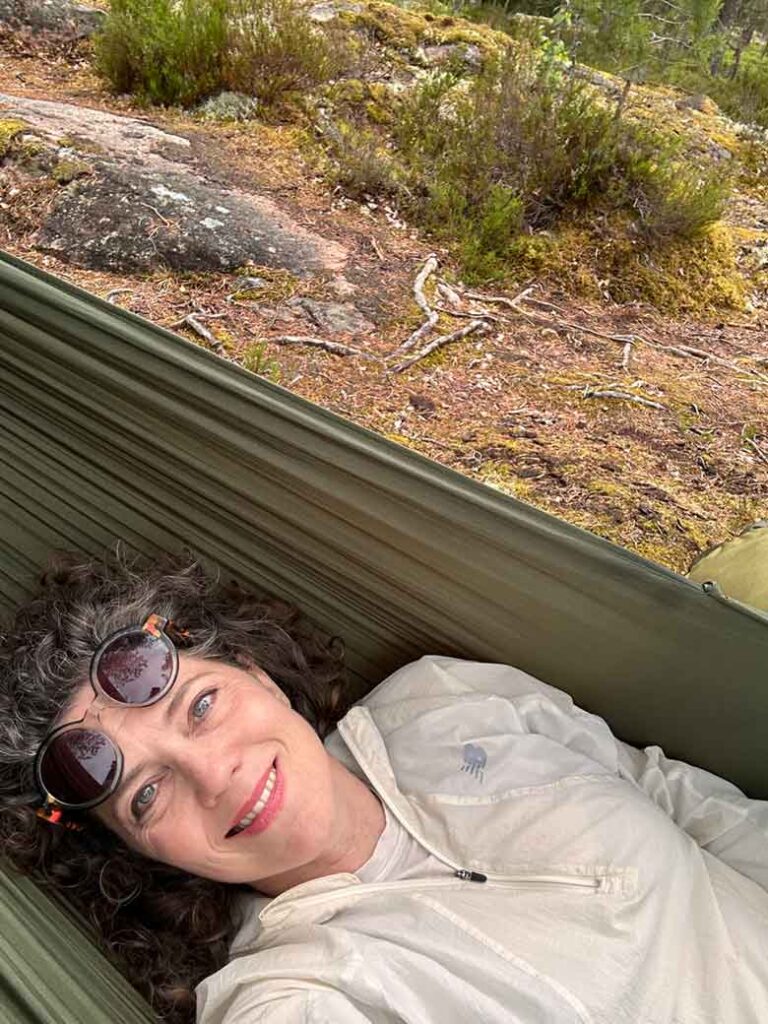
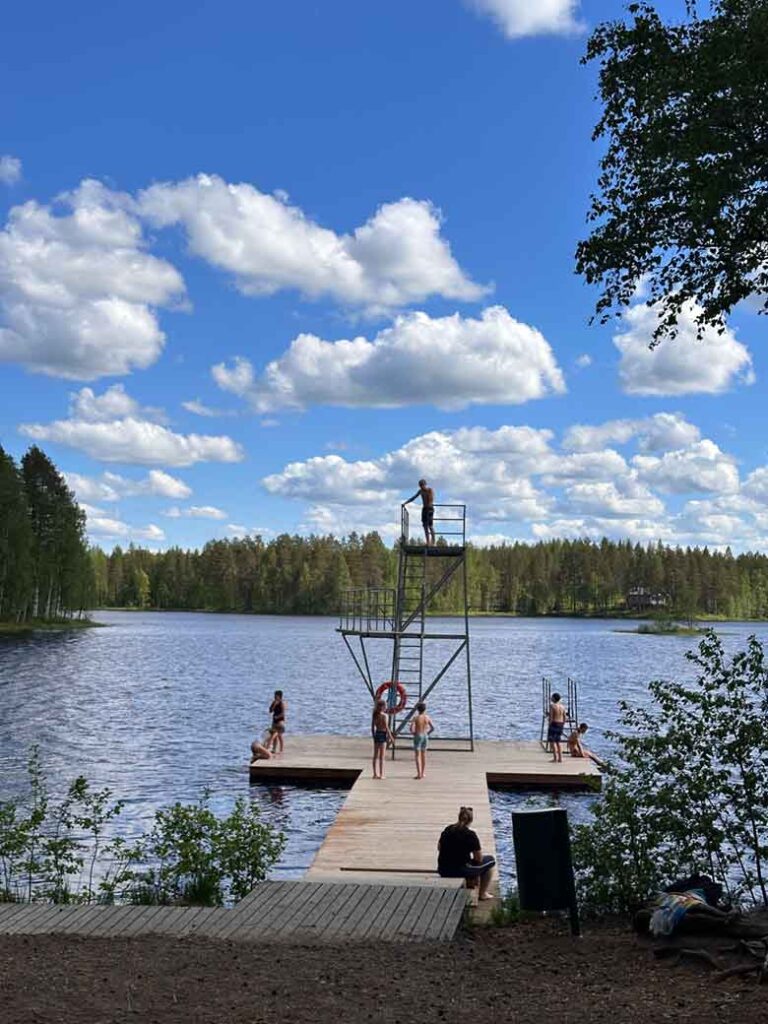
At Kolmikanta Camping, I see just how much outdoor life is a part of everyday life here. Canoes are waiting for guests at the dock. No one is supervising, no one is checking reservations. You put on a life jacket, grab a paddle, and head out onto the lake. The water is as smooth as glass. On the other side, an osprey sits motionless in a treetop. Other than that, there’s just a lot of open space.
It is precisely this accessibility that makes Finland so appealing. You don’t have to organize a full-scale expedition to be surrounded by nature. Everything is close by and well organized, without feeling staged.
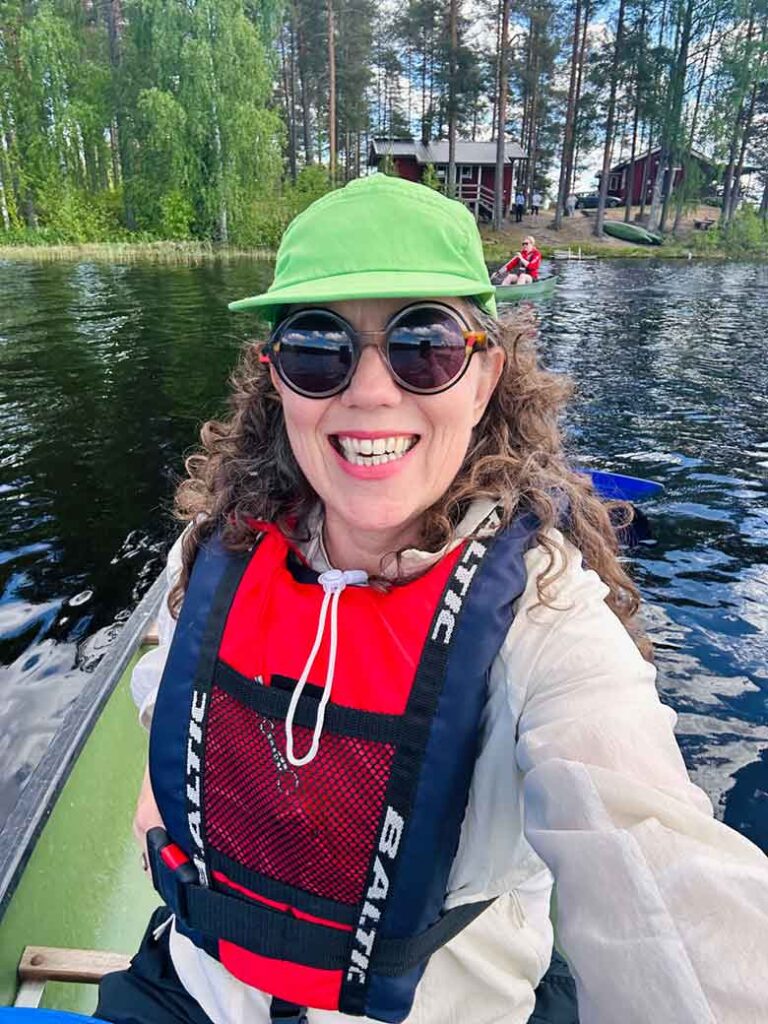
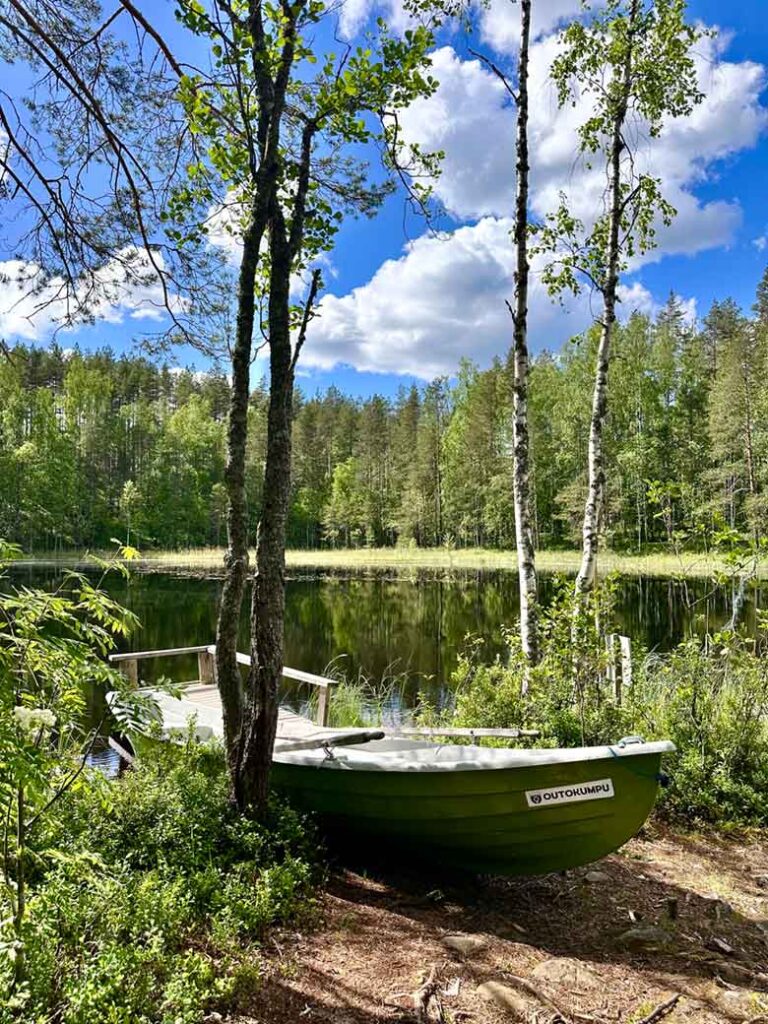
After an afternoon outdoors, a visit to the sauna almost seems to happen naturally. Not as a wellness experience, but as part of the daily routine.
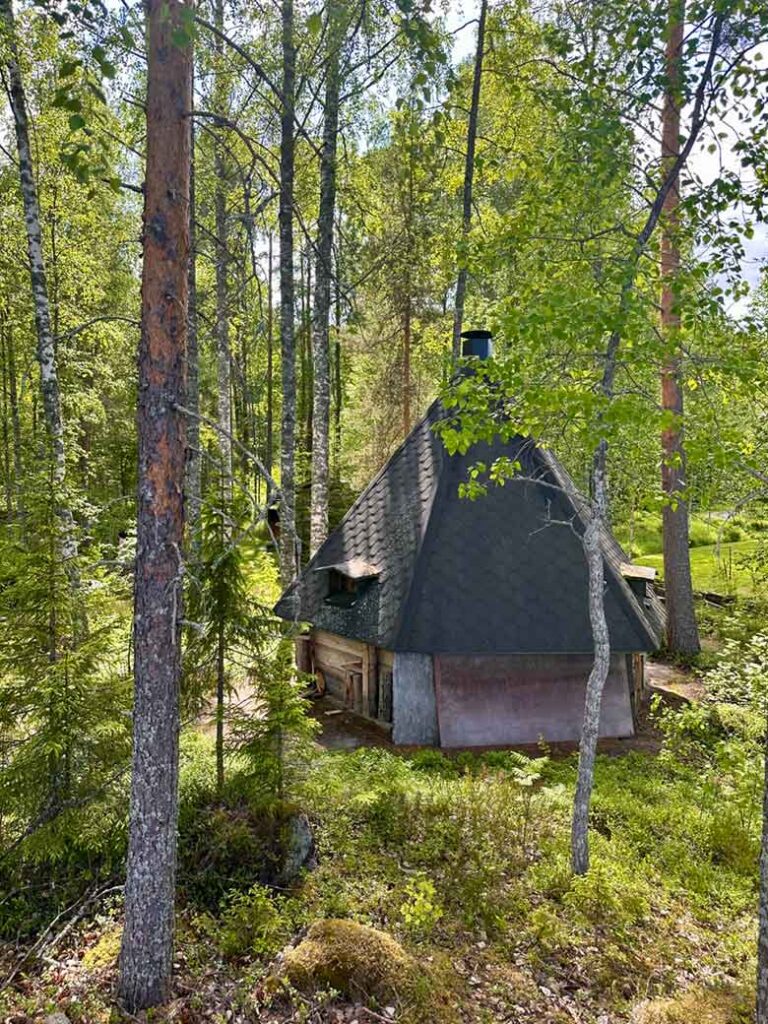
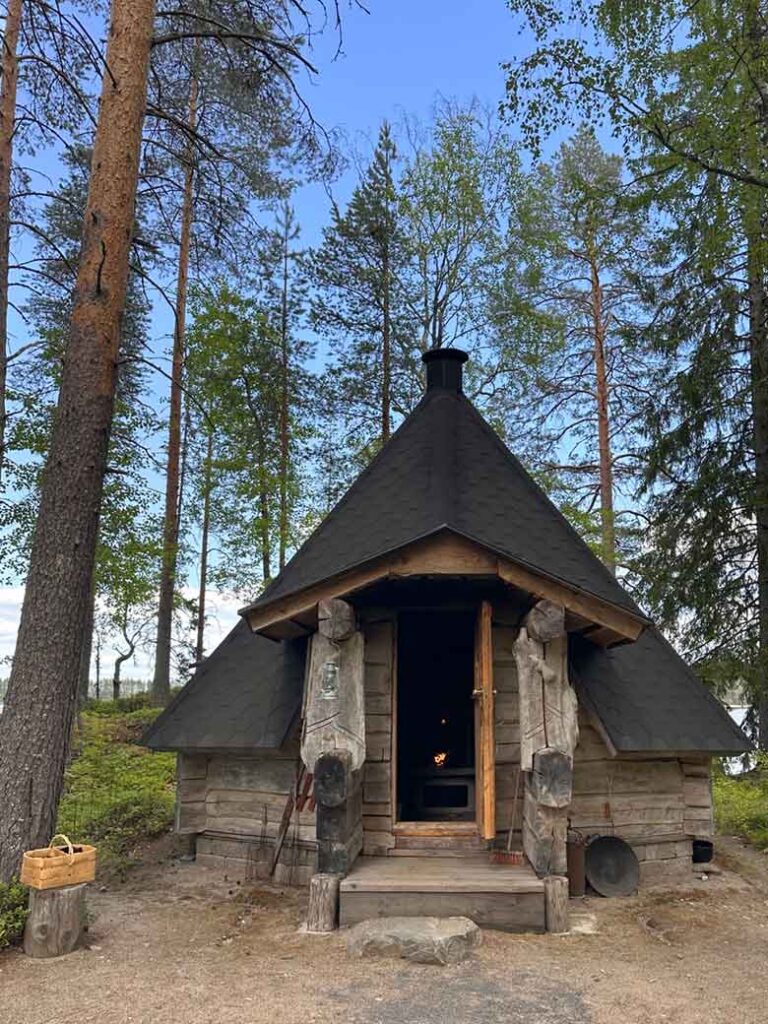
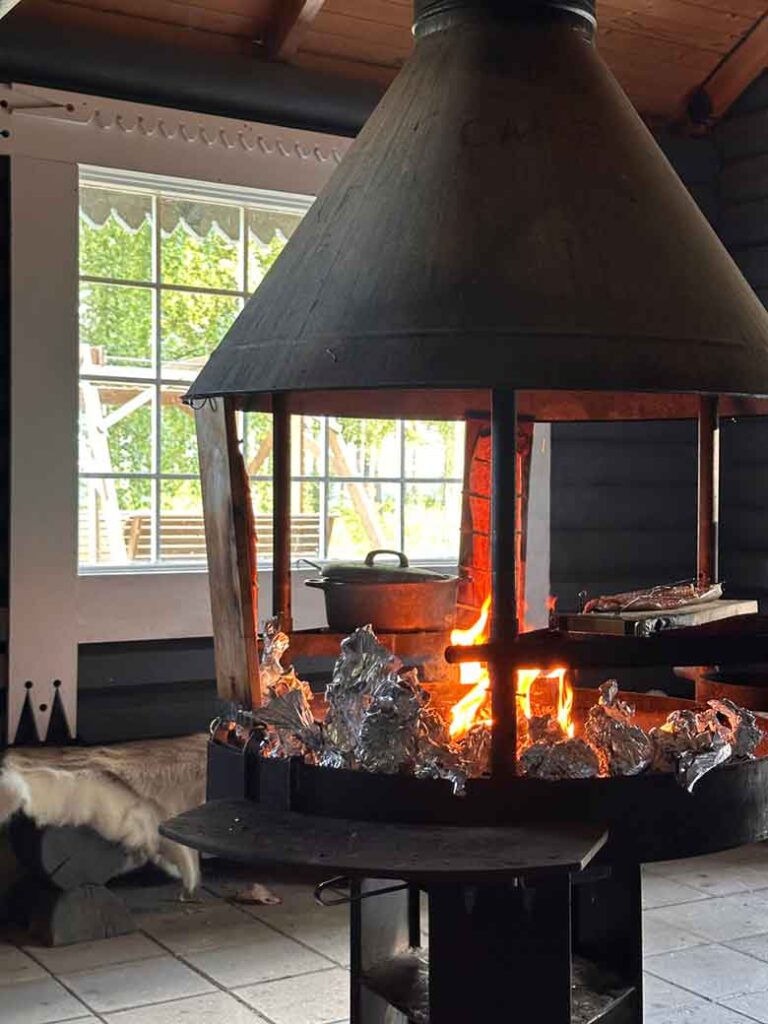
In Finland, virtually every type of lodging has one—from simple nature campsites to hotels and vacation rentals. During this trip, I’m introduced to different types, including a traditional smoke sauna. In this type, the room is heated for hours with a wood fire that has no chimney. You don’t go inside until the smoke has cleared. The heat feels gentler than in a modern sauna and has a subtle woody scent.
What happens next is just as important. You don’t cool off in the shower—you do it in the lake. Even in early June, the water is still surprisingly cool. You hesitate for a moment, but then you take the plunge anyway. Within a few seconds, you understand why Finns have been doing this for generations. You don’t just feel cooled off—you also feel wide awake.
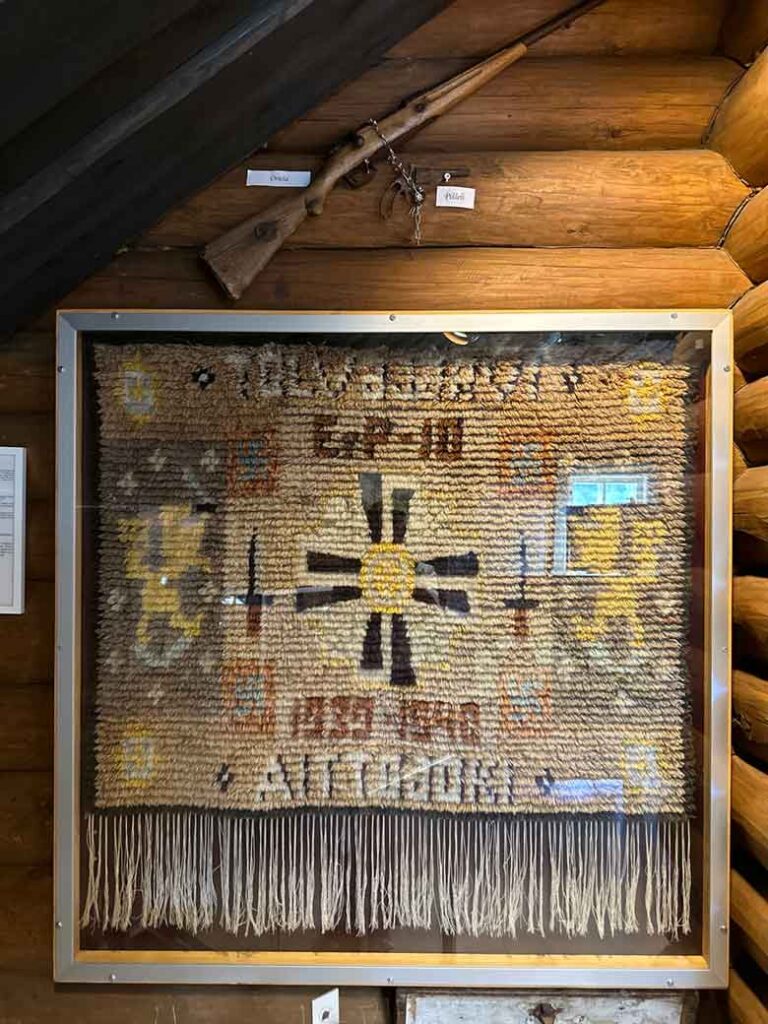
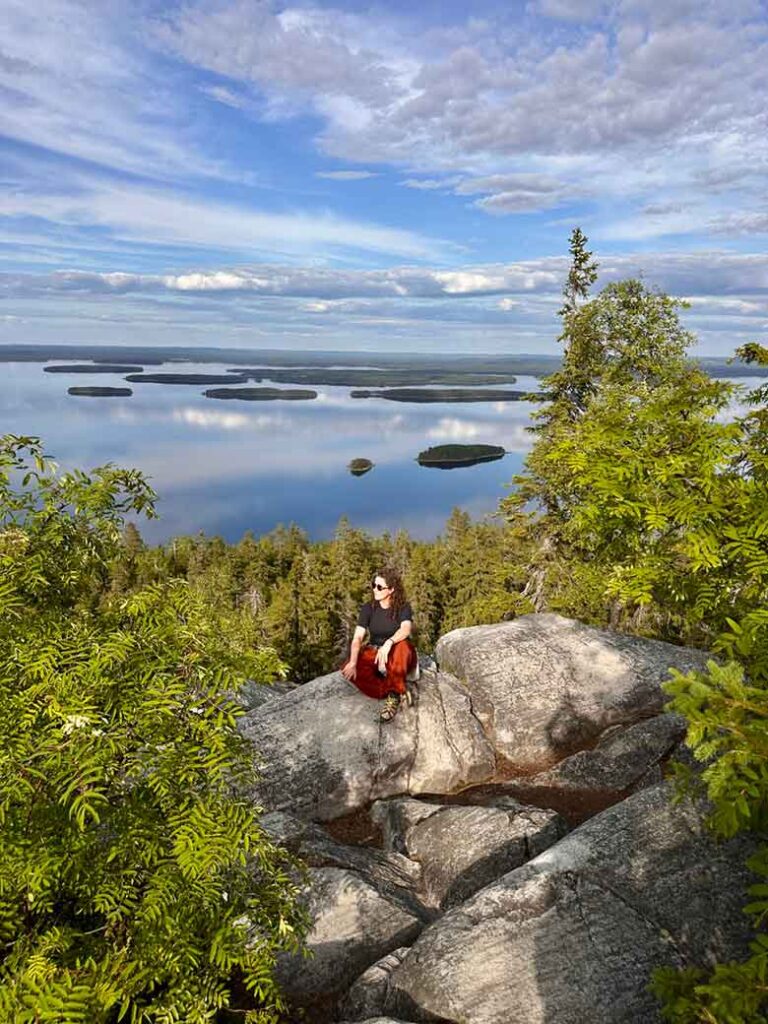
Ask a Finn about the country’s most famous landscape, and chances are the name Koli will come up. For over a century, the national park has been a source of inspiration for artists, writers, and photographers. From the granite hills, you can look out over the vast Lake Pielinen, with hundreds of islands scattered across the water like green dots.
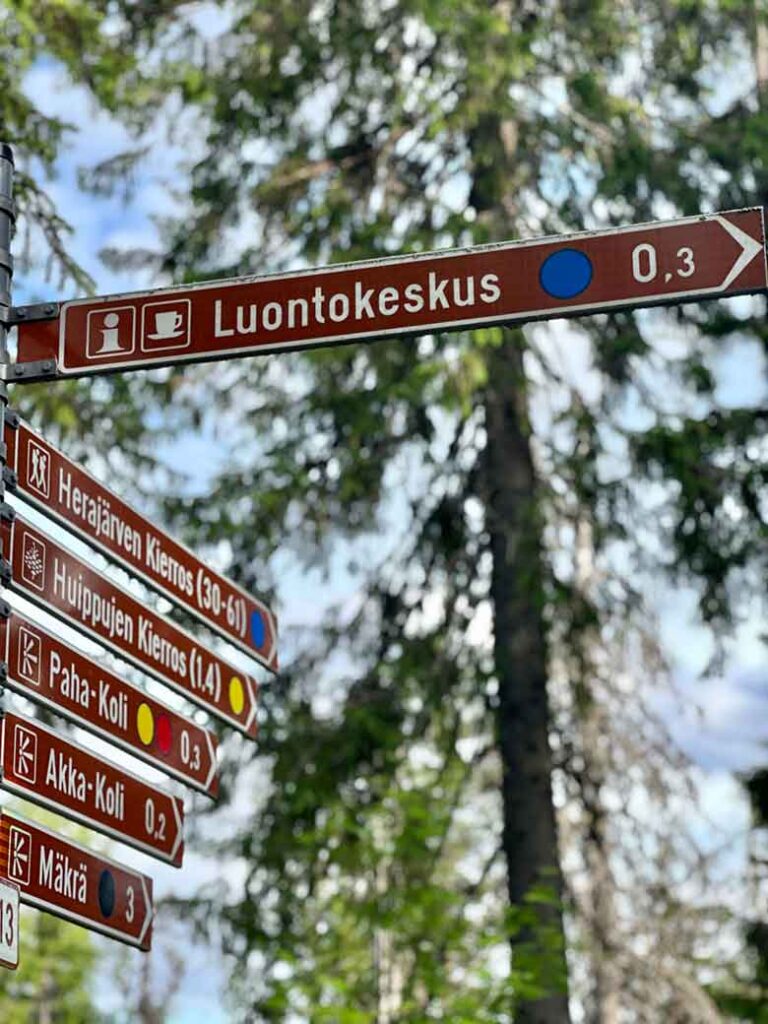
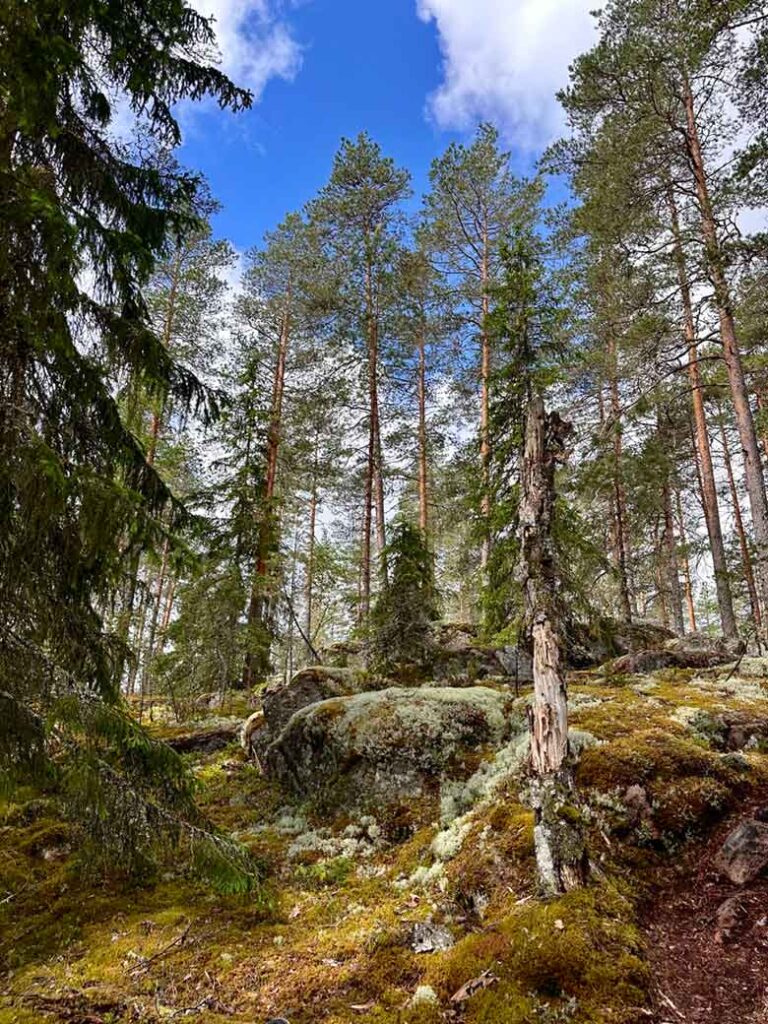
Most visitors walk straight to the lookout point at Ukko-Koli. You should definitely do that. But be sure to set aside some extra time for one of the longer trails. As soon as you leave the first viewpoint behind, it quickly becomes quieter. The trails wind through ancient forests, past rocks, and over wooden boardwalks through damp valleys. You might run into a few hikers along the way, but it rarely gets crowded.
That is precisely what sets Koli apart from many well-known nature reserves in Europe. The infrastructure is excellent, but nowhere do you get the feeling that nature has adapted to tourism.
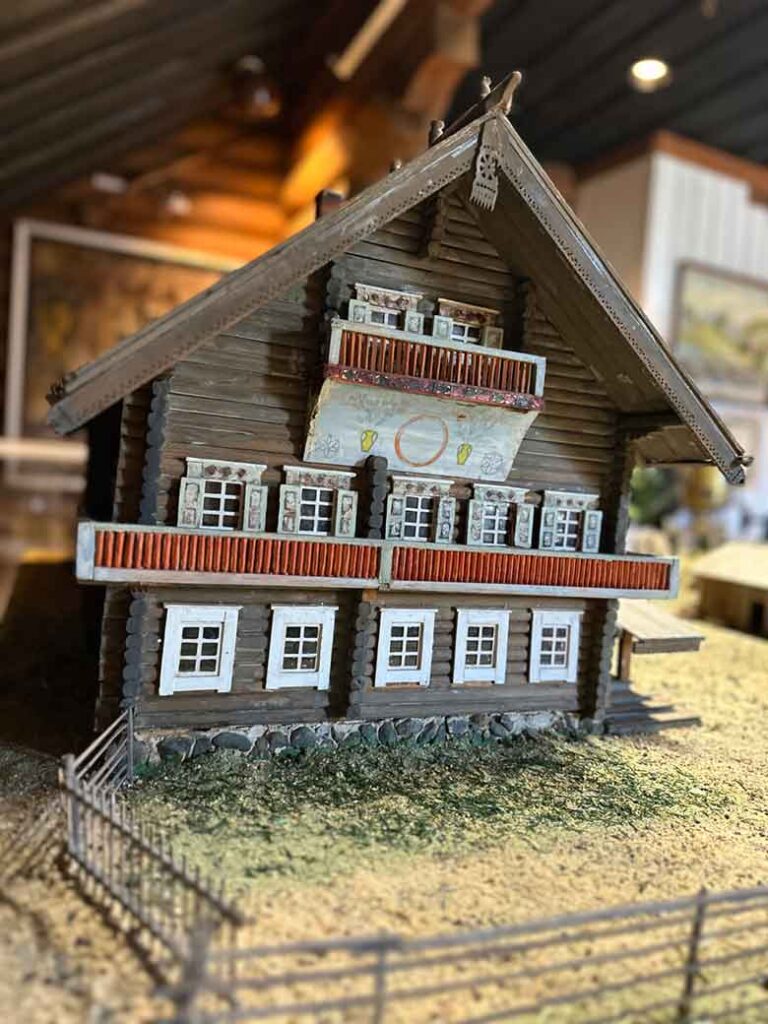
When you think of Finland, red wooden houses often come to mind. Yet they only truly come to life when you stroll through Puu-Nurmes , one of the country’s best-preserved wooden residential neighborhoods. Most of the houses date from the late nineteenth and early twentieth centuries. They’ve been carefully maintained, but they never feel like an open-air museum. Real people live here.
The wooden houses offer a glimpse into a Finland where building with local materials was the norm. Wood is still everywhere here: in homes, barns, churches, saunas, and vacation homes. Modern architecture, too, frequently draws on this same material.
If you are in Nurmes in early August, you can also experience the neighborhood in a special way during the annual Open Doors . Residents open the doors of their historic houses and gardens to visitors. With small exhibitions, craft demonstrations, music, and pop-up cafés, the neighborhood takes on an extra lively atmosphere for one day.
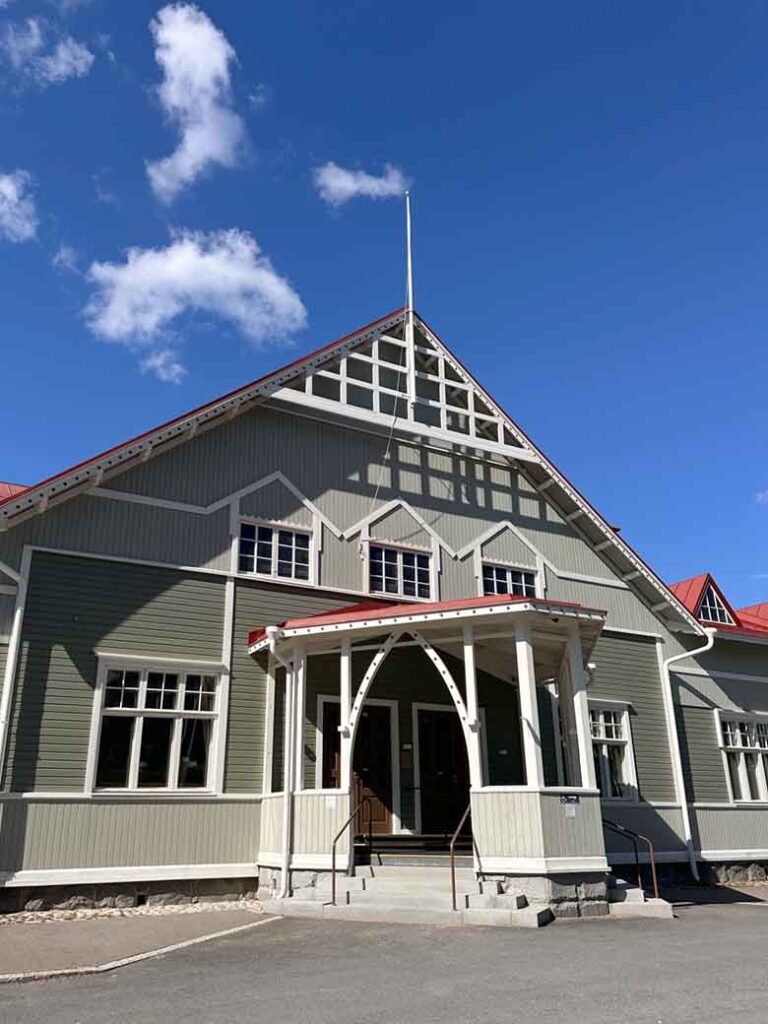
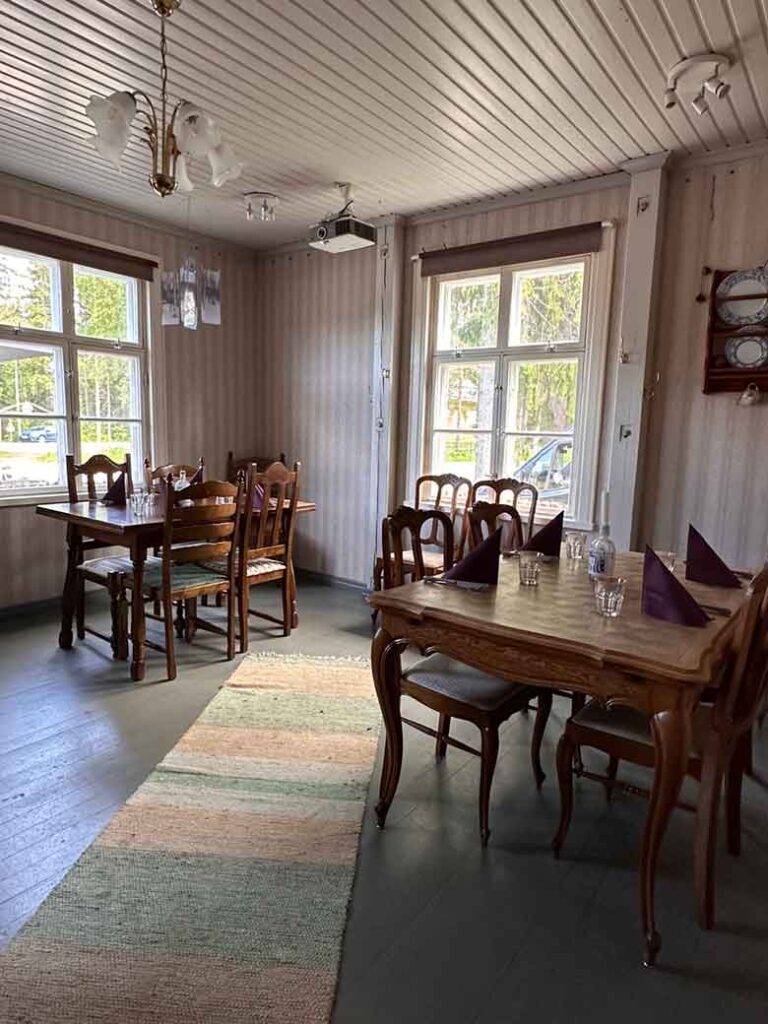
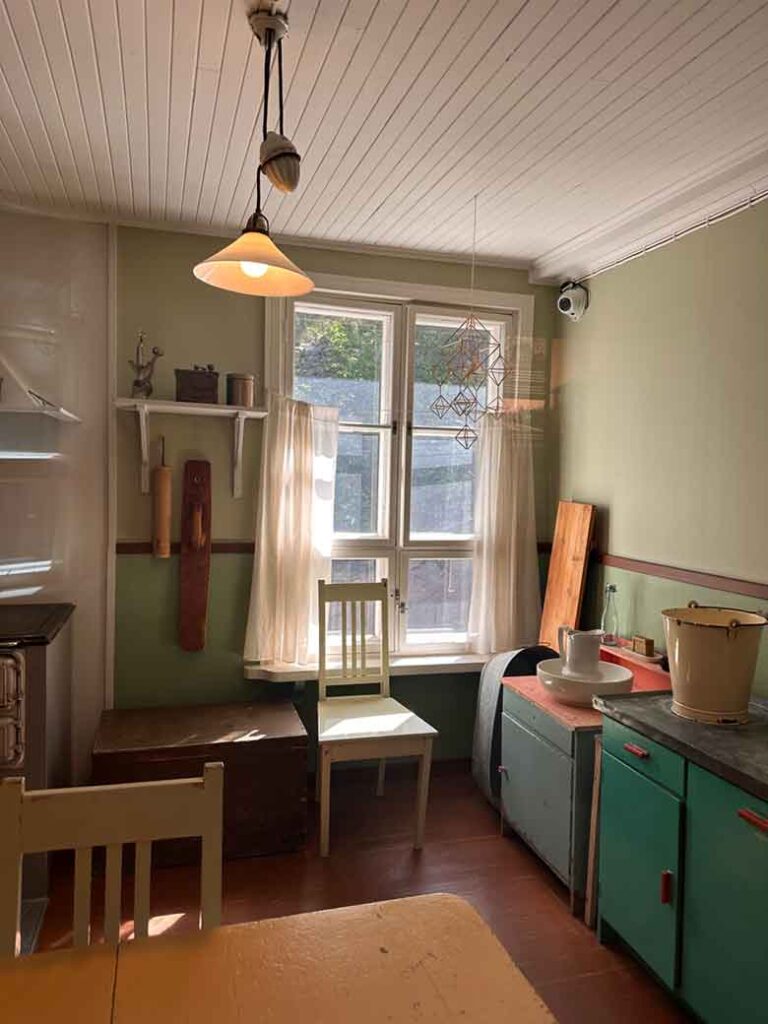
Karelian culture still forms the heart of North Karelia. This has historical roots. Karelia was once a vast region that stretched across what is now eastern Finland and part of Russia. After World War II, Finland was forced to cede a large part of Karelia to the Soviet Union. Hundreds of thousands of Karelians moved to the rest of Finland, bringing their traditions, cuisine, and crafts with them. It is precisely in North Karelia that these influences are still visible everywhere: in the cuisine, the architecture, and the strong sense of community.
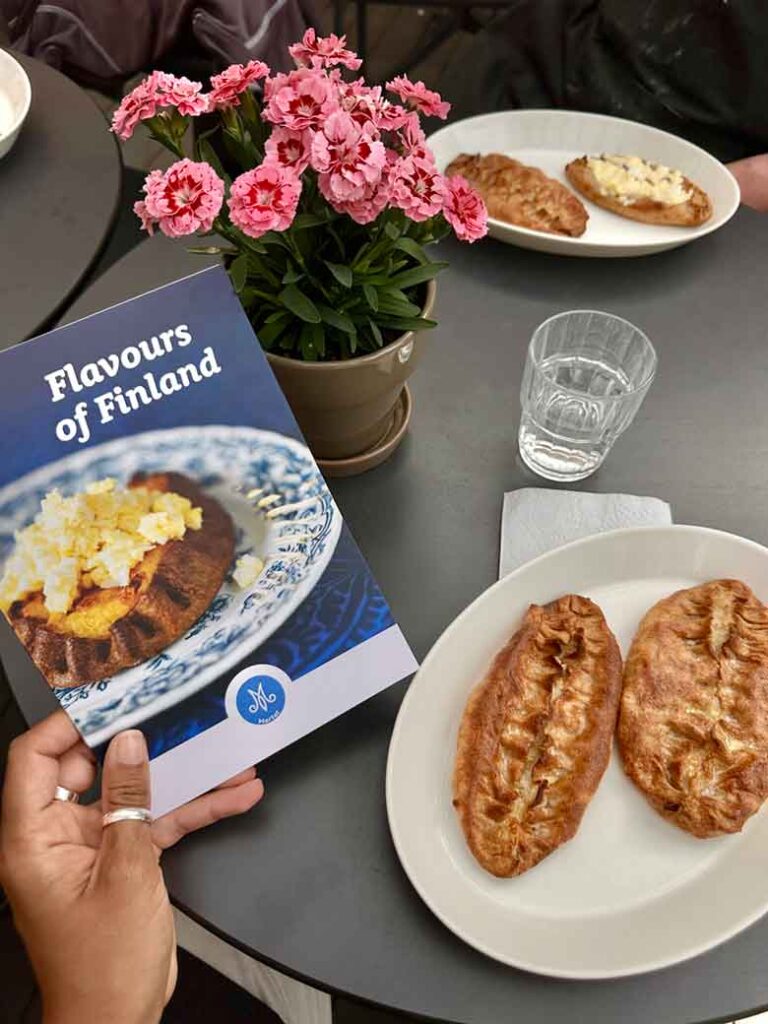
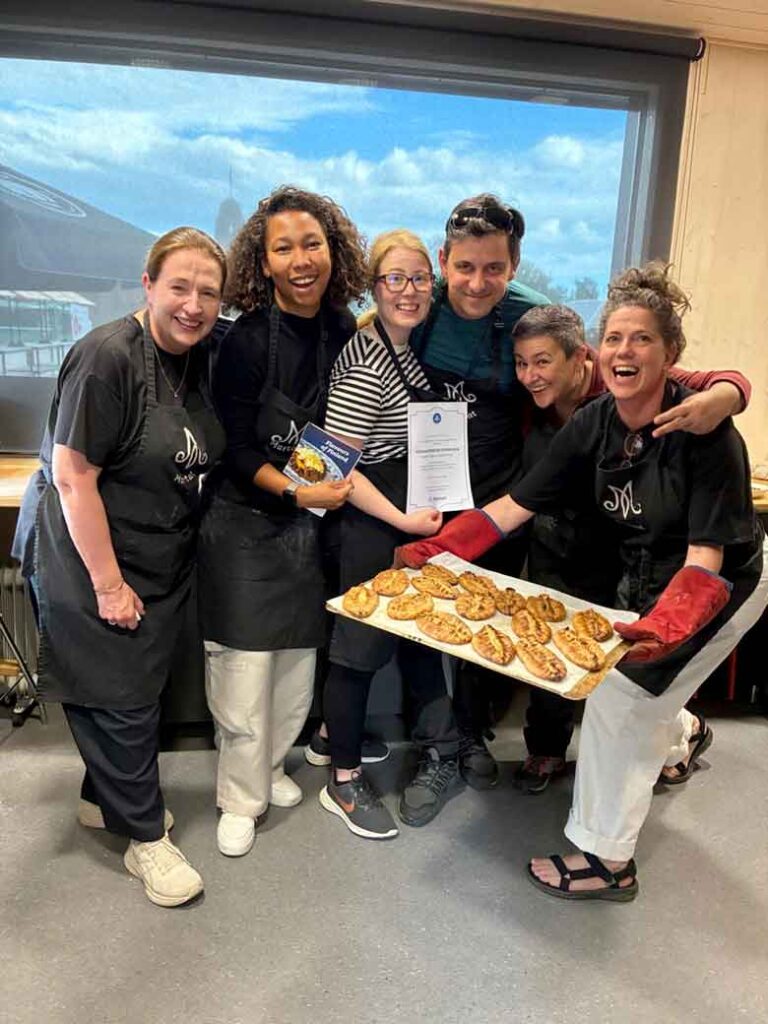
To get to know Karelian culture better, we join a workshop in Joensuu where we learn to bake karjalanpiirakka ourselves. The workshop is led by volunteers from the Martta Association, a Finnish organization that has been keeping traditional knowledge of cooking and handicrafts alive for over a century. The famous Karelian pastry, with its thin rye crust and creamy rice filling, seems simple—until you try to make the characteristic pleated edge yourself. My first attempt looks anything but perfect, but it mainly leads to a lot of laughter.
As the pies go into the oven, the women talk about recipes that have been passed down through families for generations. They talk about holidays when hundreds of pies are baked and about the egg butter that is traditionally spread generously on top. As soon as the warm pastries appear on the table, you’ll understand why virtually every Finn grew up with them.

Many travelers use Joensuu as a gateway to North Karelia, but the city deserves more than just an overnight stay.
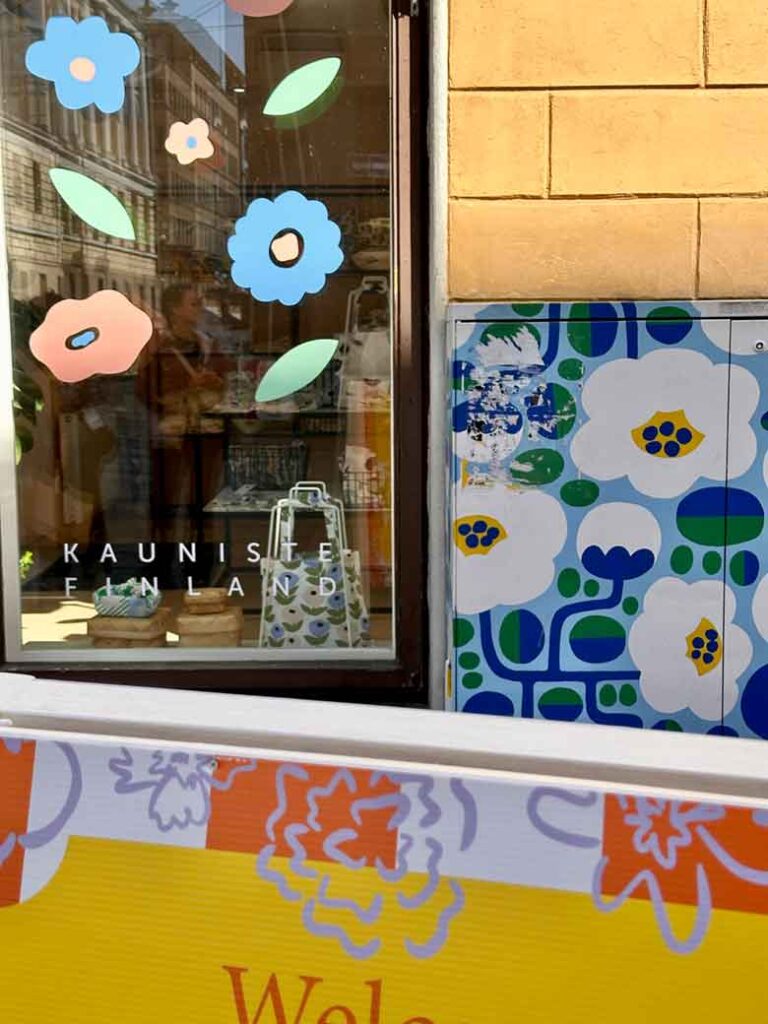
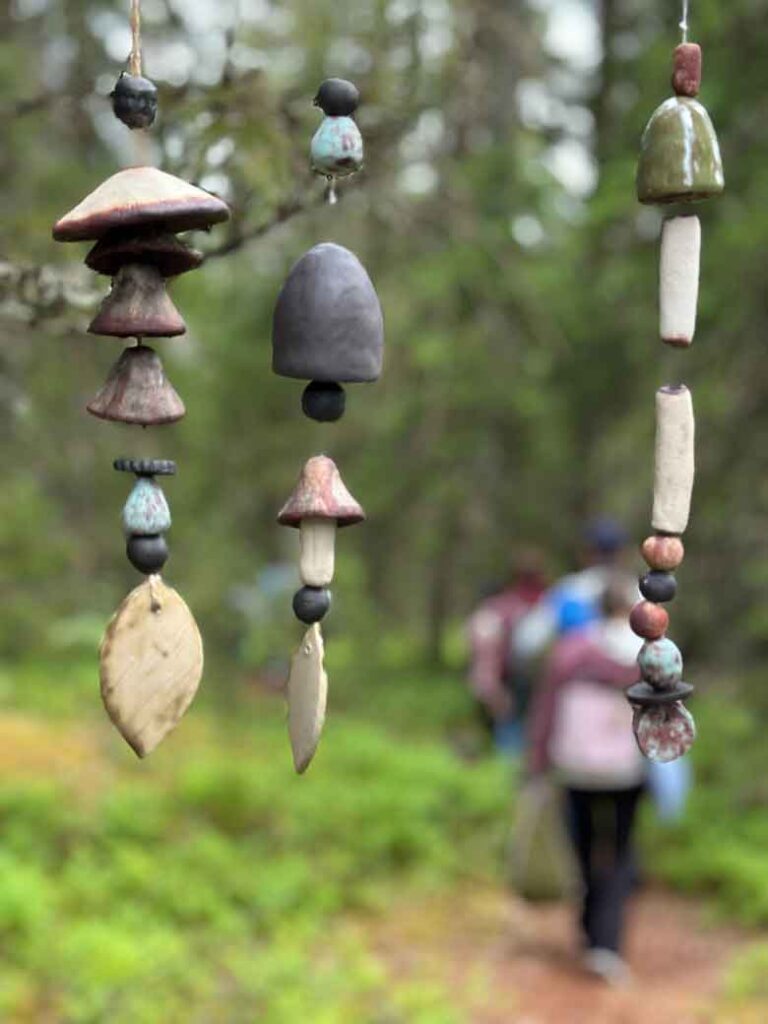
Thanks to the university, there’s a young and lively atmosphere. On sunny days, students sit by the river, cyclists dominate the streetscape, and in the compact city center you’ll find charming cafés, restaurants (such as Filipof), and small shops that showcase local design and crafts. Taitokortteli, a historic courtyard with studios and craft shops, is also a lovely place to wander around. There you’ll find ceramics, textiles, woodwork, and local delicacies.
During my trip, I keep hearing the term “Everyman’s Right” (Jokaisenoikeus) more and more often. It turns out to be one of Finland’s most beautiful principles.
Everyone is free to hike, bike, swim, and canoe in nature, regardless of who owns the land. Picking berries and mushrooms is also allowed, as long as you respect nature and the privacy of residents. Wild camping is allowed in many places for one night, provided you keep a sufficient distance from homes and do not cause any damage. A right we also heard about on the Lofoten in Norway.
By Dutch standards, that sounds almost unimaginable. Yet it works, precisely because freedom goes hand in hand with responsibility. You take your trash home with you, leave nature just as you found it, and respect the peace and quiet of others.
It may also explain why being outdoors feels so natural here. Nature isn’t a fenced-off recreational area, but a shared living environment.
When you return to Helsinki after your road trip, you’ll see the city in a whole new light.
After spending days in the woods, the capital feels lively but never overwhelming. It’s a lovely place to wrap up your trip at a leisurely pace. Visit the historic market hall by the harbor, stroll through the Design District, or take the ferry to the fortress island of Suomenlinna. If you’d rather get one last dose of nature, you can reach Nuuksio National Park near Espoo from the city center in under an hour. That’s what makes Helsinki special: few European capitals combine urban culture so effortlessly with nature.
For a first visit, an eight- to ten-day trip is ideal. Spend two days in Helsinki, then take the train to Joensuu. Rent a car there so you have the freedom to explore the various lakes, villages, and Nature reserves at your own pace.
Plan to spend at least three nights in the area around Koli National Park. That will give you plenty of time to hike various trails, go on a canoe trip, take the “Church Boat,” visit the sauna, and even spend an afternoon doing absolutely nothing. That last part, in particular, turns out to be especially easy in Finland.
Spend the night in a variety of places, such as a small-scale hotel, a cabin by the water, or a nature campground. Almost everywhere, you can rent canoes, go swimming, or take a walk right from your lodging.
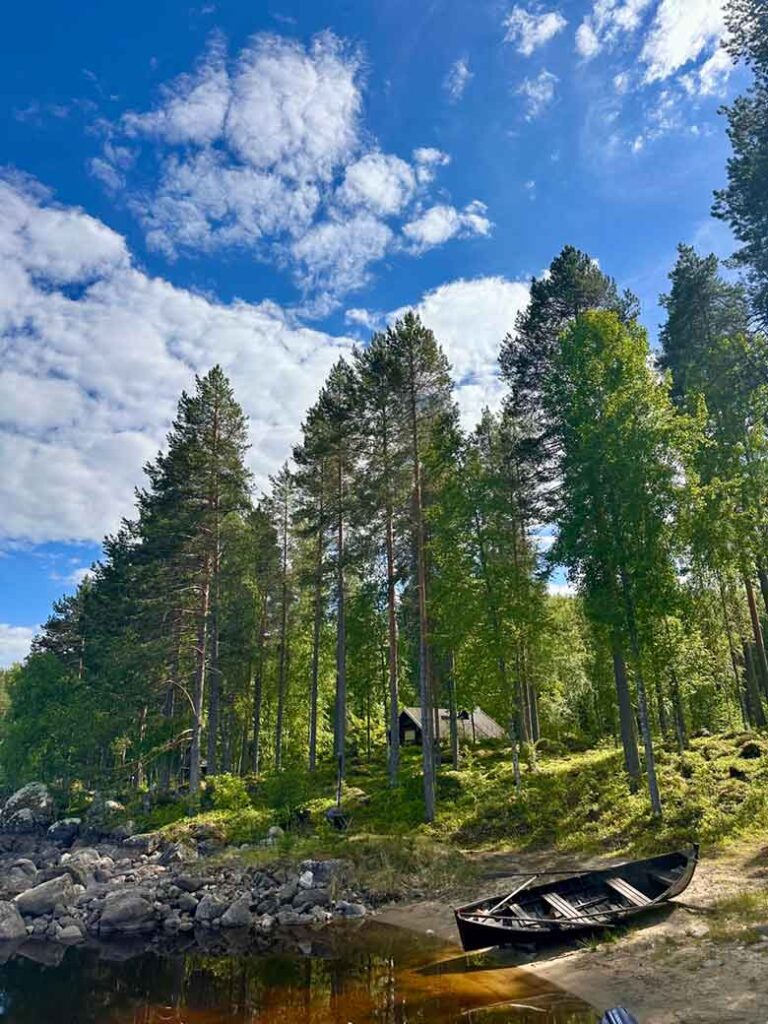
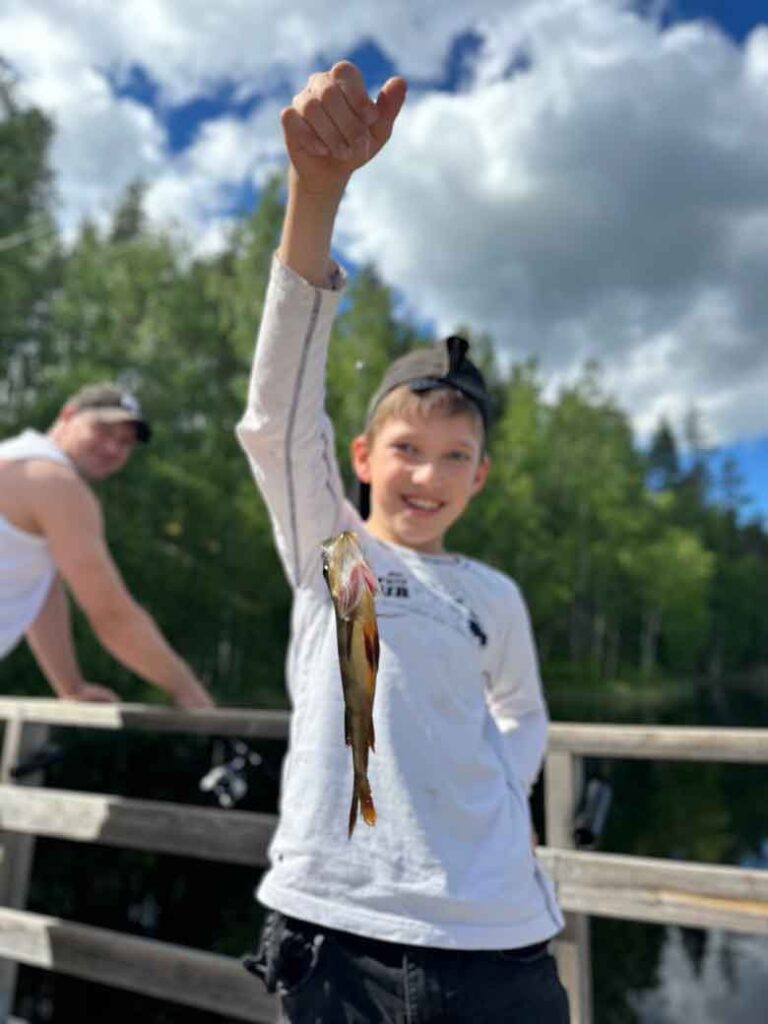
Perhaps that is the greatest discovery of this trip. It’s not a single view or a single hike, but the natural way in which people here live alongside the forests, lakes, and seasons that makes North Karelia so appealing. You don’t leave with a list of checked-off highlights, but with the feeling that you were able to move along to a different rhythm for a while. That feeling lingers for a long time.
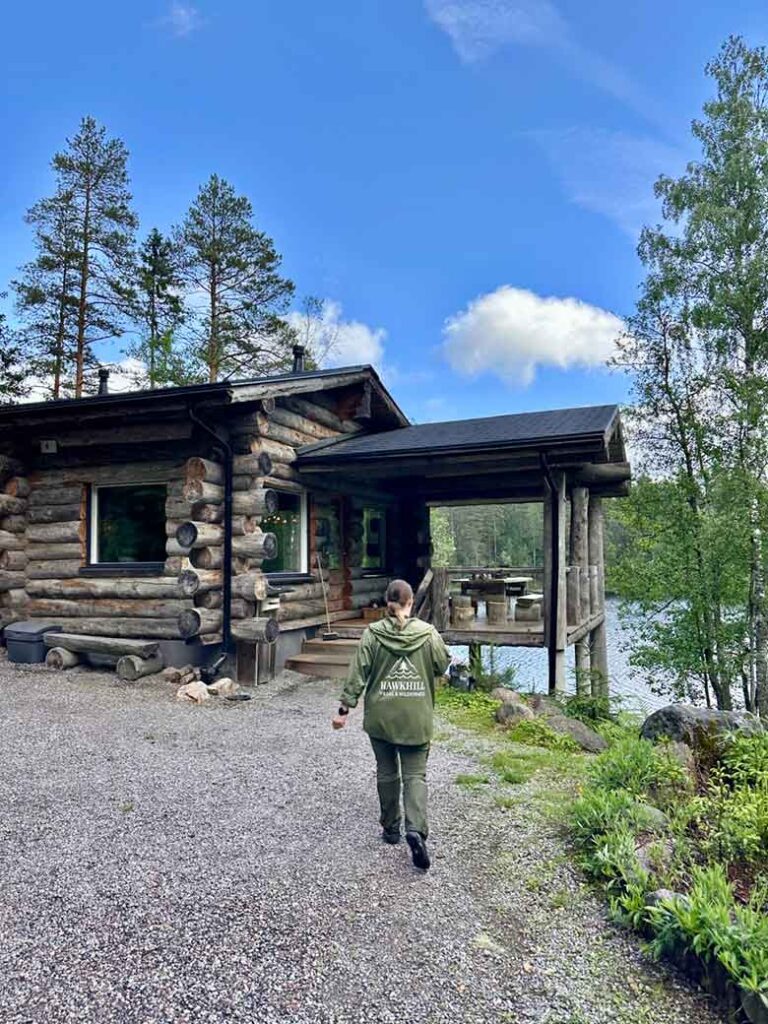
Hawkhill Resort – Espoo
Luxury wooden lodges in the heart of Nuuksio National Park, ideal for a first taste of Finnish nature.
Break Sokos Hotel Koli – Koli
A comfortable hotel right next to the hiking trails of Koli National Park, featuring a spa and panoramic views of Lake Pielinen.
Break Sokos Hotel Bomba – Nurmes
A modern lakeside wellness hotel with strong ties to Karelian culture.
Hotel-Restaurant Kumpu – Outokumpu
A small-scale hotel, ideal as a base for visiting the mine, enjoying nature activities, and exploring the surrounding lakes. The rooms are simple.
Kolmikanta Camping & Wilderness Center – Outokumpu
Camping, cabins, sauna, canoe rentals, and direct access to hiking and biking trails.
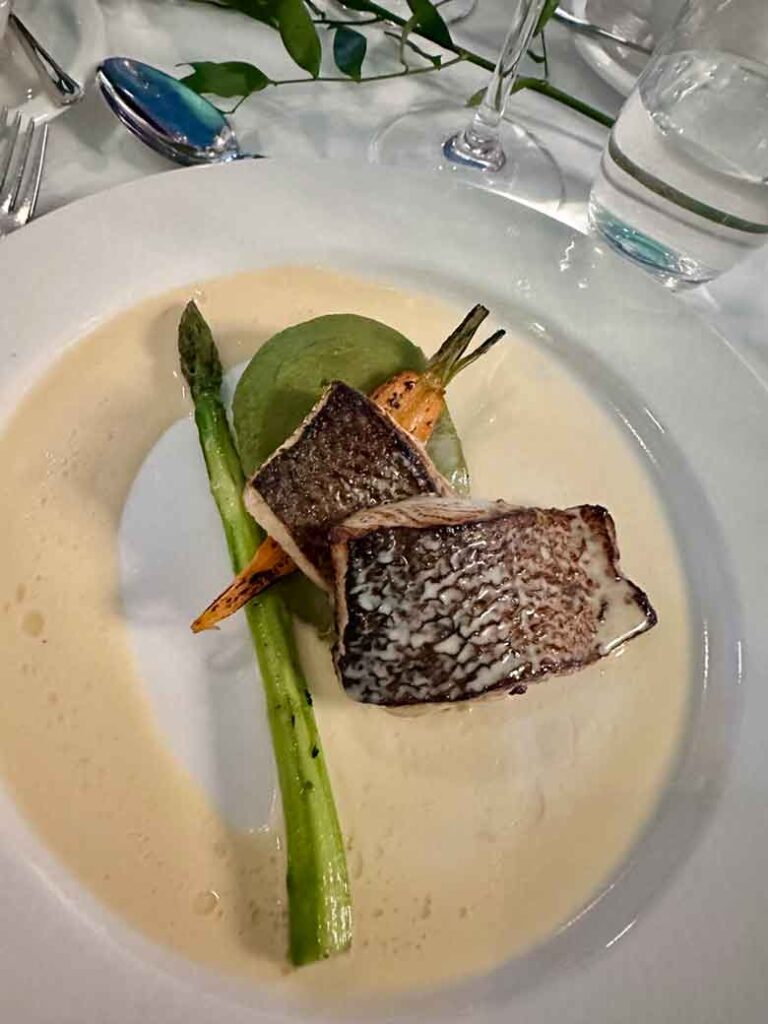
Trapesa Restaurant – Valamo
A restaurant at the Orthodox monastery serving local and Karelian dishes.
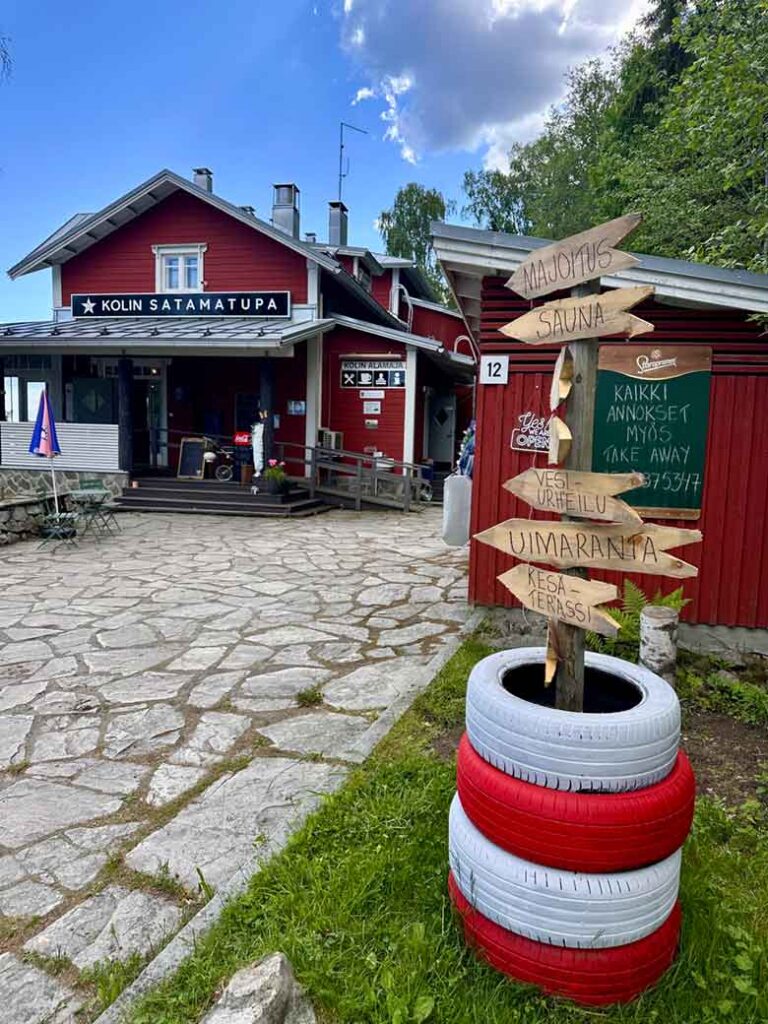
Kolin Satamaravintola Restaurant – Koli
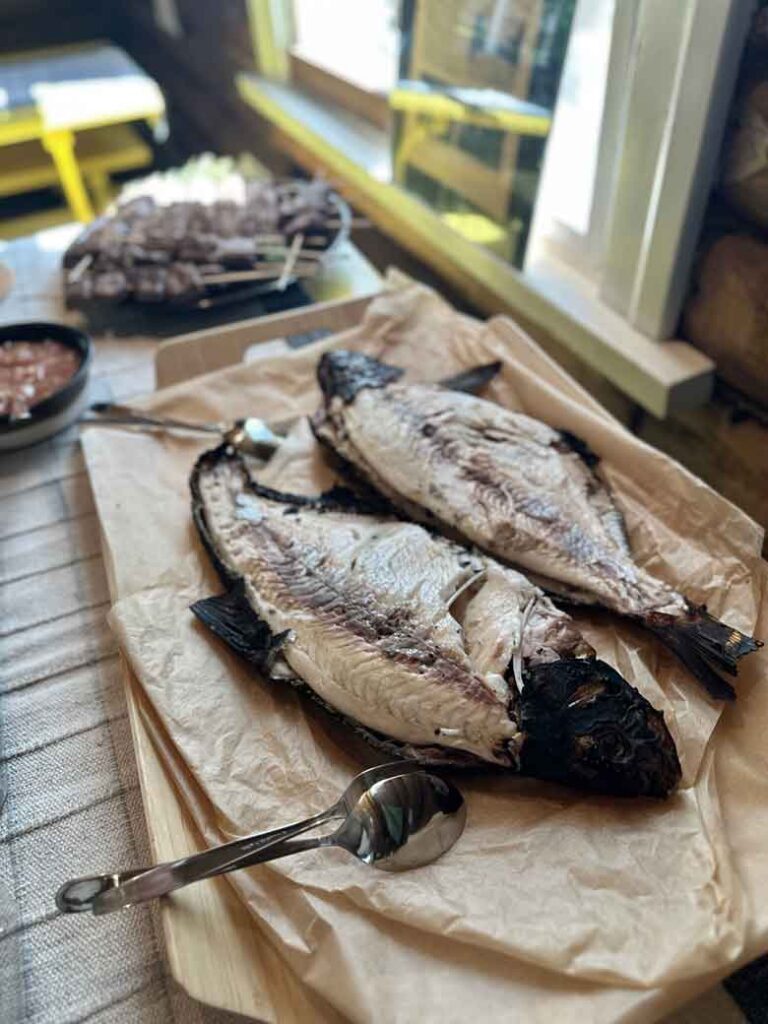
A lakeside restaurant known for its locally caught, pan-fried vendace.
Kolin Ryynänen Restaurant – Koli
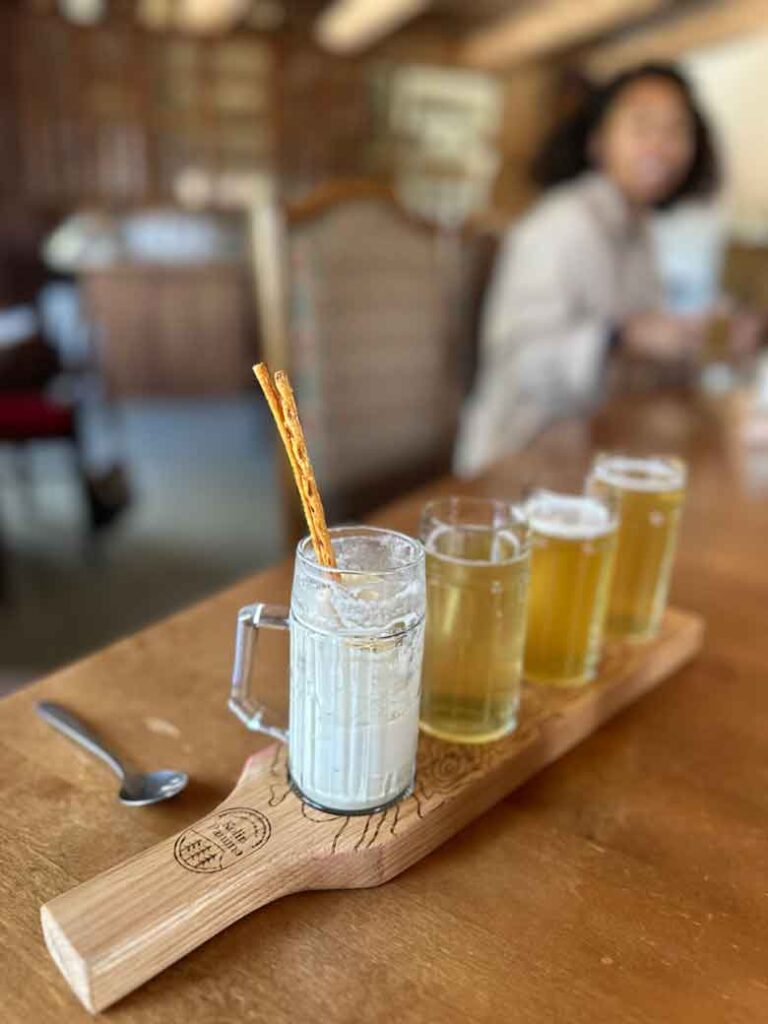
A gastropub with its own brewery and regional dishes.
Grill it! Koli – Koli
The restaurant at Break Sokos Hotel Koli, with a view of the national park.
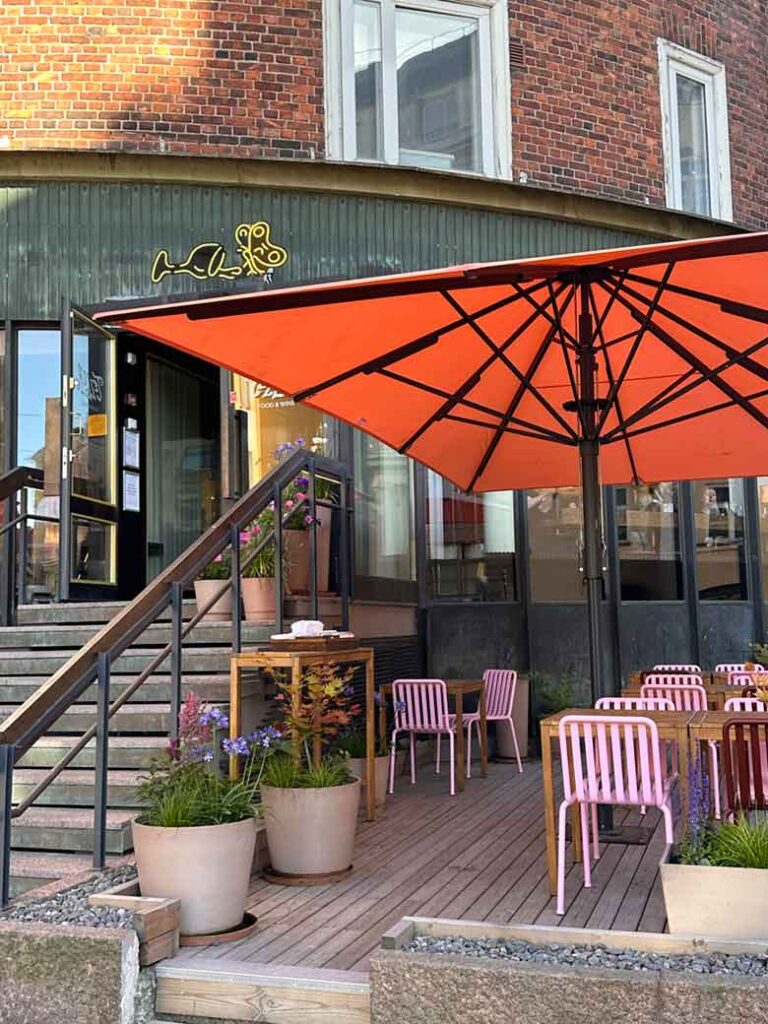
Filipof Restaurant – Joensuu
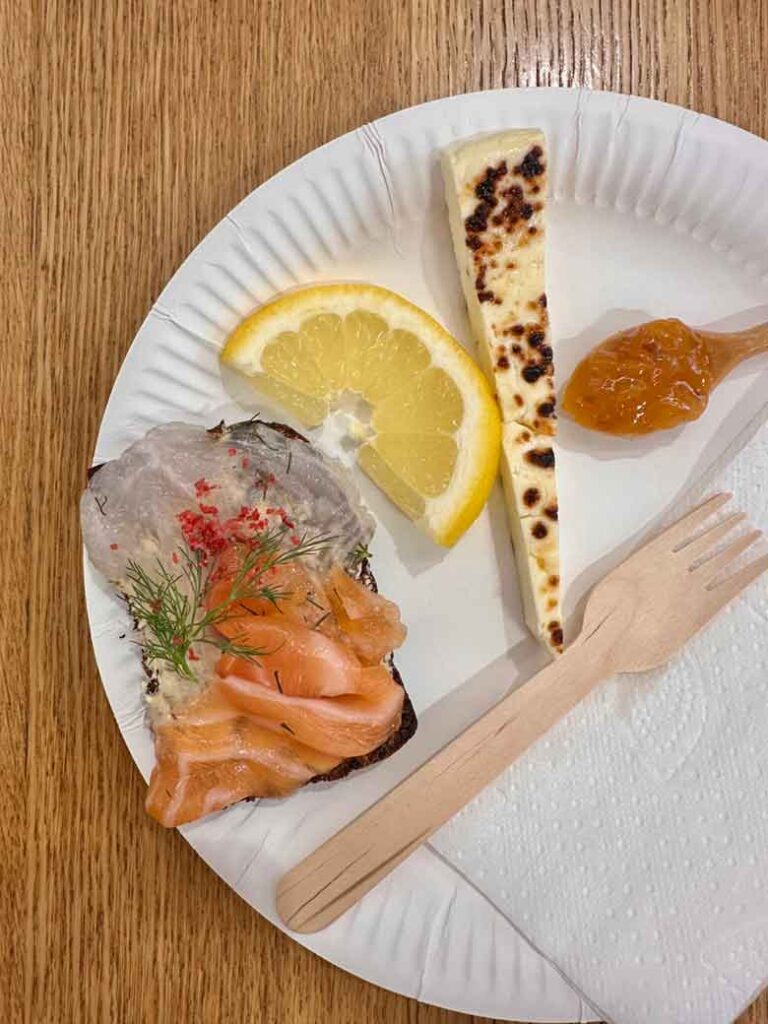
A modern restaurant that focuses on local ingredients.
Valamo Monastery – Heinävesi
An Orthodox monastery nestled in the woods, known for its tranquility, history, and culture.
Koli National Park – Koli
Finland’s most famous national park, featuring hiking trails and iconic viewpoints.
Ukko Nature Center – Koli
Visitor center offering information on nature, culture, and hiking opportunities.
Old Mine Outokumpu – Outokumpu
A former copper mine where you can delve into Finland’s mining history.
Puu-Nurmes – Nurmes
Historic neighborhood with well-preserved wooden houses.
Taitokortteli – Joensuu
A charming artisan district with local artisans, shops, and cafés.
Korvenkota – Koli
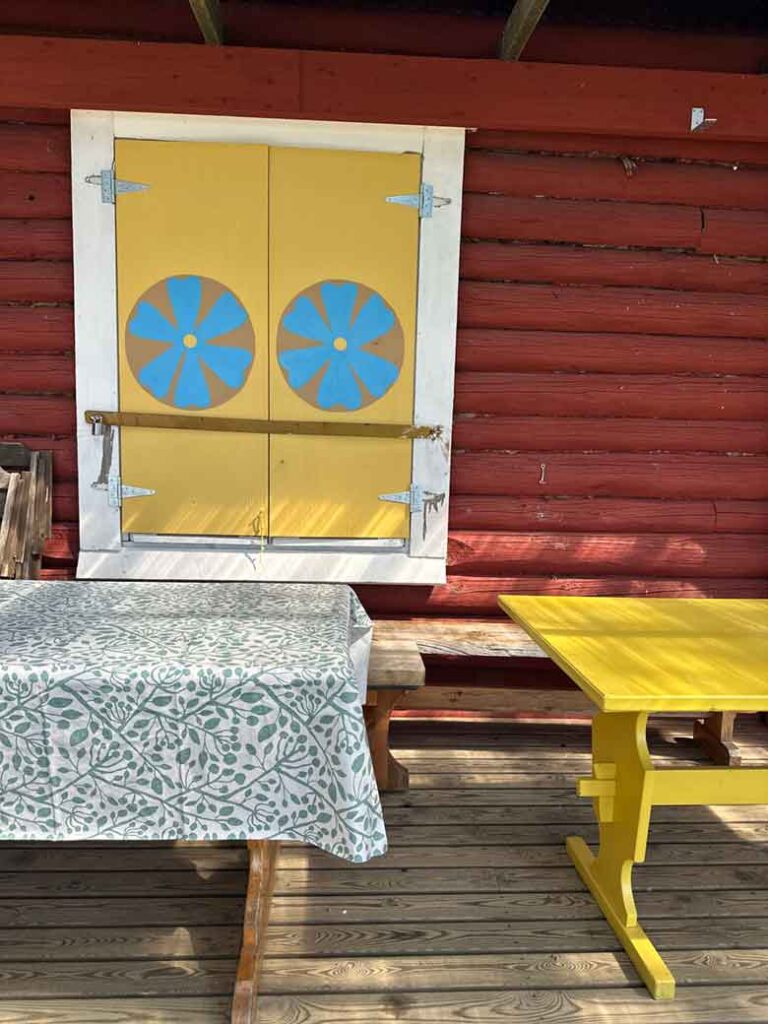
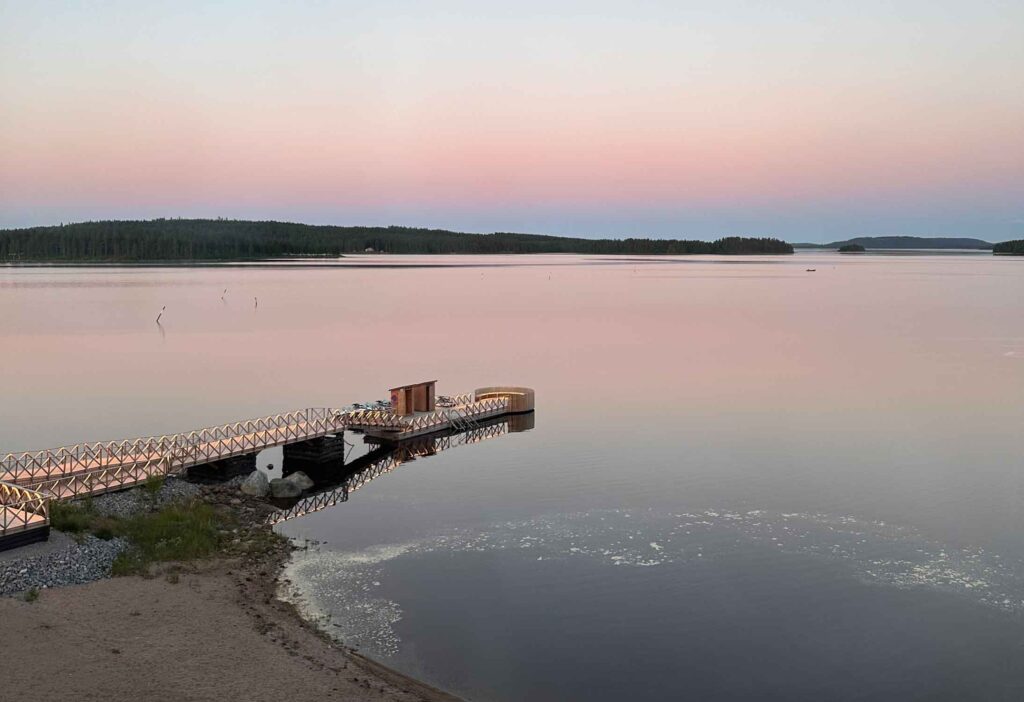
Beautiful nature retreat by the lake with a traditional kota, smoke sauna, and access to hiking trails. Bookings are for a full day or part of a day only; no overnight stays. At this location, you can book “Like a local—with a local” or, for example, a hike with wild foraging through Katni Salonen.
Karelian Pie Workshop – Joensuu
A workshop where you’ll learn how to bake traditional Karelian pies.
Pielinen Lake Cruise – Koli
A boat tour on North Karelia’s largest lake in a traditional wooden boat.
Coopop Safari – Nurmes
A relaxing ride on electric scooters along the lake and through the wooden residential area of Nurmes.
Food Tour – Helsinki
, Maddalena Bendetti of Madabout Helsinki. Sample local delicacies at all kinds of spots around the city.
By train, it takes about four and a half hours to get from Helsinki to Joensuu, the largest city in North Karelia. It’s a comfortable and sustainable way to travel, and a great introduction to Finland’s vast landscape of forests and lakes.
For a first visit, eight to ten days is ideal: two days in Helsinki, the train to Joensuu, a rental car to give you the freedom to explore the region, and at least three nights near Koli National Park for hiking trails, a canoe trip, and a sauna.
Everyman’s Right gives everyone the right to freely hike, bike, swim, and canoe in nature, regardless of who owns the land. You’re also allowed to pick berries and mushrooms, and wild camping is permitted for one night in many places, provided you keep your distance from homes and don’t cause any damage.
Koli is Finland’s most famous national park, offering hiking trails ranging from short to long, the Ukko-Koli viewpoint overlooking Lake Pielinen, canoe trips, a boat ride on a traditional wooden boat, and a sauna as a regular part of the day.
Karjalanpiirakka is the traditional Karelian pastry, with a thin rye crust and a creamy rice filling. In Joensuu, you can learn to make it yourself during a workshop hosted by the Martta Association, a Finnish organization that has been keeping traditional cooking and handicraft skills alive for over a century.

Mieke Tacken
I am an interior designer, photographer, and an avid nature hiker. I’ve lost my heart to the simplicity and beauty of hiking vacations. I also appreciate the unique experience of a stay that tells a story about local history or culture. Here, I share my stories and tips—whenever possible, with a light footprint and always with a heart full of wonder.

With a passion for travel and photography and over 30 years of experience in the travel industry, I love to share my special nature travel tips. Travel is wonderful and important, you meet new people and cultures and it opens your view of the world.
Hiking Around Saimaa: The Most Beautiful Nature Trails and National Parks Near Mikkeli Nowhere else in the world can you find the “Saimaa seal,” a freshwater seal that became trapped in this labyrinth of lakes after the last ice age and has since evolved into its own...
Get inspired
Are you looking for the most beautiful hiking and biking routes? Or do you want information about traveling by train or advice for the most beautiful road trips through nature. Get inspired for your next trip in green; ideas for planning your own trip or opting for an organized trip.