
Gratis gids 10 verborgen natuurplekken in Europa
Gratis gids 10 verborgen natuurplekken in Europa. Meld je aan voor onze nieuwsbrief en ontvang inspirerende reistips en routes voor je volgende groene reis.

The train to Intragna is no ordinary train. It climbs and winds its way through the Centovalli, the “valley of a hundred valleys,” until you get off in a village that seems to be glued to the mountainside. I’m in southern Switzerland, in Ticino. This is where Milo Bissegger lives. And when you dine with him, you don’t eat what the menu dictates, but whatever the season and the mountainside have to offer that morning.
It’s one of those experiences I won’t soon forget: a gourmet chef who takes you out into the field, teaches you to look at what most people call weeds, and then serves them up on your plate. As it happens, his aunt became world-famous for that very same weed—but growing meters high on a wall.
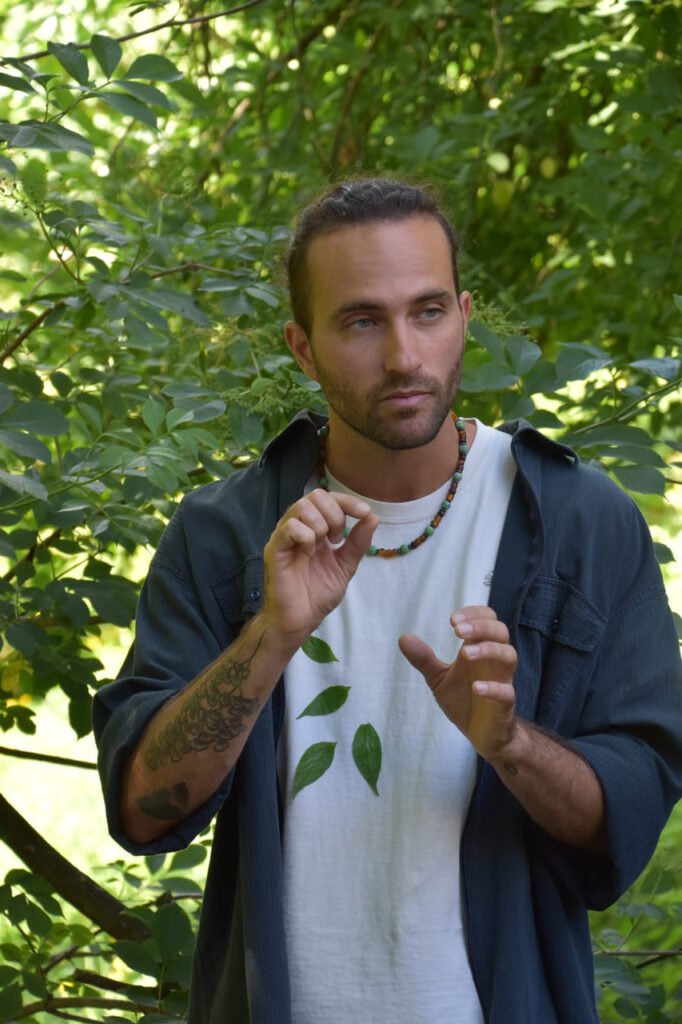
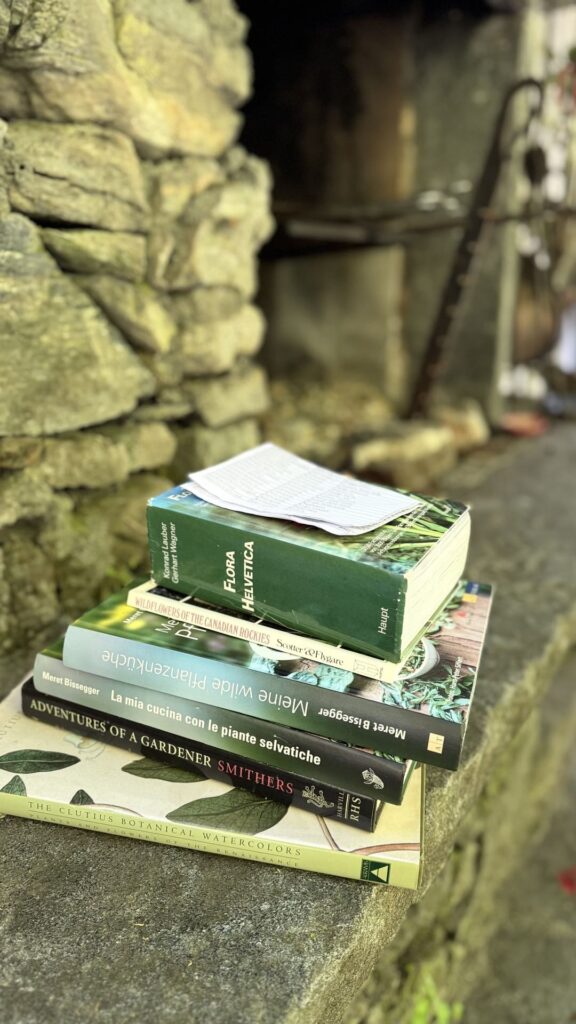
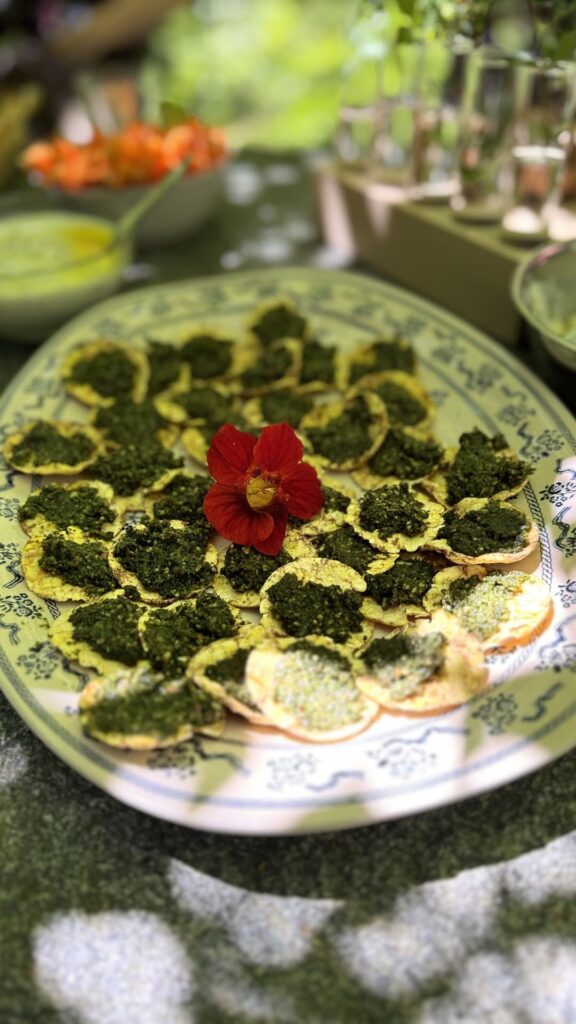
Milo Bissegger grew up in the Centovalli, surrounded by nature. After high school, he graduated from the University of Gastronomic Sciences in Pollenzo—the university that emerged from the international Slow Foodmovement. His thesis focused on the “intelligence” and sensitivity of plants, and what that means for the kitchen.
In 2018, he also earned a field botany certificate from the Swiss Botanical Society. Since then, he has devoted himself to“erbe spontanee”: edible wild plants and flowers. His guiding principle is the Slow Food credo: buono, pulito e giusto—good, clean, and fair. Biodiversity, seasonality, and knowledge of his own region are central to his work.
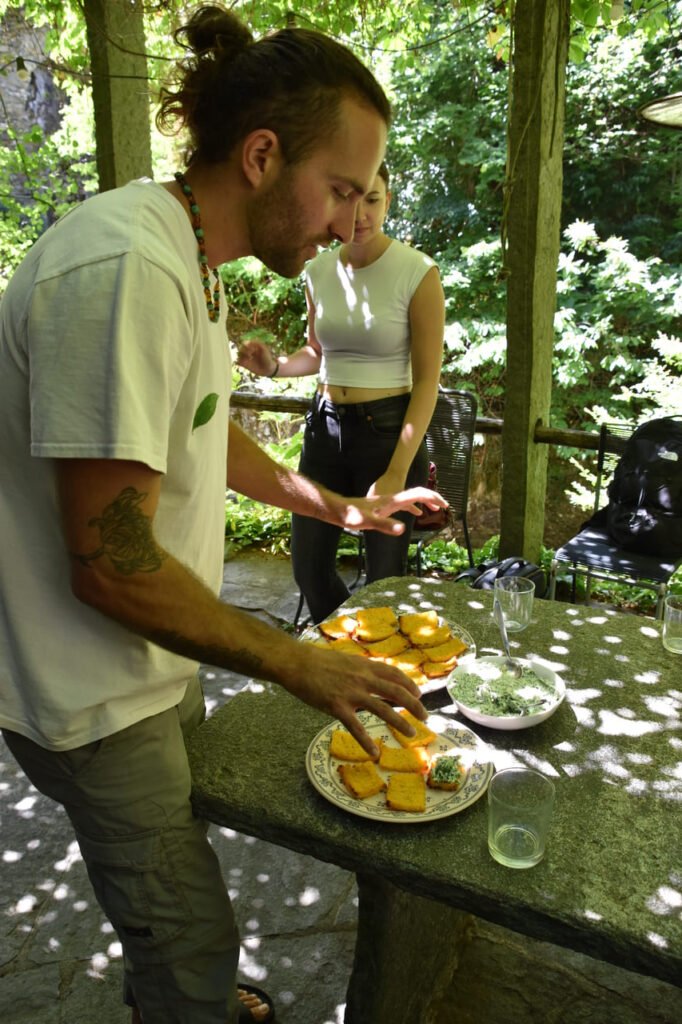
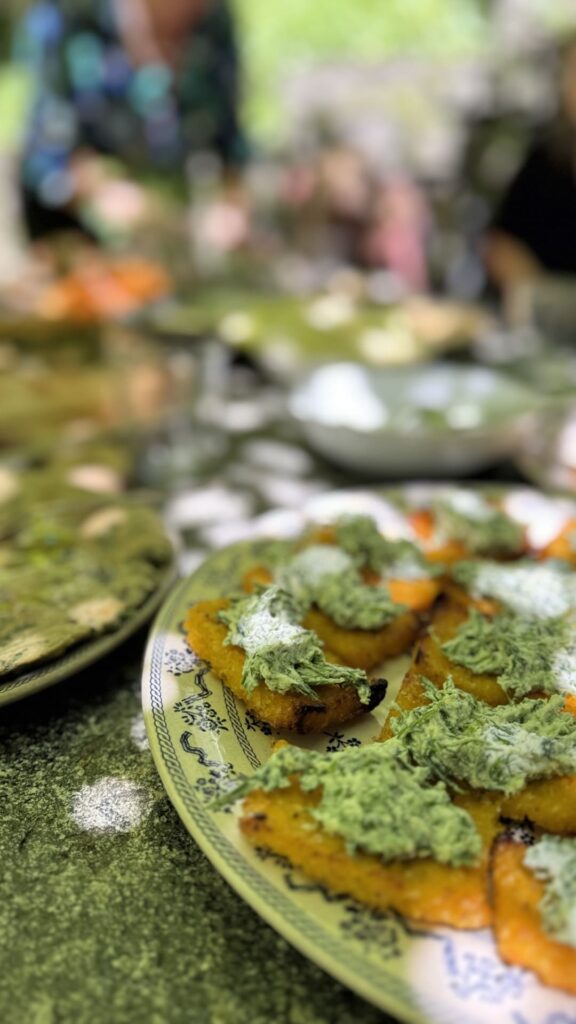
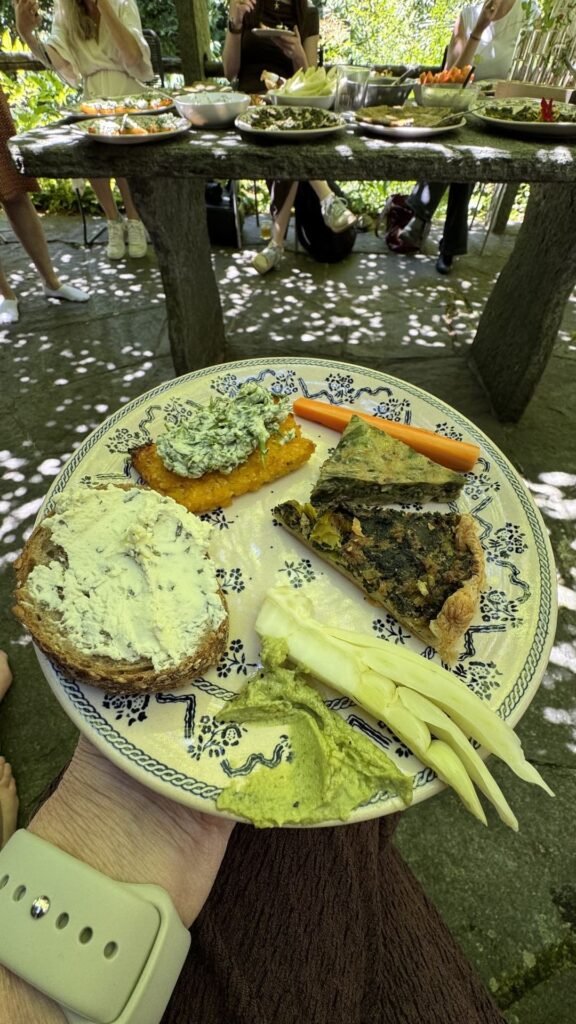
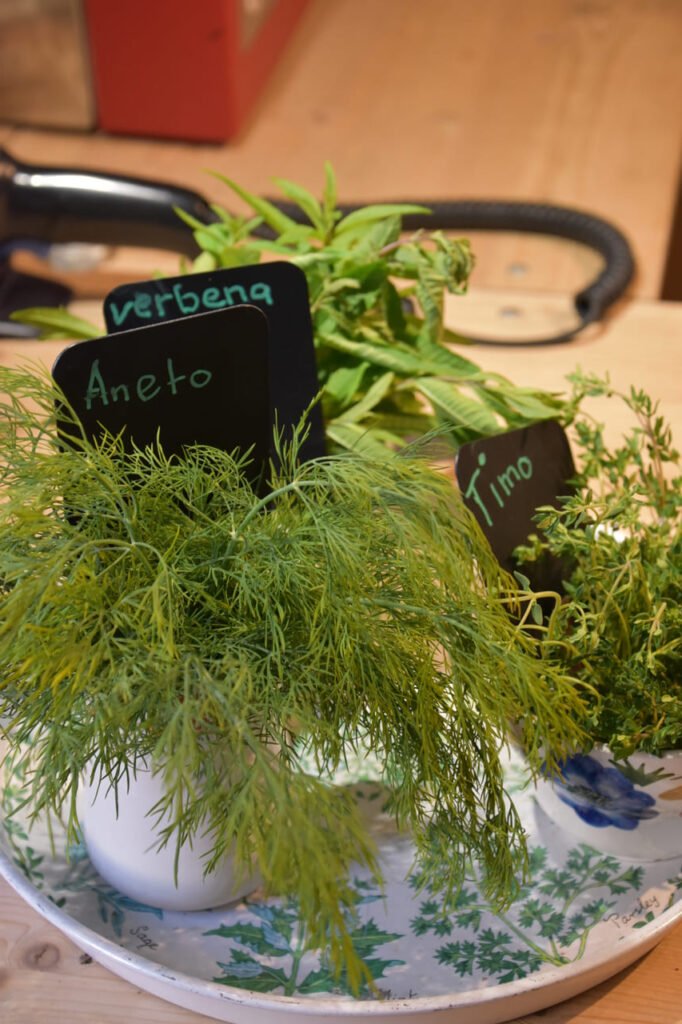
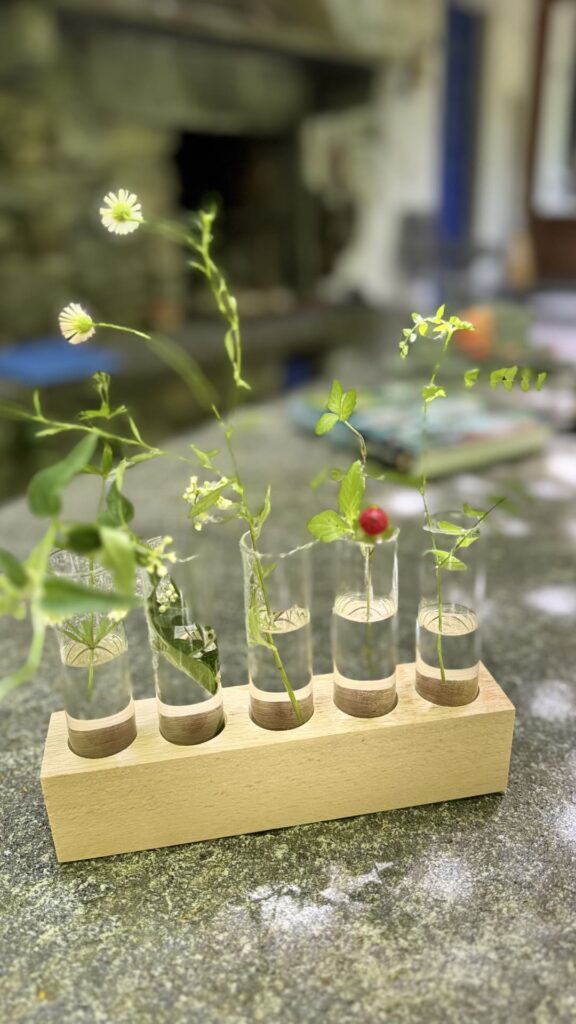
What Milo does can best be described as a walk that ends on your plate. During the course or field trip, you’ll first learn to identify the plants—which ones are edible, which ones are best left alone, and what they taste like. Then you’ll taste them as the main ingredient of the meal. What’s served depends on the season.
I’m learning about the Coca-Cola plant, which came from Asia after 1492, about *Chenopodium album* (lamb’s quarters in Dutch), a weed similar to wild spinach, how to make a vitamin-rich salad with dandelion leaves, and that stinging nettles contain more protein than soy.
Good to know: Milo doesn’t run a traditional restaurant where you can just walk in. You’ll join a class, a foraging excursion, or a workshop (in Italian, German, or English), or arrange a private experience or team-building activity with him.
The “wild lunch” is part of the experience. It’s delicious, by the way, and vegetarian. The homemade sorbet with sorrel for dessert surprisingly tasted like banana. Be sure to make a reservation in advance. His classes fill up quickly.
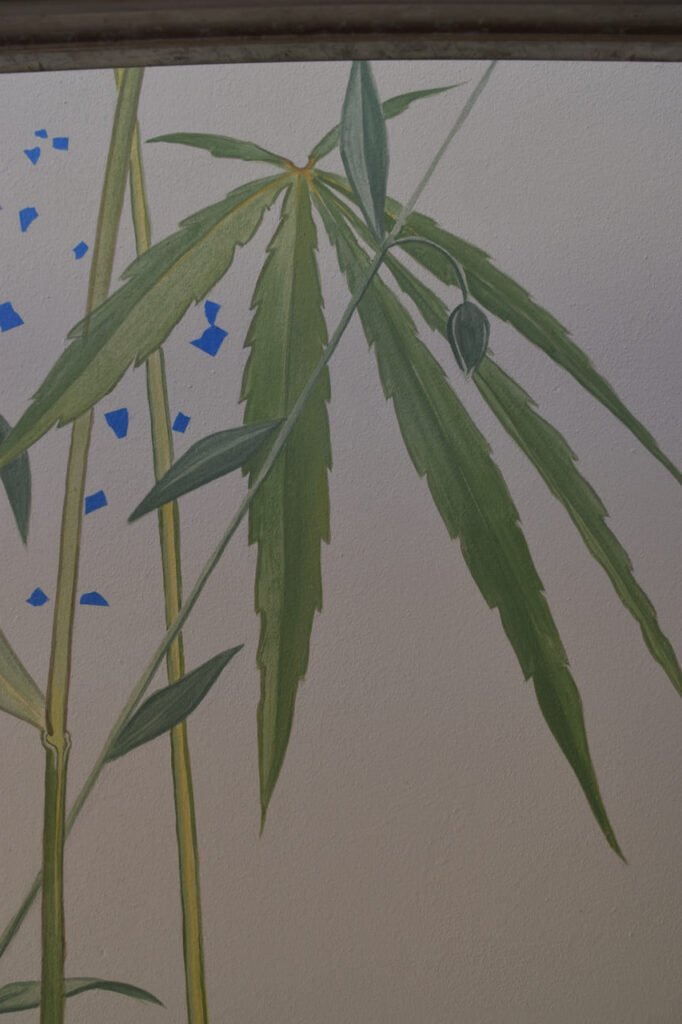
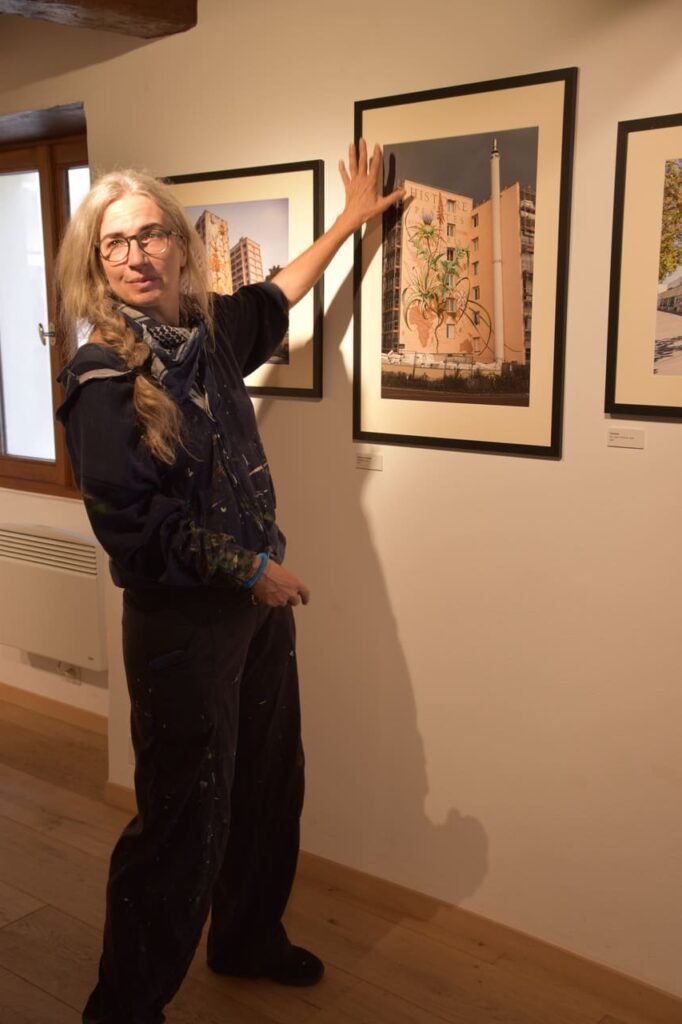
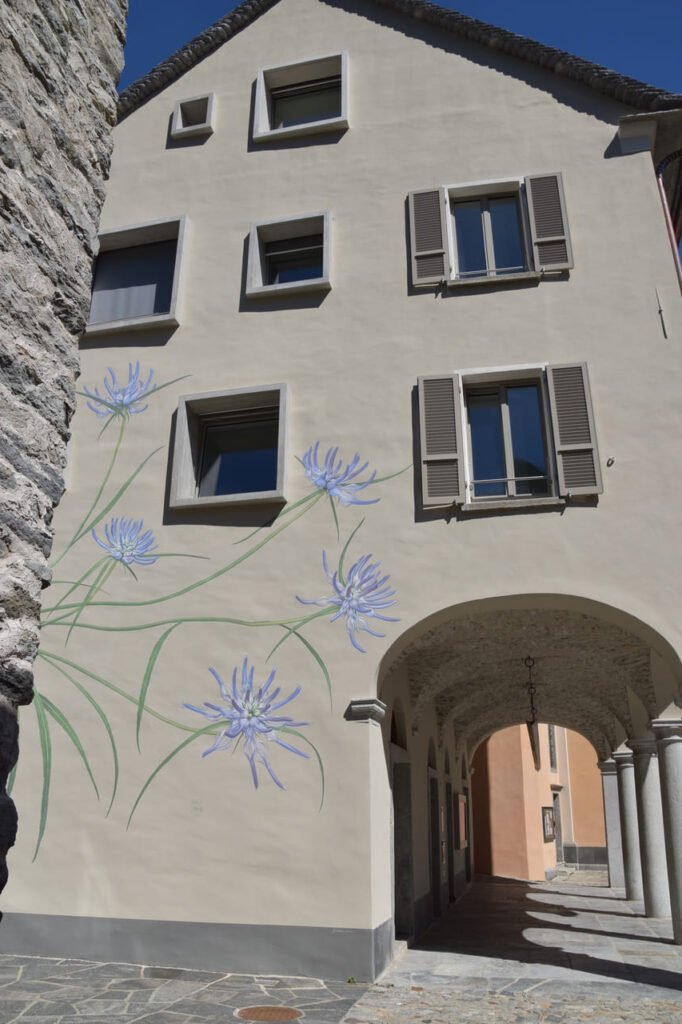
While I was there, I also met Mona Caron, Milo’s aunt. She is a Swiss artist who became a muralist in her second home, San Francisco, and has since become world-famous for one theme: Weeds. In this series, she paints meter-high murals of “weeds”—the neglected plants that push their way up through cracks in the concrete—as a symbol of resilience and resistance.
Her work can be seen on building facades in places such as Brooklyn, São Paulo, Lisbon, Quito, and, closer to home, Mendrisio in Ticino. On Instagram, she collects her plant studies under the hashtags she created herself: #UrbanMacroHerbarium and #Phytograffiti.
And now she’s also at work on walls in Intragna. She shows us the different spots in the village and explains why these forgotten plants are being celebrated. Standing next to a large scaffold, she explains the painting process, carefully placing tape on the areas she’s going to paint. The murals give the sleepy village a modern boost. It reminds me of my experience in the Spanish Pyrenees, where Santi Moix painted his colorful flowers as murals in an abandoned church. Mona Caron’s work is more realistic and less abstract, but no less beautiful.
Your cousin places the wild plants that were left out on your plate. Your aunt arranges them meters high on the wall. Same plants, two art forms.
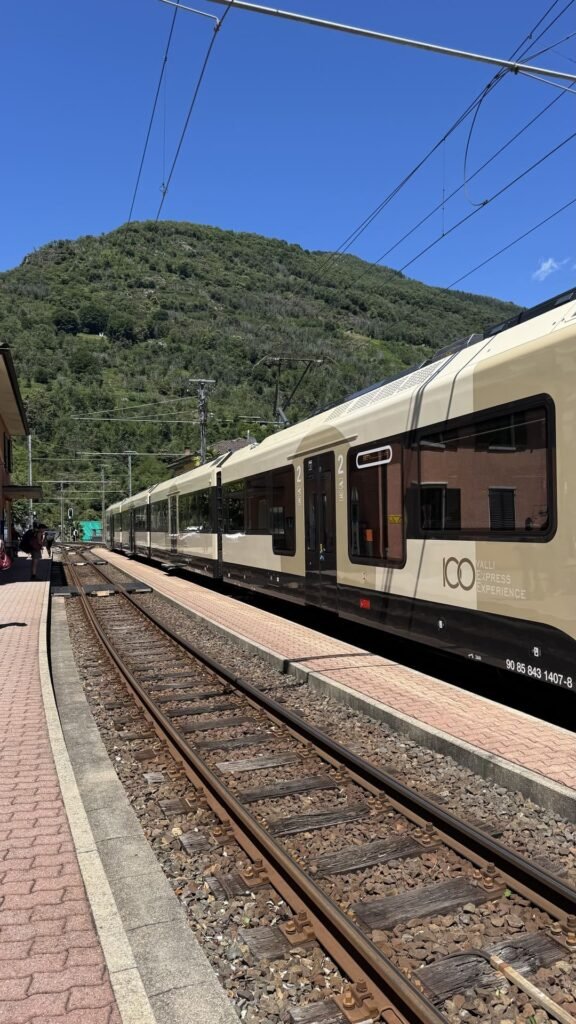
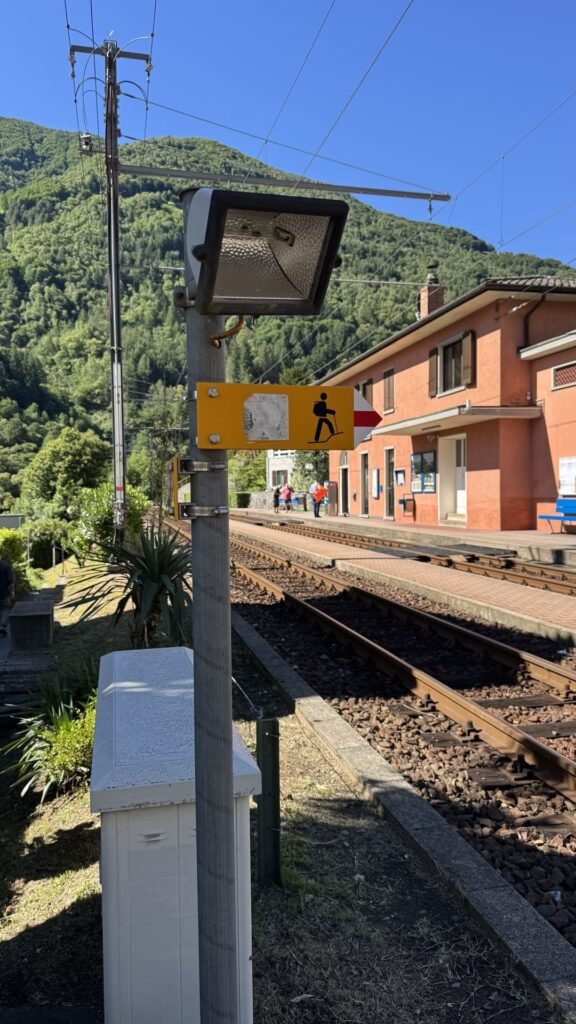
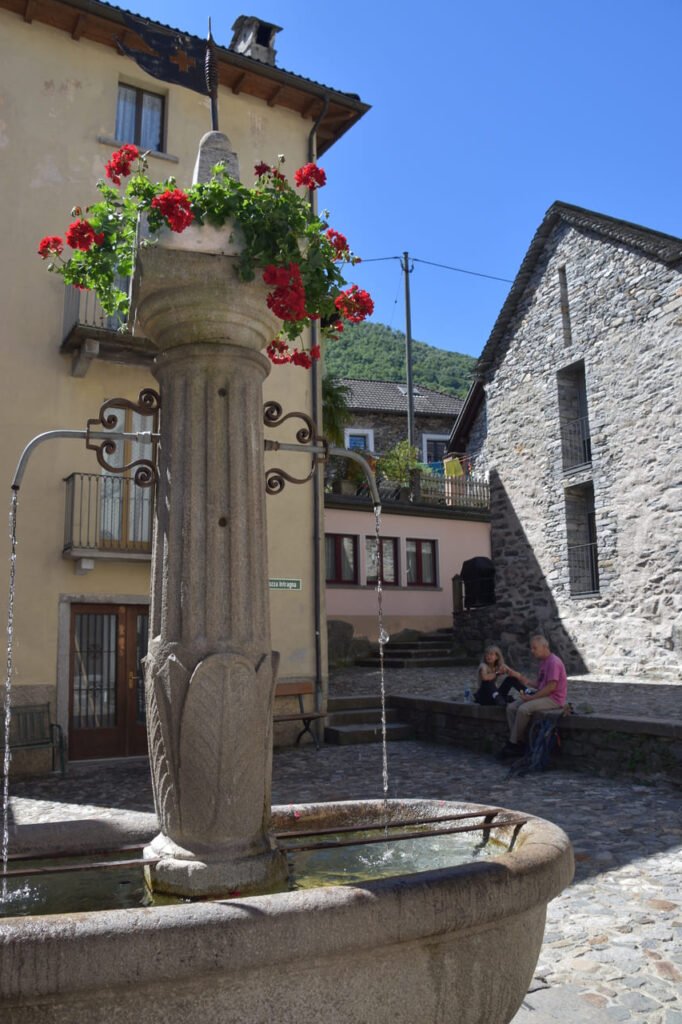
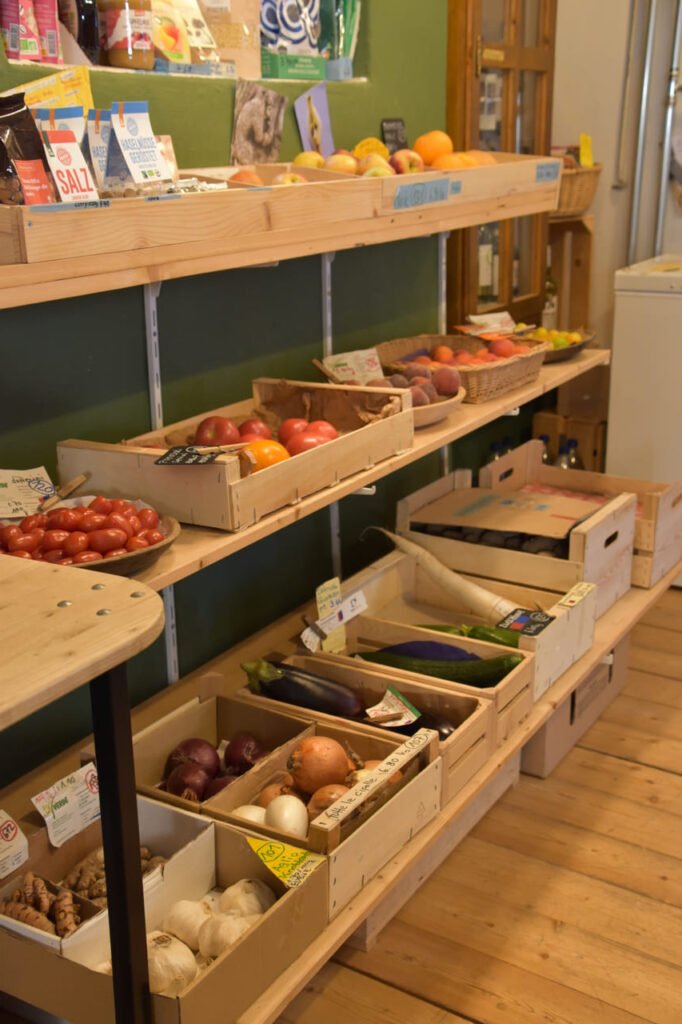
Intragna is located along the Centovalli Railway, the narrow-gauge line that connects Locarno with Domodossola, Italy, over a distance of more than fifty kilometers, winding through gorges and over high viaducts. The village is situated in an open valley between two rivers. It’s wonderfully peaceful there in early June. The village has about 900 residents and features the “Avanti avanti” (Come on in) shop on the village square, which sells fresh produce and is open 24/7.
From Locarno, it takes just under half an hour to get there; and the ride itself is an experience. You don’t need a car; with the Ticino Ticket, you can travel for free. You can read about how I made the entire trip without a car in the story about Ticino Without a Car.
Book in Advance
Milo Bissegger offers his courses and excursions in Italian, German, and English, and they’re very popular (the spring course was sold out). Book well in advance at milobissegger.ch and check which experiences are on the schedule during your travel dates.
Practical Information
| Location | Intragna, in the Centovalli (Canton of Ticino, Switzerland) |
| Accessibility | Take the Centovalli train from Locarno (about 30 min); no car needed, free with the Ticino Ticket |
| Milo Bissegger | Gastronomer & field botanist, specializing in edible wild plants; courses, field trips, workshops, and team-building activities (IT/DE/EN) at milobissegger.ch |
| Mona Caron | Swiss-American muralist, known for the WEEDS series; works worldwide and in Ticino monacaron.com |
| Best time | Spring through fall; the selection of plants is at its greatest in late spring and summer |
Milo Bissegger is a gastronome and field botanist who specializes in edible wild plants and flowers. He offers courses, foraging excursions, and workshops where you can learn to identify, harvest, and taste wild plants. These often conclude with a “wild lunch.”
No, it’s not a regular restaurant. You can join a class or excursion, or arrange a private experience with him; the meal featuring wild plants is part of the experience. Be sure to make a reservation in advance through his website, as the classes often fill up quickly.
Mona Caron is a Swiss-American muralist and Milo’s aunt. She is known worldwide for her WEEDS series: murals several meters high depicting wild plants as symbols of resilience. Her work can be seen from Brooklyn to São Paulo, and in Ticino, including in Mendrisio and Intragna.
Take the Centovalli train from Locarno—it takes about half an hour. You don’t need a car; with the Ticino Ticket, you can travel for free on public transportation throughout the canton.

With a passion for travel and photography and over 30 years of experience in the travel industry, I love to share my special nature travel tips. Travel is wonderful and important, you meet new people and cultures and it opens your view of the world.

Aachen Off Track: A Green City Trip Featuring a Forest, an Organic Garden, and Charlemagne A city with an imperial history, surrounded by forests stretching all the way to the Belgian and Dutch borders. Aachen cannot be taken in at a single glance: its historic...
Harz National Park: Seeing the Forest Through Different Eyes "What a somber entrance," I thought as I drove into the Harz National Park. The densely forested area gradually gives way to a sort of lunar landscape. The dismal sight of the many hectares of dead trees...

Cinque Terre by Train from Levanto: Train Schedules, Tickets, and Tips The railroad through the Cinque Terre dates back to 1874 and is still the only practical way to connect the five World Heritage villages. Cars are hardly welcome there: the streets are too narrow,...
Get inspired
Are you looking for the most beautiful hiking and biking routes? Or do you want information about traveling by train or advice for the most beautiful road trips through nature. Get inspired for your next trip in green; ideas for planning your own trip or opting for an organized trip.