
Gratis gids 10 verborgen natuurplekken in Europa
Gratis gids 10 verborgen natuurplekken in Europa. Meld je aan voor onze nieuwsbrief en ontvang inspirerende reistips en routes voor je volgende groene reis.

A city with an imperial history, surrounded by forests stretching all the way to the Belgian and Dutch borders. Aachen cannot be taken in at a single glance: its historic center, home to Charlemagne’s cathedral, is within walking distance of hammocks in the forest, an organic garden in the heart of the city, and the tripoint.
I set out to see just how green this German college town really is, armed with the new free app“Aachen Off Track”(in German), which guides you to lesser-known spots.
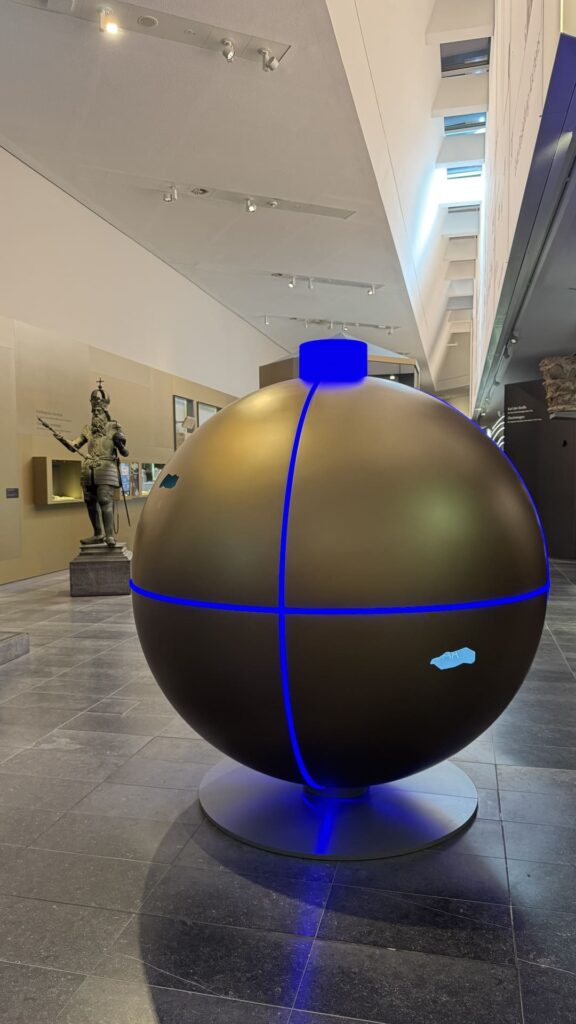
The free audio tour begins at Centre Charlemagne, a city museum on the Katschhof featuring a concise exhibition on Charlemagne’s role in Aachen and Europe, supplemented by rotating exhibits. From here, the audio tour takes you Aachen Off Tractakes takes you past places that most visitors skip.
At Centre Charlemagne , the history of Aachen and Europe converges in a single figure: Charlemagne. For nearly twenty years, Aachen was the center of the Carolingian Empire. Charlemagne had the royal palace, the Pfalz, expanded into a powerful administrative center and commissioned the construction of St. Mary’s Church, the core of today’s cathedral.
With his coronation as emperor in Rome on Christmas Day of the year 800, he restored the Western Roman Empire as ruler of the Frankish Empire. Charlemagne is regarded today as the mythical forefather of Europe and the founder of two nations: France and Germany.
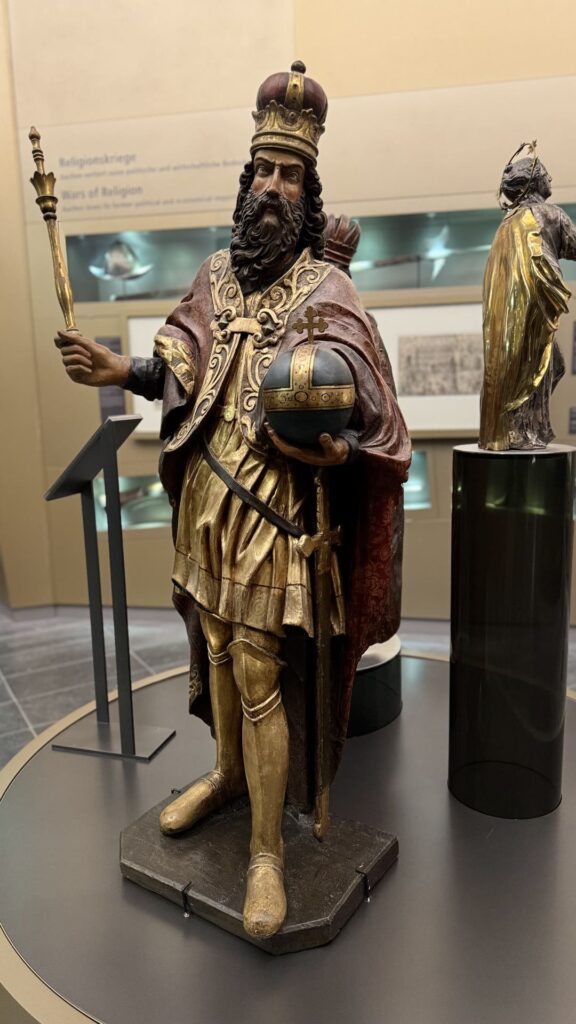
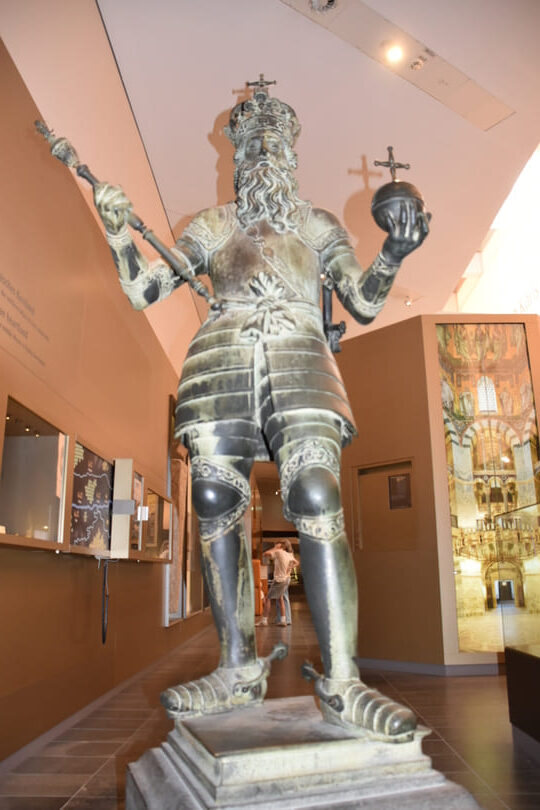
The exhibition at the museum features the original bronze statue of Charlemagne—the statue that most visitors know only as the replica on the fountain in the town square.
The best way to explore Aachen is on foot: the city center is compact and a bit hilly in places. With the audio tour, you’ll hear interesting facts about the sights along the way, and clear directions on where to go next. It’s also a location-based service, so you can’t get lost.
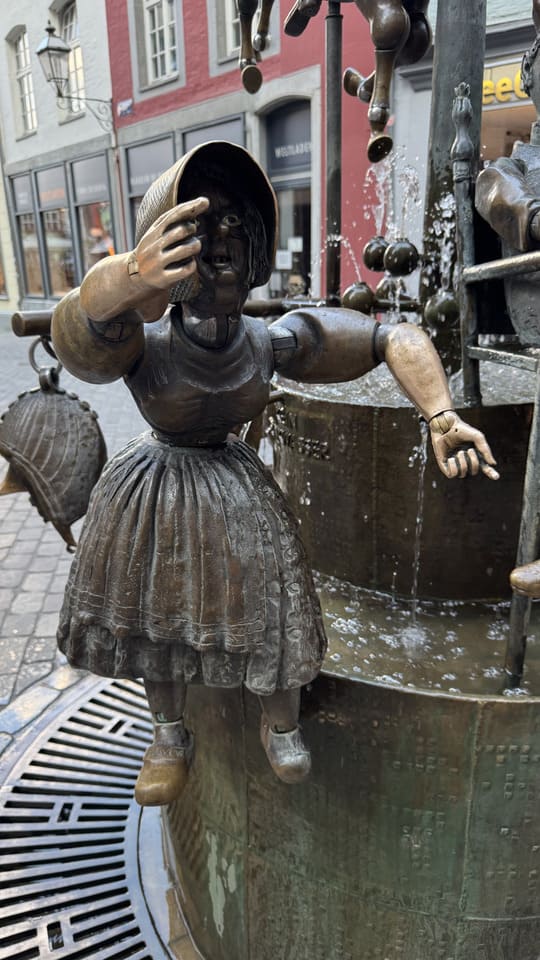
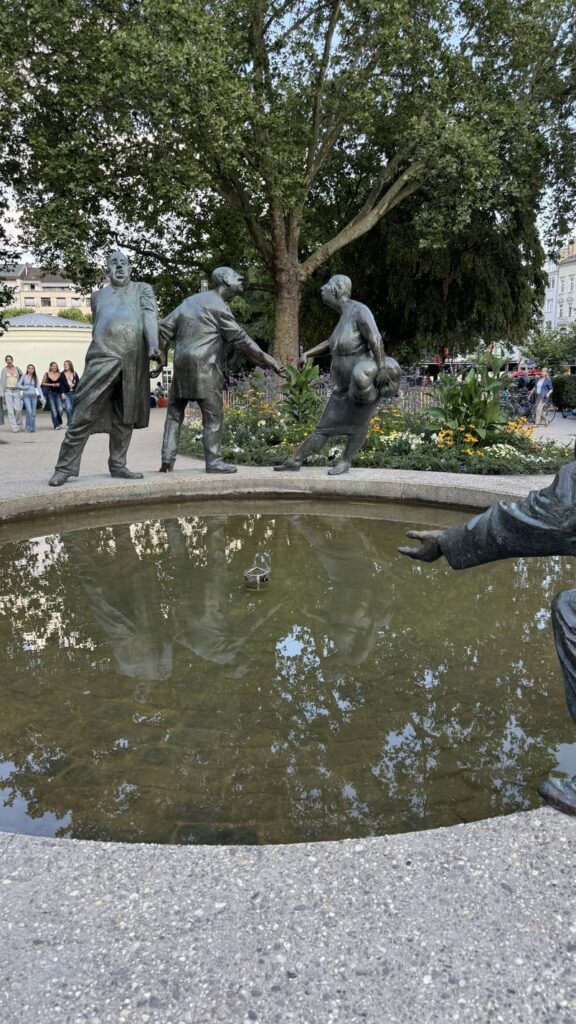
The “Lousberg Off Track” route passes, among other places, over the Lousberg, a substantial hill with varied woodland, a statue of the devil and the market woman, and the “Hangmatten am Lousberg”: a few hammocks offering a view of the city, ideal for a short break.
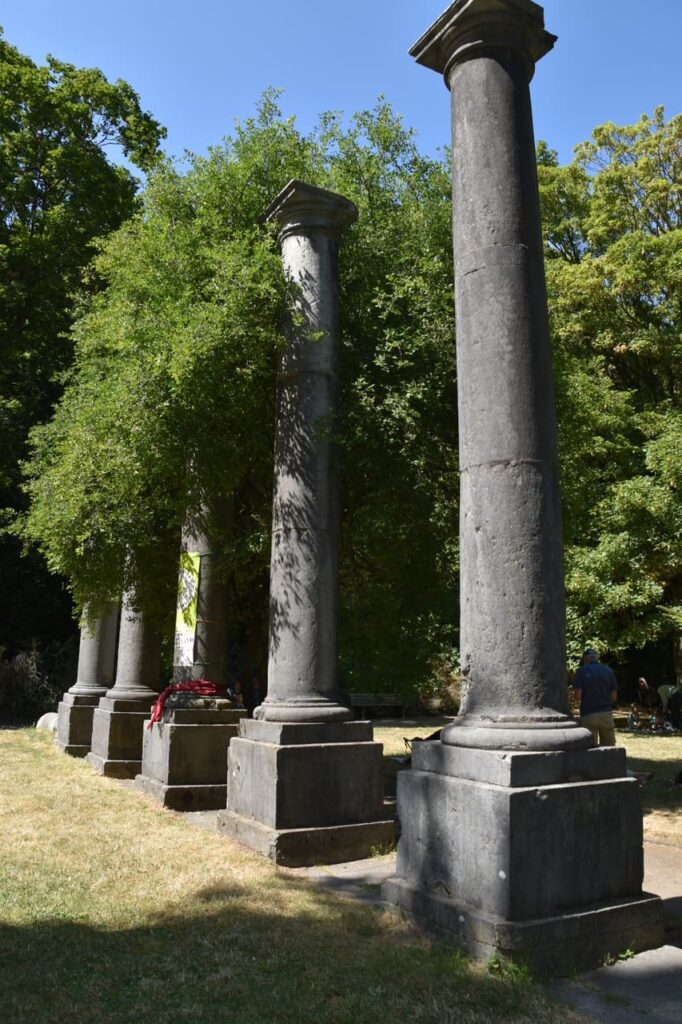
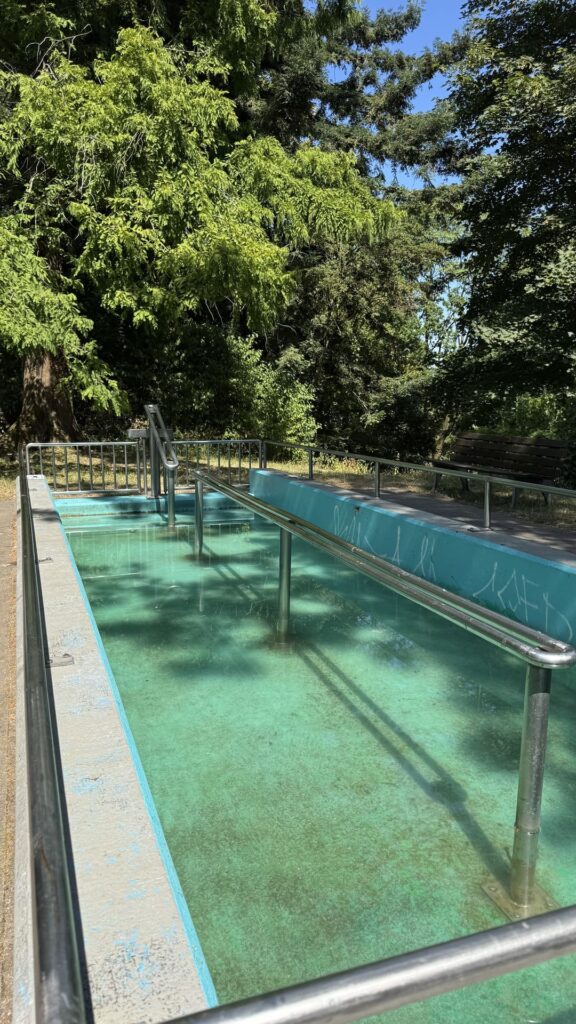
At the top of the mountain, you’ll find stately columns, also known as the Aachen Acropolis. These are the remains of the Belvedère, which was built here in the early 19th century through a citizens’ initiative as a gathering place for spa and health resort guests. The columns are the only remaining reminder of the Belvedère, which was bombed during World War II. Next to it is now a Kneipp bath—a refreshing water bath for the summer.
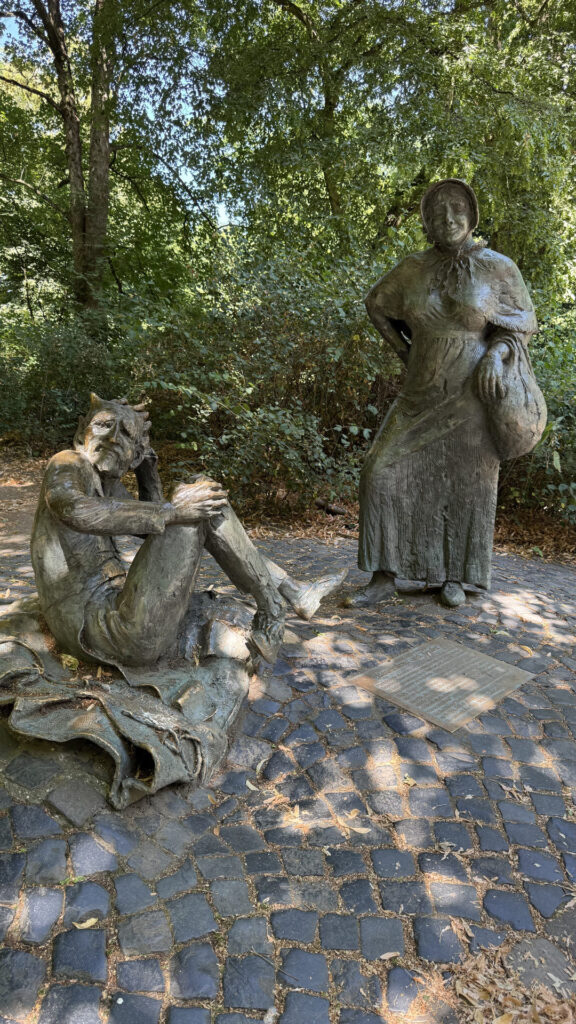
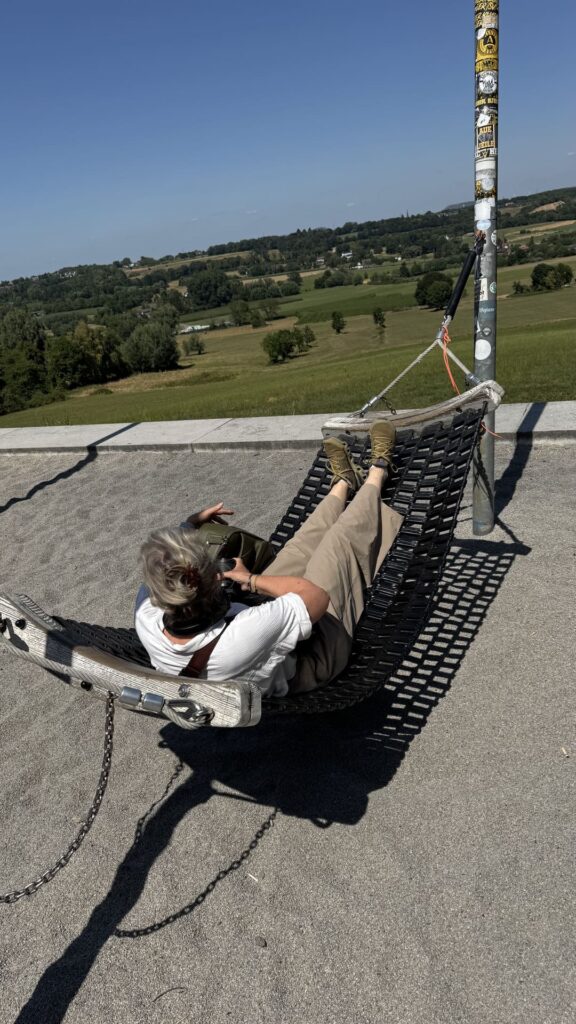
There’s an old Aachen legend associated with the statue on the Lousberg. The devil once wanted to bury the city in sand, out of revenge for losing his thumb when the townspeople had outwitted him at the cathedral door. On his way to Aachen, he ran into a market woman who tricked him with a ruse. Startled, the devil dropped his sack of sand, right in front of the Aachen valley. According to legend, that mound of sand is the Lousberg as we know it today.
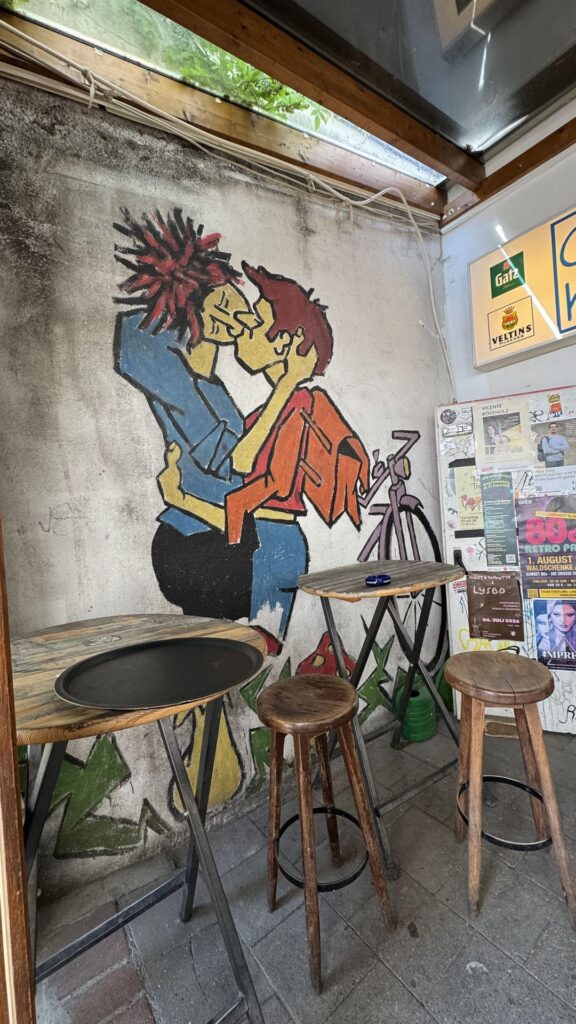
Café Kittel, located on Pontstraße since 1977, is a regular stop on the Aachen Off Track tour. The café is considered an institution in Aachen’s student scene: generations of students, from the 1980s to the present, still return there. On the terrace is a mural by artist Klaus Paier, which now has protected status and symbolizes the alternative, creative character of the place. Café Kittel is a café, bar, and pub all in one, with a large beer garden right in the heart of the city.
In the evening, Pontstraße is the heart of Aachen’s student life, with outdoor cafes and a lively atmosphere. For dinner, Goldener Schwan on the market square is highly recommended, offering friendly service in a building right in the heart of the historic center. The Lebanese restaurant AKL is also a great choice for dinner.
For coffee or lunch on the go, Café Baristinho in the city center is a great spot.
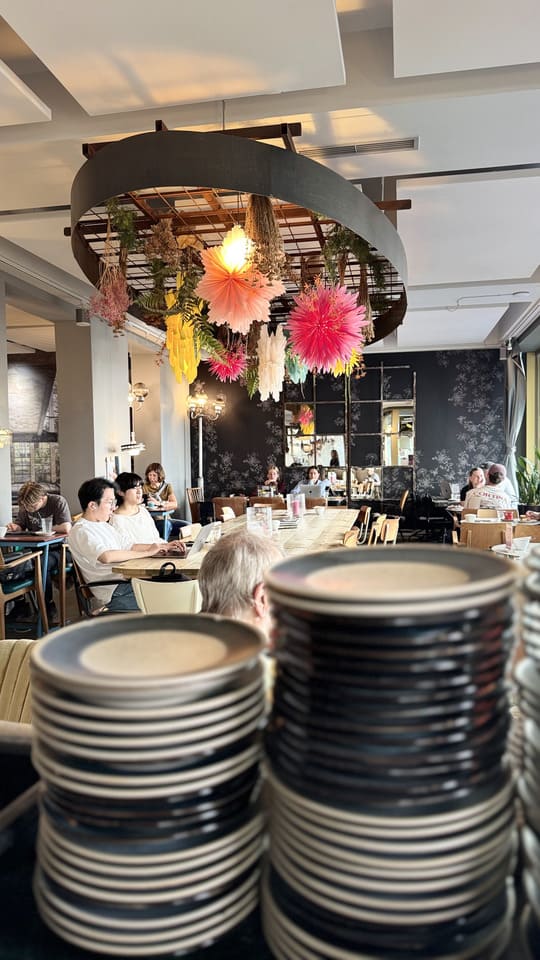
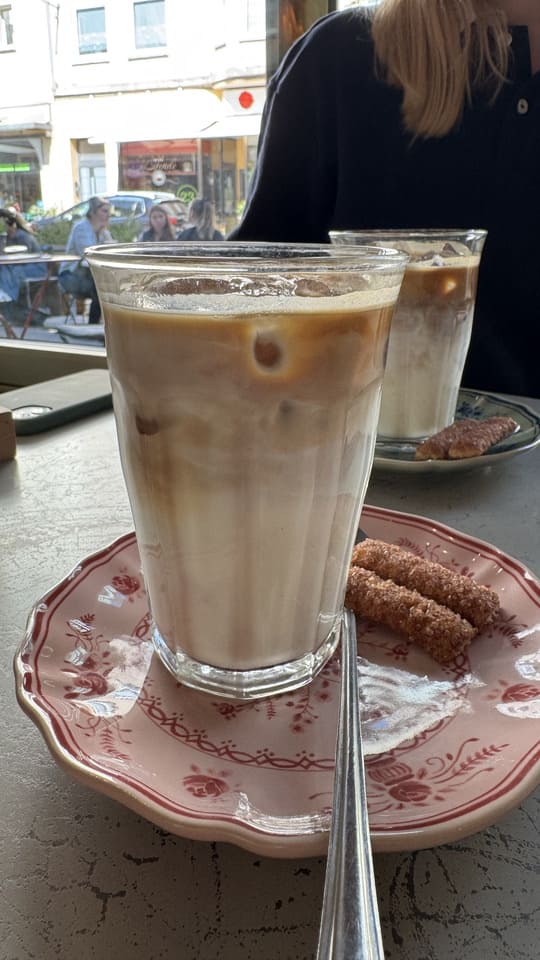
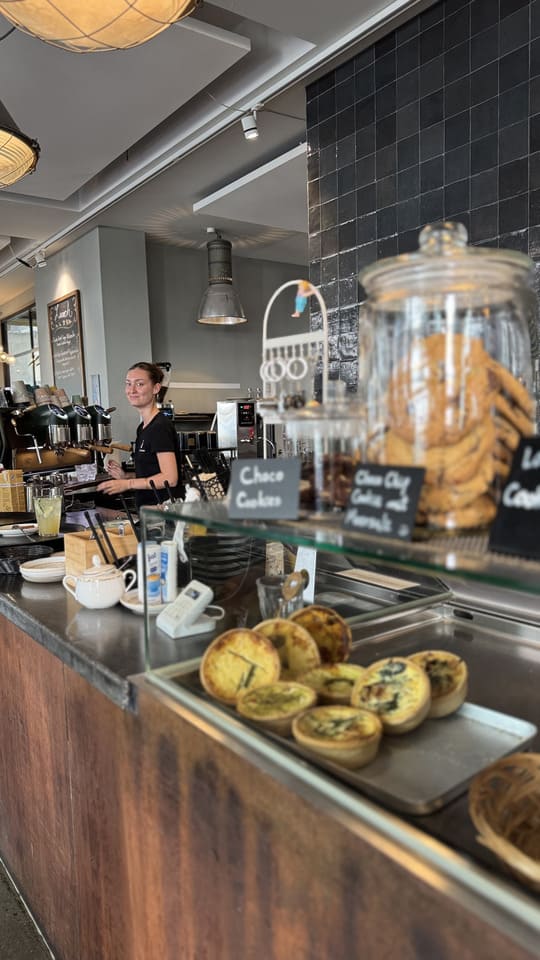
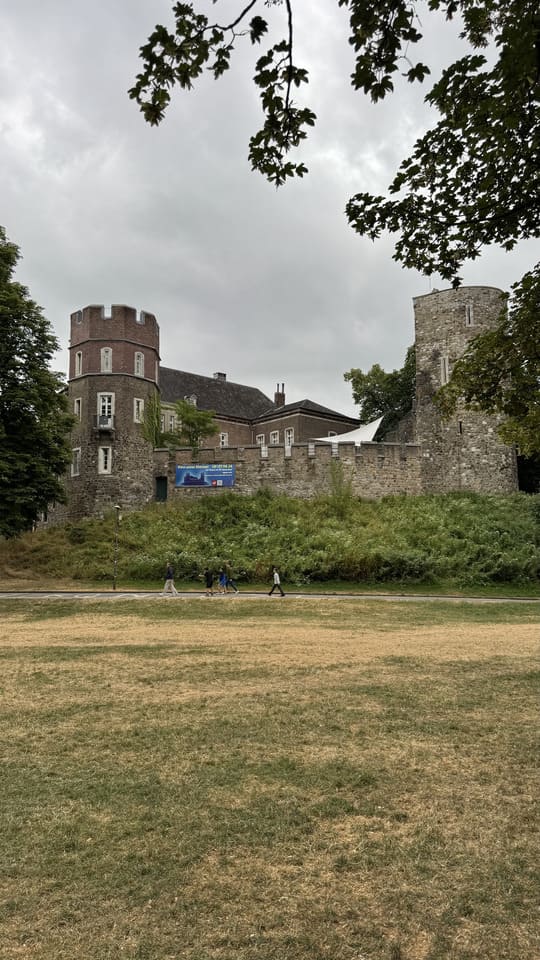
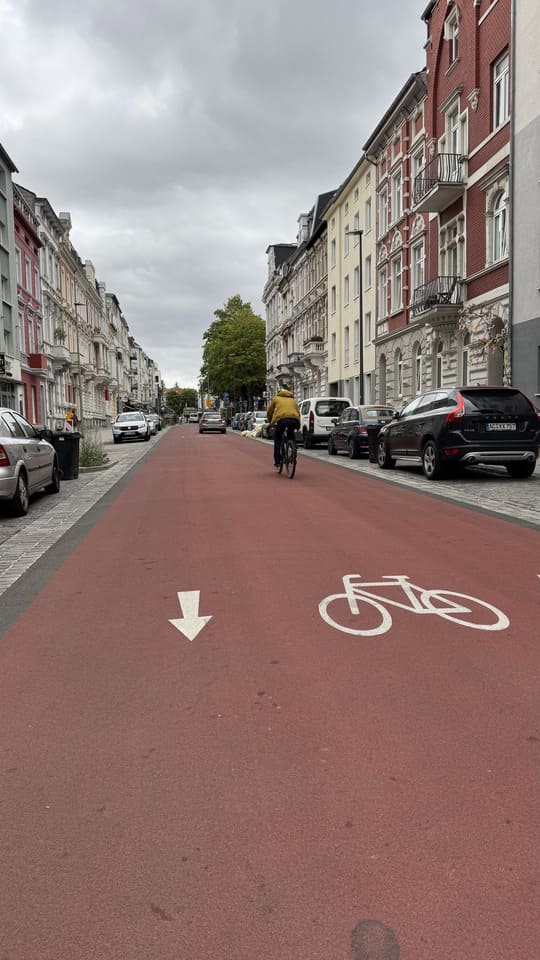
Just outside the city center, toward the Frankenberger Viertel, Aachen becomes noticeably quieter and greener. The neighborhood is considered trendy and is a great place to wander around without a set route, with Frankenberger Park and a castle at its center. It’s about a 20-minute walk from Elisenbrunnen (the tourist information office in the city center).
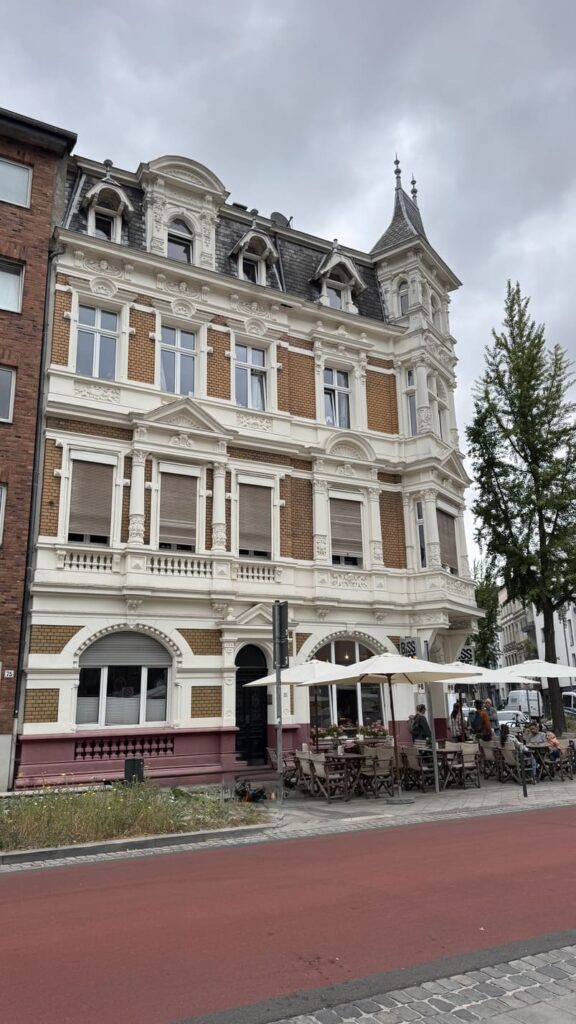
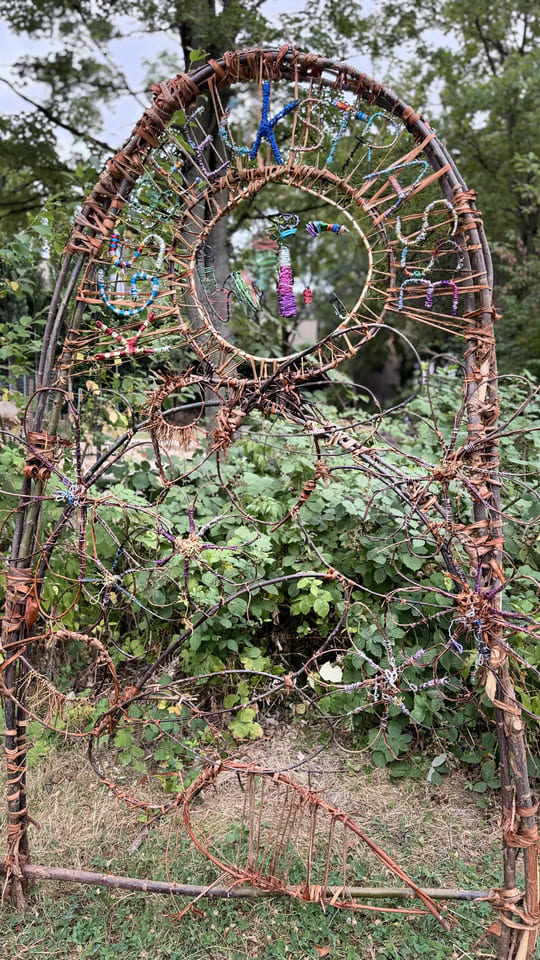
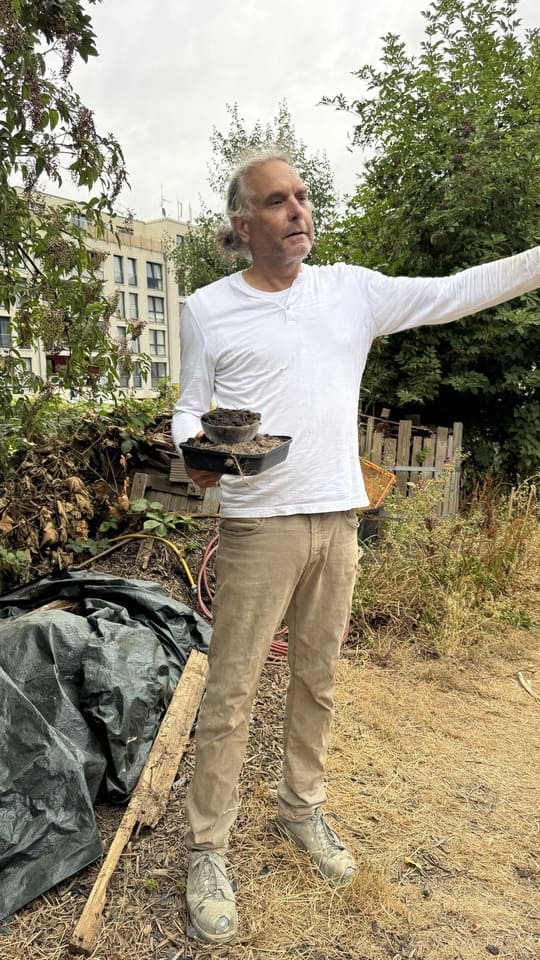
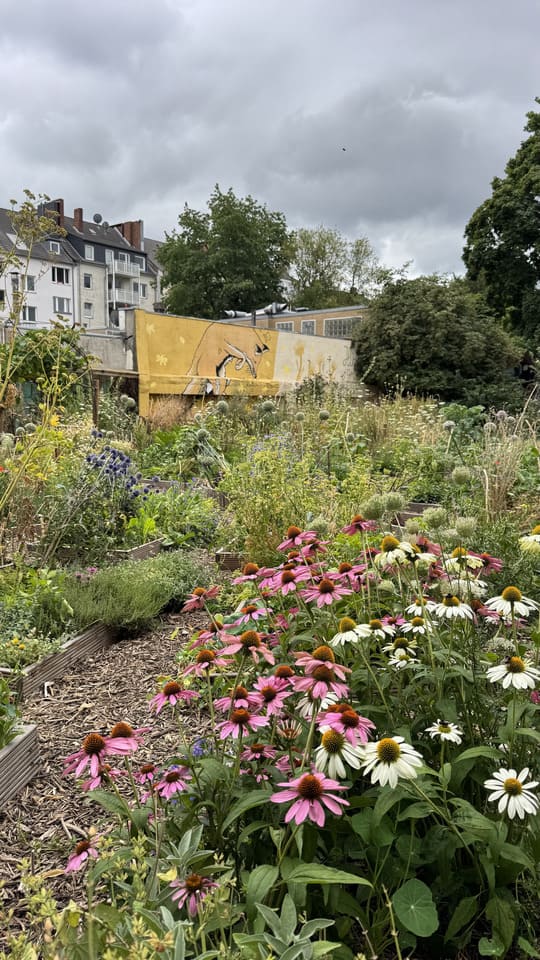
Along the way and nearby is the Hirschgrün ecological garden, which covers about 1,400 square meters and is fully accessible to hikers. The garden was designed with biodiversity in mind and showcases just how diverse urban nature can be: from herb beds to habitats for insects and birds. You can find information about Hirschgrün and the Frankenberg Viertel in the Frankenberg Off Track audio tour.
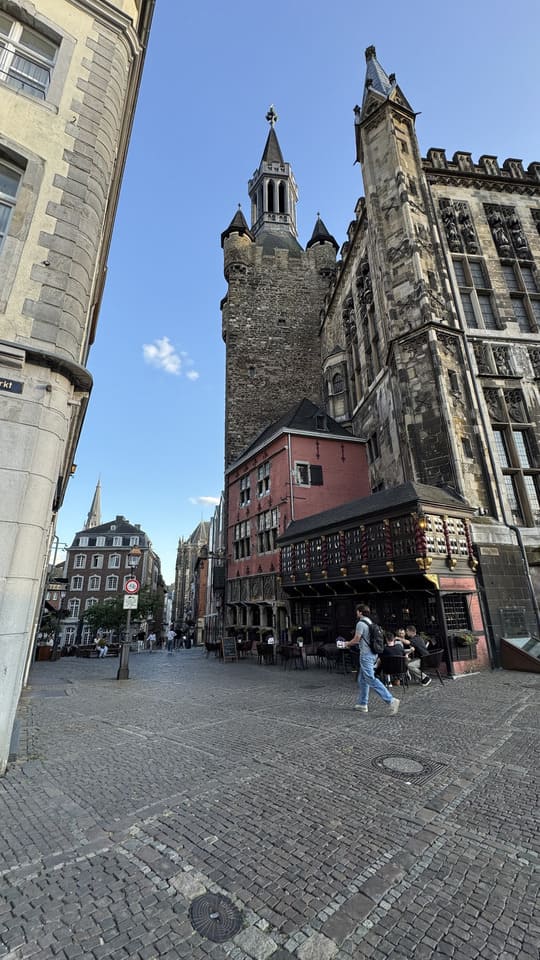
At the Grashaus on the Fischmarkt—a building that over the centuries has served as a prison, a place of execution, the city archives, and is now an EU office—everything revolves around the Charlemagne Prize these days. This international prize has been awarded annually in Aachen since 1949 to an individual who has dedicated themselves to the unification of Europe. The prize was established after the war by Kurt Pfeiffer and has grown to become one of Europe’s most respected awards.
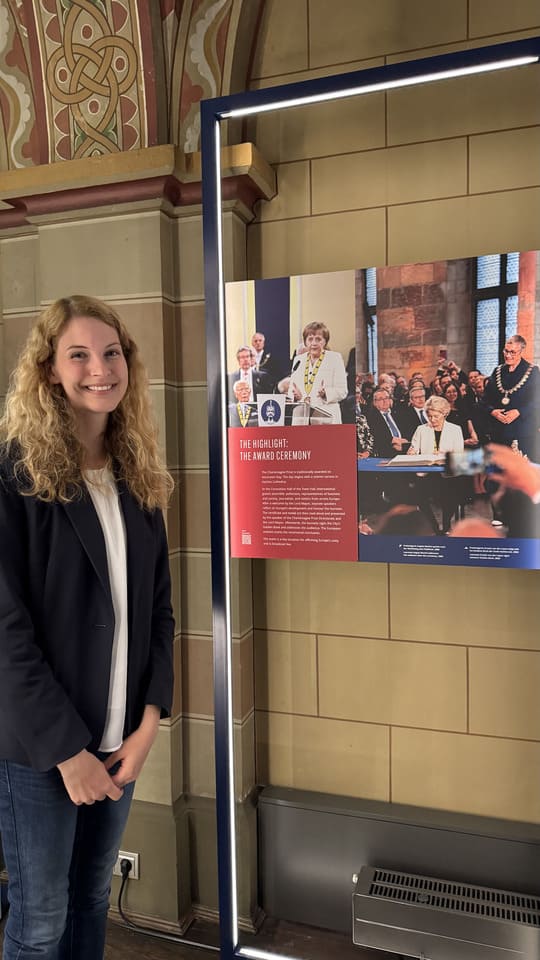
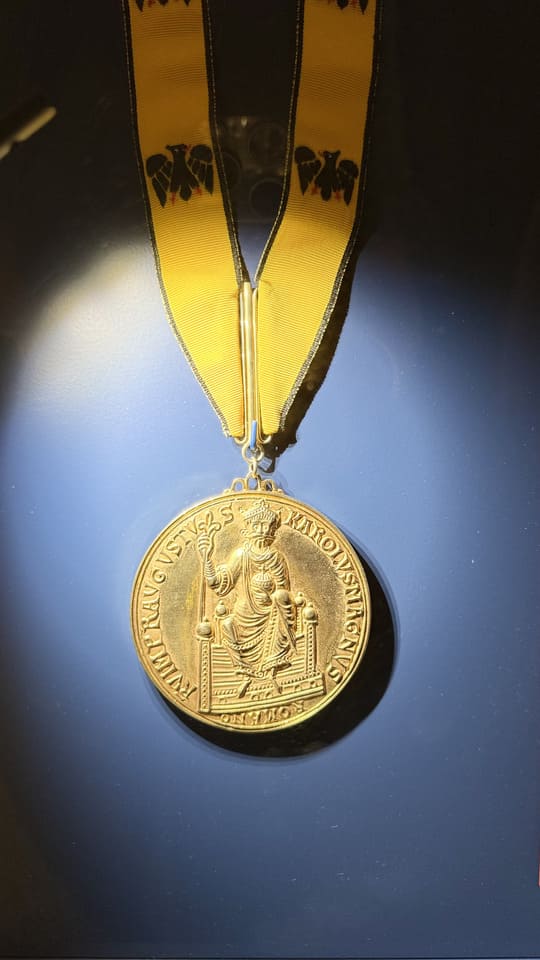
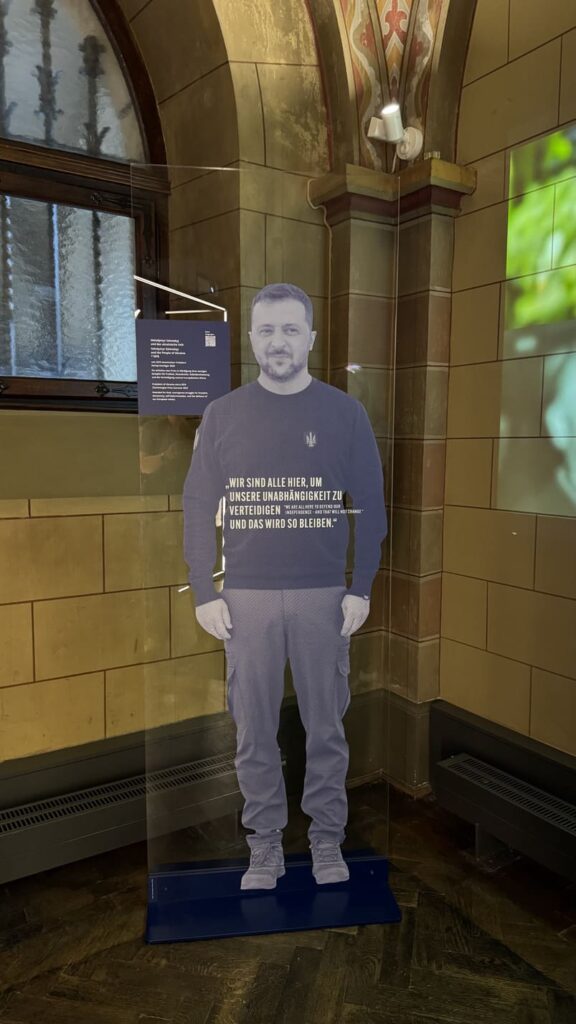
The list of laureates is impressive: Pope Francis, Angela Merkel, Emmanuel Macron, Zelensky, and Simone Veil—the first female winner—are among those who have ever received the prize. Ursula von der Leyen received it in 2025, and Mario Draghi in 2026. In the chapel of the Grashaus, there is an exhibition on the history of the prize, where visitors can submit their own nominations for the next edition. It’s a small exhibition in the building’s chapel, but still well worth a quick look because the Charlemagne Prize plays such an important role in Europe.
The Grashaus is open Thursday through Saturday from 12:00 p.m. to 5:00 p.m. and on Sunday from 11:00 a.m. to 4:00 p.m. Admission is free.

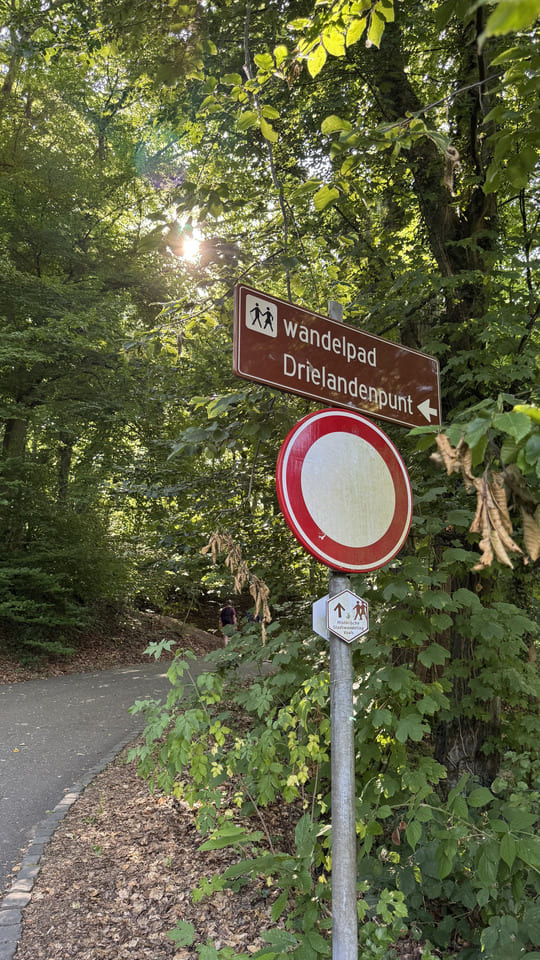
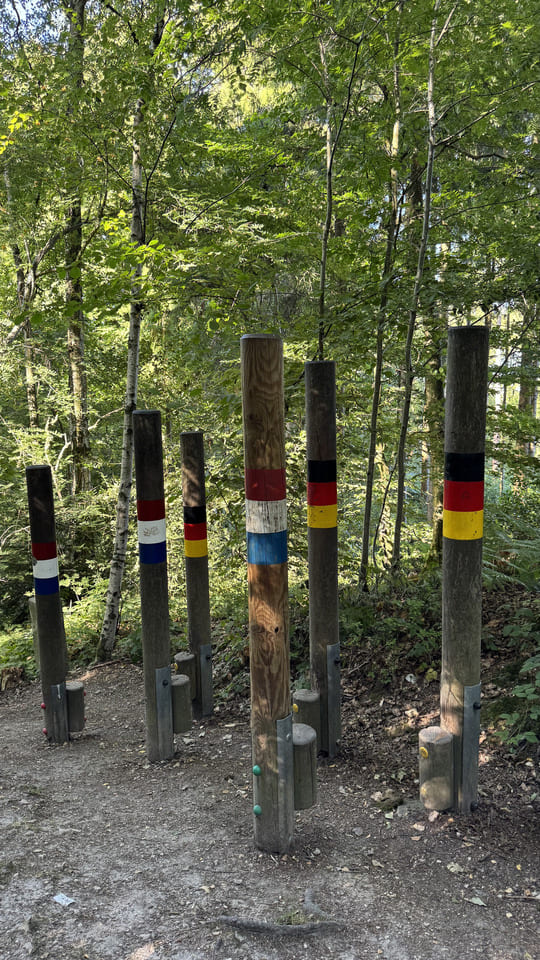
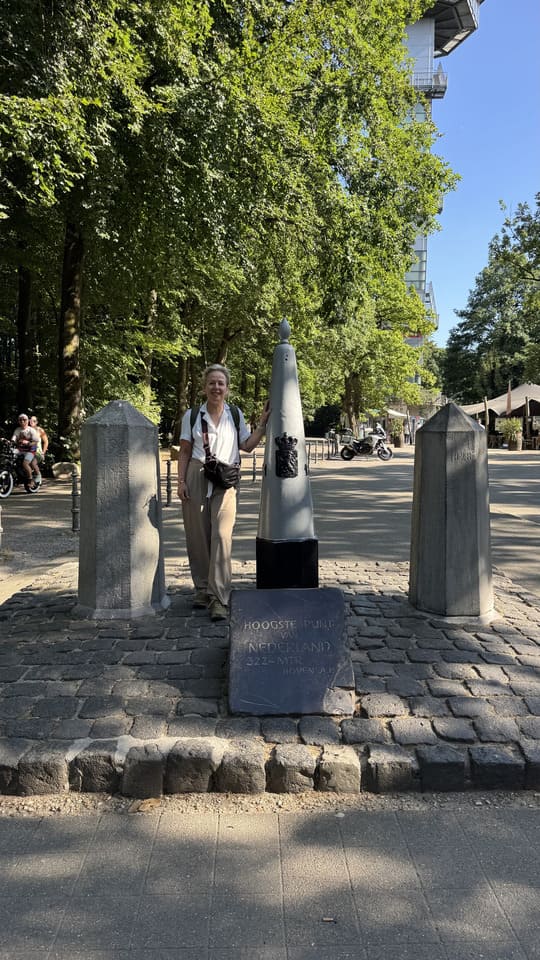
From Elisenbrunnen in downtown Aachen, buses 25, 35, or 55 will take you to Vaals, just across the Dutch border, in about twenty minutes. From there, walk through the woods to the tripoint, where Germany, Belgium, and the Netherlands meet. There are several routes to choose from; the hike I took was about 6 kilometers, mostly through beautiful woods.
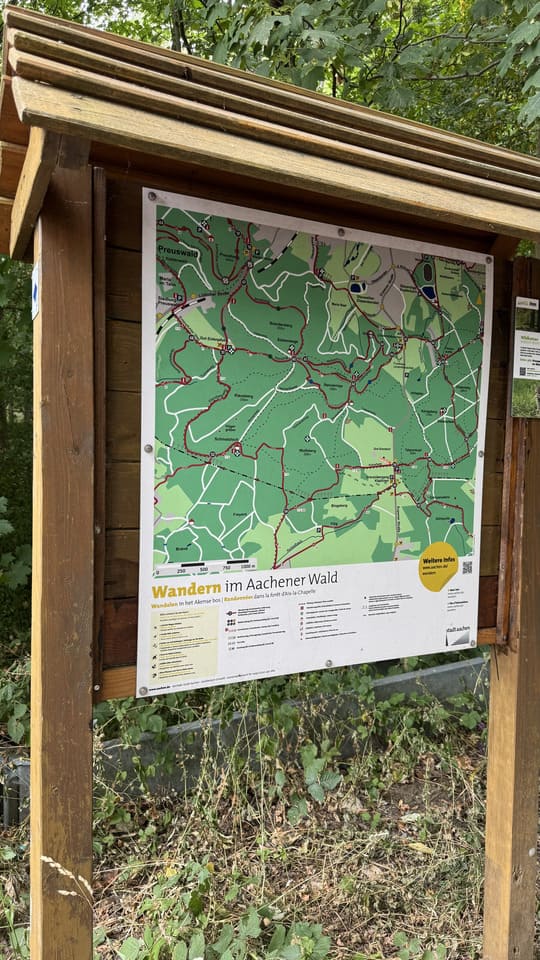
Aachen borders a vast forested area, the Aachener Wald. The Öcher Bösch trail starts at Eupener Straße 420, which can be reached by taking bus 14 toward Eupen Bushof and getting off at the Altes Zollamt stop. The route winds through dense forest, far from the hustle and bustle of the city.
Halfway through or after the walk is Gut Entenpfuhl is a great place to stop: a Biedermeier-era country house that has served as a forest restaurant since 1898; Lisa and Nico have been running it since 2026. This historic location on the edge of the forest features a terrace and a cozy interior, with friendly service.
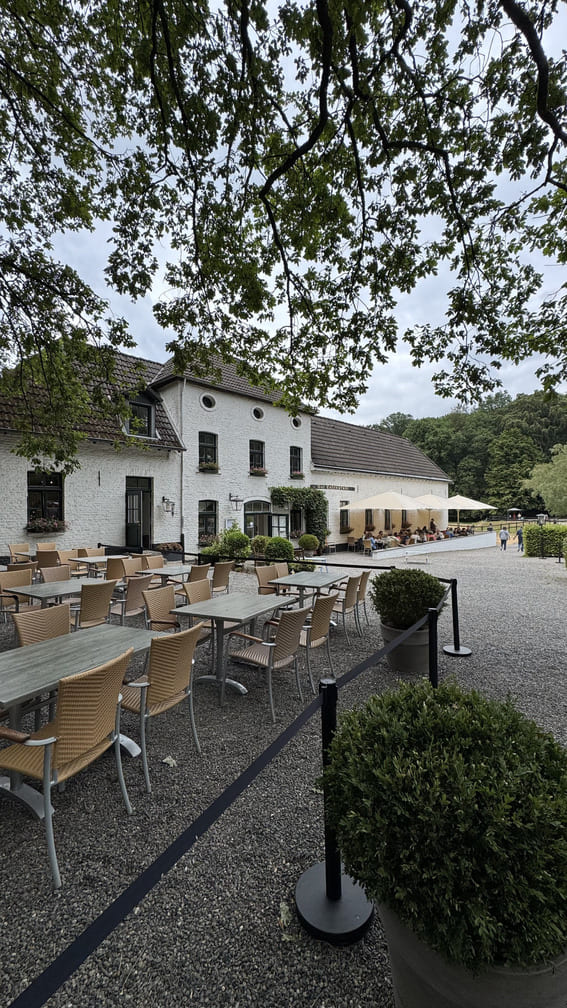

The restaurant is open from 11:30 a.m. to 8:30 p.m. and is closed on Thursdays. Aachen is known as the home of Germany’s oldest coffee roastery, and a cup of coffee at Gut Entenpfuhl is a great way to round off a walk in the woods.
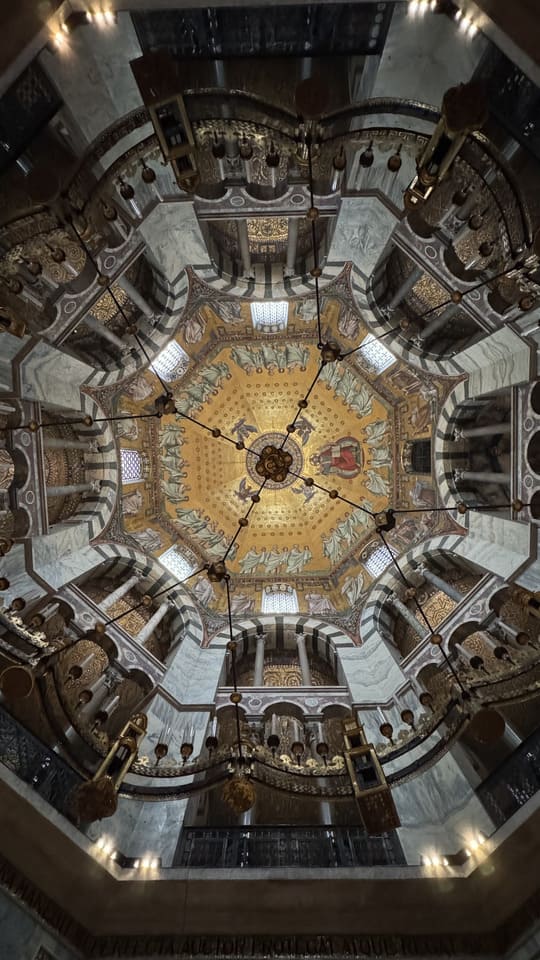
Aachen Tourist Service offers a second tour as part of the Aachen Off Track program: the Frankenberg Tour, which includes a visit to Aachen Cathedral, a UNESCO World Heritage Site since 1978. At the border near the tri-border area, you’ll also find the Cyclops Stones, a unique spot to stop for a walk if you venture off the beaten path.
Yes. The center of Aachen borders directly on a forest, and places like Frankenberger Park, the Hirschgrün ecological garden, and the Aachener Wald are within walking distance or a short bus ride from downtown.
Aachen Off Track is an audio tour from Aachen Tourist Service that takes you on a walking tour through the city, passing by lesser-known spots such as the Lousberg and the hammocks with a view of Aachen.
From Elisenbrunnen in the city center, buses 25, 35, or 55 take about twenty minutes to reach Vaals. From there, you walk through the woods to the point where Germany, Belgium, and the Netherlands meet.
The Charlemagne Prize is an international award that has been presented annually in Aachen since 1949 to individuals who have worked toward the unification of Europe. Past winners include Angela Merkel, Pope Francis, Zelensky, and Ursula von der Leyen.
Yes, the forest is easily accessible by public transportation. The Öcher Bösch trail starts at Eupener Straße 420, which can be reached by taking bus 14 from downtown.

With a passion for travel and photography and over 30 years of experience in the travel industry, I love to share my special nature travel tips. Travel is wonderful and important, you meet new people and cultures and it opens your view of the world.
Wolfenbüttel: A Small Town with Big Secrets From Braunschweig , I cycled (on a real old-fashioned bike) to Wolfenbüttel, a lovely ride of about 12 kilometers that ended with lunch at the Beach Club on the Oker. Along the way, I realized why this little town looks so...
Braunschweig: From Five Cities to the Fishing Ponds of Riddagshausen On the way to Braunschweig from the Harz , I stopped at Wöltingerode Abbey, a monastery that now doubles as a hotel and where you can enjoy an excellent cup of coffee before continuing your drive. It...
Goslar: A City That Spans Nine Centuries It took the guide two hours to take us on a journey from the 11th century through the Middle Ages, the Prussian era, and the Renaissance, right through the heart of the same city center. Goslar was the starting point of my...
Get inspired
Are you looking for the most beautiful hiking and biking routes? Or do you want information about traveling by train or advice for the most beautiful road trips through nature. Get inspired for your next trip in green; ideas for planning your own trip or opting for an organized trip.