
Gratis gids 10 verborgen natuurplekken in Europa
Gratis gids 10 verborgen natuurplekken in Europa. Meld je aan voor onze nieuwsbrief en ontvang inspirerende reistips en routes voor je volgende groene reis.

Everyone I spoke to said the same thing: go in the summer or the winter. Summer for the midnight sun. Winter for the northern lights. Spring wasn’t really an option.
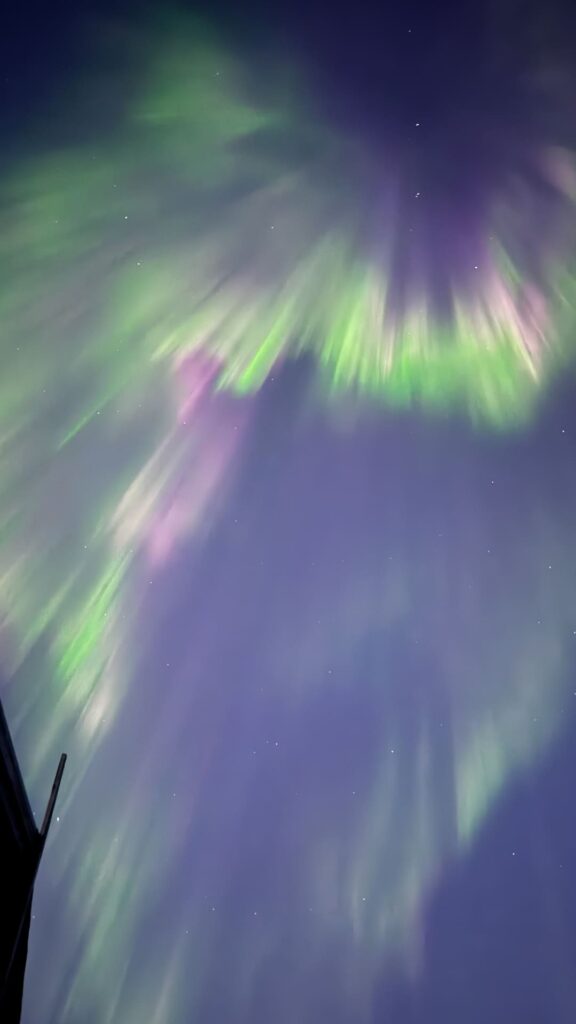
I ended up going in April anyway. Partly because I wanted to experience northern Norway as it really is, not as it presents itself to tourists. What I found surprised me. The roads were empty. The fishing villages were peaceful. And the people I met—from a landlady who tells the legend of her place in the evenings to a chef who turned out to be an Oscar-nominated filmmaker—gave the trip a depth I hadn’t expected. Okay, and I got lucky: we saw the Northern Lights on our last night.
This isn’t a tour designed to simply check off the Lofoten Islands. It’s a tour designed to help you understand northern Norway—its landscape, culture, and cuisine. Two archipelagos, two distinct characters, one route.
I took this trip in April and, to be honest, I wasn’t really sure what to expect beforehand. I’d heard of the Lofoten Islands, but I knew next to nothing about Vesteralen. And spring wasn’t exactly the time of year most people recommended for a trip.
What I found: two archipelagos, each with its own rhythm, featuring landscapes that constantly make you stop in your tracks, with a light that never ceases to fascinate, no matter the time of day. And places that stay with you not just because they’re spectacular, but because the people behind them are. This is the route as I traveled it. My advice: plan for at least 3 nights in each place. That way, you’ll truly experience the culture, the people, and the beautiful nature.
“Don’t just tick off the highlights. Instead, gain a deeper understanding of the area, its people, their culture, and the local cuisine.”
The Lofoten and Vesteralen Islands can be visited year-round, but each season calls for a different approach. Below is my honest assessment, based on my own experience as well as what I heard from locals about the seasons I didn’t get to experience myself.
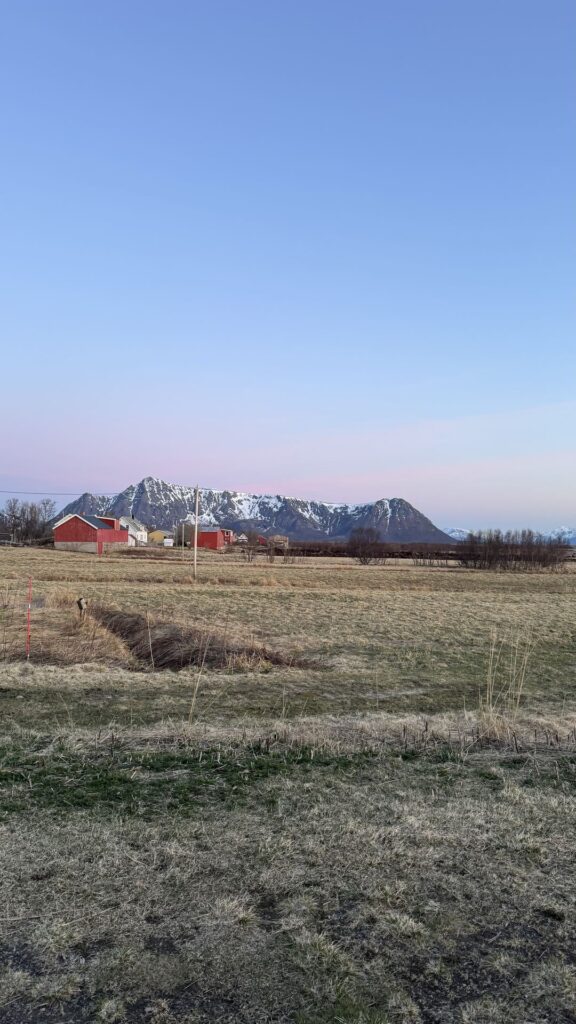
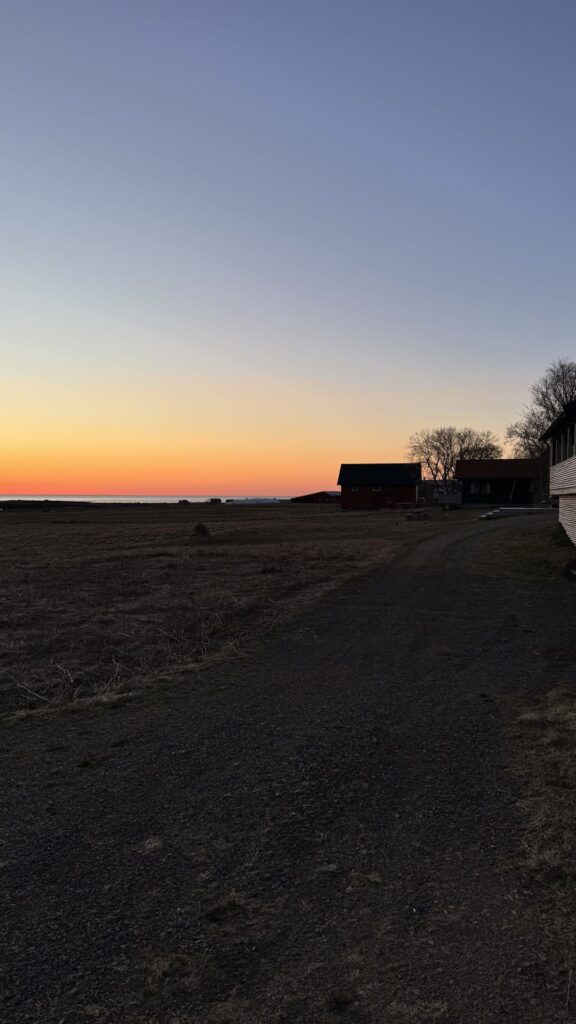
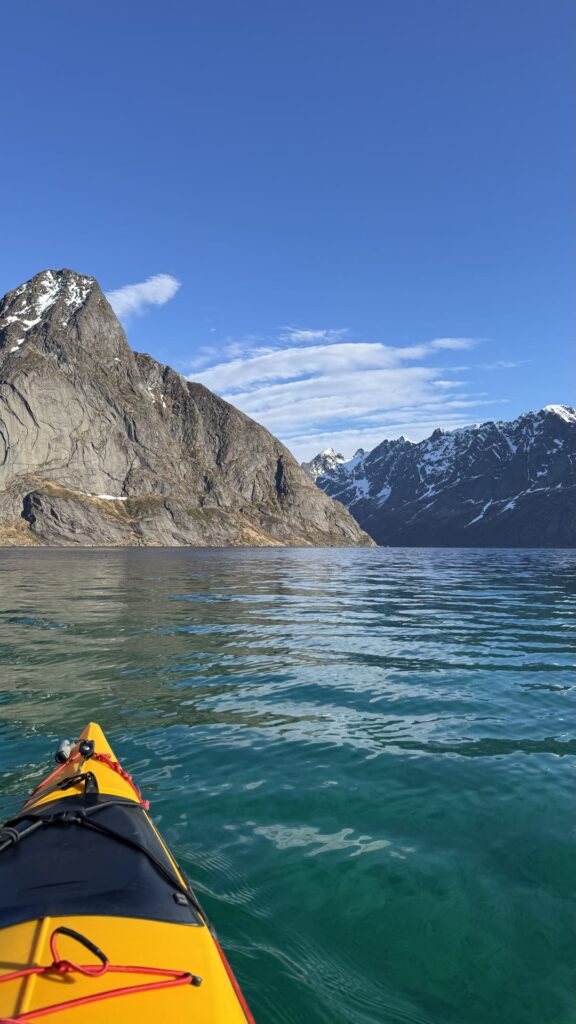
In my opinion, April and May are the best months for this tour of the Lofoten and Vesteralen islands. The roads are empty, accommodations are available, and the light is extraordinary: long, golden-yellow, and perfect for photography.
The islands breathe, and you experience the Lofoten and Vesteralen as they have always been. In April, there may still be snow on the mountaintops (and even on the roads), which makes the landscape even more dramatic. At the end of April, the puffins return to the cliffs at Bleik. It really feels as if the islands are just waking up.
To be honest: the weather is unpredictable. The week after I got home, we got a good amount of snow. I was lucky. But rain makes the mountains here even more beautiful, not less so.
The E10 (the only main road in the Lofoten Islands) is frequently backed up with RVs and campers in August. The roads are narrow. Parking lots at popular spots are packed before you even get there. Accommodations are scarce and more expensive. Visit in the summer for the midnight sun, but expect crowds.
Fall is similar to spring: peaceful, with beautiful light and fewer tourists. The Northern Lights begin to appear regularly in September and October. It’s ideal for hikers and photographers who want to avoid the summer crowds.
Spectacular northern lights, but the roads can be tricky if you’re not used to snow. Daylight is limited, and there are also many tourists who aren’t used to driving in those conditions. That leads to the usual delays. A special experience for those who are ready for it. For everyone else: go in the spring or fall.
The Lofoten and Vesteralen are close to each other but feel very different. I’d say: do both. Start in the Lofoten and end in Vesteralen. That way, you’ll work your way up to the most beautiful and peaceful part.
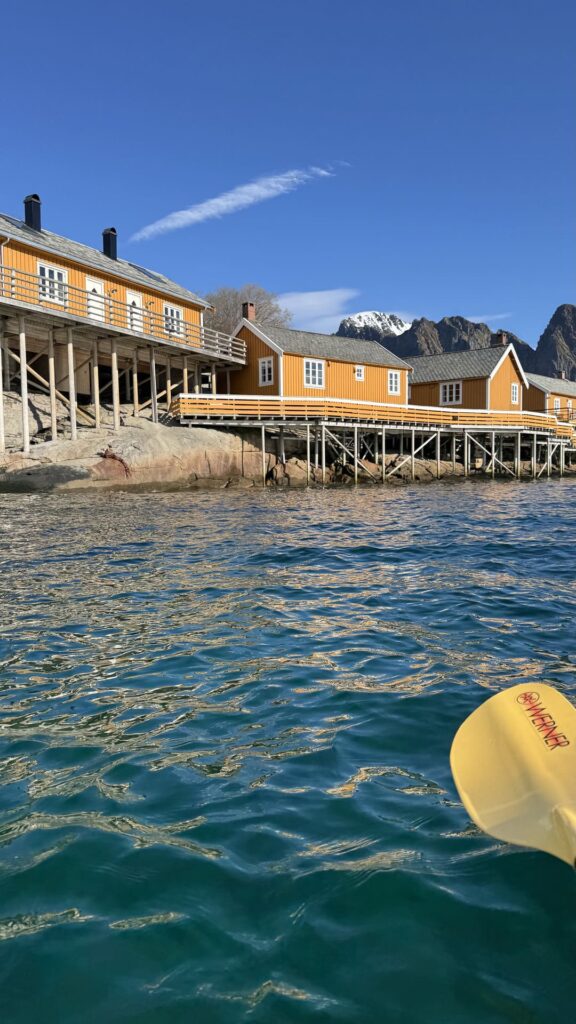
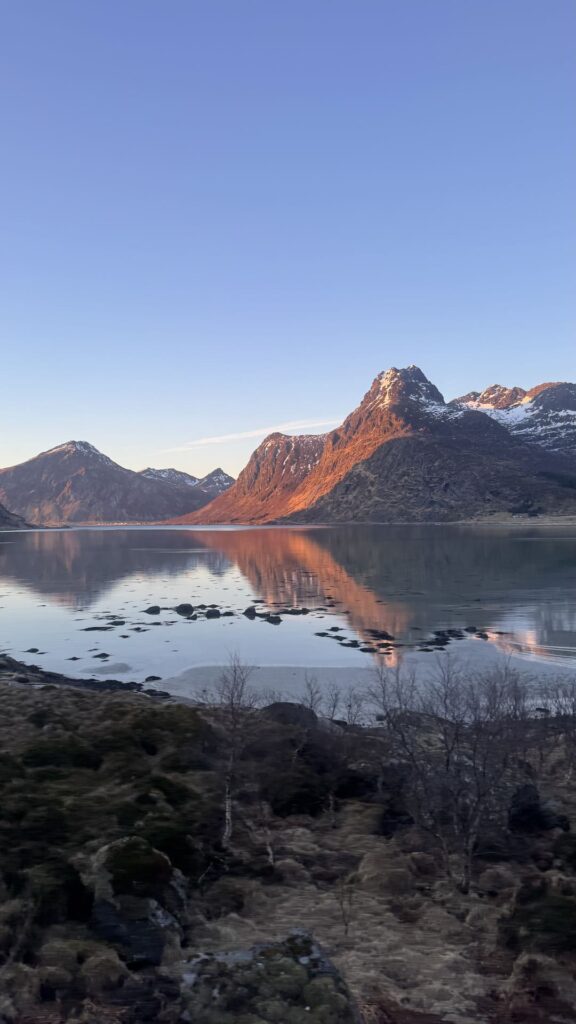
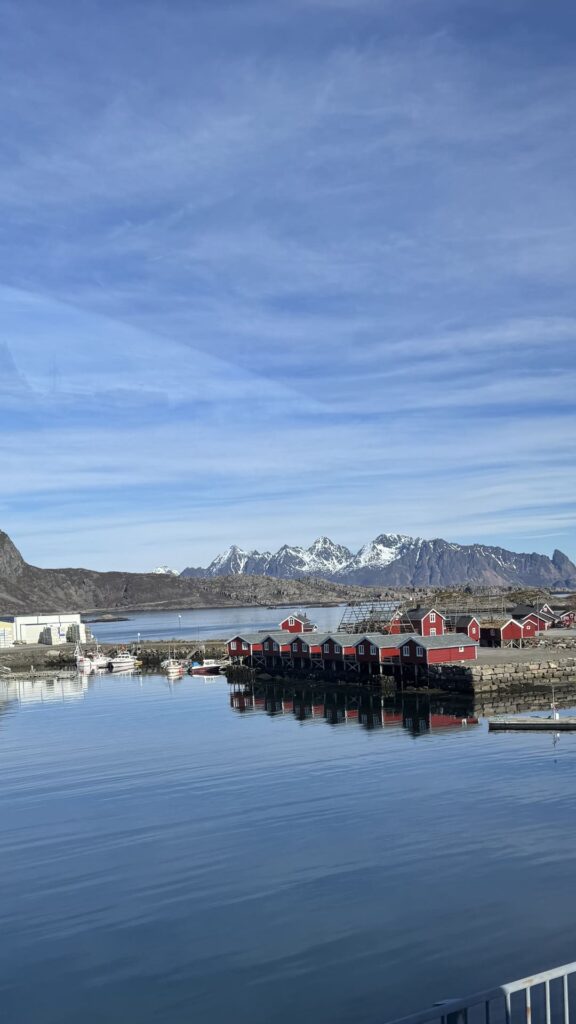
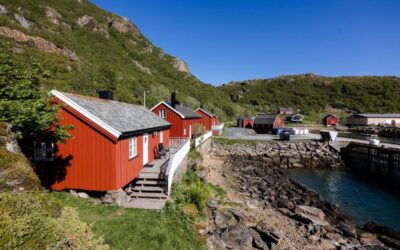
Pointed mountains rising straight out of the sea, fishermen’s cottages in red and ochre yellow, villages that look like they belong in any travel photo. The Lofoten Islands are the famous name, and rightly so. In the spring, you have them all to yourself. Life here still revolves around cod (skrei), and you can see that everywhere. But the real reason to stay longer is what lies behind the scenery: an organic goat farm that wins international awards, a former fishing village now bustling with galleries, an owner who has dedicated her life to the history of the fishermen who once lived here. That’s the Lofoten that stays with you.
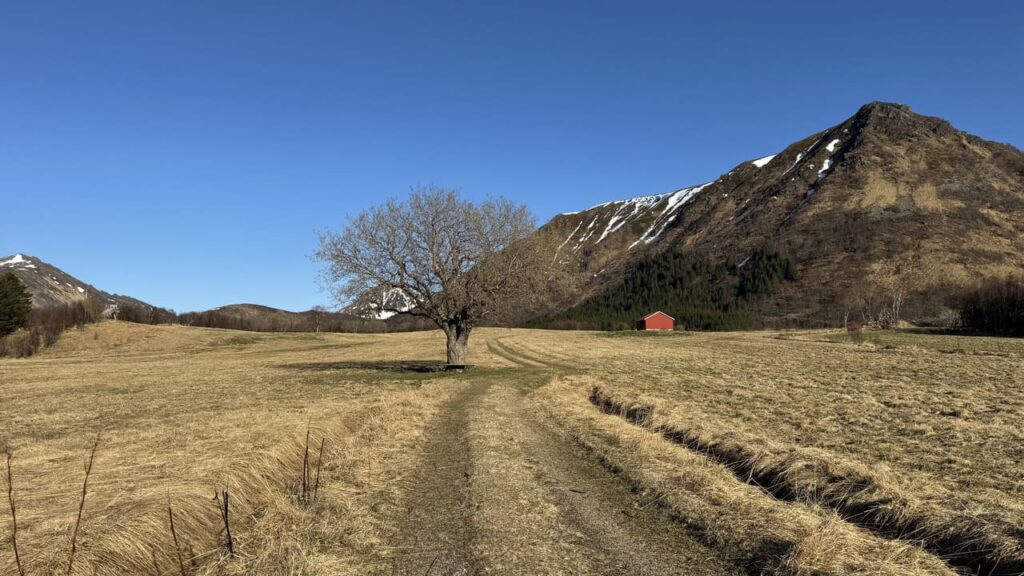
I knew next to nothing about Vesteralen before this trip. The archipelago lies northeast of the Lofoten Islands and immediately feels more peaceful. The mountains here are gentler and rounder. Less dramatic in photos, but they get under your skin more deeply if you stay for a few days. Quieter, more expansive, less geared toward mass tourism. It has whales year-round near Andenes, thousands of puffins on a cone-shaped rocky island, and garden benches bolted into the ground because the wind here is relentless. And it has Marmelkroken; the place I saved for last.
This is the route I took: from east to west across the Lofoten Islands, then by ferry to Vesteralen and north to Andøya. You can reverse the order, but this direction makes sense: you start in the busier part and end in the quietest, most authentic, and remote corner.
| Starting point | Svolvær, Lofoten (airport or ferry from Bodø) |
| Endpoint | Andenes, Andøya, Vesteralen |
| Total duration | At least 10–14 days in advance for the best experience |
| Transportation | A rental car is recommended; travel by ferry and bus is also possible in some cases |
| Best period | April–June (spring) or September–October (fall) |
| Language | Norwegian; English is widely spoken |
Svolvaer is the most touristy spot on the route. It’s easily accessible and serves as a convenient starting point. Anker Brygge is a great place to spend the first night. Right on the water, with fresh fish. Use the evening to recover from the trip and stock up on groceries; shops become scarcer the further west you drive.
The Lofoten Islands in spring: from Svolvær to Villa Lofoten.
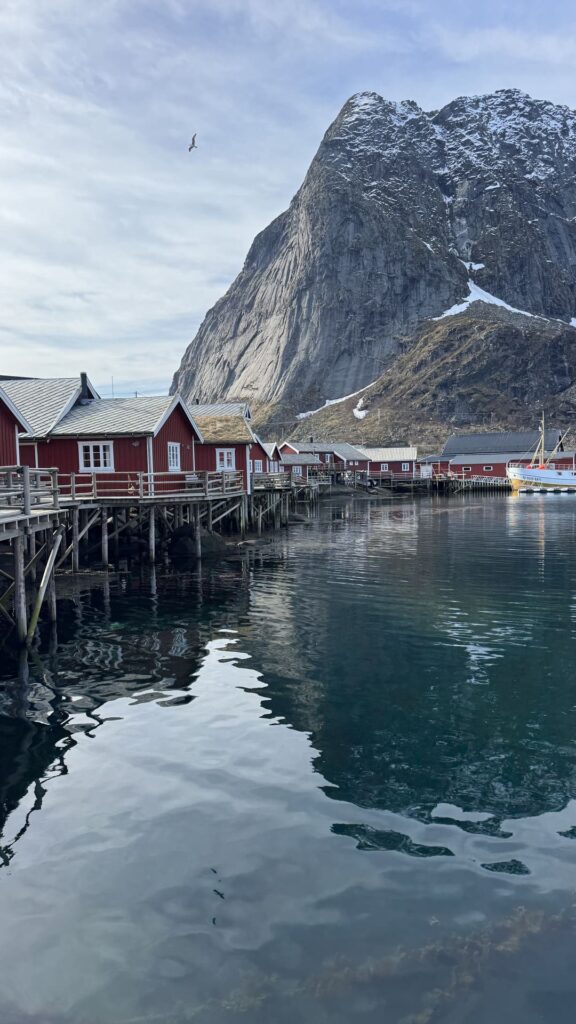
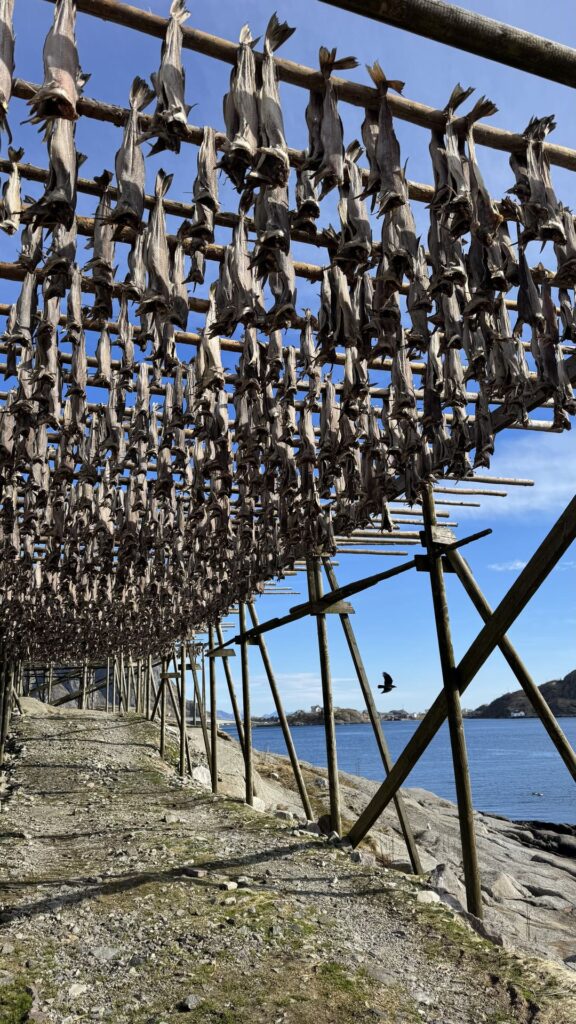
Reine is what many Lofoten villages claim to be but few actually are: authentic. With a population of about 300, cod hanging to dry on wooden racks, and a hike to Reinebringen that says it all. Plan to stay here for at least 3 nights. There’s more to do than you can handle in a single day.
Reine, Reinebringen, and kayaking in the spring.
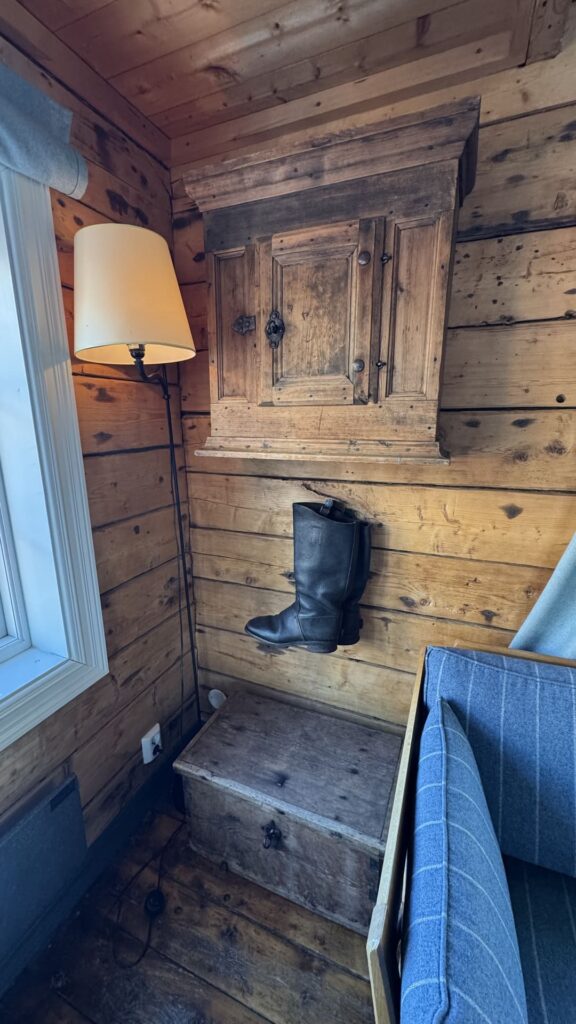
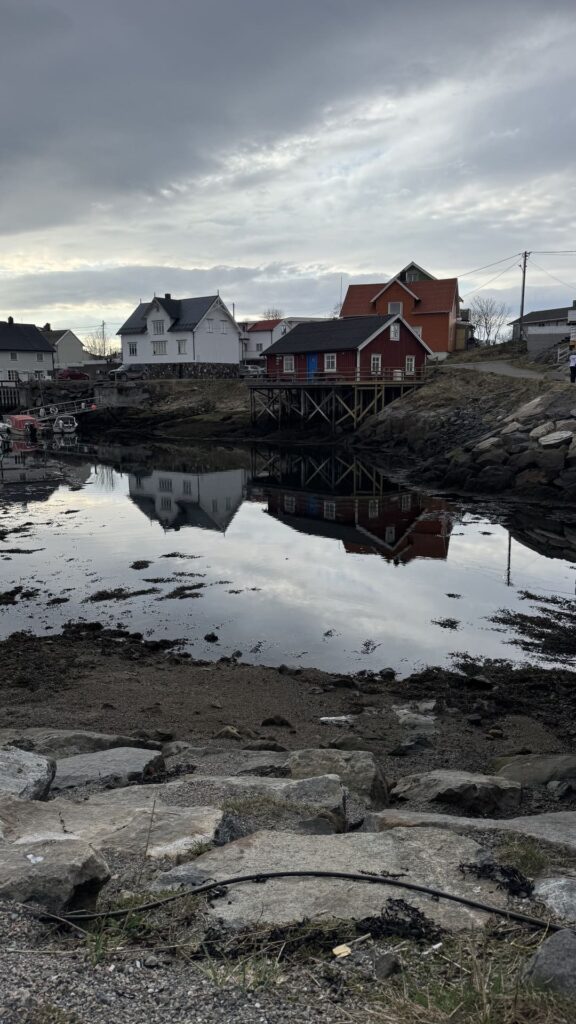
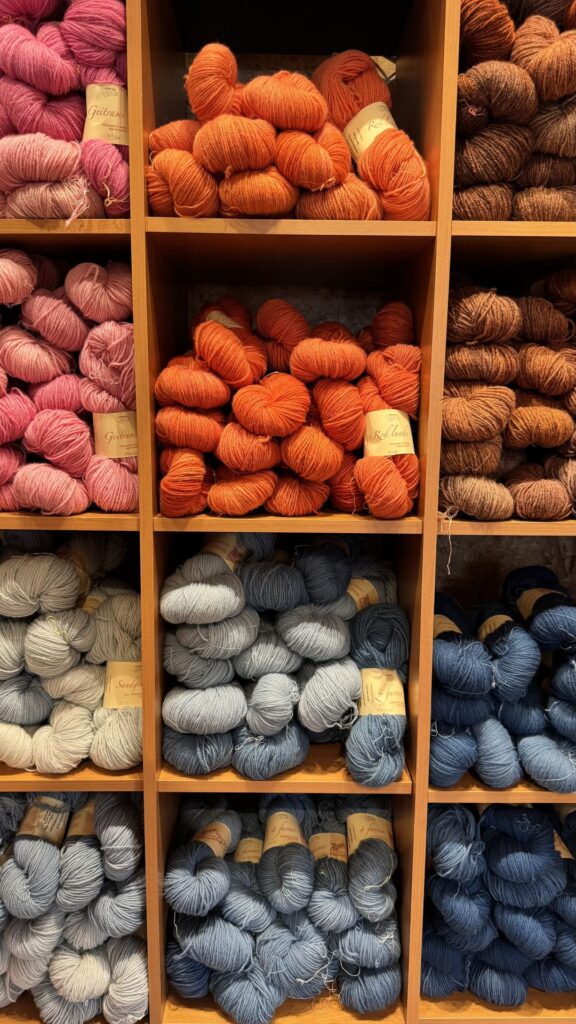
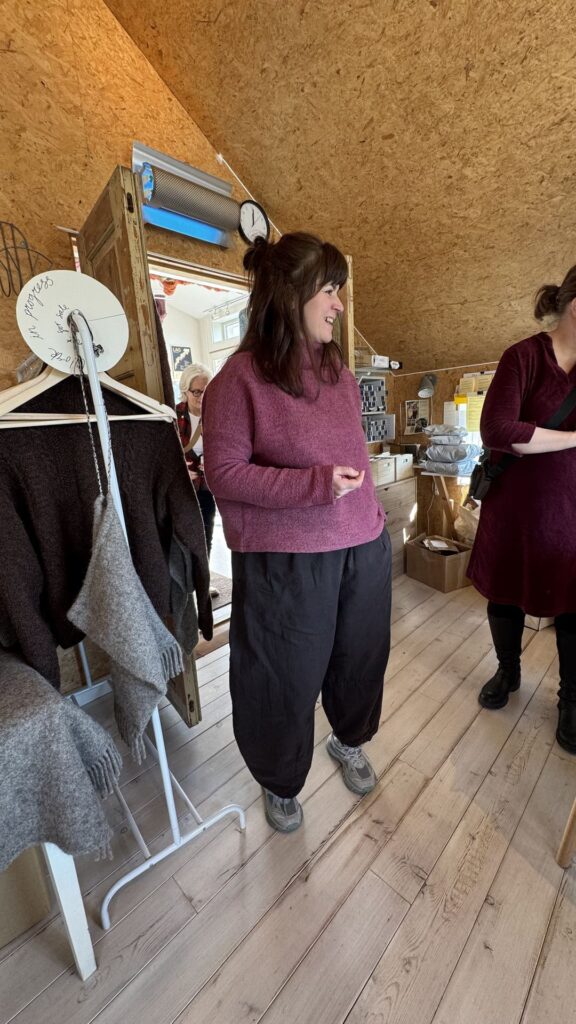
A former fishing village in decline that is now bustling with galleries and creative studios. In the spring, you can take a leisurely stroll around the area. Combine your visit with a stop at Lofoten Wool in nearby Stamsund (sheep’s wool dyed with natural plants; workshops available upon request).
Henningsvaer and Lofoten Wool in our article on Lofoten.
Not a hotel. A cluster of restored historic fishermen’s cottages in Kvalnes, where owner Aaslaug welcomes you personally. Ask to see the self-produced art film about the location (featuring beautiful music by Susanne Lundeng). After that, you’ll understand why this place exists. At least 3 nights. This is a place to truly slow down.
Villa Lofoten in Kvalens: Stay in the heart of Lofoten’s history.
From Fiskebøl to Melbu on the island of Hadseløya. You can also take the tunnel. The atmosphere changes immediately after the crossing: more open space, less traffic, and fewer people at the same viewpoint.

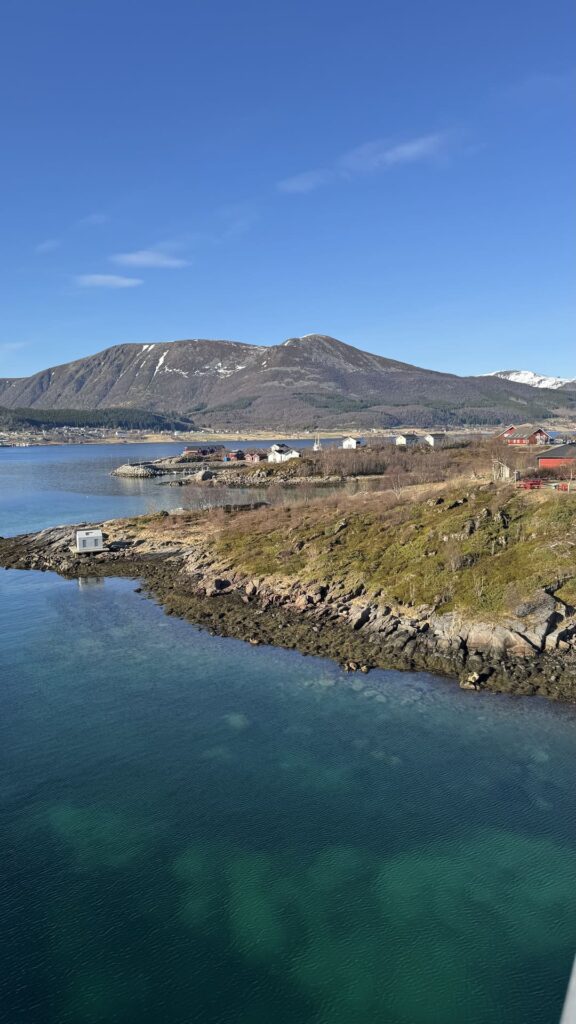
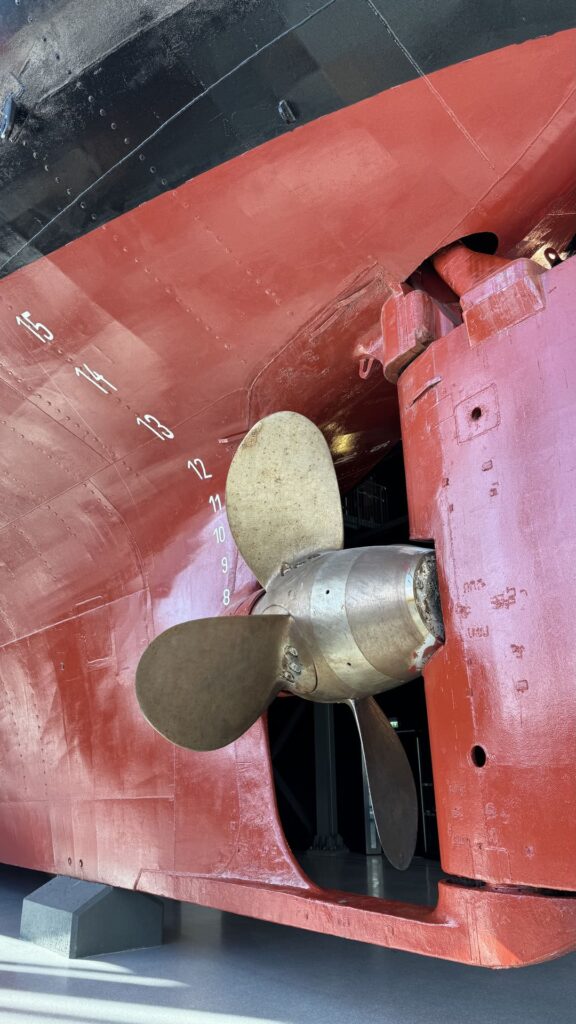
A museum built around a massive ship that you can explore from top to bottom. And Restaurant 1893, where a 29-year-old chef cooks exclusively with local ingredients in a way that will surprise you. Two things you wouldn’t expect to find in a town of 2,000 people.
Stokmarknes, Martha Haugen, and Marmelkroken in our article on Vesteralen.
On the island of Langøya, an organic sheep farm offering a farm-to-table lunch and a carrot cake you’ll never forget. In Vesterålen, an organic winery—the northernmost in Norway—featuring its own (non-alcoholic) wines. Two Hanen members who demonstrate how to live in harmony with nature.
Local producers on Vesteralen: from carrot cake to wine.
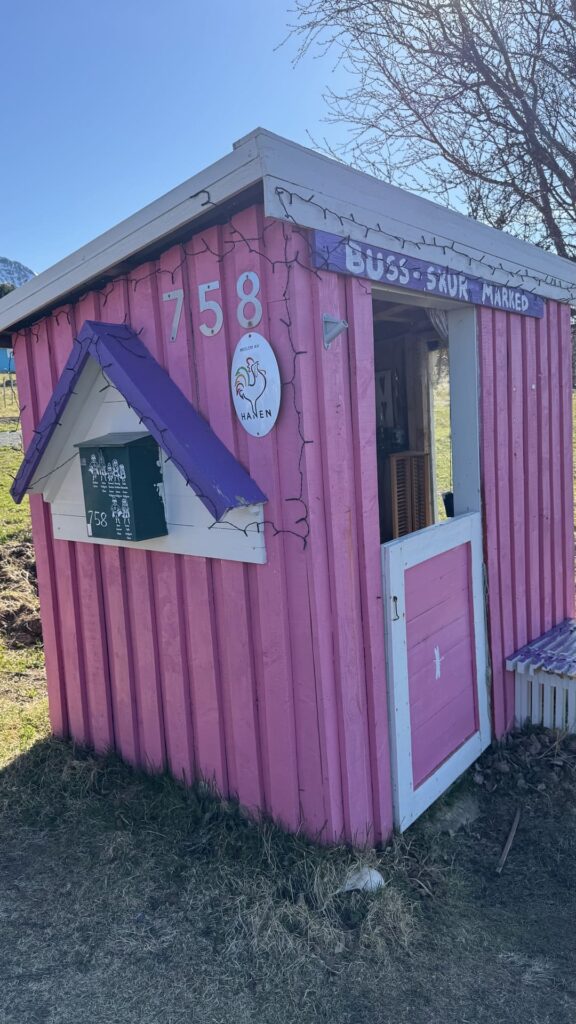
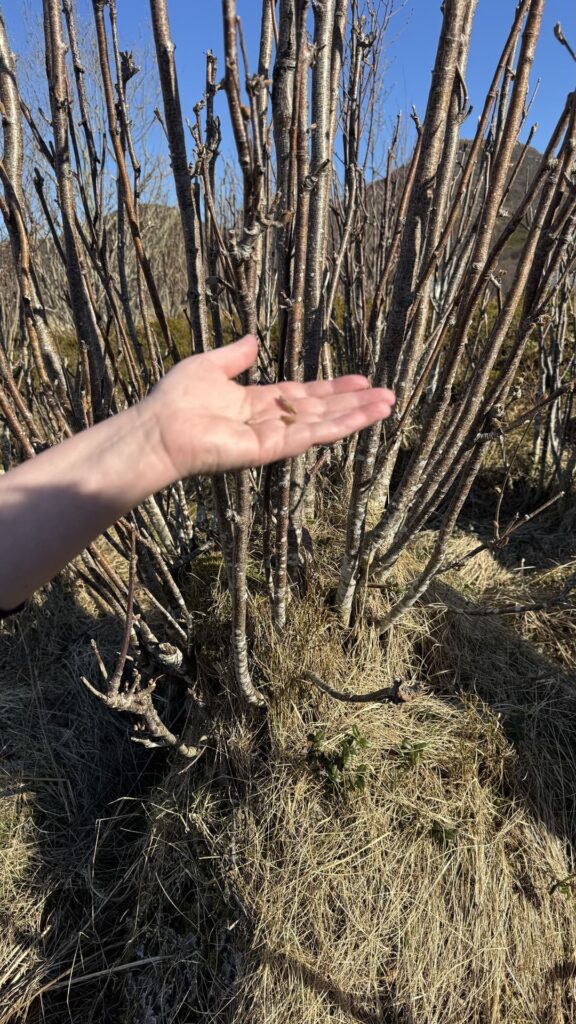
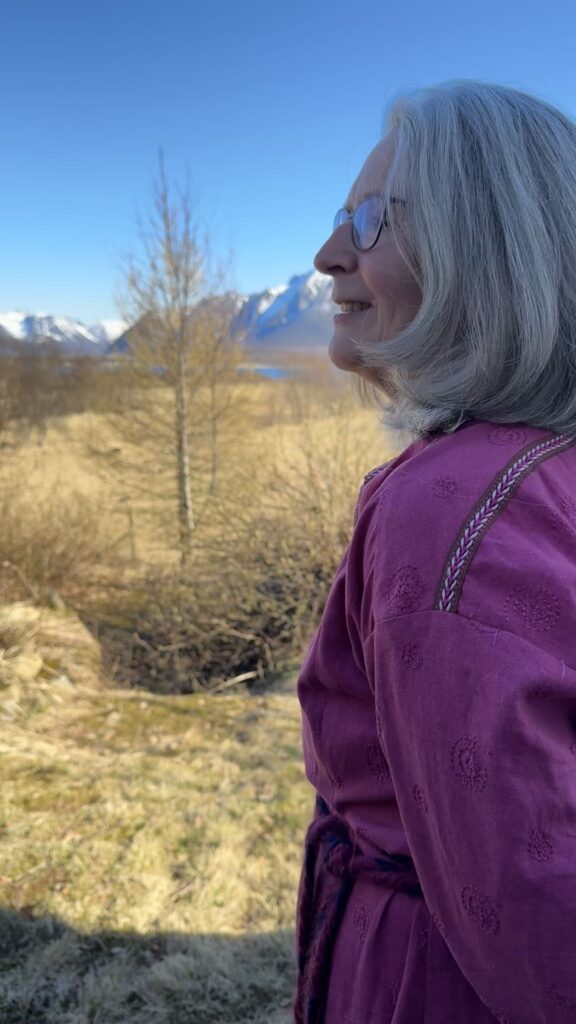
Along the Norwegian Scenic Route on the west coast of Andøya. Ocean views, wild biodiversity, local cuisine. The hospitable owner, Lisbeth, who tells the legend of Marmelkroken and sends a text message when the northern lights begin. I hadn’t expected it. It was the highlight of the entire trip.
Marmelkroken on Andøya: book direct with Lisbeth.
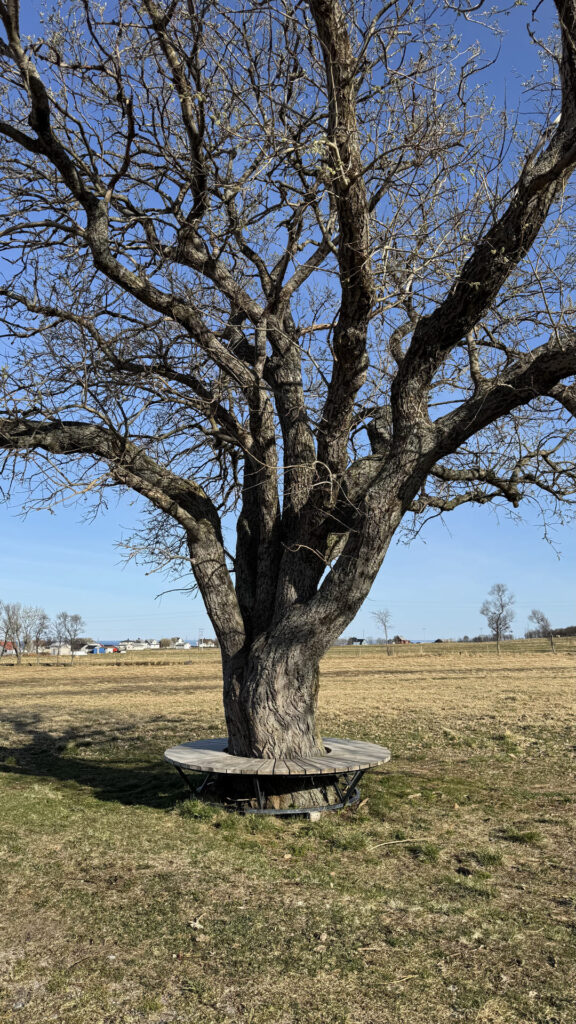
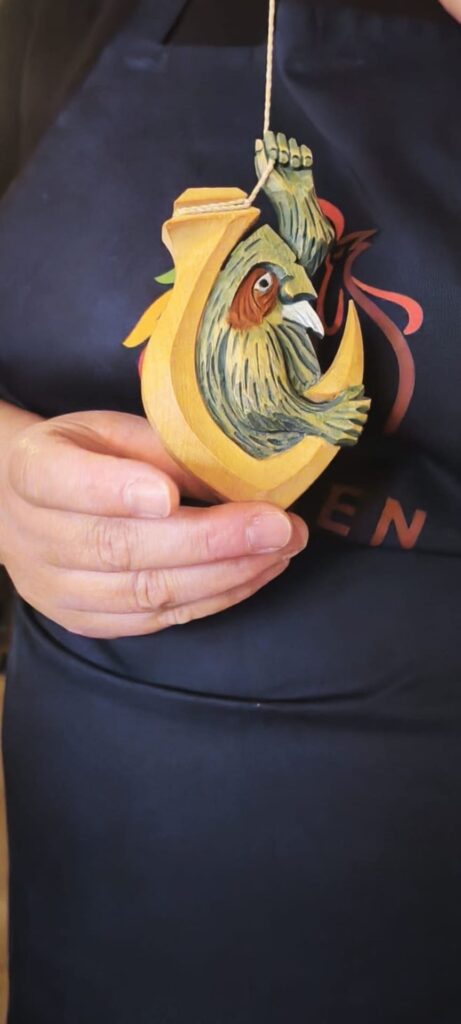
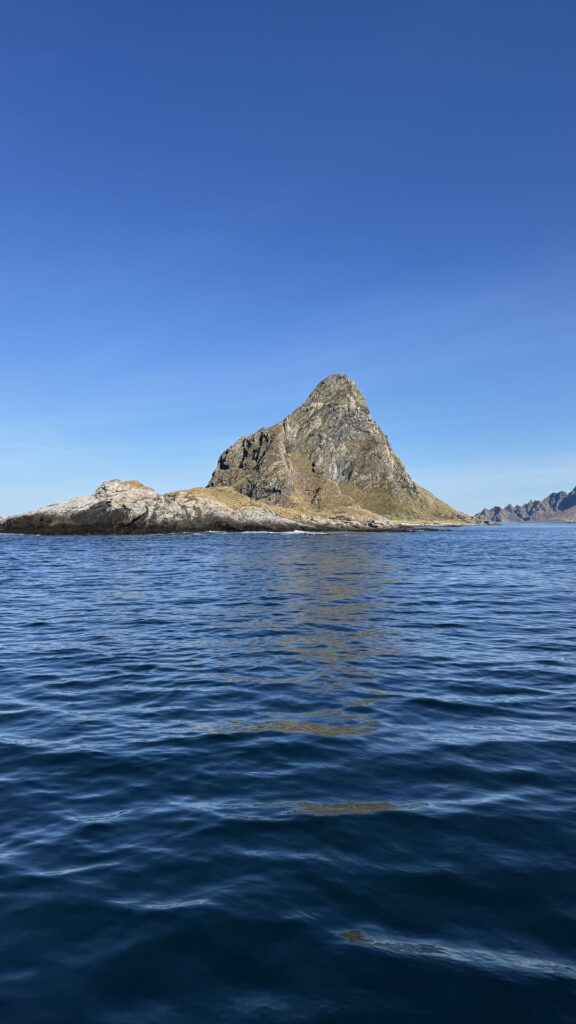
At the end of April, thousands of puffins arrive on the cone-shaped rocky island of Bleiksøya. Whales can be spotted in the area year-round. And in June 2027, The Whale will open here: an architectural experience center dedicated to the biology and culture of whales, designed by Danish architect Dorte Mandrup.
Puffins, whales, and *The Whale* in our article on Vesteralen.
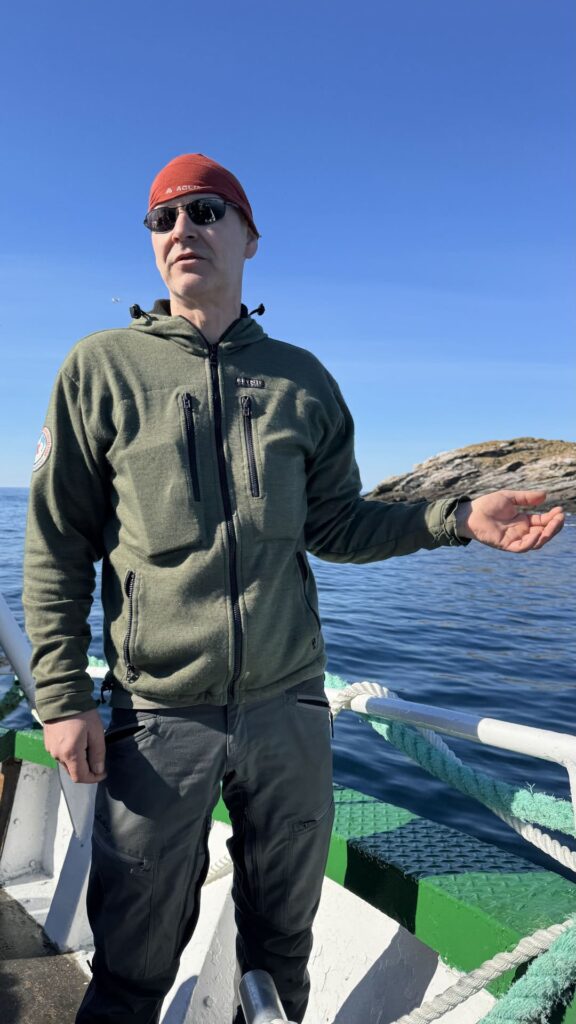
A slow travel tour of the Lofoten and Vesteralen is also a culinary journey. Here are three producers I visited myself who are more than worth the trip:
Near Unstad Beach, Dutch couple Mariëlle and Hugo run an organic goat farm that produces award-winning cheeses. The cheese tasting, served with homemade bread and butter, makes for a satisfying lunch. I took a piece home with me. Open Monday through Saturday starting in May/June.
On Vesteralen, this organic winery produces non-alcoholic wine using a fully circular business model. And 20% of the proceeds go to sustainable projects. The conditions are harsh: garden benches bolted into the ground. You can really taste the difference.
An organic sheep farm on the island of Langøya, offering a farm-to-table lunch. Maya took over the farm from her parents in 1988 and converted it to fully organic practices. The area is home to Viking and Sami settlements. The carrot cake is legendary.
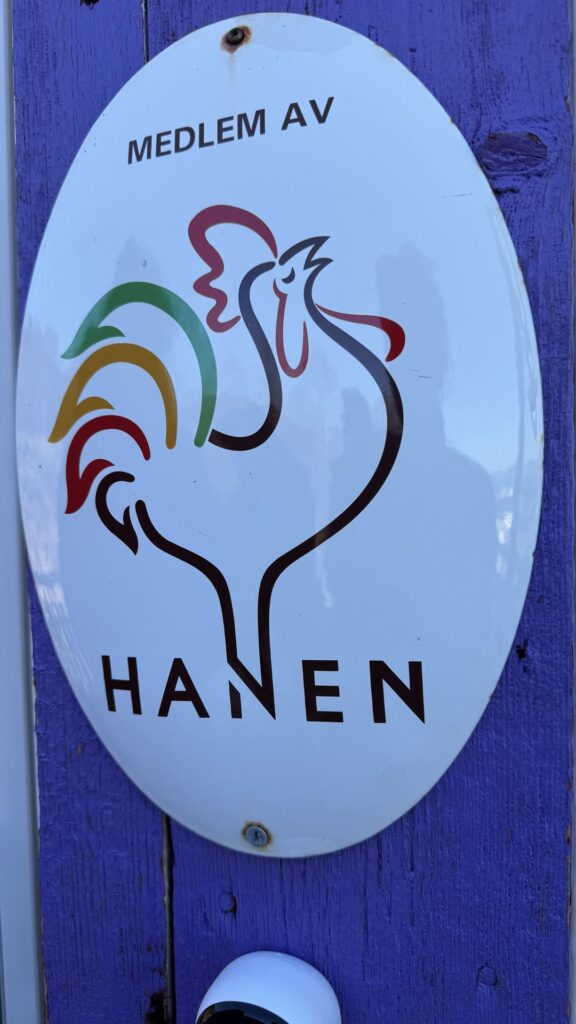
Some of the destinations on this route are members of Hanen, the Norwegian quality network for rural tourism and local products. There are about 620 businesses throughout Norway, all of which share a commitment to culture, sustainability, and authenticity.
On this route, those places are Villa Lofoten, Martha Haugen Gård, Norheim Vingard, and Marmelkroken. You can tell not only by the sign on the door, but especially by the owners themselves. The way they welcome you, what they serve, and how they talk about their place. Choosing a Hanen member means choosing a place that exists because someone truly believes in it.

Spring in the Lofoten and Vesteralen isn’t a Mediterranean vacation. That sounds logical, but the reality still takes you by surprise. Not because it’s so cold, but because the weather can change so quickly. In April, there were days when I was out taking photos in a T-shirt. And days when I put on every layer I had with me. Sometimes both on the same day.
The Norwegians have a term for this: the five-layer rule. But in practice, it boils down to one principle: never wear cotton. Cotton absorbs moisture, doesn’t dry, and quickly cools your body down as soon as you stop moving after a climb. Wool (preferably merino wool) is the standard here. It keeps you warm when wet and helps control odor after a day of hiking.
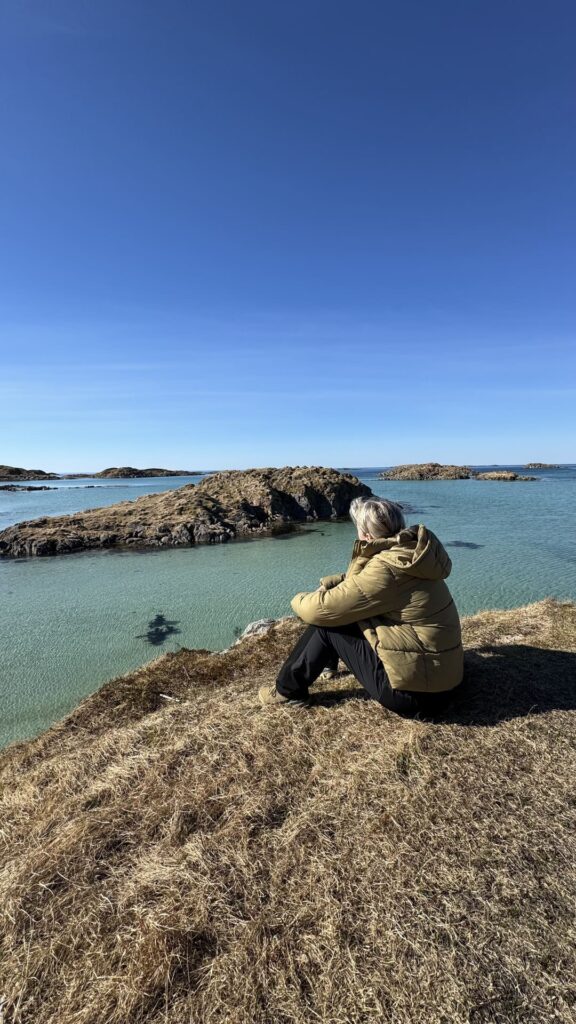
The roads and trails in the Lofoten and Vesteralen have varied surfaces. You can go from asphalt to rocky trails to muddy paths in just 15 minutes. Waterproof hiking boots with good traction aren’t just an option—they’re a must, especially for hikes like Reinebringen or the Bleik–Stave coastal route. High-top boots are better than low-top ones on wet trails.
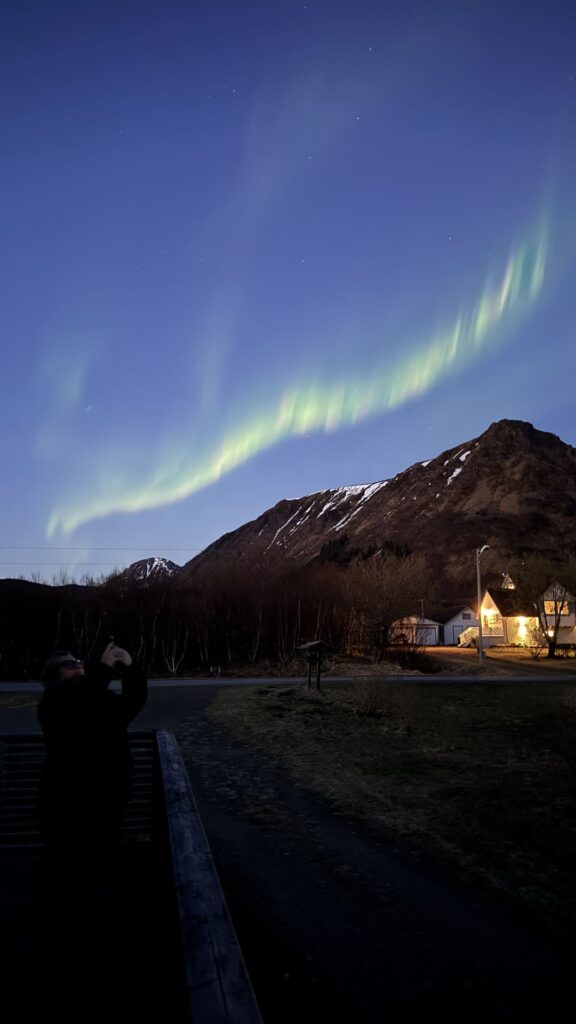
If you want to photograph birds—and you will, at Bleik and Marmelkroken—a pair of binoculars with good light sensitivity is more valuable than a big camera. For the puffins on the water, a telephoto lens is definitely handy. And for the Northern Lights: keep your expectations for April deliberately low. But bring a tripod just in case it does happen. I captured mine with my iPhone in hand.
Leave your fancy evening wear at home. The Norwegians show up at the table in casual clothes, and no one bats an eye. A formal jacket is the one thing you really don’t need here.
Widerøe flies to Svolvær (Lofoten) and Andenes (Vesteralen) from Bodø. You can also fly to Evenes (Harstad/Narvik Airport), with a bus connection to Svolvær (about 3.5 hours).
Night and day buses connect Stockholm with Narvik. From June through September, buses run daily between Tromsø, Senja, Vesterålen, and the Lofoten Islands. Check reisnordland.no (buses) and vy.no (trains).
The Bodø–Moskenes route is the classic crossing to the Lofoten Islands (about 3.5 hours). Between the archipelagos, you can drive via Fiskebøl–Melbu or through the tunnel.
Driving your own car to the Lofoten Islands is an option if you have the time. However, this is only possible in the summer, as not all roads are open during the other seasons. A rental car gives you the most freedom for this route. Be aware of roadwork on the Leknes–Napp tunnel (until December 2027). There is only one main road (E10) in the Lofoten; in Vesteralen, there are more route options.
| Best time to visit | April–June (spring); September–October (fall) |
| Puffins | Late April–August on Bleiksøya near Bleik, Andøya |
| Whales | All year round at Andenes; peak season in winter and early spring |
| Northern Lights | September through early April; best in dark spots such as Marmelkroken |
| Language | Norwegian; English (widely spoken) |
| Currency | Norwegian krone (NOK); card payments accepted everywhere |
| Driving | The roads are narrow in the Lofoten Islands; avoid visiting in the summer with a camper |
| Public Transportation | reisnordland.no (bus) · vy.no (train) · wideroe.no (flights) |
For slow travel: yes. In April and May, the roads are empty, accommodations are plentiful, and you can explore the islands without crowds everywhere. Summer brings the midnight sun, but also traffic jams and packed parking lots. Spring and fall are better for the experience.
The Lofoten Islands are better known and more dramatic: jagged mountain peaks, narrow roads, and iconic fishing villages. They attract many visitors in the summer. Vesteralen lies to the northeast, is quieter, and features gentler mountains and a more expansive landscape. Vesteralen offers year-round whale watching and has less tourist traffic, even in the summer. Both archipelagos are ideal for combining into a single tour.
The puffins arrive on the rocky island of Bleiksøya near Bleik (Andøya) in late April. They breed here until summer and then head back out to sea. They return to the exact same nesting site every year and are monogamous. A puffin can live up to 50 years. The best time to see them is from April through July.
Partially. The Lofoten Islands are accessible by plane (Widerøe to Svolvær) or by ferry (Bodø–Moskenes). Buses run along the E10, but service is limited outside the summer season. Remote locations such as Villa Lofoten in Kvalnes and Marmelkroken are virtually inaccessible without a car. A rental car offers the most freedom.
In April, the chances of seeing the Northern Lights decrease rapidly as the nights grow shorter. However, sightings are still possible in April, especially in dark locations such as Marmelkroken on Andøya. The best months for viewing the Northern Lights are from September through early April.
Plan on at least 10 to 14 days for a tour that covers both the Lofoten and Vesteralen archipelagos. This will allow you to stay at least 2 to 3 nights at each stopover—which is necessary to truly experience the area. If you have less time: choose one archipelago and explore it thoroughly.
Small, independent accommodations with a story to tell. In the Lofoten Islands: Reine Rorbuer, Anker Brygge, and Villa Lofoten in Kvalnes. In Vesteralen: Marmelkroken on Andøya. All three can be booked directly with the owner. Villa Lofoten and Marmelkroken are both HANEN members.

With a passion for travel and photography and over 30 years of experience in the travel industry, I love to share my special nature travel tips. Travel is wonderful and important, you meet new people and cultures and it opens your view of the world.
Lübeck & Travemünde: a green city break along the Baltic Sea Sleeping in an old Kellogg’s grain silo, having breakfast without cornflakes the next morning, and a day later searching for kingfishers on a river that once ran right through the Iron Curtain. Our short...
Europe's Most Beautiful Hidden Natural Spots: Request Your Free Guide The spots you won't find in any travel guide. Curated for free by a nature travel specialist. What would you do if you knew of a place where nature still thrives as it always has? Without parking...
Get inspired
Are you looking for the most beautiful hiking and biking routes? Or do you want information about traveling by train or advice for the most beautiful road trips through nature. Get inspired for your next trip in green; ideas for planning your own trip or opting for an organized trip.