
Gratis gids 10 verborgen natuurplekken in Europa
Gratis gids 10 verborgen natuurplekken in Europa. Meld je aan voor onze nieuwsbrief en ontvang inspirerende reistips en routes voor je volgende groene reis.

Sleeping in an old Kellogg’s grain silo, having breakfast without cornflakes the next morning, and a day later searching for kingfishers on a river that once ran right through the Iron Curtain. Our short trip to northern Germany was full of contrasts like that, and that’s exactly what made it interesting.
Destination: Lübeck, the former queen of the Hanseatic League, with its seaside resort of Travemünde on the Baltic Sea. We took our time, broke the trip into stages, and let ourselves be surprised along the way by nature, brick architecture, and North German hospitality. A city trip that’s as much about nature as it is about history.
To make the trip more relaxing, we split it into two legs. First stop: Bremen. We checked in at the John & Will Silo Hotel, a former rice and grain silo owned by cornflakes manufacturer Kellogg’s that has been converted into a strikingly sustainable hotel. The red Kellogg’s logo still adorns the roof.
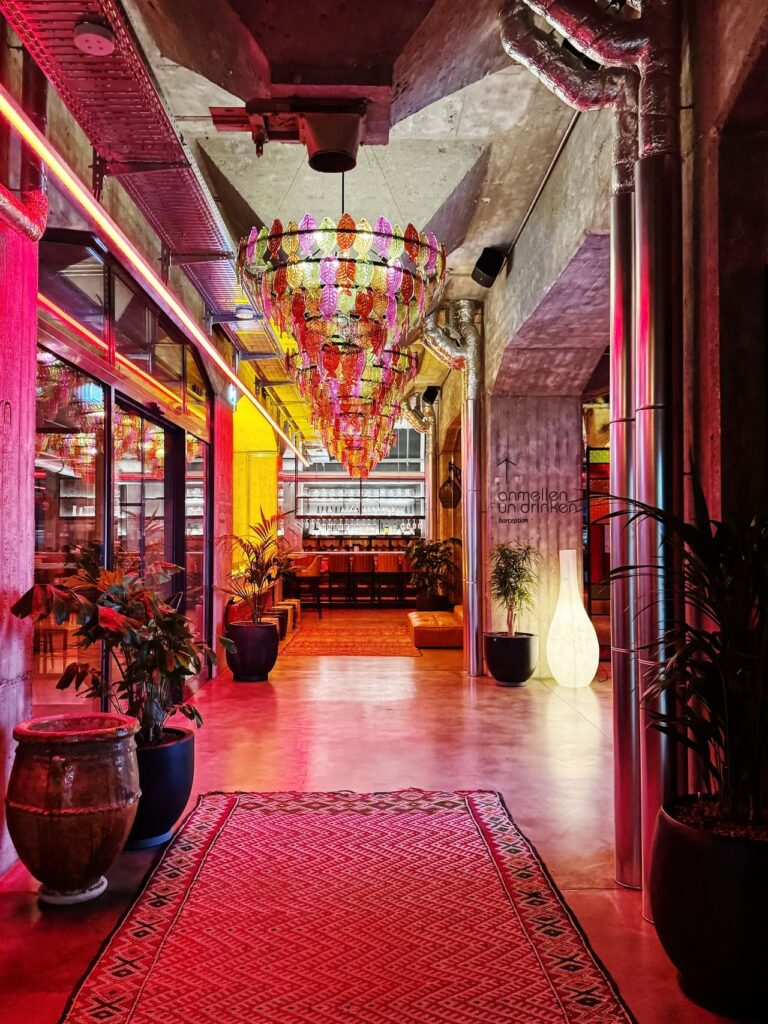
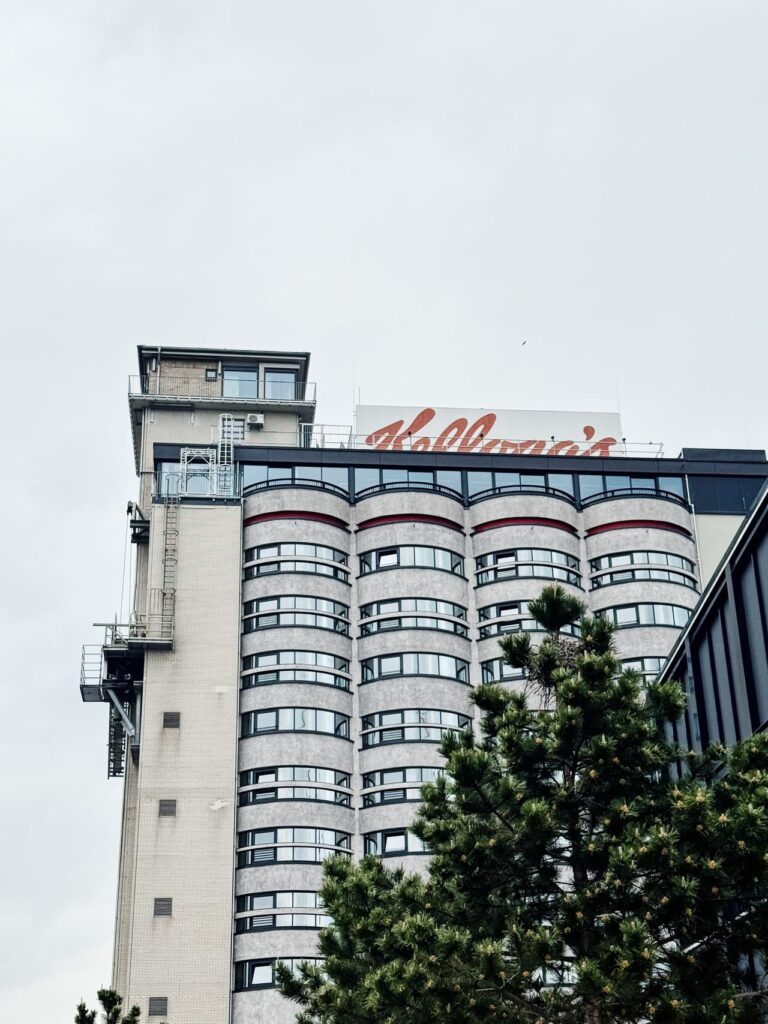
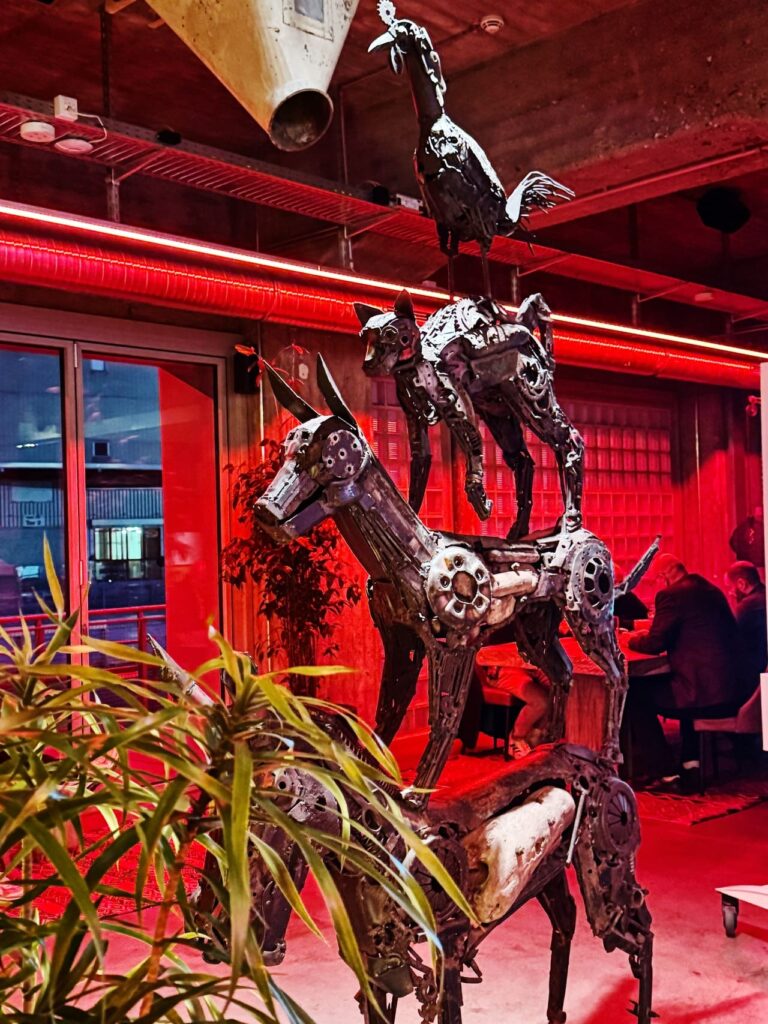
The hotel is located on Überseeinsel, an old harbor district on the Weser River that is undergoing rapid development. It offers a striking contrast: circular silo rooms with views of the river, exposed raw concrete and steel beams, alongside a city park where the historic fortifications are still visible. No TVs, no minibar, but you can refill your water bottle for free at the bar, furniture made from recycled materials, and bike rentals if you want to explore the city. Reduce, reuse, recycle—but with style.
Editor’s Note With 116 rooms, the John & Will is larger than the intimate spots we usually highlight. Yet it fits the NTL philosophy: instead of new construction, an industrial monument was given a second life, with a sustainability concept implemented down to the last detail. A logical, intentional stopover if you’re traveling via Bremen toward the Baltic Sea.
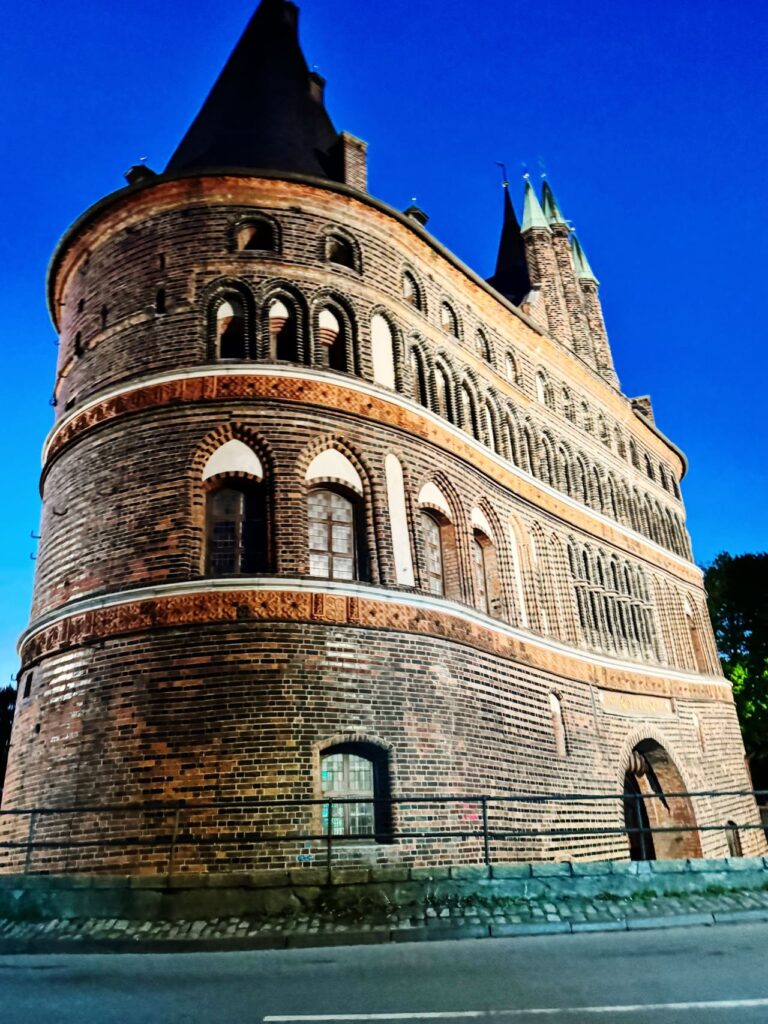
After breakfast—without cornflakes—we drove on to Lübeck. The historic city center is located on an island surrounded by the Trave River. Just east of the city center, a second river joins the scene: the Wakenitz. In the Middle Ages, Lübeck was the most powerful member of the Hanseatic League, the trading alliance that dominated the North Sea and the Baltic Sea for centuries. That wealth is reflected in the brick facades, the seven church towers, and the famous Holstentor. It is no coincidence that the old town has been on the UNESCO World Heritage List since 1987.
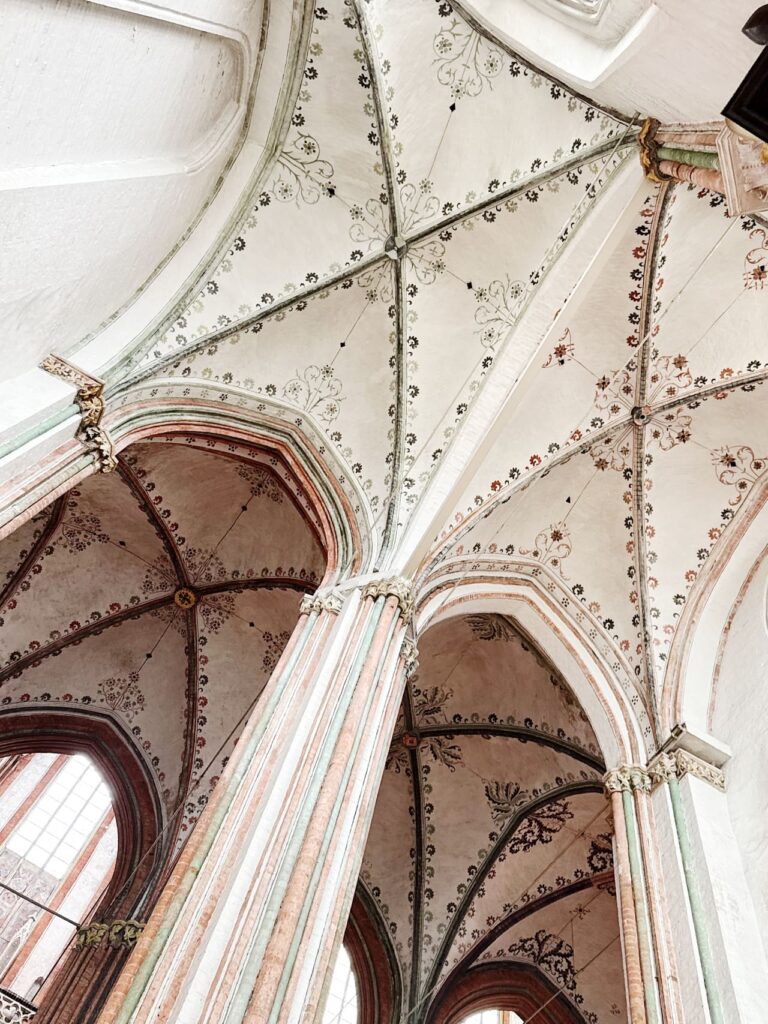
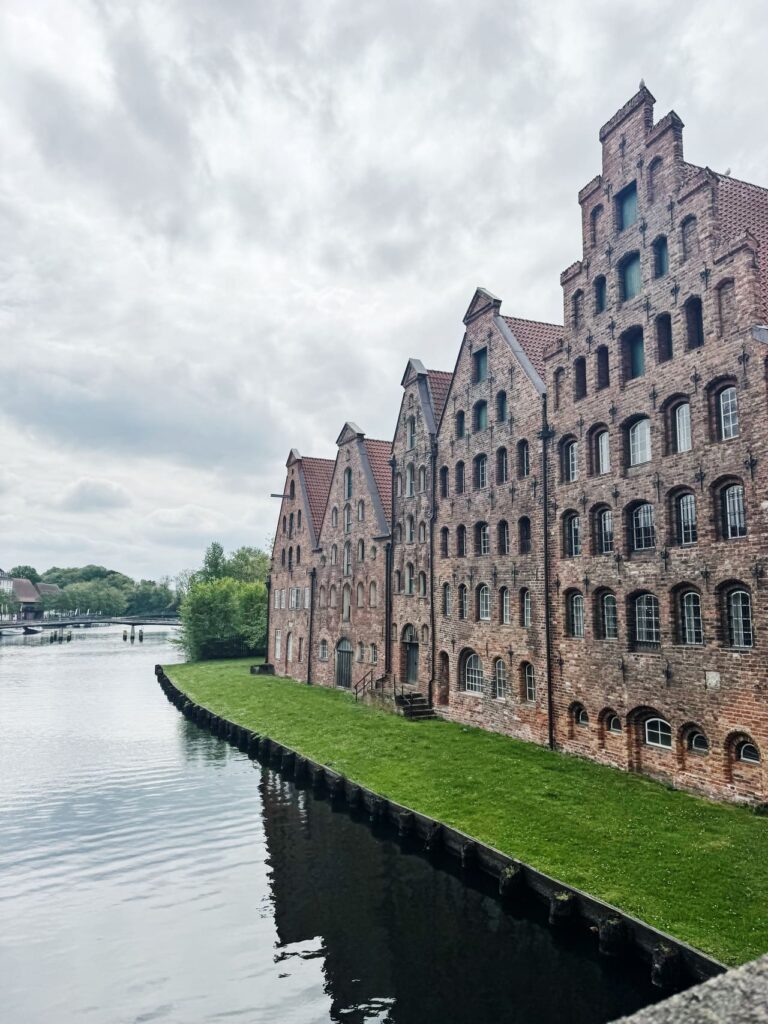
We started at the Tourist Information office on the edge of downtown. Great coffee, delicious pastries (the Schneckenhaus is a must-try), a nice outdoor seating area, and a few helpful tips: exactly what you want at the start of a city trip.
For our first afternoon, we opted for a boat trip on the Wakenitz. Of the two rivers, this is the lesser-known one, and that’s precisely why it’s worth visiting. From the city center, we glided slowly into nature, away from the city, toward a green oasis. From the deck, we scanned the banks for kingfishers and, with a bit of luck, an otter.
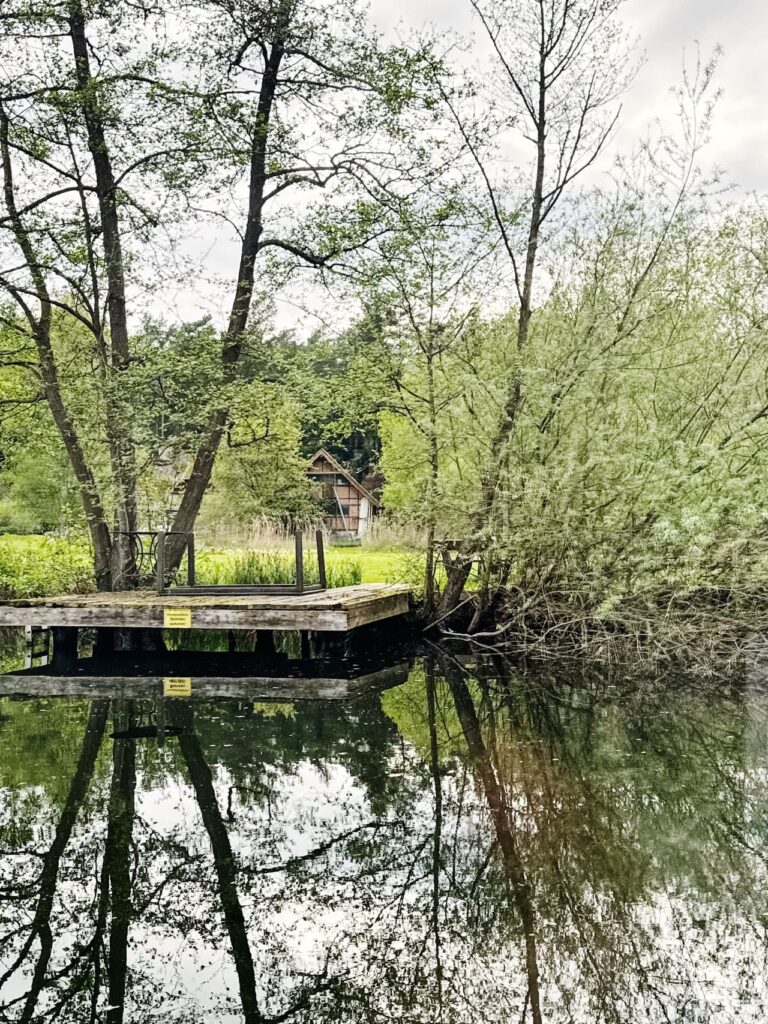
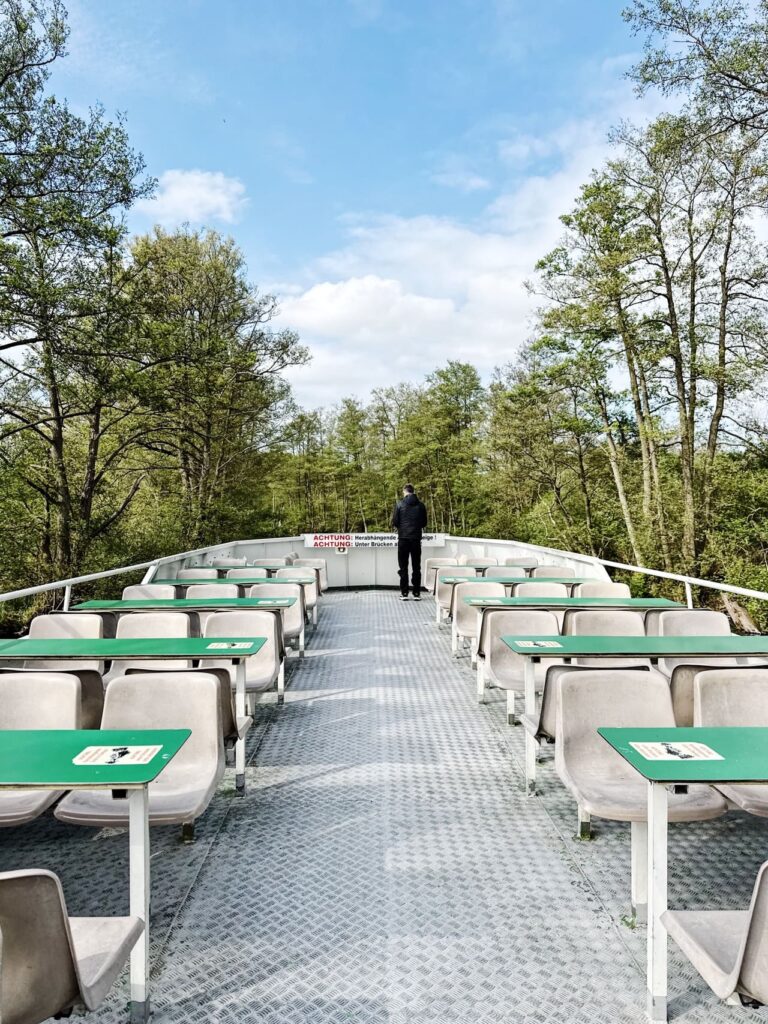
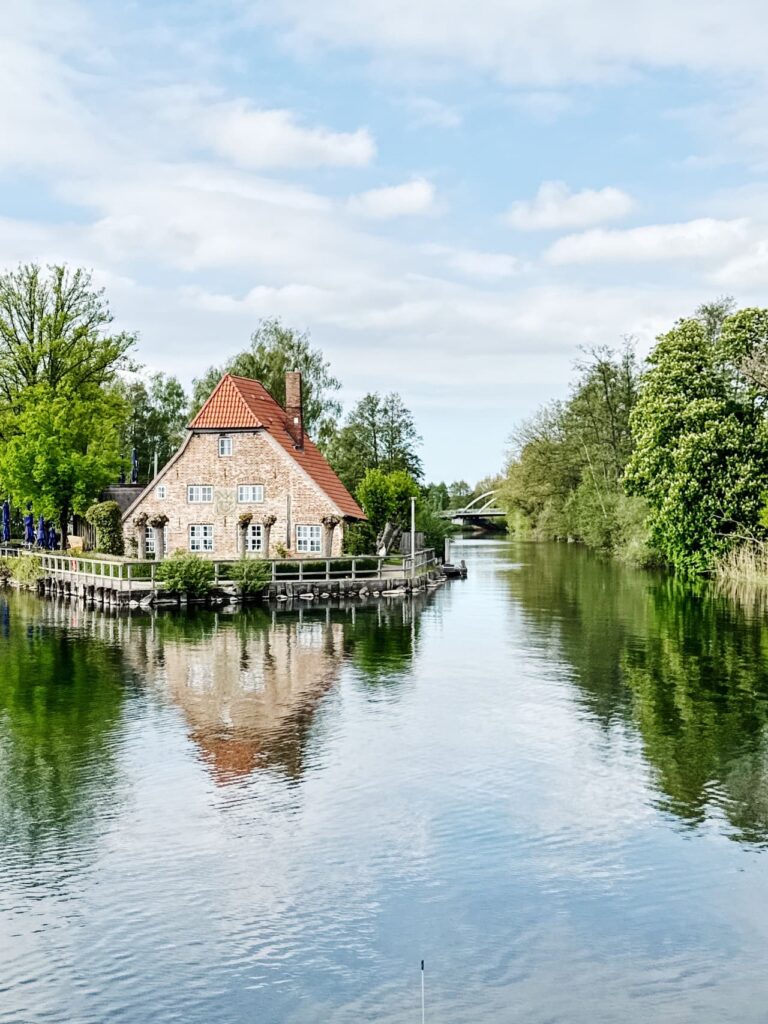
It’s remarkable to realize that these waters were once the Iron Curtain. For decades, the Wakenitz River formed the border between Mecklenburg-Western Pomerania (the former GDR) and Schleswig-Holstein (West Germany). The watchtowers stood right on the water’s edge; nature was forced into a state of rest and was able to develop undisturbed. Since 1999, the area has been a protected nature reserve, featuring vast alder swamp forests, water lilies, and rare birds. It’s no wonder the river is nicknamed “the Amazon of the North.”
It’s just a 15-minute walk from the city center. Looking for something more active? Rent a canoe or kayak, or join us on a cruise aboard the Quandt family’s MS Wakenitz—perhaps with a stop at one of the cafés along the riverbank.
The next morning, we took a guided tour of the old town. We usually prefer to explore cities on our own, but a local guide adds that extra something: more stories, more history, and places you’d otherwise walk right past. In Lübeck, these were mainly the famous Höfe und Gänge: hidden alleys and courtyards that suddenly open up behind narrow passageways.
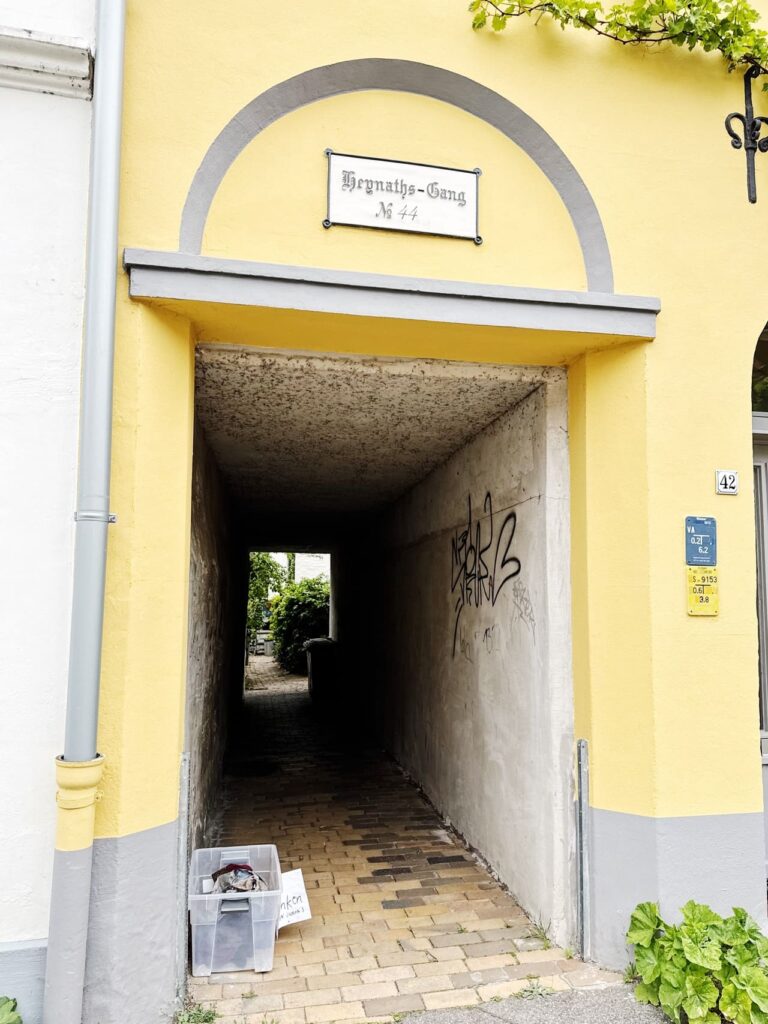
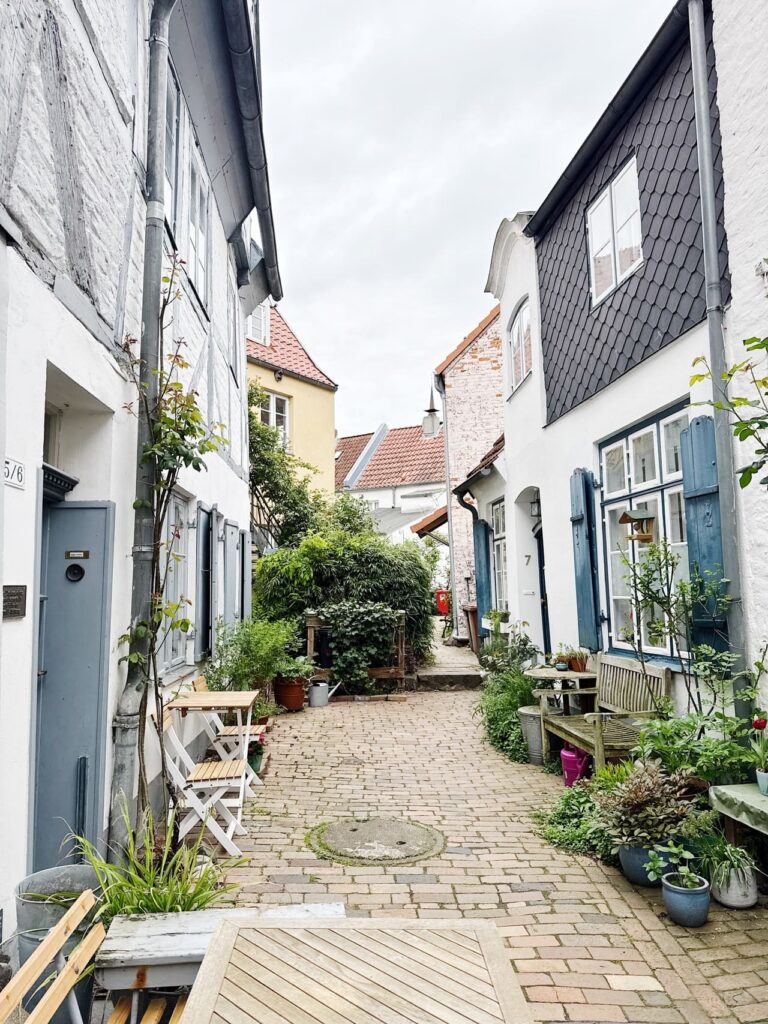
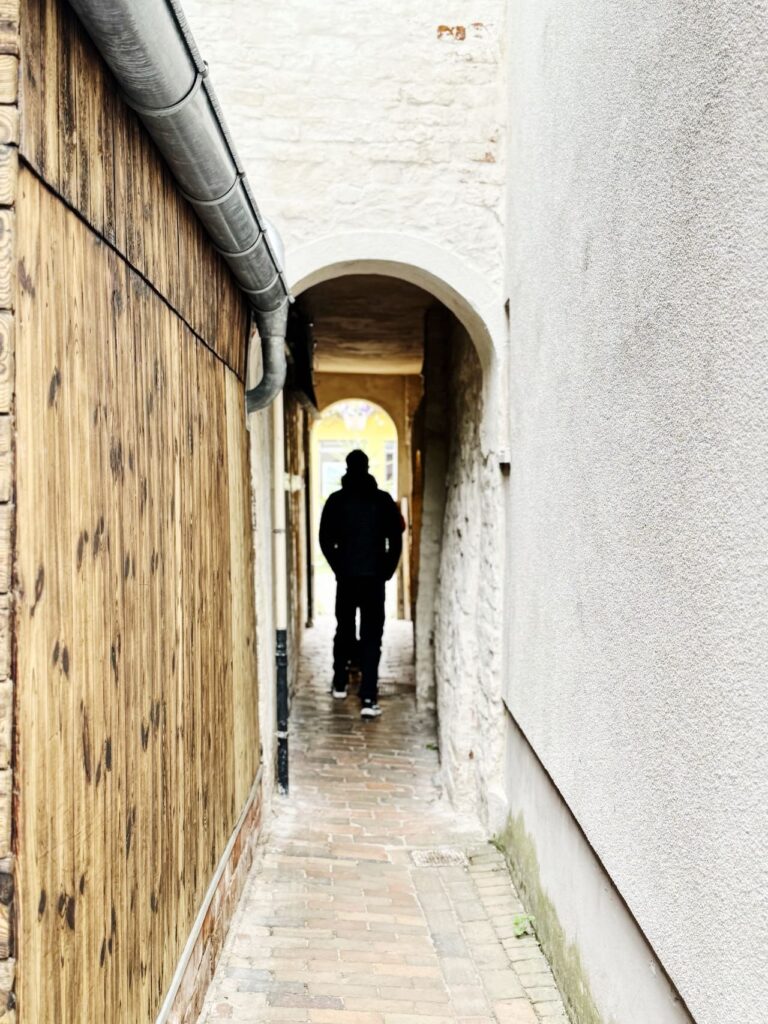
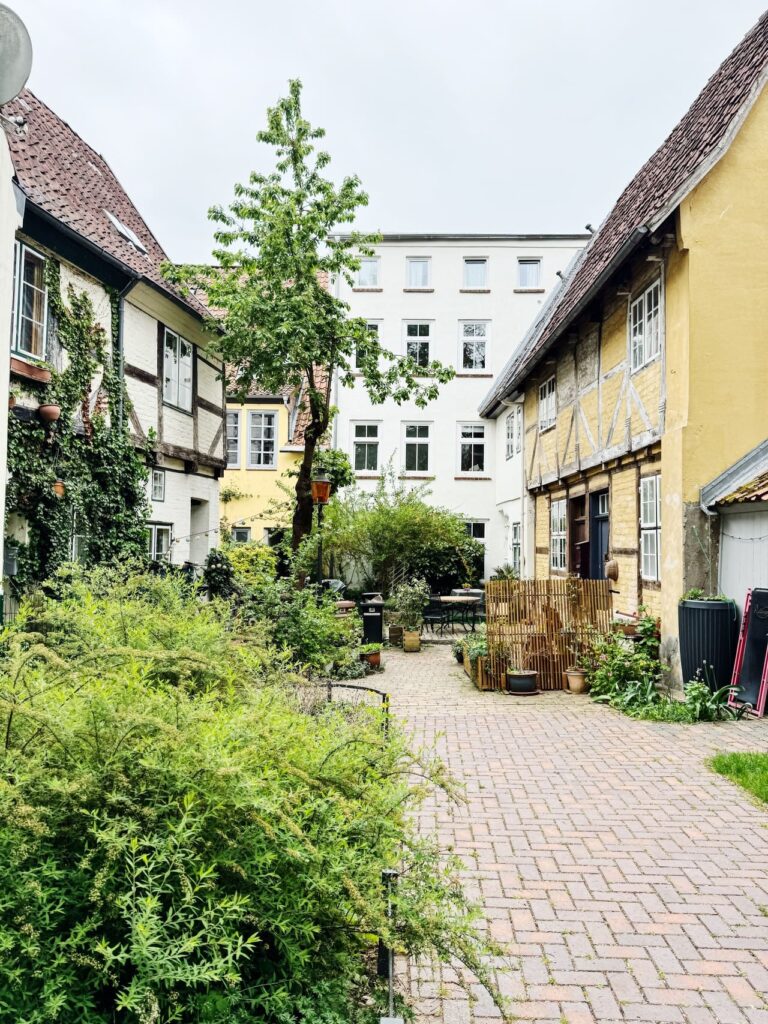
Lübeck still has about 90 of them, hidden behind unassuming gates. There used to be nearly 180. This network of inner courtyards shows how the city once functioned: a dense, compact trading city where everyone literally lived next door to each other in the backyard. It is precisely these places that give Lübeck so much character.
We wrapped up the first day at Unter Freunden, a vegetarian-vegan restaurant featuring modern cuisine, creative dishes, and excellent natural wines. The relaxed atmosphere was the perfect finishing touch.
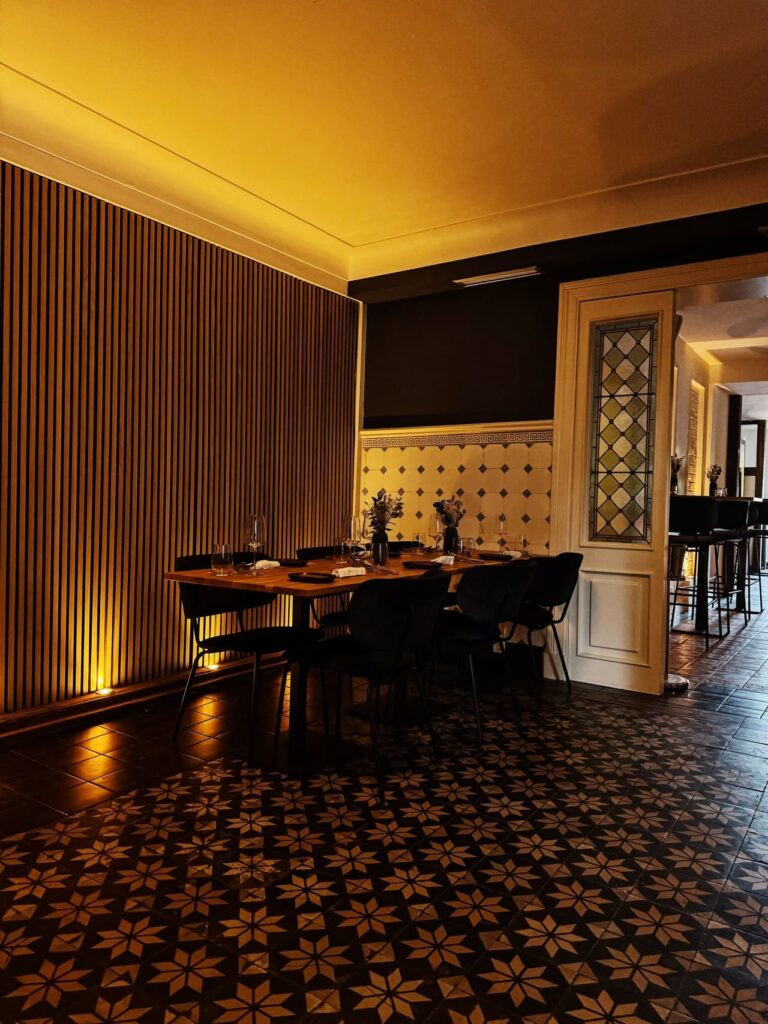
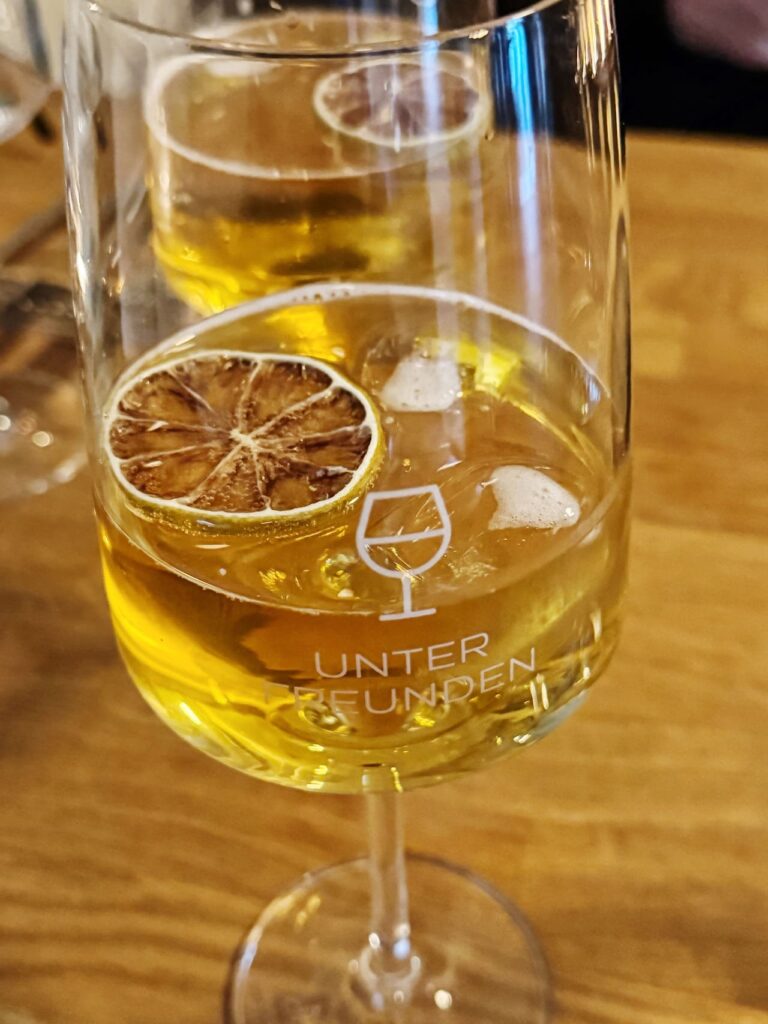
What we liked: Unter Freunden works with local suppliers. They share a space with the coffee roastery Cycle Roasters, which serves as a café during the day and a taqueria in the evening. There’s also Burger & Wein, which we just didn’t get a chance to try. Next time.
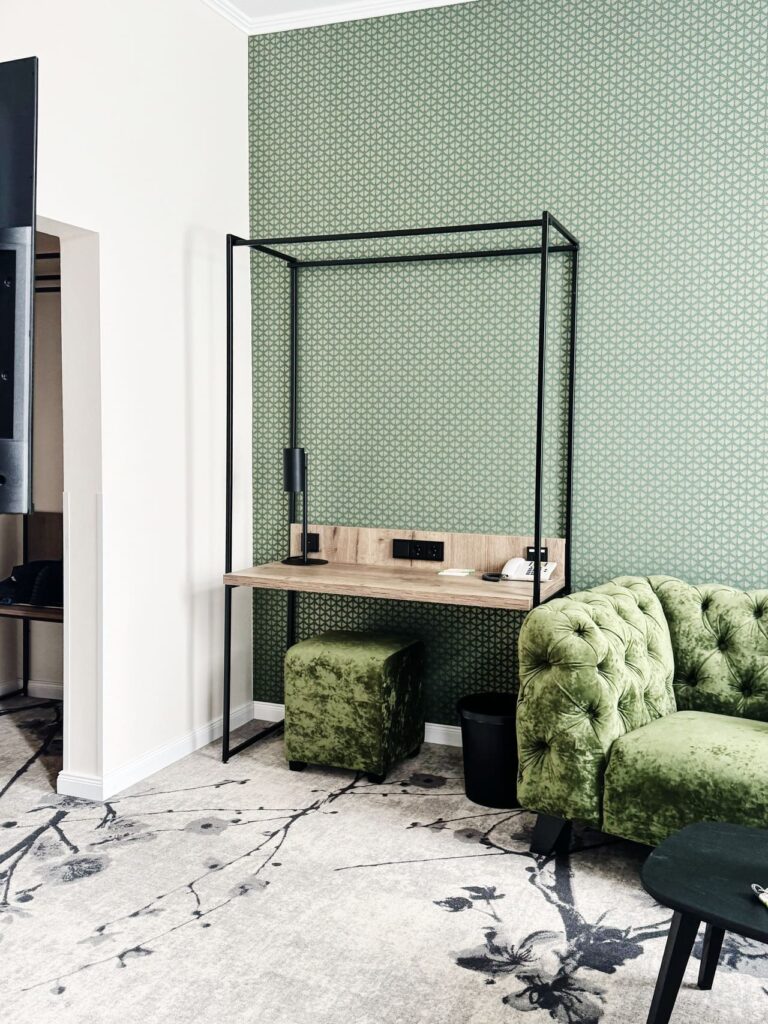
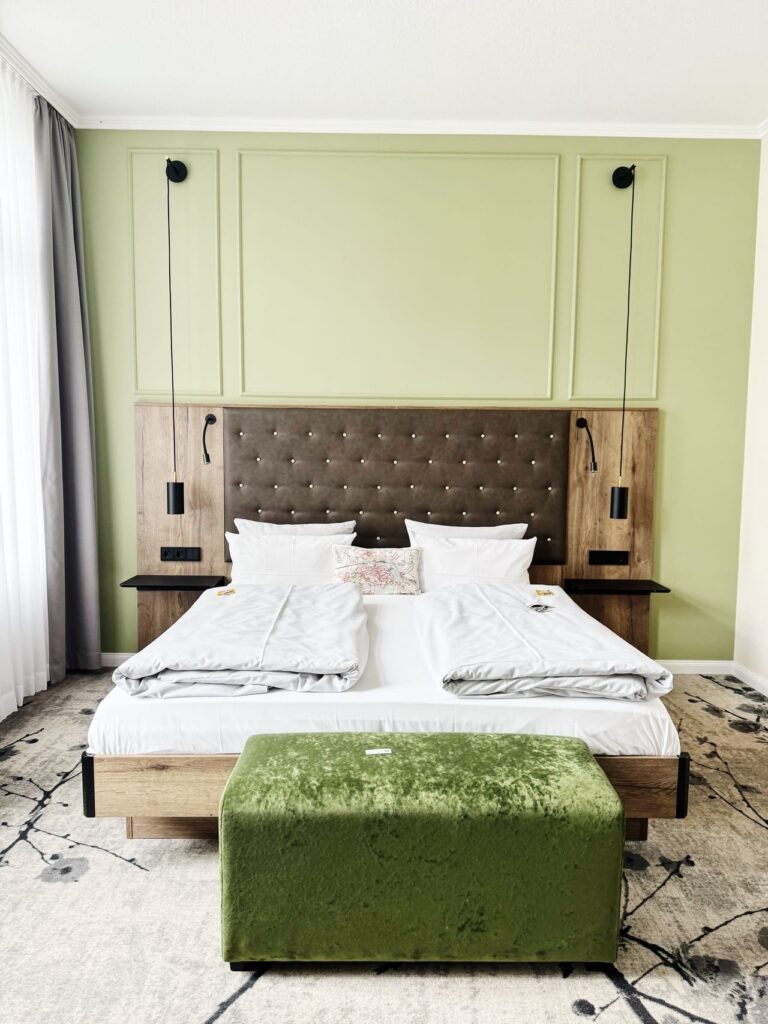
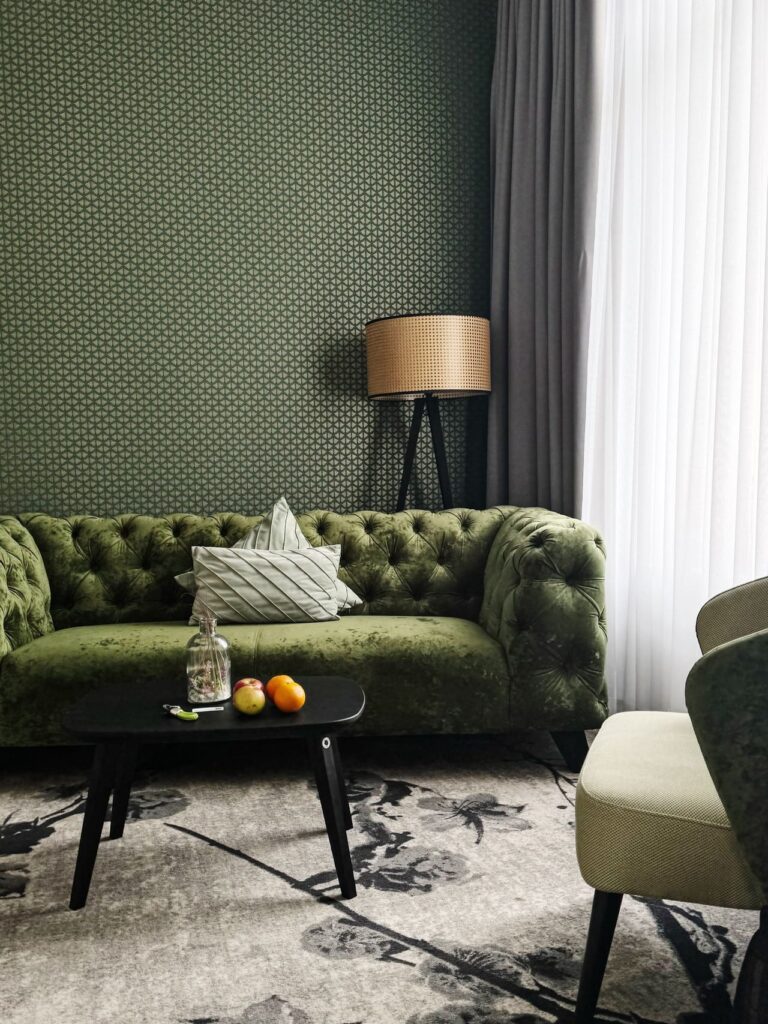
We stayed at the LIHO Hotel Lindenhof, a welcoming family-run hotel where we immediately felt at home.
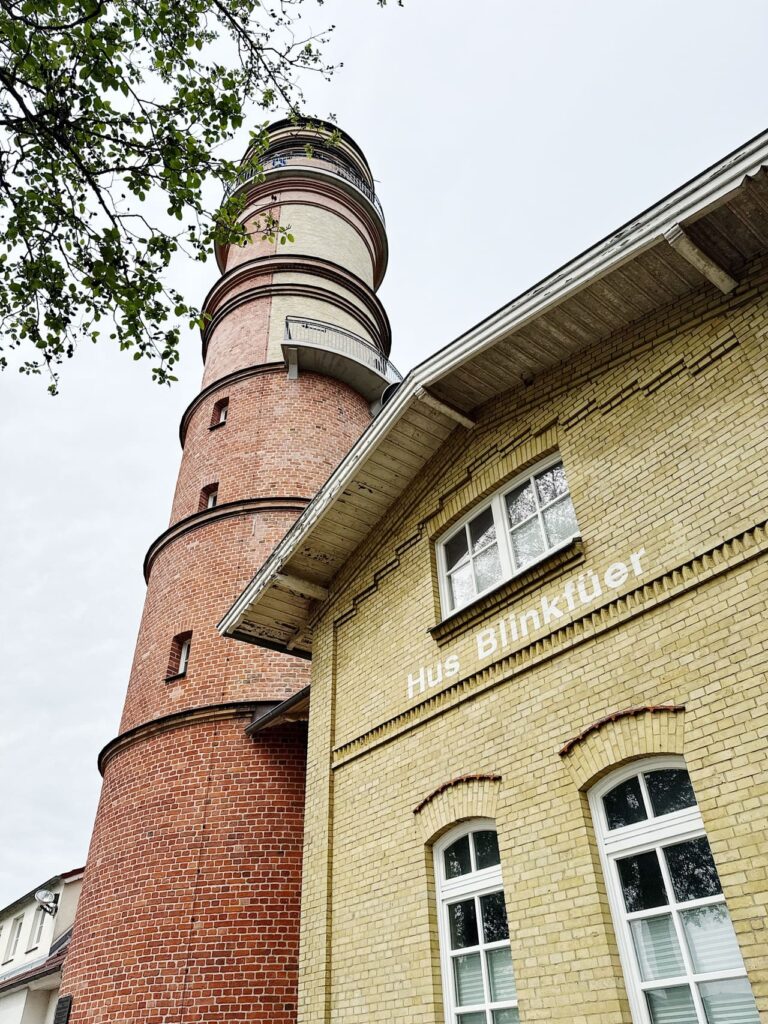
After the city walk, we drove on to Travemünde, the seaside resort where Lübeck meets the Baltic Sea. We climbed the Alte Leuchtturm: built in 1539, it is Germany’s oldest lighthouse, constructed of brick by Dutch masons. It was in service for nearly 450 years, until 1972. From the tower, we looked out over the bay, where ferries sail back and forth continuously.
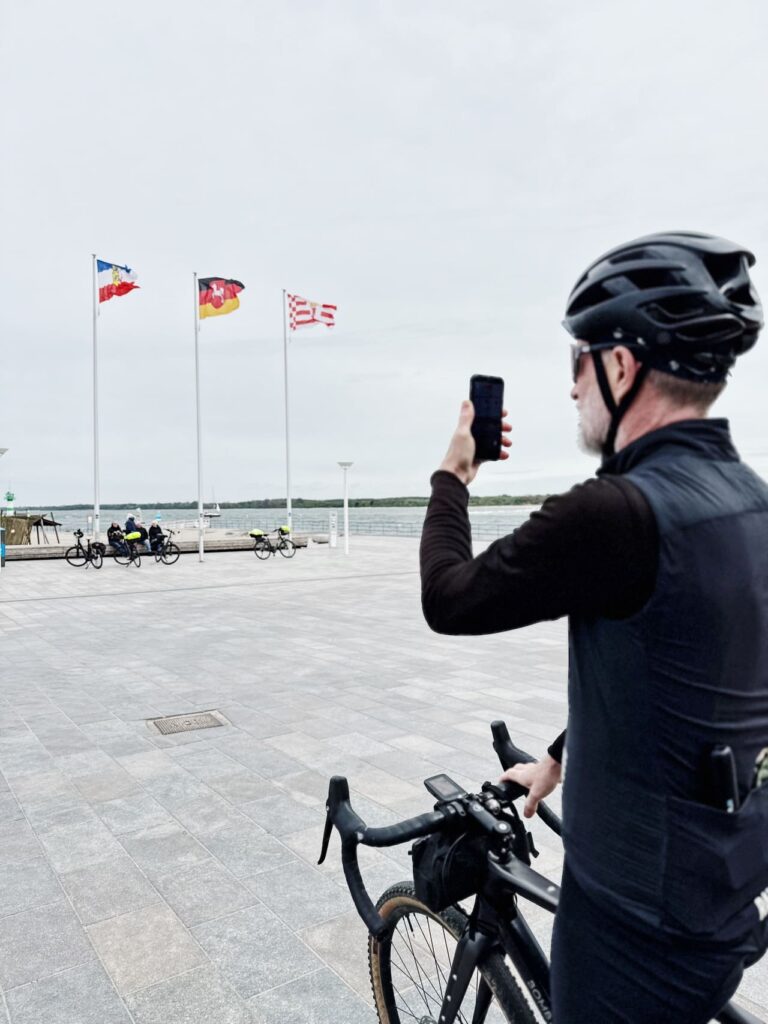
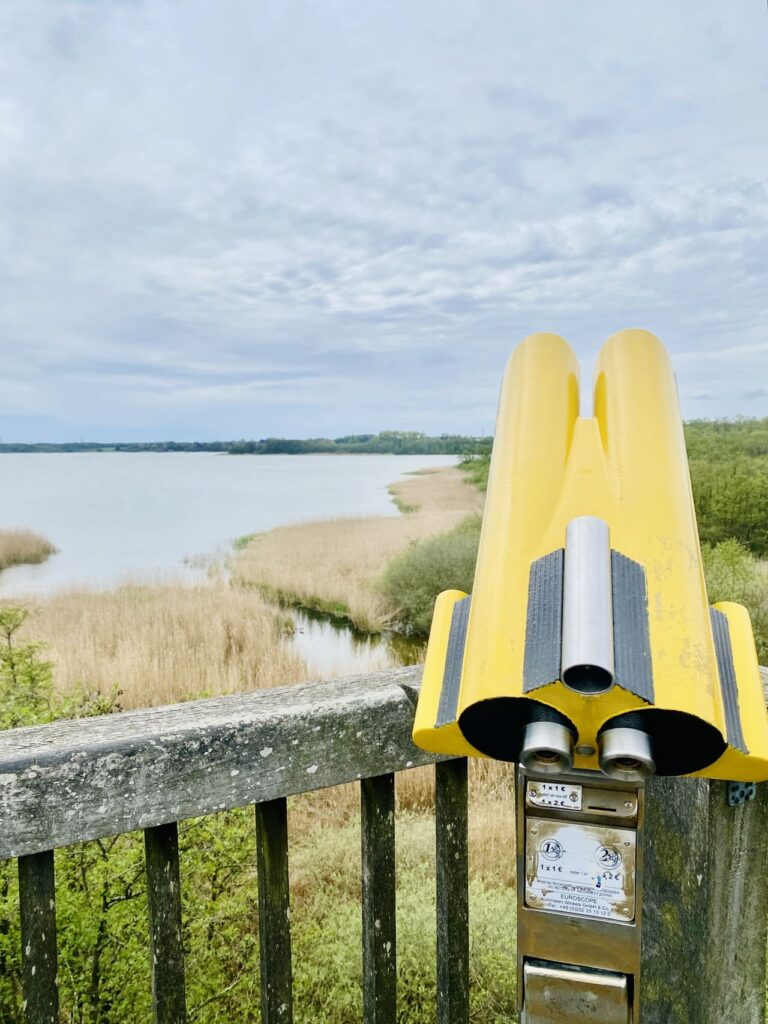
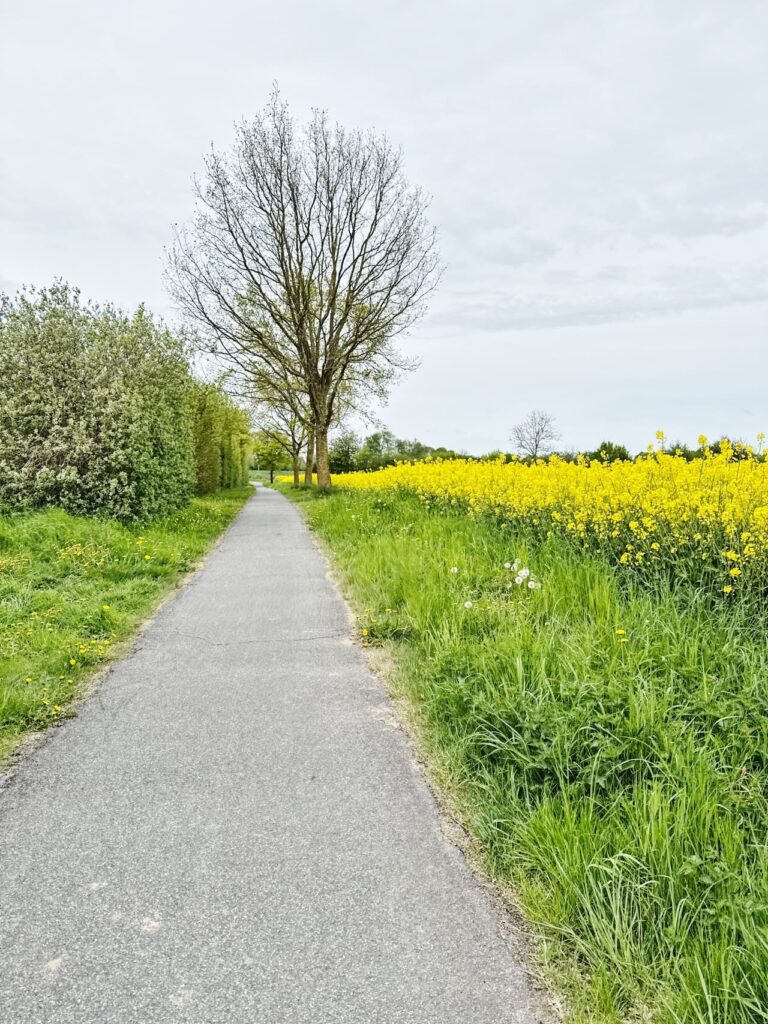
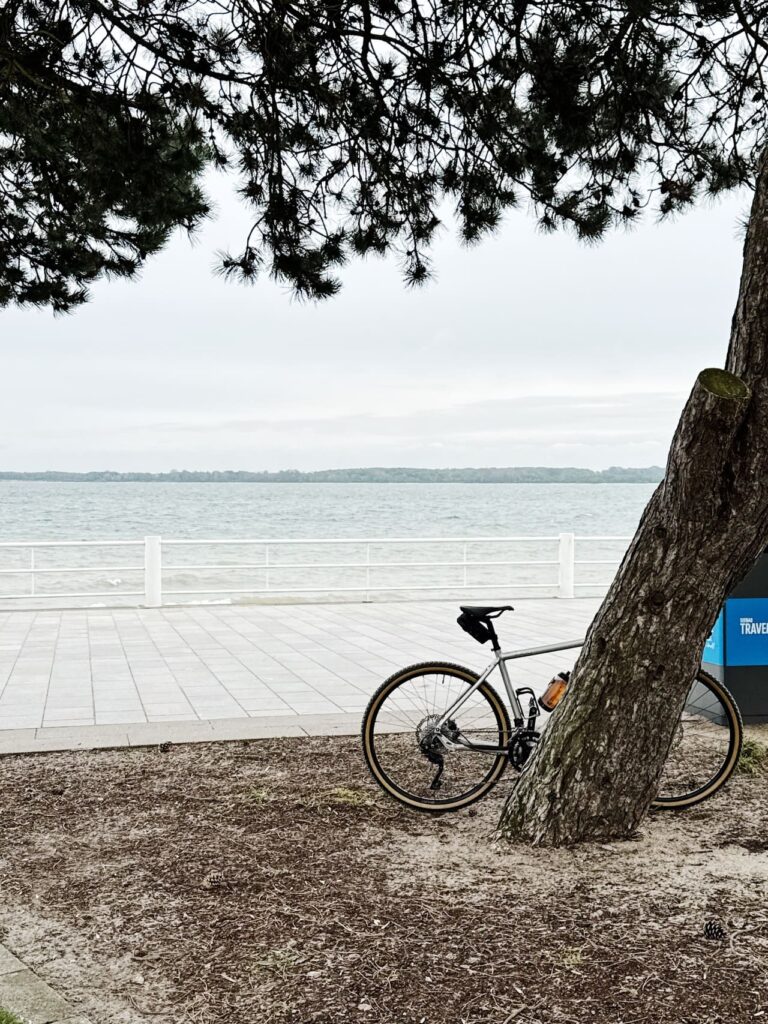
We spent the afternoon cycling. We rode through the old town of Travemünde, past fields of yellow rapeseed (Rapsfelder), through a marshy wooded area, and back to the villages and the beach. The final stretch followed a spectacular path right along the sea, past the beaches with the famous North German Strandkörbe—those wicker beach chairs you can practically disappear into. Our cycling route on Komoot.
Travemünde takes it one step further: there are even “Schlafstrandkörbe” on the beach, where you can spend the night under the stars, complete with breakfast on the beach and a midnight snack basket. We stuck to an evening outing: pizza at a local Italian restaurant. Satisfied, we wrapped up our two days in Lübeck and Travemünde; a surprisingly well-rounded mix of nature, history, good food, and warm hospitality.
We turned it into a road trip, with a planned stopover in Bremen. But Lübeck is also easily accessible by train: from the Netherlands, you travel via Hamburg, where you transfer to the regional train to Lübeck Hauptbahnhof (45 minutes). You can then reach Travemünde by train to the Travemünde Strand station. A pleasant, sustainable way to discover this corner of Germany, perfectly in the spirit of Slow travel.
Tip: Whether you’re visiting for the city, the Wakenitz River, or the Baltic Sea, book your accommodation directly with the owner whenever possible. It’s better for local businesses—and often for you, too.
Lübeck combines a UNESCO-listed historic center with nature right around the corner. Highlights include a boat trip on the Wakenitz (“the Amazon of the North”), a guided tour of the hidden Höfe und Gänge, and the medieval Holstentor. In the seaside resort of Travemünde, you can climb Germany’s oldest lighthouse, cycle along the Baltic Sea coast, and relax on the beach.
Yes. You’ll travel by train via Hamburg and transfer there to the regional train to Lübeck Hauptbahnhof (about 45 minutes). From Lübeck, you can reach Travemünde by train to the Travemünde Strand station. It’s a sustainable way to explore the region.
The Wakenitz is a slow-flowing river east of Lübeck. Thanks to its pristine alder forests, water lilies, and rich birdlife, the river has earned the nickname “the Amazon of the North.” During the Cold War, the Wakenitz formed the border between East and West Germany; it has been a protected nature reserve since 1999.
Today, Lübeck still has about 90 Höfe und Gänge: hidden courtyards and alleyways behind unassuming gateways. There used to be nearly 180 of them. They are characteristic of this compact medieval trading city.
The Alte Leuchtturm in Travemünde is Germany’s oldest lighthouse. The brick tower was built in 1539 by Dutch masons and remained in service for nearly 450 years, until 1972. Today, it is a small museum offering views of the Baltic Sea bay.
In Lübeck, the LIHO Hotel Lindenhof is a welcoming, small-scale family hotel. On the way, in Bremen, you can enjoy a sustainable stay at the John & Will Silo-Hotel: a converted Kellogg’s silo with a distinct eco-friendly concept. Whenever possible, book directly with the owner.
Late spring through early fall is ideal. The rapeseed fields around Travemünde bloom around May, and the beach chairs on the beach are available from May 1 through September 15. It’s quieter outside of the high season.

With a passion for travel and photography and over 30 years of experience in the travel industry, I love to share my special nature travel tips. Travel is wonderful and important, you meet new people and cultures and it opens your view of the world.

Aachen Off Track: A Green City Trip Featuring a Forest, an Organic Garden, and Charlemagne A city with an imperial history, surrounded by forests stretching all the way to the Belgian and Dutch borders. Aachen cannot be taken in at a single glance: its historic...
Wolfenbüttel: A Small Town with Big Secrets From Braunschweig , I cycled (on a real old-fashioned bike) to Wolfenbüttel, a lovely ride of about 12 kilometers that ended with lunch at the Beach Club on the Oker. Along the way, I realized why this little town looks so...
Braunschweig: From Five Cities to the Fishing Ponds of Riddagshausen On the way to Braunschweig from the Harz , I stopped at Wöltingerode Abbey, a monastery that now doubles as a hotel and where you can enjoy an excellent cup of coffee before continuing your drive. It...
Get inspired
Are you looking for the most beautiful hiking and biking routes? Or do you want information about traveling by train or advice for the most beautiful road trips through nature. Get inspired for your next trip in green; ideas for planning your own trip or opting for an organized trip.