Gratis gids 10 verborgen natuurplekken in Europa
Gratis gids 10 verborgen natuurplekken in Europa. Meld je aan voor onze nieuwsbrief en ontvang inspirerende reistips en routes voor je volgende groene reis.



A small linen pouch filled with salt and sage leaves—sewn by local seamstress Tjaša—hangs on the door of every room at Hotel St. Daniel. It’s a small gesture in a hotel that thrives on hundreds of such gestures: locally grown vegetables on the plate, wine from the farmer down the road, a farm that has been returned to the community that has been cultivating it for centuries.
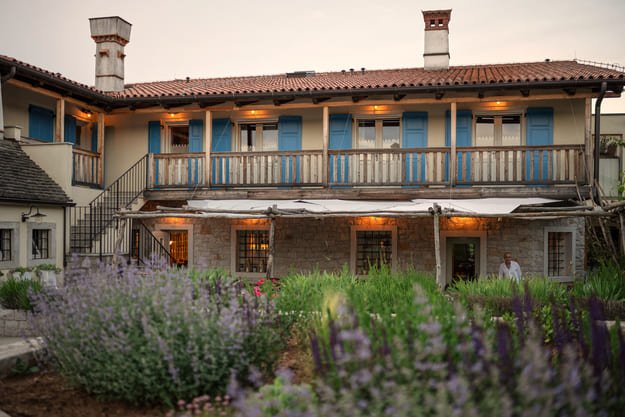
Welcome to Hruševica, a hamlet near Štanjel in the Slovenian Karst region, where Nina and Miran Prodnik have converted an old farmhouse into one of Europe’s most award-winning eco-hotels.
Booking through Nature Travel Lab: You can book this stay direct with Hotel St. Daniel through Nature Travel Lab. Use code 5NTL for a 5% discount on your booking.
The Karst region—the region that gave its name to the geological phenomenon known worldwide as “karst”—is just a stone’s throw from Trieste and the Italian border, nestled among vineyards, oak forests, and limestone villages. Hotel St. Daniel isn’t just a place to stay—it’s the perfect starting point for exploring the region at the pace it deserves: leisurely, and with an appreciation for what has been growing and thriving here for centuries.
The Karst region (Kras in Slovenian) is a limestone plateau in the far west of Slovenia, bordering Italy. The porous limestone bedrock gives rise to underground rivers, caves, and sinkholes—a type of landscape known worldwide as “karst,” named after this region. Above ground, vineyards, oak forests, and red earth alternate, with villages that are still largely built of natural stone.
The medieval village of Štanjel, perched on a hilltop overlooking the valley, is the cultural heart of the region and is about a twenty-minute walk from the hotel. A little further away are Lipica, famous for its Lipizzaner horses, and the Škocjan Caves, a UNESCO World Heritage Site and one of the largest underground canyons in the world. Trieste and the Adriatic coast are just under half an hour away, making the Karst region an attractive option to combine with a stay on the coast in northeastern Italy.
Nina, originally from the Vipava Valley and a nutritionist by training, and Miran, who hails from Koroška in northern Slovenia, bought a neglected farm in Hruševica and converted it into Hotel St. Daniel. Their guiding principle: sustainability isn’t just a trend, but the most logical way to practice hospitality in a region where the land has always shaped the way people live.
That decision garnered international attention. In 2017, Hotel St. Daniel became the first accommodation in the Karst region to receive the international Bio Hotels certification—a label awarded to hotels that operate in an organic and environmentally friendly manner across all areas (food, energy, building materials, waste management). The German travel magazine GEO SAISON included the hotel in its list of the 100 best hotels in Europe, in the sustainable development category. In 2024, the hotel’s restaurant was named one of the three best organic restaurants in Europe by the EU Organic Awards.
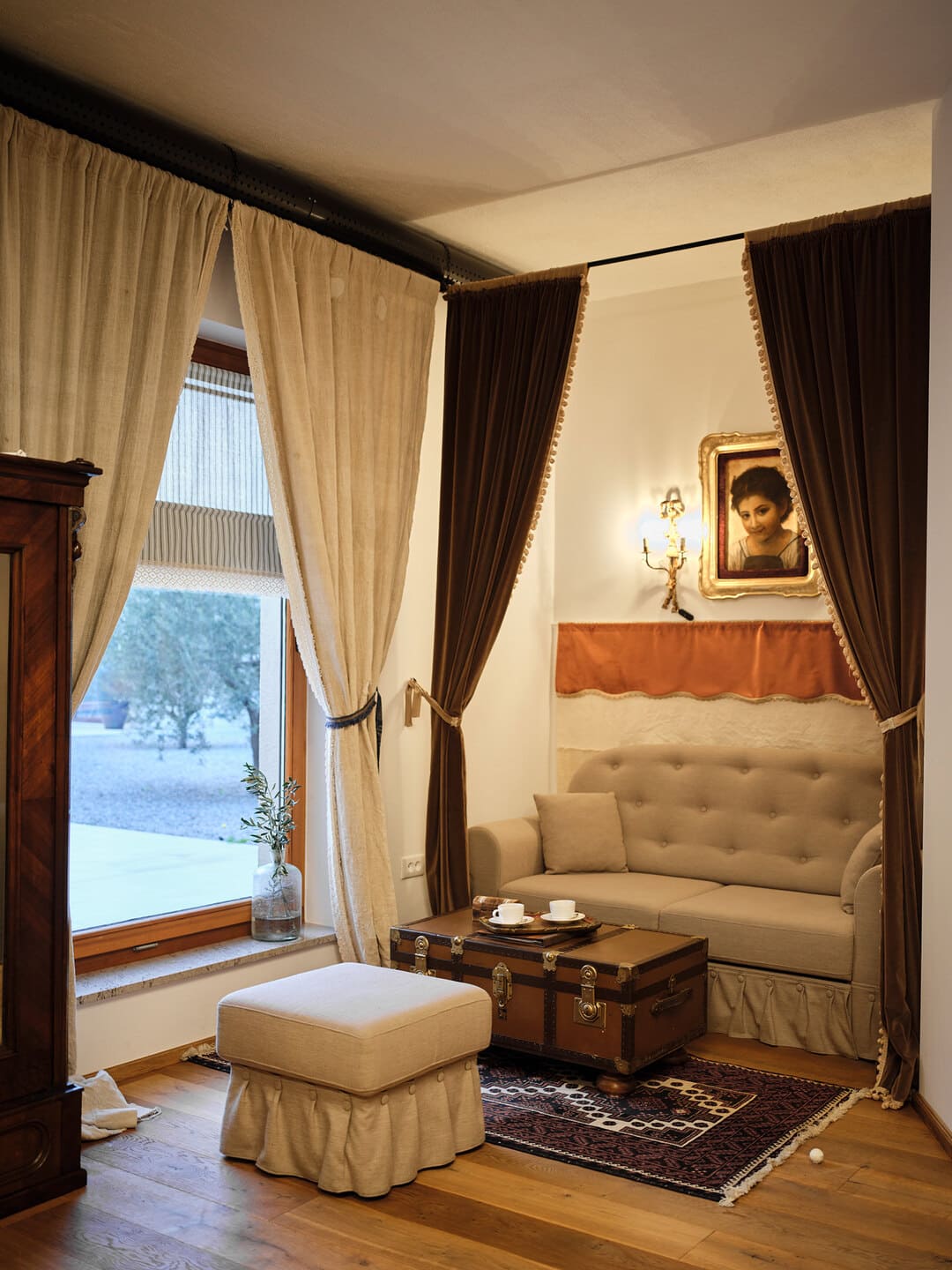
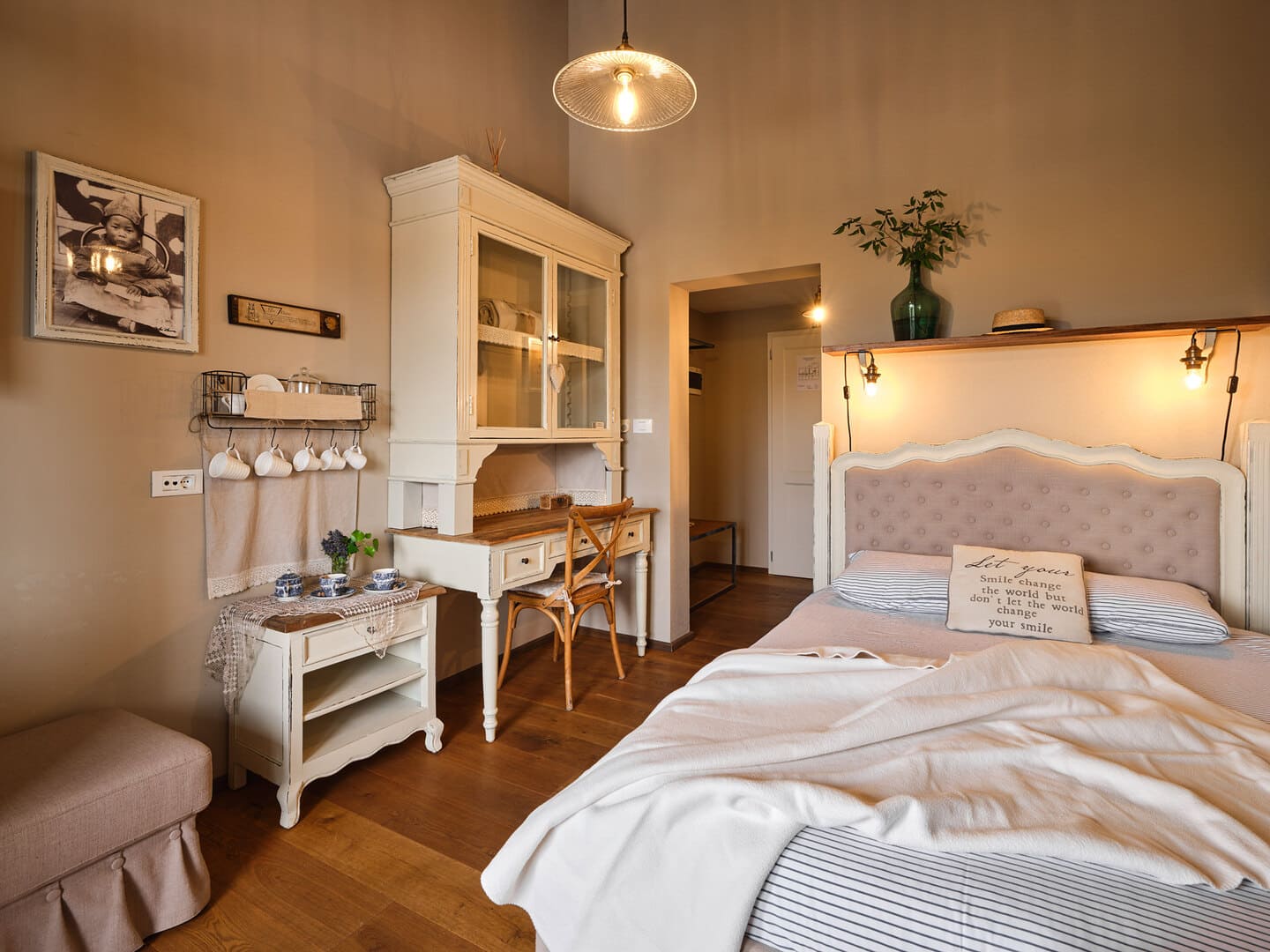
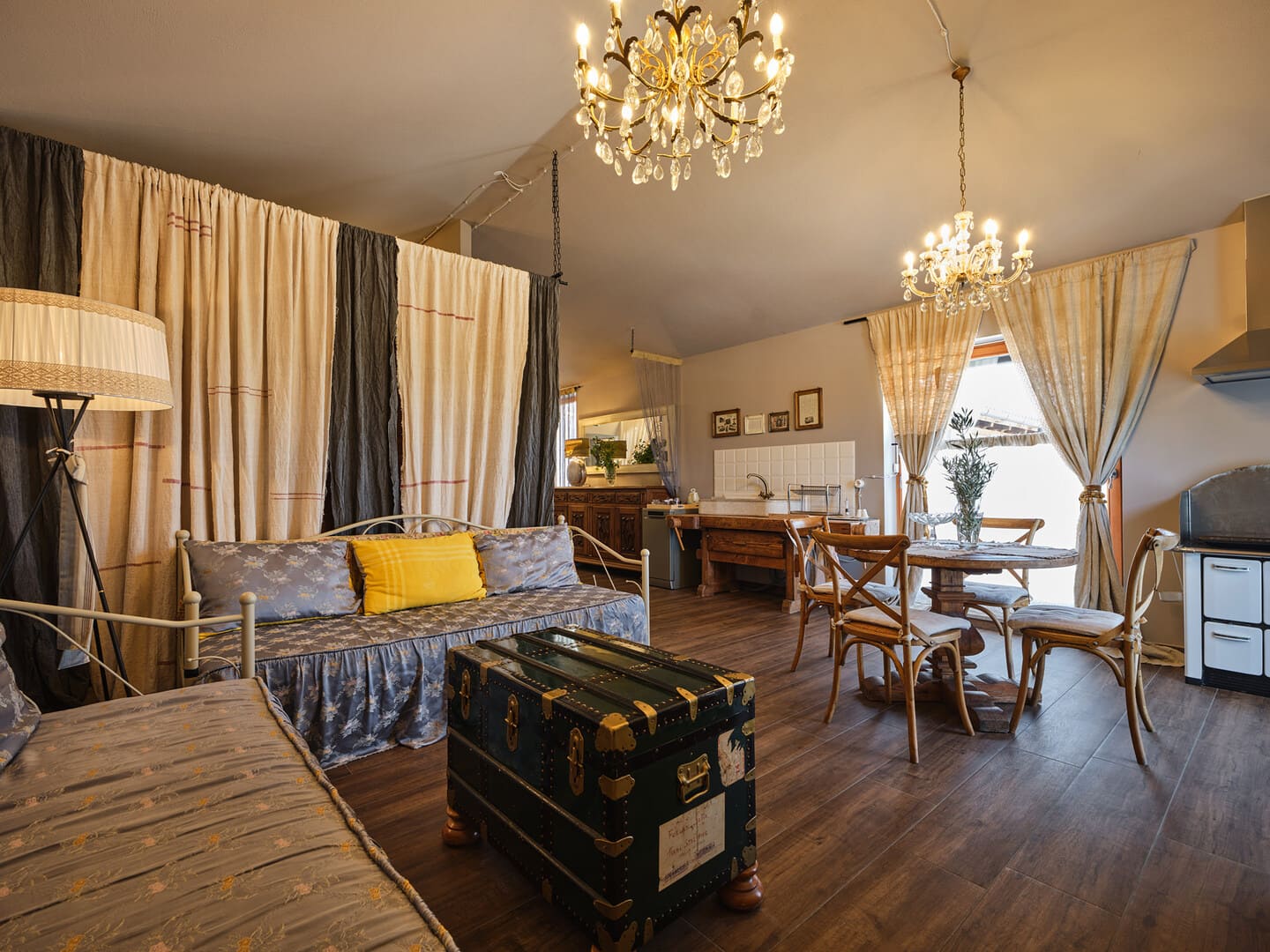
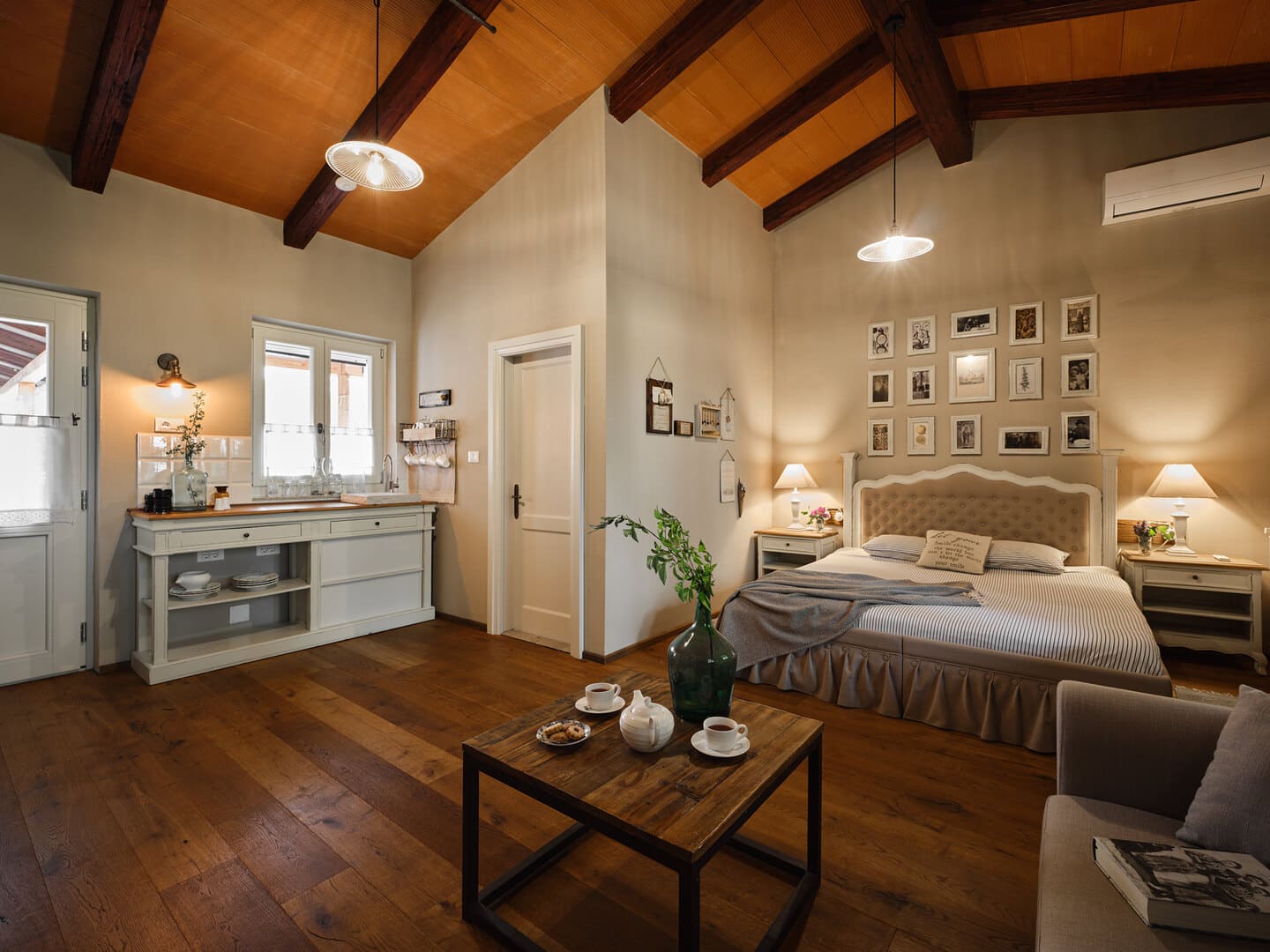
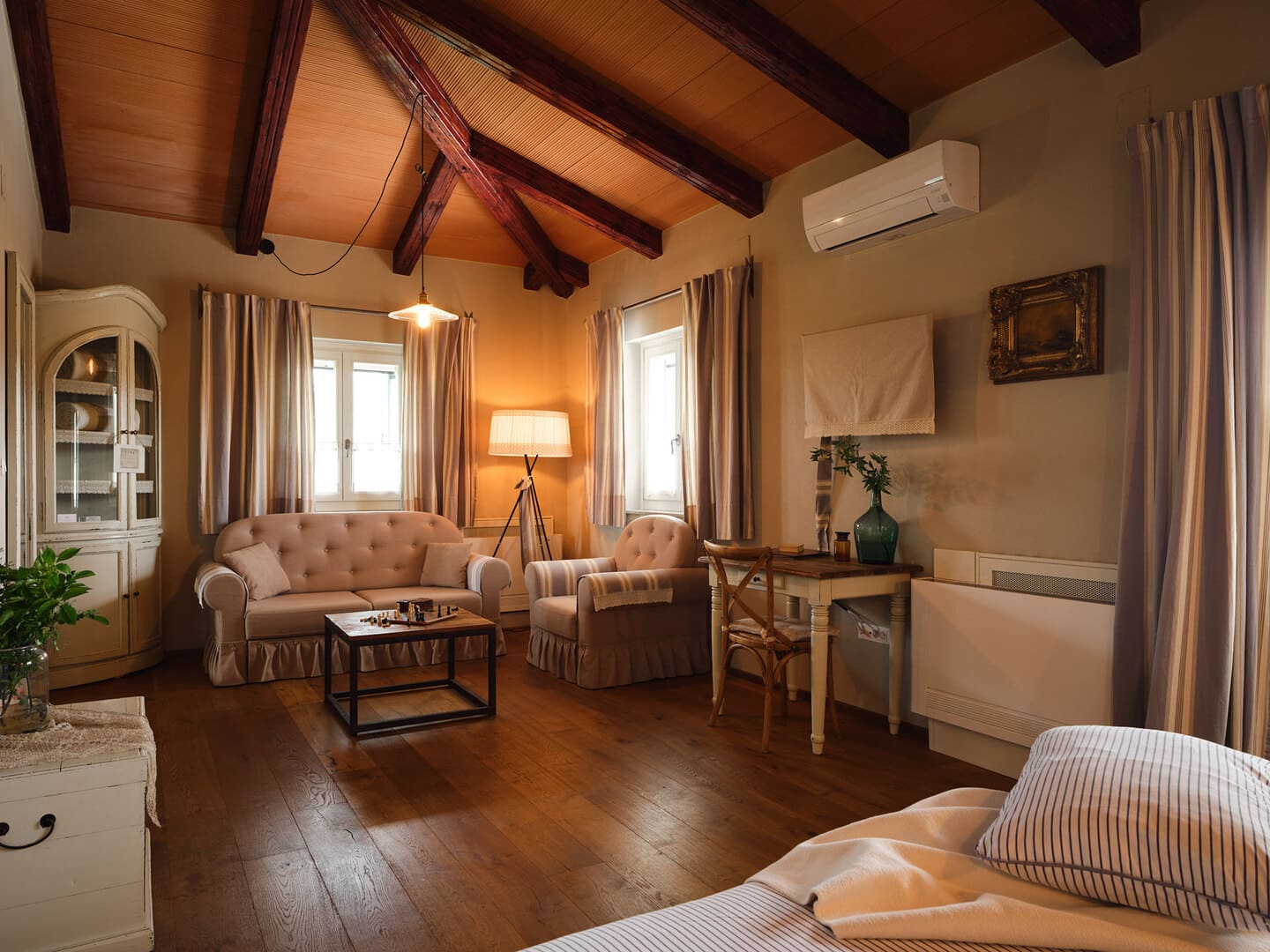
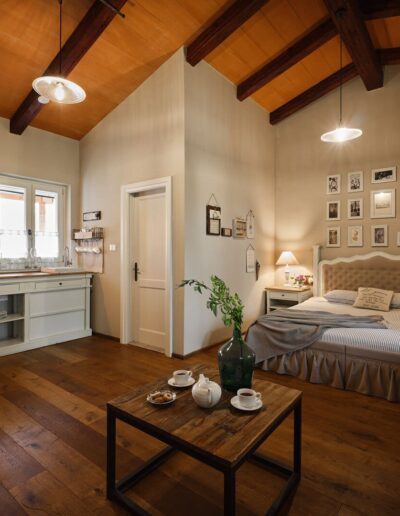
The hotel offers a handful of room types, each with its own name and character, all housed in the original farmhouse:
At Hotel St. Daniel, sustainability is not a separate initiative alongside regular business operations, but rather the foundation of every decision. This translates into concrete choices:
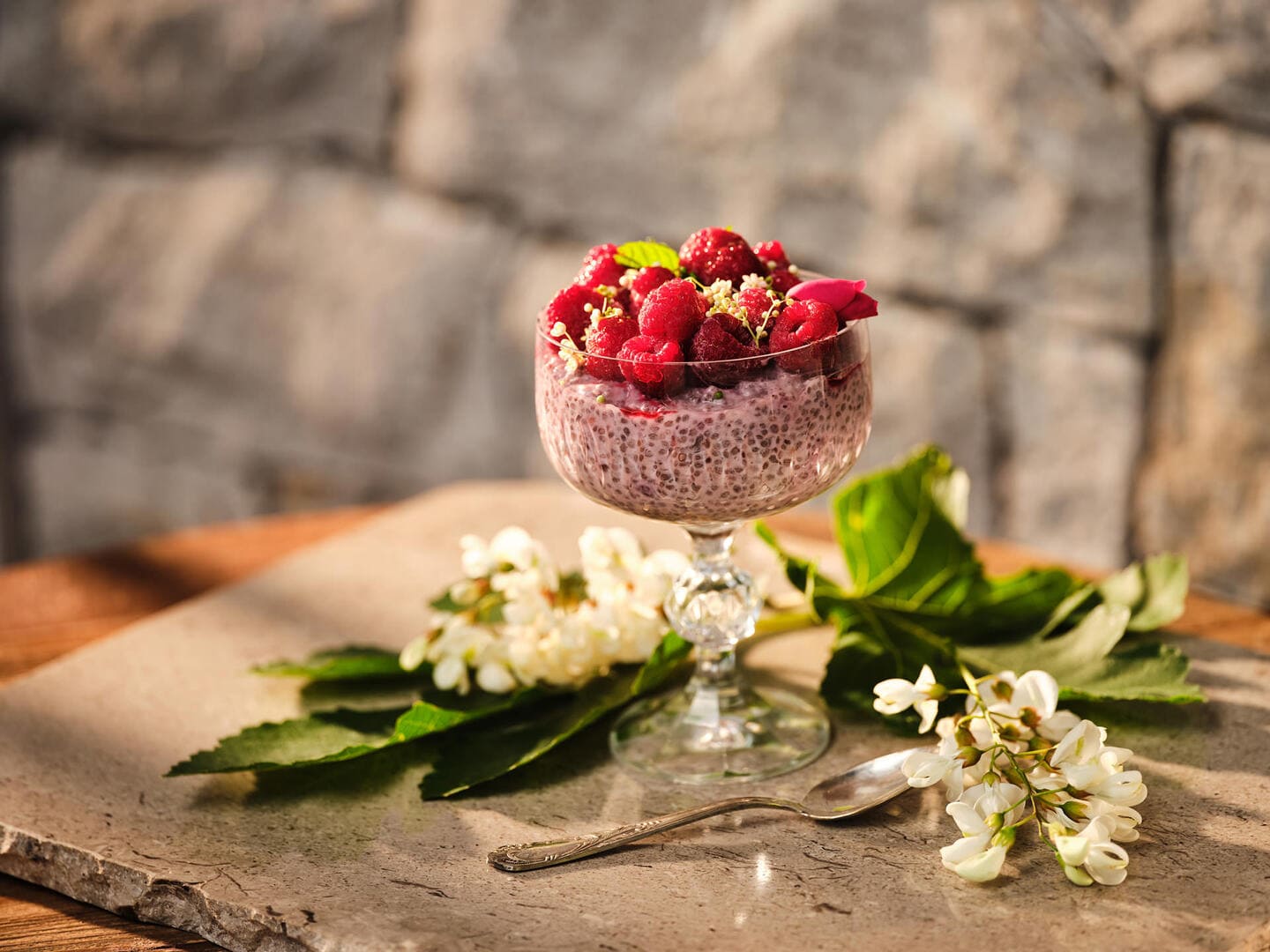
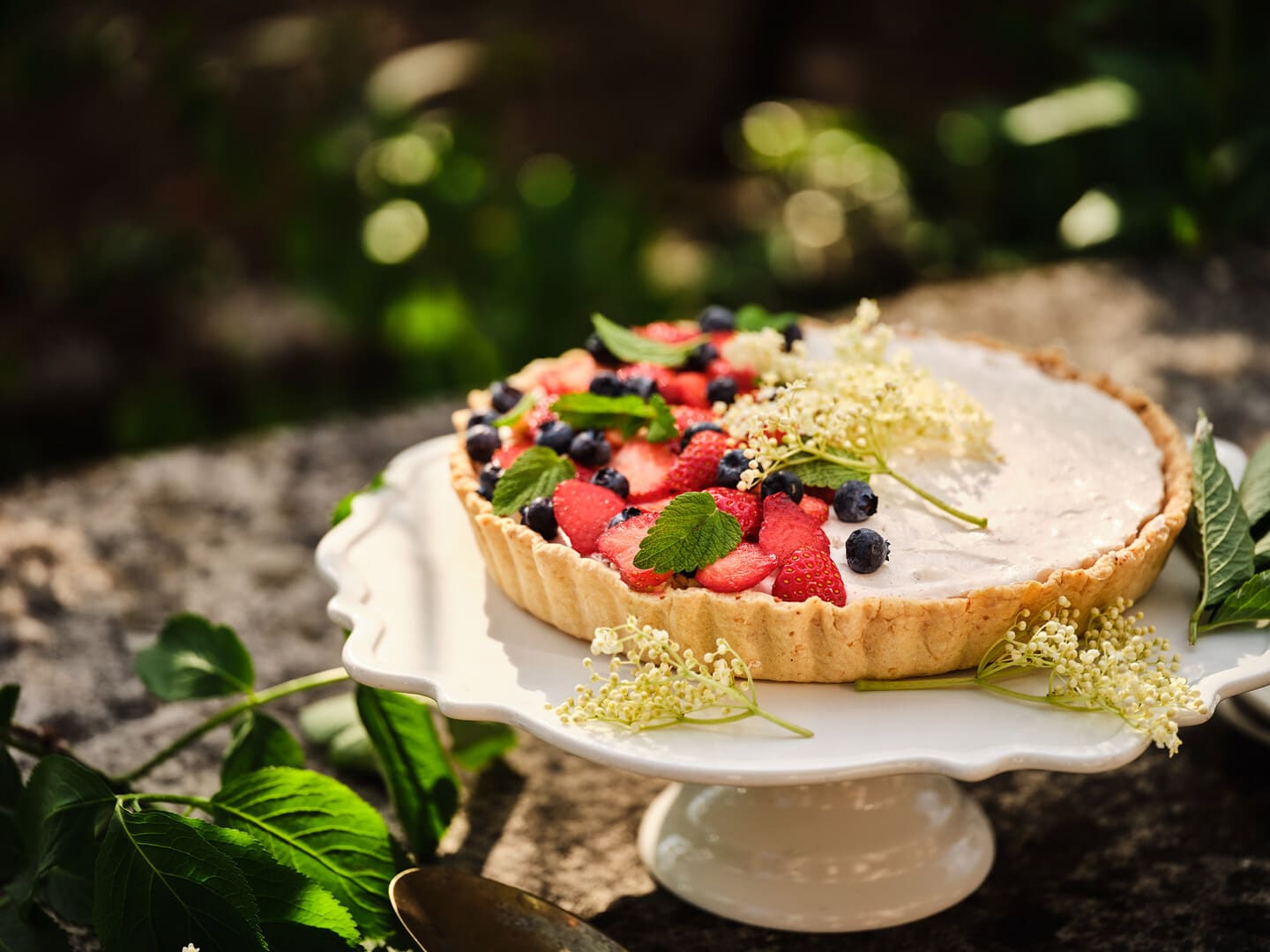
The hotel also works with a regular group of local organic suppliers, including Bio mlin Stražar (flour, seeds, oils), Ipavec Farm (fruits and vegetables), Iztok Obad Farm (olive oil), Evrosad (apples), Ekološke dobrote Kravos (bread and pastries), Ivan Kobold Farm (raspberries and blueberries), and Škapin Farm (dairy products). At dinner, the hotel serves organic and biodynamic wines from local wineries such as Derenda, Santei, and Guerila.
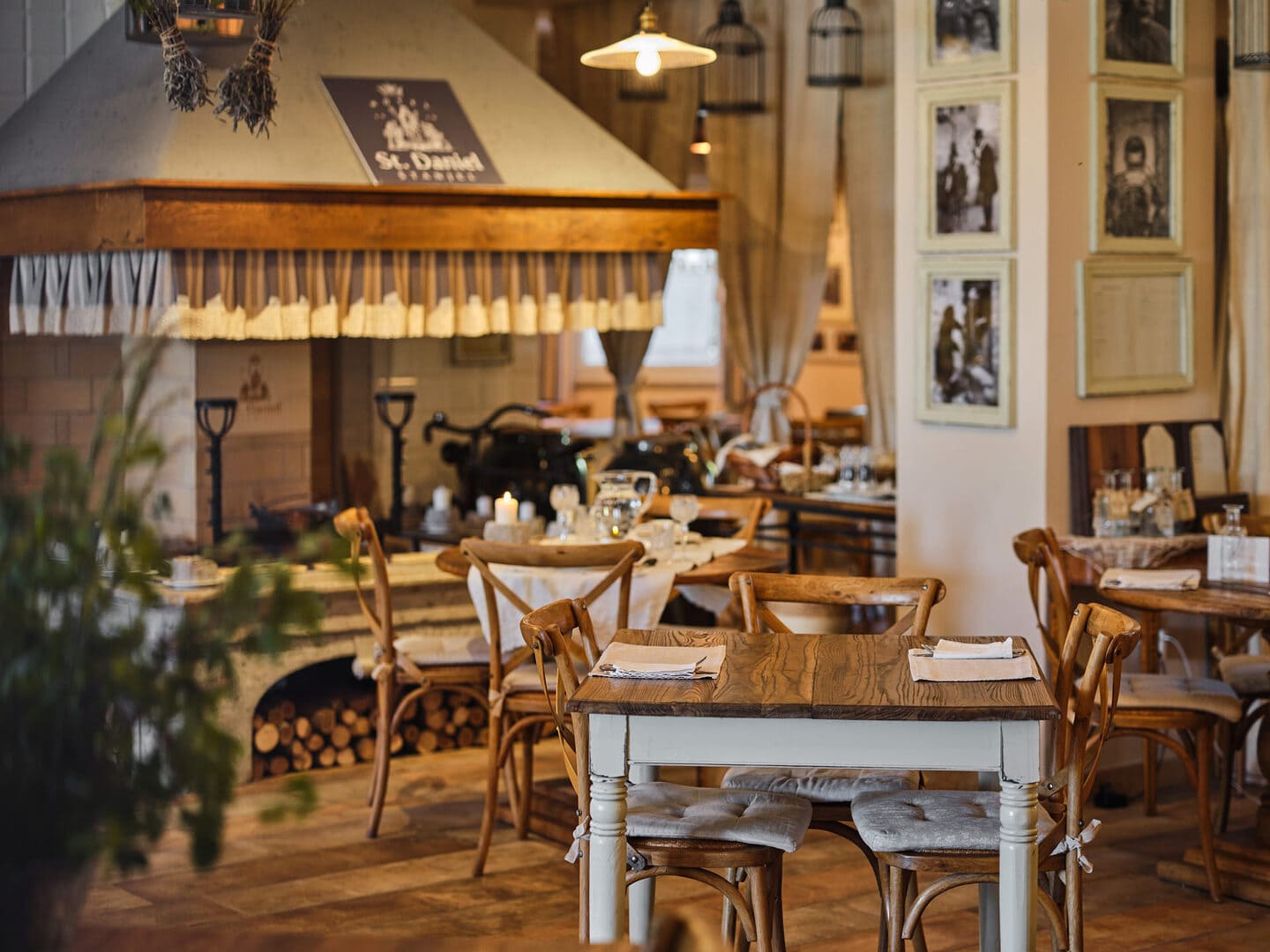
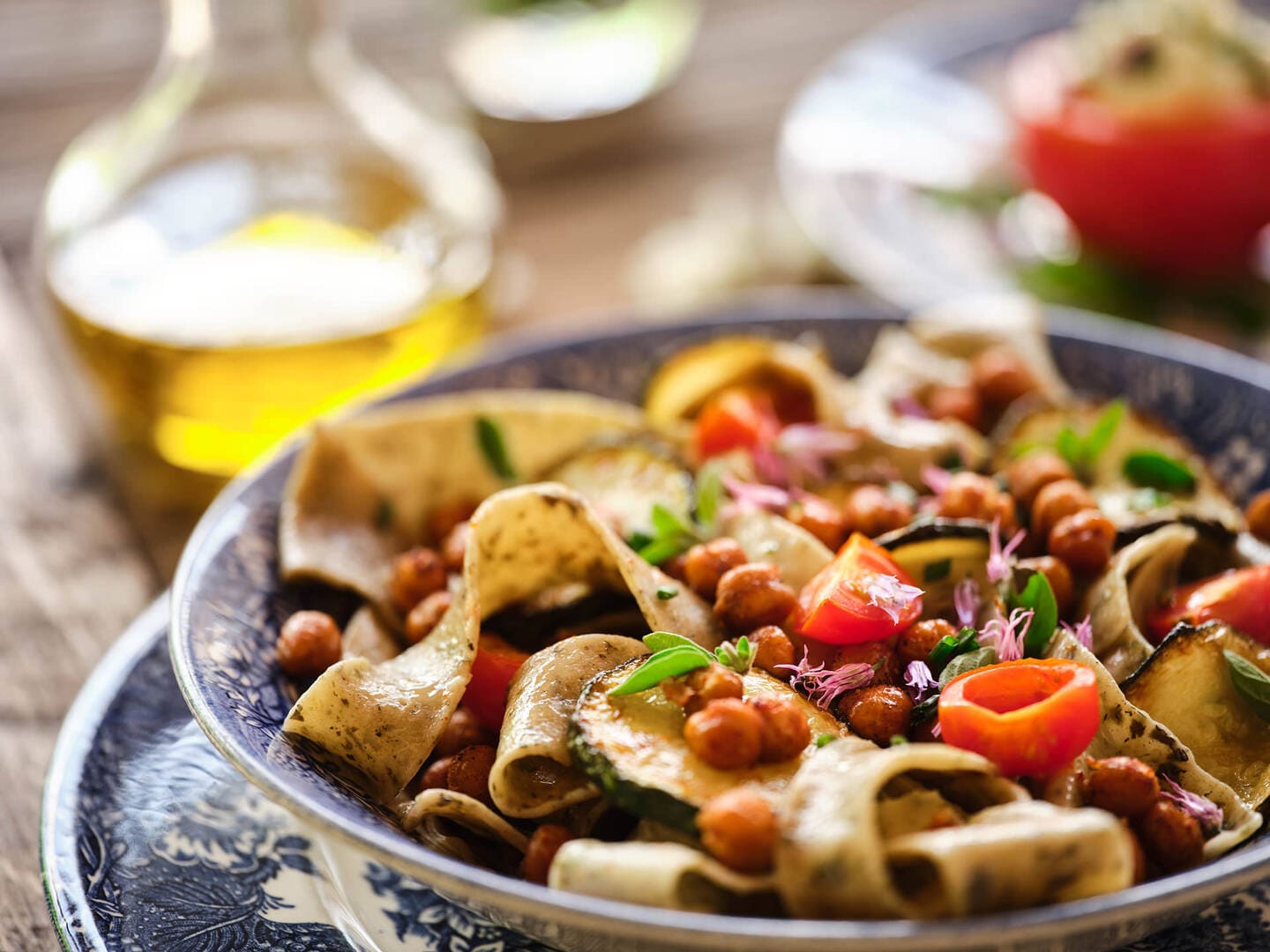
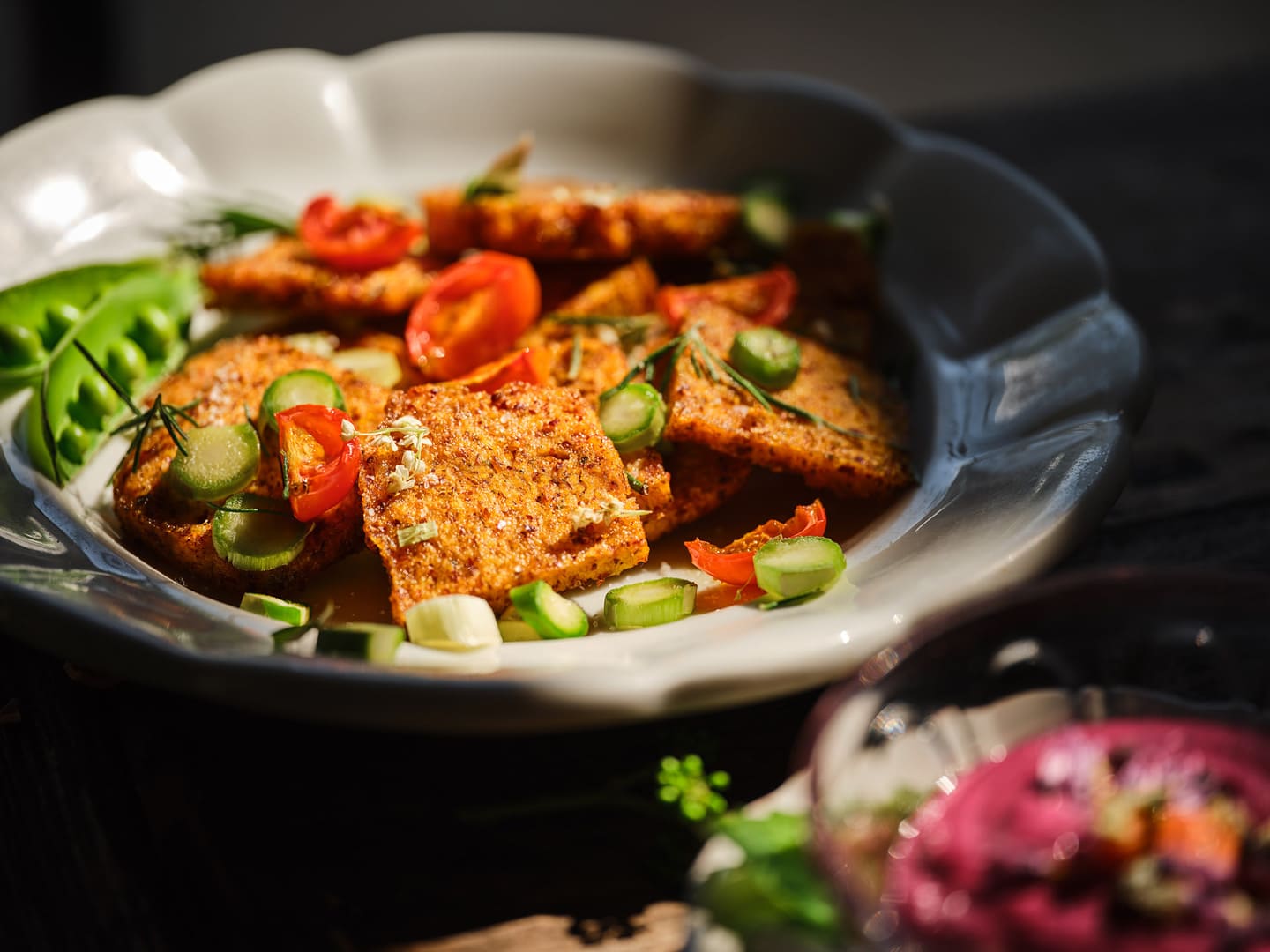
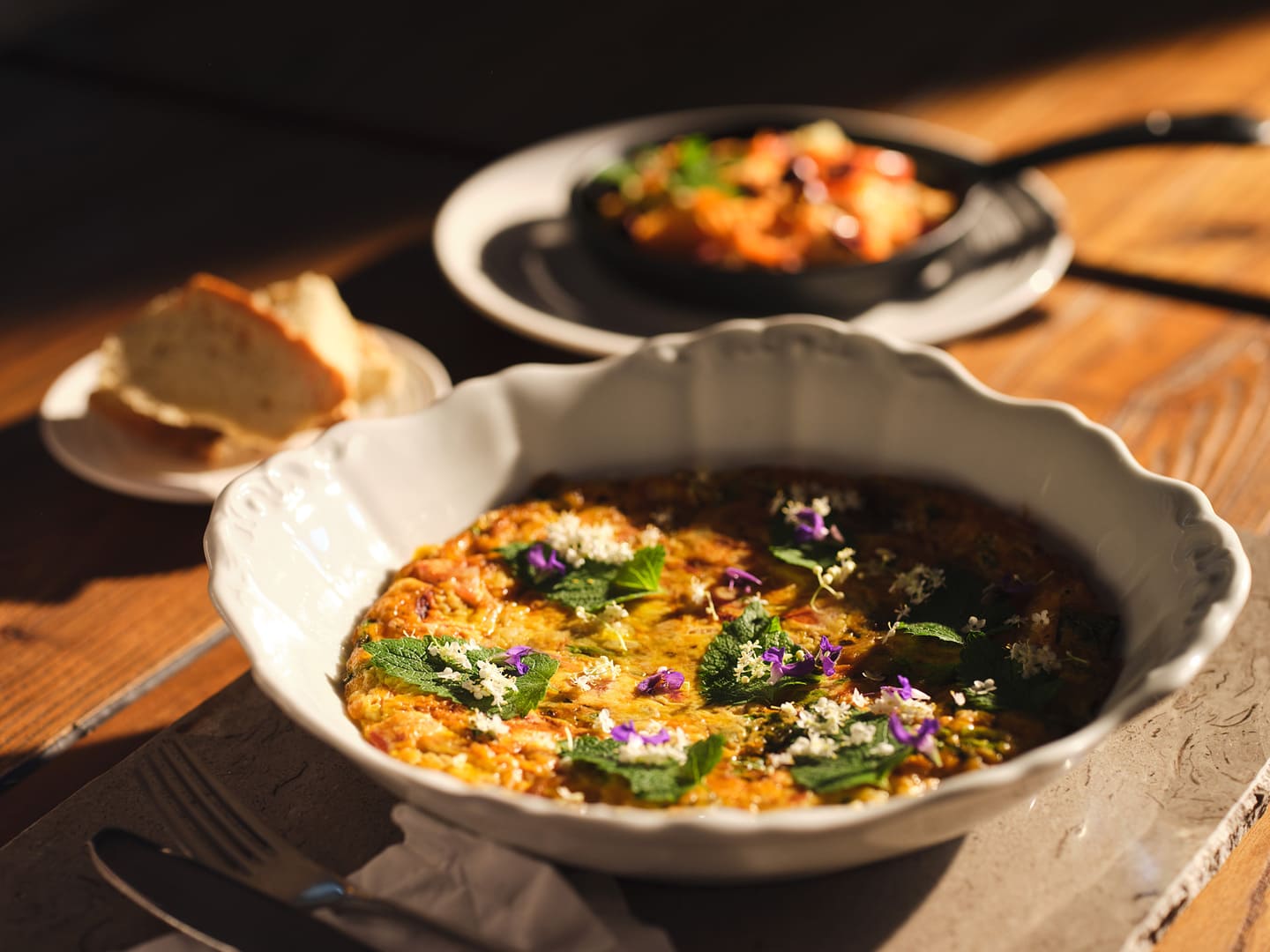
The restaurant at Hotel St. Daniel does not have a fixed menu. The meals are prepared using fresh, seasonal, and organic ingredients sourced from the local region that day, served as a four-course dinner. During the winter months (October through May), dinner is served at 6:00 p.m.; during the summer (June through September), it is served at 7:00 p.m. (for all guests together).
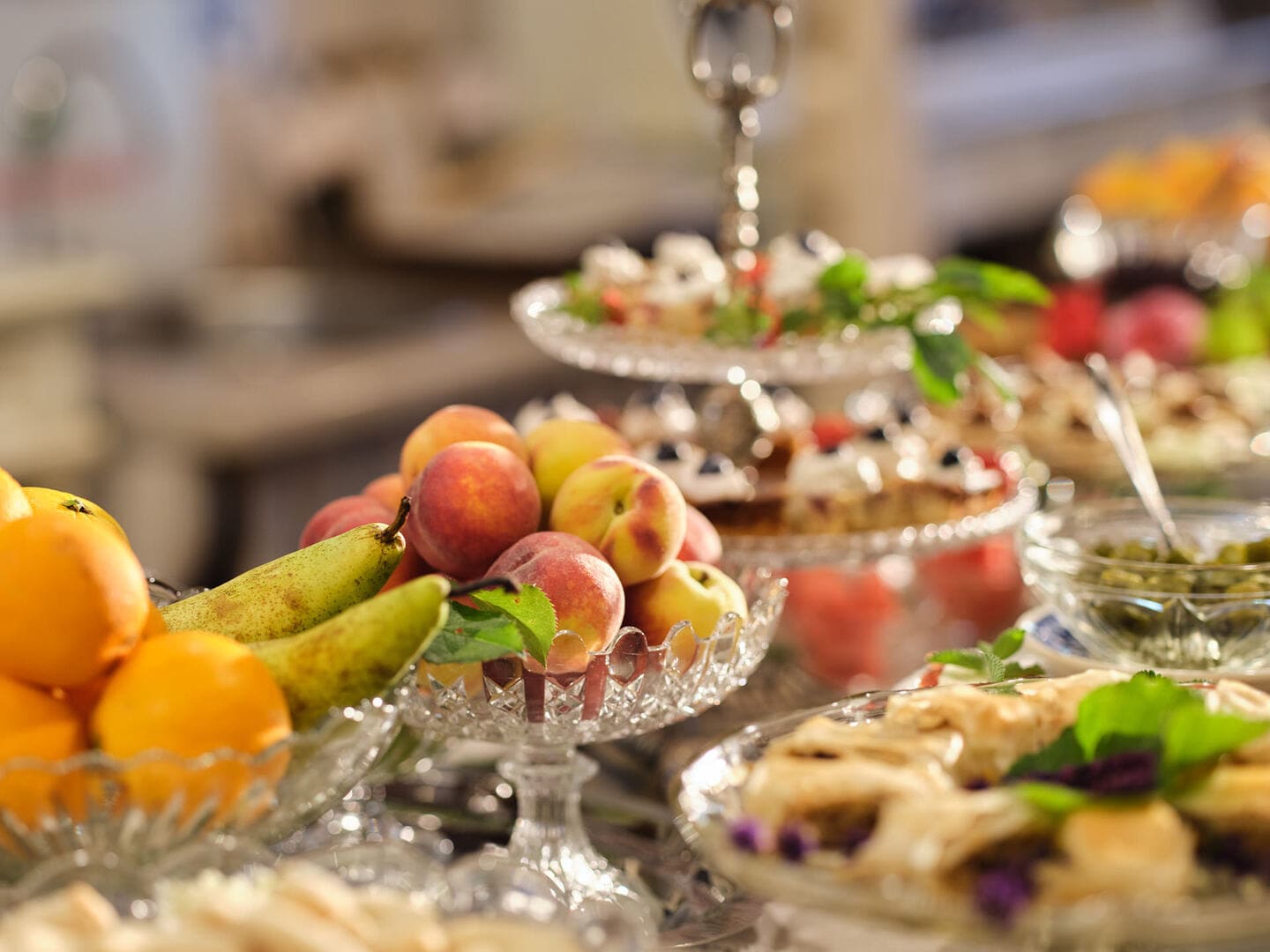
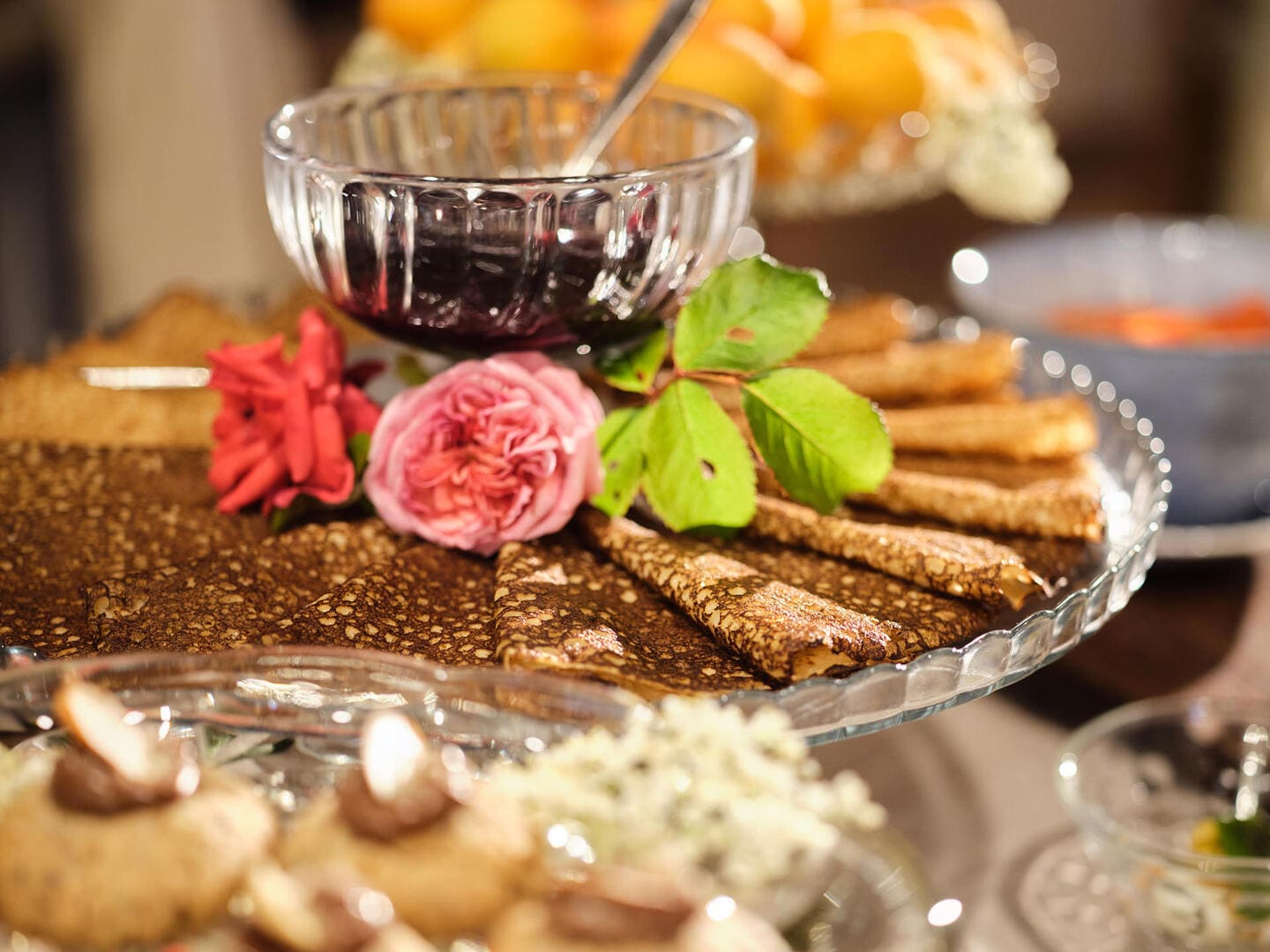
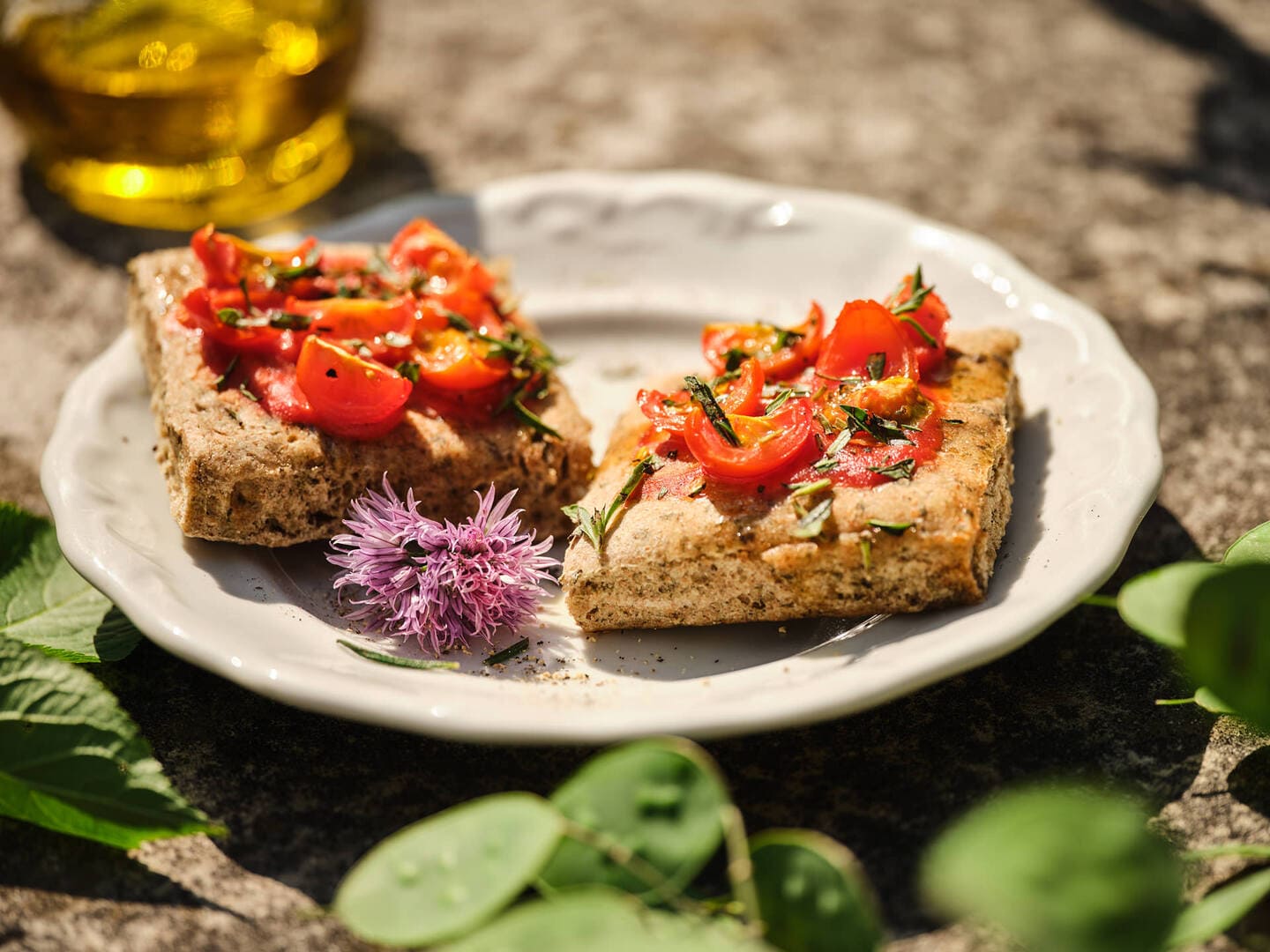
Breakfast, an organic buffet featuring products from local partners, is included with every stay and is served between 8:00 a.m. and 10:00 a.m.
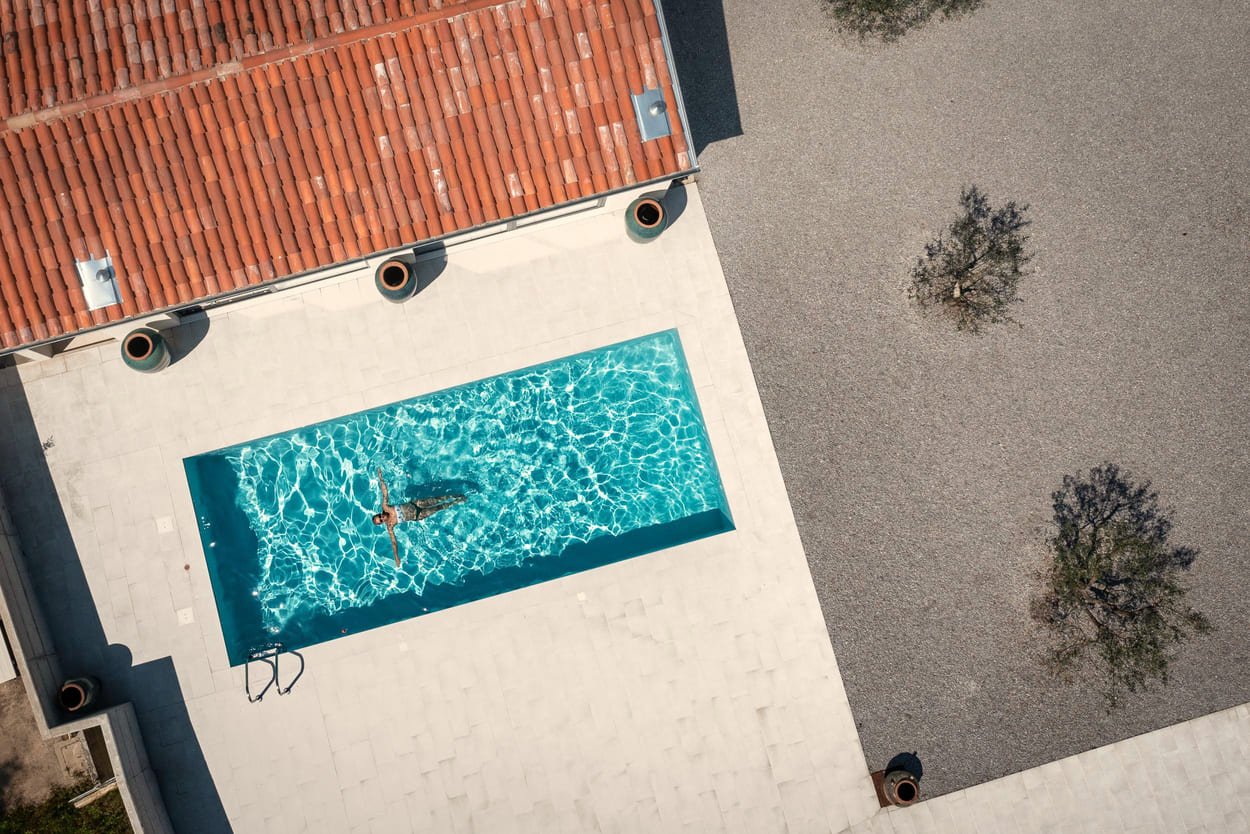
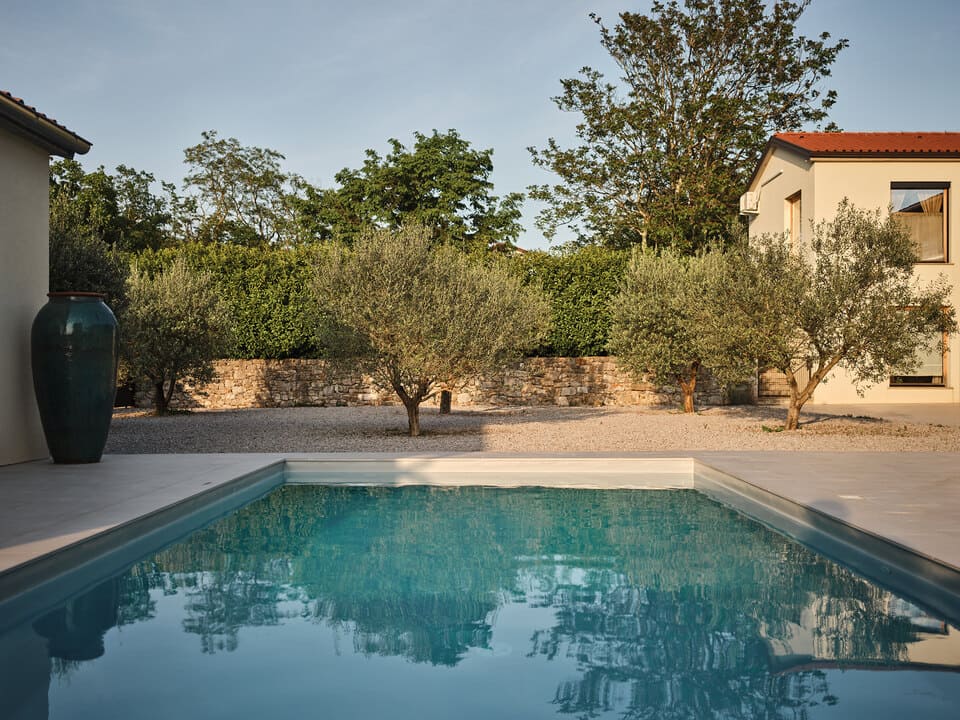
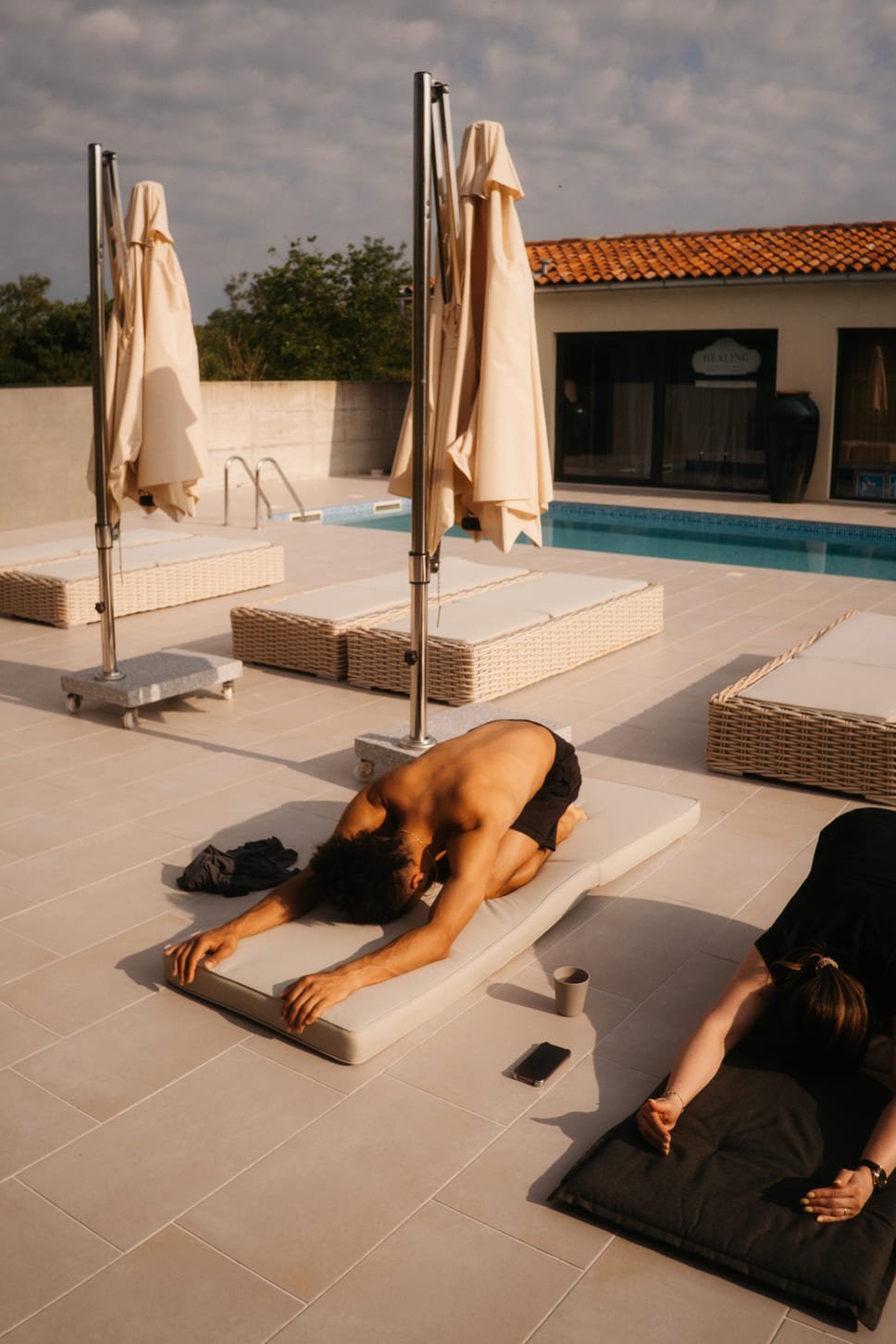
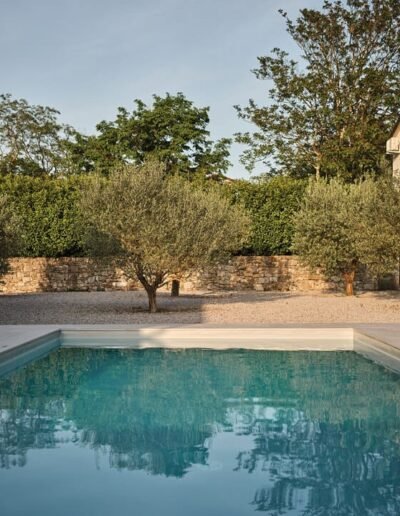
In addition to a heated swimming pool during the season (May through September, open from 9:00 a.m. to 7:00 p.m., weather permitting and unheated), the hotel features the Healing Spa: a self-guided experience that begins on a jade mat and continues with a herbal sauna, a full-spectrum sauna, relaxation on heated stones, and sound therapy.
The Healing Spa requires a fee and is open only to adults. It is open only in the morning (two time slots, usually at 10:00 a.m. and 1:00 p.m.), closed during the summer months, and by reservation only.
Its location in the Karst region makes the hotel a great base for hikers and cyclists. Several themed trails start from Hruševica, including Fabiani’s Way, Pliska’s Way, and Rilke’s Way, named after famous figures with ties to the region. For cyclists, there’s the Kostanjevica–Novelo–Temnica–Trstelj route. If you want to go further: Štanjel, Lipica, and the Škocjan Caves are a short distance away, and Trieste, with Miramare Castle, is about half an hour away.
Yes. The hotel is centrally located in the Karst region and about half an hour from Trieste and the Italian coast, making it easy to combine a stay here with a visit to northeastern Italy.
Yes, dogs weighing up to 10 kilograms are welcome for an additional fee. Pets are not allowed in the wellness areas for hygiene reasons.
No, breakfast is included with your stay; the four-course dinner is offered separately and requires a reservation in advance.
No, the Healing Spa is closed during the summer months and is open only in the morning, by advance reservation. The outdoor pool, on the other hand, is available only during the summer (May–September).
May and June are considered particularly pleasant because of the long days and mild weather, making them ideal for hiking and biking. July and August are warmer and have a more relaxed pace, with the pool open.


You can find more information about the icons here
Take a look