
Gratis gids 10 verborgen natuurplekken in Europa
Gratis gids 10 verborgen natuurplekken in Europa. Meld je aan voor onze nieuwsbrief en ontvang inspirerende reistips en routes voor je volgende groene reis.

Geologists around the world use the term“karst”to describe a landscape of limestone, caves, and disappearing rivers. The name literally comes from this region: the Kras, in the far southwest of Slovenia, right on the border with Italy. Beneath the rolling landscape of vineyards and oak forests lies a world of underground rivers, and there are thousands of caves in this part of the country.
Still, the region isn’t on most Dutch travelers’ radar; Bled and the Slovenian Alps are, but the Karst is hardly mentioned.
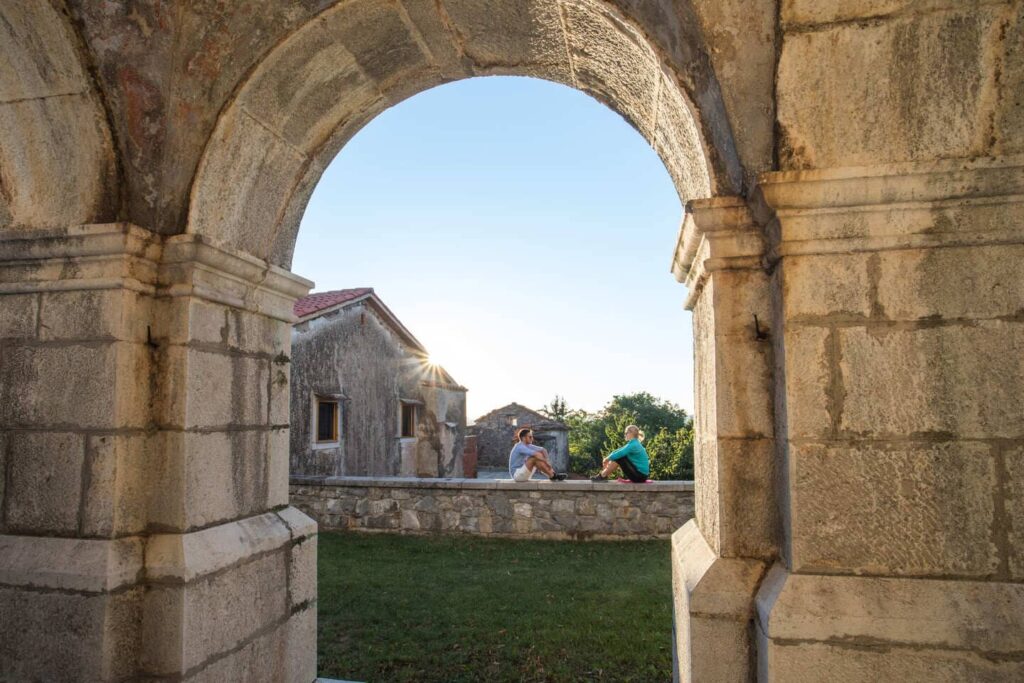
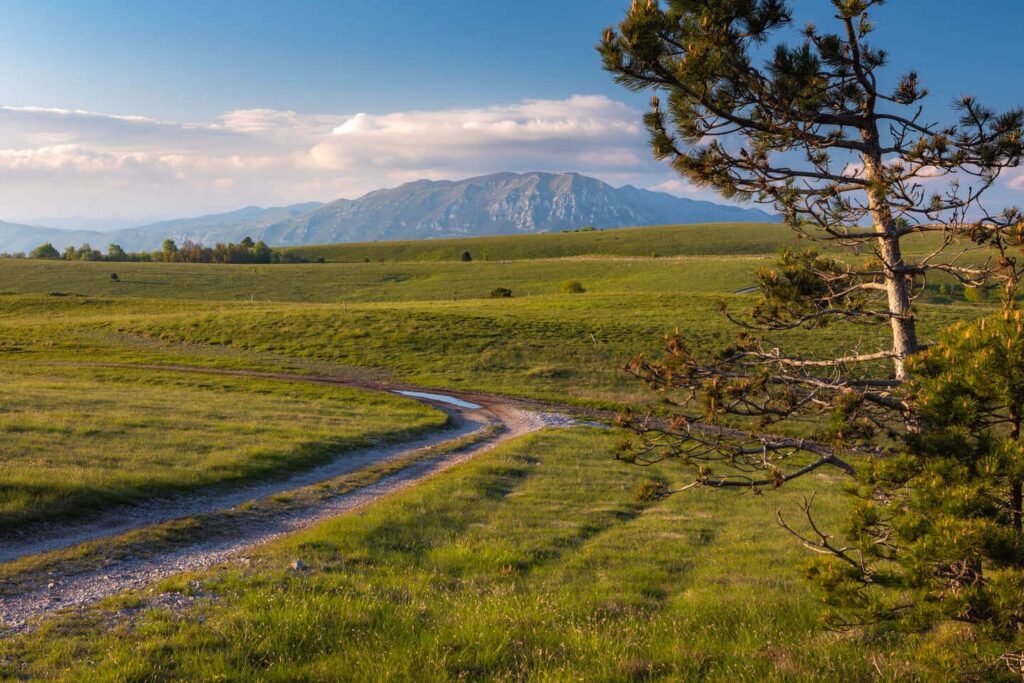

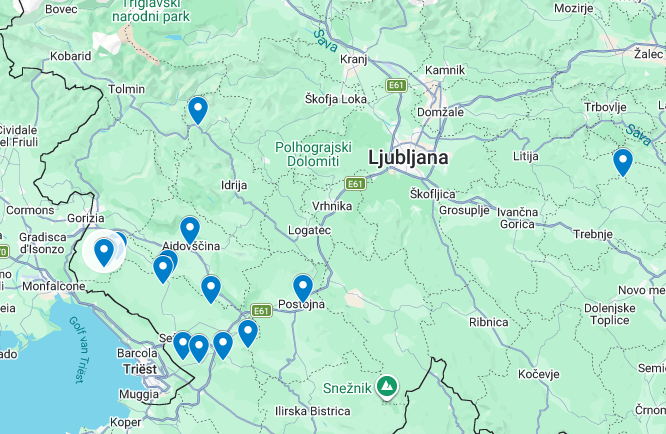
That’s exactly why this region is worth visiting. Located between Ljubljana and Trieste, you’ll find Škocjan, one of the largest underground canyons in the world; the centuries-old Lipizzaner stud farm in Lipica; the medieval limestone village of Štanjel, and the Vipava Valley, where the bora wind and the sun combine to create the conditions for exceptional organic and biodynamic wine.
The region (Slovene: Kras, Italian: Carso) is a limestone plateau that straddles the border between southwestern Slovenia and northeastern Italy, between the Vipava Valley, the Gulf of Trieste, and northern Istria. Rainwater slowly dissolves the limestone, creating sinkholes (collapsed craters), underground rivers, and extensive cave systems—a geological phenomenon named after this region worldwide. Above ground, the area appears surprisingly green: oak forests, vineyards, and red soil alternate with villages built of gray natural stone.

The Škocjan Caves are one of the world’s best-known examples of karst phenomena and have been listed as a UNESCO World Heritage Site since 1986; they are one of only four cave systems worldwide to hold that status.
The Reka River suddenly disappears underground here and, over the course of millions of years, has carved out one of the largest known underground river canyons in the world: up to 150 meters high and more than 120 meters wide. The “Martel Chamber,” one of the largest underground chambers ever discovered, is the highlight of a visit. The caves are located about thirty minutes from Trieste and about an hour from Ljubljana.
In 1580, Archduke Charles of Austria chose Lipica as the site for an imperial stud farm. The limestone soil and climate closely resembled those of Spain, where the first breeding stock originated. Lipica is thus the birthplace of the Lipizzaner horse and is considered the oldest continuously operating stud farm in the world. More than three hundred Lipizzaners now live on the expansive estate, which offers guided tours, dressage demonstrations, and carriage rides through the rolling meadows.
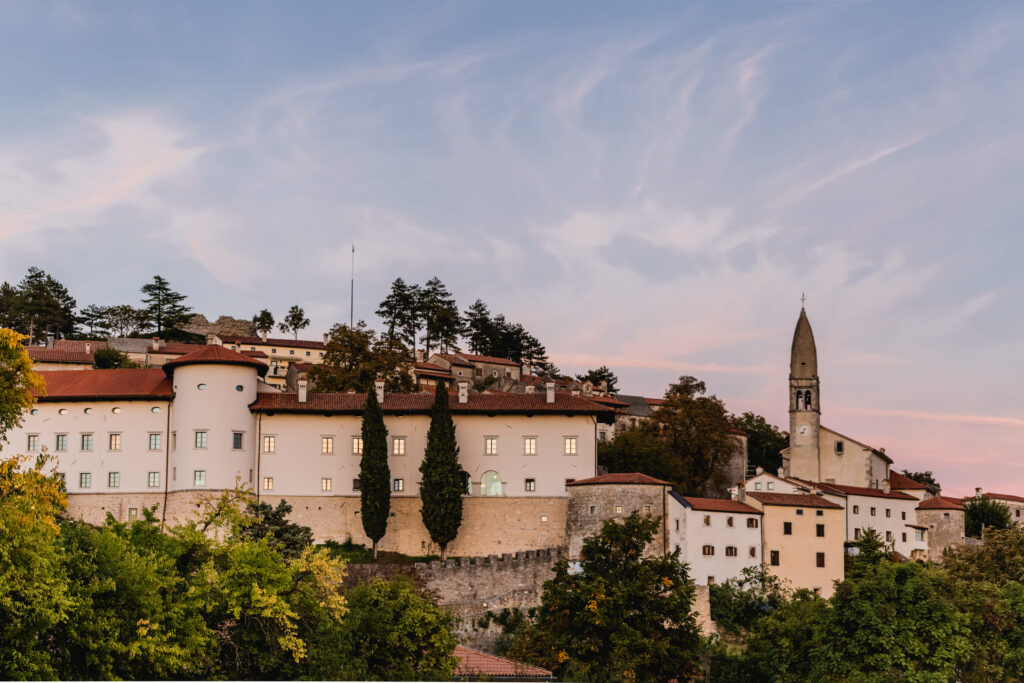

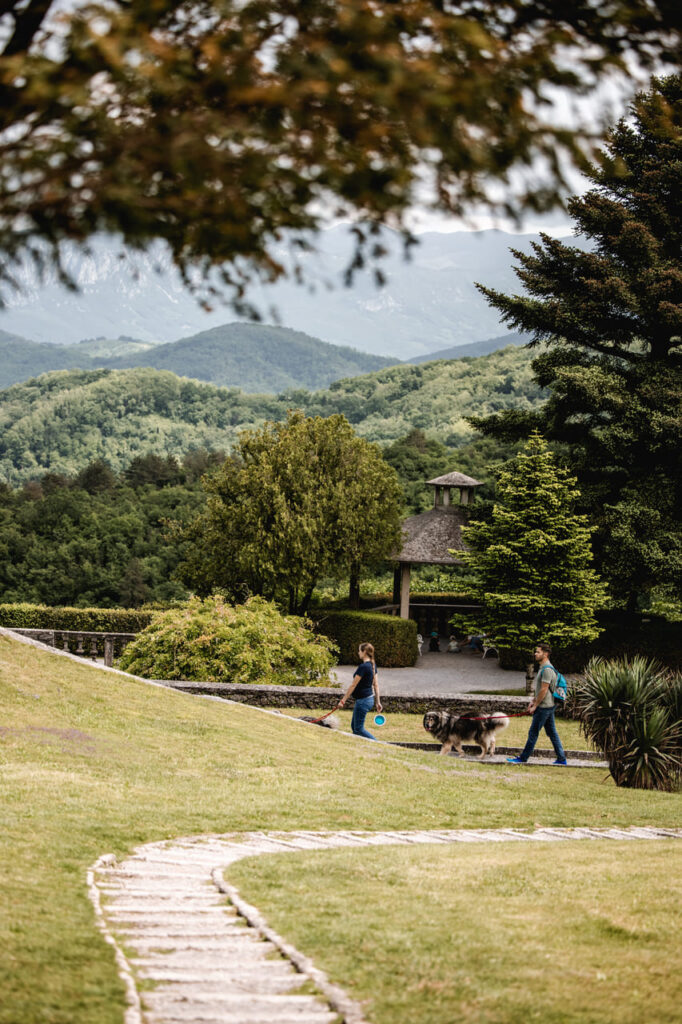
Štanjel is the cultural heart of the region: a fortified medieval village perched on a hilltop, built from the same limestone that shapes the entire landscape. Narrow alleys, a castle, and views of the Vipava Valley make it a natural starting point for exploring the Karst. You can explore on foot or from one of the accommodations in the immediate vicinity, such as the St. Daniel eco-hotel in nearby Hruševica.
If you’re staying in Hruševica—for example, at the St. Daniel eco-hotel—you’ll find yourself in the midst of a cluster of small, scattered villages and scenic hills that rarely make it into travel guides but perfectly illustrate what the Karst is all about: sparsely populated, built from the same limestone as the ground beneath them, and with a history that goes back further than most of the region’s tourist attractions.
Trstelj (643 m) is the highest hill in the Karst and one of the region’s most famous vantage points. On a clear day, the view from the summit takes in the Gulf of Trieste and the Italian coast, as well as the Vipava Valley and, in the distance, the Julian Alps and the Dolomites. During World War I, the summit was part of the front line during the Battles of the Isonzo; traces of this, such as trenches and the peace monument on the nearby Cerje Hill, can still be visited via the Poti miru (Paths of Peace). A mountain hut just below the summit, named after resistance hero Anton Šibelj-Stjenko, serves as a resting spot for hikers.

Lokev, a village near Lipica, owes its silhouette to the Tabor: a stone defensive tower built there by the Venetians in 1485 to ward off Ottoman incursions. Today, the tower serves as a military museum housing one of Slovenia’s largest private collections. Lokev is also home to the oldest pršut drying facility in the Slovenian Karst—the traditional, air-dried ham that has been produced here for centuries and for which the bora wind is indispensable.

Temnica is situated on a ridge (402 m) east of Kostanjevica na Krasu and was rebuilt after the devastation of World War I according to plans by the Slovenian architect Maks Fabiani — the same name that appears in the Fabiani’s Way hiking trail. From the village square near the Church of Saints Peter and Paul, you can look out over the Gulf of Trieste all the way to the Savudrija lighthouse, and in the other direction toward Vremščica and Snežnik.
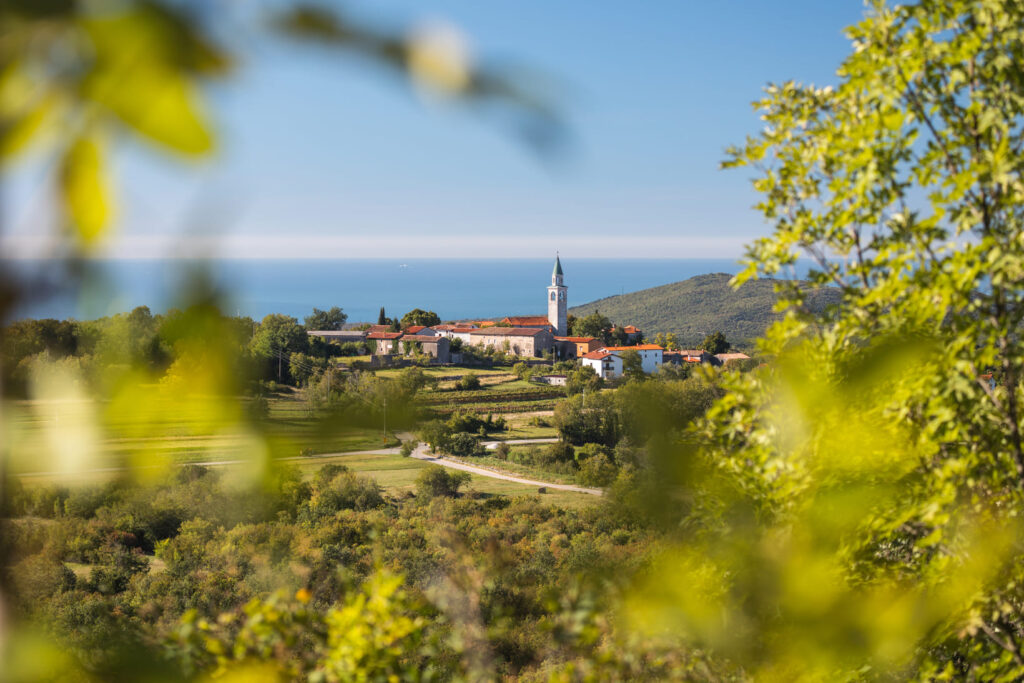
With about sixty residents, Vrabče is one of the smallest villages in the region, situated on the Vrhe: the ridge that separates the Karst from the Vipava Valley. Precisely because of this, the village offers views in both directions. During the season, one of the farms still hosts an osmica—the traditional, temporary tavern where Karst farmers sell their own wine and cured meats directly to visitors.

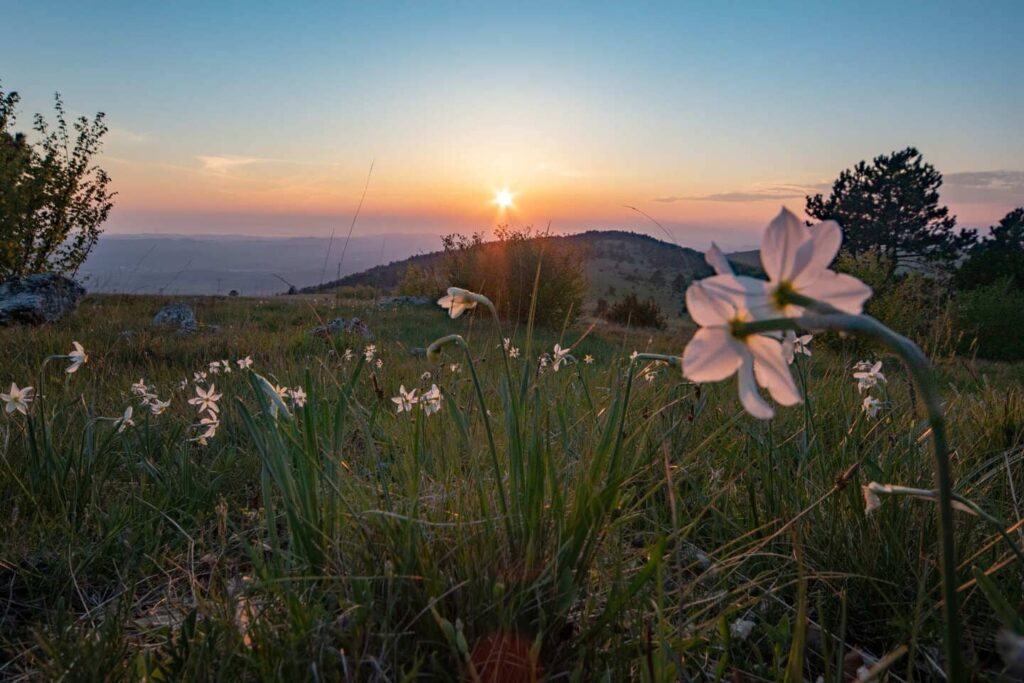
Vremščica (1,027 m) is the highest point of the broader Karst massif and has a character quite different from the rest of the region: rolling, almost alpine grasslands full of wildflowers, where a research farm run by the Faculty of Veterinary Medicine in Ljubljana produces organic sheep’s milk cheese. From the summit, near the restored little church of St. Urban, the view stretches all the way to the Adriatic Sea, the Dolomites, the Julian Alps, and the Brkini Hills.
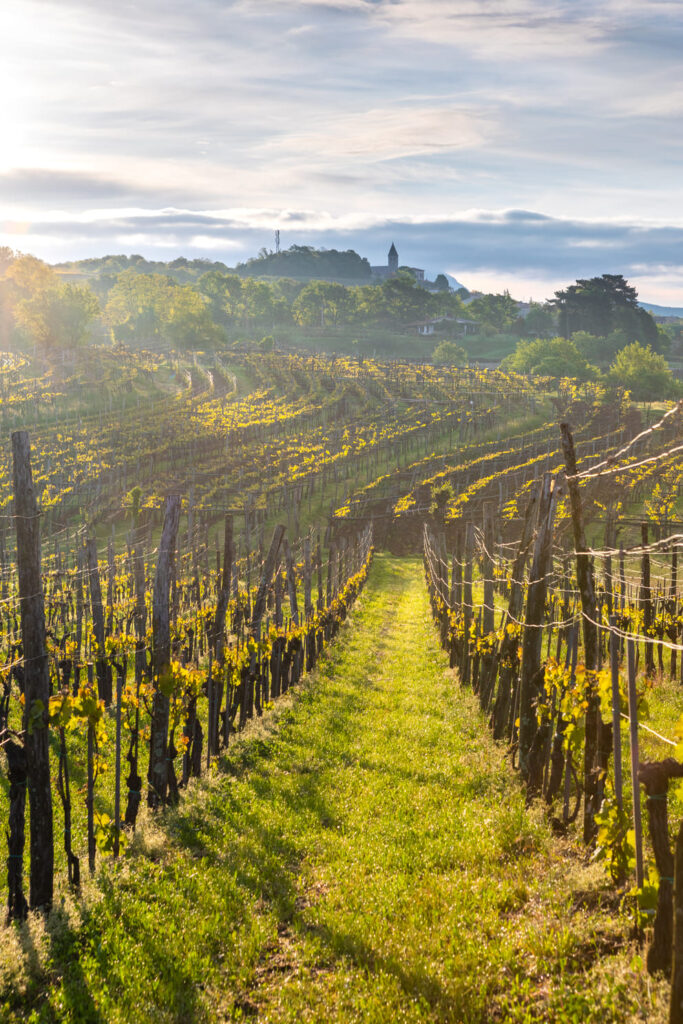
Beneath the high Karst plateaus lies the Vipava Valley, nestled between the Alps, the Karst, and the influence of the Adriatic. This combination of a mountain climate and Mediterranean sunshine creates exceptional conditions for viticulture, with a growing number of organic and biodynamic winemakers, including Guerila, known for its guesthouses named after grape varieties and the organic wine served at hotels throughout the region.
The Vipava River originates from several karst springs and forms Europe’s only inverted delta, earning the town of Vipava the nickname “the Slovenian Venice.” If you’re visiting for the wine, be prepared for the bora: a powerful northeasterly wind that can sometimes last for weeks.
To the northeast of the area, around Postojna, lies one of the most densely populated bear habitats in Europe. Our writer, Nathalie, spent an evening in the observation hut and saw not one, but two brown bears up close.
Read the full report: Bear Watching in Slovenia: My Evening in the Observation Hut (including practical tips on the season, location, and tour operator).

The region is sparsely populated, and the landscape is gentle enough to allow for peaceful hiking or biking. Themed trails such as Fabiani’s Way and Rilke’s Way wind through limestone villages and vineyards, and the bike route between Kostanjevica, Novelo, Temnica, and Trstelj crosses the edge of the plateau. The coast near Trieste and the forests of Notranjska are both less than an hour’s drive away.
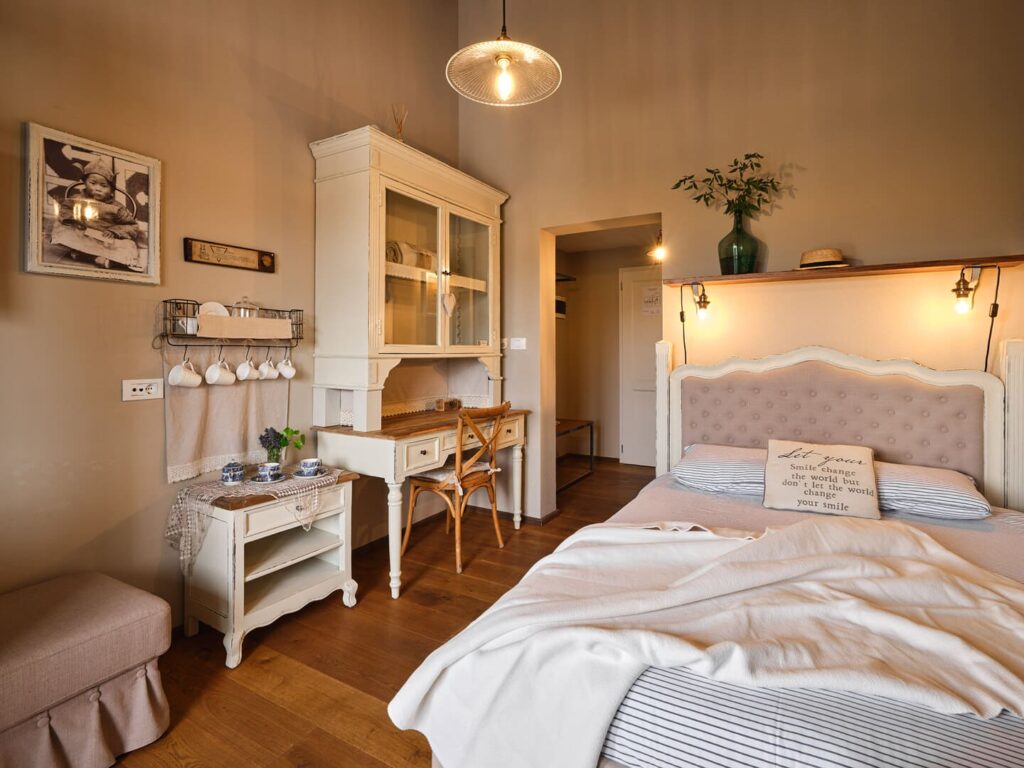
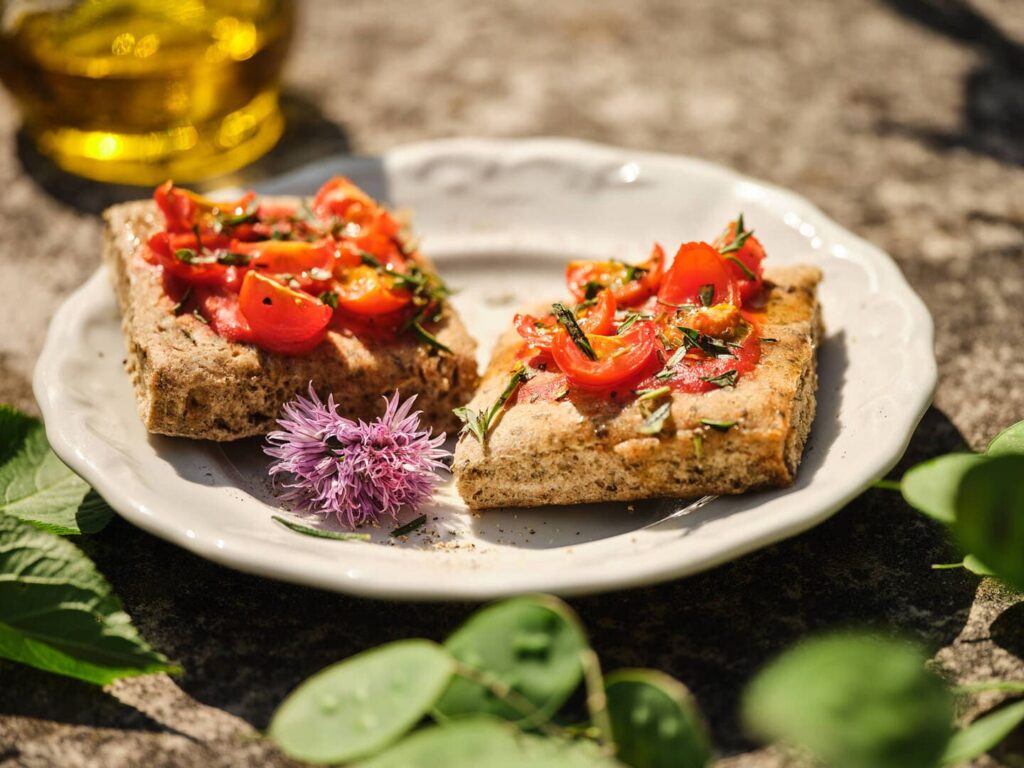
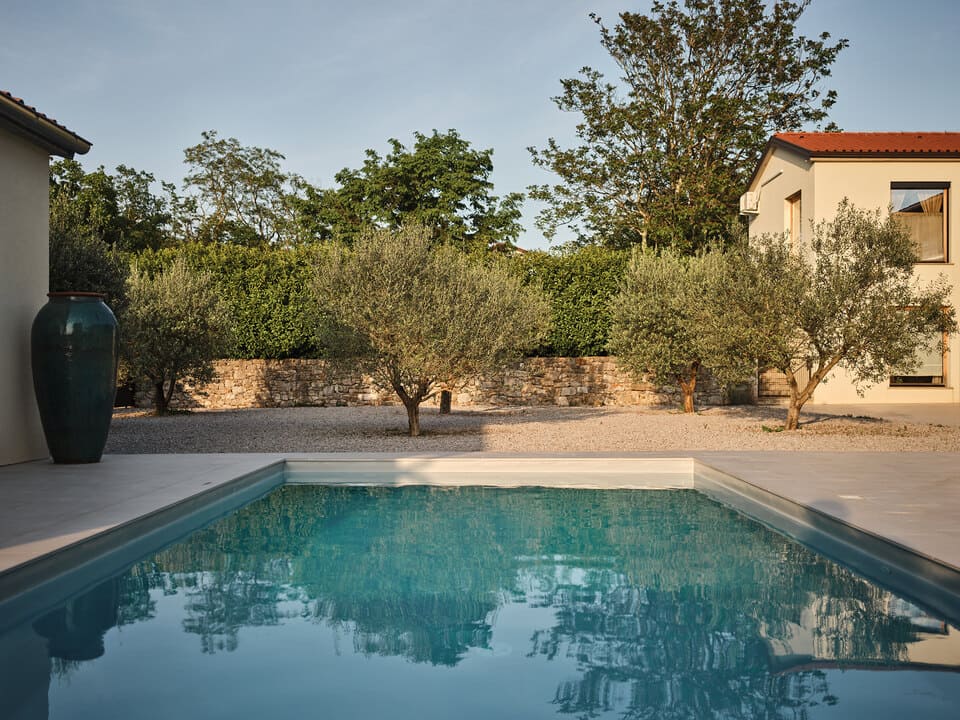
Small-scale, organic accommodations are the rule rather than the exception here. This is fitting for a region where the connection to the land is always close at hand. One example is Ecohotel St. Daniel in Hruševica near Štanjel, the first hotel in the region to hold the international Bio Hotels certification and whose restaurant was ranked among the top three organic restaurants in Europe in 2024.
May and June offer long, mild days and are ideal for hiking, biking, and the first wine tastings. July and August are warmer, with a more relaxed daily rhythm. Bear spotting is possible from May through October, with the peak around early evening. The grape harvest and fall colors make September and October appealing for those who prefer to avoid the crowds.
Because scientists were the first to extensively study and describe the limestone landscape of this specific region, the term “karst” has become the standard name worldwide for similar landscapes featuring soluble rock, caves, and underground rivers.
Trieste is about a half-hour drive from the main places in the area, and Ljubljana is about an hour away. This makes the region easy to combine with both a coastal stay in Northeast Italy and a tour of Slovenia.
Yes, both are about a 20-minute drive from each other and are often visited together. Be sure to allow at least half a day for each attraction, including a guided tour.
That’s a bit trickier: the wineries are scattered throughout the valley, and public transportation is limited. Most visitors combine a rental car or an organized wine tasting with a stay in the region itself.
Yes. The area is sparsely populated, has little mass tourism, and is ideal for a leisurely pace of hiking, wine tasting, and enjoying nature without a set schedule.

With a passion for travel and photography and over 30 years of experience in the travel industry, I love to share my special nature travel tips. Travel is wonderful and important, you meet new people and cultures and it opens your view of the world.
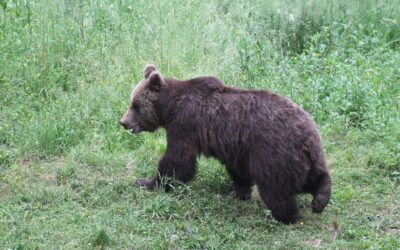
Bear Watching in Slovenia: An Evening in the Observation Hut Near Postojna Bear watching in Slovenia might be closer than you think: in the forests near Postojna, just over an hour from Ljubljana. Nathalie joined us in the observation hut one evening. Slovenia is...

8-day bike tour from the Dolomites to Trieste: three countries, one epic finish by the sea Imagine this: you’re slowly winding your way down from the Dolomites toward wide valleys, crossing borders along the way as if it were nothing, and taking a fairy-tale break at...
Get inspired
Are you looking for the most beautiful hiking and biking routes? Or do you want information about traveling by train or advice for the most beautiful road trips through nature. Get inspired for your next trip in green; ideas for planning your own trip or opting for an organized trip.