
Gratis gids 10 verborgen natuurplekken in Europa
Gratis gids 10 verborgen natuurplekken in Europa. Meld je aan voor onze nieuwsbrief en ontvang inspirerende reistips en routes voor je volgende groene reis.

Runde is a bird island in western Norway, not far from the city of Ålesund. You can learn a lot about nature and the ecosystem here at the research center. If I’ve learned one thing, it’s that the weather can change at any moment—but what a variety of nature and birds there is!
We spotted the puffins that nest there, and there’s so much more to see and do at the research center. It’s definitely worth a day trip (or more) if you’re in the area. What’s more, the island is home to a great treasure from the Netherlands.

According to the locals, the puffins weren’t supposed to arrive in Runde until 8:00 p.m. on April 15. I was there in late March and got lucky, because quite a few had already arrived.
Between April and August, more than 30,000 puffins come to the cliffs at Runde to breed. They do arrive at certain times of the day, so be sure to get all the information you need at the Runde Opplev visitor center . I was there in the late afternoon and saw a lot of them flying in and settling on the cliffs.


The puffin is a monogamous bird. The father and mother care for the nest and their chick together. They stay together for practically their entire lives (about 20 years). In the winter, they live out at sea. The call from their nest sounds a bit like a siren. In the spring, they come to the cliffs on Runde to lay a single egg as a monogamous pair. If there is enough herring in the sea (which has been the case in recent years), the chick survives with sufficient food.
To reach the cliff where the puffins nest, it’s a walk of over 4 kilometers (round trip). The first section is a steep incline but is paved. The climb begins near the campground on the island.
You’ll then walk along a paved path through beautiful natural surroundings to the spot where the puffins come to nest. It’s really worth the walk. The birds follow a regular pattern and arrive in the late afternoon….


A slightly longer hike, but also well worth the effort, is the one to the lighthouse on the island. It’s about 8 kilometers. You start on the same trail as the one to the birds, until you take a right turn. You can also spend the night at the lighthouse. It’s a special experience—read more about it below.
The island of Runde has only 100 residents. It is part of the municipality of Herøy. There are quite a few more birds here. In addition to the puffin, you can also see gannets and white-tailed eagles here. The wheatear, great skua, and crested cormorant are also among the many bird species you can spot here.


Runde is home to a research center that collaborates with universities around the world to study life in the sea and on land. The center is funded by the Norwegian government. Among other things, it studies seaweed and water quality. Plastic in the sea is collected using fishing nets.
Of course, you can explore the island on your own, but it’s fun and educational to take part in one or more activities offered by the research and visitor center. We went out on the water along the coast. Our guide, Johannes, let us taste some seaweed and spotted the first puffins of the season. We learned about the ecosystem and the importance of all its components. The research center offers several activities:
Seaweed comes in many shapes and sizes. It’s packed with healthy nutrients. At Runde, you can taste and learn about the many different varieties. Some taste like truffles or crab. As a result, it’s increasingly being used in restaurants as an alternative and sustainable seasoning.


What makes a visit to Runde extra special is the fact that the Dutch VOC ship *De Akerendam* sank here 300 years ago. In 1725, the ship was en route to Batavia (Jakarta) with no less than 500 kilograms of silver and gold coins on board. It decided to sail north of the English islands to avoid piracy.
It was caught in a storm there and sank off the Norwegian coast. The disaster was discovered at the time, but has been forgotten over the years. It was not known that the wreck had so much value on board.
In the summer of 1972, a small group of Norwegian friends went diving near the lighthouse on the island. By chance, they discovered the wreck, which contained an enormous treasure of silver and gold coins. It is one of the most valuable maritime discoveries ever made.

A small portion of the recovered treasure is on display at the visitor center. There is also a model of the ship, built by the lighthouse keeper. The Netherlands tried in vain to claim ownership of the treasure. The discoverers of the wreck were allowed to keep a large portion of the haul for themselves.
There are several places to stay on the island of Runde:
The best time to see puffins is between April and August. We were there in late March and got lucky. As for the weather, be prepared for anything. It can change quickly. Read more articles about Norway here.

With a passion for travel and photography and over 30 years of experience in the travel industry, I love to share my special nature travel tips. Travel is wonderful and important, you meet new people and cultures and it opens your view of the world.
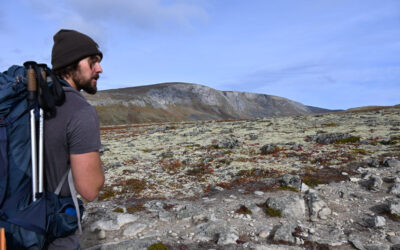
Dovrefjell in the Fall: Musk Ox Safari from Oppdal A musk ox doesn't run away. If danger threatens, it either stands its ground or charges right at it. That works against a wolf, but not against a train. That's what our guide, Hannes, tells us as we walk across the...
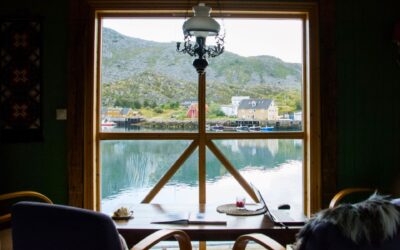
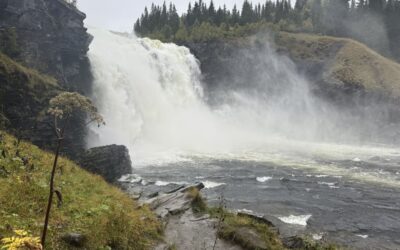
Hiking to Trondheim along ancient pilgrimage trails What’s it like to hike for days along ancient pilgrimage trails to Trondheim? During a trip through Sweden and Norway, I hiked several sections of the St. Olavsleden. From the open border mountains near Skalstugan to...
Get inspired
Are you looking for the most beautiful hiking and biking routes? Or do you want information about traveling by train or advice for the most beautiful road trips through nature. Get inspired for your next trip in green; ideas for planning your own trip or opting for an organized trip.