
Gratis gids 10 verborgen natuurplekken in Europa
Gratis gids 10 verborgen natuurplekken in Europa. Meld je aan voor onze nieuwsbrief en ontvang inspirerende reistips en routes voor je volgende groene reis.

You drive into Bodø along a straight coastal road and think: is this it? Flat, modern by Arctic standards, and the wind is almost blowing you off your feet. But then look up. On the outskirts of the city rises Ronvikfjellet, a hill overlooking fjords, islands, and, on clear days, the iconic Lofoten Wall. And atop that hill stands a hotel built of solid wood, with a heated outdoor pool and a restaurant that swears by salmon from the Saltenfjørd.
For a long time, Bodø was just a place you passed through—a stopover on the way to the Lofoten Islands. “Boring Bodø,” the Norwegians used to call it, not without a touch of self-deprecation. Those days are definitely over.
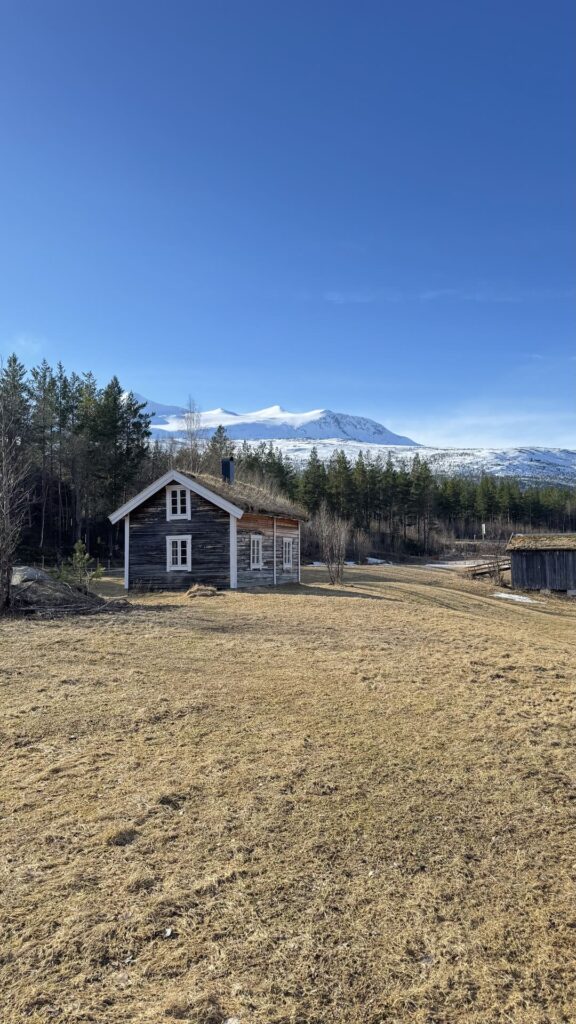
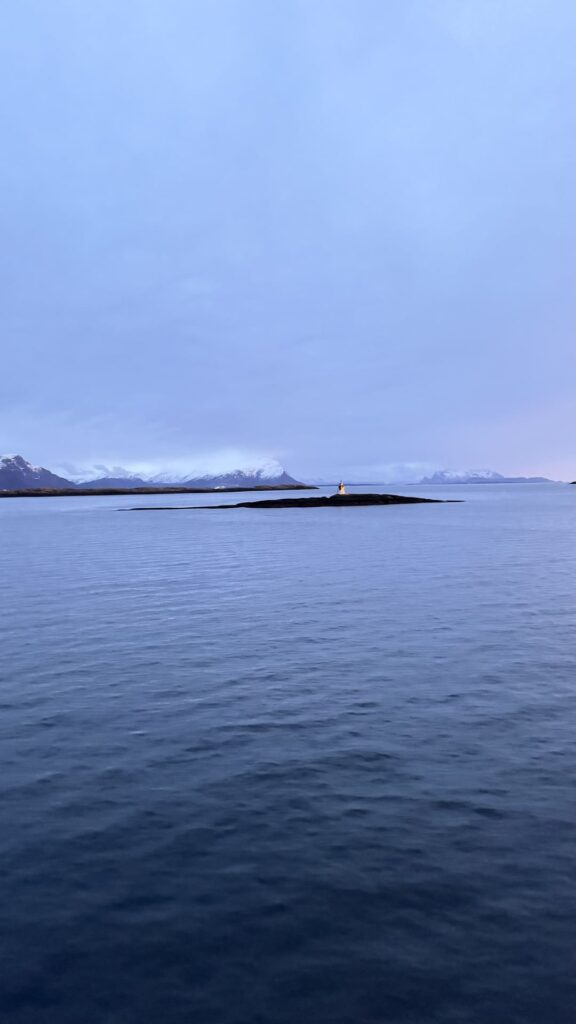
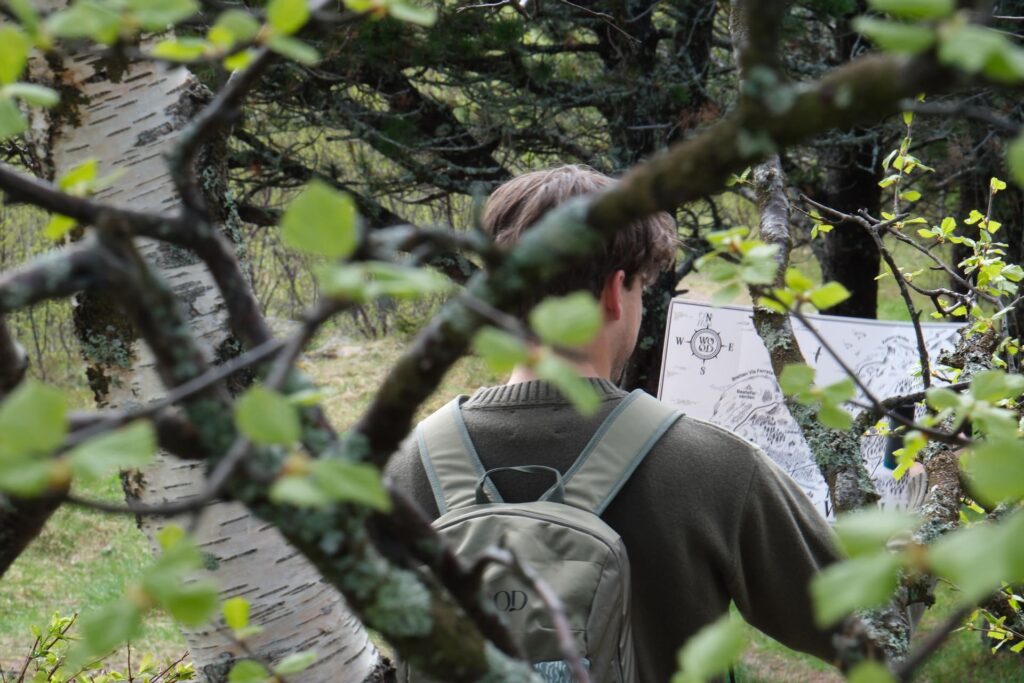
Bodø is located at 67 degrees north latitude, nine degrees above the Arctic Circle. That may sound abstract, but it feels very real the moment you step outside at midnight and see the sun still hanging on the horizon. The Arctic Circle marks the boundary between the region of darkness and the midnight sun. The further north you go, the longer the period of midnight sun lasts.
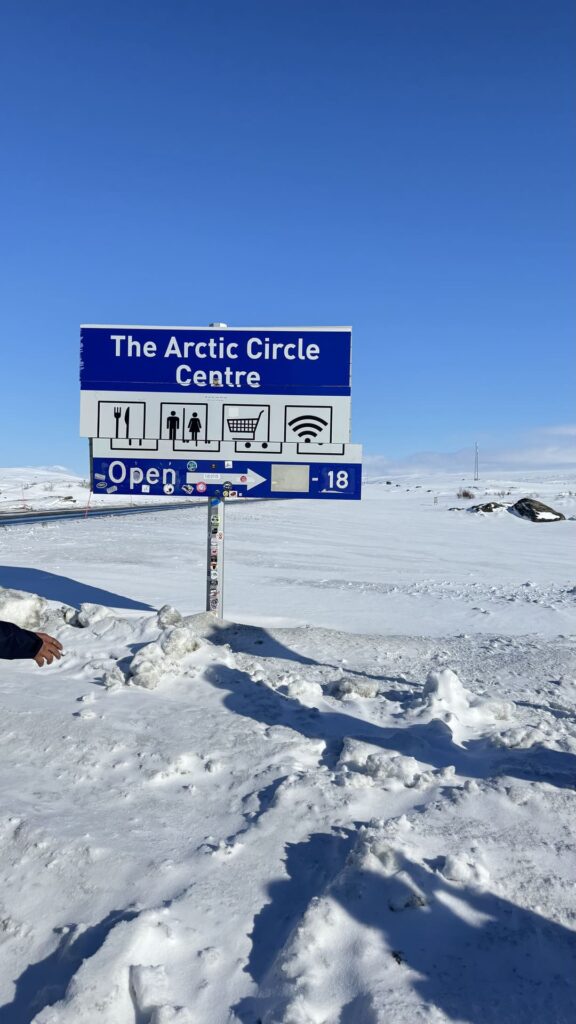
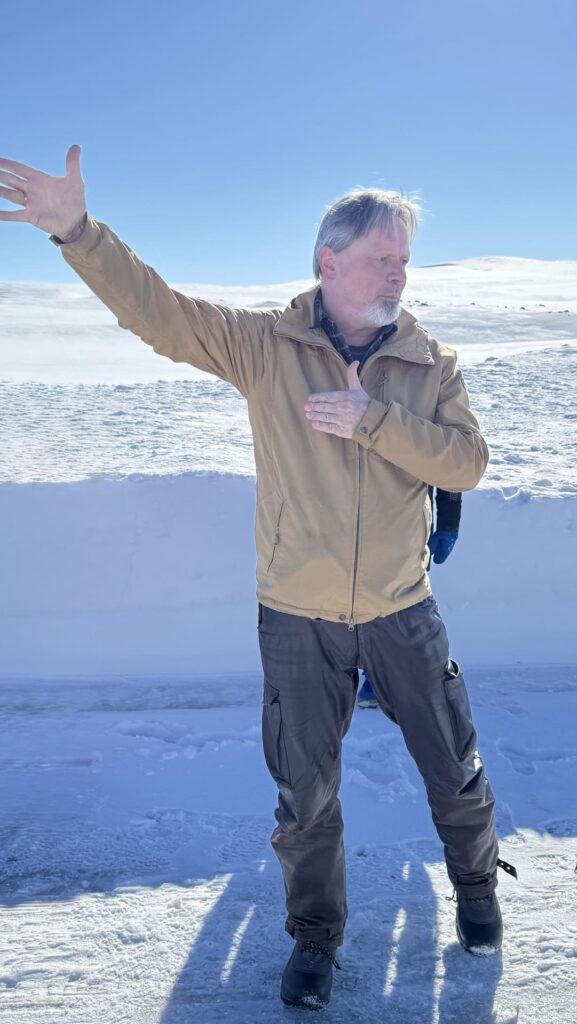
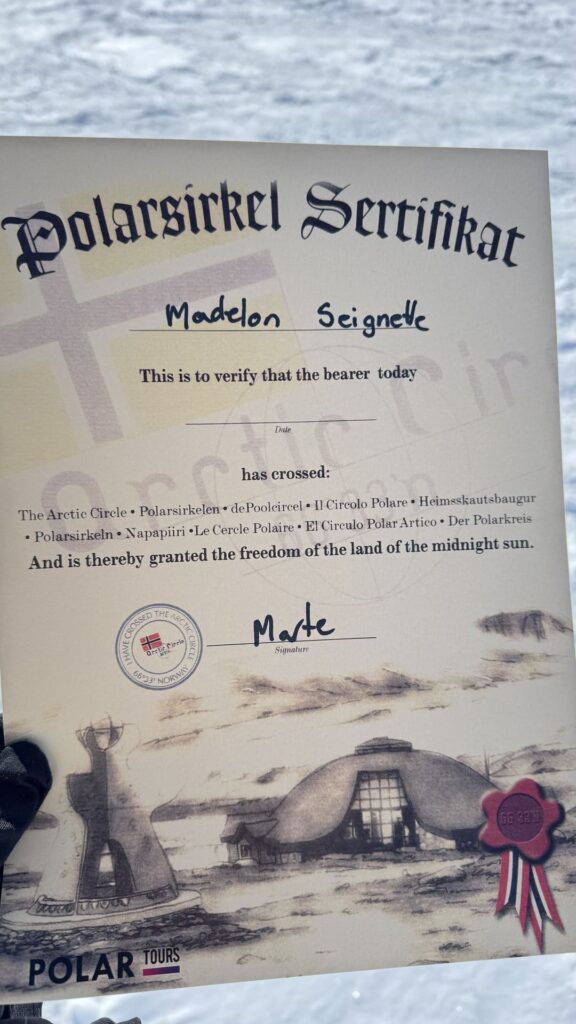
I received a certificate for literally “crossing the Arctic Circle.” There isn’t much to see at the site itself, but the idea is special.
From early June to mid-July, the sun literally never sets in Bodø. Not even a single short summer night—it just doesn’t happen. You can hike to the top of Keiservarden at two in the morning with the light still shining brightly on your face. Local parents sometimes literally send their children out to play at 11 p.m. The midnight sun completely changes your sense of time.
Winter offers the opposite: long, dark periods, but also a spectacular reward. The Northern Lights are frequently visible above Bodø. And with little light pollution coming from the sea, the conditions are ideal. If you’re lucky, you’ll see them dancing across the water.
I was there in the spring: it was peaceful, with snow on the horizon, but the weather was calm and pleasant for day trips and hikes.
✨ You can actually visit the Arctic Circle itself: about a two-hour drive south lies the Arctic Circle Centre, located right on the Arctic Circle. It’s worth a short detour if you’re traveling by car.
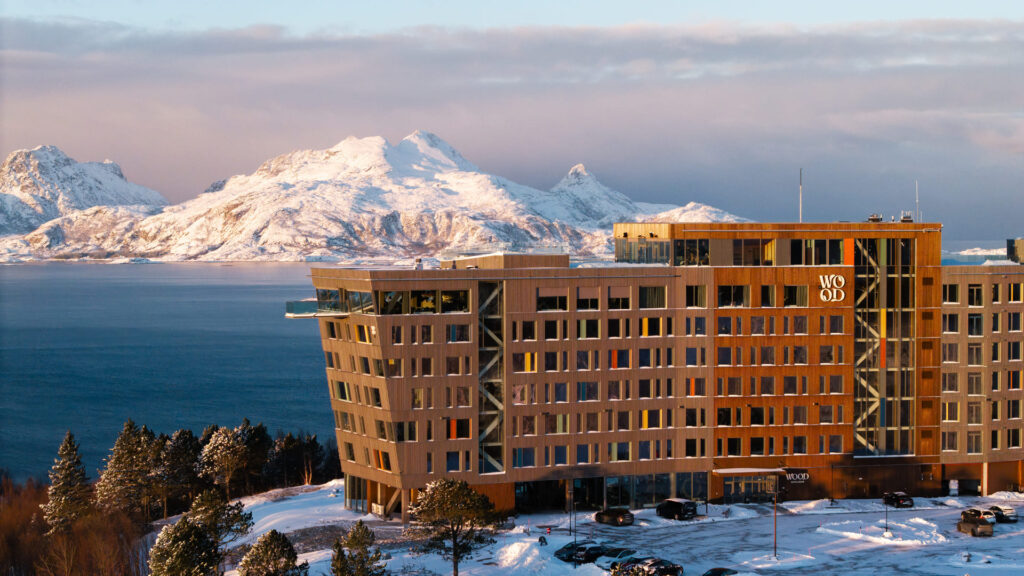
Rønvikfjellet is the hill right on the outskirts of Bodø, and for locals, it’s the beating heart of Outdoor life. As early as 1890, the Turisthytta—a mountain café that offered hikers a place to rest before and after their climb—stood here. The tradition of “å gå på tur” (simply going up the mountain, for no other reason than the fresh air and the view) is in the Norwegians’ blood, and nowhere is that more evident than here.
Today, it stands atop that hill Wood Hotel Bodø, built from solid Norwegian wood on the site of the demolished Turisthytta. But the hill itself is much more than just a hotel location. The network of hiking trails surrounding it is one of the most comprehensive combinations of city and nature you’ll find in Northern Europe.
Keiservarden is Bodø’s most popular hike. Queen Sonja opened the Sherpa-built trail in 2016, and since then, more than 100,000 people have climbed to the summit each year. The loop is 8 to 10 kilometers (depending on your chosen starting point) and manageable for most people. At the summit, you’ll find a signpost that helps you identify the islands and mountain peaks around you, including the Lofoten Islands to the north and the Helgeland coast to the south.
It’s best to start early in the morning or take the evening hike in the summer, with the midnight sun providing a stunning backdrop.
🐦 Rønvikfjellet is also an excellent spot for spotting sea eagles. It’s no coincidence that Bodø is called the sea eagle capital of Europe. Nowhere else in the world is the density of sea eagles higher than in this area.
In 2024, Bodø held the title of European Capital of Culture—the first city ever to do so north of the Arctic Circle. More than a thousand cultural events took place that year, organized in harmony with the rhythms of Arctic nature. The program was called ARCTICulation and spanned the entire province of Nordland, which stretches 800 kilometers from north to south.
But the cultural energy that Bodø has set in motion will not stop at the turn of the year 2024. In recent years, the city has made significant investments in its public spaces and cultural infrastructure. Stormen, the concert hall and library by the harbor, has been voted Norway’s most beautiful library multiple times. The city center has been home to a new city hall where wood once again takes center stage. Street art, a thriving food scene, and a cultural center have now put Bodø on the map as one of the most interesting cities in Norway.
You can’t visit the city without knowing who FK Bodø/Glimt are. Or rather: without feeling it. Because on game days, practically the whole city is decked out in yellow—from toddlers in strollers to grandfathers who’ve been fans for four decades.
The story of this soccer club is one of the most improbable sports stories in Europe. In 2010, the club was on the brink of bankruptcy; players sometimes went months without pay. Fans collected empty bottles for the deposit to save the club. Ten years later, Bodø/Glimt became Norway’s champion—the first club from Northern Norway ever to do so. In 2025, the club reached the semifinals of the UEFA Europa League, becoming the first Norwegian club ever to advance that far in a European club tournament. And in the 2025–2026 season, the club played in the UEFA Champions League for the first time in its history, where it defeated Inter Milan in the round of 16.
Attending a home game at Aspmyra Stadium (capacity: 8,270, the smallest in the Champions League) is an experience you won’t find anywhere else. The atmosphere is intimate, and the fans are completely engaged. The stadium is about a 10-minute drive from Ronvikfjellet.
🟡 Yellow scarves and shirts are available all over Bodø. Even in the off-season, you can see the Glimt flag flying above the fire station.
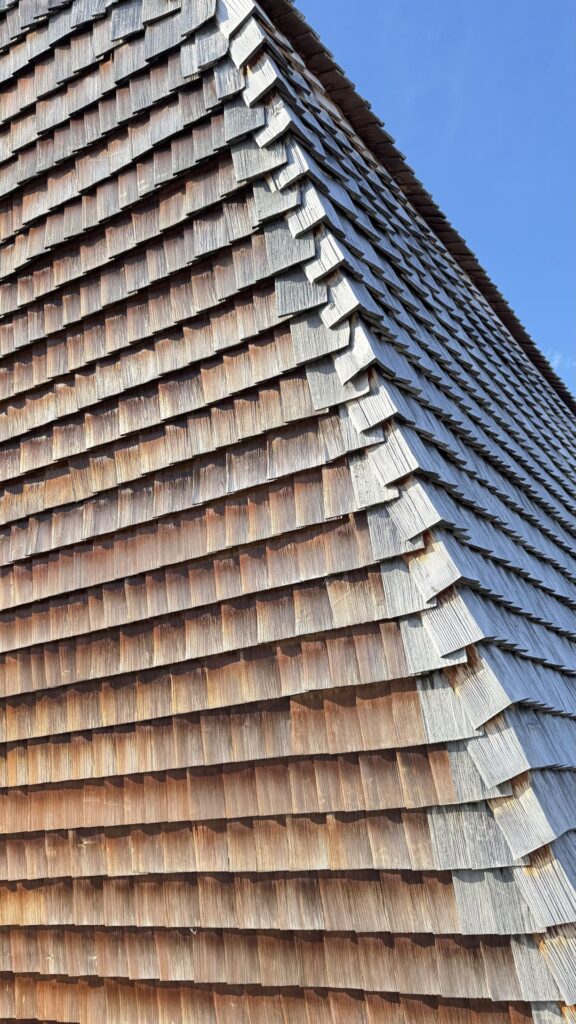
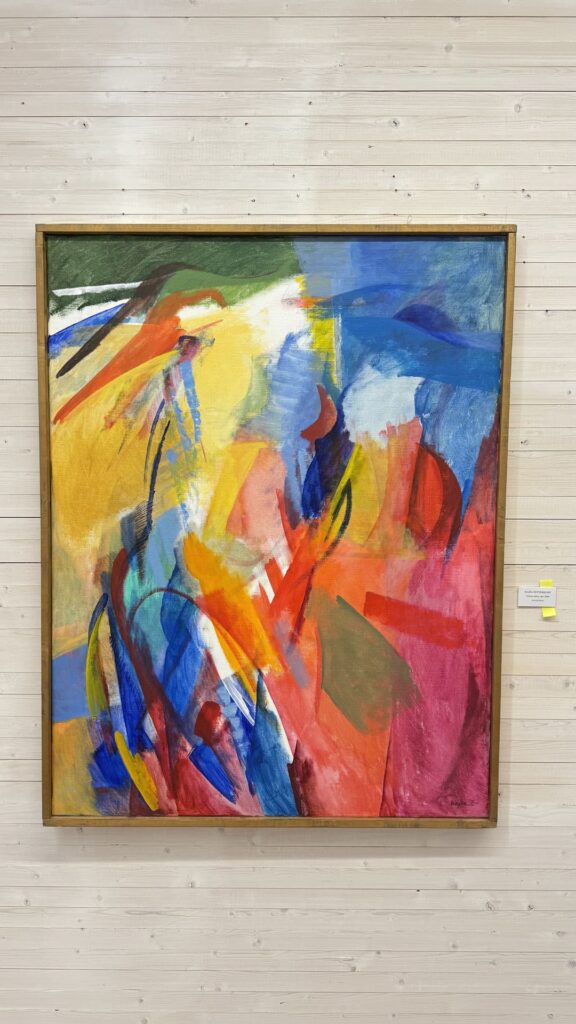
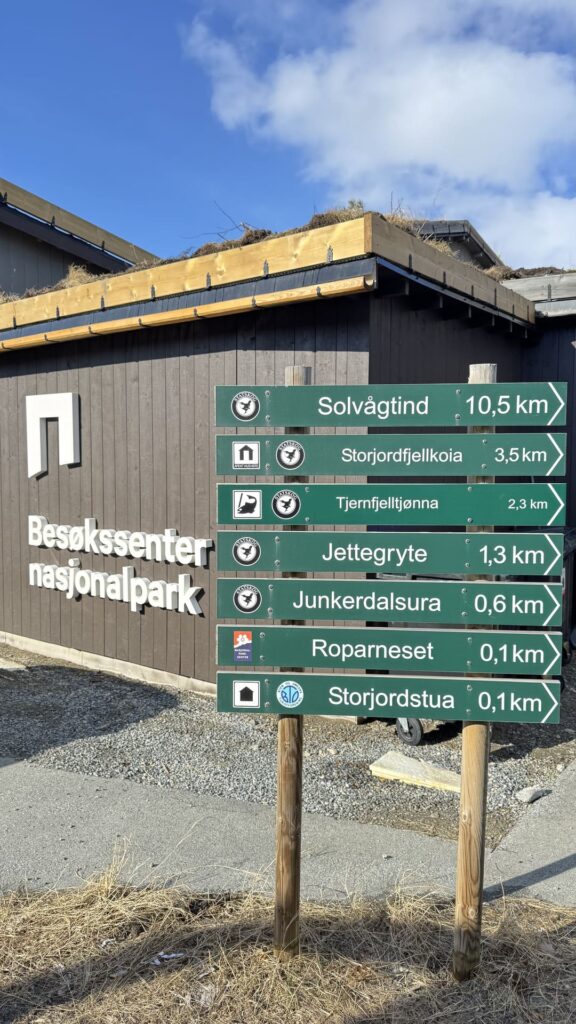
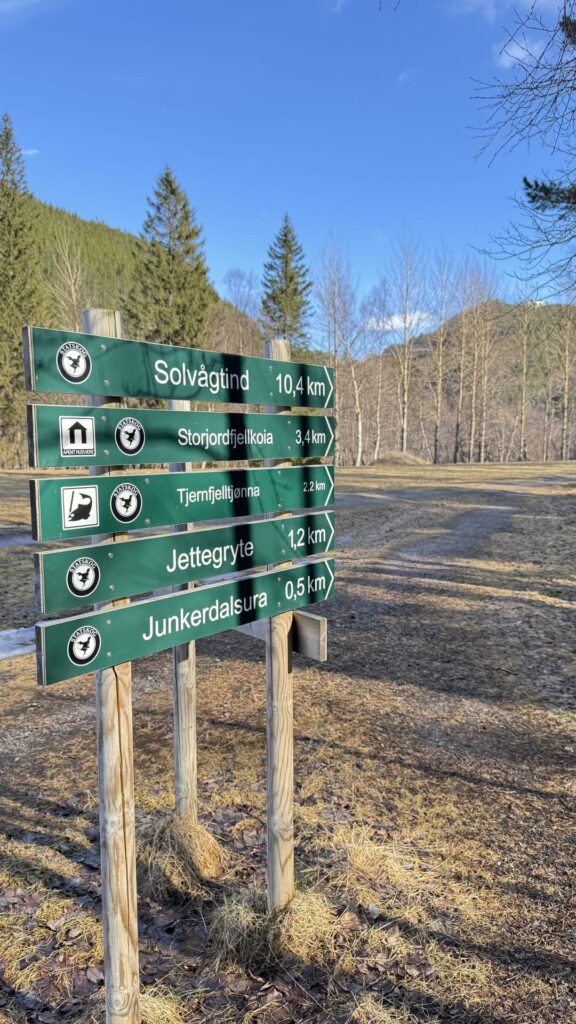
The visitor center at Nordland National Park in Røkland serves as the gateway to the national parks in Nordland. The exhibition offers insight into the area’s unique natural environment, flora and fauna, and cultural history. Here you’ll also find maps, information, and tips for outdoor activities. It also offers valuable insights into Sami culture and way of life.
Next to the visitor center is the Adde Zetterquist Art Gallery, which features beautiful contemporary art by Norwegian painters and artists.
A three-hour drive from Bodø lies Árran, the Lule Sami cultural center in Drag (Tysfjord). If you’d like to set aside a full day, this center offers an even deeper insight into the living culture, language, and traditions of the Lule Sami.
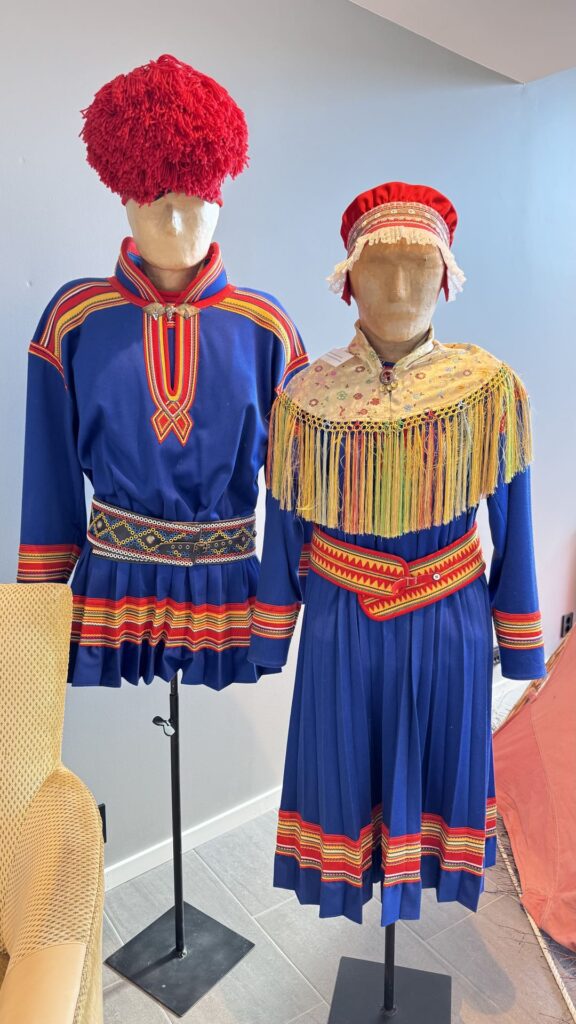

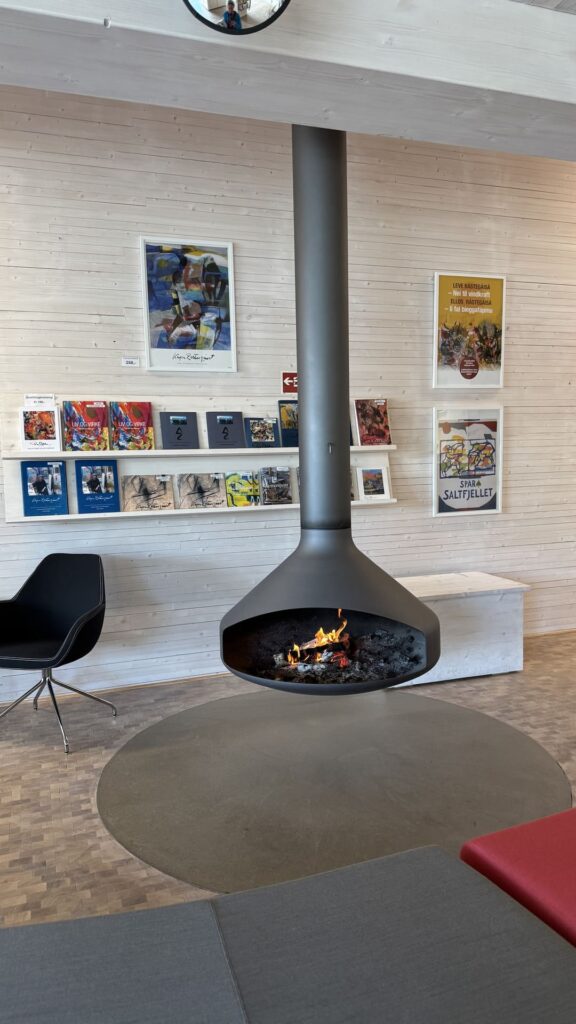
Northern Norway is Sami country. That may sound like a historical footnote, but it is a living reality. The Sami are the indigenous people of Scandinavia and the Kola Peninsula, with a culture dating back thousands of years before the formation of the Norwegian state. The Lule Sami community lived in the province of Nordland around Bodø, and you can still find traces of them throughout the landscape.
Saltstraumen, the world’s strongest tidal current, is located 30 kilometers from Bodø. Four times a day, the difference in tidal levels between two fjords forces its way through a narrow 150-meter-wide passage, creating whirlpools up to ten meters in diameter. You can simply stand by the roadside and watch, or book a RIB boat tour for a more active experience. Bald eagles circle above the water here.
Kjerringøy is just an hour’s drive away (including the ferry). It is one of Norway’s best-preserved historic trading villages. The 19th-century harbor building, the wooden warehouses, and the garden overlooking the islands—it feels like stepping into a painting. Knut Hamsun wrote some of his novels here.
The Bodø ferry terminal is a seven-minute drive from Rønvikfjellet. The crossing to Moskenes in the Lofoten Islands takes about 3.5 hours. This makes Bodø the ideal starting point for a longer road trip: a few days in Bodø, then the ferry to the Lofoten Islands, and back south via the islands.
Learn more about our spring tour of Lofoten and Vesteralen.
Bodø is known as the sea eagle capital of Europe. The region is home to the world’s largest population of sea eagles. Guided tours are available through local operators, but you’ll often spot them even without a guide—soaring above Saltstraumen, over the fjords, and sometimes right above the hiking trails of Rønvikfjellet.
Want to book a stay? Read our in-depth article about Wood Hotel Bodø: an Arctic resort atop Rønvikfjellet, built from sustainable wood, featuring a rooftop pool and direct access to the hiking trails. You can book directly with the hotel.

With a passion for travel and photography and over 30 years of experience in the travel industry, I love to share my special nature travel tips. Travel is wonderful and important, you meet new people and cultures and it opens your view of the world.
Lübeck & Travemünde: a green city break along the Baltic Sea Sleeping in an old Kellogg’s grain silo, having breakfast without cornflakes the next morning, and a day later searching for kingfishers on a river that once ran right through the Iron Curtain. Our short...
Europe's Most Beautiful Hidden Natural Spots: Request Your Free Guide The spots you won't find in any travel guide. Curated for free by a nature travel specialist. What would you do if you knew of a place where nature still thrives as it always has? Without parking...
Get inspired
Are you looking for the most beautiful hiking and biking routes? Or do you want information about traveling by train or advice for the most beautiful road trips through nature. Get inspired for your next trip in green; ideas for planning your own trip or opting for an organized trip.