
Gratis gids 10 verborgen natuurplekken in Europa
Gratis gids 10 verborgen natuurplekken in Europa. Meld je aan voor onze nieuwsbrief en ontvang inspirerende reistips en routes voor je volgende groene reis.

After the overwhelming greenery of São Miguel, Terceira (the second-largest island in the archipelago) feels different and more peaceful. Terceira has a character all its own within the Azores: less dramatically volcanic than São Miguel, but culturally richer, more historic, and with a more agricultural feel. The island feels like a landscape where nature, agriculture, and traditions are deeply intertwined.
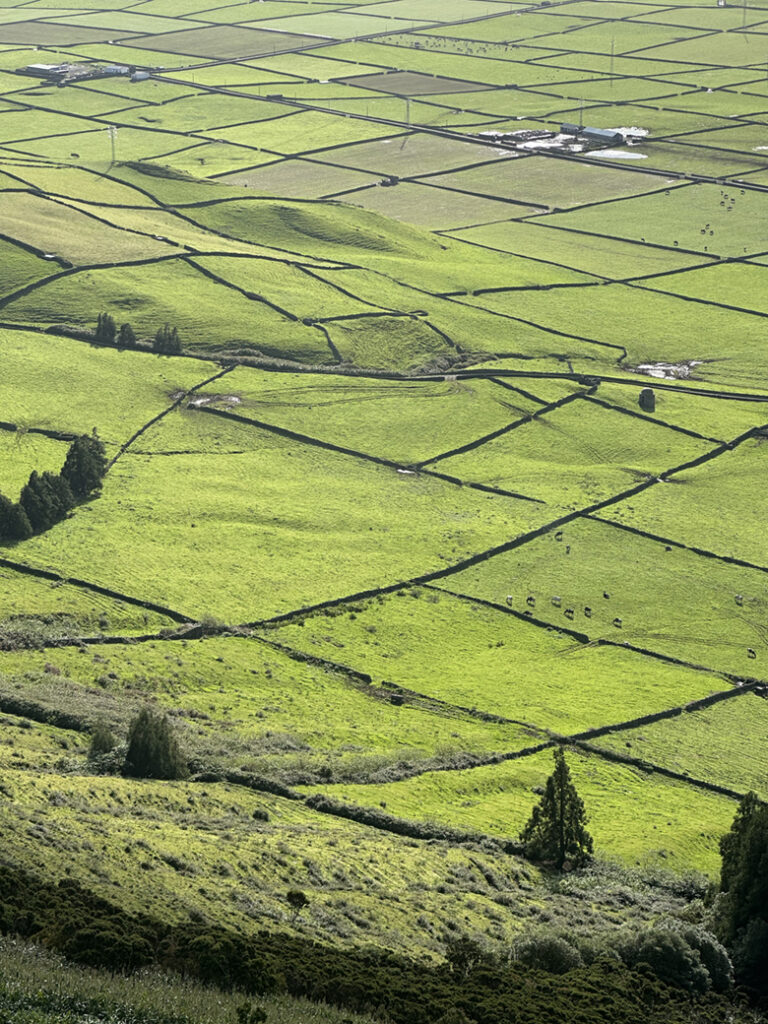
What immediately catches the eye are the patchwork fields of green, separated by low stone walls made of volcanic basalt. This parcel structure, created by farmers, is typical of Terceira and can be seen beautifully from viewpoints such as those in the Serra da Ribeirinha. As a result, the landscape has an almost graphic quality: geometric and clearly shaped by centuries of livestock farming.
Terceira is the second-most populated island after São Miguel, and yet it never feels crowded. The interior is green and open, with the slopes of the Serra de Santa Bárbara home to the largest contiguous area of native laurel forests in the Azores.
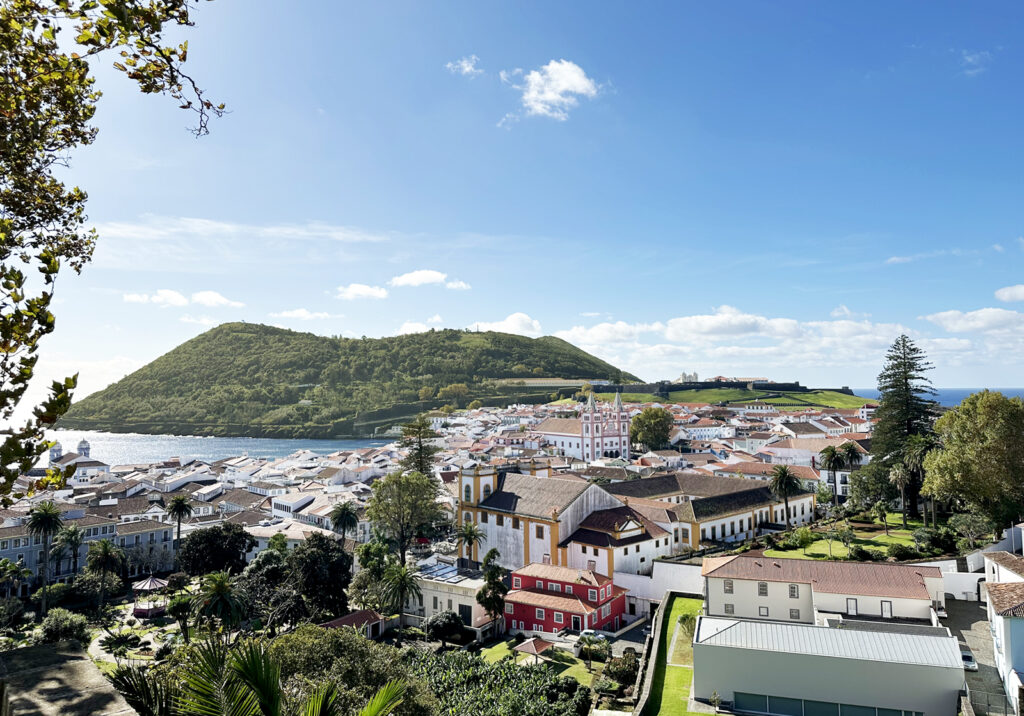
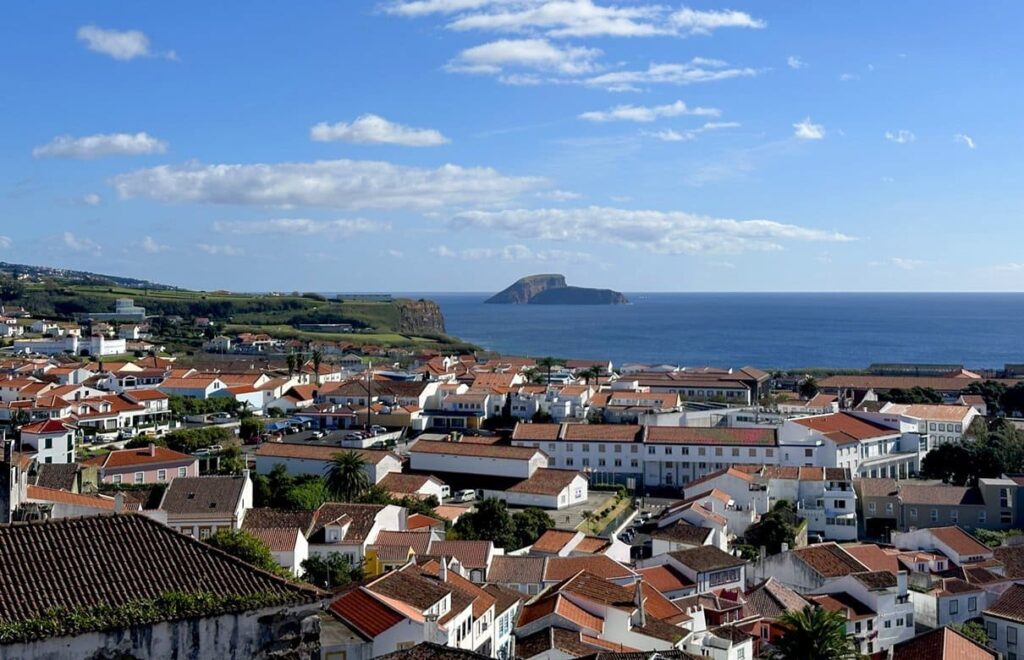
Terceira also stands out culturally. The town of Angra do Heroísmo, a UNESCO World Heritage Site, reflects Portugal’s maritime history, with colorful facades, churches, and an urban layout directly linked to transatlantic shipping routes. Here, you feel less like you’re on a “nature island” and more like you’re at a historic ocean hub.
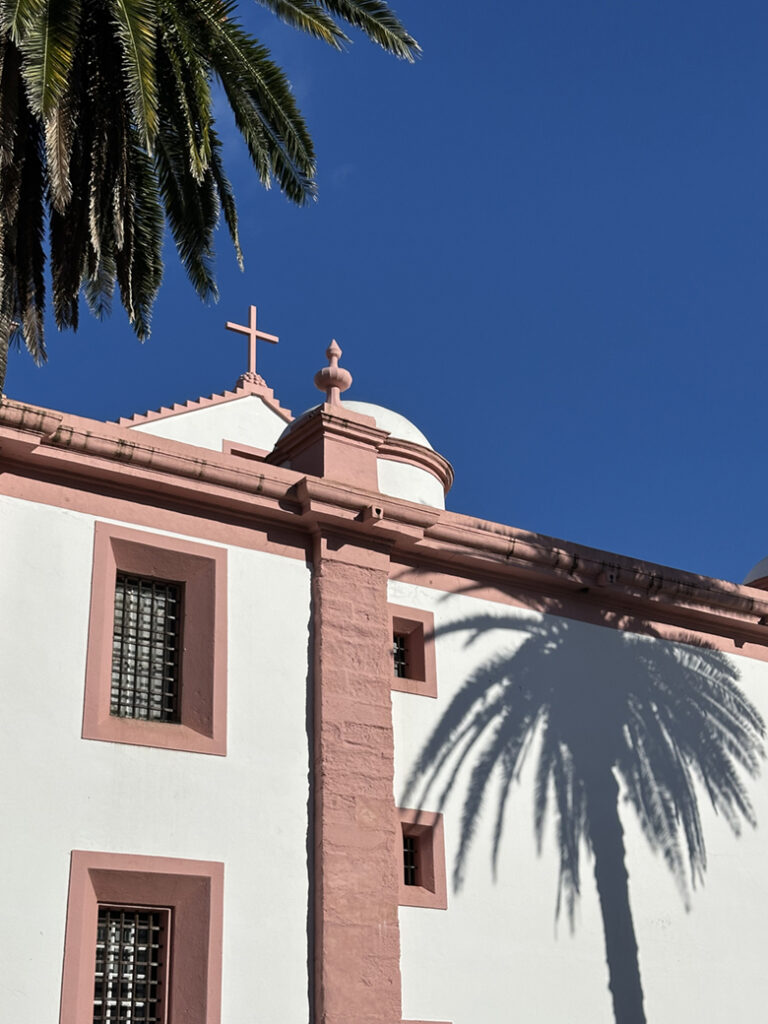
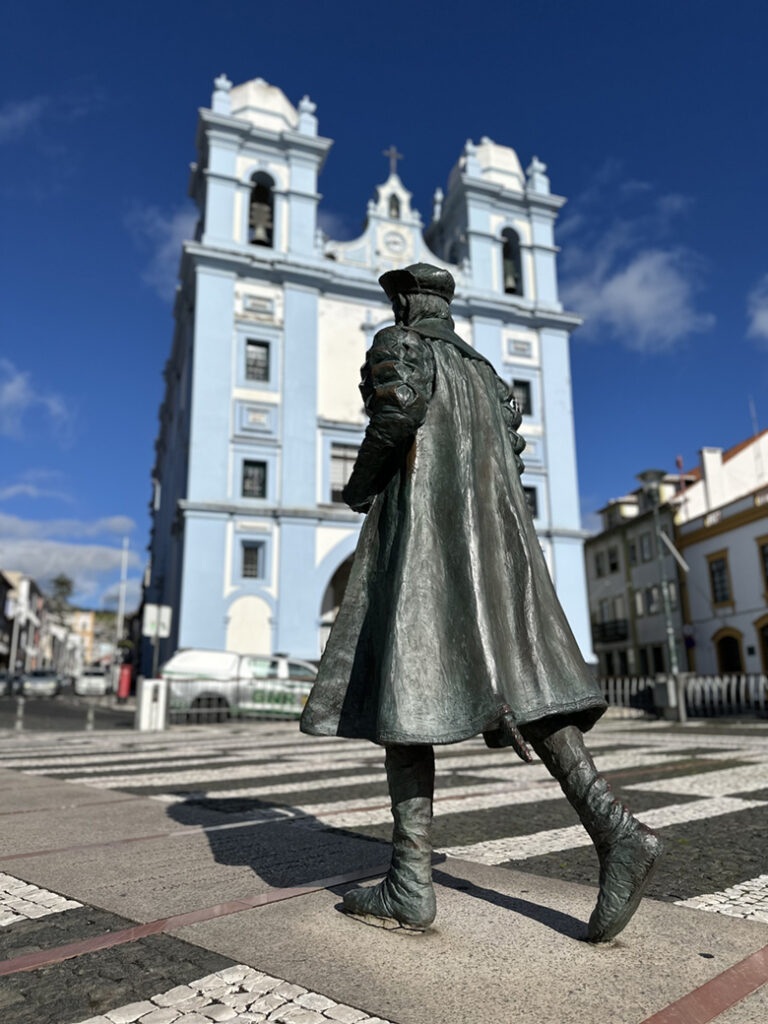
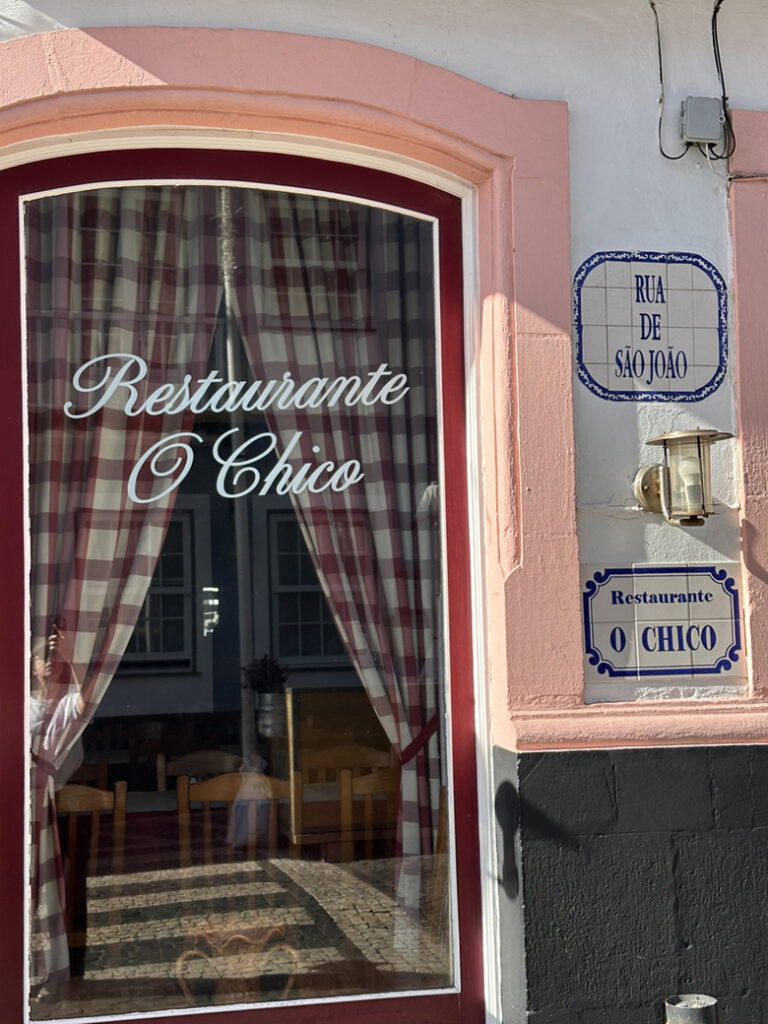
A stroll through the historic center of Angra do Heroísmo feels like a walk through a history book. The city has been on the UNESCO World Heritage List since 1983, primarily because of its exceptionally well-preserved urban structure and its crucial role in Portuguese maritime history. The elegant street layout, squares, and churches reflect the era when Angra served as an important stopover for ships sailing between Europe and the New World.
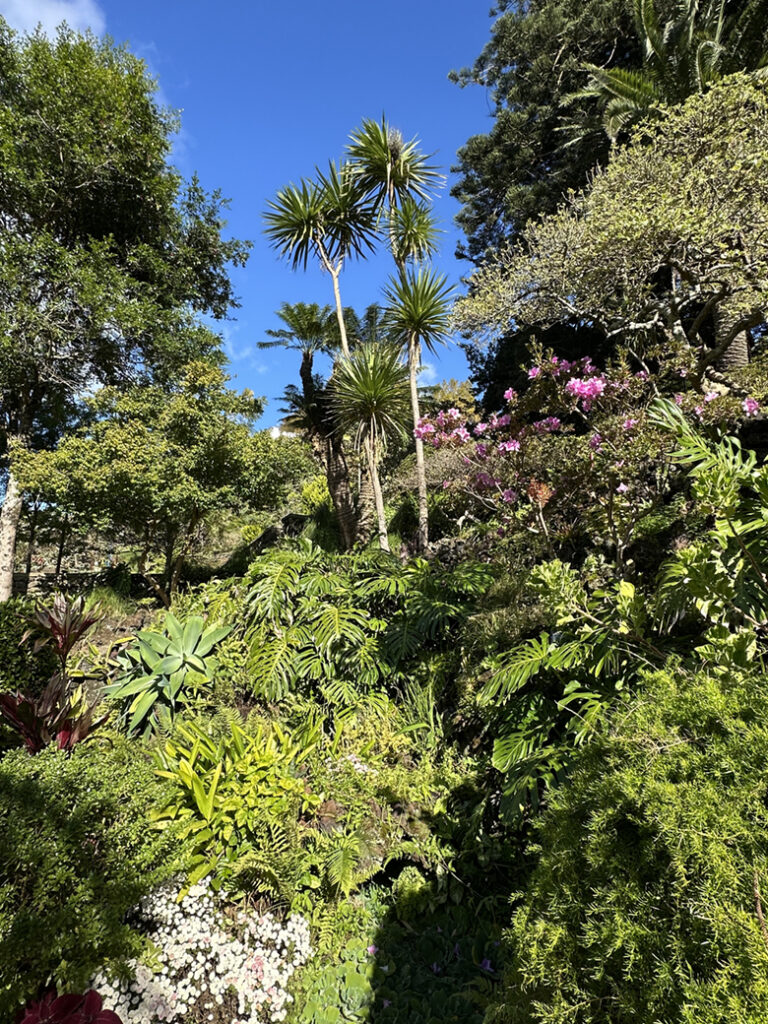
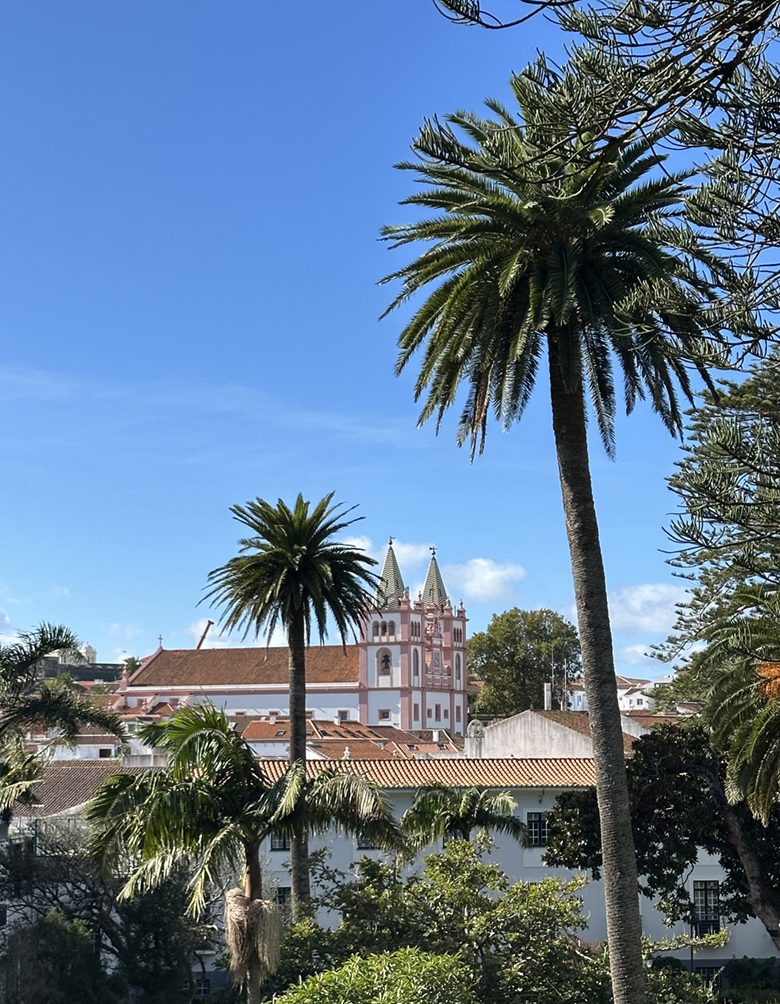
The route passes by Alto da Memória, which offers a stunning view of the city, the bay, and Monte Brasil, and then descends to the lush Jardim Duque da Terceira, a botanical garden in the heart of the city. With tiered terraces, exotic plants, and shaded paths that still clearly reflect the romantic 19th-century design.
From the garden, you’ll walk slowly down winding stairs and paths toward Via Praça Velha and continue through the heart of the historic center, past the imposing Sé Catedral de Angra and the distinctive Igreja da Misericórdia on the waterfront.
The walk ends at the Angra do Heroísmo Marina, where the connection between the city and the ocean is immediately palpable; it was precisely this strategic location that made Angra an indispensable port on Atlantic shipping routes for centuries. Monte Brasil, the dormant volcano by the sea, watches over the entire area like a green fortress.
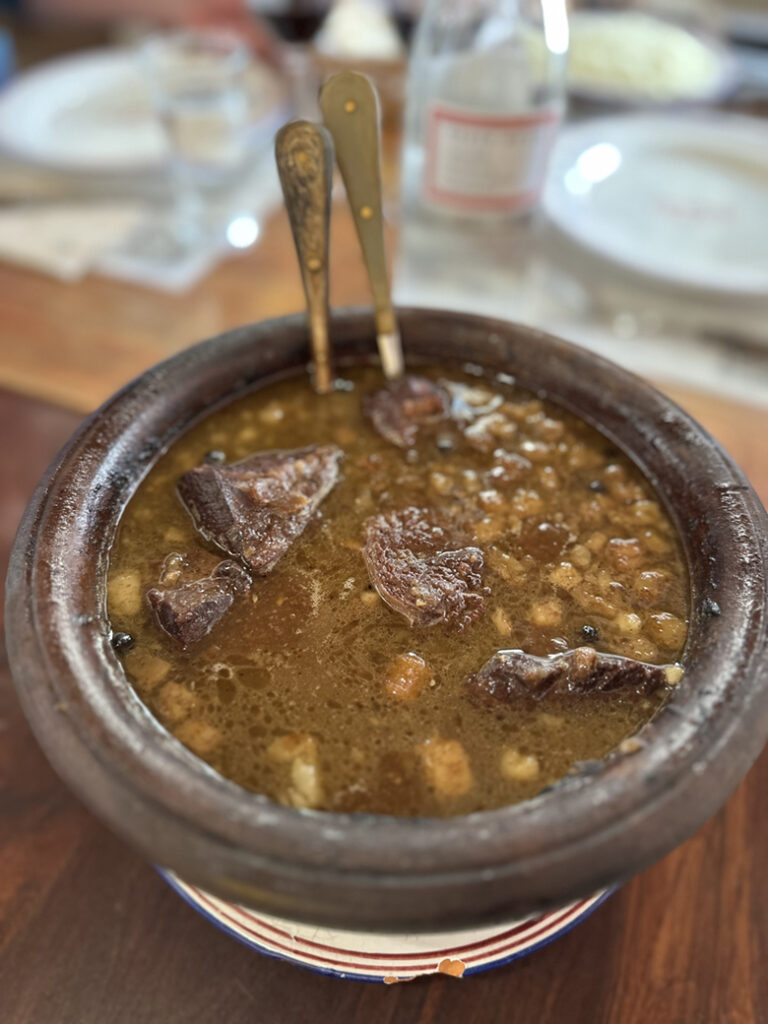
And finally: the cuisine. Terceira is known for Alcatra (slow-cooked beef in an earthenware pot), local cheeses, and a strong dairy tradition—which makes sense on an island where livestock farming and pastures are so prevalent. Good food, rooted in tradition, and not flashy cuisine.
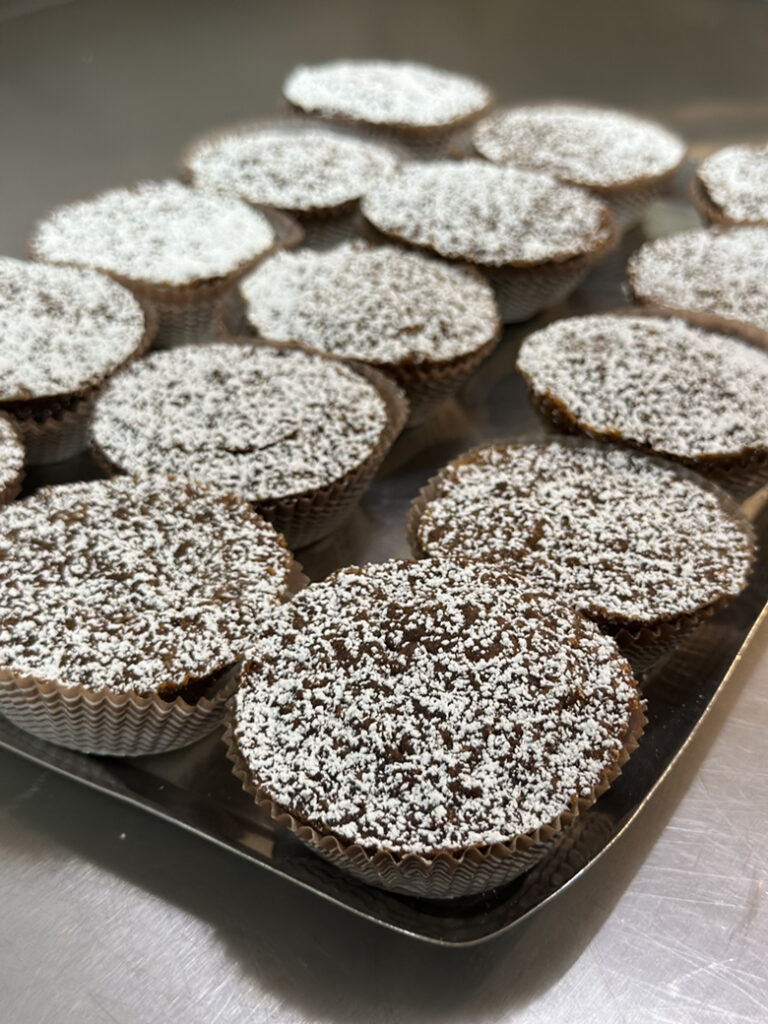
Be sure to stop by O Forno Bakery: there I tasted Donas Amélias, a spiced, sweet pastry created in honor of Queen Amélia’s visit in 1901. It’s not a refined pastry, but something homely and nourishing. It has become an iconic treat on the island. Eating on Terceira always tells a story about history, scarcity, and sharing.

This theme continues at lunch at Quinta do Martelo, where Alcatra is served: slow-braised beef, traditionally prepared in earthenware pots. This is island cuisine at its finest: no frills, just time. The pot is served at the table while still simmering gently, and the beef is typically eaten with sweet bread.
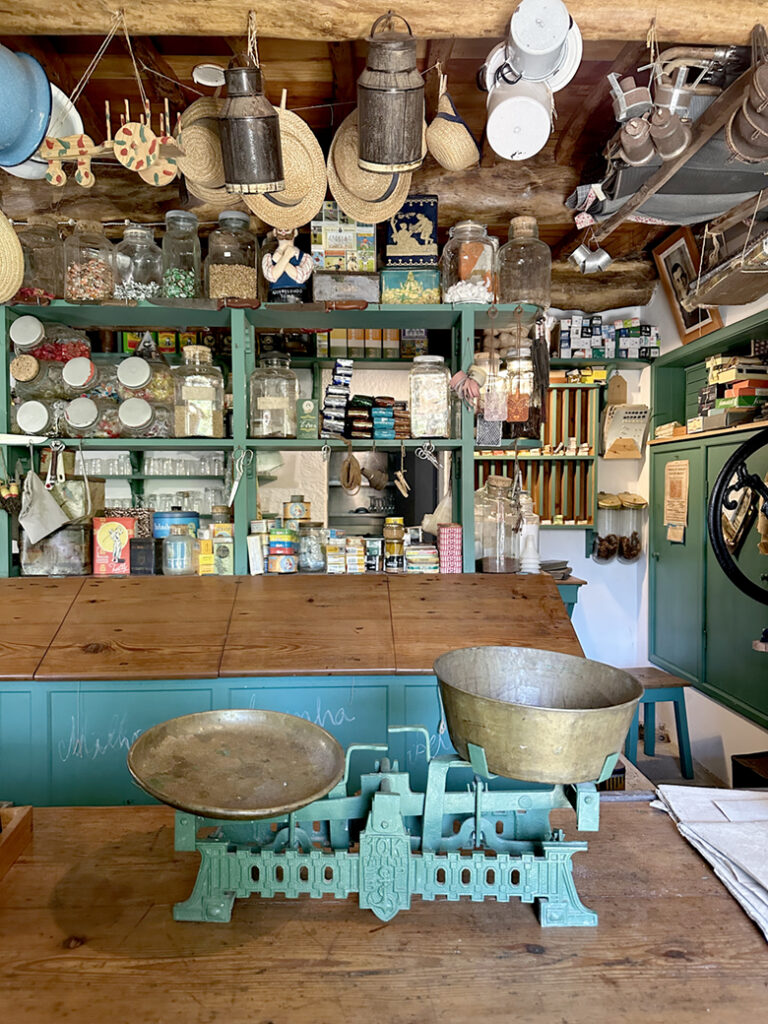
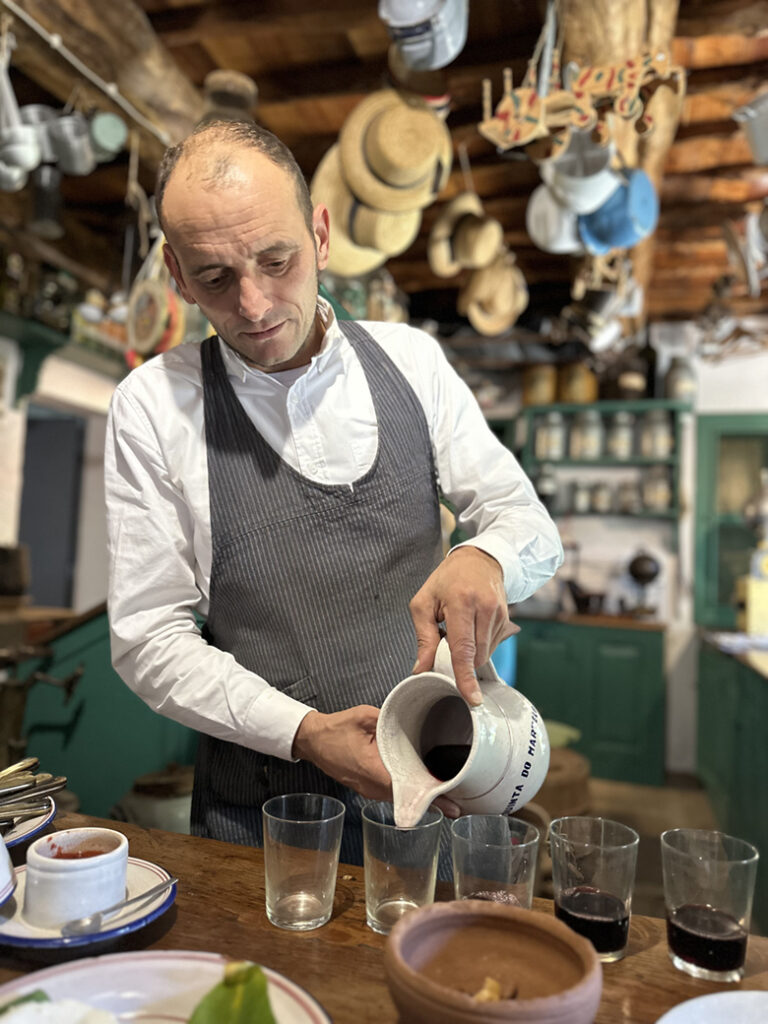
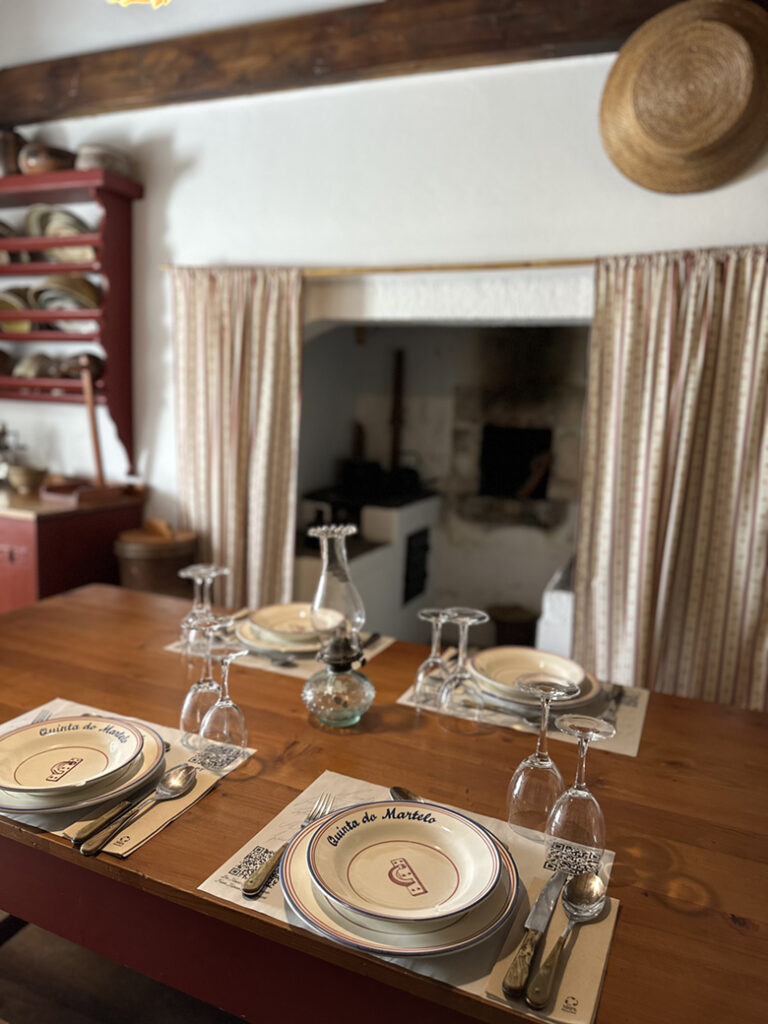
At Quinta do Martelo, you’ll feel as if you’ve stepped back in time; this charming, museum-like restaurant has been lovingly decorated. The food is prepared and served with the same passion.
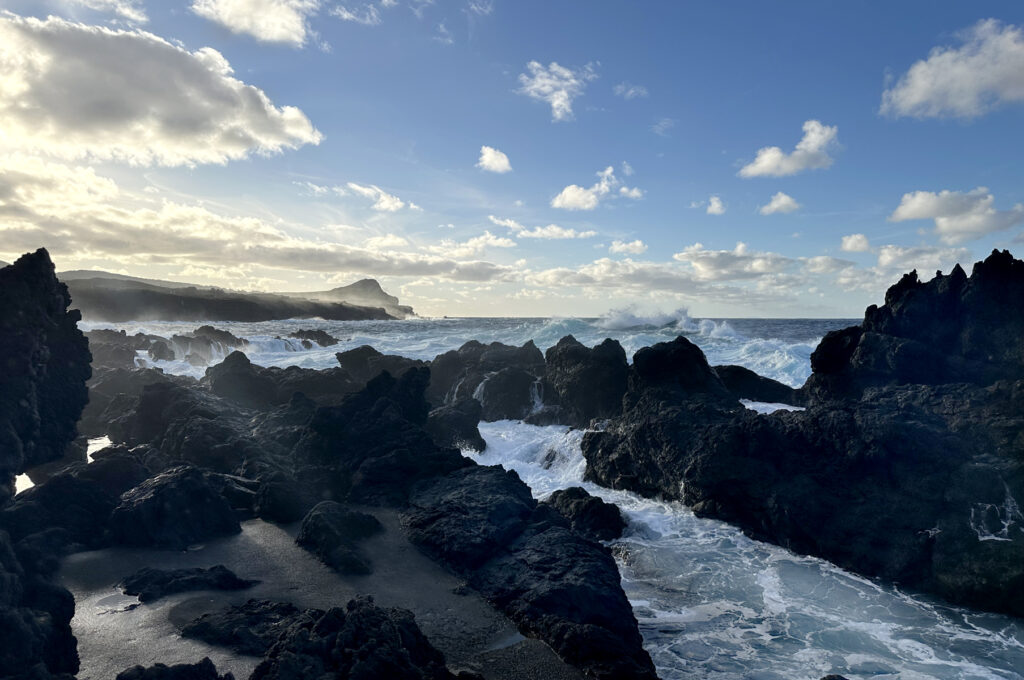
One of the highlights of Terceira, in my opinion, was Biscoitos. At this spot on the north coast, the landscape changes abruptly: lava fields extend all the way to the ocean here. Amid the black basalt lie natural pools into which the sea constantly flows. In the evening sun, with the constant Atlantic breeze and the dark rock, the landscape takes on an almost otherworldly, otherworldly atmosphere. Beautiful!
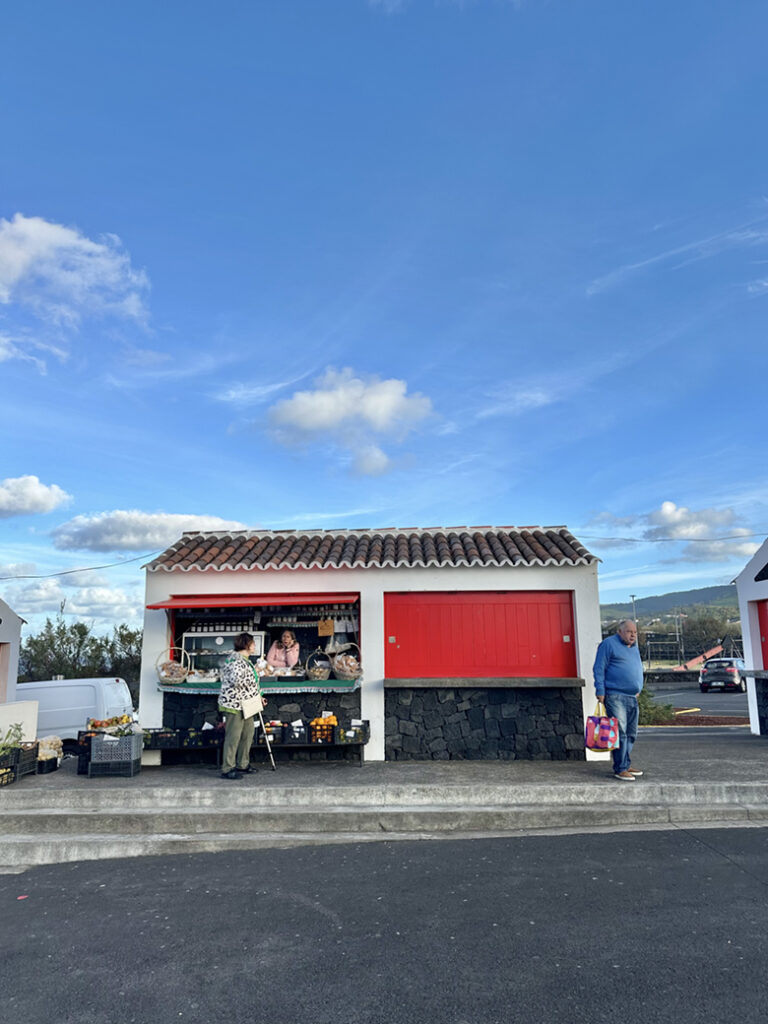
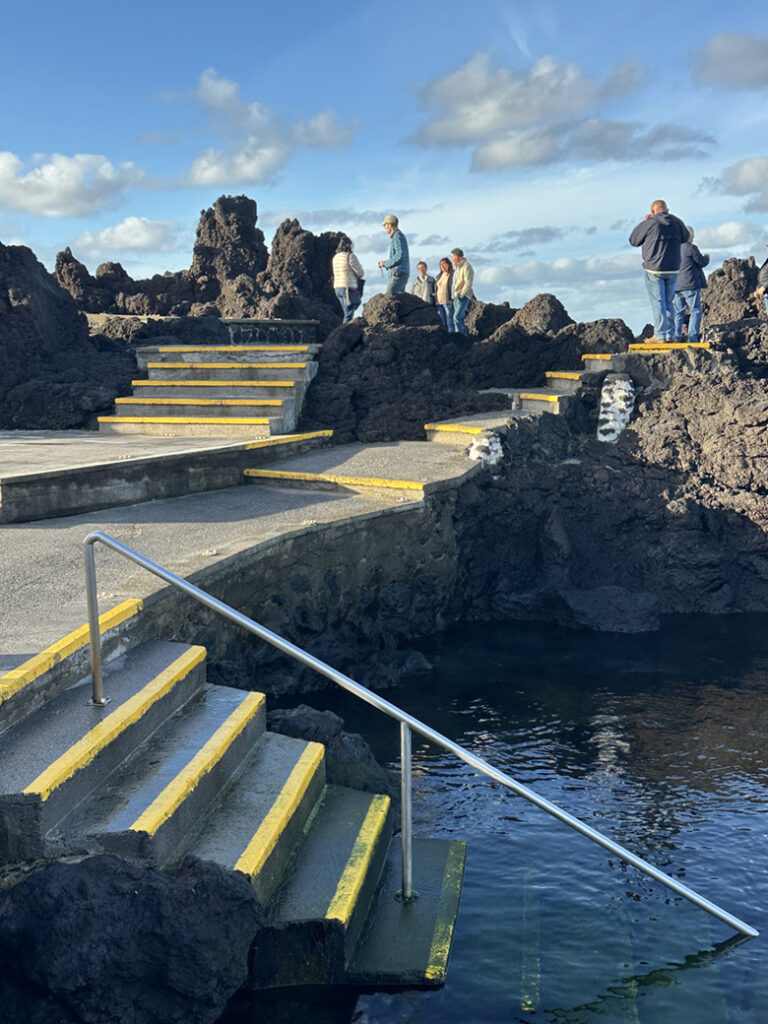
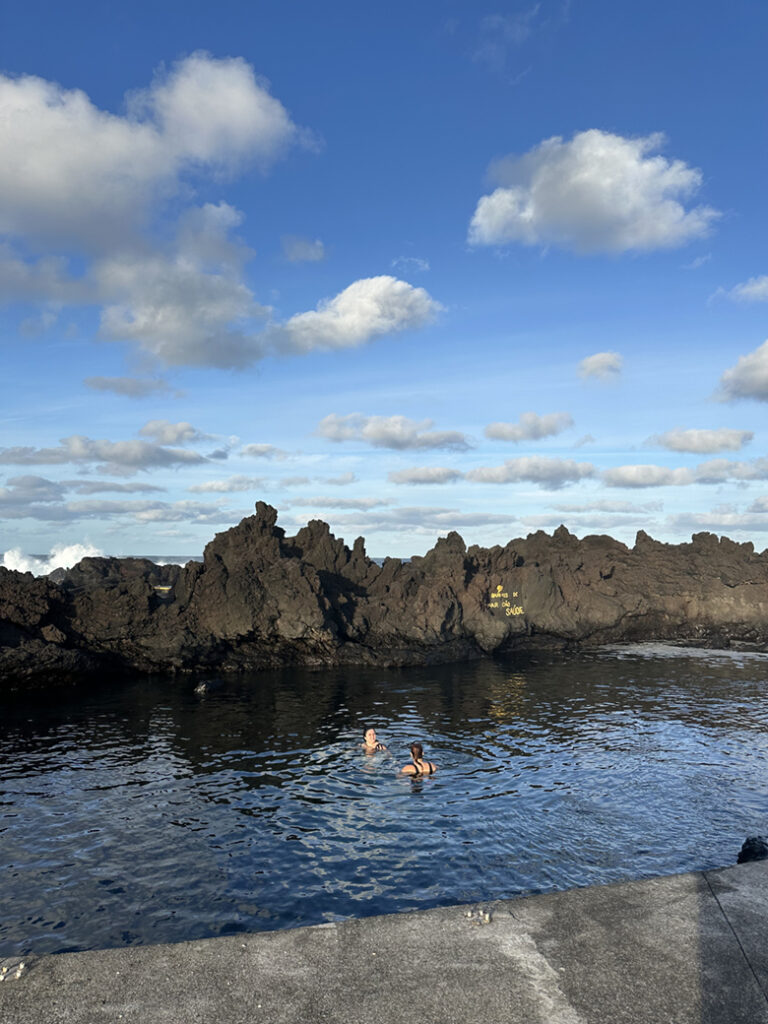
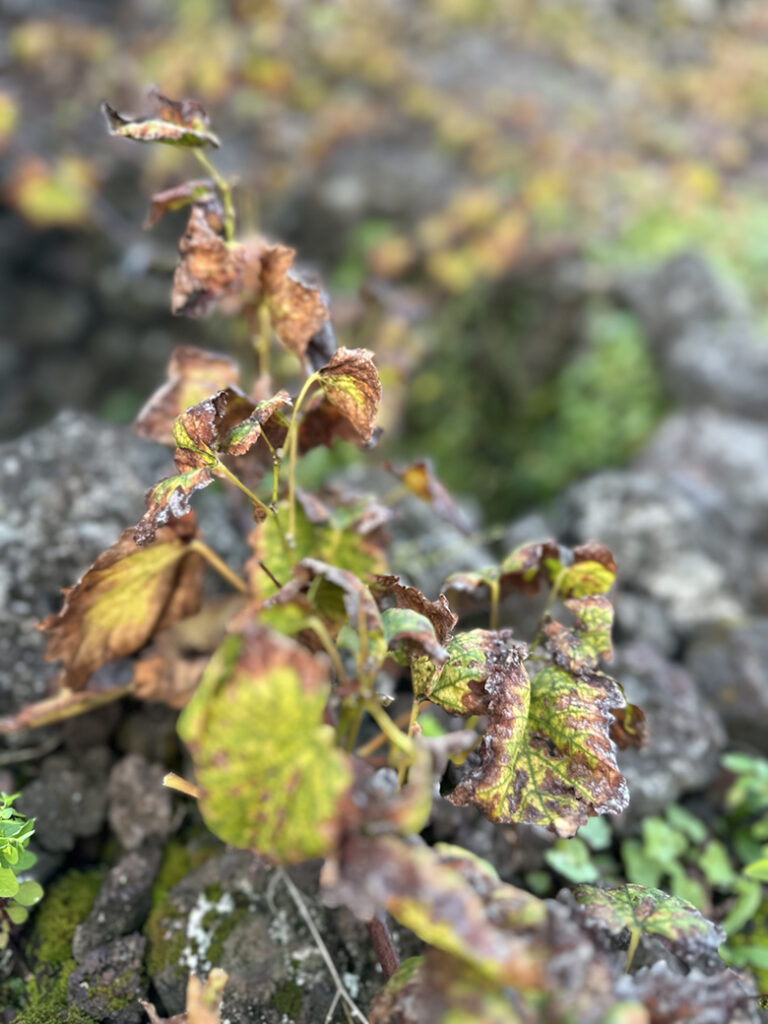
At the wine museum and the Biscoitos vineyards, it becomes clear just how resourceful the islanders have been. The vineyards are planted on black lava fields, right on the rugged north coast of Terceira. Instead of fertile soil, the vines here grow in crevices in volcanic rock, where they are protected by low basalt walls (currais) that break the harsh Atlantic wind and retain heat.
This creates an extreme microclimate: poor, mineral-rich soil, salty sea air, and strong winds. It is precisely these conditions that force the vines to root deeply and result in a concentrated, distinctive flavor with a clear mineral note and, at times, a slight hint of saltiness—a direct result of the volcanic terroir.
What makes the landscape so unique is the visual contrast: geometric plots of grapevines set against a black lava backdrop, with the ocean beyond. It almost looks like landscape art, but in reality it is an ancient agricultural technique that arose purely out of necessity. Farmers used the lava rock found there to protect the vines from wind and salt, thereby taming what appeared to be barren terrain.
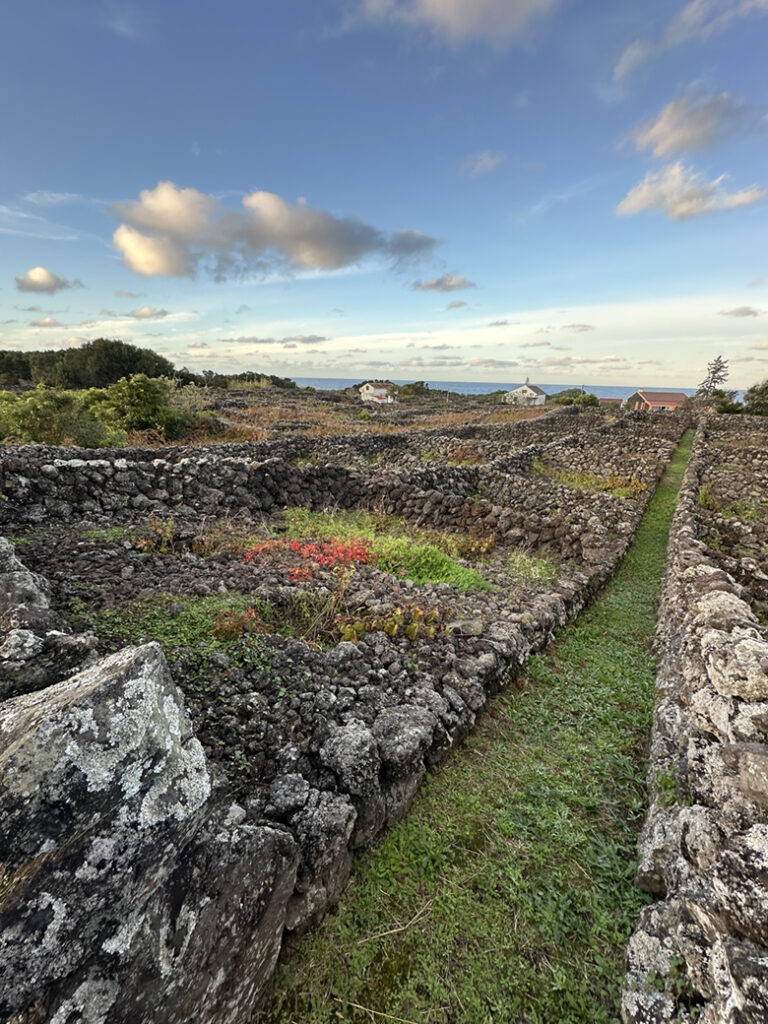
You can enjoy a wine tasting in a cozy, small-scale space next to the bottling facility. Local wines are served with regional cheeses and homemade jam. They may not be the most refined wines I’ve ever tasted, but that’s precisely what makes them interesting: they reflect the unique, volcanic terroir and differ greatly from the classic vineyards we’re familiar with from other wine regions.
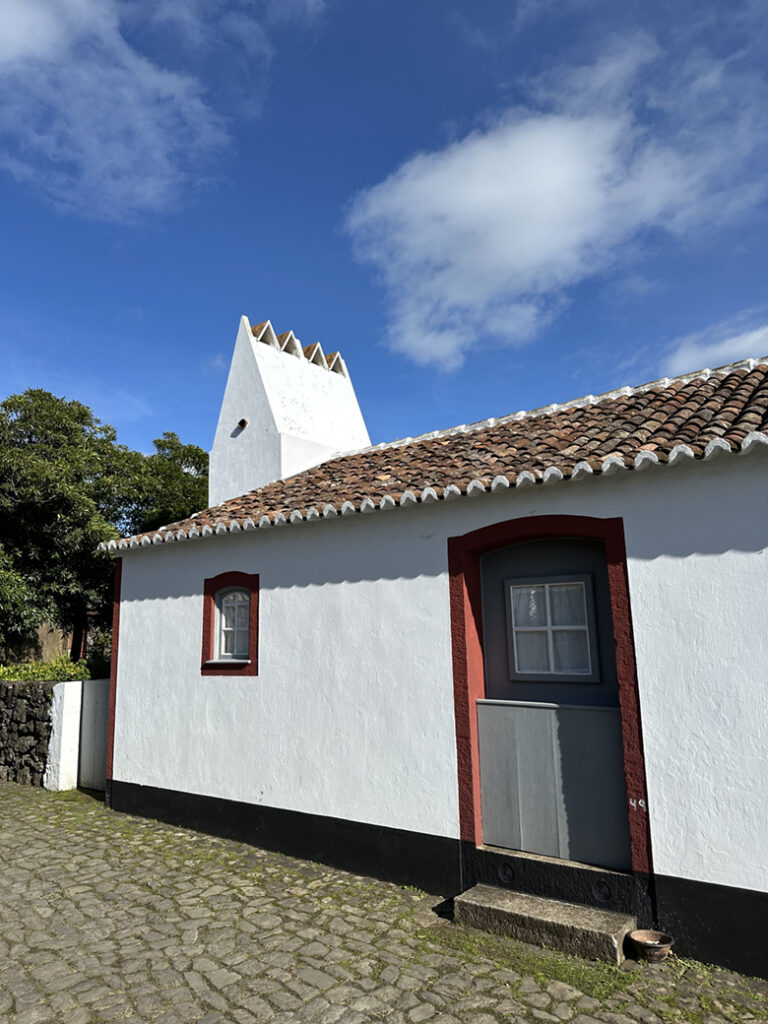
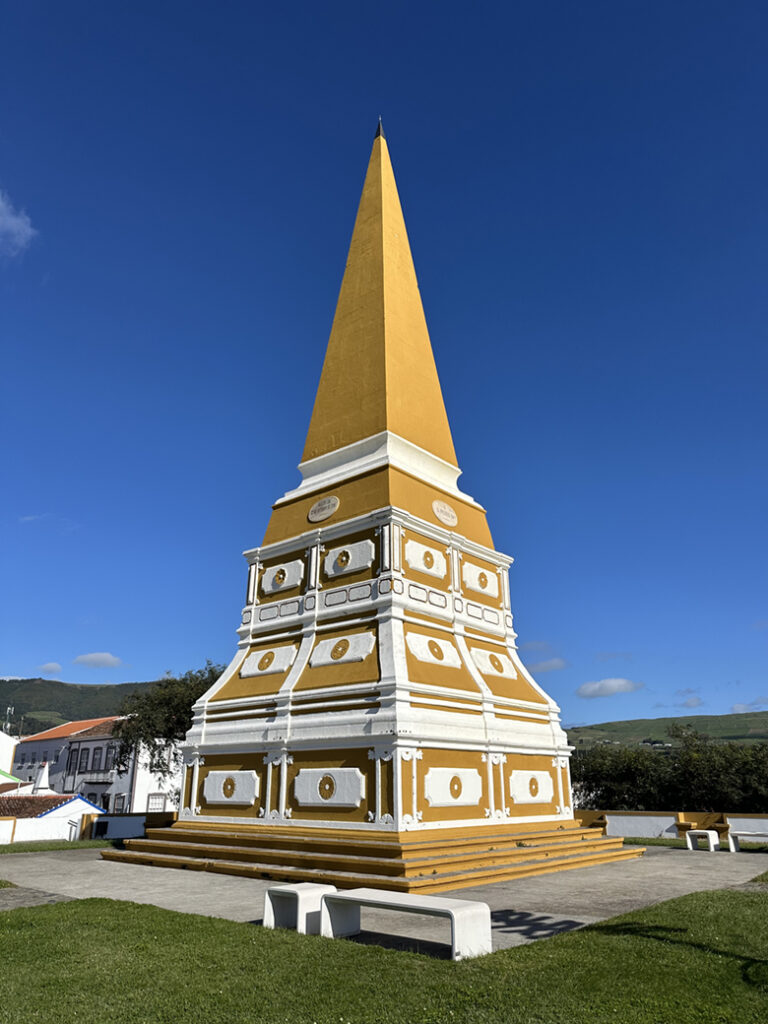
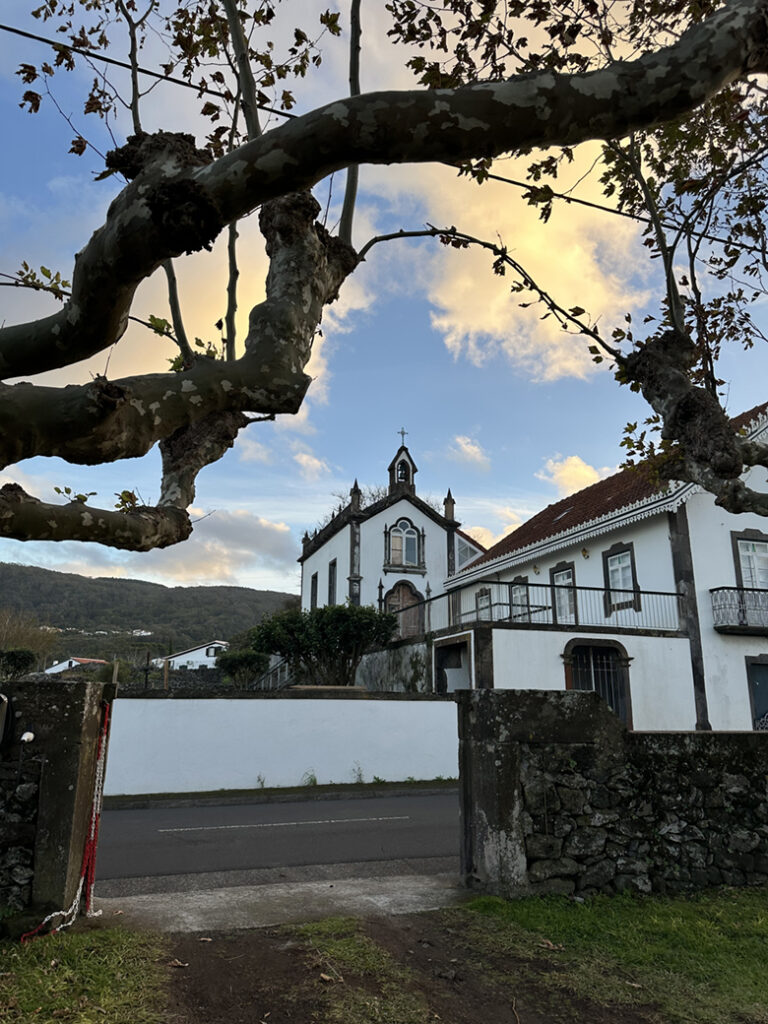
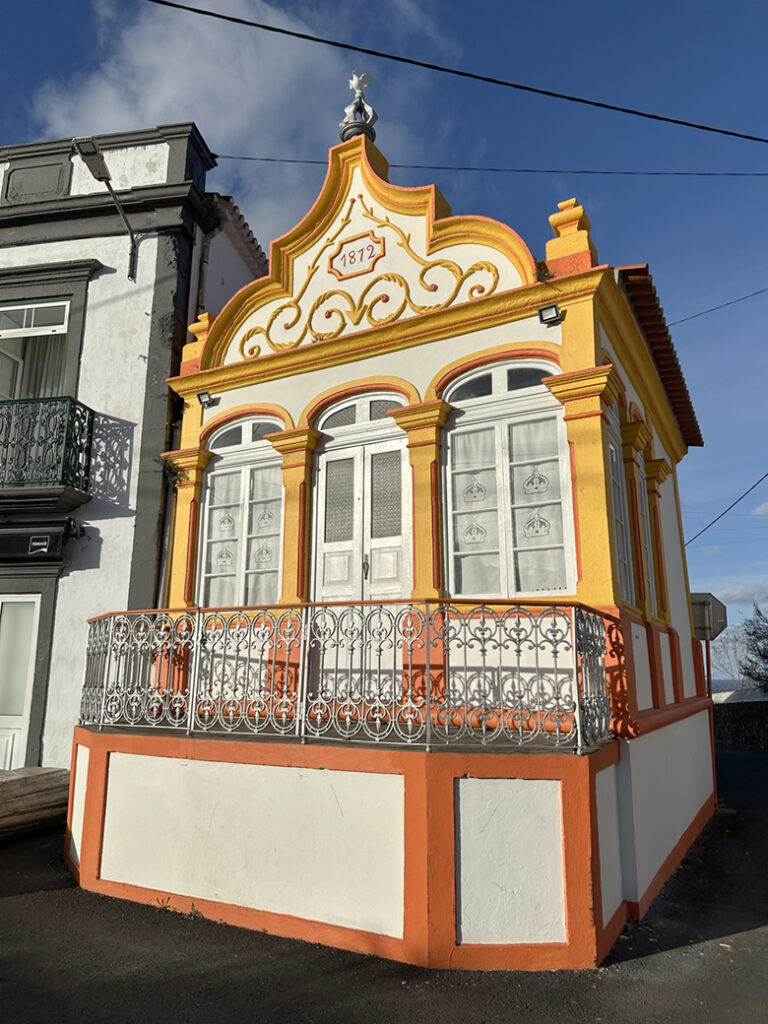
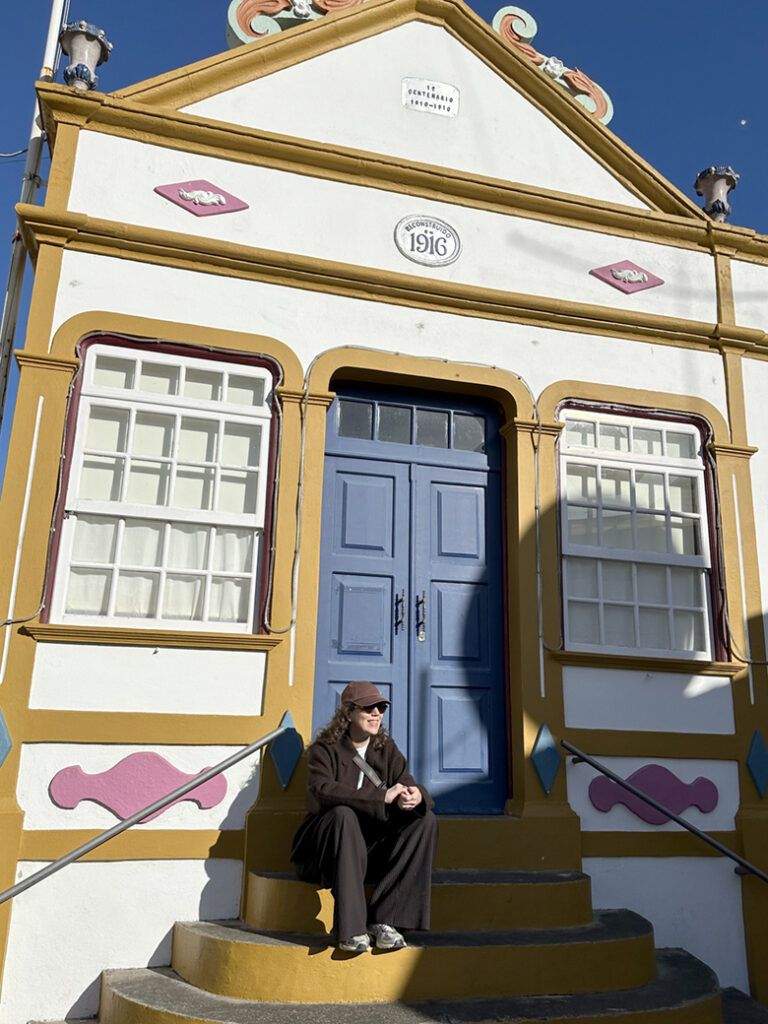
Scattered throughout Terceira, you’ll come across the small, colorful Impérios do Espírito Santo everywhere: chapel-like structures in white, red, blue, or yellow, often painted in strikingly fresh colors and carefully maintained. They may appear modest in scale, but they hold great symbolic significance within the local community, tied to the centuries-old Holy Spirit tradition, which centers on solidarity, sharing, and communal meals.
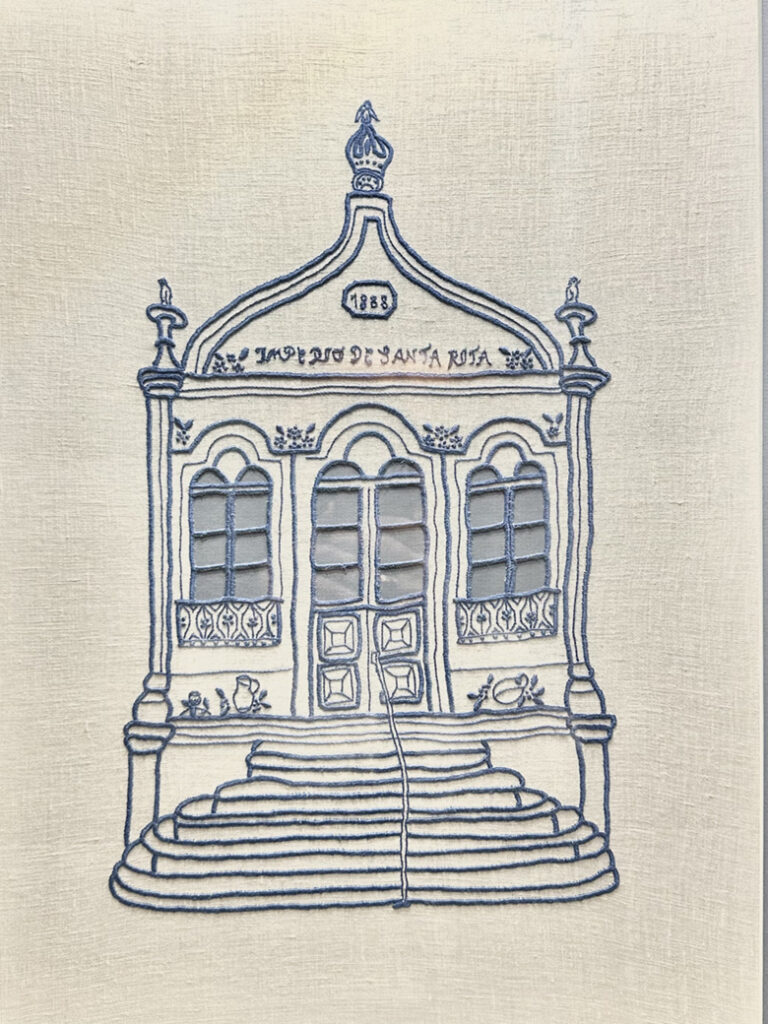
It is precisely this human scale that makes them so characteristic of the island: not monumental religious architecture, but almost homely micro-architecture that reflects village life. You can also see these motifs in local textiles and embroidery. It underscores just how deeply these symbols are rooted in Terceira’s visual culture.
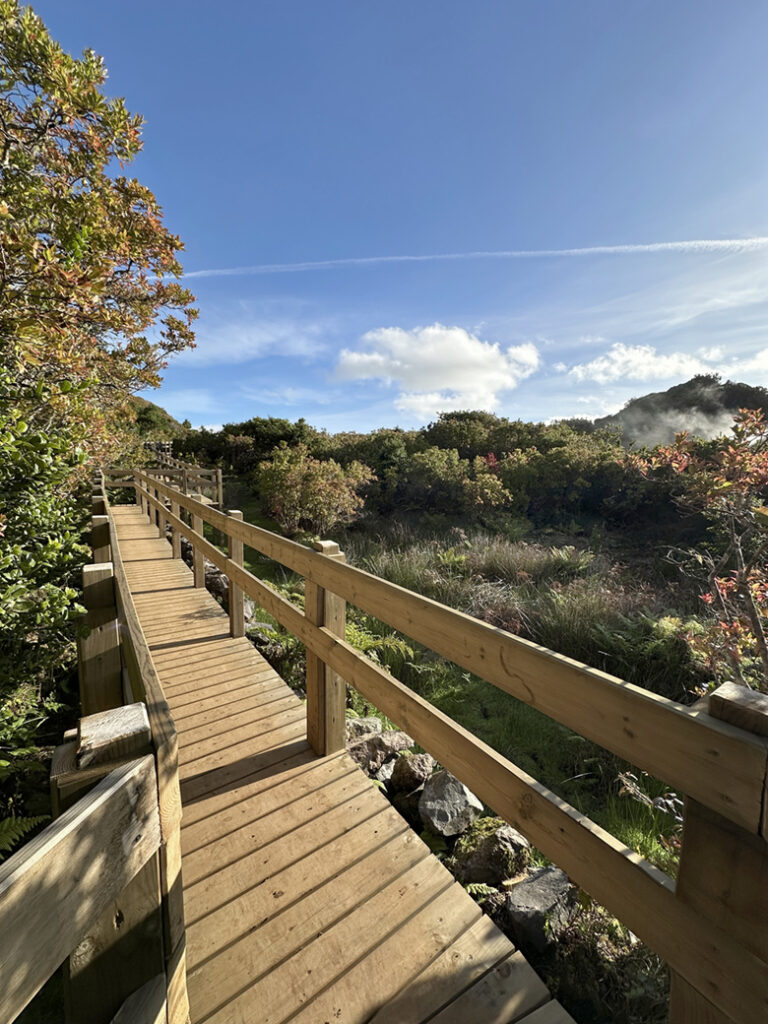
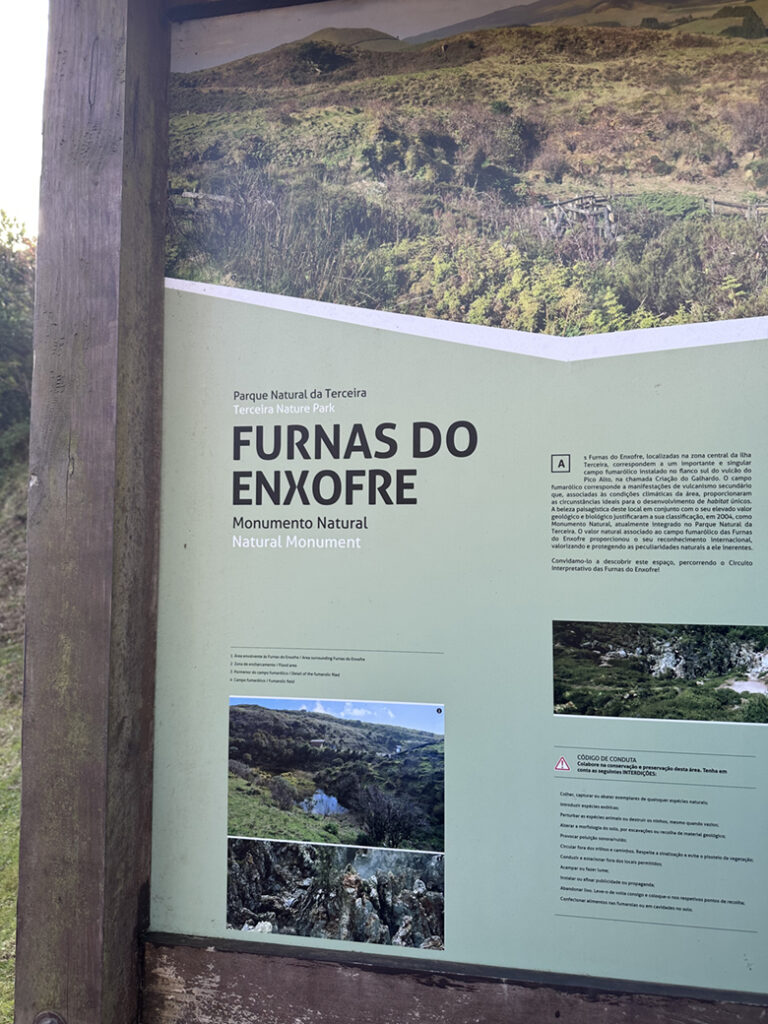
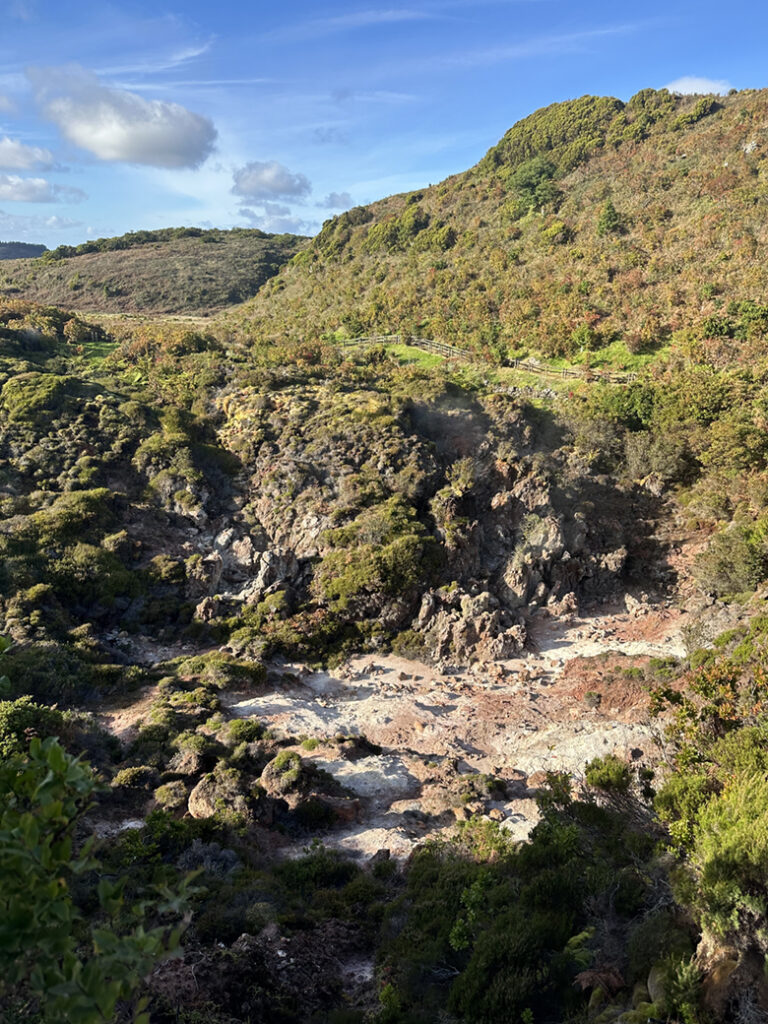
A quick stop at Furnas do Enxofre brings you back to the heart of Terceira: an active volcanic system that’s never far away. A site open to the public where sulfur fumes rise from the earth; the smell is sharp and mineral-like. Here, you realize once again just how thin the layer is on which everything unfolds.
This place is especially worth a visit if you’re interested in volcanic phenomena. There you’ll find a small geothermal site, accessible via a short and easy walking trail along wooden boardwalks. The trails guide you safely past the steaming vents in the landscape while protecting the fragile ground below.
Although it offers an interesting glimpse into Terceira’s active geology, it feels rather modest compared to the geothermal fields of São Miguel—though it is beautifully situated in the heart of nature.
We’re wrapping up the week at a really lovely restaurant in the center of Angra do Heroísmo: Tasca das Tias. This cozy restaurant focuses on local dishes and home-style flavors, featuring classic Azorean specialties and seasonal ingredients. You’ll enjoy authentic, well-prepared dishes in a warm and relaxed setting, where you can wrap up the day among locals and travelers alike.
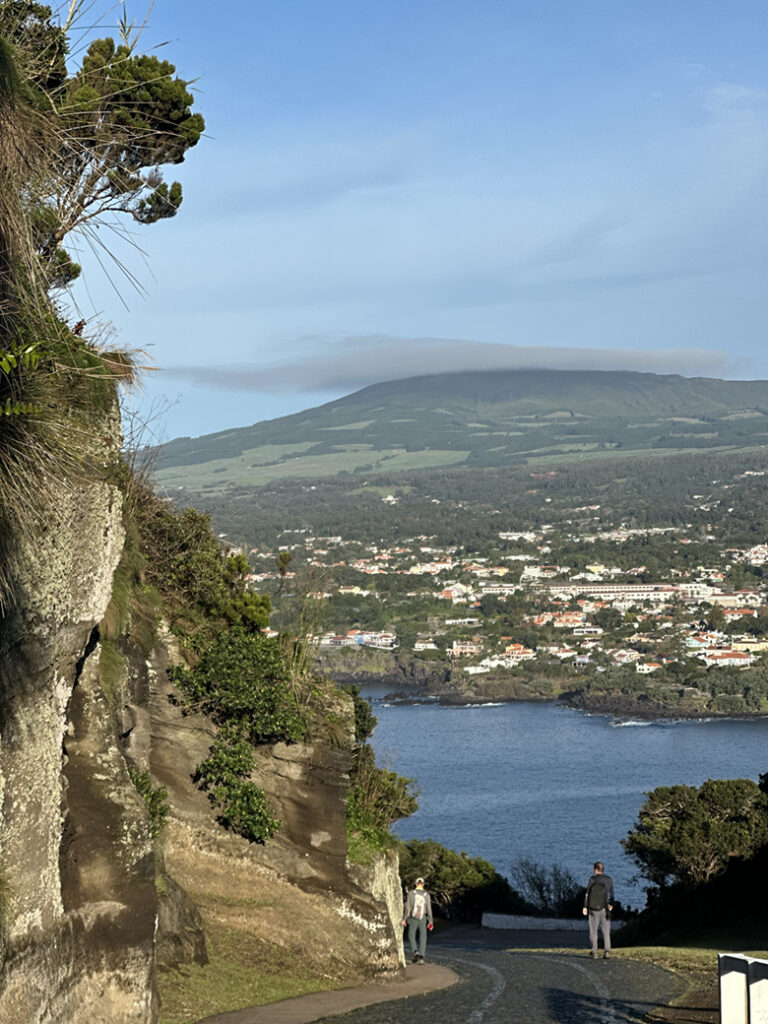
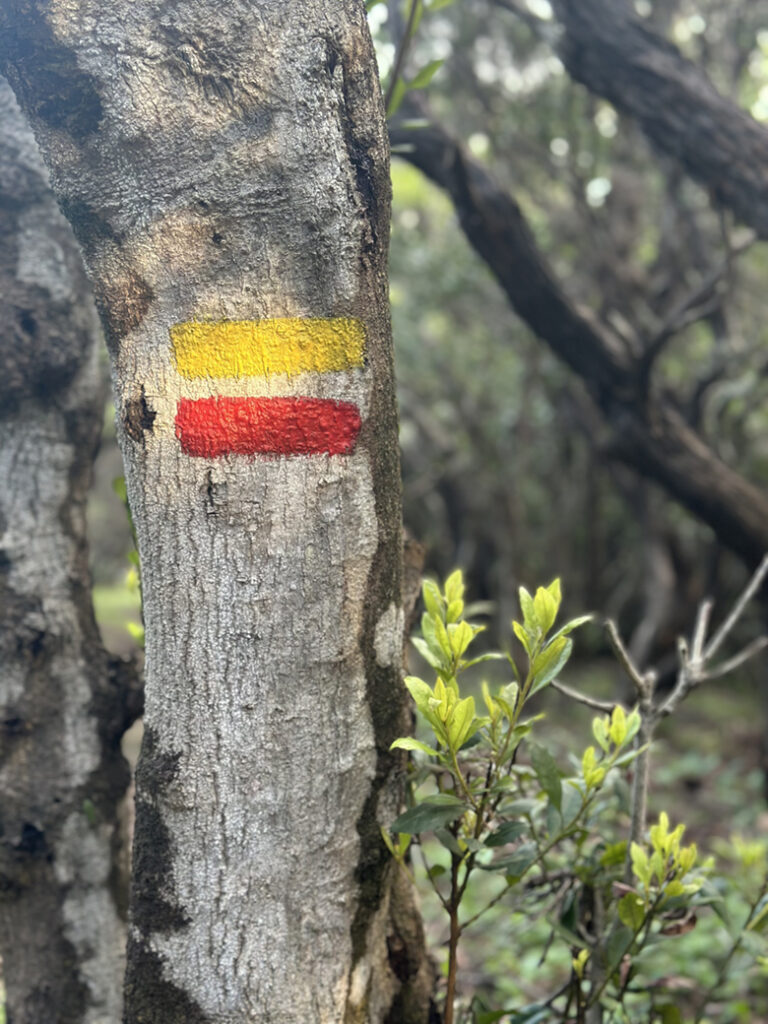
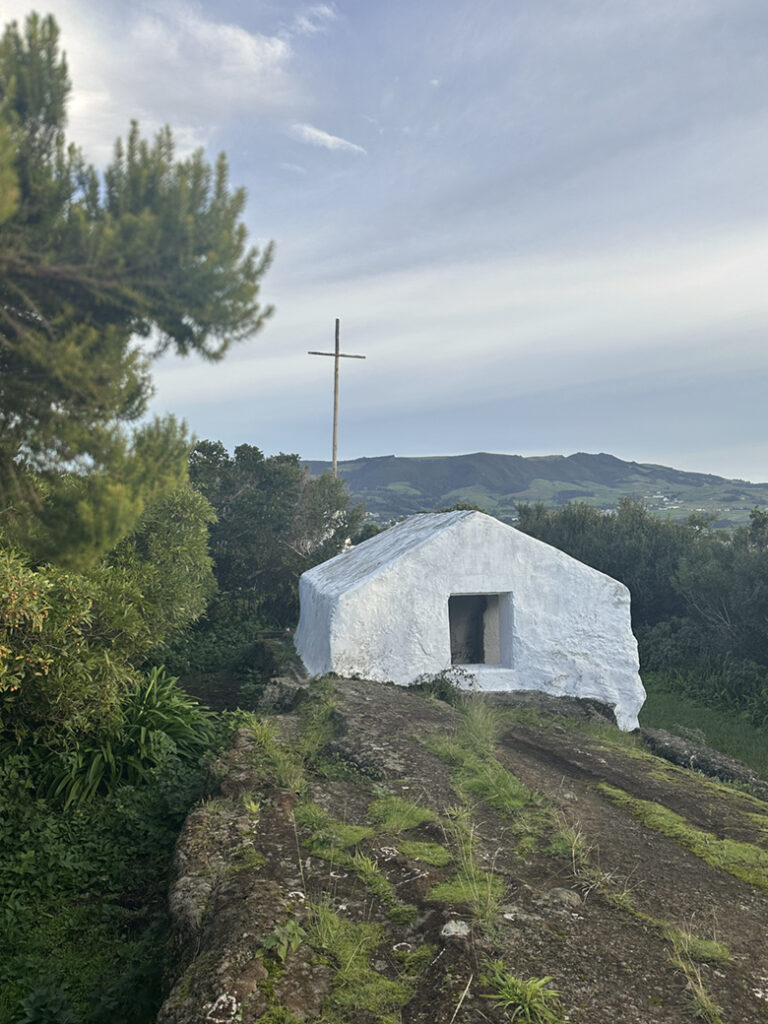
On our last morning, before we leave, we take one more hike to and up Monte Brasil. It feels more like a scenic park than a rugged volcanic hike. The trails are well-maintained and wind gently up the slopes of the ancient volcano, making the hike almost literally “a walk in the park”: accessible, peaceful, and offering ever-changing views.
Along the way, you’ll pass aviaries and small recreational areas, which further emphasize the park-like character of the area and provide a striking contrast to the peninsula’s volcanic origins. Chances are good that one of the many stray cats will accompany you on this walk. The views of Angra do Heroísmo, the bay, and the Atlantic Ocean remain consistently impressive, giving the walk an open and panoramic feel.
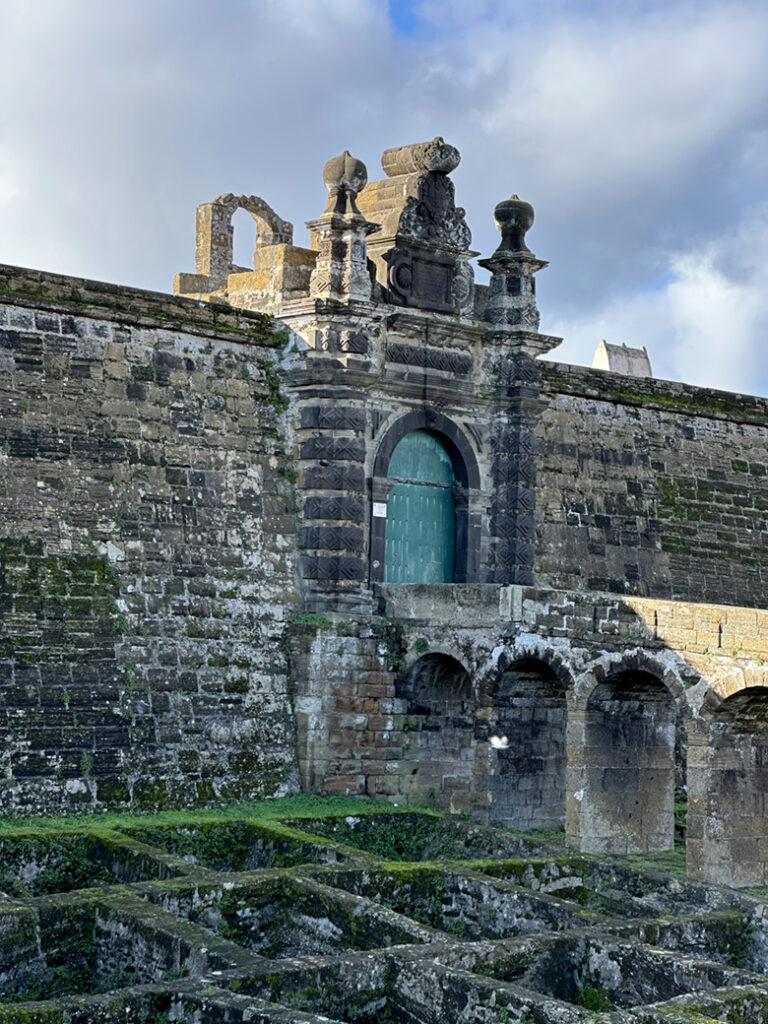
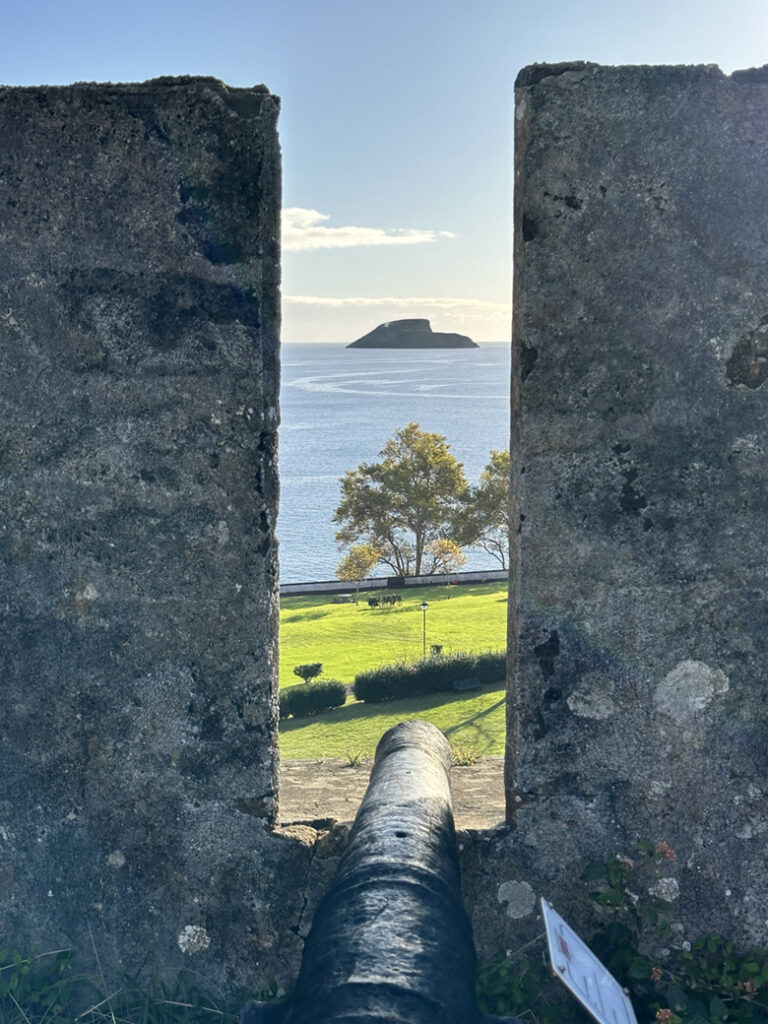
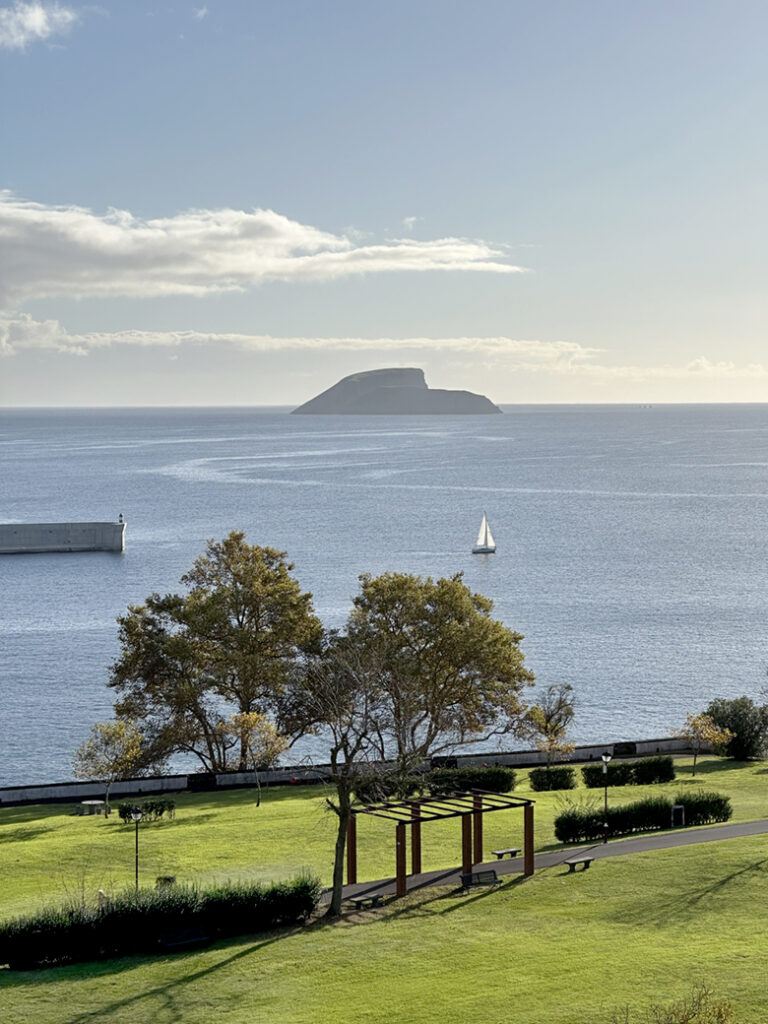
At the foot of Monte Brasil lies the Fortaleza de São João Baptista, a 16th-century fort built to protect the strategically important port of Angra and the transatlantic sea routes.
Although the complex is still in use as a military base and cannot be visited inside, it’s well worth taking a walk around it: the massive bastions, basalt walls, and views out to sea clearly show how the fortress is interwoven with the volcanic landscape and how crucial this place once was to the maritime history of the Azores.
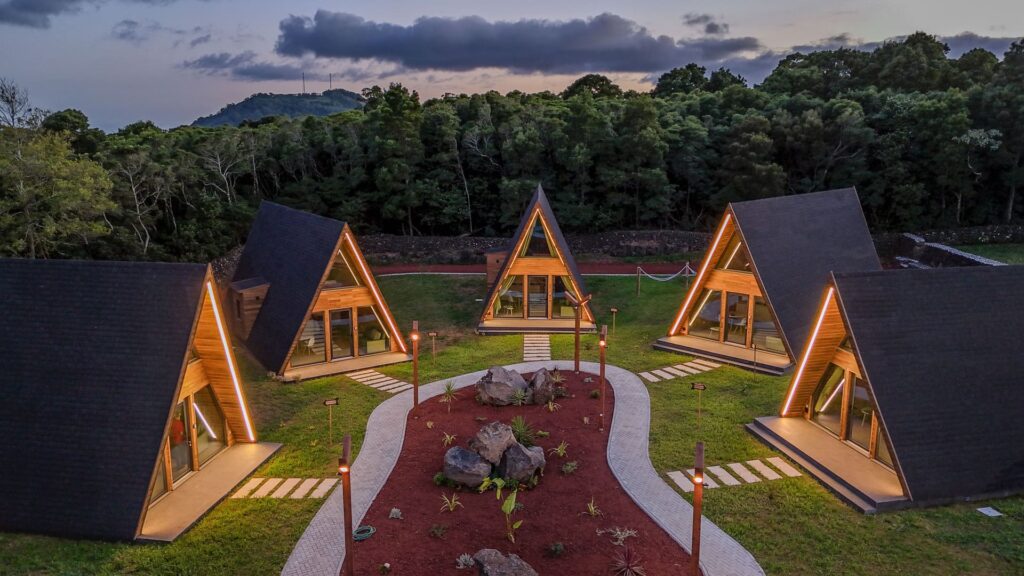
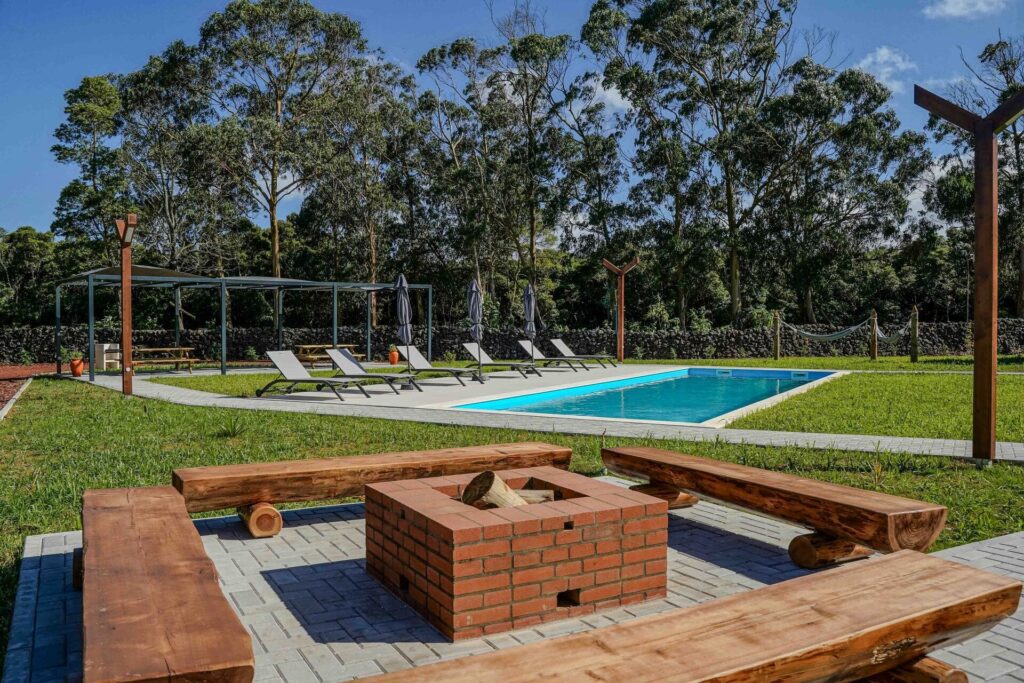
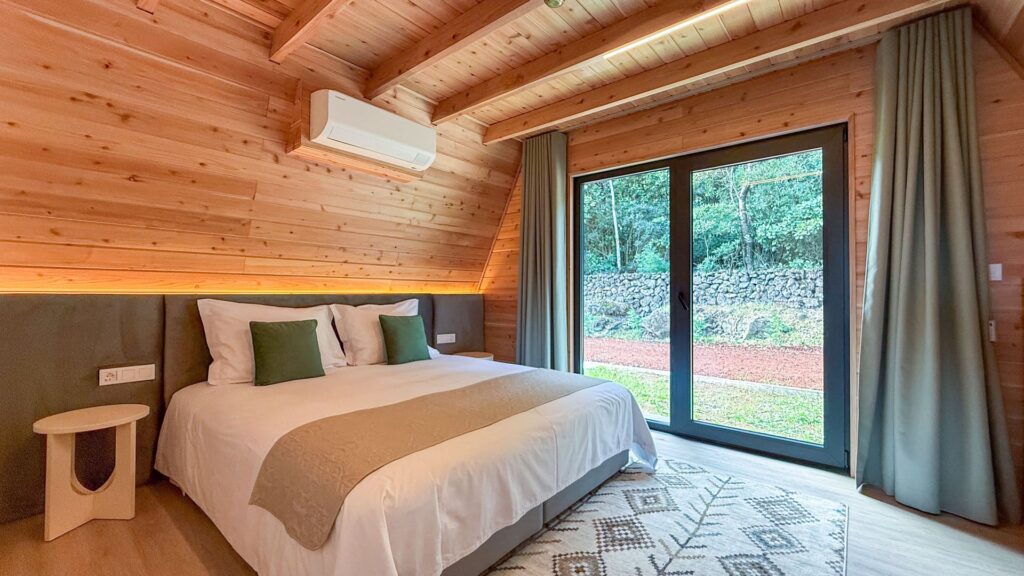
Quinta do Icaro on Terceira is a unique spot surrounded by nature, located near the natural pools of Porto Martins and Praia da Vitória Beach.
Traveling between the islands of the Azores is relatively easy and straightforward to plan.
Restaurants
O Forno Bakery and “Donas Amélias”
Quinta do Martelo – for the traditional local dish “Alcatra”
Dinner at Tasca das Tias
Hotel
Terceira Mar Hotel, Angra do Heroísmo
Fun Activities contacts:
AZORES TICKET OFFICE

Mieke Tacken
I am an interior designer, photographer, and an avid nature hiker. I’ve lost my heart to the simplicity and beauty of hiking vacations. I also appreciate the unique experience of a stay that tells a story about local history or culture. Here, I share my stories and tips—whenever possible, with a light footprint and always with a heart full of wonder.
Hiking to Trondheim along ancient pilgrimage trails What’s it like to hike for days along ancient pilgrimage trails to Trondheim? During a trip through Sweden and Norway, I hiked several sections of the St. Olavsleden. From the open border mountains near Skalstugan to...
Hiking the St. Olav Trail: Route, Stages, and Tips A thousand years ago, Olav Haraldsson traveled this road northward in search of his crown. He met his death at Stiklestad and was canonized three years later. Since then, pilgrims have followed the same route: from...
Just twenty minutes past the coast lies a completely different Málaga Twenty minutes by car from Málaga Airport, the highway turns into a winding road leading into the mountains. The coast disappears behind you, and ahead lie olive and almond trees, karst rocks, and...
Get inspired
Are you looking for the most beautiful hiking and biking routes? Or do you want information about traveling by train or advice for the most beautiful road trips through nature. Get inspired for your next trip in green; ideas for planning your own trip or opting for an organized trip.