
Gratis gids 10 verborgen natuurplekken in Europa
Gratis gids 10 verborgen natuurplekken in Europa. Meld je aan voor onze nieuwsbrief en ontvang inspirerende reistips en routes voor je volgende groene reis.

If there’s one place in Europe where you can feel the raw power of volcanic nature, it’s São Miguel. The largest island in the Azores surprises visitors with a landscape that seems to be in constant motion: bubbling springs, misty crater lakes, dark forests, and the scent of sulfur, the sea, and cryptomeria—Japanese cedar—that follows you everywhere. During my trip in November, I discovered why this archipelago is considered one of the most sustainable in the world.
For a trip to the Azores—and especially São Miguel and Terceira—honesty is part of Sustainable travel. Yes, these islands are in Europe, but they’re on the very edge of it. A visit almost always requires a long flight: in the summer, sometimes direct; in the winter, with a layover in Lisbon.
That clashes with the ideal of slow, local travel, and that is precisely why this destination deserves some context.
The Azores take their vulnerability seriously. On São Miguel, some of the energy is generated from geothermal heat, while on Terceira, the landscape and cultural heritage are strictly protected. Mass tourism is deliberately kept at bay; the scale is small, nature takes precedence, and local food supply chains are short. Sustainability here is a constant balancing act between accessibility and conservation.

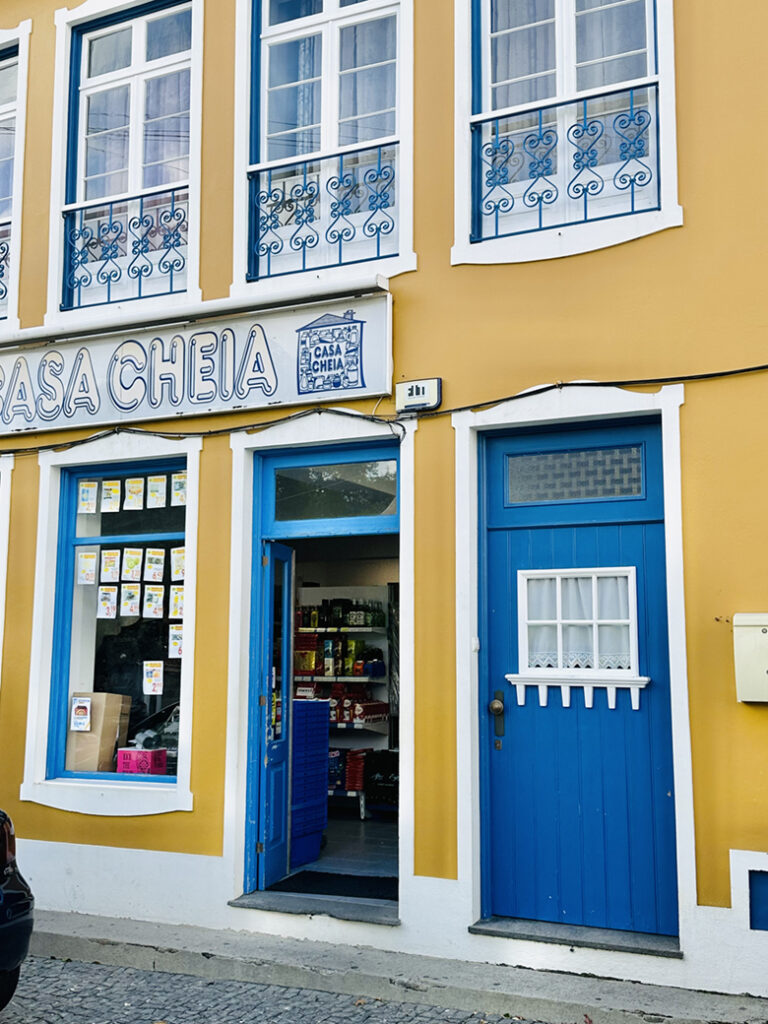
What immediately stands out on São Miguel and Terceira is how little of the land is actually built up. Only a small portion of the islands consists of urban or rural areas; well over ninety percent of the land area is nature, farmland, or protected landscape. Forests, volcanic craters, meadows, and coastlines dominate the landscape, not infrastructure. This balance is no coincidence, but the result of strict land-use planning and the deliberate curbing of large-scale development.
For you as a traveler, this calls for restraint: here, you are first and foremost a guest in a landscape that has not yet succumbed to tourism, and that is exactly what makes it so special. However, it’s advisable to avoid the high season, as popular spots can get quite crowded then, and finding a parking spot can take a long time.
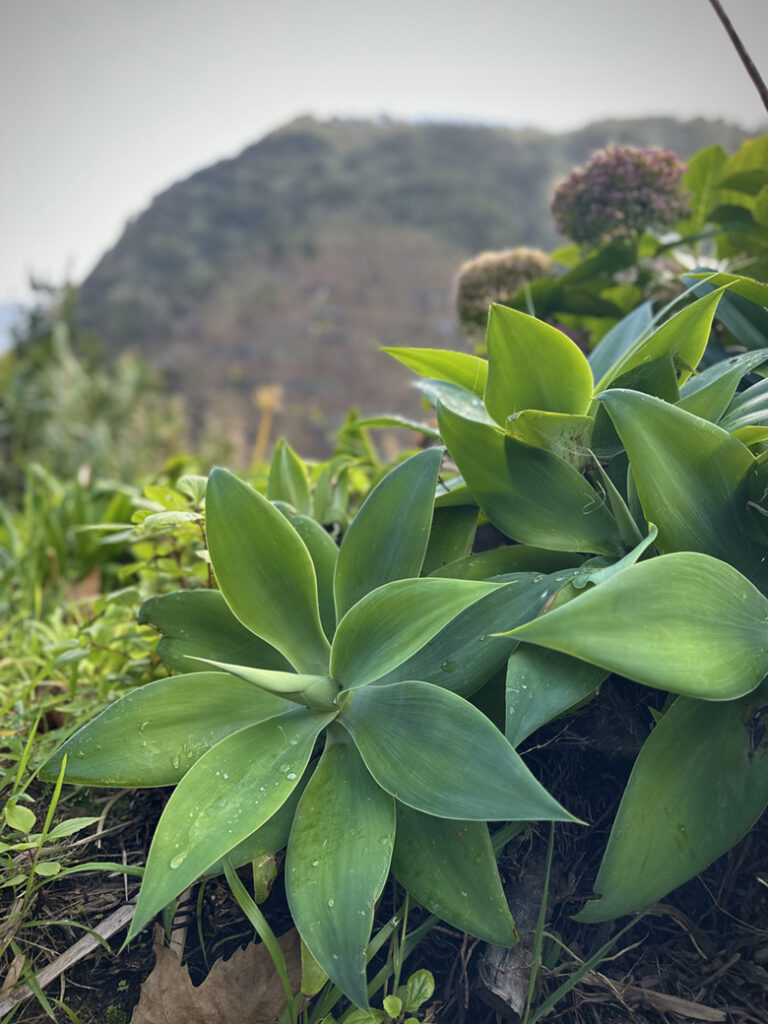
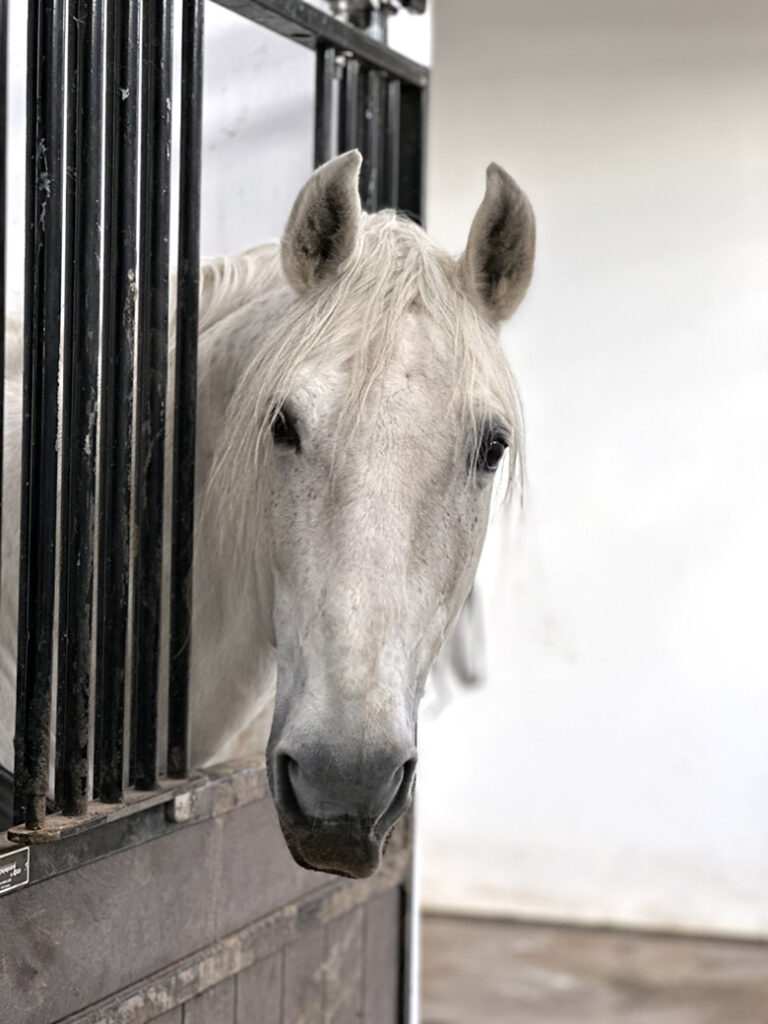
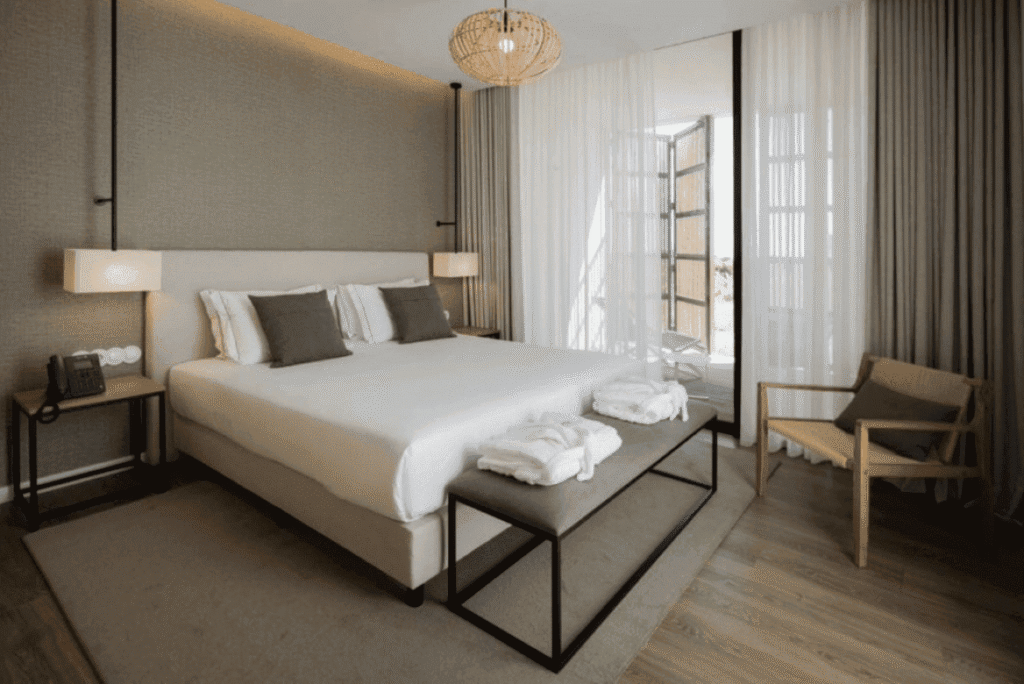
The flight via Lisbon—ideal with TAP—sets the tone right away: a landing over a mosaic of craters, rolling hills, and basalt-lined coastlines. In Ponta Delgada, a friendly guide from Fun Activities is waiting to take me to Lusitano Garden Villas—a small-scale, new resort with a pool and a riding stable where you can go horseback riding. A wonderful place to settle in.
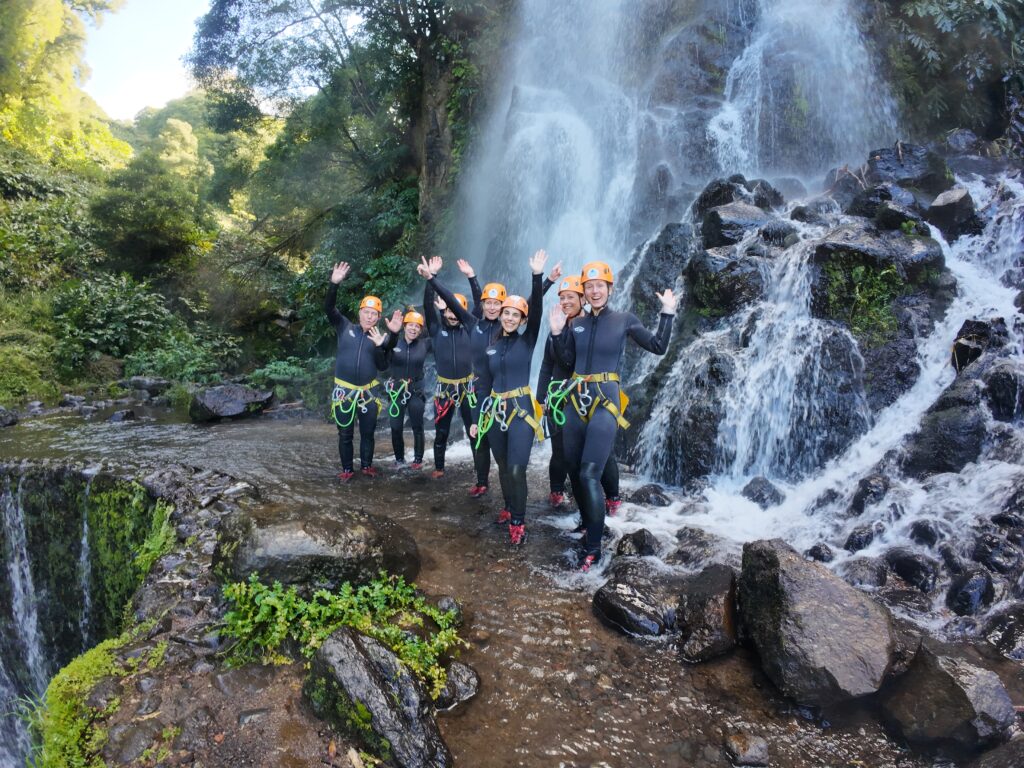
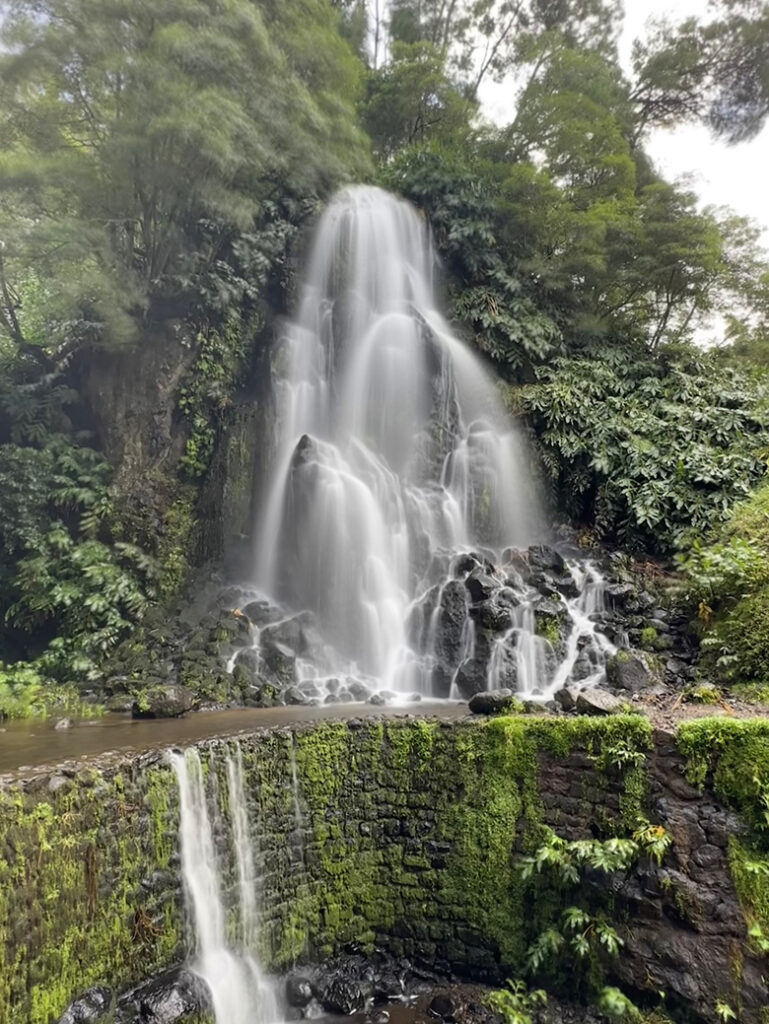
One of the places where São Miguel shows that it needs no filters is Ribeira dos Caldeirões. Amid ferns as tall as your shoulders and clear water flowing through ancient rock formations, a canyoning tour begins that is both fun and challenging.
Jumps, rappelling down waterfalls, right in the heart of the laurisilva forest—it feels like you’re moving through a prehistoric forest. This activity fits perfectly into the Azores’ sustainable outdoor culture, where nature conservation and small-scale experiences always come first. You can book this activity at fun-activities.net.

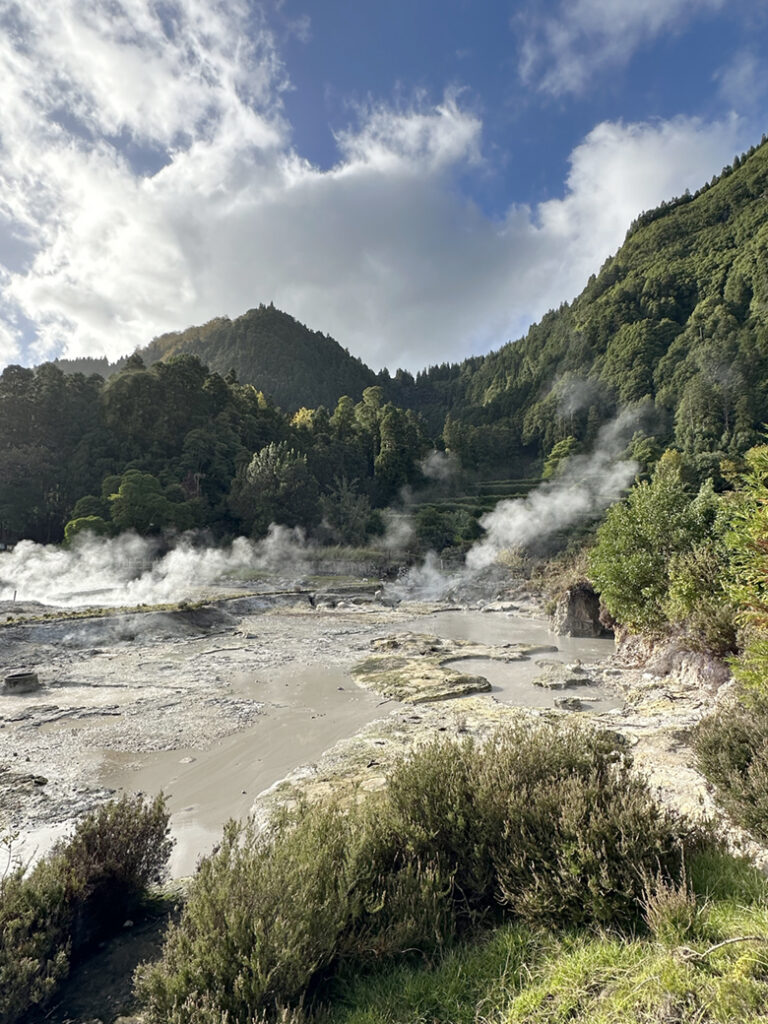
From the green valley, we drive inland to Furnas, an active volcanic system where plumes of steam and bubbling mud pools rise from the earth. This is where the famous Cozido das Furnas is prepared, slowly cooked in underground geothermal ovens. To this day, the locals here prepare meals for holidays, and food is “cooked” for various restaurants on the island.
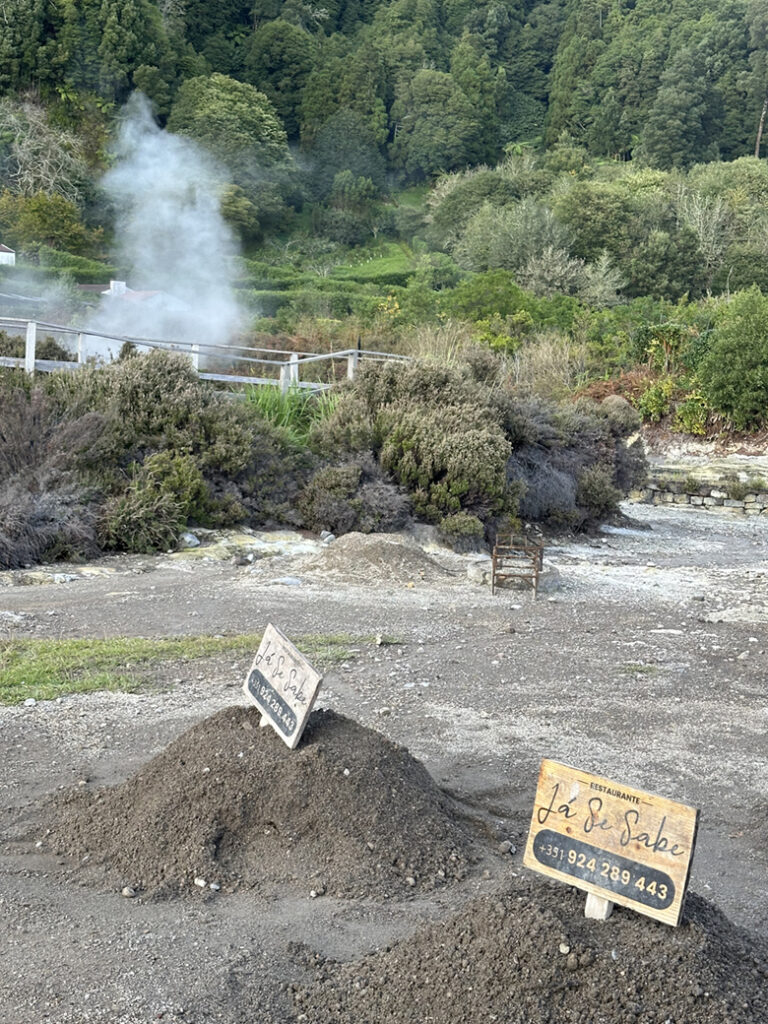
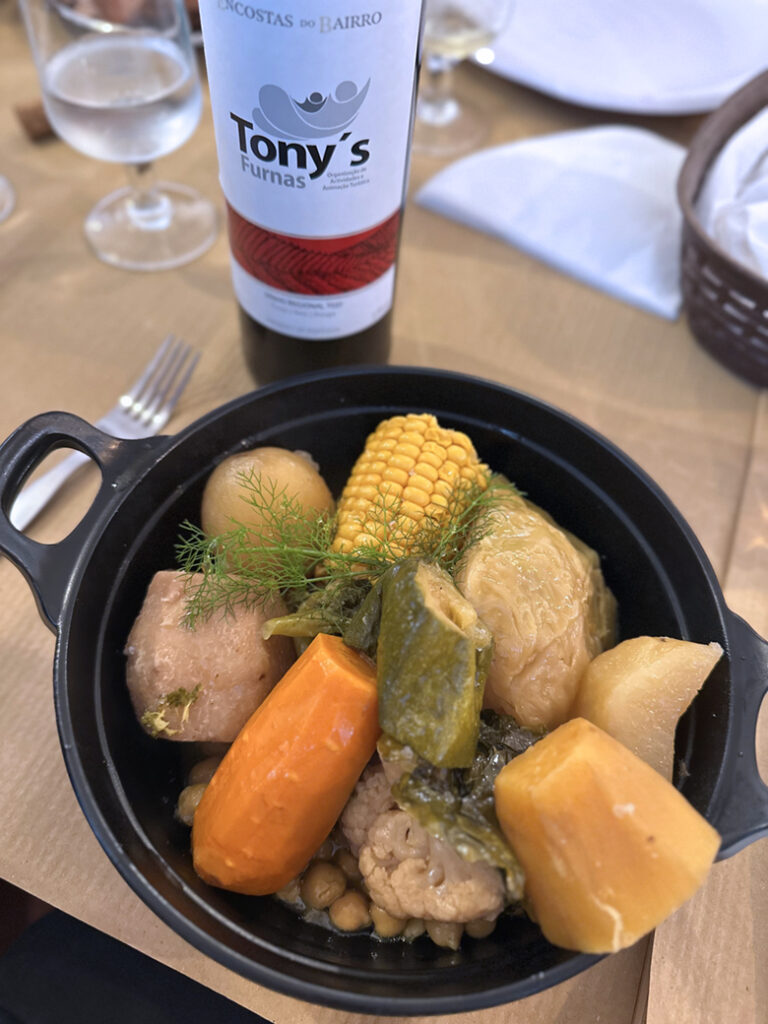
Perhaps one of the best-known restaurants on São Miguel is Restaurante Tony’s in Furnas, and of course I couldn’t pass up the famous “Cozido”: a hearty stew of meat and vegetables, slow-cooked about a meter underground using volcanic/geothermal heat. The portions are huge, so come with a hearty appetite.

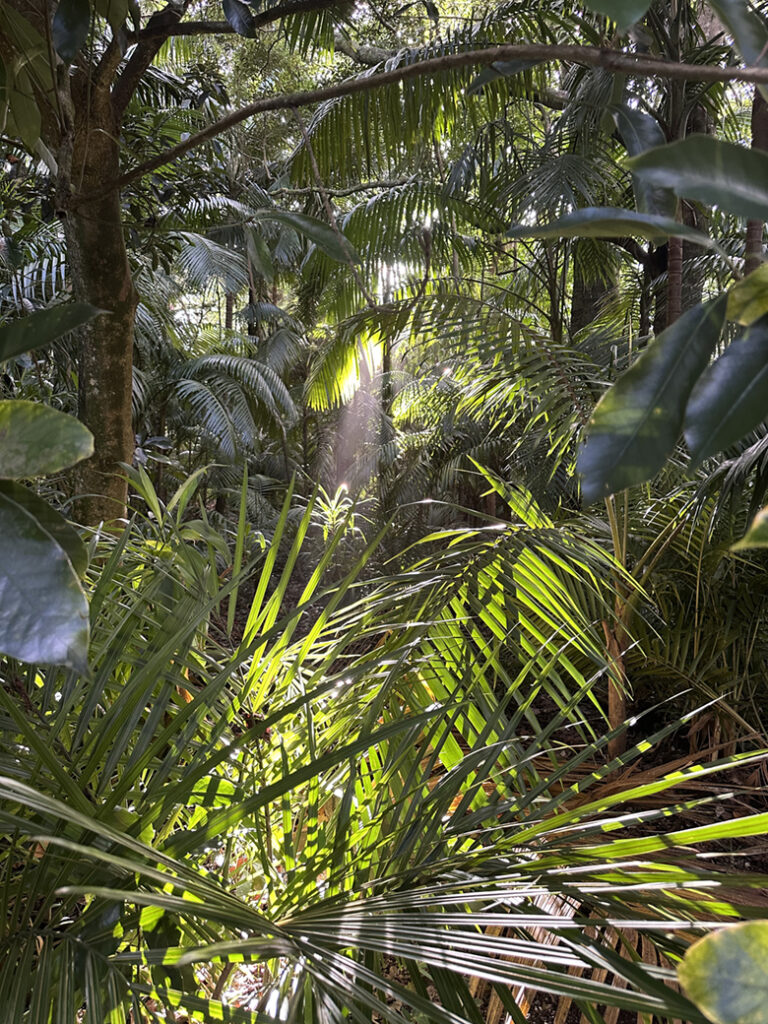
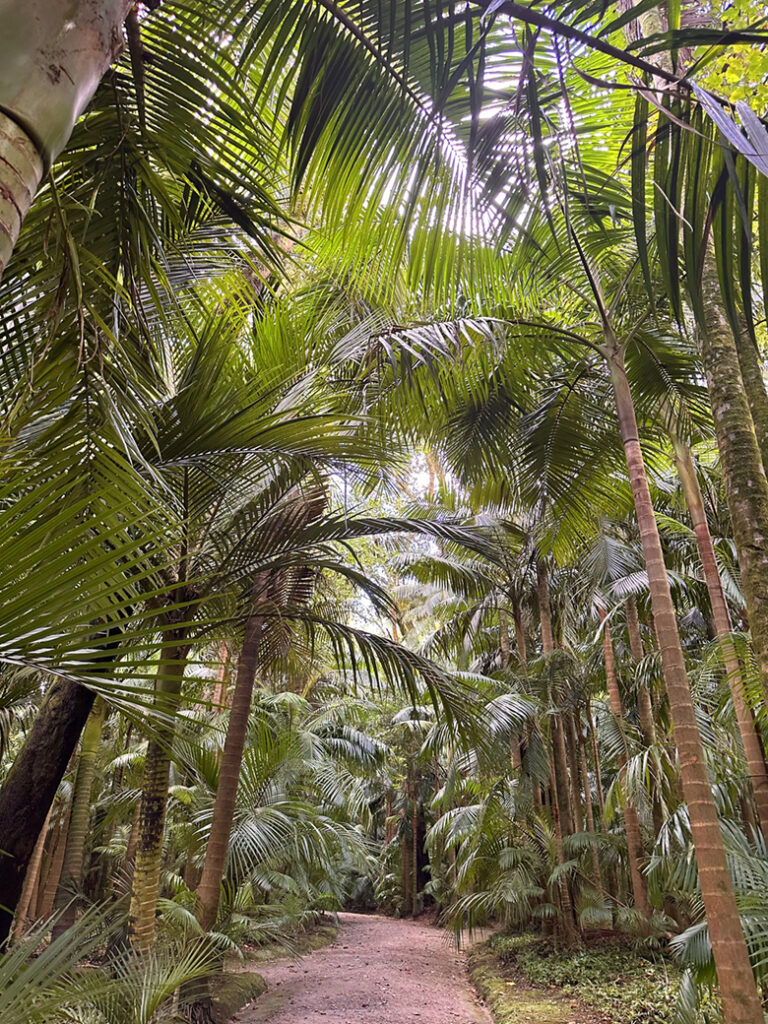
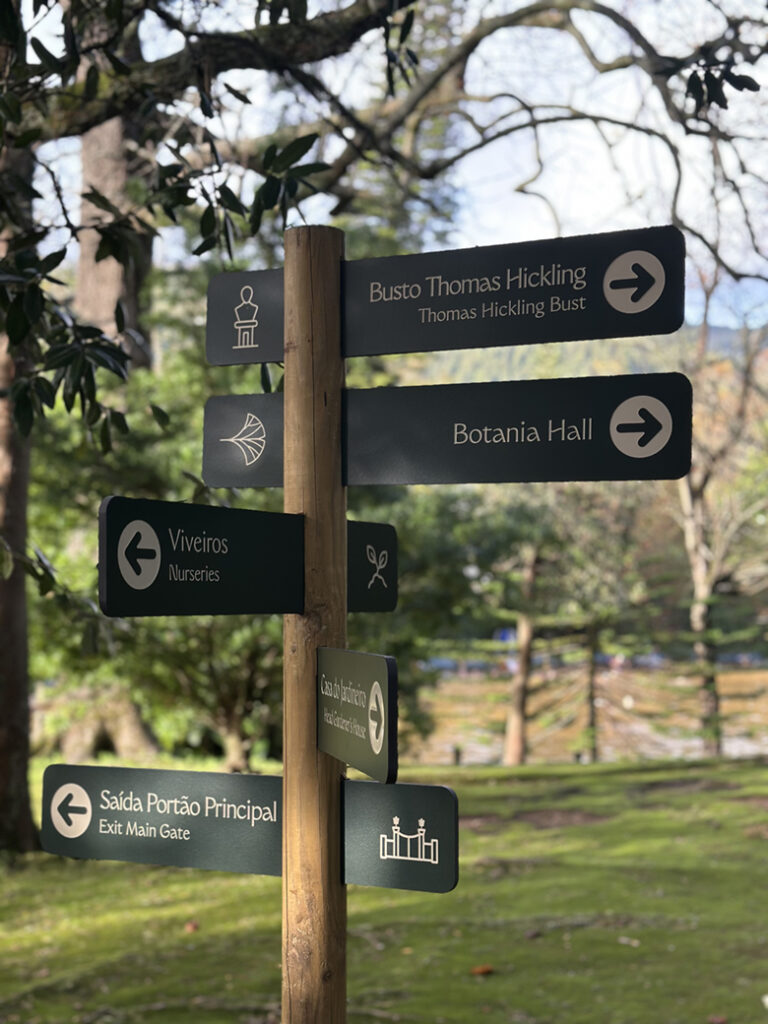
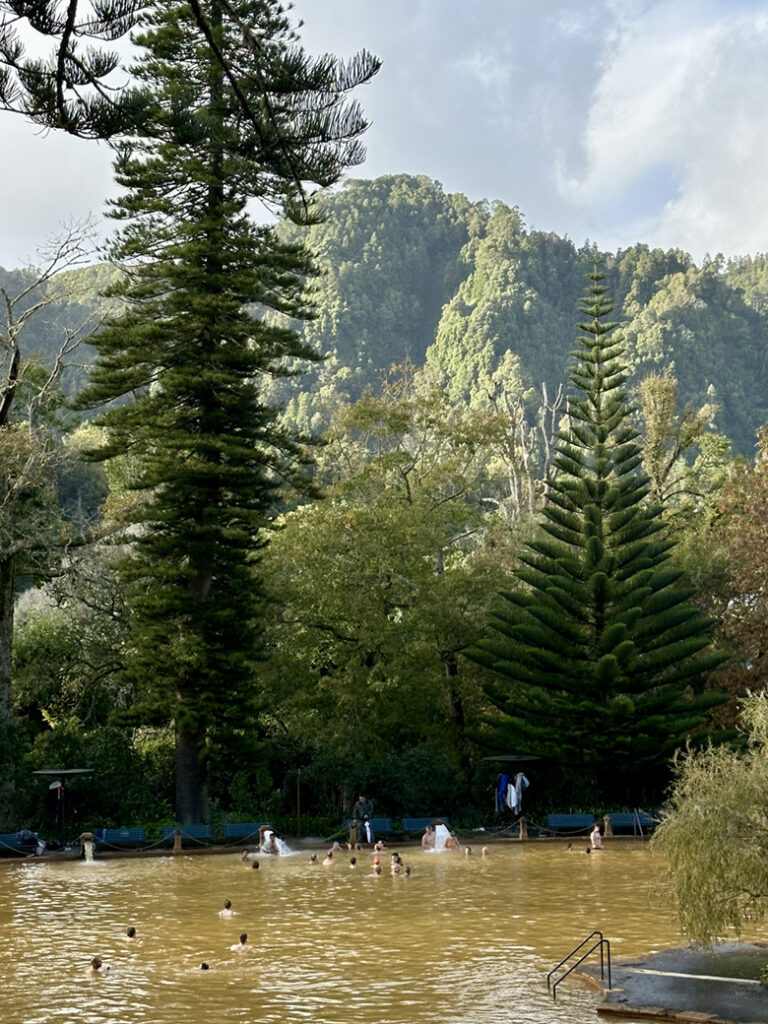
After lunch, I take a walk through Terra Nostra Park, a stunning 200-year-old botanical garden where more than 2,000 tree species can be seen. In some spots, you feel as if you’re in the jungle, and this park is worth a visit even outside of the blooming season. The highlight of Terra Nostra Park is a large thermal pool, golden-yellow from the iron, wonderfully warm, and a bit mysterious.
Wear a dark swimsuit, as the iron-rich water can leave stains. Changing rooms and showers are available; you’ll find them a little further down, next to the small natural steam baths, also known as jacuzzis.
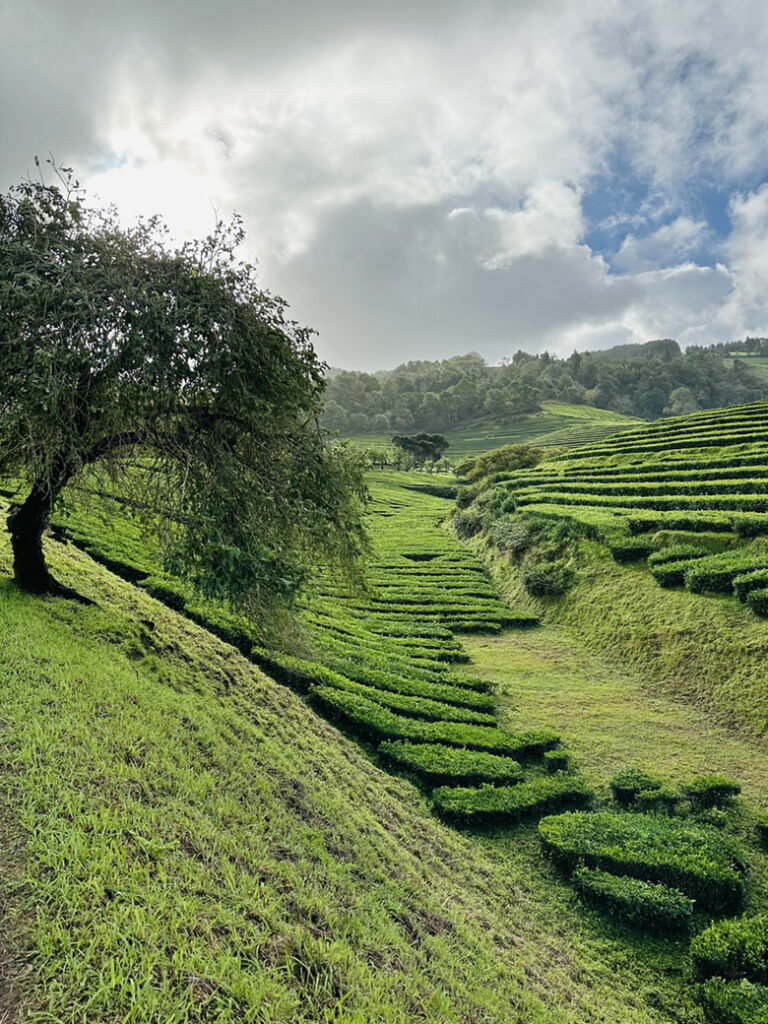
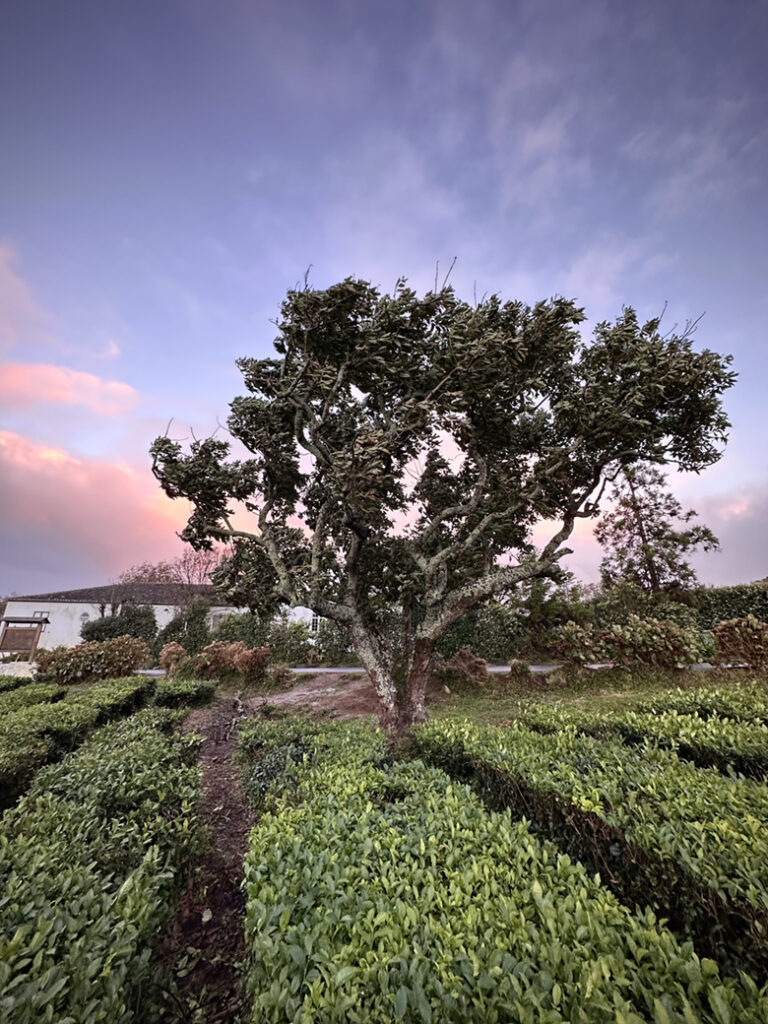
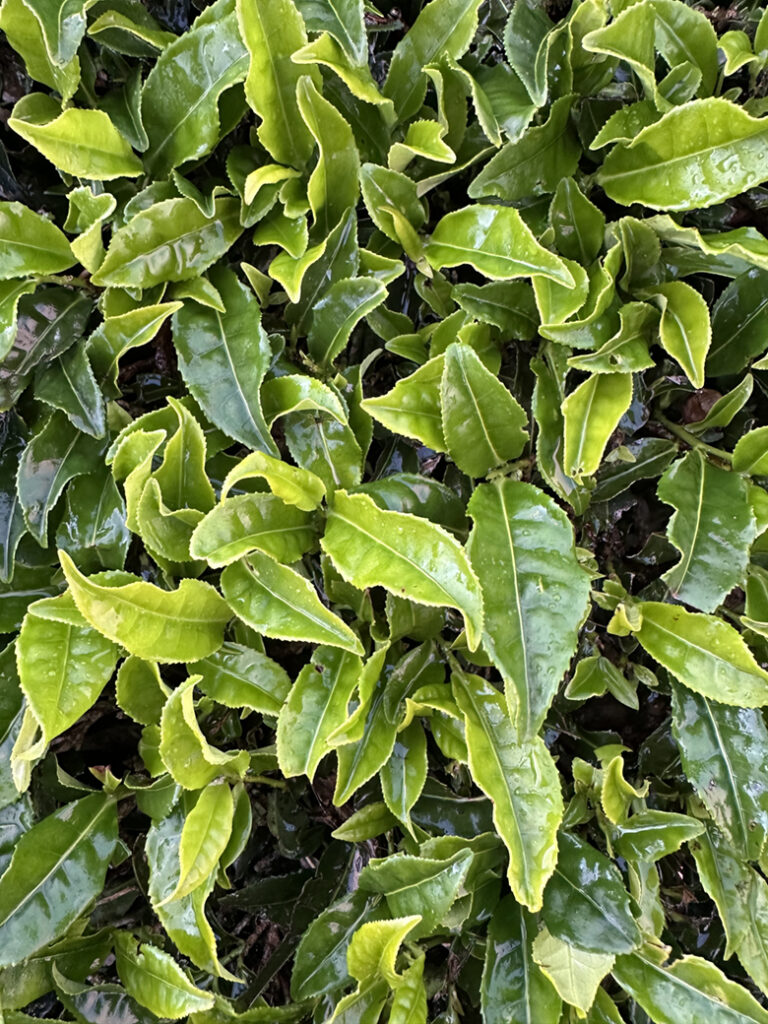
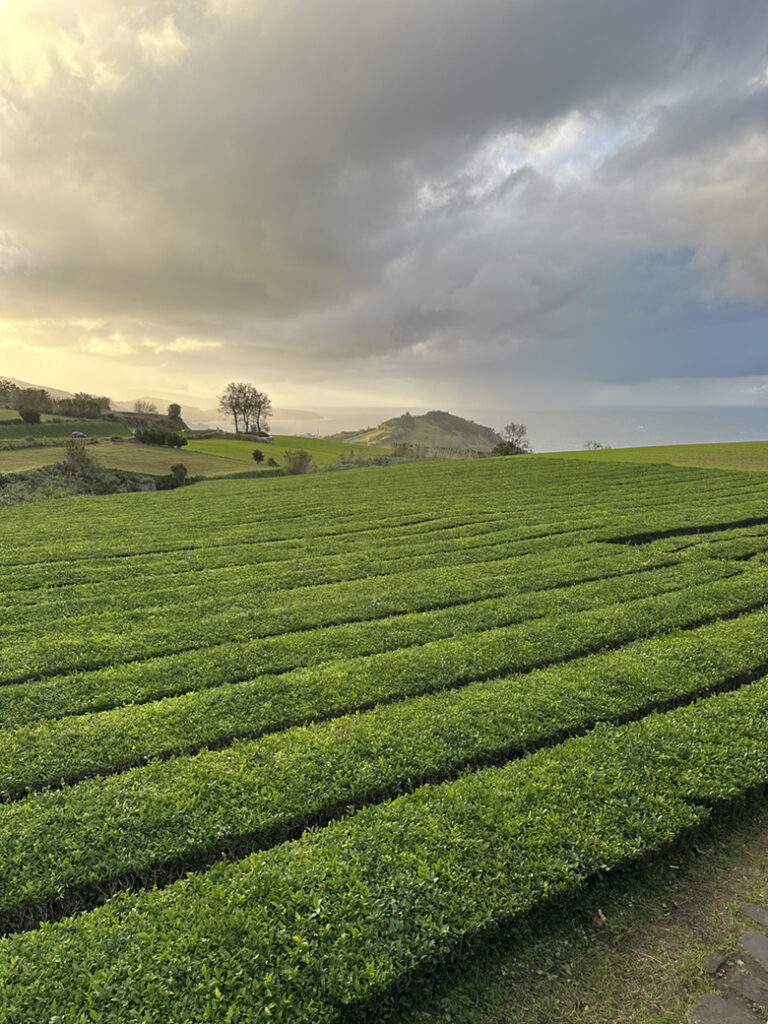
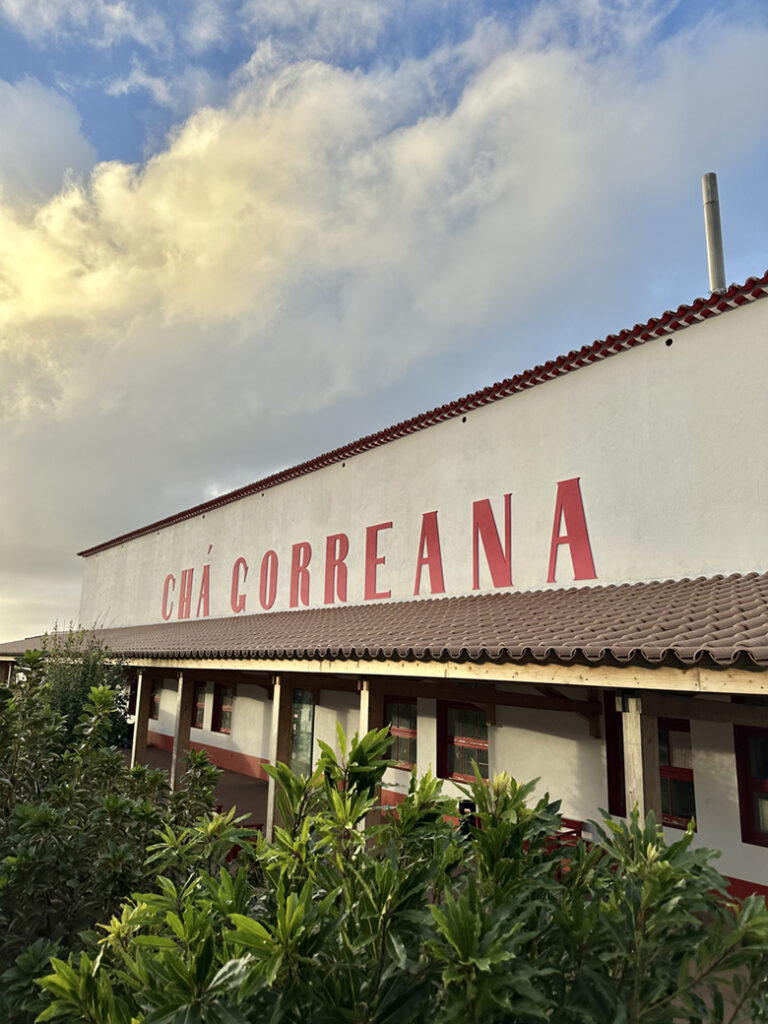
We continue along the north coast, where the ocean crashes wildly against black cliffs. Nestled among the green hills lies the Gorreana Tea Plantation, the oldest and still-operating tea factory in Europe. The scent of freshly picked leaves, the rhythmic movement of the machines, the view across the fields—this is slow tourism at its best.
Ask for a guided tour. In the late afternoon, you might also catch a beautiful sunset here. And in the gift shop, you can sample and buy tea to take home as a souvenir.
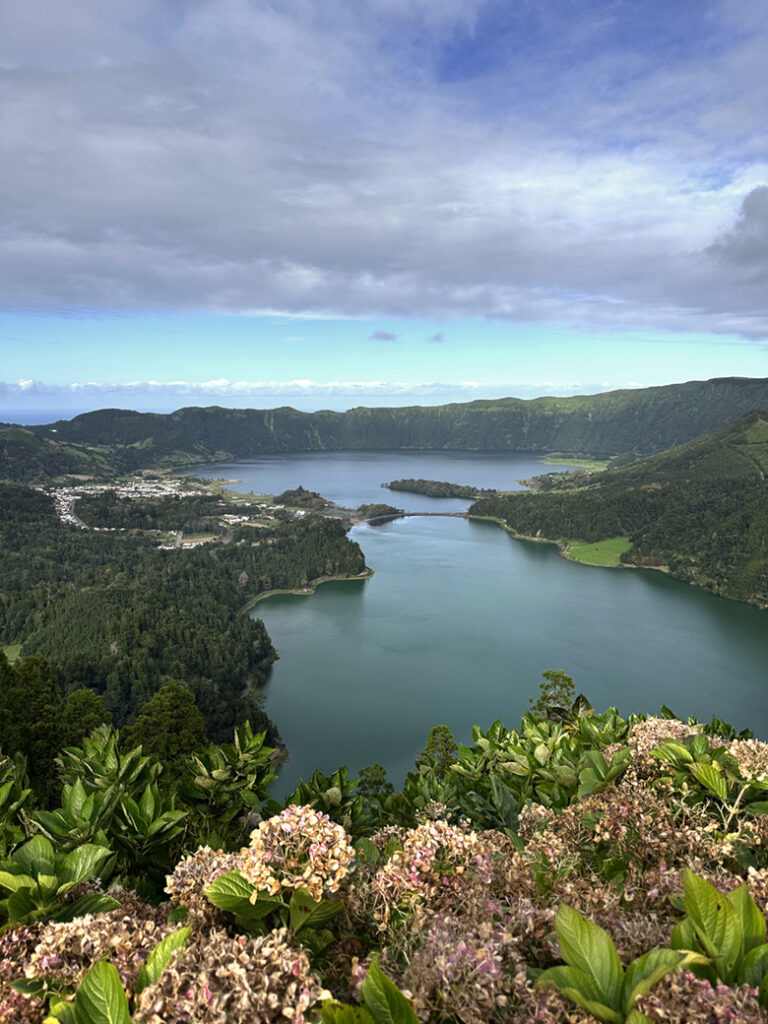
A must-see. From the Vista do Rei viewpoint, you can look down on the iconic two-colored lakes of Sete Cidades: the blue lake and the green lake, which, according to legend, were formed from the tears of a princess and a shepherd.
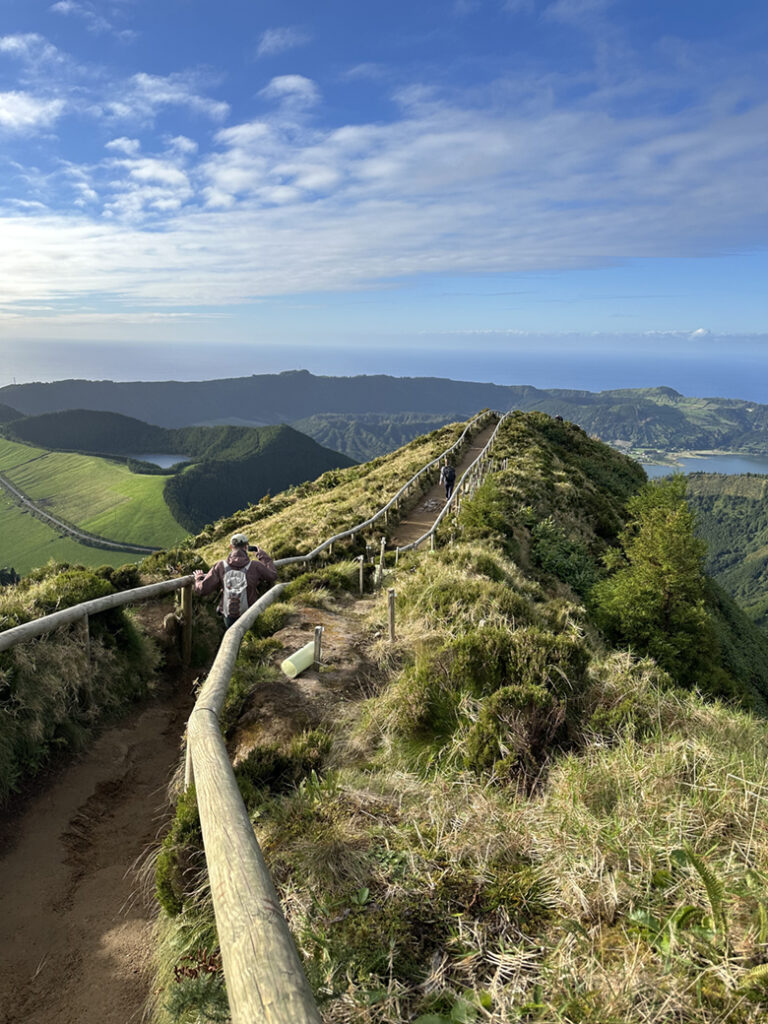
We started the hike at the parking lot of the iconic and abandoned Monte Palace Hotel. Here you’ll soon come across a wide path, dotted with hydrangeas, winding along the crater rim. To the right, a panoramic view of meadows and the two crater lakes; to the left, a panoramic view of even more meadows and the ocean. In the evening sun, it was a cinematic experience.
The route can be extended into a loop hike of over 14 km; we were picked up at Miradouro da Lomba do Vasco. Check Komoot for the route.
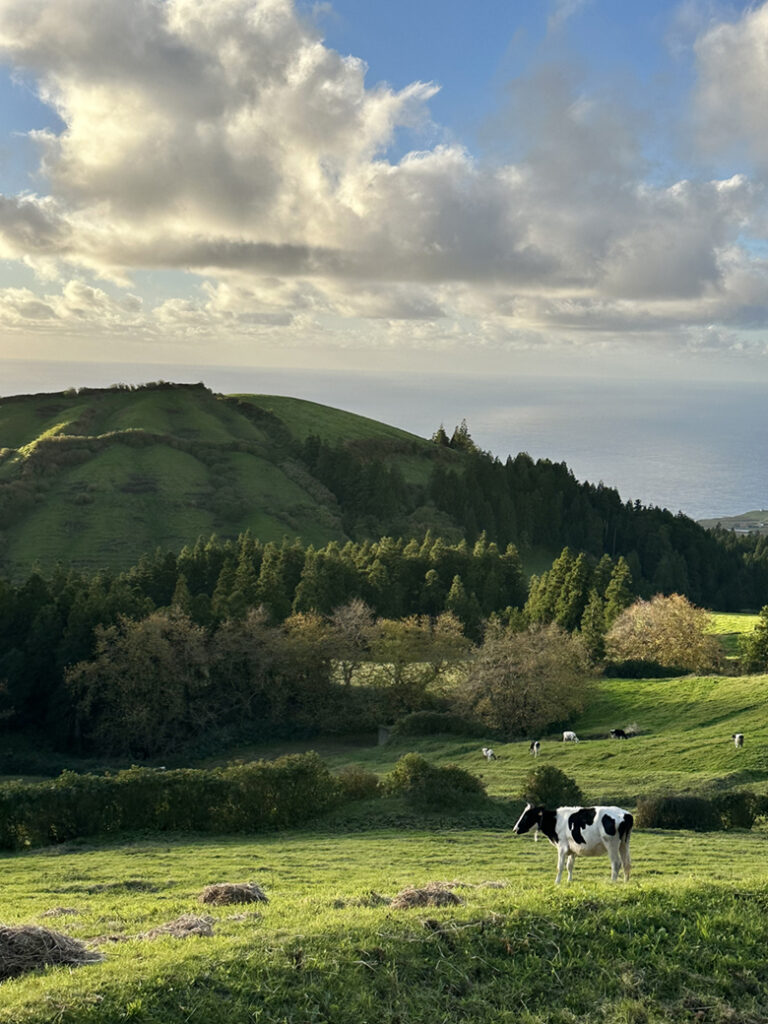
On the north coast, a completely different world unfolds: streams, waterfalls, an old watermill, and rugged rock formations. The approximately 5-kilometer hike near Moinho do Félix offers a unique blend of cultural history and nature.
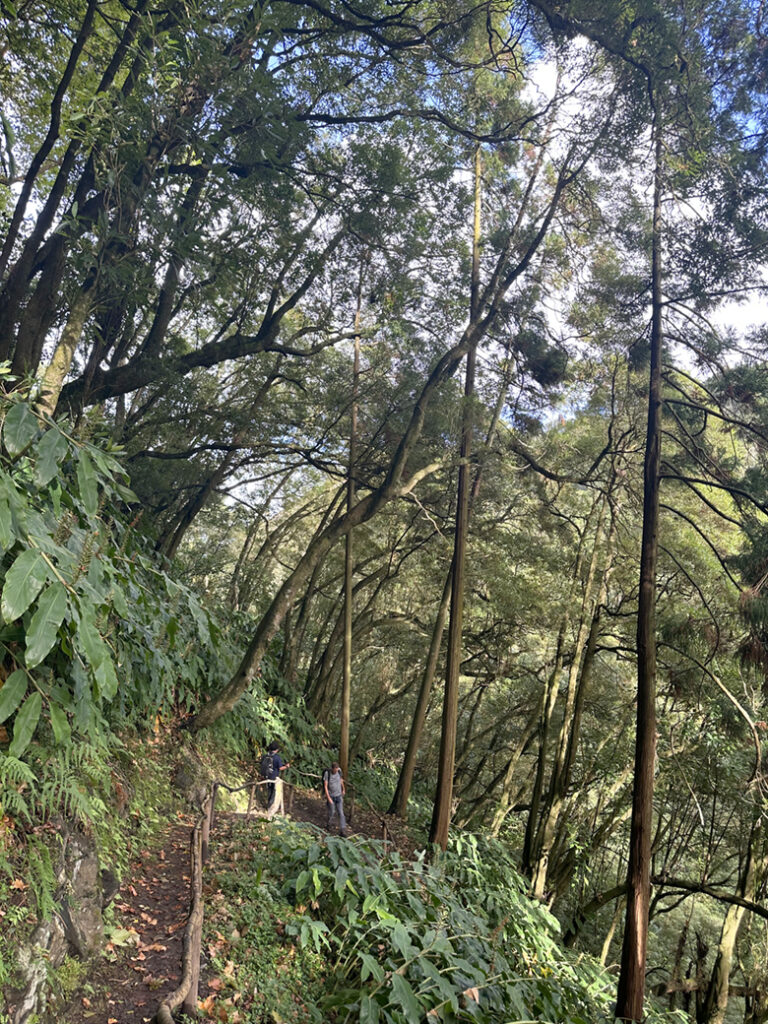
The trail passes several waterfalls and winds through lush wooded areas featuring cryptomeria (Japanese cedars), among other trees, which lend the landscape a mystical atmosphere. Parking is available at the Parque Infantil in Lomba de São Pedro. From here, the hike begins toward the Cascata do Homem waterfall, with stunning ocean views along the way.
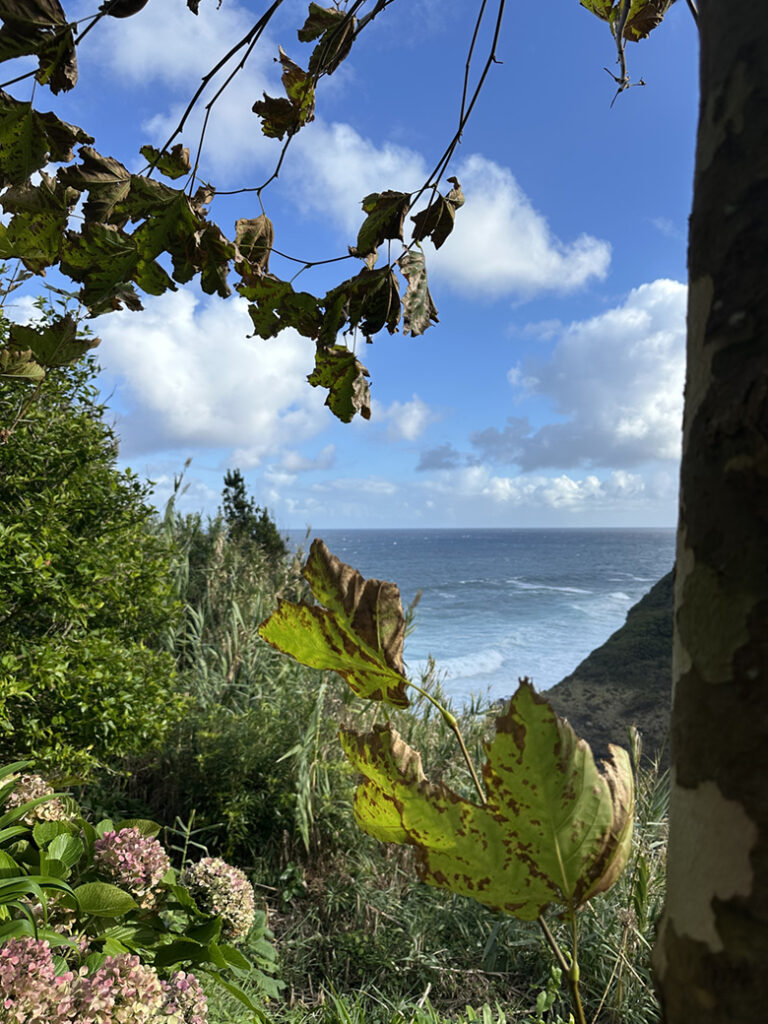
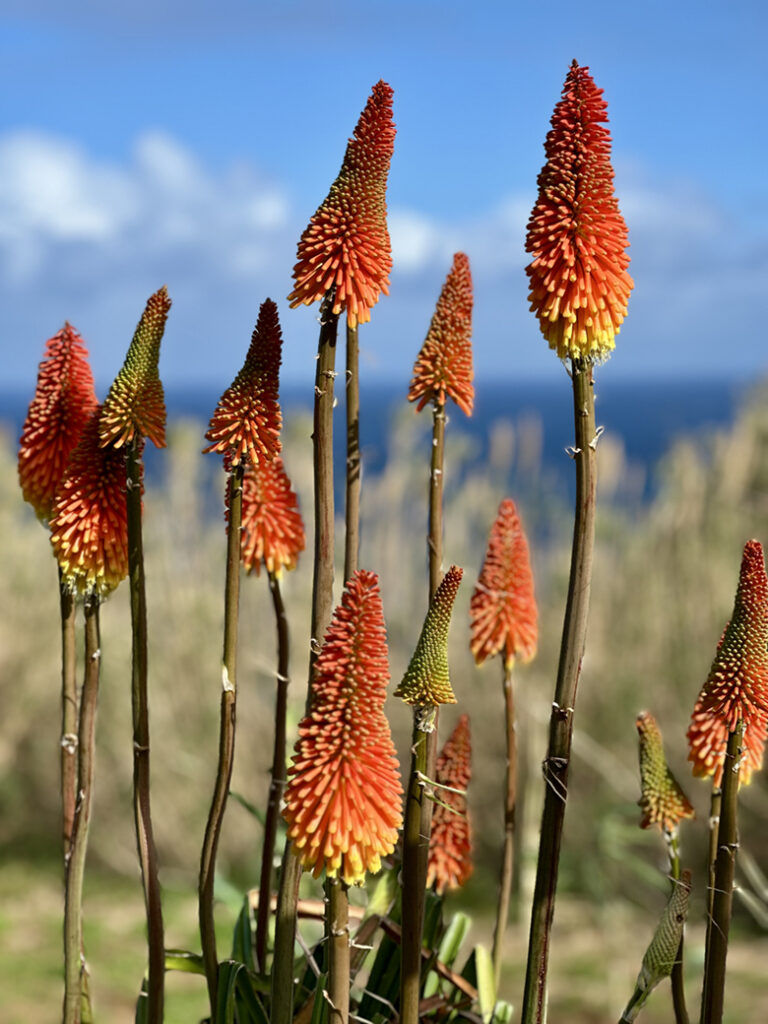
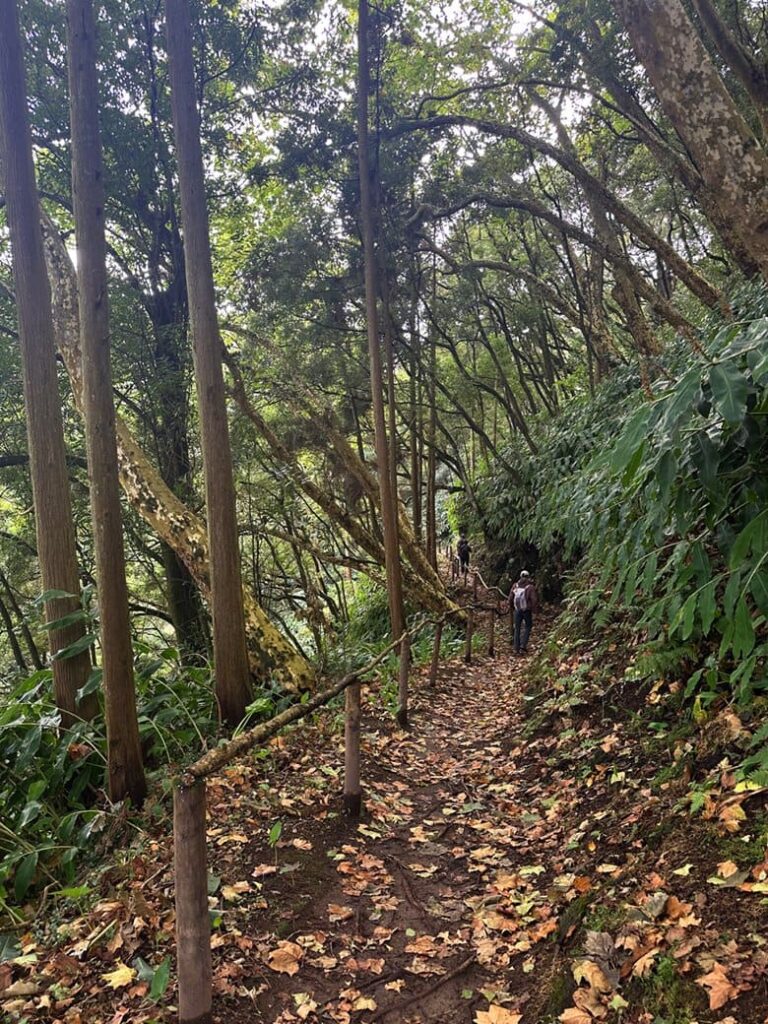
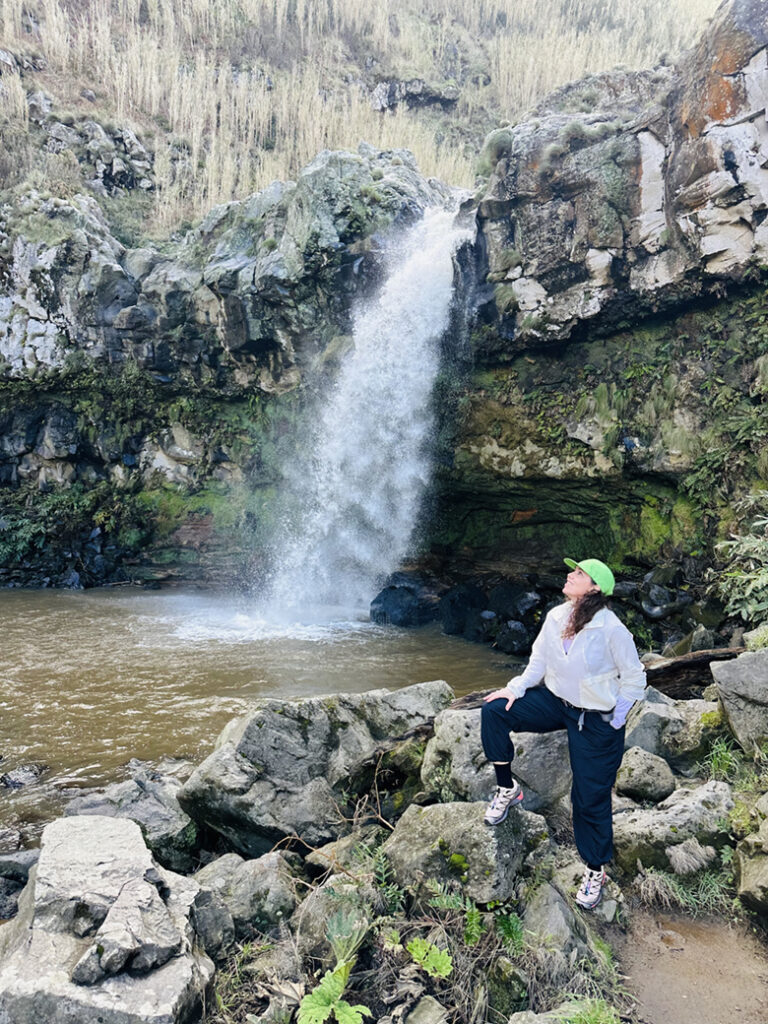
The trail then continues on to the Cascata da Gruta, Cascata do Teófilo, and Cascata do Risco—all waterfalls hidden in dense forests. The constant interplay of water, moss, and volcanic rocks makes this trail one of the most varied hikes on the north coast.
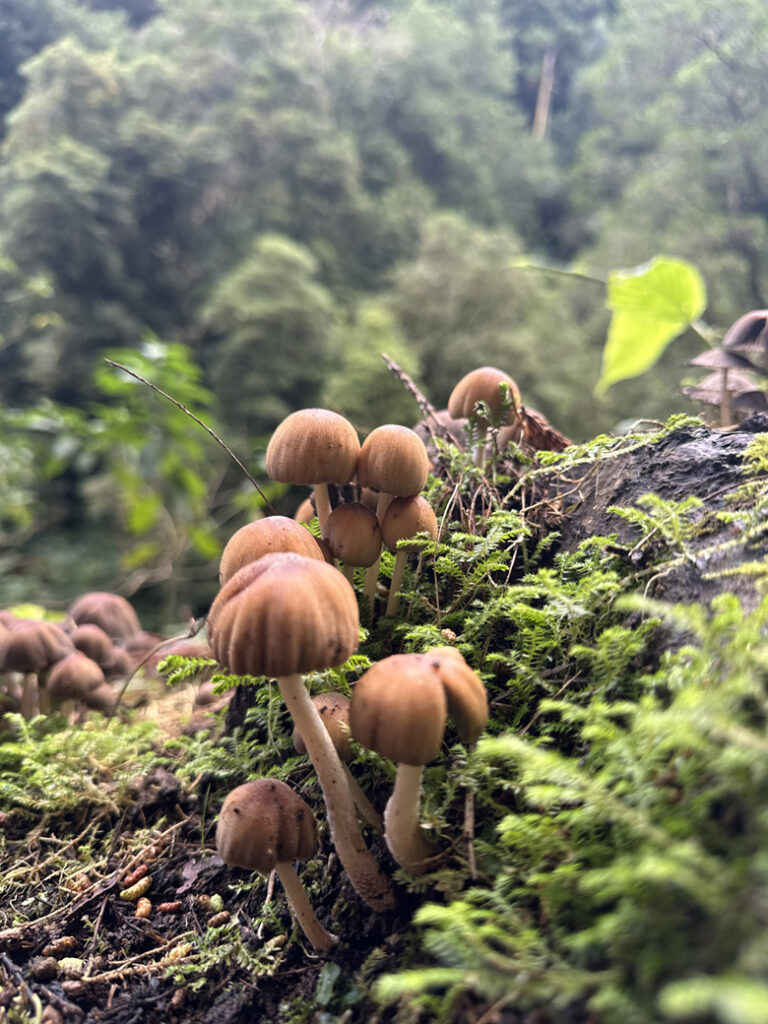
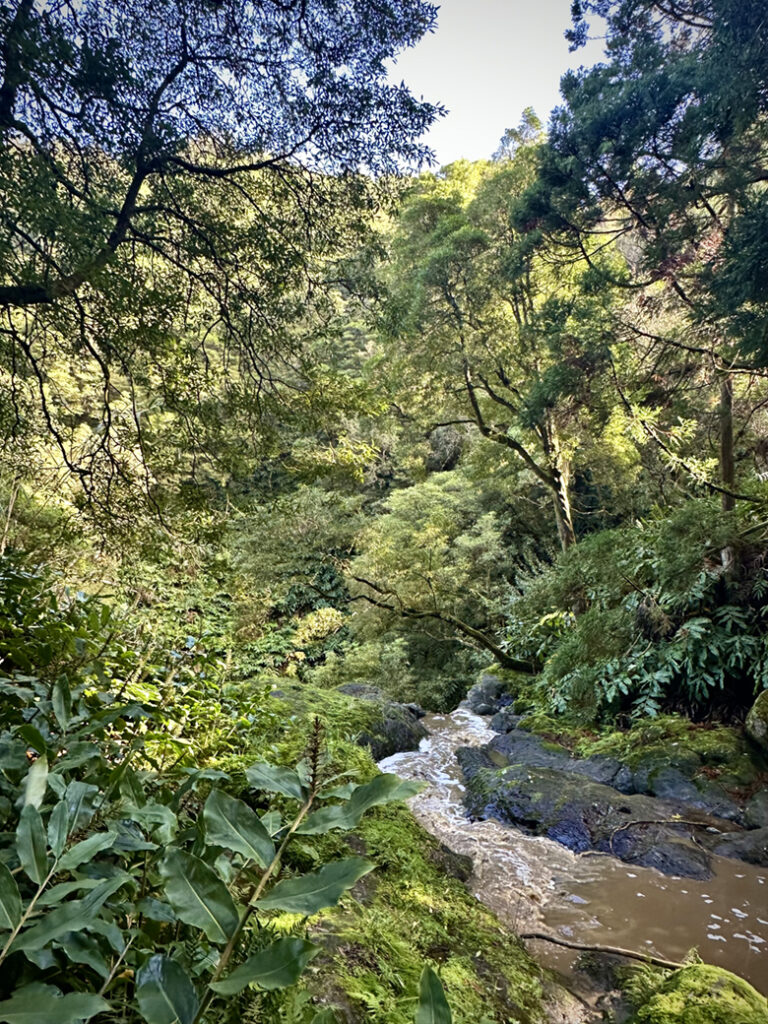
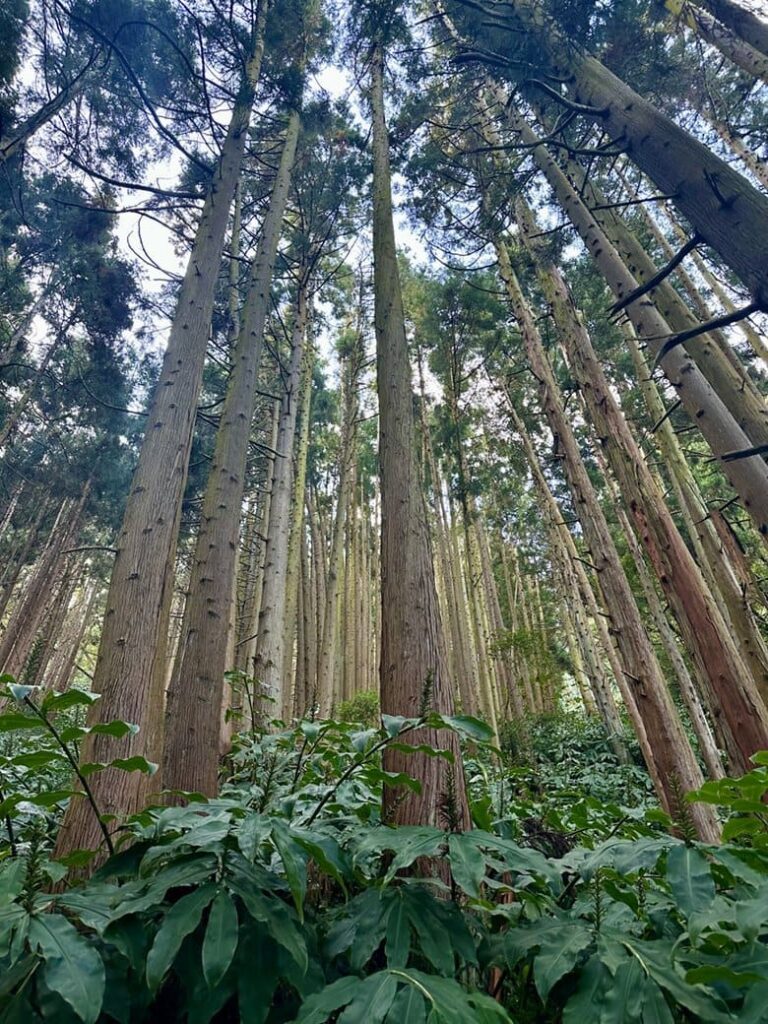
The cryptomeria is a conifer also known as the “Japanese cedar,” although botanically speaking it is not a true cedar. It is an evergreen conifer native to Japan that was introduced to the Azores in the 19th century for forestry and timber production.
On islands such as São Miguel and Terceira, the species has adapted exceptionally well to the humid, mild, and volcanic climate, and now forms large, dense forests that have become almost iconic features of the landscape.
You can recognize a cryptomeria by:
– straight, tall trunk
– soft, needle-like leaves (not flat scales like those of cypress trees)
– a light reddish-brown bark that peels off in long strips
– a pyramidal growth habit, especially in young trees
From an ecological perspective, it is an interesting paradox. These trees are not native, yet they have a strong influence on the current visual character of São Miguel. The original laurel forests, which included species such as laurel, holly, and Azores heather, have been largely displaced and now survive mainly in small, protected areas.
Yet the cryptomeria forests have created their own microclimate: cool, humid, misty, and rich in moss and ferns. That explains why hiking trails like the one at Moinho do Félix have an almost fairy-tale-like atmosphere; you’re actually walking through a planted commercial forest that has come to behave ecologically like a semi-natural ecosystem.
A beautiful thought about the landscape: what appears to be a primeval forest in the Azores is often not purely wild nature, but a subtle blend of human intervention and volcanic ecology that together have formed a new, unique landscape.
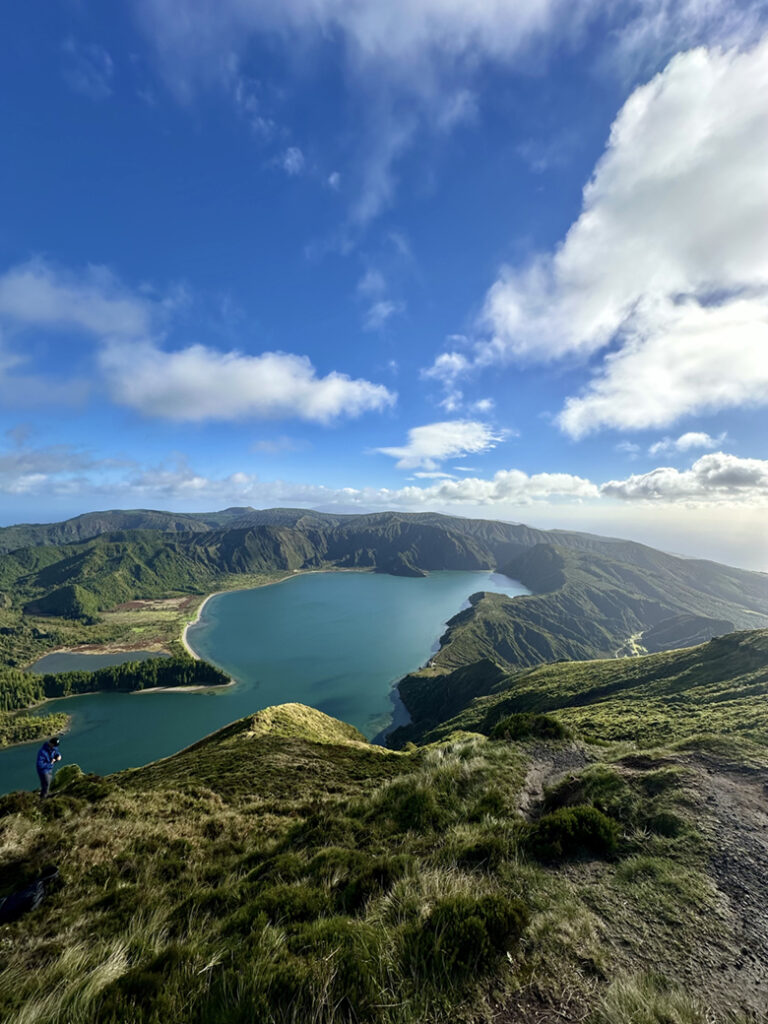
No visit to São Miguel is complete without seeing Lagoa do Fogo, the island’s most photogenic crater lake. Bluer than blue, it’s surrounded by a ring of green slopes where all you can hear is the wind and the birds.
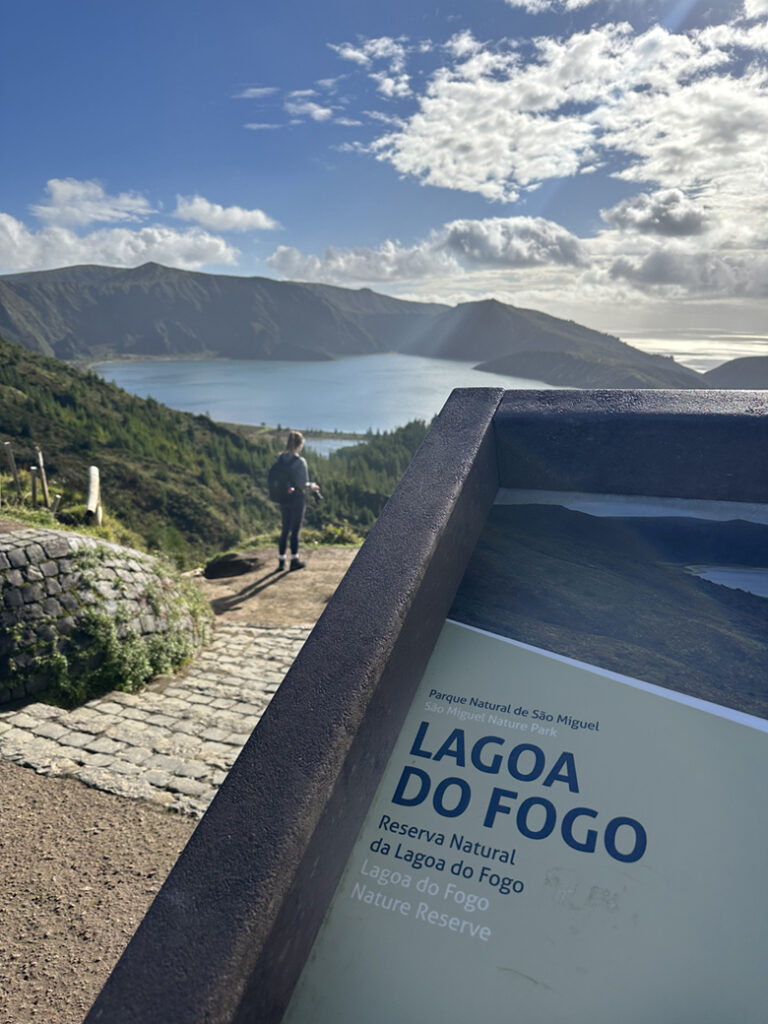
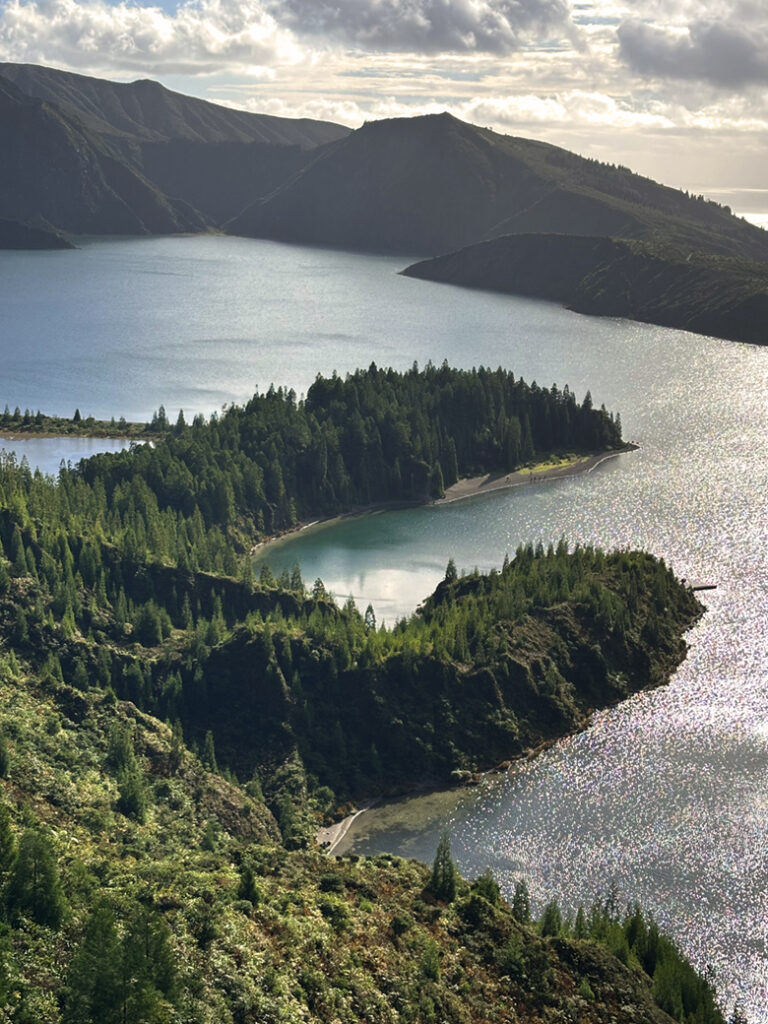
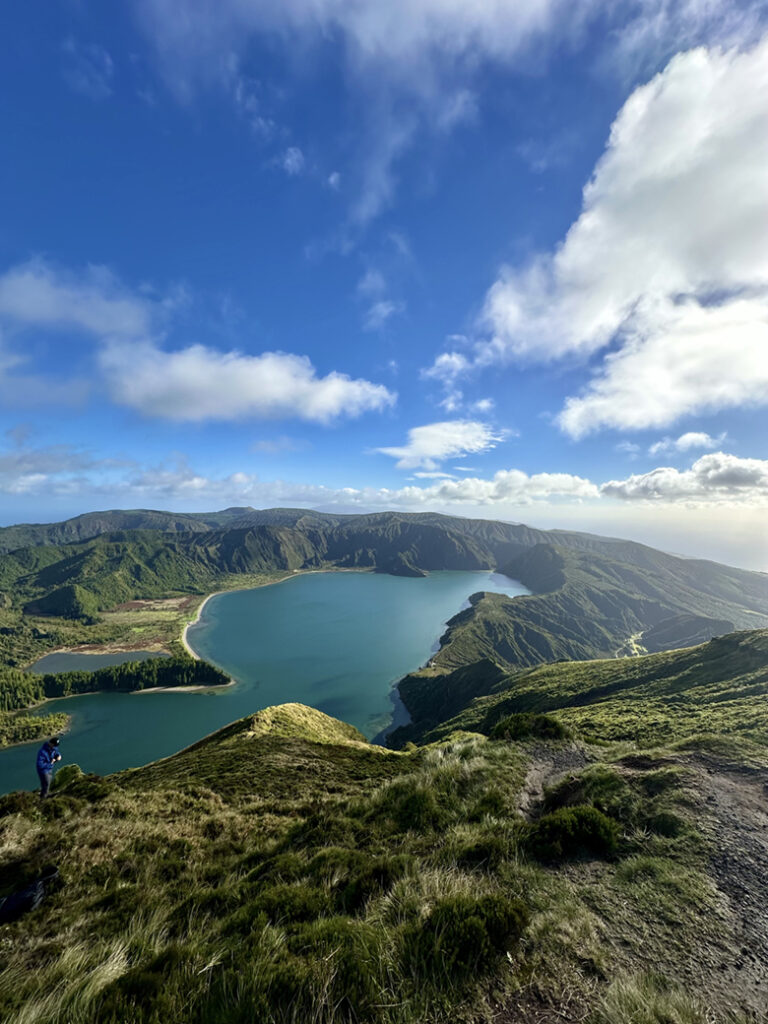
There is no trail around Lagoa do Fogo that completely circles the lake. The crater lake is located in steep and fragile terrain, which is precisely why access to the area is intentionally restricted.
What you can do, however, is walk along parts of the crater rim and descend to the small beach by the lake, always returning via the same route. In the summer, access is also regulated by shuttle buses to limit crowds and erosion.
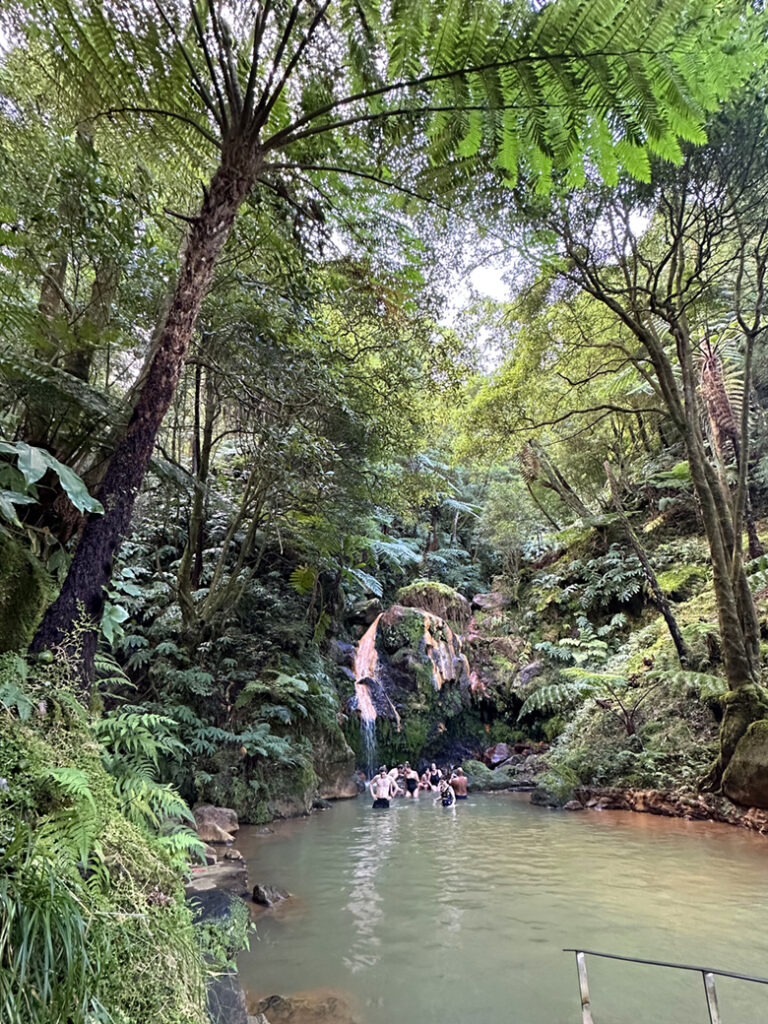
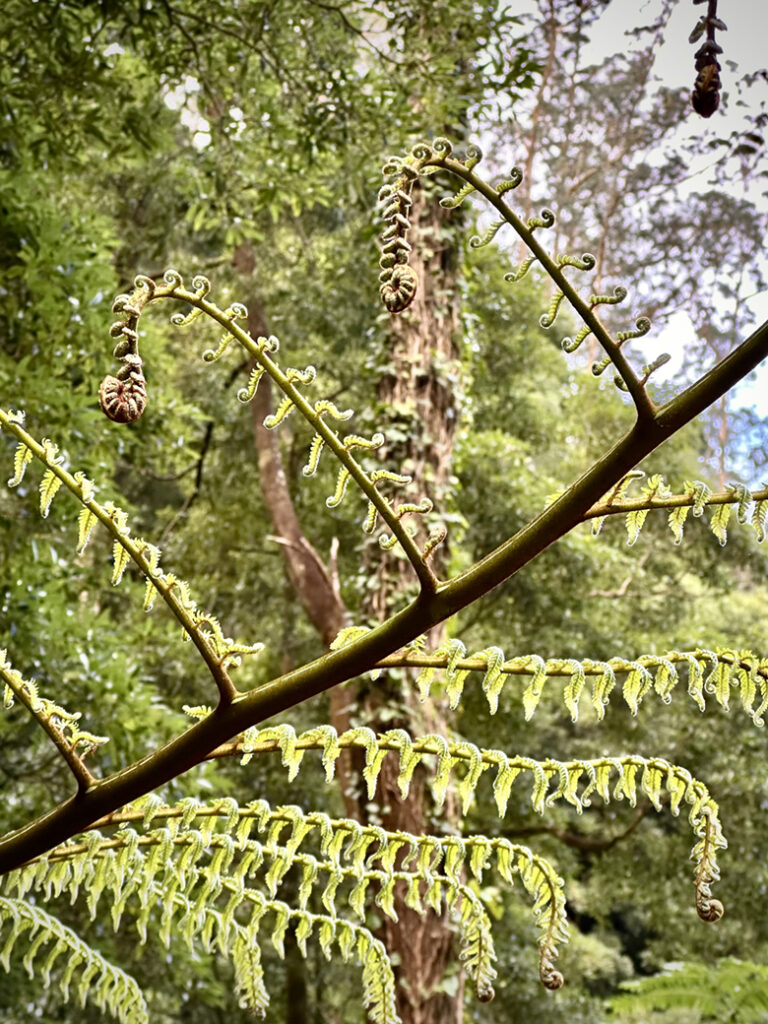
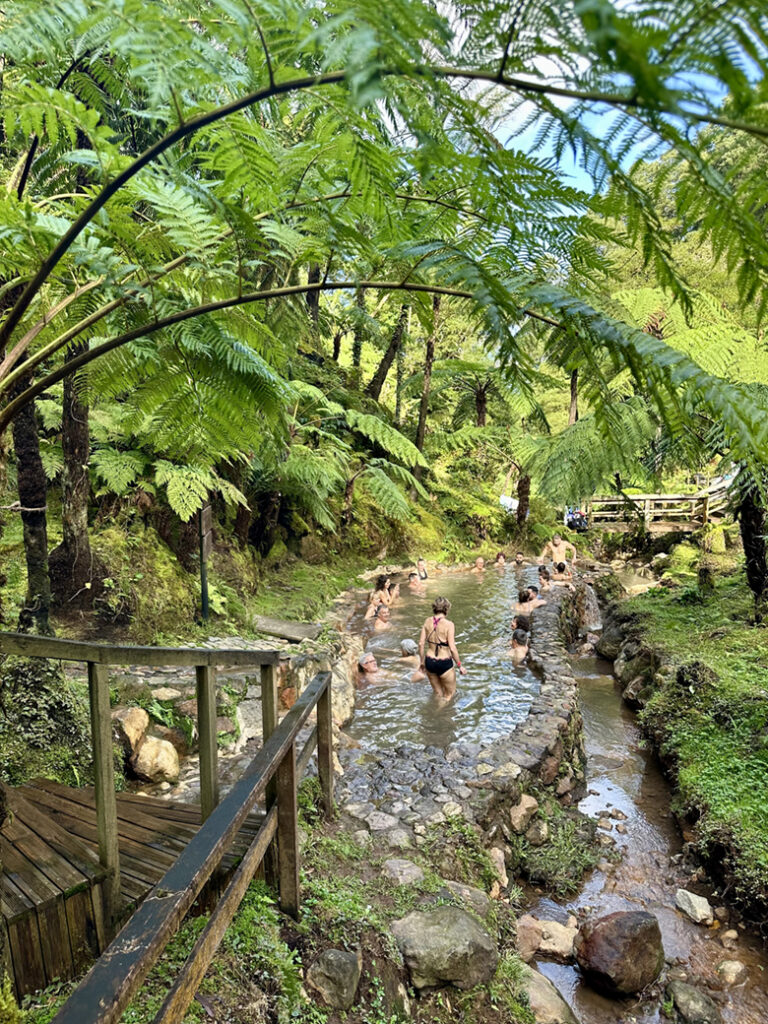
Nearby is Caldeira Velha, a nature reserve where warm, iron-rich waterfalls cascade among giant ferns into thermal pools. It feels tropical, but this is pure volcanic Atlantic wilderness. You can relax in the natural pools heated by geothermal springs.
Admission is regulated: it’s free for locals, but tourists must pay an entrance fee and book a time slot well in advance. Go early in the day for a more peaceful experience; bring water shoes, old swimwear, and towels. Keep in mind that the facilities are basic: there are changing rooms and showers, but no food or drink options, aside from a small snack stand in an old trailer across from the entrance gate.
Before I leave São Miguel for the next island, I’ll stop one last time at the viewpoint overlooking Sete Cidades. There’s still something magical about it: an ancient volcano, now filled with two-colored water, surrounded by a village, fields, and endless tranquility.
TAP flies from Amsterdam to São Miguel and Terceira in the Azores, with a stopover in Lisbon, starting at €250–300 round-trip. On flights to the Azores, you can also take advantage of TAP’s Portugal Stopover, which allows you to stay in Lisbon for up to 10 days at no extra cost. For more information, visit www.flytap.com
Traveling between the islands of the Azores is relatively easy and straightforward to plan.
Hotel
Lusitano Garden Villas in Ponta Delgada on São Miguel
Restaurants
Octant Ponta Delgada – www.pontadelgada.octanthotels.com
“Cozido das Furnas” at Tony’s Restaurant in Furnas
Lunch at Casa do Chá “O Poejo” – Quinta da Queiró
Fun Activities contacts:
AZORES TICKET OFFICE in Ponta Delgada
Mobile: +351 911 014 212
www.fun-activities.net

Mieke Tacken
I am an interior designer, photographer, and an avid nature hiker. I’ve lost my heart to the simplicity and beauty of hiking vacations. I also appreciate the unique experience of a stay that tells a story about local history or culture. Here, I share my stories and tips—whenever possible, with a light footprint and always with a heart full of wonder.
Hiking to Trondheim along ancient pilgrimage trails What’s it like to hike for days along ancient pilgrimage trails to Trondheim? During a trip through Sweden and Norway, I hiked several sections of the St. Olavsleden. From the open border mountains near Skalstugan to...
Hiking the St. Olav Trail: Route, Stages, and Tips A thousand years ago, Olav Haraldsson traveled this road northward in search of his crown. He met his death at Stiklestad and was canonized three years later. Since then, pilgrims have followed the same route: from...
Just twenty minutes past the coast lies a completely different Málaga Twenty minutes by car from Málaga Airport, the highway turns into a winding road leading into the mountains. The coast disappears behind you, and ahead lie olive and almond trees, karst rocks, and...
Get inspired
Are you looking for the most beautiful hiking and biking routes? Or do you want information about traveling by train or advice for the most beautiful road trips through nature. Get inspired for your next trip in green; ideas for planning your own trip or opting for an organized trip.