
Gratis gids 10 verborgen natuurplekken in Europa
Gratis gids 10 verborgen natuurplekken in Europa. Meld je aan voor onze nieuwsbrief en ontvang inspirerende reistips en routes voor je volgende groene reis.

If there’s one place that’s green, it’s Umbria. It had been years since my last visit to Lake Trasimeno. Time for a fresh look. I went in May and was pleasantly surprised by the tranquility and the natural beauty. Read about the lesser-known spots around Lake Trasimeno and its most beautiful villages.
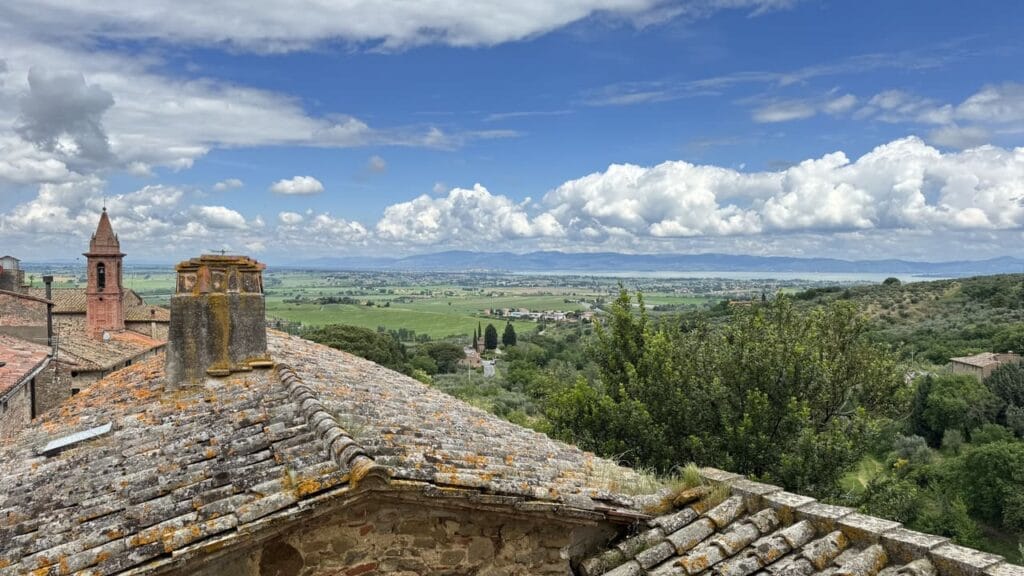
Lake Trasimeno is located in Umbria and borders Tuscany. The Val di Chiana and Cortona are just a few kilometers away, and you can see the landscape gradually transition from the refined and cultivated hills to a somewhat rougher and greener landscape. Hills, mountains, the lake, and lots of greenery.
What may make Umbria even more appealing are the surrounding medieval villages, each of which is unique and authentic, with its own story and history.


It’s important to understand before your visit that Lake Trasimeno is not a recreational lake like the ones you find in some parts of northern Italy. There are only a few spots where you can actually swim or take a boat out. The best way to experience it is as a stunning Nature reserve teeming with birds, fish, and lush greenery in every shade imaginable.
The island of Isola Maggiore has no fewer than 7 (or 9) residents. There was some debate about this among the locals in the fishing village on the island. In the summer, of course, there are many more visitors because of all the tourists who come to check out the island. We were there in early May, and the island was practically deserted.
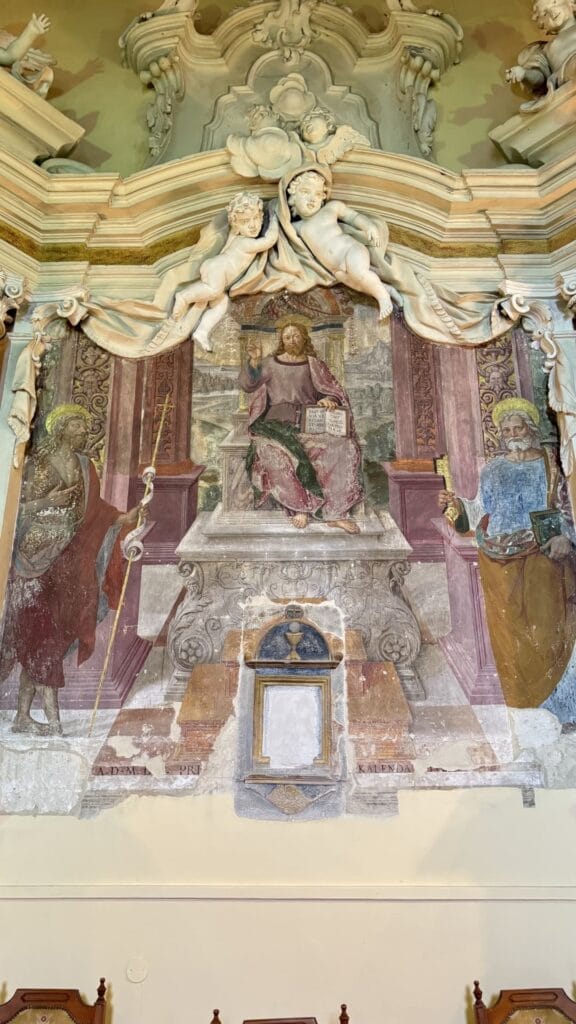
St. Francis visited the island in the 13th century. Today, the island has as many churches as it does residents. A short climb to the top takes you to the remarkable Chiesa San Michele Archangelo. Built in the 13th century, it was likely constructed on the foundations of an earlier church.
The few euros admission fee is definitely worth a visit; the beautiful frescoes tell centuries of history, from the styles of Cimabue and Giotto to Renaissance painters.
They are still working on restoring and uncovering ancient frescoes on the walls and ceilings. Feel free to take a tour with the guides who are there.


On the island, you’ll also find the Museo del Merletto. It features an exhibition of beautiful lacework created by fishermen’s wives in the early 20th century, which brought in more income than their husbands’ catches. These were the first steps toward emancipation.
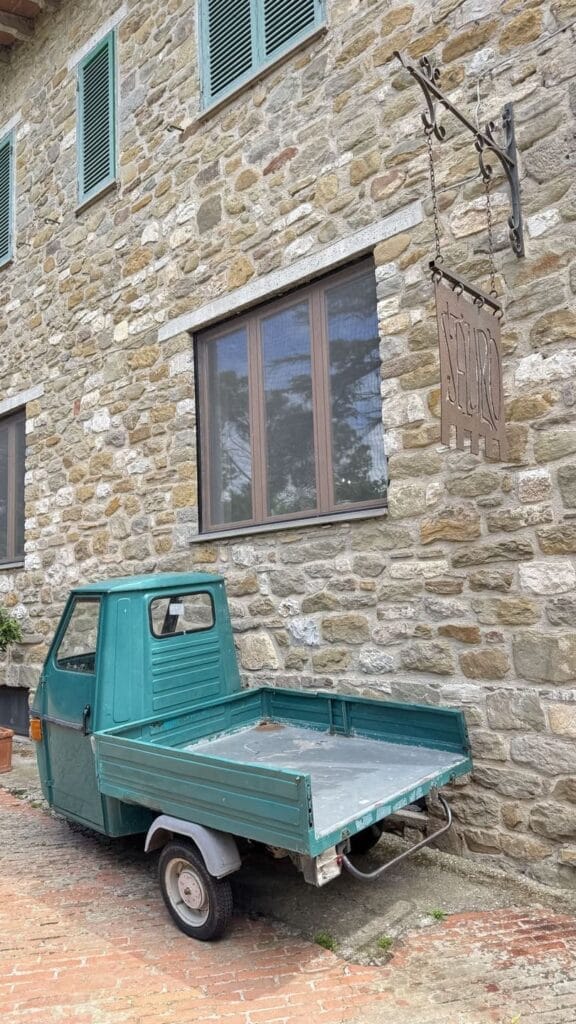
Lunch tip on Isola Maggiore: Da Sauro, now run by his daughter Maria Pia
The Lake Trasimeno Nature Park is the largest of the six nature parks in Umbria. It includes, among other things, the three islands in the lake: Isola Maggiore, Isola Minore, and Isola Polvese.
The park is an important wetland and a breeding ground, wintering ground, and resting place for many species of birds.


Isola Polvese is a prime example of sustainable tourism and has also been recognized as a European Destination of Excellence for the quality of its tourism and hospitality services. It also serves as a platform for initiatives focused on environmental education in schools, with an emphasis on the environment, history, culture, and the sustainable management of the area.
Isola Minore is privately owned but uninhabited. It’s a paradise for the many birds that rest and nest here. You can sail or canoe around it. It’s definitely worth a visit because of the enormous variety of trees and birds you can see. Tip: Bring binoculars.
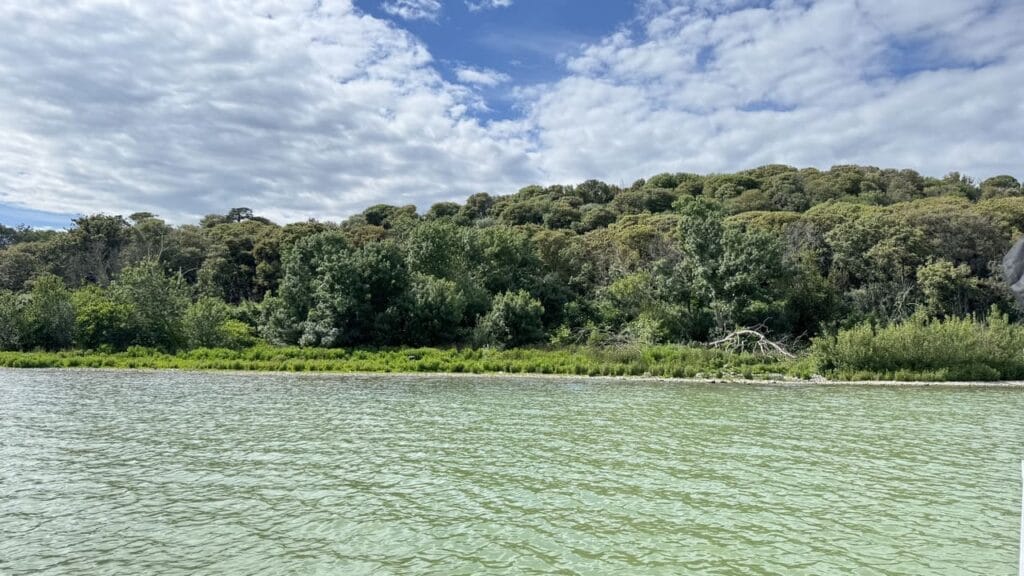
Isola Polvese, in the municipality of Castiglione del Lago, is located in the southeastern part of Lake Trasimeno and is the largest island in the lake (about 70 ha). It is a “scientific-educational” park. The area features tall holm oaks, centuries-old olive trees, and a vast reed bed; it is an ideal place for waterfowl to overwinter.
There are also important historical sites, such as the Church of San Secondo, the Olivetan Monastery, the Church of San Giuliano, and a recently restored 14th-century castle.
The island also has a garden featuring aquatic plants: the Porcinai Pool, built in the late 1950s by architect Pietro Porcinai and featuring native and exotic plants.
This nature park is located on the southeastern side of the lake. Its shallow waters and vast reed beds make it an important stopover and breeding ground for thousands of birds along the major migration routes.
Oasi la Valle has two nature trails with four observation points and a 200-meter boardwalk through the reeds. You can borrow binoculars, and the bird-banding station is open every Saturday morning.
Although Umbrian cuisine is known for its meat, it’s no surprise that a lot of fish is eaten around Lake Trasimeno. Historically, fishing has been of great importance here. In the lake near Camping Listro in Castiglione del Lago, you can see carp laying their eggs near the reeds. In addition to carp, you’ll also find eel, perch, pike, and catfish, among other species.
Many of the villages around the lake are worth visiting—especially those a little further away from the lake. I’ll highlight a few must-sees.


Located on the border with Tuscany, Castiglione del Lago is an important town for the region. The most significant site in the town is undoubtedly the Palazzo della Corgna. Originally built as a villa, it later became the royal palace of the dynasty. It houses a beautiful museum that chronicles the history of the della Corgna family. The paintings are by Niccolò Circignani, better known as Pomarancio.
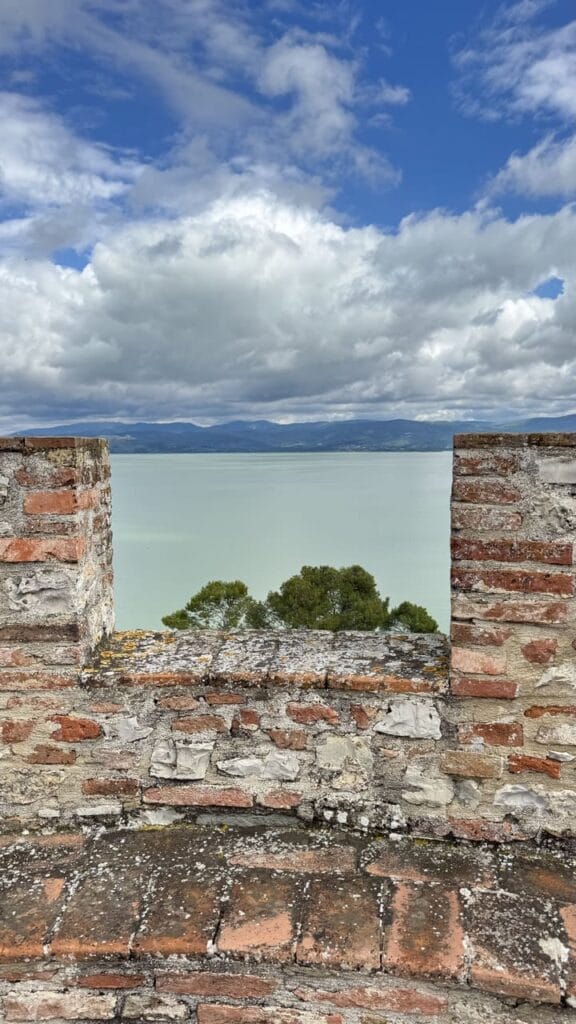
Adjacent to the Palazzo della Corgna stands the Rocca del Leone, a military fortress that was built starting in the second half of the 12th century on the ruins of an Etruscan acropolis. The two buildings are connected by a historic covered passageway.


The walk from Panicale to Paciano is a beautiful hike along a very quiet, paved road. It’s about 7 kilometers.
This walk is even more enjoyable with guide Oriano. He really knows everything about both villages—their history, their rivalry, and fascinating anecdotes. He is also the secretary-general of The Garden of Peace in Paciano. Read more about this below.
Panicale is a medieval village with a beautiful view of Lake Trasimeno. It is the birthplace of many artists and leaders.
Panicale is not only one of the most beautiful villages in Italy, but also boasts significant cultural and scenic heritage and continues to host many events. The Renaissance left a remarkable mark on the town: Perugino, Raphael, and G. Battista Caporali, to name just a few of the most important masters. Contemporary artists are also represented there.


There is the “old” Paciano (Paciano Vecchio), which, unfortunately, no longer exists except for a section of the city wall. The village—located on the road between Panicale and Paciano—was abandoned in the 14th century due to a lack of water.
Paciano “nuovo,” dating from the 14th century, is a surprisingly authentic and well-preserved medieval village where a strong sense of community is clearly evident. David Taggart (founder of Greenpeace) lived here until his death. And here’s an interesting detail: Ed Sheeran has a house here—though I couldn’t find it, by the way.


The locals take good care of one another, as well as the plants and flowers lining the streets and at Palazzo Baldeschi, where cultural activities are organized for everyone. On August 10, the villagers of Paciano race downhill in carts (headfirst).
Castiglione del Lago, Paciano, Panicale, and Passignano sul Trasimeno have all earned the prestigious title of “borgo più bello d’Italia.” The nearby town of Corciano has also received this recognition.
Air, water, and soil are strictly monitored in accordance with national and European standards. Since 2020, “Arpa Umbria” has organized Isola Prossima, an annual art exhibition inspired by environmental issues, on the island of Polvese and in the municipalities around the lake. Events are also held during this time to promote environmental awareness. During Isola Prossima, events and conferences are also held to promote environmental awareness.
In San Feliciano, you can rent electric boats from Trasimeno Turismo.
The Garden of Peace association in Paciano is dedicated to transforming spaces into oases of peace and reconciliation. Each garden consists of 21 olive trees from 21 countries around the world. The gardens serve as places for encounter and dialogue, where people from different cultures share experiences and build connections. With the presence of olive trees—a universal symbol of peace—the Gardens of Peace serve as a symbol connecting cultures and religions.
The U.R.A.T. is a collaboration among business owners around Lake Trasimeno. They have joined forces to promote Lake Trasimeno in a sustainable manner.


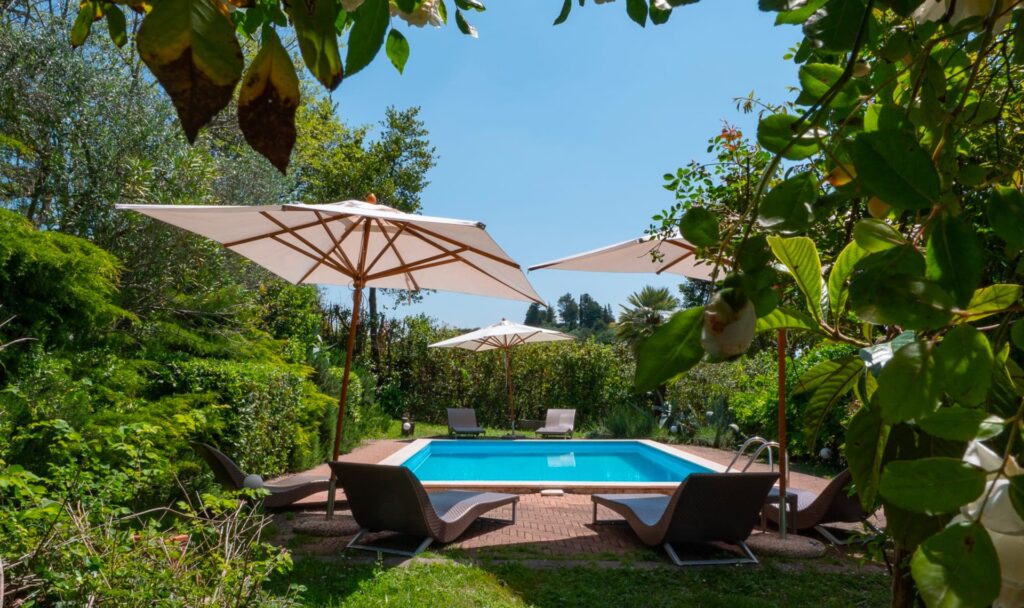
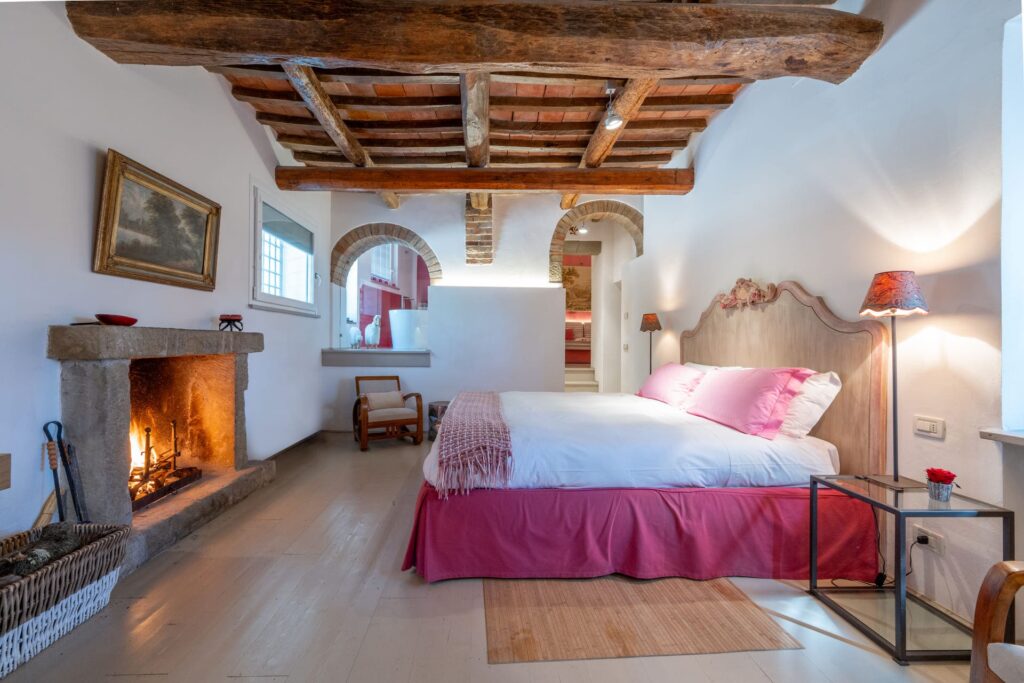
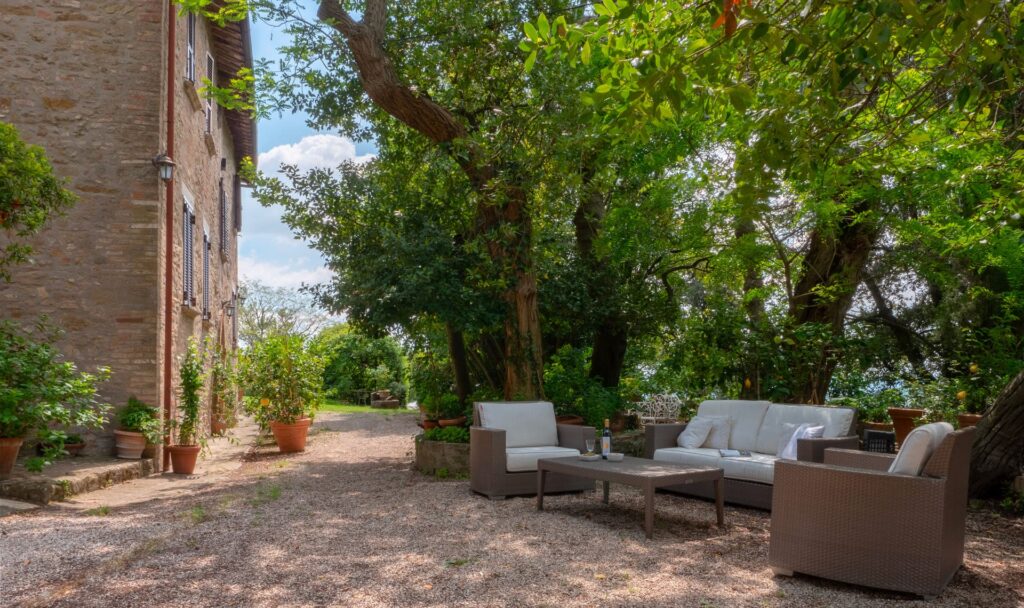
There are many different types of accommodations around the lake. I’ll highlight a few unique ones in various categories.

With a passion for travel and photography and over 30 years of experience in the travel industry, I love to share my special nature travel tips. Travel is wonderful and important, you meet new people and cultures and it opens your view of the world.
Hiking across smoking volcanoes: an organized hiking tour of the Aeolian Islands On Vulcano, you know you’ve arrived before you even set foot on shore. The sulfur already hangs over the harbor. A smell that hovers somewhere between a match and a boiled egg—and one you...
Lübeck & Travemünde: a green city break along the Baltic Sea Sleeping in an old Kellogg’s grain silo, having breakfast without cornflakes the next morning, and a day later searching for kingfishers on a river that once ran right through the Iron Curtain. Our short...
Sleeping in nature in Sardinia: handpicked accommodations, booked directly with the owner A unique place to stay in Sardinia. No nameplate on the door, no reception desk. Instead, an owner who pours you a glass of local wine upon arrival and tells you which trail is...
Get inspired
Are you looking for the most beautiful hiking and biking routes? Or do you want information about traveling by train or advice for the most beautiful road trips through nature. Get inspired for your next trip in green; ideas for planning your own trip or opting for an organized trip.