
Gratis gids 10 verborgen natuurplekken in Europa
Gratis gids 10 verborgen natuurplekken in Europa. Meld je aan voor onze nieuwsbrief en ontvang inspirerende reistips en routes voor je volgende groene reis.

We’ll delve deep into the region of Andalusia—into the authentic heartland of the Granada-Córdoba-Seville triangle: here, the Caminos de Pasión (GR341) winds through a landscape that retains Andalusia’s original charm. It’s a place where time moves slowly, the locals offer warm hospitality, and a hearty lunch is part of the daily routine.
This cycling trip along the Caminos de Pasión was, for me, a combination of discovery and physical challenge—a chance to get some exercise while also slowing down and experiencing the soul of Andalusia. The natural beauty, the history, and the warm-hearted people all left a lasting impression on me.
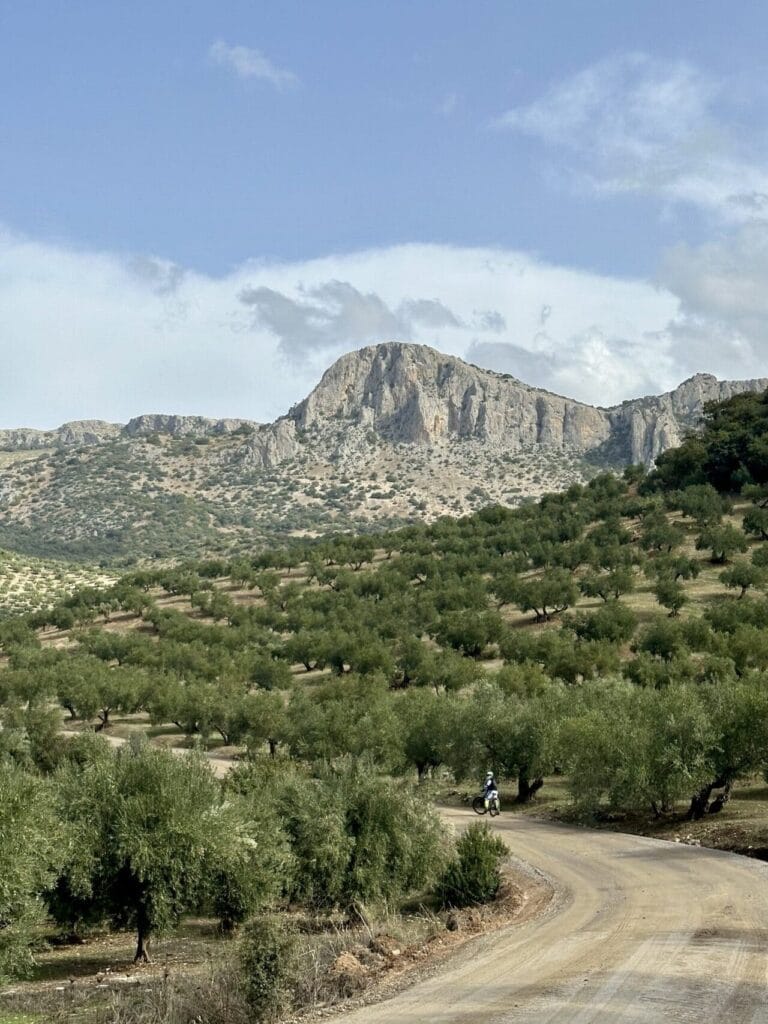

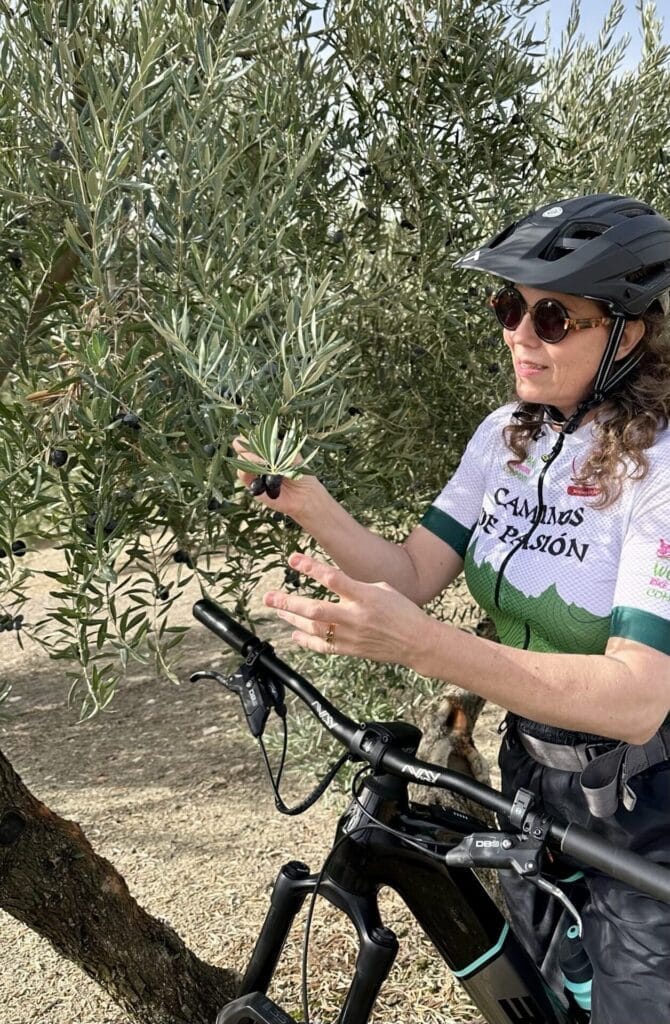
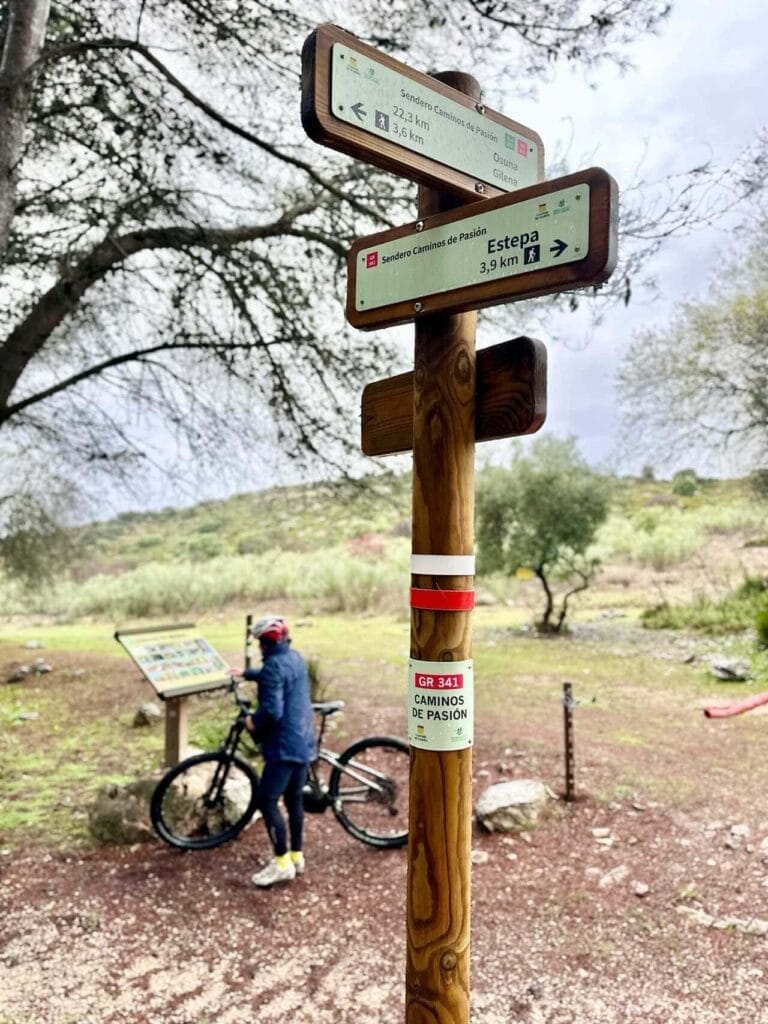
The Caminos de Pasión is an ideal way to explore the region at your own pace and in an active way. The route is well-marked, so you can follow it by bike, on foot, or even on horseback. Andalusia’s rich equestrian culture is still very much alive.
I cycled part of the route with a small group in October. Read my tips and experiences about the Caminos de Pasion area.
The idea for the Caminos de Pasión originated from an initiative by local governments, in collaboration with cultural and religious organizations. The goal is to introduce visitors to the lesser-known inland regions of Andalusia, far from the crowded coastal areas.
The historic route, inspired by the religious festivities of Semana Santa, takes you through vast olive groves and 10 white villages over a distance of about 320 kilometers in 11 stages. It’s a beautiful blend of nature and culture. Rolling hills with panoramic views and authentic villages, each with its own story.
The route offers a unique experience, allowing you to discover how ancient traditions and crafts—from processions and music to gastronomy and architecture—have been preserved over the centuries. This makes it the perfect destination for lovers of Slow travel.
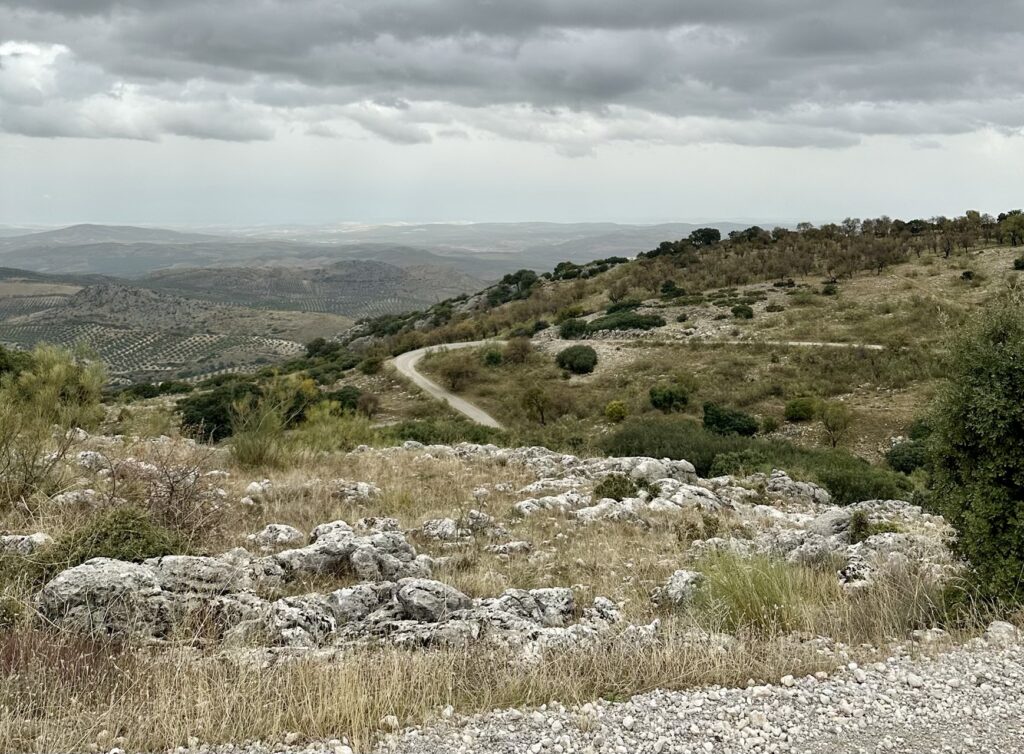
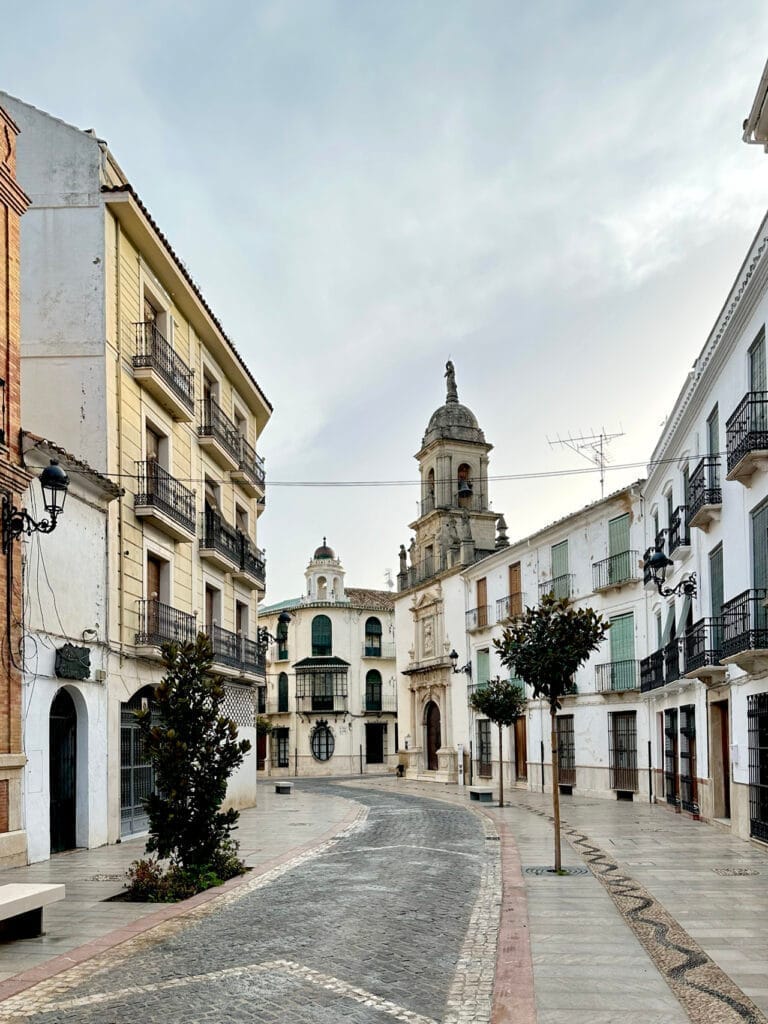
Ten small towns line the route like beads on a string, stretching from east to west between Granada and Seville. Daily life here unfolds at a leisurely pace, in keeping with the warm Andalusian culture. In charming little streets lined with cozy outdoor cafes, you’ll find the locals, and colorful flowers adorn the facades.
Our exploration begins in the small town of Alcalá la Real, located to the east, after which we continue westward. The Caminos de Pasión passes through these 10 towns:
Exploring the area by bike adds an extra dimension to the experience: being outdoors, the scent of wild herbs and olive trees, the rustling of the wind, and the singing of birds. I find it a pleasant contrast to the serene silence in old churches and monasteries. And how special it is to taste the local olive oil after cycling for hours through the olive groves where those very olives grew.
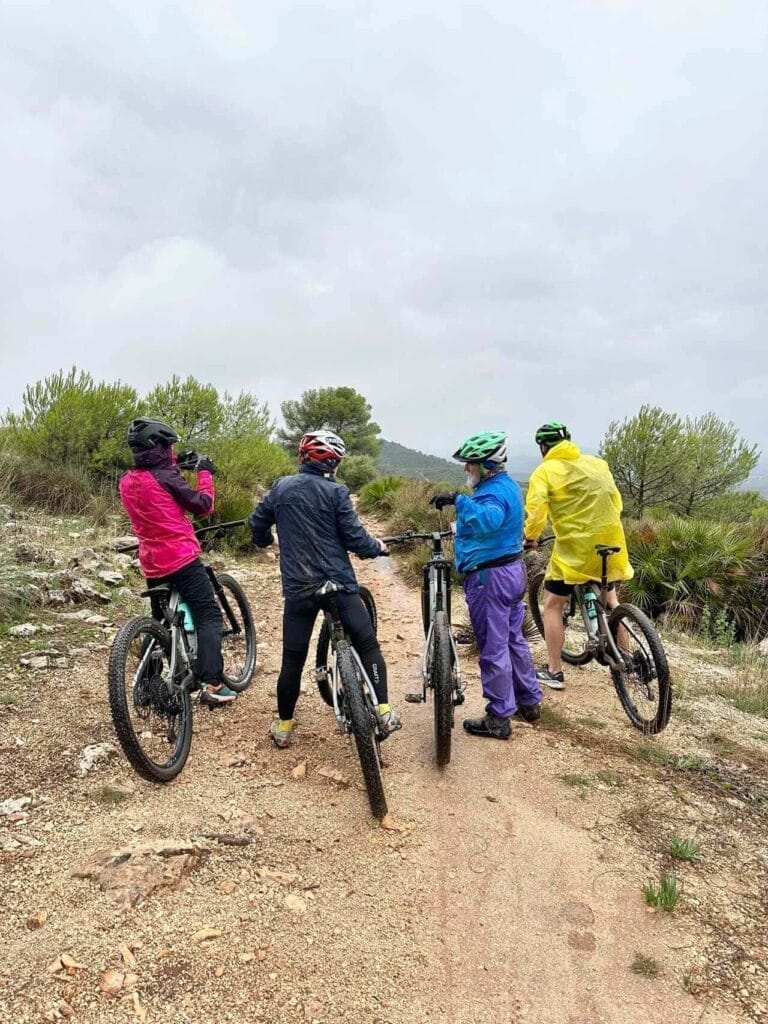
The trails are well-marked and well-maintained, wide, and covered with gravel, so they aren’t technically very difficult. They might be a bit too easy for a mountain bike pro, but they’re ideal for the less adventurous cyclist. The route features frequent elevation changes; an e-bike is therefore highly recommended, especially for the stages with significant elevation gain.

In Alcalá la Real marks the start of the first stage; a city that makes an impression even from a distance thanks to the Fortaleza de la Mota, which towers over the landscape. This historic citadel played a crucial role in the defense against the Moorish Kingdom of Granada. The Mayor Abacial Church—built in the 16th century on the site of the former mosque—bears witness to the Christian influence following the reconquest of the region.
According to legend, the serene statue near the Mora Fountain tells the story of a forbidden love between a Moorish woman and a Christian soldier. It serves as a subtle reminder of the rich history and intertwined cultures of this region. Incidentally, the best way to explore the historic centers of the towns along the route is on foot.
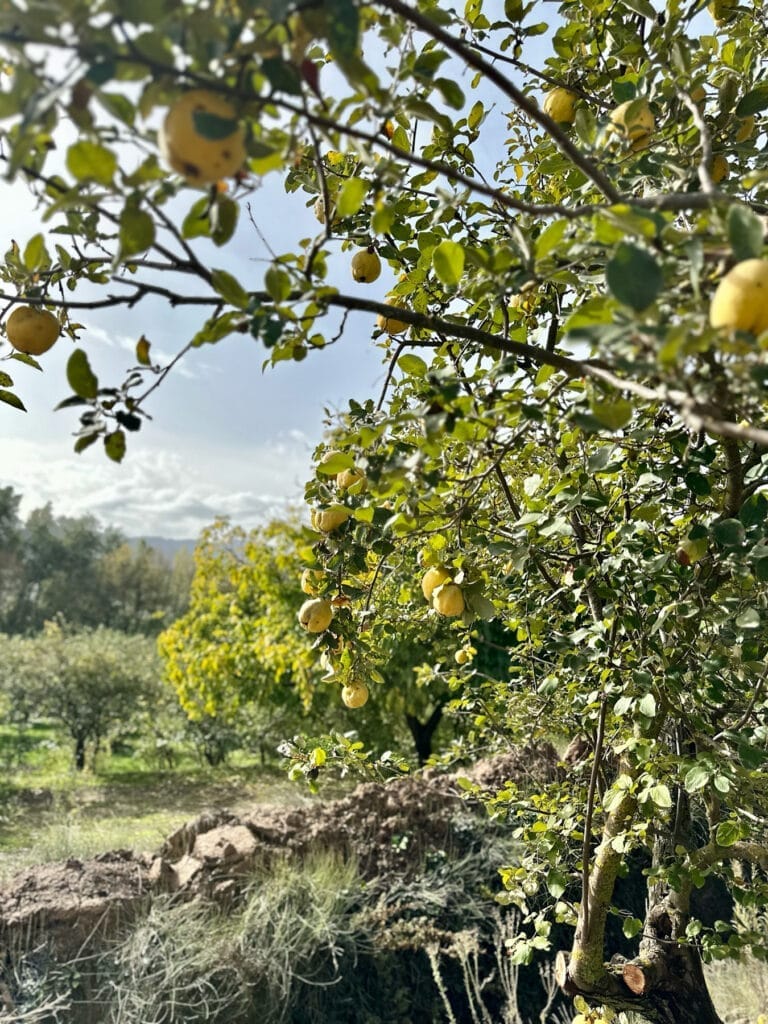
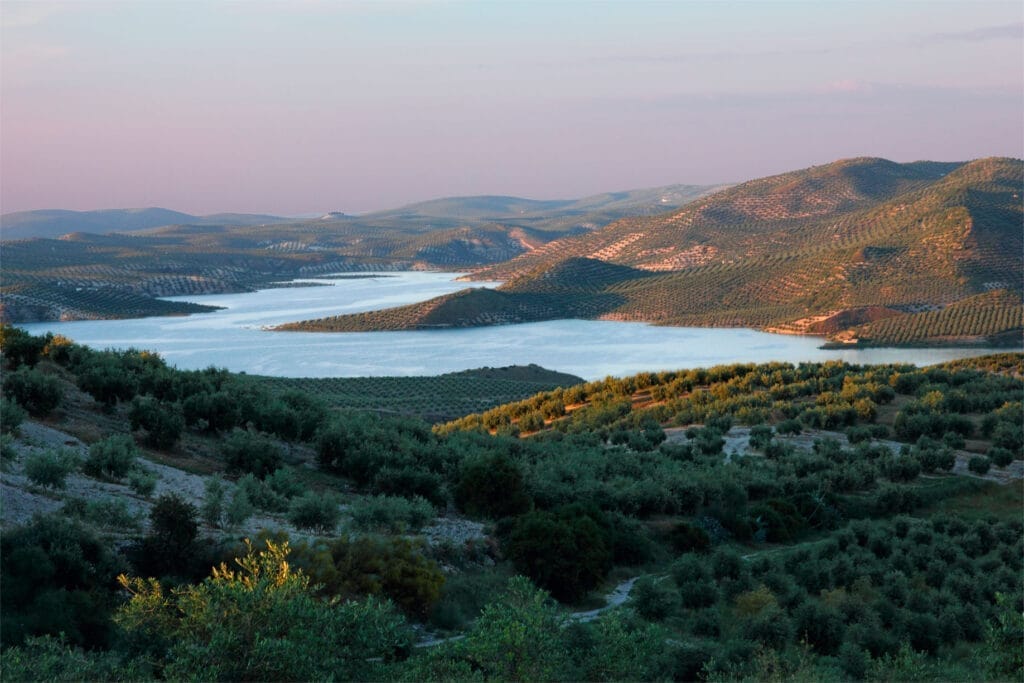
We cycled this first leg to Priego de Córdoba on e-bikes through a landscape of endless olive groves. It feels like you’re cycling through a large private estate.
The green landscape has the highest density of olive trees in the world. The oldest trees are about 600 years old. In this hilly area, gentle descents alternate with somewhat steeper ones. Along the route, you’ll find rivers, such as the Almedinilla, and springs such as the Fuente Álamo and Sileras. Small white villages have sprung up around them.
The final section of the route leads through the Sierras Subbéticas National Park. A steep climb is rewarded with a spectacular view of the highest mountain in the province of Córdoba: Pico Tiñosa. During the final descent, you can already see your final destination, Priego de Córdoba, lying far below in the valley.
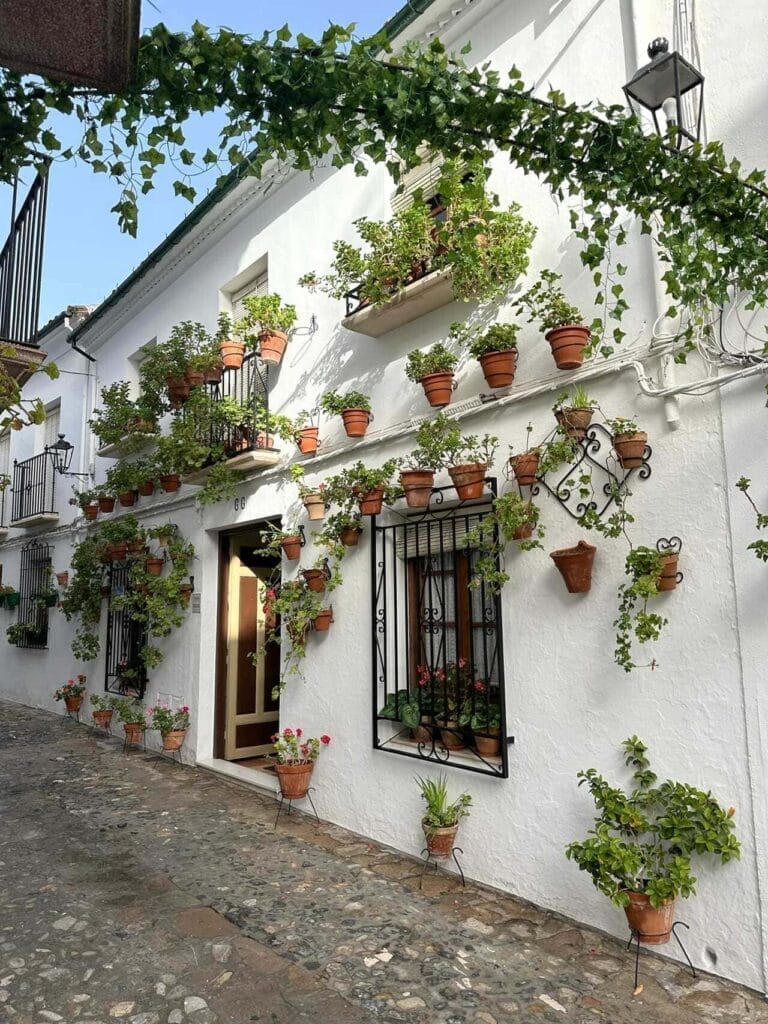
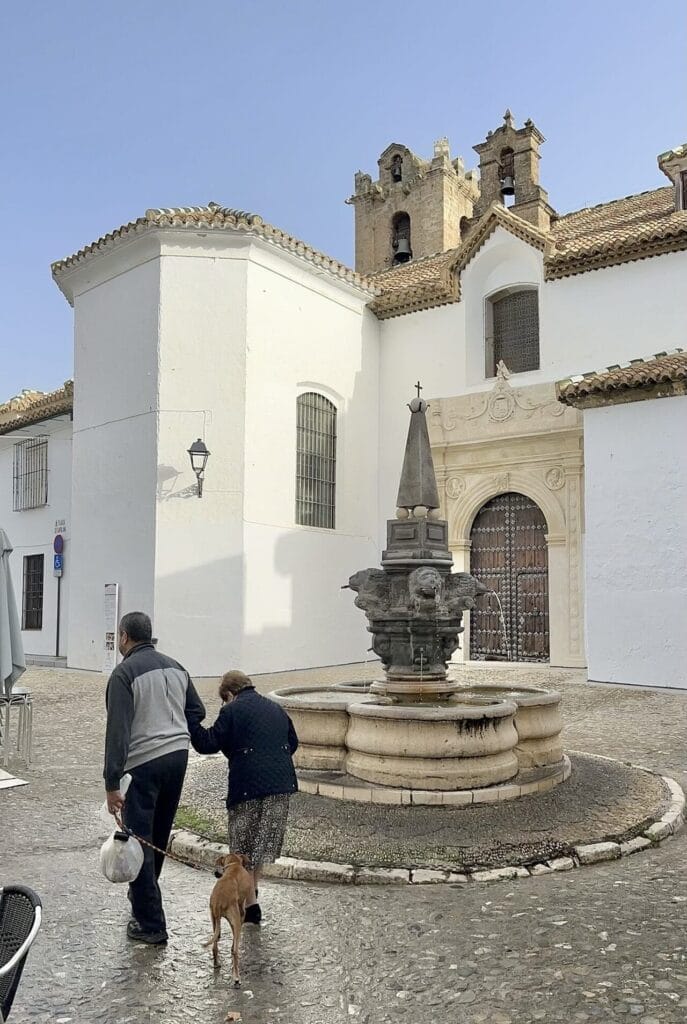
Arrived in Priego de Córdoba We enjoy a leisurely stroll through the old Moorish Barrio de la Villa. Winding alleys and whitewashed houses filled with flowers and Arabic details. Suddenly, we find ourselves at the Balcón del Adarve. The view is spectacular and typical of this region.
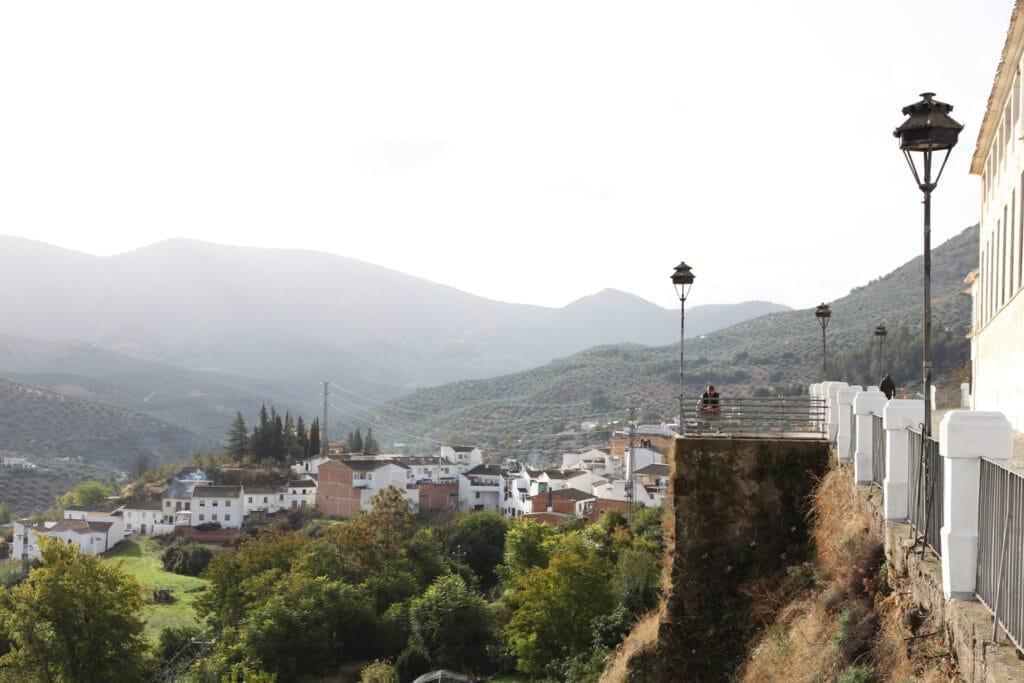
During this stage, we’ll have plenty of opportunity to explore the Sierras Subbéticas Natural Park, a protected area known for its diverse and unique natural landscape. Along the way, we’ll be treated to stunning views of the peaks of the Sierra Horconera mountains with their imposing limestone ridges. Some peaks rise above 1,000 meters, with Pico la Tiñosa standing out at 1,568 meters.
You can spot a remarkable number of griffon vultures, eagles, and golden eagles soaring above the steep cliffs here. We cross the Carcabuey Bridge (10th century) and cycle through dense forests of holm oaks. Unspoiled natural beauty in this limestone karst landscape. One of the most beautiful stages of the Caminos de Pasión.
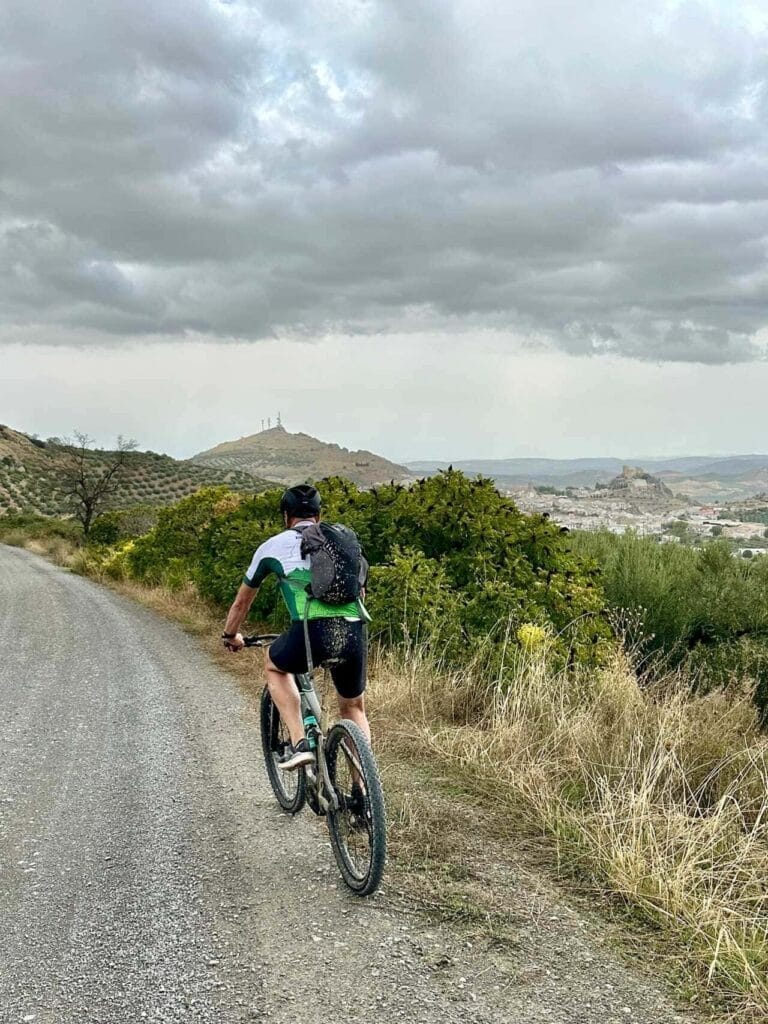
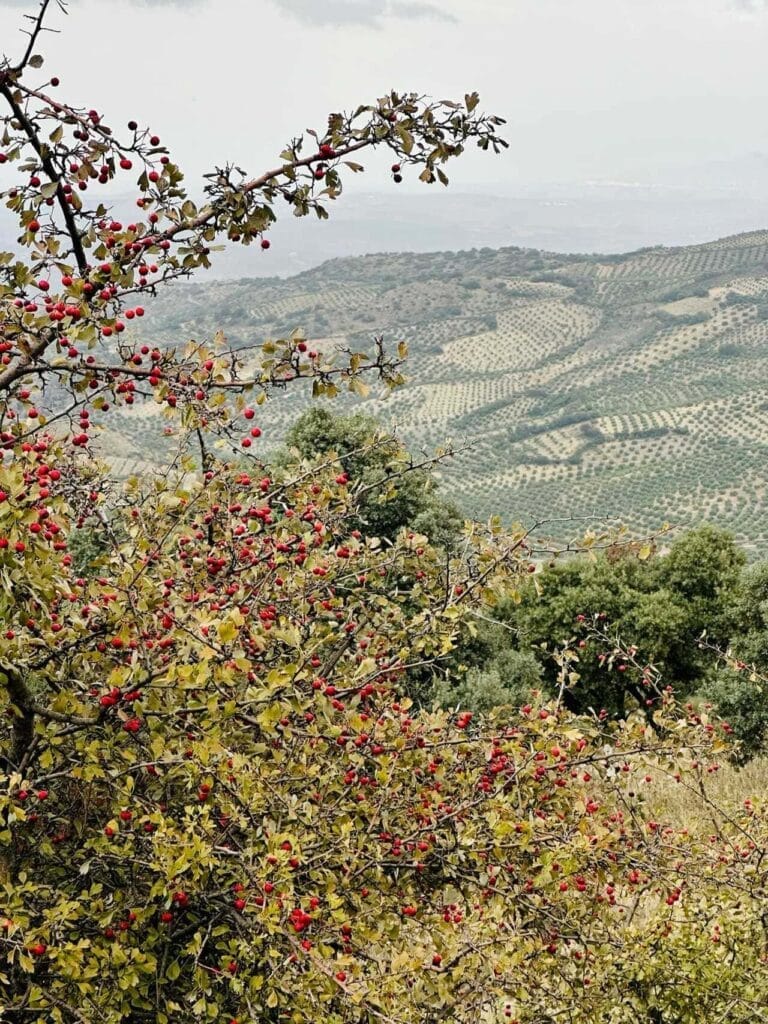
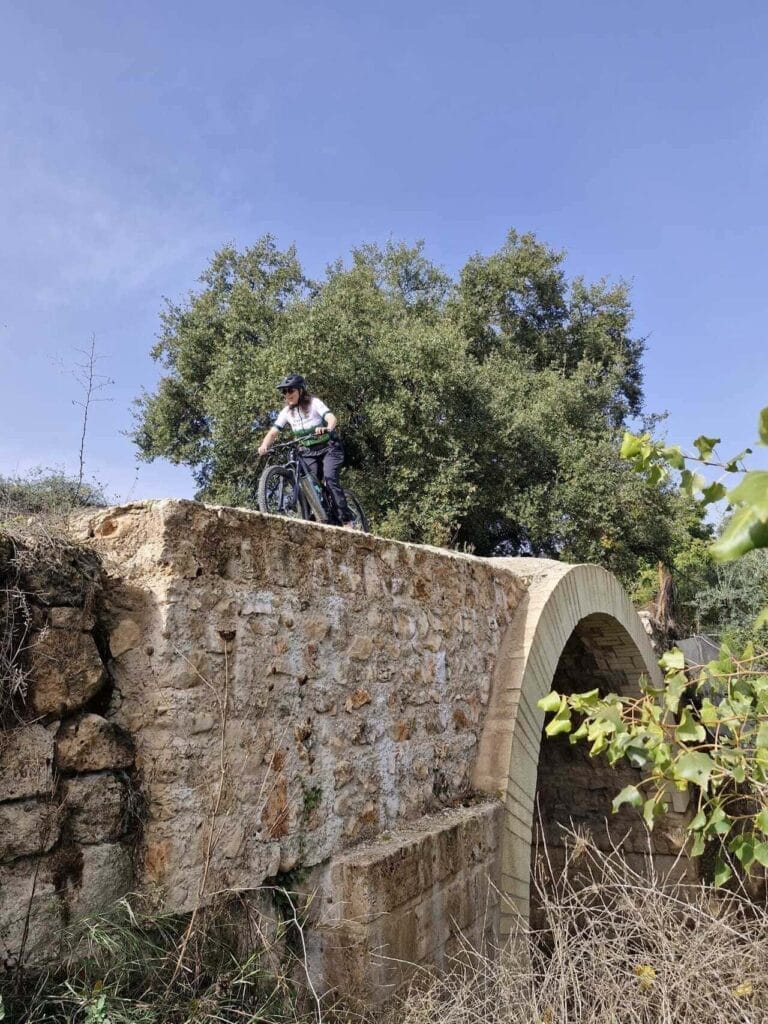
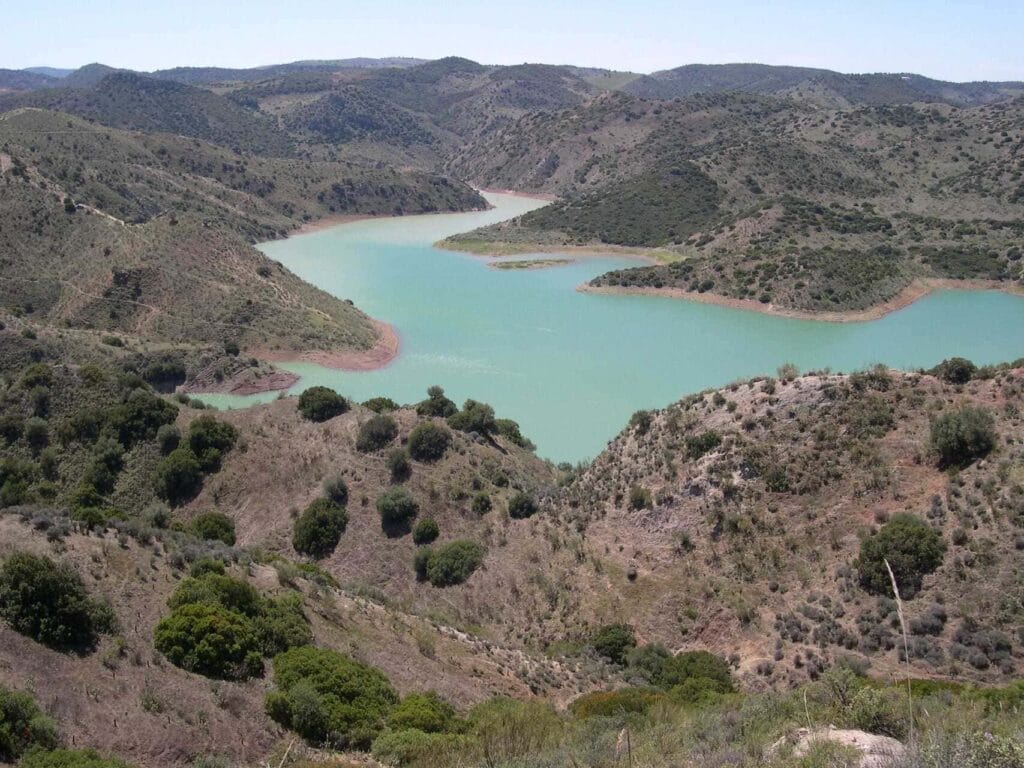
After Luque, we cycle further into the open farmland of Córdoba and follow a section of the“Vía Verde” toward Baena. Here, the route offers the opportunity to veer off the path for a short while to visit, for example, the Vadomojón Reservoir or the Cueva del Yeso caves.
The Vías Verdes in Spain are former railroad lines that have been converted into walking and biking trails. With a maximum gradient of 2% and located far from car traffic, these routes are a great way to explore Spain’s rural and natural landscapes.
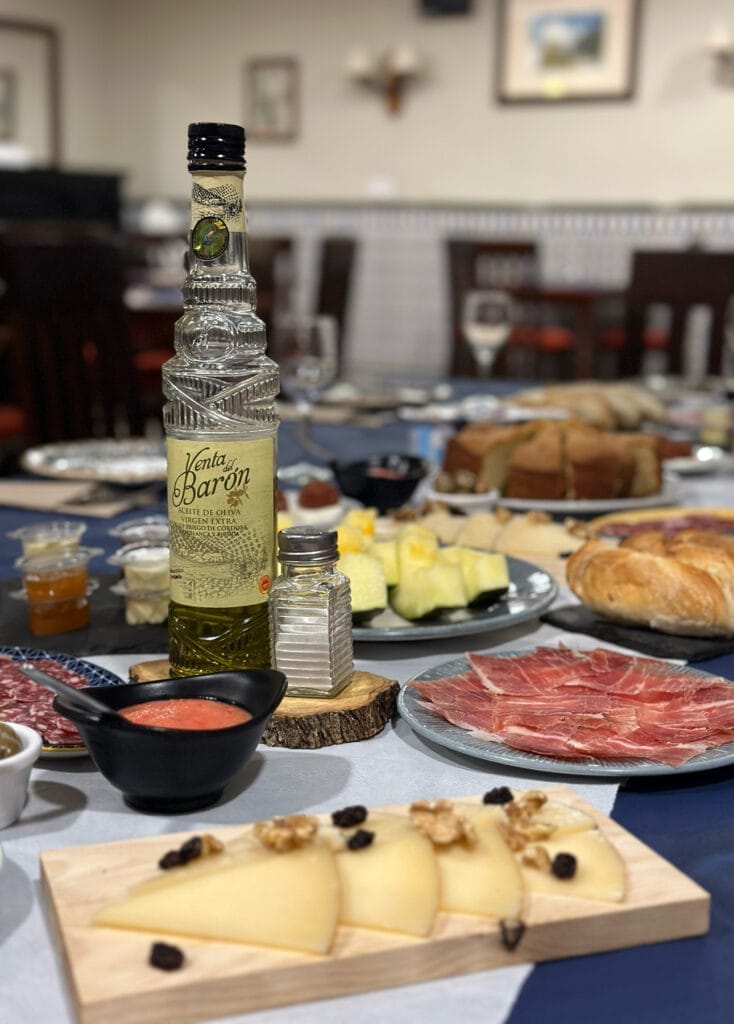
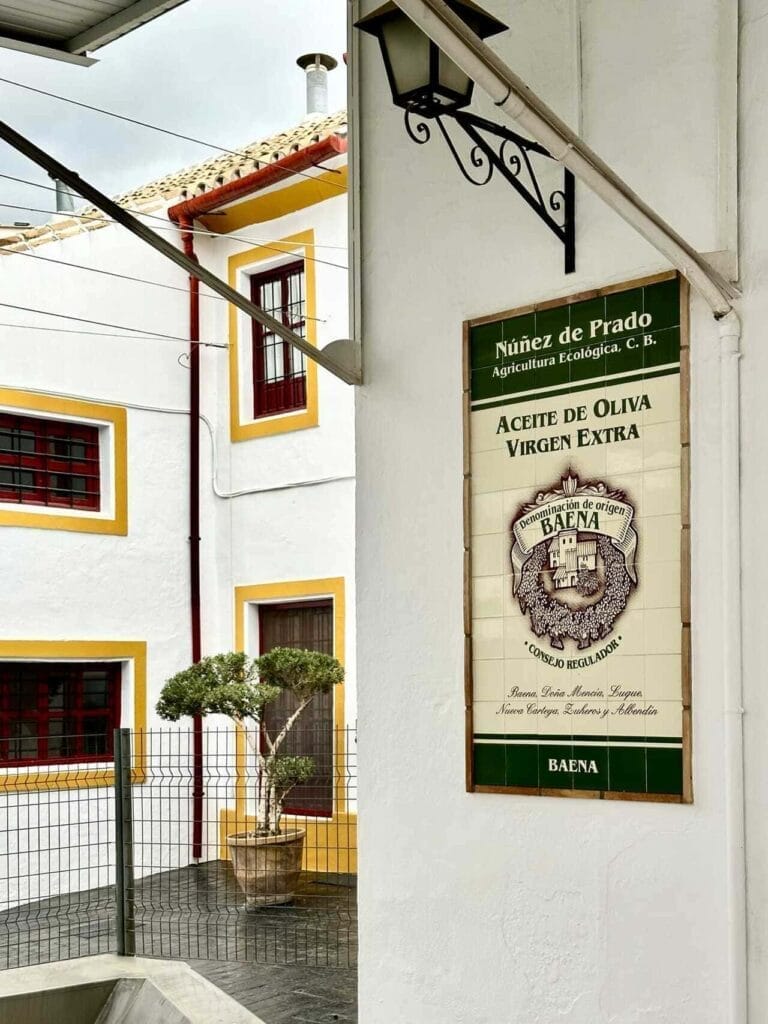
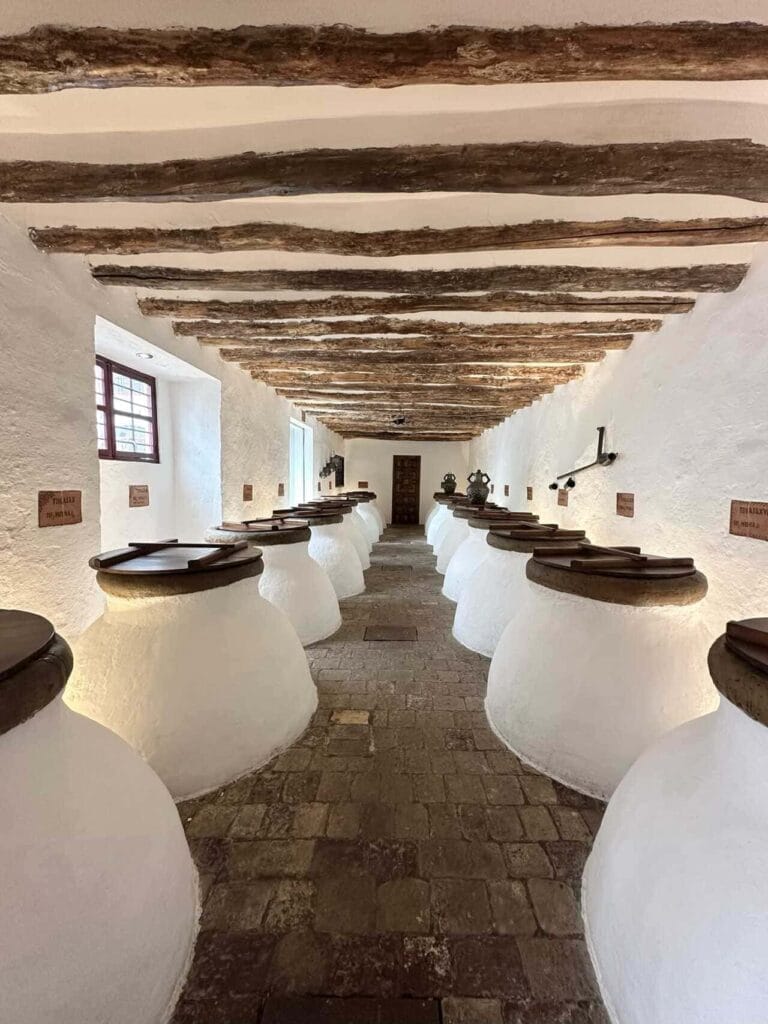
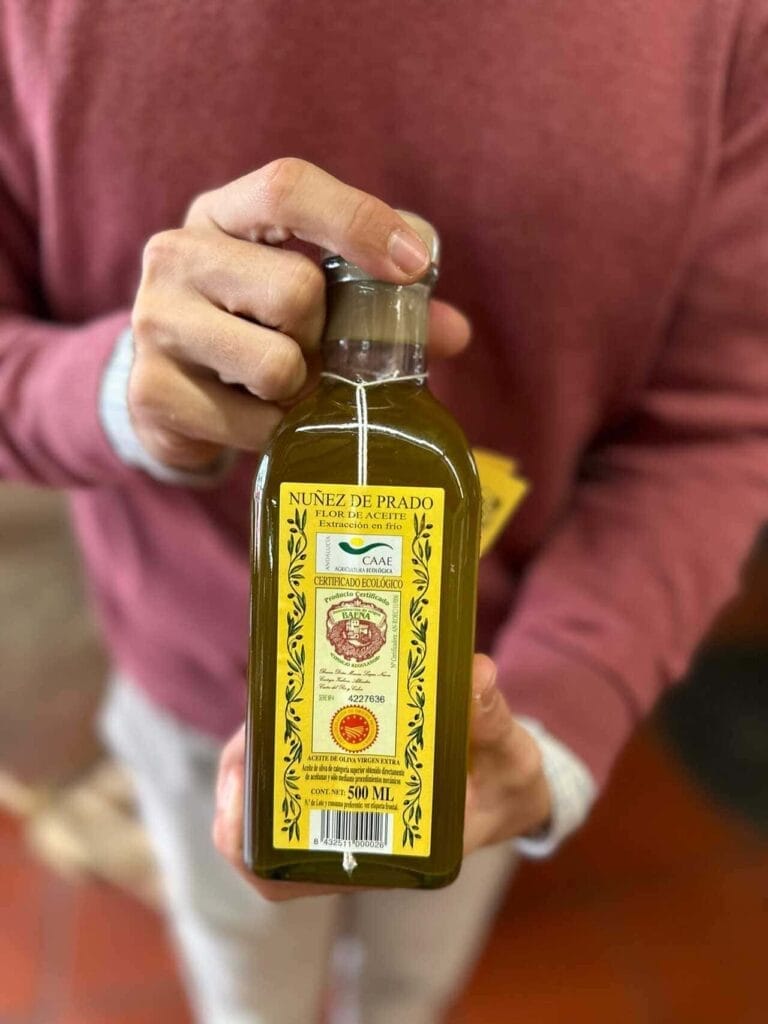
In Baena, we’re introduced to the proud tradition of olive oil production. At the long-established family business Almazara Núñez de Prado, we get a behind-the-scenes look and are treated to a tasting of the first cold press. An incredibly pure and full-bodied flavor. The expression “liquid gold” is no exaggeration. Under the watchful eye of the7th generation, the8th generation passionately shows us just how much craftsmanship goes into every bottle of olive oil. Here, even the ledger is still kept by hand.
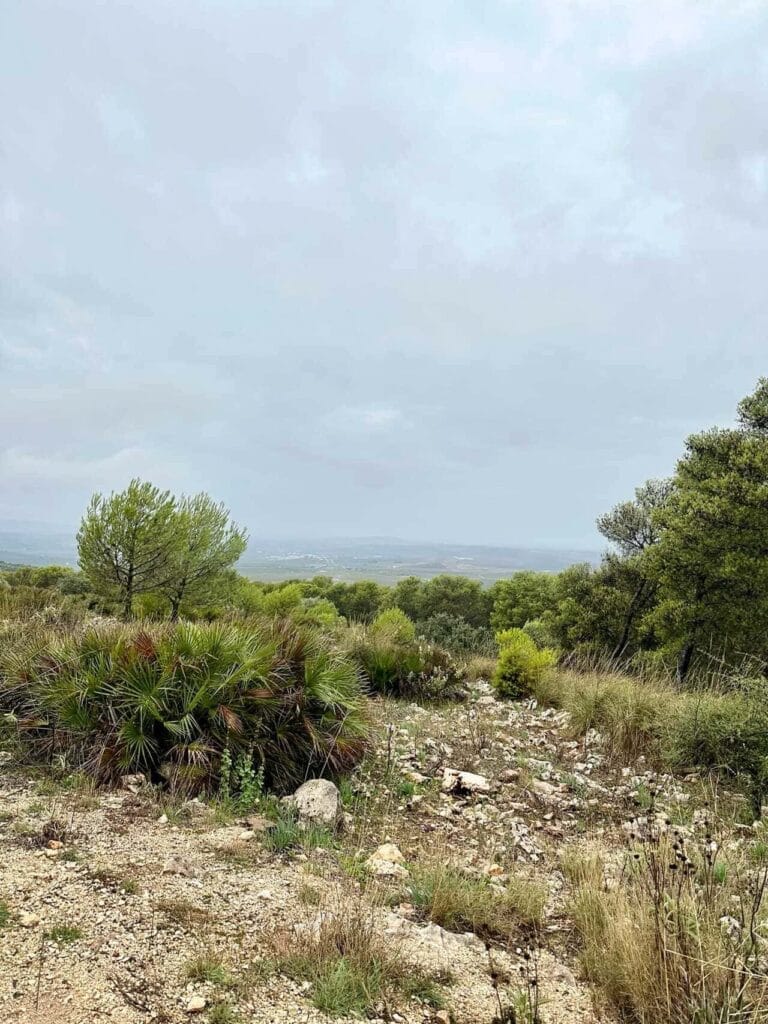
From Baena, you have a magnificent view of the Los Manchones mountain range. No olive trees have been planted here, and the original vegetation has been preserved. Here, too, you’ll find panoramic views of the limestone peaks of the Sierras Subbéticas Natural Park and the picturesque village of Zuheros, perched on a steep slope.
After Doña Mencía, the route follows the Vía Verde del Aceite(the disused olive oil railway line, now a bike path) toward Cabra. This green route passes through tunnels and over historic bridges, with limestone cliffs full of fossils along the way. Along the way, we pass the La Sima ravine and the 1,200-meter-high Picacho de Cabra peak, the geographic center of Andalusia.
Stage 4, from Cabra to Lucena, follows the Vía Verde along the western border of the Sierras Subbéticas Natural Park. At the start, the Fuente del Río invites you to relax. This spring marks the source of the Cabra River and is surrounded by a charming, weathered park with gardens, waterfalls, and walking trails. The area is known for its picturesque beauty and is a favorite spot among locals.
The route transitions from parkland to olive groves and leads past the “Valley of the Fossils,” rich in limestone and remains of Jurassic mollusks such as ammonites.
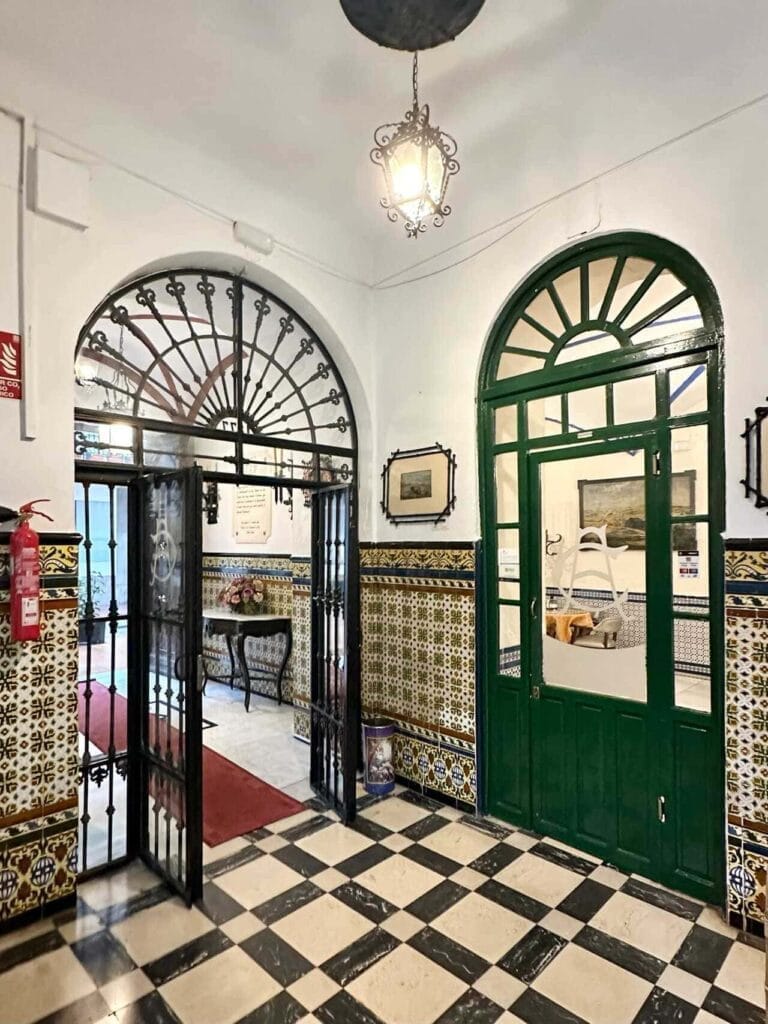
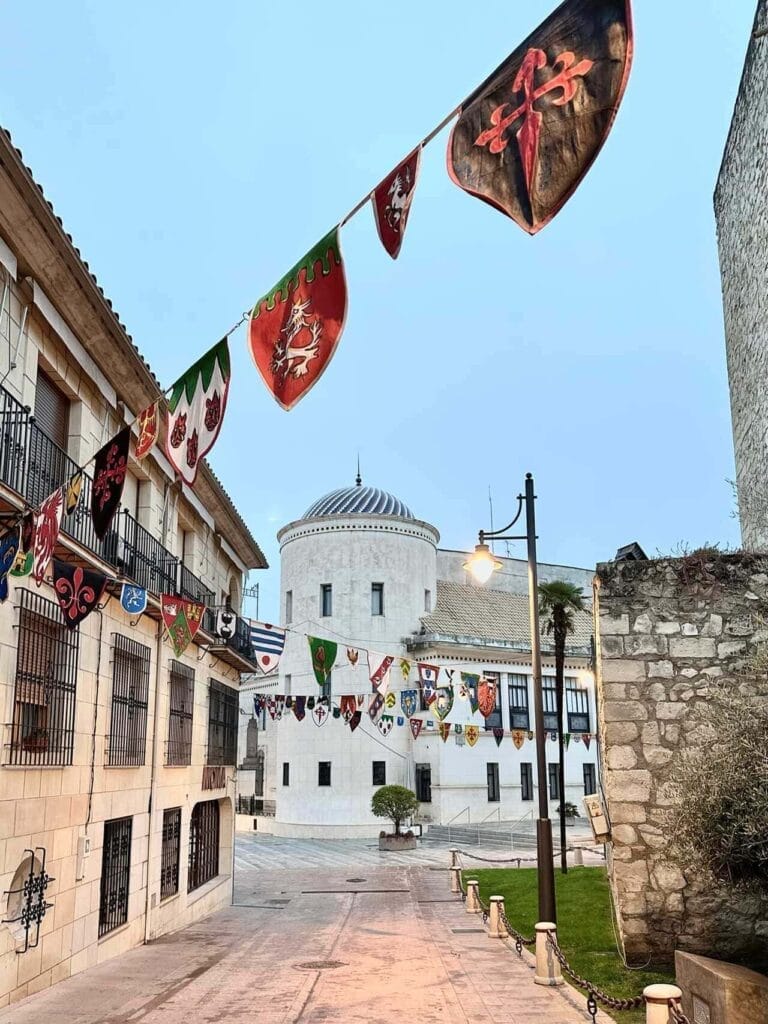
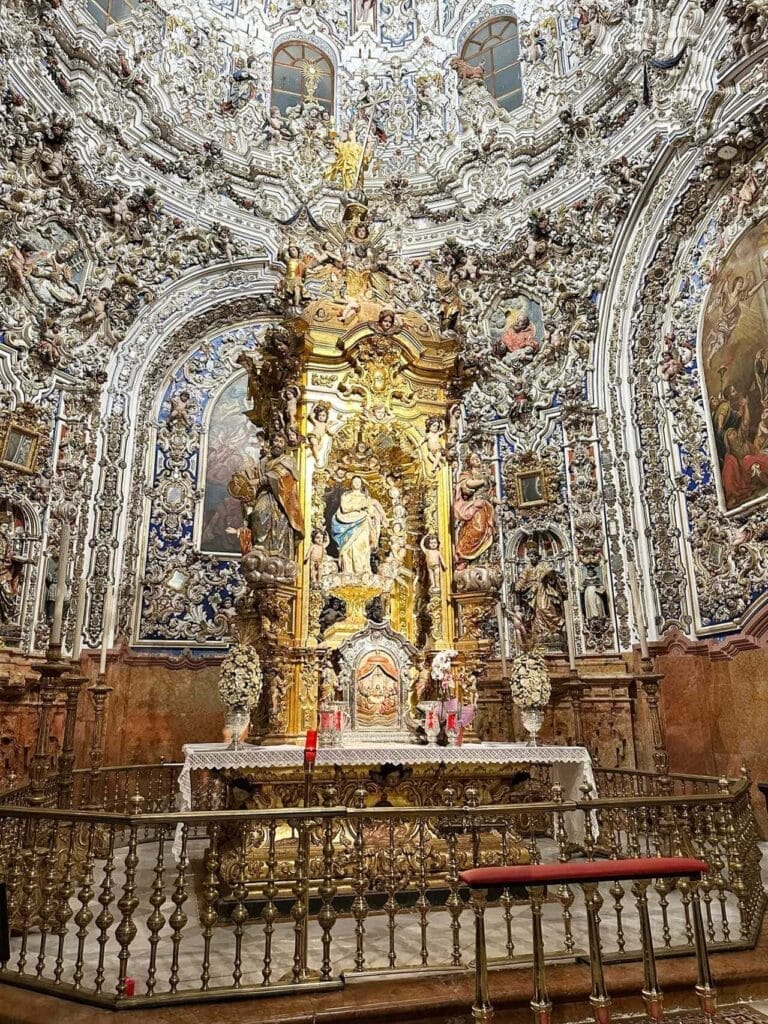
Lucena itself is often called the“ Pearl ofSefarad” (Sefarad is the Jewish name for the Iberian Peninsula). In the Middle Ages, Lucena was a thriving Jewish community; for a time, it was even entirely inhabited by Jews, which was exceptional for that era. After the Reconquista and the expulsion of the Jews from Spain in 1492, Lucena came under Christian influence, resulting in a fascinating blend of Jewish history and Spanish Baroque architecture.
A good example of the Baroque style is the Sagrario de la Iglesia de San Mateo. The chapel—on the right as you enter—is lavishly adorned with gilded wood carvings and delicate details, making it a visual feast.
The fortress of Lucena, known as the Castillo del Moral, is also one of the city’s iconic landmarks. This medieval castle, built in the 11th and 12th centuries, played an important role in the defense of Lucena during the Reconquista. It was built by Muslims but later taken over by Christian forces.
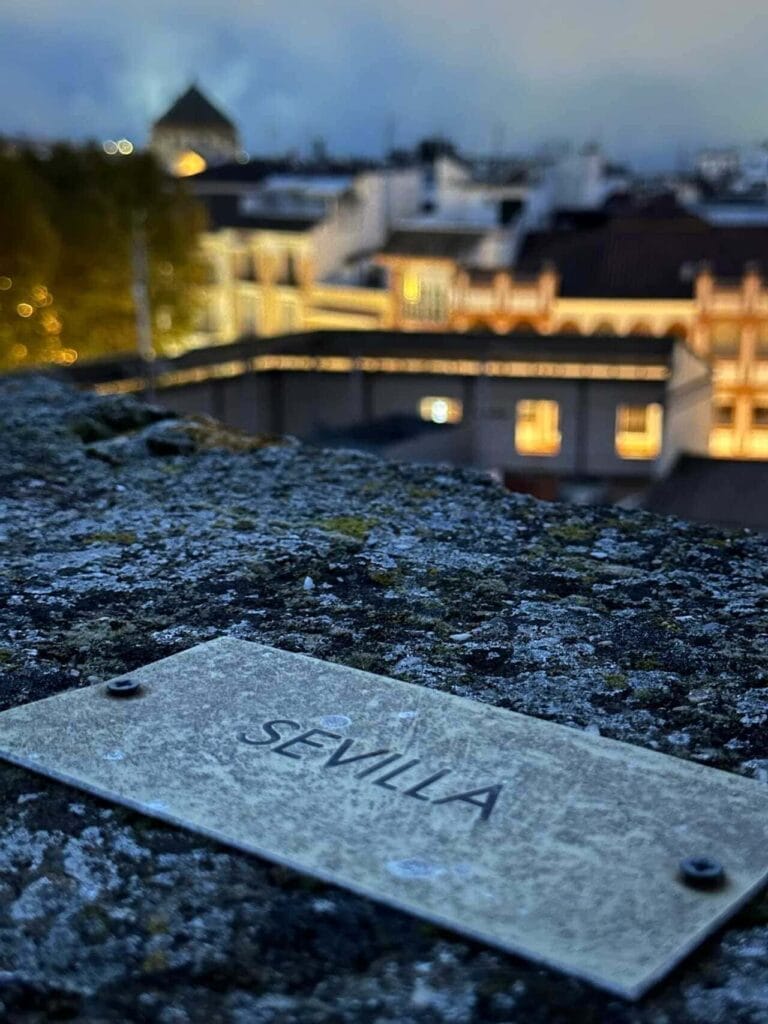
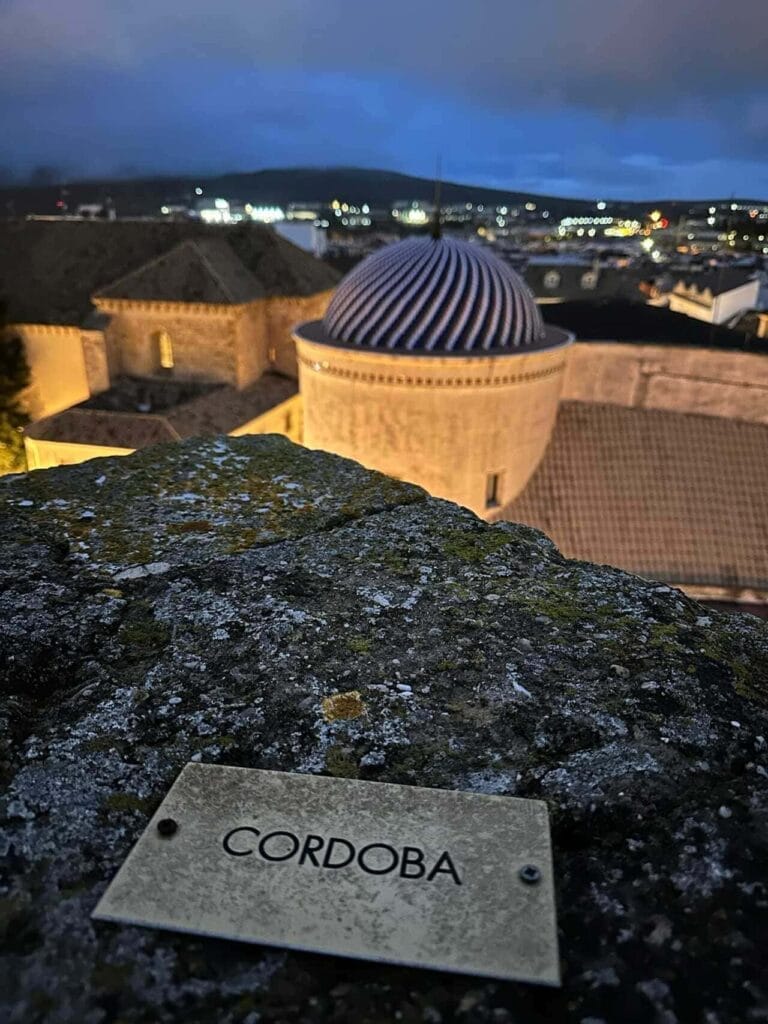
Today, the Castillo del Moral houses a small and somewhat charming archaeological-ethnological museum. The castle is a well-preserved example of medieval architecture, and we enjoyed a magnificent view of the city and its surroundings at dusk. The squares immediately surrounding the fortress were bustling with activity as preparations were underway for the upcoming medieval festival.
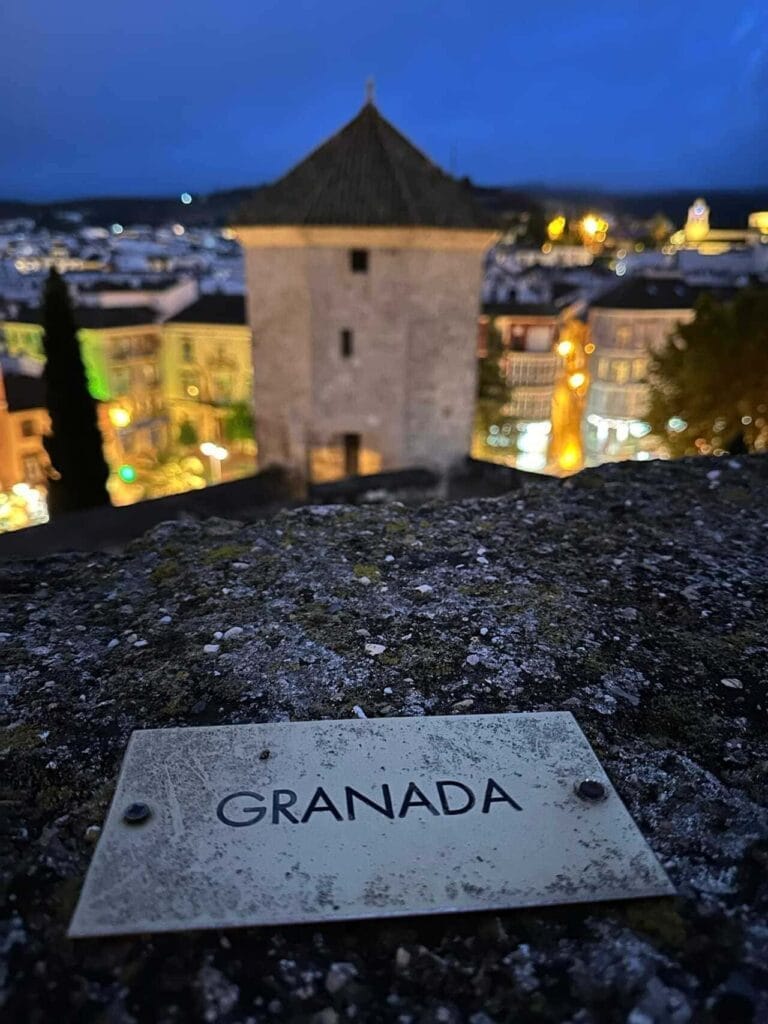
Most of the route between Lucena and Puente Genil winds through a landscape of vast olive groves, interspersed with vineyards and grain fields. The route largely follows the path of the old railroad line that once connected the two cities. The railroad has now been converted into the Vía Verde, a path suitable for hikers and cyclists. Among the fields, you can still find rows of native trees.
Along the route, you’ll see small “natural gardens” made up of native aromatic plants such as lavender, mastic shrubs, and rock roses. You’ll find them mainly at the rest stops along the trail, where they add extra color and fragrance to the landscape.
In the hamlet of Las Navas del Selpillar, located in Lucena, we reach a lookout point. From here, there is a stunning panoramic view of the olive groves and the remains of the old railroad line, including a few historic locomotives that serve as a reminder of the region’s railway history.
We leave the Vía Verde at the old Campo Real station in Puente Genil and arrive at the city center.
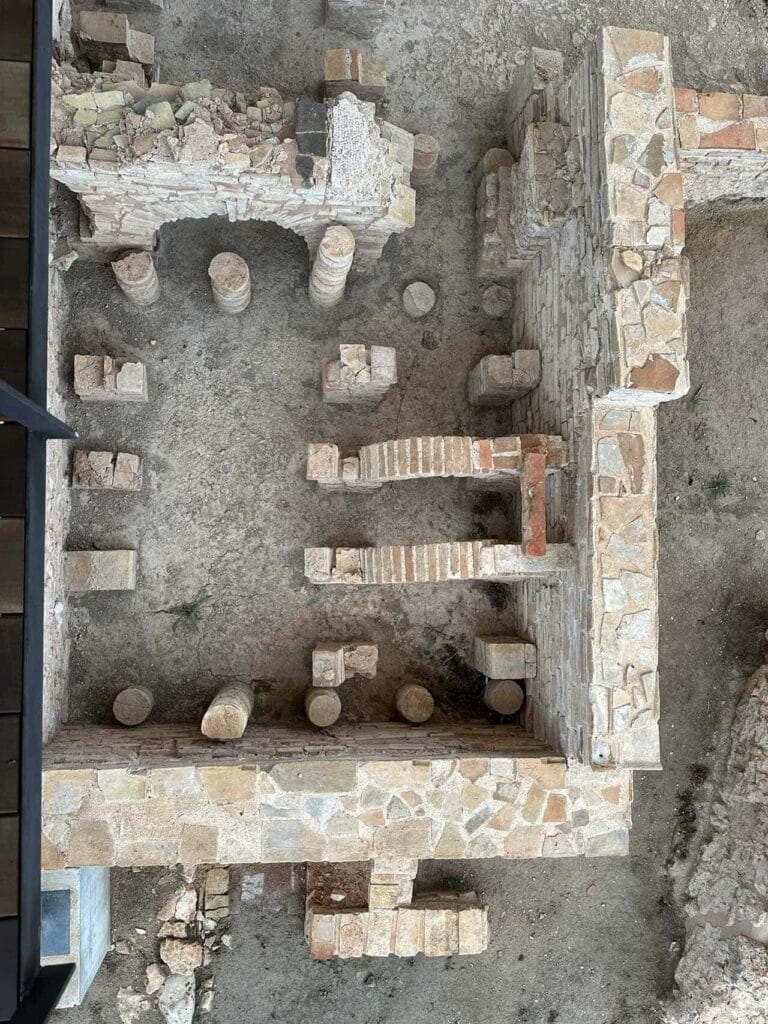
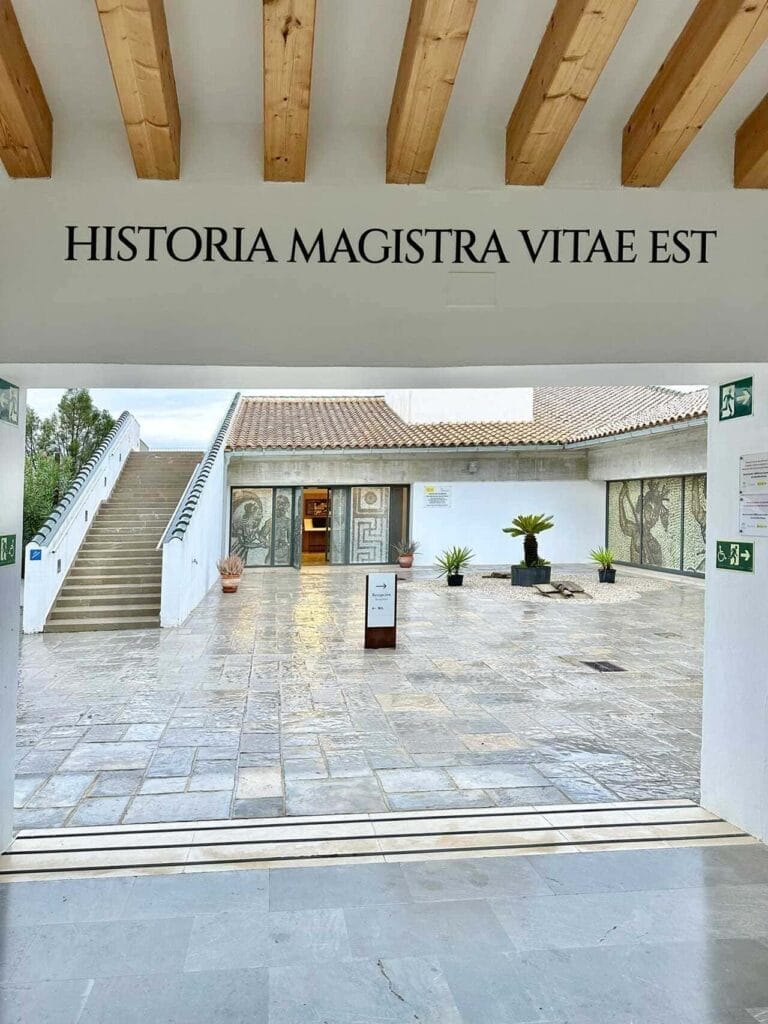
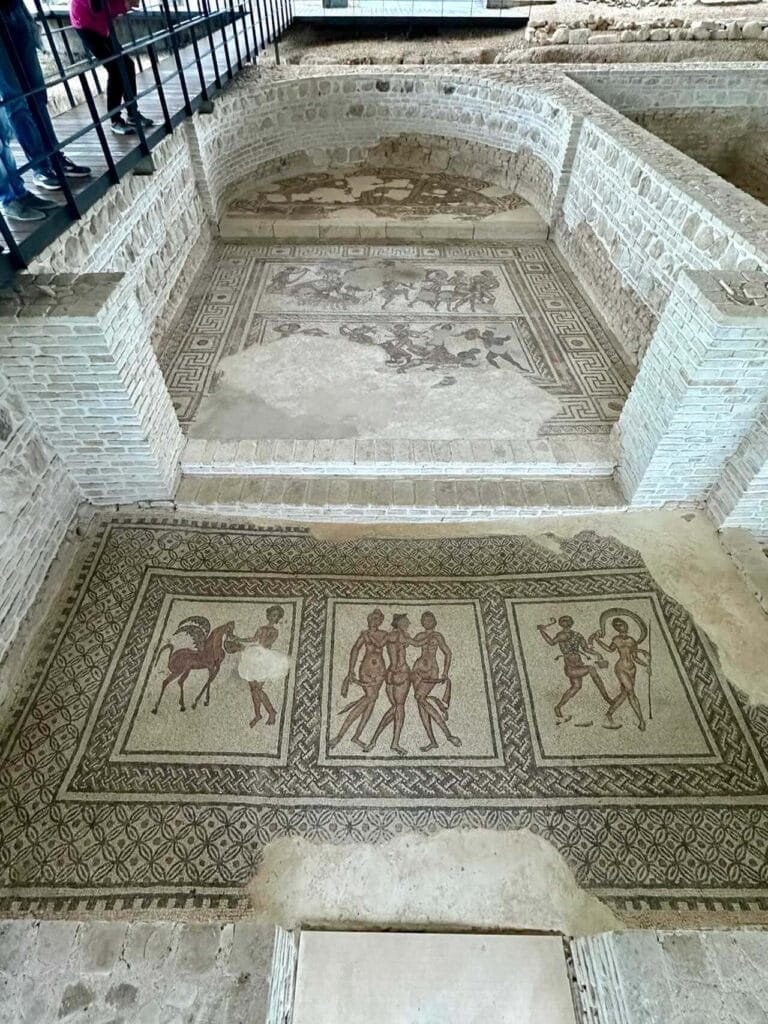
Along the way, we’ll stop at Villa Fuente Álamo near Puente Genil, an archaeological gem that reveals the grandeur of a Roman villa. Less than 30 years ago, a few mosaics and structures were discovered here by chance, and now it’s a museum well worth visiting. There you’ll find the very first comic strip ever, in the form of a Nilotic mosaic. Humorous scenes from the Egyptian Nile are depicted with vivid, lively details, Latin inscriptions, and dialogues between the characters.
If you enjoy archaeological sites, a visit to Torreparedones is also highly recommended. It’s located on a hill, and here you’ll find traces of Iberian, Roman, and medieval civilizations. The site is known for its well-preserved Roman forum, a necropolis with grave goods, and the remains of a medieval castle.
This stage takes you along centuries-old goat trails and historic country roads. In Spain, they are called the “cañadas reales” (royal cattle drives), which once connected the towns in the heart of Andalusia. You’ll pass iconic trails such as the Vereda de la Trocha de PuenteGenil, the Cañada Real de Osuna and the Cañada Real de Granada.
The landscape consists of vast olive groves, small valleys, rolling hills, and historic farmland. Hundreds of years old holm oaks stand as silent witnesses to the once-imposing Mediterranean forest that dominated this region. The final stretch of the route offers a constant view of Estepa, idyllically situated at the foot of the Sierra and also the endpoint of this stage.
The Cañadas Reales (Royal Cattle Trails) are ancient paths or routes that were used in Spain for the seasonal migration of livestock. Many of the Cañadas Reales have survived because they were officially recognized in the 13th century, during the reign of Alfonso X of Castile.
It was during that time that the powerful organization Mesta was founded, an association of herders that protected the rights to these trails. The routes were granted “royal” status to protect them from being taken over by landowners and from urban expansion.
Although the Cañadas Reales were historically of great importance, they are no longer always used for livestock today. Many of these trails have been preserved as cultural heritage sites and are now also used for recreational purposes, such as hiking and biking trails.
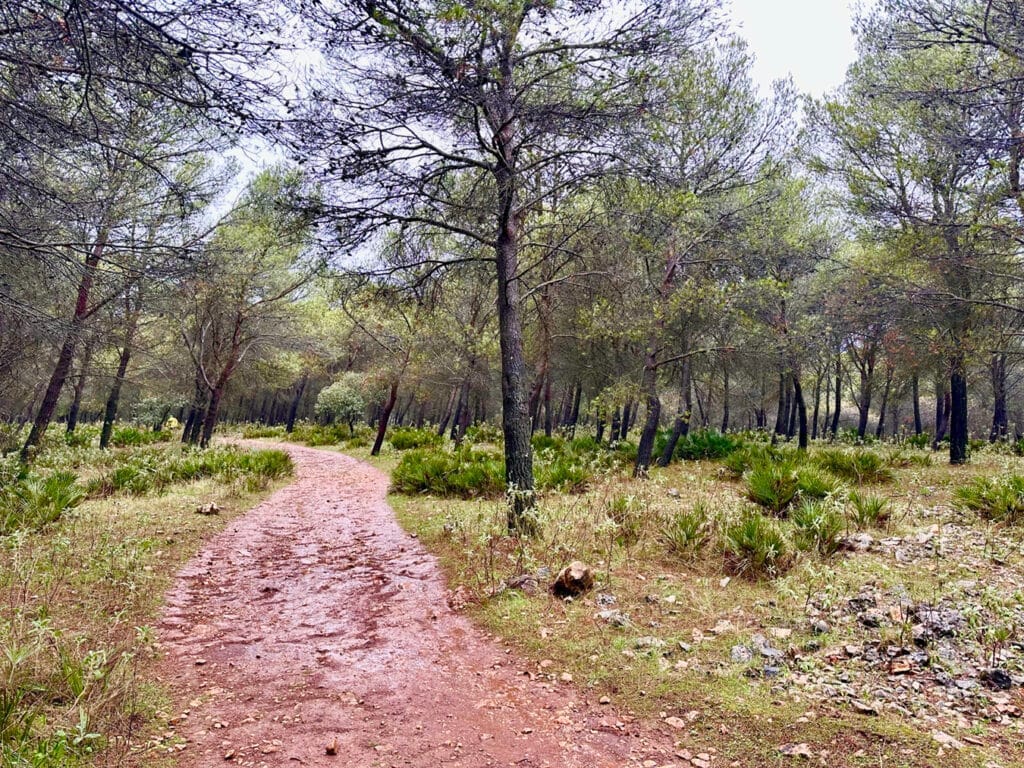
This stage winds through the highlands of the Serranía Suroeste Sevillana. The forest of the Sierra de Gilena is one of the natural gems along this stage. This densely forested area boasts a rich mix of Mediterranean flora, including stately Aleppo pines, holm oaks, hawthorns, and low, shrub-like palm trees.
Be sure to bring your binoculars, because you can spot a wide variety of birds here; birds of prey such as the goshawk and eagle circle above the treetops. In the final section of the route, we’ll pass along the Blanco River, a riverbed with lush riparian vegetation and a strong current. From here, we’ll reach Osuna.
And then there’s Osuna, home to one of the highlights of this trip. Together with a guide, we explore the ducal legacy at the Colegiata de Nuestra Señora de la Asunción, also known as the Collegiate Church. This church pays tribute to the Dukes of Osuna and reflects the immense power this family once held.
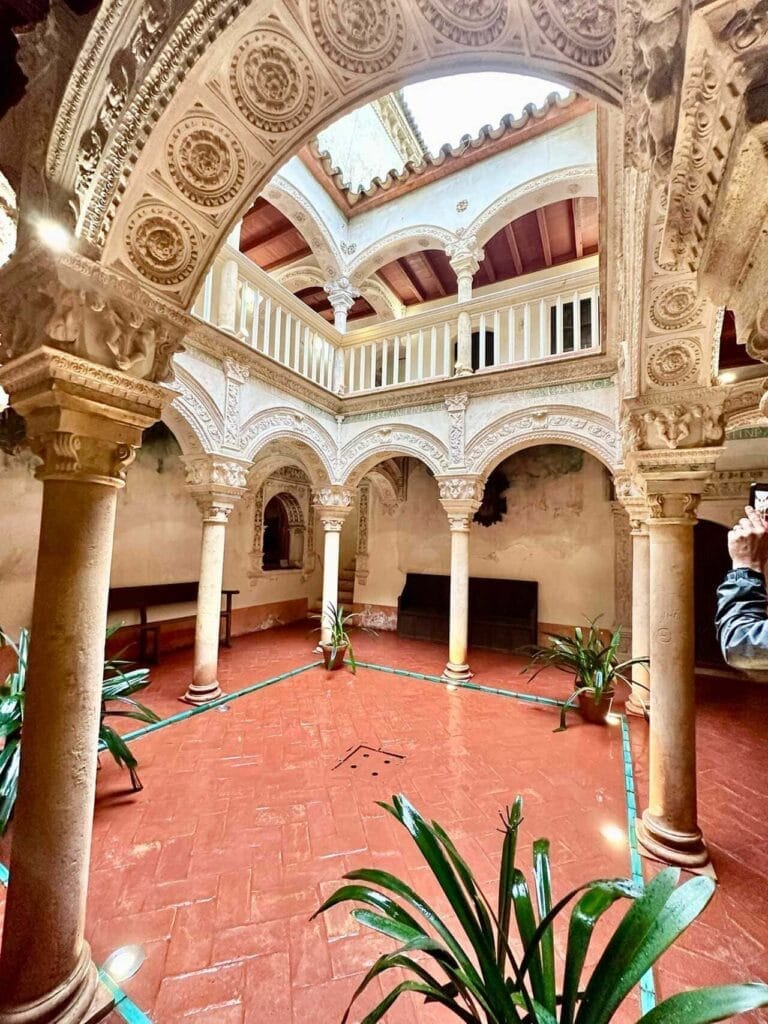
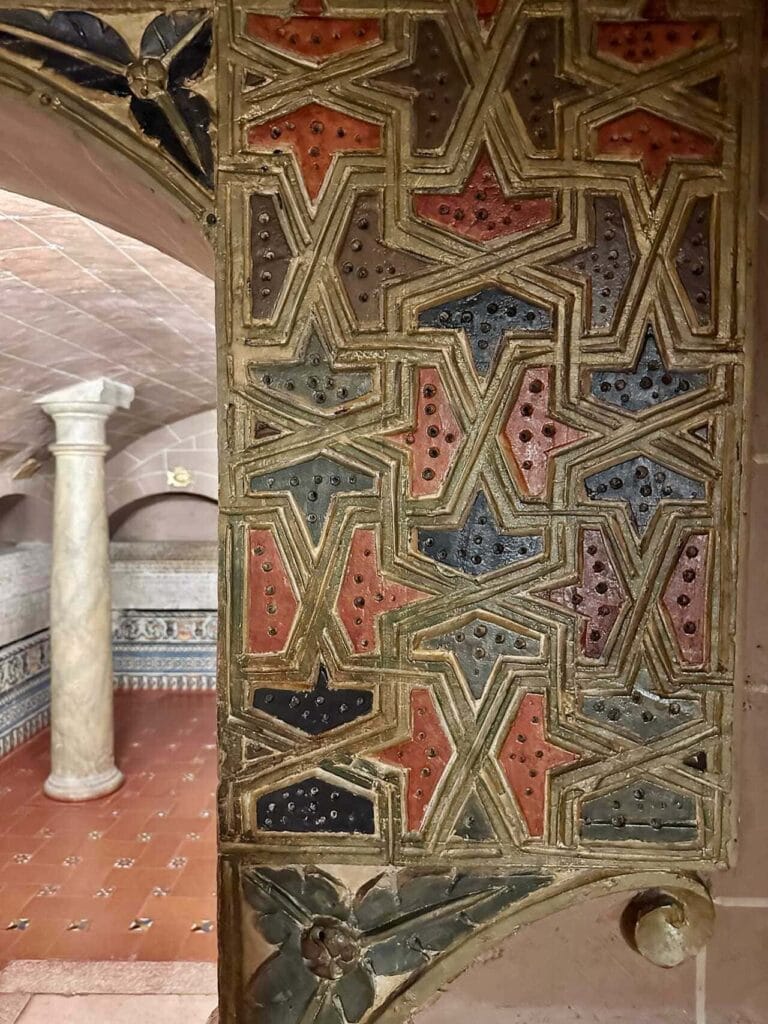
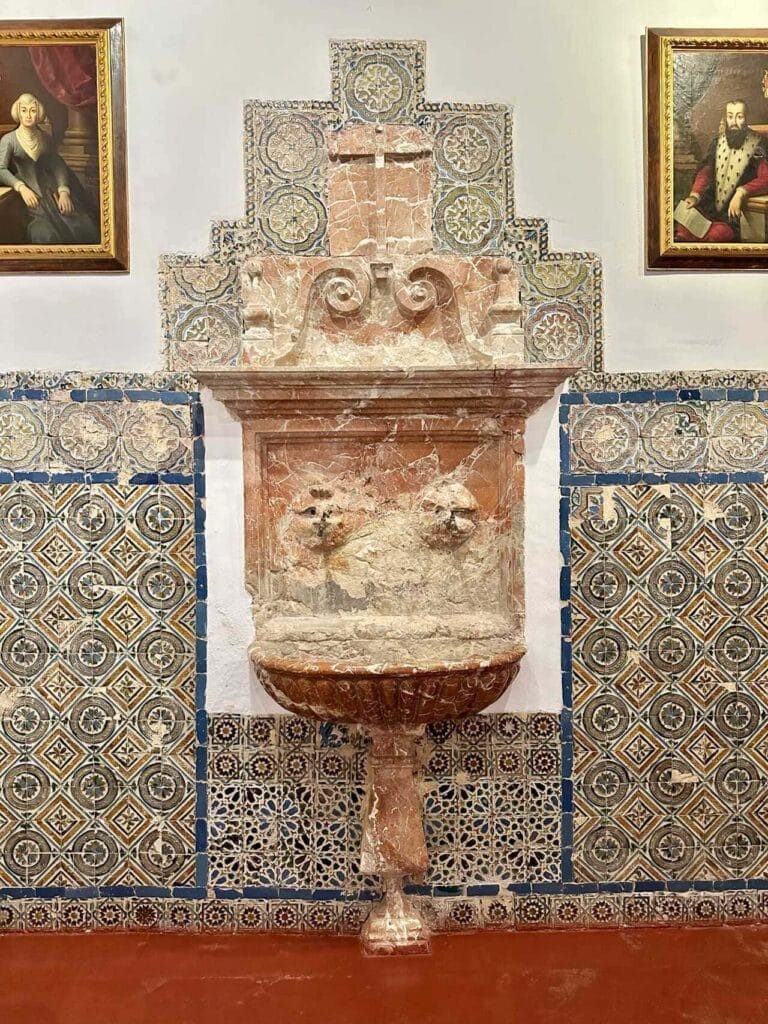
The church consists of two parts: the dukes’ private chapel, with the family’s tombs, built in the Moorish style, and the larger Baroque section of the church. The theme of death dominates the private chapel, with dark colors and appropriate symbolism in the religious relics and images.
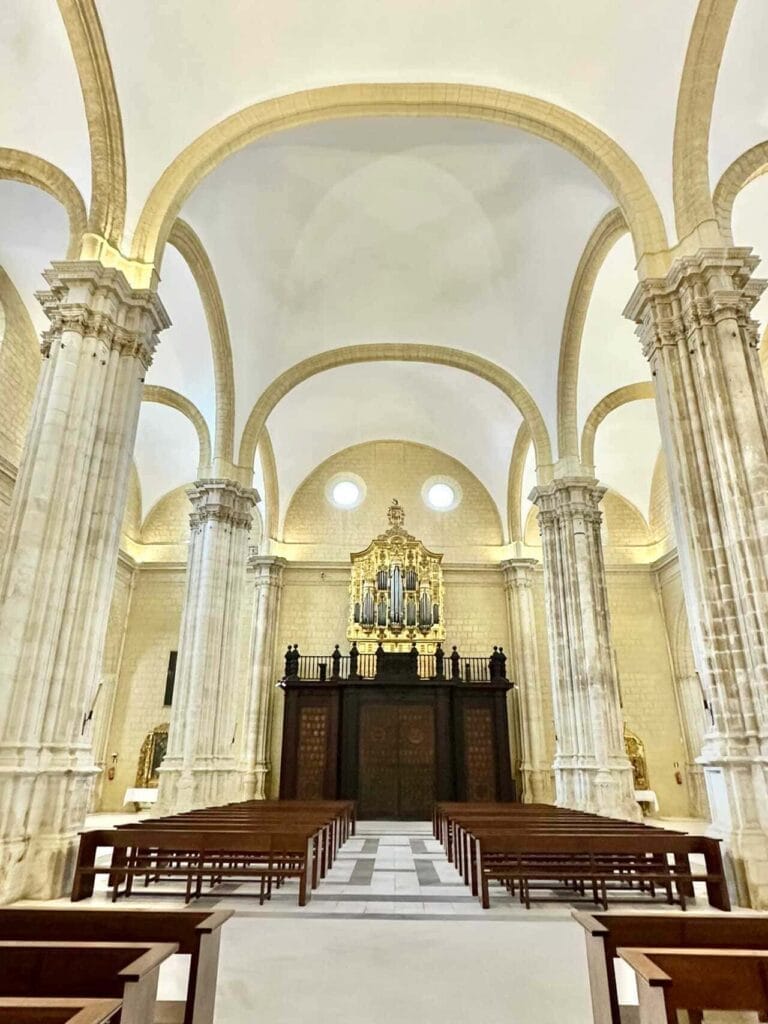
In contrast, the austere Renaissance section of the church features light tones and high cross vaults: this section is about life. The altar itself is richly decorated with detailed gilded wood carvings in the Baroque style. This opulent decoration, in contrast to the austere architecture of the church itself, defines the unique aesthetic of the Colegiata.
Not so long ago, the church was on the verge of collapse. This is still evident today in the leaning columns surrounding the altar and the damaged exterior structure. Thanks to generous donations from wealthy families in the region, the structure has been reinforced, and the church has been fully restored and is now safe to enter.
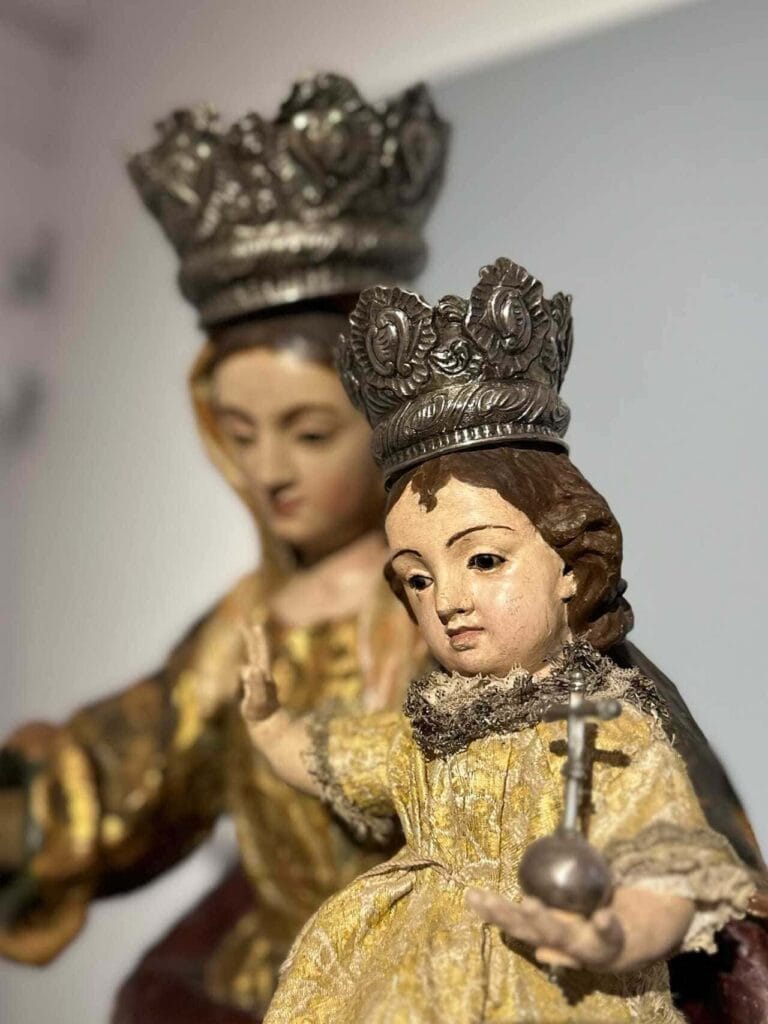
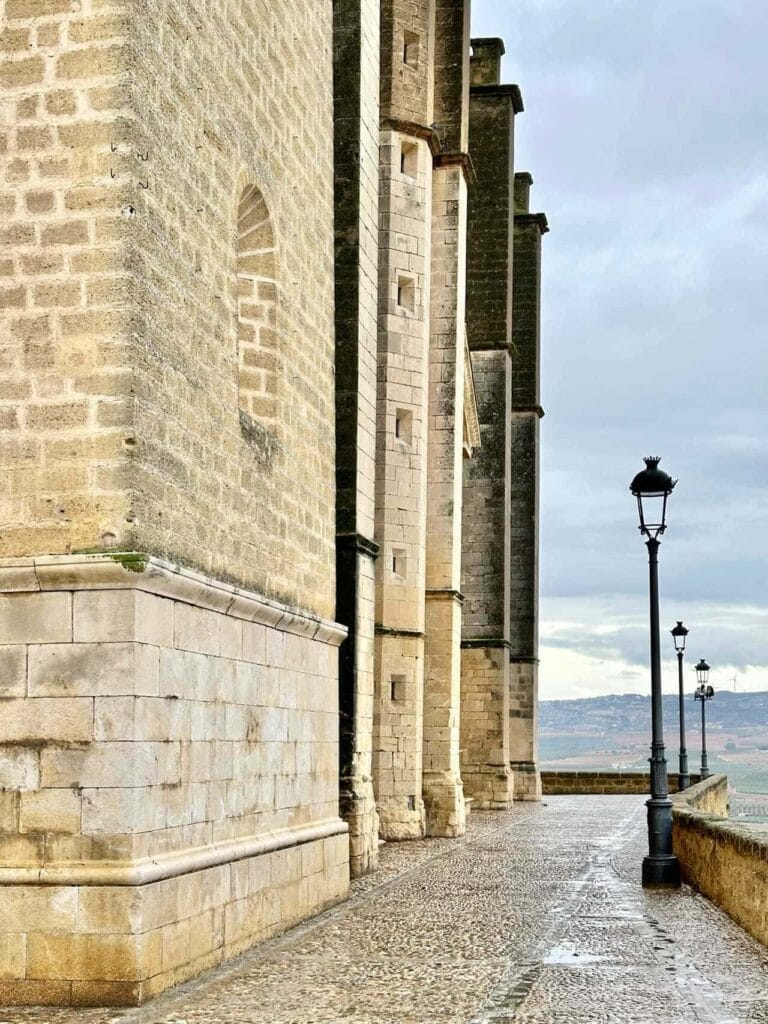
Osuna also offers a few other special sights:
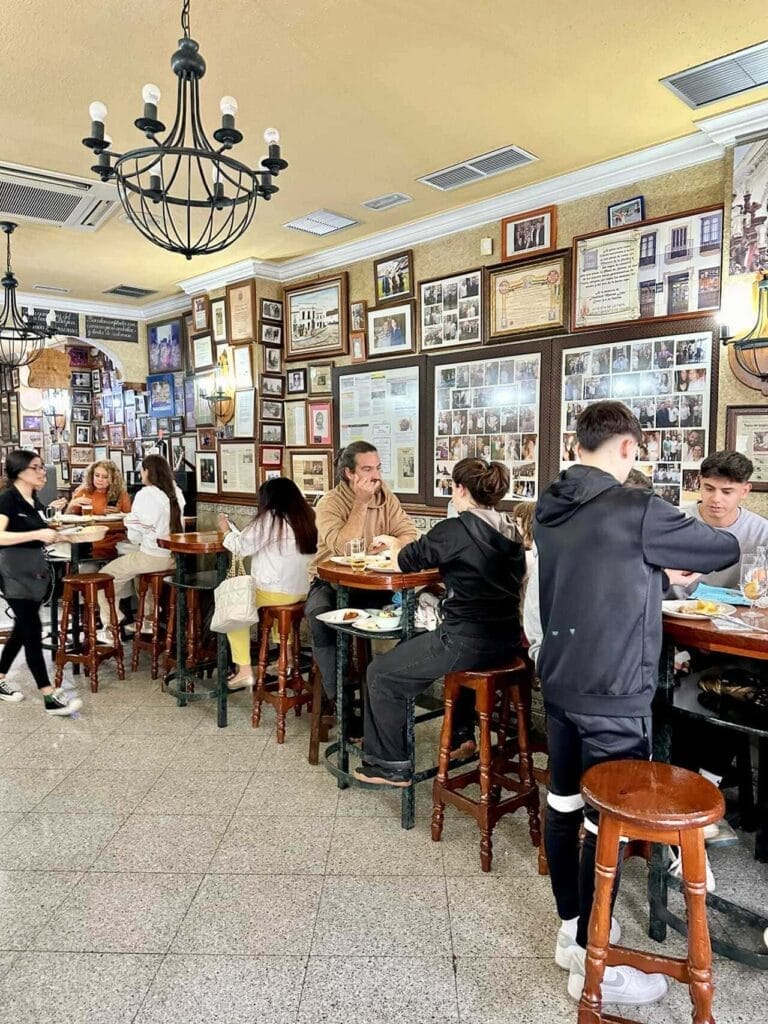
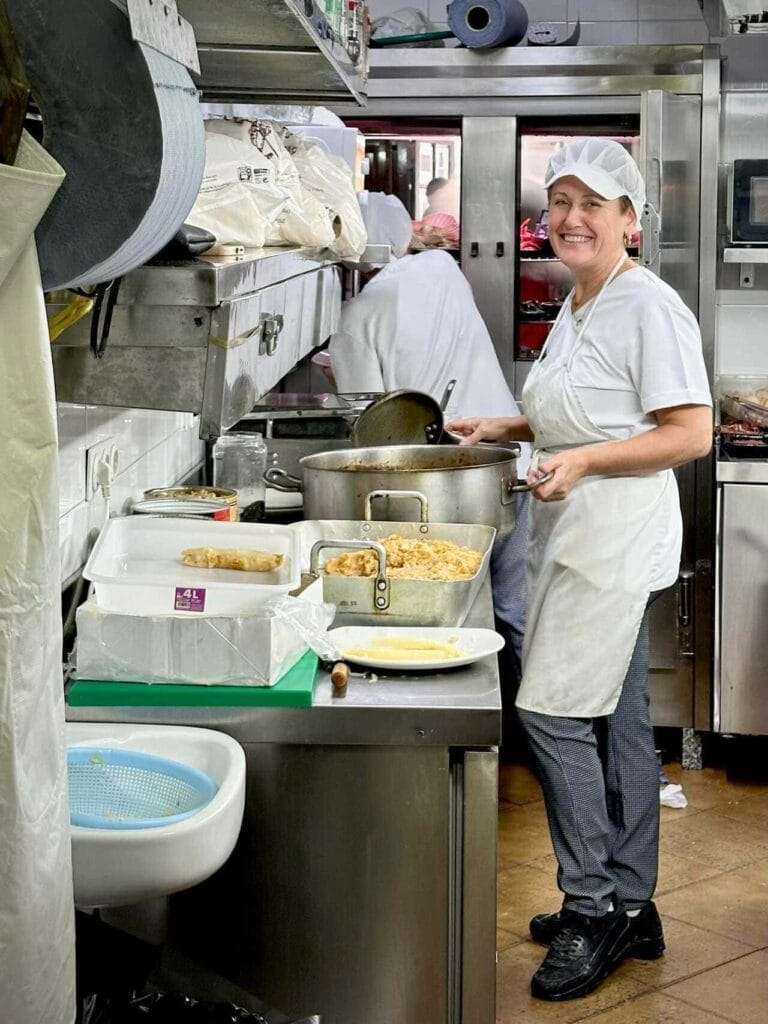
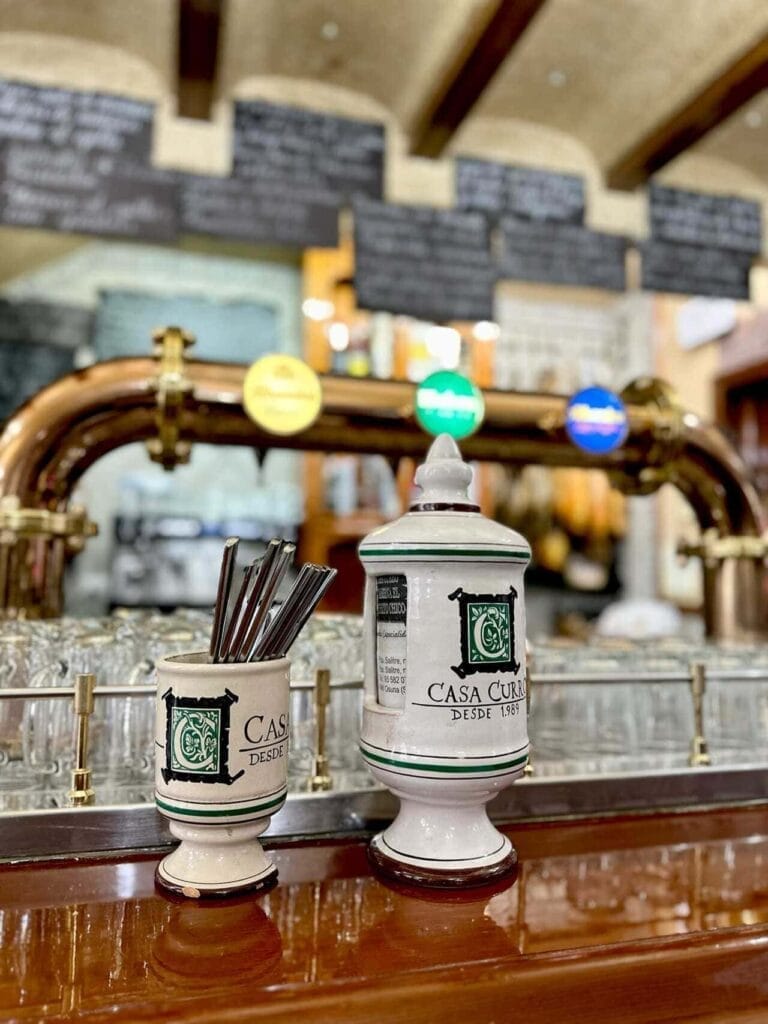
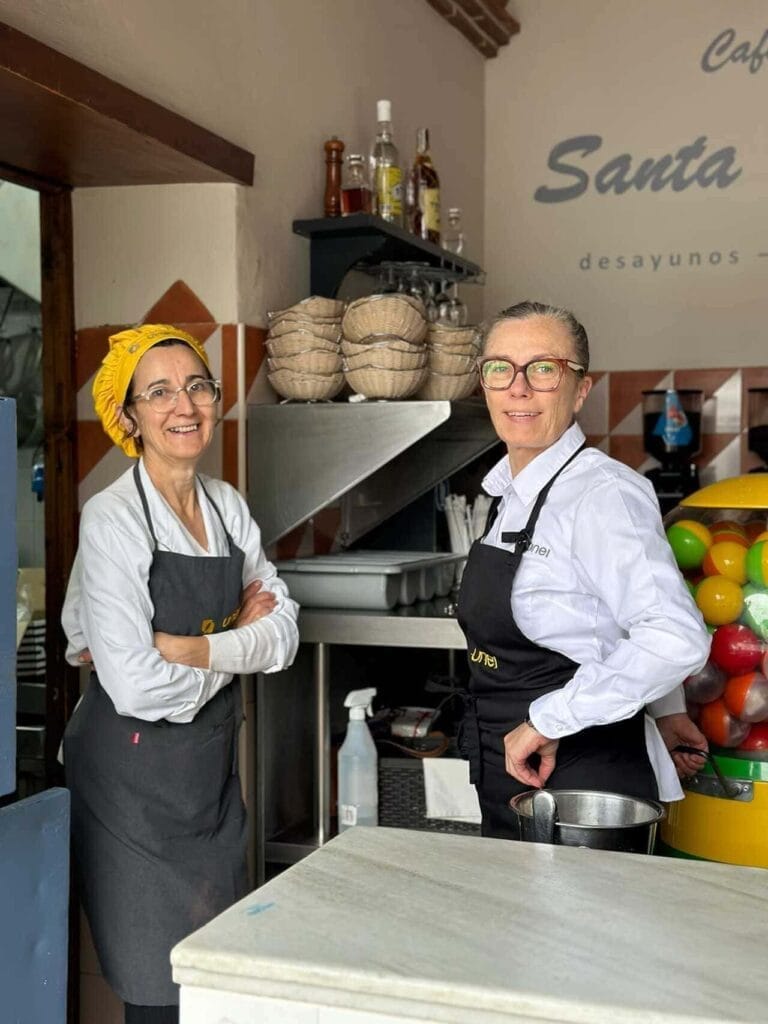
Lunch tip in Osuna: Casa Curro; this is where the locals eat. A cozy bar with an authentic atmosphere. The kitchen is run by a team of women, all wearing white aprons and hairnets.
On this stage, you’ll pass through a wetland nature reserve: the Endorreico Complex of La Lantejuela. This protected area is part of the Andalusian Network of Nature Reserves (RENPA) and a Special Protection Area for Birds (ZEPA). The Endorreico Complex is an ecosystem of seasonal lagoons and ponds that collect rainwater, creating a unique habitat for countless bird species. Here, you’ll enjoy views of the RuízSánchez Lagoon, among other sights, with the chance to observe flamingos, geese, blue herons, and the nearly extinct wild duck up close. It’s a paradise for birdwatchers because it’s a popular stopover for migratory birds. Your binoculars will come in handy here, too.

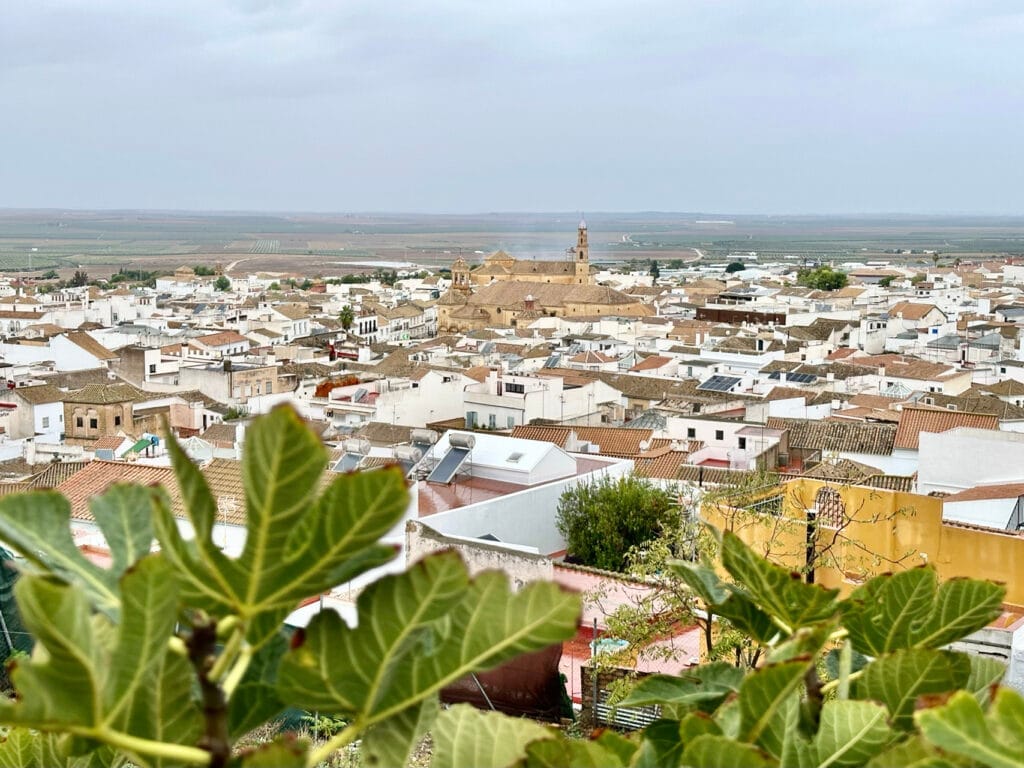
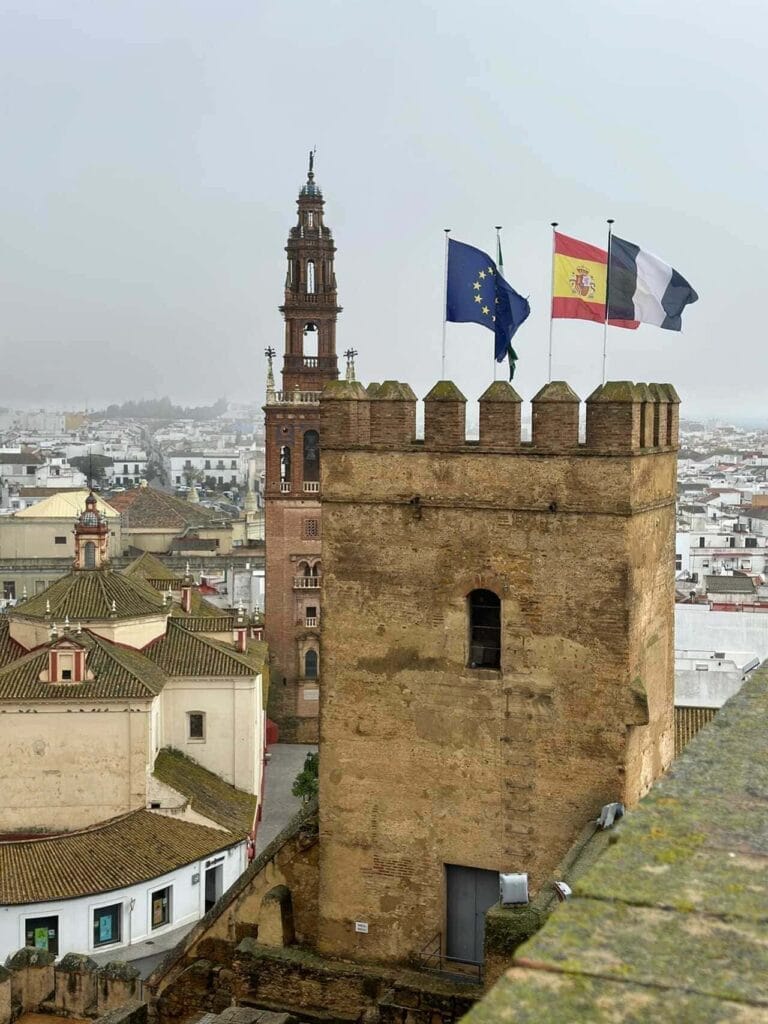
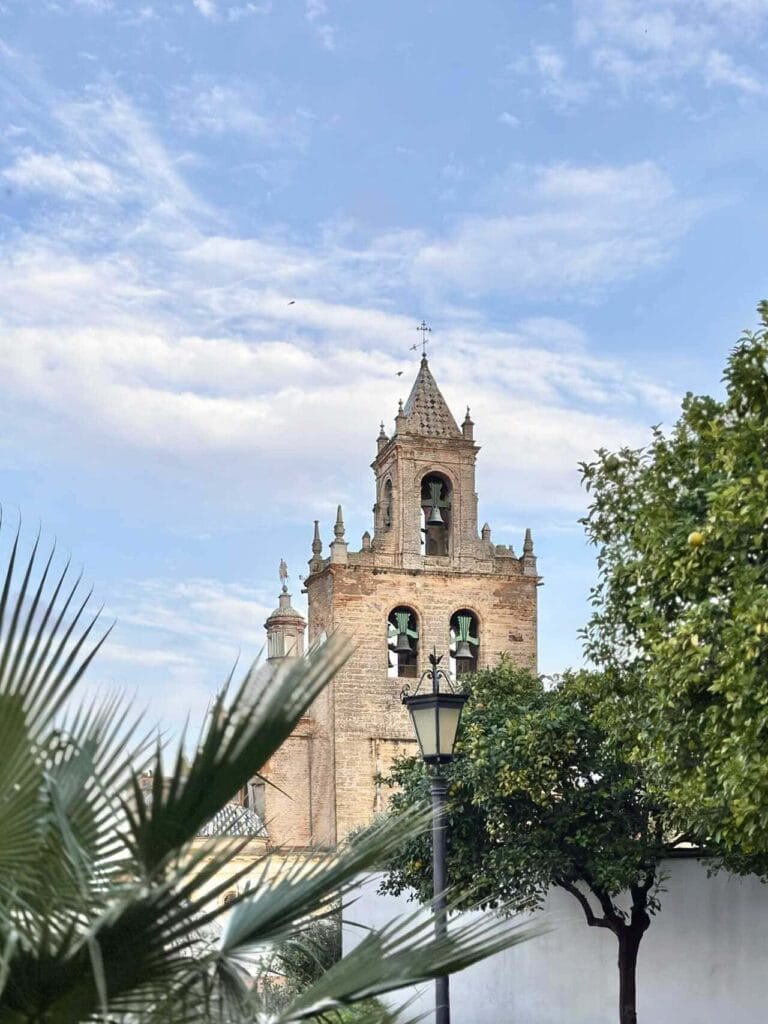
Today’s final destination is Écija (phonetically: Èsiga), the “city of towers.” EAn interesting place because of its architecture. The many ornate Baroque church towers rising above the streets are strikingly beautiful.
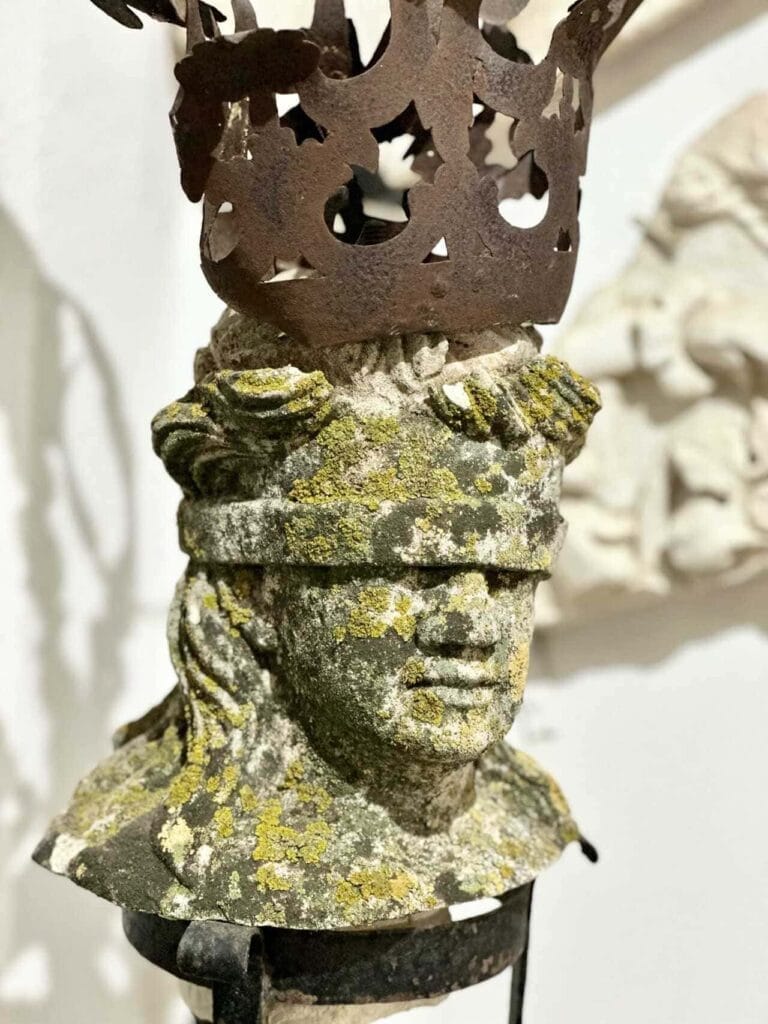
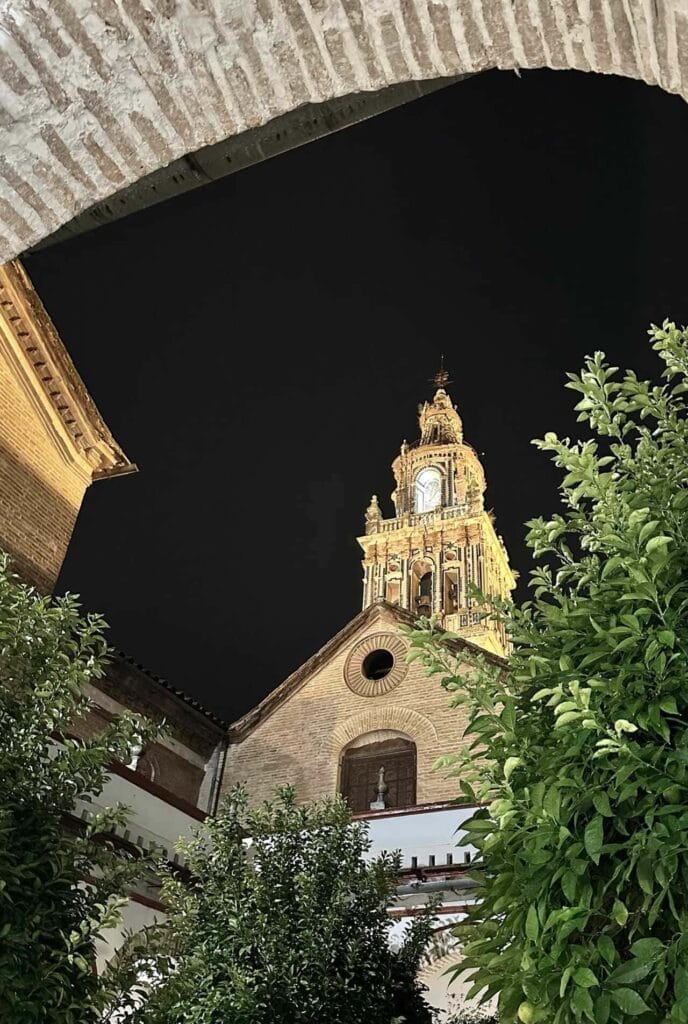
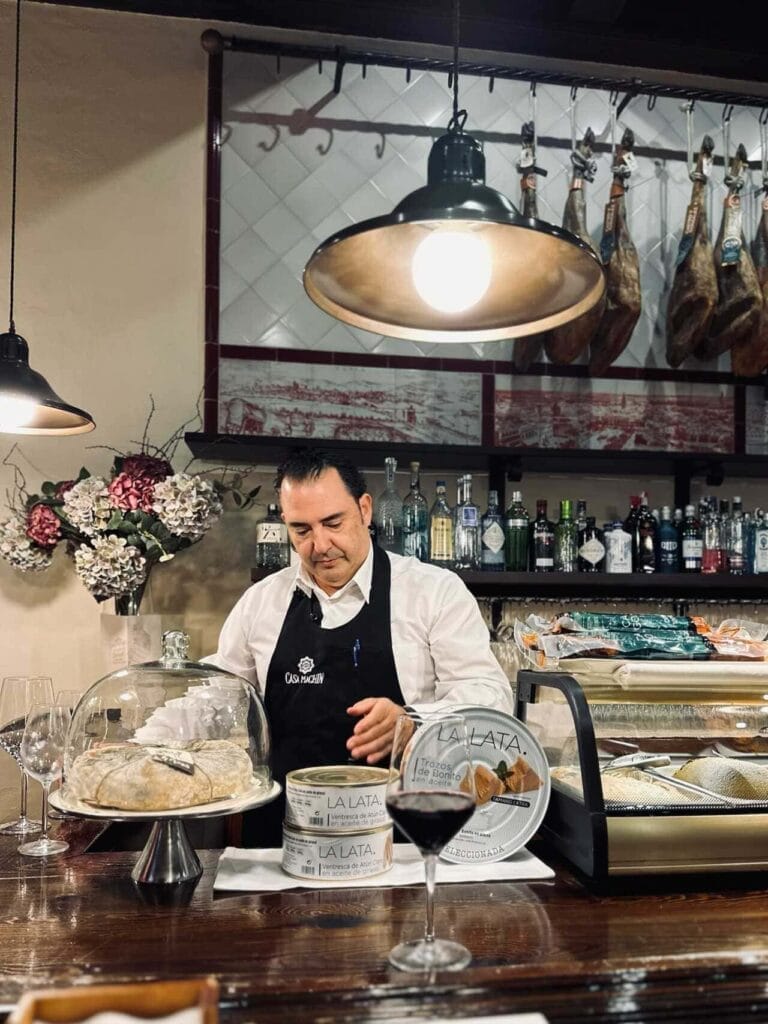
Don’t miss these two attractions in Écija:
The “house with the long balconies,” the Palacio de Peñaflor. The Peñaflor family’s palace has A balcony running the full length of the facade (approximately 57 meters). On the outside, the facade is adorned with colorful frescoes; on the inside, the color scheme is subdued, but the materials and decorations are opulent. The palace features an imposing courtyard, luxurious stables, painted ceilings, and a magnificent staircase. It reflects the grandeur of the noble Peñaflor family.
Recent restorations have restored the palace to its original splendor, and it is now an important venue for cultural events. You can visit the palace; there is also a museum section, and a guided tour adds a lot of value to the experience (and includes a discount on the admission price).
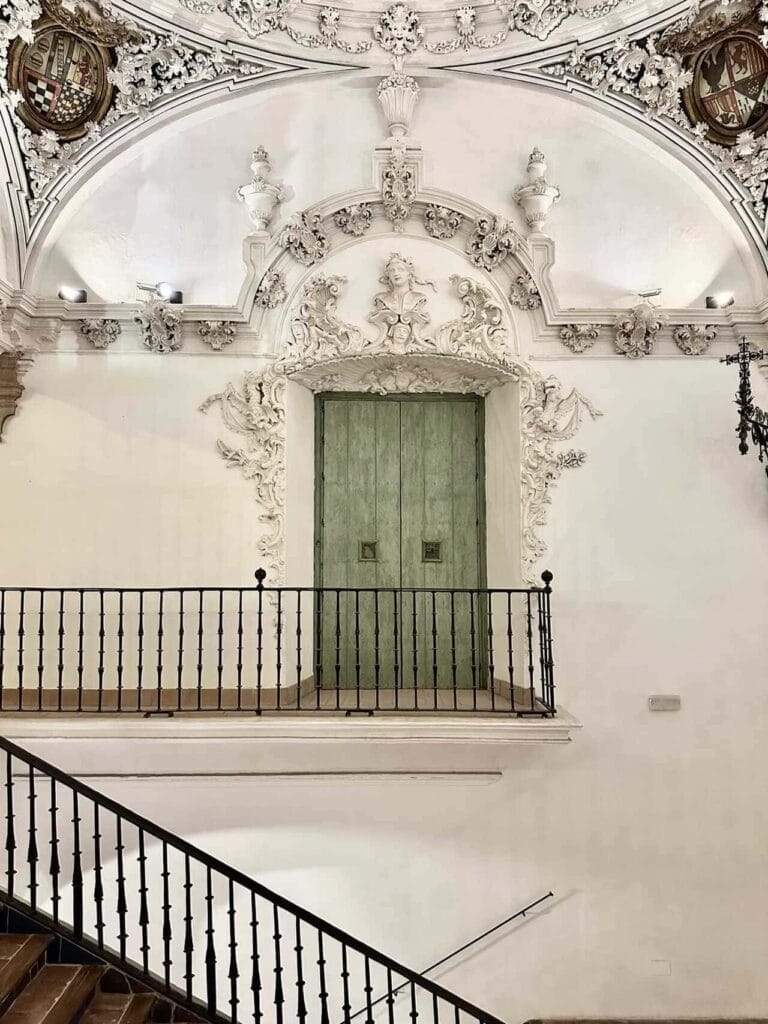
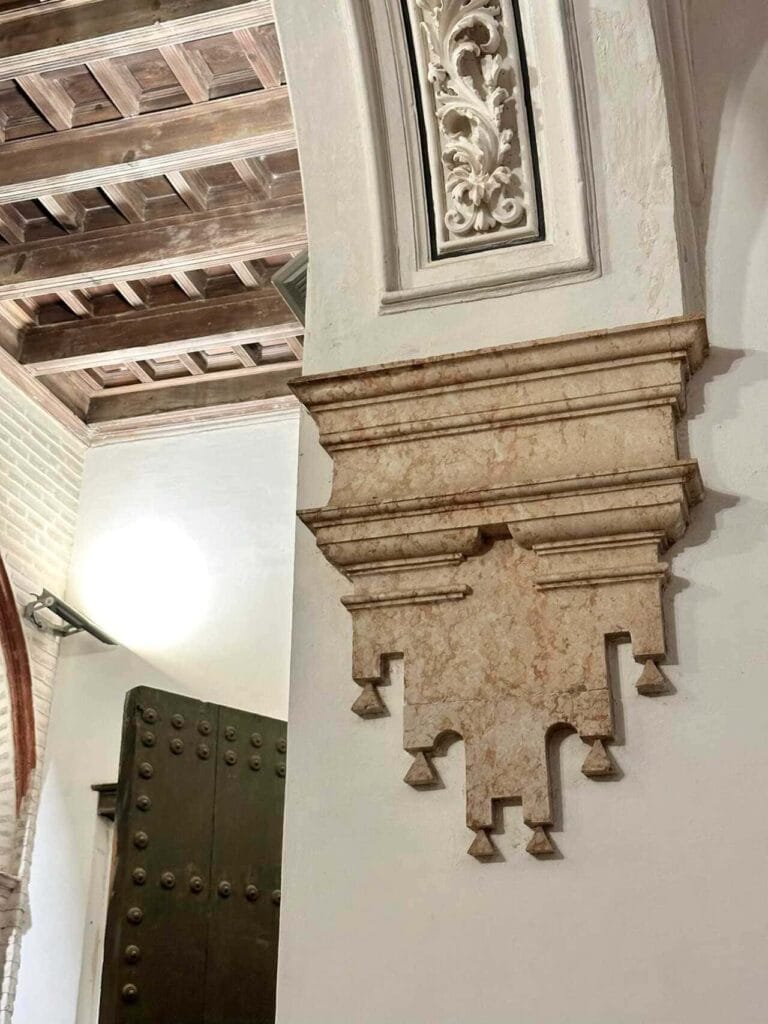
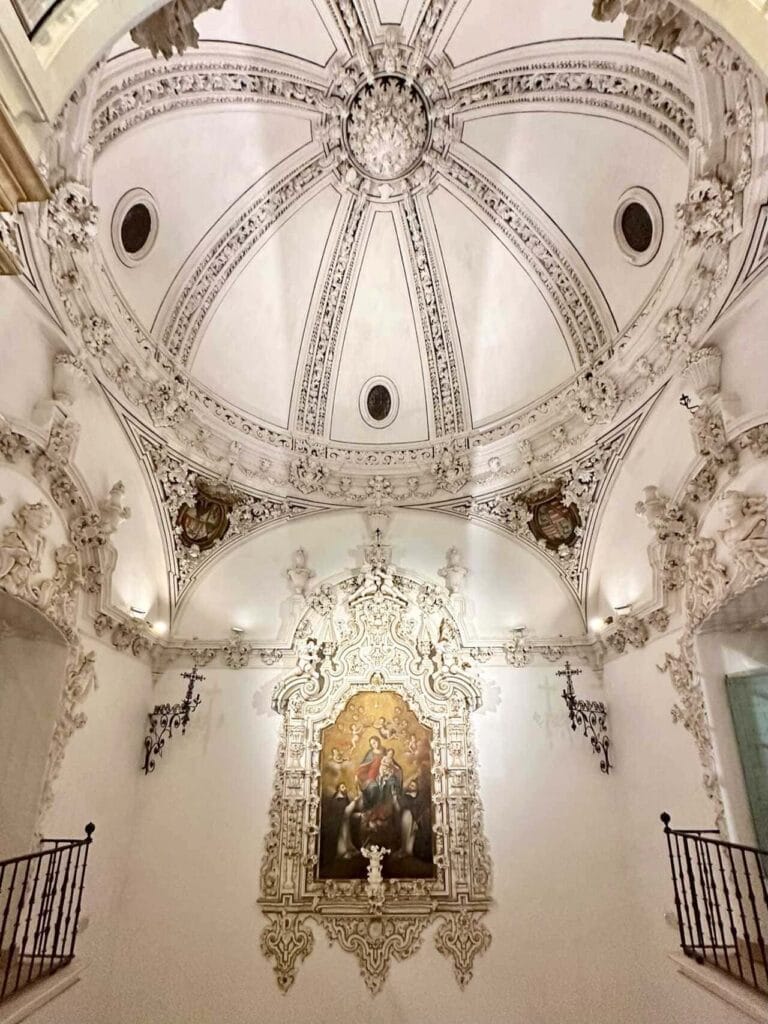
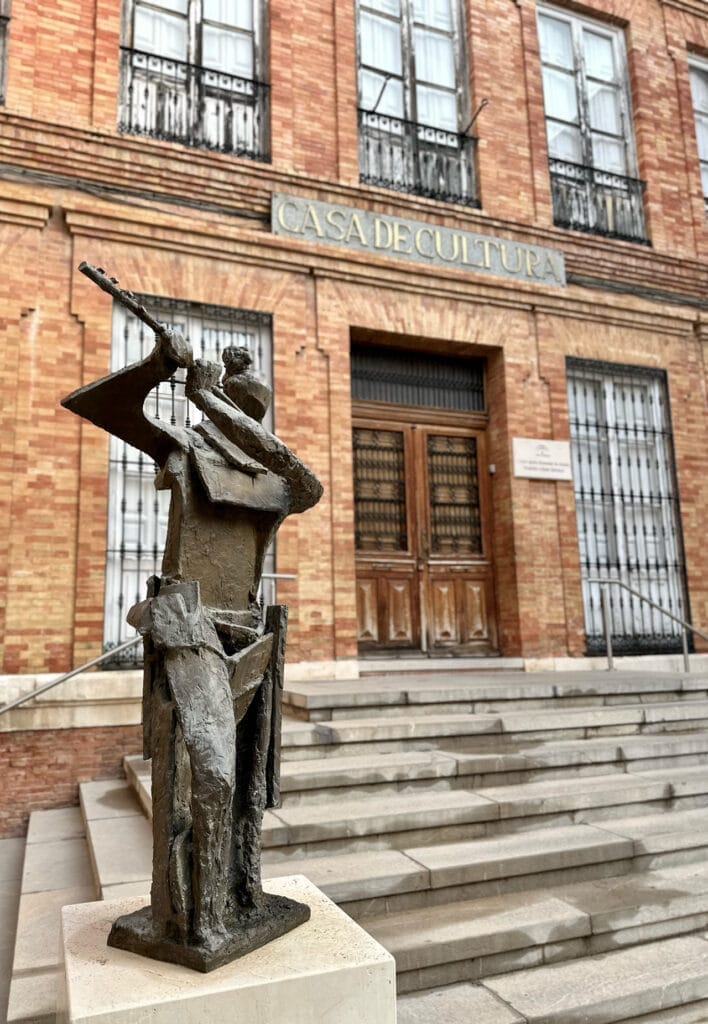
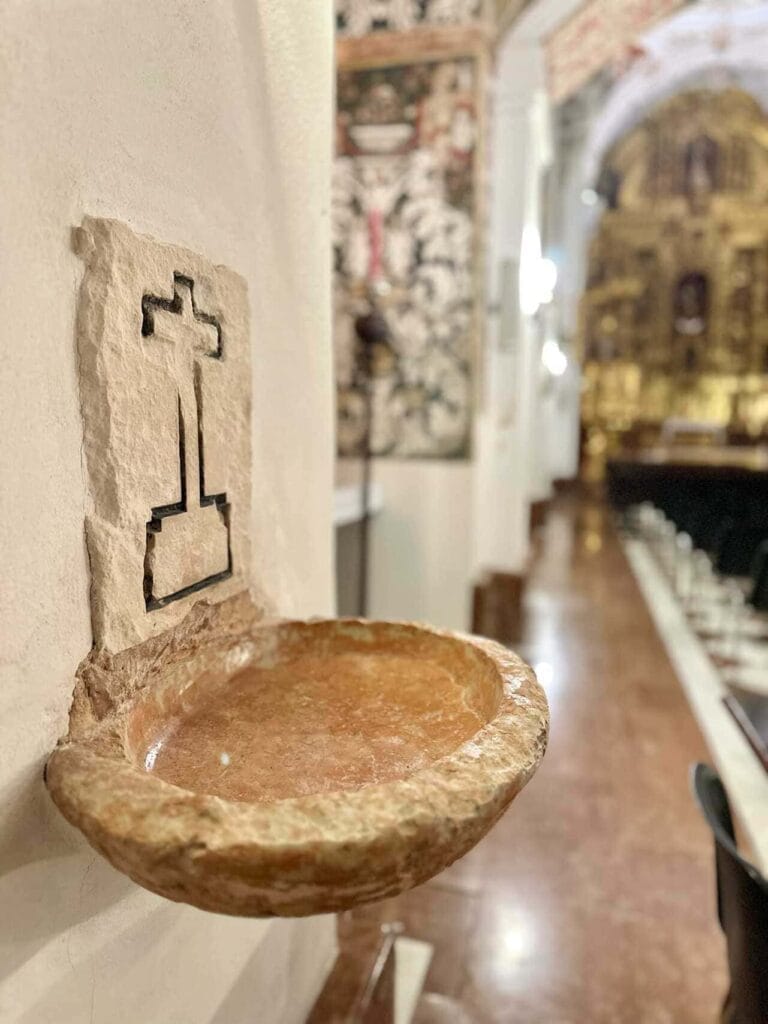
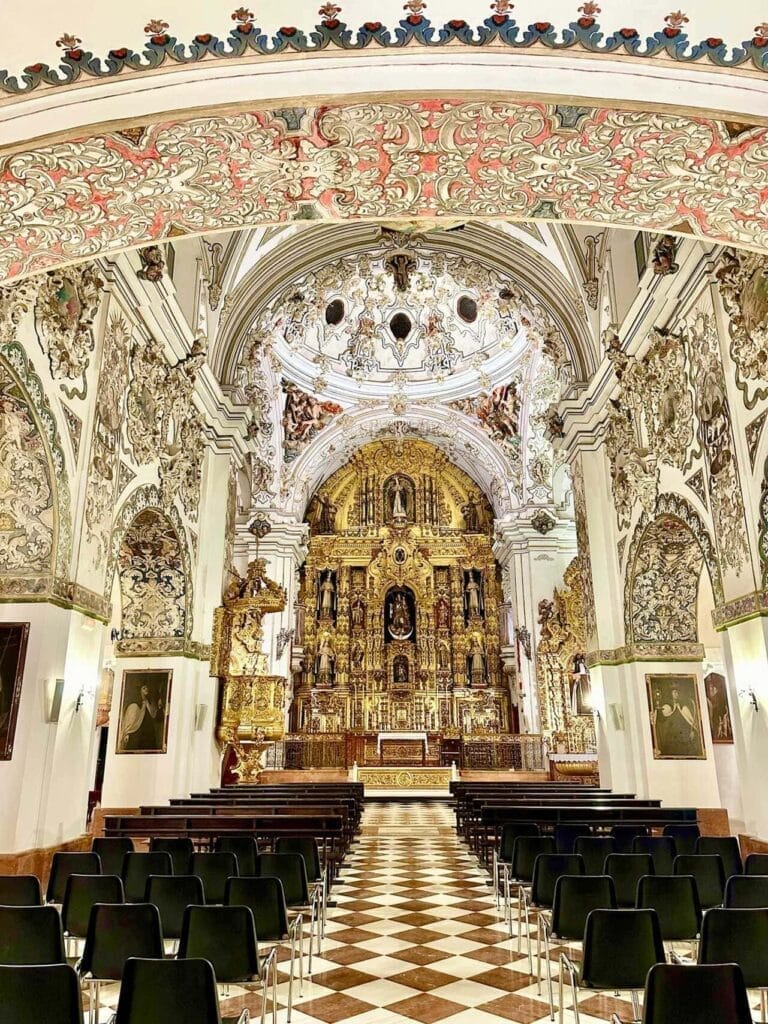
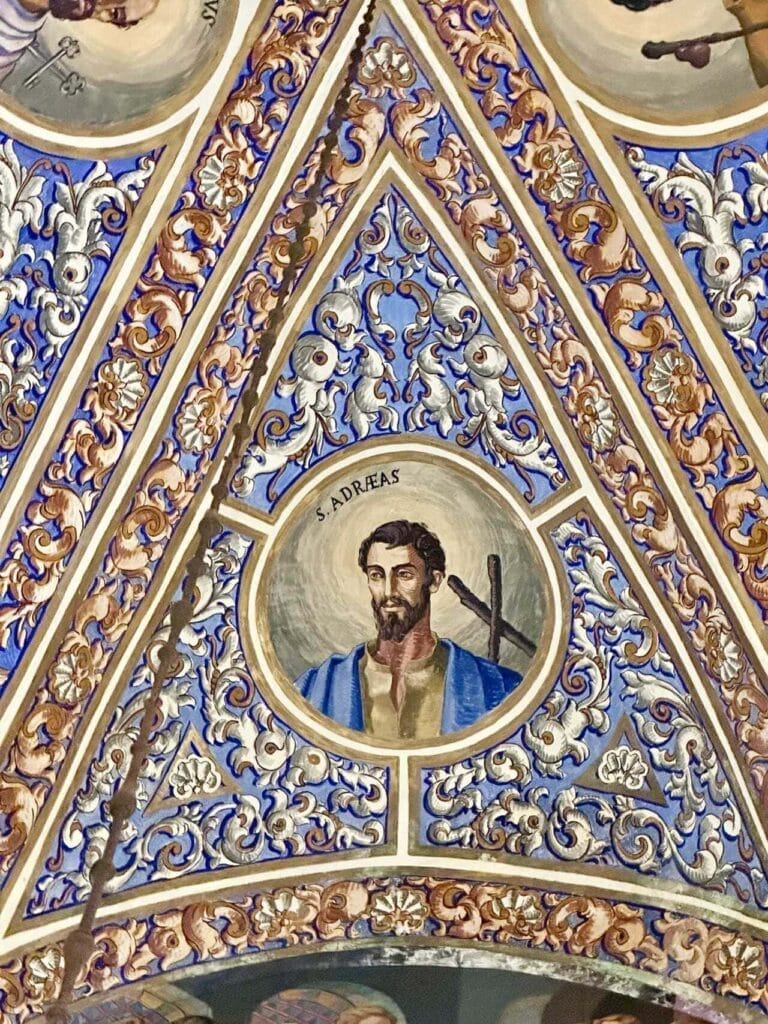
Another must-see highlight is the Iglesia de los Descalzos. From the outside, this small church has a simple appearance, but once inside, I’m dazzled by the ornate details and colorful murals. Its interior is a testament to the artistic finesse of the 17th and 18th centuries.
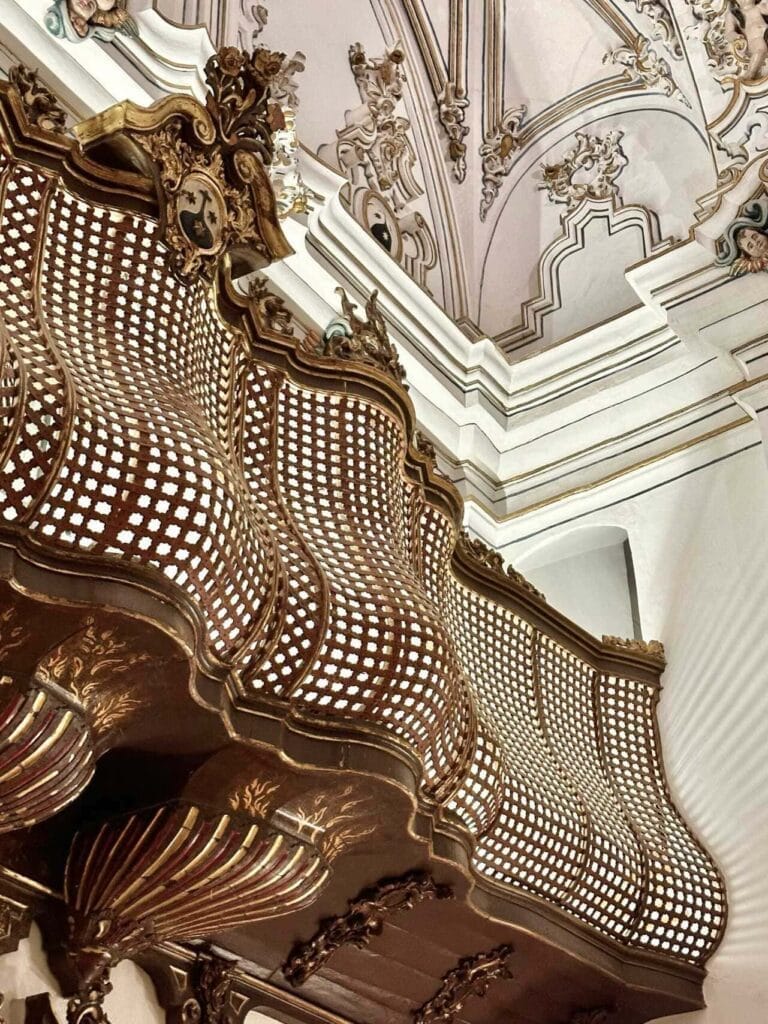
In addition to religious symbolism, the decorations feature many vibrant plant and figurative motifs, making the church a true treasure trove. Be sure to take a close look at the arched balcony—it’s carved from wood! Thanks to its musical quality, the organ attracts organists from all over the world.
The Vía Verde de la Campiña takes you to Fuentes de Andalucía, via La Luisiana and the hamlet of Villanueva del Rey in Écija, the waypoints along this stage. These are flat areas with a variety of crops on both sides of the old railroad line, where olive groves continue to dominate the landscape.
Shortly before you reach Fuentes de Andalucía, you’ll cross the Madre de Fuentes stream. The final stretch of the route to La Campana follows a horseback trail sheltered by shrubs and umbrella pines growing on distinctly sandy soil.
This is a quintessentially rural stage. It showcases the vastness of the Seville countryside in the heart of the Guadalquivir Valley. You’ll cycle through a hilly landscape where natural vegetation is limited to roadside ditches or isolated copses among vast fields. A beautiful patchwork landscape. One of the province’s most important rivers, the Corbones, also flows through this area.
Just before you arrive in Carmona, you can visit a few archaeological sites. The first is the Cueva de la Batida, an ancient Roman quarry. It was in operation until the 18th century and is home to the so-called Morabito (an Islamic Santón cemetery). As you climb up to Carmona, you’ll enjoy an impressive view of the historic center and a vista of the Alcores mountain range.
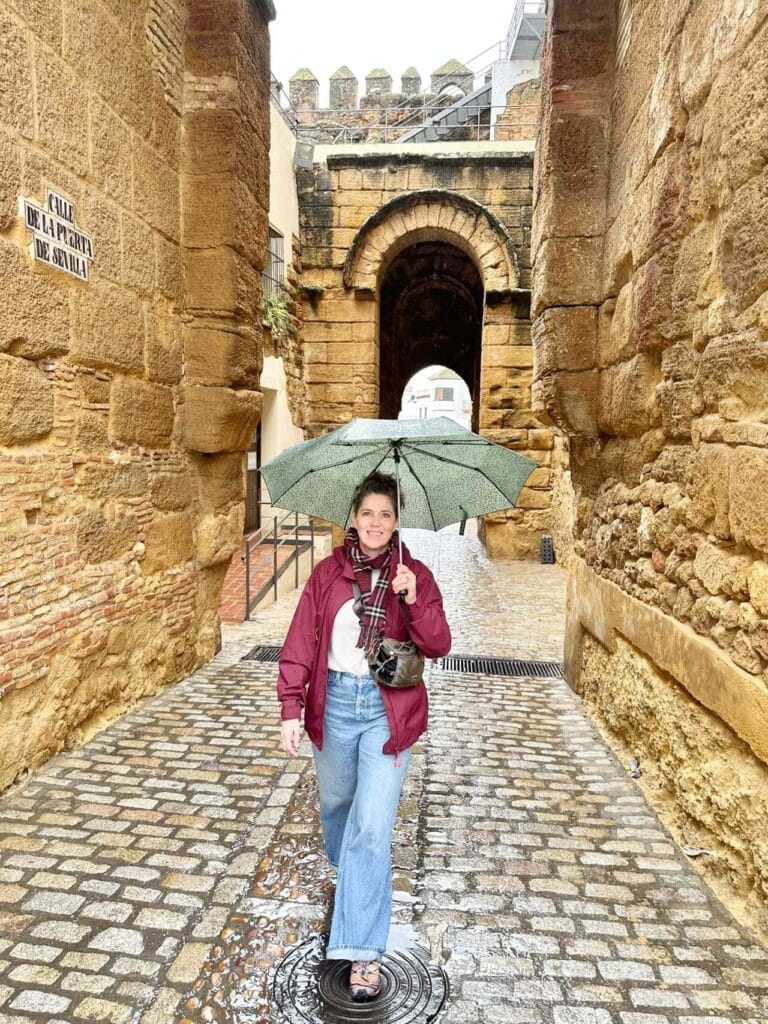
Carmona, located 30 kilometers from Seville, combines a rich history with a beautiful setting on the edge of the Alcores mountain range. This strategic location, overlooking the vast Andalusian plains, has given the city an important role throughout the centuries.
Carmona’s history dates back to the Neolithic period, and under the Romans—when it was known as “Carmo”—it grew into a city along the Via Augusta, an important trade route. Remains such as a Roman necropolis and city gates serve as reminders of this period. During the Moorish period, Carmona was a fortified city, and after its reconquest by Ferdinand III of Castile in 1247, it took on a new role within the Christian kingdom.
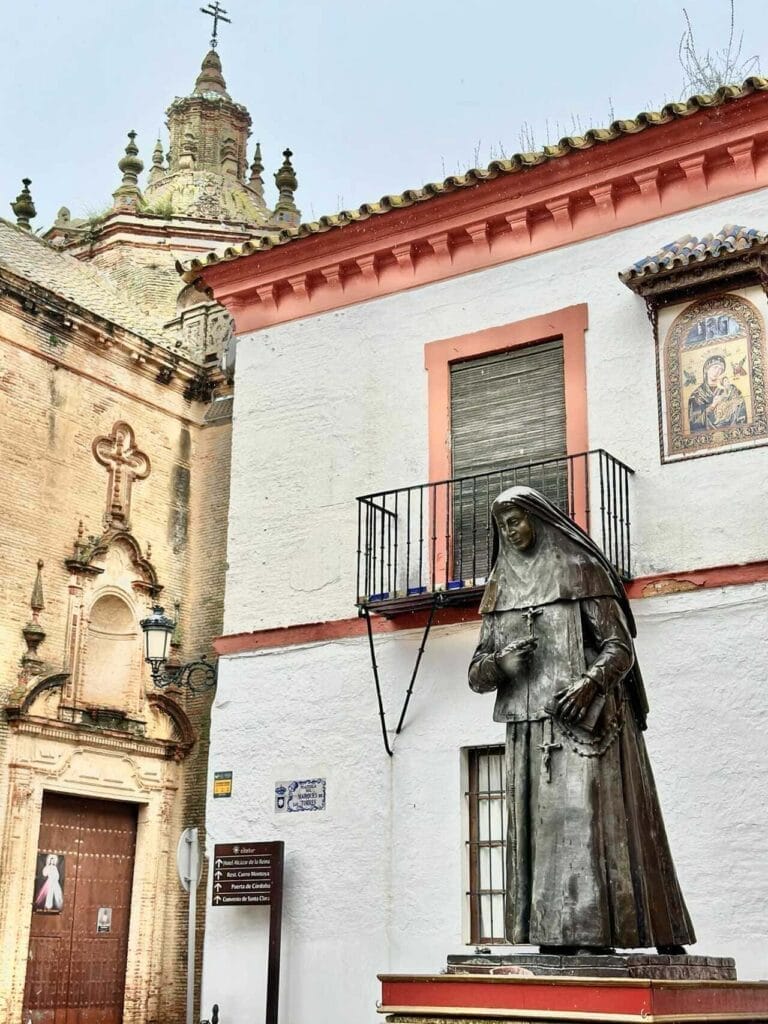
Places of Interest in Carmona:
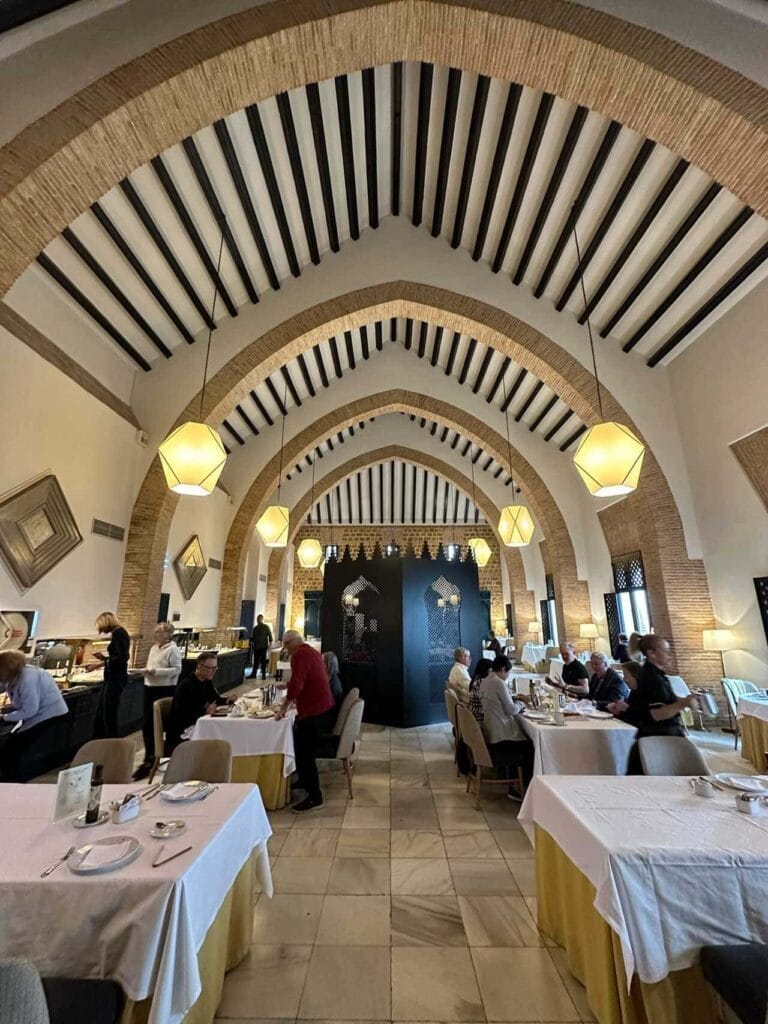
The Alcores are a Tertiary geological formation—a series of gently rolling hills and plateaus that dramatically contrast with the surrounding plains. These elevations, home to towns such as Carmona, resemble natural lookout points. During the bike ride, you’ll feel as if you’re standing on a balcony of nature. The land is covered with olive trees, grain fields, and ancient stone structures. Here and there, you’ll see traces of centuries of human habitation that have become intertwined with the landscape.
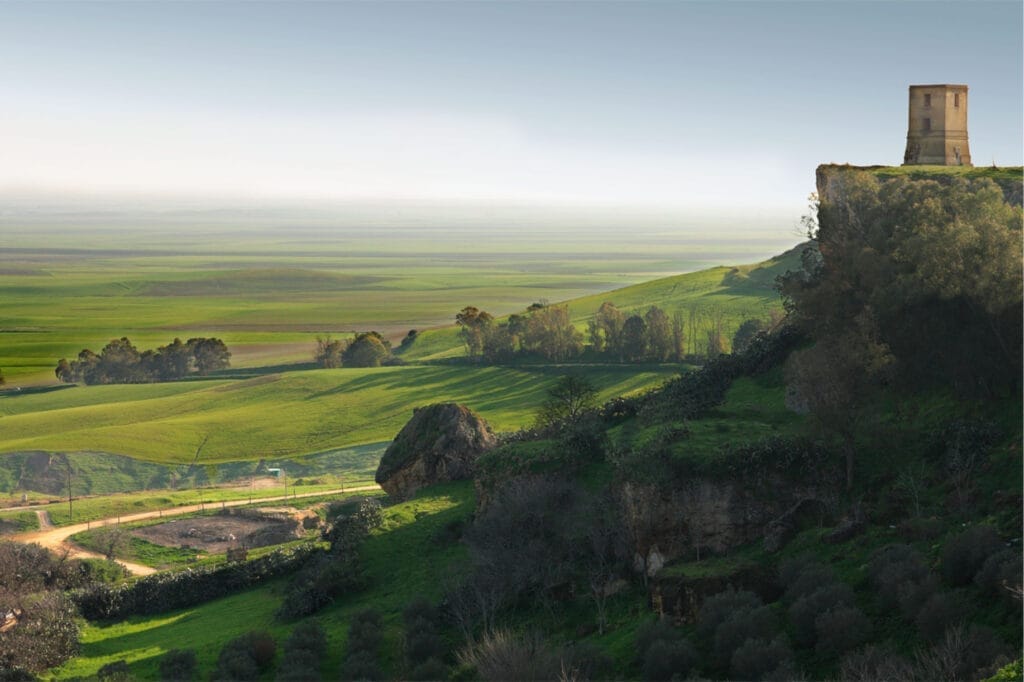
Continuing on, you’ll reach the Vega de Carmona, a fertile valley between the Guadaíra and Corbones rivers. This flat, open landscape is known for its rich farmland, dotted with grain fields and sunflowers. Further on, the landscape gives way to the Terrazas, where natural terraces have been carved into the landscape like steps. These terraces, shaped by water and time, are a visual spectacle as they descend toward the Guadalquivir River.
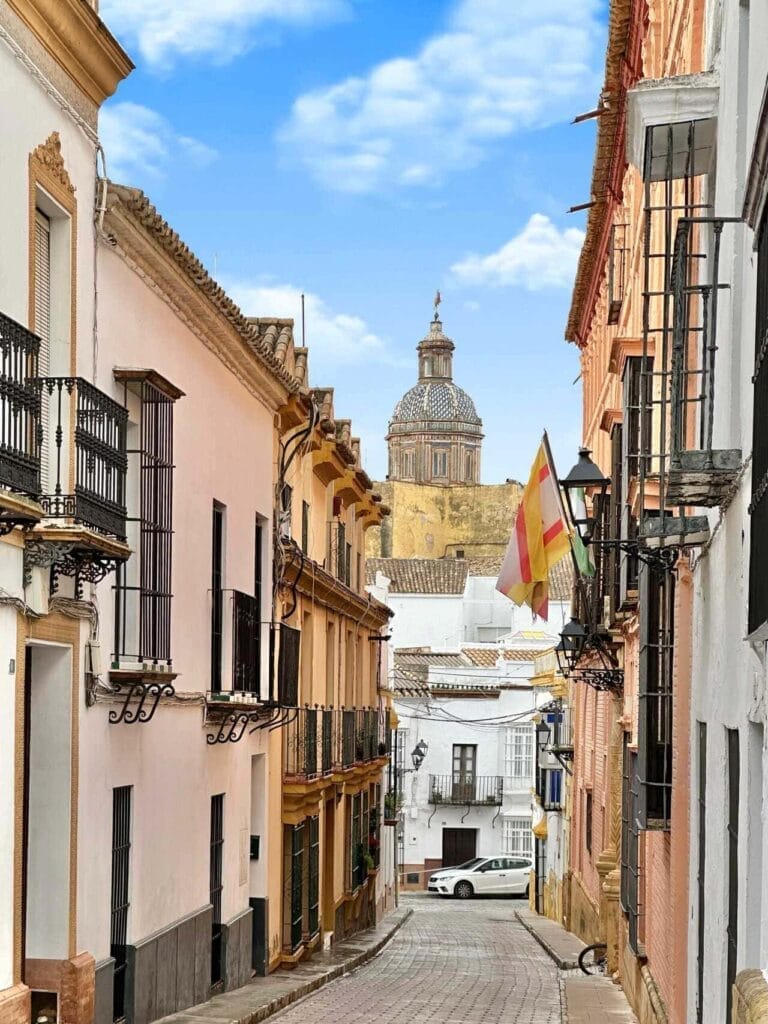
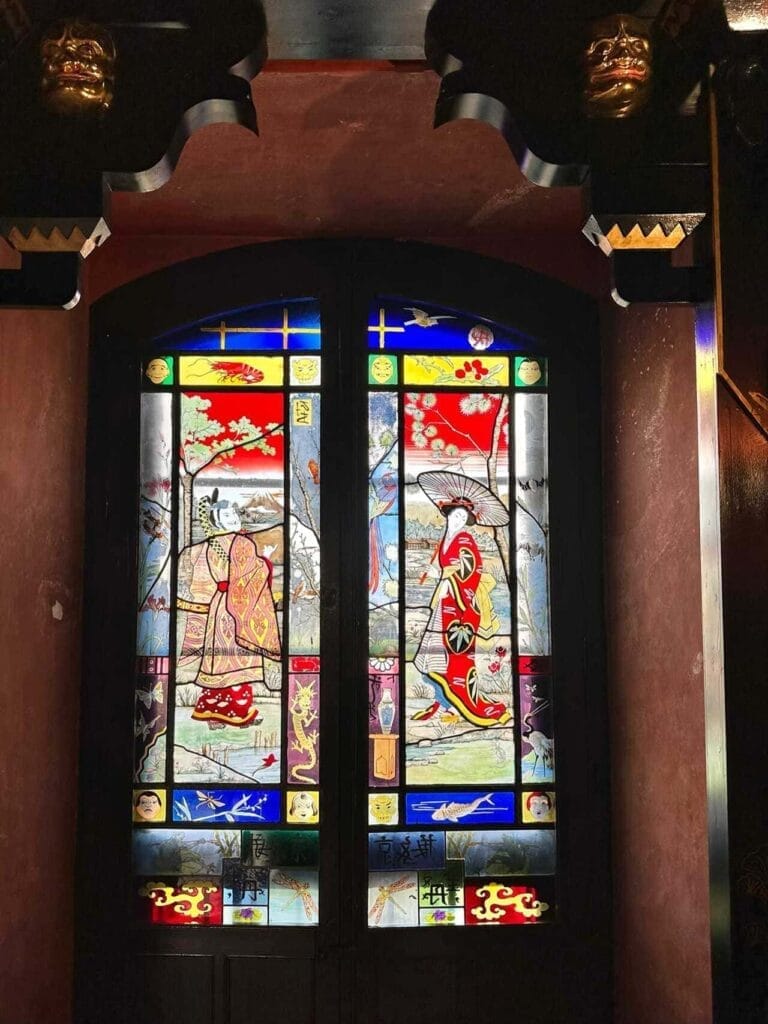
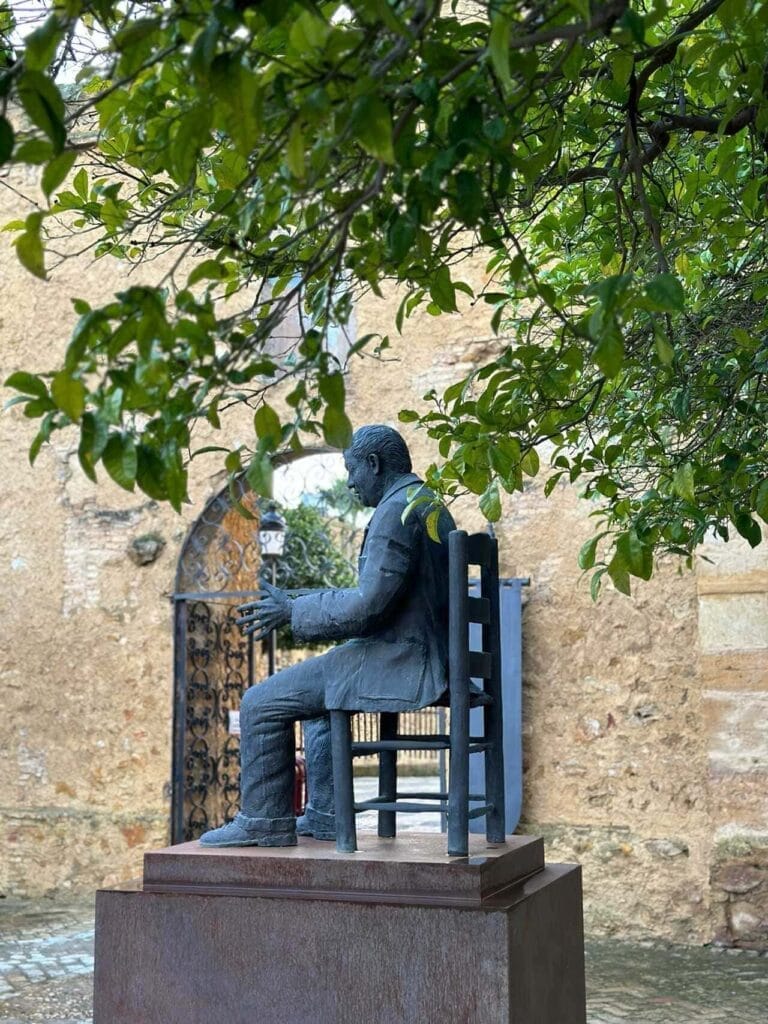
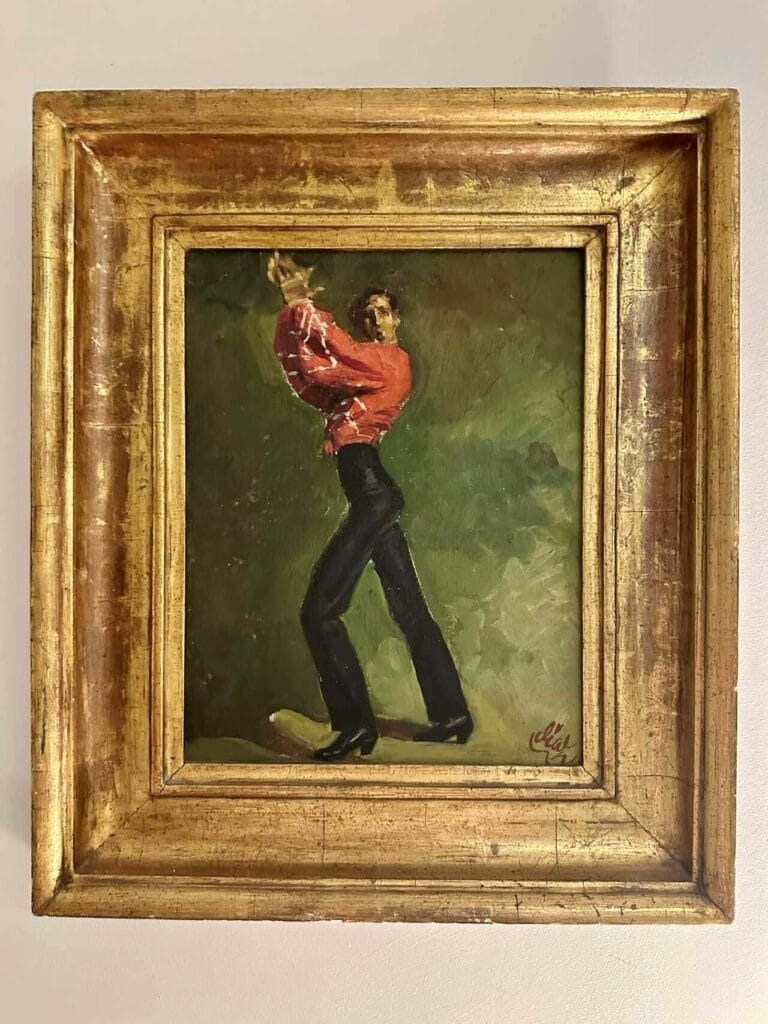
Utrera, our final stop, is steeped in flamenco traditions and brimming with atmosphere. Places to see:
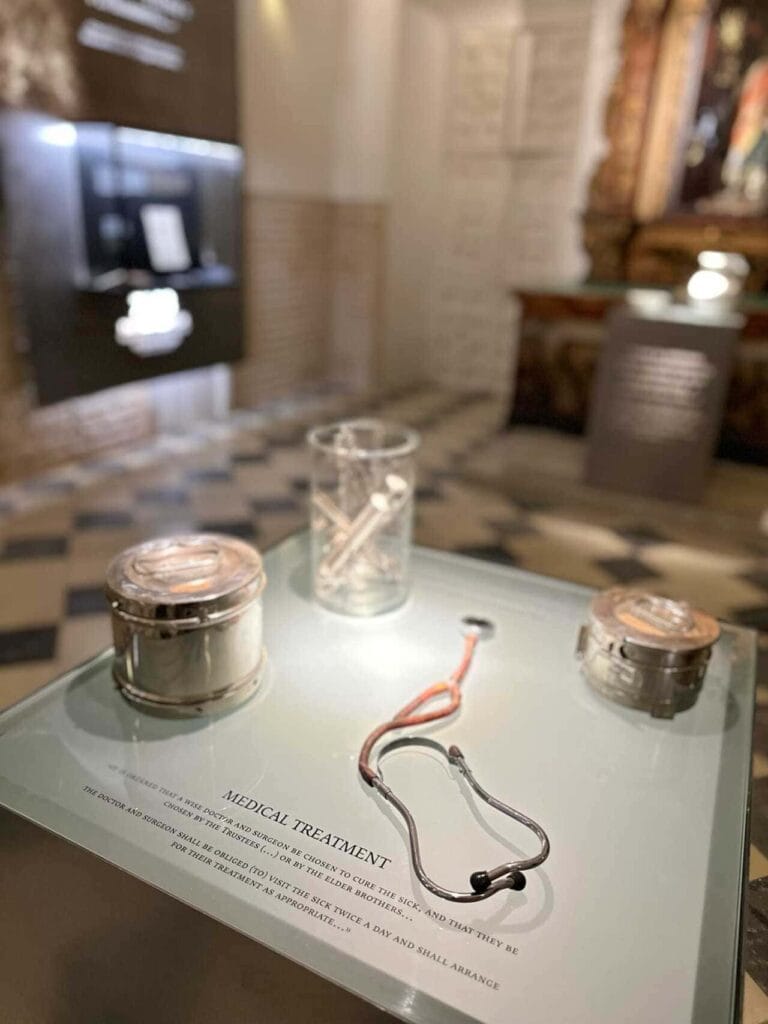
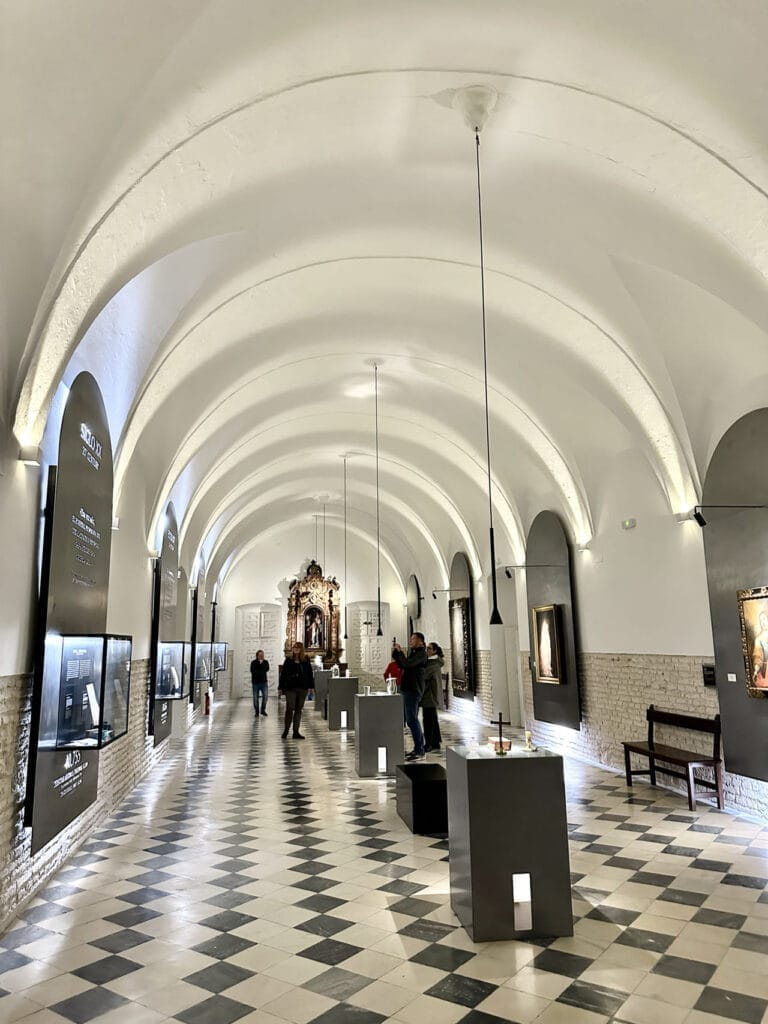
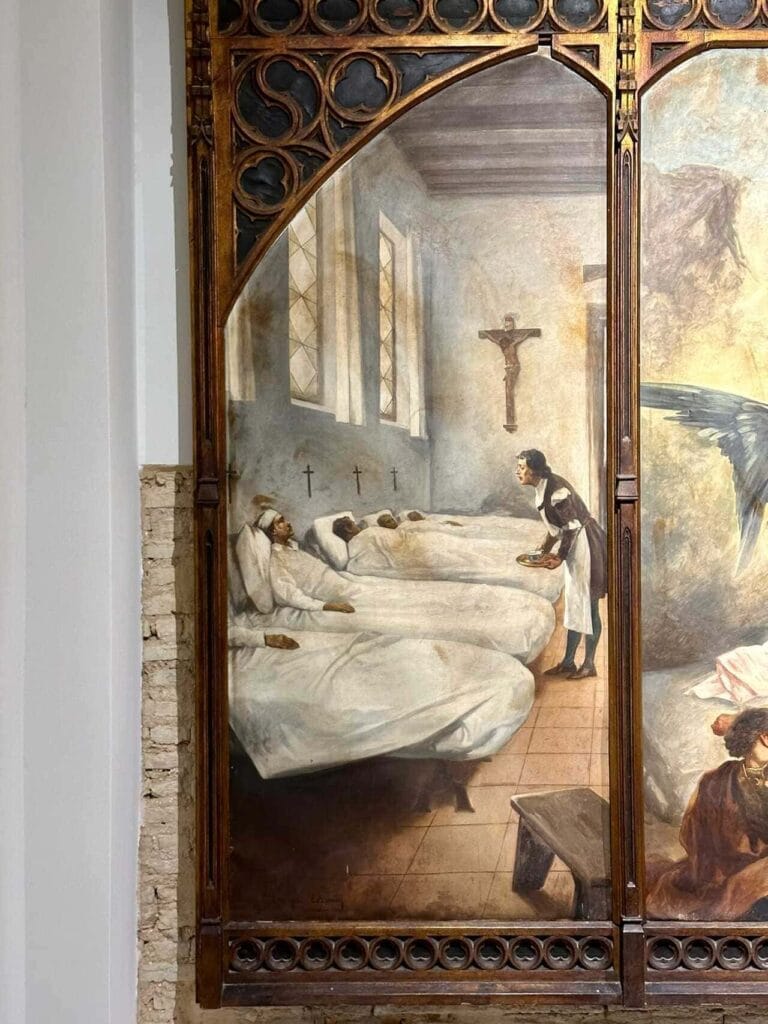
The Museo Hospital de la Santa Resurrección is a beautiful, modern museum. It is one of the oldest charitable institutions in Europe, founded in 1514. This historic hospital, established by Catalina de Perea in memory of her son Juan Ponce de León, played a crucial role for centuries in caring for the sick and the needy. Today, the museum tells the story of five centuries of charity, religion, and healthcare, featuring well-preserved art, archives, and a serene chapel.
We’ll also visit the Iglesia de los Descalzos, which, with its understated elegance, provides a serene conclusion to this special journey. We’ll wrap up with a tasting of the famous Mostachones, a sweet, light egg cookie that pairs perfectly with the intense flavors of this region.
Bar El Ambigú It has a terrace, but the interior is cozy too, and it’s a great spot to sit among the locals. The staff is very friendly, and there are plenty of small local dishes and specialties.
Would you like to rent a bike while you’re there? Ask José Luís Momparler for advice—he can take care of everything for you, from planning bike tours and bike rentals to airport transfers and handling your luggage along the way. Phone: +34 692 15 32 84.
To enjoy the Caminos de Pasión GR 341 route by bike, there are three routes tailored to three different cycling styles: a road bike route, a gravel bike route, and a mountain bike route.
The trip can last three to seven days, depending on the style you choose. Each option covers a different distance, ranging from 316 kilometers for the road option to 344 kilometers for the gravel route.
Please note that the first two stages involve significant elevation changes, making them the most challenging parts of the route. For less experienced or recreational cyclists, we recommend choosing an e-bike.
You can find the official Caminos de Pasión GR 341 tracks on Wikiloc and Komoot here.
Of course, you can also hike the Caminos de Pasión GR 341 route on foot. The stages range in length from 11 to 40 kilometers, for a total of 320 kilometers. For the hiking routes, see Wikiloc.

In Alcalá la Real
In Lucena
In Écija
In Utrera
In Osuna
In Carmona
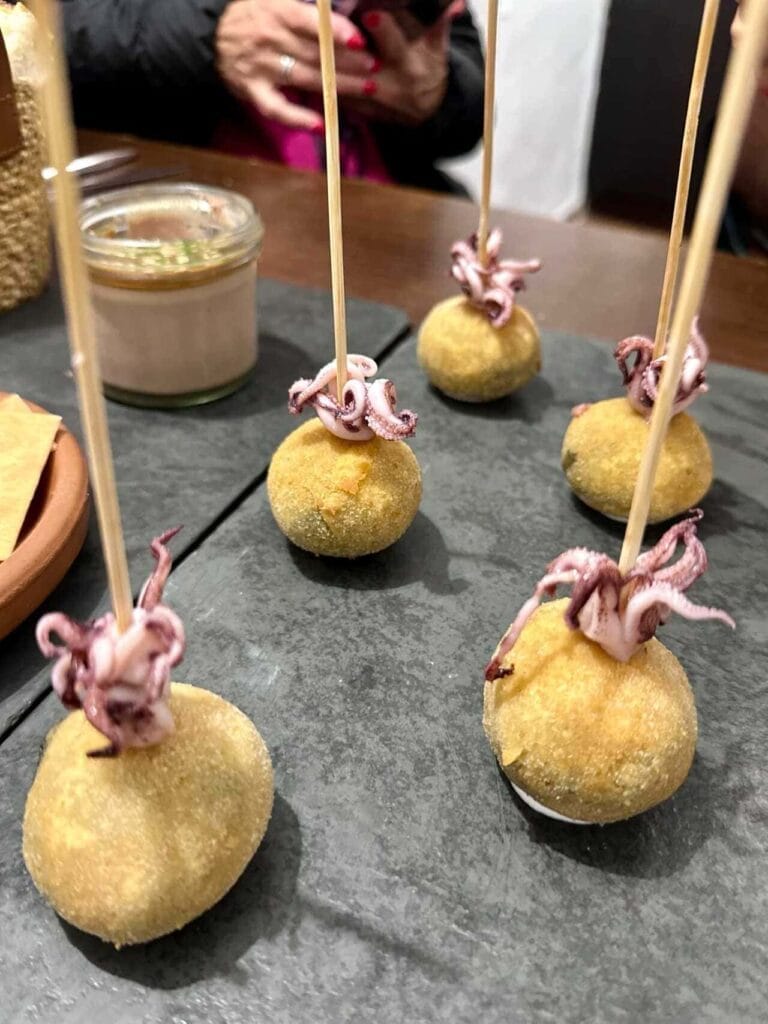
A quick note about “Patatas Bravas.” They’re not French fries; here’s the thing: Patatas bravas are made from potato cubes that are first boiled and then deep-fried, resulting in a soft interior and a crust that’s either not crispy at all or very lightly crispy. French fries are deep-fried twice while raw—once to cook them through and once to create a crispy crust—resulting in a soft interior and a very crispy exterior.


Mieke Tacken
I am an interior designer, photographer, and an avid nature hiker. I’ve lost my heart to the simplicity and beauty of hiking vacations. I also appreciate the unique experience of a stay that tells a story about local history or culture. Here, I share my stories and tips—whenever possible, with a light footprint and always with a heart full of wonder.
Dovrefjell in the Fall: Musk Ox Safari from Oppdal A musk ox doesn't run away. If danger threatens, it either stands its ground or charges right at it. That works against a wolf, but not against a train. That's what our guide, Hannes, tells us as we walk across the...
Hiking to Trondheim along ancient pilgrimage trails What’s it like to hike for days along ancient pilgrimage trails to Trondheim? During a trip through Sweden and Norway, I hiked several sections of the St. Olavsleden. From the open border mountains near Skalstugan to...
Hiking the St. Olav Trail: Route, Stages, and Tips A thousand years ago, Olav Haraldsson traveled this road northward in search of his crown. He met his death at Stiklestad and was canonized three years later. Since then, pilgrims have followed the same route: from...
Get inspired
Are you looking for the most beautiful hiking and biking routes? Or do you want information about traveling by train or advice for the most beautiful road trips through nature. Get inspired for your next trip in green; ideas for planning your own trip or opting for an organized trip.