
Gratis gids 10 verborgen natuurplekken in Europa
Gratis gids 10 verborgen natuurplekken in Europa. Meld je aan voor onze nieuwsbrief en ontvang inspirerende reistips en routes voor je volgende groene reis.

Cycling or taking public transportation along the Romantic Road sounds like a contradiction: after all, the word “Strasse” practically screams “car.” Yet this is actually one of the few famous German routes that you can cover almost entirely by rail and by bike. Merel did it: she boarded the train in Arnhem, traveled with the Deutschlandticket from town to town, and discovered a Bavaria of medieval city walls, Baroque palaces, and vineyards where time seems to have stood still.
In this article, Merel shares her route from north to south: six destinations, starting in the wine town of Würzburg and ending in bustling Munich. Plus, everything you need to travel the Romantic Road without a car: using the Deutschlandticket on regional trains, or under your own steam along the more than 440-kilometer-long bike route toward the Alps.
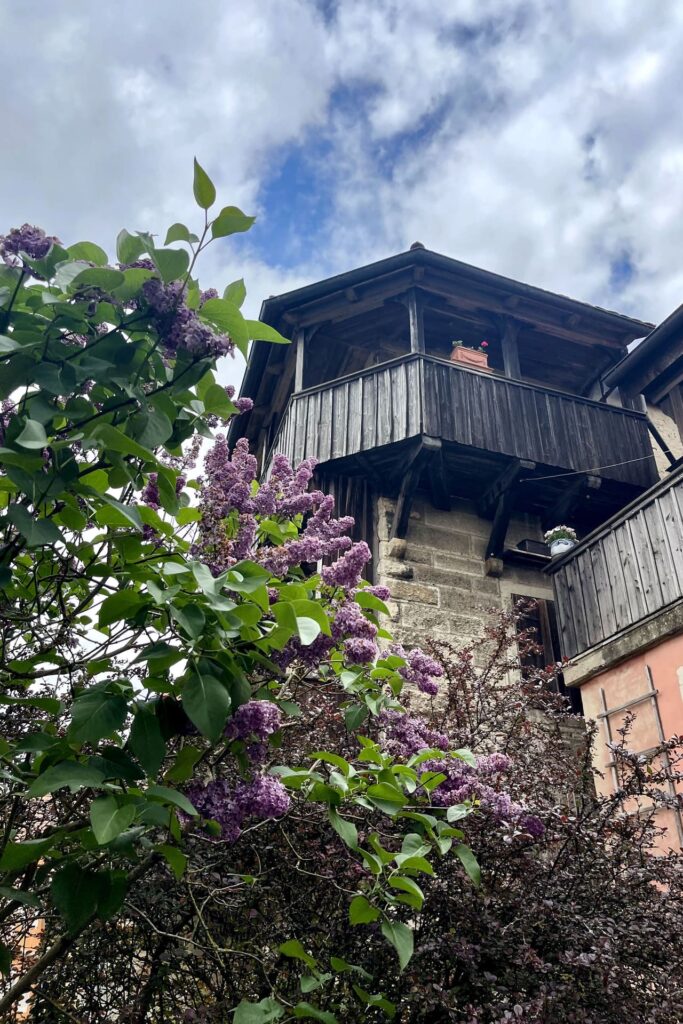
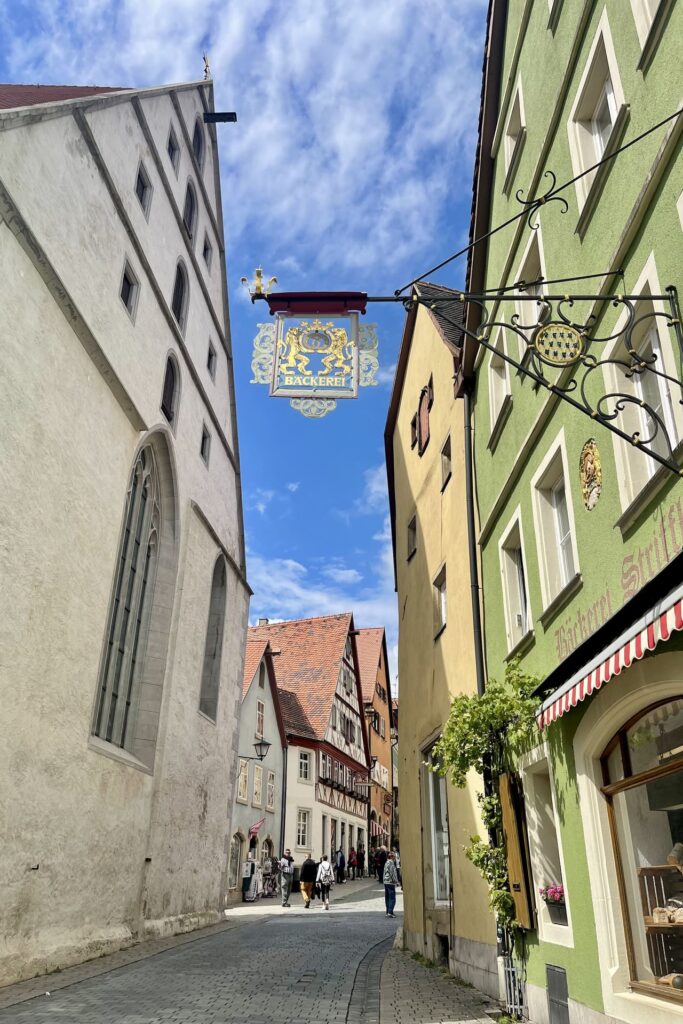
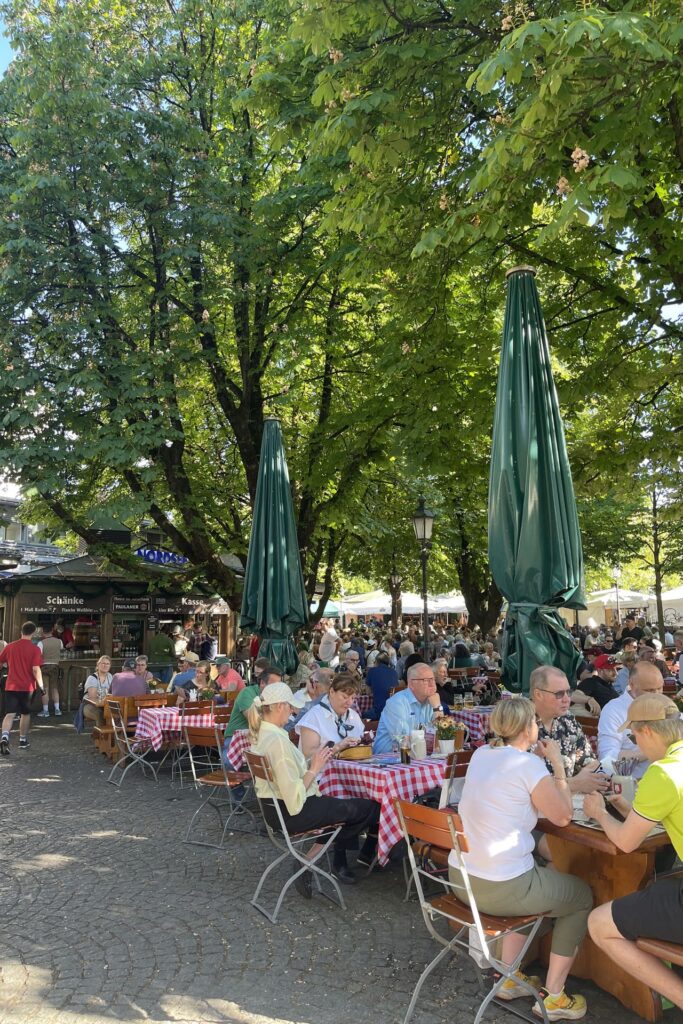
The route is surprisingly easy to reach from the Netherlands. Merel traveled from Arnhem to her first destination, Würzburg, on the Deutsche Bahn. The trip takes about 4.5 hours with a transfer in Duisburg or Düsseldorf. Tip: Download the DB app so you can see delays coming in time and don’t miss your connection.
Once you’re in Bavaria, the Deutschlandticket comes into play. For €63.00 per month (2026 price), you can travel unlimited on all regional and local trains, trams, subways, and buses throughout Germany. Ideal if you want to visit several towns along the route without having to buy individual tickets each time.
Good to know: The Deutschlandticket is only valid for regional and local transportation. This includes RE and RB trains, the S-Bahn, U-Bahn, trams, and buses. High-speed long-distance trains (ICE, IC, and EC) are not included. So, you’ll need a separate ticket for the international trip from the Netherlands; for hopping between Würzburg, Rothenburg, Dinkelsbühl, Nördlingen, Augsburg, and Munich, the regional version is perfect.
Located on the Main River, the lively city of Würzburg is known for its vibrant student life and excellent vineyards. The city reportedly has 39 churches—you practically stumble over them—and is perfect for a city break in its own right. The fact that it still looks so historic today is, incidentally, a testament to impressive restoration work: on March 16, 1945, more than 70% of Würzburg was destroyed in less than twenty minutes. After the war, residents rebuilt the city brick by brick.
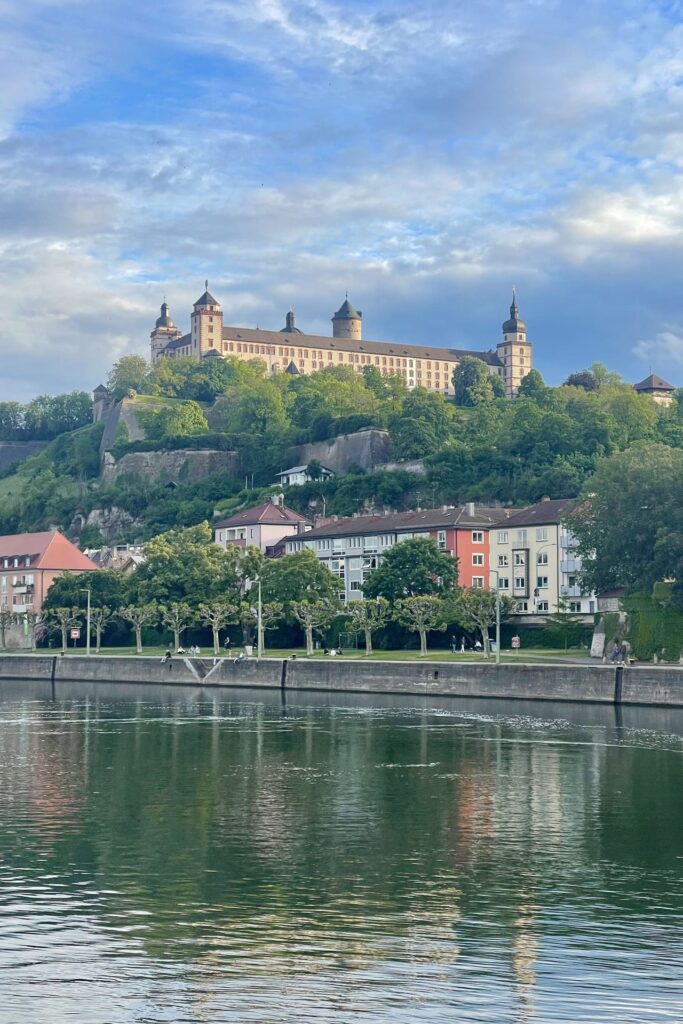
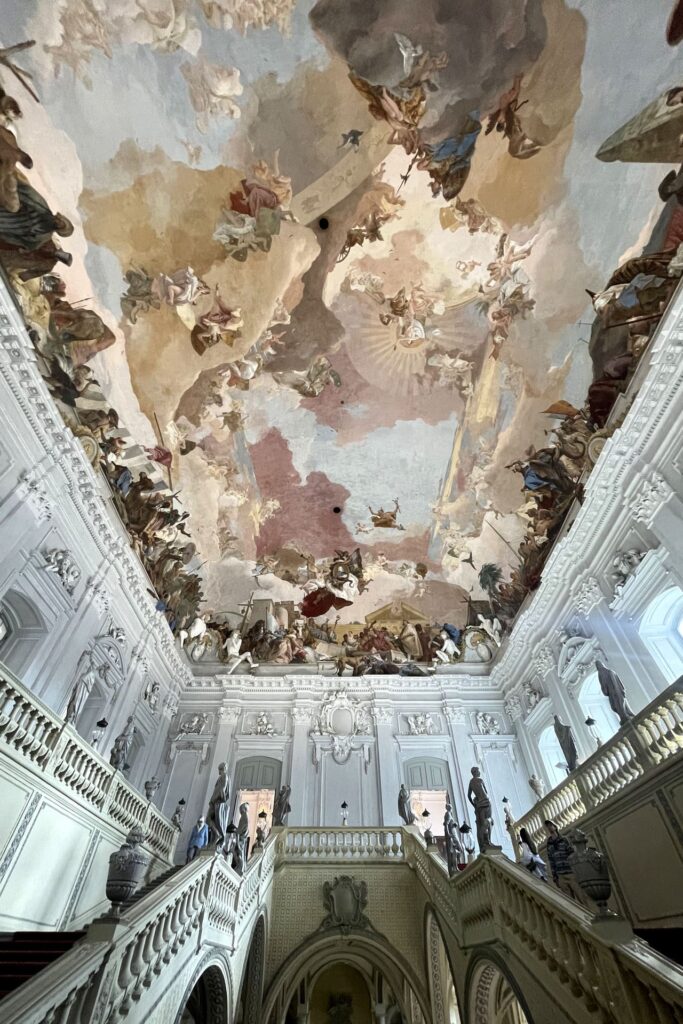
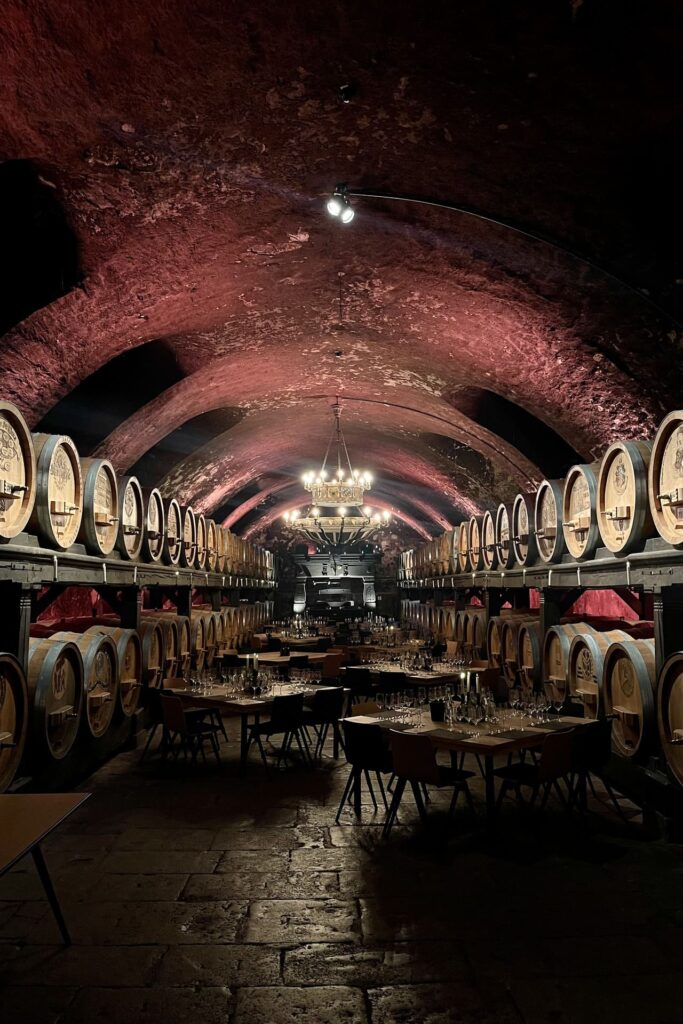
Don’t miss:
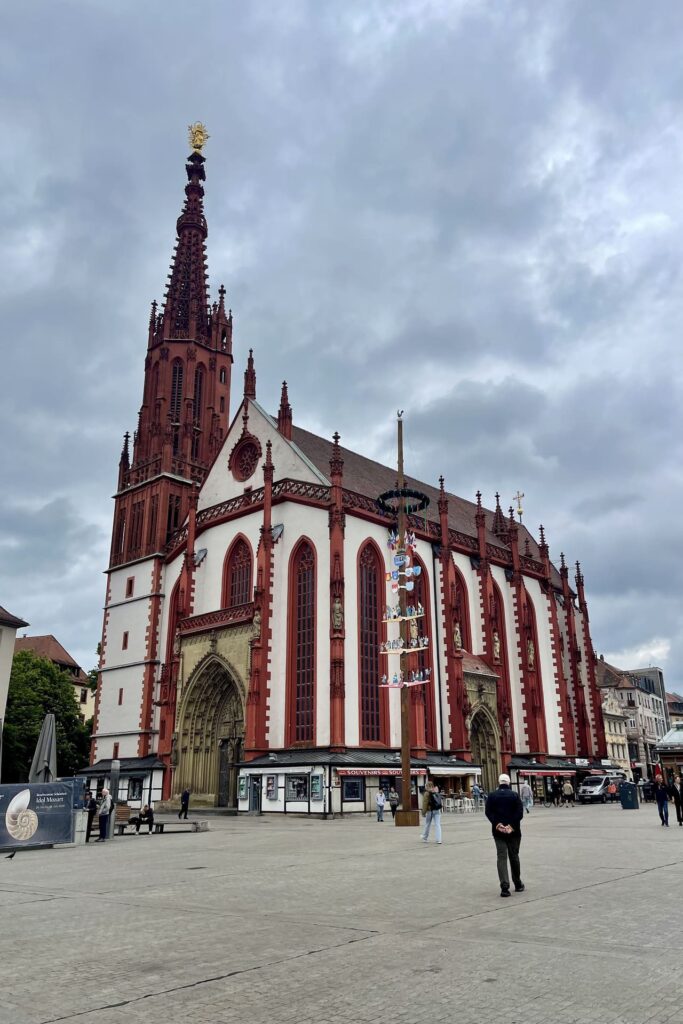
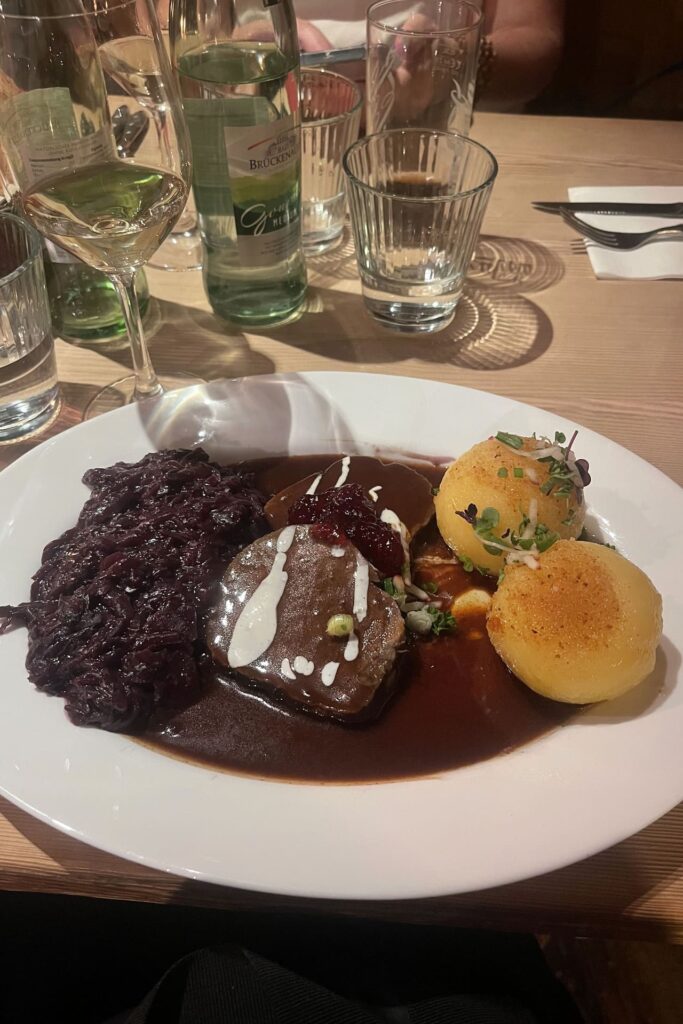
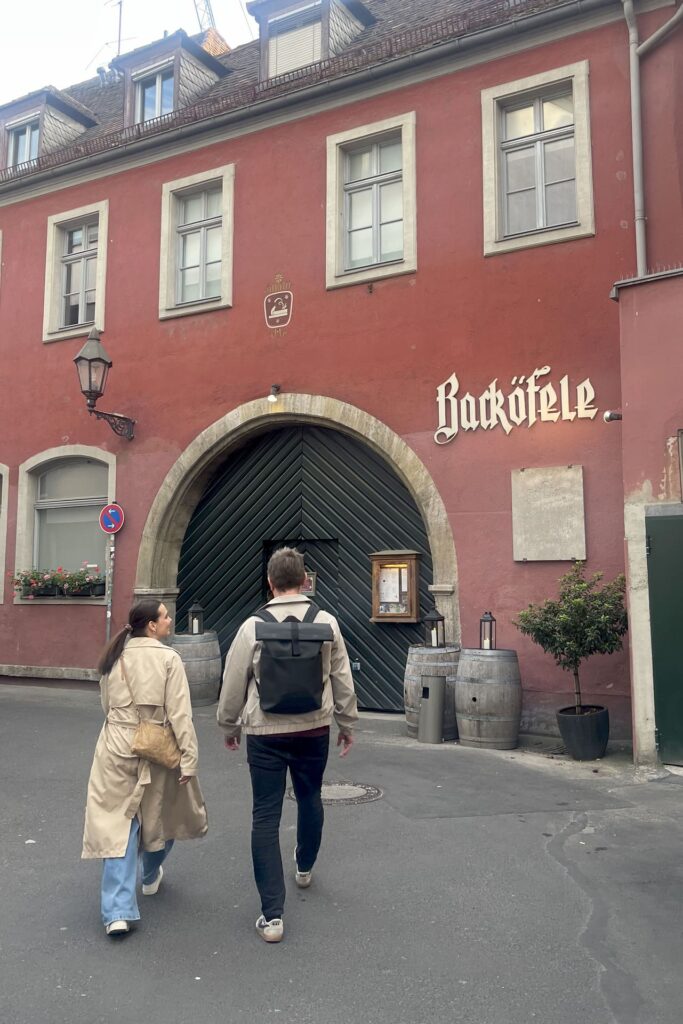
Dining: Restaurant Backöfele, a cozy and traditional German spot. Accommodations: You’ll find centrally located hotels within walking distance of the station. Merel stayed at the Maritim Hotel Würzburg. It’s best to book direct with the hotel.
Rothenburg ob der Tauber is just an hour’s drive away, featuring a fully intact medieval city wall, half-timbered houses, and narrow, winding streets. You can walk all the way around the wall. From above, the old town has a striking shape: it resembles a human profile, with the protruding part as the “nose” and the market area as the “heart” of the city. The streets seem to embrace you.
Rothenburg is also Germany’s premier Christmas village; at Käthe Wohlfahrt, it’s Christmas all year round. For a wine tasting, head to Weingut Glocke. Museum recommendations: the Medieval Crime Museum and the City Museum.
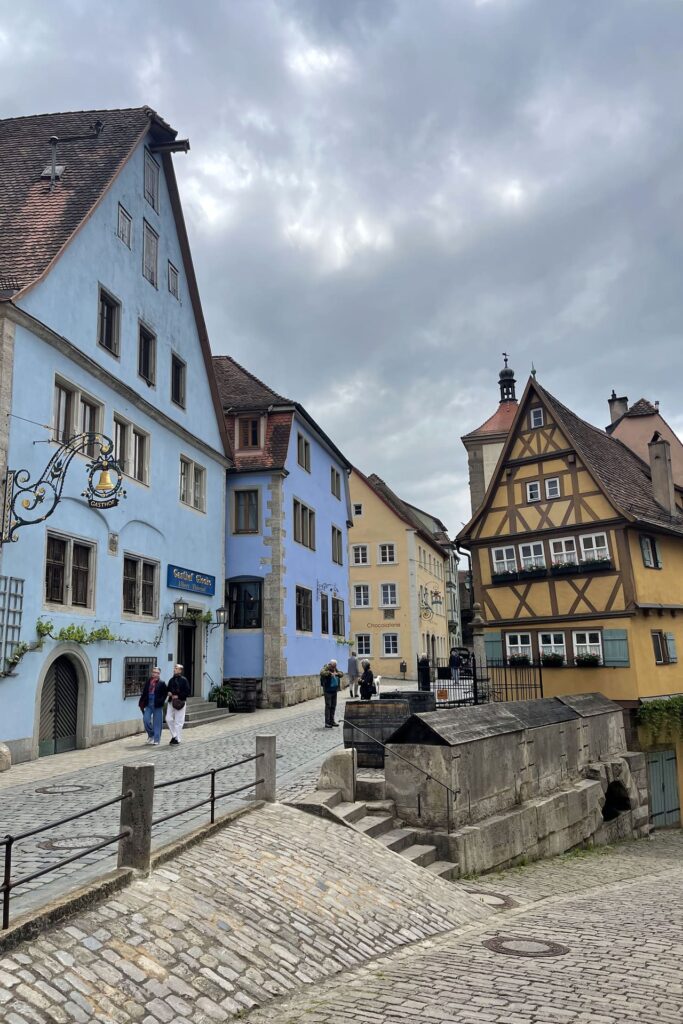
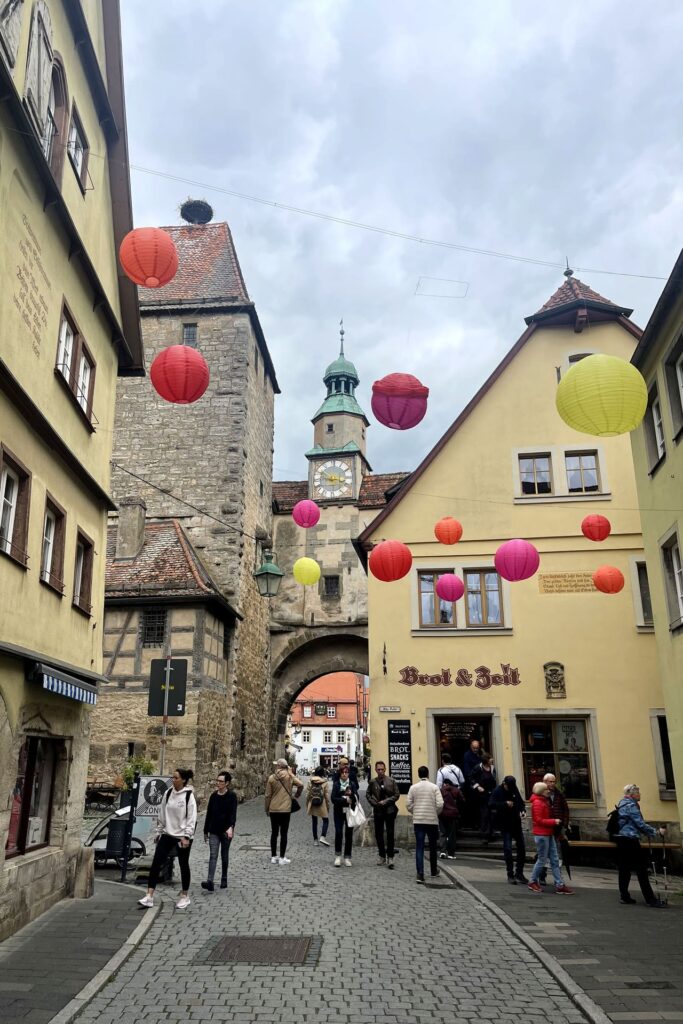
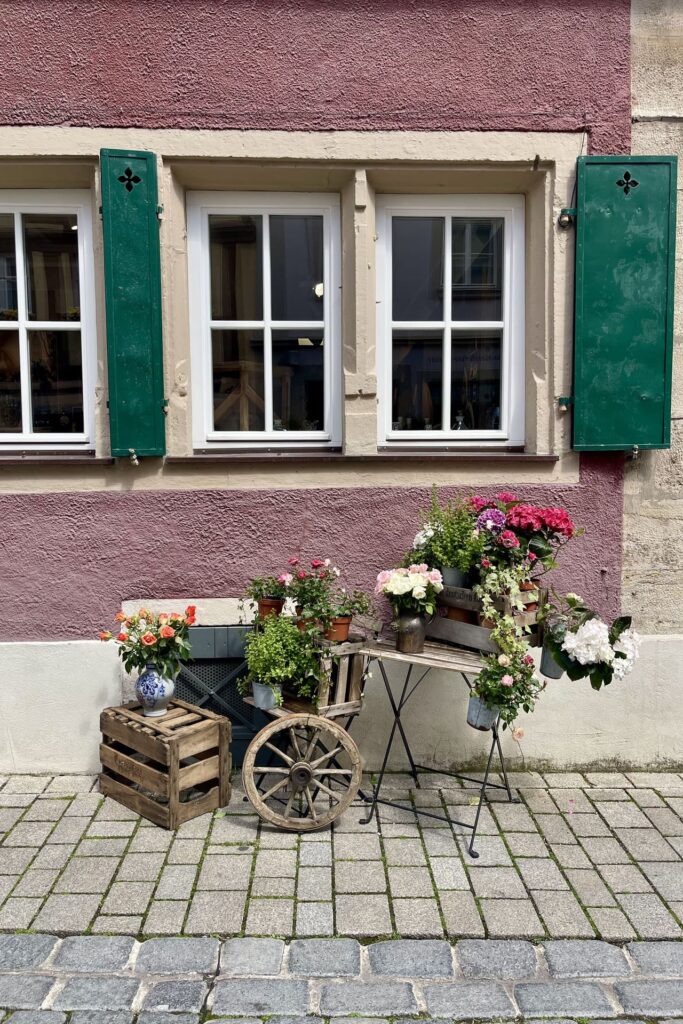
Hiking around Rothenburg: The town lies on the edge of the Frankenhöhe Nature Reserve, above the picturesque Tauber Valley. An extensive network of well-marked trails winds through forests, valleys, vineyards, and historic villages. Highlights include the Four Valleys Trail, the Historic Mills Trail, and the Wine and Geology Trail, featuring informational panels along the way about nature, geology, and viticulture. Guided hikes are available year-round.
A medieval town and a diverse hiking area all in one: just our cup of tea. Merel stayed at the Eisenhut Hotel.
Perhaps the best-preserved town along the route. Dinkelsbühl was largely spared during World War II, meaning that the original city wall, four gates, and watchtowers remain almost completely intact. The half-timbered houses in the center are a riot of color. The surrounding countryside is ideal for hikers and cyclists. Various routes are available at the Tourist Information office.
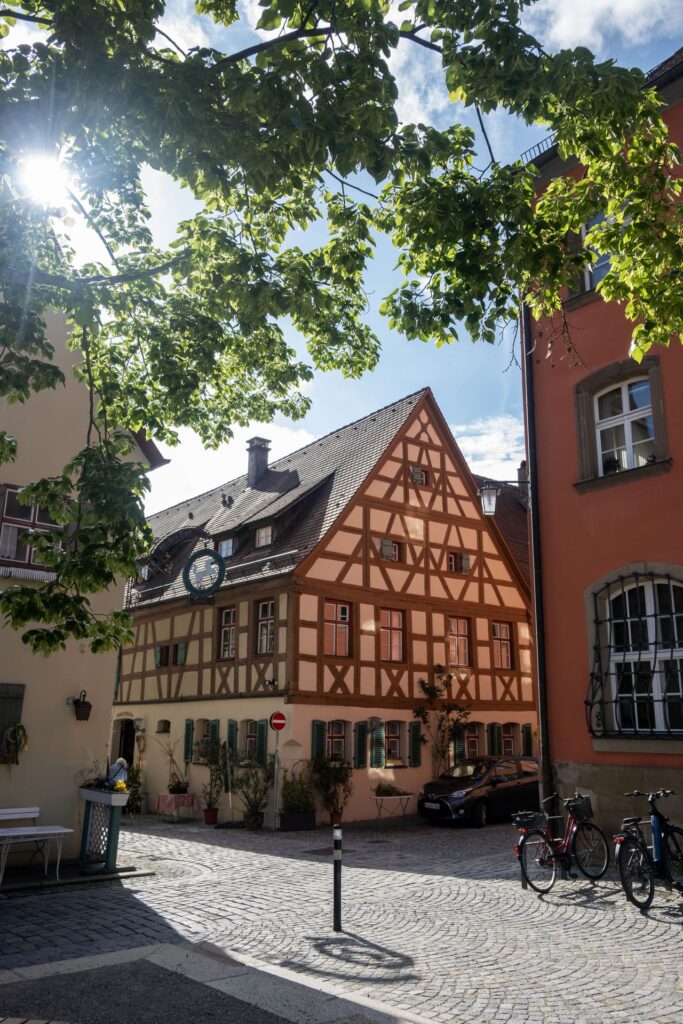
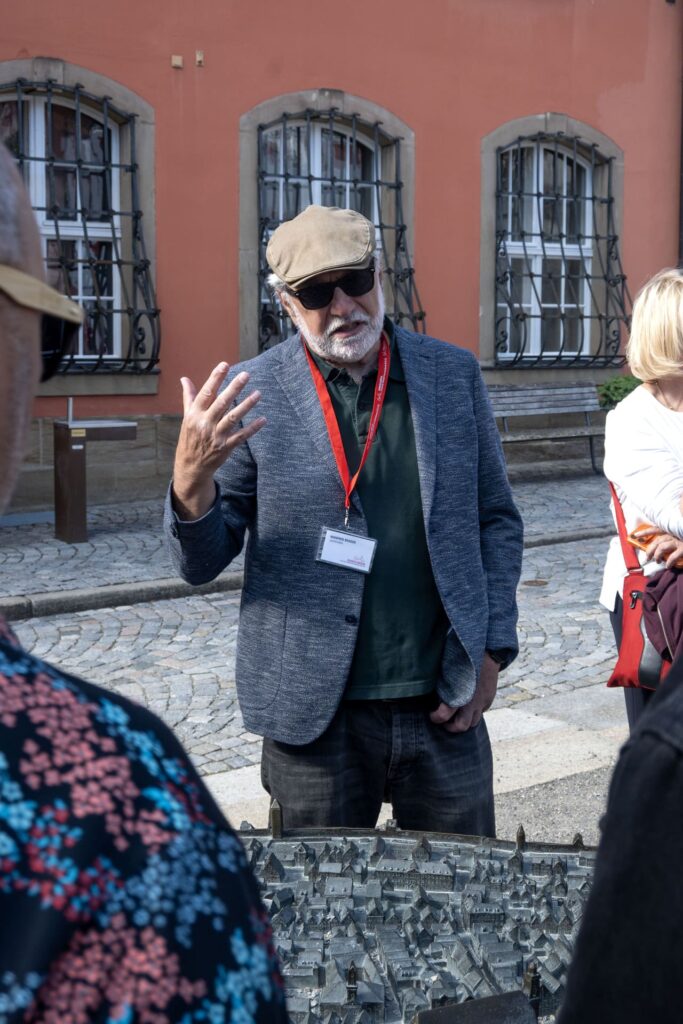
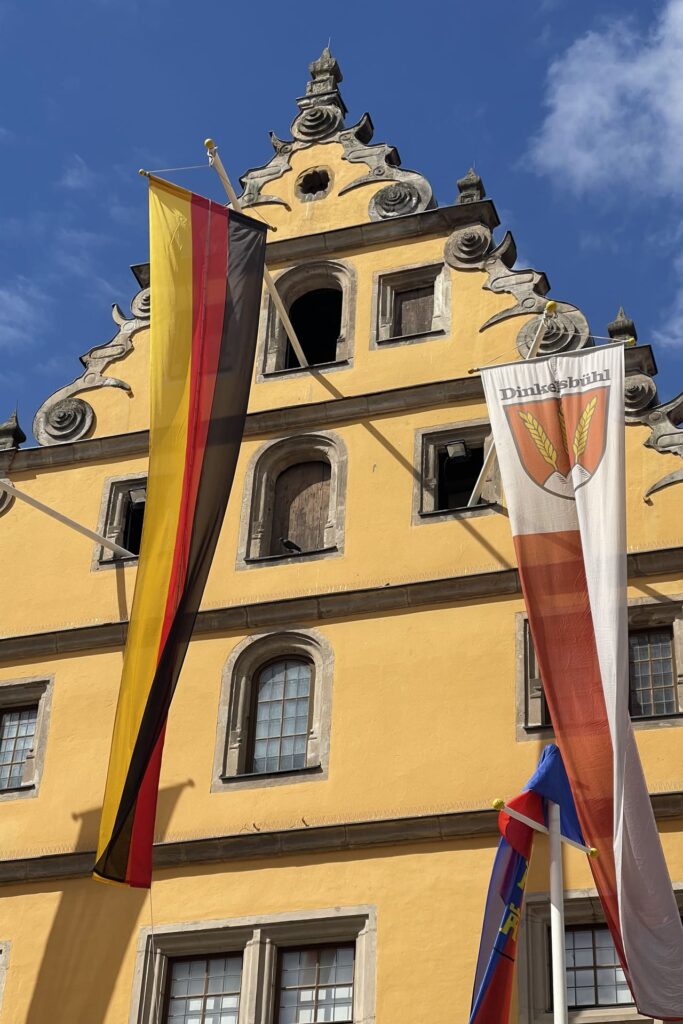
Every July, the town celebrates De Kinderzeche to commemorate the Thirty Years’ War: in 1632, Dinkelsbühl was besieged by Swedish troops. During the festival, children in traditional costume reenact the surrender.
Merel stayed overnight at the Meiser design hotel.
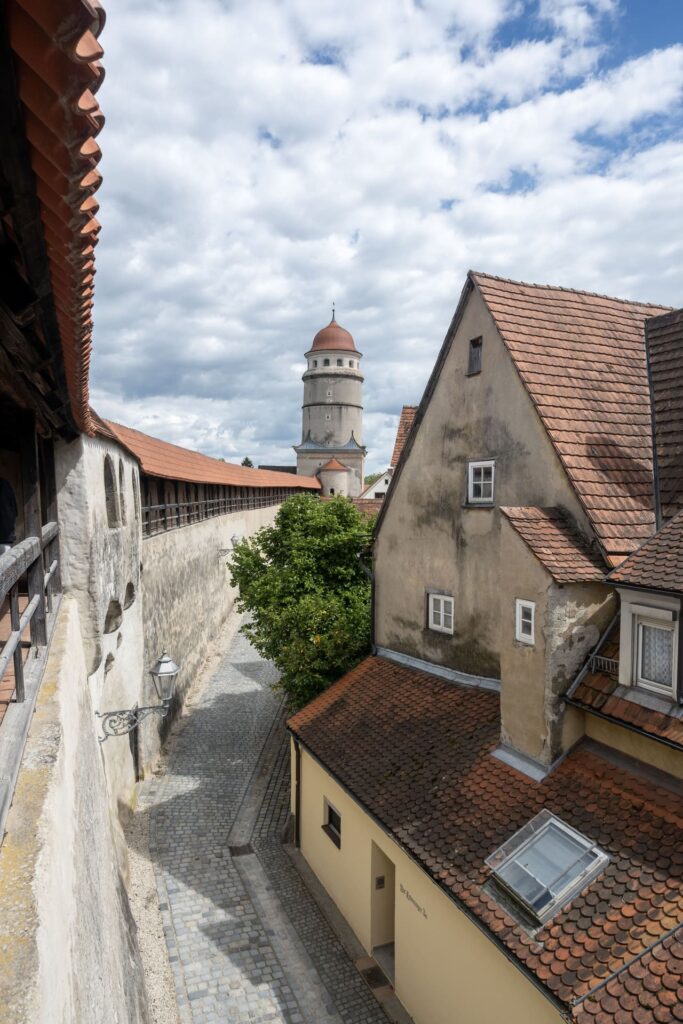
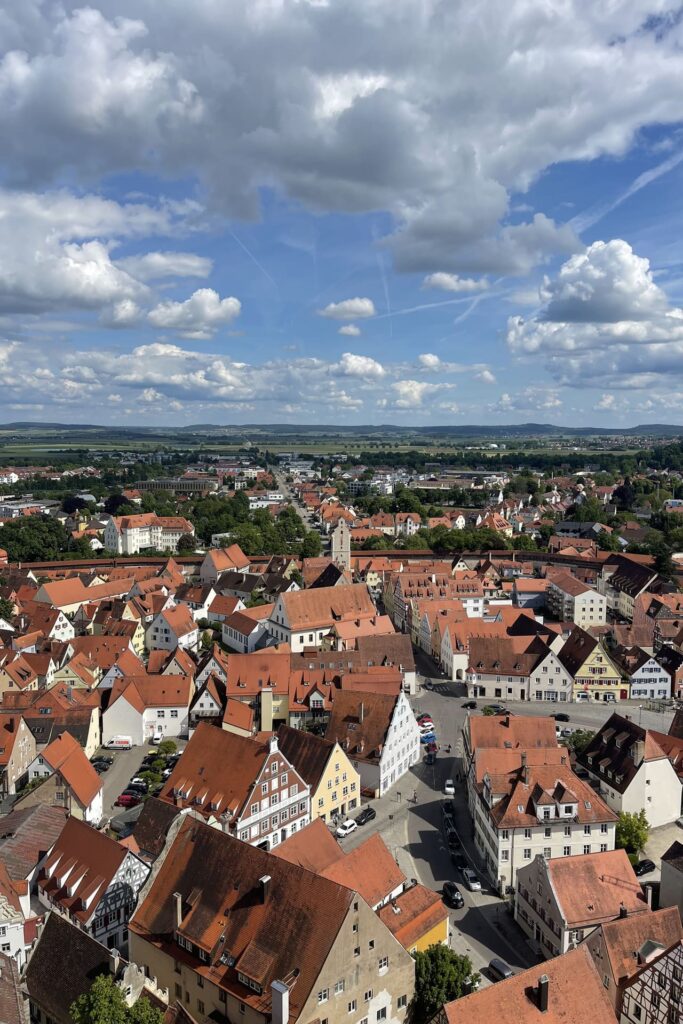
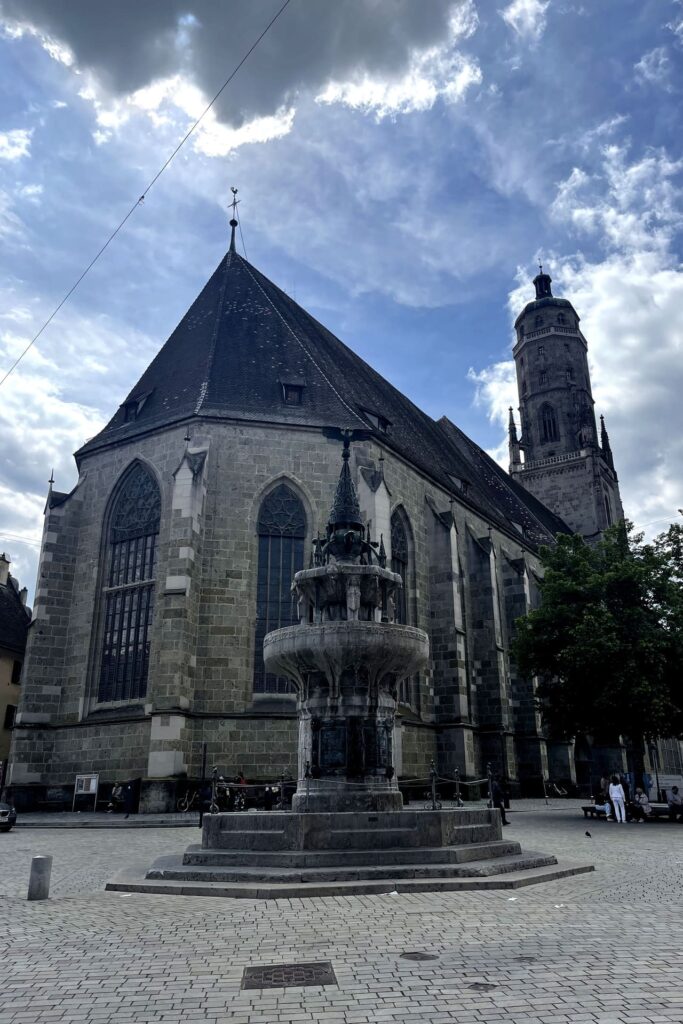
Nördlingen is located in the heart of the Nördlinger Ries, a crater formed by a meteorite impact some 15 million years ago. The Renaissance-era town center features narrow streets, half-timbered houses, and a city wall stretching approximately 2.7 kilometers that you can walk all the way around. Those who brave the 350 steps of the Daniel Tower at St. George’s Church are rewarded with a sweeping view of the city and the surrounding crater.
Dining: Wirtshaus Meyers Keller, a Michelin-starred restaurant.
Augsburg is one of Germany’s oldest cities: it features imposing Renaissance buildings, charming squares, and narrow streets lined with romantic canals. On Rathausplatz stand the Augustus Fountain, the Perlachturm, and the Renaissance-style town hall. Other highlights include Maximilianstraße, the city’s main boulevard, and the Rotes Tor.
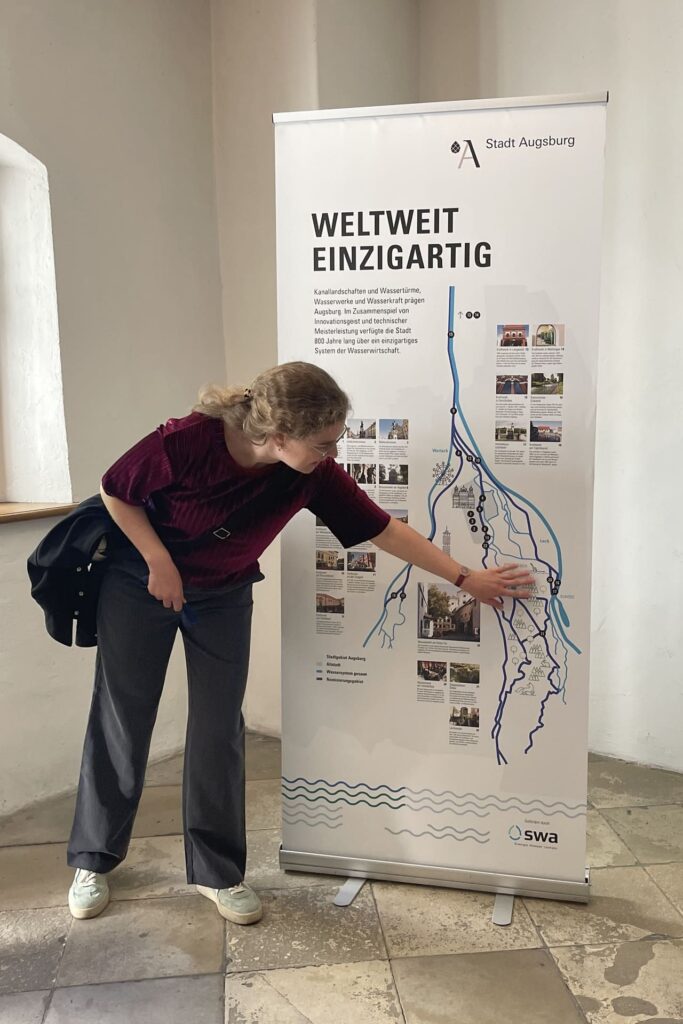
Water Towers at the Red Gate: one of the oldest waterworks in Central Europe, constructed starting in 1416, which supplied the city with drinking water for centuries. Since 2019, it has been part of the Augsburg water management system, designated a UNESCO World Heritage Site for its more than 800-year-old hydraulic architecture. Guided tours of the interior are available. Book in advance (approx. €12 to €16).
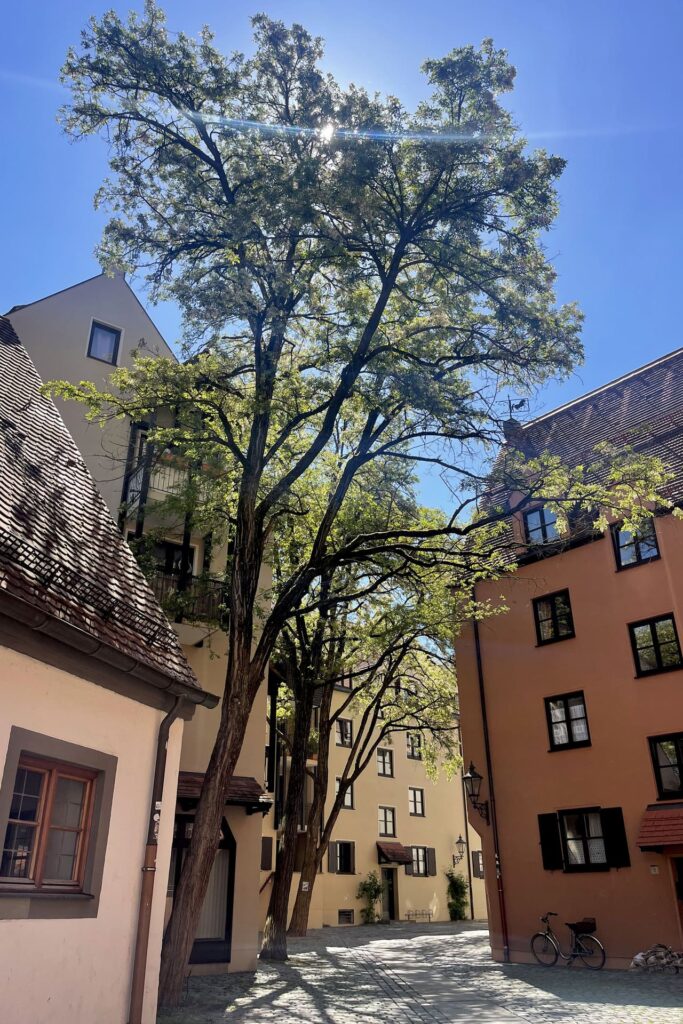
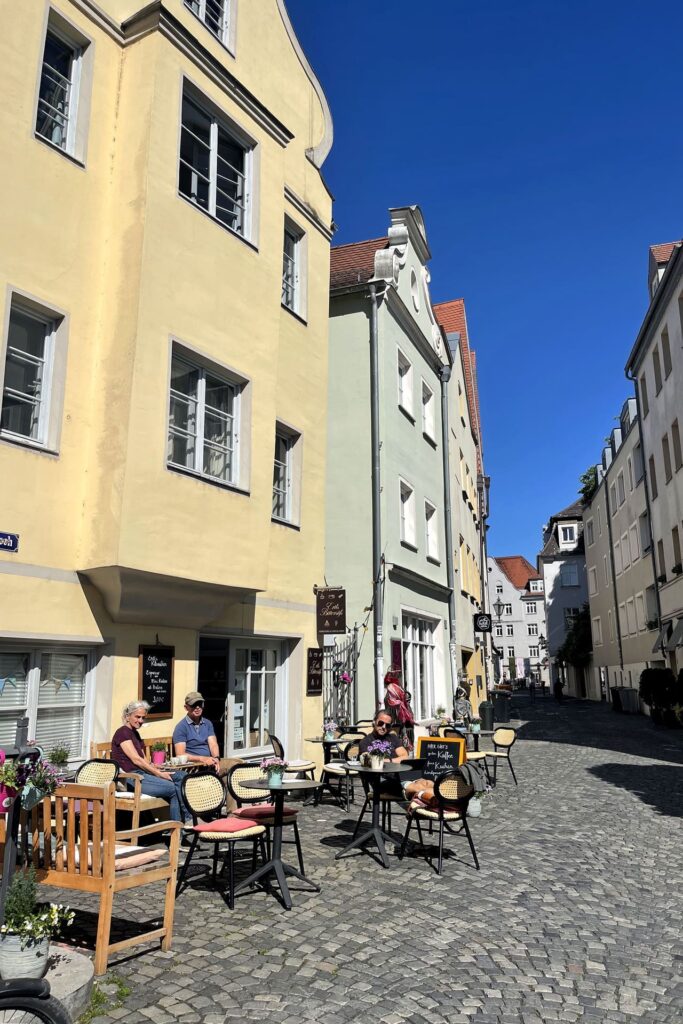
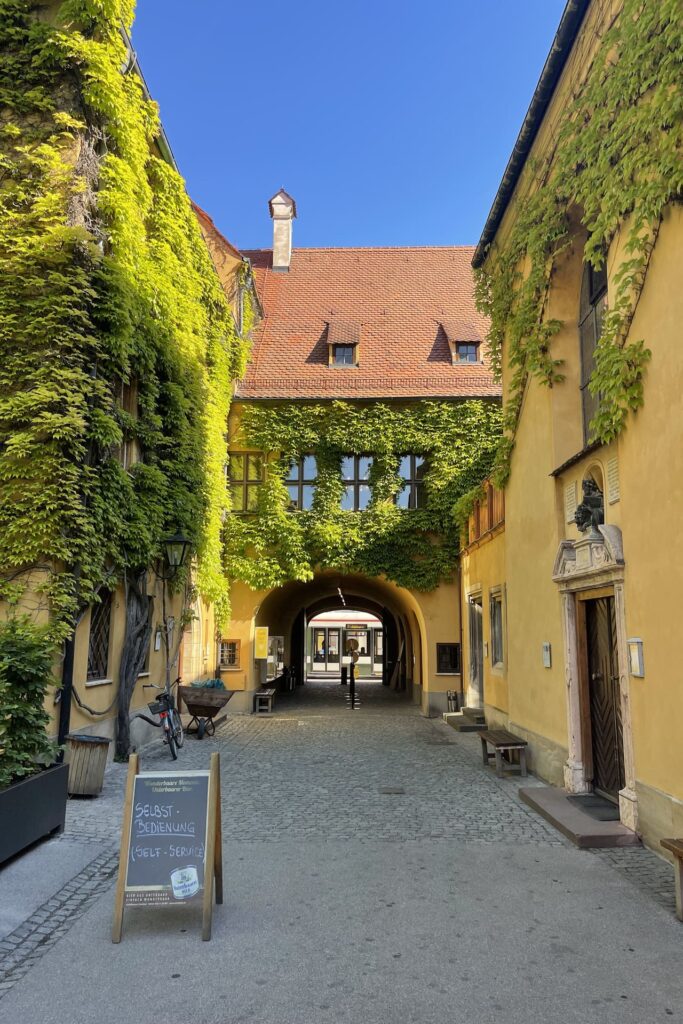
Fuggerei: the oldest surviving social housing complex in the world, founded in 1521 by Jakob Fugger as a walled city-within-a-city for poor Catholic citizens. The complex comprises 67 houses with 142 apartments, a church, and a museum. For centuries, residents have paid the same symbolic rent: €0.88 per year plus three daily prayers for the Fugger family. Admission €8.00.
Merel stayed overnight in Augsburg at the Ost am Kö hotel.
From Augsburg, the Romantic Road leads to Füssen, near the Austrian border. After the quiet little towns along the Romantic Road, Merel continued on to bustling Munich, the capital of Bavaria. Bigger, busier, livelier. But it’s precisely that mix of urban hustle and bustle and laid-back charm that makes the city so appealing. During the day, the squares are bustling; in the evening, the beer gardens offer a particularly relaxed atmosphere.
Munich is an ideal starting or ending point for your Romantic Road trip. Transportation to and from Munich is convenient, and it offers a pleasant change of pace from the quiet towns along the Romantic Road.
Highlights:
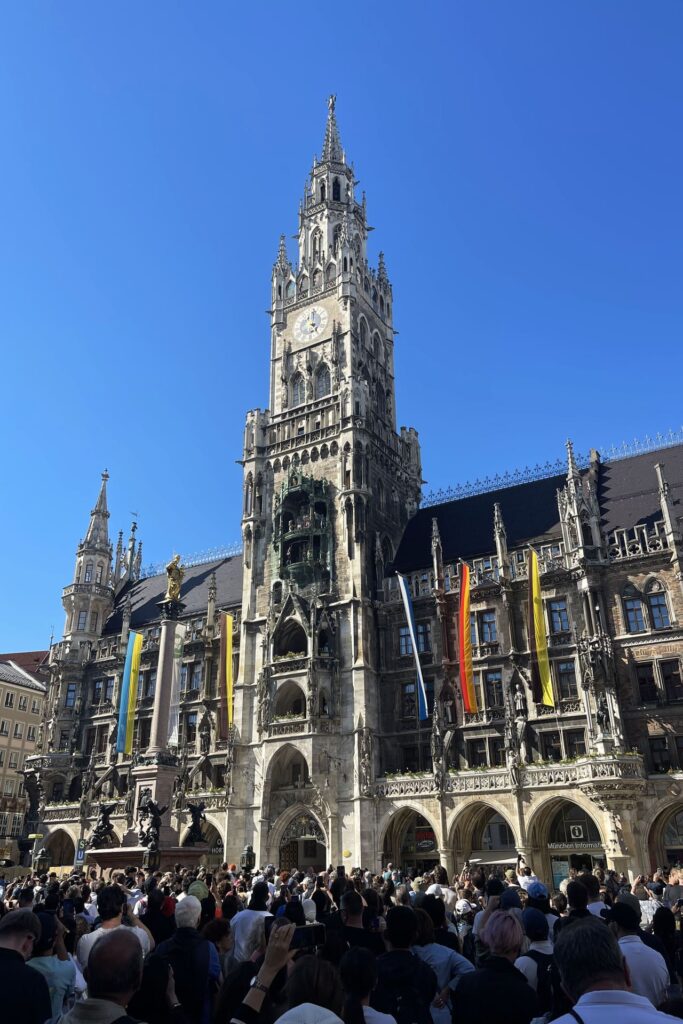
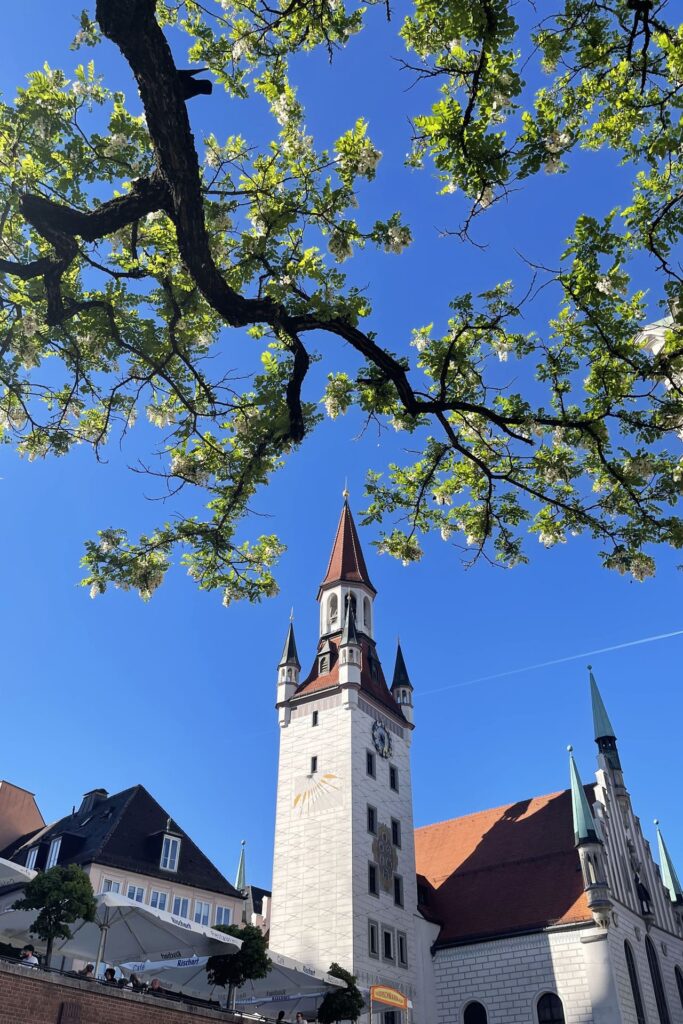
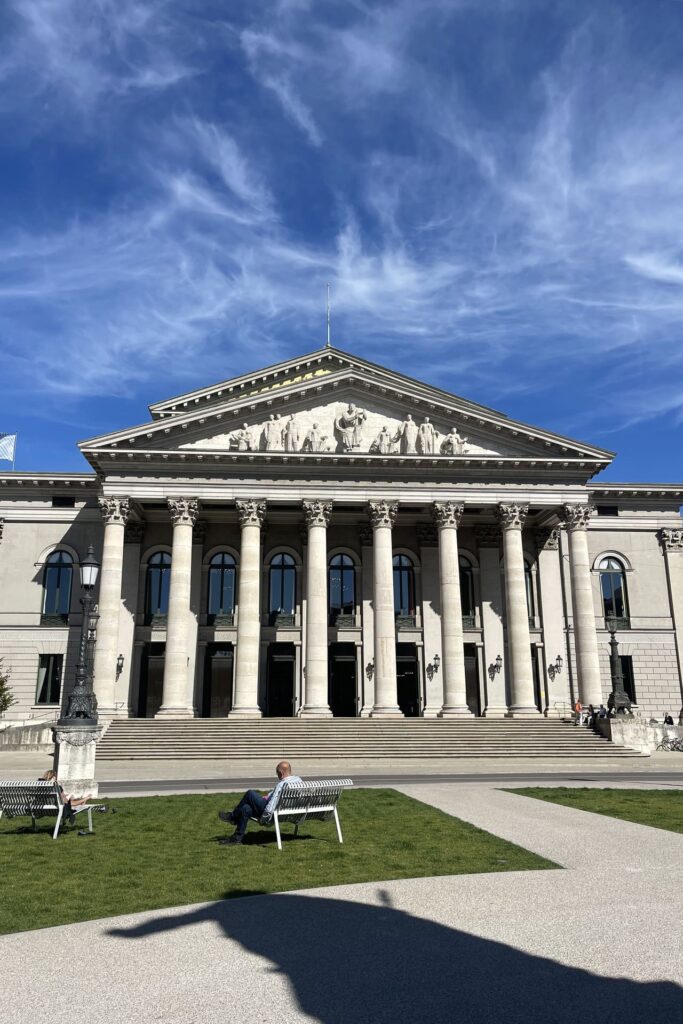
Public transportation in Munich is excellent: you can get anywhere by train, subway, tram, and bus. For a city trip, a day pass or the Munich Card is the most convenient option.
Would you like to explore the Romantic Road on your own? Then the official Romantic Road cycling route is a wonderful choice. The route is over 440 kilometers long (and easily reaches 500 kilometers with variations and side loops) and runs from Würzburg all the way to Füssen at the foot of the Alps. Part of the national D-Route 9. Along the way, you’ll pass through the lovely Tauber Valley, the Nördlinger Ries, and the rolling Alpine foothills, with sweeping views of the mountains on the final stretch.
The route is divided into 10 stages of approximately 35–70 km per day, so you can plan either a full multi-day cycling vacation or explore a shorter section. Thanks to free GPS tracks, you can easily navigate from stage to stage.
Practical tip: Cycle from north to south, toward the Alps, and you’ll have the wind at your back more often. And here’s a handy tip if you’re riding an electric bike: you’ll find charging stations for e-bikes in almost every village along the route.
Allgäu Cycle Tour: a roughly 475-kilometer loop through the Allgäu/Bavarian Swabia region, taking in Alpine panoramas, lakes, rivers, and historic towns. The region is known for its river bike paths along the Danube, Iller, and Lech, among others, which can be easily combined.
Taubertalradweg: an award-winning five-star route stretching over 100 kilometers that follows the Tauber River from Rothenburg ob der Tauber to Wertheim am Main, passing vineyards, half-timbered houses, and towns such as Weikersheim and Bad Mergentheim. Mostly flat and well-signposted. Suitable for recreational cyclists and multi-day trips. Most cyclists take two to three days to complete the route, leaving plenty of time to explore the wine regions along the way. At Bad Mergentheim, the route connects to the Romantic Road cycling route.
This is exactly why the Romantic Road is such a great route if you want to travel off the beaten path: whether you take the train or hop on a bike, you’ll leave a smaller environmental footprint and see more of the country than you would from a car. It’s also best to travel in the spring or fall. That’s when the towns are quieter, nature is at its most beautiful, and you won’t have to share the city walls with the crowds of the high season.
If you’re staying overnight along the way, book direct with the accommodation itself instead of through a large booking platform. This saves the owner on commission, often results in a more personal welcome, and keeps the money in the region you’re visiting. That’s exactly what we believe in at Nature Travel Lab: immersing yourself in nature, stepping away from the world, and traveling ethically along the way.

With a passion for travel and photography and over 30 years of experience in the travel industry, I love to share my special nature travel tips. Travel is wonderful and important, you meet new people and cultures and it opens your view of the world.

Aachen Off Track: A Green City Trip Featuring a Forest, an Organic Garden, and Charlemagne A city with an imperial history, surrounded by forests stretching all the way to the Belgian and Dutch borders. Aachen cannot be taken in at a single glance: its historic...
Wolfenbüttel: A Small Town with Big Secrets From Braunschweig , I cycled (on a real old-fashioned bike) to Wolfenbüttel, a lovely ride of about 12 kilometers that ended with lunch at the Beach Club on the Oker. Along the way, I realized why this little town looks so...
Braunschweig: From Five Cities to the Fishing Ponds of Riddagshausen On the way to Braunschweig from the Harz , I stopped at Wöltingerode Abbey, a monastery that now doubles as a hotel and where you can enjoy an excellent cup of coffee before continuing your drive. It...
Get inspired
Are you looking for the most beautiful hiking and biking routes? Or do you want information about traveling by train or advice for the most beautiful road trips through nature. Get inspired for your next trip in green; ideas for planning your own trip or opting for an organized trip.