Gratis gids 10 verborgen natuurplekken in Europa
Gratis gids 10 verborgen natuurplekken in Europa. Meld je aan voor onze nieuwsbrief en ontvang inspirerende reistips en routes voor je volgende groene reis.

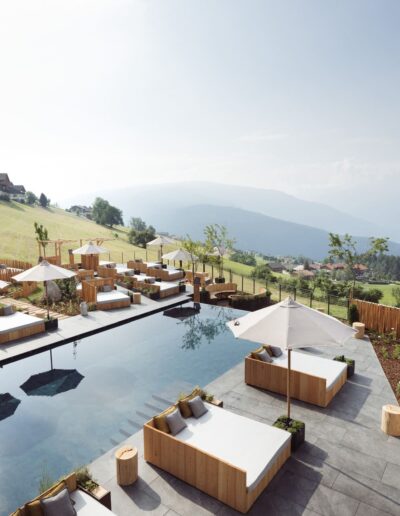
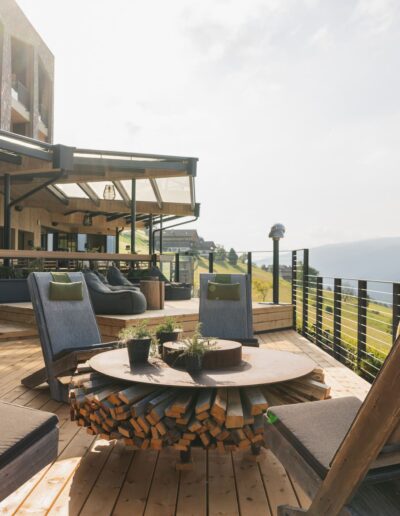
Since 2011, this hotel on the Meransen Plateau has held a climate certificate. Ten years later (2021), the Peintner family took the next step and transformed it into a boutique organic hotel: forty rooms, its own solar panel system, and a kitchen that uses 90 percent organic ingredients. A green renovation that began from the inside out.
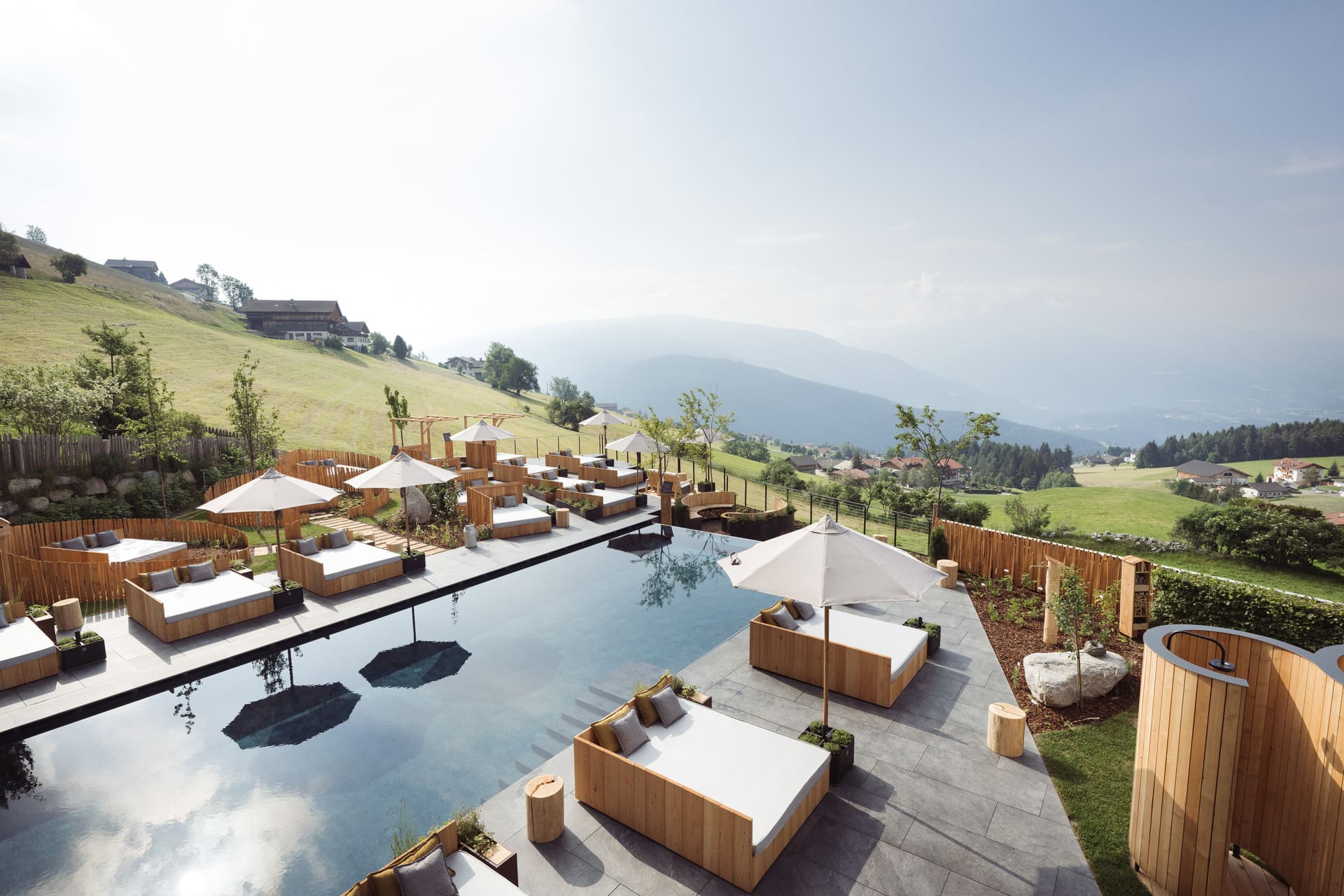
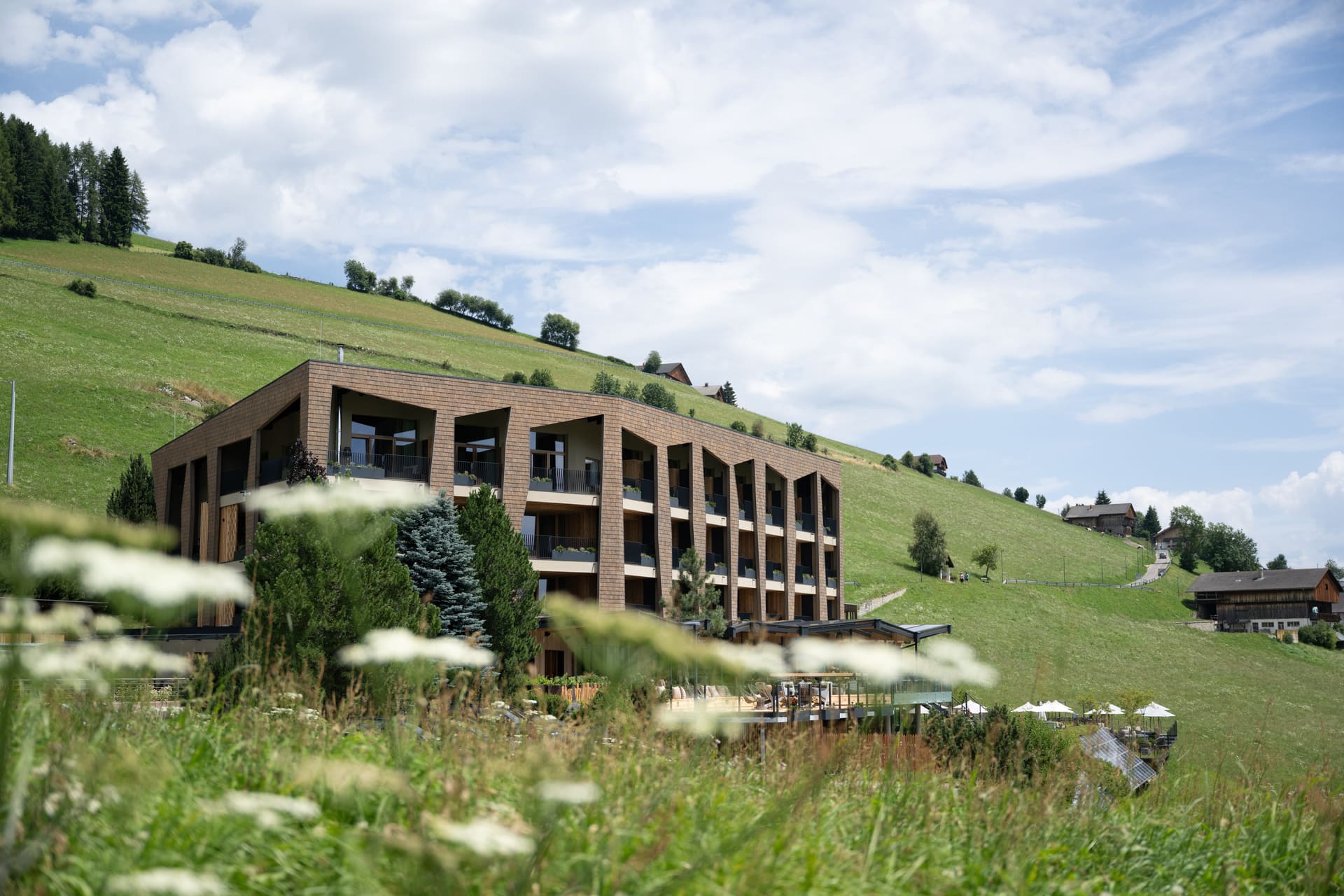
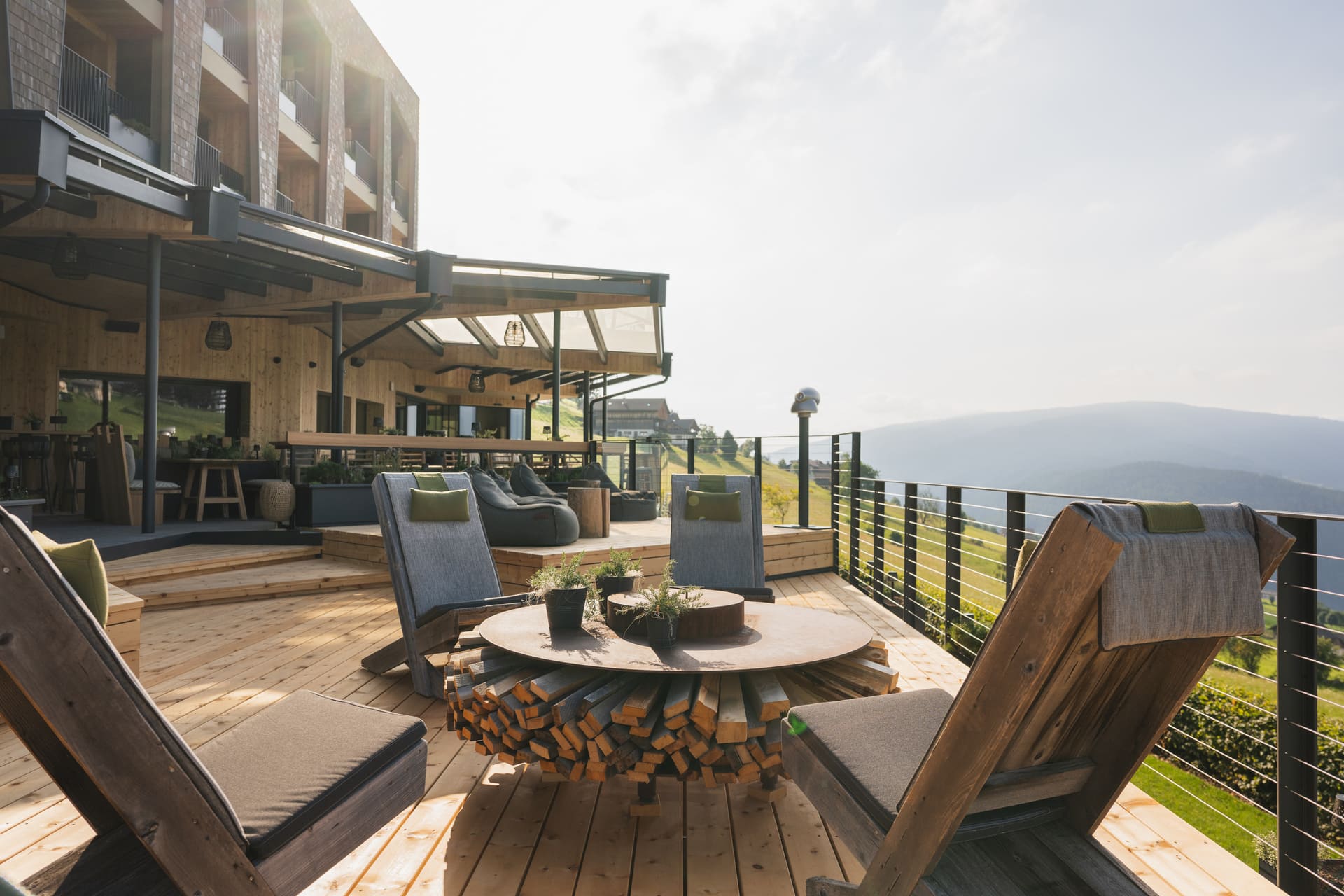
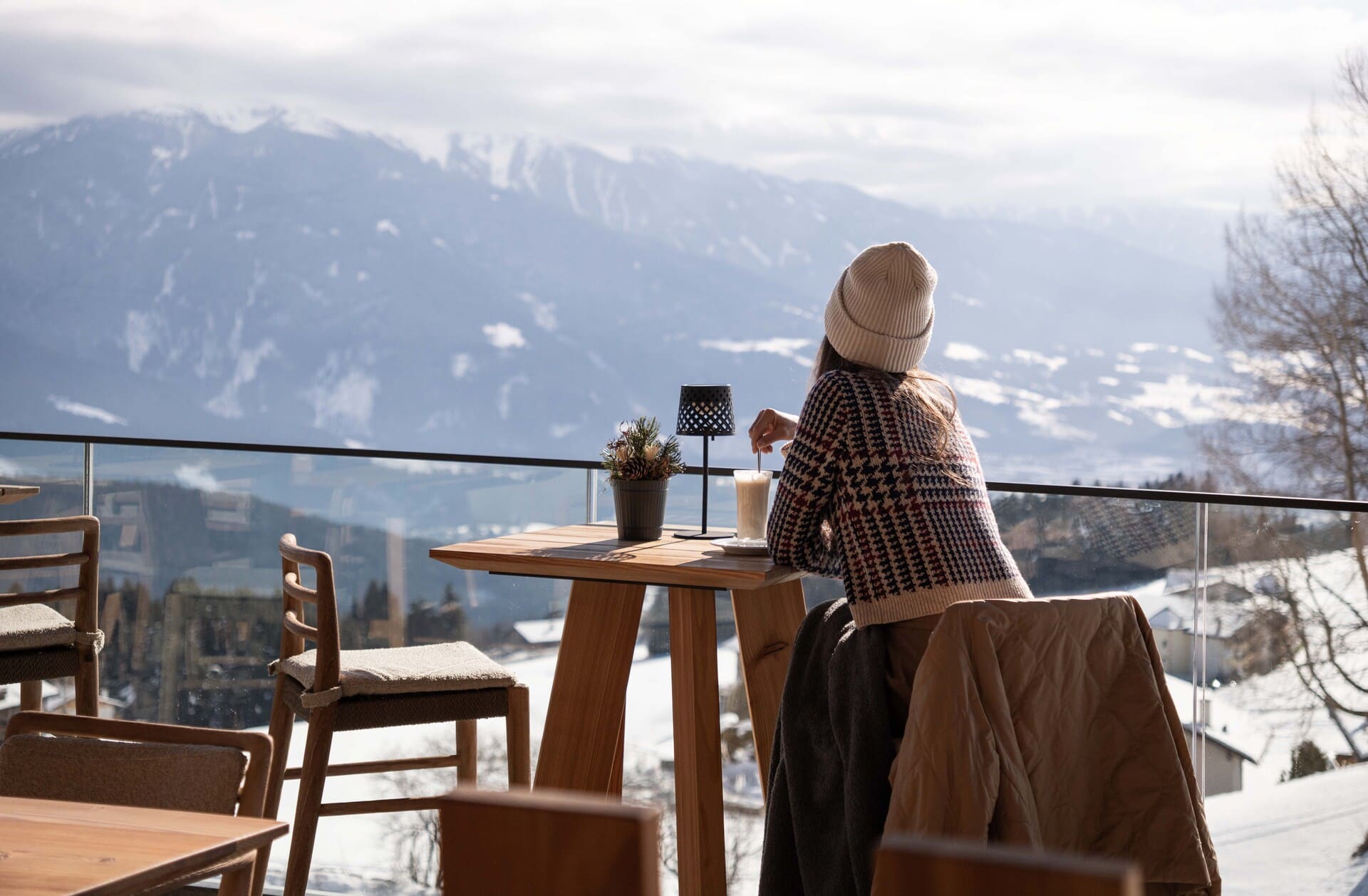
Biohotel Gitschberg is located on the edge of the forest in Meransen (Italian: Maranza), a small mountain village in the Eisack Valley, with unobstructed views of the Dolomites and the slopes of the Gitschberg. For hikers, skiers, and anyone simply seeking high altitudes and tranquility, this is a base that lives up to the promise of an “eco-hotel” down to the smallest details—from the floors to the toilet paper.
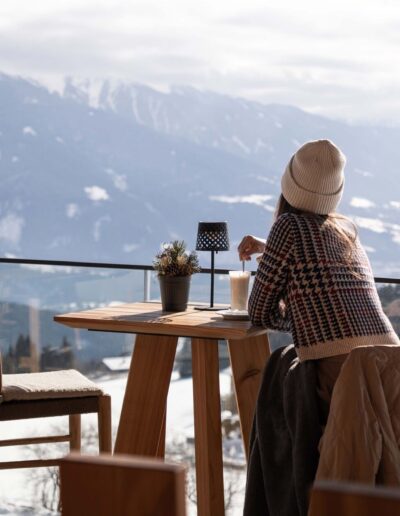
Meransen is located at an altitude of about 1,400 meters, above the Vals Valley and not far from Brixen, one of the oldest cities in South Tyrol. The plateau is considered one of the sunniest spots in the region: the owners say there are an average of 280 sunny days per year. To the south, you can see the Dolomites from Meransen; to the north, the Gitschberg (2,510 m) towers above the forest.
The Franzensfeste train station, located on the main line between Innsbruck and Verona, is about a twenty-minute drive away; the hotel offers a pickup service from there.
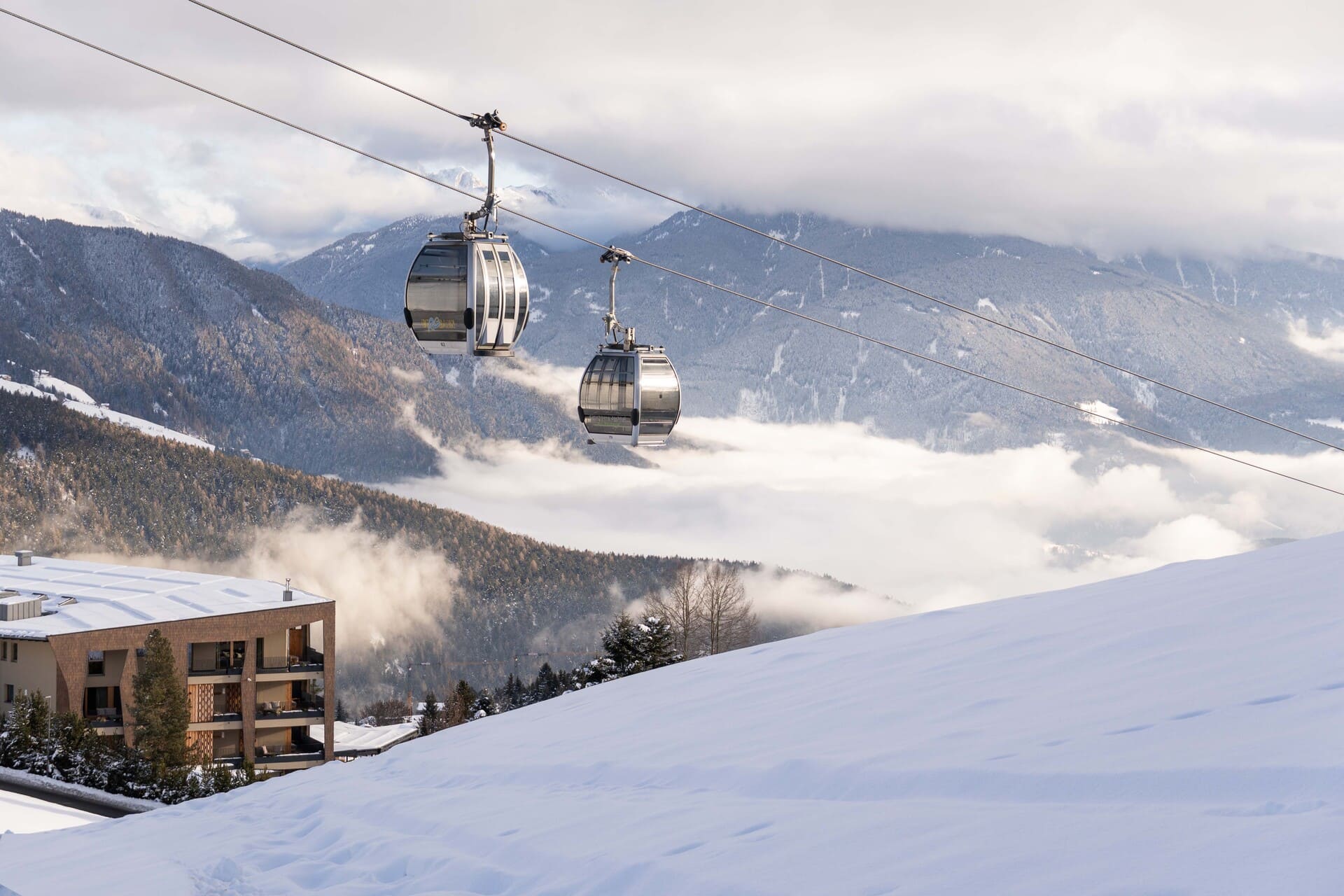
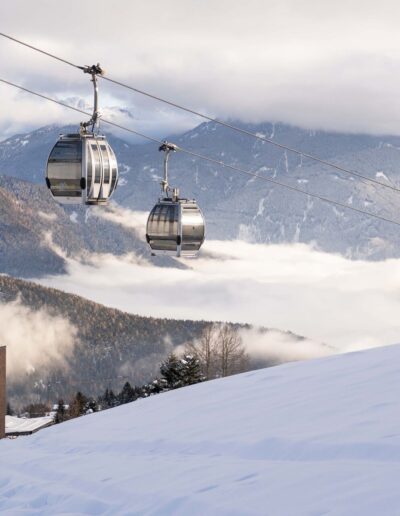
The Gitschbergbahn lift station is just a few hundred meters away on foot. This makes the area a compact ski resort in the winter and a hiking and biking destination in the summer, without the crowds found at the larger Dolomite ski resorts further away.
The hotel has been in existence for more than forty years, but took on its current form in two phases. In 2011, Barbara and Horst Peintner renovated the former Gitschberg into a climate-certified hotel, focusing on energy-efficient construction and local materials. The next phase followed in 2021: a 40-room boutique eco-hotel, built and furnished according to principles of bio-architecture, using locally sourced larch and oak wood from their own mill.
The result is a hotel that, in terms of scale and style, feels like a boutique hotel, but in terms of the depth of its sustainability commitment, goes far beyond most eco-labels on the door.
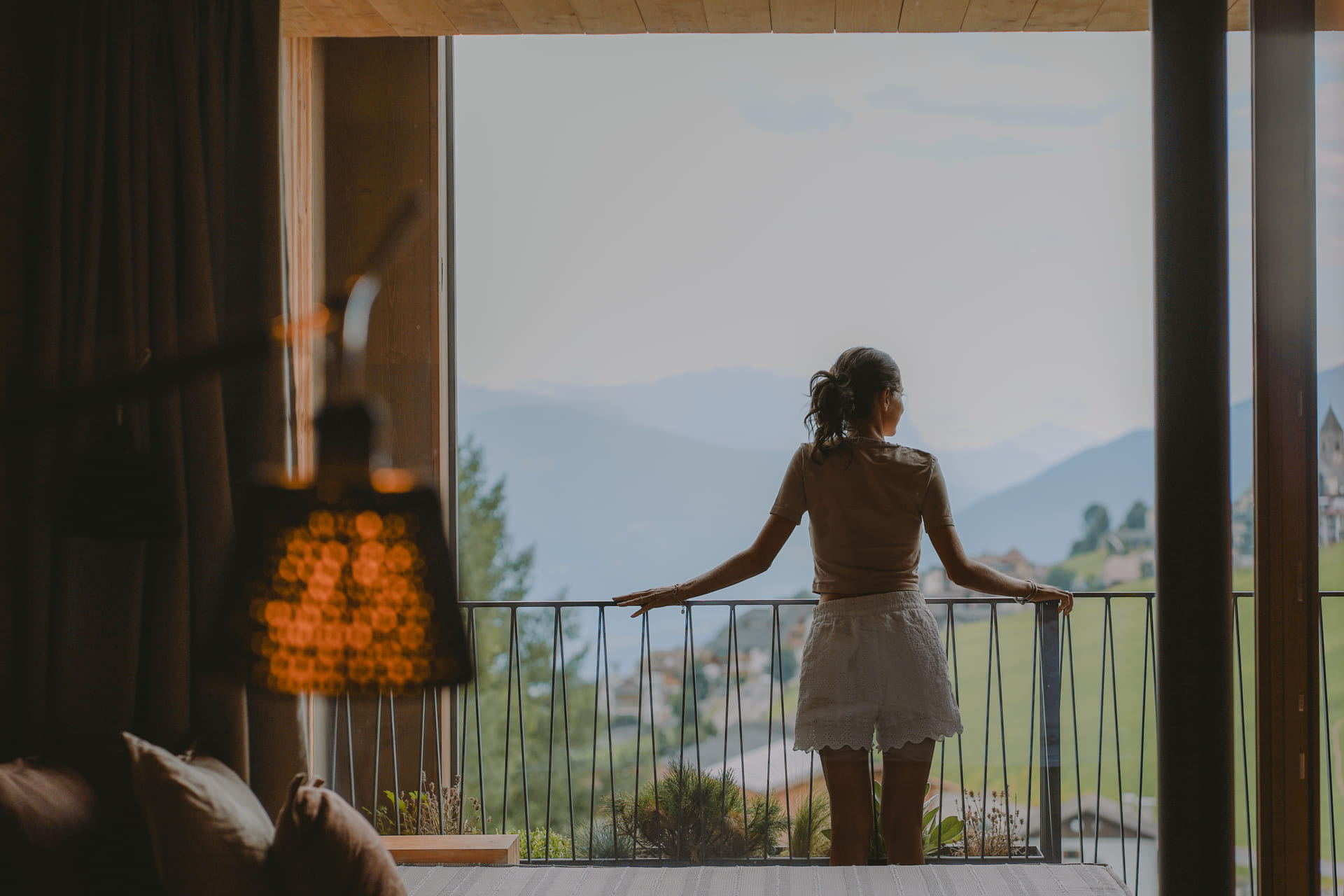
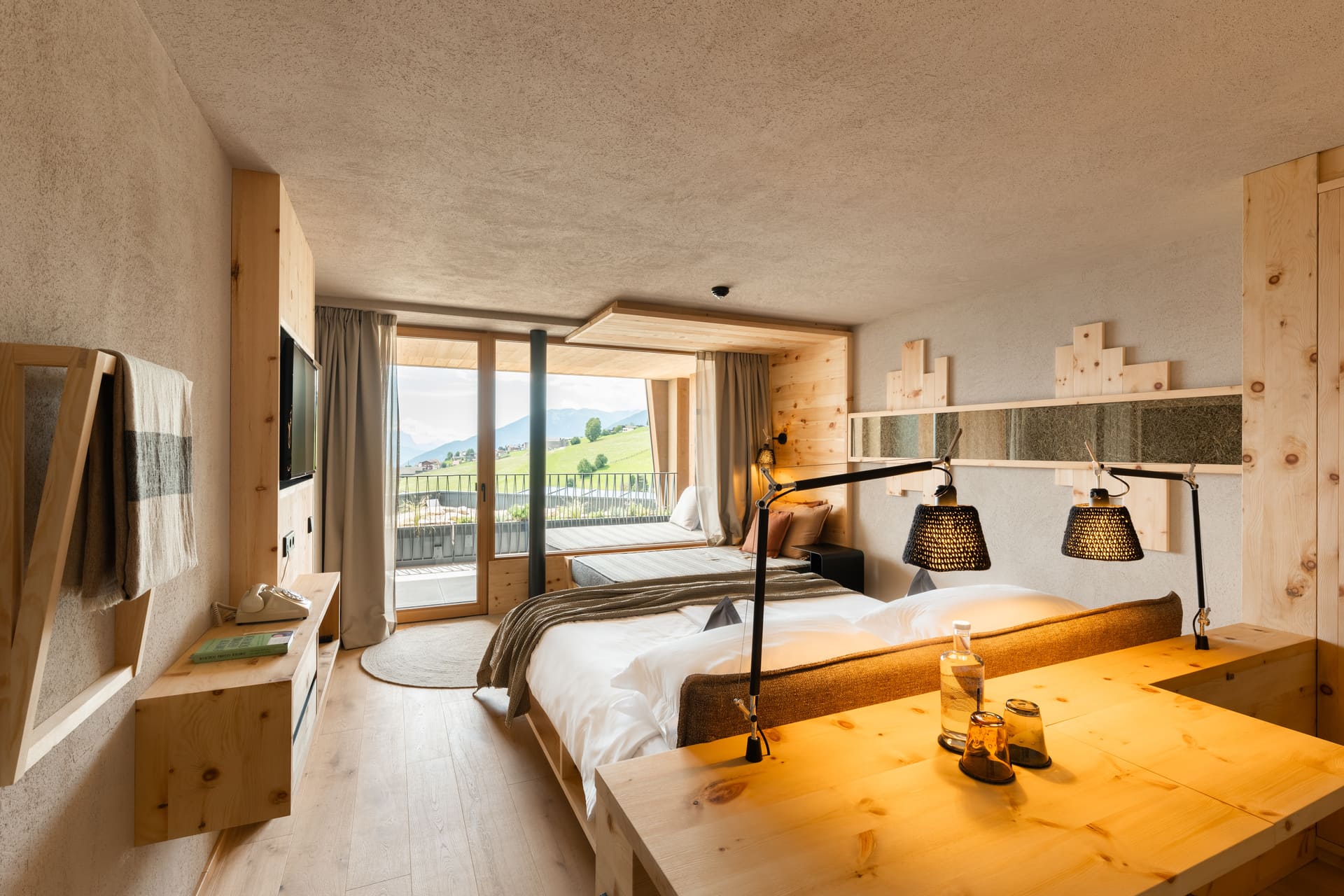
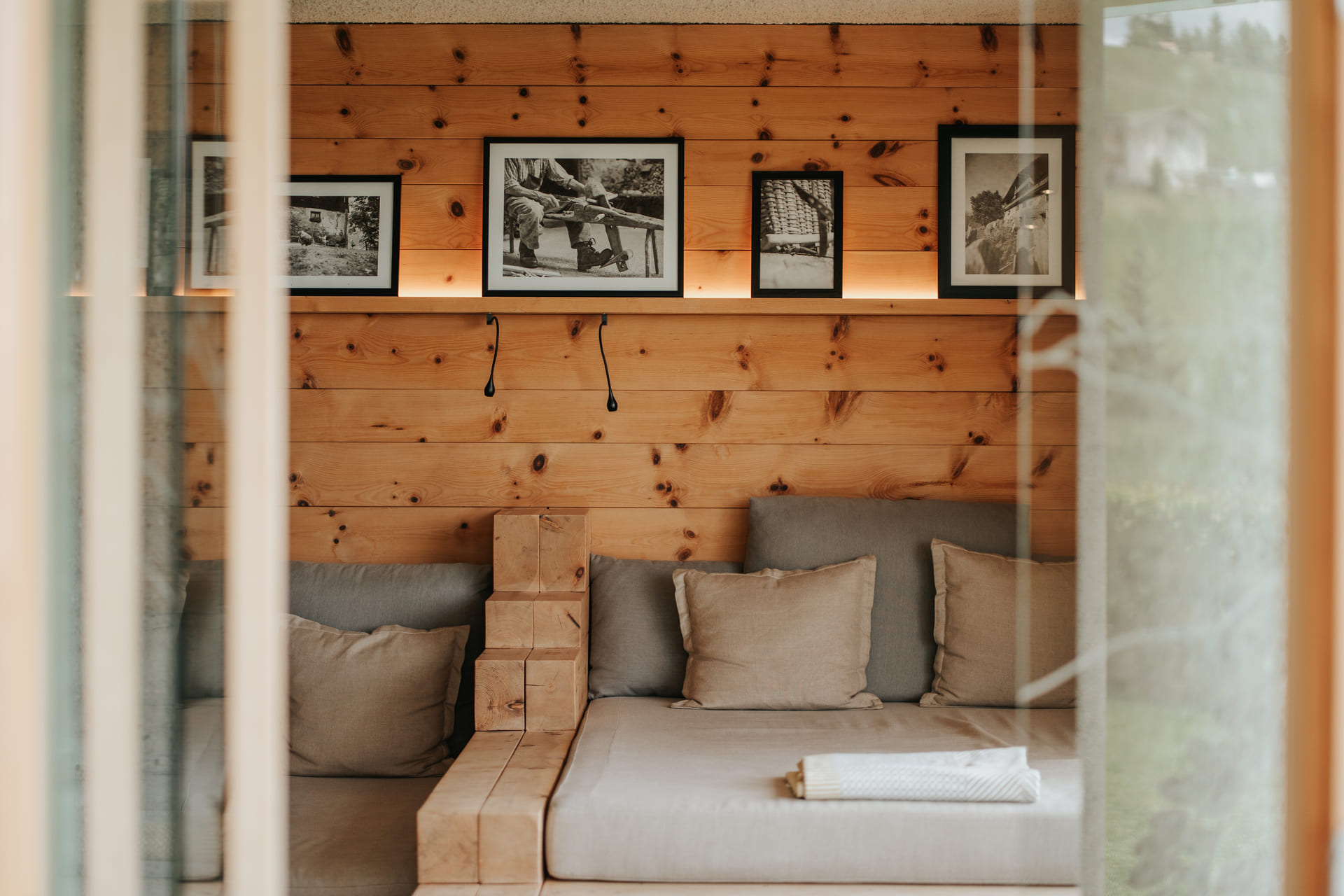
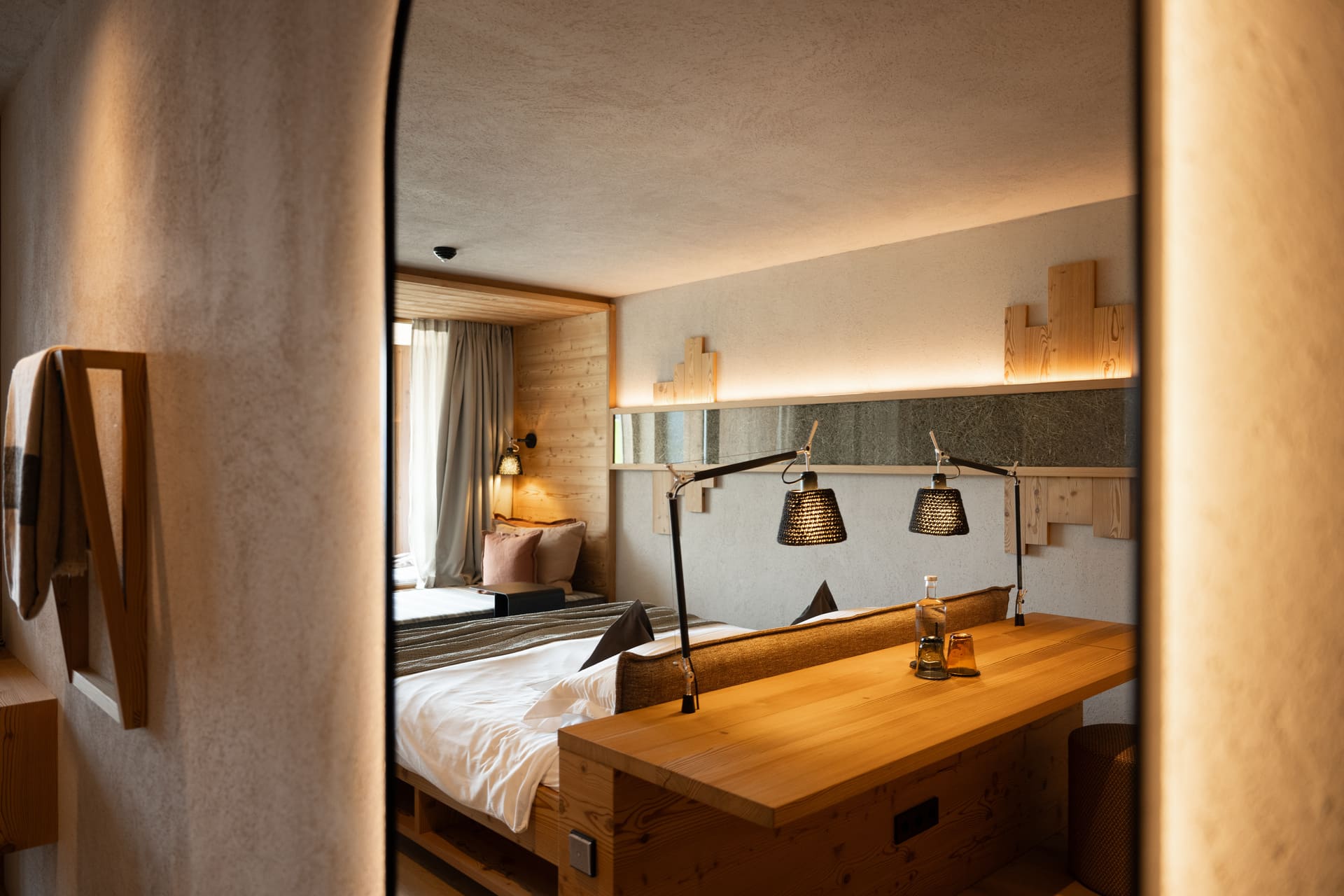
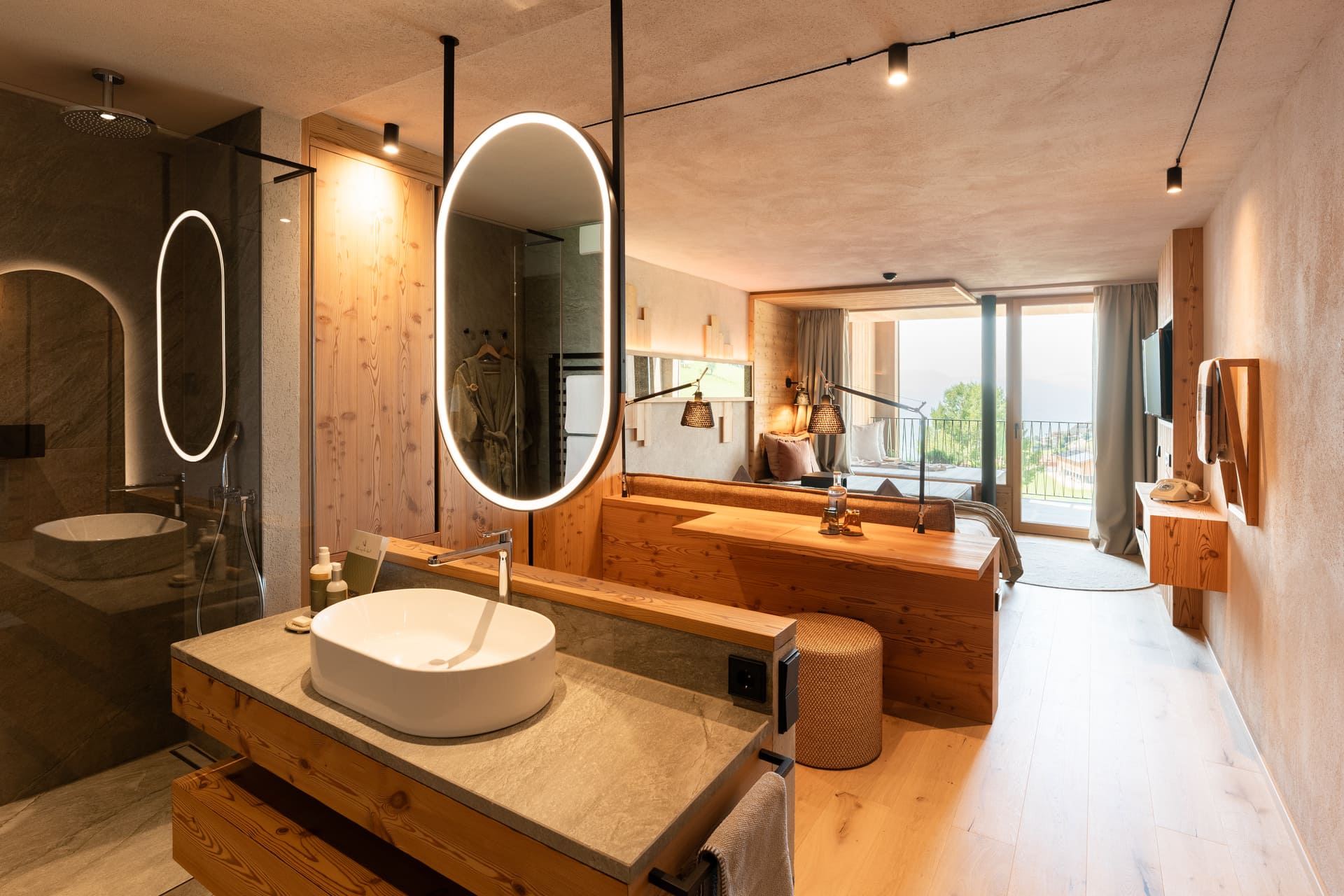
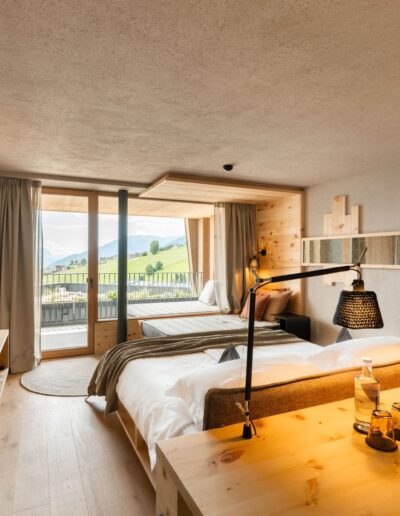
The forty rooms and suites are furnished with local larch, Swiss stone pine, and oak, feature hardwood floors, and are decorated in a calm, natural color palette. The layout follows Feng Shui principles; most rooms face south, with views of the Dolomites and Meransen. Bedding and towels are made of organic cotton and virgin wool, and sixteen rooms feature a bio-energetic-orthopedic Samina sleep system. From 11:00 p.m. to 7:00 a.m., the Wi-Fi automatically turns off (a conscious choice to reduce radiation and promote a better night’s sleep).
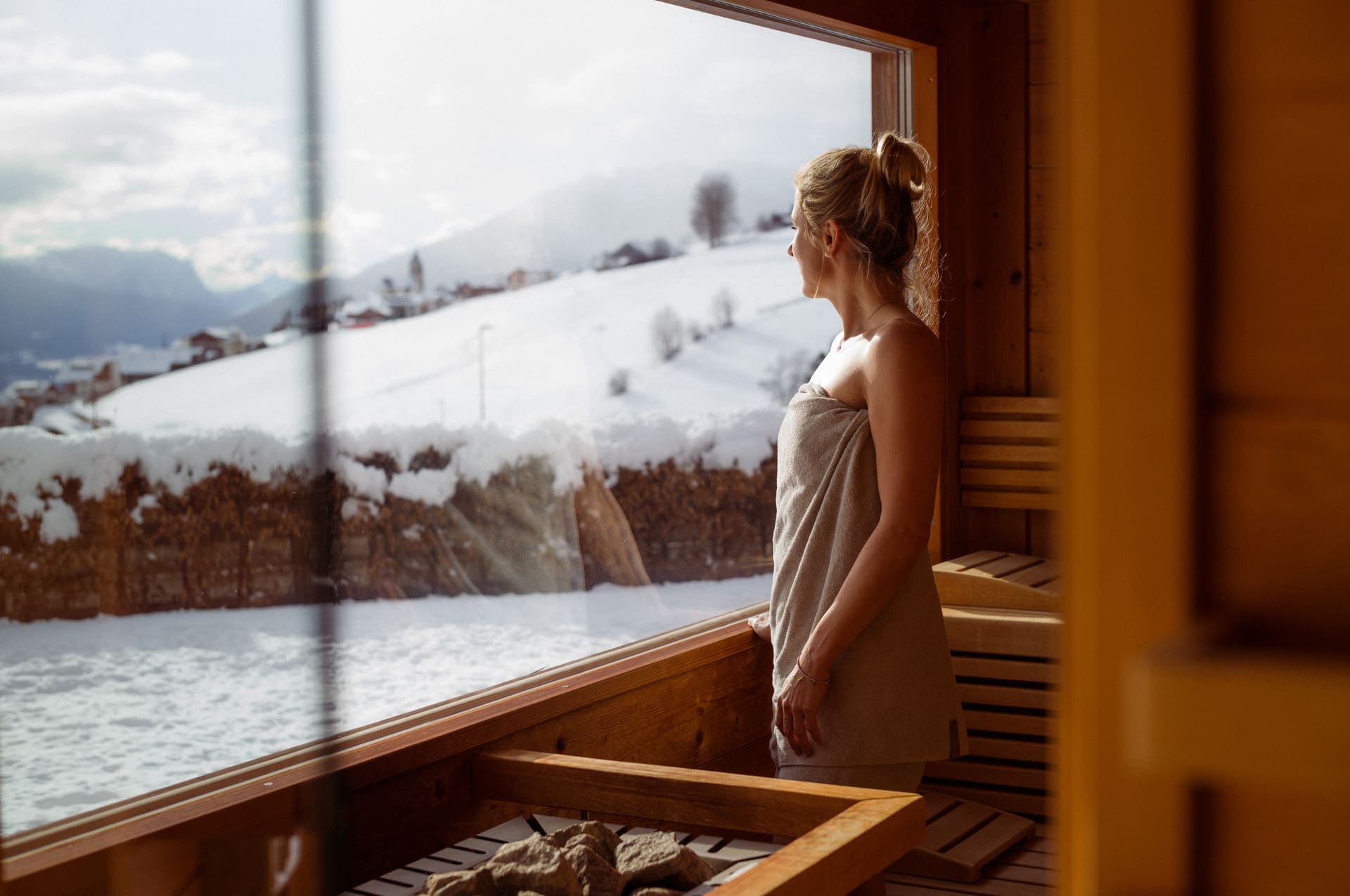
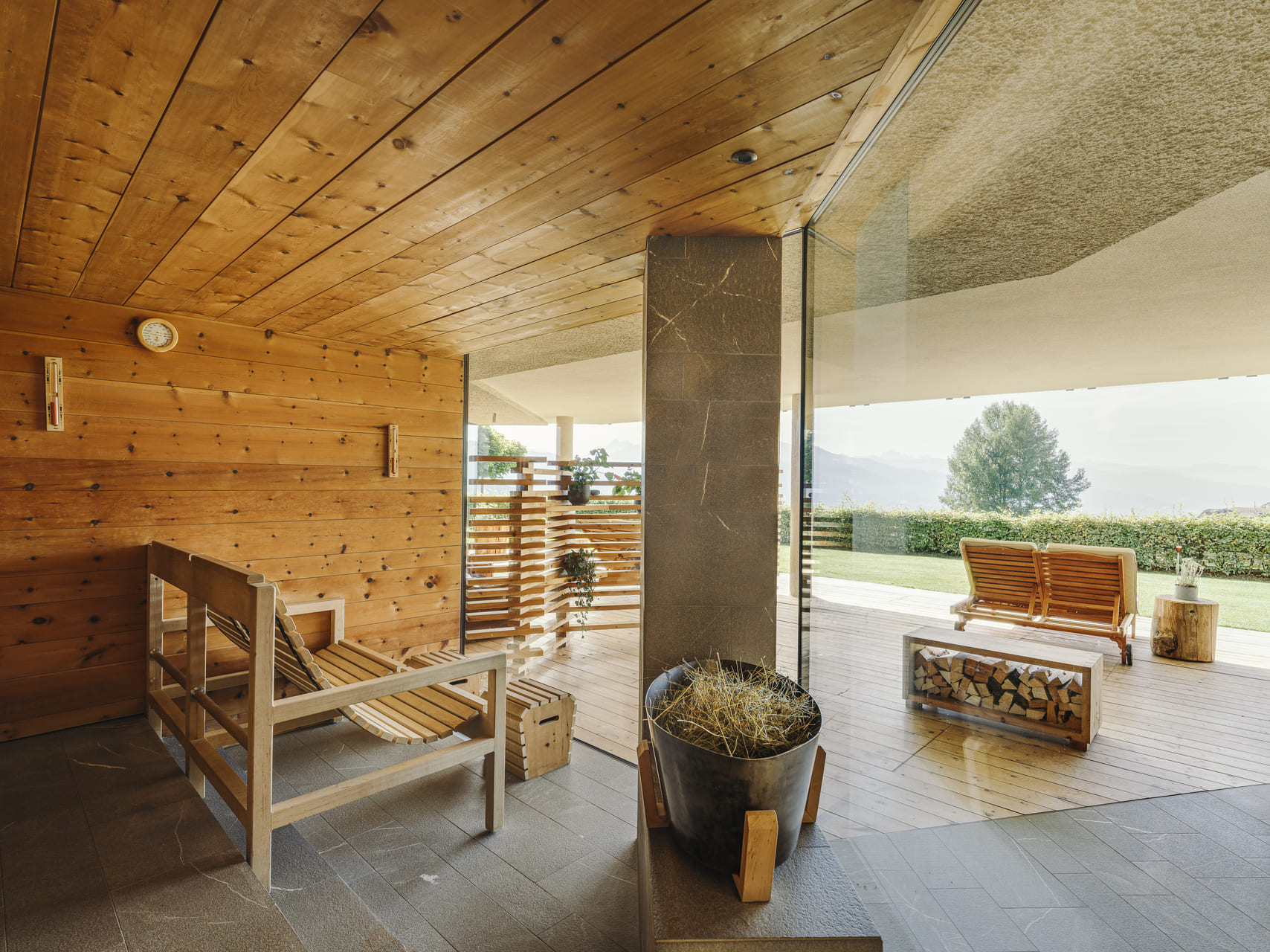
The spa features water from its own mountain springs, revitalized using the Grander method and heated sustainably. The panoramic indoor pool overlooks the Dolomites; there are also four saunas (including a hay sauna and a Finnish sauna), a steam room, and an infrared cabin. Treatments are performed using natural cosmetics by Dr. Barbara Boos; guests can choose from massages and facials featuring Alpine herbs and local minerals.
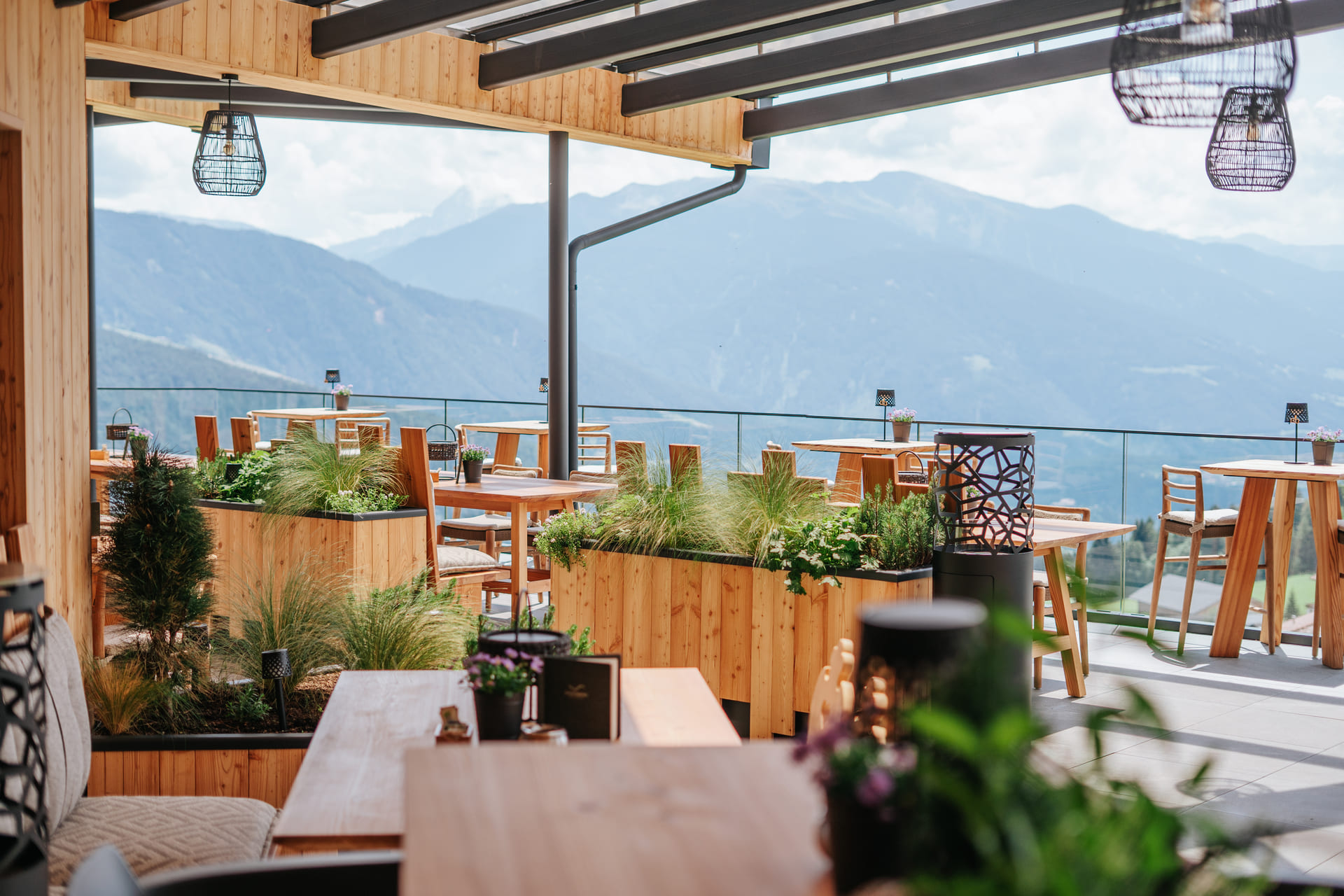
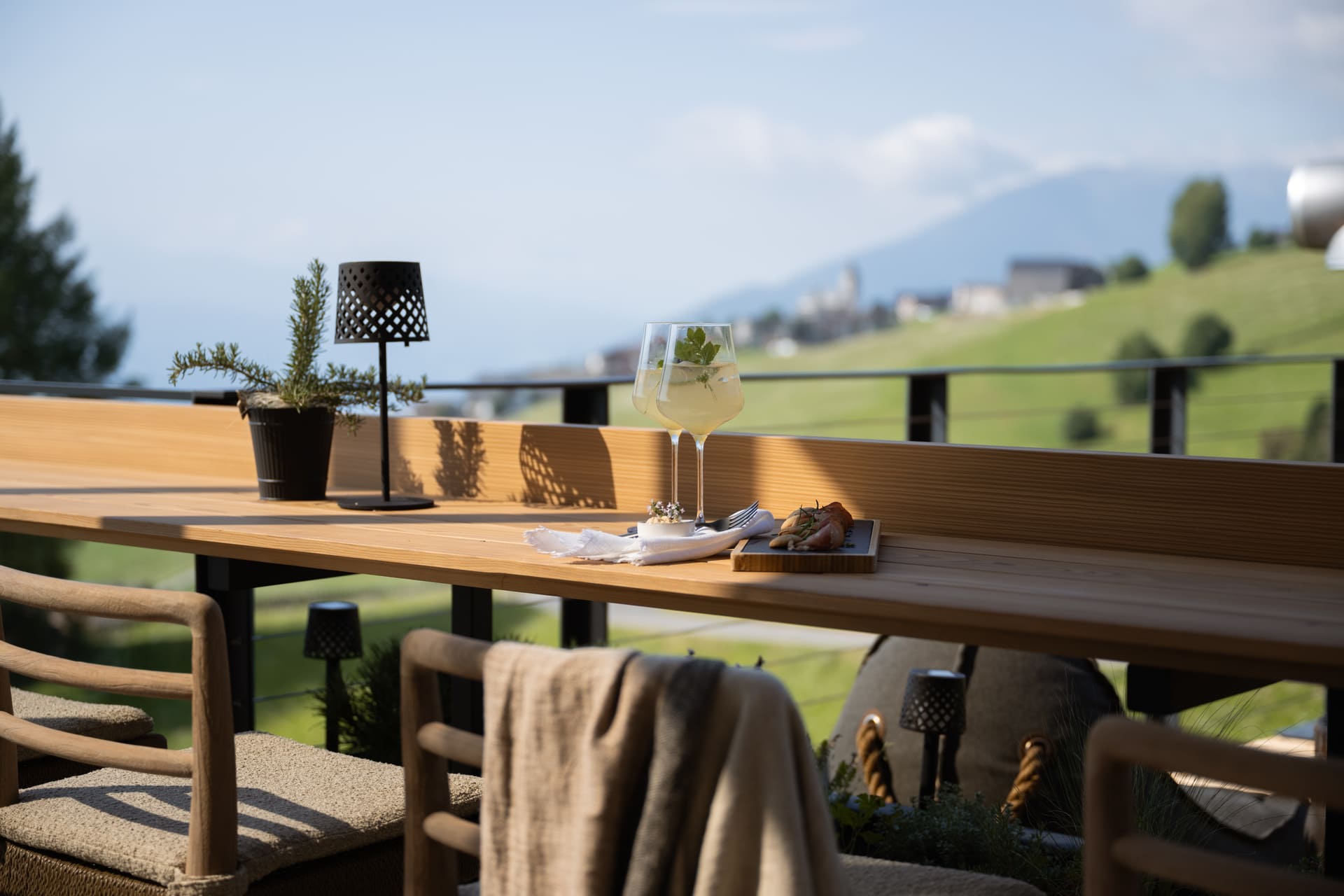
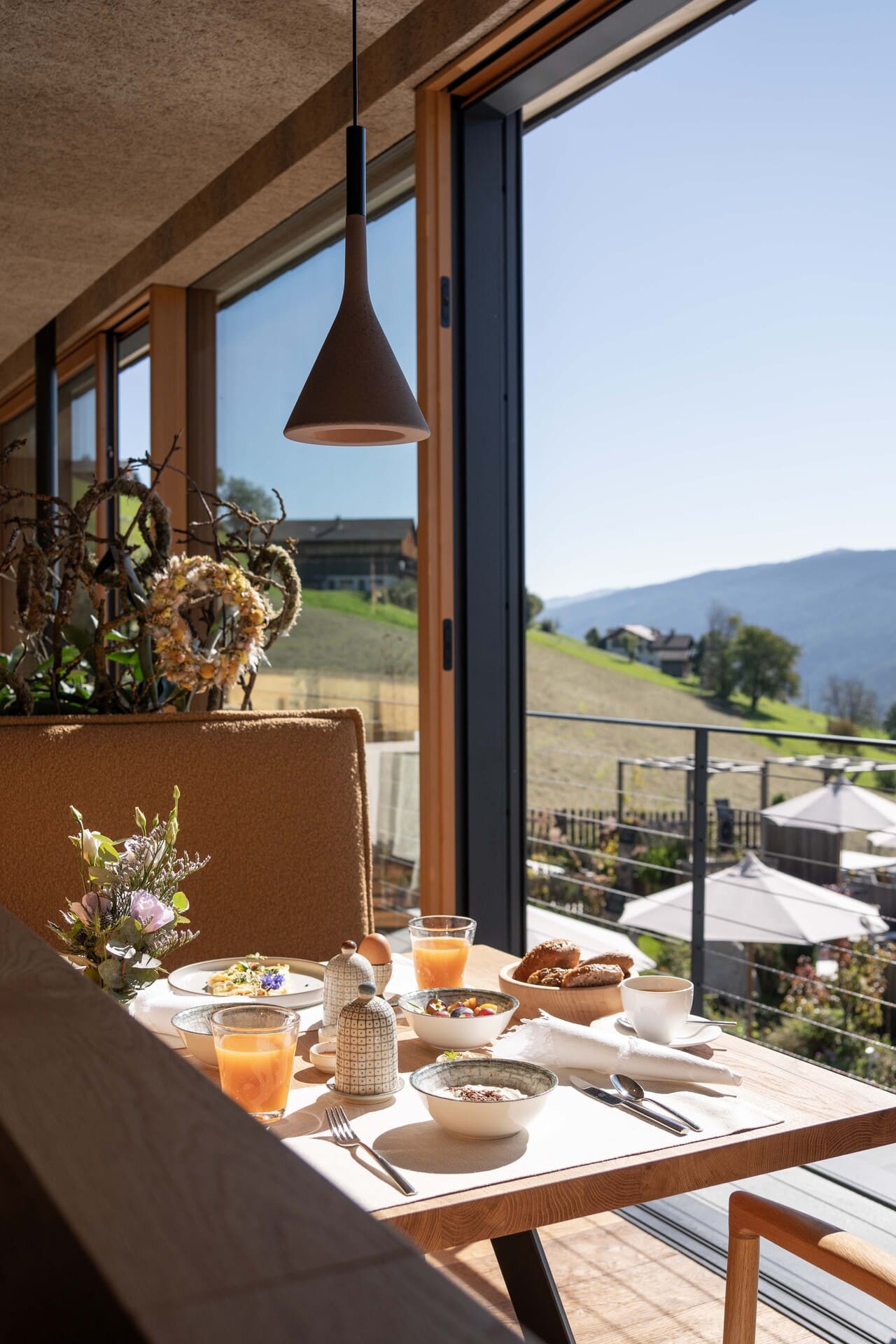
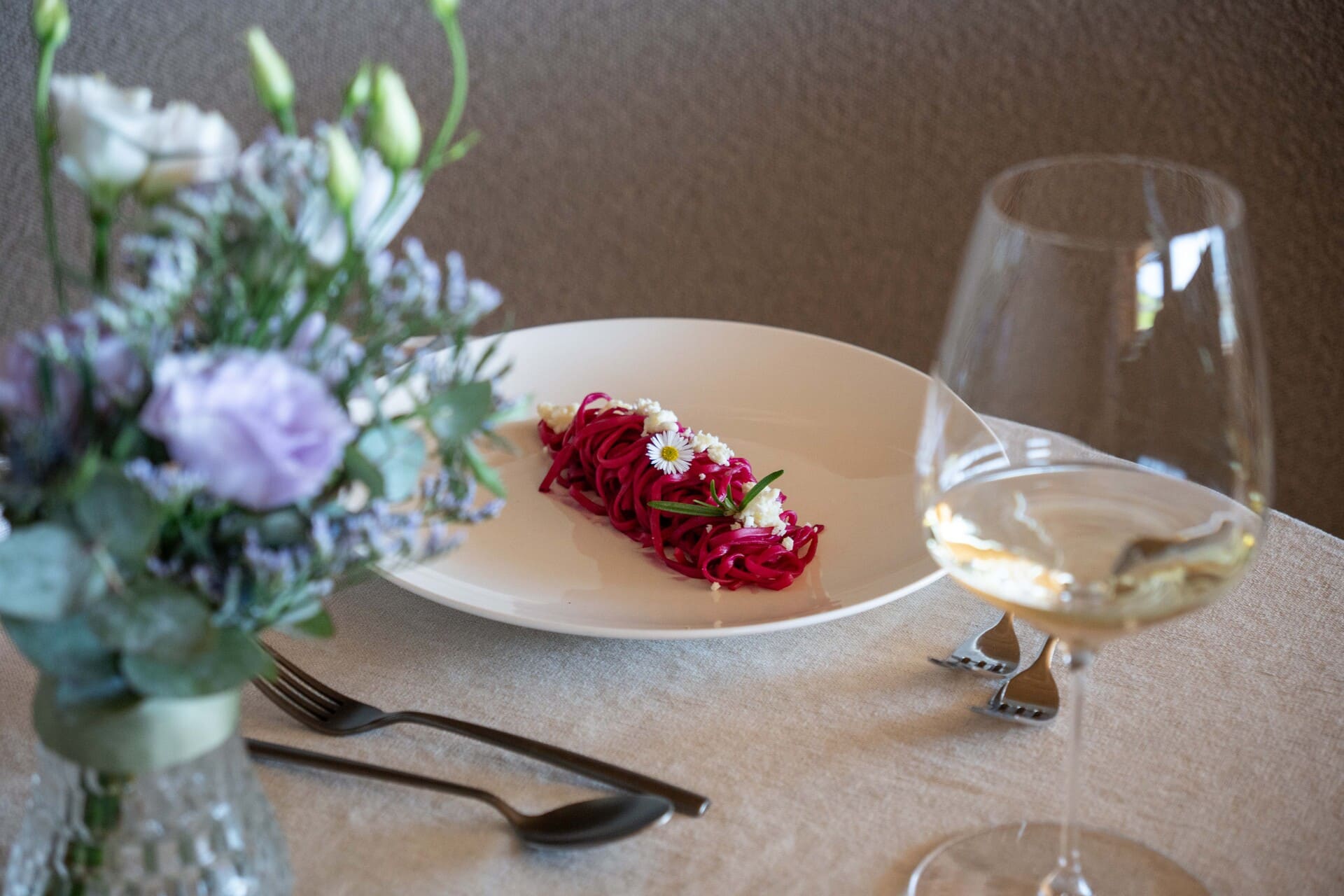
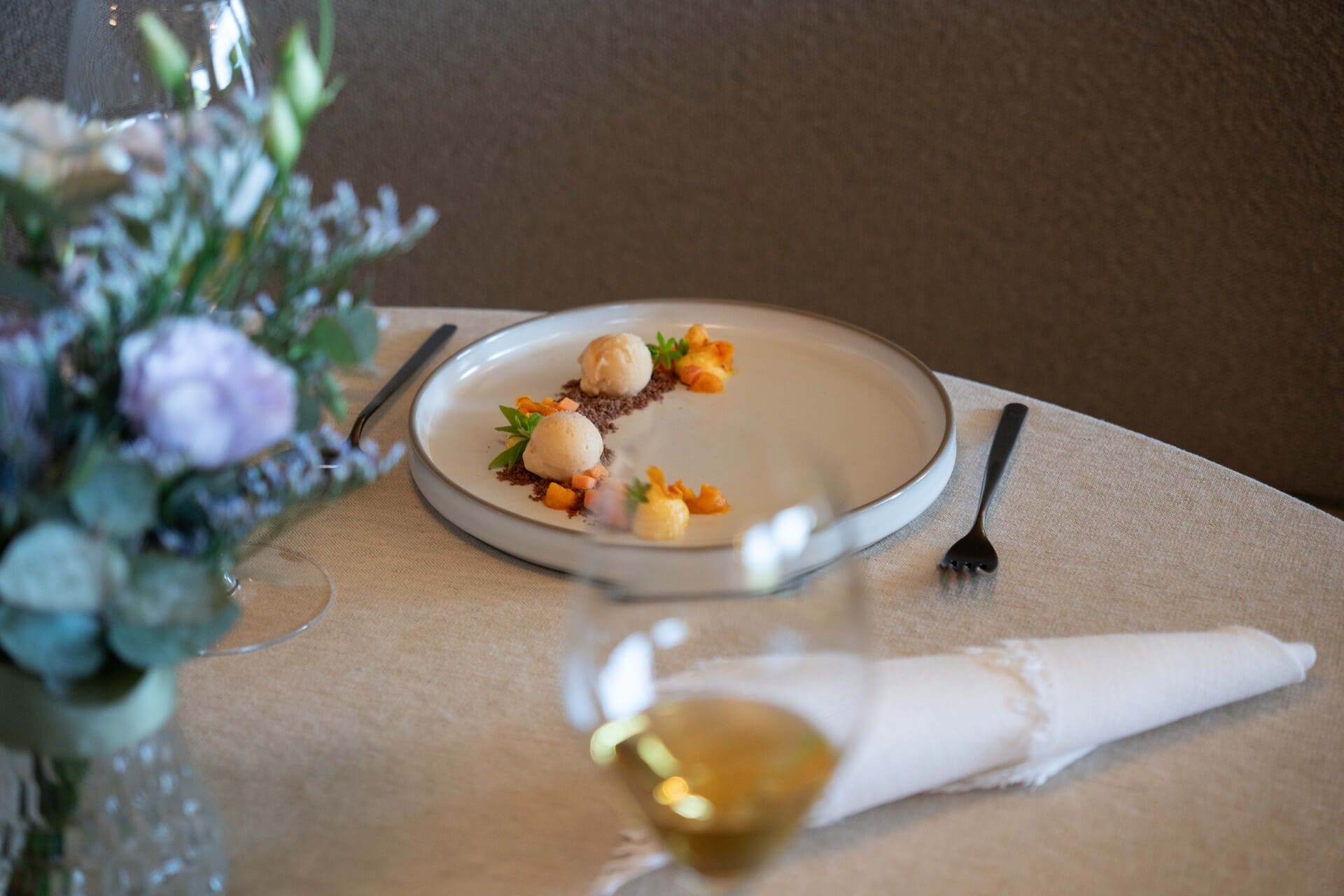
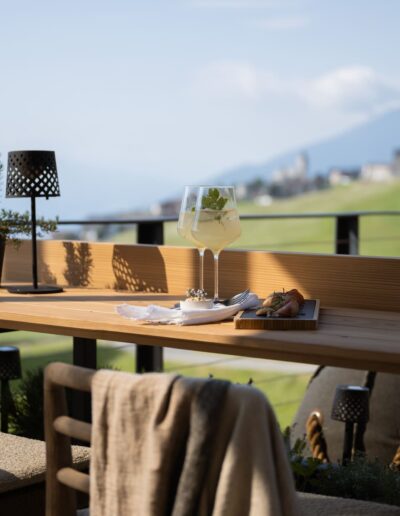
Hotel Gitschberg offers a “3/4 organic board” plan: a hearty organic breakfast, a “South Tyrolean marende” in the afternoon featuring homemade pastries, and a multi-course dinner in the hotel’s own restaurant. The kitchen prepares mostly vegetarian dishes and uses local fish, but deliberately avoids seafood. Herbs and edible flowers are partly sourced from the hotel’s own garden. The wine bar and “grappa bar” are run by sommelier and host Horst Peintner, who offers an extensive selection of natural wines, grappas, and other regional beverages.
At Hotel Gitschberg, sustainability isn’t just a buzzword—it’s the guiding principle behind every decision the Peintner family makes. It began with the hotel’s transformation into a climate-certified property and evolved into a boutique organic hotel where organic architecture, on-site energy generation, and a largely organic cuisine come together. Bio Fair Südtirol, Bioland’s certification label, cites Gitschberg as one of the first hotels to implement the concept seriously and consistently—resulting in gold status. It is this consistent approach—and not just a single certificate—that sets the hotel apart.
The hotel is located in the heart of the Gitschberg Jochtal vacation area: about 300 kilometers of hiking trails in the summer and 55 kilometers of ski runs in the winter, spread across relatively quiet, small-scale slopes compared to the larger Dolomite ski resorts. Along the way, there are 38 mountain huts where you can enjoy a South Tyrolean marende.
Yes. The hotel has held the ClimaHotel® certification since 2011 and has gold status with Bio Fair Südtirol by Bioland®, which means that about 90 percent of the ingredients used come from organic farming.
Yes. In the summer, Meransen serves as a base for hikes in the Gitschberg Jochtal region, which features approximately 300 kilometers of trails. In the winter, the ski resort’s lift station is within walking distance of the hotel.
This is the hotel’s accommodation package: a hearty organic breakfast, a South Tyrolean marende with homemade pastries in the afternoon, and a multi-course dinner in the hotel’s own restaurant in the evening.
The nearest train station is Franzensfeste, on the rail line between Innsbruck and Verona. The hotel offers a pickup service from there. During your stay, you can use the free Brixen Südtirol GuestPass for unlimited travel on public transportation in the region.
The hotel explicitly caters to guests who value this: the rooms are designed to minimize radiation, with manual circuit breakers and an automatic Wi-Fi shutdown between 11:00 p.m. and 7:00 a.m.


You can find more information about the icons here
Take a look