
Gratis gids 10 verborgen natuurplekken in Europa
Gratis gids 10 verborgen natuurplekken in Europa. Meld je aan voor onze nieuwsbrief en ontvang inspirerende reistips en routes voor je volgende groene reis.

The Castricum Dunes are part of the beautiful North Holland Dune Reserve. It’s my favorite place to walk and run. I was allowed to accompany the forest ranger to the restricted area of the dune reserve where cuts have been made in the dunes. It’s a controversial project, but one with a logical, natural explanation. Read more about the most beautiful hiking trails in the Castricum dunes.
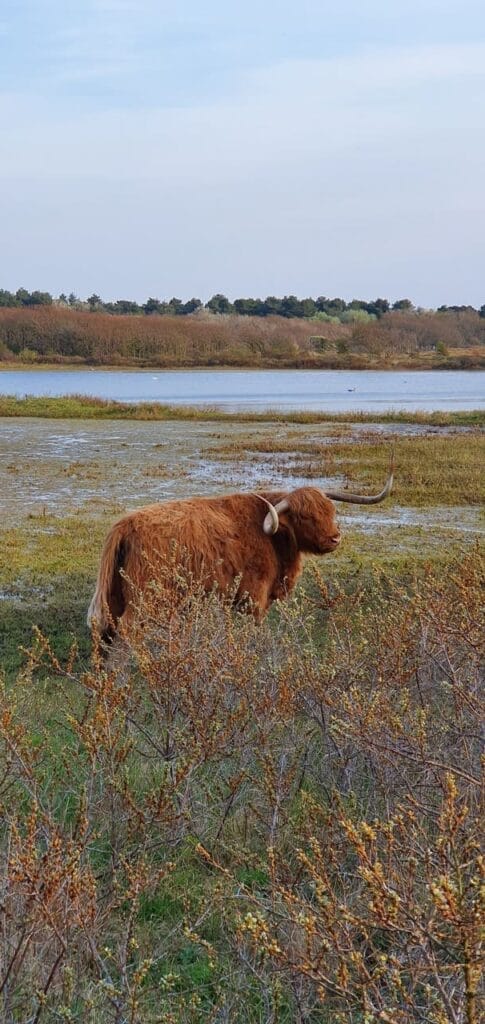
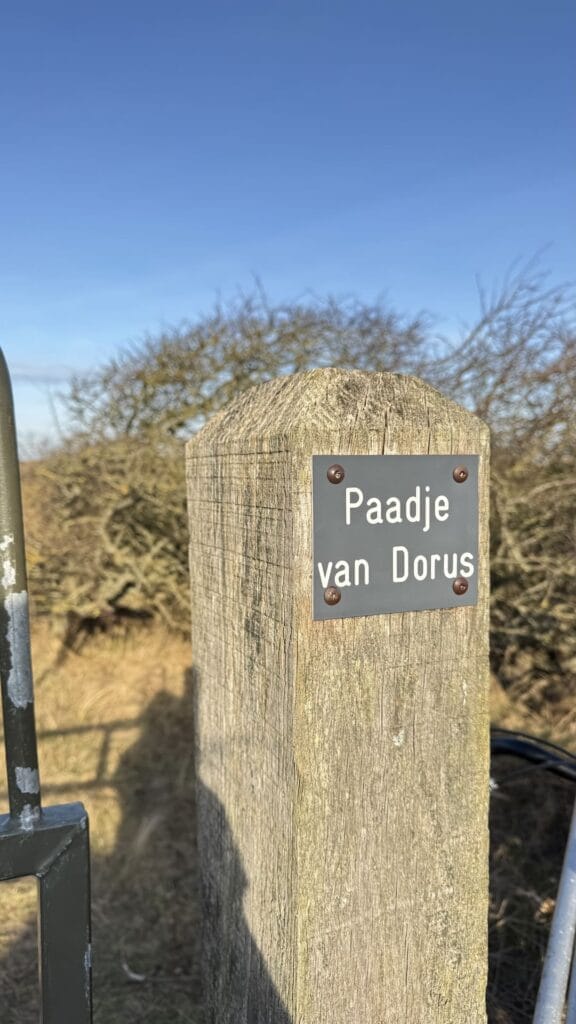
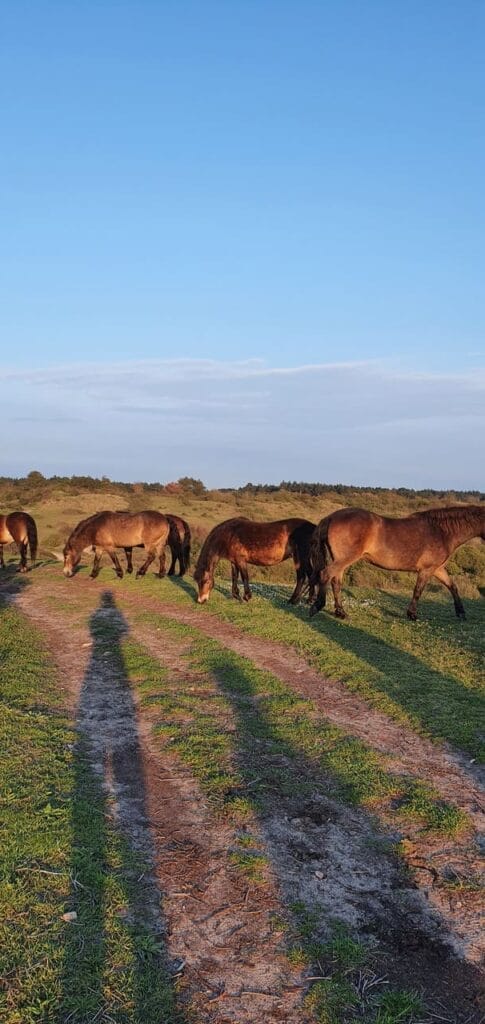
The dune area in Castricum is a beautiful place for hiking, with a very varied landscape featuring forests, open dunes, and a natural beach. The dune area offers wonderful hiking trails of various lengths.
There are many marked hiking trails in and around the dunes in Castricum. Here are some of my favorite hikes:
One of the most popular routes runs through the infiltration area. Starting at Johanna’s Hof restaurant and De Hoep visitor center (where you can park for free), it’s a walk of about 7 kilometers. The route passes through PWN’s infiltration area and features not only forests but also open plains and dune lakes.
You’ll pass “the jellyfish.” On Van Oldenborghweg, at this water fountain, more than 800 liters of pre-treated water from the IJsselmeer is pumped into the infiltration channels every second. The pumped water sinks deep into the dune soil, where nature purifies it naturally. This process yields 25 billion liters of drinking water annually.
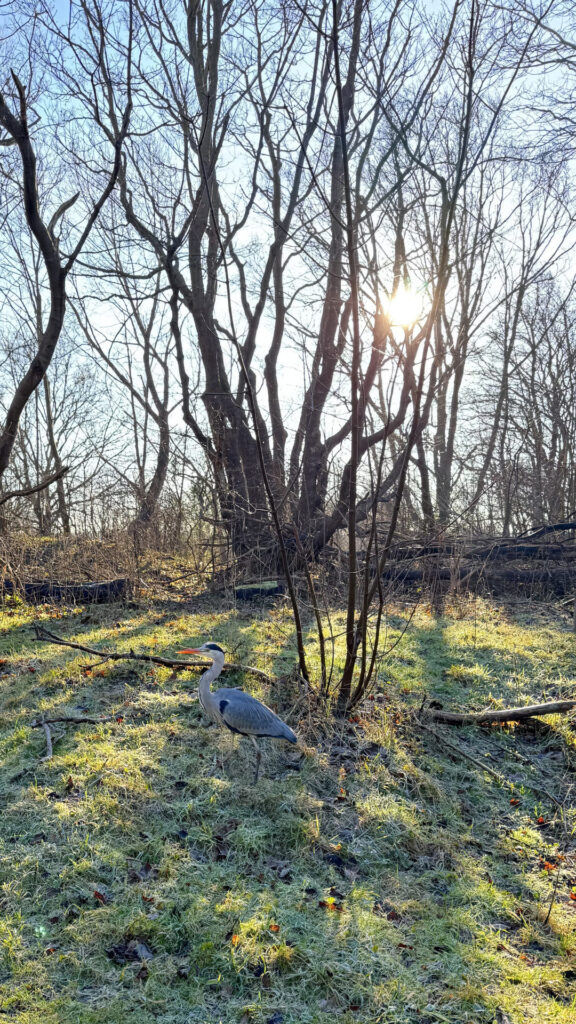
In winter, this is an ideal area for birds. You can see wild swans, geese, and ducks here. It’s a breeding ground for cormorants, among other species. Diagonally across from the pier is a lovely bird-watching hut near “Kees’s little cottage.”
There is a freshwater pocket beneath the dunes. In the past, only natural dune water was pumped from the pocket to produce drinking water. This led to the depletion of the freshwater supply and the drying up of the natural environment. Now, the same amount of water is infiltrated into the ground as is pumped out. This has restored the balance between water and nature.
The NS has mapped out a hiking trail of about 15 km in the dune area, the NS Hiking Trail through the North Holland Dune Reserve. You start at the train station in Castricum and walk to Egmond aan Zee (you can take the bus back). Beach, sea, Scottish Highland cattle, wild horses, varied woodland, dunes, and plenty of birds.

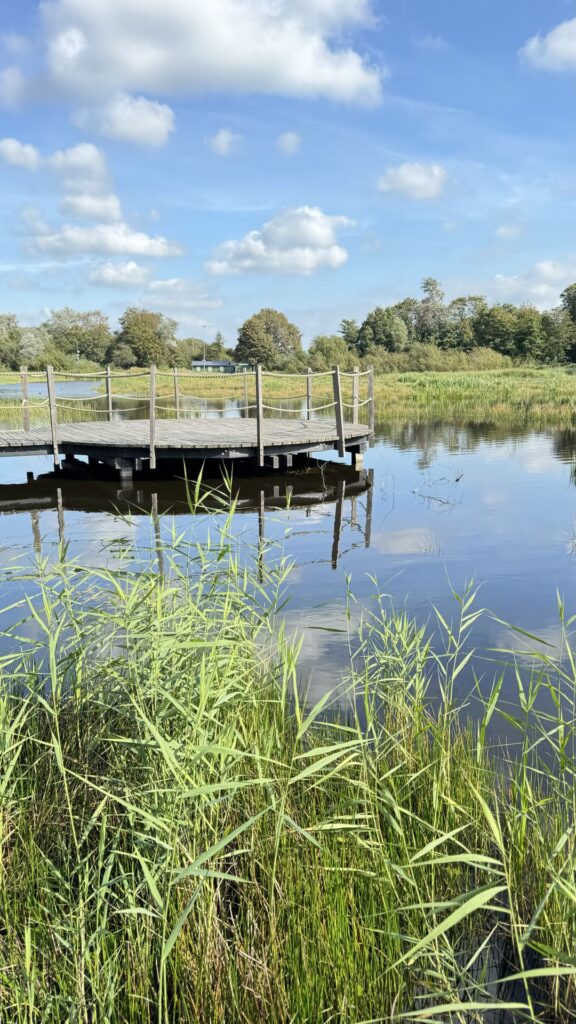
This is one of my favorite routes because it takes you through such a diverse nature reserve. There’s a spacious (free) parking lot, and from there, the approximately 17-kilometer route is well marked with black arrows. In Egmond Binnen, you can enjoy a nice cup of coffee or lunch at Nieuw Westert. You can also start this route from the Diederik parking lot on Heereweg or from the parking lot on Zeeweg near the De Hoep visitor center.
Click here to see all the hiking trails in the Castricum dunes.
In the “De Zuidernollen” dune area, just south of Castricum, five trenches have been dug in the dunes. Forest ranger Ronald from PWN led a tour of the area to discuss the controversial project, providing a clear explanation of the how and why.
I was allowed to walk through a dune area that’s normally closed off and saw just how incredibly deep the dunes are. Kilometers of dunes alternate with shrubbery, grasslands, and sand dunes. Scottish Blackface sheep graze here to keep the grass and shrub growth in check. The dunes that are being monitored have names like “Shark,” “Weasel,” and “Banana.” They all have different shapes.
The project began in September 2024 and will be closely monitored over the next three years. In addition to restoring nature, the project aims to strengthen the dunes. The cuts, which are about 30 to 40 meters wide and up to six meters deep, are intended to ensure that calcium-rich sand is blown back into the dunes from the beach. Currently, the dunes are becoming overgrown, resulting in a lack of calcium in the soil and preventing certain plants from growing.
A similar project was the construction of the “Seven Sisters” near Egmond a few years ago.
When the wind blows sand up the dunes, forming a crescent shape, these are called parabolic dunes.
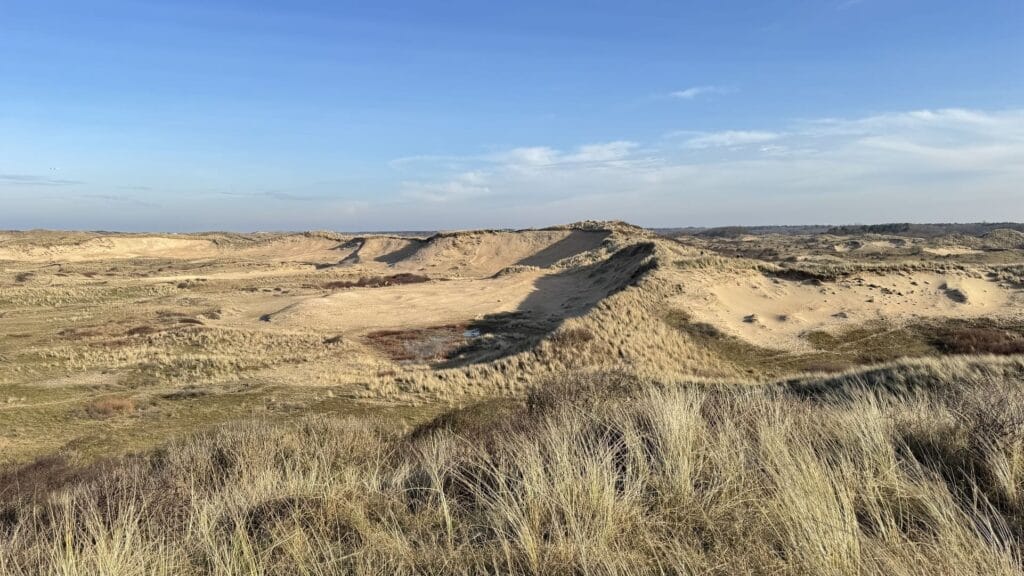
Once you arrive at one of the gullies, it feels a bit strange to see the hole in the dune. But a little further inland, you can see new dunes forming as a result of sand drift. The Castricum beach access is actually much lower than these gullies.
It may seem counterintuitive, but the notches do not have a negative impact on coastal protection. In fact, they actually increase safety by restoring the natural dynamics of the dune landscape. This ensures that the dunes can keep pace with rising sea levels and that the coast becomes safer. Unfortunately, PFAS does pose a new threat to the area.


The calcareous sand blown into the Castricum dunes helps restore soil acidity caused by nitrogen deposition. This results in a more diverse landscape with typical dune plants and animals, such as the gentian and the sand lizard. Soil samples are used to measure and record the amount of calcium in the soil. PWN installs sand traps at various locations to compare sand drift.

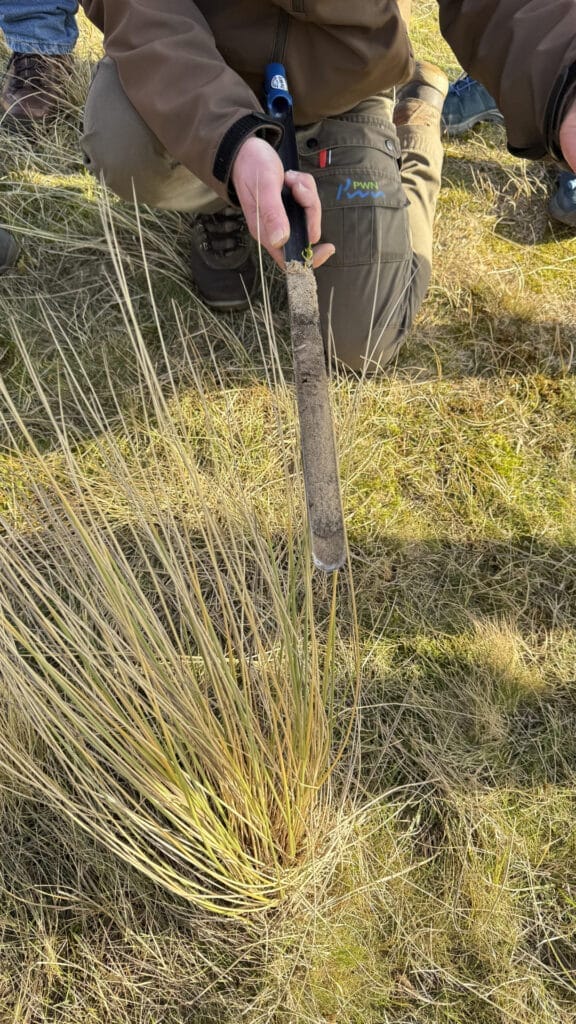
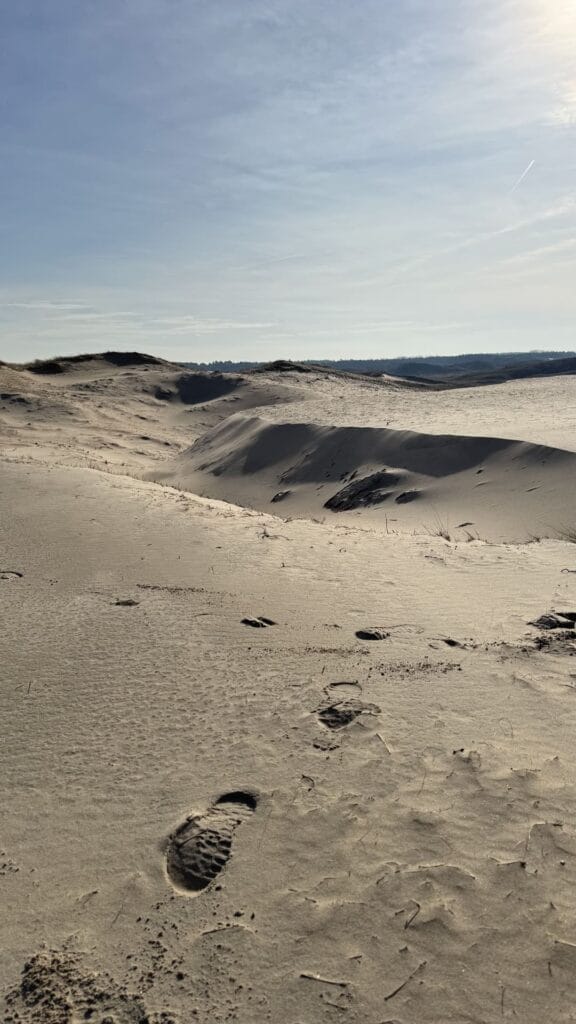
In collaboration with the Water Board, the location for the cuts has been determined to allow the dunes to shift properly. For the same reason, a number of beach pavilions have been moved forward and raised; this also allows the dunes to shift more easily in this area. Forest ranger Ronald: “We’re working with nature to ensure the dunes remain sustainable for the future. When you see the comma butterfly and the dune pearl-bordered fritillary flying again, it’s a sign that nature has recovered well.”

With a passion for travel and photography and over 30 years of experience in the travel industry, I love to share my special nature travel tips. Travel is wonderful and important, you meet new people and cultures and it opens your view of the world.
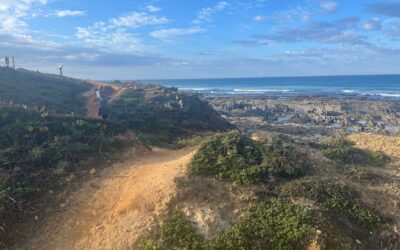
8-day hiking trip Rota Vicentina: the Fishermans trail with local specialist Self-guided, fully taken care of by a local specialist: Fishermen's Trail from Cercal to Odeceixe On day five you board a boat to cross the mouth of the Mira River. No bridge, no timetabled...
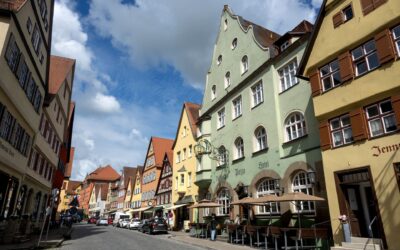
Cycling or taking public transportation along the Romantic Road: a road trip through Bavaria without a car Cycling or taking public transportation along the Romantic Road sounds like a contradiction: after all, the word “Strasse” practically screams “car.” Yet this is...
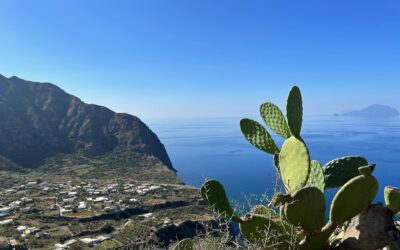
Hiking across smoking volcanoes: an organized hiking tour of the Aeolian Islands On Vulcano, you know you’ve arrived before you even set foot on shore. The sulfur already hangs over the harbor. A smell that hovers somewhere between a match and a boiled egg—and one you...
Get inspired
Are you looking for the most beautiful hiking and biking routes? Or do you want information about traveling by train or advice for the most beautiful road trips through nature. Get inspired for your next trip in green; ideas for planning your own trip or opting for an organized trip.