
Gratis gids 10 verborgen natuurplekken in Europa
Gratis gids 10 verborgen natuurplekken in Europa. Meld je aan voor onze nieuwsbrief en ontvang inspirerende reistips en routes voor je volgende groene reis.

Travel through a unique region in central Portugal. On the eastern side of the country, between Lisbon and Porto, you’ll find Portugal’s Aldeias Históricas. Twelve villages have joined together to form “the 12 historic villages” (Aldeias Históricas). They are inextricably linked in terms of historical significance, yet each village also has its own distinct character and unique location.
Read about Portugal’s 12 historic villages, a fantastic destination for slow travel . You can explore this unique stretch of history and nature by car, on foot, or by bike.
You are here in the border region with Spain, about 130 kilometers from Salamanca and 350 kilometers from Madrid (measured from Castelo Mendo). The villages are part of Portugal’s unique cultural heritage and are also located in a beautiful nature reserve surrounded by several nature parks.

Read more here about the unique character of each of the villages. Further down, you’ll see on the map how you can drive the routes in two loops. The restaurants listed are top-rated restaurants in the area serving traditional local Portuguese cuisine.


Situated on a plateau and very close to Spain, Almeida was essential to the defense of Portugal’s borders for centuries. The town was built in the 17th century following French rule. You can still see the French fleur-de-lis on some of the castle walls. The fortress still stands today; shaped like a star, it has been the site of many battles over the centuries. A procession is still held there at Easter.
In addition to the old fortress, the city now also offers fantastic restaurants and good places to stay.
Almeida’s Restaurant Recommendation: O Caçador, located just outside the historic center in Largo do Olmo, featuring family recipes from the region.

Just south of Almeida, 24 kilometers away and less than a half-hour drive, you’ll find Castelo Mendo. At the entrance to the village, stone animals have been welcoming visitors for centuries. Life moves at a leisurely pace in Castelo Mendo, where the residents still make their living primarily from raising goats. The local favorite dish is, unsurprisingly, braised goat with potatoes…
Restaurant Recommendation in Castelo Mendo: Restaurante Wellington
No one knows the exact story behind the stone figures, but on a stone gargoyle on the wall of the Antiga Domus Municipalis (the old courthouse), you can see Mendo, a male figure embedded in the wall. On the other side, on a stone in a house, stands the figure of a woman, Menda. The locals believe this is a love story like Romeo and Juliet, in which the two are destined to gaze at each other from a distance forever on the cliffs of Castelo Mendo.


In 2021, the UNWTO (United Nations World Tourism Organization) named Castelo Rodrigo the best village for tourism. The village is located north of Almeida and is very active in the area of environmental sustainability.
This medieval village, with about a hundred residents, is situated on a hill with a magnificent view of the Côa Valley. The entire village is a veritable open-air museum, featuring the ruins of the castle and the palace of Cristóvão de Moura.
This is a great place to stay overnight, enjoy delicious food, and visit the surrounding villages from Castelo Rodrigo.
Accommodation Tip in Castelo Rodrigo: Casa da Cisterna
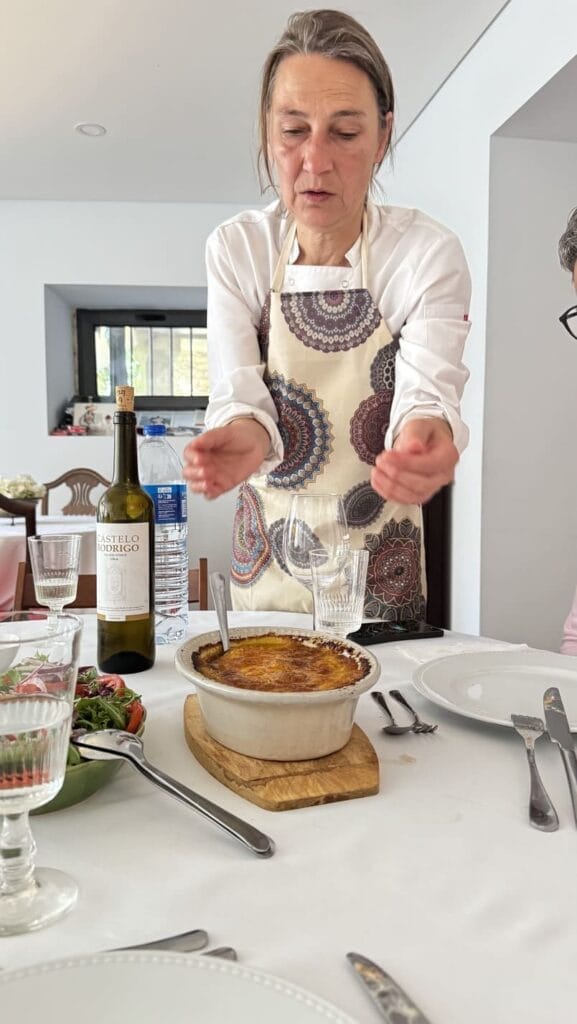
Restaurant recommendations in Castelo Rodrigo: Taverna da Matilde and Cocina da Rita. At Cocina da Rita, you’ll eat in Rita’s living room. She’s turned her home into a restaurant and prepares the most delicious local dishes.


Marialva, a granite village, was already inhabited in the 6th century B.C. and served an important military defensive role throughout the centuries. This also led to the village’s downfall. Today, it is still home to a massive fortress with stunning views, as well as the legend of Maria Alva with her goat’s hooves; Maria Alva, “pés de cabra,” is still celebrated annually in July with a three-day festival.
Marialva’s Restaurant Recommendation: Pé da Cabra at Mercearia Moderna
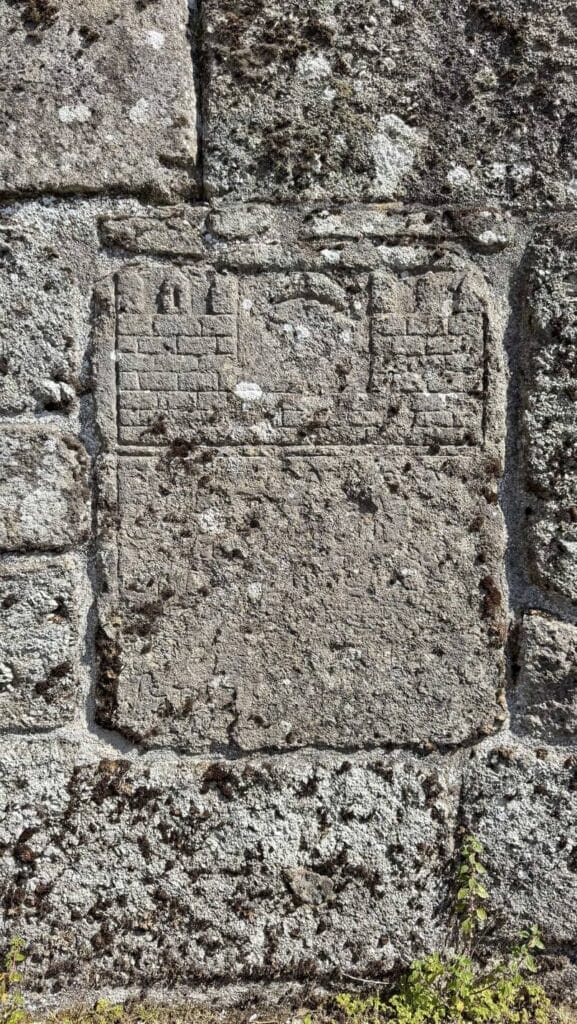


On the border between the Serra da Estrela and the Douro Valley, you’ll find Trancoso—naturally, also perched on a hill. Many historic battles took place here. The castle, narrow streets, and architecture still bear witness to this long military history. It was here that King Dom Dinis married Isabel of Aragon in 1282.
The village is best known for its sweet sardines and the statue of Gonçalo Anes Bandara, a local shoemaker and poet.
Restaurant Recommendation in Trancoso: Restaurante Dom Gabriel
Because of the altitude, you’re sometimes literally among the clouds here. The village gained worldwide fame as the “cathedral of paragliding.” In addition to paragliding, there’s also a legend here about a woman with goat legs, mysterious inscriptions throughout the village, and decorative Manueline-style architecture.
Restaurant Recommendation in Linhares da Beira: Cova da Loba


Churches, synagogues, the ruins of an ancient Roman villa, and museums offer a glimpse into the town’s rich history. From the top of the castle, you can see the entire village and the surrounding countryside. Pedro Alvares Cabral, from Belmonte, was the discoverer of Brazil in 1500. The castle belonged to his family. In August, a three-day medieval festival—Belmonte Medieval—attracts visitors from all over Portugal.
Belmonte Restaurant Recommendation: Casa do Castelo and Fio de Azeite


In 2023, Sortelha was certified asthe “best tourist village” by the UNWTO. The village has no fewer than 3 residents, 2 restaurants, and a bar. The 13th-century castle, nestled amid lush greenery, dominates a setting that seems to have remained untouched over the centuries. The village boasts prehistoric origins and a very well-preserved structure. On a clear night, the sky here is filled with stars. Bracejo is a traditional reed-weaving craft still practiced in this village. You’ll also find a medieval festival here in September—highly recommended. You can stay overnight in Sortelha in the beautifully renovated apartments of Story Studio Sortelha.
The “rochas do Beijo Eterno” are two “kissing” stones, which, according to legend, are a prince who has been turned into stone and his girlfriend.
Sortelha Restaurant Recommendation: Restaurante Casa da Esquila


As you make your way through the rugged mountain landscape of the Serra do Açor, Piódão lies on the other side of the mountain—a complete surprise. It is one of Portugal’s most spectacular villages in terms of its location, nestled against the mountain. It was once the ideal hideout for people on the run from the law…
The blue doors and window frames provide a beautiful contrast to the village’s natural setting. The village is surrounded by the most beautiful trails right in the heart of nature. It has a small beach at the river’s mouth, which offers a delightful way to cool off in the summer.
Restaurant Tip in Piodão: Restaurante O Fontinha and Restaurante Solar dos Pachecos


Castelo Novo was named the best tourist village by the UNWTO in 2022. The Serra da Gardunha forms a natural amphitheater for this rich architectural heritage. The beautiful natural surroundings in and around the village are evident everywhere. At the entrance to the historic village, you can swim in the clear waters of the Ribeira de Alpreada. A Roman path runs through the village. Only one tower of the castle remains standing.
What sets this village apart are its brightly colored window frames in a variety of hues. On the menu here are meatballs made from venison…
Castelo Novo is about a 50-minute drive from Idanha-a-Velha (via the N roads).
Restaurant Recommendation in Castelo Novo: Restaurante O Lagarto


Monsanto is one of Portugal’s most distinctive villages. A few years ago, it was named the most beautiful village in Portugal. Perched on an impossibly steep granite slope, the village was built here over the centuries under grueling conditions.
Narrow streets winding around the rocks, houses built into the rocks, and steep slopes perfect for beautiful hikes.
“Marafona” dolls hang on the doors of houses; these are dolls made from a wooden cross covered with fabric, with no eyes, mouth, nose, or ears. According to the residents, they serve as amulets against the evil eye. From the village, you can hike along the Barrocais Route for about 5 kilometers to the castle, which offers stunning views.
Monsanto Restaurant Recommendation: Restaurante Petiscos & Granitos


A 15-minute drive from Monsanto. Surrounded by imposing walls, this charming little village is one of Portugal’s largest archaeological sites. You can still find traces of the Romans, the Suebi, and the Knights Templar here. In Roman times, it was the capital of a region; during the Suebi-Visigothic period, it served as the seat of a diocese; and it played a major role during the era of the Knights Templar.
Restaurant recommendation in Idanha-a-Velha: Restaurante Old School in the nearby village of Medelim


For a true Slow travel experience, take a walk through the historic villages. The Grande Rota 22 passes through 12 historic villages and offers a fantastic long-distance hike along the route. In total, this trail is about 600 kilometers long. The GR22 is the longest trail in Portugal. It can also be done by bike, for true enthusiasts. This trail was nominated for its high quality, the many nature parks it passes through—the Douro International Nature Park, the Vale do Côa, the Tejo International Nature Park, and the Serra da Estrela Nature Park—and, of course, the historic villages.
An agreement was recently reached with Spain, and the GR22 has been extended into Spanish territory. This adds another 200 kilometers to the route, passing through the following villages in the Cáceres region:
Here you’ll find more information about the GR22 trails.
In addition to the GR22, there are about 15 shorter, beautiful hiking trails that take you through nature reserves and historic villages (the PR routes), ranging from 6 to 20 kilometers. Belmonte, for example, is a good starting point for your hike to Sortelha. This village offers good accommodations, and there are several restaurants. Although most of the routes are well marked, it’s still a good idea to use a GPX file while hiking. Click here for information about the hiking routes in and between the historic villages.
There are also several shorter routes available for cyclists in addition to the GR22.


The Faia Brava protected private area is located within the territory of the 12 villages. Faia Brava is also part of the GR22 and offers a much-needed break along the route. Faia Brava is situated between the villages of Marialva and Castelo Rodrigo. The distance between the two villages along the GR22 is 36 kilometers. It takes about 8 hours on foot and 3 hours by bike.
Thanks to the high granite cliffs of the Côa River Gorge, this area provides a safe haven for large vultures (the griffon vulture, Egyptian vulture, Bonelli’s eagle, etc.) to nest. These birds make Faia Brava an area of great biological importance.
Portugal’s Aldeias Históricas are the first destination in the world to receive certification as a Biosphere Destination. This means that the villages are actively working in a variety of areas to ensure the destination’s sustainability. The villages are actively engaged in nature conservation, the use of endogenous resources, local production, and sustainable tourism. Traditions are upheld to preserve their unique character. The 12 villages are striving to become Portugal’s first carbon-neutral destination.
Together with Renault Portugal, the historic villages have come up with the following sustainable initiative. If you arrive by public transportation (from Lisbon or Porto), you’ll be taken from Fundão Station to Castelo Novo for free (provided you’re staying overnight there), and you’ll have a Renault electric car at your disposal to get around the village and the surrounding area.

In recent years, several villages have been named the most beautiful villages in Portugal and even the world’s most beautiful tourist villages by the UNWTO. The twelve villages are spread across three regions: Coimbra, Castelo Branco, and Guarda. They are surrounded by several nature parks:
All 12 villages are well worth the trip. For example, you can choose to stay overnight in 3 or 4 of them if you want to see all 12. Another good option for hikers is to visit a few of the villages on foot. Read more about this later in the hiking tips section. Each village has a small tourist office where you can get the information you need.
From Lisbon, you can easily visit these five historic villages:
The total distance between these five villages is about 150 kilometers.

The easiest way to get there is from Porto via the A1 and A25 to Celorico da Beira:
The distance between the first six villages is about 200 kilometers. The route to Piodão is a bit longer but definitely worth the trip, especially because of its location near the Parco da Serra da Estrela Nature Park. You can choose to stay overnight in two or three villages and visit the other villages and the surrounding nature from there.
For example, you can start in the northernmost part and fly to Lisbon with Transavia or KLM. Car rental in Portugal: it’s best to rent your all-inclusive car through Sunnycars. Then continue on to the southern historic villages and fly back from Porto. Please note that if you plan to cross the border with your rental car, you must indicate this when making your reservation.
If you’d like to let someone else handle the planning of your trip to the Aldeias Históricas, check out Priolo Travel. They organize custom trips to the Aldeias Históricas.
Assuming a round trip from south to north (though you can, of course, do it the other way around), we recommend the following unique places to stay. Just as the twelve villages place a high priority on sustainability, these unique accommodations are all based on sustainability, appreciation for heritage, and, above all, hospitality.
1. Belmonte, TheVagar. A unique place to completely relax and enjoy yourself surrounded by nature. Read more about TheVagar.


2. Castelo Rodrigo – Casa da Cisterna. The northernmost stopover. A unique spot in a historic town with a very welcoming owner who’s happy to tell you more about and show you the beautiful natural surroundings.


3. Castelo Novo, Pedra Nova. A unique 4-bedroom home with a pool. Read more here.


This article was produced in collaboration with Aldeias Históricas de Portugal

With a passion for travel and photography and over 30 years of experience in the travel industry, I love to share my special nature travel tips. Travel is wonderful and important, you meet new people and cultures and it opens your view of the world.
Hiking to Trondheim along ancient pilgrimage trails What’s it like to hike for days along ancient pilgrimage trails to Trondheim? During a trip through Sweden and Norway, I hiked several sections of the St. Olavsleden. From the open border mountains near Skalstugan to...
Hiking the St. Olav Trail: Route, Stages, and Tips A thousand years ago, Olav Haraldsson traveled this road northward in search of his crown. He met his death at Stiklestad and was canonized three years later. Since then, pilgrims have followed the same route: from...
Just twenty minutes past the coast lies a completely different Málaga Twenty minutes by car from Málaga Airport, the highway turns into a winding road leading into the mountains. The coast disappears behind you, and ahead lie olive and almond trees, karst rocks, and...
Get inspired
Are you looking for the most beautiful hiking and biking routes? Or do you want information about traveling by train or advice for the most beautiful road trips through nature. Get inspired for your next trip in green; ideas for planning your own trip or opting for an organized trip.