
Gratis gids 10 verborgen natuurplekken in Europa
Gratis gids 10 verborgen natuurplekken in Europa. Meld je aan voor onze nieuwsbrief en ontvang inspirerende reistips en routes voor je volgende groene reis.

Judith, a good friend and Georgia expert, took a special tour of Georgia. I spoke with her about this trip and her connection to the country, its culture, and its people. Read her travelogue here, along with her tips for this wonderful tour, which includes hikes through Georgia’s stunning culture and nature.
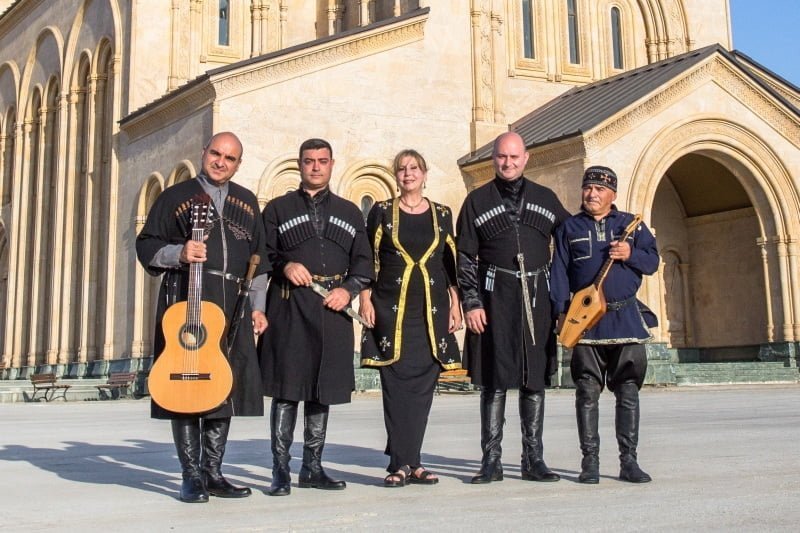
In early September, they traveled to Georgia with a small group. They were accompanied by a Dutch guide who speaks the language well. Nor was this the group’s first trip to Georgia. For years, they’ve been in contact with a group of Georgian singers who, as the ensemble Kareba and Gogia, sometimes come to the Netherlands to perform their beautiful acoustic music.
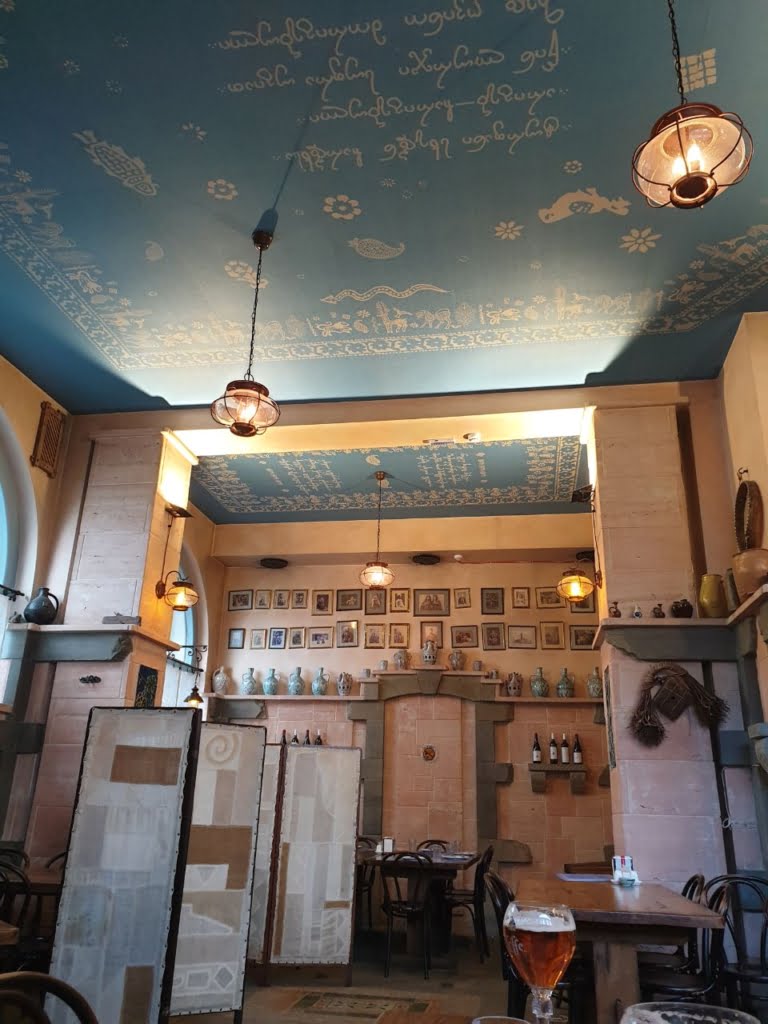
The flight from Amsterdam to Tbilisi takes 3.5 hours. Upon arrival, they met the driver who safely guided them and drove them around throughout the entire trip. They got their first taste of the delicious Georgian cuisine and then headed to Sighnaghi for their first night’s stay.
Visit to the Bodbe Monastery, where Saint Nino is buried. She was sent to Georgia to spread Christianity. Saint Nino was given a cross to take with her on her journey, made from two grapevines, causing both arms of the cross to hang down slightly—simply due to the natural shape of the vine. To this day, this vine cross remains the symbol of the Georgian Orthodox Church. One-third of the women in Georgia are named after her.
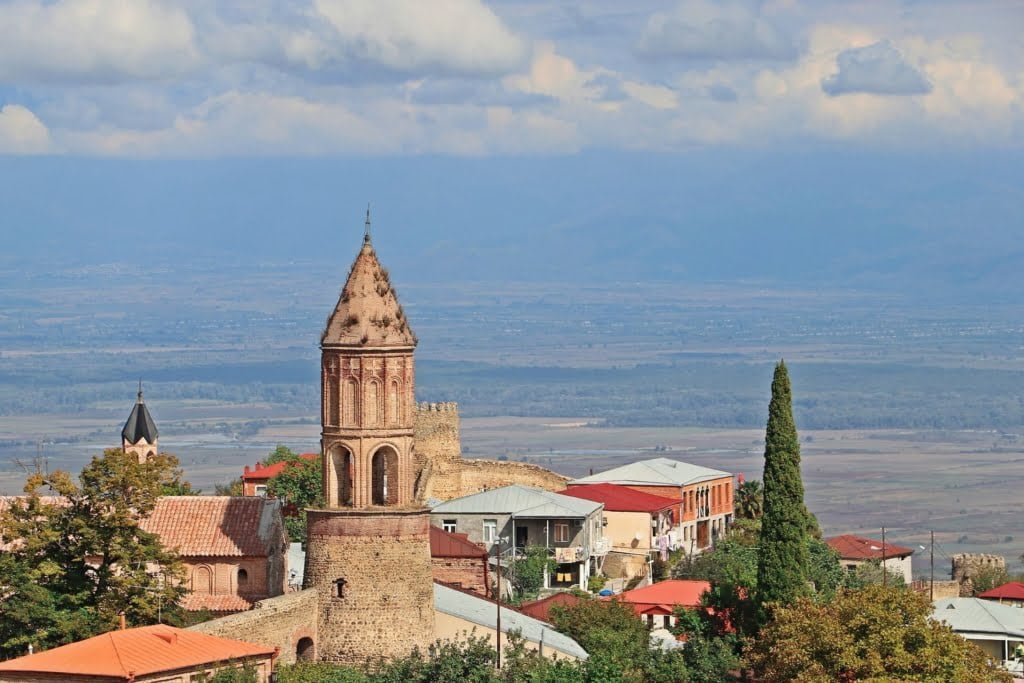
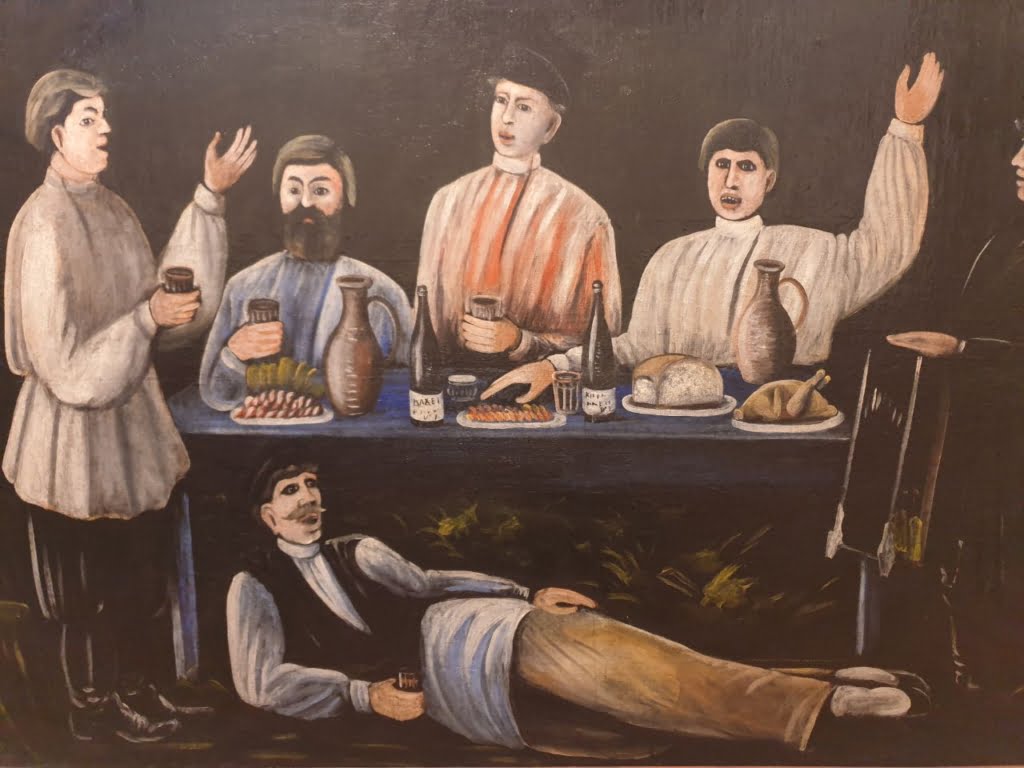
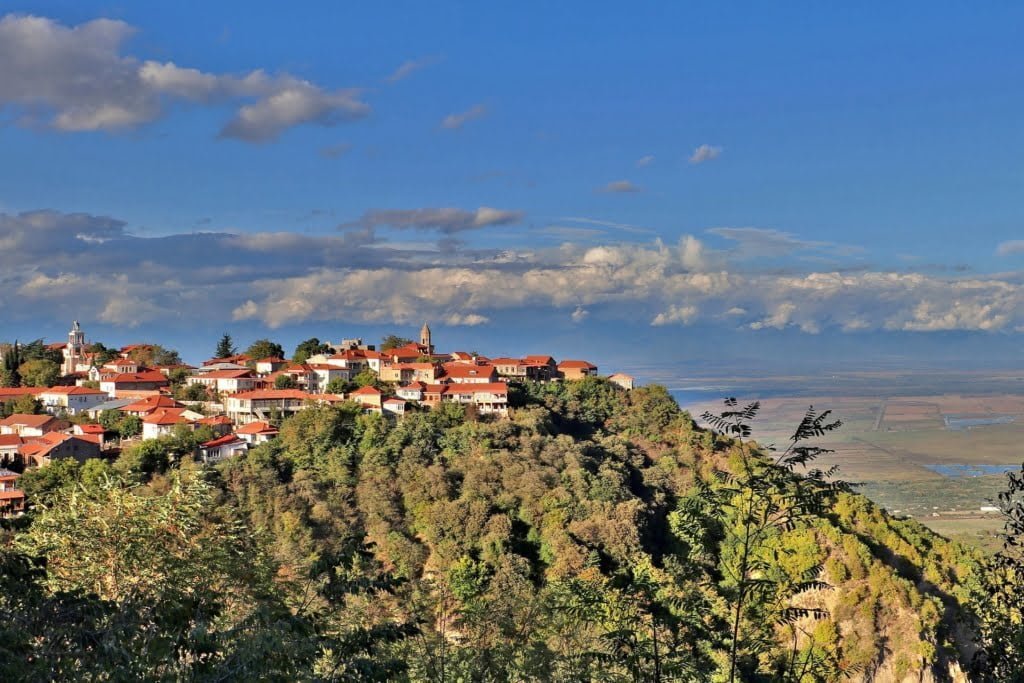
In Sighnaghi, you can admire Pirosmani’s beautiful naive art at the museum and taste wine at Pheasant Tears, which is owned by the same people who run the Lost Ridge Inn hotel.
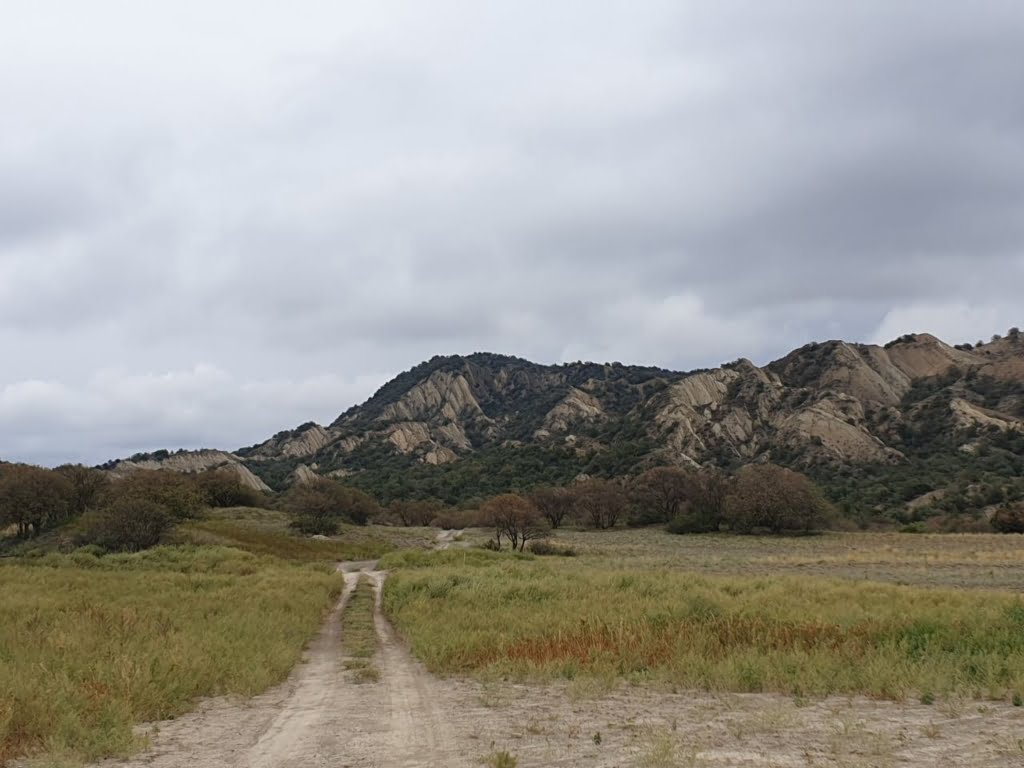
On the fourth day, we continued on to Vashlovani National Park. We saw many different landscapes in a single day. We drove off-road through desert and steppe-like vegetation, with dry plains and high plateaus. There was plenty of wild thyme and salt-tolerant plants, such as ones that resembled sea lavender and glasswort.
Eroded canyons with many holes and cavities provide good hiding places for animals. The different layers of soil looked like a history book. Some birds spotted: rock partridge, hoopoe, kestrel, crested lark, steppe harrier, the carcass of a little owl, and the red-headed shrike. The gazelles, snakes, and bears we’d been promised were taking the day off—we didn’t spot any.
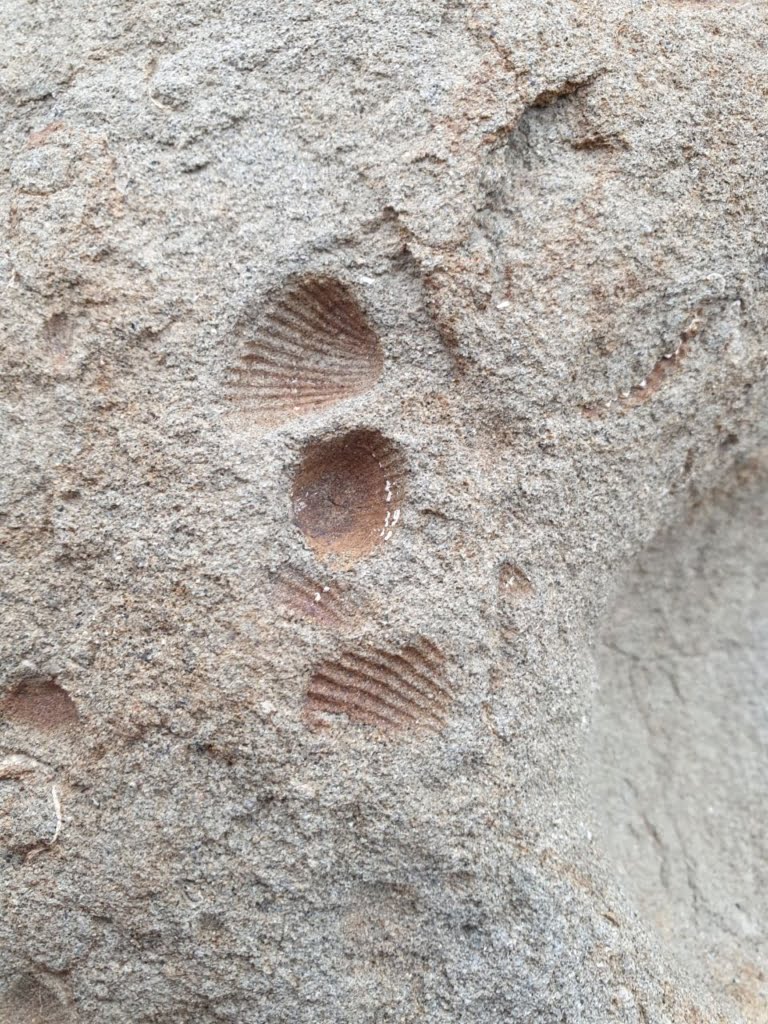
They searched for fossils along an old riverbed. They had a picnic by the wide, fast-flowing Alazani River, which forms the natural border with Azerbaijan. The border checkpoints posed no problem.
On the fifth day, a long day of travel from the east side through Georgia to the north, the Caucasus, and Tsageri. Through the province of Imereti and through Racha, the birthplace of Jamal, the man with the most beautiful bass voice ever heard, who made the “Song of the Flowers” a favorite Georgian song. Unfortunately, he passed away recently. Racha is known for its distinctive wines, which Jamal always said were the best medicine.
Many rivers had run dry, and the trees looked parched. The warnings about landslides and falling rocks did little to put people at ease.
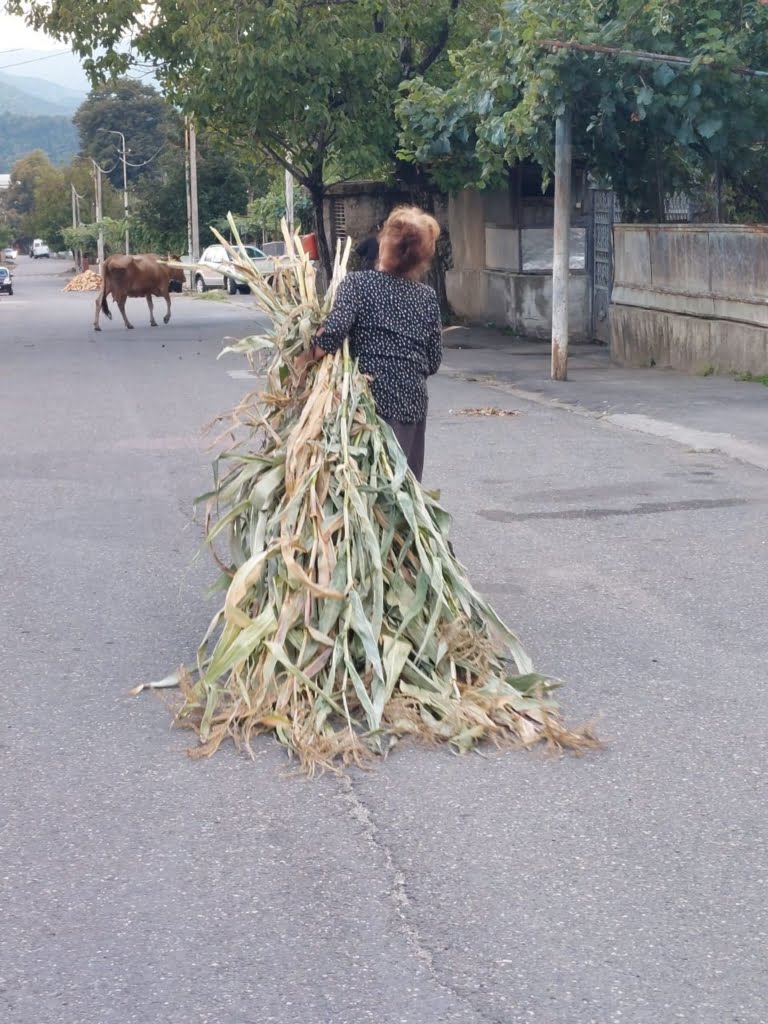
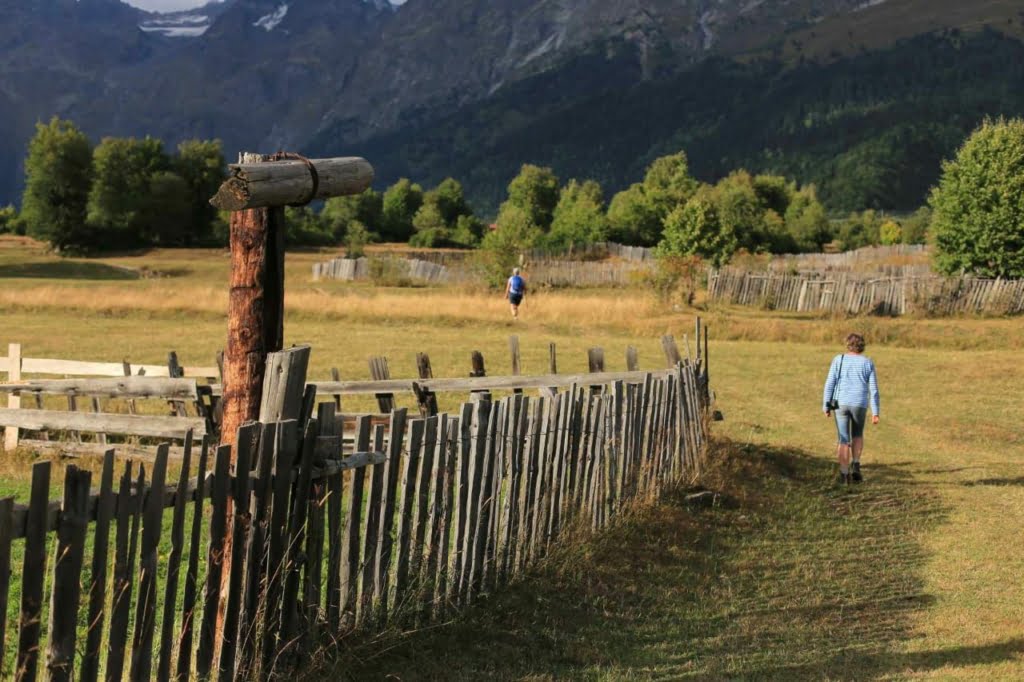
To reach Tsageri, they descended through a series of hairpin turns offering beautiful views. In Tsageri, they saw graves here and there with offerings of alcohol. A beautiful Georgian custom: toasting at the grave to those who are no longer here, but who remain in your heart.
In the little church, a local female clergywoman told a story from which they could gather that St. Georgi—whom we call St. George—had been very important and that the country of Georgia was named after him. The audience’s nods of agreement were rewarded with even more incomprehensible stories and free candles to light. Tomorrow we’ll continue through the Caucasus to Ushguli.
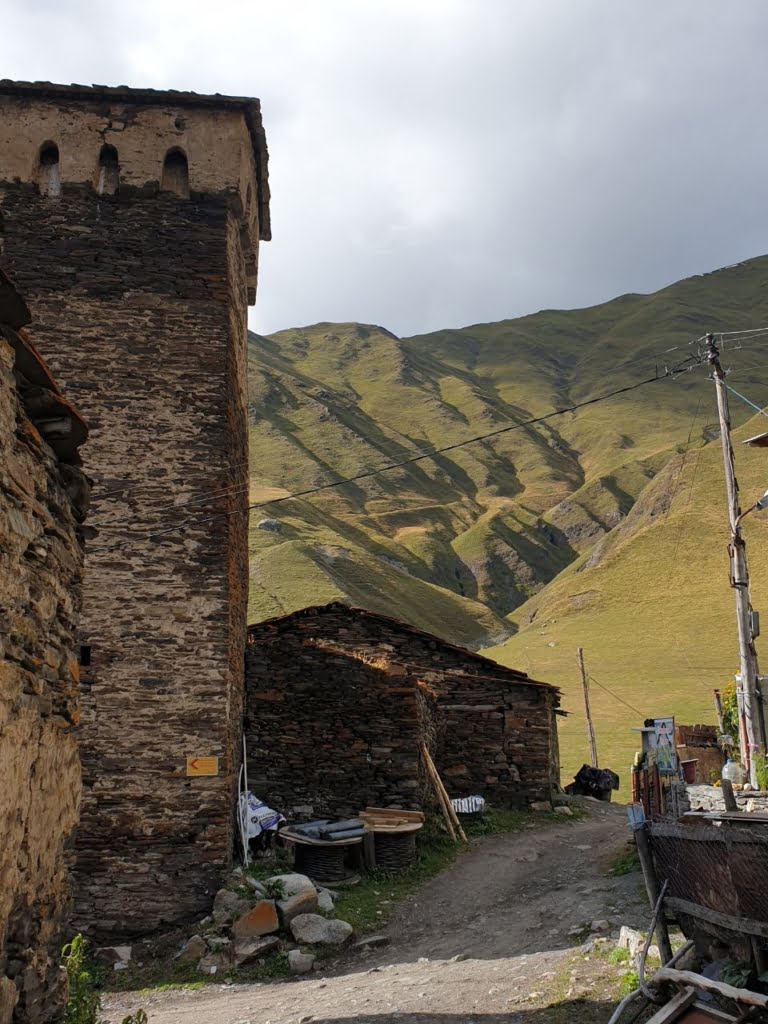
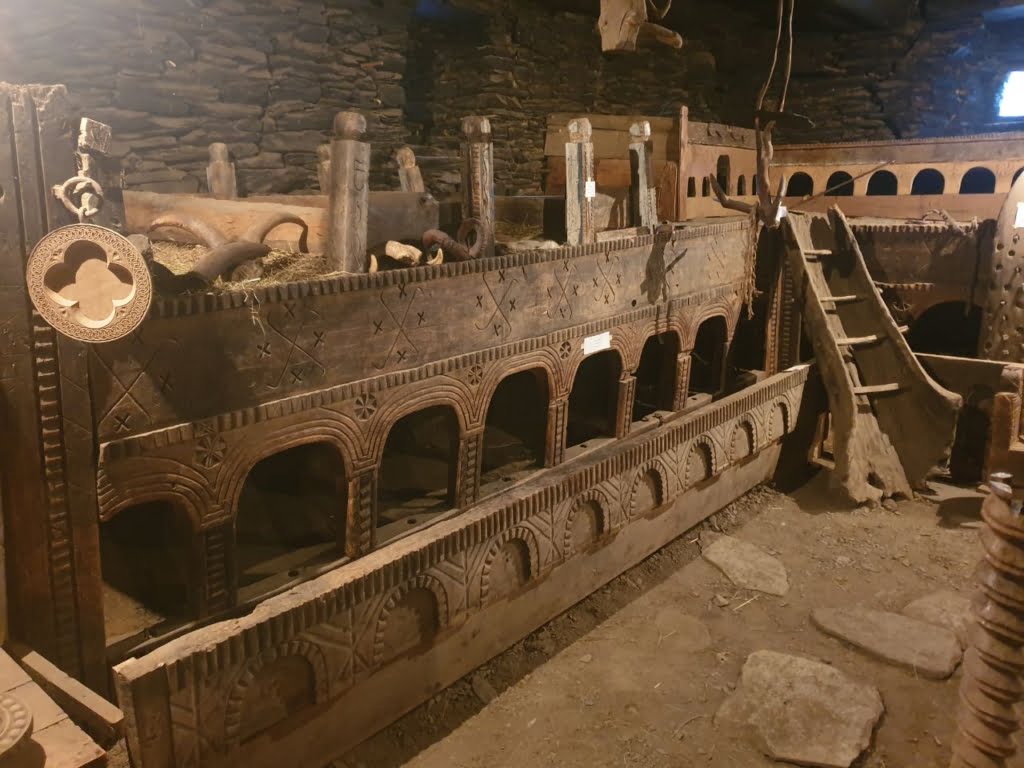
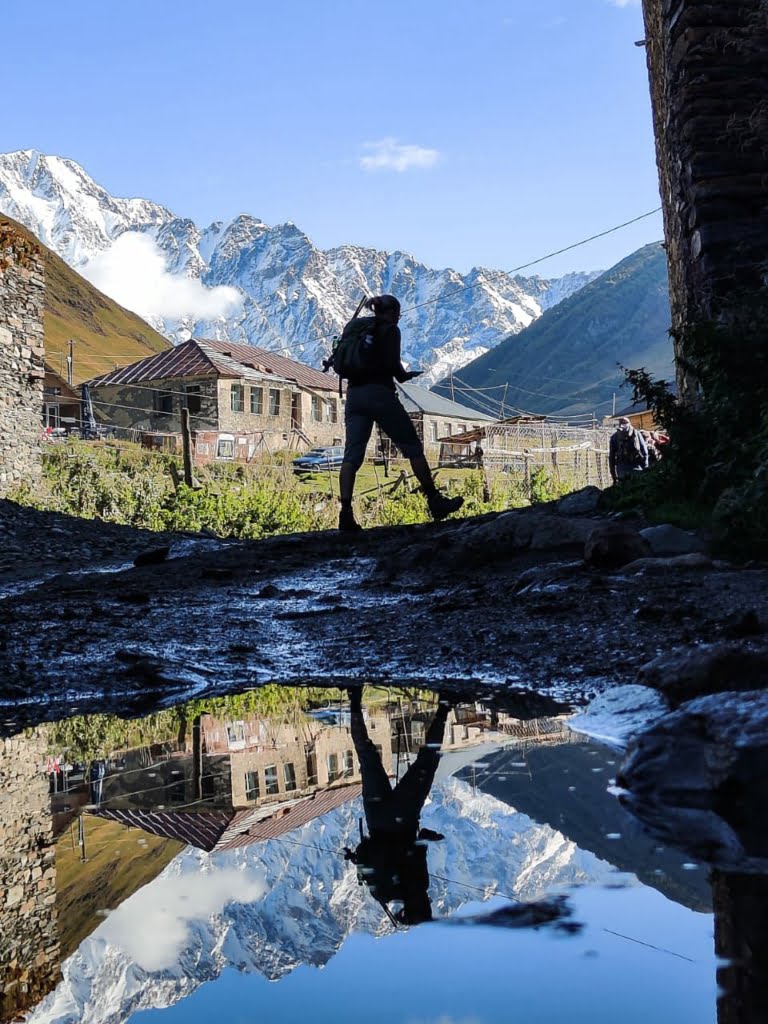
Day 6: The road to Ushguli is beautiful—at least the first part of it. The last part turned out to be a bit nerve-wracking. They’re working hard on the road to make it safer. The roads are being built using precast concrete slabs, and a small mobile concrete plant is traveling along the road to produce them.
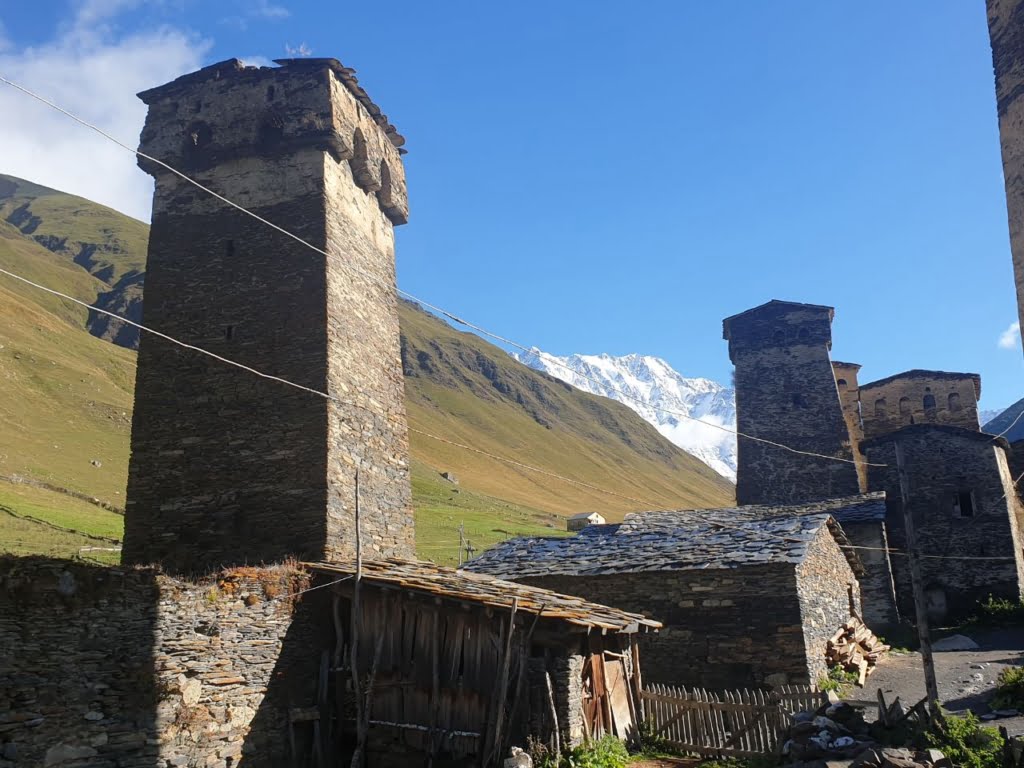
Once we arrived, we were greeted by a rainy and foggy, yet incredibly beautiful, cinematic landscape. Ushguli is a UNESCO World Heritage Site with medieval houses and towers that were used as homes, storage facilities, and defensive towers against invaders who plagued the region. Each house had its own tower; there were once 300 of them. In the background, snow-capped mountains.
A quick visit to the Ethnographic Museum. A house just as it would have been lived in during the 12th century: the livestock below, and the sleeping quarters for parents and children above.
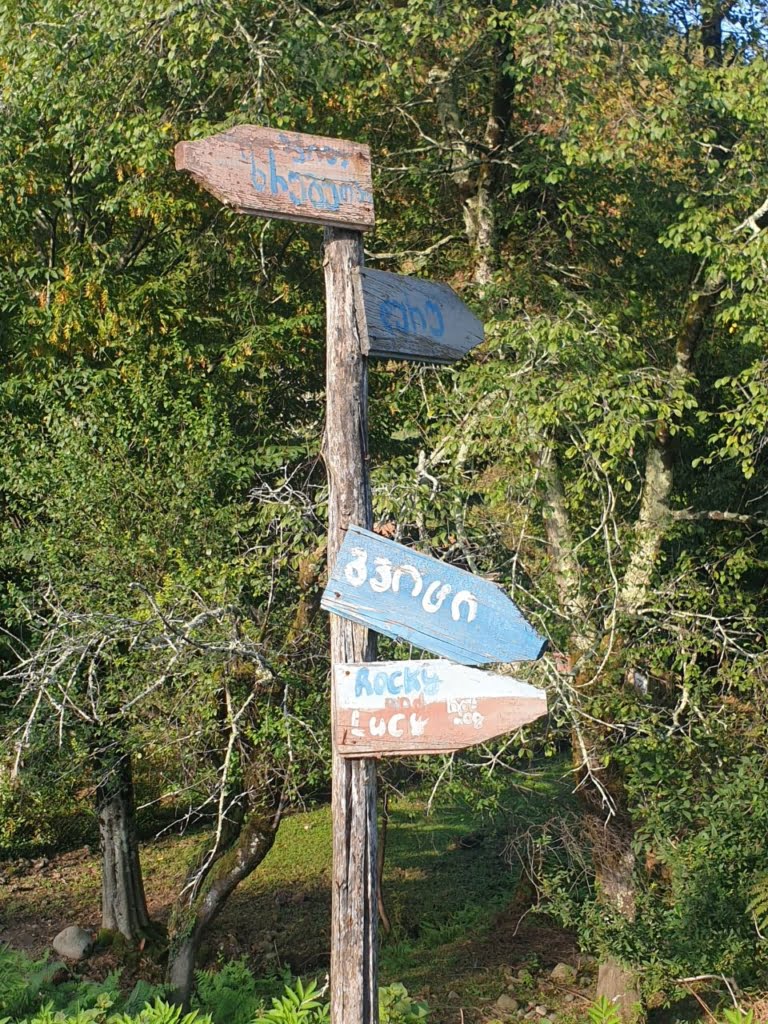
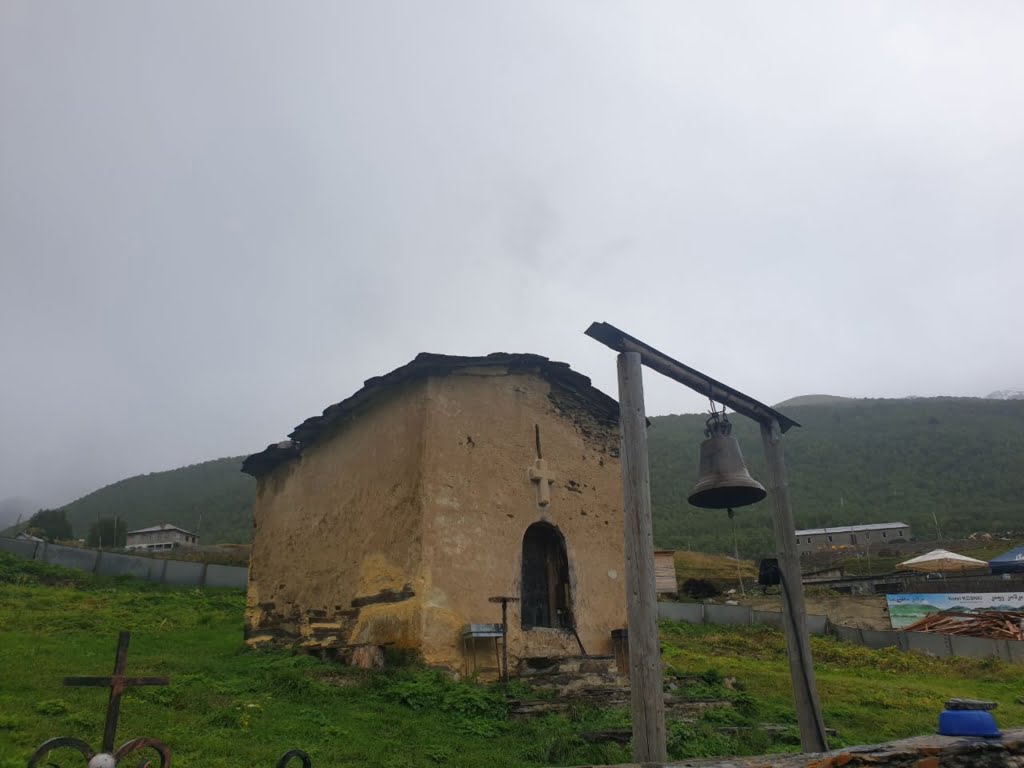
Ushguli is considered the highest permanently inhabited settlement in Europe. It lies at an elevation of 2,200 meters. There are a few other villages in Georgia that are located at higher elevations, but people leave them in the winter, so they are not permanently inhabited.
Once you’re in the village, it feels as if you’ve stepped back into the Middle Ages. Narrow streets and alleys, houses with slate roofs, cows, pigs, and other livestock everywhere, seemingly unconcerned about anything. Elderly people, their faces marked by what is likely the hard life here.
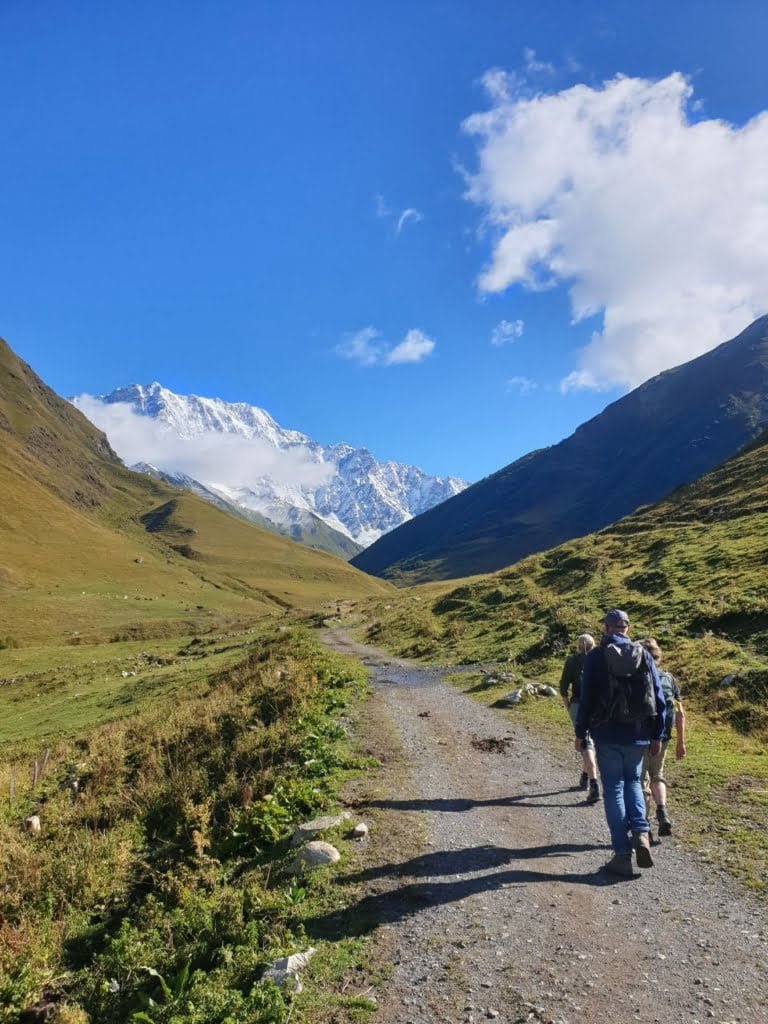
Ushguli is beautifully situated in a valley surrounded by impressive mountain peaks and glaciers. They hiked to one of these glaciers. Three hours there, three hours back: the landscape never failed to captivate them. Icy peaks in the distance, green ridges, clear glacial water, and beautiful rocks.
Stunning natural scenery that makes you realize once again just how insignificant we humans are.
Farmers mowing grass with scythes, locals sharing a glass of chacha (a type of grappa), men with horses, and dogs—lots and lots of dogs. Some walk along for a while, hoping for a bite to eat.
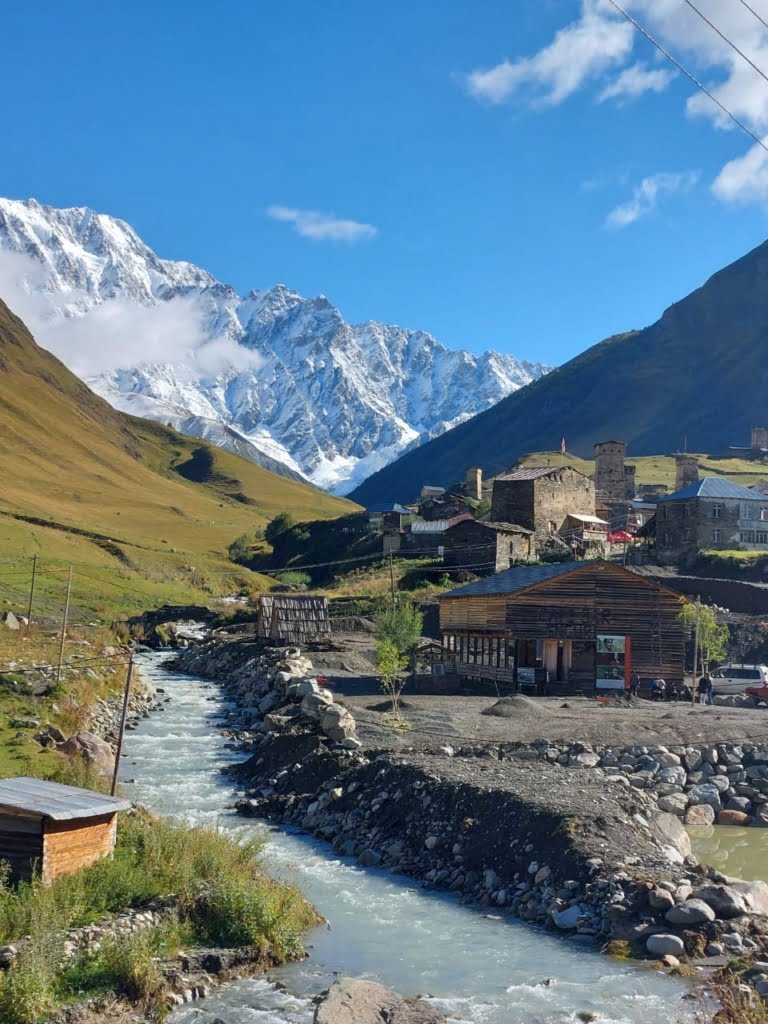
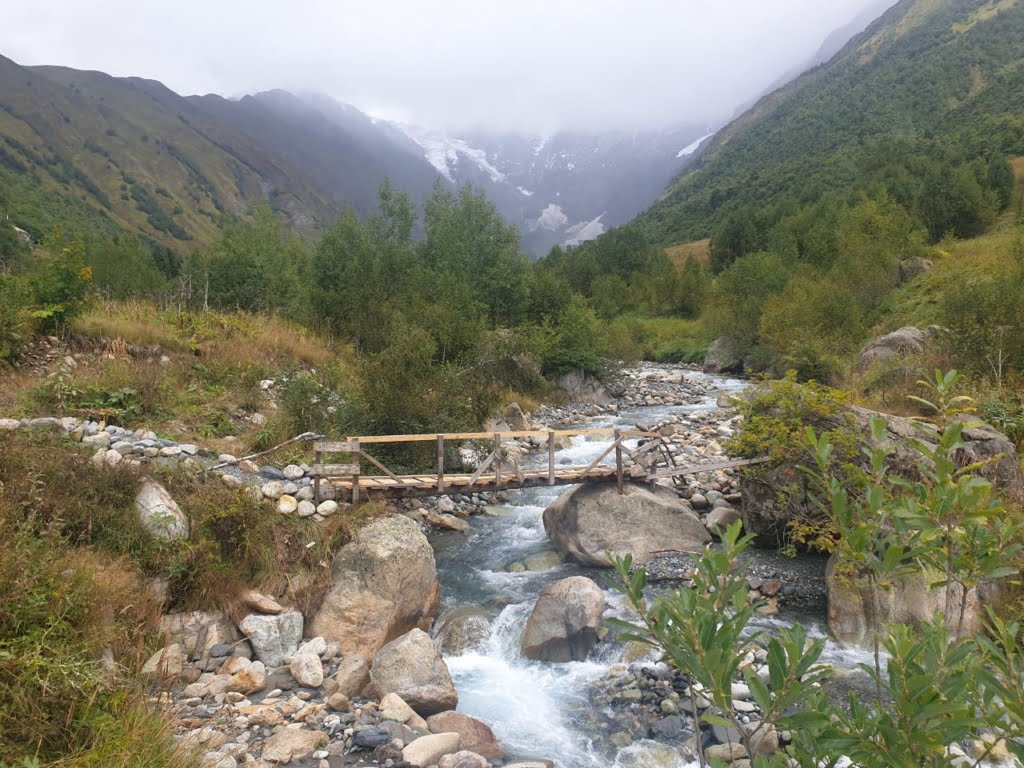
Lots of birds: redstarts, wagtails, pipits, bee-eaters, and the occasional bird of prey. And plants: wild mint, bedstraw, centaury, eyebright, gentian, and dove’s-foot. On the way back as the sun was setting, with beautiful light.
Day 8: Another beautiful drive through the mountains. Each time, they see the snow-capped peak of a massive mountain in the distance. They see Mount Shkara, Georgia’s highest mountain on the border with Russia, with a peak over 5,000 meters. The name Shkara means “the nine peaks,” which are also visible.
A stopover in Mestia for a good cappuccino. The Svaneti Museum is worth a visit. Because Svaneti was a region that was difficult to conquer, much of its ancient heritage has been preserved here. It’s a beautifully designed, modern museum.
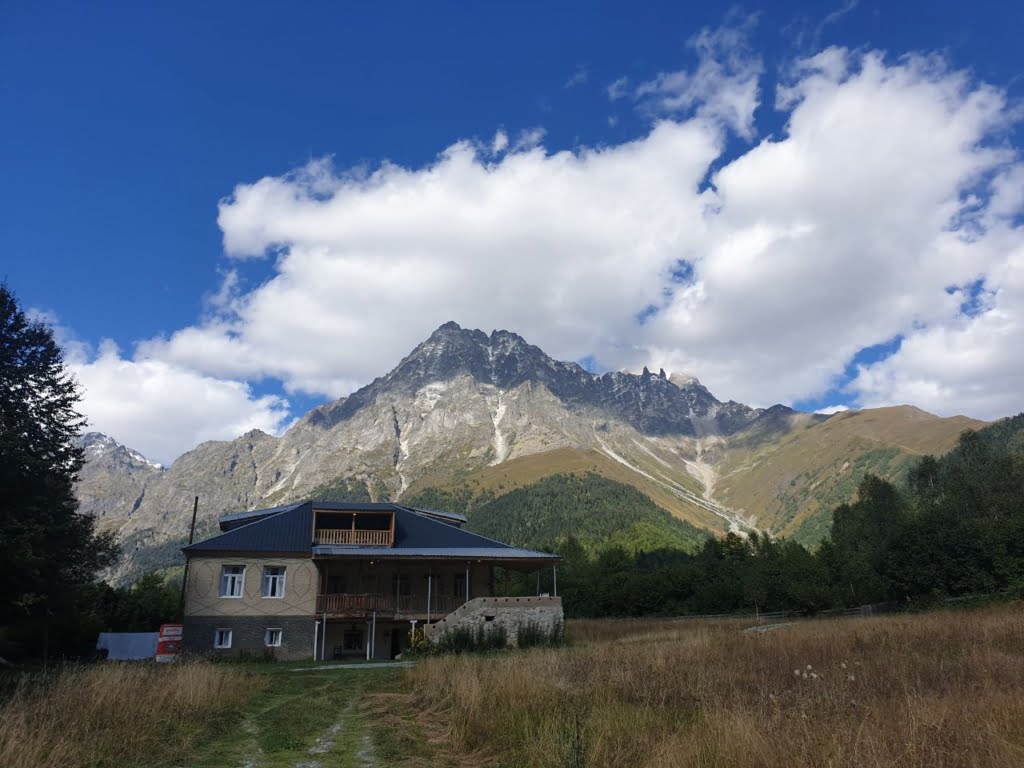
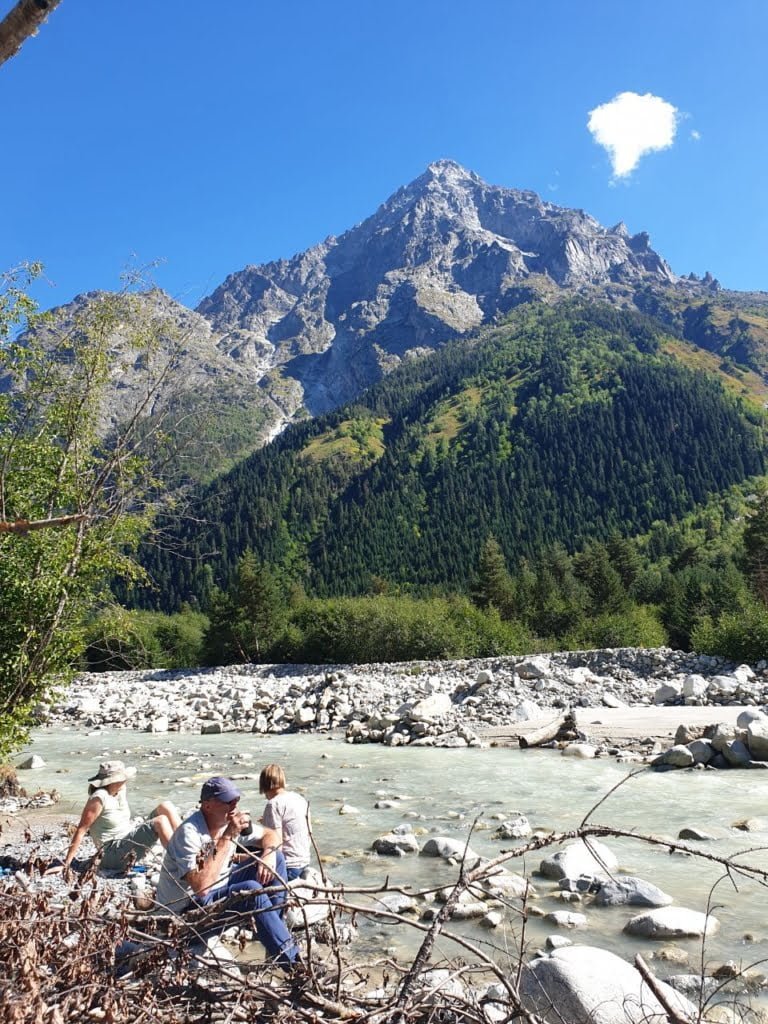
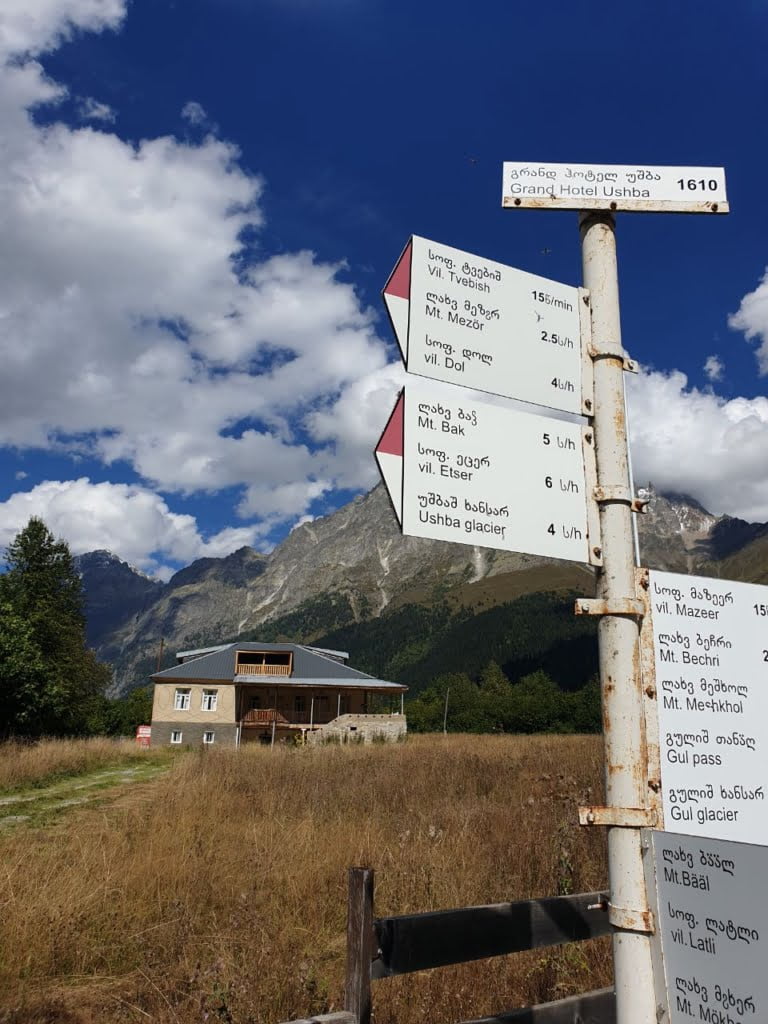
Finally, we headed to the Grand Hotel Ushba for the next two nights. This small hotel offers a stunning view of Mount Ushba (4710) and the surrounding mountains and glaciers. On a clear day, you can also see Mount Elbrus (5,642), the highest mountain in Europe, which lies just across the border in Russia. From here, there are several beautiful hiking trails, described by the hotel’s owner (a Norwegian).
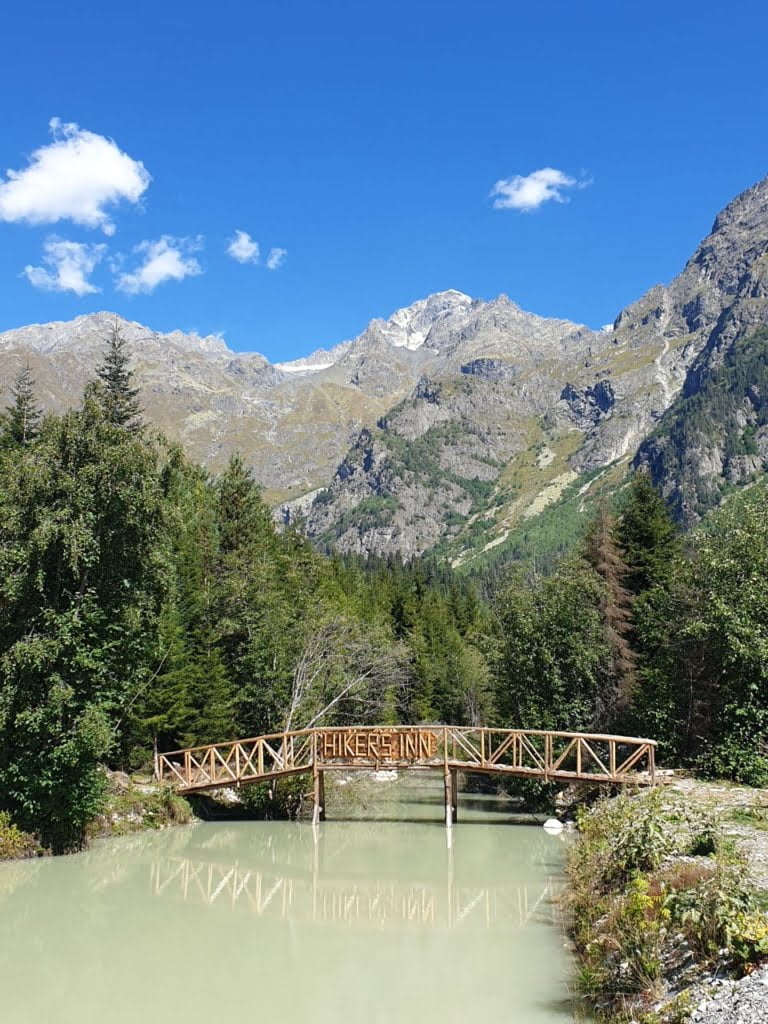
The ninth day is another beautiful day for hiking. This time, we hike along the Dolra glacial river toward Mazeri. At the “Hikers Café,” with its stunning views, we enjoy an impromptu sauna and cool off in ice-cold glacial water.
They passed through rural villages surrounded by beautiful nature, birds, and butterflies. In one of the villages, they were invited by a family to have coffee and cake.
As with almost all the houses in the villages, the outhouse is in the garden. The large sled stands in the center of the village, ready for winter. The water trough for the livestock is on the small church square. Farm life just as it used to be here.
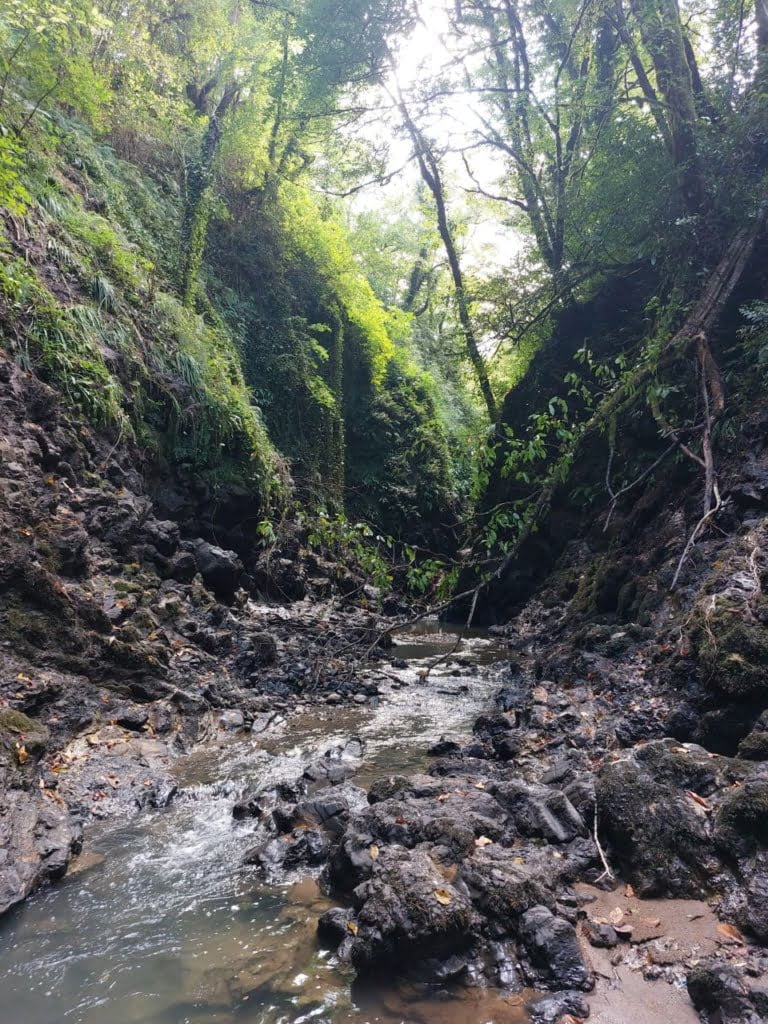
On the tenth day, they were on their way to the western part of the country, the Guria region. They arrived in Atsana late in the afternoon.
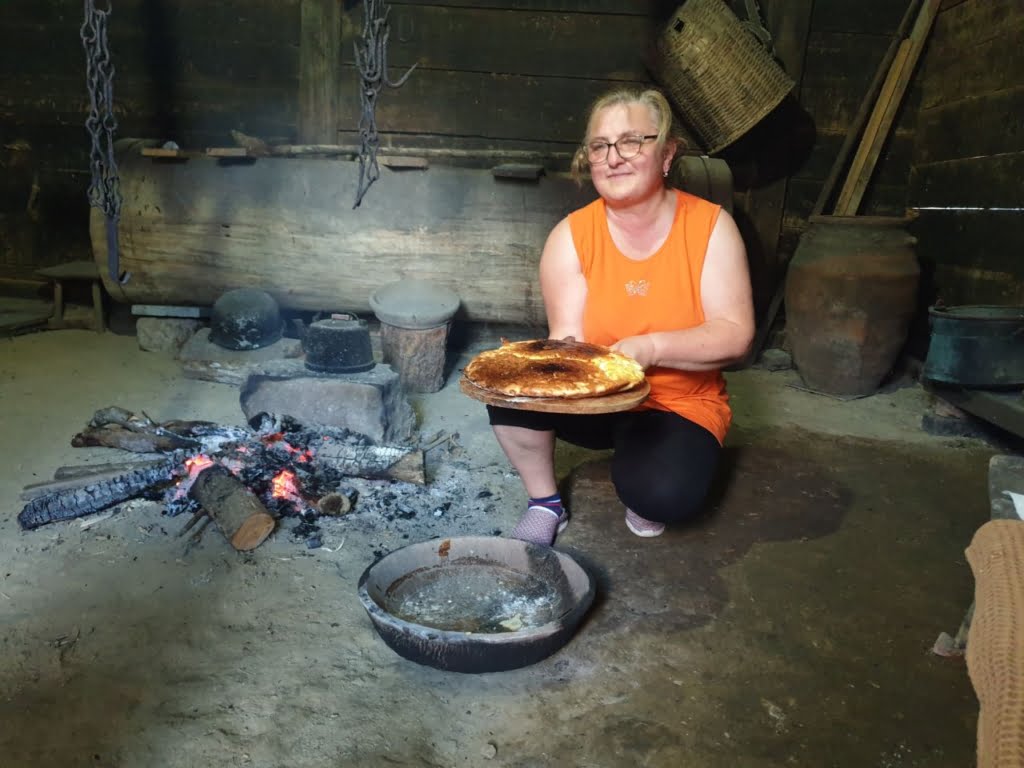
They are staying at Taberna Guria, run by Keso. Her daughter is helping her out these days. They are the sixth generation to live here. There is still a centuries-old cottage on the property with a long history.
Keso offers cooking classes over an open fire, teaching how to prepare various traditional Guruli dishes. The hostess promotes and prepares a regional dish called Brinjula, which has fallen into obscurity; in the region, only three women still know the recipe.
There are wonderful hiking trails in and around Atsana. It’s a green and hilly area. There used to be many tea plantations here, and you can still see some remnants of them. The church at the top of the hill offers a beautiful view of Atsana.
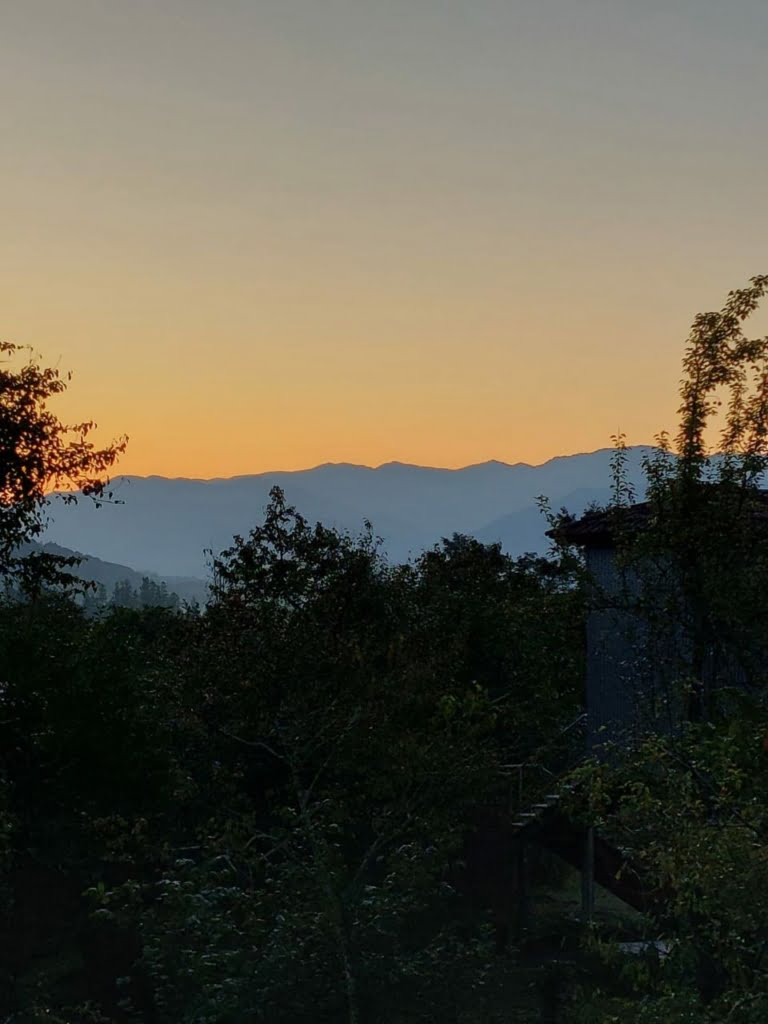
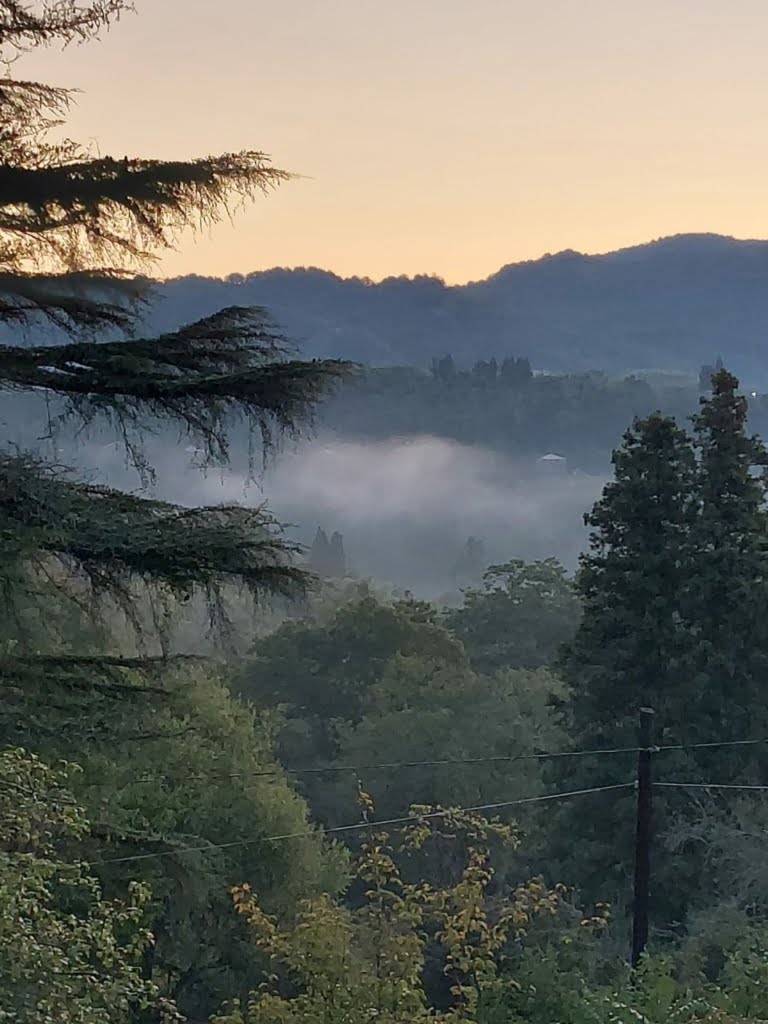
I was awakened in the night by the howling of a jackal. It was nearby. Dogs from all over the village started barking at it, so it was quite a concert. The morning, on the other hand, was completely silent.
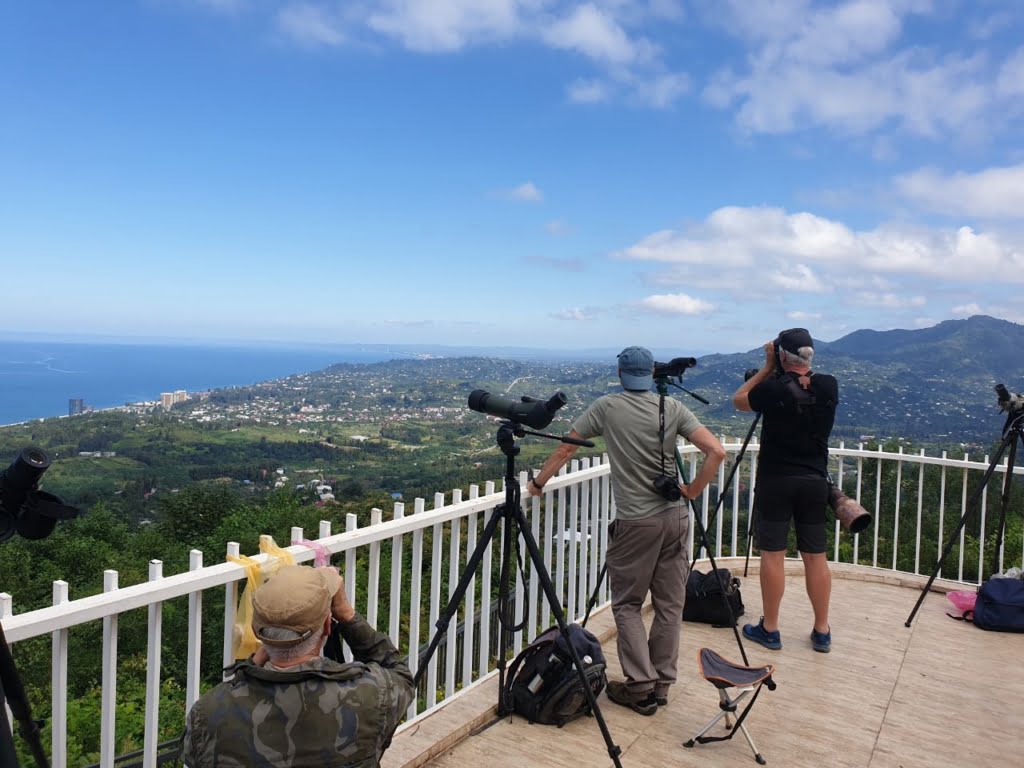
On day 12, we finally got to watch the migration of birds (including birds of prey) from a hill near Batumi. This spot ranks among the top three birdwatching hotspots in the world and should be on every bird lover’s bucket list.
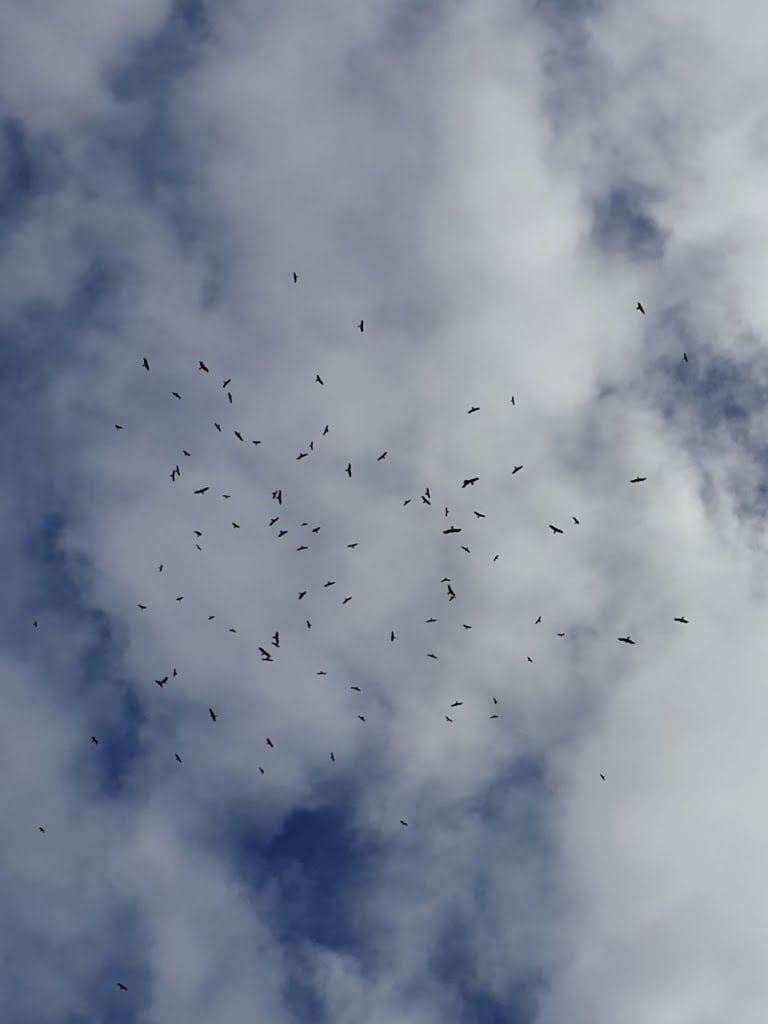
Shakalvasho is one of the two bird-watching stations. There, about ten birdwatchers were already waiting with large binoculars and lenses. It exceeded all expectations. All day long, there was a constant stream of birds of prey—an unbelievable number. There were continuous large thermal columns with hundreds of birds. It just wouldn’t stop!
Eighty percent were black kites, and the rest included steppe harriers, steppe buzzards, black storks, ospreys, short-toed eagles, booted eagles, honey buzzards, and so on. By the end of the day, 34,000 black kites had been counted. And that didn’t even include the counts from the other observation post. Mind-boggling numbers and a fascinating phenomenon: bird migration.
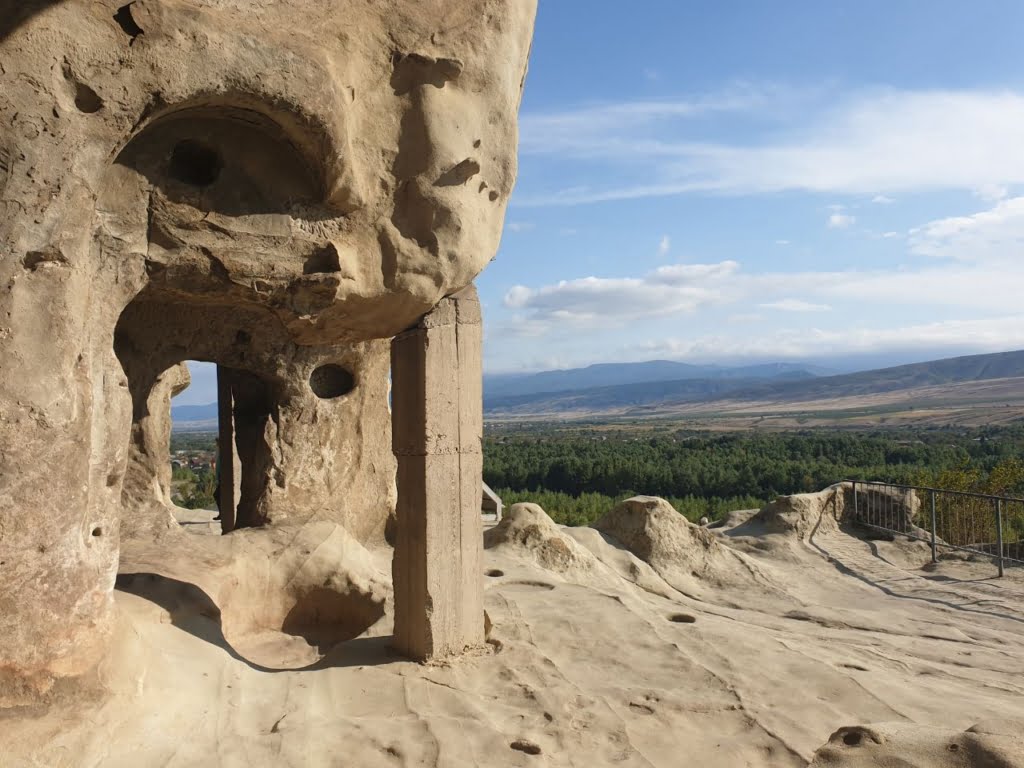
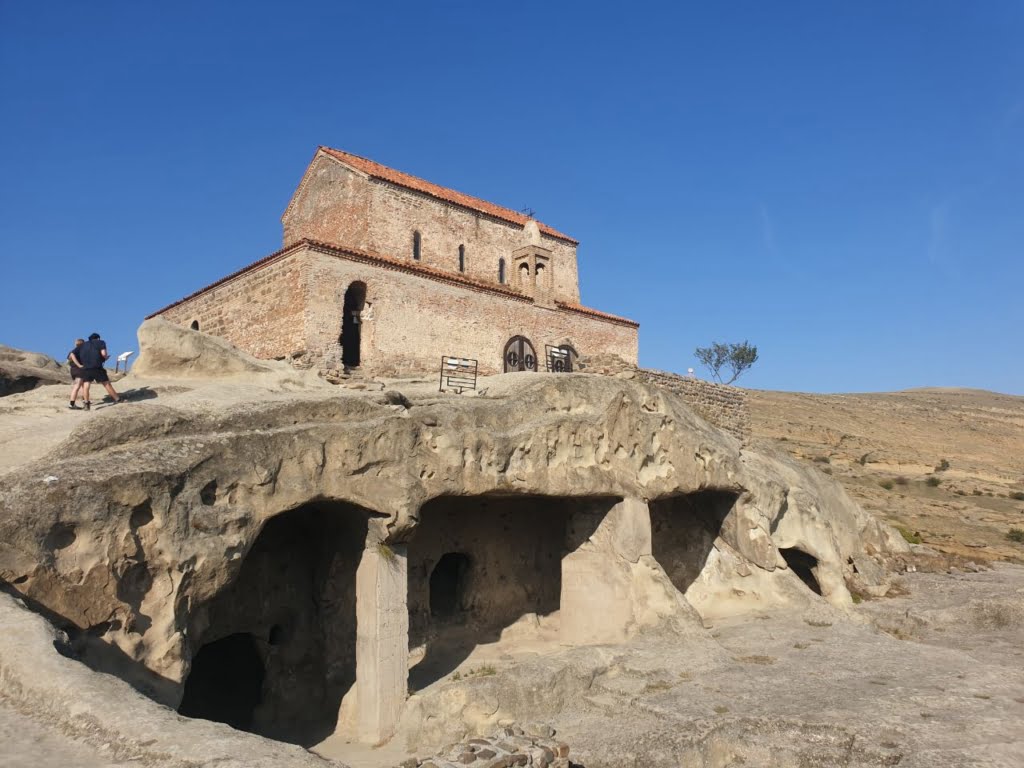
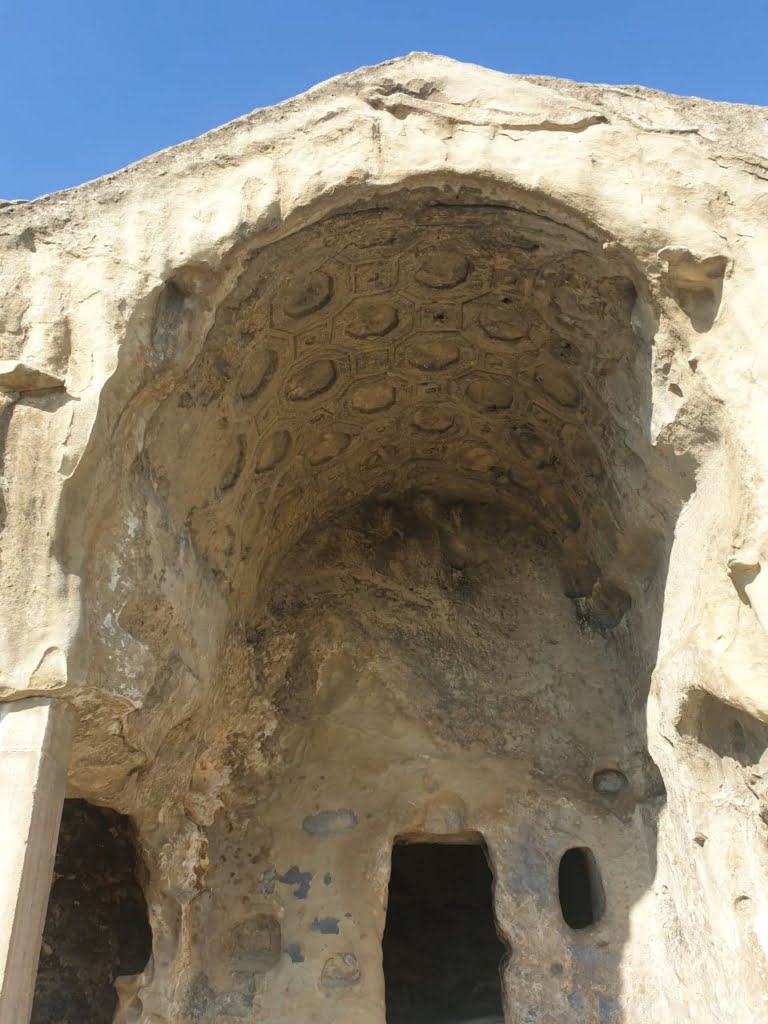
On day 13, they returned to Tbilisi in 5 hours. They drove along a new section of a route that is being built to make the Batumi-Tbilisi connection faster and better. The route will be 51.6 km long, with 96 bridges and 53 tunnels. It’s a massive project. Since the trip went smoothly, they still had time to visit the cave city of Uplistsikhe. Uplistsikhe is one of Georgia’s oldest settlements. It was founded in the late Bronze Age, around the 10th century B.C.
People are said to have begun carving caves out of the rocks near the Mtkvari River. This gave rise to a vast cave system covering 8 hectares. The caves served, among other things, as dwellings, but also had public functions such as a pharmacy, Queen Tamar’s residence, wine cellars, a theater, a market, a water reservoir, food storage areas, and, of course, a church. Life must have been safe there, high up on the cliffs by the river. An impressive piece of ancient history.
We continued along the road, passing through small villages, toward the hustle and bustle of the city of Tbilisi. Tbilisi was founded following the discovery of natural hot springs. The name Tbilisi means “warm place.” The water is said to have all kinds of medicinal properties.
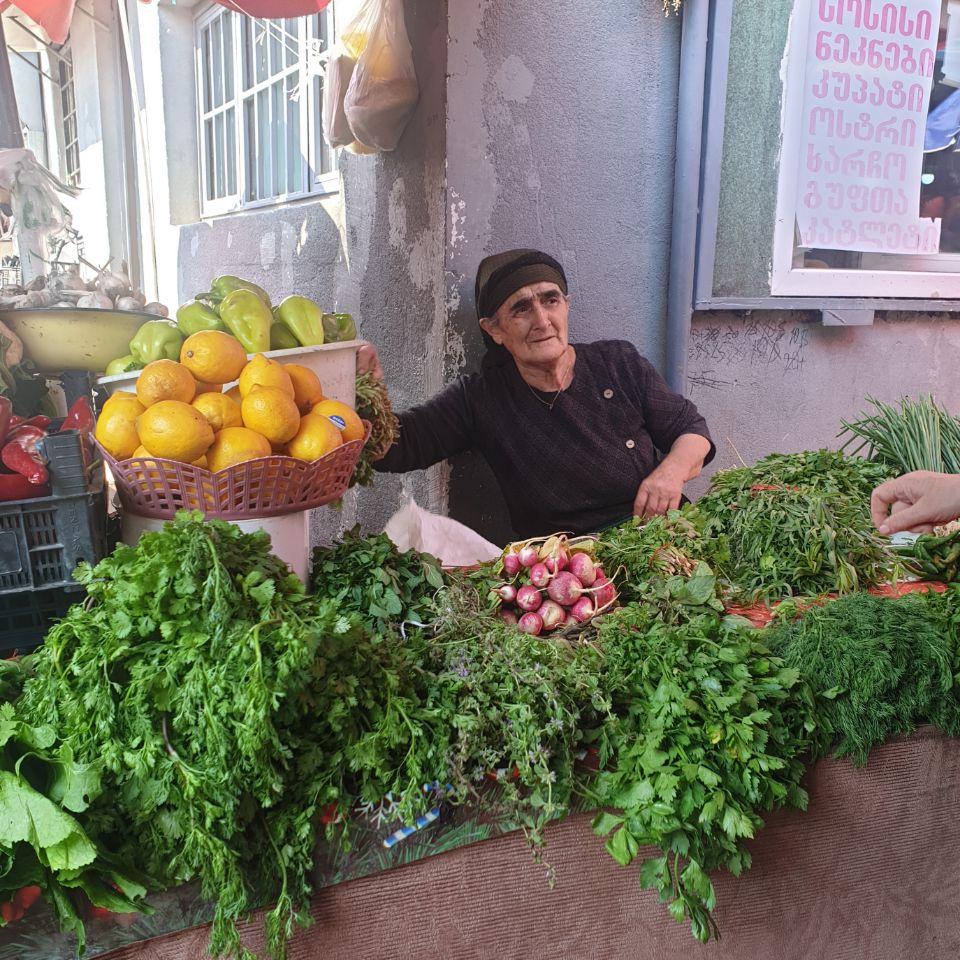
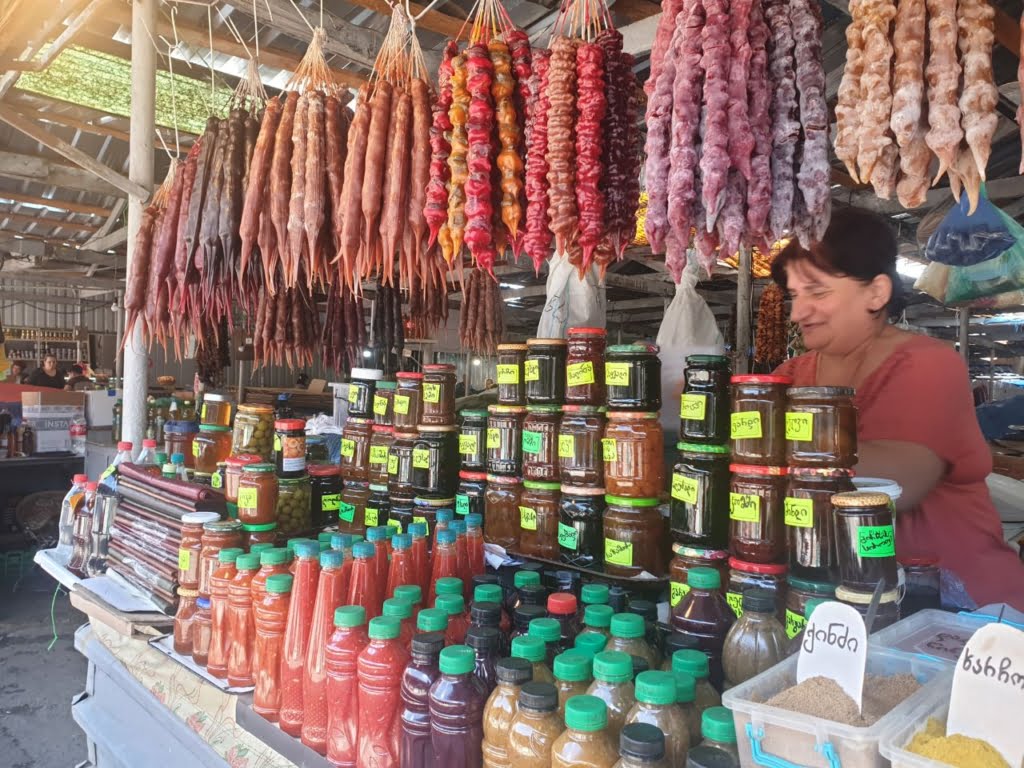
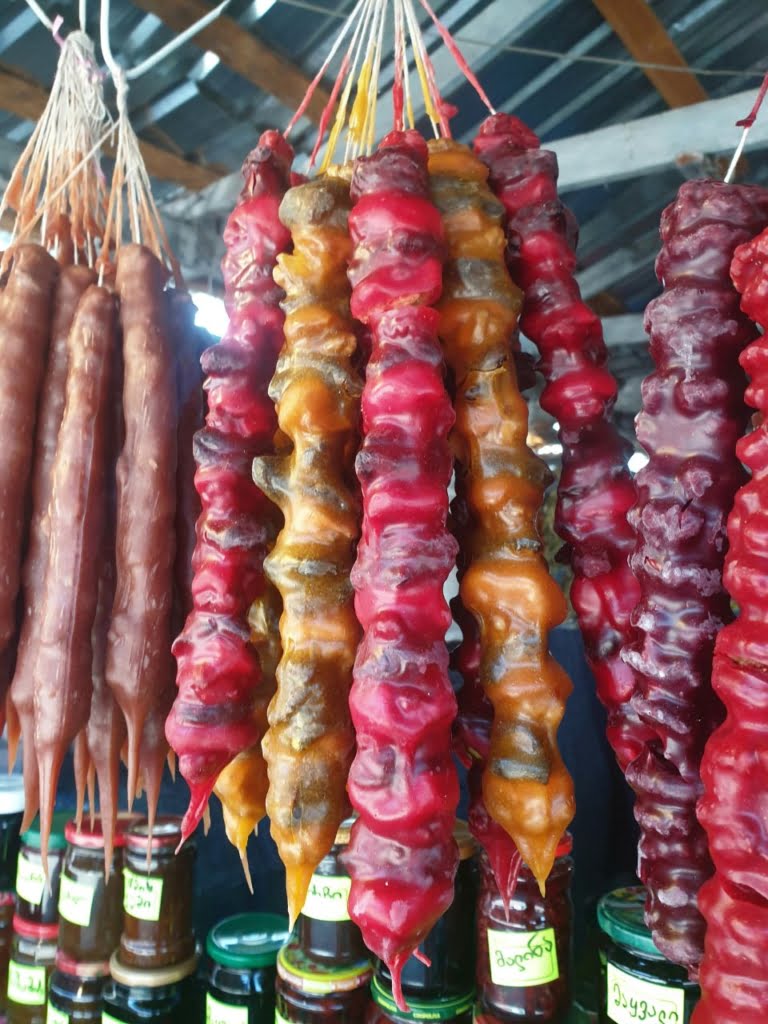
Taking the subway to the market. The subway is incredibly deep—60 meters—as if you’re traveling to the center of the Earth. A tour of delicacies:
That evening, they attended a folklore festival at the Conservatory. In the restaurant, there was live music and their favorite song about flowers.
On my last day in Tbilisi, I walked along Rustavelli Avenue to the art and flea market on the Dry Bridge. We watched the leaning clock tower chime, lit a candle in Tbilisi’s oldest church, had chinkali for lunch (a type of dumpling), admired the Moma, and walked back across the modern Peace Bridge for our final meal together.
Georgia is considered one of the oldest wine-producing countries in the world, with a 7,000-year-old wine culture. Its cuisine is fascinating because it bridges the Eastern and Western worlds and has been influenced by the country’s many periods of occupation.
But just as important as Georgian cuisine is the ceremony at the table. In Georgia, a festive meal is called a “supra” and is accompanied by numerous rituals. Making a toast involves much more than simply shouting “Gaumarjos”! Toasting during dinner is led by a toastmaster: the Tamada. Every toast at a supra carries meaning and tells a story about Georgian hospitality, history, and culture. Toasts are made to the departed, to the children, to the homeland, to friendship, to the homeland, and to peace. And, of course, to the guests, because every guest is seen as “a gift from God.”
Georgia’s most famous national dish is khachapuri, a bread that is usually baked in the shape of a round pie, filled with melted cheese, and served in slices—like a thick pizza with a double crust.
During the Supra, not only do the dishes and wine keep coming, but there is also singing. Georgian polyphonic singing is a tradition that dates back at least to the 12th century and is listed as a UNESCO World Heritage site.
This style of singing is perhaps the oldest polyphonic tradition in the Christian world and is still very much alive among the local population. Old hymns, love songs, odes to nature, work songs—it’s all there.
Car rental: You can rent a car through Sunnycars. It’s also a good idea to rent a car with a driver, as you’ll get a much better sense of the local culture and the people who live there. The roads can be a bit challenging in some places, so take your time. Moreover, Georgia has a driving culture all its own, which can take some getting used to. So, the advice is to drive calmly.

With a passion for travel and photography and over 30 years of experience in the travel industry, I love to share my special nature travel tips. Travel is wonderful and important, you meet new people and cultures and it opens your view of the world.
Hiking to Trondheim along ancient pilgrimage trails What’s it like to hike for days along ancient pilgrimage trails to Trondheim? During a trip through Sweden and Norway, I hiked several sections of the St. Olavsleden. From the open border mountains near Skalstugan to...
Hiking the St. Olav Trail: Route, Stages, and Tips A thousand years ago, Olav Haraldsson traveled this road northward in search of his crown. He met his death at Stiklestad and was canonized three years later. Since then, pilgrims have followed the same route: from...
Just twenty minutes past the coast lies a completely different Málaga Twenty minutes by car from Málaga Airport, the highway turns into a winding road leading into the mountains. The coast disappears behind you, and ahead lie olive and almond trees, karst rocks, and...
Get inspired
Are you looking for the most beautiful hiking and biking routes? Or do you want information about traveling by train or advice for the most beautiful road trips through nature. Get inspired for your next trip in green; ideas for planning your own trip or opting for an organized trip.