
Gratis gids 10 verborgen natuurplekken in Europa
Gratis gids 10 verborgen natuurplekken in Europa. Meld je aan voor onze nieuwsbrief en ontvang inspirerende reistips en routes voor je volgende groene reis.

When you think of northern Italy, you think of Lake Garda. But if you look a little further, you’ll also discover a surprising region full of tranquility, nature, and culture: the province of Brescia in Lombardy. I visited the two valleys between Lake Iseo and Lake Garda and found a few pleasant surprises. Hospitality, unspoiled nature, and a less touristy gem nestled between the lakes.
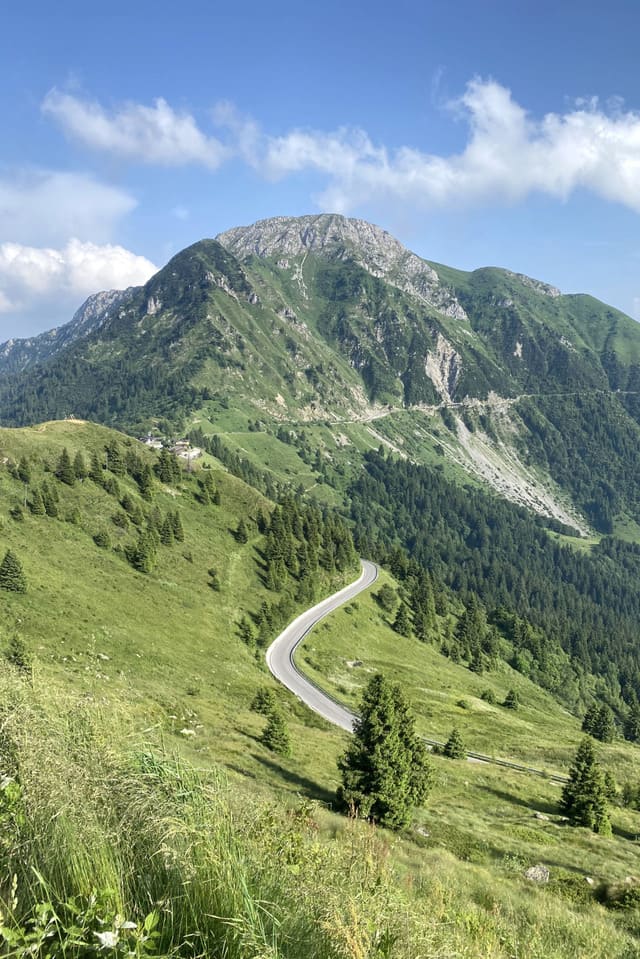

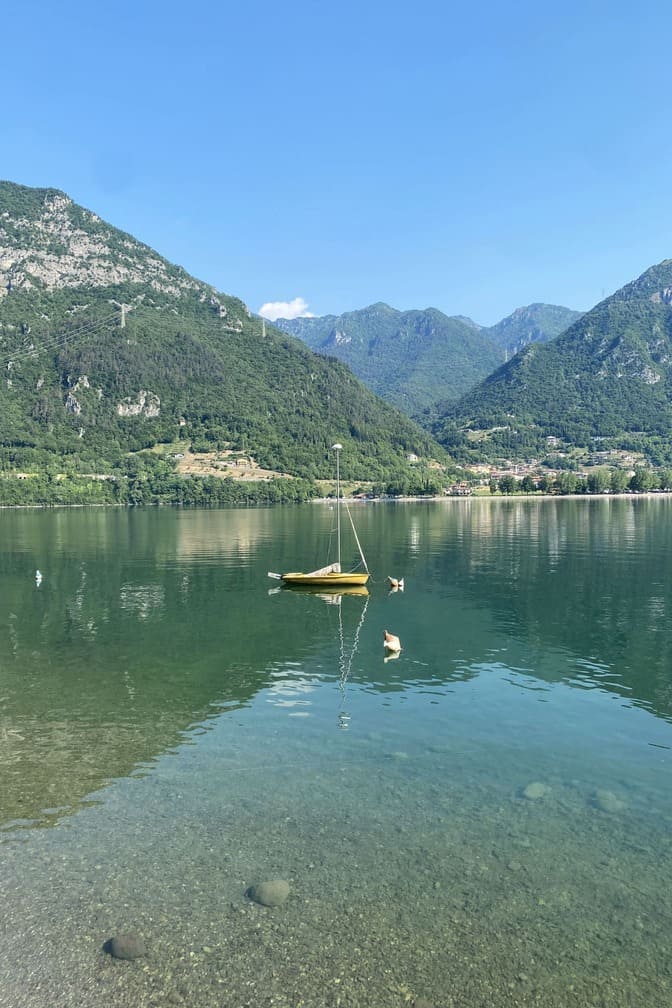
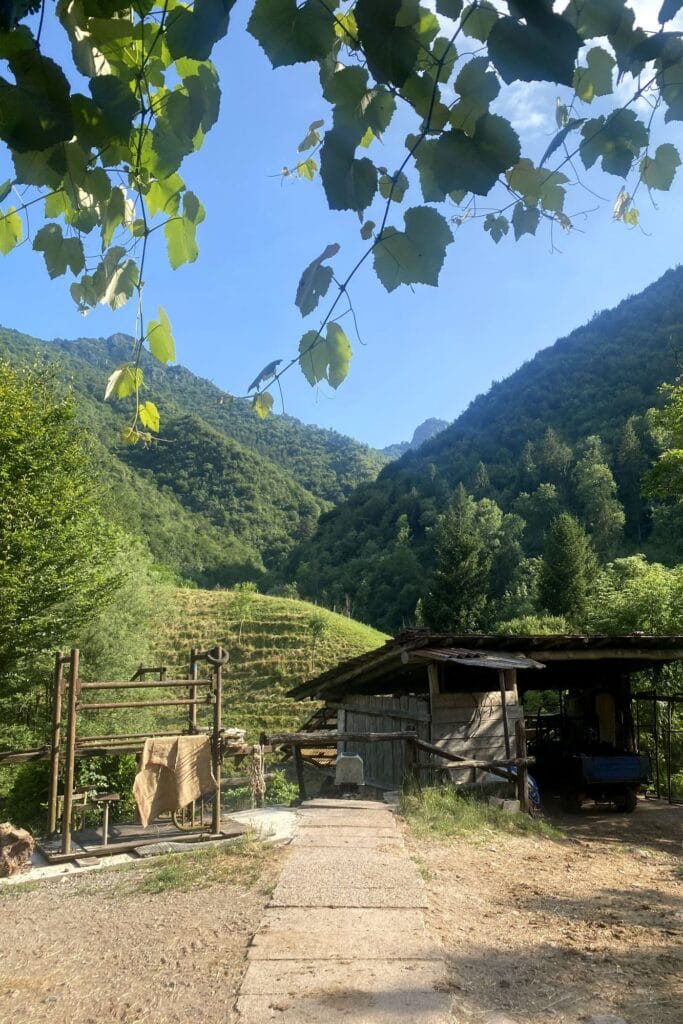
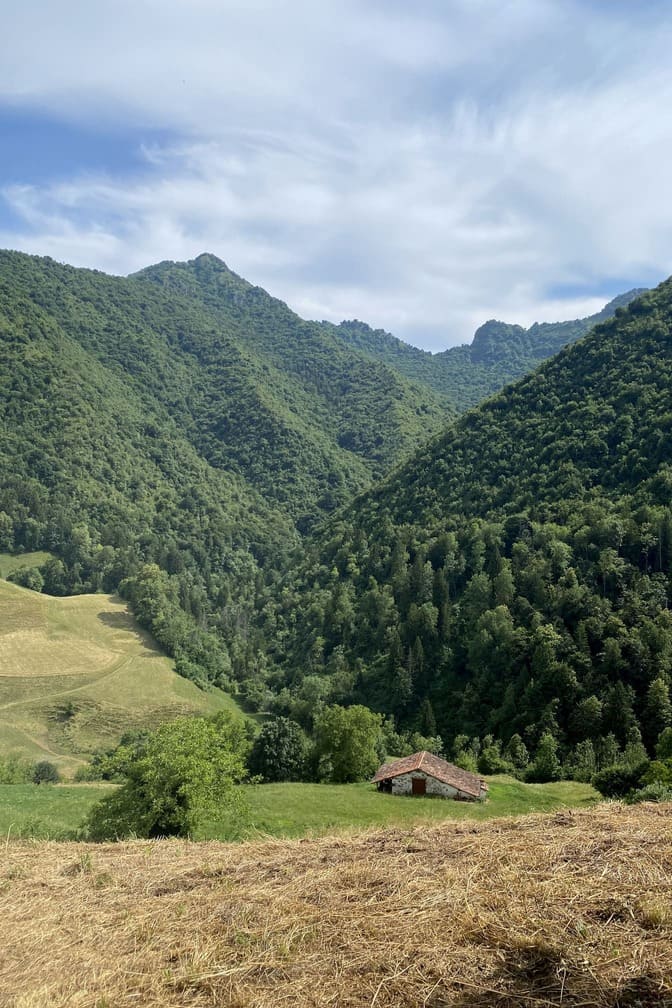
The stunning Valle Trompia and Valle Sabbia valleys lie between Lake Iseo and Lake Garda. Less well-known, but just as impressive. Ideal if you want to hike, bike, sample cheese, or simply relax by the idyllic Lake Idro. It’s also a few degrees cooler there in the summer than at the lakes themselves.
It takes about 11 hours to drive there from Utrecht. Perfect for a road trip or a week of Slow travel.
Monte Maniva (1,860 m) lies on the border between the two valleys and is a fantastic starting point for hikes, both in summer and winter. Parking is available at Passo Maniva (1,664 m), near Hotel Bonardi or Dosso Alto.
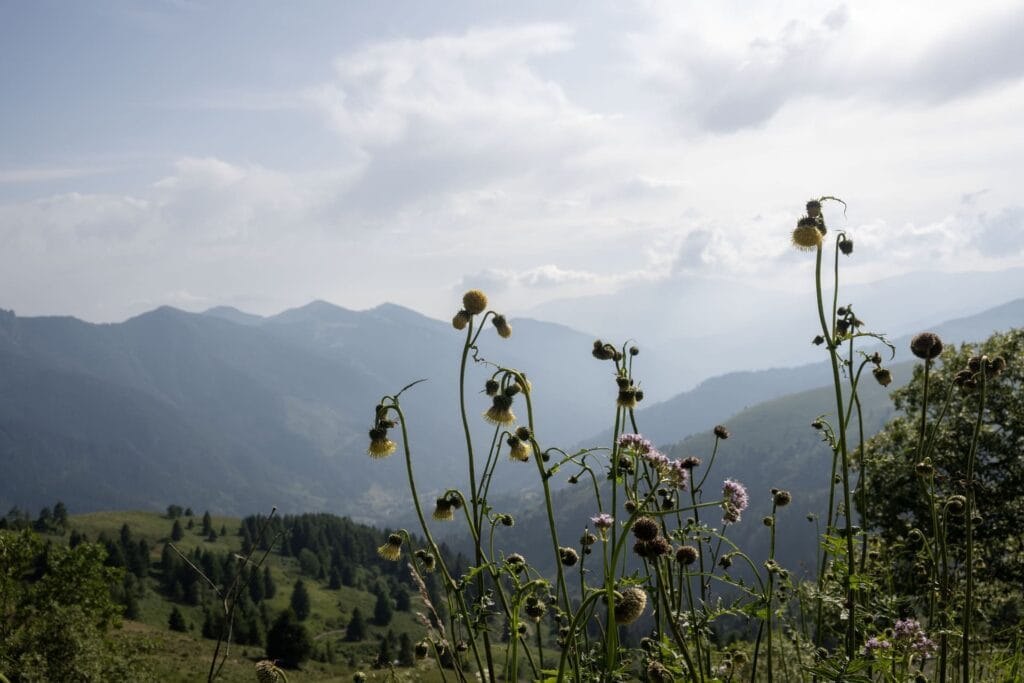
In the winter, it’s a small ski resort; in the summer, it’s a paradise for hikers and e-mountain bikers.
Rebecco Farm, a fine example of slow tourism, is located in the Valle Trompia. Mario and his son Matteo grow fruit here using sustainable methods. The garden is beautifully landscaped as a vegetable garden and orchard featuring heirloom fruit varieties. There’s even a “forest banana tree” with fruit that looks like a mango but tastes like a banana. You can help out in the garden, enjoy lunch made with local produce, and stay the night starting at €40 per night (3 rooms).
The farm is located along the Greenway Valli Resilienti bike path and the Mella River.
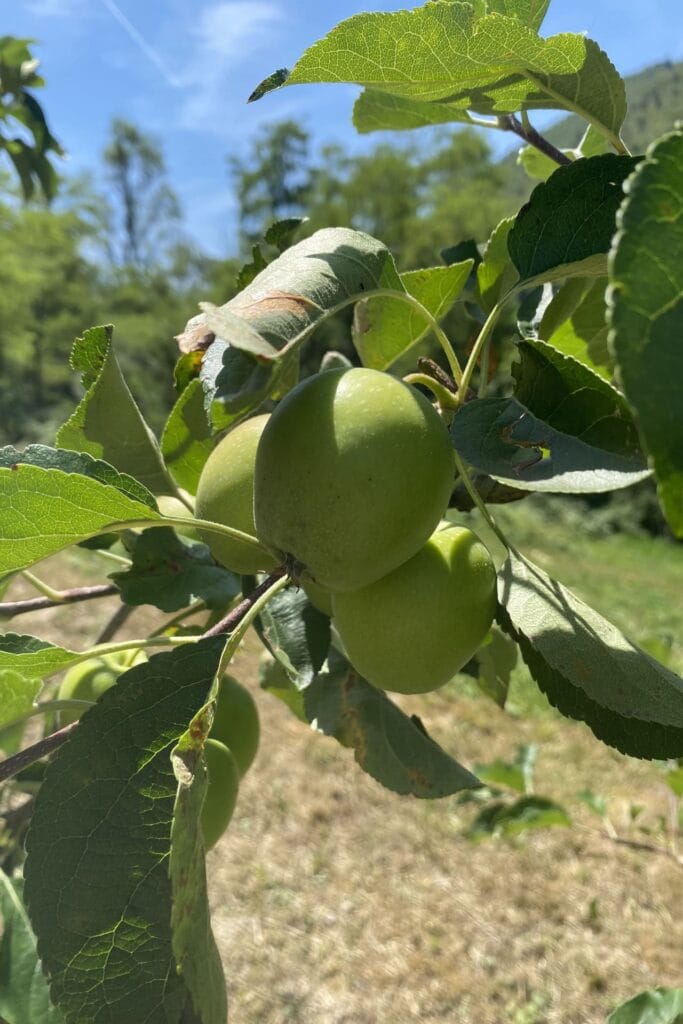

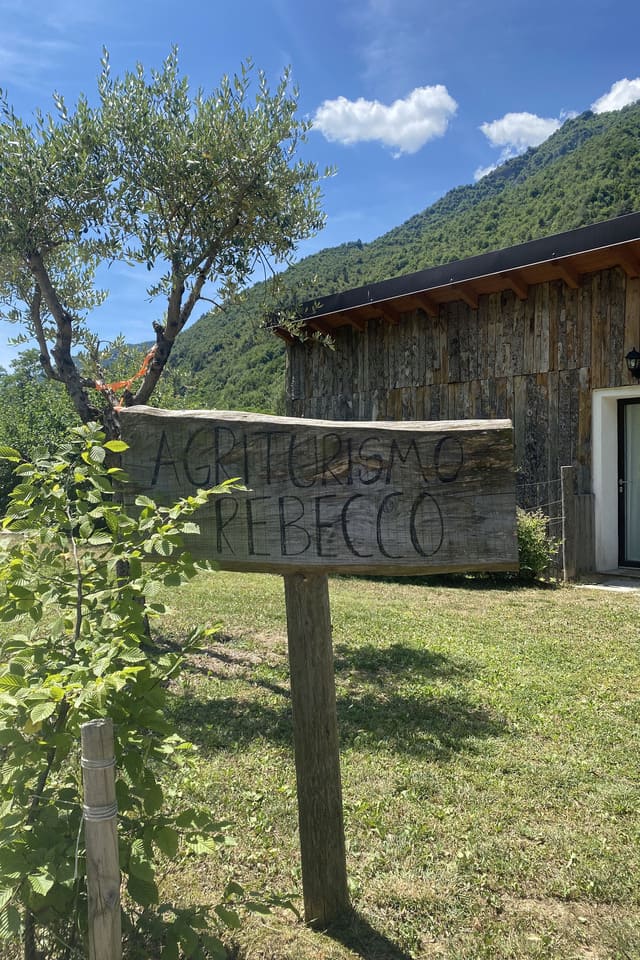
Rebecco Farm is the result of a particularly sustainable project. Arianna, our guide, works for the local municipality, the Comunità Montana. On her initiative, the municipality purchased a dilapidated building in 2016 as part of a sustainable development project. The Valli Resilienti cycling and hiking trails that you see in this area are also part of the project. The building was completely renovated in a sustainable manner with the help of the School of Architecture. Management has been taken over by five young farmers from the area. Perfect for families, nature lovers, and anyone who wants to slow down for a while.
At Mauro Beltrami’s farm in Marmentino, you’ll learn all about the local Nostrano Valtrompia cheese. This raw-milk cheese is made and aged using traditional methods. You can visit the farm, taste the cheese, and go for a walk in the surrounding area.
Mauro makes “Nostrano Valtrompia” on the farm. He has carried on his family’s tradition of livestock farming and cheese production. About 20 cows graze peacefully on fresh grass in the pastures. The raw, unpasteurized milk is of high quality and meets all hygiene standards.
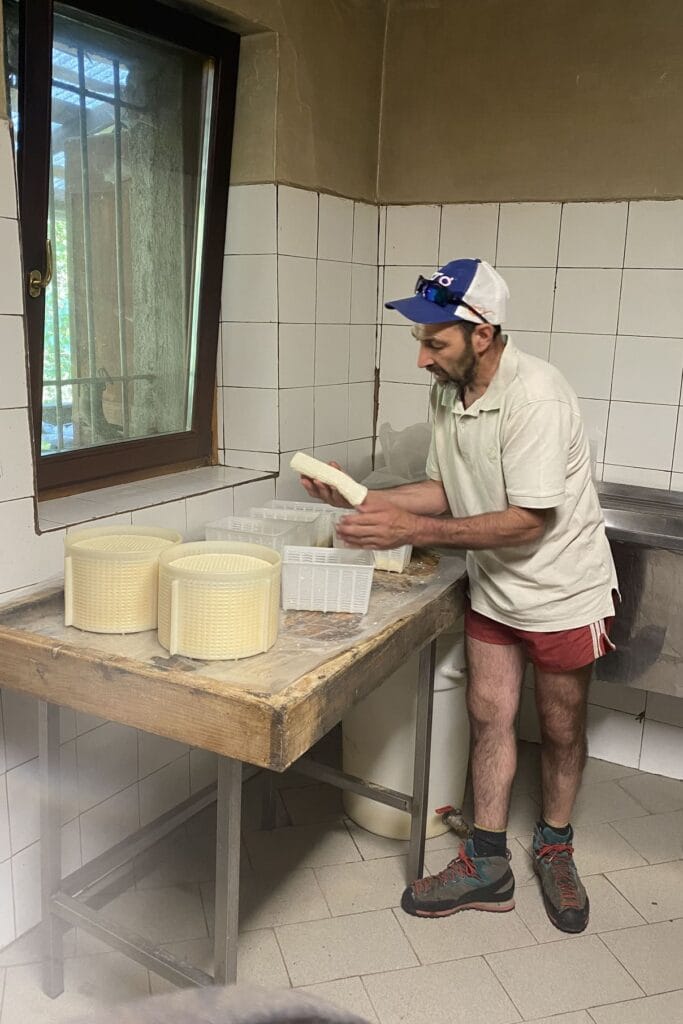
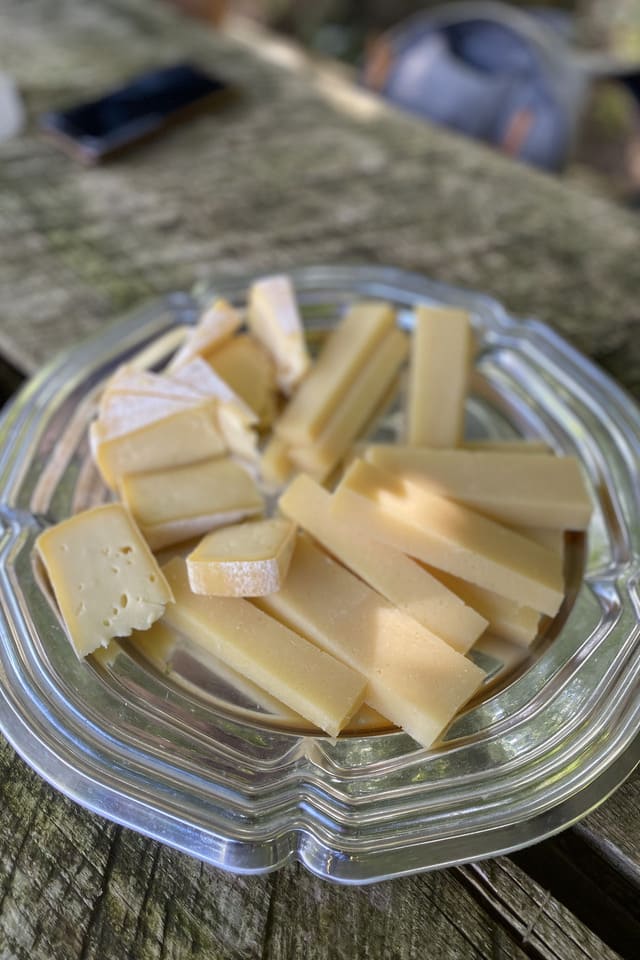
The cheese is served at various restaurants and is available for purchase at the shop next to the parish church in Marmentino.
You can simply stop by Mauro’s house—where he lives with his wife and three children—to experience the scents, flavors, and tranquility of their country.
In Collio, you’ll find a unique iron mine that offers guided tours and an above-ground adventure course. The mine is 1,500 meters long and open from April through October.
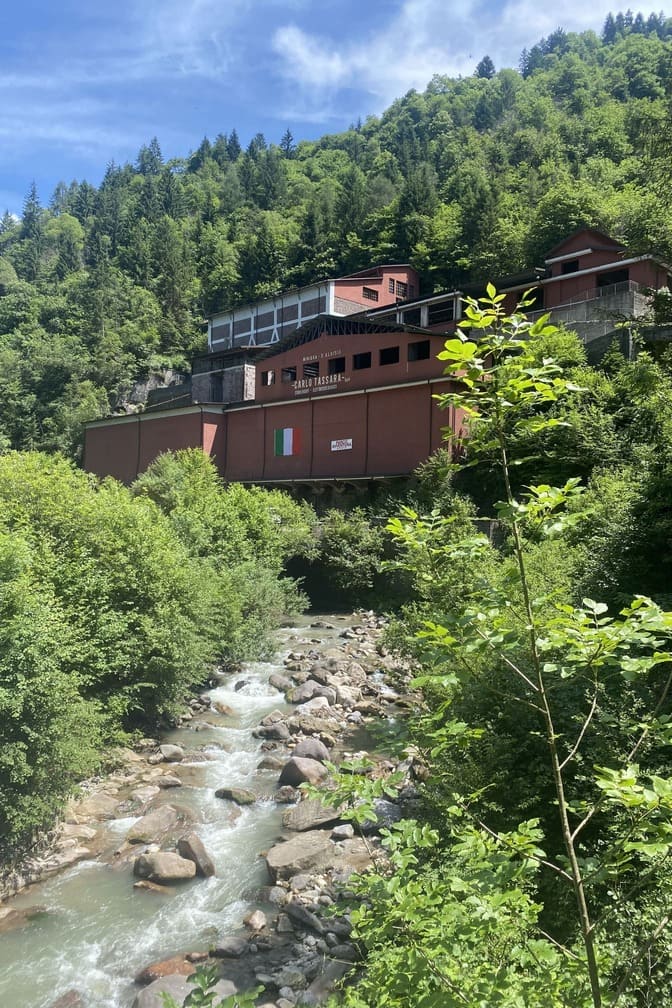
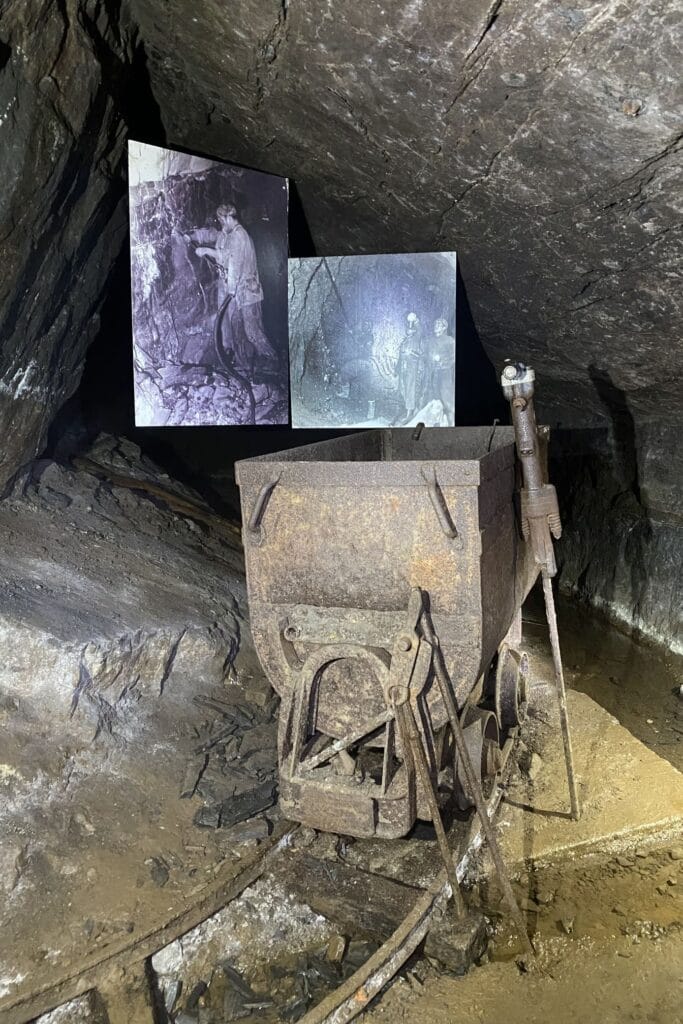
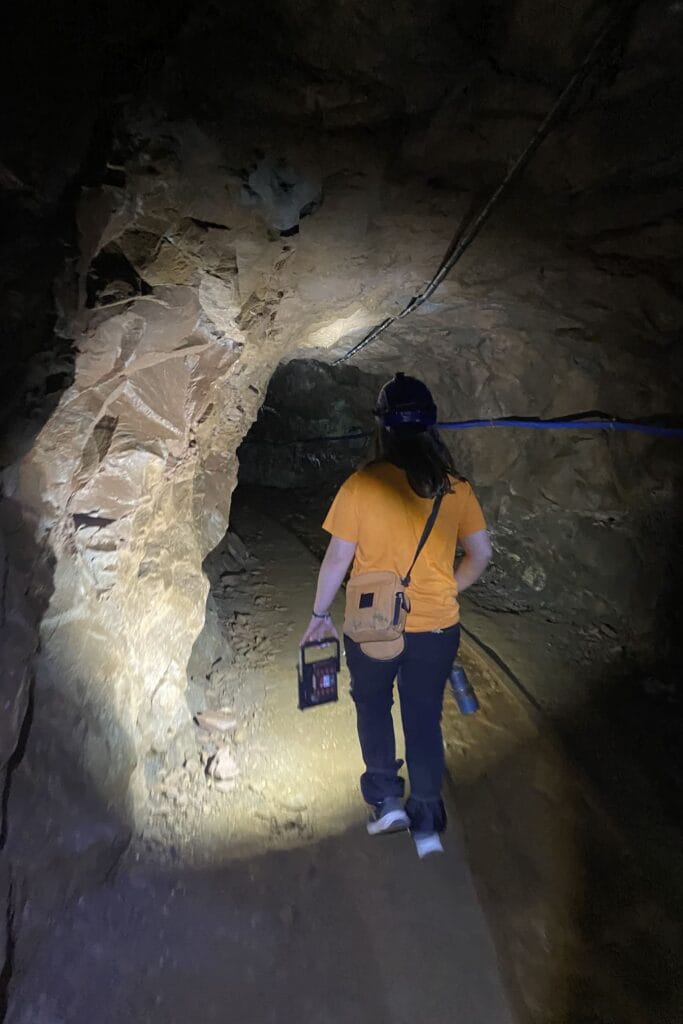
It is mandatory to wear a helmet equipped with a flashlight.
Lake Idro is a beautiful mountain lake about 10 km long. Here you can go boating, hiking, swimming, or visit the historic Rocca d’Anfo (the Anfo Fortress). It’s a perfect alternative to the more crowded Lake Garda.
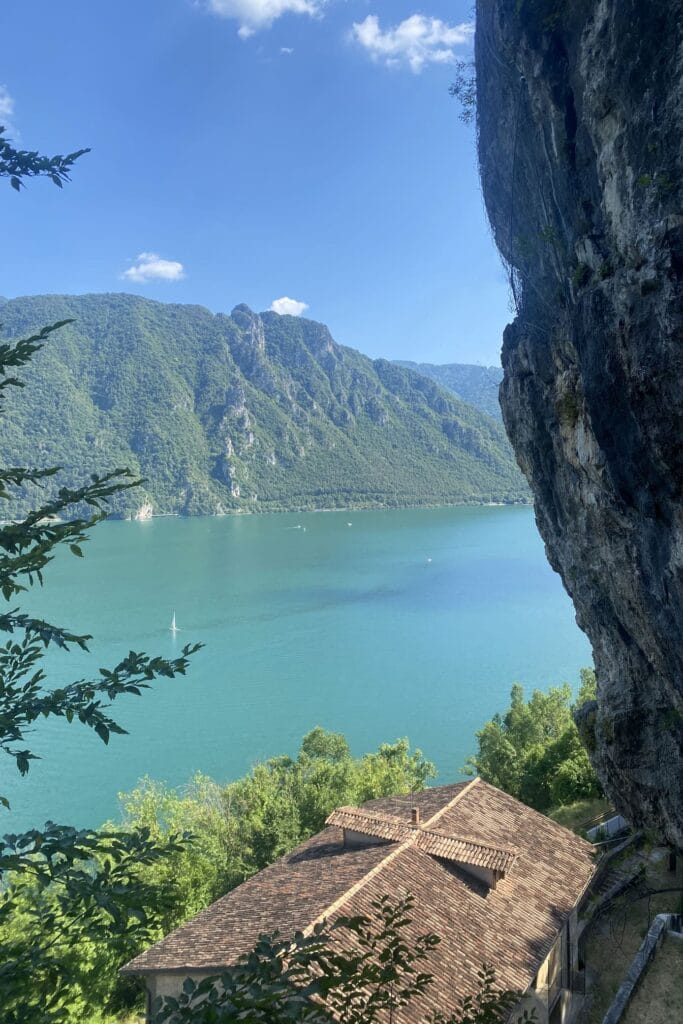
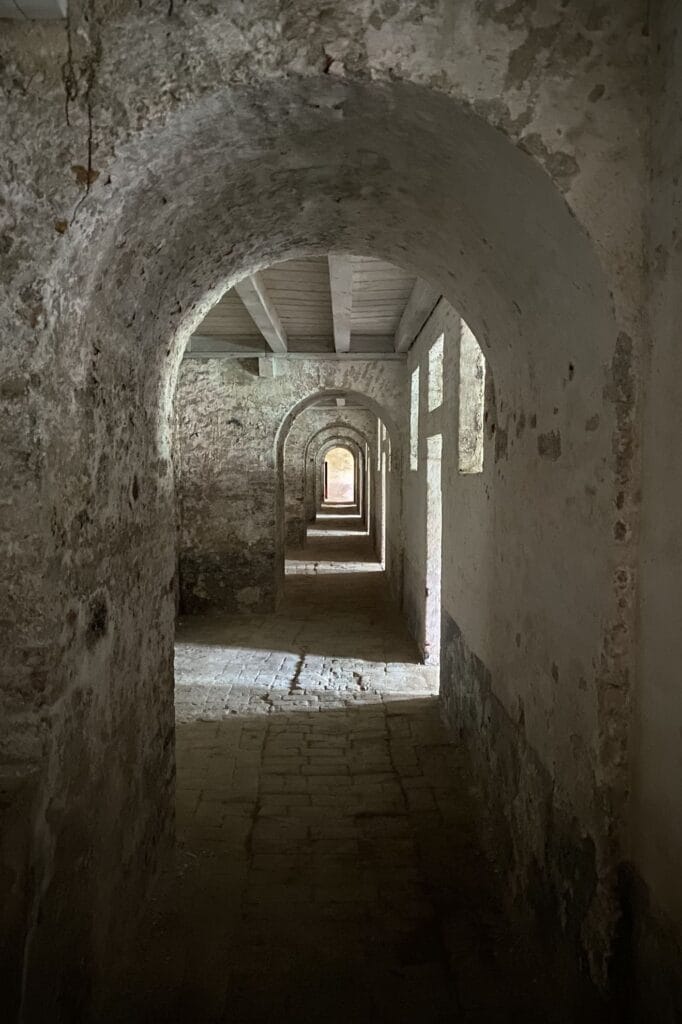
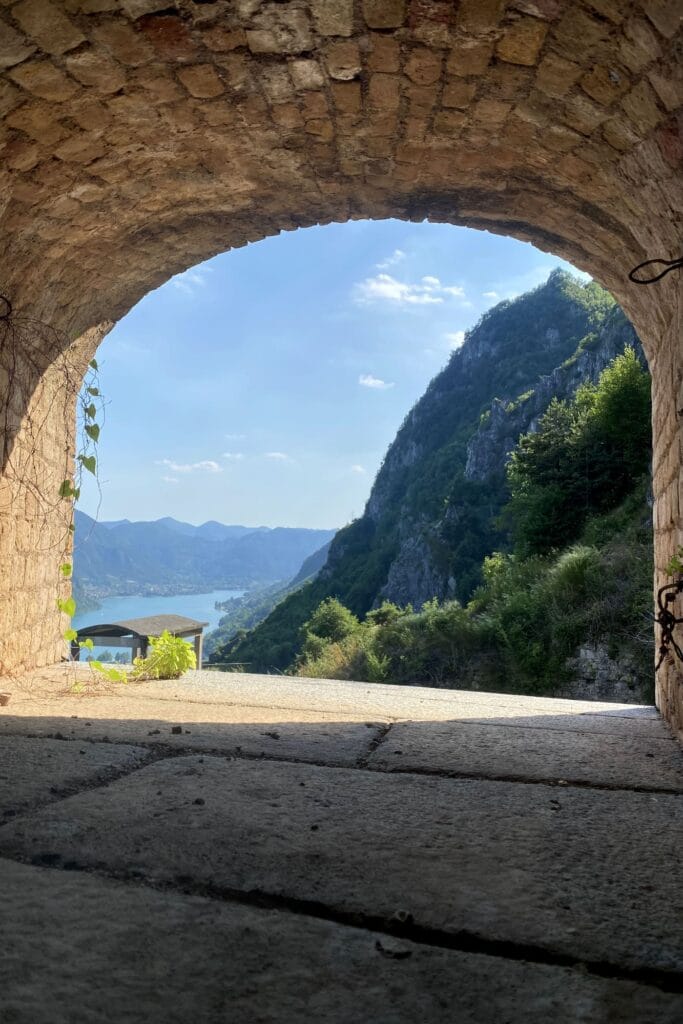
Rocca d’Anfo is an impressive fortress that was used for hundreds of years to guard the border with the Principality of Trento. It remained in use until the 1960s. The fortress is open to the public thanks to volunteers, and you can book a guided tour or wander through it on your own. It’s quite a climb up, but you’ll be rewarded with a stunning view of Lake Idro. On a clear day, you can see all the way across Trentino and spot the Brenta Dolomites in the distance.
Bagolino is a charming village with winding streets, fountains, and a rich carnival tradition featuring masked dancers. In the workshops, artisans are busy all year round crafting handmade costumes.
Bagolino is located at the junction of the Val Trompia and the Valle Sabbia. It was an important trading hub. In the Middle Ages, iron from the Val Trompia was traded for cheese from Bagolino. Later, Bagolino became an important trading town under the Republic of Venice. A massive fire destroyed most of the wooden houses in Bagolino. The imposing church was spared by the fire. The church contains no works by local painters, but rather pieces from the studios of Venetian masters such as Titian and Tintoretto.
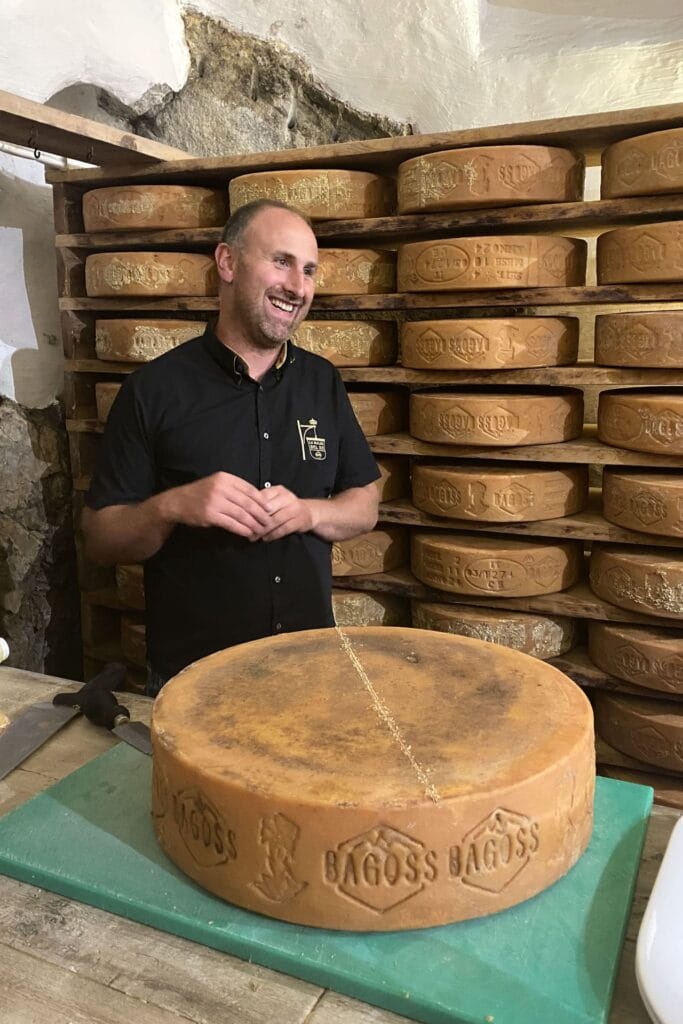
Bagolino is also known for its famous Bagoss cheese, enriched with saffron, which gives it its characteristic golden-yellow color. The Doge of Venice came up with the idea of adding saffron to the cheese, making it exclusive (saffron is still more expensive than gold) and giving it a golden-yellow color. And so, a cheese from a remote mountain town, made with a highly exclusive, exotic ingredient, came to be sold as far away as the Middle East.
Twenty-eight small local farms produce this cheese—sought after all over the world—using traditional methods. The name refers to the “Bagossi” people and is considered the symbol of Bagolino.
Bagolino is definitely worth a visit for lovers of culture and fine dining.
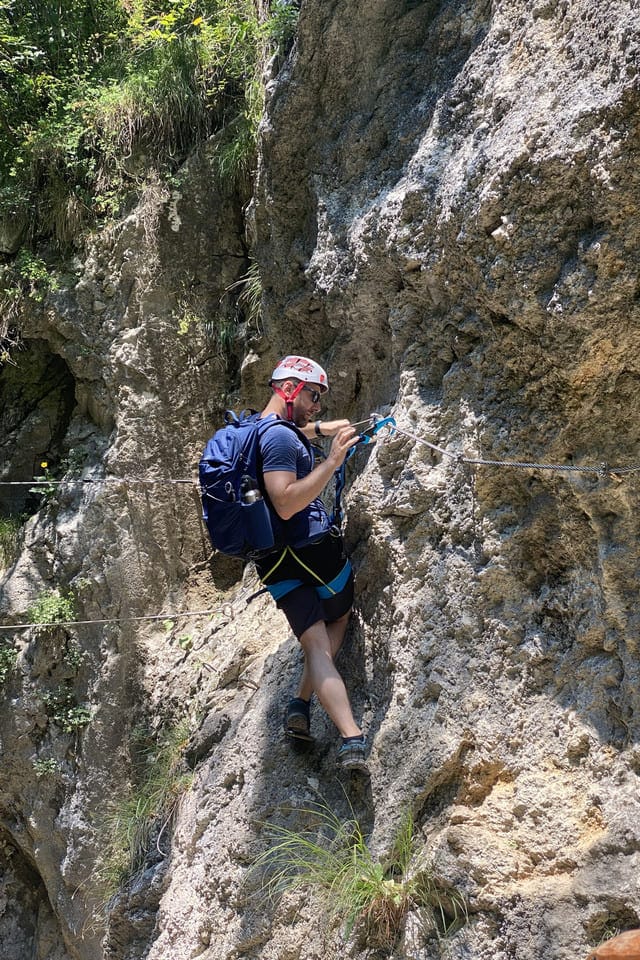
For a combination of nature, sports, and history, head to the “Parco delle Fucine” adventure park in Casto. It’s perfect for families, hikers, climbers, and adventurers.
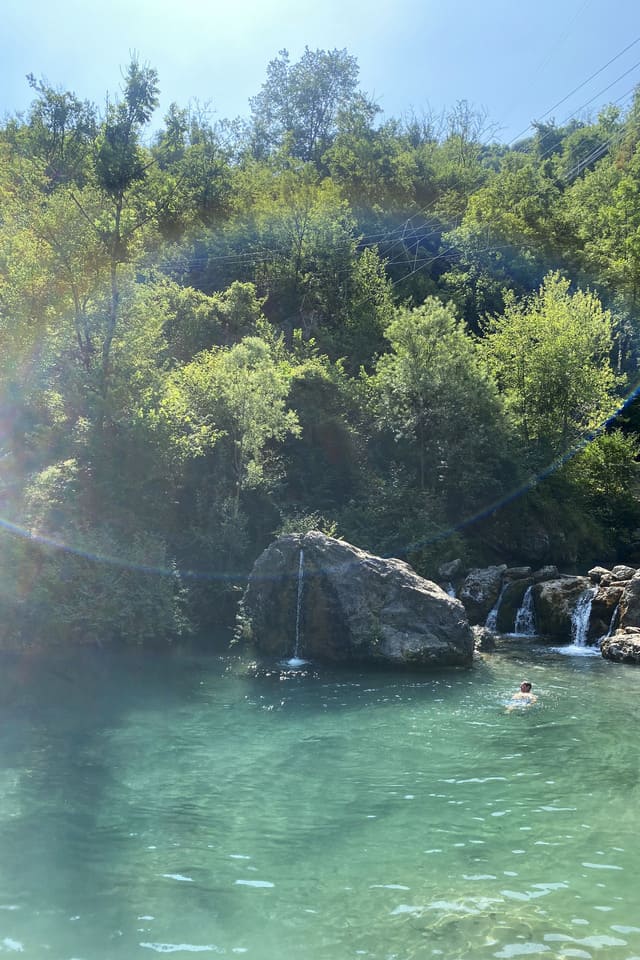
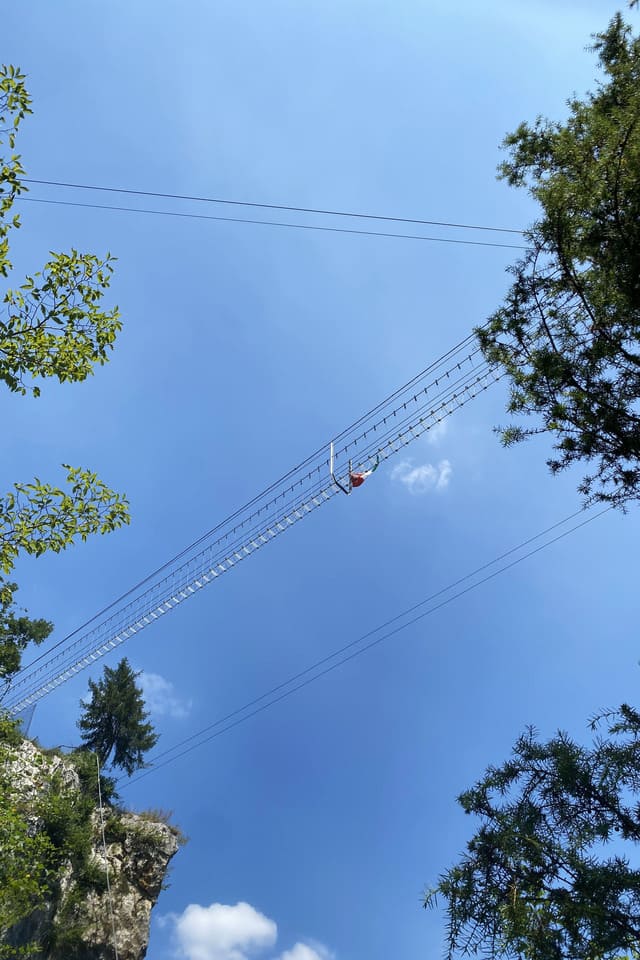
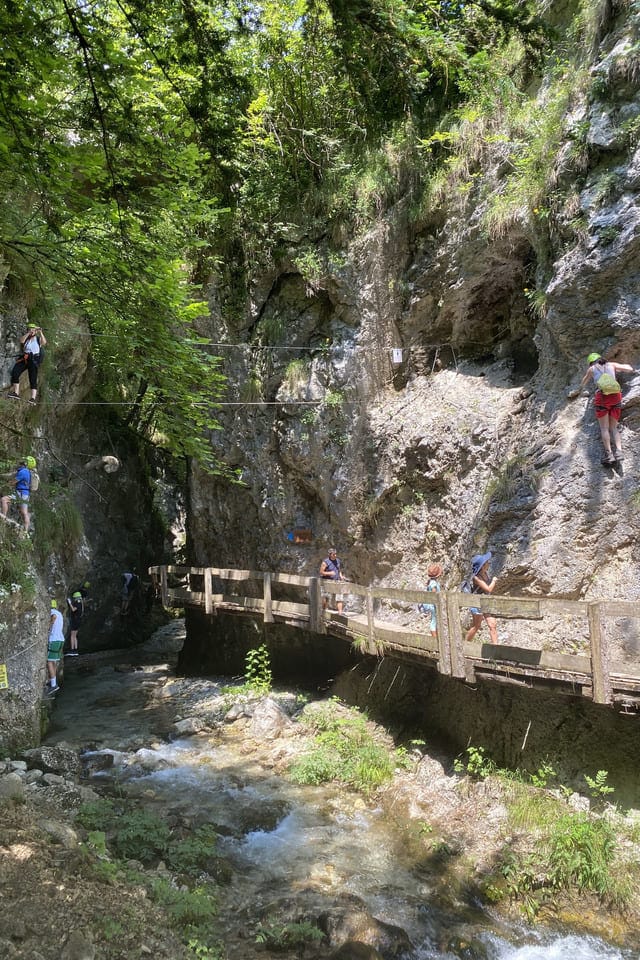
The park is popular with both locals and tourists. It is a beautiful, green, and hilly park with 200 km of hiking and biking trails. For adventurers and climbers, there are climbing routes, suspension bridges, climbing walls, and zip lines. These span lakes and ravines. There are two zip lines that reach speeds of up to 80 km per hour.
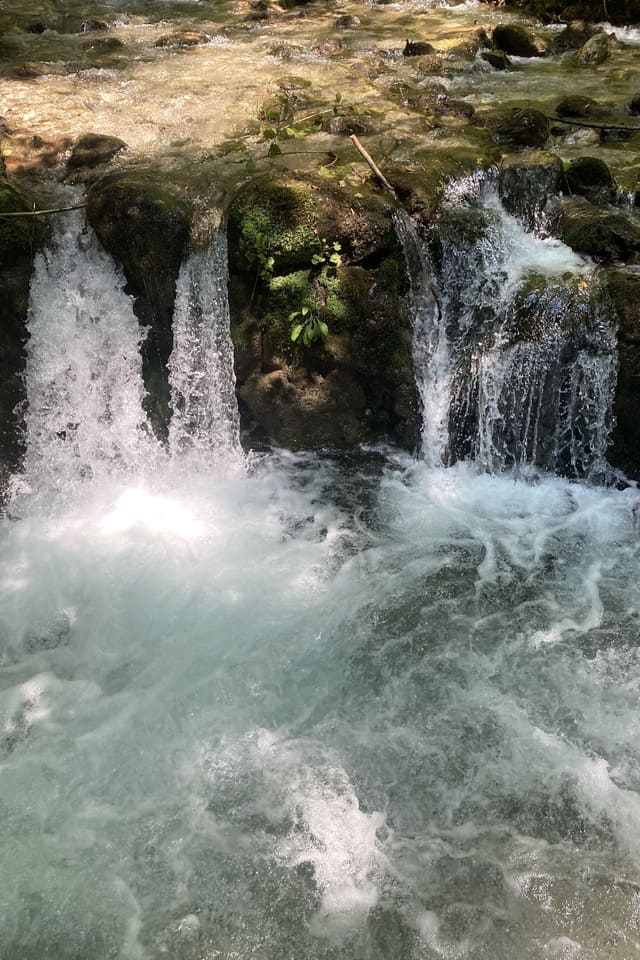
There are also hiking trails (marked in different colors) for hikers. You can take a 2.5-km hike past small waterfalls, caves, and bridges. Experienced hikers can opt for a 9-km hike, which takes about 6 hours.
There are child-friendly areas, small lakes where you can wade, along with picnic areas and campsites.
In 2006, there was absolutely nothing to be seen in this area. In 2010, the first cottage was built. From there, it has grown—with a variety of activities—into one of Italy’s largest adventure parks (made possible by European subsidies).
Lunch Tips:
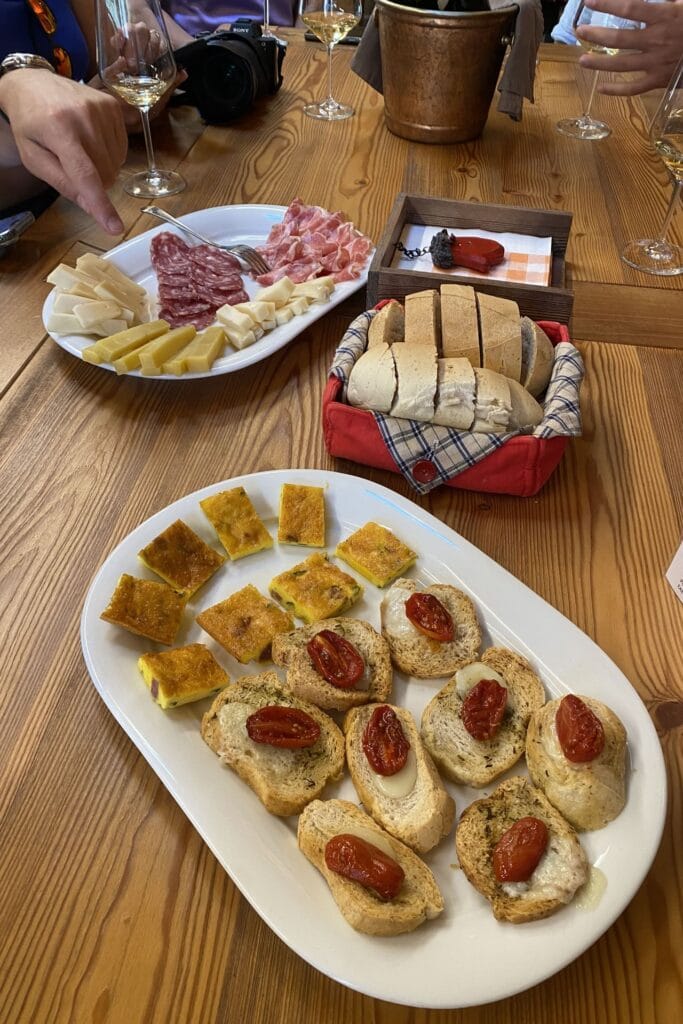
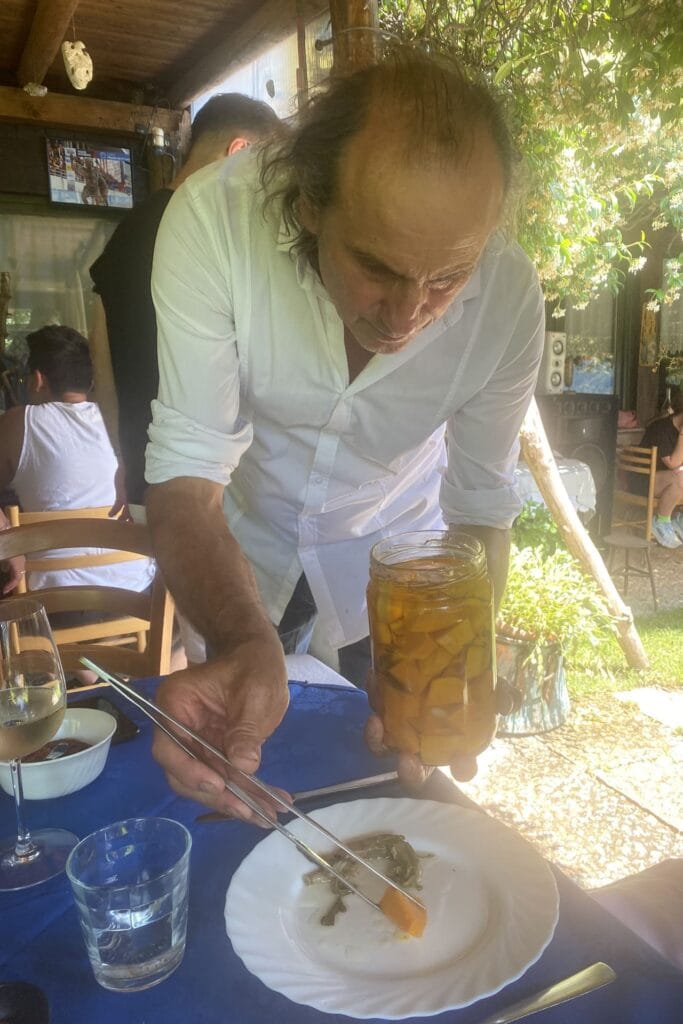
Dining Tips:
Accommodation tip:
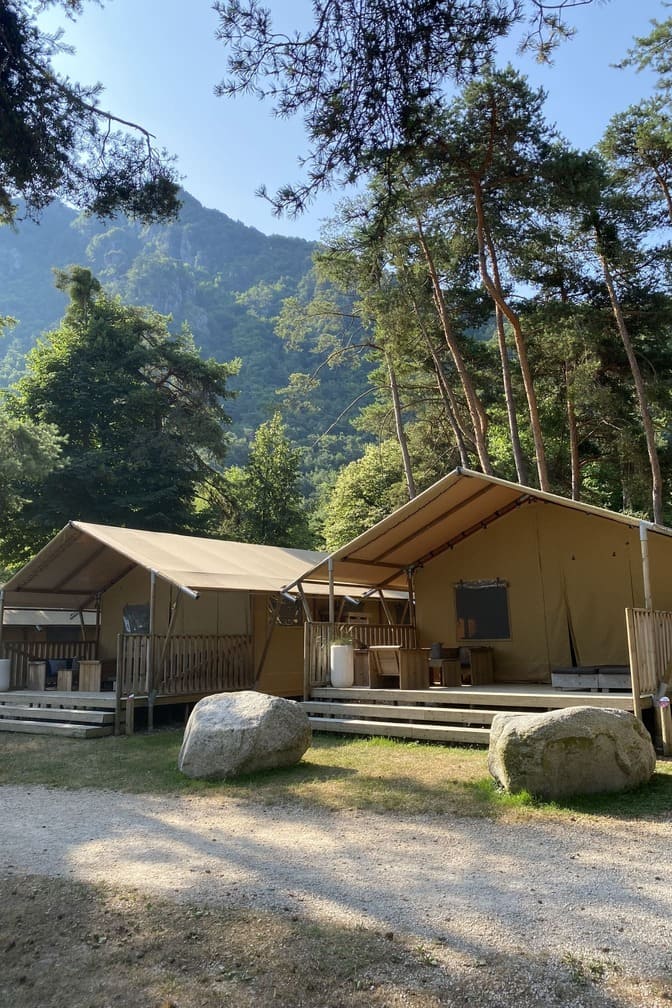
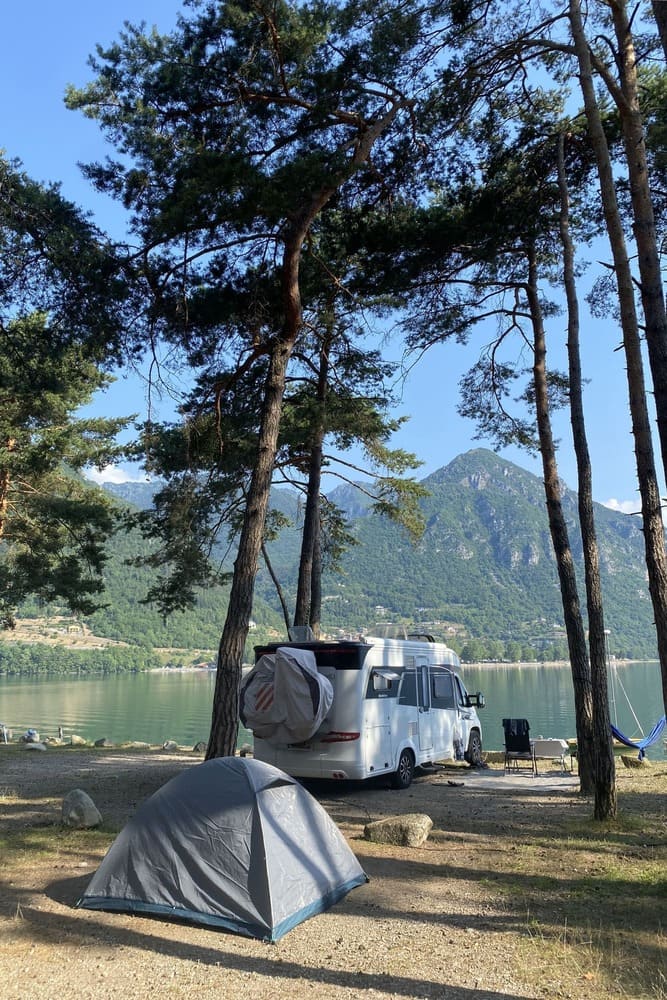
More information

Slow Food Puglia: Tasting Mussels and Clementines in Taranto Starting in the summer of 2026, in the province of Taranto, in the far south of Italy, you can literally sample what small-scale local producers have to offer. At the same time, during these excursions,...

Aachen Off Track: A Green City Trip Featuring a Forest, an Organic Garden, and Charlemagne A city with an imperial history, surrounded by forests stretching all the way to the Belgian and Dutch borders. Aachen cannot be taken in at a single glance: its historic...
Get inspired
Are you looking for the most beautiful hiking and biking routes? Or do you want information about traveling by train or advice for the most beautiful road trips through nature. Get inspired for your next trip in green; ideas for planning your own trip or opting for an organized trip.