
Gratis gids 10 verborgen natuurplekken in Europa
Gratis gids 10 verborgen natuurplekken in Europa. Meld je aan voor onze nieuwsbrief en ontvang inspirerende reistips en routes voor je volgende groene reis.

The Camino Lebaniego is a beautiful multi-day hike where the landscape gradually changes along the way; over the course of about seventy kilometers, you’ll walk from the Cantabrian coast near San Vicente de la Barquera to the Monastery of Santo Toribio de Liébana, deep in the green mountains of northern Spain. From fishing villages to quiet mountain hamlets. Over rolling hills to the rugged peaks of the Picos de Europa. It is a relatively unknown Camino, and that is precisely what makes this route so interesting.
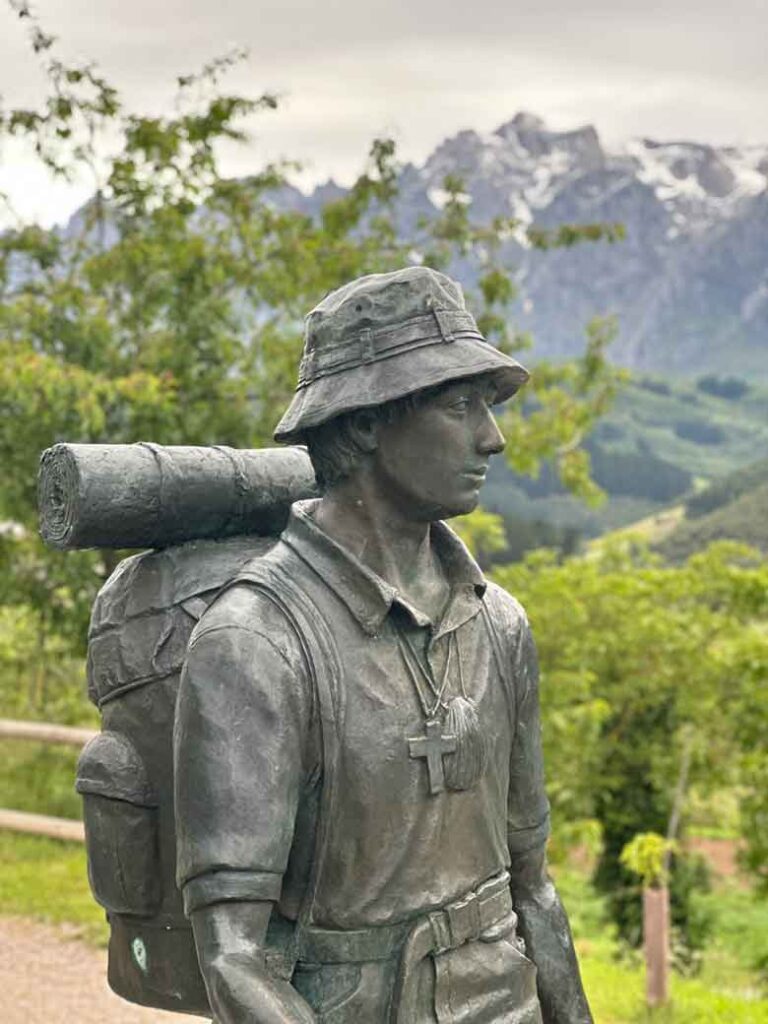
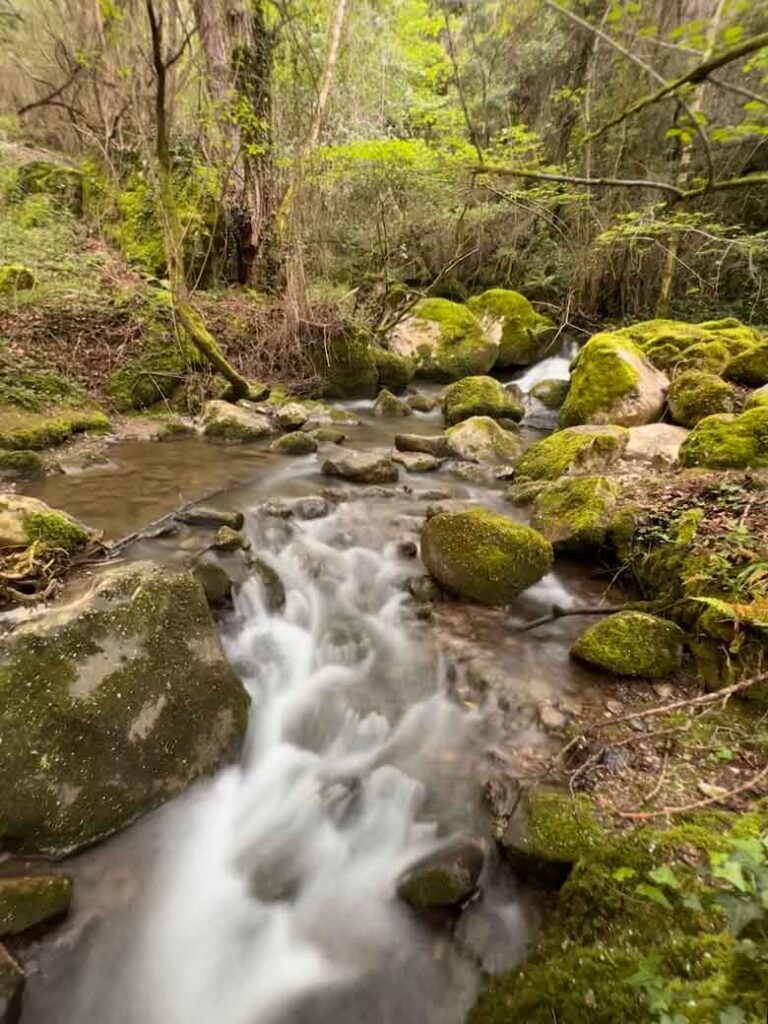
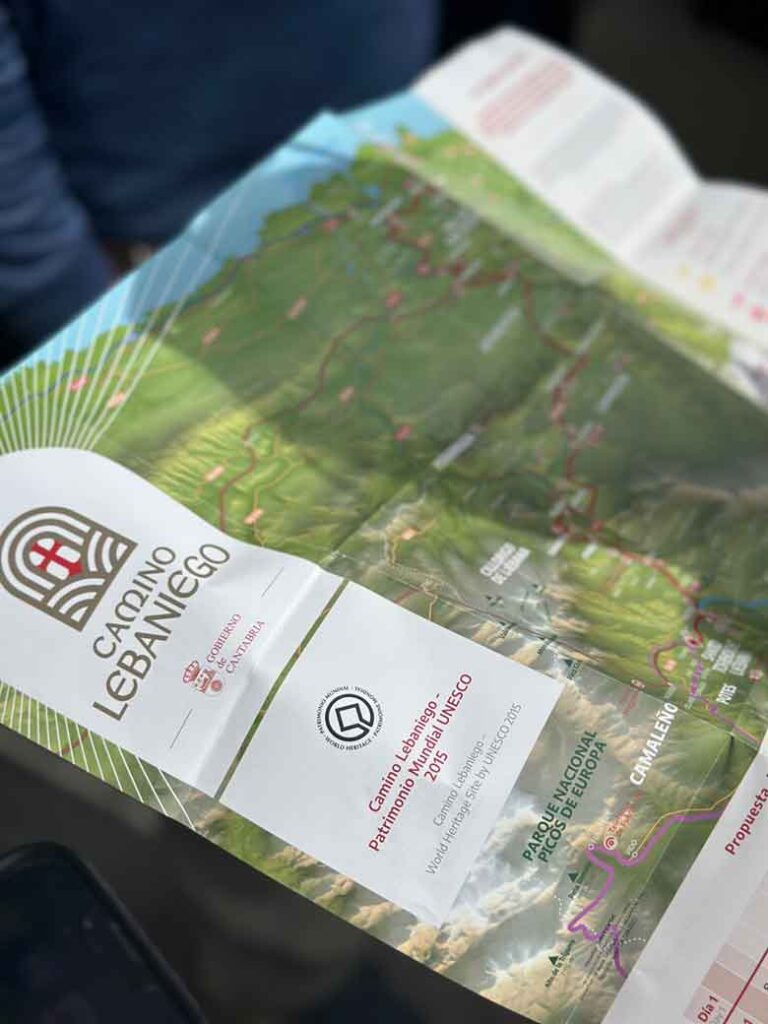
I walked a large part of the route from Santander. While the major pilgrimage routes to Santiago have become quite well-trodden, the Camino Lebaniego still feels remarkably unspoiled. You walk through villages where people are simply going about their day. A tractor drives by. Residents sit in the shade outside a bar. Laundry is hanging out to dry in a yard as you walk past with your backpack. It’s never crowded, and no one seems particularly impressed by hikers.
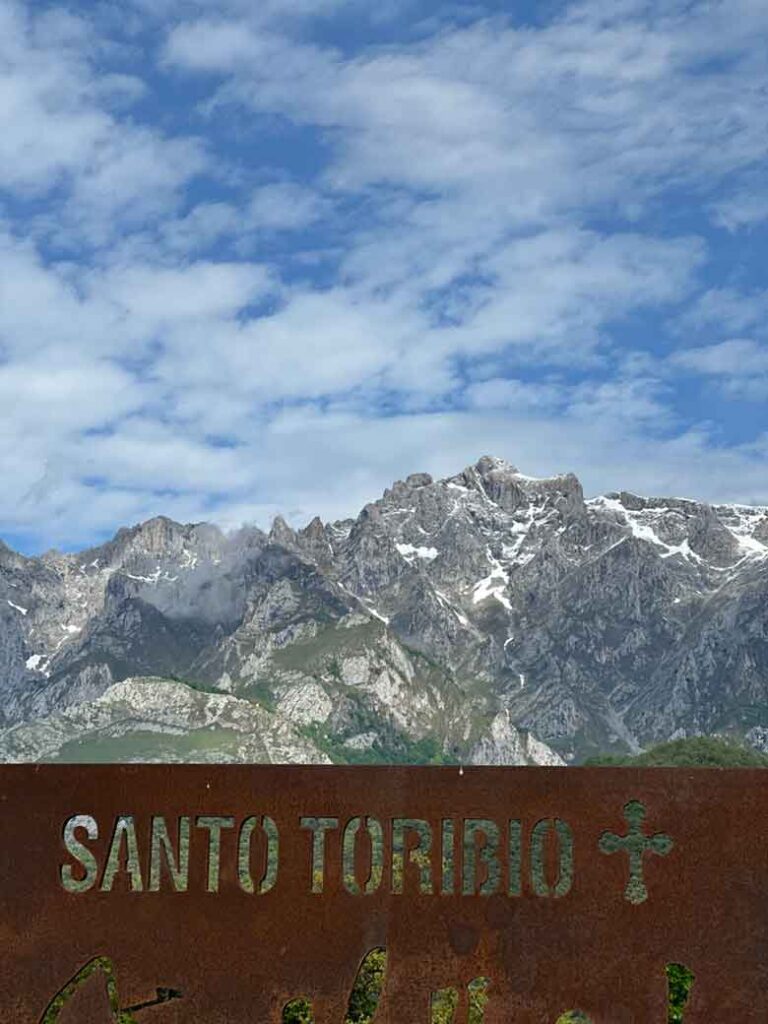
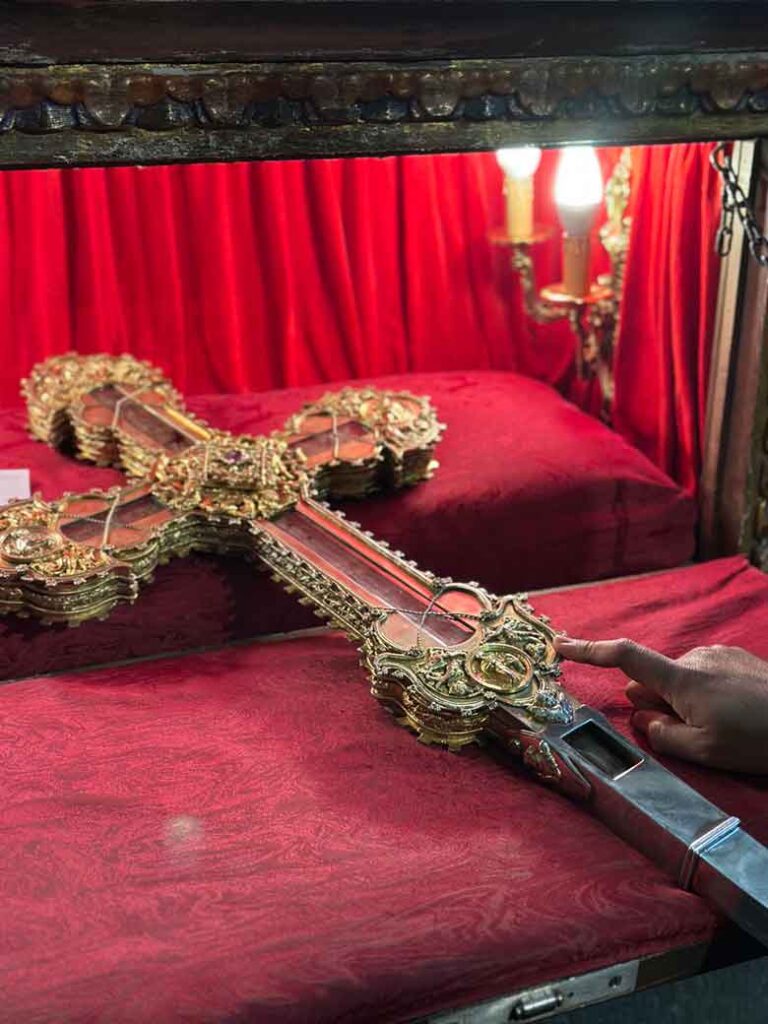
Historically, the Camino Lebaniego is a branch of the Camino del Norte. Pilgrims traveling along the northern coast toward Santiago could turn inland at San Vicente de la Barquera to visit the monastery of Santo Toribio. According to Catholic tradition, a large fragment of the Cross of Christ is preserved there.
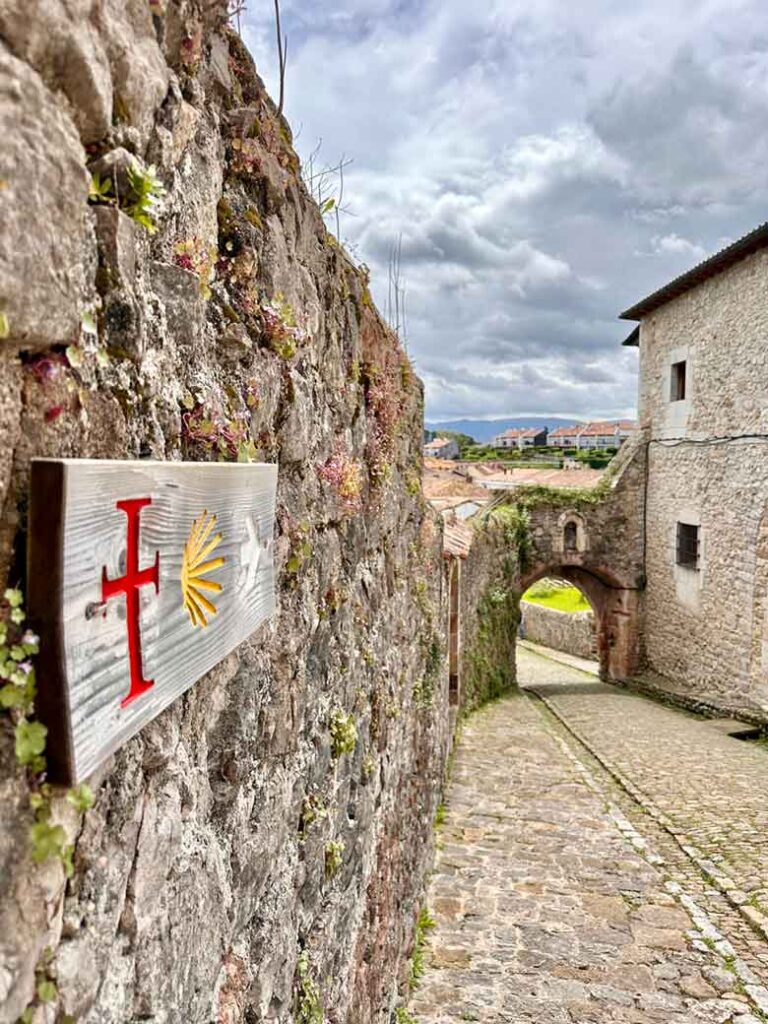
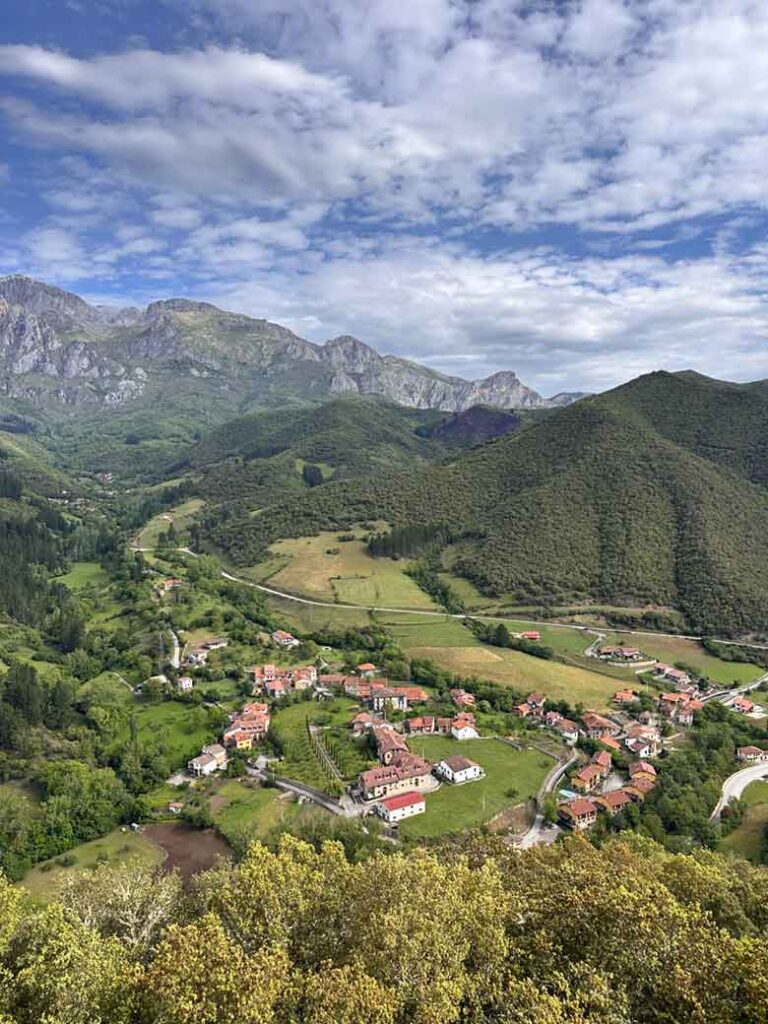
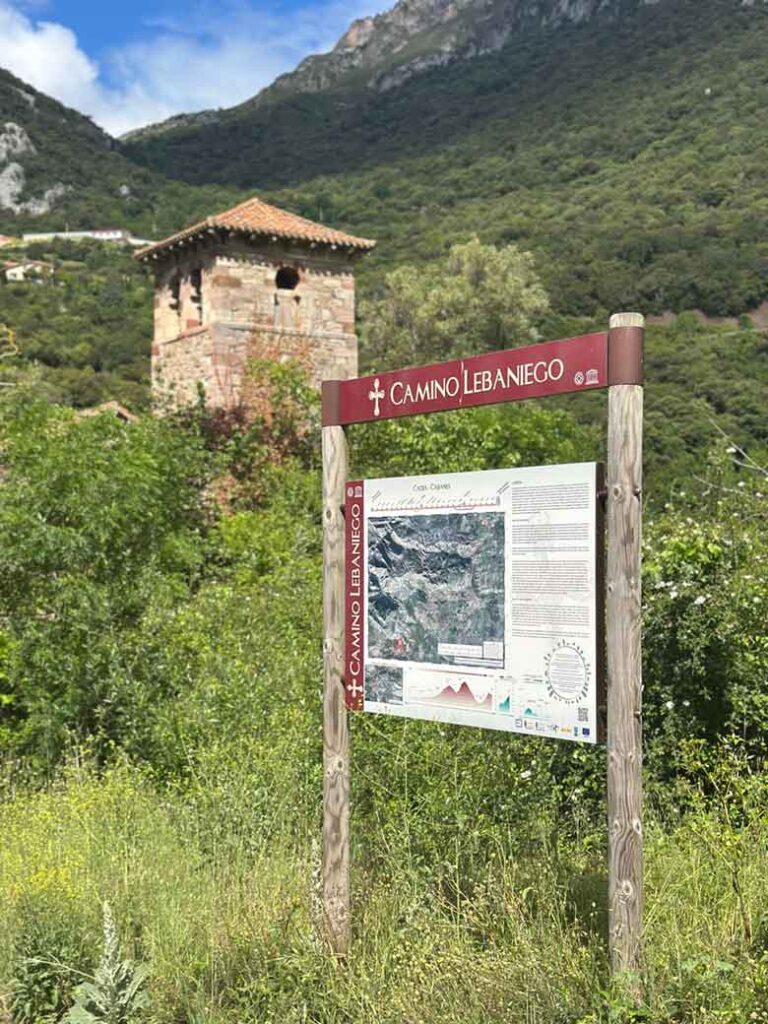
Religion still plays a role along the way, but nowhere does the route feel burdensome or ceremonial. What really sticks with you is the landscape—the gradual transition from sea to mountains.
At around 70 kilometers, the Camino Lebaniego is relatively short, but don’t let the distance fool you. The later stages, in particular, involve a significant amount of elevation gain. So plan for more time than you might expect.
The route can be completed in three days of vigorous hiking, but if you prefer a more leisurely pace, you might want to opt for four or five stages.
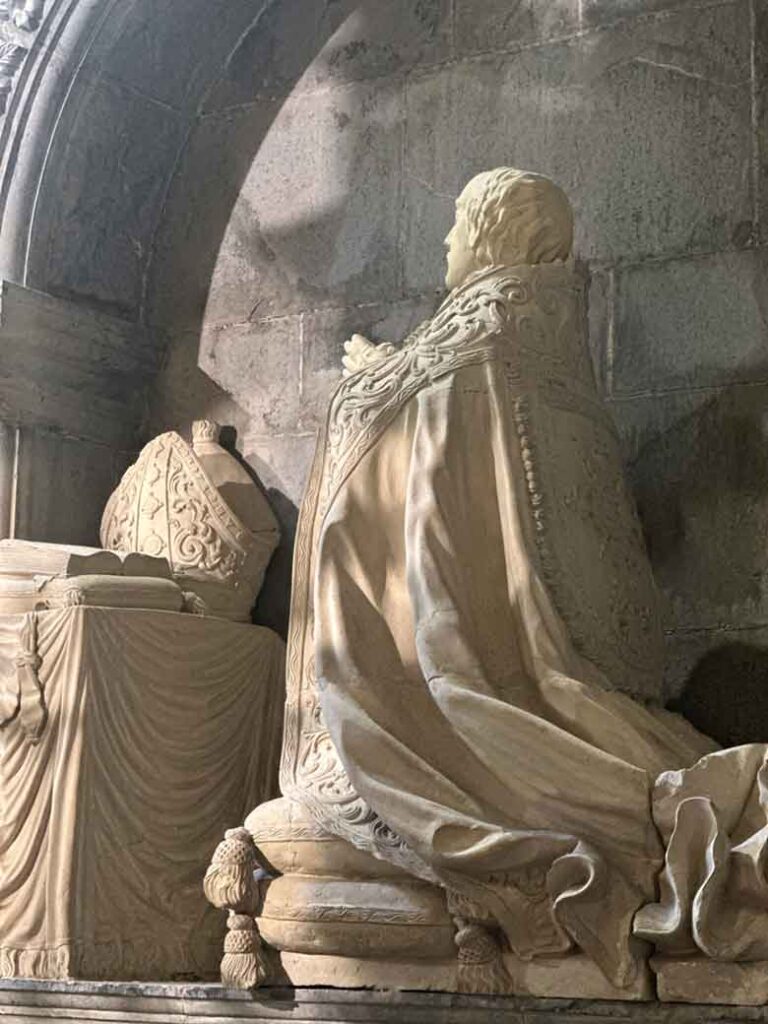
We begin our journey in Santander. After a brief stay on the Cantabrian coast—which, by the way, also has some fantastic surf spots—we continue on to the village of Comillas. This is before the official start of the Camino. It’s a stop that’s definitely worth making.
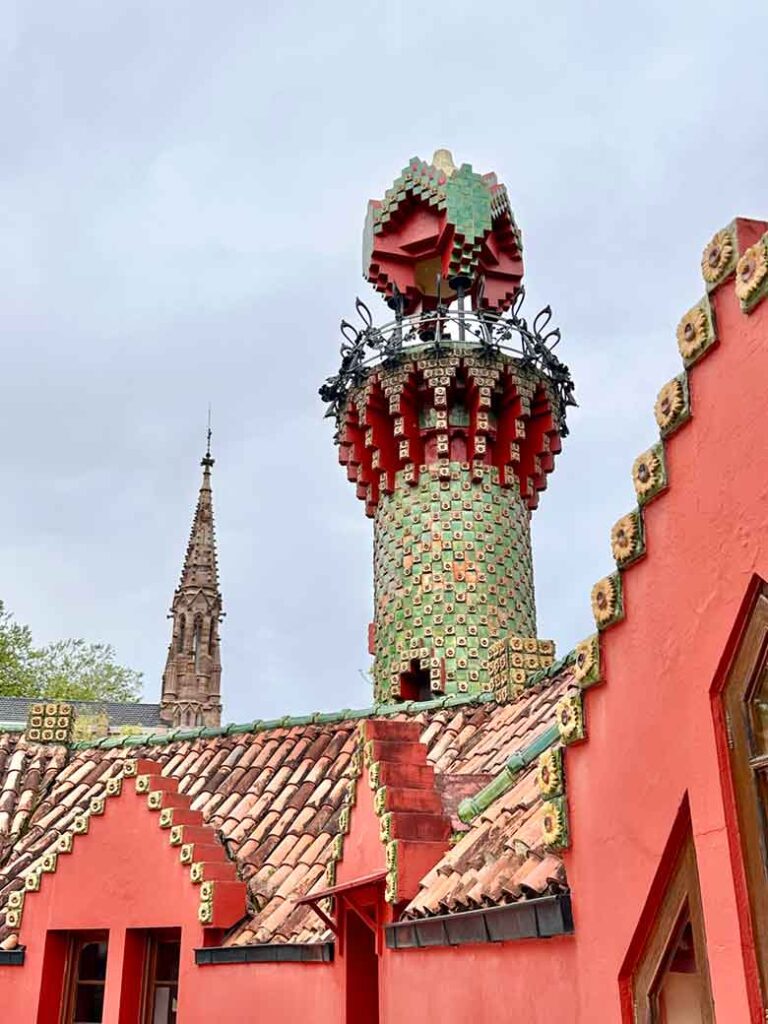
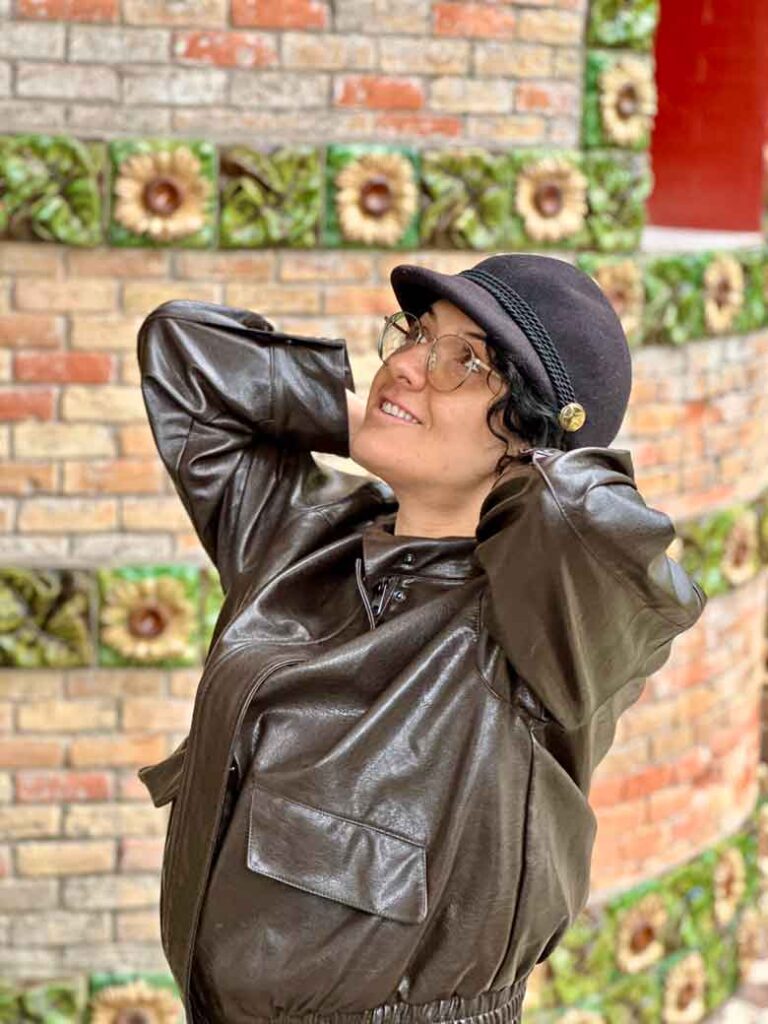
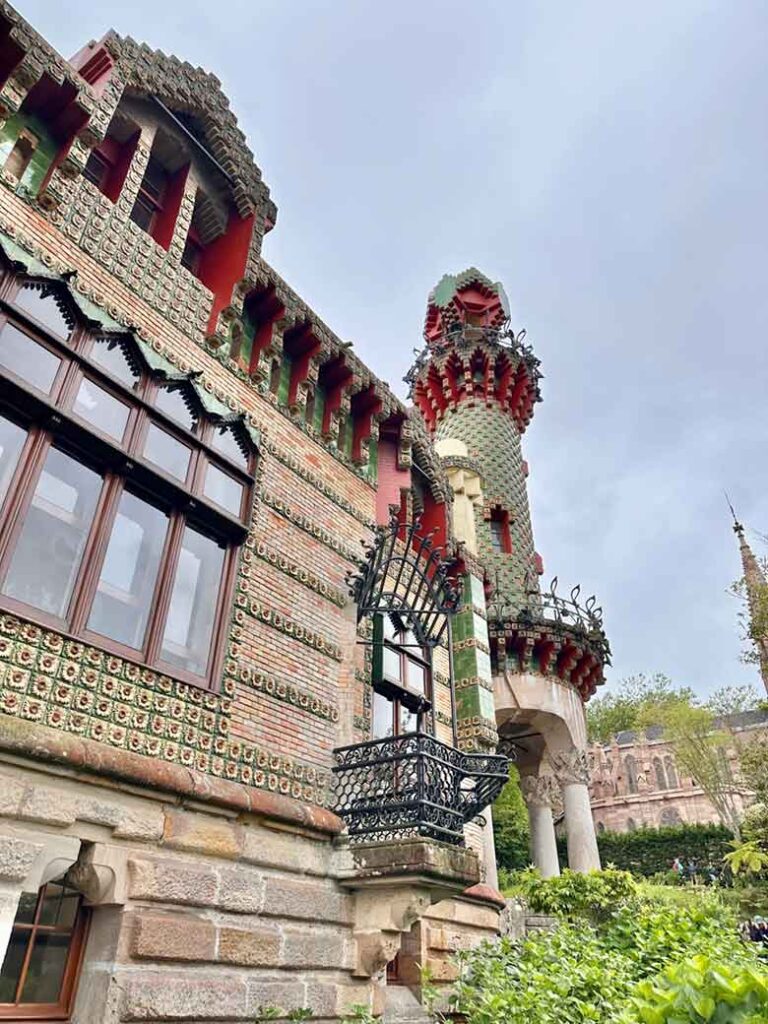
In Comillas, there is El Capricho, a striking modernist residence designed by Antoni Gaudí. The colorful building, with its ceramic sunflowers, playful turret, and organic details, still feels surreal in the Cantabrian landscape today. It is one of Gaudí’s few works outside Catalonia and reveals his early fascination with natural forms, music, and decoration.
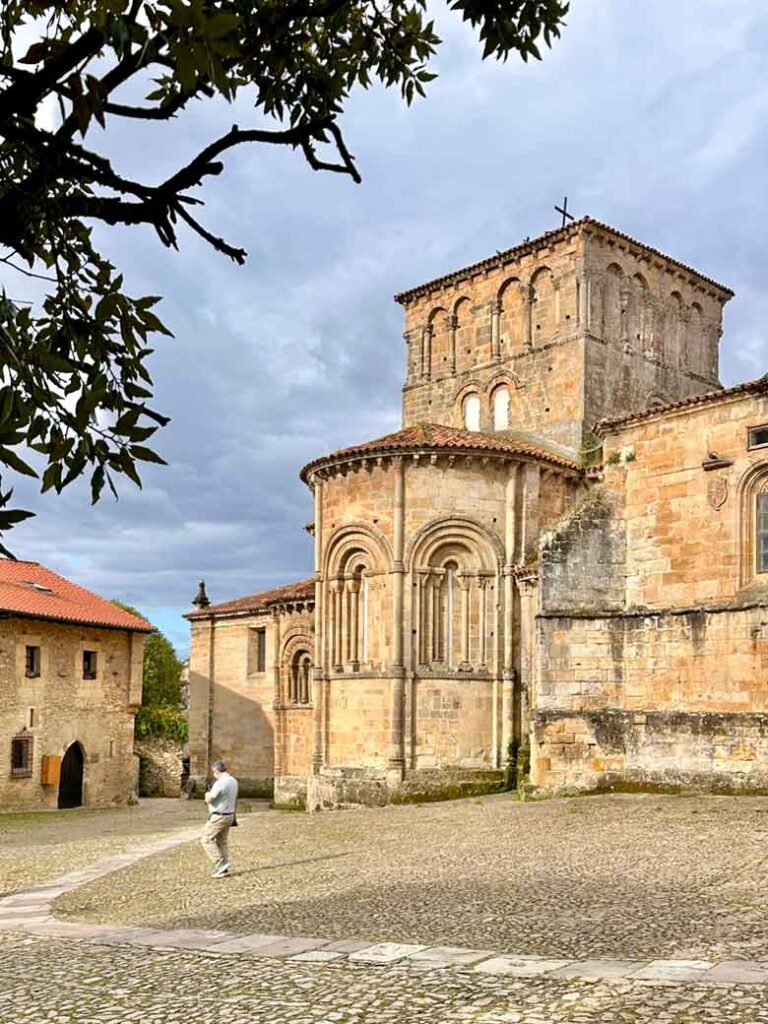
From there, we continue on to Santillana del Mar. It’s one of the most famous historic villages in northern Spain, and it certainly shows: during the high season, the narrow streets fill with day-trippers, souvenir shops, and outdoor cafes. Still, it’s worth taking a stroll around, precisely because the medieval streetscape has remained so remarkably intact. Nestled among the heavy stone houses and wooden balconies is the Romanesque Colegiata de Santa Juliana, built around a former monastery.
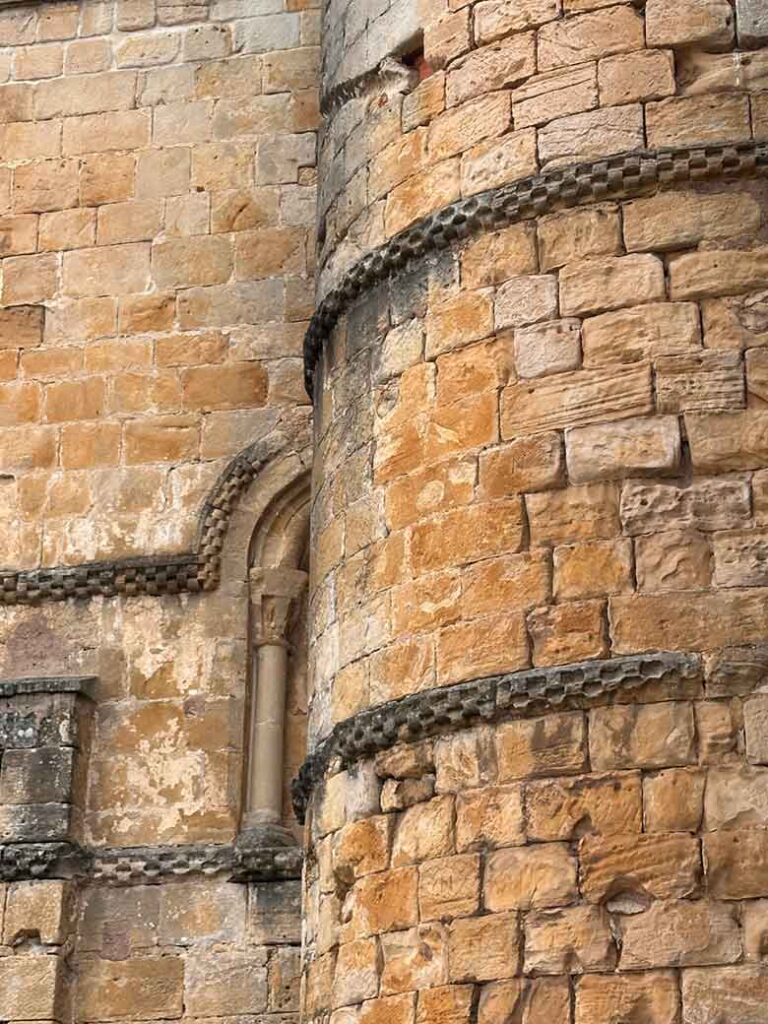
In the middle photo below, you can see the horizontal bands on the Colegiata de Santa Juliana featuring small block-shaped protrusions, creating a checkerboard pattern. This is typical of many Romanesque buildings along ancient pilgrimage routes in northern Spain, including the Camino de Santiago and the Camino Lebaniego. For pilgrims today, it feels like a silent code of the Camino: you see the blocks appear and immediately know that travelers, monks, and walkers have passed through here for centuries.
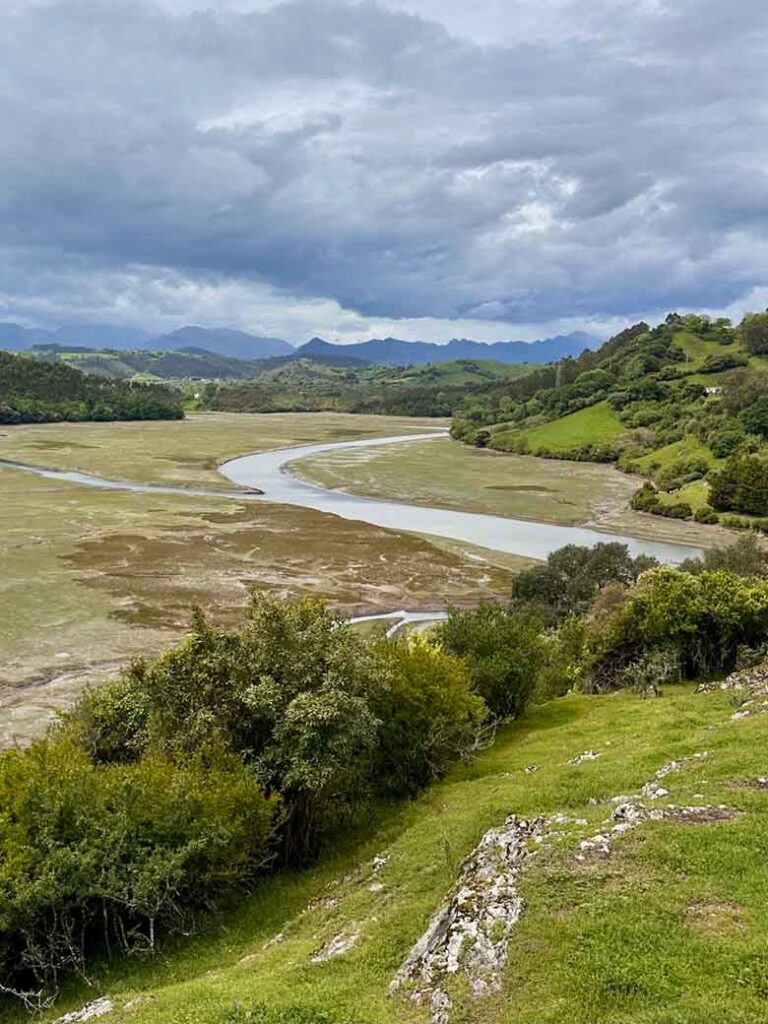
And then we arrive in San Vicente de la Barquera: the true starting point of the Camino Lebaniego. The route’s KM0 marker is located at the Iglesia de Santa María de los Ángeles. If you draw an imaginary straight line from here toward the mountains, it will lead you to the monastery of Santo Toribio.
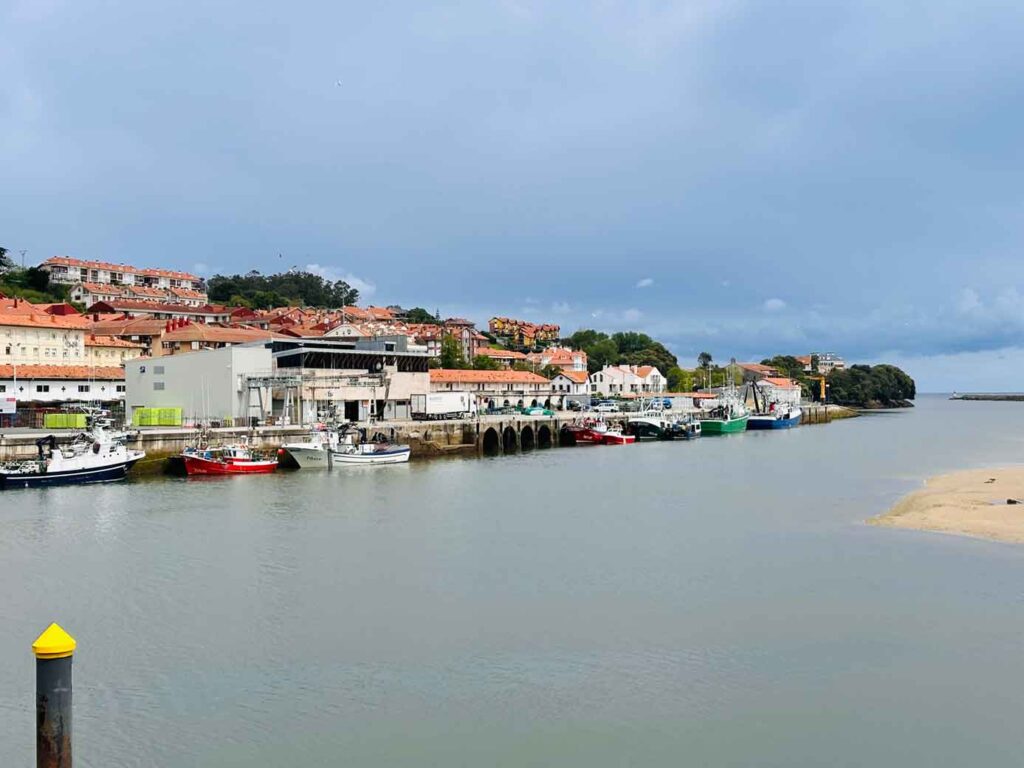
San Vicente de la Barquera is one of those coastal towns in northern Spain where you can easily end up staying longer than planned. An old town center with weathered stone houses, fishing boats in the harbor, and beyond them, on a clear day, the peaks of the Picos de Europa. That contrast is quite unique: the sea and high mountains in a single view.
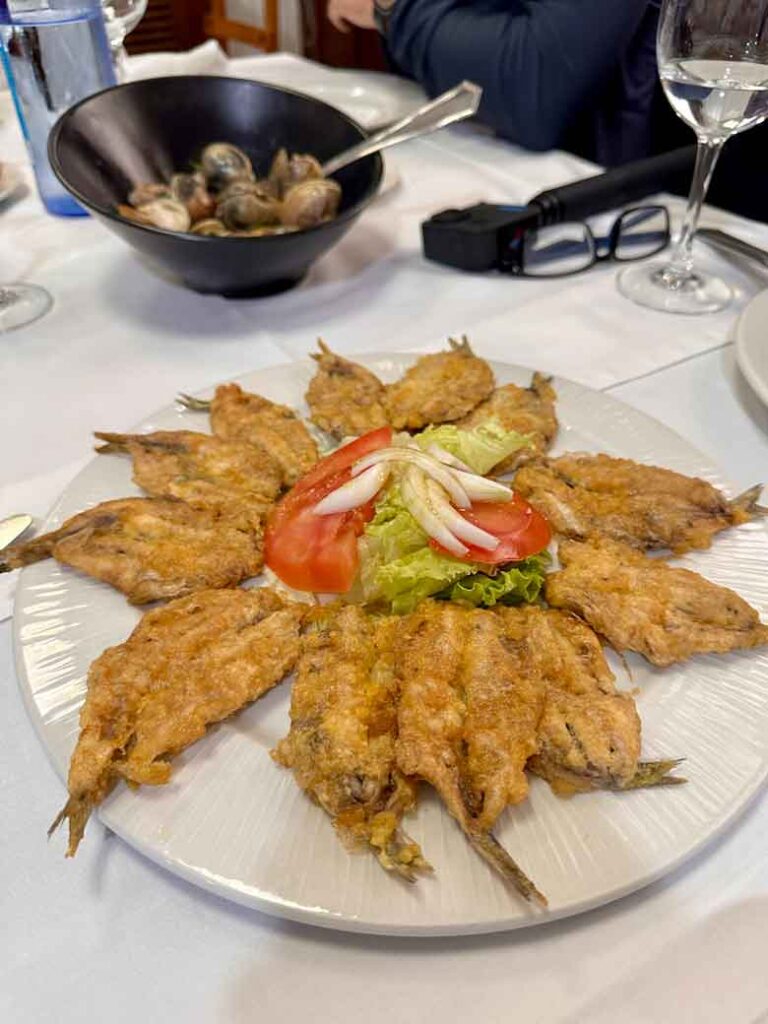
After enjoying some delicious fresh seafood dishes for lunch at El Bodegon restaurant, we leave the coast behind via small roads and country lanes. Slowly, the sea fades from view behind us.
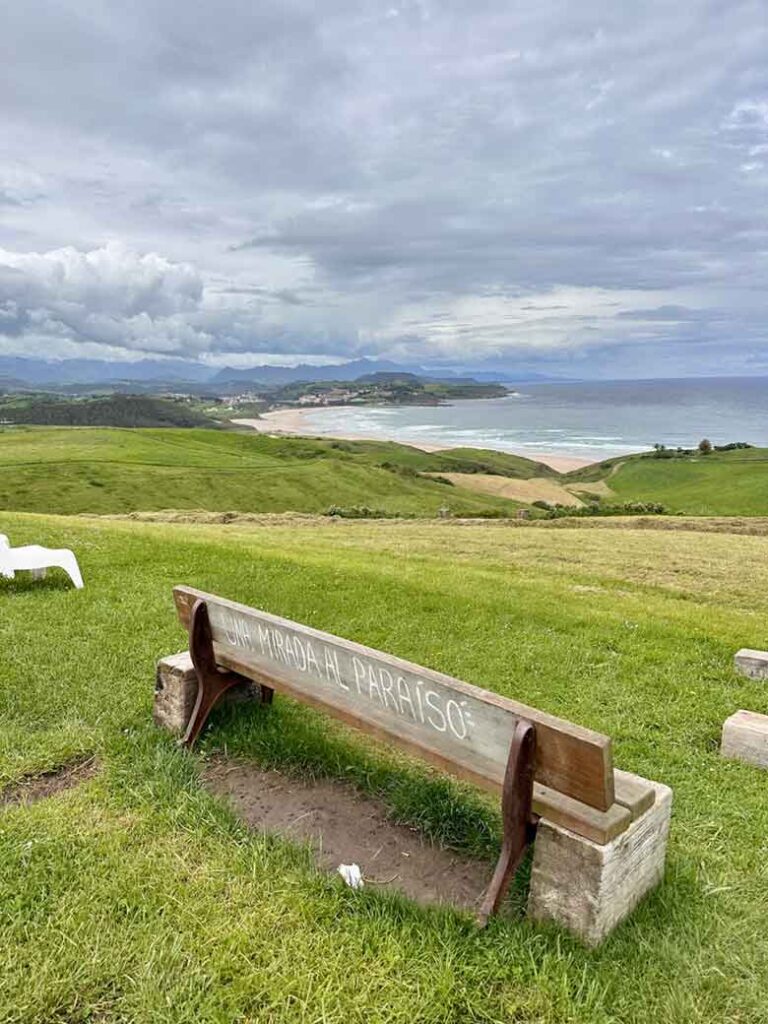
The first stages of the Camino Lebaniego aren’t flat, but they’re easygoing. The landscape consists of green hills, meadows, eucalyptus forests, and scattered hamlets. Those eucalyptus forests are not native to the area but were once planted on a large scale for the paper industry, which has since largely disappeared from here.
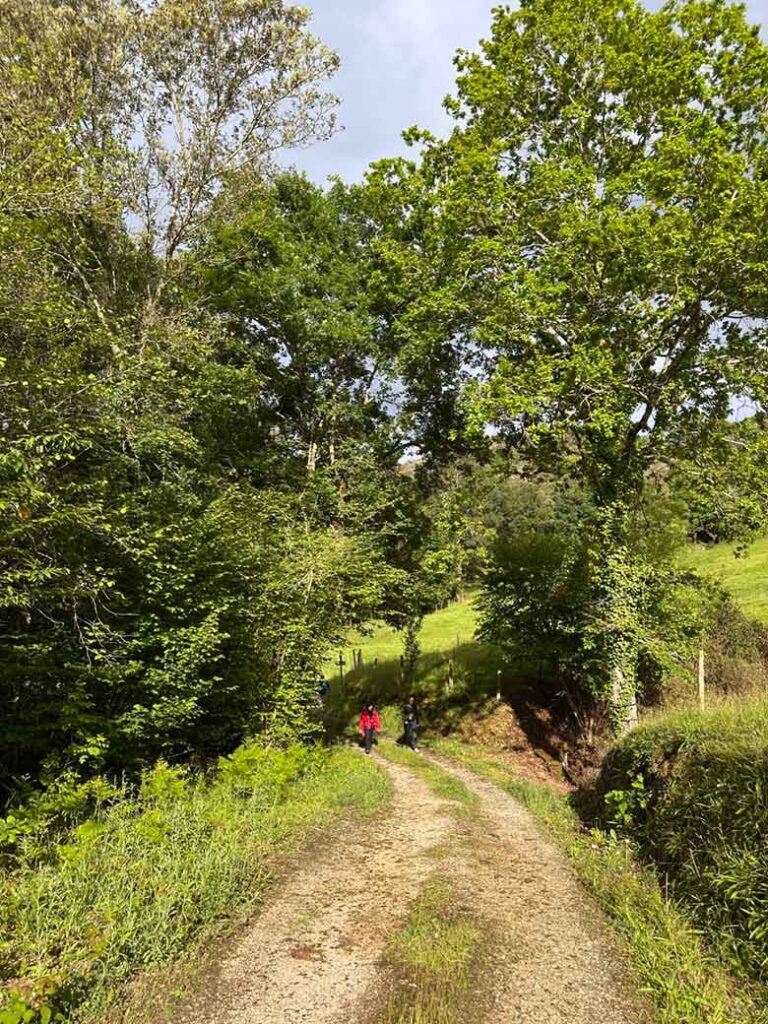
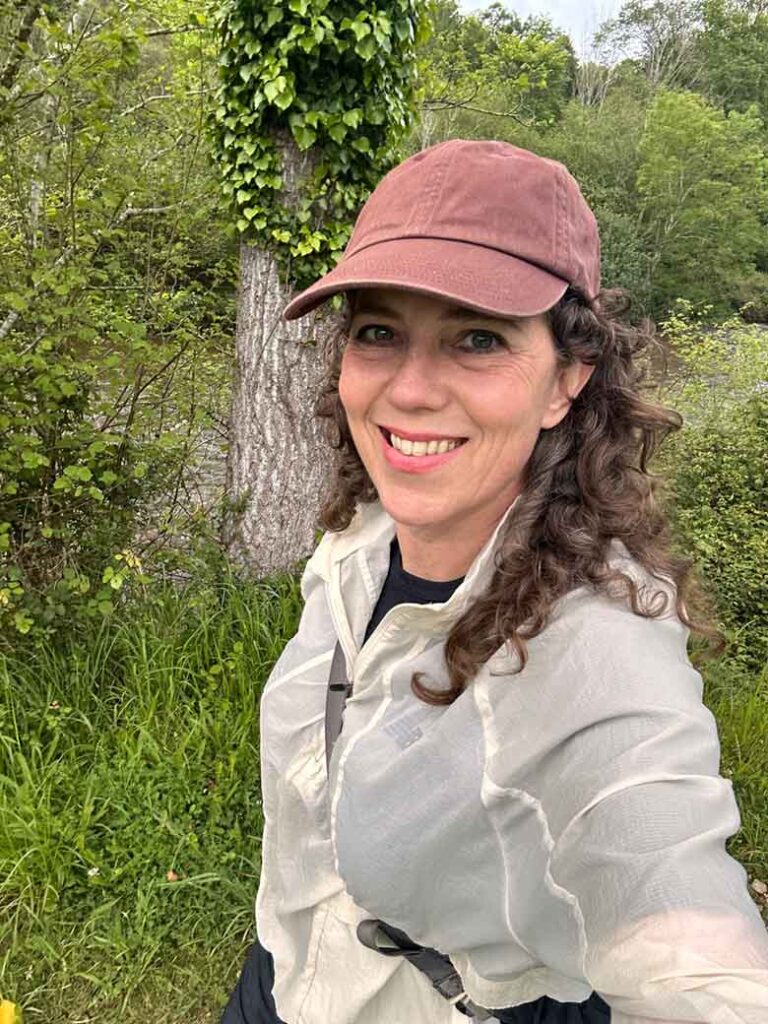
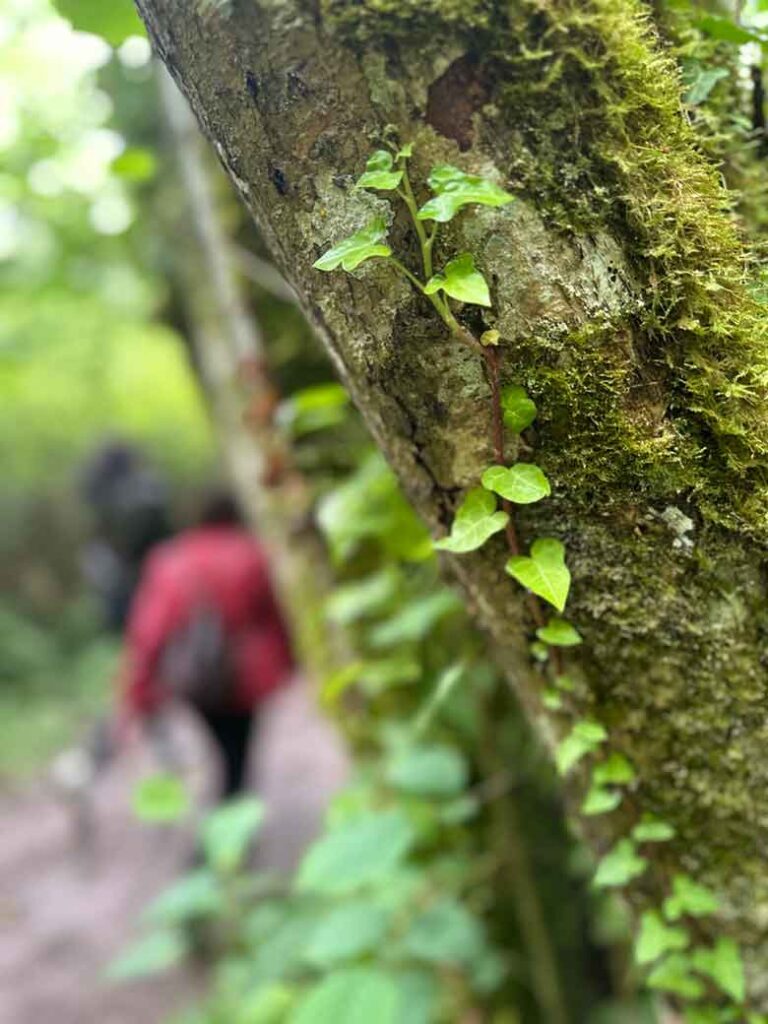
Northern Spain is surprisingly different from the arid south. It’s greener, wetter, and wilder, too. Sometimes it feels Basque or Irish. Wispy patches of fog hang between the hills, and the sky is constantly changing color.
Along the way, we pass small churches, streams, rivers, and hamlets. The route is well marked with red crosses and signs, but it’s never crowded. Sometimes we walk for hours without encountering a single person. That might make the Camino Lebaniego less social, but also less staged. You don’t have to join a stream of pilgrims anywhere.
What really stands out along the way is how closely daily life here is still connected to the landscape. Cows roam freely. Hay bales lie on the hillsides. Small vegetable gardens border the route. And people eat late here. At 3:30 in the afternoon, I still saw people sitting down for lunch.

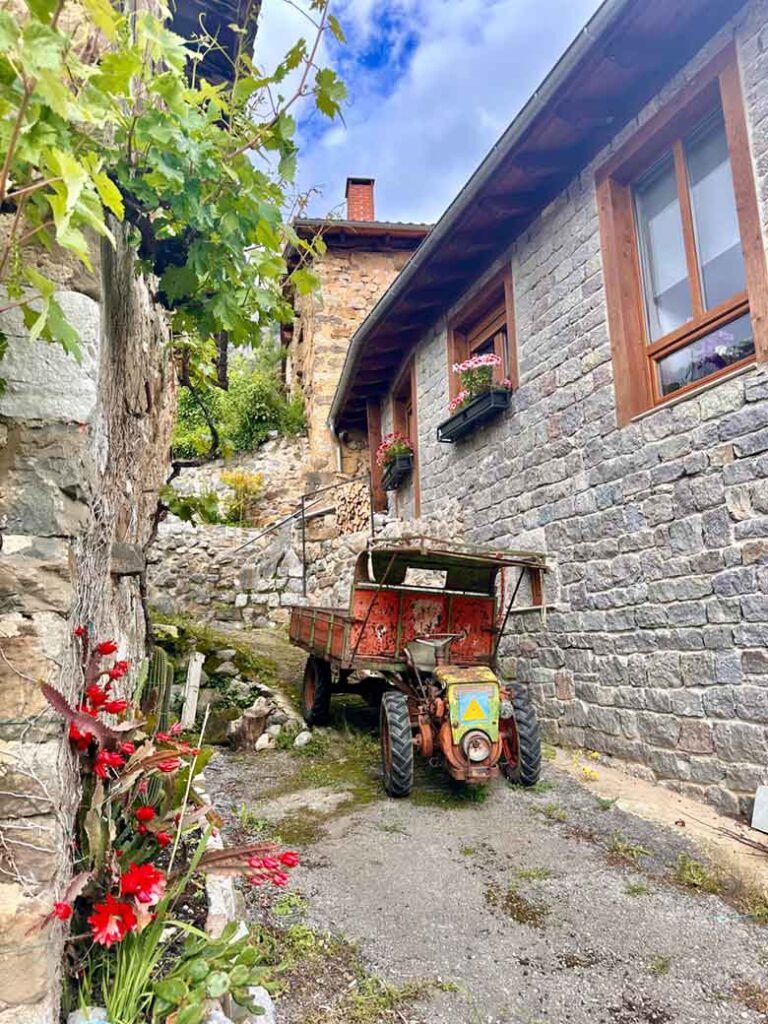
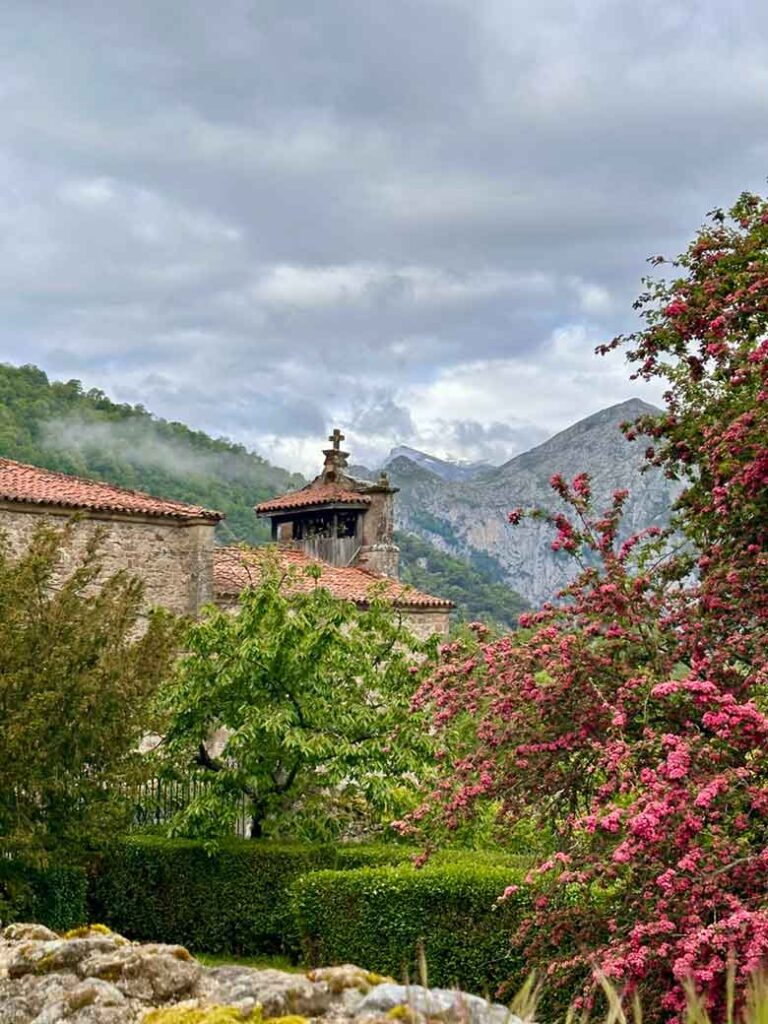
Around Cicera, the atmosphere of the route changes noticeably. The mountains draw closer. The valleys grow narrower. Roads wind steeply upward, and the air feels cooler. Cicera itself is spectacularly perched on a hillside, overlooking deep green valleys. It’s the kind of village where dogs sleep right in the middle of the street. From here on, the hike starts to feel more serious.
The Camino Lebaniego isn’t technically a difficult route, but don’t underestimate it. Some sections involve significant climbs, and after rain, they can get muddy. We’re walking the route in May, and after a few rainy days, we’re glad we have our waterproof hiking boots.
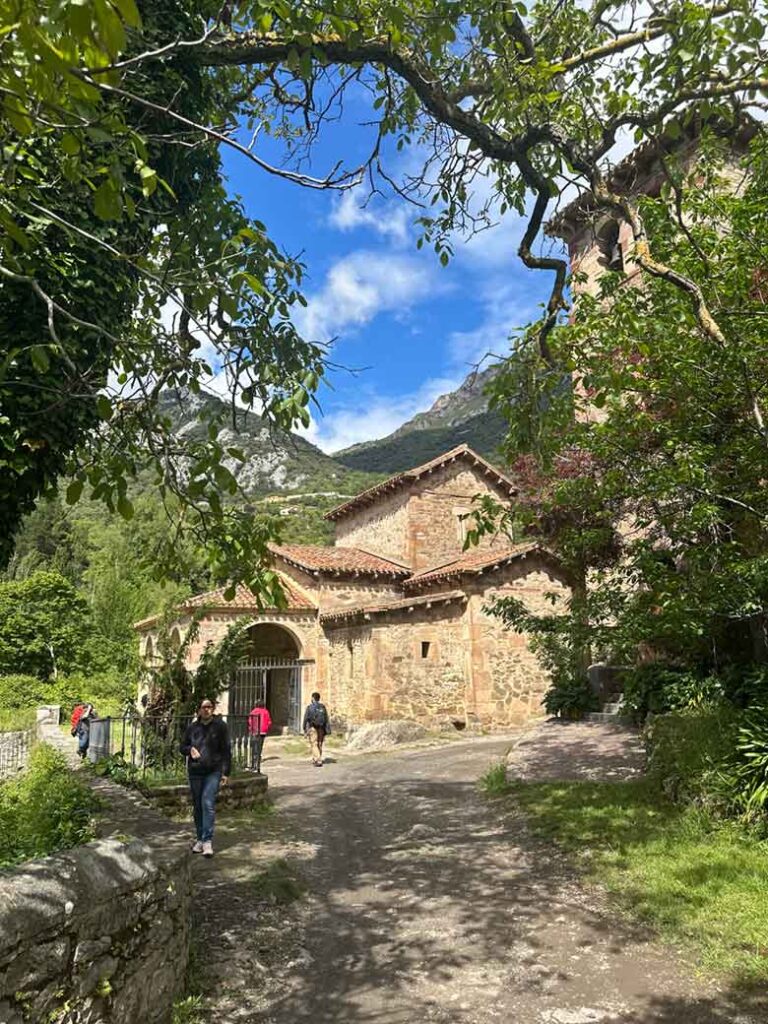
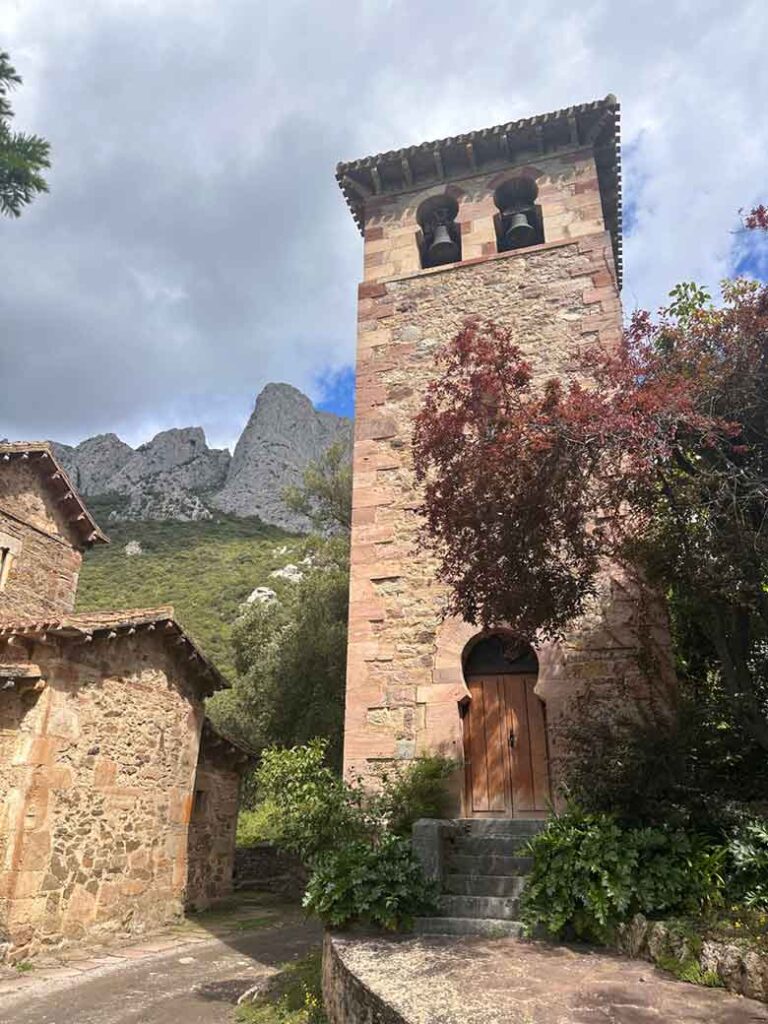
The small Mozarabic Church of Santa María de Lebeña (shown here in the middle photo) is tucked away among green hills on the outskirts of Lebeña and is often overlooked by travelers on their way to Potes. The church dates back to the 10th century and is considered one of the best-preserved examples of early medieval Mozarabic architecture in northern Spain, built during a period when Christian and Islamic influences were still clearly intertwined. Inside, it is austere and compact, with horseshoe arches, thick stone walls, and filtered light. On certain days, a brief Spanish-language explanation of the church is provided; for foreign visitors, the text is also available in Dutch on paper.
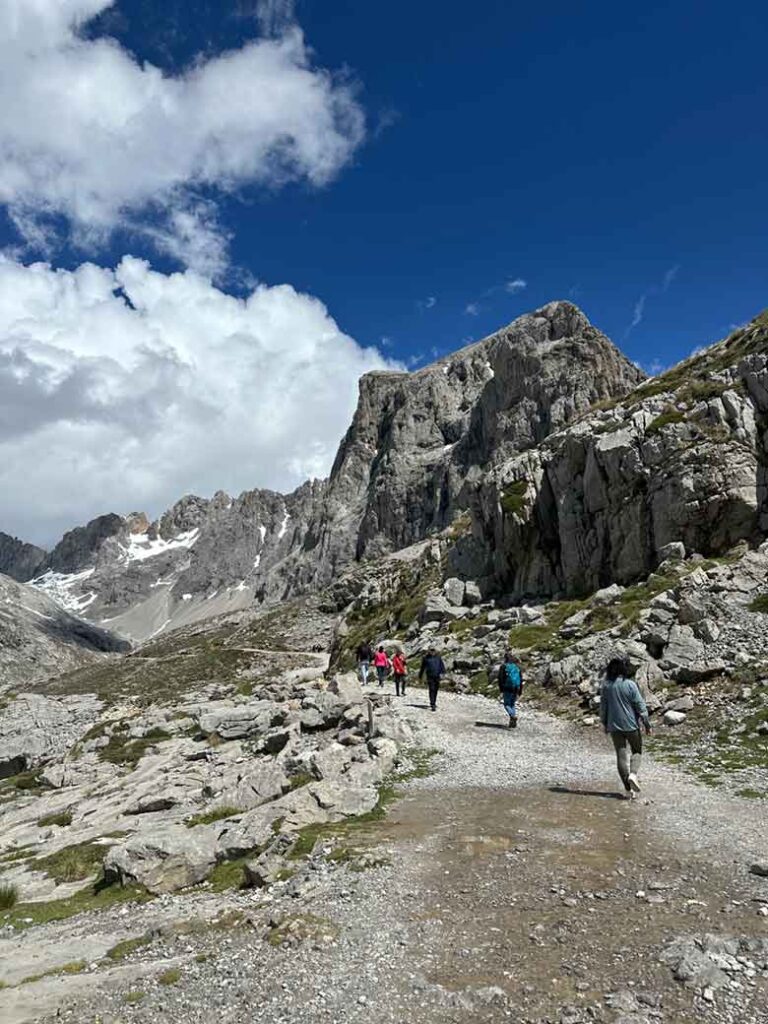
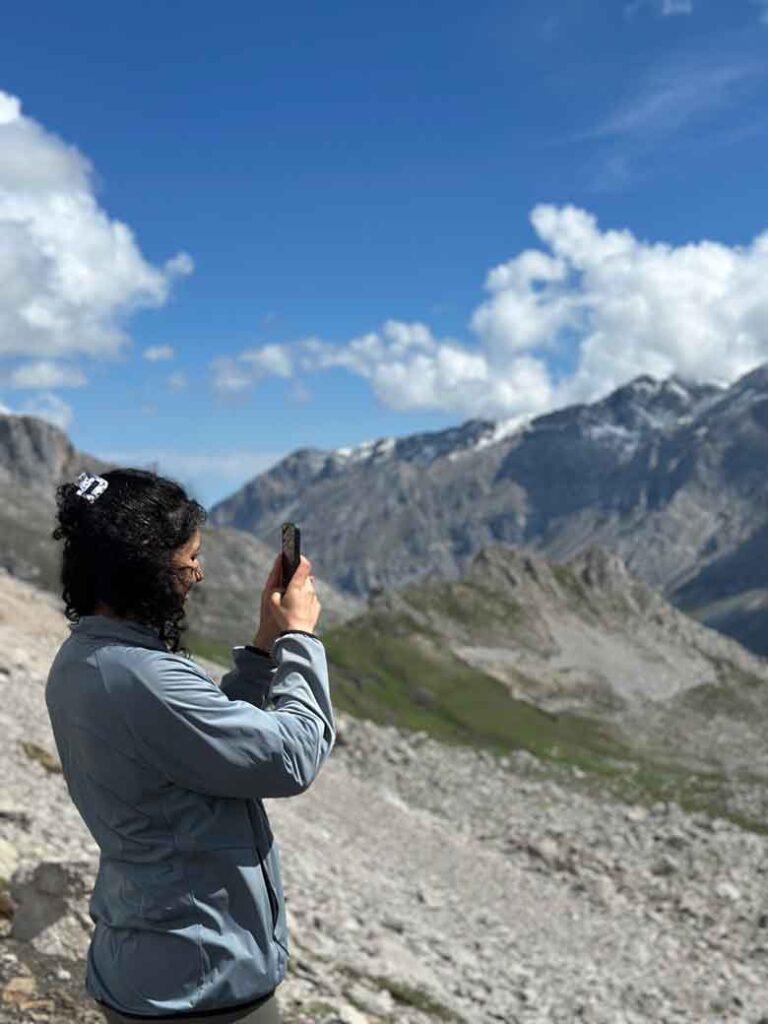
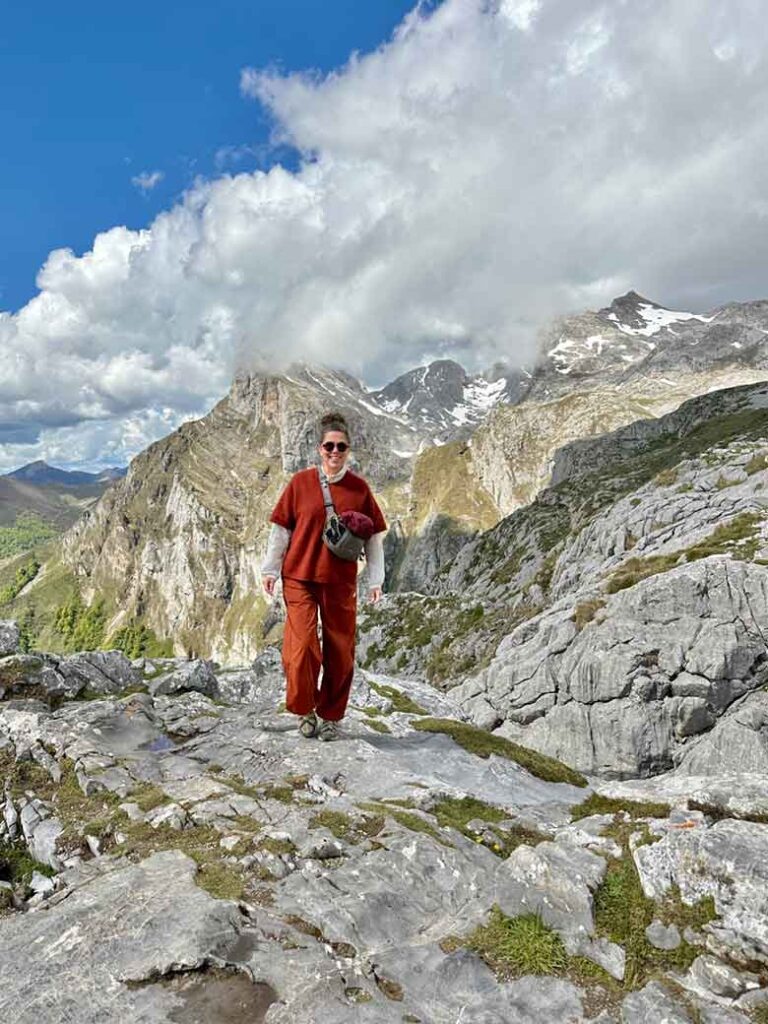
The Picos de Europa are no gentle mountains. They rise abruptly from the landscape, with limestone peaks, deep gorges, and jagged rock formations. Unlike the Alps, they appear more compact and rugged.
The Camino Lebaniego doesn’t cut straight through the high mountains, but winds along their foothills. Yet the mountains are always there. One of the most beautiful aspects of this route is that you see those mountains gradually come into view. Every day, they seem to grow larger.
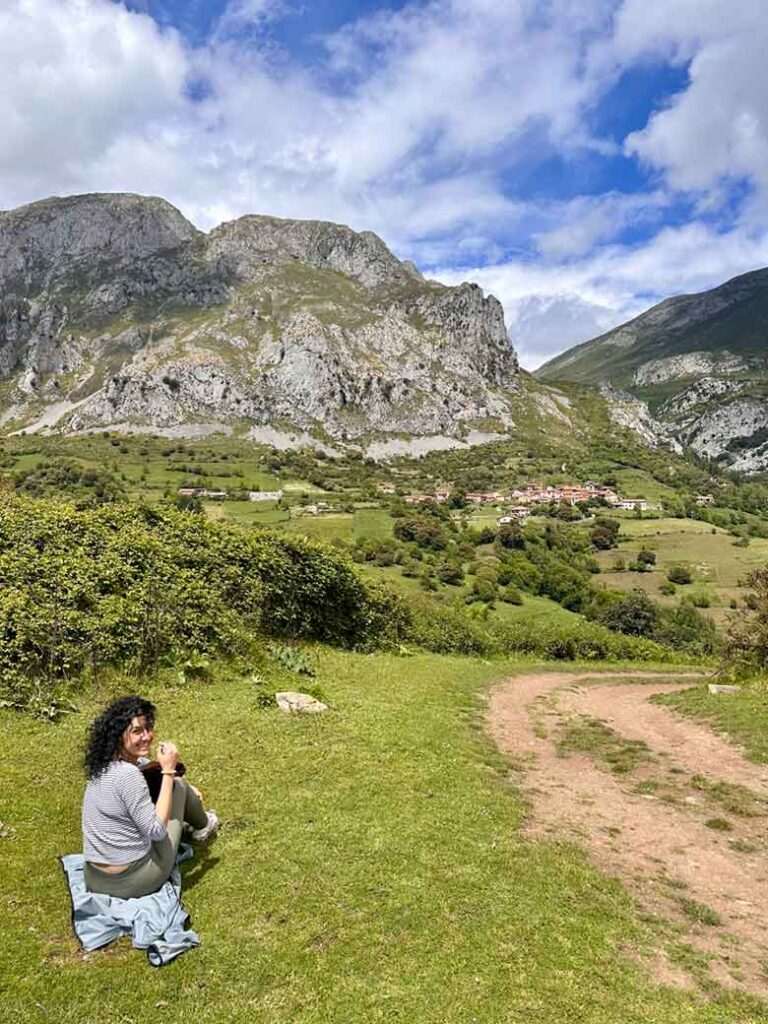
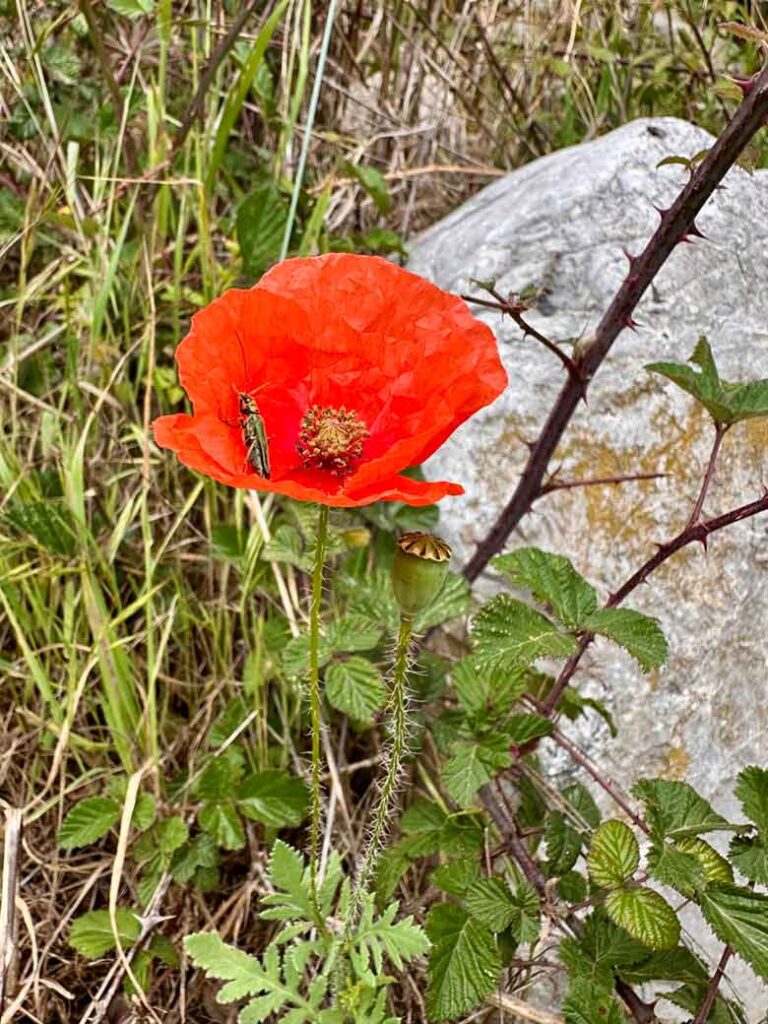
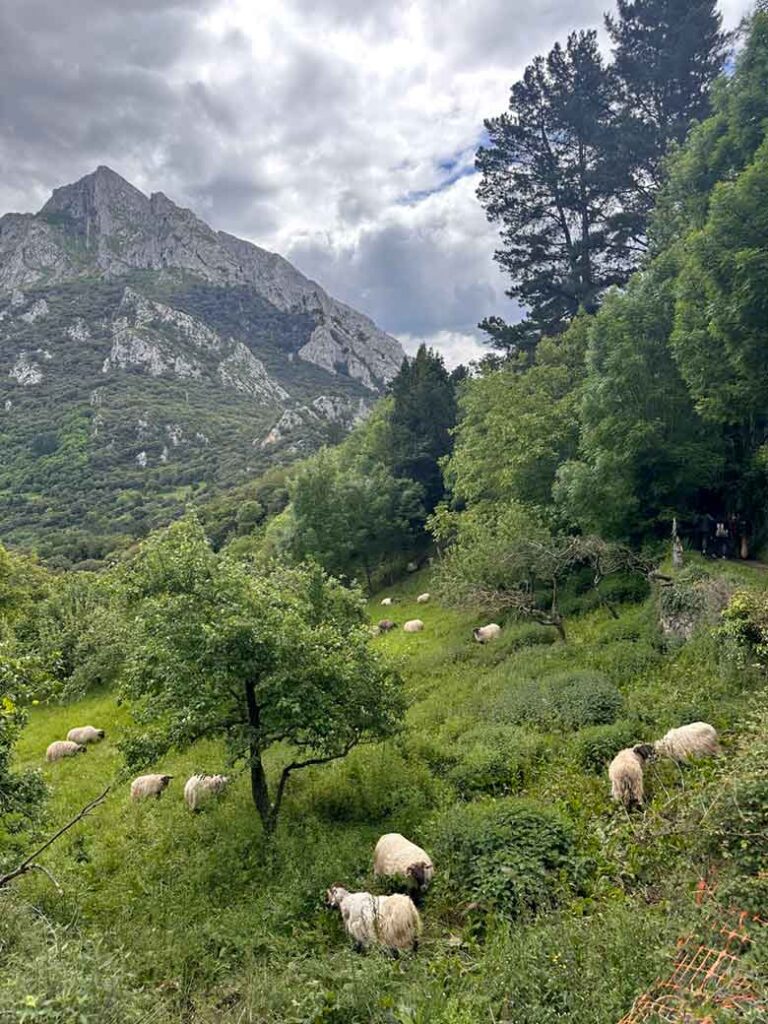
And then, all of a sudden, there’s that moment when you round a bend and the Picos stretch out before you in all their glory. It’s almost theatrical, but without the crowds you often encounter in other European mountain regions.
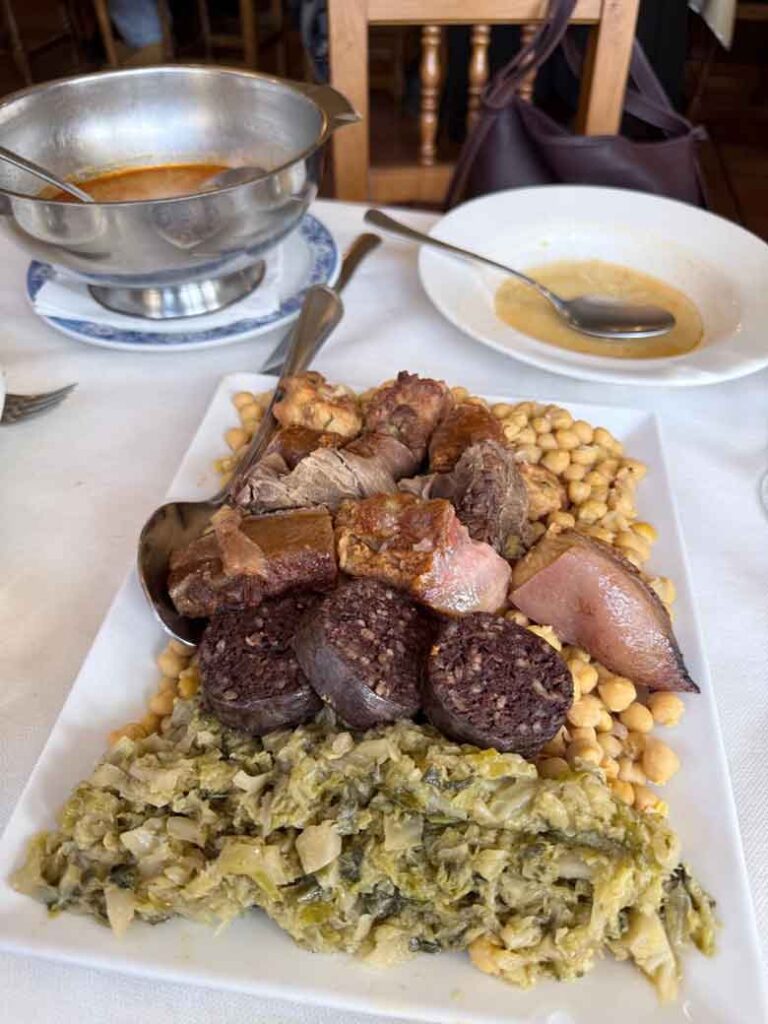
After a day of hiking, we end up at a sidewalk café where we order a plate of cocido lebaniego: a hearty local stew with chickpeas, cabbage, and meat. The cooking liquid is served as a flavorful soup. It’s not haute cuisine, but it’s just right after hours of walking.
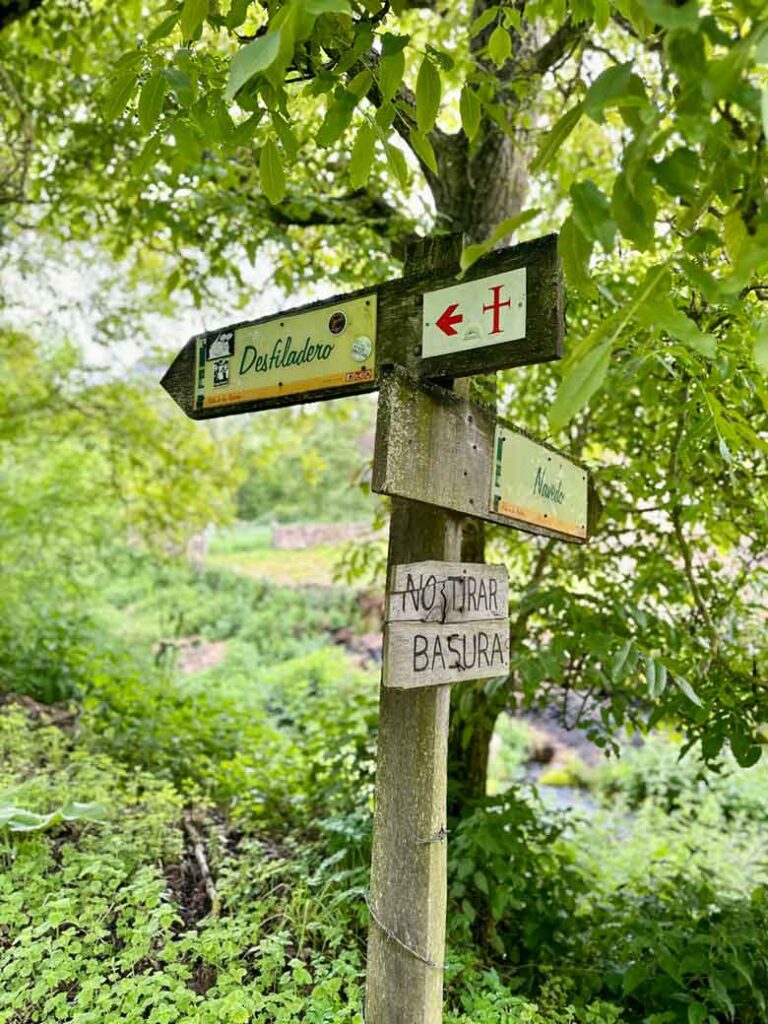
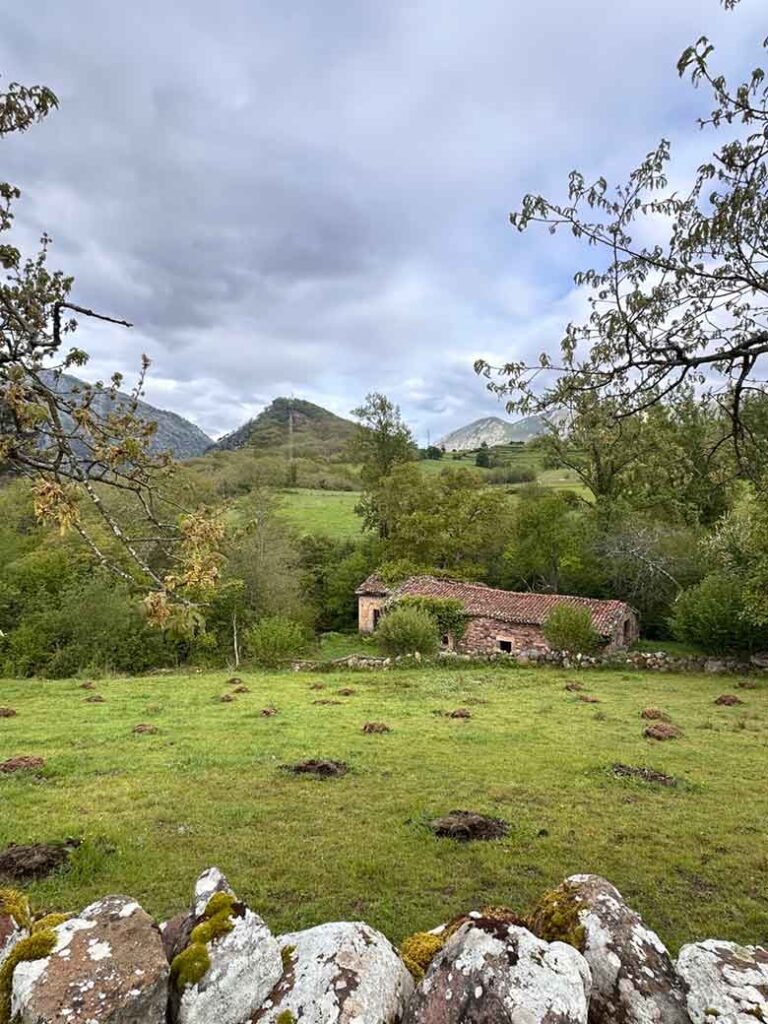
Along the way, you’ll also get a constant sense of northern Spain, which still feels relatively unpolished here. No hotspots or perfectly curated pilgrim experiences. The hospitality feels simple and sincere.
Another highlight along the way are the ancient chestnut trees scattered along parts of the route. Some of them are said to be over a thousand years old and have enormous, gnarled trunks that look like sculptures. Especially around Cillorigo de Liébana and heading toward Lebeña, you’ll come across several old chestnut forests, once vital for food and timber for the valley’s residents. In the fall, the slopes here turn a deep golden brown, but even in the spring, the trees add a lot of character to the landscape of the Camino Lebaniego.
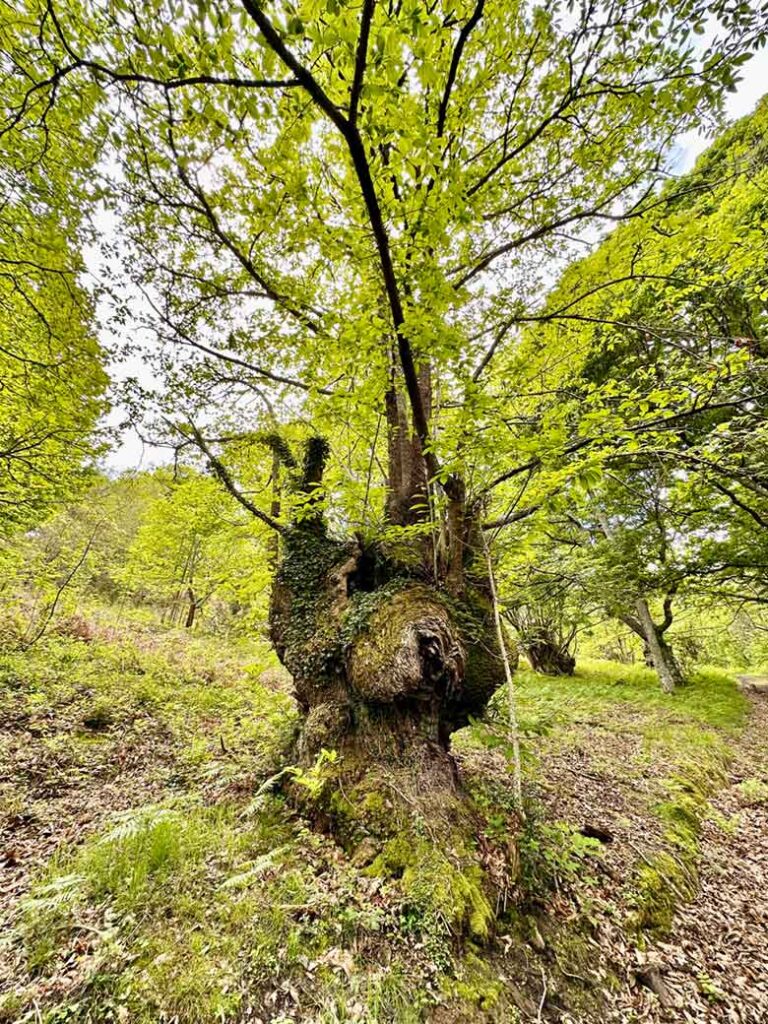
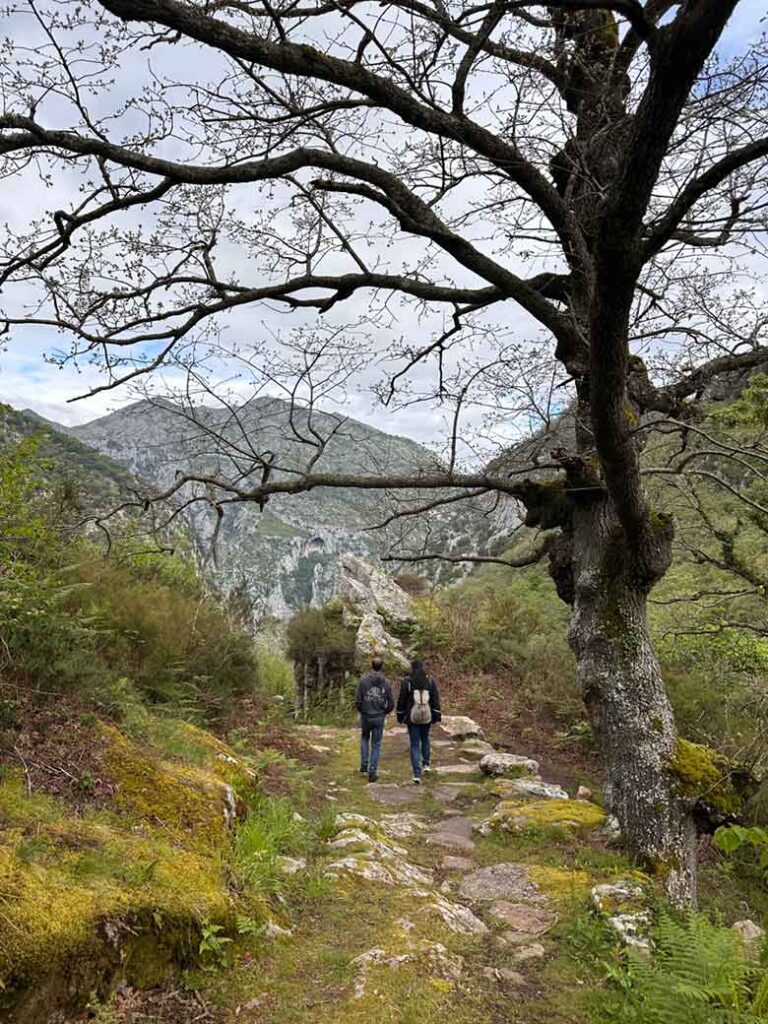
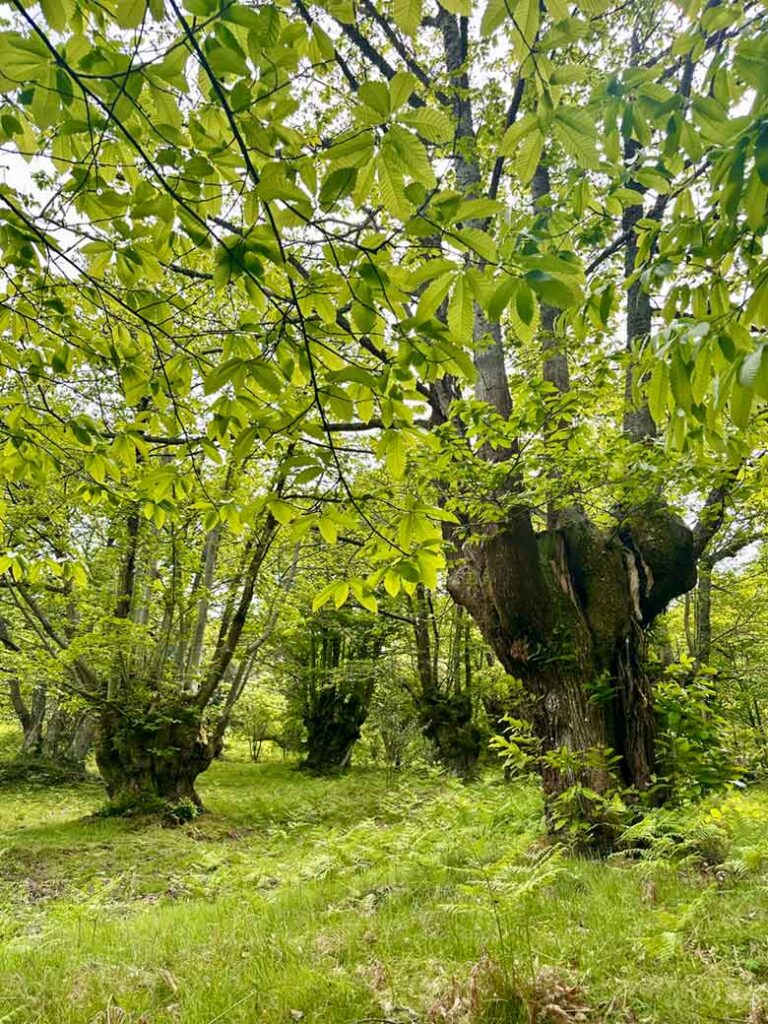
The final few kilometers to the Monastery of Santo Toribio de Liébana start in Potes, a lively mountain town that often serves as a base for exploring the Picos de Europa. This last stretch of the route is mostly on paved roads, but with the mountains as a backdrop.
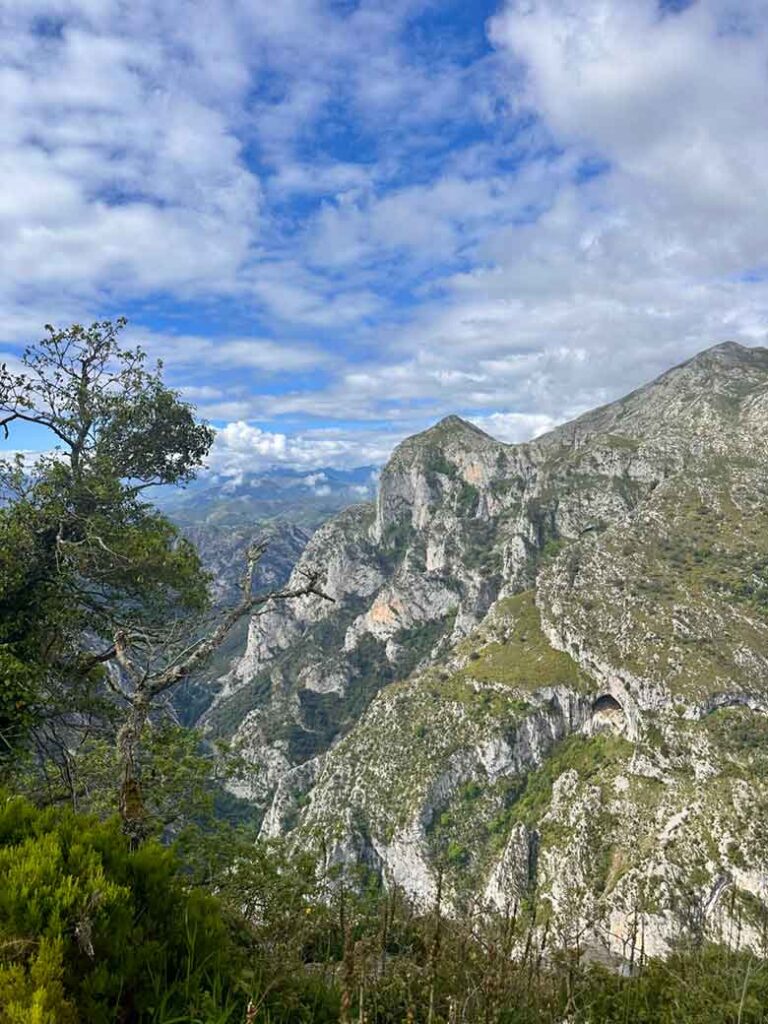
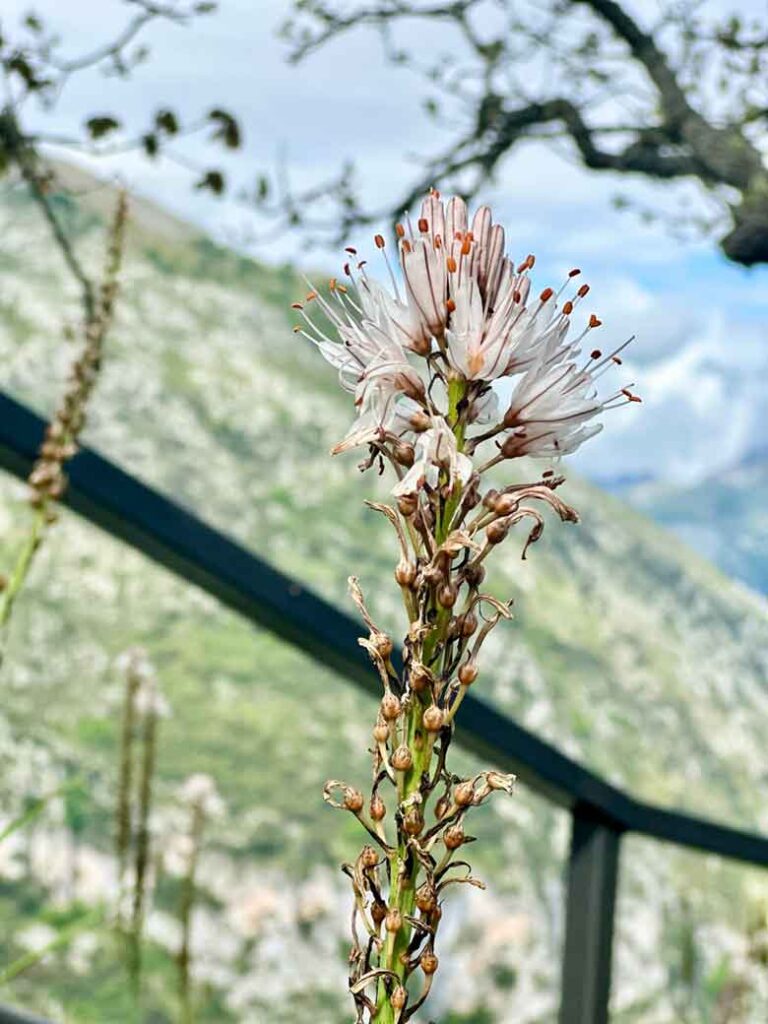
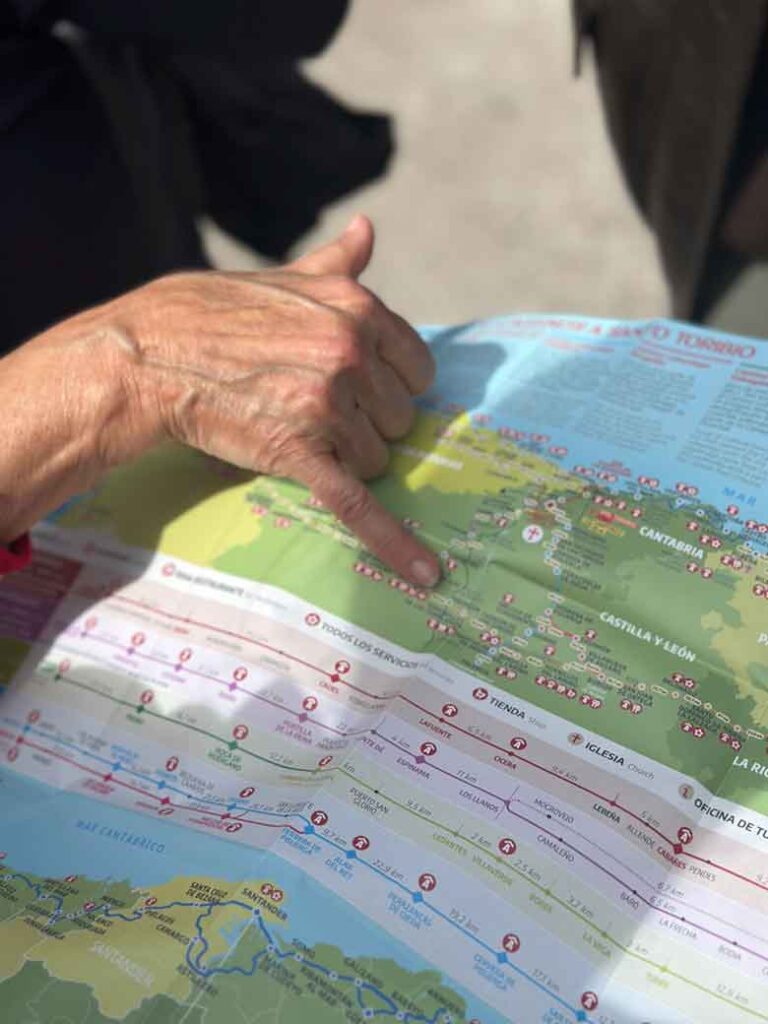
At the monastery, we are welcomed by the two monks who still live there, and they show us the famous cross. Even though we didn’t walk the entire Camino, we are welcomed as true pilgrims and are even allowed to touch the wooden cross for a moment.
If you have the time, you should definitely stay in Potes or the surrounding valleys for a few more days.
Potes itself has narrow streets, stone bridges, and a surprisingly lively atmosphere for such a small mountain town. Hikers, climbers, and local families mingle here. The medieval Torre del Infantado tower in Potes not only offers views of the Liébana Valley but also a glimpse into the region’s history, with exhibitions on Beato de Liébana and ancient Apocalypse codices. From the crenellated roof, you can look out over the red roofs of Potes and the mountains of the Picos de Europa.
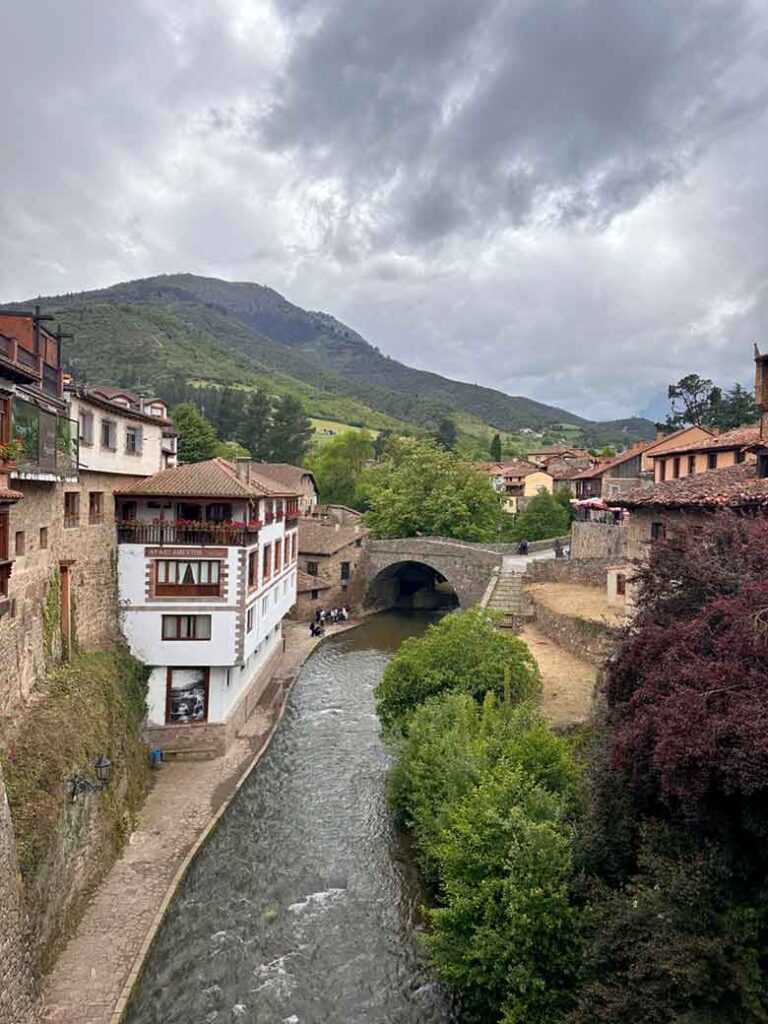

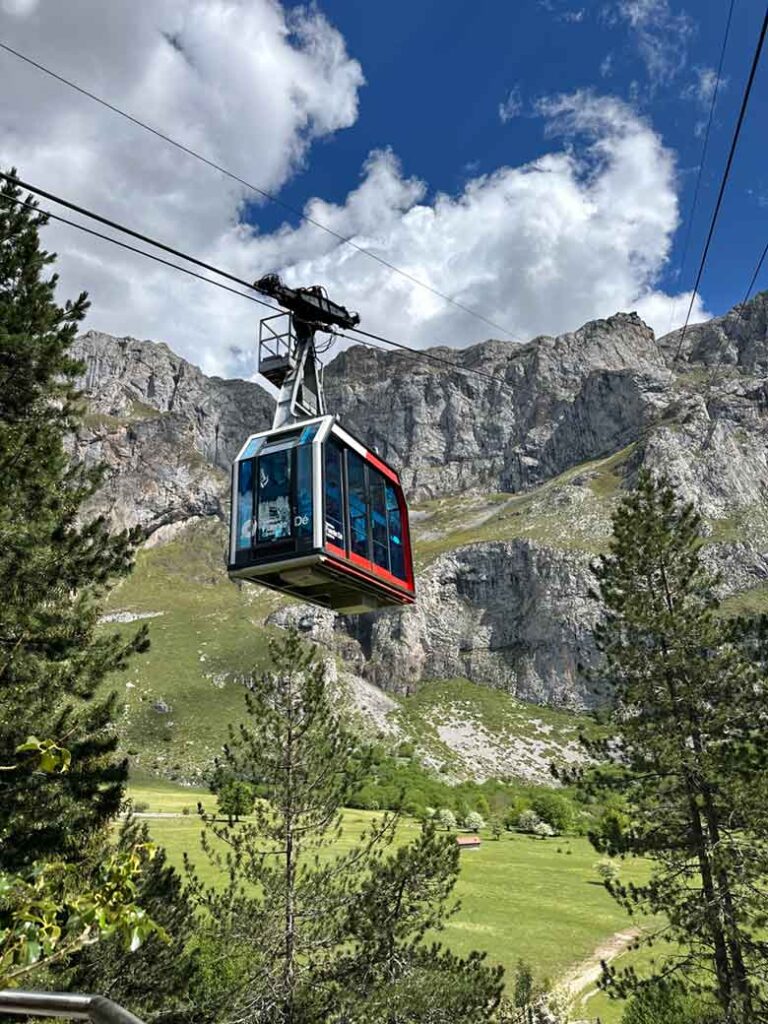
From Potes, you can continue on to Fuente Dé, where a cable car takes you deep into the mountains of the Picos de Europa. You can also opt for shorter hikes through the Liébana Valley, passing through chestnut forests and mountain meadows.
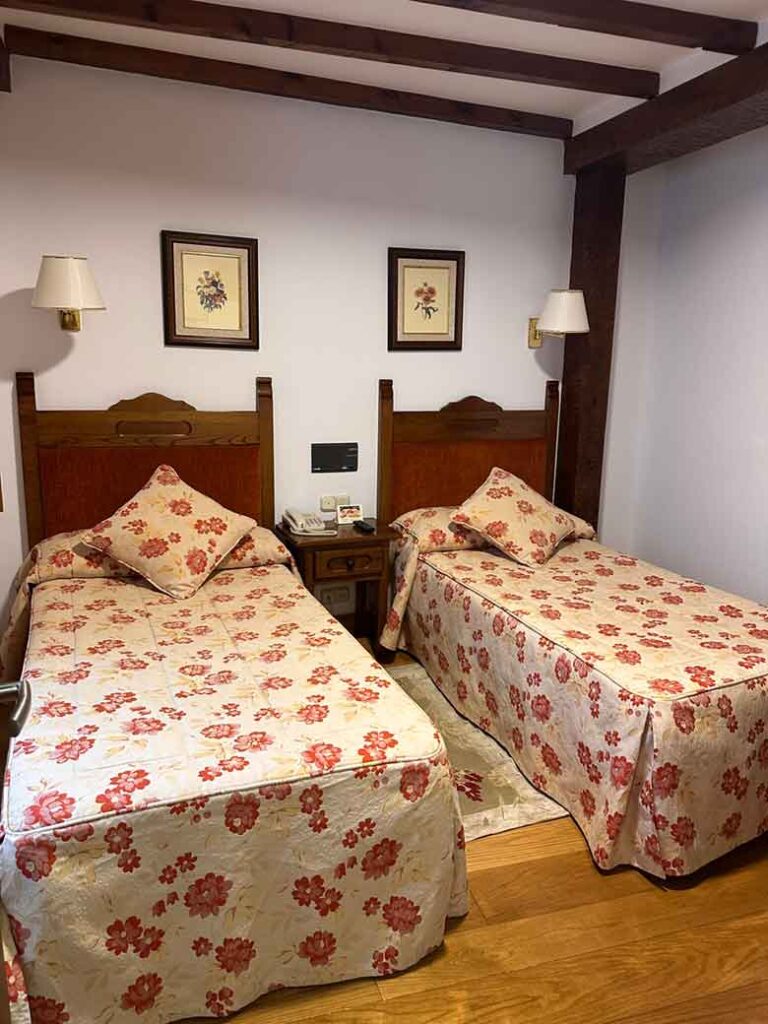
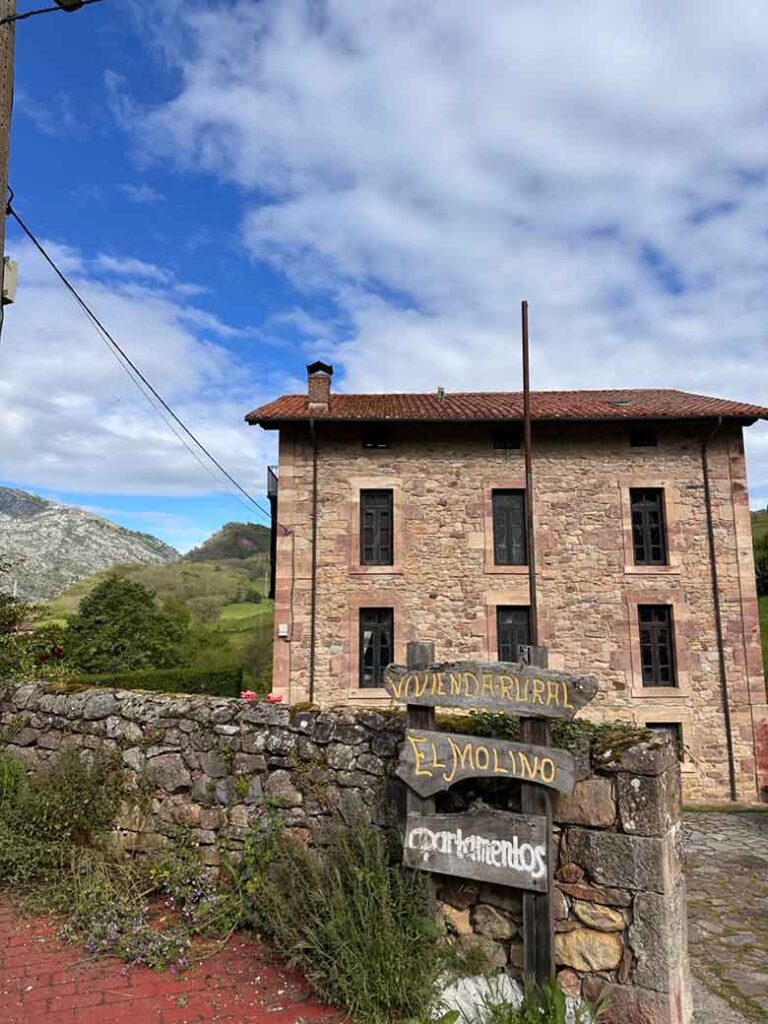
We stayed at the following places:
Hotel Bahia in Santander: a large hotel on the waterfront in the heart of the city.
Molino de Cicera in Cicera: a beautiful old country house with stylish rooms. Dinner at Taberna de Otto, though we found the food there to be mediocre.
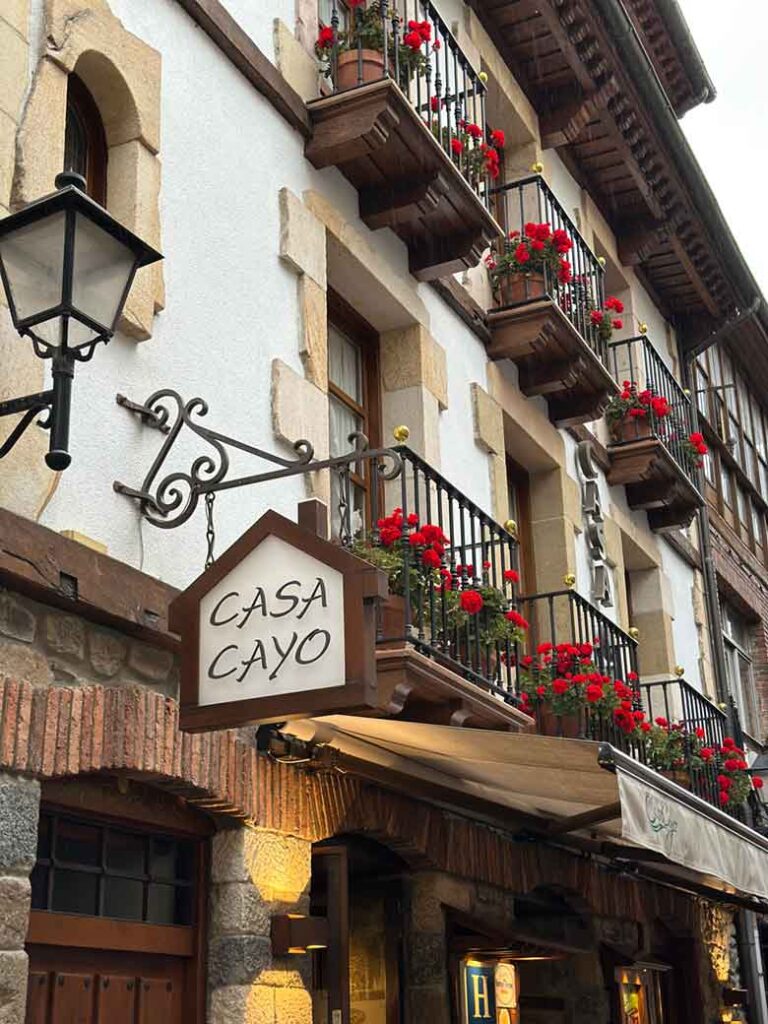
Casa Cayo in Potes and dinner at Restaurante El Bodegon; a charming atmosphere and delicious food.
Hostel Nomada in San Vicente de la Barquera has two dorm rooms; a bed costs between €25 and €30 per night, and there is a shared kitchen and bathroom. There are also lockers for your valuables.
Accessibility: San Vicente de la Barquera is accessible via Santander. From Potes, buses run back toward the coast and larger cities.
If you walk the Camino Lebaniego without working out all the logistical details in advance, you’ll soon find yourself turning to Fidel and el Camino. Fidel arranges luggage transport, transfers between stages, and all the practical details involved, but he does so in a way that remains remarkably personal. He is someone who truly knows the route, the people, and the conditions along the way. Especially on a route like the Camino Lebaniego, where public transportation is limited and stages can sometimes be difficult to combine, Fidel makes all the difference.
Some hiking trails stick in your memory because of a single spectacular day. The Camino Lebaniego is different. It’s the gradual change that stays with you. The scent of the sea slowly fading away. The first glimpse of the Picos. A deserted mountain road. A simple meal in a hamlet. The feeling that northern Spain is still surprisingly pure and unpolished here. And that is exactly why this relatively unknown Camino and this destination make such an impression.

Mieke Tacken
I am an interior designer, photographer, and an avid nature hiker. I’ve lost my heart to the simplicity and beauty of hiking vacations. I also appreciate the unique experience of a stay that tells a story about local history or culture. Here, I share my stories and tips—whenever possible, with a light footprint and always with a heart full of wonder.
Gitschberg Jochtal: Hiking in the Summer, Skiing Away from the Crowds in the Winter Eight villages, no well-known name, and yet 300 kilometers of marked hiking trails in the summer and 55 kilometers of ski runs in the winter: that’s the Gitschberg Jochtal, on the...
Hiking in the Harz Mountains: From the high moors to the summit of the Brocken In early July, I went on a trip to the Harz Mountains—my first visit to this forested region in central Germany. I drove from Goslar toward the Harz Mountains. We managed to squeeze in our...
Hiking Around Saimaa: The Most Beautiful Nature Trails and National Parks Near Mikkeli Nowhere else in the world can you find the “Saimaa seal,” a freshwater seal that became trapped in this labyrinth of lakes after the last ice age and has since evolved into its own...
Get inspired
Are you looking for the most beautiful hiking and biking routes? Or do you want information about traveling by train or advice for the most beautiful road trips through nature. Get inspired for your next trip in green; ideas for planning your own trip or opting for an organized trip.