
Gratis gids 10 verborgen natuurplekken in Europa
Gratis gids 10 verborgen natuurplekken in Europa. Meld je aan voor onze nieuwsbrief en ontvang inspirerende reistips en routes voor je volgende groene reis.

In May, I took a special tour through the Val de Lleida, a little-known but surprisingly diverse region in northern Spain. This valley lies at the foot of the Spanish Pyrenees and was designated a Biosphere Destination in 2021 for its commitment to sustainable tourism. Imagine vast natural landscapes, centuries-old churches, hidden villages, and world-class cuisine—all far from the crowds.
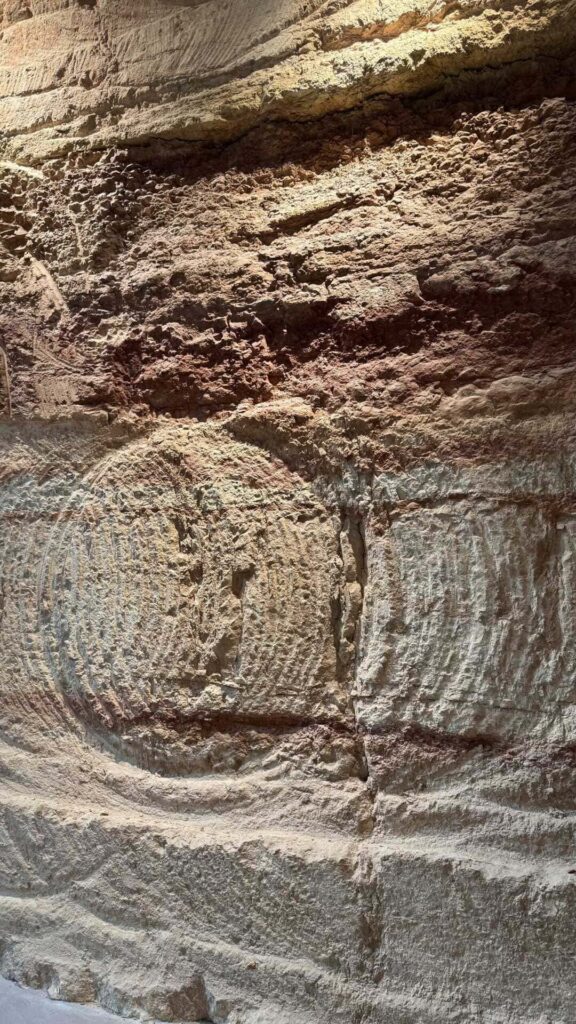
From Tarragona, I drive toward the Cuadrat Valley, where I take part in an olive oil tasting. The location is extraordinary: an architectural masterpiece built underground in harmony with the landscape. The oil itself? One of the best in the world, according to connoisseurs.


On to Lleida, the capital of the province of the same name. I’m staying at the Parador de Lleida, housed in a former monastery. The city has a young, lively atmosphere thanks to the university.


The highlight is the imposing La Seu Vella Cathedral, one of the largest sandstone cathedrals in Europe. Although the facade was covered in scaffolding during my visit, the interior, with its cloisters and chapels, is impressive. On nights with a full moon, the monastery is sometimes open until midnight, creating a magical atmosphere. More info: www.turoseuvella.cat


For lunch, I drive to Gimenelles, where the Michelin-starred restaurant Malena is located in La Vaqueria, a former cowshed. Chef Xixo Castaño Piñol delights guests with seasonal dishes that are works of art in their own right.


The route continues northward to Vall de Boí, known for its Romanesque churches. In Sant Climent de Taüll, I experience the impressive Lux Mundi projection: original frescoes are brought to life digitally. A rare and beautiful combination of heritage and technology. The original frescoes are on display at the Museu Nacional d’Art de Catalunya in Barcelona.


Place to Stay: Hotel de l’Aüt—surprisingly good for a 1-star hotel. A wonderful stay in the mountains with a great restaurant.
One of the highlights of this trip is a visit to Aigüestortes i Estany de Sant Maurici National Park. The name literally means “winding waters,” and that’s exactly what it is: the park is home to more than 2,000 lakes and countless waterfalls. Here, you’ll come face to face with marmots, birds of prey, and sometimes even chamois. Read more here about our hiking tips in Aigüestortes National Park.
You can take a Jeep into the park and go on hikes there (on your own or as part of an organized tour). You can also enter the park on foot. Private cars are not permitted.


The park has trails of all difficulty levels, more than 2,000 lakes, waterfalls, and plenty of wildlife. A round-trip taxi ride in a Jeep into the park costs about €10. I’m taken to a beautiful spot (about a 2.5-hour walk) for a wonderful hike through the park. The park features mountains ranging from 1,300 to 3,000 meters in height.
There’s a lot of snow in the winter, and it’s very pleasant in the summer. Please note: cell phone coverage is very limited here. Only the emergency number 112 is available.
In Val d’Aran, you can feel that the French border is nearby. In Vielha and Bossòst, the atmosphere is small-town and relaxed, with little rivers, small bridges, and little squares where you can sit back and relax.
Recommended for lunch: Hotel Talabart in Les—charming and conveniently located.

We continue on toward Alt Pirineu Nature Park, where we’ll hike through one of Europe’s best-preserved forests. In the fall, this area is a riot of color.
Next up is a special stop: the medieval village of Seurí, with just 15 residents. In the 12th-century church, I admire the surprising work of artist Santi Moix: colorful frescoes in which nature and spirituality come together. A hidden gem. Read more here about Santi Moix’s work in the church of Seurí.
Overnight stay: Hotel Pessets in Sort, a lovely winter resort that also offers peace and comfort in the summer.
Finally, I visit Castell d’Encus, a winery located at an altitude of over 1,000 meters. Founder Raúl Bobet deliberately chose this location because of climate change. Here, wine is still partly made in medieval stone vats.


The view is breathtaking, and the wines are unique and full of character.
Lunch and overnight stay tip: Hotel Terradets in Cellers, located on a large reservoir. Perfect for kayaking, fishing, or simply enjoying the view.

With a passion for travel and photography and over 30 years of experience in the travel industry, I love to share my special nature travel tips. Travel is wonderful and important, you meet new people and cultures and it opens your view of the world.
8-day hiking trip Rota Vicentina: the Fishermans trail with local specialist Self-guided, fully taken care of by a local specialist: Fishermen's Trail from Cercal to Odeceixe On day five you board a boat to cross the mouth of the Mira River. No bridge, no timetabled...
Hiking across smoking volcanoes: an organized hiking tour of the Aeolian Islands On Vulcano, you know you’ve arrived before you even set foot on shore. The sulfur already hangs over the harbor. A smell that hovers somewhere between a match and a boiled egg—and one you...
Lübeck & Travemünde: a green city break along the Baltic Sea Sleeping in an old Kellogg’s grain silo, having breakfast without cornflakes the next morning, and a day later searching for kingfishers on a river that once ran right through the Iron Curtain. Our short...
Get inspired
Are you looking for the most beautiful hiking and biking routes? Or do you want information about traveling by train or advice for the most beautiful road trips through nature. Get inspired for your next trip in green; ideas for planning your own trip or opting for an organized trip.