
Gratis gids 10 verborgen natuurplekken in Europa
Gratis gids 10 verborgen natuurplekken in Europa. Meld je aan voor onze nieuwsbrief en ontvang inspirerende reistips en routes voor je volgende groene reis.

The sun rises out of the sea here. While the Italian coast automatically brings to mind a sunset, on the Ionian side of Calabria, the world literally turns upside down: Soverato faces east, so the day begins with golden light over the water. And in the bay off the coast, seahorses swim—two rare species, protected in their own marine park. That’s Soverato in a nutshell: a lively coastal town that’s wilder and greener than its summer reputation for nightlife might suggest.
In this article, we’ll take you on a tour of the beaches, the town of Soverato, and the surprising inland areas of the Costa degli Aranci—from Greek archaeological sites to mountain monasteries and waterfalls. Plus: how to get there and the best time to visit. Looking for a unique place to stay? More on that later.
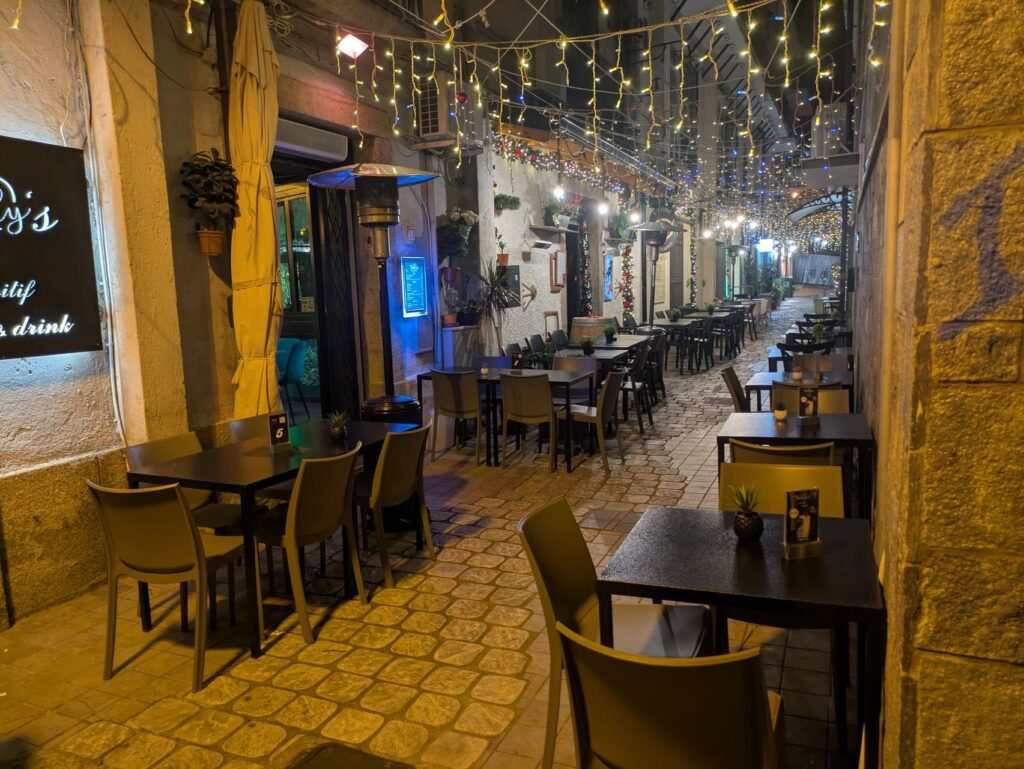
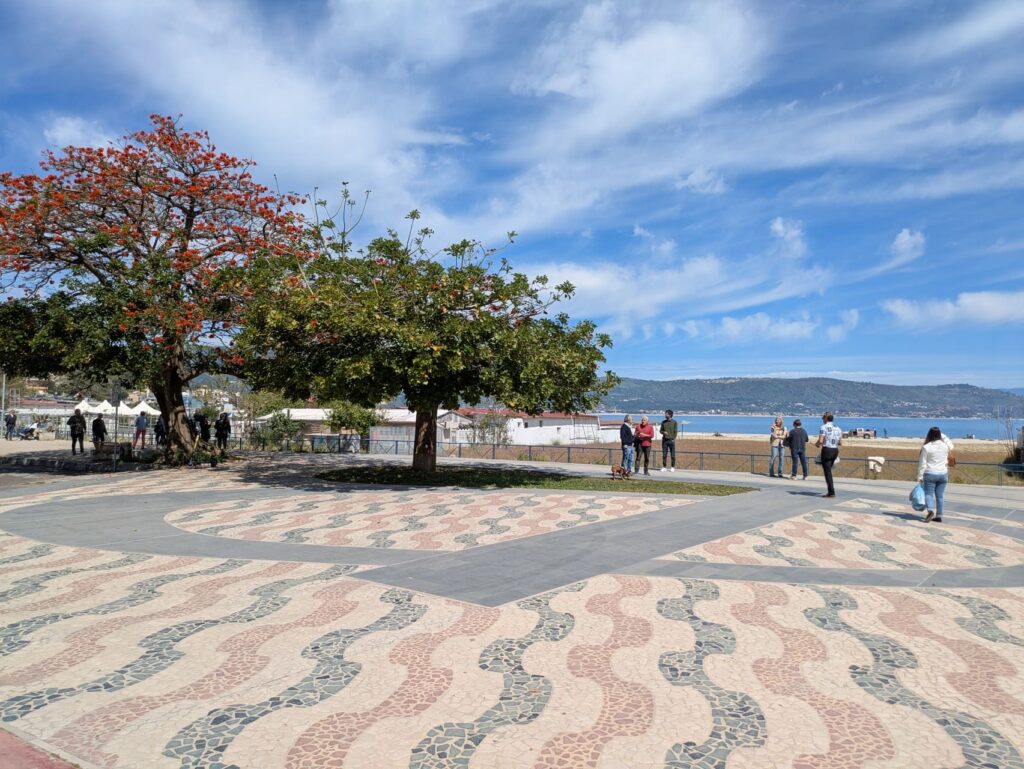
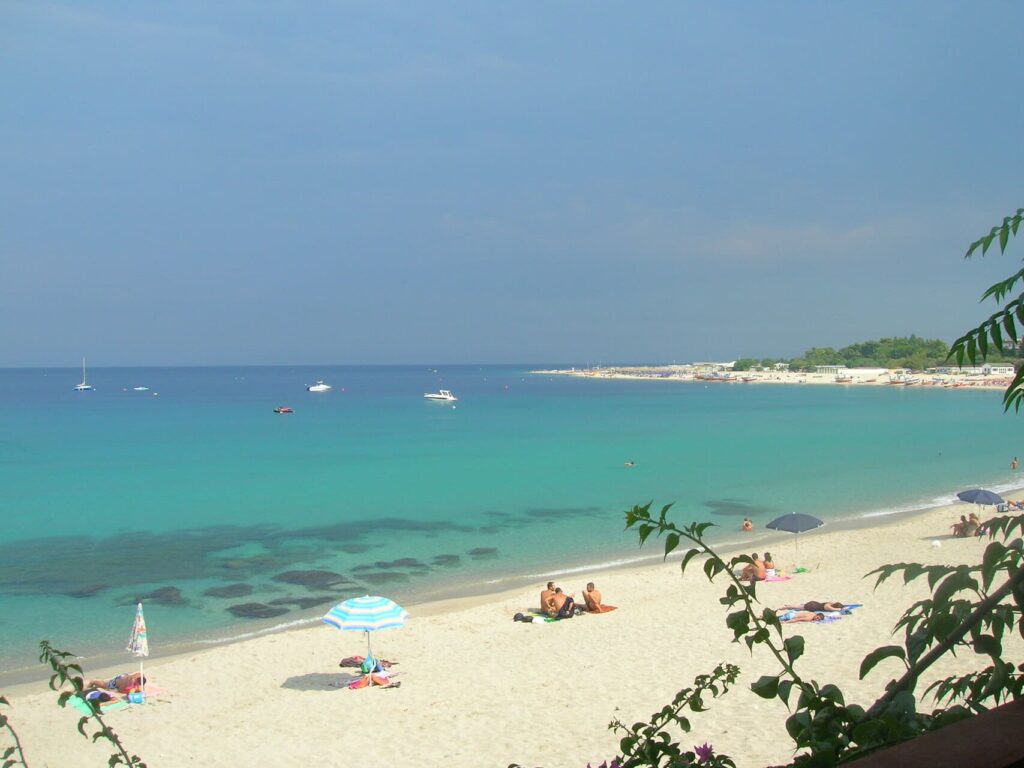
The town is located in the province of Catanzaro, in the heart of the Gulf of Squillace, on the stretch of the Ionian coast known locally as the “Costa degli Aranci”—the Orange Coast—a coastline stretching about seventy kilometers between Botricello and Guardavalle. For generations, the town has been called the “pearl of the Ionian Coast,” the pearl of the Ionian Sea. The beaches consist of fine, bright white sand that contrasts sharply with the turquoise water; the sea has been awarded the Blue Flag for several years in a row, as well as the Green Flag for beaches suitable for families with children.
The city consists of four sections.
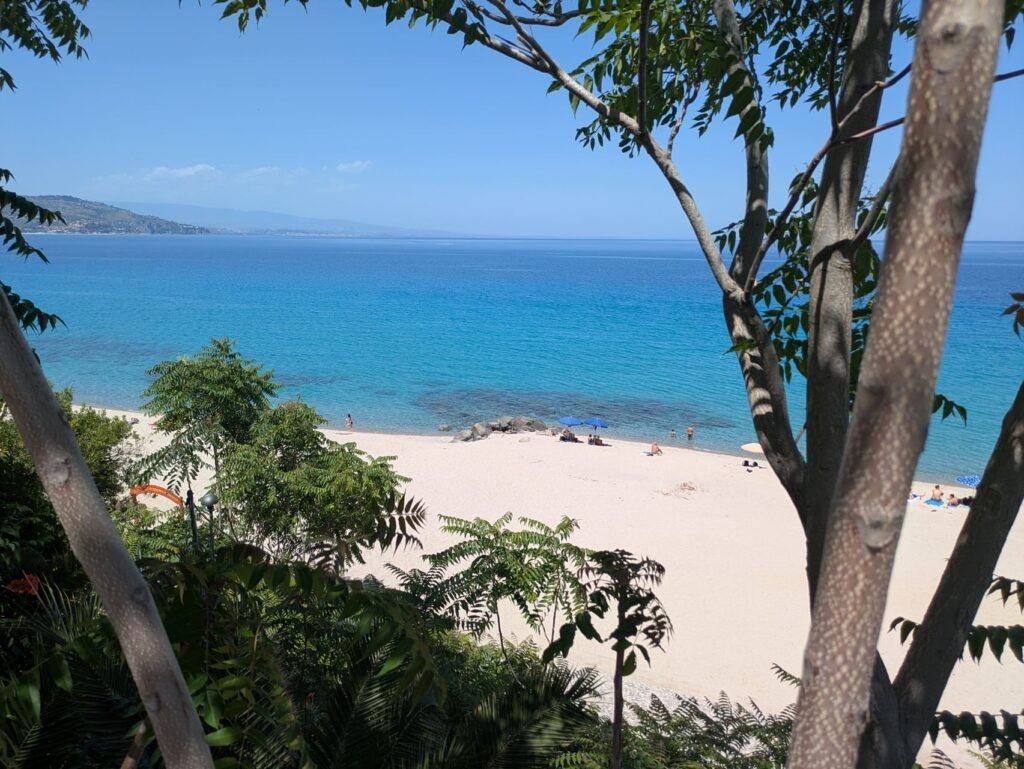
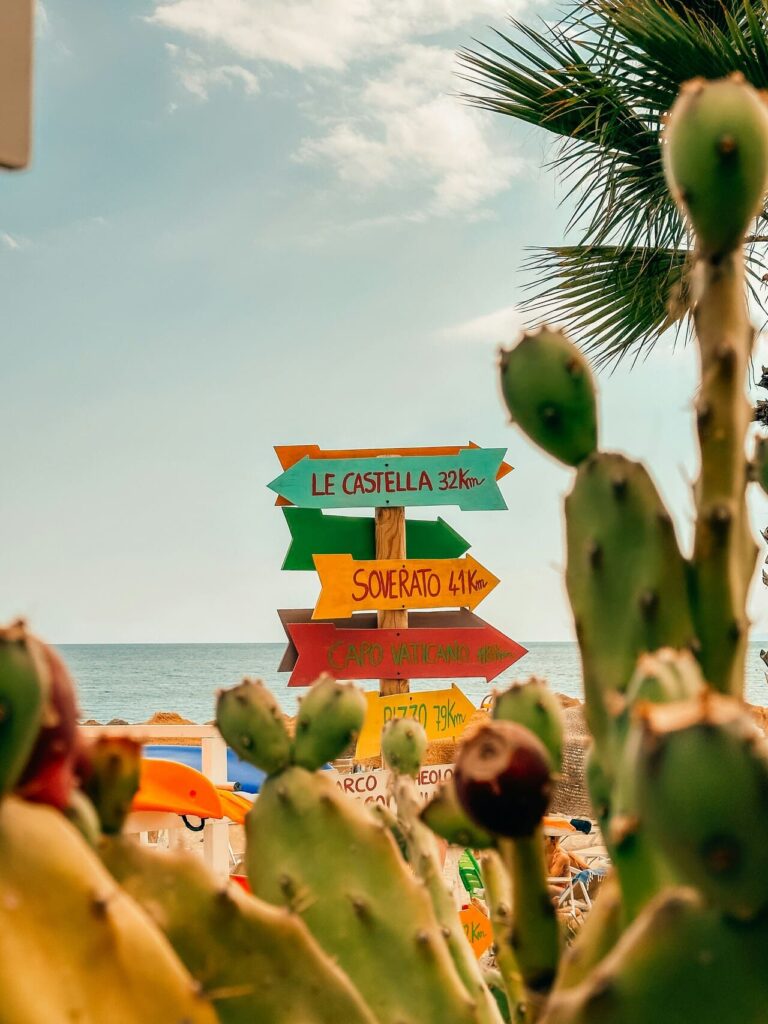
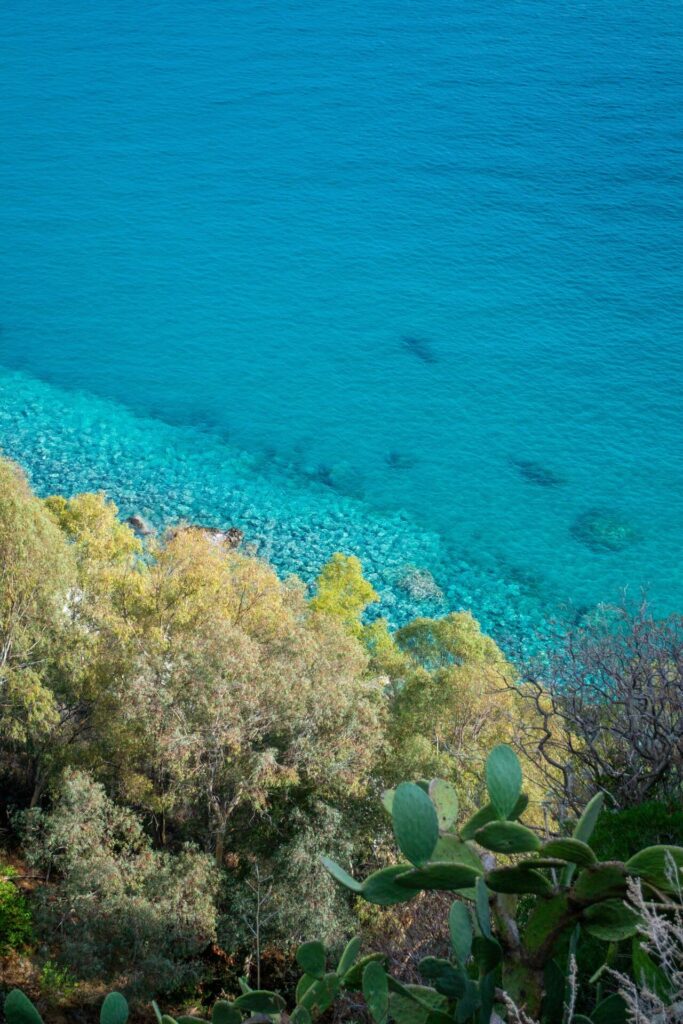
The natural highlight is the Baia dell’Ippocampo, or Seahorse Bay. This protected area is part of the Baia di Soverato Regional Marine Park, home to two rare, internationally (CITES) protected seahorse species: Hippocampus hippocampus and Hippocampus guttulatus. Their presence is a good indicator of the water’s health and an invitation to explore the area while snorkeling, always with respect for the ecosystem.
The coast offers more than just long sandy beaches. Toward Stalettì, white beaches alternate with granite coves such as Caminia and Pietragrande, featuring sea caves and crystal-clear waters. In addition to snorkeling, sailing, scuba diving, and windsurfing are popular; the wide bay and steady winds make it an ideal spot.
In the height of summer, the boulevard is lined with outdoor cafes, bars, and evening strollers. It’s one of the liveliest promenades in the region. But the city is more than just beaches and bustle. Inside the Church of Maria SS. Addolorata houses a Pietà by Antonello Gagini, and the small maritime museum Mudimar holds a surprising collection of marine life, from seahorses to a loggerhead sea turtle, and even features a bioacoustics section where you can hear the sounds of cetaceans.
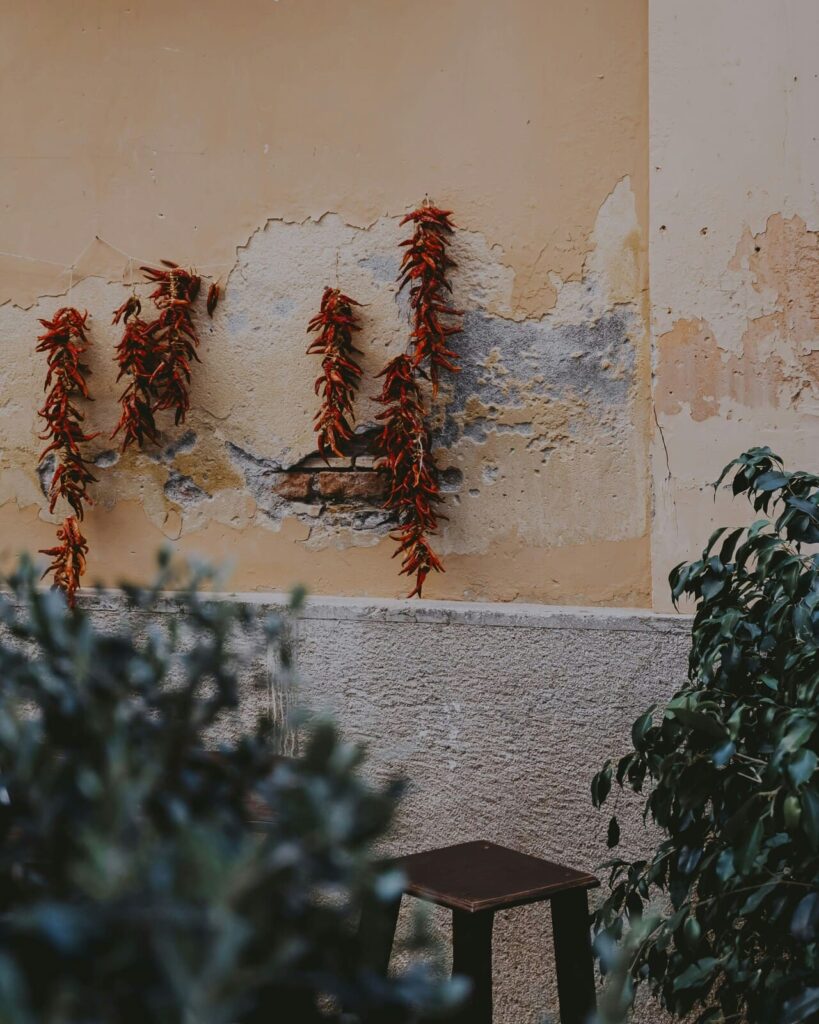
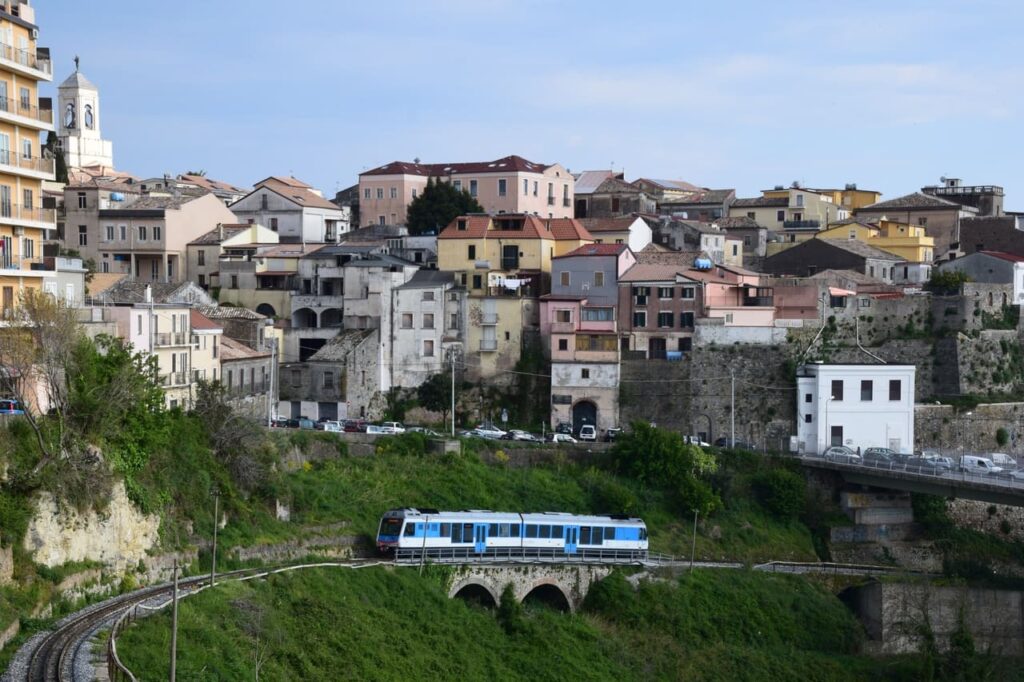
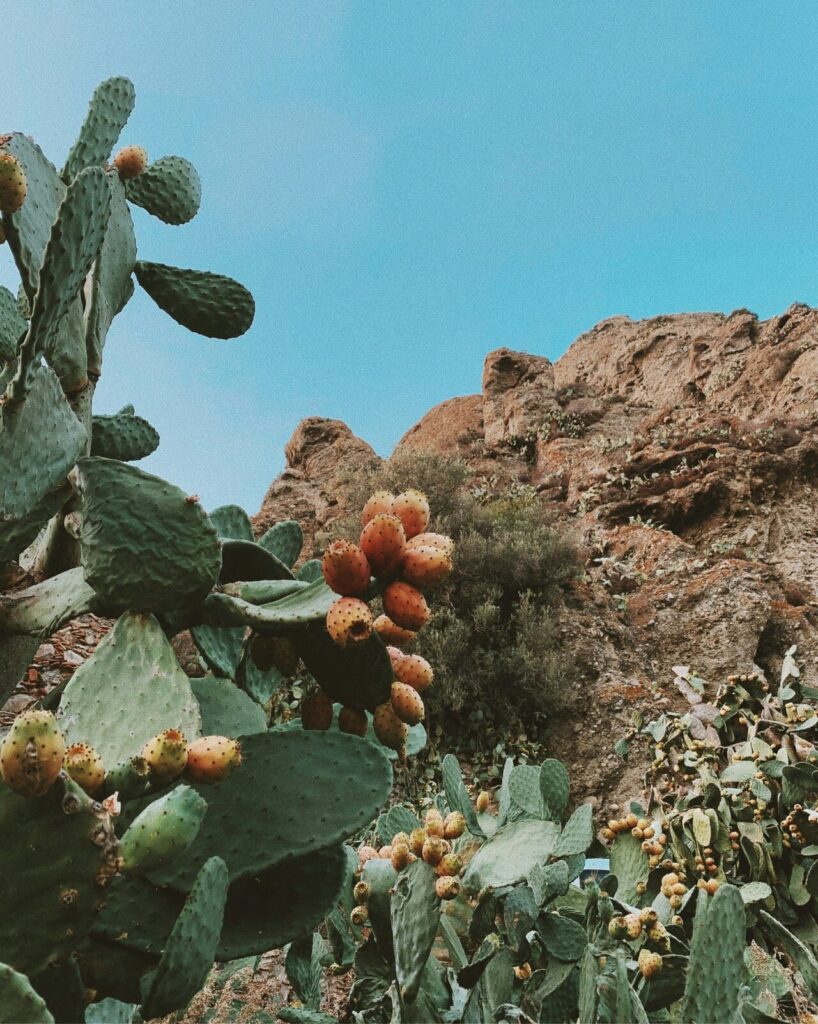
The great thing about the city is that within about an hour’s drive, you can find yourself in completely different worlds. Below is a selection, with approximate driving times from Soverato.
Calabria’s main airport is Lamezia Terme (SUF). In the summer, there are sometimes direct flights from Amsterdam; outside of that season, you’ll usually have to fly with a layover, for example via Naples or via a German or Belgian airport. Alternatives include the airports in Reggio Calabria or Crotone, but Lamezia is by far the most convenient for Soverato. If you’re combining your trip with a visit to Puglia, you can of course also fly from Bari or Brindisi to the Ionian coast in Calabria.
From Lamezia Terme, you have two logical options.
Soverato on the Ionian Sea is worth visiting all year round, but its character changes with the seasons. April and May are beautiful, with plenty of blossoms and deserted beaches. June is a wonderfully peaceful month with water warm enough for swimming; July and especially August are lively and bustling—great if you enjoy the hustle and bustle, but less so if you’re looking for peace and quiet.
For nature travelers, the best time to visit is April, May, and June, as well as September and October: pleasant temperatures, empty beaches, and the ideal time for hiking and visiting the borghi and archaeological sites. In the spring, the countryside is in bloom; in the fall, the weather is mild and clear, and it’s the season for wine, olive oil, and mushrooms. Even in November, the sea is often still warm enough for swimming.
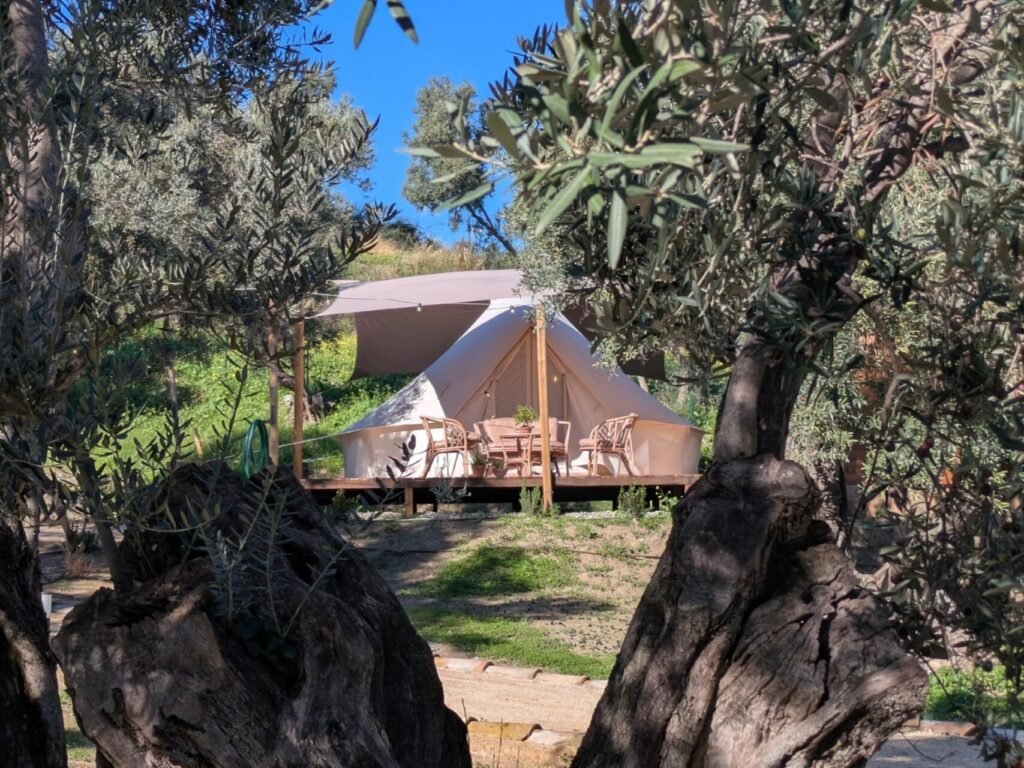
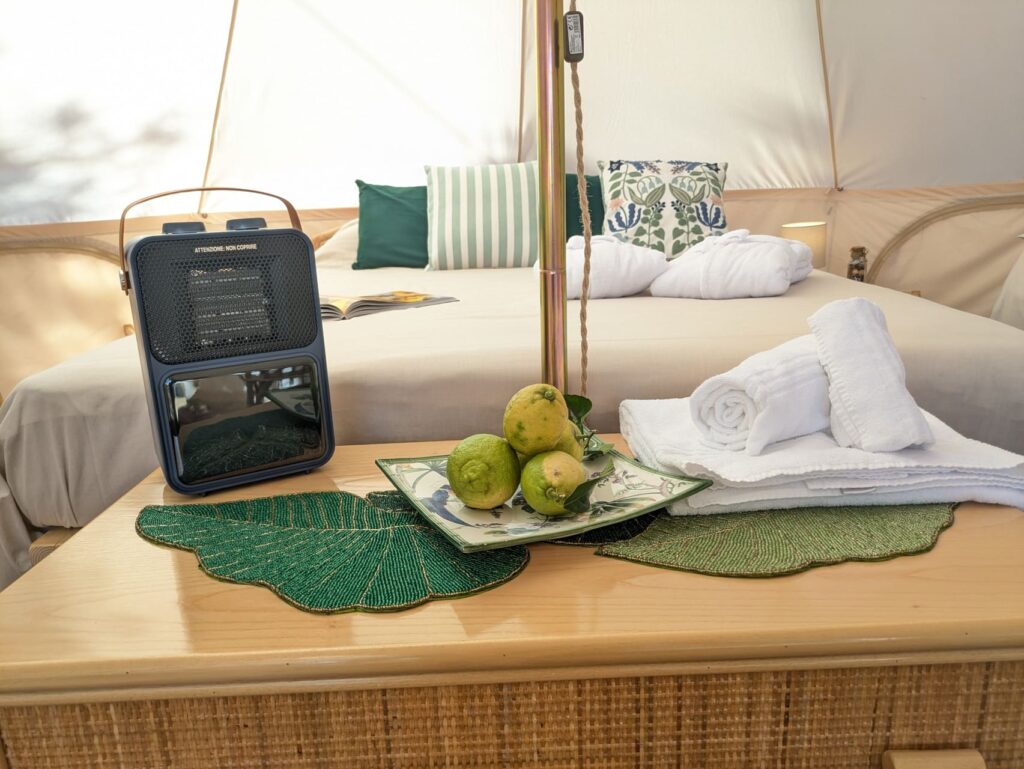
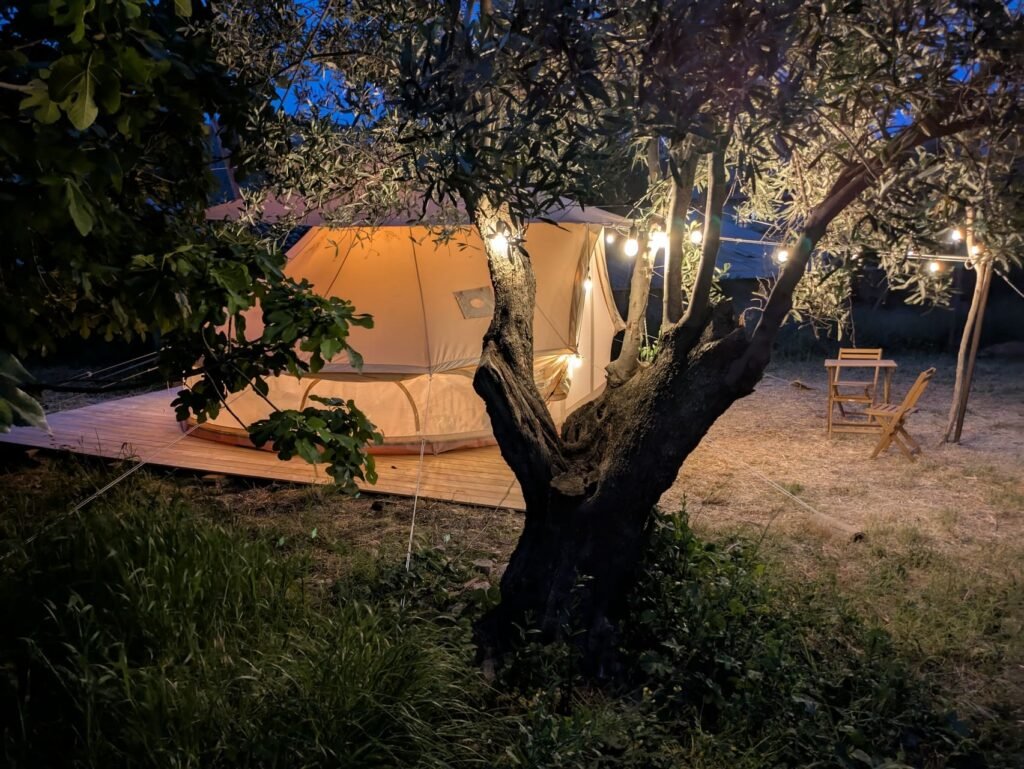
Soverato has the usual selection of beach hotels and apartments, but since late 2025, it has a special newcomer: I Giardini del Caramante, Calabria’s first eco-experiential Glamping site. You’ll sleep in designer tents set in a centuries-old olive grove, just a five-minute walk from the bay and the town center. Nature and sustainability without sacrificing comfort. Exactly the kind of place that makes us happy.
Soverato is located on the Ionian coast of Calabria, in the province of Catanzaro, in the heart of the Gulf of Squillace on the so-called Costa degli Aranci. It is one of the most famous seaside resorts in southern Italy.
Literally “the pearl of the Ionian coast.” The nickname refers to the fine white beaches and the clear water, which has been awarded the “Blue Flag” several times.
Within about an hour’s drive, you can visit Greek and Roman archaeological sites (Scolacium), medieval mountain villages (Squillace, Badolato), Byzantine churches (Cattolica di Stilo), mountain monasteries (Serra San Bruno), and natural attractions such as the Cascate del Marmarico and the forests of Mongiana.
Fly to Lamezia Terme (SUF). In the summer, there are sometimes direct flights from Amsterdam; otherwise, you’ll need to travel via Naples or an airport in Germany or Belgium. From Lamezia, the train takes about an hour to reach Soverato; the drive by rental car also takes about an hour. You can also drive from Puglia (about 375 km from Bari).
May/June and September/October are ideal: warm enough for swimming, quieter on the beaches, and perfect for hiking and cultural activities. July and August are lively and crowded.
Yes. Baia di Soverato is a regional marine park that is home to two rare, CITES-protected species of seahorses. Snorkeling is allowed, but visitors must respect the fragile ecosystem.

With a passion for travel and photography and over 30 years of experience in the travel industry, I love to share my special nature travel tips. Travel is wonderful and important, you meet new people and cultures and it opens your view of the world.

Slow Food Puglia: Tasting Mussels and Clementines in Taranto Starting in the summer of 2026, in the province of Taranto, in the far south of Italy, you can literally sample what small-scale local producers have to offer. At the same time, during these excursions,...
Gitschberg Jochtal: Hiking in the Summer, Skiing Away from the Crowds in the Winter Eight villages, no well-known name, and yet 300 kilometers of marked hiking trails in the summer and 55 kilometers of ski runs in the winter: that’s the Gitschberg Jochtal, on the...
Get inspired
Are you looking for the most beautiful hiking and biking routes? Or do you want information about traveling by train or advice for the most beautiful road trips through nature. Get inspired for your next trip in green; ideas for planning your own trip or opting for an organized trip.