
Gratis gids 10 verborgen natuurplekken in Europa
Gratis gids 10 verborgen natuurplekken in Europa. Meld je aan voor onze nieuwsbrief en ontvang inspirerende reistips en routes voor je volgende groene reis.

Are you looking for a unique vacation destination in Italy where nature and culture come together? Discover the Aosta Valley—a fascinating region in northwestern Italy. As the country’s smallest region, it offers the perfect blend of breathtaking mountain scenery, rich history, and authentic Italian charm.
You’ll find ruins from the Roman era and castles from the Middle Ages. Discover the beautiful natural scenery and get practical tips for your visit to the Aosta Valley. If you’d like to learn more about hiking trails in the Valle d’Aosta, read on here.


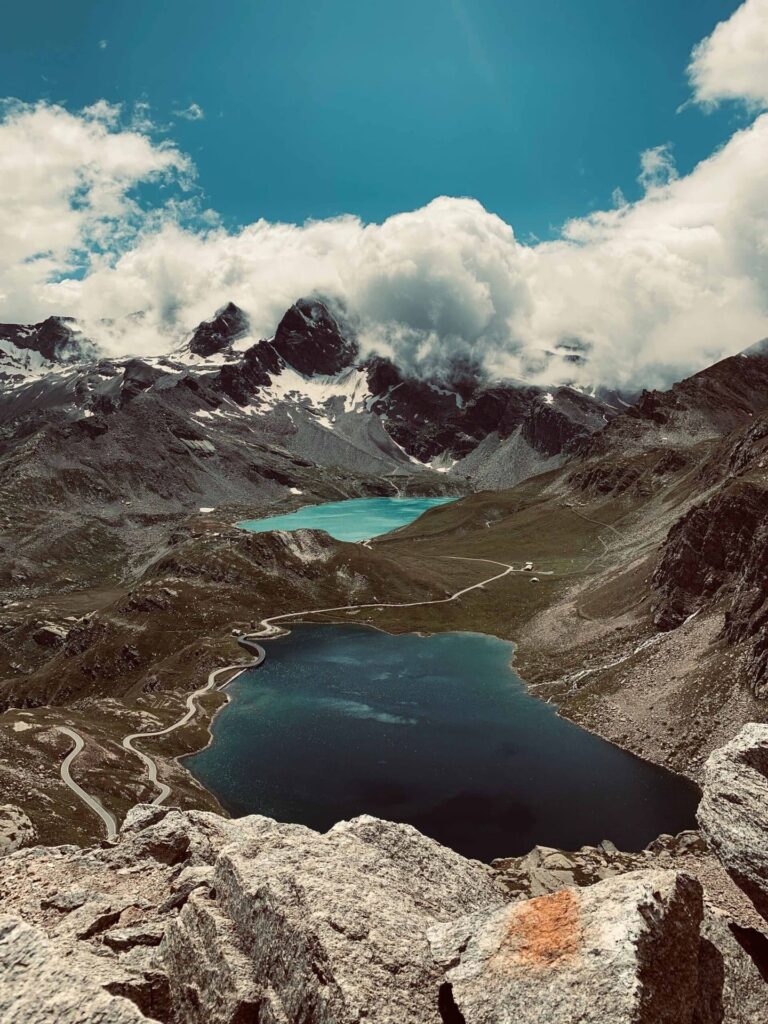
Where is the Valle d’Aosta? The region is located in northwestern Italy and is surrounded by massive mountain ranges such as Mont Blanc, the Matterhorn (Cervino), and the imposing Gran Paradiso massif. It lies nestled between the French and Swiss mountains. Picturesque valleys and rivers crisscross the region, such as the Dora Baltea, which flows through the heart of the Valle d’Aosta. From the Netherlands, you can reach the Valle d’Aosta via Switzerland or France.


This small region is home to some of Italy’s most impressive national parks and protected areas:
These parks are essential for the conservation of the Valle d’Aosta’s unique flora and fauna. In addition, there are ten nature reserves, four Alpine botanical gardens, and part of the region is a Natura 2000 site.
The Gran Paradiso National Park borders Piedmont and ranges in elevation from 800 meters to 4,061 meters at the summit of Mount Gran Paradiso. Here, the Alpine ibex is protected from extinction, and chamois, marmots, golden eagles, and lynx are also found. The park has three visitor centers in Cogne, Valsavarenche, and Rhēmes-Notre-Dame.


You’ll find the most beautiful lakes in the Aosta Valley—some of the most stunning:


The Aosta Valley is a great area for birdwatchers. For example, near Gressoney-La-Trinité in the northeast, as well as in the Gran Paradiso National Park and in Valsavarenche. Birds spotted here include the bearded vulture, rock ptarmigan, alpine swift, black grouse, rock partridge, golden eagle, tawny owl, rock thrush, and the gray bunting. Butterflies also thrive in the flower-filled alpine meadows. Here you may encounter the Apollo butterfly, the mountain white, and the rare Aosta Esparcette blue.
The Aosta Valley is home to many picturesque villages. Historic castles and fortresses bear witness to a rich history. French and Italian are used interchangeably and are both recognized languages. Traditional Alpine architecture and lifestyle are still very much alive. Life moves at a leisurely pace, far from the hustle and bustle of the big cities. In addition to tourism, the region’s economy is primarily based on agriculture. You’ll find many local traditional festivals where folklore is kept alive. With its fresh mountain air and small villages, it’s an ideal destination for a peaceful vacation surrounded by nature.
Aosta still has many Roman ruins, such as the Arco d’Augusta, a Roman theater—which hosts concerts in the summer—and Porta Pretoria, the city gate. The Roman Forum is open to the public for an admission fee. The famous Caffe Nazionale, a bar dating back to 1850 that was originally built as a church, is now not only a bar but also home to an excellent restaurant, Paolo Griffa.


Courmayeur, also known as Italy’s best ski resort, is no less interesting outside the ski season—especially for walkers and hikers. Here you’ll find Italy’s highest-altitude botanical garden, the Giardino Botanico Alpino Saussurea. In December, Courmayeur hosts the “film noir festival.”
Once a Roman settlement that flourished during the Middle Ages. You can still find medieval houses and castles in the village.
One of the most beautiful spots in the Aosta Valley—and Italy’s first car-free municipality.
In addition to this list of “cities,” there’s also a special mention for Valpelline. With its approximately 600 residents, this mountain valley is one of the most beautiful valleys, home to chamois and ibex, and offering stunning views of Mont Blanc, the Matterhorn, and Gran Paradiso.

The waterfall is located in Cogne. It’s easily accessible on foot within the Gran Paradiso National Park. There are many beautiful hiking trails around the waterfall, accessible at various elevations. It can get a bit crowded with tourists in the summer, and in late summer, the water flow depends on the weather.
The Matterhorn (Cervino) towers high above the region and is an iconic peak that you have to see to believe. The Gran Paradiso Glacier, with its unique ice formations, is also fascinatingly beautiful. In the past, climbing it was relatively easy, but due to the melting of the ice, it has become much more technical. The Monte Rosa massif is a group of mountains with multiple peaks.
Beneath the surface, the area is rich in minerals that have been used for centuries. Iron, copper, gold, coal, and many other raw materials have contributed to the region’s prosperity. You can still visit a number of mines, such as the one in Cogne. To do so, please contact the guides in the Aosta Valley.


The region is strongly committed to nature conservation and encourages visitors to contribute to sustainable tourism through the VIVA program, “Valle d’Aosta unica per natura.” The Valle d’Aosta is home to a wide variety of vegetation, ranging from alpine meadows to forests with rare plant species. The region works to ensure that its natural heritage of plants and wildlife is preserved. With the help of European funding, researchers ensure that nature is respected and preserved.


The best time for hiking or biking is from June through September. Due to the significant differences in elevation, there are also large variations in temperature. Still, fall is a beautiful time of year and often underrated. The forests and meadows take on beautiful hues.
Check out our 9-day hiking route through the Aosta Valley here. You can plan it yourself or join an organized tour led by a local specialist.
Nature and bird photography enthusiasts will be in their element in the Aosta Valley. The incredibly diverse landscape offers countless opportunities, from glaciers to birds, wildlife, forests, and the flowers and butterflies of the alpine meadows.
There are 6 trains a day from Amsterdam to Aosta. The fastest route takes 12 hours and 30 minutes. You’ll have to change trains 5 times. Ticket prices depend on when you book—the earlier you book, the cheaper it is—with tickets starting at around €260. To book tickets, visit NSInternational.nl
The distance by car from the Netherlands is about 1,000 kilometers, and the best route is through France or Switzerland.
You can fly to Turin, and from there it’s about a 2-hour train ride to Aosta.



With a passion for travel and photography and over 30 years of experience in the travel industry, I love to share my special nature travel tips. Travel is wonderful and important, you meet new people and cultures and it opens your view of the world.
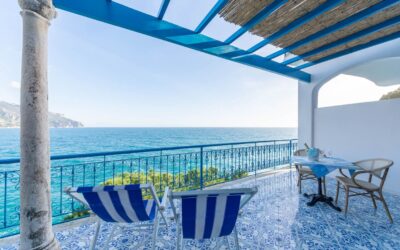

Slow Food Puglia: Tasting Mussels and Clementines in Taranto Starting in the summer of 2026, in the province of Taranto, in the far south of Italy, you can literally sample what small-scale local producers have to offer. At the same time, during these excursions,...
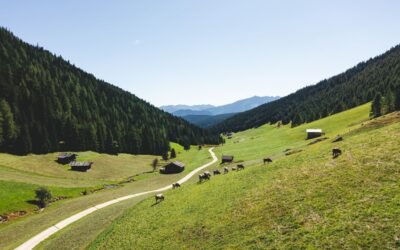
Gitschberg Jochtal: Hiking in the Summer, Skiing Away from the Crowds in the Winter Eight villages, no well-known name, and yet 300 kilometers of marked hiking trails in the summer and 55 kilometers of ski runs in the winter: that’s the Gitschberg Jochtal, on the...
Get inspired
Are you looking for the most beautiful hiking and biking routes? Or do you want information about traveling by train or advice for the most beautiful road trips through nature. Get inspired for your next trip in green; ideas for planning your own trip or opting for an organized trip.