
Gratis gids 10 verborgen natuurplekken in Europa
Gratis gids 10 verborgen natuurplekken in Europa. Meld je aan voor onze nieuwsbrief en ontvang inspirerende reistips en routes voor je volgende groene reis.

There is a side of Norway that most travelers never see. Not the fjords near Bergen, not the famous Lofoten Islands, but the vast, quiet heart of the country. Nestled between Oppdal in the north and Lillehammer in the south, three national parks lie waiting in relative obscurity: Rondane, Dovrefjell, and Jotunheimen. We visited this area at the end of the long Norwegian winter and returned with frozen eyelashes, tired muscles, and travel memories we won’t soon forget.
This tour through central Norway combines a short stop in Oslo with an authentic lodge on the outskirts of Rondane, snowshoeing through two national parks, backcountry skiing, a musk ox hunt, and a day of husky sledding in Jotunheimen. Active, unspoiled, and far from the tourist hotspots—exactly the way we like it.
Read more here about our 8-day self-guided trek through Rondane and Dovre with a local expert
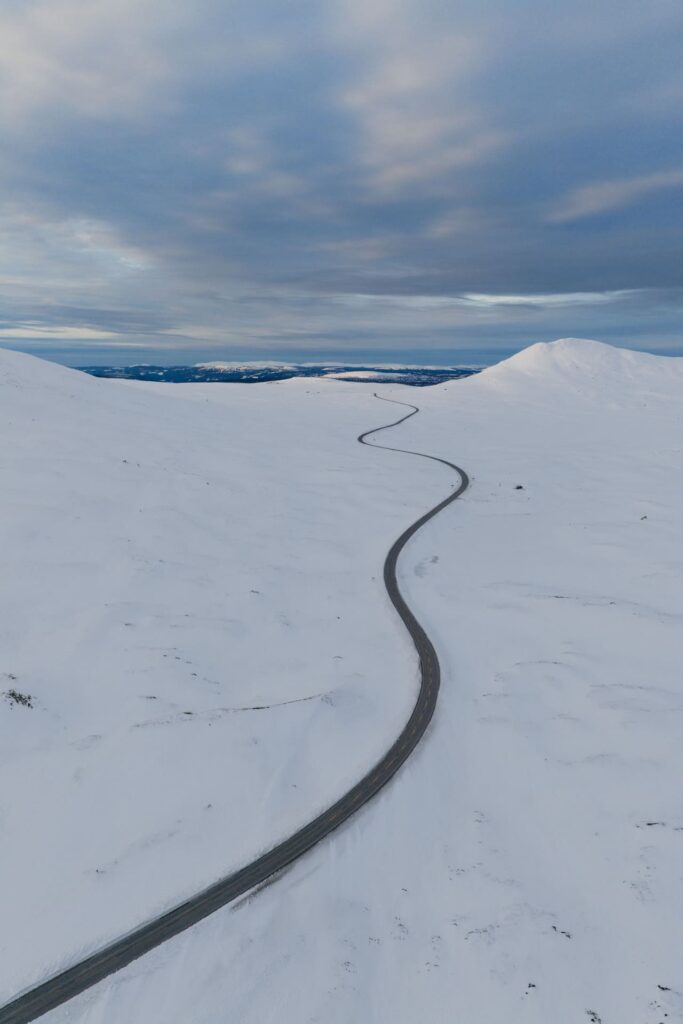
The trip takes you north from Oslo to the Rondane Valley, then on to Dovrefjell, and finally to the foothills of Jotunheimen. Total driving distance: approximately 600 kilometers, spread over seven days. A 4WD or hybrid SUV is not a luxury but a necessity: the mountain passes are unpredictable during the winter and are sometimes closed.
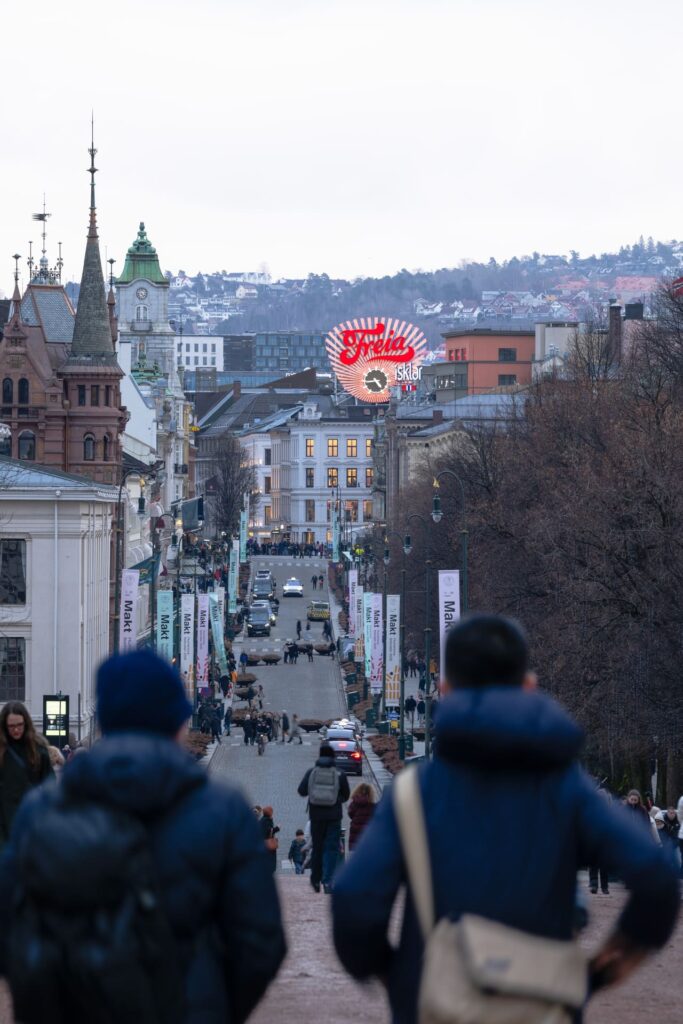
Arriving at Gardermoen in the afternoon, Oslo is the logical first stop. From the airport, you can reach the city in less than an hour. We stayed at the Saga Hotel, a boutique hotel just west of downtown (within walking distance or easily accessible by tram). It’s not big, not crowded, and that fits perfectly with the vibe of this trip.
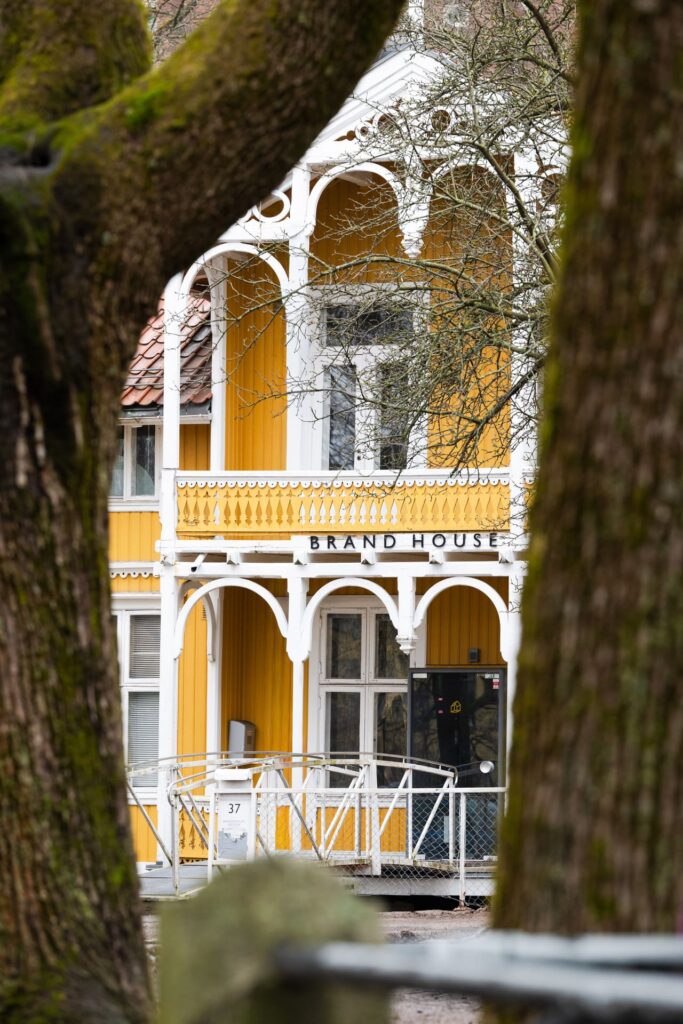
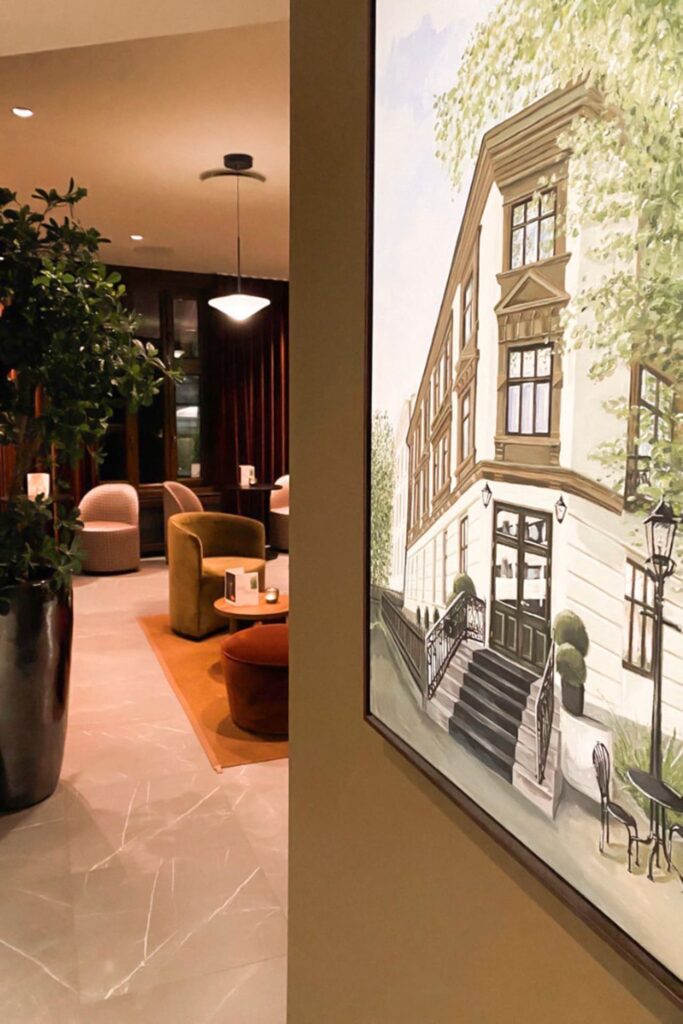
Tip: Are you planning to drive straight north after you arrive? It’s best to do this while it’s still light out. Mountain roads can be subject to extreme weather conditions in the winter. The last thing you want is to get stranded in the dark on an unfamiliar mountain pass.
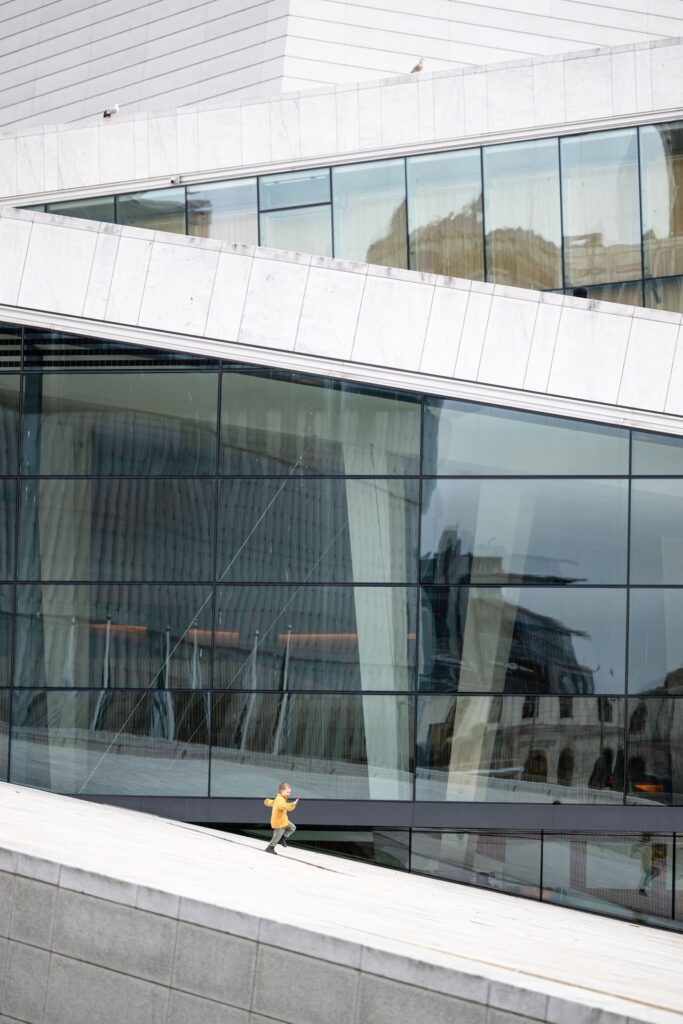
There’s no need to rush in Oslo. We decided to explore on foot and let the city unfold before us. From Vigeland Park, with its impressive collection of sculptures by Gustav Vigeland, to the creative neighborhood of Grünerløkka, and then on to the waterfront.
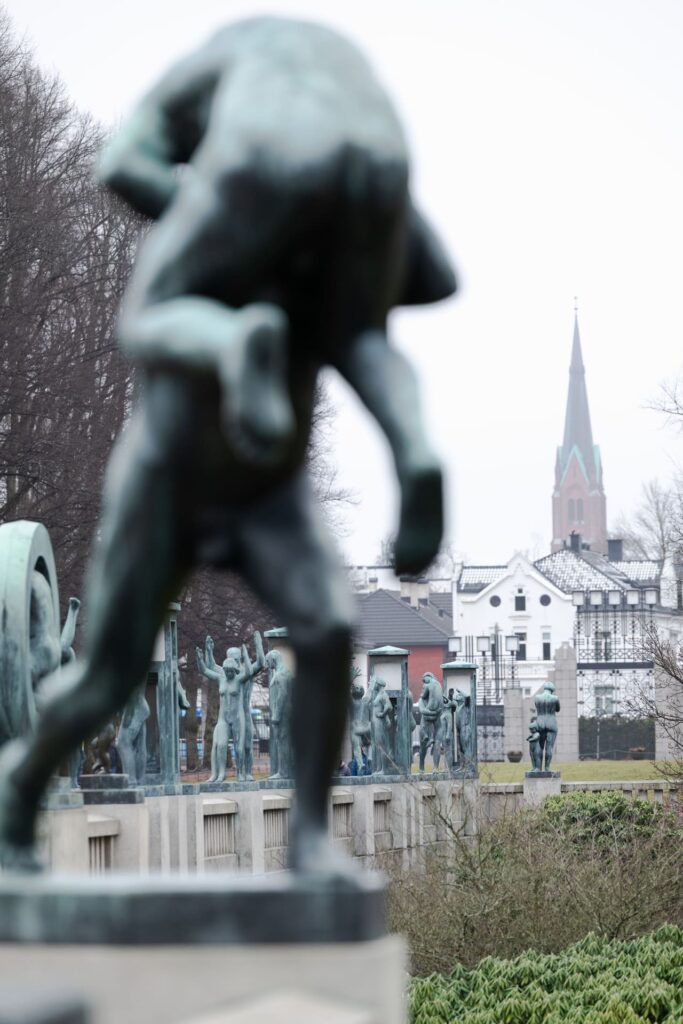
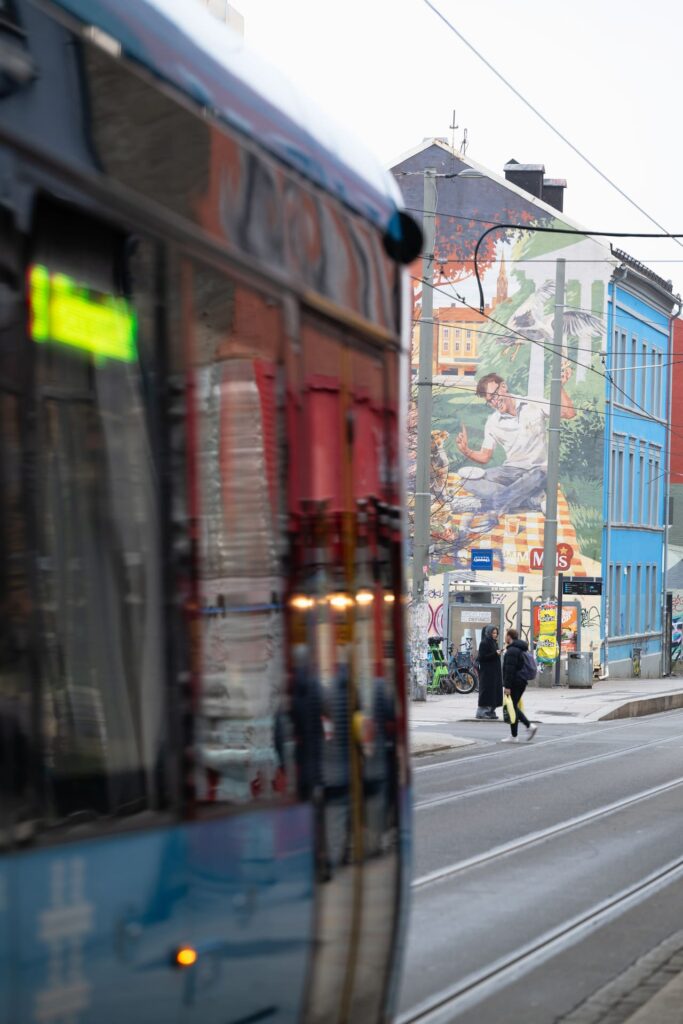
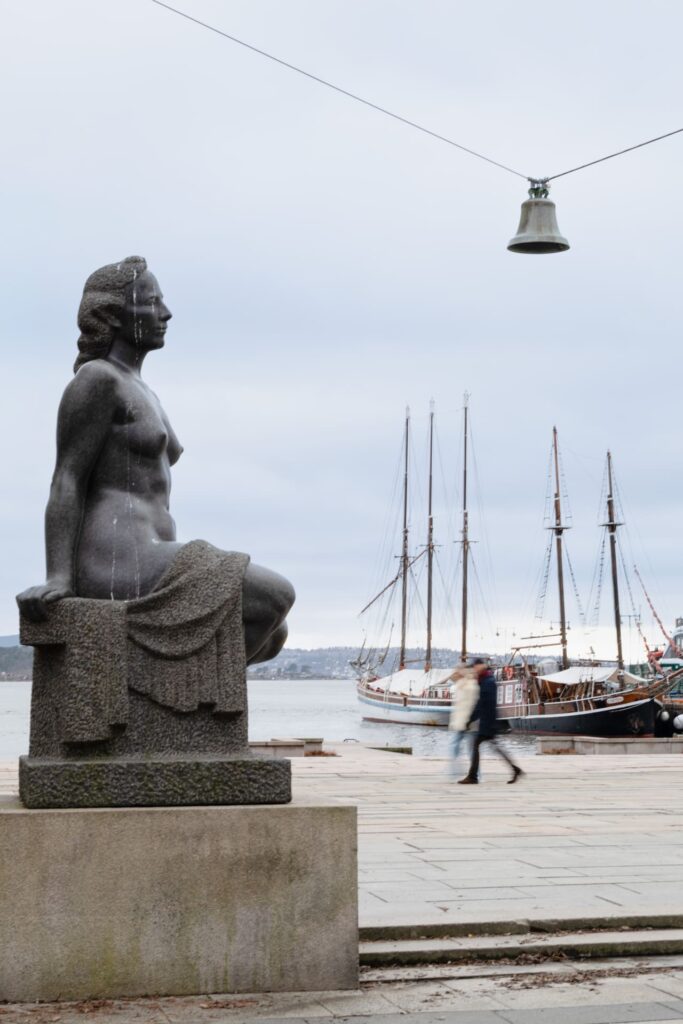
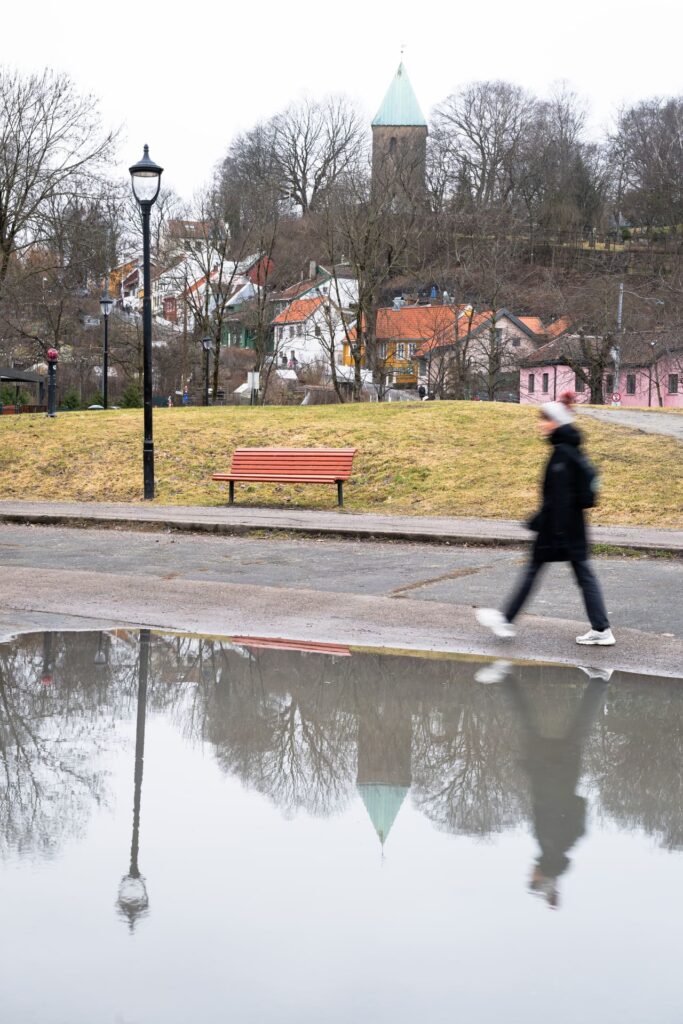
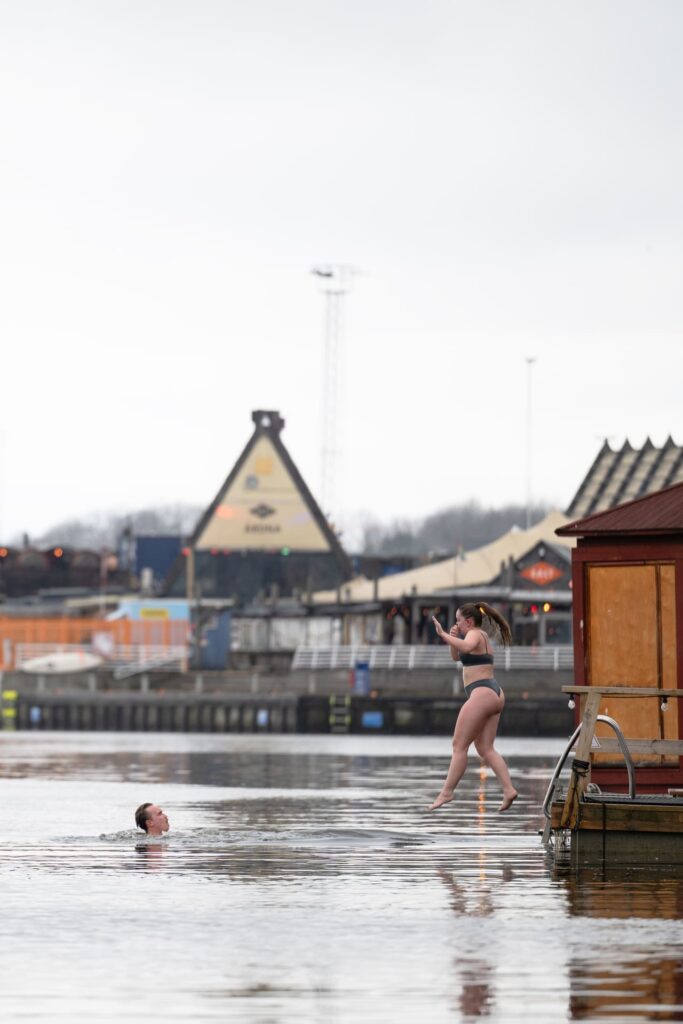
A stroll through the city will also immediately introduce you to some of its smaller, more intimate spots, such as the Telthusbakken: a winding little street lined with old wooden houses that overlook the city. Be sure to sample the delicious bread and coffee at one of the many spots in Grünnerløkka.
Tip: Don’t leave Oslo without visiting a seafood restaurant. We chose the small restaurant Fiskeriet on Youngstorget Square. Reservations are a must if you don’t want to wait outside in the cold.
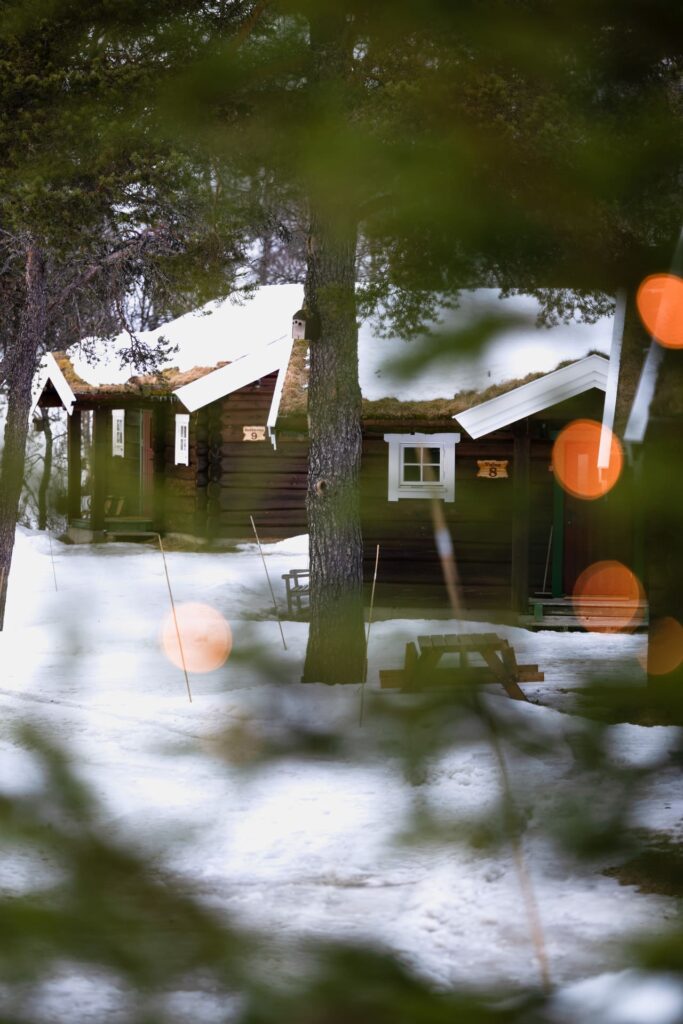
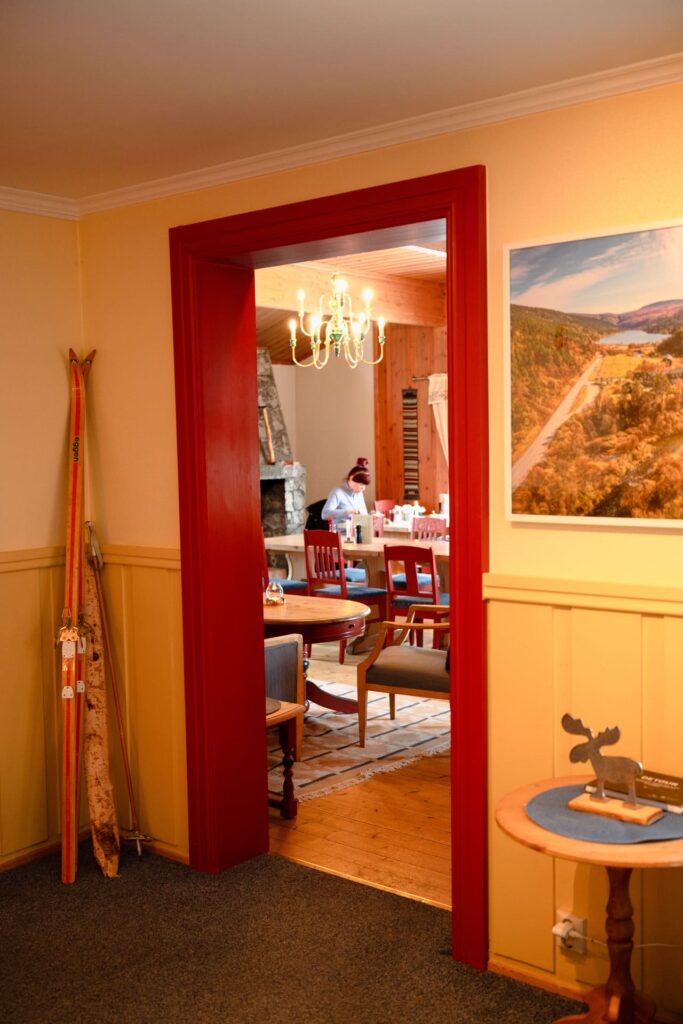
After two days in the city, it’s time to really hit the road. The destination is Rondane River Lodge: a small-scale lodge with cabins and rooms in a quiet valley next to Rondane National Park, about a four-hour drive from Oslo. The lodge is run by a Belgian family, is Green Key certified, and has sustainability deeply woven into its DNA—right down to the way breakfast is served: you fill out your order form the night before so that nothing goes to waste.
Here, nature sets the pace. That might feel a little strange at first. After a day or two, though, it’s exactly the feeling you came here for.
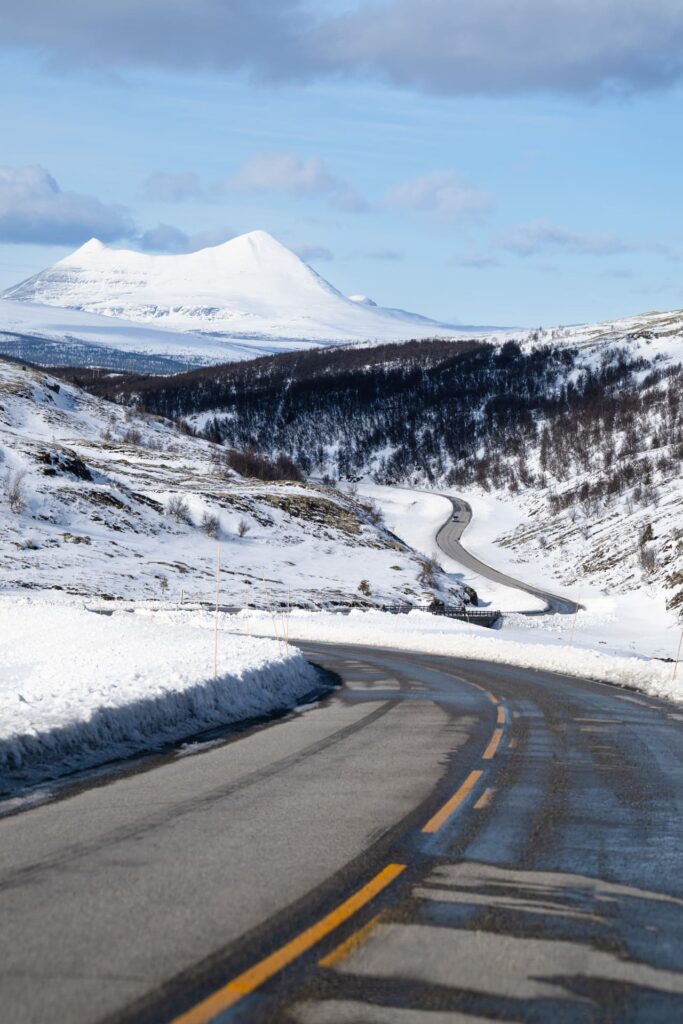

Tip: Check the current road conditions at vegvesen.no before you leave. The Venabygdsfjellet mountain pass (Route 27), which is also the direct connection between the lodge and the E6, is frequently closed in winter. The alternative route via the E3 is slightly less spectacular, but always passable.
We found out today that the weather was once again calling the shots. Due to strong winds and deep snow, the mountain pass leading to our activity was closed. So it was a good thing we had some flexibility in our schedule. That meant we could spend the day however we wanted. On the lodge’s advice, we stayed in our own valley.
Less than a 5-minute drive from the lodge is the start of a hike to the summit of Sore Vola. From there, you’ll have a beautiful view of the valley and the Atna River.
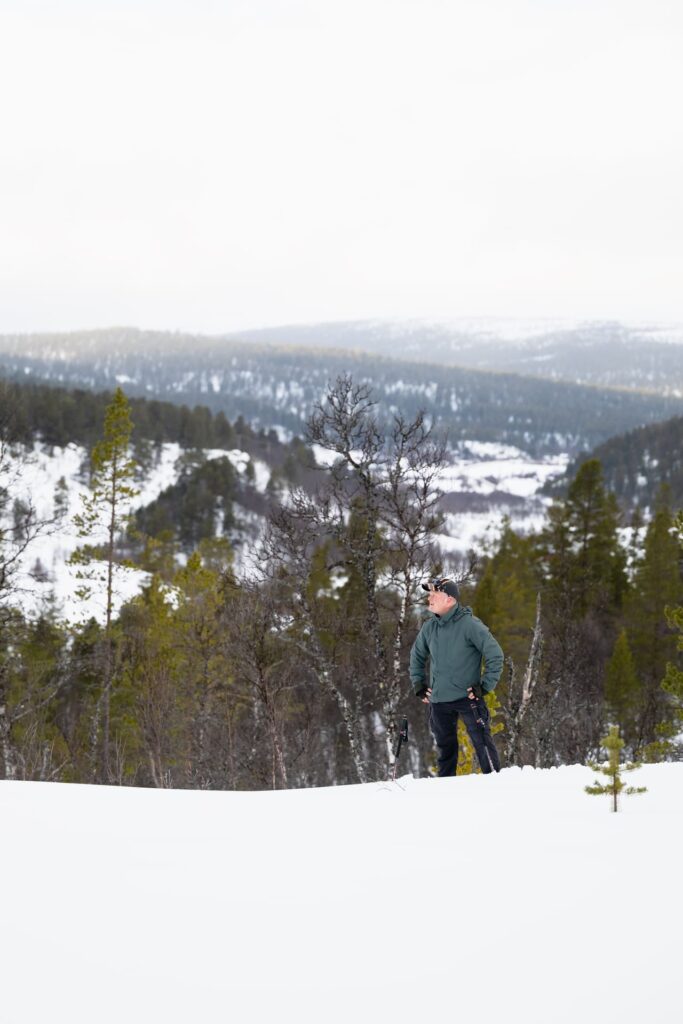
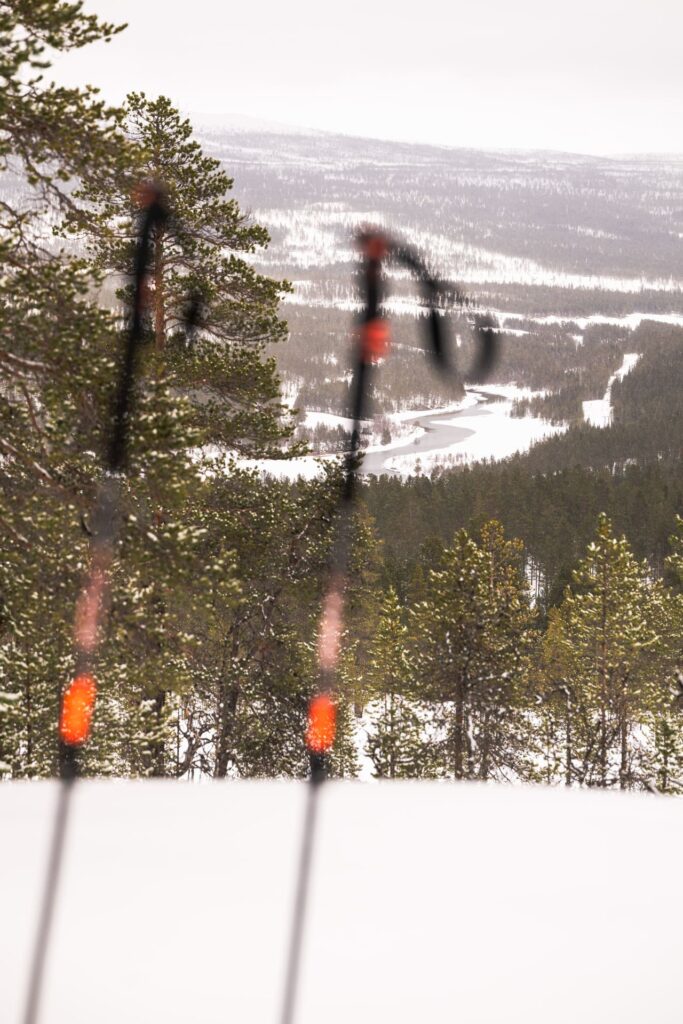
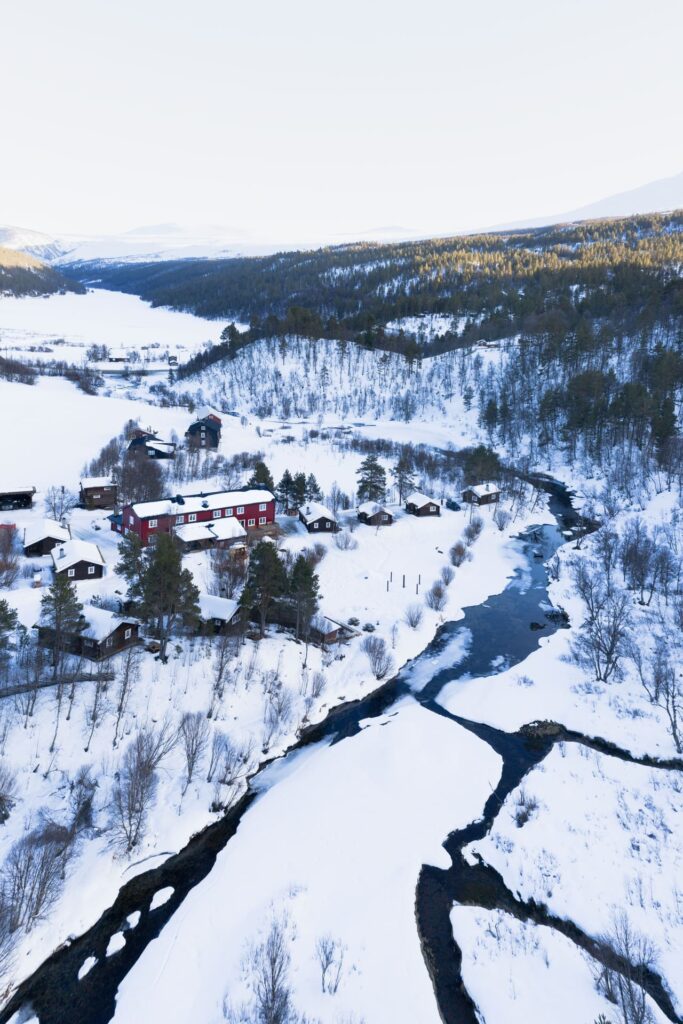
Tip: In winter, bring snowshoes with spikes and get good advice on how to reach the summit (we missed the signs and eventually decided to turn back after climbing a few kilometers).
A 9-kilometer hike to the summit of Mount Pika begins a ten-minute drive from the lodge. We aren’t experienced skiers, and we certainly felt it. But that wasn’t the only thing that made this day challenging. At the top of the mountain, the weather took a turn for the worse. Wind, visibility that vanished, and snow blowing horizontally.
And yet: the view in every direction was phenomenal. And halfway down the descent, we saw a rare herd of wild reindeer roaming the landscape. A moment you don’t plan for—and that makes it all the more unforgettable.
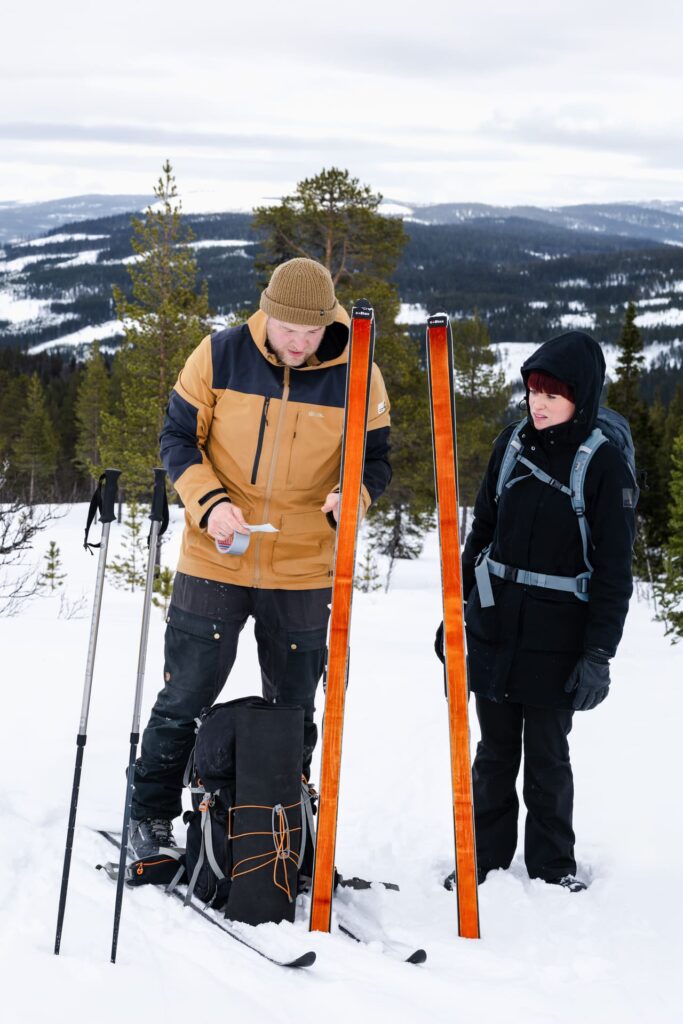
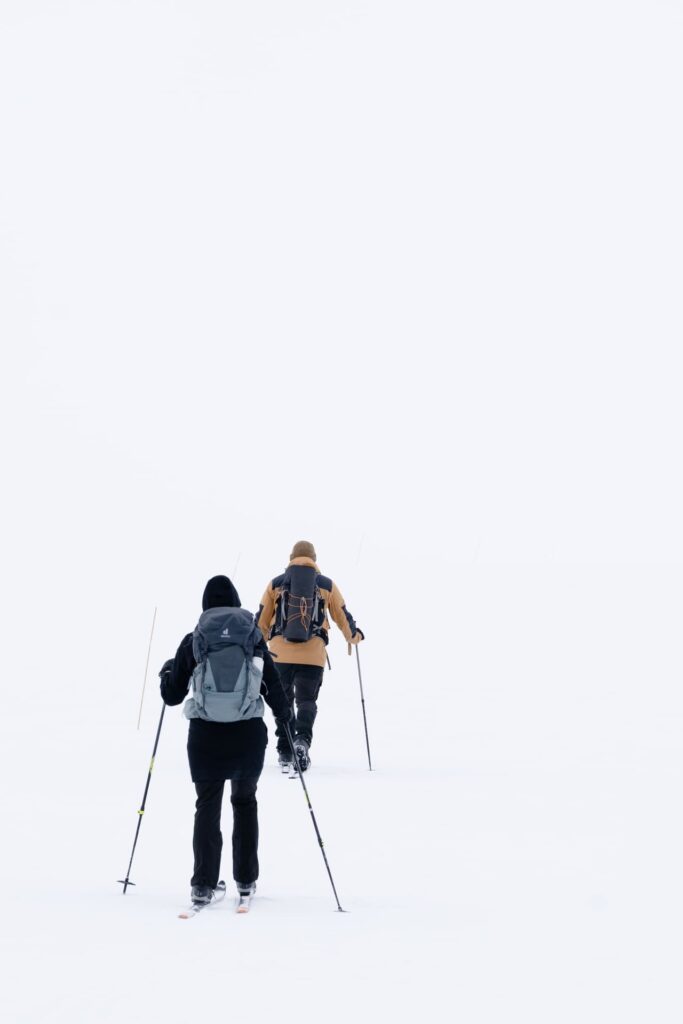
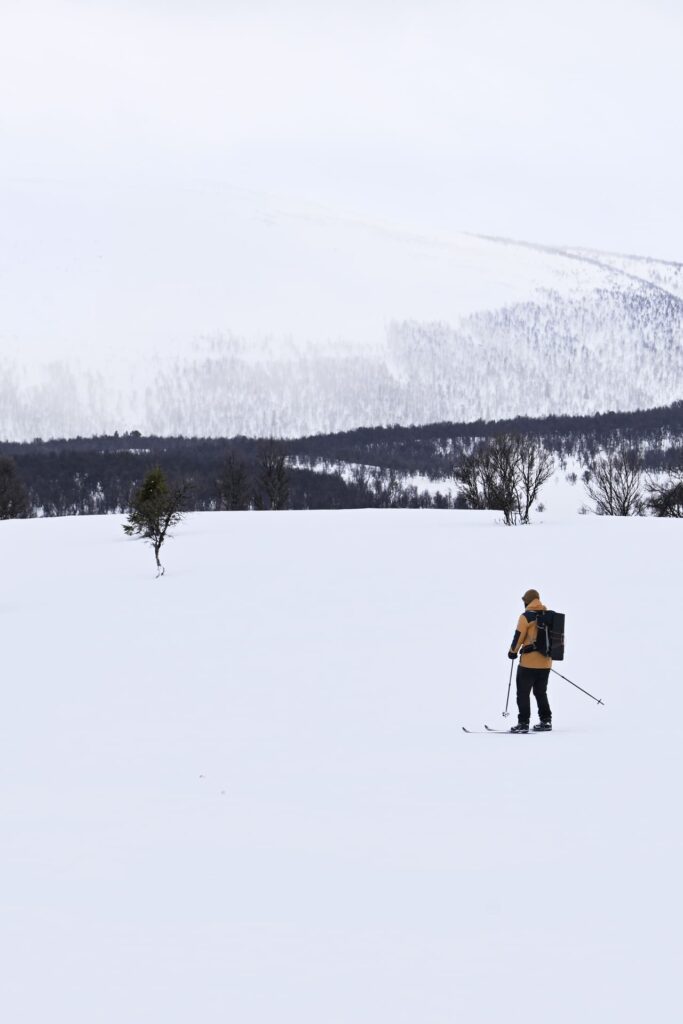
Tip: Backcountry skiing in Norway during the winter is a serious undertaking. Never go alone. Choose a route and difficulty level that match your fitness level and skiing experience. Going with a guide is safer and makes for a much more memorable experience.
No rest day, but another strenuous physical activity. We drove along the beautiful route toward Hjerkinn (be sure to make a few stops along the way!), from where we (together with our guide) set out on our second snowshoe hike. This time in the slightly better-known Dovrefjell National Park.
Our target was the musk ox. But that turned out to be no easy task in this vast area. After two hours of climbing, we spotted three musk oxen in the very distance. Not close enough for a perfect portrait, but close enough to realize just how remarkable it is that these animals are still here at all. The view, however, was just as remarkable. Although we were able to make part of the descent without snowshoes, the extremely strong wind literally blew us off our feet.
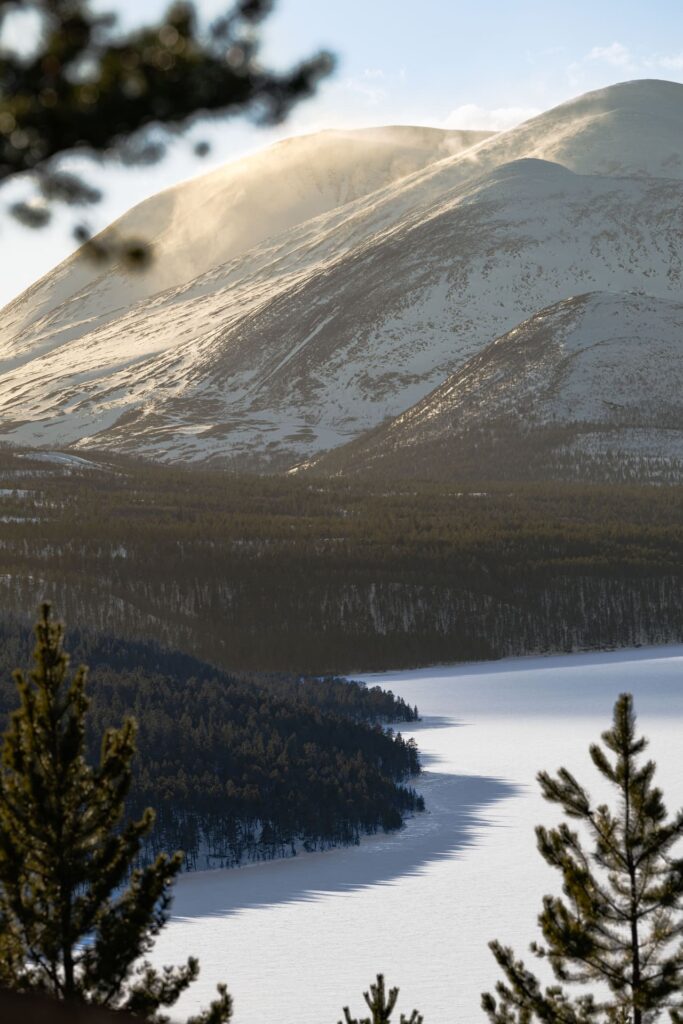
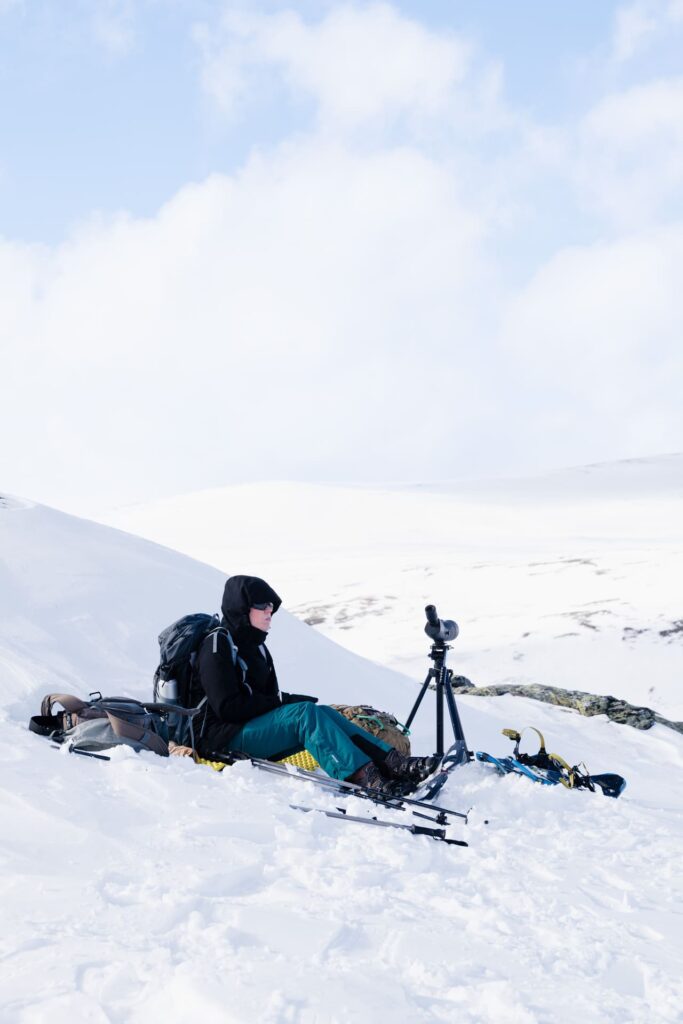
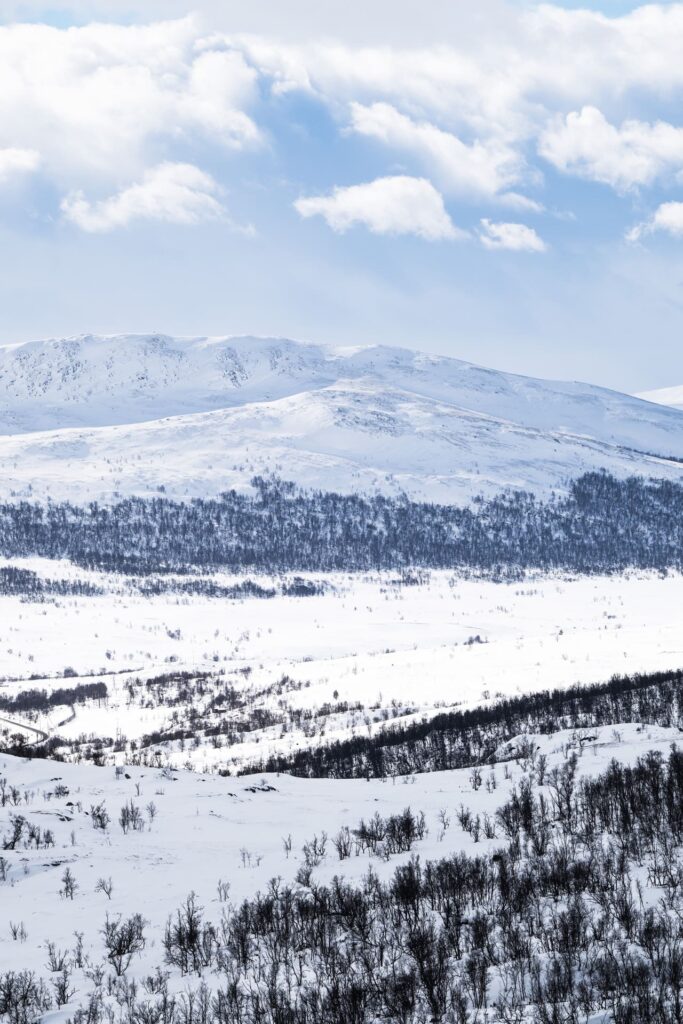
Dovrefjell is one of the few places in the world where you can encounter musk oxen in the wild. These prehistoric animals survived the Ice Age and have been living in these mountains for thousands of years.
Tip: Make sure to bring plenty of snacks and extra layers of clothing. The first part of the hike is uphill (sometimes very steep), so you’ll work up a good sweat. Once you reach the summit and on the way down, you’ll definitely need extra layers to keep you warm.
On the seventh day, a one-and-a-half-hour drive took us to Randsverk, on the edge of Jotunheimen National Park. Here, about forty huskies await visitors at Jotunheimen Husky Lodge—a place where the staff clearly loves the dogs. The welcome was personal, and the dog-sled tour through the snow-covered landscape was breathtaking.
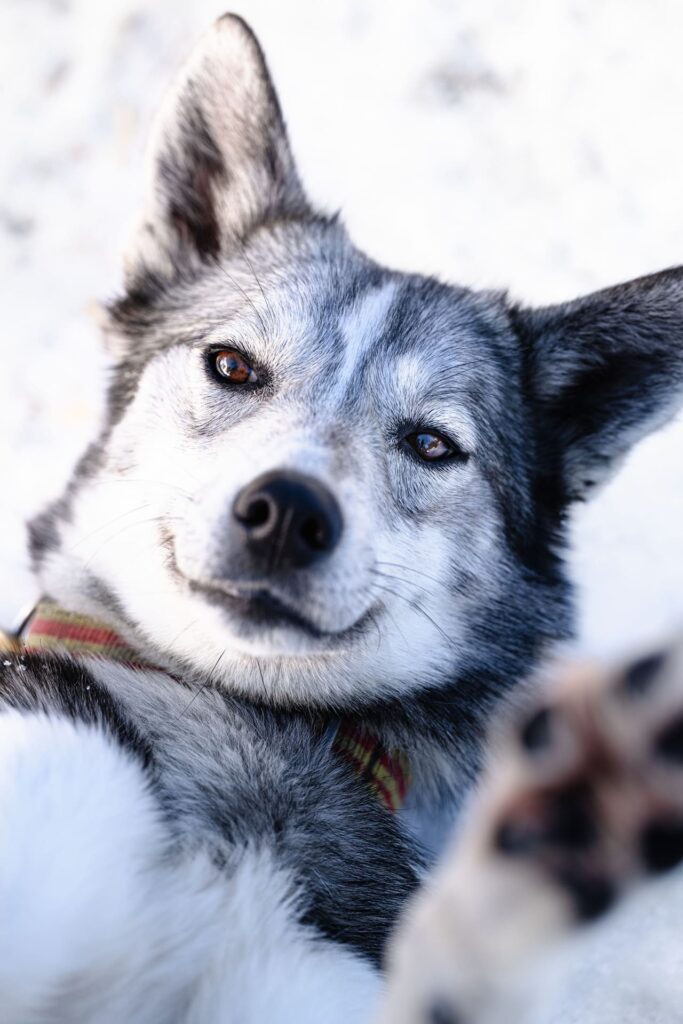
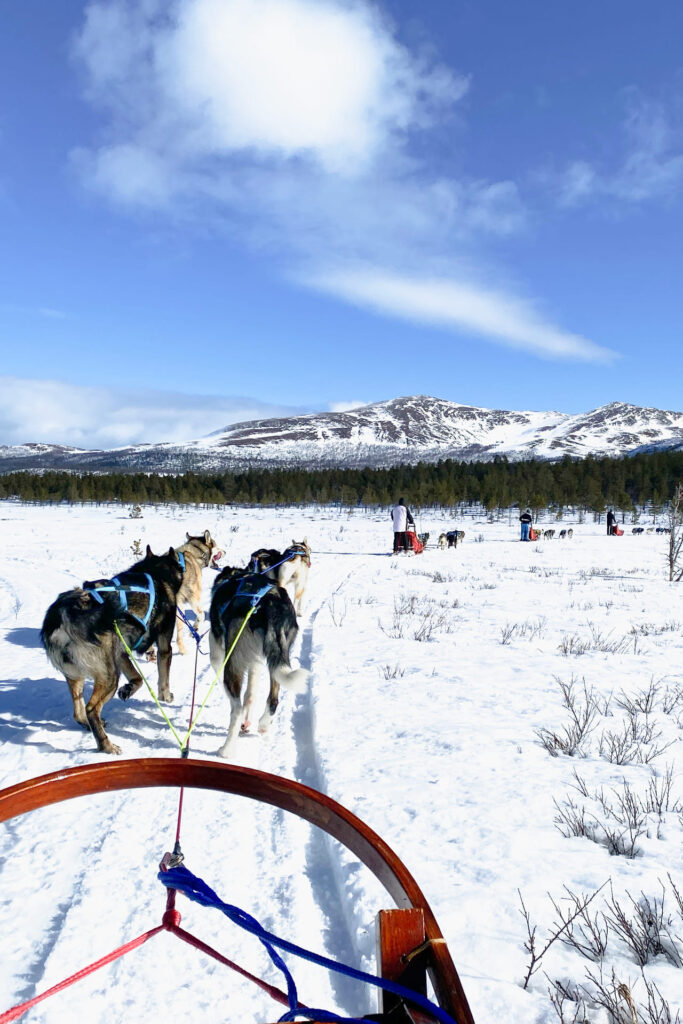
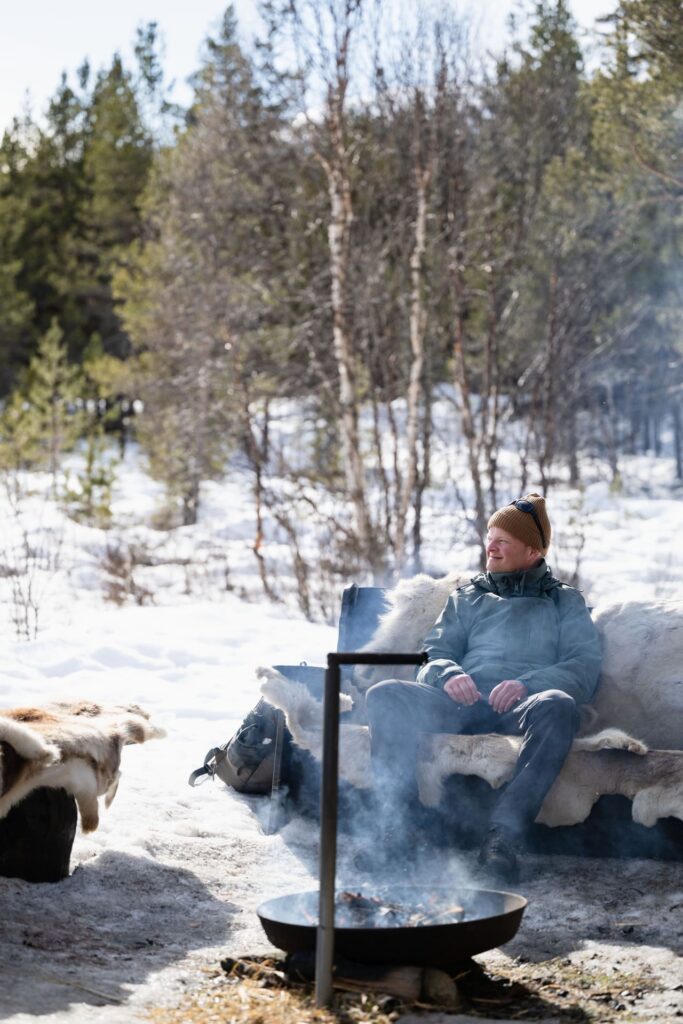
It wasn’t just the ride itself that exceeded our expectations. The whole experience—harnessing the dogs, the sound of the sled gliding over the snow, the trees whizzing by—felt like the perfect finale to a week full of physical and mental experiences.
We left our Belgian hosts feeling more than satisfied, before heading home via the mountain pass.
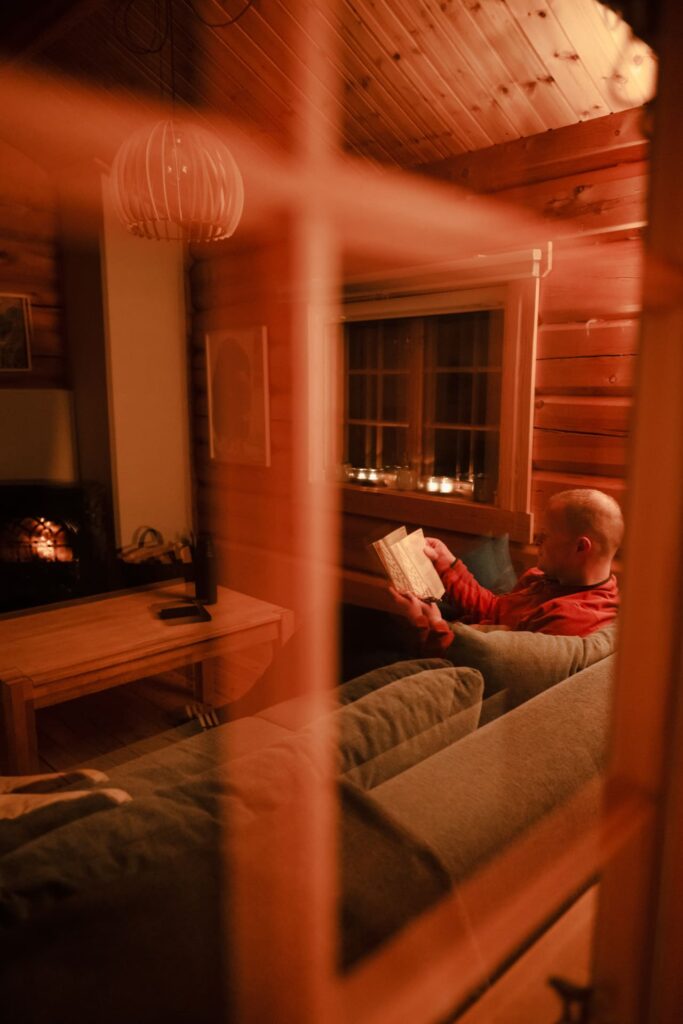
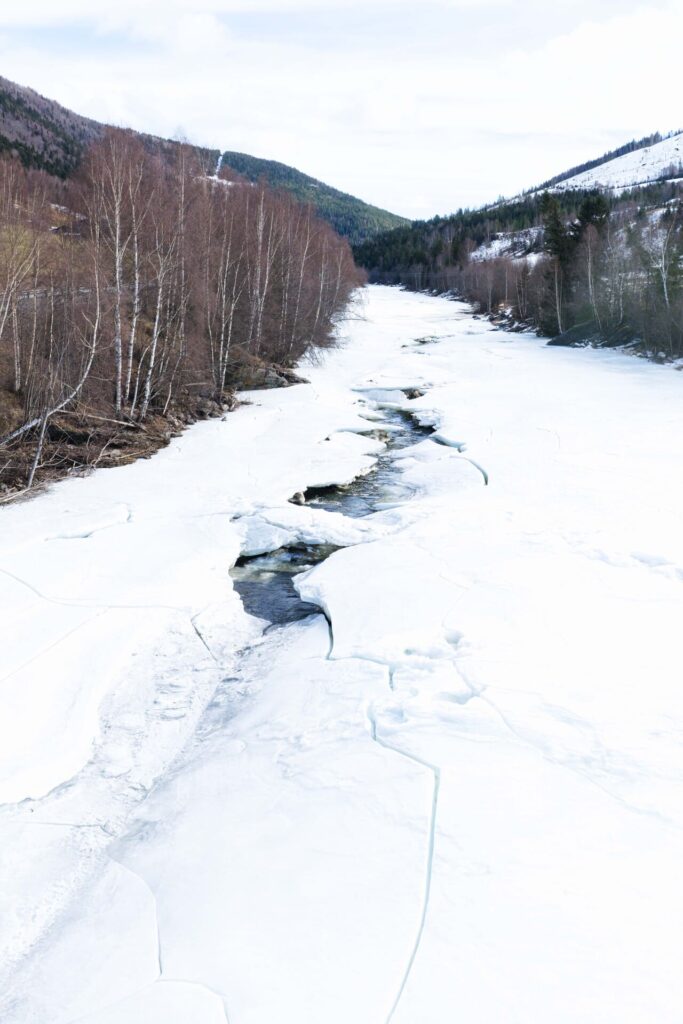
Tip: If the weather permits, plan to spend a full day on this side of the mountain and, if you’d like, take a walk near the village—for example, to the river with the small waterfall.
Norway is a great place to visit all year round. The end of winter (February through mid-April) offers the best combination: plenty of snow in the mountains, longer days than in December and January, and quieter roads than during peak season. It’s ideal if you want to be active without the crowds.
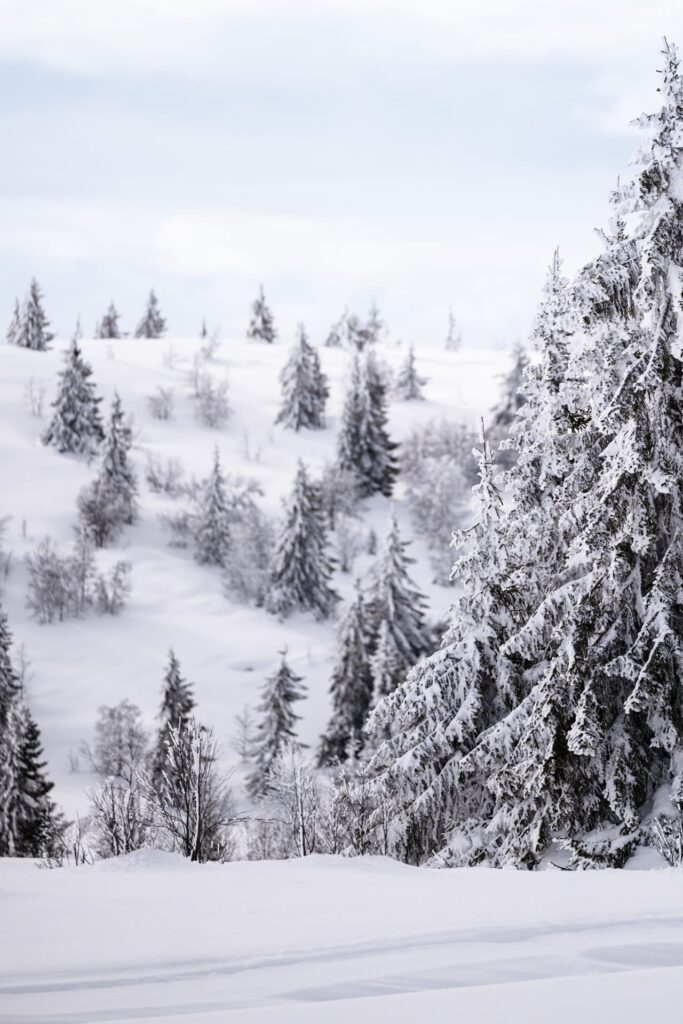
Yes, as long as you bring the right gear and get advice from the locals. Snowshoe hikes start at the lodge and are suitable for beginners. Backcountry skiing requires more experience: never go without a guide.
Rondane (Norway’s oldest national park, established in 1962), Dovrefjell-Sunndalsfjella (known for its musk oxen) and Jotunheimen (home to Scandinavia’s highest mountains, including Galdhøpiggen at 2,469 meters). Each park has its own character and level of accessibility.
Yes, but it takes patience, stamina, and a bit of luck. The tours are led by local guides who know the best routes. There’s never a guarantee—but that’s exactly what makes wildlife so special.
The roads are generally in good condition, but mountain passes may be closed unexpectedly due to extreme snow or wind. Always check vegvesen.no for the most up-to-date information. A 4WD and winter tires are not overkill.
Hiking to Trondheim along ancient pilgrimage trails What’s it like to hike for days along ancient pilgrimage trails to Trondheim? During a trip through Sweden and Norway, I hiked several sections of the St. Olavsleden. From the open border mountains near Skalstugan to...
Hiking the St. Olav Trail: Route, Stages, and Tips A thousand years ago, Olav Haraldsson traveled this road northward in search of his crown. He met his death at Stiklestad and was canonized three years later. Since then, pilgrims have followed the same route: from...
Get inspired
Are you looking for the most beautiful hiking and biking routes? Or do you want information about traveling by train or advice for the most beautiful road trips through nature. Get inspired for your next trip in green; ideas for planning your own trip or opting for an organized trip.