
Gratis gids 10 verborgen natuurplekken in Europa
Gratis gids 10 verborgen natuurplekken in Europa. Meld je aan voor onze nieuwsbrief en ontvang inspirerende reistips en routes voor je volgende groene reis.

More and more often, I hear travelers talking about Albania—and rightly so. This country, with its rugged natural beauty, authentic villages, and hospitable people, is a wonderful destination for hiking enthusiasts. I traveled through Albania, 70% of which is mountainous, discovered some of the most beautiful mountain trails, and visited places that are still largely off the beaten path. In this article, I’ll share my experiences and tips for an unforgettable hiking trip through Albania and a visit to Tirana.


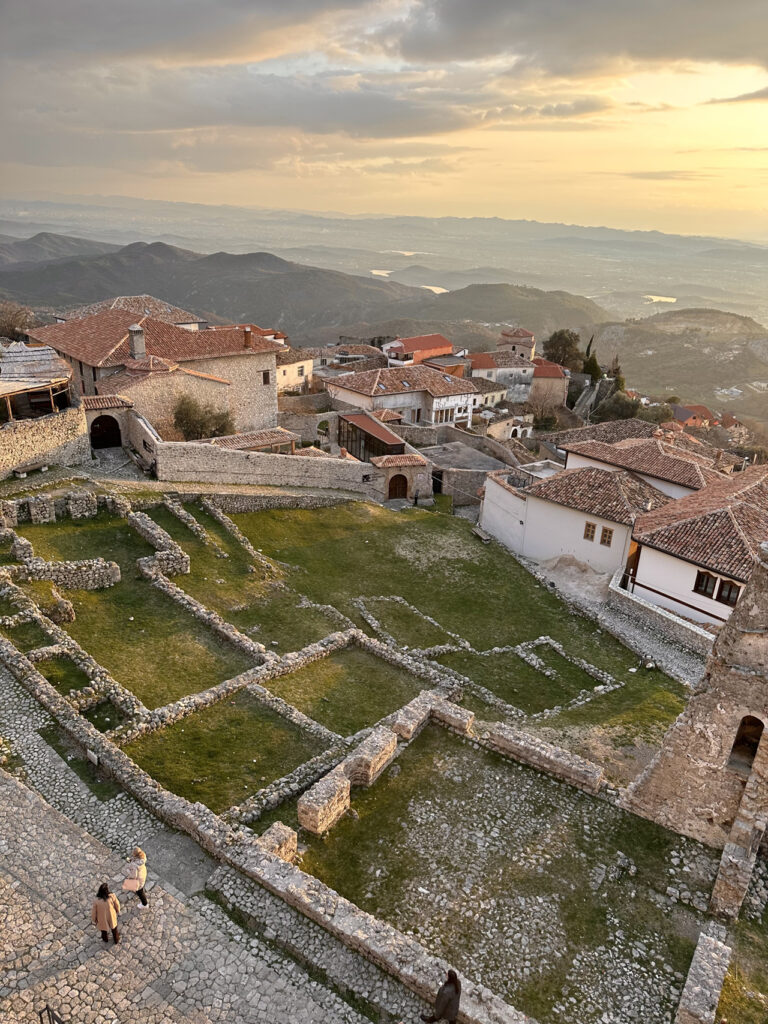
Just north of Tirana lies Krujë, the city of national hero Skanderbeg. Here, I visited the new, impressive Skanderbeg Museum, which is located within the walls of the old castle. Here you’ll find an almost mausoleum-like monument dedicated to this hero. I learned how this 15th-century warlord managed to resist the Ottomans and remains an important symbol of national pride to this day. The castle and museum are located at the end of the bazaar, with its colorful display of textiles, souvenirs, and antiques.


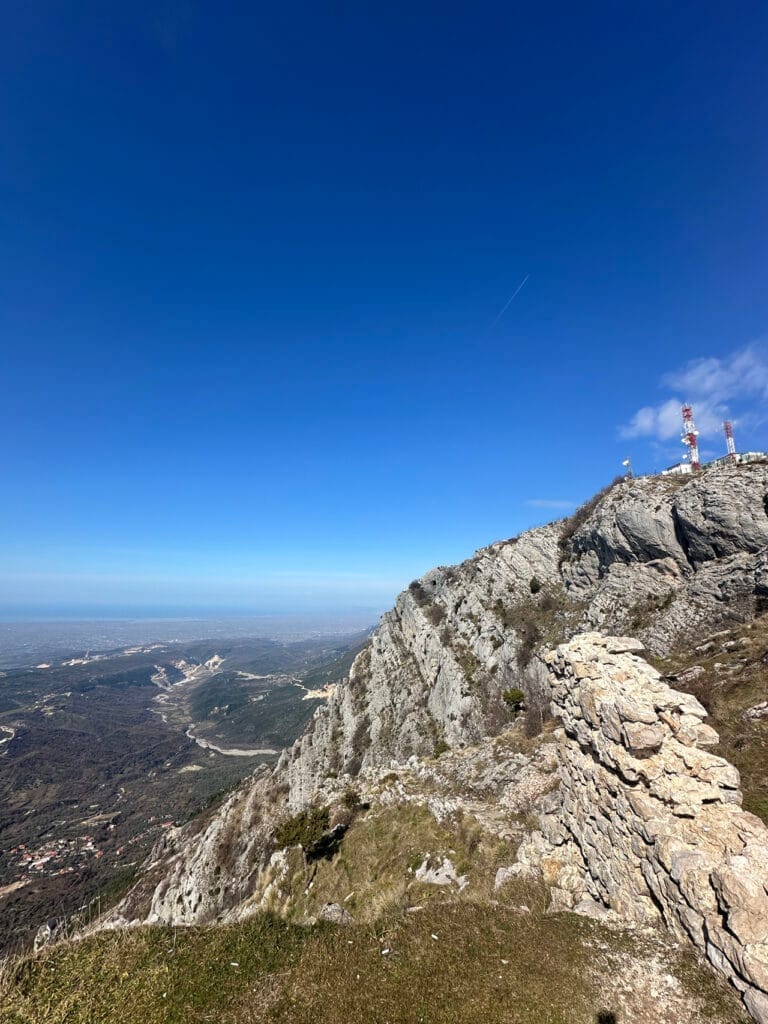
High above Kruja, hidden in the rugged mountains, lies the Sari Salltik Mosque, a special spiritual site that was once accessible only via a challenging climb. Now you can also get there by car or bus. This fascinating, mystical place of worship, located in a cave in the rock face, is dedicated to the Bektashi saint Sari Salltik, a mystical figure within Sufism.
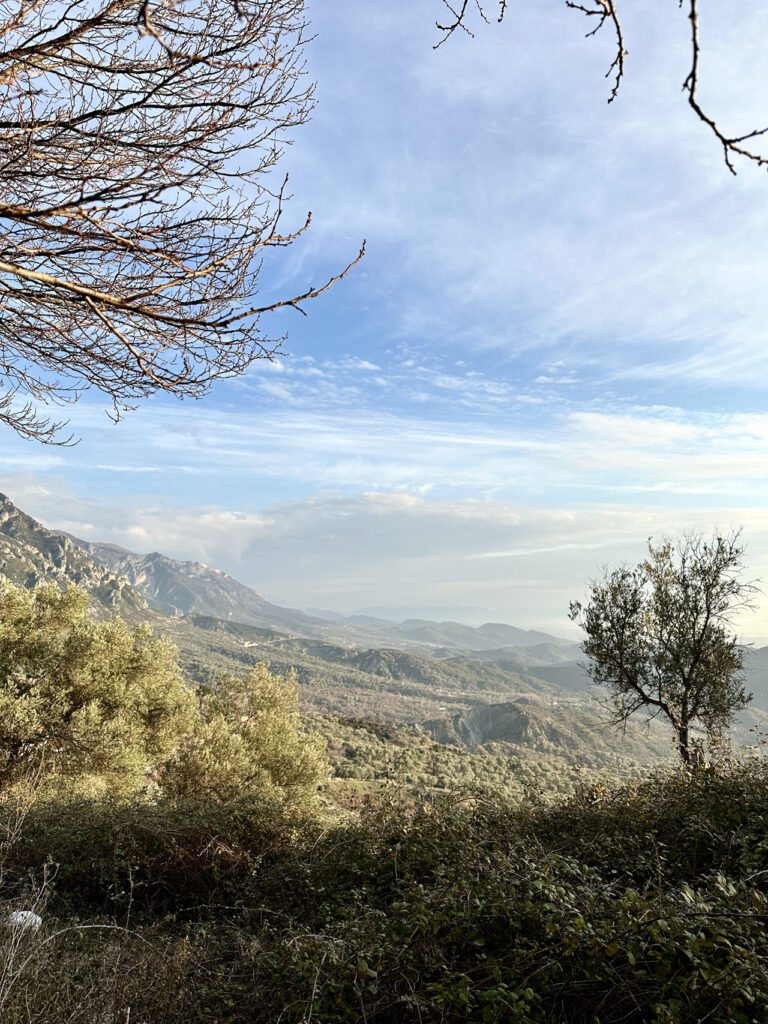
I chose to hike (800 meters in elevation) to the mosque, and that was an experience in itself: a mountain trail winds past breathtaking views of the valley and the Adriatic Sea in the distance. Once at the top, you’re enveloped in a serene calm; inside the cave, candles burn in honor of the saint. This place is visited by both pilgrims and travelers and demonstrates how Islam, Christianity, and folk beliefs have coexisted in Albania for centuries.
I was lucky enough that the caretaker of this special place brewed me a fresh cup of coffee in the adjacent authentic cottage, richly decorated with images of the saint and featuring a beautiful, authentic interior. Be sure to bring plenty of water if you’re hiking up on foot, especially during the summer months. As of now (February), there were no restaurants or food stalls at the top of the mountain.


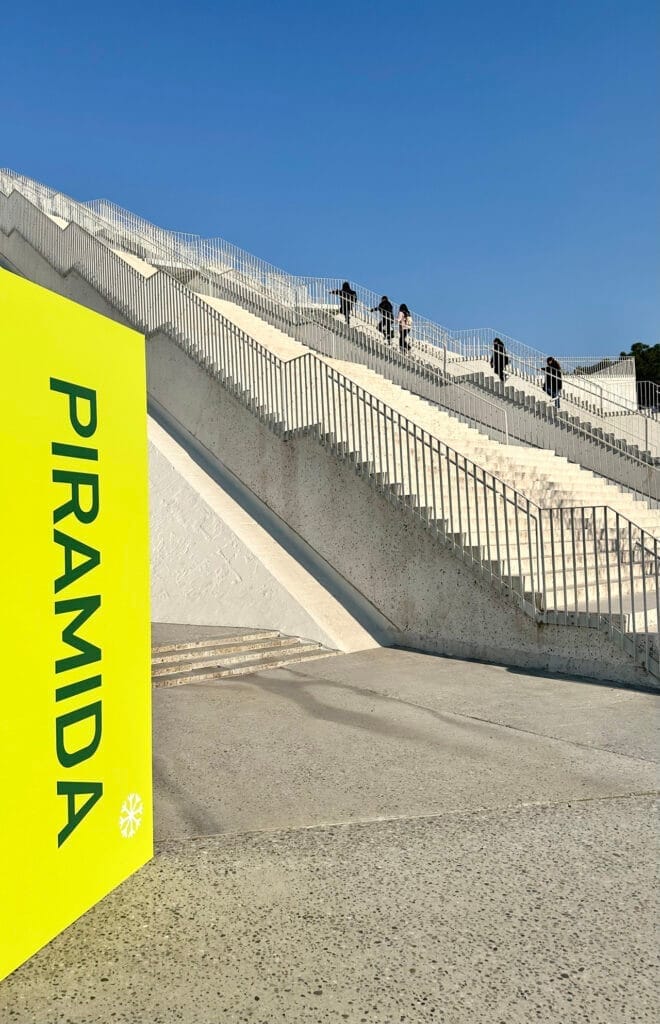
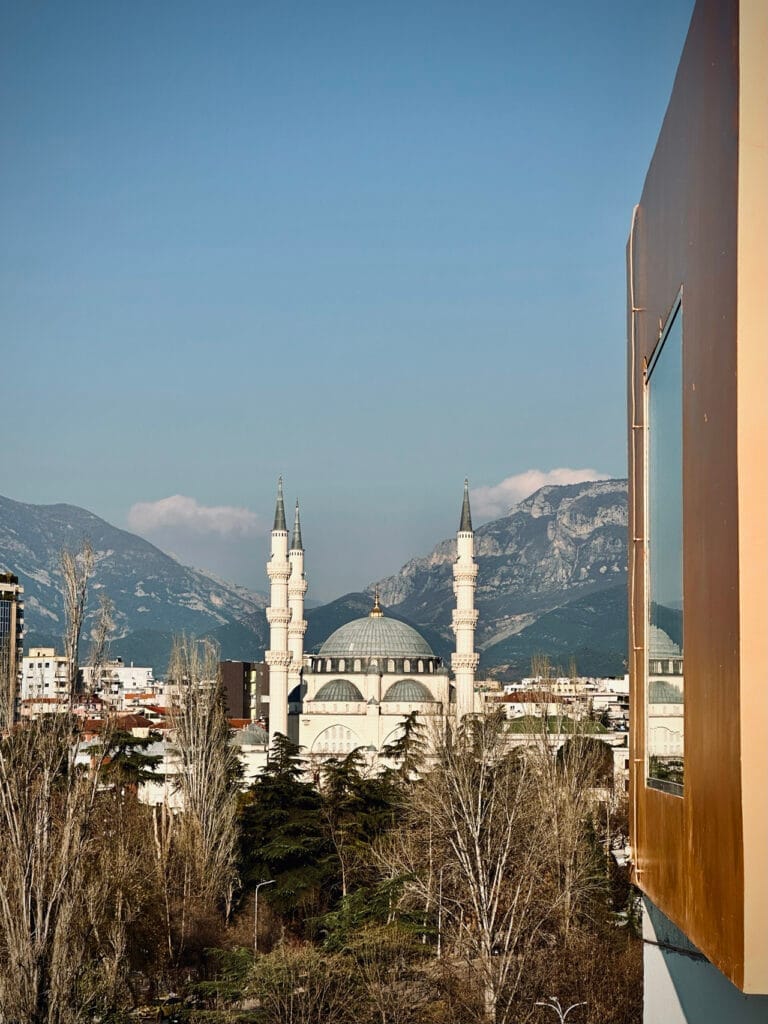
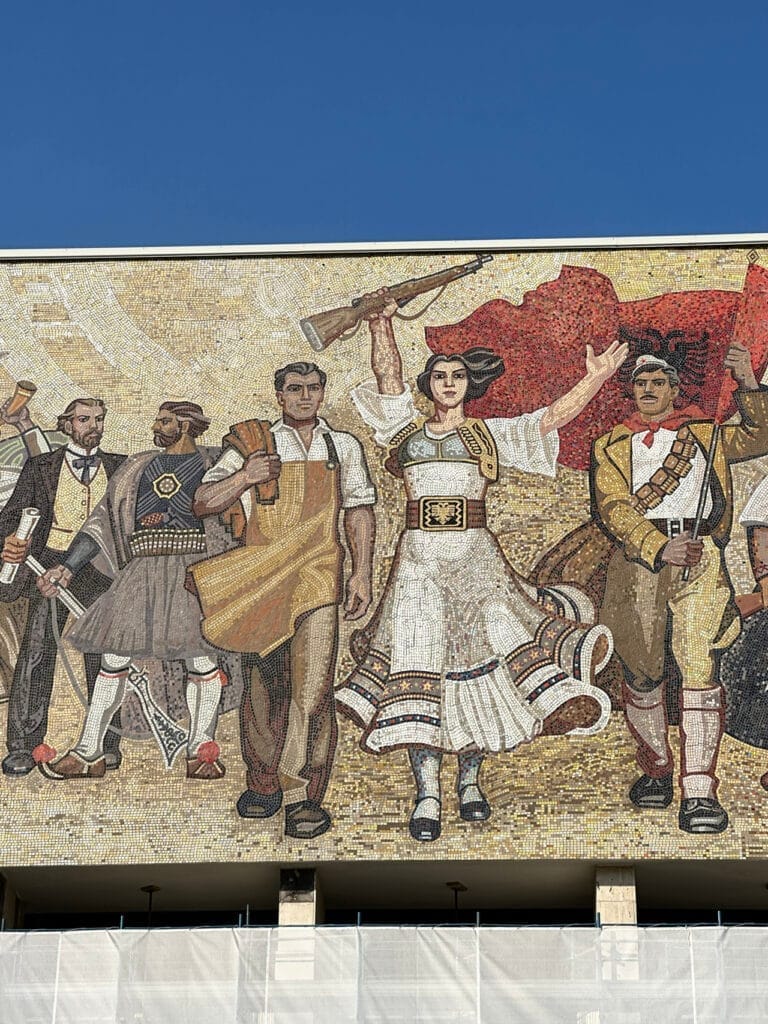
My trip began in Tirana, the vibrant capital of Albania. The city feels like a mix of old and new: drab communist buildings alongside colorful street art and trendy cafés. I strolled across Skanderbeg Square, visited the beautiful Et’hem Bey Mosque, and wandered through the Bunk’Art 2 museum, an old nuclear bunker that houses an impressive exhibition on the country’s communist past.


My experiences:
Tirana surprised me with its lively atmosphere and friendly people. It’s a city undergoing transformation, and that’s what makes it so fascinating.


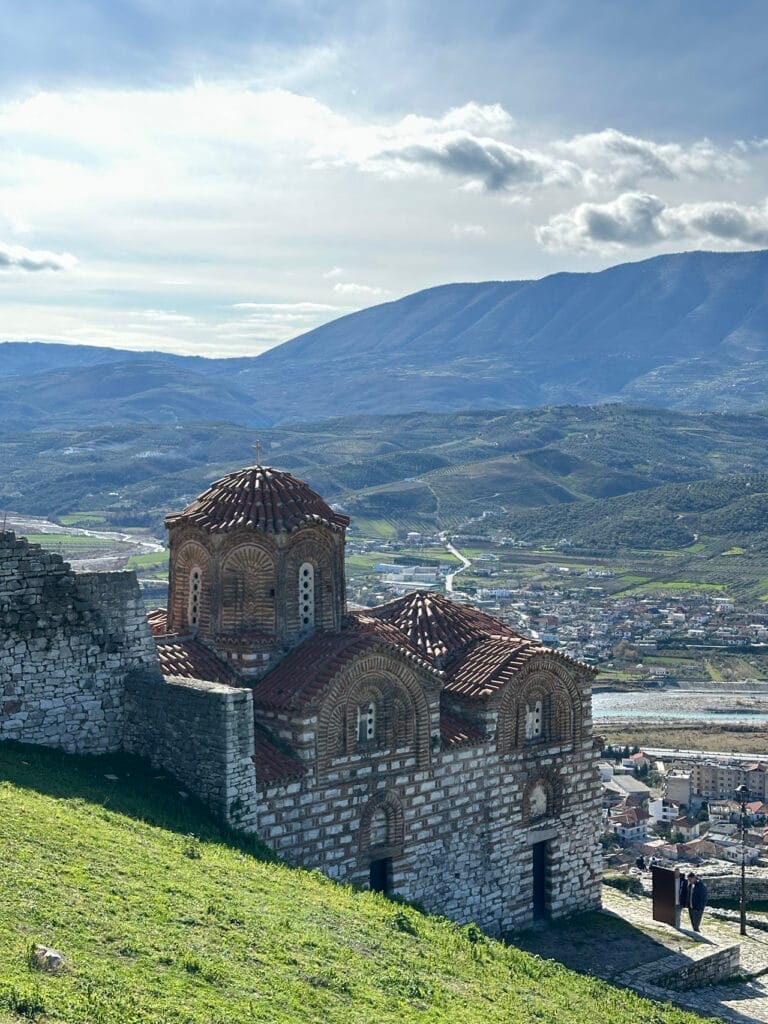
From Tirana, I traveled to Berat (a UNESCO World Heritage Site), the “city of a thousand windows,” which is known for its whitewashed Ottoman houses and the historic Ottoman Gorica Bridge over the Osum River.
The hilltop castle in Berat is a sort of fortified town where a handful of people still live and there are a few restaurants. From here, you have a magnificent view of the surrounding area, the Osum River, and the old Gorica Bridge. Inside the castle, I visited the Onufri Iconographic Museum, which is part of the Church of Saint Mary (Kisha e Shën Mërisë), and admired painted panels from the Byzantine period. The vivid colors and intricate details bear witness to a deeply rooted religious tradition that, despite the atheistic policies of the communist regime, never completely disappeared. There’s an audio tour you can listen to on your phone.
My journey continued to Gjirokastër (also a UNESCO site), which has an authentic and charming old town. I visited the impressive Citadel, which overlooks the city and houses a military museum.
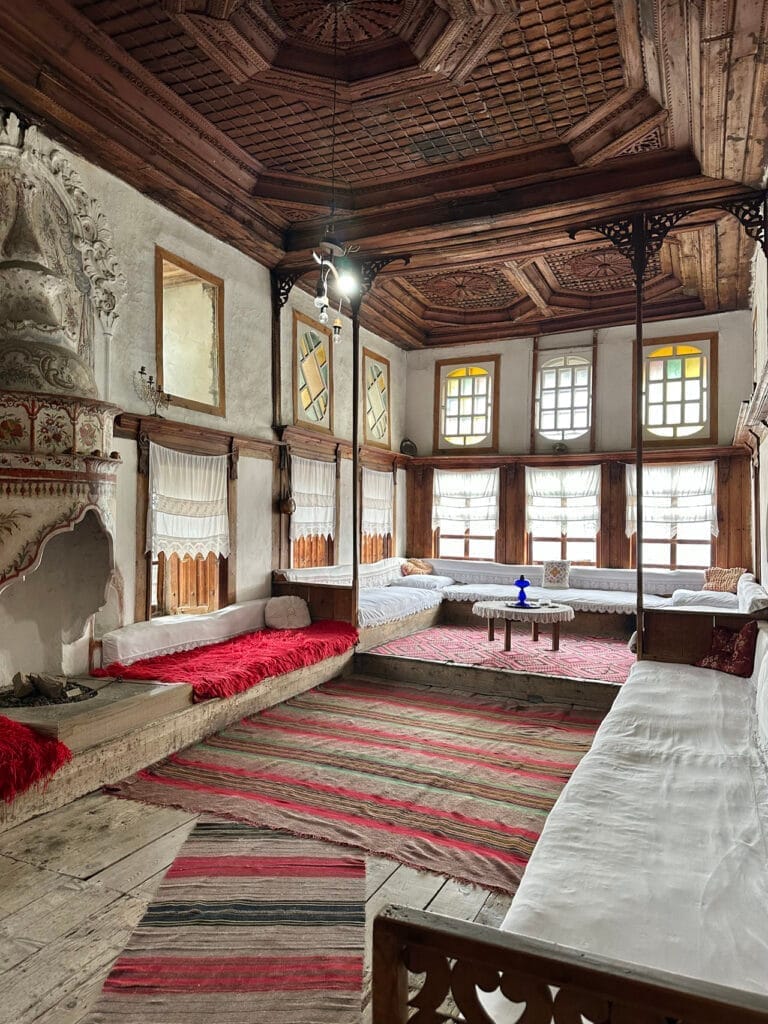
I visited the beautiful Skenduli House (Shtëpia e Skëndulajve), a well-preserved 18th-century Ottoman mansion. The owner himself gave the tour. I highly recommend it for its traditional architecture, richly decorated rooms, and original features. Right next door is the Gjirokastër Ethnographic Museum, housed in the birthplace of former Prime Minister Hoxha. It offers a glimpse into traditional Albanian life, from hand-woven carpets to intricate wood carvings.


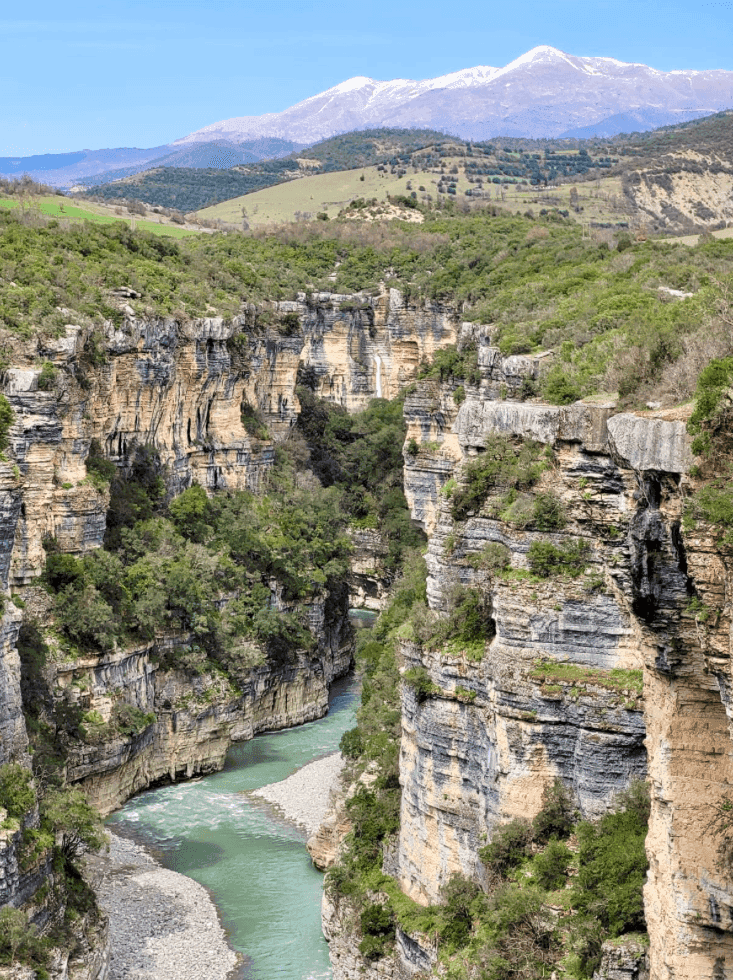
An hour and a half’s drive from Berat lies the impressive Osum Gorge, which is 2–3 million years old and was formed by the continuous erosion of limestone rocks by the Osum River. It is a popular destination for nature lovers and adventurers.
A hike through the impressive Osum Gorge is the ultimate way to experience this natural wonder. During the dry months, from June through October, you can explore the gorge on foot and enjoy the rugged rock formations and hidden waterfalls. During the wetter months, from November through June, the river offers an exciting alternative: rafting and canoeing along the steep walls. Steep rock faces and hidden waterfalls make this a unique hiking area. In the summer months, you can also swim in the natural pools here.
Tips:
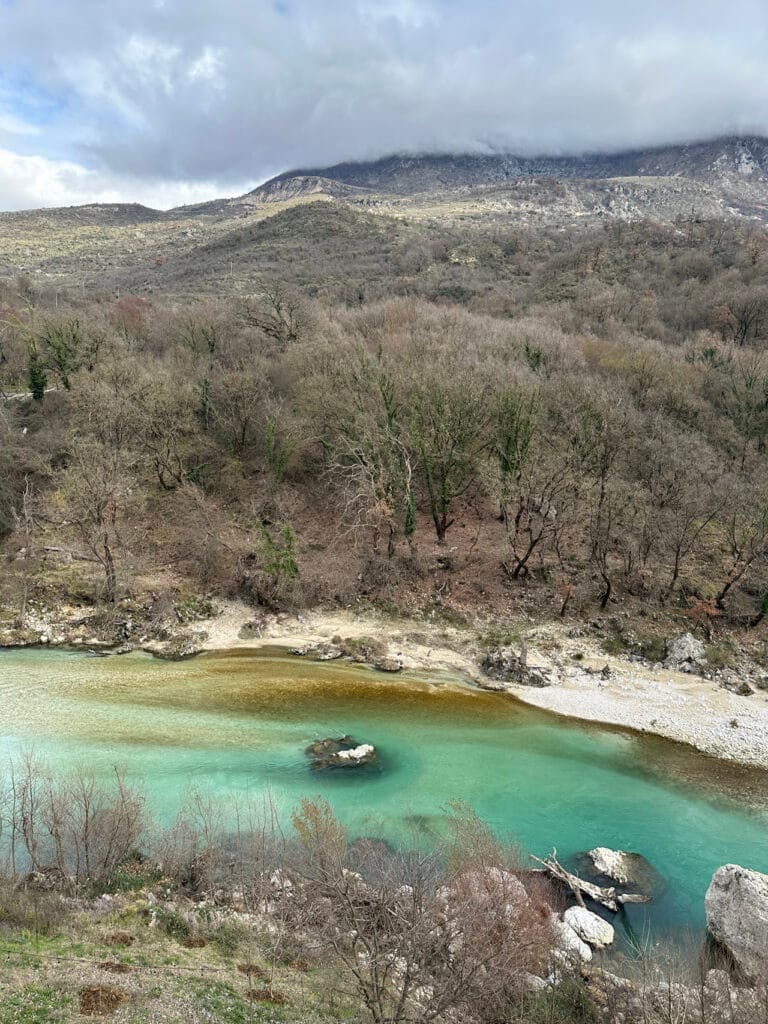
One of the absolute highlights of hiking in Albania is the trek from Valbona to Theth in the Albanian Alps. This 17-kilometer hike in northern Albania is challenging, but the breathtaking views definitely make it worth the effort. Along the way, you’ll pass shepherds with their flocks and small mountain huts where you can sample homemade cheese and honey. In Theth, you’ll feel as if you’ve stepped back in time: stone houses, winding paths, and an atmosphere of pure tranquility.
Tips:
Albania’s highest mountain, Mount Korab (2,764 m), is a challenging climb to the summit, but the view across the border into North Macedonia is phenomenal. At the top, you’ll find complete silence—no tourists, no buildings, just the wind and the endless mountain landscape.
Practical information:
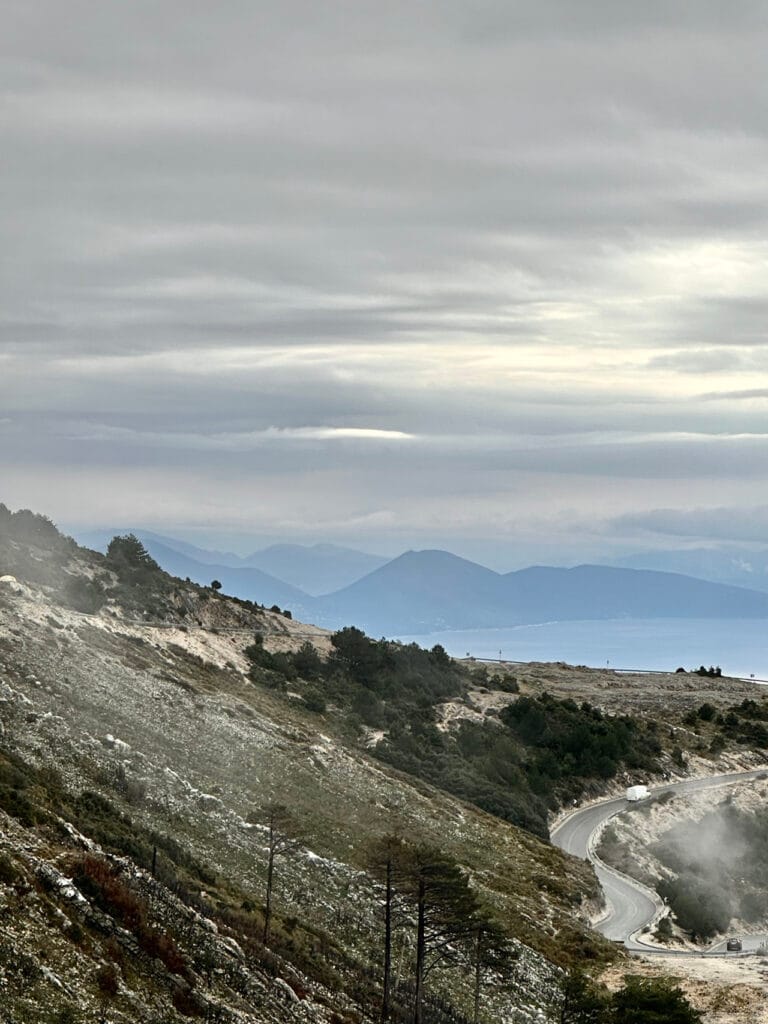
In the south, you’ll drive over the Llogara Pass, one of the country’s most spectacular mountain roads. Be sure to get out here for a walk. Caesar’s Trail leads you through fragrant pine forests to a lookout point where you can see both the mountains and the Ionian Sea. Llogara National Park is located at an altitude of about 1,000 meters between Vlora and Porto Palermo Castle.
Thanks to its unique microclimate and diverse flora and fauna, the park is a popular destination for hikers and those seeking peace and quiet. At the top of the pass, I had a cup of coffee and enjoyed the traditional Albanian dish of yogurt with walnuts and honey at the Panorama Restaurant Llogara.


My experiences:
In the very south, close to the Greek border, Butrint is well worth a visit. Albania is a paradise for archaeology enthusiasts. At the Butrint Archaeological Museum (located in Butrint National Park), you can delve into the history of this city, which was once inhabited by the Greeks, Romans, and Byzantines. The ruins, surrounded by marshes and forests, have a mystical atmosphere.
Equally impressive is Apollonia, an ancient Greek city that later became an important Roman settlement. The well-preserved ruins, including an amphitheater and a temple, bear witness to a time when Albania was a crossroads of cultures and trade routes.


Albanian cuisine is a blend of Ottoman, Greek, and Italian influences. Everywhere I went, I was treated to fresh, local ingredients and simple yet flavorful dishes. The hospitality surrounding food is striking: in traditional restaurants, you’re invited to enjoy a leisurely meal, where eating isn’t just about the food, but a time to be together.
Albania is a developing country and, as such, full of contrasts: ancient cities alongside modern boulevards, unspoiled nature alongside growing tourist hotspots. A past of isolation alongside a future full of possibilities. If you go now, you’ll have the unique opportunity to experience a country in transition. Traces of the past are still visible, but the future is full of promise.


Mieke Tacken
I am an interior designer, photographer, and an avid nature hiker. I’ve lost my heart to the simplicity and beauty of hiking vacations. I also appreciate the unique experience of a stay that tells a story about local history or culture. Here, I share my stories and tips—whenever possible, with a light footprint and always with a heart full of wonder.
With a passion for travel and photography and over 30 years of experience in the travel industry, I love to share my special nature travel tips. Travel is wonderful and important, you meet new people and cultures and it opens your view of the world.
Hiking along the Opal Coast: 3 Days on the GR120 Vast beaches, seawater in the most beautiful shades of blue, green fields. Hiking along the Opal Coast means becoming one with nature—with a touch of history here and there. In short: the Opal Coast on foot Route:...
Dovrefjell in the Fall: Musk Ox Safari from Oppdal A musk ox doesn't run away. If danger threatens, it either stands its ground or charges right at it. That works against a wolf, but not against a train. That's what our guide, Hannes, tells us as we walk across the...
Hiking to Trondheim along ancient pilgrimage trails What’s it like to hike for days along ancient pilgrimage trails to Trondheim? During a trip through Sweden and Norway, I hiked several sections of the St. Olavsleden. From the open border mountains near Skalstugan to...
Get inspired
Are you looking for the most beautiful hiking and biking routes? Or do you want information about traveling by train or advice for the most beautiful road trips through nature. Get inspired for your next trip in green; ideas for planning your own trip or opting for an organized trip.