
Gratis gids 10 verborgen natuurplekken in Europa
Gratis gids 10 verborgen natuurplekken in Europa. Meld je aan voor onze nieuwsbrief en ontvang inspirerende reistips en routes voor je volgende groene reis.

Of the seven Aeolian Islands, this enchanting island near Sicily captivated me the most. It’s surprisingly green and the most laid-back of them all. It’s a place where you naturally start walking at a snail’s pace and have time for long walks along the coast and through the local vineyards.
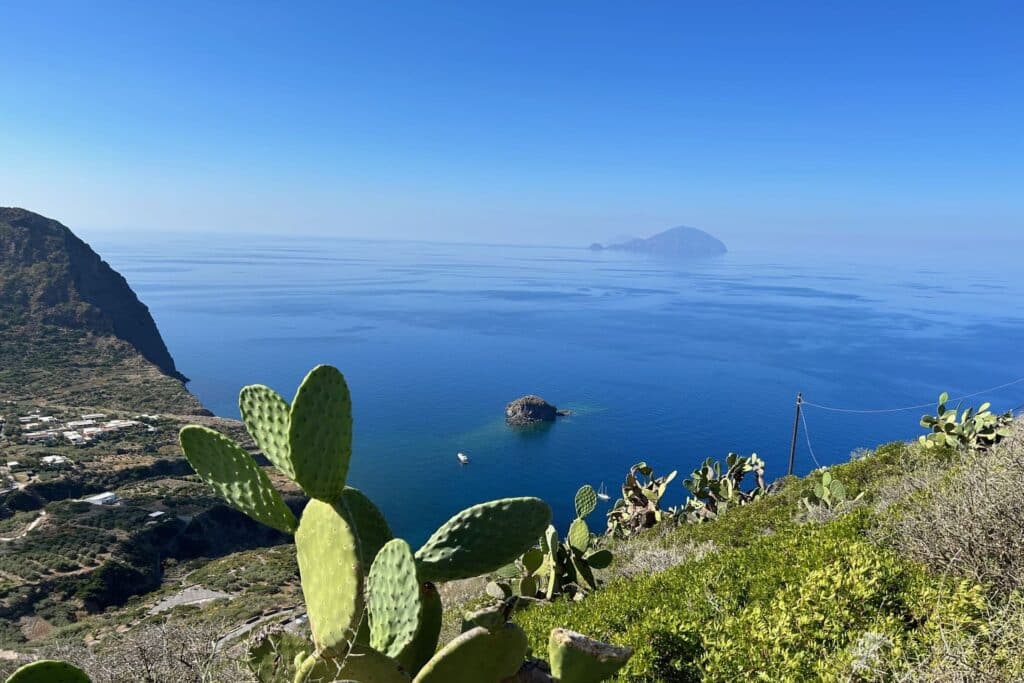

The island has no fewer than two volcanoes, and with its highest peak, Monte Fossa delle Felci (962 m), it is even taller than Stromboli. The mountain features a beautiful forest with many ferns. The island’s second-highest mountain, Monte Porri, is home to the “Eleonora’s falcon” (falco della regina).
The island is known for its nature reserve, which covers more than half of the island. The unique flora and the scent of flowers and herbs invite you to take long walks along peaceful trails and capture the most beautiful photos.
Salina is also known as “Il Giardino delle Eolie.” Its lush natural beauty is due to the numerous freshwater springs that make the island so green. Salina has many forests and vineyards on its very fertile soil. The so-called “Malvasia” dessert wine is a DOC wine on all the islands but is produced primarily on Salina. The harvest takes place in the first half of September. Salina’s capers— a Slow Food Presidium —are also world-famous for their strong flavor, thanks to the ideal conditions on this island for the caper bush.
Salina is the only one of the Aeolian Islands to have administrative autonomy, a status it has earned thanks to the island’s hugely successful wine production. Salina has 2,500 residents and is actually divided into three municipalities: Malfa, Santa Marina, and Leni.
Read here about our 8-day self-guided hiking tour of the Aeolian Islands with our local specialist.
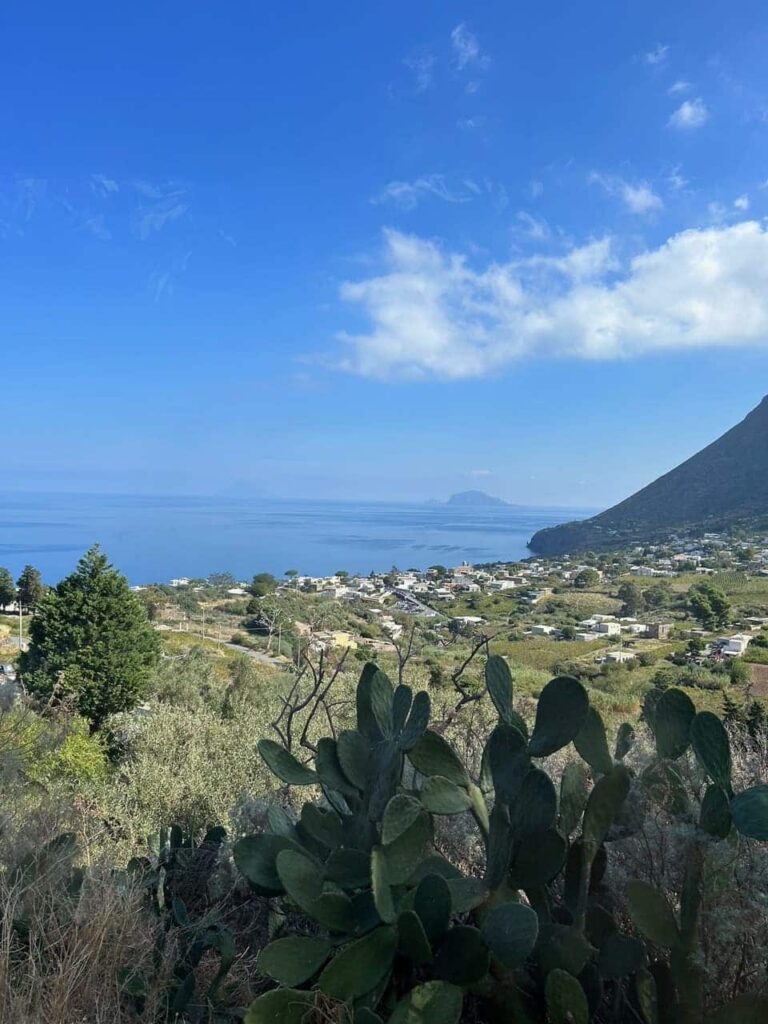
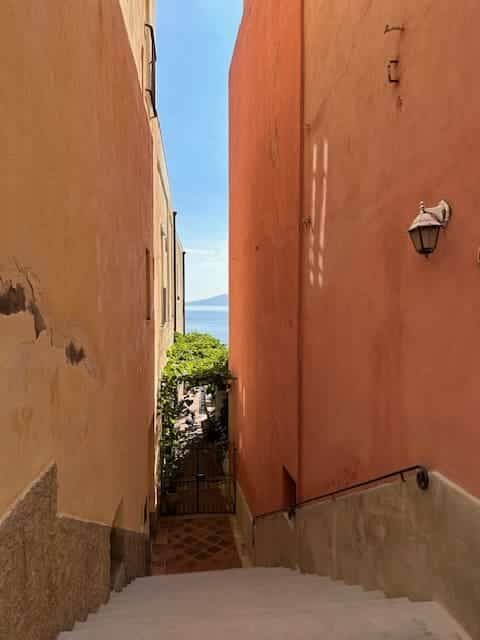
Santa Marina is the largest tourist port in the Aeolian Islands. The name Salina comes from the salt production (sale) that used to take place on the island. The island’s former Greek name was Didyme, meaning “twins,” named after the twin volcanoes on the island.
From the harbor in Santa Marina, after about 2 km, you’ll reach the hamlet of Lingua, with its lighthouse and a brackish lake where salt used to be harvested.
The archaeological site of Portella, a Bronze Age village ( 15th – 13th century BC), is also worth a visit. It is situated on a steep volcanic ridge that you can climb via a long staircase. Here you will find round huts, carved into the volcanic rock, which are well preserved. You can reach it via the Provincial road between Santa Marina and Malfa. Perfect for a morning walk.
Malfa is the largest municipality on the island, and it’s also where you’ll find the most hotels. The name Malfa comes from Amalfi because the island was settled in the12th century by several families from Amalfi. In the last century, many “Malfitani” emigrated to Australia after their harvest was destroyed. Malfa is located on the north side of the island; it is hilly and lies about 90 meters above sea level. It is pleasantly cool and green here.
In Malfa’s town square—Piazza Immacolata—you’ll find several restaurants and bars. From Malfa, you can take beautiful hikes to Monte Fossa delle Felci.
Part of the film *Il Postino* was shot in the beautiful bay of Pollara. Pollara is a small village situated on the volcanic floor of a crater. The small beach of Le Balate is famous for its boathouses carved out of the rock.
It’s about a 30-minute walk from the center of Malfa. Eventually, a steep path leads you down to the sea. From Santa Marina and Rinella, you can get there by bus or scooter.
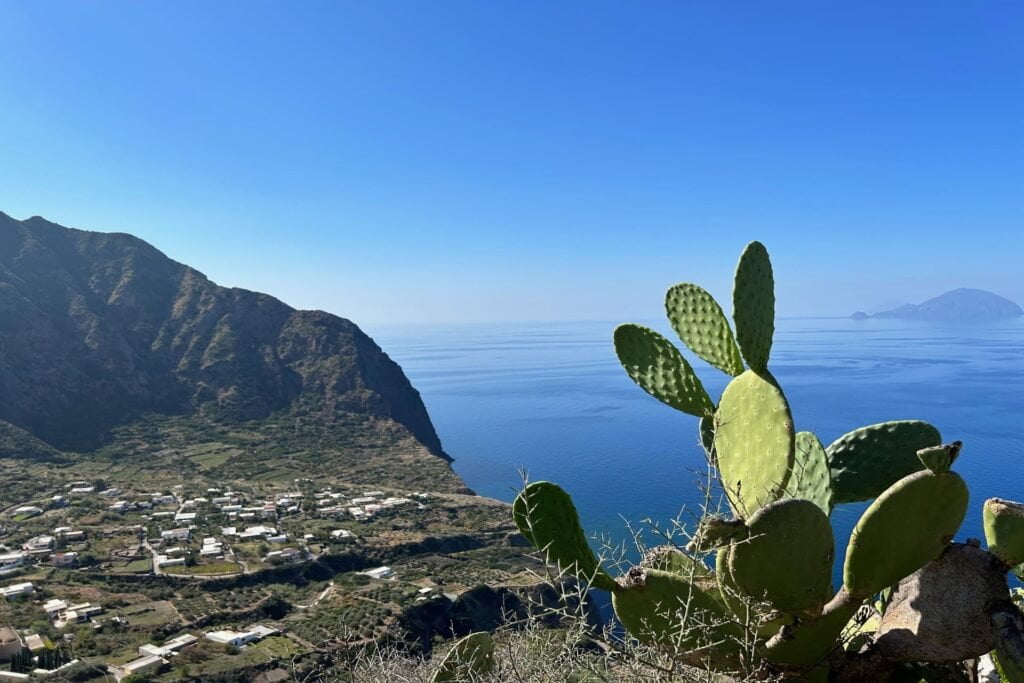
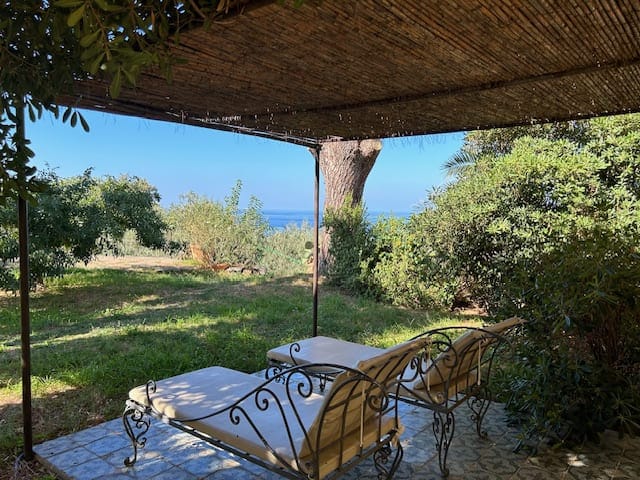
Capo Faro, located between Malfa and Santa Marina, is a small hamlet with a high cliff overlooking the sea and a lighthouse atop it. Today, it is a resort featuring the vineyards of one of the region’s leading wine producers.
In the village of Serro dell’Acqua, in the municipality of Santa Marina, you’ll find the Saracen caves, which were once used as a refuge by the barbarian Saracens (650 AD).
Salina is a beautiful island for walking and hiking. You can climb both of the island’s volcanoes. The best place to start is at the Santuario della Madonna del Terzito in Valdichiesa. However, the experience here is quite different from that on Stromboli or Vulcano because Salina is much greener.
Two beautiful hikes on the island:
More hiking inspiration on the Aeolian Islands
There is a road on the island that winds through the mountains and crosses spectacular lava flows.
My recommendation for a place to stay on Salina is the boutique hotel Signum in Malfa. They also have a fantastic restaurant.

With a passion for travel and photography and over 30 years of experience in the travel industry, I love to share my special nature travel tips. Travel is wonderful and important, you meet new people and cultures and it opens your view of the world.

Slow Food Puglia: Tasting Mussels and Clementines in Taranto Starting in the summer of 2026, in the province of Taranto, in the far south of Italy, you can literally sample what small-scale local producers have to offer. At the same time, during these excursions,...
Gitschberg Jochtal: Hiking in the Summer, Skiing Away from the Crowds in the Winter Eight villages, no well-known name, and yet 300 kilometers of marked hiking trails in the summer and 55 kilometers of ski runs in the winter: that’s the Gitschberg Jochtal, on the...
Get inspired
Are you looking for the most beautiful hiking and biking routes? Or do you want information about traveling by train or advice for the most beautiful road trips through nature. Get inspired for your next trip in green; ideas for planning your own trip or opting for an organized trip.