
Gratis gids 10 verborgen natuurplekken in Europa
Gratis gids 10 verborgen natuurplekken in Europa. Meld je aan voor onze nieuwsbrief en ontvang inspirerende reistips en routes voor je volgende groene reis.

Northern Portugal is the country’s green lung: wild granite mountains, waterfalls flowing through ferns, and terraced vineyards clinging to the hillsides. In the villages, people still have time to spare. Porto is the perfect starting point for your trip, but the real treat lies in the nature parks Peneda-Gerês, Alvão, and Montesinho, the Douro River, and quiet beaches along the Costa Verde. Read about what to see and do in Northern Portugal.
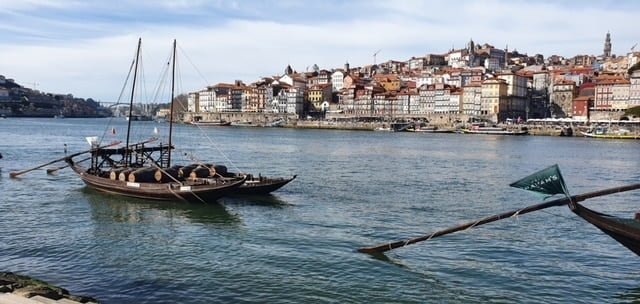
Days 1–2: Porto. Strolling through Ribeira, admiring the azulejos, taking the tram to Foz.
Days 3–4: Peneda-Gerês (Alto Minho). Soajo/Lindoso, Pedra Bela, waterfalls & natural pools.
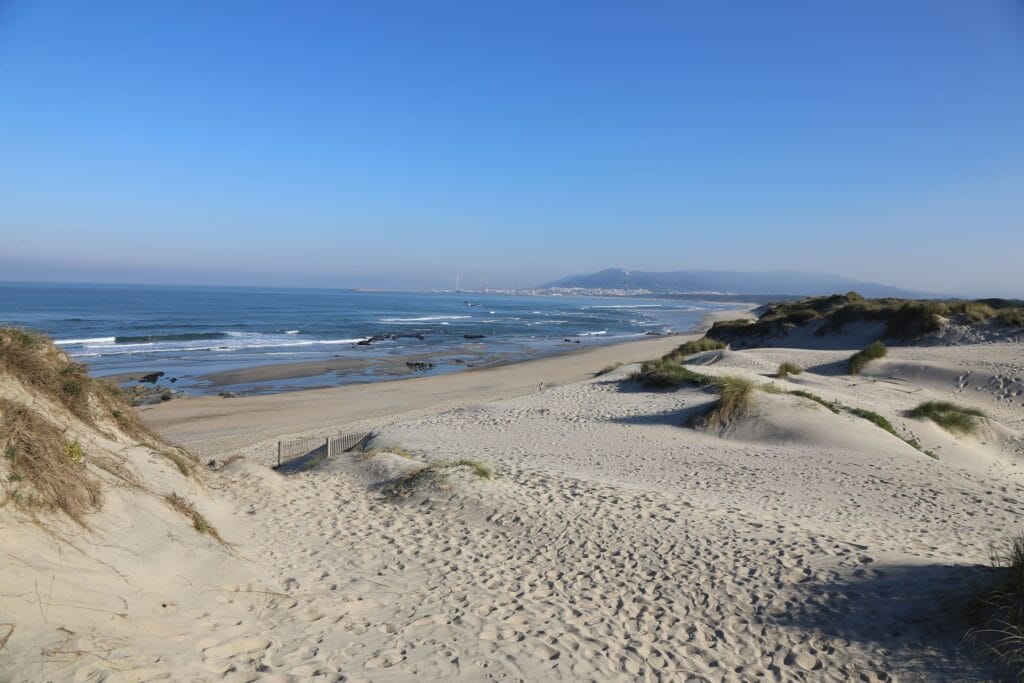
Day 5: Viana do Castelo & beaches. Santa Luzia, Cabedelo, or Afife.
Day 6: Douro Valley. Viewpoints, visit to a quinta, and possibly Pinhão.
Day 7: Alvão (Vila Real). Fisgas do Ermelo hike; ending the day with local cuisine.
Extra days? Add Montesinho (Bragança) to the list for pure countryside and tranquility.
It was here that Portugal was founded in the12th century and became an official country; hospitable people, delicious cuisine, and surprisingly beautiful beaches.
If you’re looking for nature, tranquility, and character—without mass tourism—then the north is the place for you. The entire area stretching from Porto is also known as the“Costa Verde,” but the region is officially called Northern Portugal: pine and eucalyptus forests along the coast, rugged mountain ranges inland, and a cuisine that will keep you coming back for more (Minho dishes, fresh fish, Vinho Verde, and Douro wines).
Rugged mountain ranges, flower-filled valleys, and centuries-old, authentic villages where time seems to have stood still.

Northern Portugal is divided into 4 subregions:

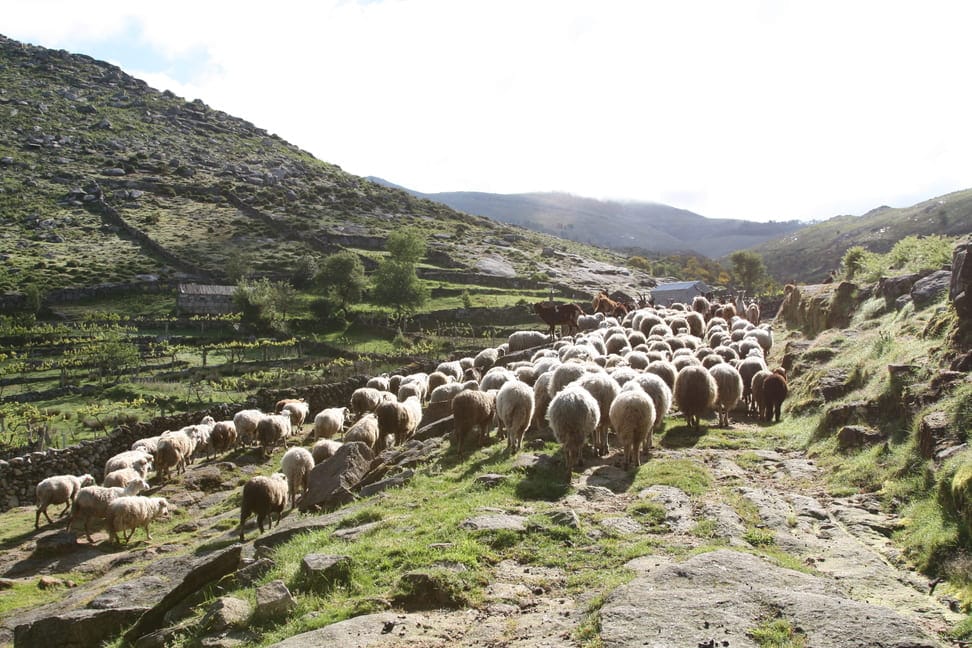
Portugal’s only national park (and UNESCO biosphere reserve) is a mosaic of granite peaks, natural swimming pools, and wolf territory. Here you can sometimes spot garranos (semi-wild ponies), hike along ancient shepherds’ trails (brandas), and pass Roman “geira” milestones. Read more about the Peneda-Gerês.
Things to do: waterfalls near Tahiti/Arado, villages such as Soajo and Lindoso (espigueiros!), viewpoints near Pedra Bela.
Read more here about an 8-day self-guided hiking trip to Peneda-Gerês with a local specialist. Includes accommodations, luggage transport, and itineraries.
Known for Fisgas do Ermelo, one of Portugal’s tallest waterfall systems, and rugged rock formations along the Olo River. Imagine silver birches, oak forests, and quiet trails where you’ll often be the only one walking.
Things to do: Hiking trails around Fisgas; picnic by the river pools (leave no trace).
To the northeast, bordering Spain; rolling mountain ridges, chestnut and oak forests, shepherds’ villages, and more than 100 species of breeding birds.
Things to do: hike around Montesinho and Coroa mountains; visit village pubs serving hearty local cuisine.
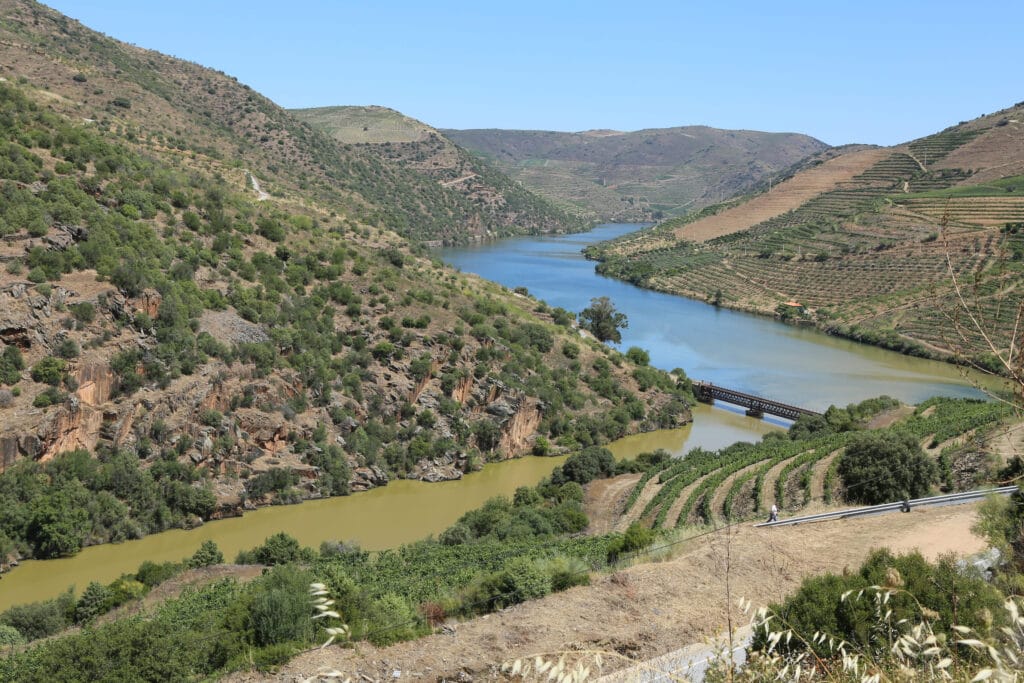
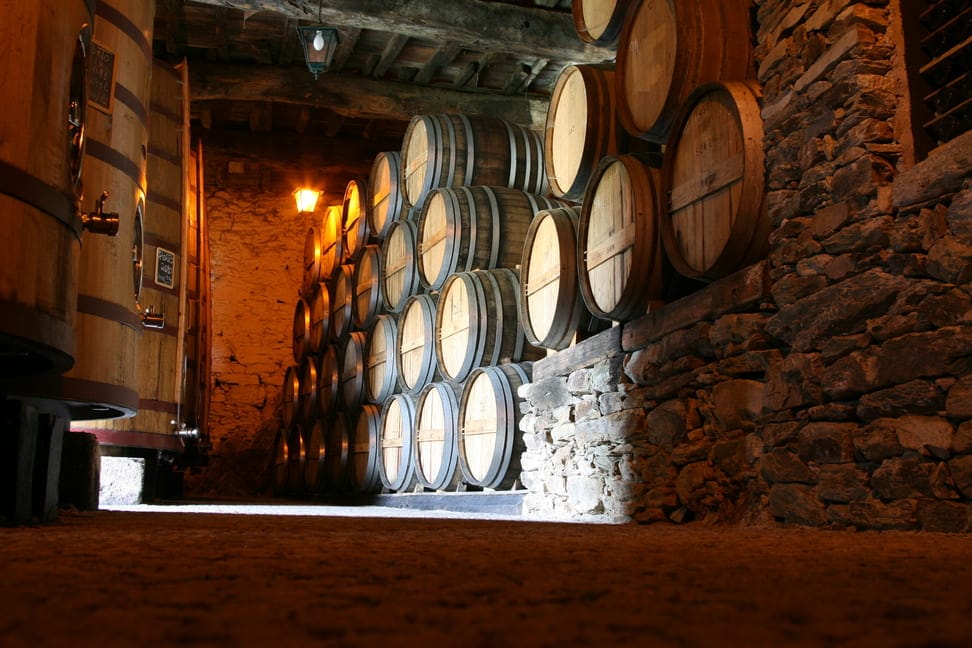
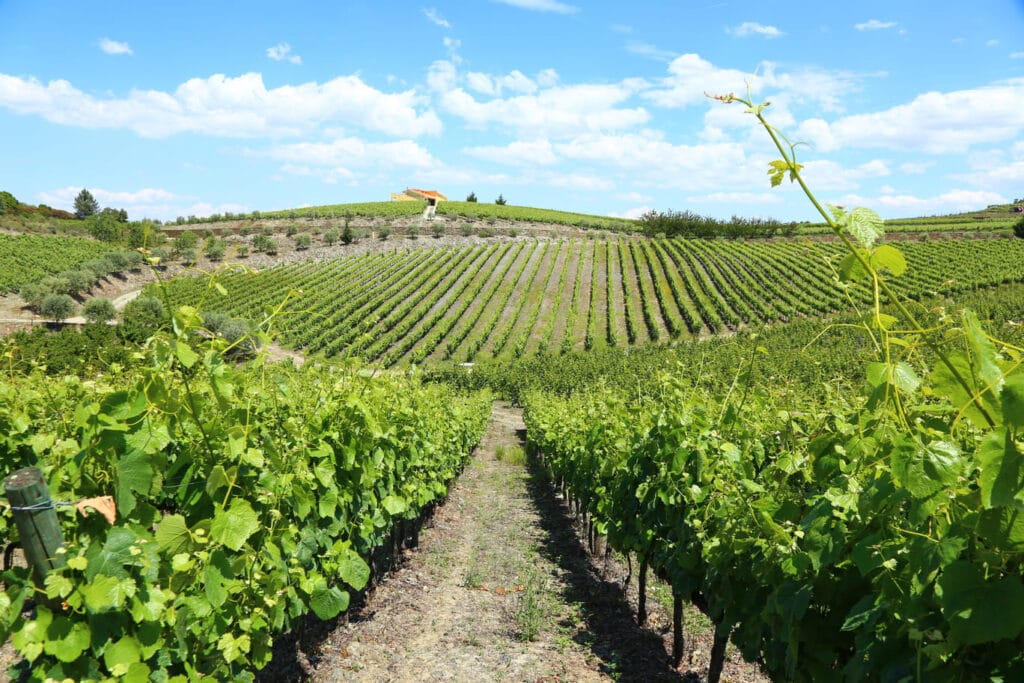
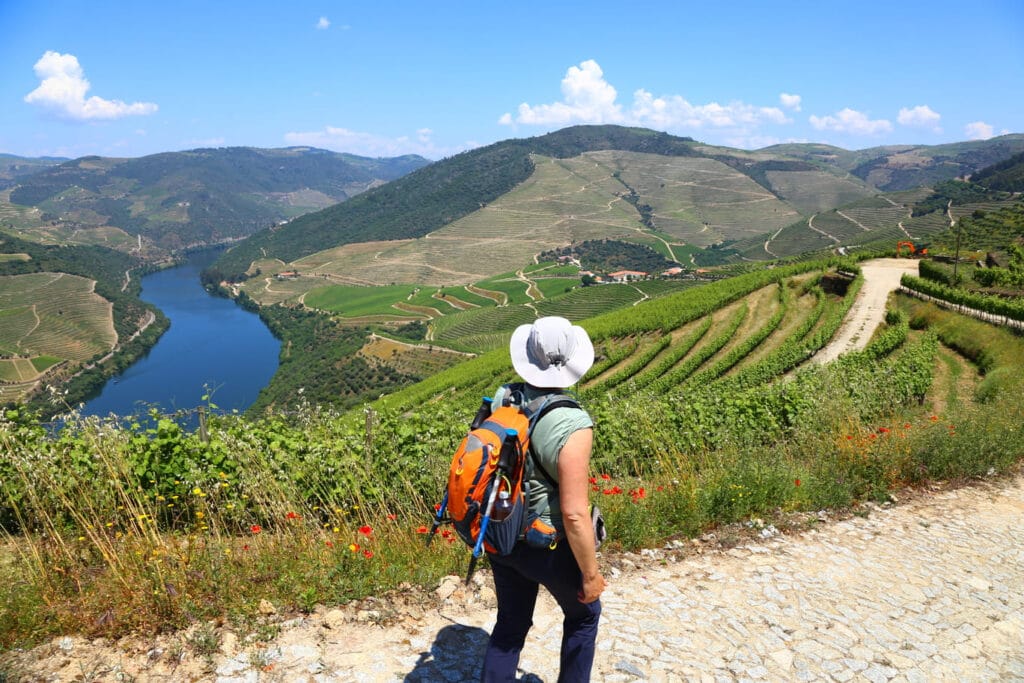
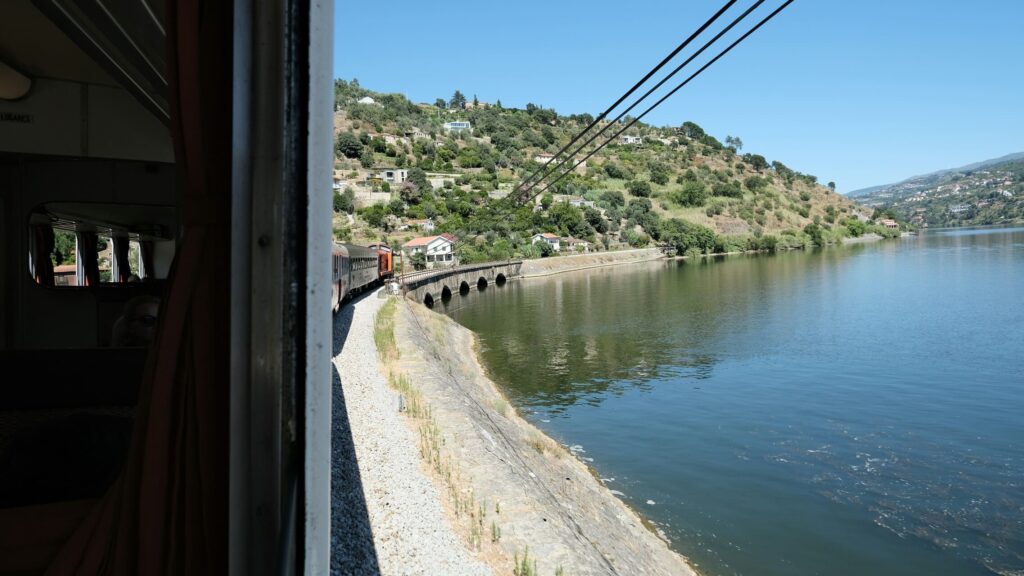
The Douro changes color with the seasons: emerald in the spring, gold in late summer, and copper-red in the fall. Sample port and dry Douro wines, plan stops at viewpoints (miradouros), and visit a quinta (winery).
Slow travel tip: The Linha do Douro railway line from Porto (São Bento) past Pinhão to Pocinho is a dream route along the river.
1. Read more here about an 8-day individual hiking trip to the other side of the Douro. Accommodations, luggage transport, and support from local specialists.
2. Here you’ll find more information about an 8-day individual hiking trip to the Douro Valley and the Coa Valley.
A UNESCO World Heritage Site and the perfect starting point for your journey through the region’s natural and cultural diversity.The charming Ribeira waterfront, azulejo art in São Bento, and port houses across the river. Take the tram to the sea (Foz) or walk across the Dom Luís I Bridge for the view.

About an hour by train from Porto
A vibrant college town featuring Portugal’s oldest cathedral and the Bom Jesus do Monte sanctuary with its monumental zigzag staircase. A mix of centuries-old churches and modern architecture. Braga is located on one of the most important Roman trade routes.
Braga has a modern stadium designed by the famous Portuguese architect Souto Moura. The mix of students, modern architecture, and centuries-old buildings gives the city a unique and charming atmosphere.
About 2 hours by train from Braga
“If you want to understand Portugal, start here.” Medieval city center (UNESCO), castle, and palace.
Tip: Take the cable car to Monte da Penha to see granite boulders, pine trees, and the most beautiful panoramic views. You’ll also find the Nossa Senhora da Penha Monastery there.
The town is famous above all for its beautiful historic center, one of the best-preserved in Portugal. It is closely linked to the origins of Portugal. This charming medieval town offers not only a castle and a monastery but also good restaurants, small shops, and bars.


By the sea, on the Lima River. Climb (or drive) up to Monte de Santa Luzia for views of the coastline, dunes, and the city. Known for its goldsmithing and surprisingly contemporary architecture.
This seaside town is one of the most beautiful in northern Portugal. From Monte de Santa Luzia, you can enjoy a view of the town at the mouth of the Lima River. Here you’ll also find the Templo do Sagrado Coração de Jesus, built in 1898, which makes for a great starting point for your visit to the town.
In addition to gold filigree embroidery, it’s also a paradise for lovers of contemporary architecture. Several buildings in the city were designed by well-known contemporary Portuguese architects. In the area around Viana, you can bike on dedicated bike paths along the coast or the river.
One of Portugal’s oldest towns; a Roman bridge, an avenue lined with plane trees, and a great base for hiking, biking, and canoeing along the Lima River.
The small town is divided in two by the Lima River. The village is famous for its local cuisine, but also as a starting point for hiking, biking, or canoeing.
On the banks of the Douro. Climb the 686 steps to the Nossa Senhora dos Remédios Shrine and reward yourself with the view and a glass of local white wine.
Lamego was once one of Portugal’s most important Port wine producers, located just 12 km from the banks of the Douro River. Conquered by the Moors and later reconquered by the Christians, Lamego is home to the beautiful Santuario de Nossa Senhora dos Remedios, with its 686 steps, numerous blue-and-white azulejos, and a fantastic view from the top.
It still boasts excellent wine production, fantastic cuisine, and beautiful landscapes. Lamego is a great base from which to explore the rest of the region.
Located inland near the Spanish border (10 km away). In Roman times, it was an important city, and in 1160, the Portuguese recaptured it from the Arabs. The village has a beautiful Roman bridge over the Tâmega River.
Hot springs, a Roman bridge over the Tâmega, and Belle Époque grandeur in Vidago. Peaceful and perfect for a wellness getaway.
Located between the Serra do Alvão and Serra do Marão mountain ranges; a gateway to Alvão. Along the Corgo Gorge, you’ll find scenic overlooks and urban nature. It is the capital of the “Tras-os-Montes” region in northeastern Portugal.
In addition to typical Portuguese churches like the Igreja do Calvario, there are many ornate buildings reflecting the city’s noble history. A wide “avenida” runs along the edge of a deep gorge overlooking the Corgo River. If you head down to the river, you’ll experience a completely different part of the city, surrounded by nature.
TIP: The best view is behind the Igreja do Calvario church, from the Miradouro de Trás-do-Cemitério.
Yes, especially inland. Peneda-Gerês, Alvão, and Montesinho are mountainous and hilly regions. The Douro Valley is hilly, with steep, vine-covered slopes. Northern Portugal is largely mountainous, and the Douro Valley is hilly.

With a passion for travel and photography and over 30 years of experience in the travel industry, I love to share my special nature travel tips. Travel is wonderful and important, you meet new people and cultures and it opens your view of the world.
8-day hiking trip Rota Vicentina: the Fishermans trail with local specialist Self-guided, fully taken care of by a local specialist: Fishermen's Trail from Cercal to Odeceixe On day five you board a boat to cross the mouth of the Mira River. No bridge, no timetabled...
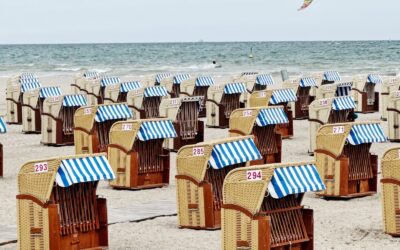
Lübeck & Travemünde: a green city break along the Baltic Sea Sleeping in an old Kellogg’s grain silo, having breakfast without cornflakes the next morning, and a day later searching for kingfishers on a river that once ran right through the Iron Curtain. Our short...
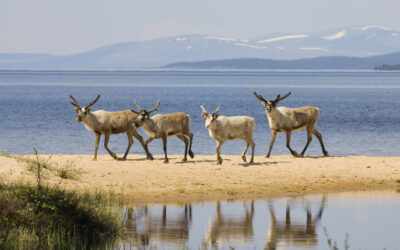
Europe's Most Beautiful Hidden Natural Spots: Request Your Free Guide The spots you won't find in any travel guide. Curated for free by a nature travel specialist. What would you do if you knew of a place where nature still thrives as it always has? Without parking...
Get inspired
Are you looking for the most beautiful hiking and biking routes? Or do you want information about traveling by train or advice for the most beautiful road trips through nature. Get inspired for your next trip in green; ideas for planning your own trip or opting for an organized trip.