
Gratis gids 10 verborgen natuurplekken in Europa
Gratis gids 10 verborgen natuurplekken in Europa. Meld je aan voor onze nieuwsbrief en ontvang inspirerende reistips en routes voor je volgende groene reis.

A thousand years ago, Olav Haraldsson traveled this road northward in search of his crown. He met his death at Stiklestad and was canonized three years later. Since then, pilgrims have followed the same route: from the east coast of Sweden, over the mountains to Norway, all the way to his grave in Nidaros Cathedral in Trondheim.
That route is now called the St. Olavsleden, the northernmost pilgrimage route in the world. In 2030, it will be 1,000 years since Olav was killed, and Norway is preparing for a national anniversary. That’s reason enough to take a closer look at the route, its history, and the practical aspects of this hiking adventure.
The St. Olav Trail runs from Selånger, on Sweden’s east coast near Sundsvall, to Nidaros Cathedral in Trondheim. The route is approximately 564 kilometers long, divided into 29 stages averaging 20 kilometers each, and takes about 30 days of hiking in total if you walk the entire route consecutively.
The St. Olav Trail is part of a larger network of pilgrimage routes, the St. Olav Ways, which converge from several countries at the tomb of Olav Haraldsson. Since May 2010, this network has held the status of a European Cultural Route, granted by the Council of Europe.

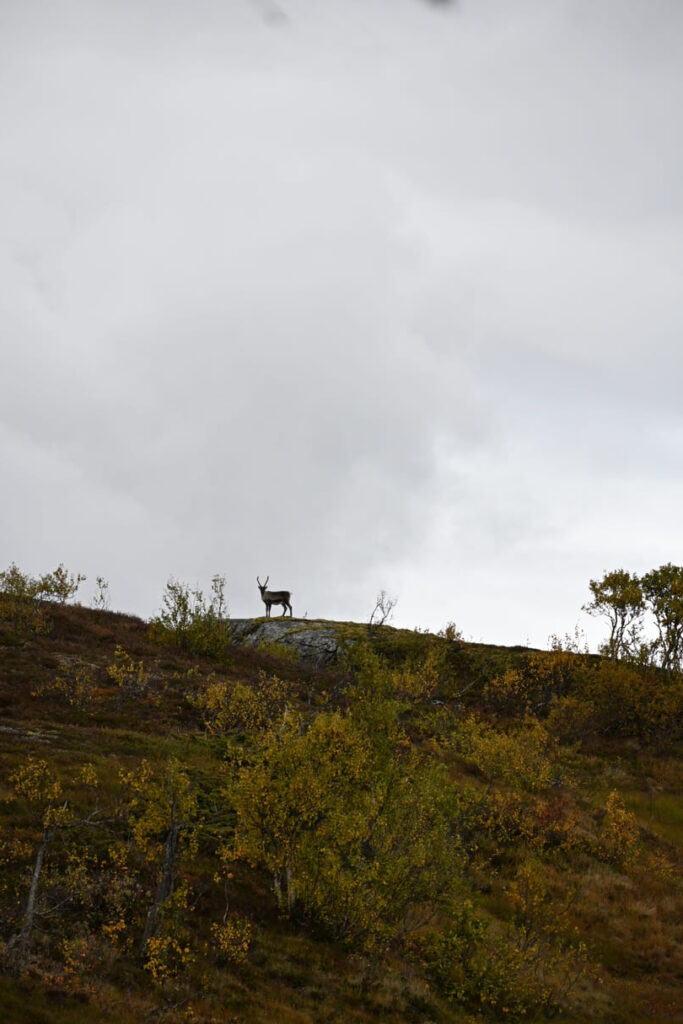
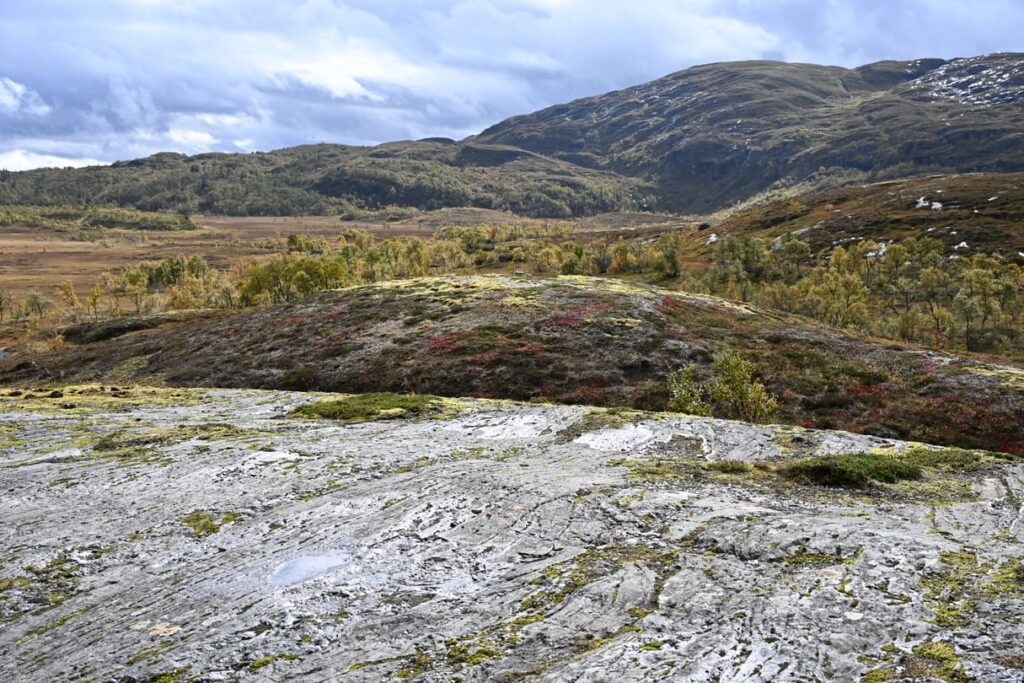
Along the way, you’ll pass through forests, lakes, farmland, and mountainous terrain. The route generally has moderate elevation changes, which makes it suitable for cycling (at least part of the way), especially on the Swedish side. Many pilgrims don’t walk the entire route in one go, but break it up into stages that they complete over several years, or you can combine it with train travel.

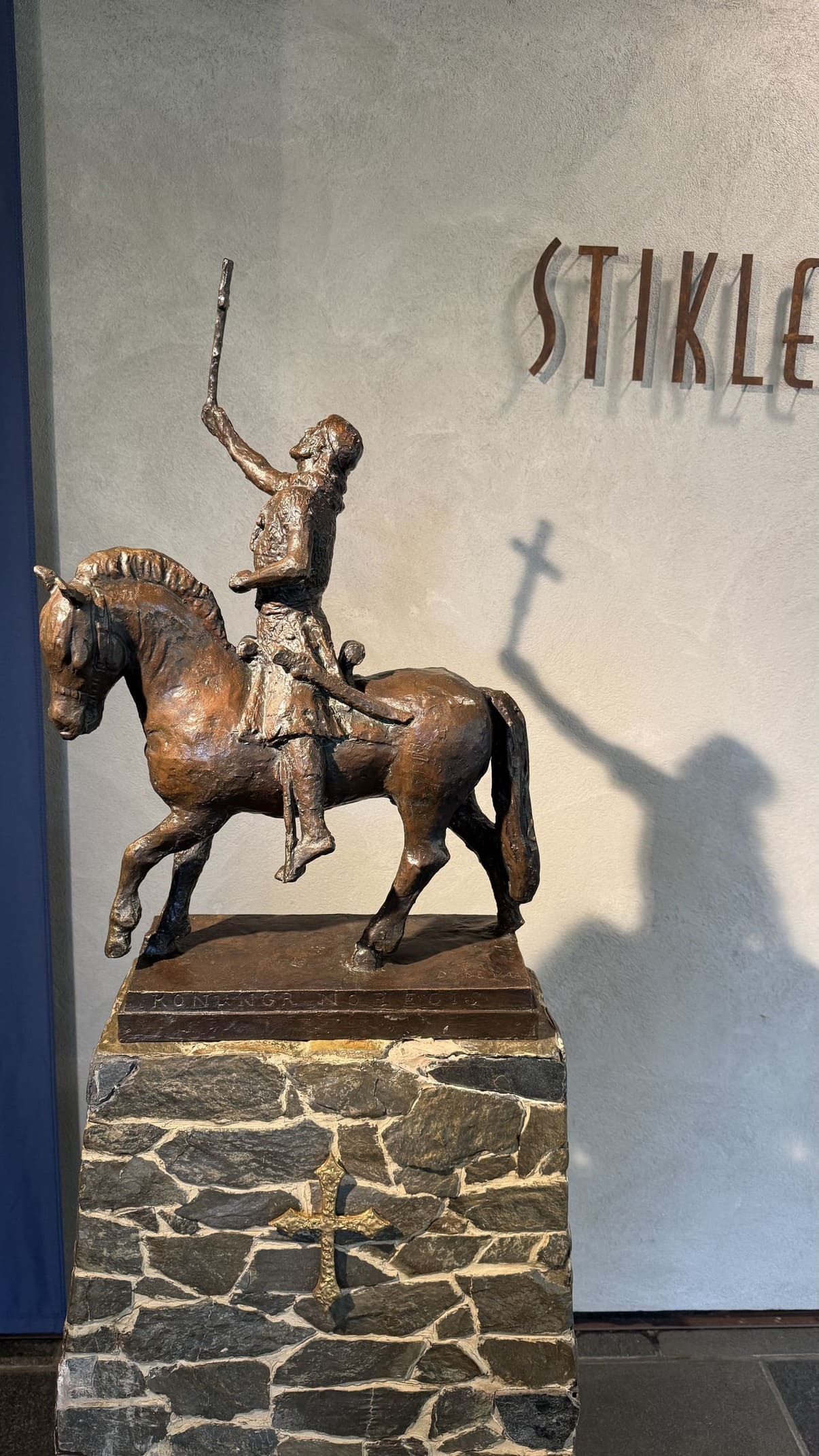
Olav Haraldsson (995–1030) was king of Norway from about 1015 to 1028, until he was driven from the throne. In the summer of 1030, he returned from exile in Novgorod (in present-day Russia) to reclaim his throne. On July 29, 1030, he was killed at Stiklestad in the battle to regain his kingdom.
A year later, his body was exhumed and found to be intact. He was canonized and became a symbol of the Norwegian kingdom, a status that is still evident today in the Norwegian coat of arms, where the lion holds Olav’s axe. Starting in 1070, Nidaros Cathedral was built over his grave, and it became the most important pilgrimage destination in Northern Europe.
In 2030, it will be exactly one thousand years since Olav fell in battle at Stiklestad. Norway is therefore organizing the Nasjonaljubileet 2030, with the main focus in Trøndelag and Trondheim, where he died and is buried. The Catholic Church in Norway has also asked the pope to proclaim a jubilee year from 2030 to 2031, commemorating both his death (July 29, 2030) and the exhumation of his body a year later (August 3, 2031).
For hikers, this means increased attention to the route in the coming years, restoration work on Nidaros Cathedral, and various commemorative events in Trøndelag—a great time to plan your own pilgrimage before things get busier.


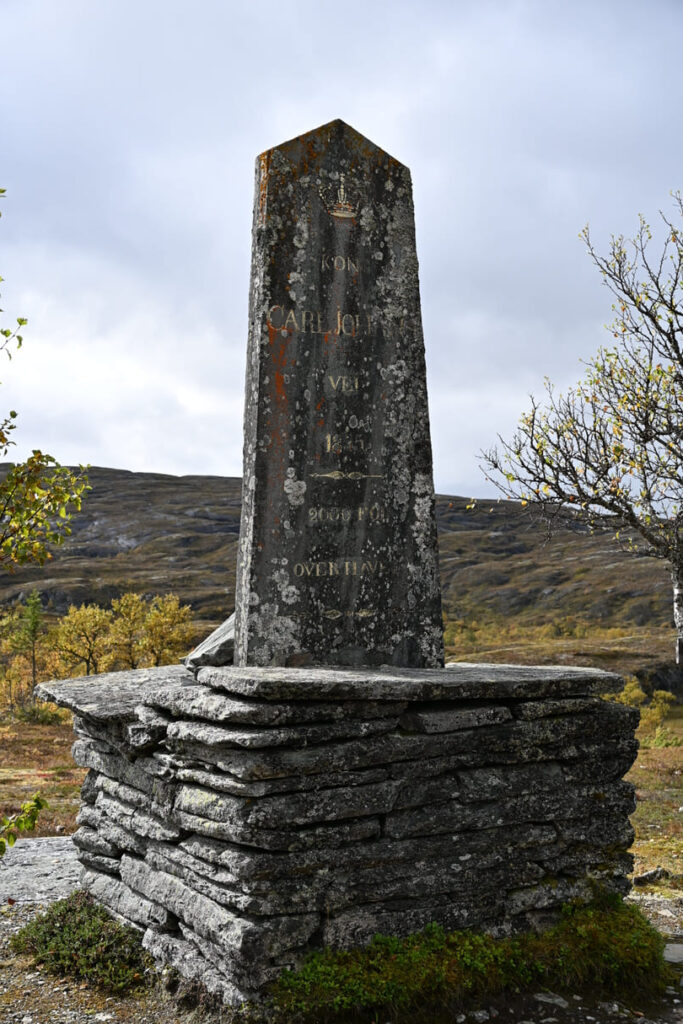
Starting from mountain villages such as Duved and Skalstugan, in the Åre region of Sweden, the route crosses the border into Norway. Here, you’ll walk along the wide Kong Karls Johans veg, once built as a royal route, cutting straight across the highlands between the two countries. It’s the most remote and rugged stretch of the entire hike, offering sweeping views and very few buildings.

Once in Norway, the route winds through the forests and along the rivers of Trøndelag, heading toward Stiklestad. At the Stiklestad National Cultural Center, you’ll visit Stiklestad Church with the Olav Stones and the reconstructed Viking longhouses of Stiklastadir, built on the site where Olav fell in battle. Further along, you’ll pass the monastery ruins of Munkeby and the historic wooden houses of Levanger, with its arboretum and the 12th-century Alstadhaug Church.
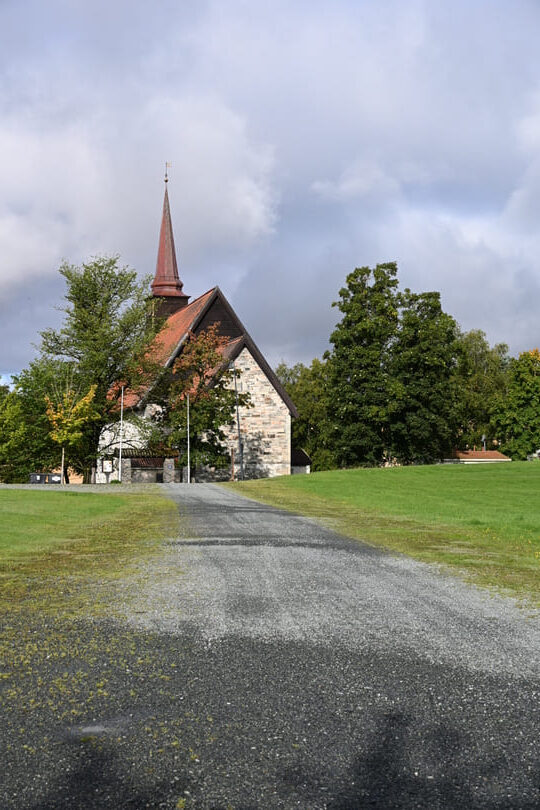


The final leg of the hike runs from Ranheim along the Trondheim Fjord, past the Ringve Museum and its arboretum, through historic Bakklandet, and across the old city bridge. The route ends at Nidaros Cathedral, where pilgrims traditionally receive their pilgrim certificates.


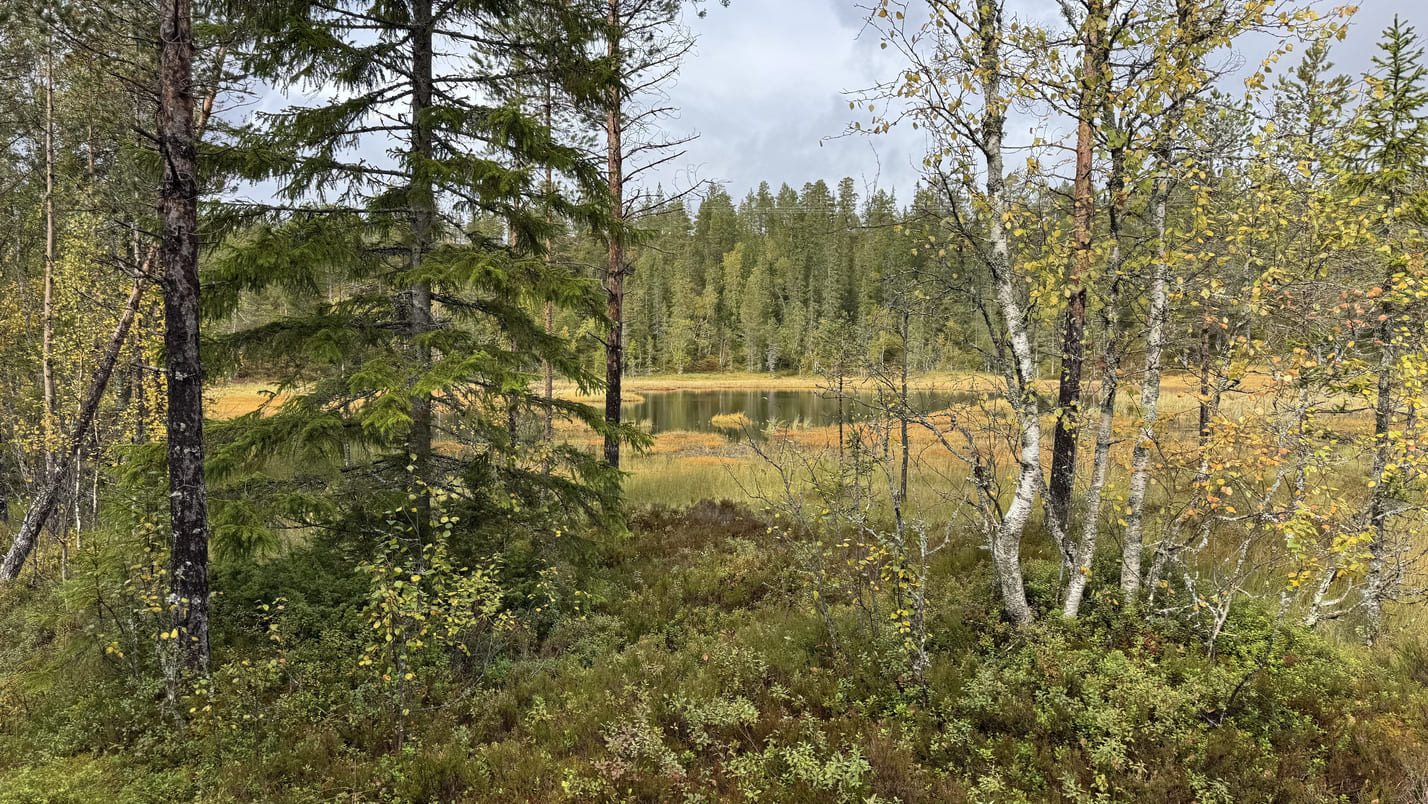
The entire route is approximately 564 kilometers long and is divided into 29 stages. Walking it all at once takes about 30 days, but many pilgrims walk the route in sections, spread out over several years.
Yes. The route passes through many villages and towns, so you can get on or off at almost any point. That also makes it easy to combine with train travel or with an organized tour that focuses on a single stage.
For the most part, yes. The trails are wide and the elevation gain is moderate, with the exception of the mountain section between Sweden and Norway, which requires better physical conditioning and the right gear. The challenge lies in the weather, the distances, and the solitude: you won’t encounter as many hikers here as you would, for example, on the Camino de Santiago.
May through September. Keep in mind that the weather in the mountains can change quickly even in the summer, so be sure to check the Norwegian weather service, yr.no, before your trip.
Selånger is located near Sundsvall and is accessible by train from Stockholm. If you’d rather walk part of the route, you can also board the train in Östersund or Åre, both of which have their own train stations. Read my story and the St. Olavsleden route I hiked.
Along the route, you’ll find several hostels, farms, small hotels, and B&Bs. It can be a bit of a challenge to find a place to stay here and there, so it’s advisable to make arrangements in advance. You can also set out with your own tent, but be sure to take the varying weather conditions into account.
If you’d rather not lug your luggage around between overnight stays, you can have it transported. There is a cost involved, though. It’s more economical to split the transportation costs with a group. This is organized by the accommodations themselves or by a taxi service.
You can explore the St. Olavsleden by bike . A mountain bike is best suited for this. About half of the route is unpaved, and there are a few detours here and there. The bike route is well marked.
In the coming years, interest in the route will grow, with restoration work on Nidaros Cathedral and various commemorative events in Trøndelag surrounding the 2030 National Anniversary. It’s a good time to plan your own pilgrimage before it gets busier.

With a passion for travel and photography and over 30 years of experience in the travel industry, I love to share my special nature travel tips. Travel is wonderful and important, you meet new people and cultures and it opens your view of the world.
Hiking to Trondheim along ancient pilgrimage trails What’s it like to hike for days along ancient pilgrimage trails to Trondheim? During a trip through Sweden and Norway, I hiked several sections of the St. Olavsleden. From the open border mountains near Skalstugan to...
Just twenty minutes past the coast lies a completely different Málaga Twenty minutes by car from Málaga Airport, the highway turns into a winding road leading into the mountains. The coast disappears behind you, and ahead lie olive and almond trees, karst rocks, and...
Get inspired
Are you looking for the most beautiful hiking and biking routes? Or do you want information about traveling by train or advice for the most beautiful road trips through nature. Get inspired for your next trip in green; ideas for planning your own trip or opting for an organized trip.