Gratis gids 10 verborgen natuurplekken in Europa
Gratis gids 10 verborgen natuurplekken in Europa. Meld je aan voor onze nieuwsbrief en ontvang inspirerende reistips en routes voor je volgende groene reis.

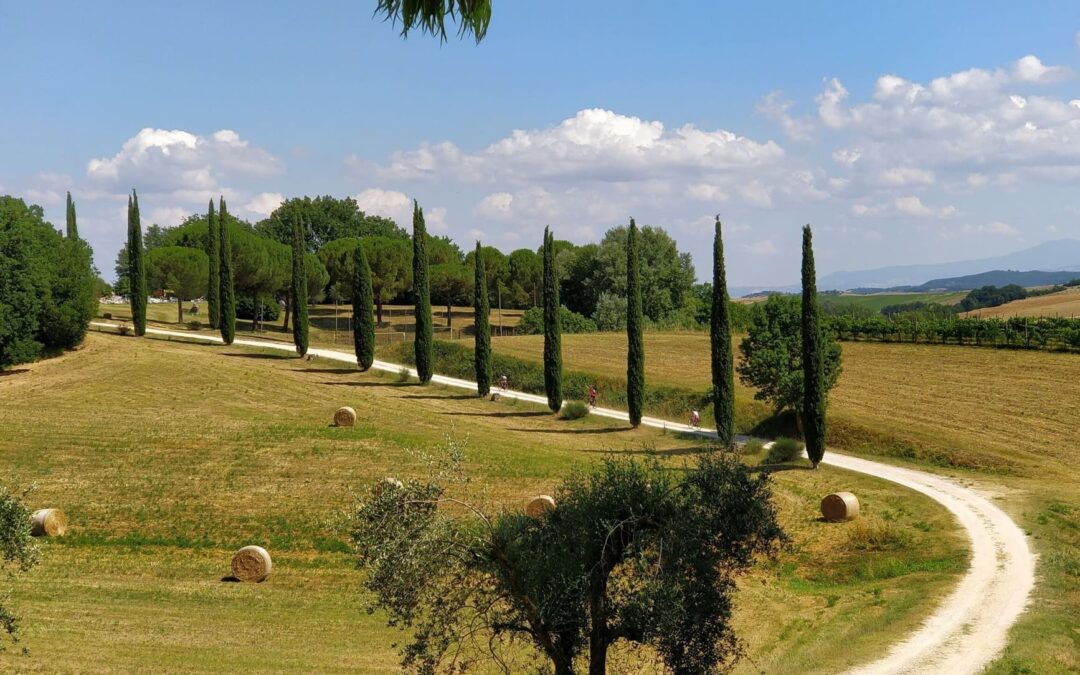
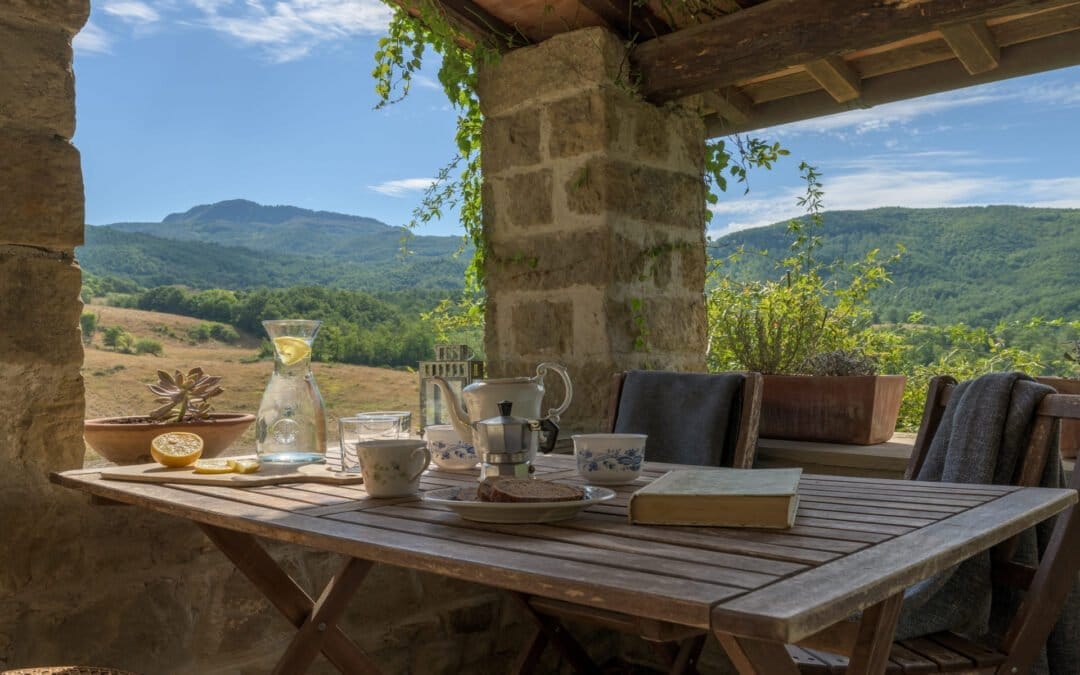
You’re already familiar with Tuscany. The cypress-lined avenues, the Chianti, Florence in the morning mist. That image is accurate, and it’s beautiful. But it’s also just a fraction of what the region has to offer.
The Garfagnana in the north is rugged mountainous terrain, green and virtually free of tourists. The Maremma on the coast is wilder than you might expect: maquis, birds of prey, thermal springs, and beaches without umbrellas. Monte Amiata towers above the hustle and bustle—literally. And the “strade bianche” of the Crete Senesi are Italy’s most beautiful cycling terrain, especially outside the high season.
Nature Travel Lab selects agriturismos and small accommodations throughout the region. Owners who’ll tell you which trail is worth exploring the next morning. You book direct, without a middleman. On this page, you’ll find our accommodations, hiking and biking routes, and travel inspiration for Tuscany—from the well-known spots to the far corners of the map.
Choose your favorite region and discover our tips for the best small-scale Nature stays with a sustainable focus. You book directly with the owner, so you are guaranteed the lowest price.
Using these sustainability icons, you can easily see in what area an overnight stay is active with its sustainability policy.


sustainable/local construction

organic/local cuisine

family/local runned/social projects

Sauna/yoga/wellness/treatments

Environment/recycling
Choose your region

Sicily
Tuscany
Valle d’Aosta
Piedmont
Basilicata
Puglia
Campania
Veneto
Lombardy
Lombardy
Lake Garda
South Tyrol
Sardinia
Emilia-Romagna
Umbria
Le Marche
Trentino
Abruzzo
Liguria
Friuli-Venezia-Giulia
Lazio
Tuscany’s natural landscape is far more diverse than the classic image of cypress trees, vineyards, and rolling hills. Of course, the landscapes of the Val d’Orcia and Chianti are iconic, but Tuscany surprises you precisely because you encounter completely different settings here in such a short time. Think of quiet hills dotted with olive trees, forests in the Apennines, rougher mountainous regions like the Apuan Alps, and, along the coast, a whole different world of dunes, pine forests, marshes, and islands. It is precisely this variety that makes Tuscany so appealing to nature lovers who aren’t just looking for pretty pictures, but want to truly experience the region.
If you look beyond Florence, Siena, and the most famous villages, you’ll discover that Tuscany has a remarkable amount of protected natural areas. Along the coast, these include the Parco della Maremma, the Migliarino, San Rossore, and Massaciuccoli Park, and the Tuscan Archipelago National Park. This includes Elba, Giglio, and Capraia. Inland, areas such as the Foreste Casentinesi, the mountains of Garfagnana, and the open landscapes of southern Tuscany offer a completely different pace: quieter, greener, and often less crowded.
What I love about Tuscany is that nature and culture are inseparable here. Villages, hiking trails, agriculture, and the landscape constantly blend into one another. As a result, the region never feels like a backdrop, but rather like a place where people truly live. That makes it ideal for a slow travel destination. You come here for the views, but you stay for the rhythm of the countryside: the tranquility, the light, the seasons, and the feeling that around every bend you’ll discover a different side of Tuscany. That’s exactly why nature in Tuscany continues to inspire.
Hiking and biking in Tuscany are among the best ways to truly get to know the region. There is an extensive network of hiking trails throughout the region, and there are countless marked biking routes, ranging from the coast and countryside to the hills, villages, and art cities. This makes Tuscany appealing not only to active travelers but also to those who want to stay active without turning their vacation into a competitive challenge.
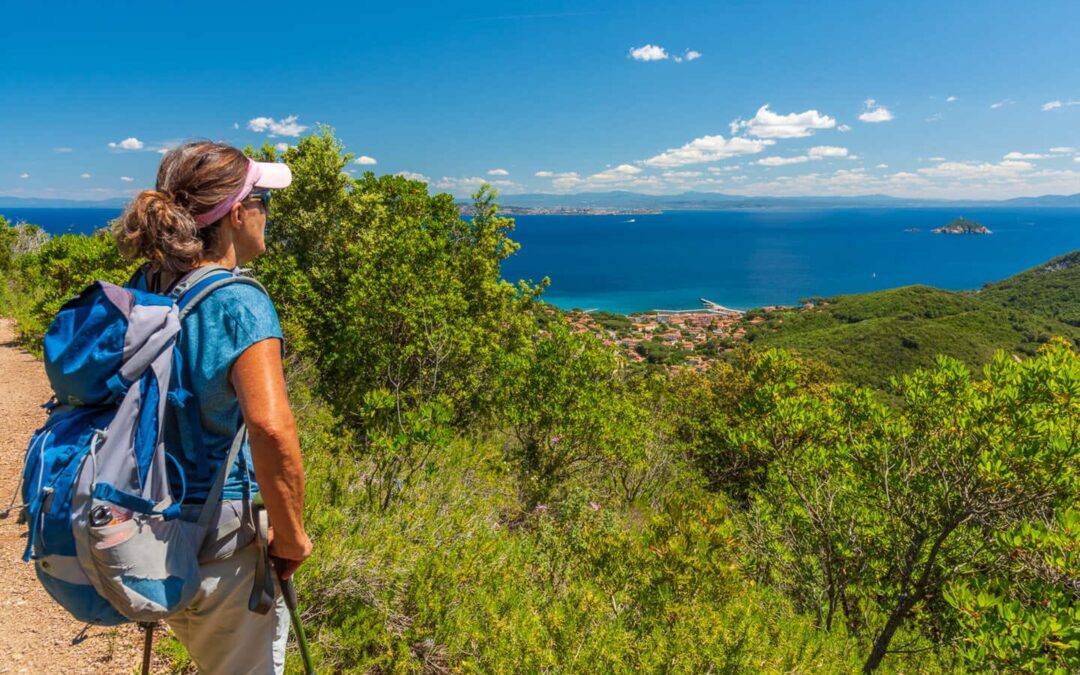
For hikers, the variety is enormous. You can choose a day hike through Chianti, a stage along the Via Francigena, an easier route through the hills, or a more challenging hike in Garfagnana, the Apuan Alps, or toward Monte Amiata. The official *Atlas of Tuscan Walks* also beautifully illustrates how closely hiking in Tuscany is connected to nature, villages, and cultural heritage. That is precisely what makes this region so appealing: here, you’re not just walking through nature, but also through a landscape that has been shaped for centuries by pilgrims, farmers, winemakers, and small communities.
Cycling in Tuscany also has many facets. One day you’ll pedal along the coast and through pine forests, for example in the coastal areas of the Maremma or near San Rossore; the next day you’ll ride through vineyards, along quiet country roads, or on gravel trails in the countryside. There are routes for all skill levels, from recreational cyclists to mountain bikers. That’s what makes Tuscany so ideal for an active yet relaxing vacation. Here, you don’t have to choose between exercise and enjoyment: it’s precisely the combination of being outdoors, beautiful stops along the way, and leisurely travel that makes hiking and cycling in Tuscany so special.
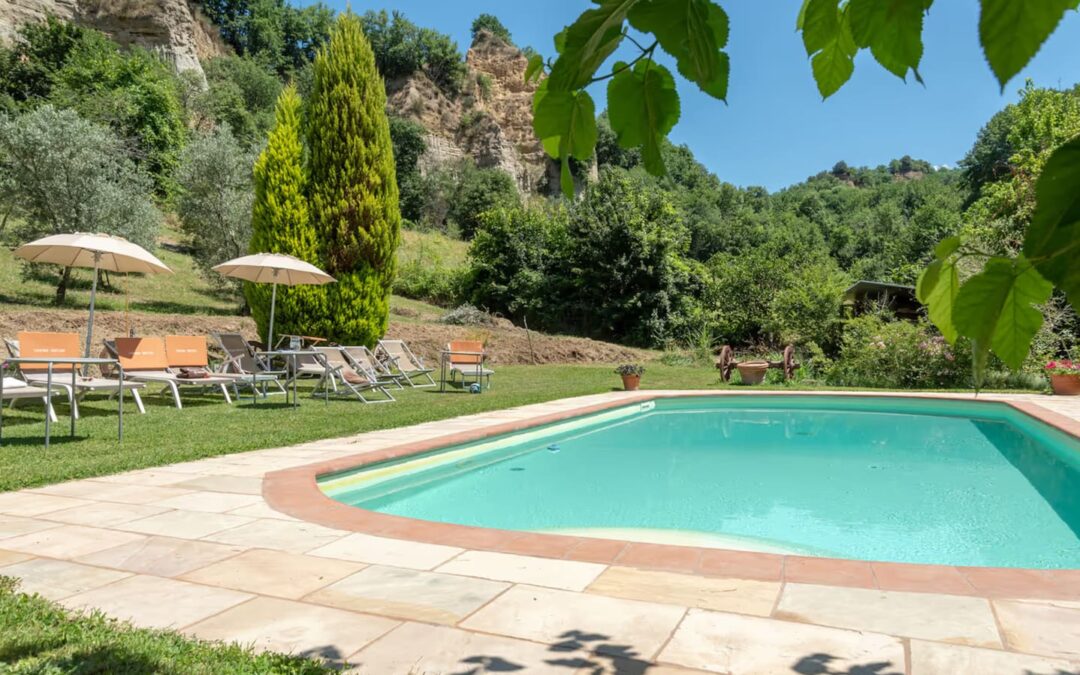
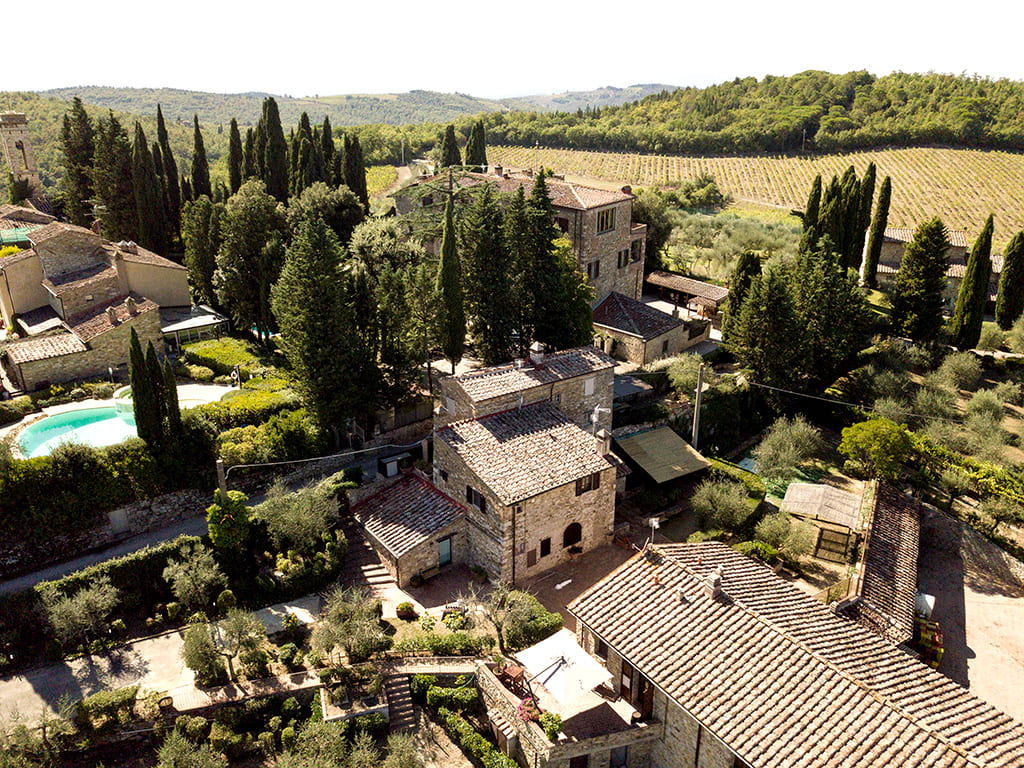
Unique accommodations in Tuscany aren’t limited to just one type of stay, but rather encompass the full diversity of the region. You’ll find small-scale agriturismos, charming B&Bs, apartments nestled among the vineyards, a spacious villa for families or friends, Glamping on an organic farm, and even a unique off-grid nature hotel in an abandoned borgo. This mix suits Tuscany well, as the region itself is diverse: from wine country and rolling hills to the coast, forests, and mountainous inland areas. Moreover, the emphasis is on small-scale accommodations, sustainability, and booking direct with the owner.
This is also reflected in the variety of our offerings. In and around the Val d’Orcia and Montepulciano, accommodations like Podere Casa al Vento and Fattoria La Palazzina are perfect for you if you want to stay among vineyards and open vistas. Around Siena and the Crete Senesi, Santa Caterina Asciano is a great choice for hikers and lovers of central Tuscany, while in the Chianti region and near Florence, you’ll find places like Cascina Gretaio, Fattoria di Maiano, Pieve di Campoli, and Le Balze. This way, you can choose exactly which part of Tuscany best suits your trip.
On the other side of the region, we also offer plenty of options in the greener and quieter parts of Tuscany. Think of Antica Fornace between Pisa and Volterra, Tenuta San Pierino and Serraiola Alta toward the coast, Tenuta Il Cicalino, Le Calle, and Casa del Chiodo in the Maremma and the south, and Braccicorti, Antica Quercia Verde, Podere Cavalbianco, and Novanta90 if you’re looking for more woods, tranquility, and a different kind of Tuscany. That’s why staying in Tuscany through Nature Travel Lab never feels run-of-the-mill: you’re not just choosing a bed, but also a landscape, an atmosphere, and a way of traveling that better suits Slow travel.
“Nature is our greatest ally and inspiration.”
– Sir David Attenborough
We select the nicest accommodations with all a focus on sustainability policies. Think luxury Treehouses in the middle of nature or a boutique hotel in the countryside. Sustainability categories range from organic cuisine and mindfull focus to waste separation and zero-waist policy.
The accommodations all have something unique and of course a location in or near nature. Spending the night in nature does not always mean sleeping in a tent. Find special and luxurious nature stays for your active vacation or just for your slow travel experience.
The overnight focus on sustainability policy gives attention to comfort and quality.
They often use their own vegetable garden or local cuisine. Much attention is paid to the quality of the accommodation, the environment and the guest.