
Gratis gids 10 verborgen natuurplekken in Europa
Gratis gids 10 verborgen natuurplekken in Europa. Meld je aan voor onze nieuwsbrief en ontvang inspirerende reistips en routes voor je volgende groene reis.

It’s a special feeling to wake up in a place where breakfast doesn’t come from a store shelf, but from the garden, the orchard, or the neighbors. Where the olive oil on the table comes from the olive trees next to your cottage. Where the wine in the evening isn’t just delicious, but also tells a story about the soil, biodiversity, and patience.
At Nature Travel Lab, we collect exactly these kinds of places: small-scale nature lodgings that focus on wholesome food: organic, local, seasonal, and (increasingly) with vegetarian and vegan options.


Organic cooking is all about using ingredients that are grown organically (with fewer synthetic pesticides and chemical fertilizers) and often also focuses on soil life, biodiversity, and animal welfare.
The “0-kilometer (km 0)” kitchen concept is all about short supply chains: ingredients come from the immediate region and, ideally, go directly from the producer to the kitchen. The exact definition varies depending on the context:
Important: “zero-kilometer” is not a holy grail. Sometimes, “local” isn’t automatically climate-friendly (think of vegetables from a heated greenhouse). But when the “zero-kilometer” kitchen is combined with seasonal eating, organic farming, and minimal waste, it does become a very strong package.


It’s a common belief: buy local, and you’re good to go. However, in many food supply chains, the majority of emissions come not from transportation but from production (especially for meat and dairy). On average, transportation accounts for a relatively small portion of the carbon footprint of a diet.
The IPCC (Intergovernmental Panel on Climate Change) also emphasizes that reducing the consumption of animal products and minimizing food waste offer significant opportunities, and that eating regionally and seasonally can help if the food is grown efficiently.
So, the sweet spot when traveling (and at home) is:
seasonal vegetables, legumes, local oil and herbs, and as little waste as possible. And yes, many vegetarian and vegan dishes fit perfectly into that.


Want to make sure you’re not just buying into a marketing pitch? These signs are usually a good sign when it comes to farm-to-table:
At Nature Travel Lab, we make this extra easy with the Food Icons/Filter (organic/local cuisine and options such as vegetarian/vegan) when selecting your accommodation.
Below are a few of our accommodations where food isn’t just an afterthought, but an integral part of the experience. From breakfast to dinner, and often featuring their own wine and/or olive oil production.
1. Relais Torre Marabino (Sicily): biodynamic wine, house-made olive oil, restaurant featuring organic products
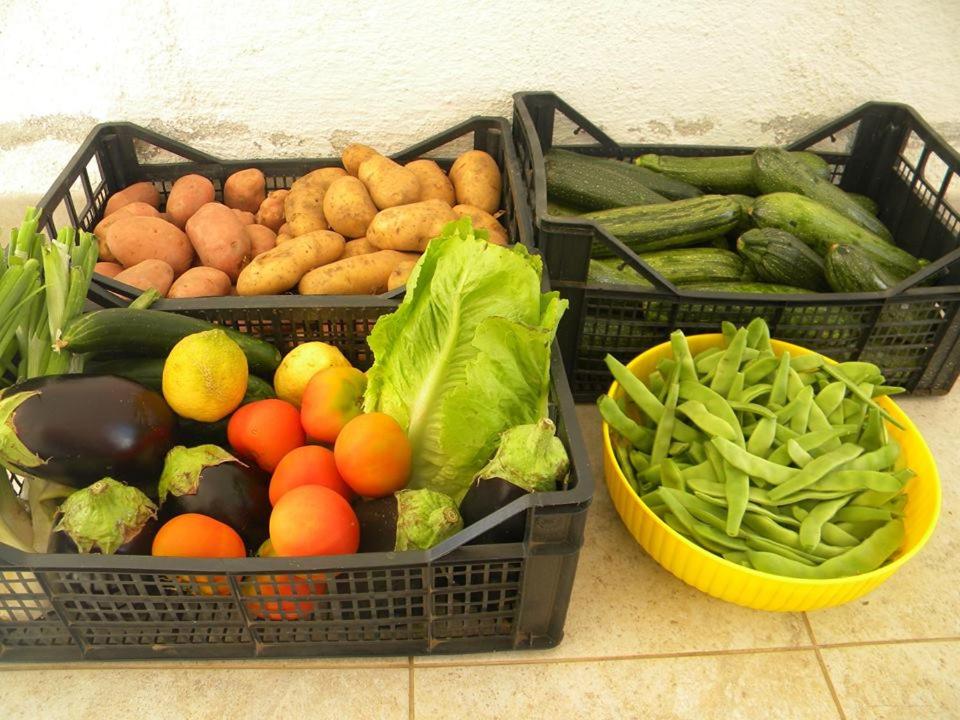
This is the kind of place where you can practically trace the entire supply chain: their own organic agriturismo, products like citrus jam, honey, oregano, extra virgin olive oil, and biodynamic wine production (even without added sulfites). And then: lunch and dinner in the restaurant featuring those very same products, with vegetarian and vegan dishes available as options.
What you’ll learn here: Sicilian cuisine is naturally rich in vegetables (think: eggplant, tomatoes, citrus, legumes). If the base is great, you don’t need much else.


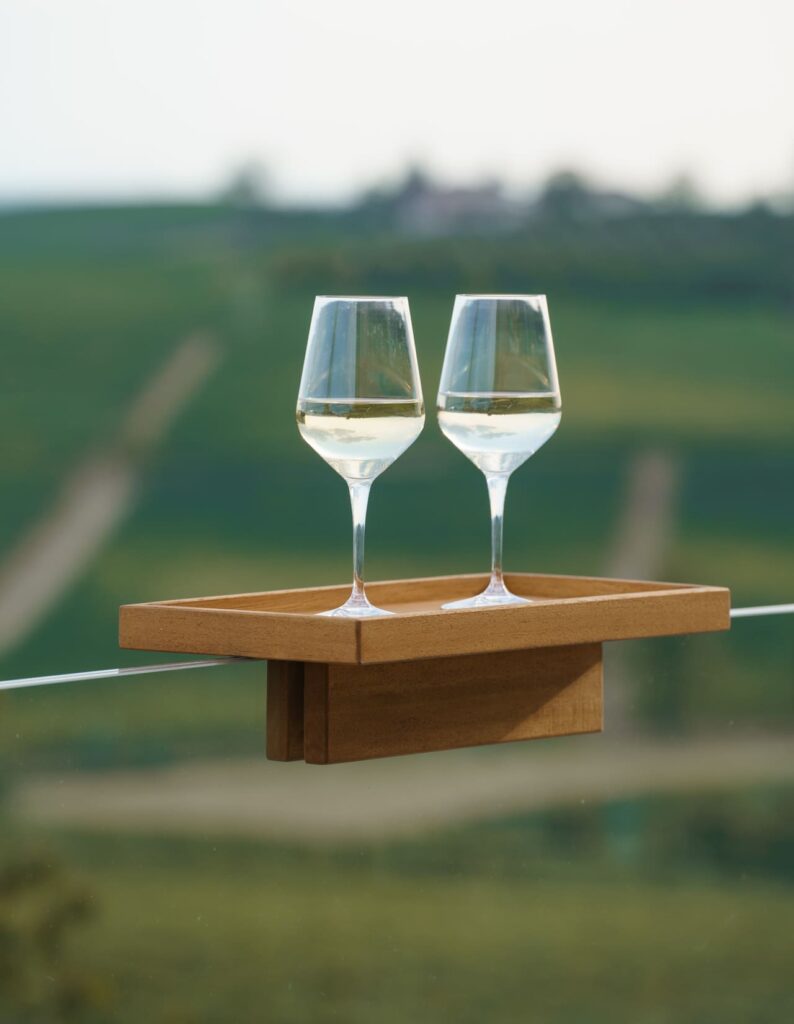
2. Vineho (Piedmont, Barolo): locally sourced products and a vegetarian menu amidst the vineyards
Vineho takes the concept of “zero-kilometer” quite literally: local organic products, a vegetarian and gluten-free menu, and those lovely touches like fruit gardens and nature trails surrounding the suites.
What you’ll learn here: make vegetables the star of the show and let flavor enhancers (good oil, nuts, herbs, lemon) do the work.


3. Antica Quercia Verde (Tuscany, Cortona): olive oil, saffron, and homegrown fruits and vegetables
A working estate where you sleep surrounded by olive trees. Antica Quercia Verde specifically mentions: its own organic (award-winning) olive oil, its own fruits and vegetables, and even a saffron field.
A sustainability detail I’d really like to see: water reuse (water recycling) and the use of (thermal) solar panels.
What you’ll learn here: Cooking with seasonal ingredients becomes second nature when you literally see what’s growing (and what isn’t).


4. Tenuta Mirco (Molise, Italy): a restaurant featuring local, seasonal ingredients (mostly from its own farm) and its own olive oil
Molise is still a delightful hidden gem, and Tenuta Mirco fits right in: a family-run business, a restaurant housed in an old barn, and cuisine featuring local and seasonal ingredients, mostly from their own land. They also mention that they can accommodate special dietary needs and offer their own organic olive oil.
What you’ll learn here: “Less is more” applies to vacations, too. A small menu featuring high-quality ingredients is often the tastiest—and the most sensible—option.


5. Agriturismo Sa Conca Ruia (Sardinia): homemade meals, packed lunches, and dinner upon request
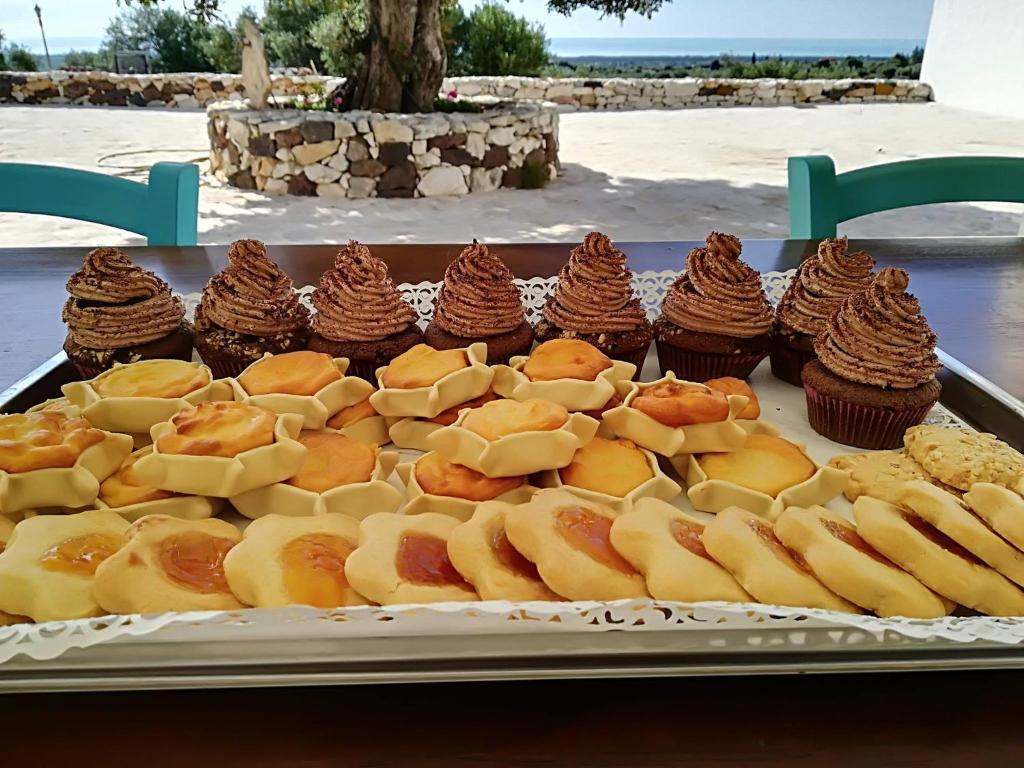
Some places are so special simply because of their simplicity: everything is homemade, including breakfast, packed lunches (available upon request), and dinner (also available upon request).
What you’ll learn here: plan your day of walking or spending time at the beach around meals that fit the rhythm of the place—no rushing, no overindulgence, just enjoyment.

6. Agriturismo Pira Pinta (Sardinia, Dorgali): a working farm that produces its own wine and local specialties
Pira Pinta is a working agriturismo with animals, and explicitly mentions its own wine production and local products such as pecorino and other specialties. You can also dine there and have a packed lunch prepared. Nature Travel Lab


7. Drumlerhof Hotel ( South Tyrol, Italy): A Slow Food Snail-certified restaurant and a Gault&Millau-hat-awarded restaurant
Drumlerhof Hotel places a strong emphasis on sustainability. In the restaurant, this is reflected in the authentic flavors, local ingredients, recipes, and tradition. A family-run hotel with a passion for good, clean, and fair food.


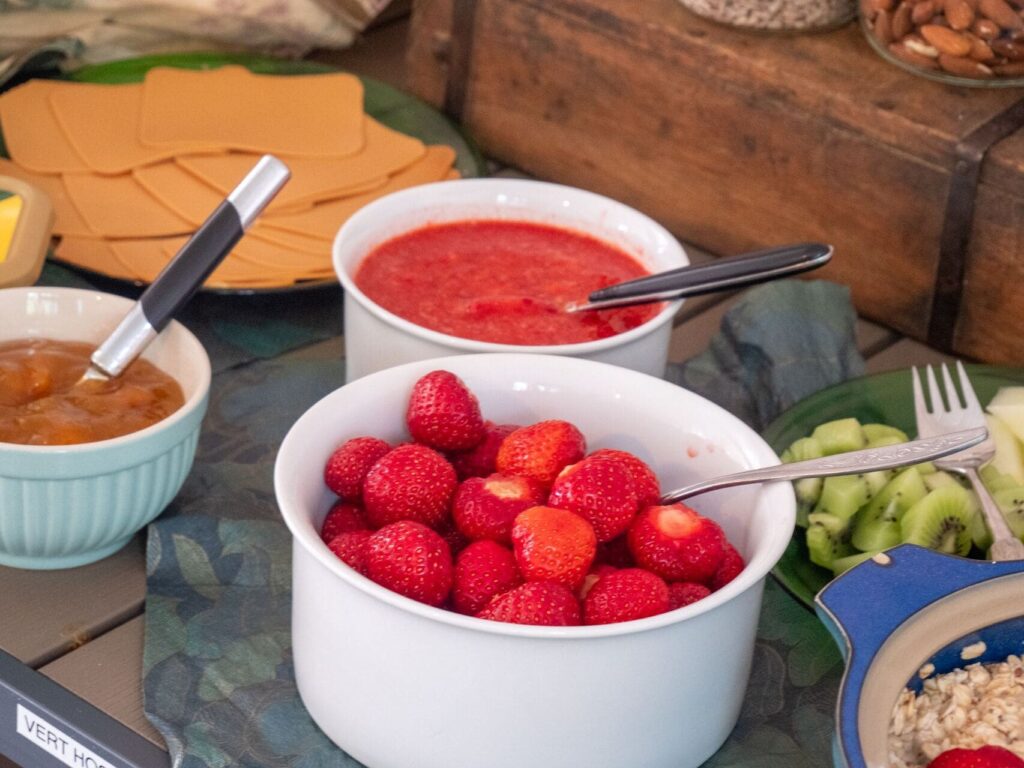
8. Meretes Garden (Valldall, western Norway): lots of homemade and local dishes for breakfast.
Merete keeps the traditions of local cuisine alive and makes her own jam, cheese, and waffles.
Vegetarian/vegan tip: At traditional places like this, it’s often best to ask in advance what options are available (you’ll often be surprised by how many there are if you keep it simple: vegetables, legumes, pasta without cheese, grilled vegetables, salads, minestrone).


Would you like to book a place where you can really learn something about sustainable eating?
FAQ
What is a “zero-kilometer” kitchen?
A kitchen that uses ingredients from the immediate region (short supply chain), often based on criteria related to distance and direct purchasing; definitions vary by country and organization.
Is eating locally always better for the climate?
Not always. For many products, the biggest environmental impact comes from production; buying locally can help, but the season and growing methods are also important.
Why are vegetarian and vegan options so important when it comes to Sustainable travel?
Because consuming fewer animal products (especially beef and dairy) generally makes a big difference in land use and emissions; the IPCC cites dietary shifts as a key opportunity.
How do I find these types of accommodations on Nature Travel Lab?
Use Staying in nature and filter by Organic cuisine (Food) and, if desired, Vegetarian/Vegan Cuisine.

With a passion for travel and photography and over 30 years of experience in the travel industry, I love to share my special nature travel tips. Travel is wonderful and important, you meet new people and cultures and it opens your view of the world.

Aachen Off Track: A Green City Trip Featuring a Forest, an Organic Garden, and Charlemagne A city with an imperial history, surrounded by forests stretching all the way to the Belgian and Dutch borders. Aachen cannot be taken in at a single glance: its historic...
Harz National Park: Seeing the Forest Through Different Eyes "What a somber entrance," I thought as I drove into the Harz National Park. The densely forested area gradually gives way to a sort of lunar landscape. The dismal sight of the many hectares of dead trees...

Cinque Terre by Train from Levanto: Train Schedules, Tickets, and Tips The railroad through the Cinque Terre dates back to 1874 and is still the only practical way to connect the five World Heritage villages. Cars are hardly welcome there: the streets are too narrow,...
Get inspired
Are you looking for the most beautiful hiking and biking routes? Or do you want information about traveling by train or advice for the most beautiful road trips through nature. Get inspired for your next trip in green; ideas for planning your own trip or opting for an organized trip.