
Gratis gids 10 verborgen natuurplekken in Europa
Gratis gids 10 verborgen natuurplekken in Europa. Meld je aan voor onze nieuwsbrief en ontvang inspirerende reistips en routes voor je volgende groene reis.

As a native of Limburg, it feels like coming home whenever I set foot in the hills of South Limburg. Together with my sister and a sense of nostalgia, I returned to the landscape where we used to camp so often as children. And although I know the region well, this time I discovered a different side of South Limburg.
We’re taking a sustainable trip lasting a few days: by public transportation, on foot, and by bike. Read my tips for a short, relaxing, and sustainable trip to South Limburg.
South Limburg has emerged as a hotbed of contemporary entrepreneurship, rooted in local pride and fueled by a strong commitment to sustainability. Here, “green” isn’t just a marketing gimmick, but rather an integrated approach where agriculture, gastronomy, tourism, and well-being come together. These are mostly young entrepreneurs who were born in the region and are passionate about their businesses and the future of the hilly countryside.
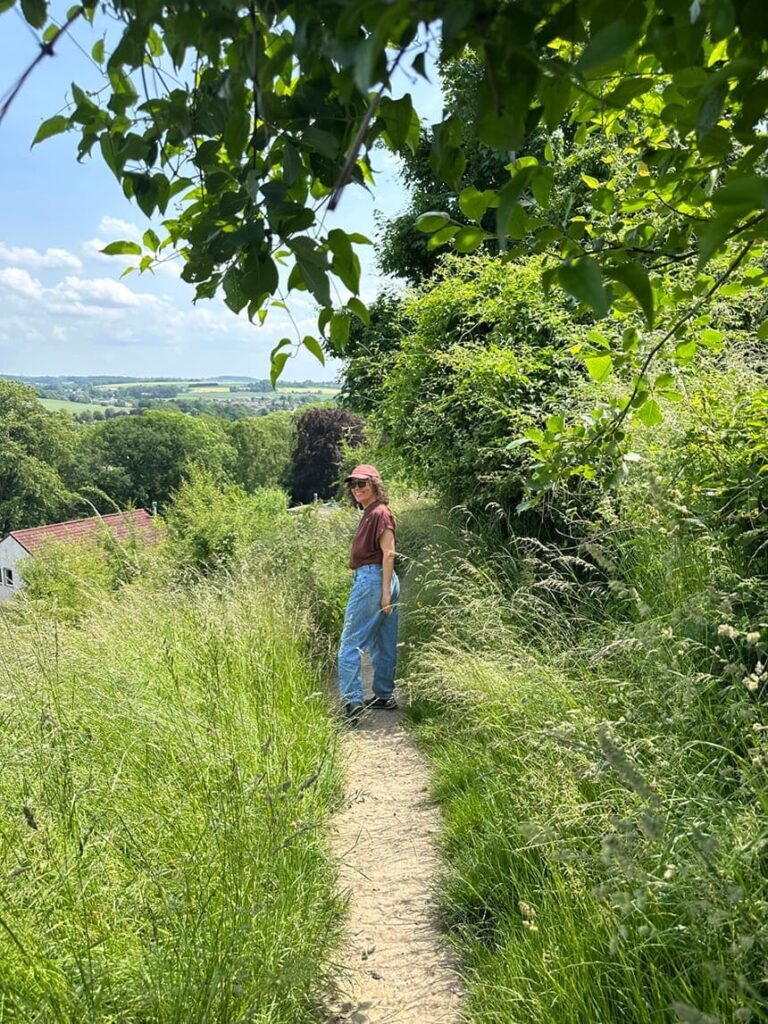
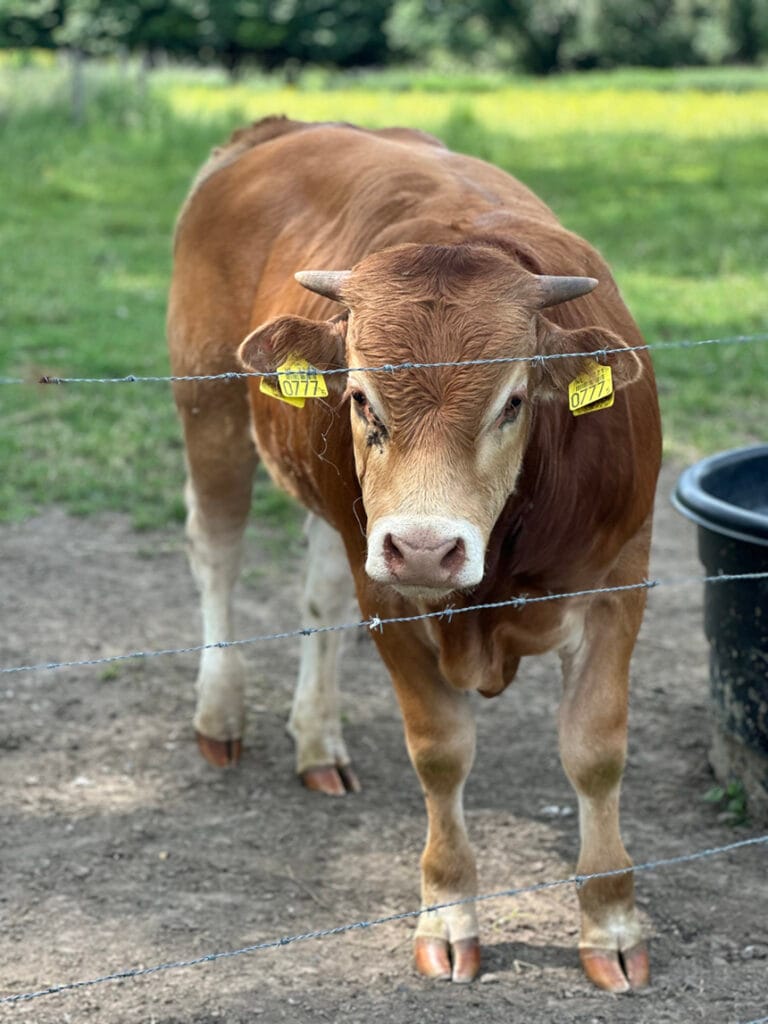
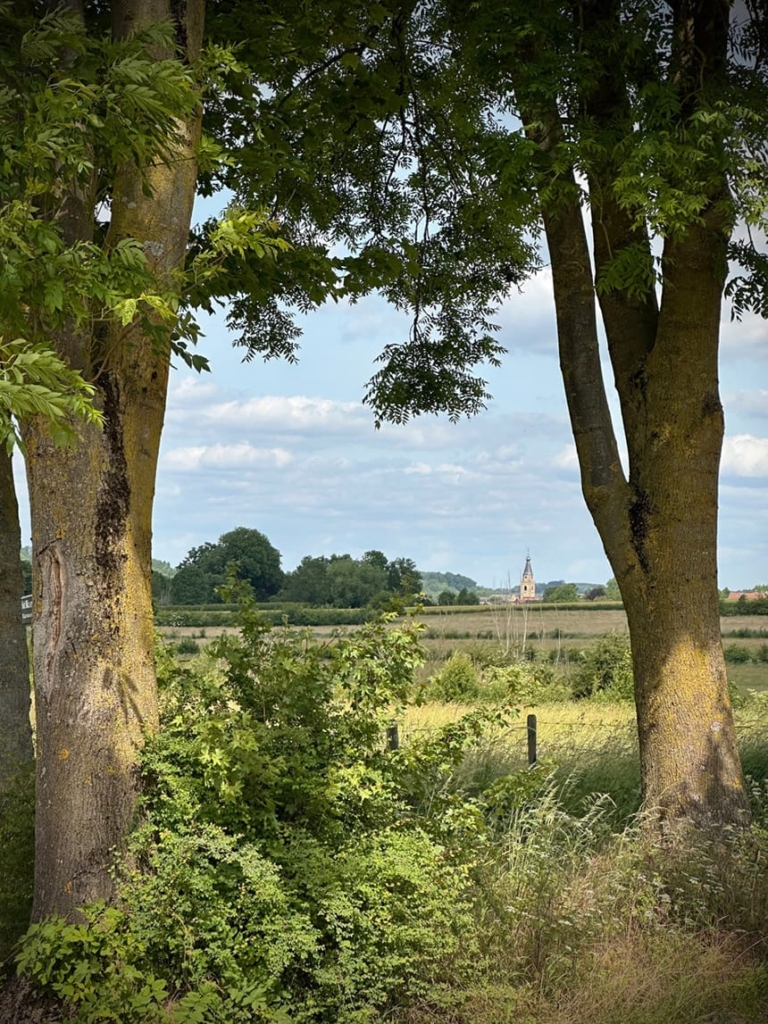
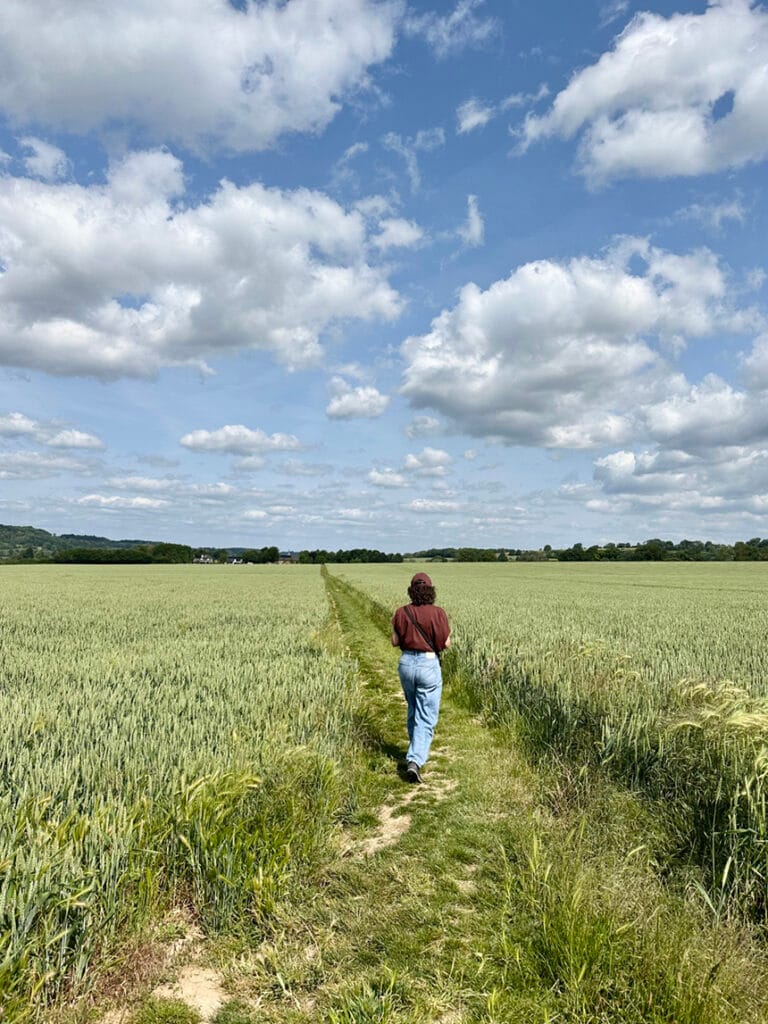
Our journey begins in Maastricht, which is easily accessible by train from all over the country. We’ll transfer to a bus bound for the pilgrimage site of Wittem Monastery, a vibrant, inclusive spiritual center. This is where we began our Camino: Route of Silence around Wittem, a short pilgrimage route of about five kilometers. The “camini” are circular walks ranging from 5 to 15 kilometers, all of which follow the famous Way of St. James to Santiago de Compostela. This accessible form of pilgrimage is ideal if you’re seeking tranquility without having to set out on a week-long journey right away.
The walk takes us toward Gulpen and back via the Gulperberg. Along the way: lots of birds singing, cows, wagon tracks through shady tree-lined avenues, and an encounter with an elderly couple who have been walking these trails for decades. In Gulpen itself, we make a special stop.
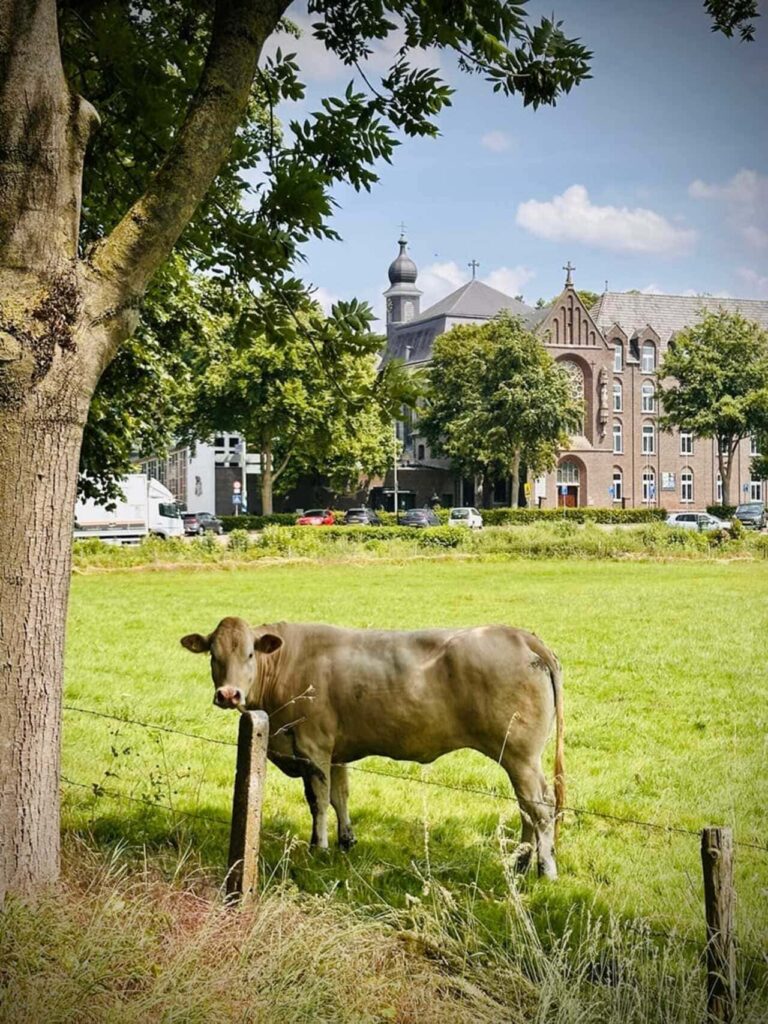
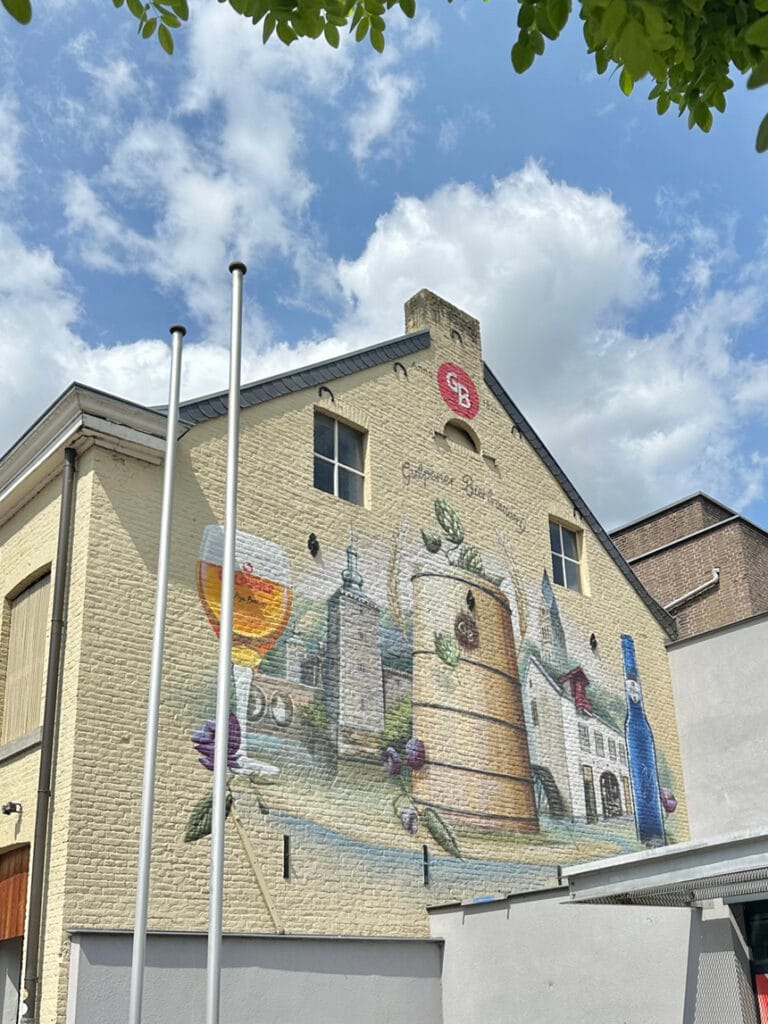
At the Gulpener Brewery, tradition and innovation are seamlessly intertwined. The brewery is B Corp-certified; it uses barley and grains from local farmers, hops from nearby Reijmerstok, and water from its own spring. The brewhouse is the most sustainable in Europe and will be completely fossil-free by 2030.
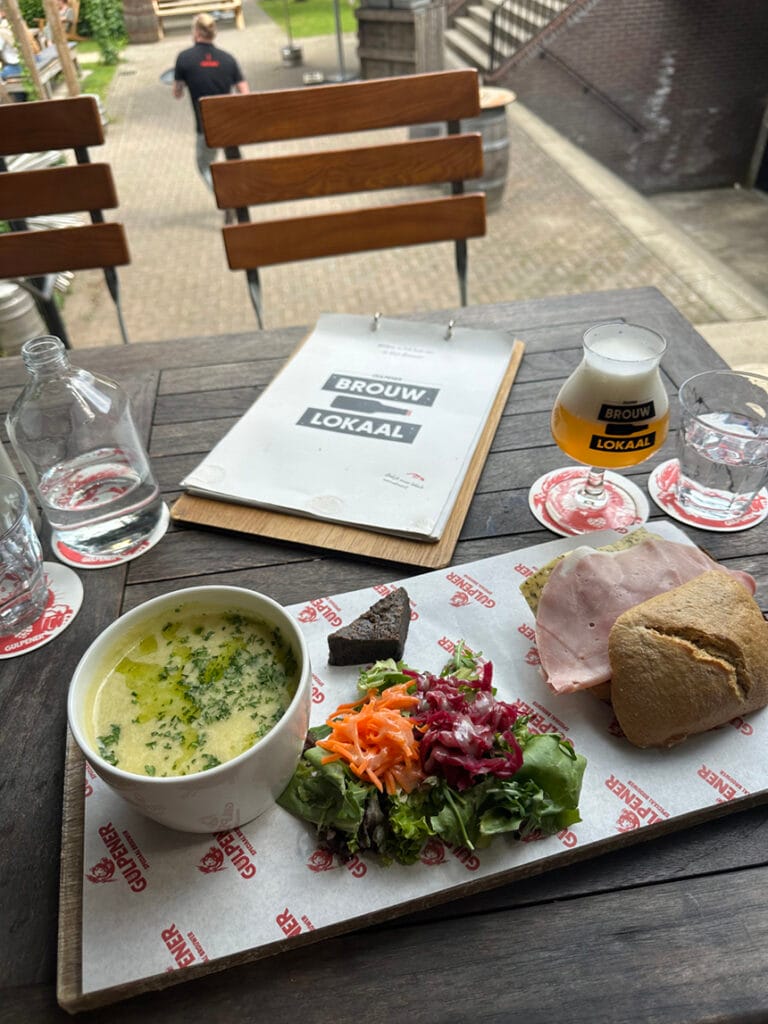
During the brewers’ lunch, we’re treated to bread made from beer byproducts, celeriac and leek soup, and a mild Weizen beer from their own brewery. Everything comes from within a 40-km radius. Even the brownie-like cake, aptly named “mouty” here, is also made from byproducts. No chocolate is used—just malt with the characteristic roasted flavor of candy sugar. Director Jan-Paul Rutten leads a new generation of brewers with radical transparency and a keen sense of taste. Here in the cozy beer garden, you can enjoy beer with a clear conscience.
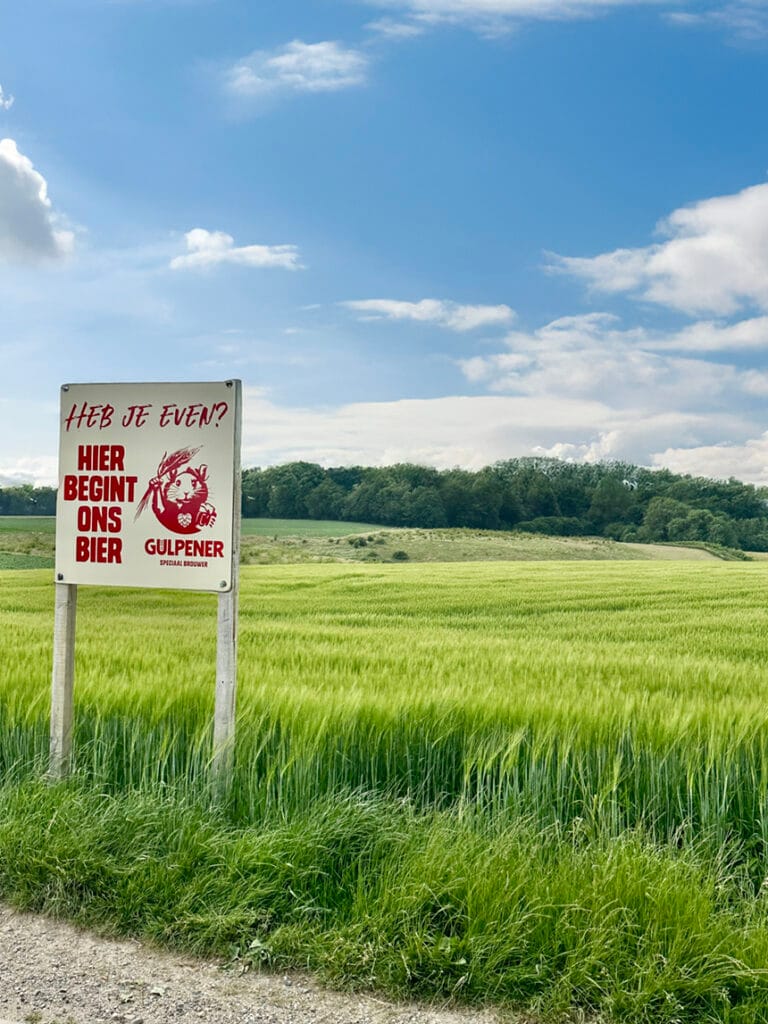
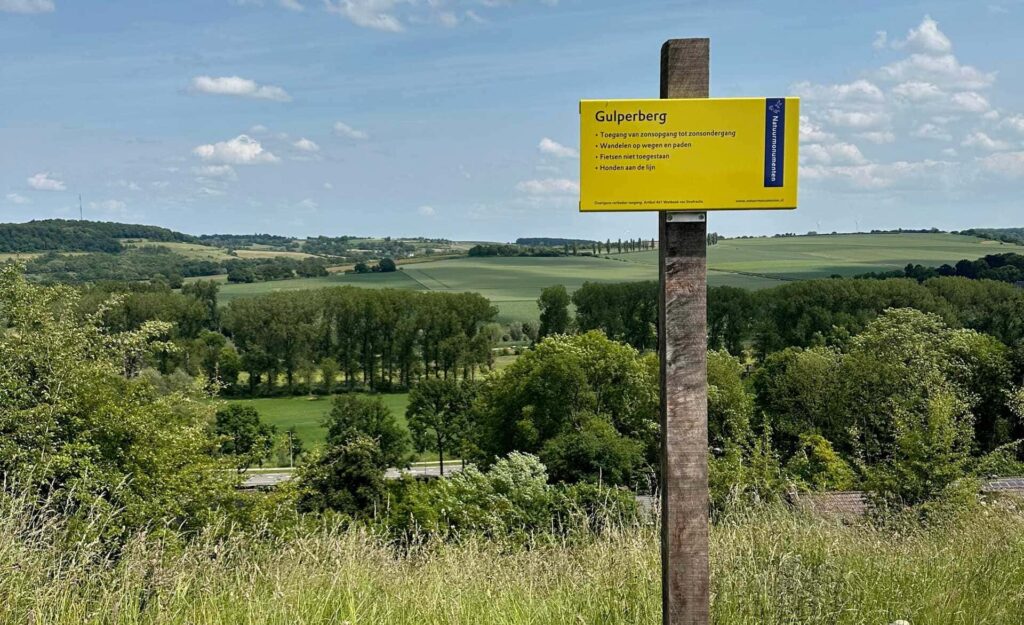
We continue our camino in silence. The route takes us uphill toward the Gulperberg, where we are treated to a panoramic view of the rolling landscape. We walk around the Marian column. It’s a quiet spot for a moment of reflection; in the distance, we can already see the outline of Wittem Abbey looming again. The descent from here is short; in less than half an hour, we’re back at the abbey square.
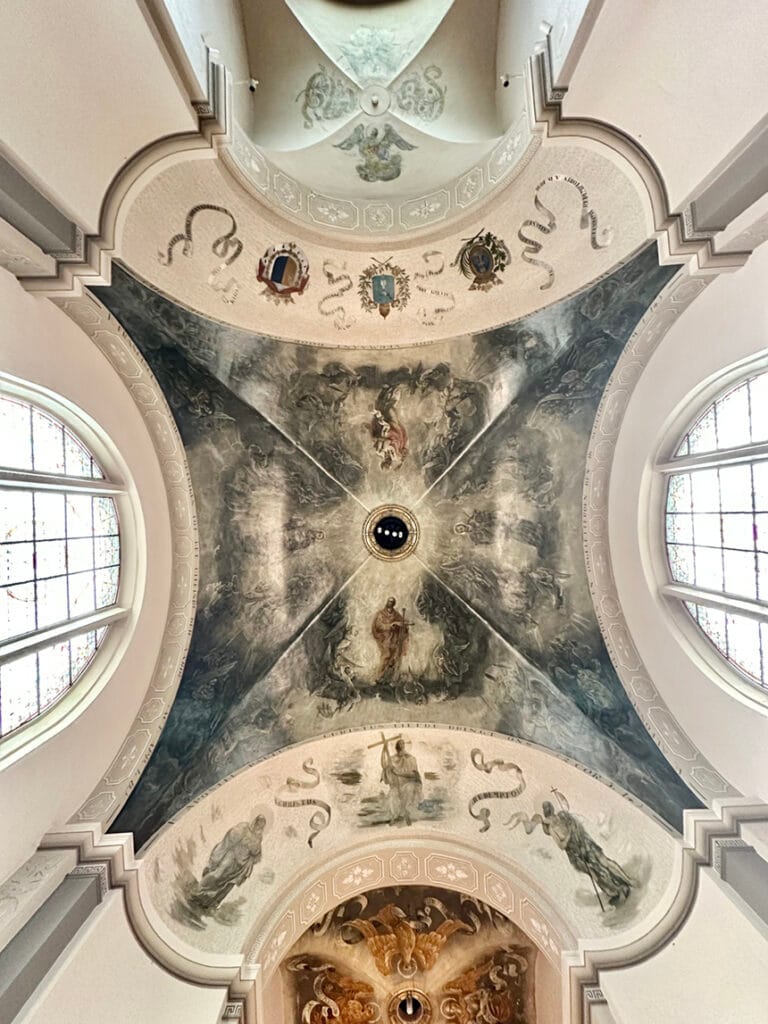
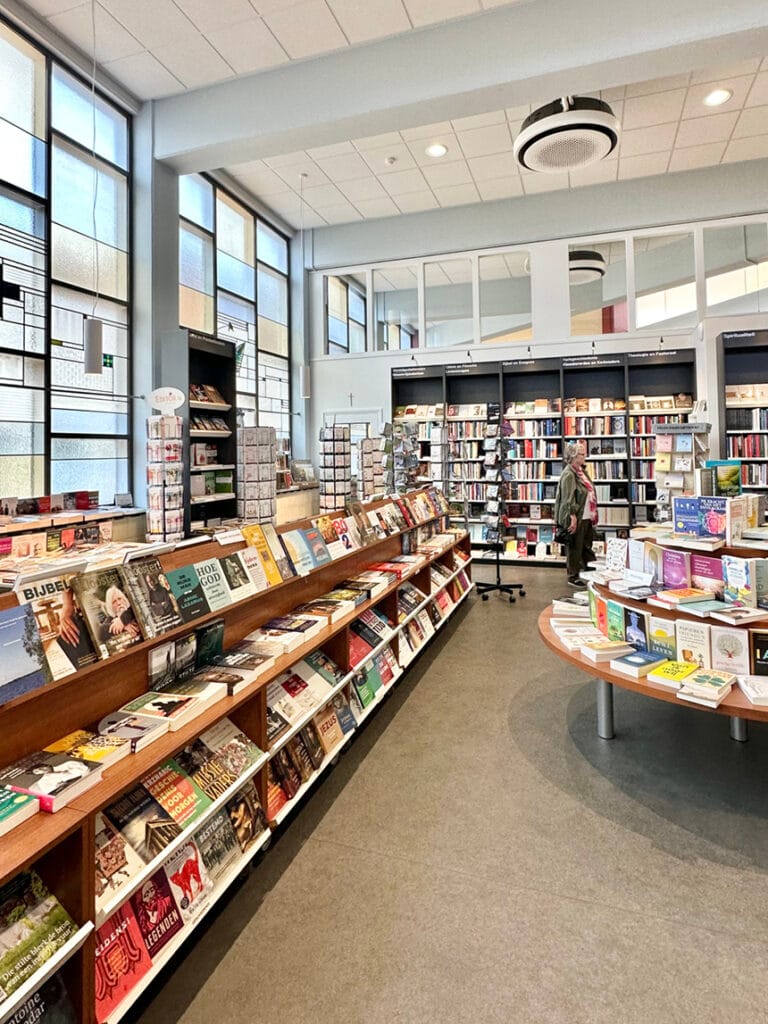
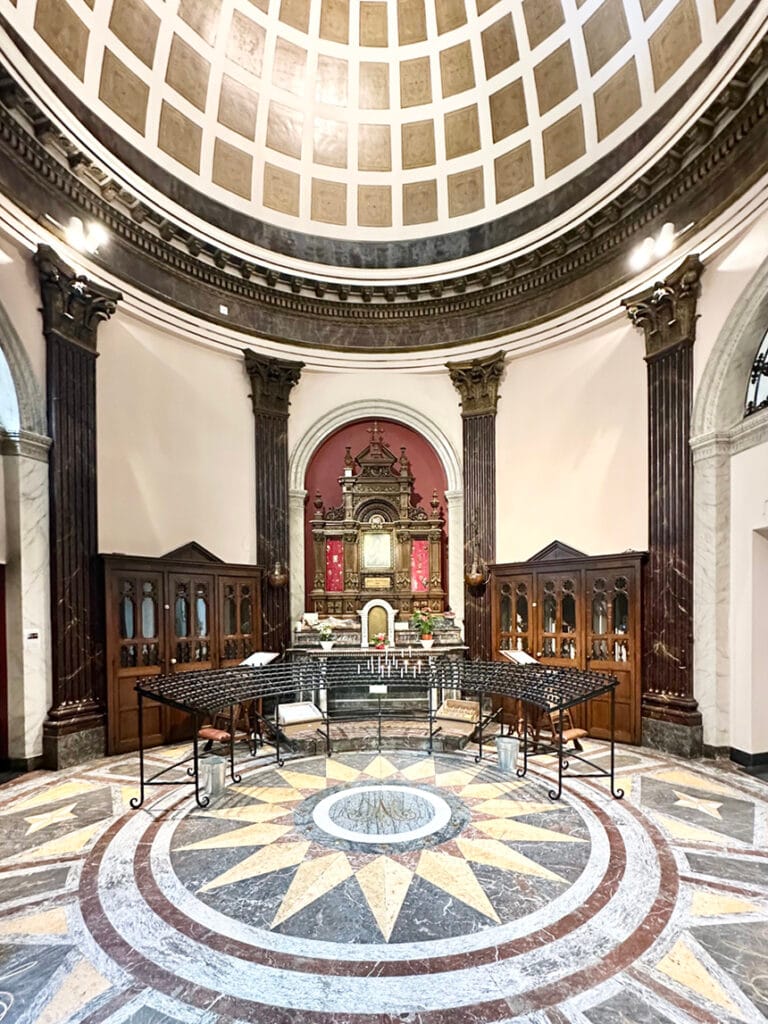
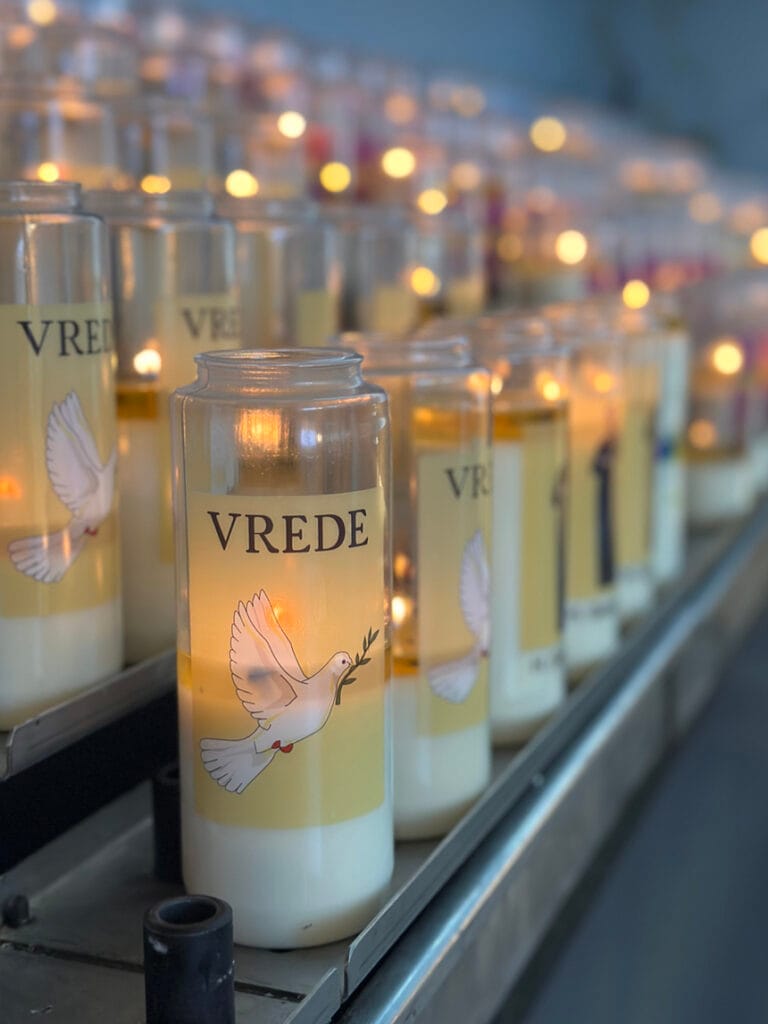
Back at the Wittem monastery, I visit a number of devotional chapels, including the Clemen Chapel, dedicated to the patron saint of “hopeless causes.” A small glass box invites you to write down your own hopeless cause—a symbolic act that has a surprisingly healing effect. The monastery bookstore has a wide selection of books on the meaning of life, ecology, philosophy, and spirituality. It’s easy to lose track of time there. Finally, for peace of mind, I light another candle in the Gerardus Chapel.
By the way: if you’re looking for even quieter walks, farther from roads and village centers, you can ask the monastery for advice. Jelle Wind knows the area like the back of his hand and will be happy to help you find routes where only the rhythm of your own footsteps and the sound of birds accompany you.
Practical information: The monastery is a stamping station for pilgrims. There are restrooms, a faucet on the exterior wall where you can get drinking water, and a coffee and tea station where you pay what you think is fair. It feels like a village hall here; you’re welcome to hang out for hours, just as I’ve seen some people do.
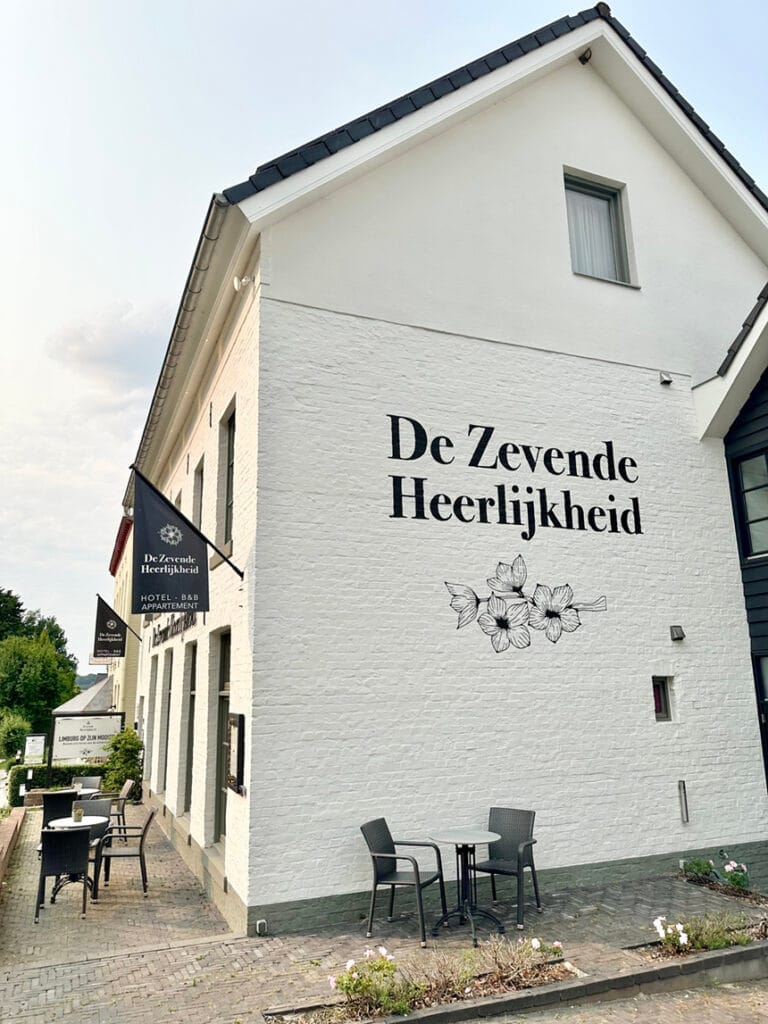
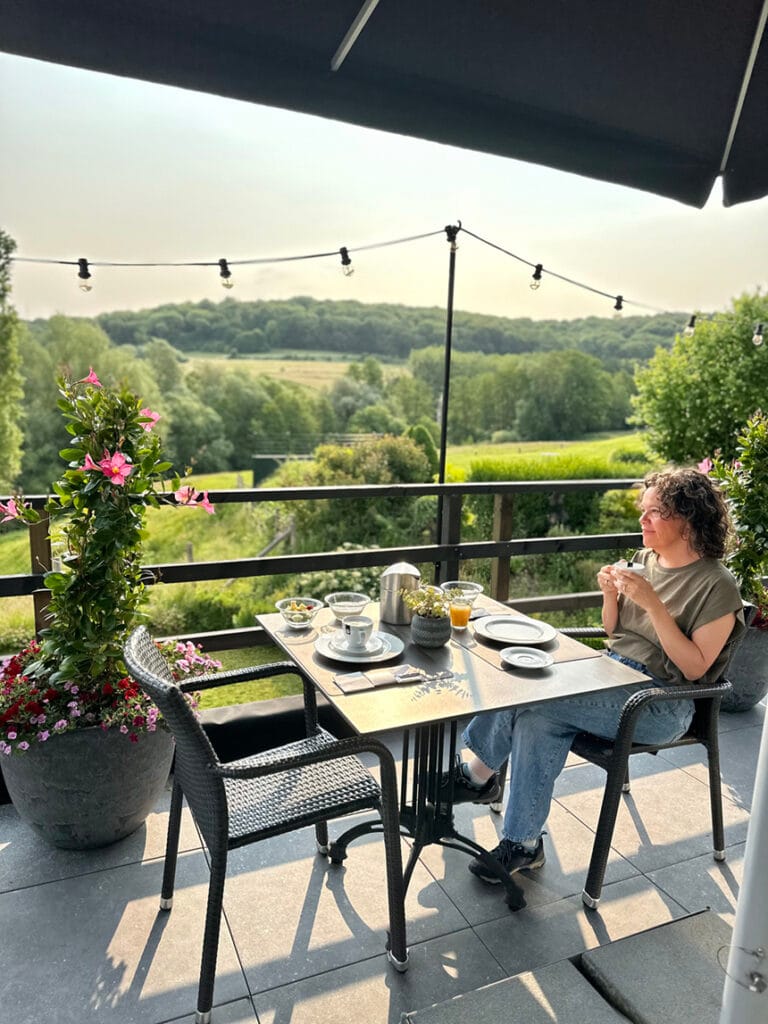
We’ll continue our journey by bus to Slenaken, on the border with Belgium. Here we’ll stay at Hotel and B&B De Zevende Heerlijkheid, a cozy and sustainable hotel perched on top of a hill, overlooking the Gulp Valley—a stunning green valley where Scottish Highland cattle roam freely. At LUQS restaurant, which is part of the hotel, high-quality vegetarian, vegan, and locally sourced meat dishes are served. Wines come from the region, among other sources. Tap water is served, and a portion of the proceeds goes to clean water projects through Made Blue.
This hotel, run by the young and passionate duo Koen Schobers and Metha Roijen, is a great example of how sustainability and comfort can go hand in hand. De Zevende Heerlijkheid runs entirely on solar energy, uses heat pumps, and has a closed-loop water system. Breakfast, sourced from local suppliers, is prepared exclusively to order, which keeps food waste to a minimum. Dogs are also welcome here.
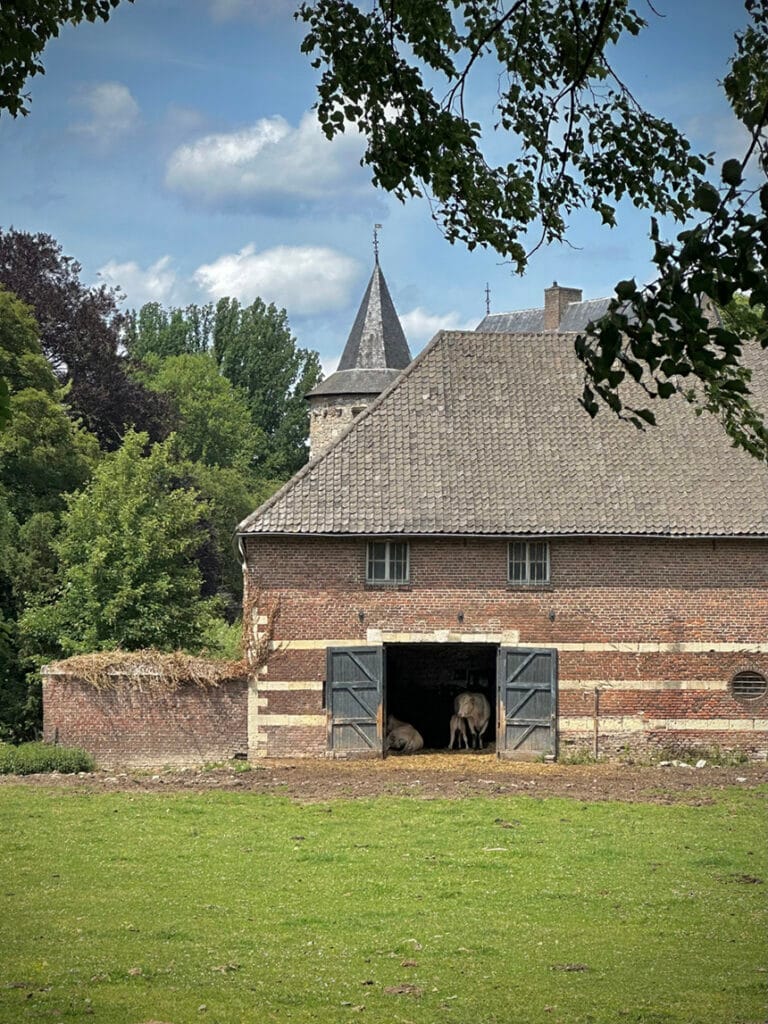
Electric bikes from Cycle Center are waiting for us for day two of our trip. But first, a round trip to Mechelen through the woods, before dinner. After a beautiful ride, we enjoy dinner in the evening sun at De Geulhof, where trout fresh from their own pond is served. On the way back, we come across a magical-looking sheepfold, where the animals are already settling in for the night.
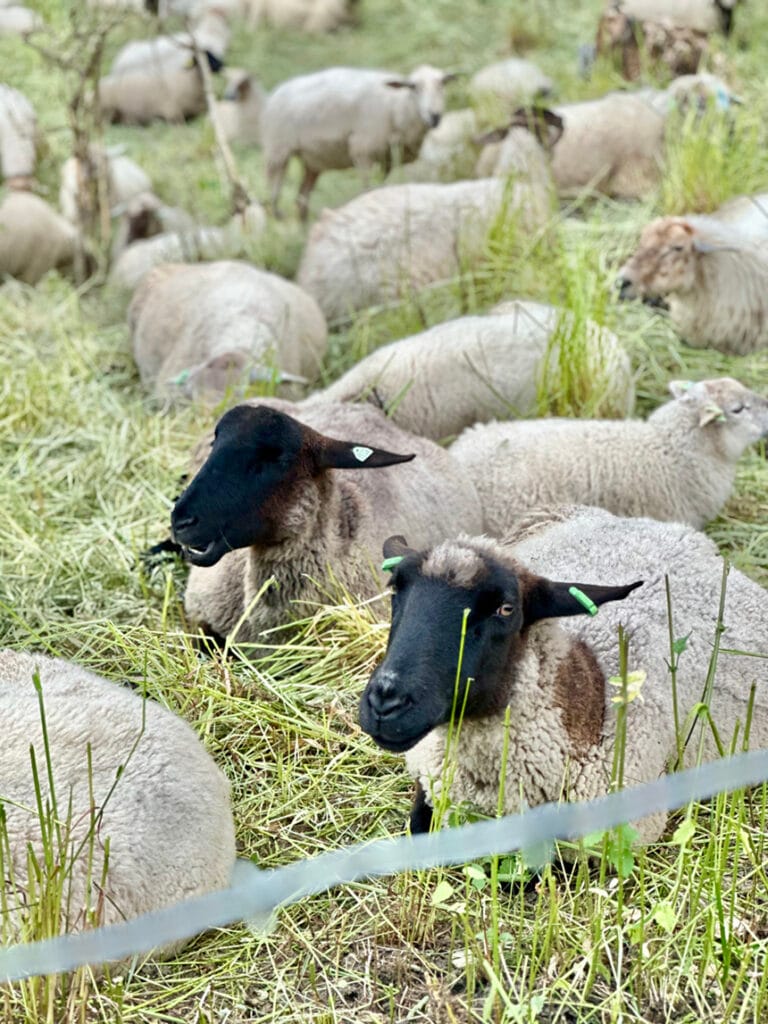
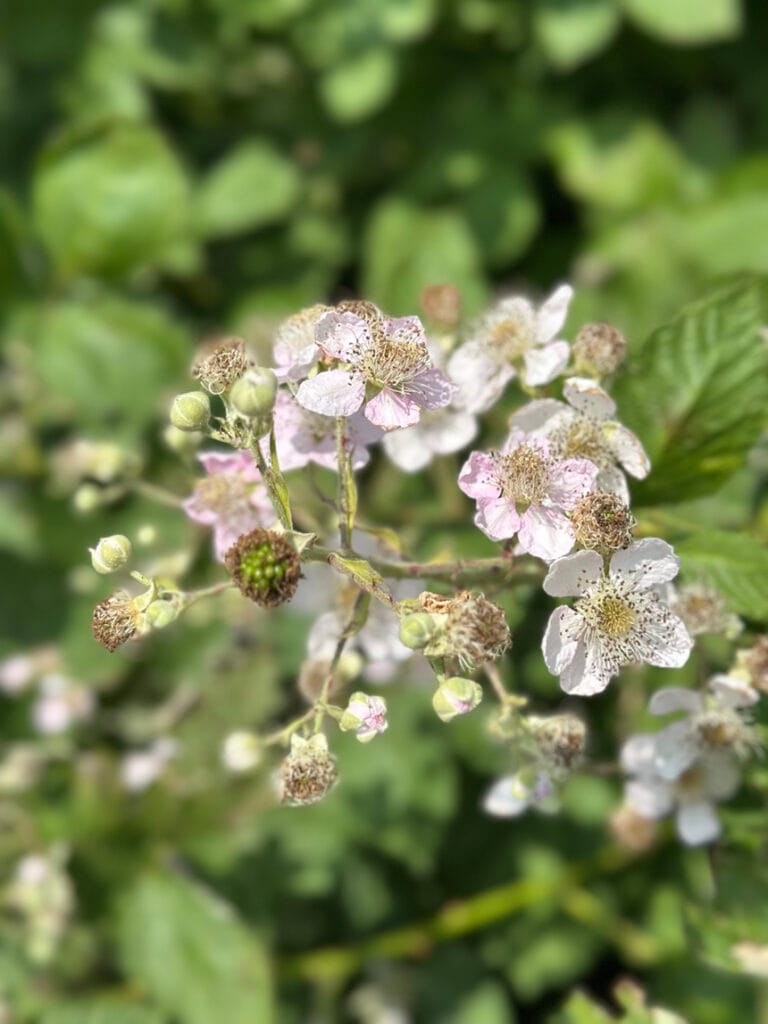
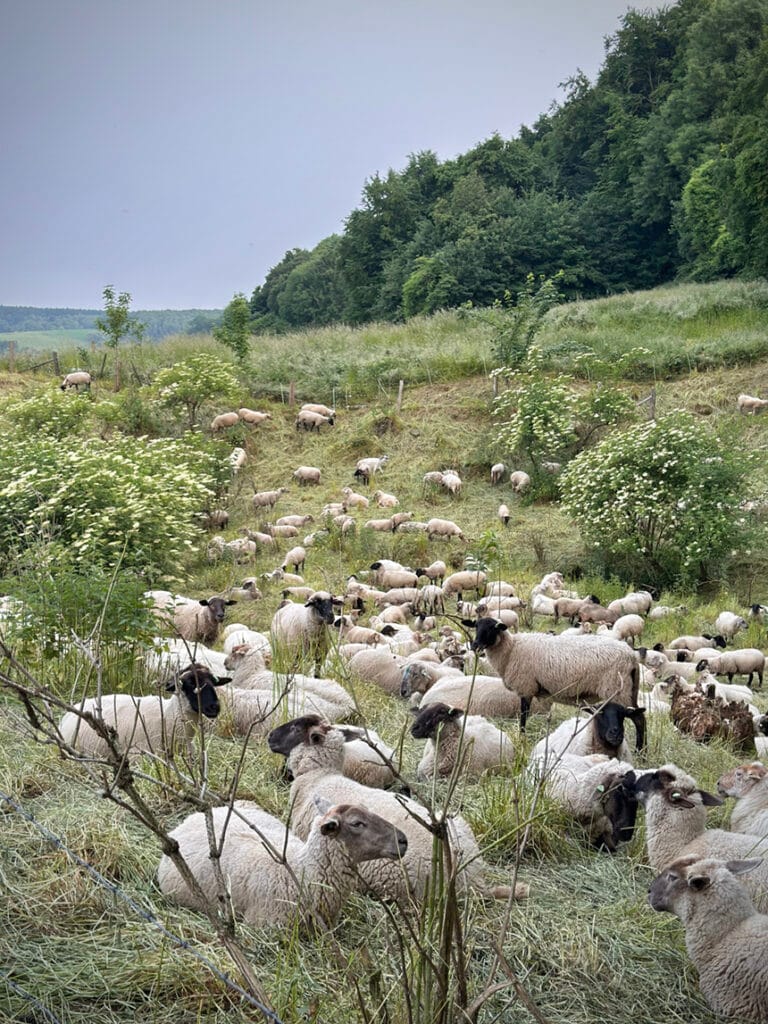
After a wonderful night’s sleep and breakfast featuring local cheese, juice, and bread from the village, we set off on our bikes toward Valkenburg. Along the way, we enjoy the sweeping views and take a moment to find the right gear and pedal assistance for some seriously steep hills and descents!
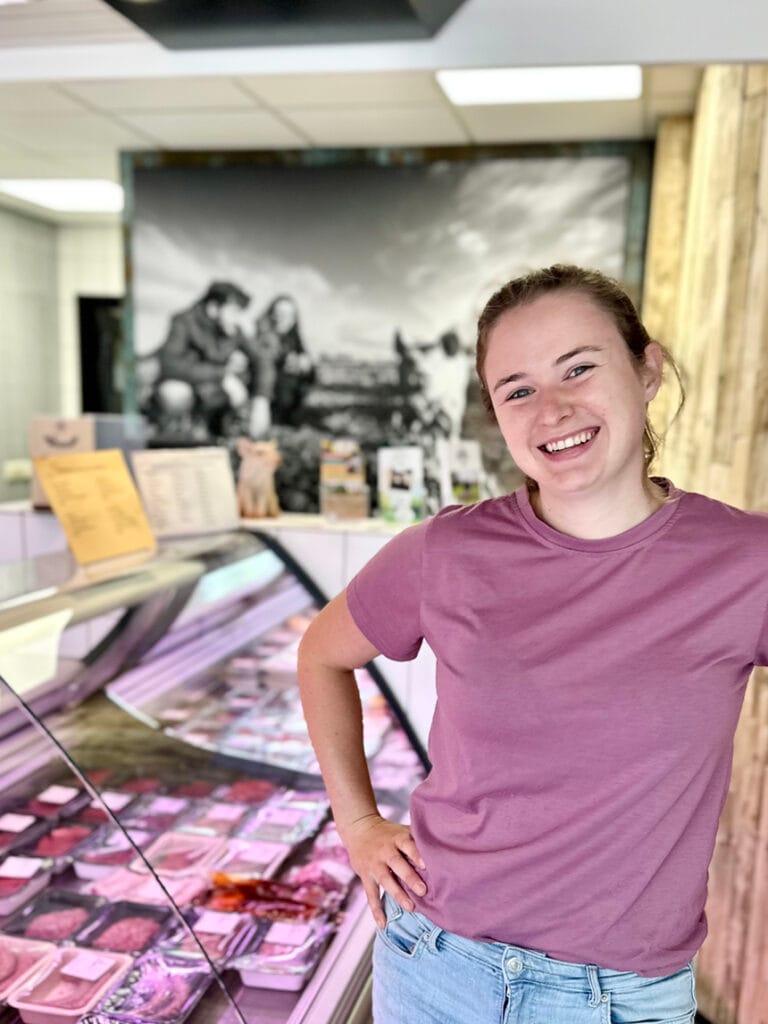
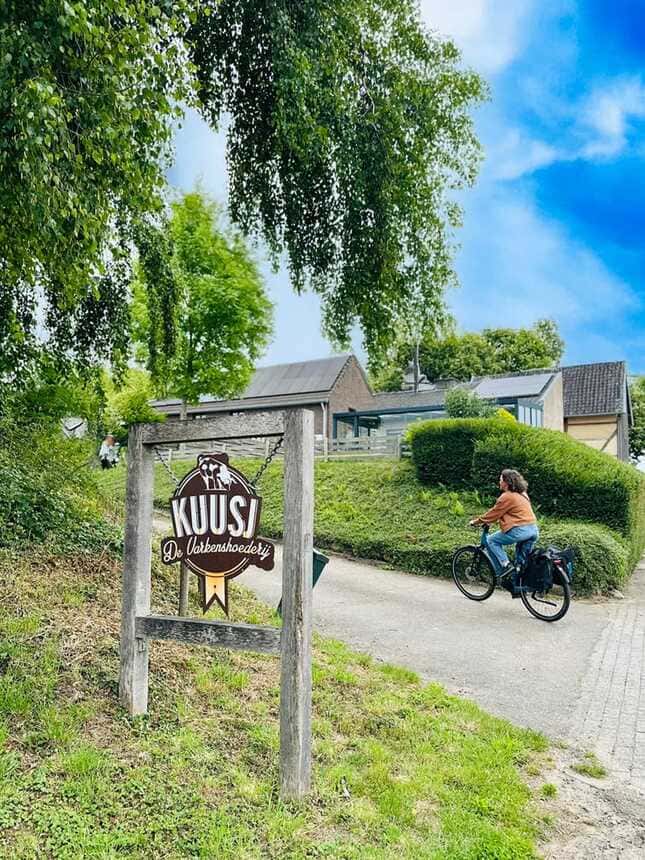
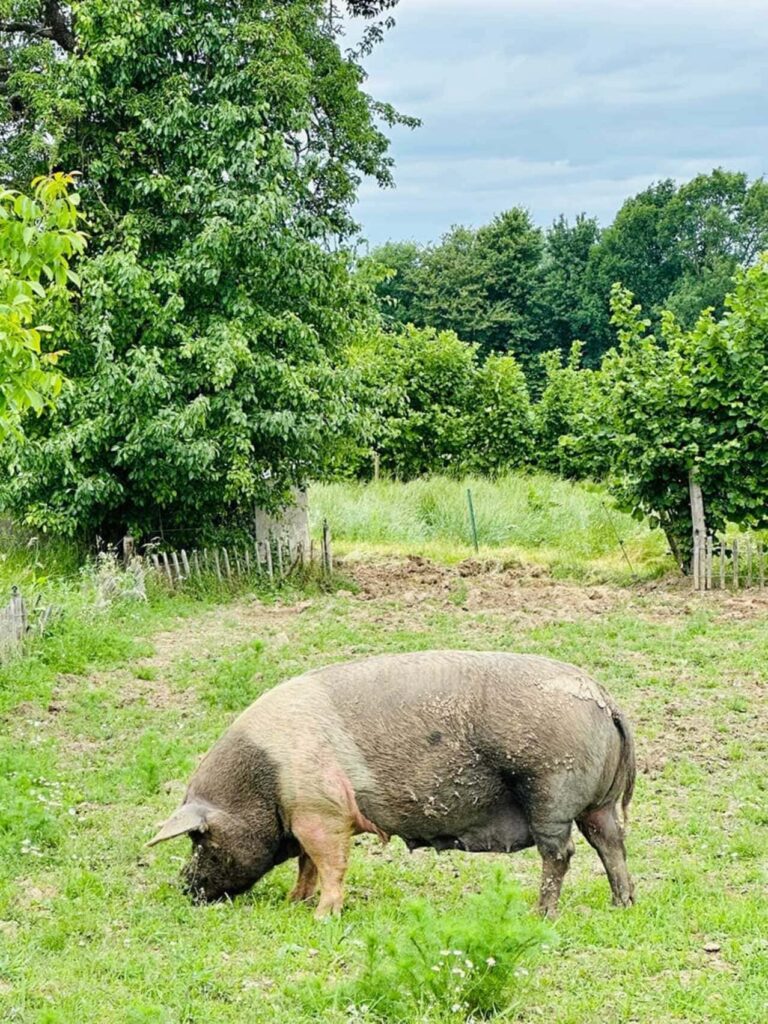
First stop: the Kuusj & Ko butcher shop (dialect for “pig” and “cow”) in Mechelen. Here we meet the passionate Amy Heuts, a pig farmer who has integrated ecology and animal welfare into every aspect of her business. The pigs live outdoors and partly in the woods, are not given antibiotics, and are slaughtered with care in their own butcher shop by her partner, Joshua van Werscheen, who specializes in this process.
They produce everything themselves: from start to finish. No E numbers, no preservatives. Not certified organic, but circular, with a focus on the soil, animals, and people. Guided tours bring the story to life for visitors. The butcher shop also sells beef from local farmers who operate according to the same principles. And thanks to the short supply chain, the prices are the same as—or even lower than—those at the supermarket.
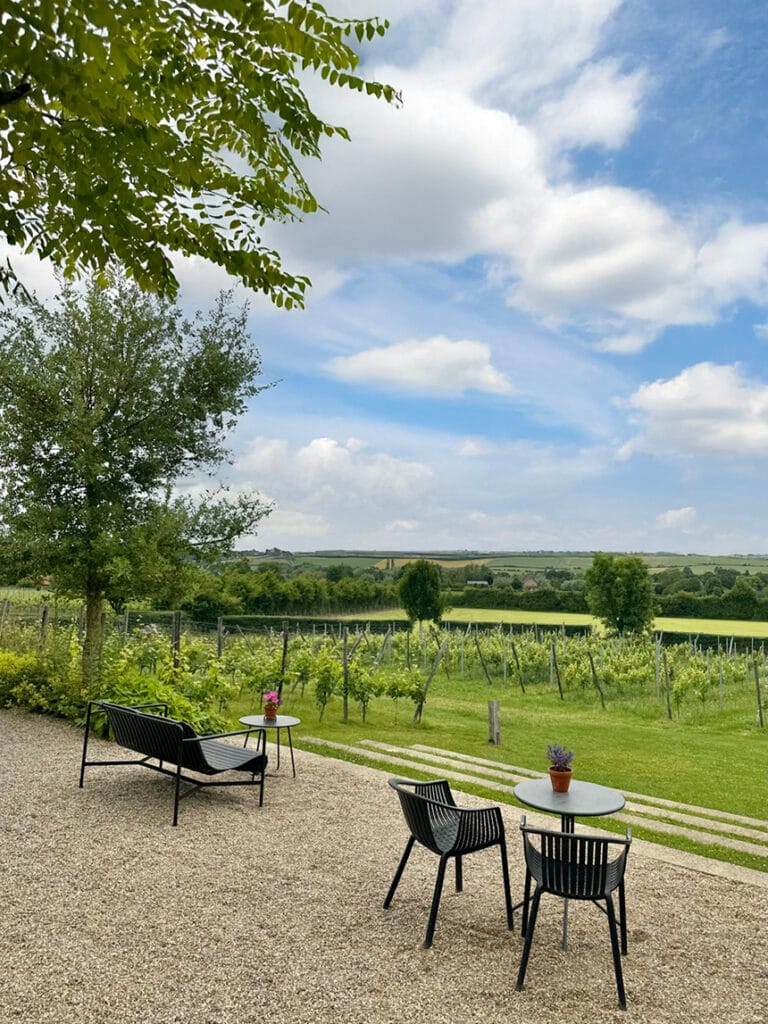
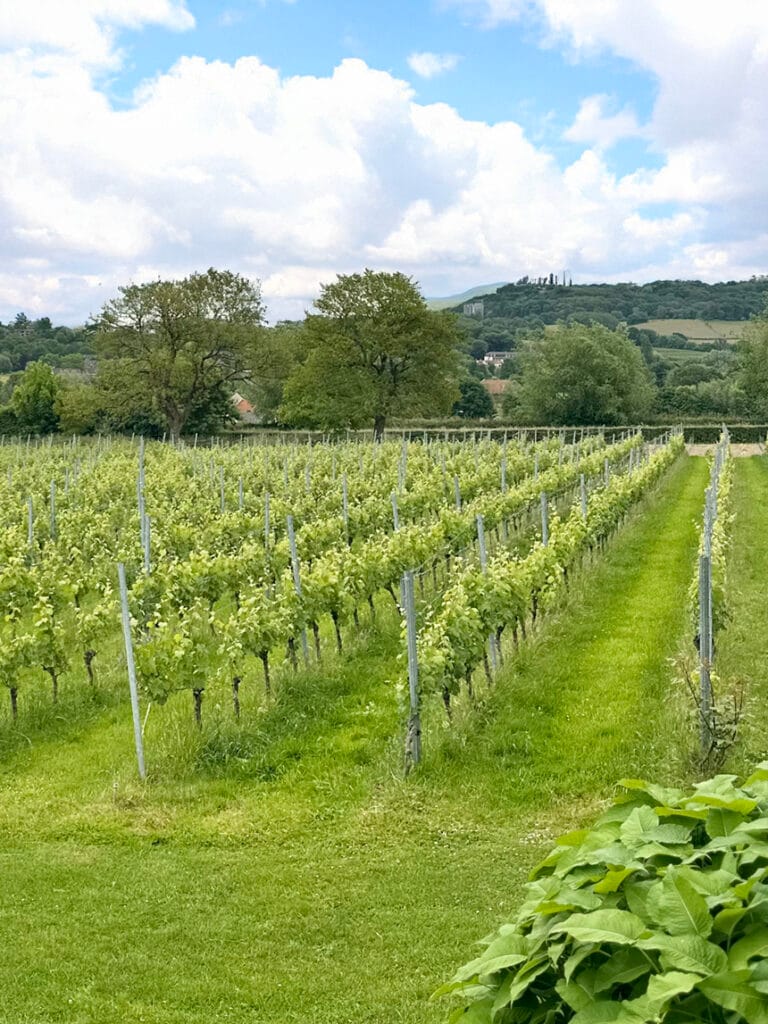
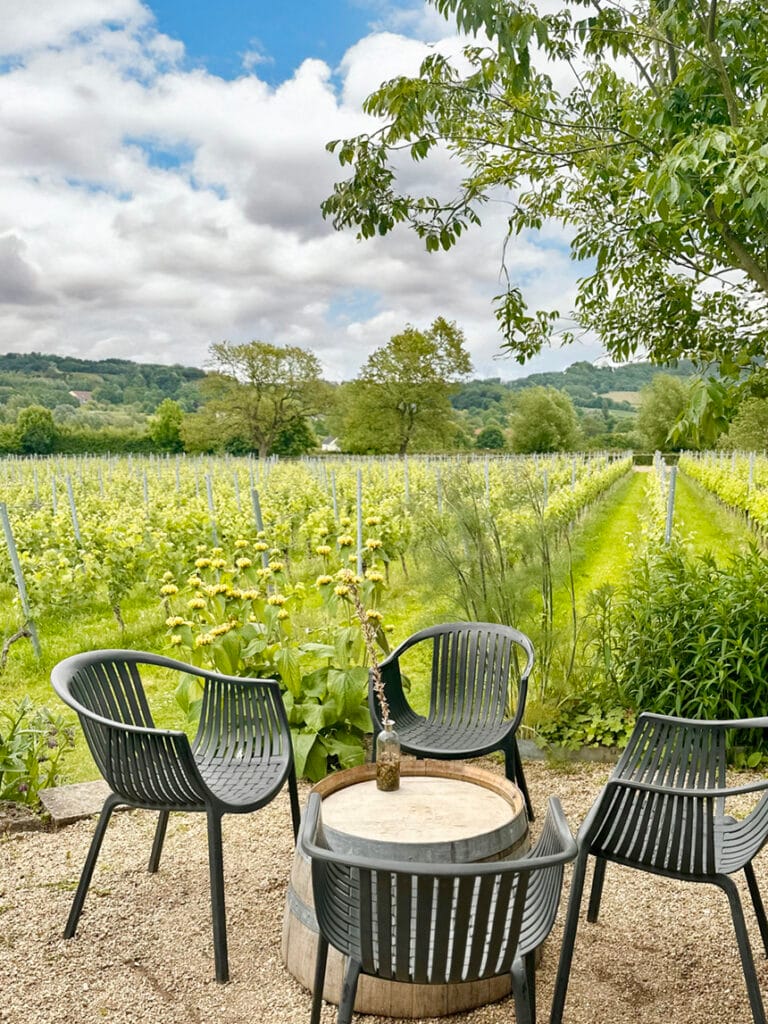
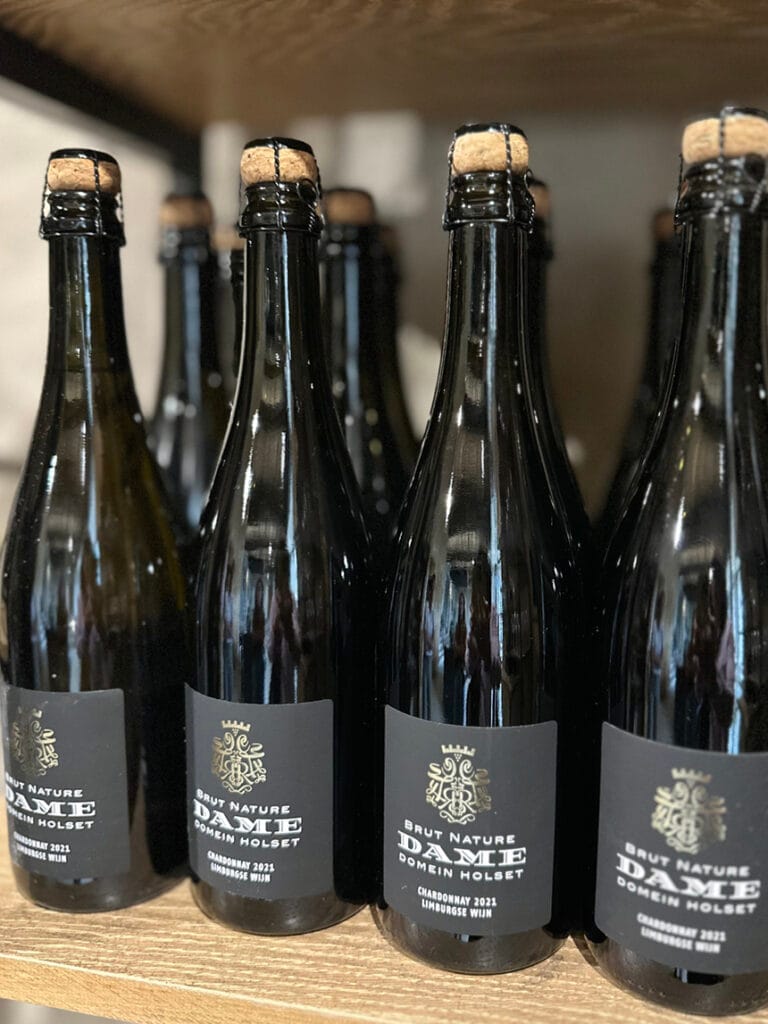
Next, we’ll visit Domein Holset in Lemiers, a pioneering winery specializing in sparkling wines. The vineyards are located 180 meters above sea level, which ensures fresh acidity—essential for high-quality sparkling wines. The higher a vineyard is located, the cooler the climate generally is, which leads to slower ripening of the grapes; as a result, acidity is better preserved and sugars build up more slowly—exactly the conditions that are ideal for making sparkling wine.
Wine production is entirely organic; the building has been renovated using natural materials and is heated by geothermal energy. During the wine tasting, I’m impressed by both the flavor and the sustainability story behind it. The estate feels and looks like an idyllic spot, with plenty of plants and flowers in the courtyard garden. It’s the kind of place where you’d love to stay for a few days. And you can—they started out as a B&B with just a few grapevines, and have since grown into a winery with 12 hectares of grapevines and a few guest rooms.
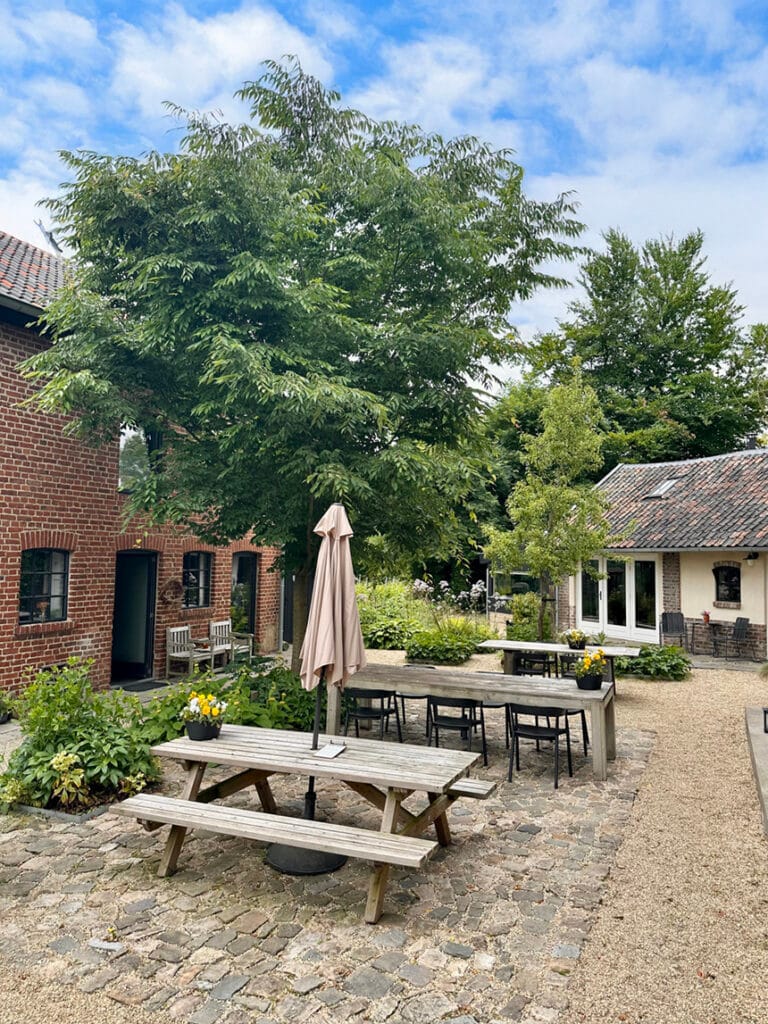
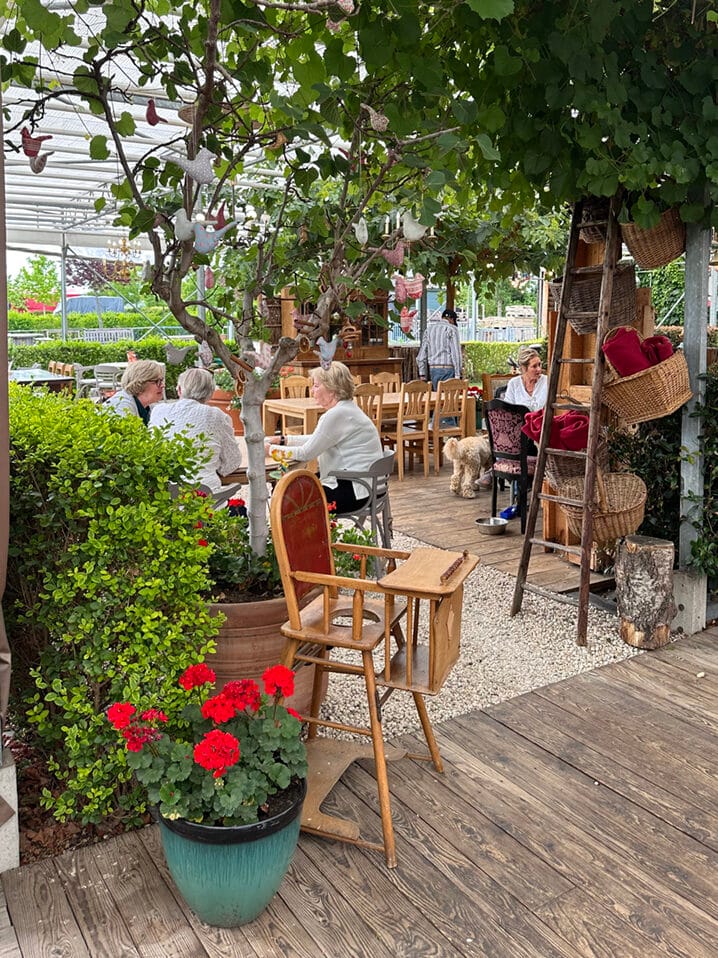
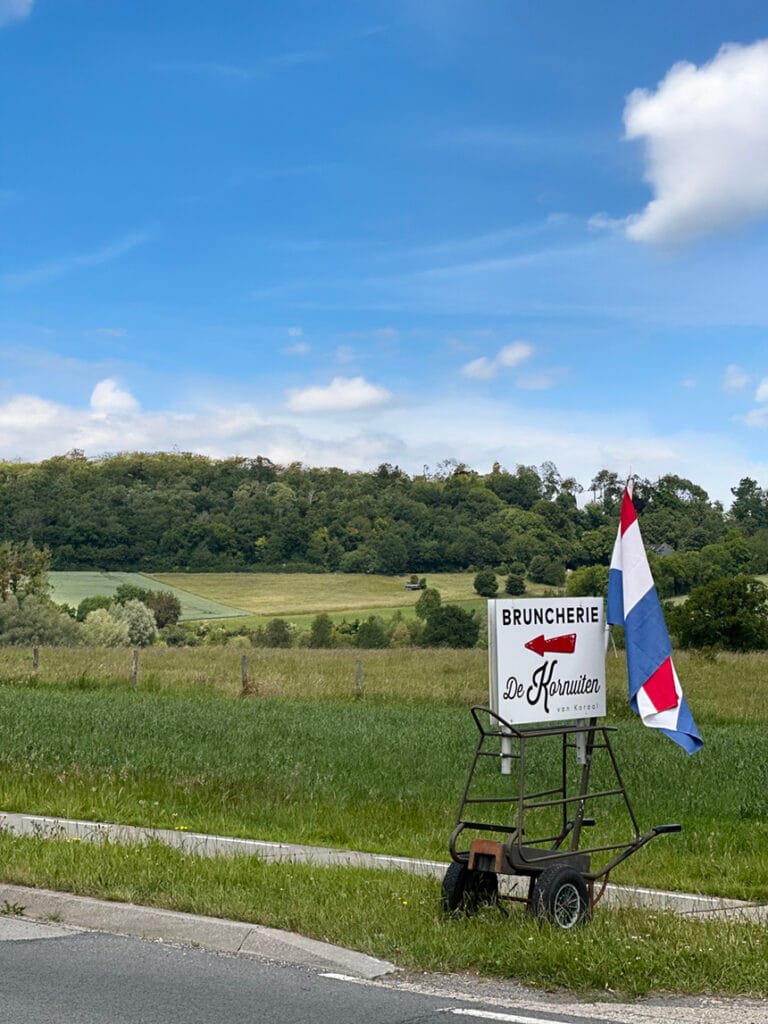
After cycling a few more kilometers, we stop for lunch in Lemiers. In a former greenhouse on the edge of a dog park, we meet De Kornuiten van Koraal. Here, day programs and the hospitality industry come together. Clients of the Koraal Foundation help with serving and in the woodworking shop located here as well. Everything, from the furniture to the menu, exudes a sense of commitment.
We talk with Juliette Demollin, founder and project leader of the Kornuiten van Koraal, about how this place came to be and has since become indispensable to the region. Our salad is served with a big smile, which makes it taste even better.
There are some beautiful hiking trails in the area around the Kornuiten van Koraal. There’s a large parking lot for cars. You can find the hiking trails on Visit Zuid-Limburg, or ask about them at the bar—they have a number of printed maps available there.
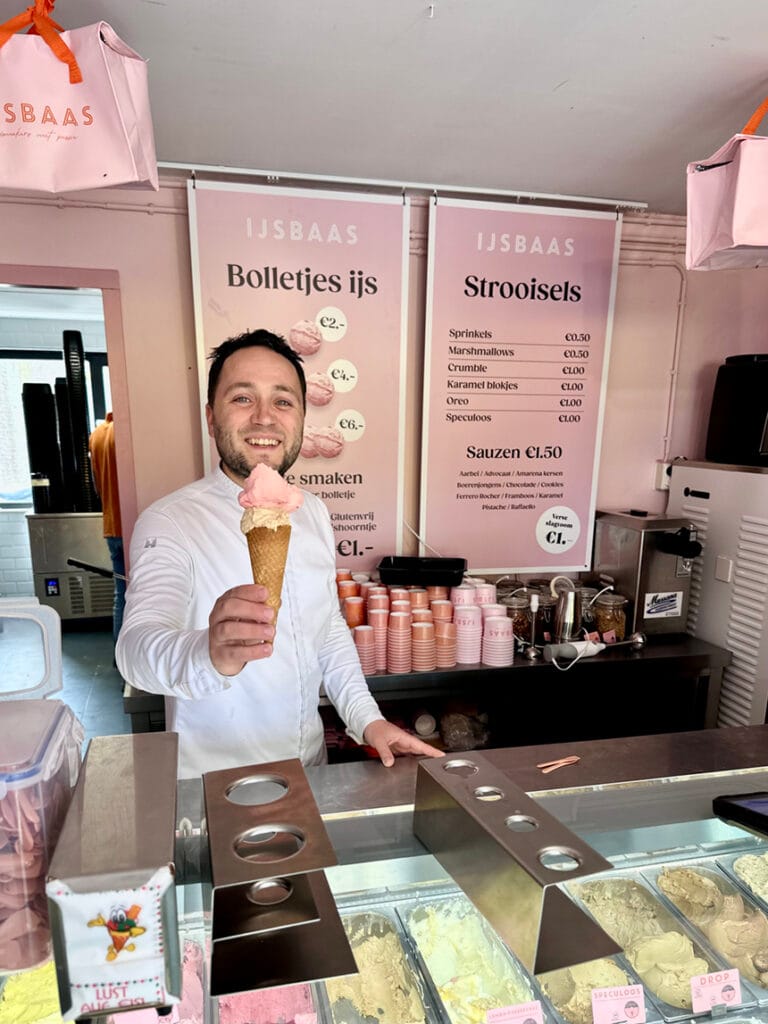
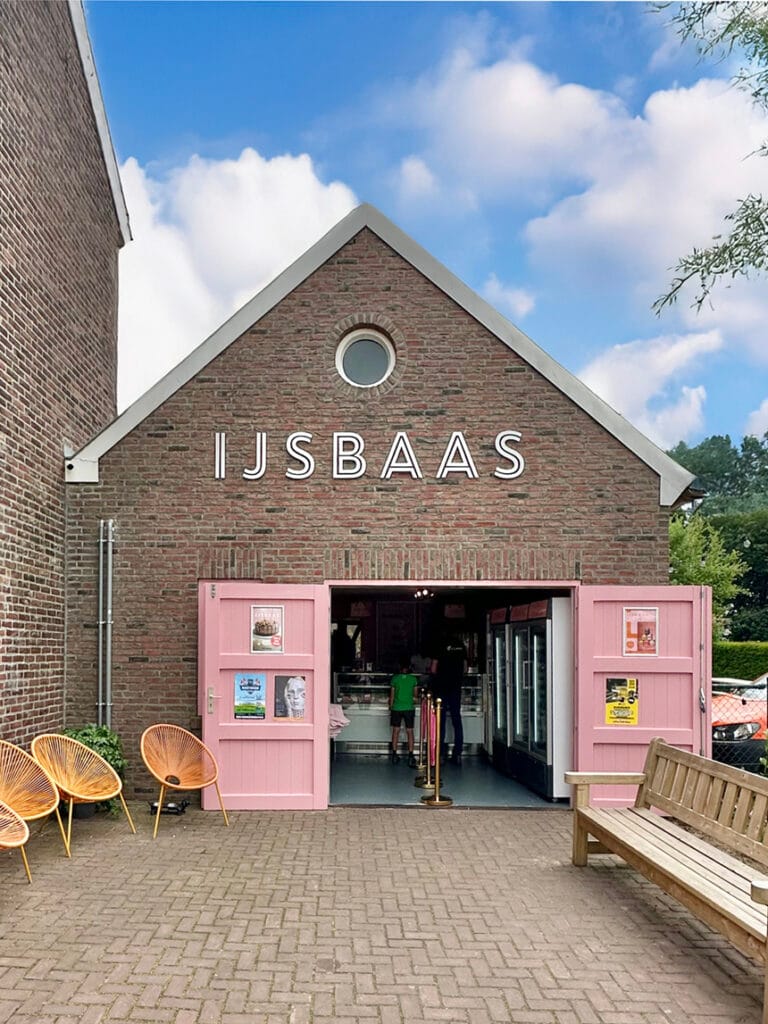
Before we drive into Valkenburg, we make a quick stop at De IJsbaas on the Rijksweg in Margraten. Bas Faarts started his own ice cream shop after a personal turning point. His artisanal ice cream, made without artificial additives, has since gained a loyal following—and rightly so.
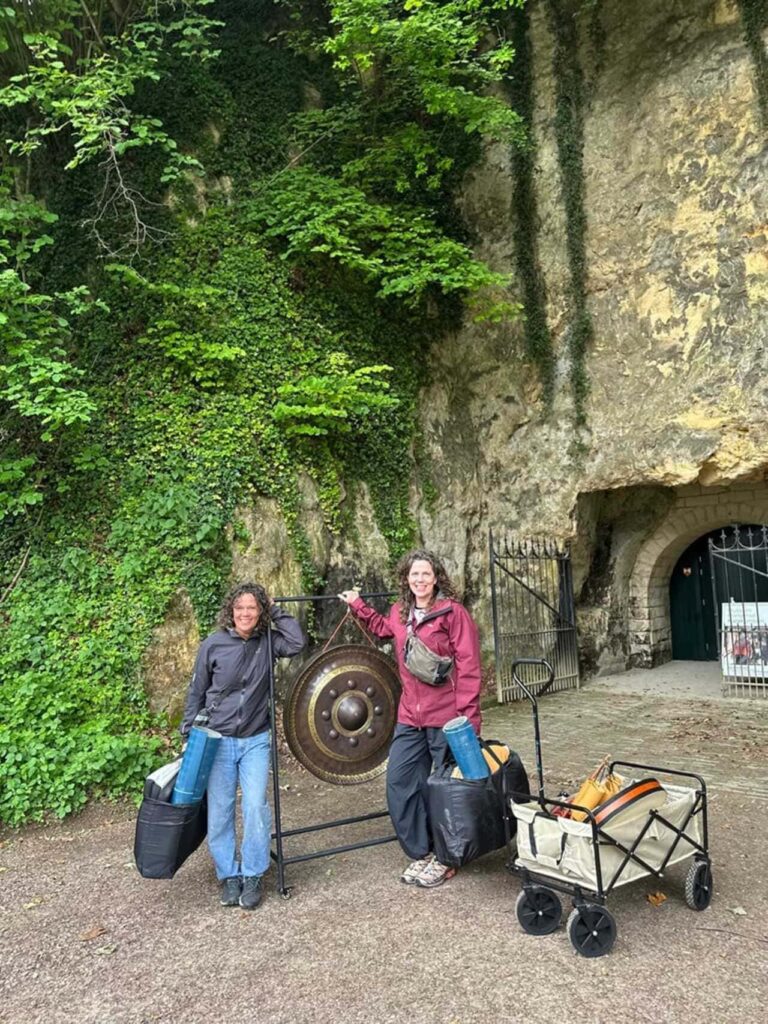
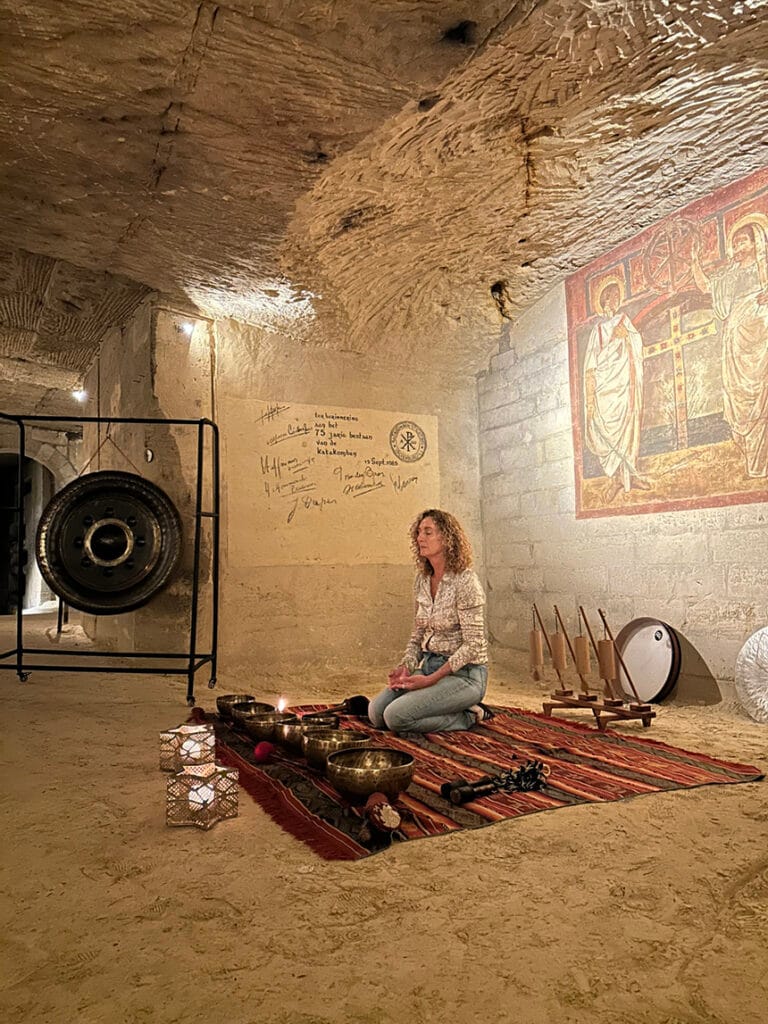
The trip ends with a singing bowl session led by the passionate Brenda Tjoelker of Essential Movements, a bodywork practice. They are located on the grounds of the old brewery in Valkenburg, where we also return our bikes to Cycle Center. In the cool marl caves, we take our places on thick mats. We lie here among the Roman frescoes—softly lit by candles. Brenda guides us through the seven chakras. The sounds echo off the walls, and we conclude our journey in deep silence before emerging, feeling reborn.
Every time I’m here, I feel both at home and on vacation at the same time. And when I return home, I secretly open Funda to see if there’s a small farmhouse with a south-facing view for sale somewhere.
1. You’re right there, but you feel far away
2. A culinary region like no other—where local products take center stage
3. Entrepreneurs with a vision—young, idealistic, and realistic. They are shaping the region’s future.
4. True sustainability—rooted in a connection to the region.
5. A landscape that never ceases to amaze—whether you’re hiking, biking, or just sitting still: beauty is everywhere.
Hiking: Check www.visitzuidlimburg.nl/wandelen for marked trails. The Caminos are a wonderful introduction to pilgrimage.
Cycling: Electric bikes make the hilly landscape accessible. Available for rent from Cycle Center, among others. In South Limburg, you’ll find everything a cyclist could wish for: This region features a vast network of cycling routes spanning more than 1,500 kilometers and comprising some 200 junctions. See www.visitzuidlimburg.nl/te-doen-in-zuid-limburg/fietsen
Public transportation: South Limburg is easily accessible by train and bus, even to small villages.
Seasons: Every season has its own charm. Avoid busy weekends if you’re looking for some peace and quiet (see Visit South Limburg for the events calendar).
Read more travel tips for the Netherlands here


Mieke Tacken
I am an interior designer, photographer, and an avid nature hiker. I’ve lost my heart to the simplicity and beauty of hiking vacations. I also appreciate the unique experience of a stay that tells a story about local history or culture. Here, I share my stories and tips—whenever possible, with a light footprint and always with a heart full of wonder.

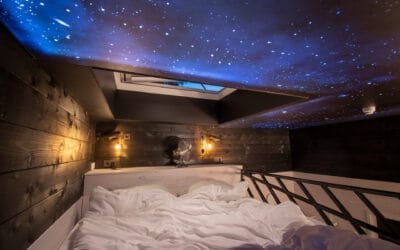
5 Dark Sky Sites in Europe: From the Wadden Sea Coast to the Alentejo Best months: September through November and February through April (long, clear nights) Where is it truly dark? Terschelling (NL), Lauwersmeer (NL), Alqueva (PT), Ainos (GR), Exmoor (UK) Getting...

Get inspired
Are you looking for the most beautiful hiking and biking routes? Or do you want information about traveling by train or advice for the most beautiful road trips through nature. Get inspired for your next trip in green; ideas for planning your own trip or opting for an organized trip.