
Gratis gids 10 verborgen natuurplekken in Europa
Gratis gids 10 verborgen natuurplekken in Europa. Meld je aan voor onze nieuwsbrief en ontvang inspirerende reistips en routes voor je volgende groene reis.

When you think of a city trip, Trondheim might not be the first place that comes to mind. But if you love nature—and a little adventure—as well as great local cuisine, this is a fantastic destination for a green city trip.
With just under 200,000 residents, the city is Norway’s third-largest, but you wouldn’t know it when you walk through the city center. It has a cozy, small-scale feel. This is partly because there’s very little traffic, and when you do see cars, they’re usually electric—and therefore quiet.


Trondheim, founded by King Olav and Norway’s Viking capital until 1217, is a well-kept secret with beautiful nature reserves along the Trondheim Fjord and fantastic local cuisine. You can do almost everything on foot; you can reach the Bymarka nature reserve by tram.
Solsiden—literally “the sunny side”—is a charming little neighborhood in the city, located by the harbor and with a post-industrial vibe. There are many nice restaurants, bars, and shops on the site of the former shipyard.
This neighborhood takes you back in time. The colorful little houses were once part of a poor neighborhood filled with artisan workshops and workers’ homes, and it has survived many fires. In the 1970s, the local government wanted to build a road right through this neighborhood. Fortunately, that was prevented by numerous protests from the residents. Now it’s a charming and trendy neighborhood—and, once again, a popular place to live.


Bakklandet has charming galleries and local design shops. You’ll find many bars and restaurants there; one of the few independent bars is the Antikvariatet music café and book bar. In addition, Bakklandet is home to the charming 18th-century Baklandet Skydsstation, named “Scandinavia’s coziest café” by National Geographic—and it certainly is cozy.
The imposing Gothic cathedral was built over the tomb of King Olav. It is the northernmost Gothic cathedral in the world. Construction of the cathedral began in 1070 and was completed around 1300. The cathedral has survived several fires, restorations, and expansions. You can take a guided tour of the church and be amazed by its many secrets and rich history.


There are three museums in the adjacent archbishop’s palace; in one of them, you’ll find the royal regalia, including an impressive crown that has not been worn since the coronation of King Haakon VII in 1906.
In February 2025, the old post office will open its doors as Trondheim’s newest art museum. This iconic building, once the city’s post office, has been transformed into a vibrant space for modern and contemporary art.


PoMo is located right next to the beautiful Nye Hjorten Theater and the renowned 154-year-old Britannia Hotel. Together, PoMo, Nye Hjorten, and the Britannia Hotel form an elegant block in the city center, offering a new arts and culture experience.
You’ll experience Trondheim at its best from the Nidelva River. This is best done by kayak, or you can rent an old wooden boat if you prefer. If you want to go kayaking, you can rent a kayak from TrondheimKayakk at Grylstad Marina, Nyhavna, or Oysand. You’ll be fitted with a dry suit and can enjoy a leisurely 2- to 3-hour trip, taking in the beautiful, colorful houses from the water.


Take tram 9 (which, by the way, is the only line in Trondheim) from downtown, and in half an hour you’ll be in Bymarka, a vast nature reserve where you can ski until March, but which is also great for walking, hiking, and mountain biking. Walking along beautiful lakes and well-marked trails, you’ll make your way back to the heart of Trondheim in about 4 to 5 hours.
The Gråkallbanen—also known as tram 9—is the world’s northernmost tram line. Take it to the terminal station, Lian, where you’ll arrive at Lake Lianvatnet. You can walk around the lake in about an hour. We got off a few stops earlier at Kyvannet. From there, it was about 15 kilometers back to the heart of Trondheim—not the most direct route, but one that took us past beautiful lakes, forests, waterfalls, and meadows.


Lavollen is located in the heart of the Bymarka nature reserve and is a fantastic place to have lunch or enjoy a cup of coffee. Hikers use this old, renovated farmhouse, built in 1905, as a stopover. It is passionately run by Ann Helen and Youssef. We had a delicious stew, but they also serve homemade cookies, cakes, and lunch.


In addition to being a great spot for hikers, this is also a social gathering place where seniors from Trondheim are brought to relax, and it offers day care for children with dementia. It’s also a dog-friendly spot—one of the few places where you’re allowed to bring your dog inside. Another unique rest stop in Bymarka is Grønlia. You can get there by taking the tram to the last stop and walking toward Restaurant Lian. From there, follow the signs to Grønlia, a rest stop for skiers, walkers, and hikers since 1925.
You can reach Lavollen on foot from downtown Trondheim in about 1.5 hours. You’ll walk along the Ilavassdraget. You can also take bus 26 to Byåsen Butikksenter and enjoy a lovely walk through beautiful woods and past several lakes. Lavollen is also accessible by car. From there, you can take several beautiful hikes, including one back to the heart of Trondheim.


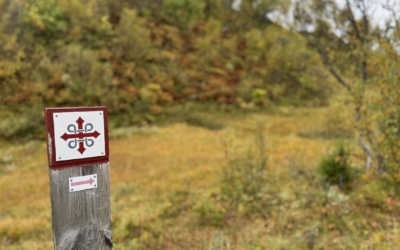
The St. Olav Routes to Trondheim are a network of beautiful historic trails, all leading to Niadaros Cathedral, where St. Olav is buried. In the Middle Ages, it was the northernmost Christian pilgrimage route. The best time to hike these routes is between June and September, when most of the snow has melted.
Learn more about the St. Olavsleden, the world’s northernmost pilgrimage route from Sweden to Trondheim. I walked several stages of this pilgrimage and have described my experiences in this hiking trip to Trondheim.


This 8.5 mini-pilgrimage route takes you from Lian to Trondheim. Take the Gråkallbanen (Tram 9) from downtown Trondheim to Lian. From there, you’ll walk along the pilgrimage trail through beautiful woods to Sverresborg, the “Trøndelag Folk Museum.” This museum features more than 60 traditional historic buildings from the Trøndelag region. You’ll pass the Haltdalen stave church, built entirely of wood and covered with tar, a remnant of Norway’s earliest churches. Here you can have lunch at the museum restaurant. Then continue toward the city and Nidaros Cathedral, the final destination of the St. Olav’s Route.
With its fertile soil and seas teeming with fish, the Trøndelag region and Trondheim have all the ingredients needed for excellent local cuisine. And indeed, it is abundant. Local produce is widely used, supporting a sustainable approach.
The slow food culture of Trøndelag and Trondheim has earned the region European recognition for its local cuisine. Many local producers and farms supply world-class locally sourced seafood, game, vegetables, and fruits. The region’s commitment to sustainability, the connections between businesses and products, and the quality with which the products are prepared were recognized in 2022 when Trøndelag was designated a European Region of Gastronomy.


In 2019, Trondheim was designated a UN Center of Excellence (CoE). The city is leading the way in its goals for a sustainable future. Powerhouse Brattørkaia is the world’s northernmost energy-positive building. It sets the new standard for future building construction. Throughout its lifespan, the building produces more energy than it consumes—including its construction, demolition, and the materials used in its construction. Optimal use of solar energy has shaped the building’s unique architecture. Energy usage is managed using AI. The surrounding area is heated with this energy, and electric buses are charged. The interior of the building is not open to the public, as it is used as office space. Furthermore, Trondheim is Norway’s cycling capital, and efforts are in full swing to develop a sustainable food system.
If you’re looking to see the Northern Lights in Trondheim, it’s best to visit the city in the winter. With the “My Aurora Forecast & Alerts” app, you can view the KP forecasts. A KP4 or higher, combined with clear skies, gives you the best chance of seeing the Northern Lights in Trondheim.
July is usually the warmest month in Trondheim. Winters are cold, and summers are mildly warm. Because it is situated in a deep fjord that opens onto the west coast, it receives less rain in the winter than areas located directly on the Norwegian Sea. In winter, there can be heavy snowfall and freezing temperatures. For the latest weather forecasts, check yr.no.
There are several ski resorts around Trondheim; these are the two closest to the city:
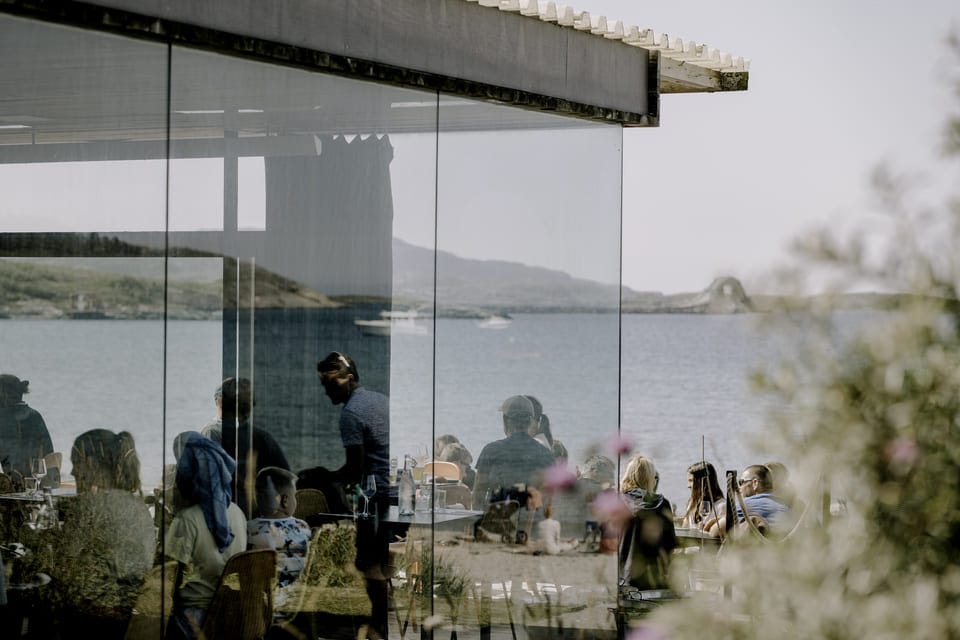
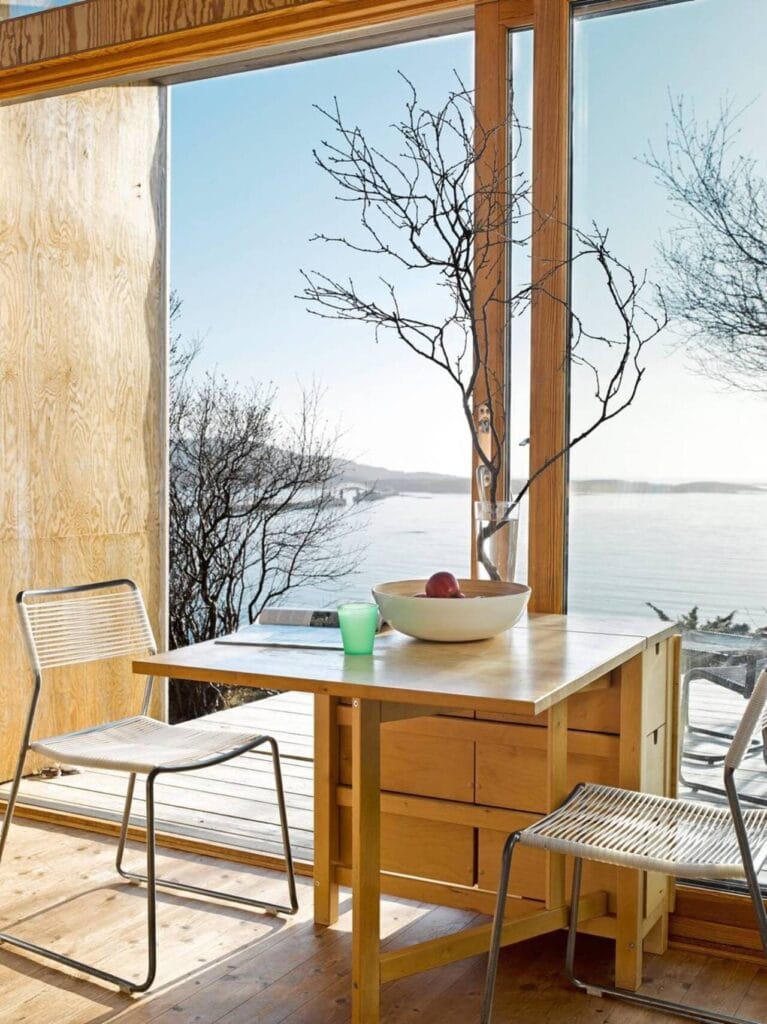
Stokkoya Strandhotell is a unique hotel on the coast of exotic Hosnasand. It offers camping, Glamping, hotel rooms, and beach houses, along with a fantastic restaurant right on the water.

The city offers a variety of hotels, with the 5-star Britannia Hotel as its flagship. Three large hotels are lined up along the river: the Radisson Blu Royal Garden, the Scandic Bakklandet, and the Scandic Nidelven.

With a passion for travel and photography and over 30 years of experience in the travel industry, I love to share my special nature travel tips. Travel is wonderful and important, you meet new people and cultures and it opens your view of the world.
Hiking to Trondheim along ancient pilgrimage trails What’s it like to hike for days along ancient pilgrimage trails to Trondheim? During a trip through Sweden and Norway, I hiked several sections of the St. Olavsleden. From the open border mountains near Skalstugan to...
Hiking the St. Olav Trail: Route, Stages, and Tips A thousand years ago, Olav Haraldsson traveled this road northward in search of his crown. He met his death at Stiklestad and was canonized three years later. Since then, pilgrims have followed the same route: from...
Get inspired
Are you looking for the most beautiful hiking and biking routes? Or do you want information about traveling by train or advice for the most beautiful road trips through nature. Get inspired for your next trip in green; ideas for planning your own trip or opting for an organized trip.