
Gratis gids 10 verborgen natuurplekken in Europa
Gratis gids 10 verborgen natuurplekken in Europa. Meld je aan voor onze nieuwsbrief en ontvang inspirerende reistips en routes voor je volgende groene reis.

A tour of Norway and Sweden focused on nature and culture. I took this trip in May and discovered a combination of nature, tranquility, and culture with deep roots in tradition. Read about my experiences and tips.
Imagine a place where rolling hills give way to dense forests, where lakes glisten like mirrors, and where cultural sites—both large and small—reveal themselves around just about every bend. A landscape that invites you to slow down.
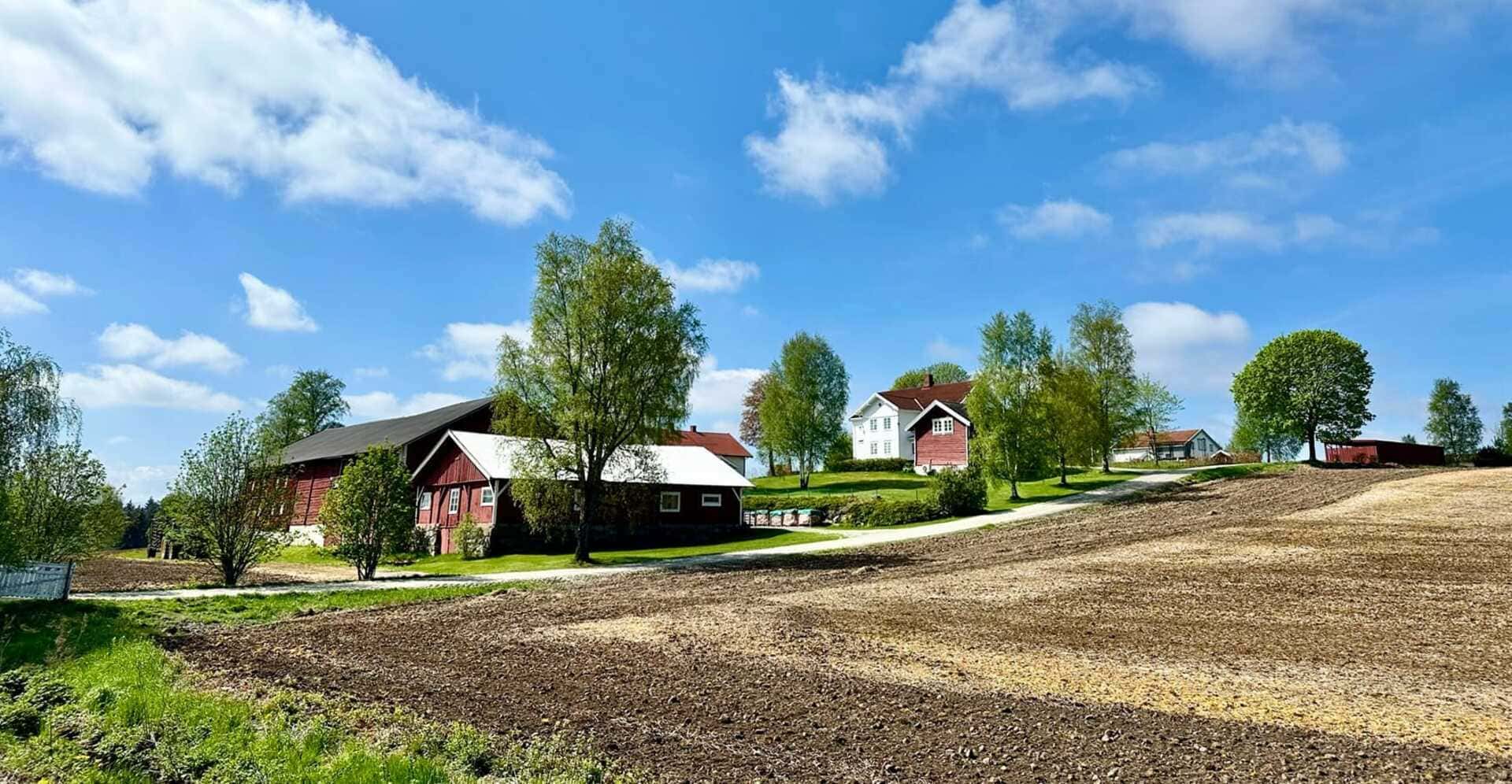
I’m traveling for a few days through the region between Oslo and Arvika, all the way to Karlstad in Sweden, passing through places like Løten, Elverum, Kongsvinger, and Magnor. It’s a transitional region between urban areas and the vast, forested interior of Norway and Sweden. The forests stretch for kilometers. This area is synonymous with tranquility, experiencing nature, and communities rooted in tradition.
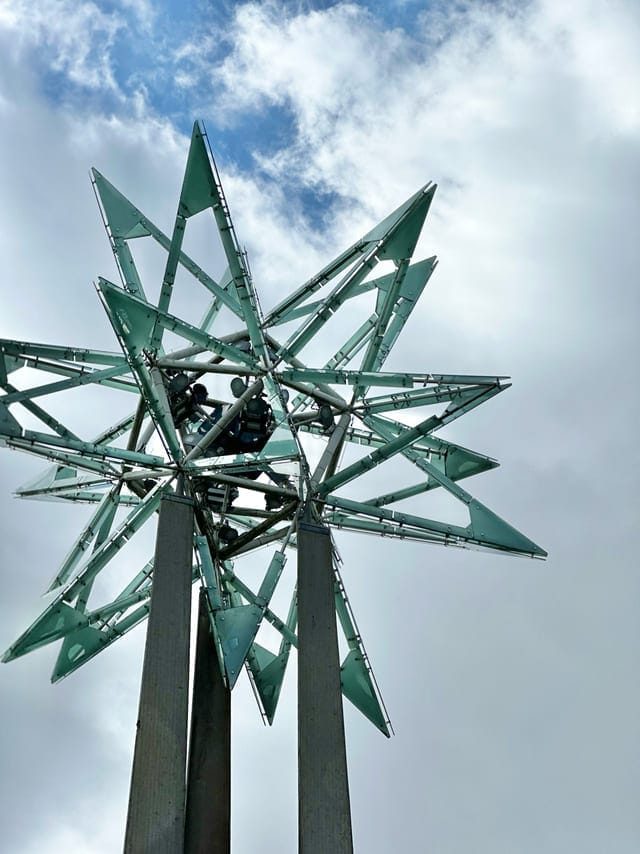
On the outskirts of Oslo, the Kepler Star marks the beginning of our journey. This 45-meter-tall artwork by Vebjørn Sand is a geometric structure made of steel and glass, inspired by Kepler’s icosahedron. A contemporary totem for those leaving the city and heading into the countryside.
Norway has a population of about 5.5 million and spends roughly twice as much per capita on museums and cultural heritage as the Netherlands. That investment is evident not only in historic institutions in the cities, but also in small museums, art galleries, and heritage sites far beyond the capital’s outskirts. This makes the region ideal for slow travel: a way of traveling in which not only the destination but, above all, the stops along the way matter.
Although I’m deliberately skipping Oslo this time, the city certainly deserves a spot on this trip because it can be easily combined with the areas outside Oslo and Värmland, Sweden. If you have the time, you’d be wise to include Oslo in your itinerary. Thanks to the “Fjord City” project, Oslo’s waterfront has been transformed into a modern district featuring cultural highlights such as the Oslo Opera House and the new Munch Museum. More on that later.
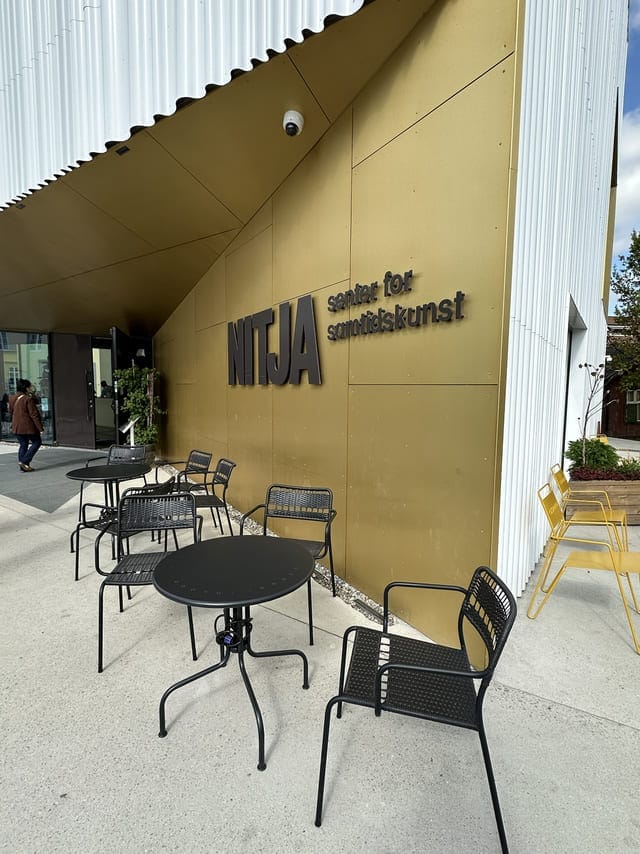
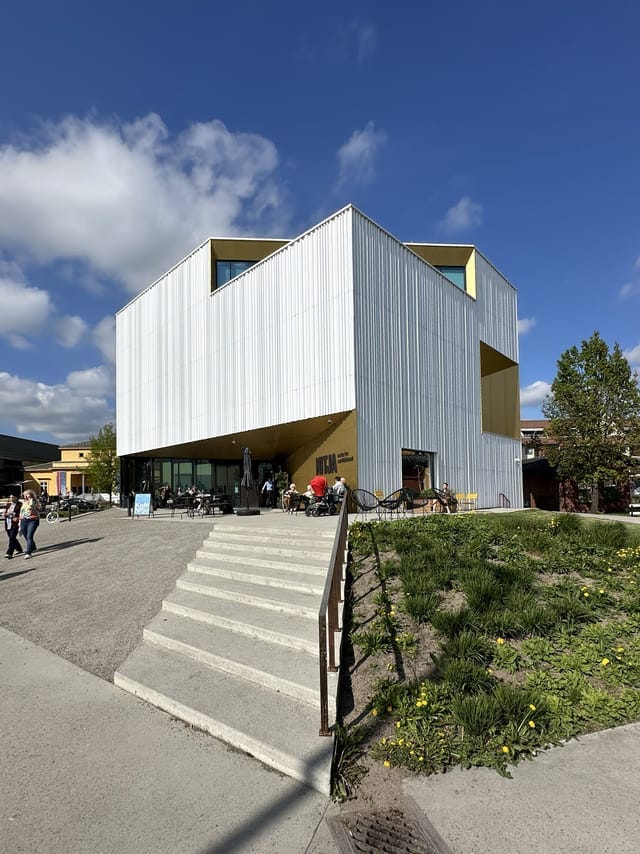
In the heart of Lillestrøm, just a short train ride from Oslo, lies the Nitja Center for Contemporary Art, a modern art center that feels both welcoming and unique. Upon entering, the scent of coffee and cinnamon fills the bright lobby. The café is gently buzzing with life, but the art quickly captures my attention. In the spacious galleries, we see art installations and video art.
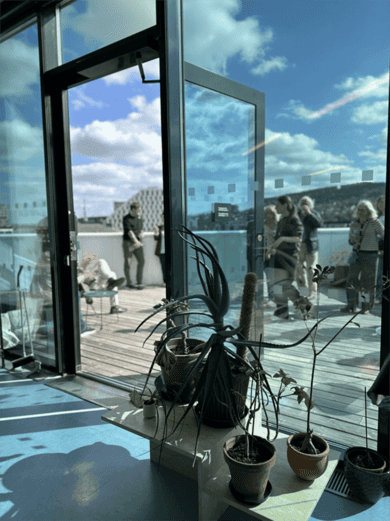
The art is young, critical, and rooted in both local and global themes. A striking pro-Palestinian silkscreen installation in the stairwell underscores this. The works sometimes seem to provoke confrontation, fitting the name “Nitja,” derived from the Old Norse word for “to clash.” And if you need a moment to recover from that, there’s a rooftop terrace at the museum where you can let the wind blow through your hair.
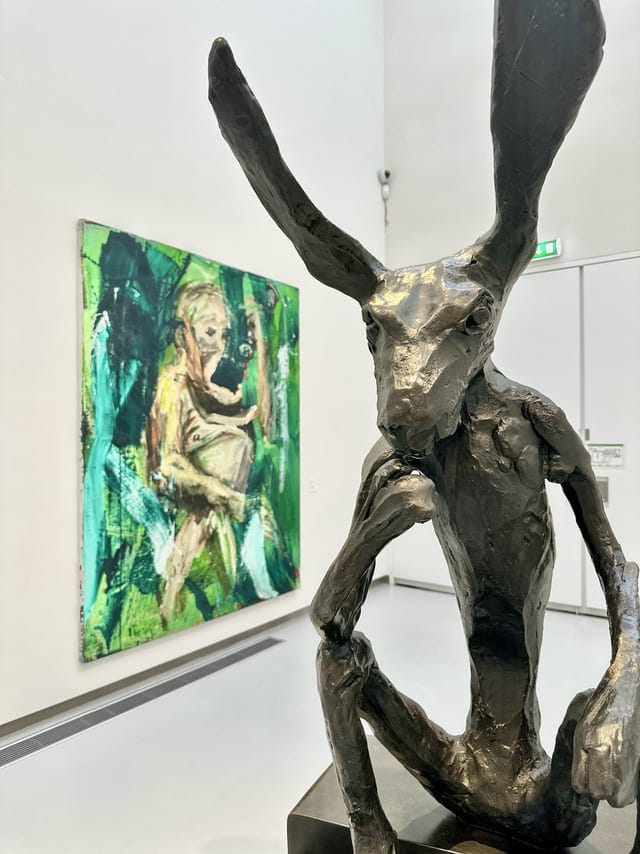
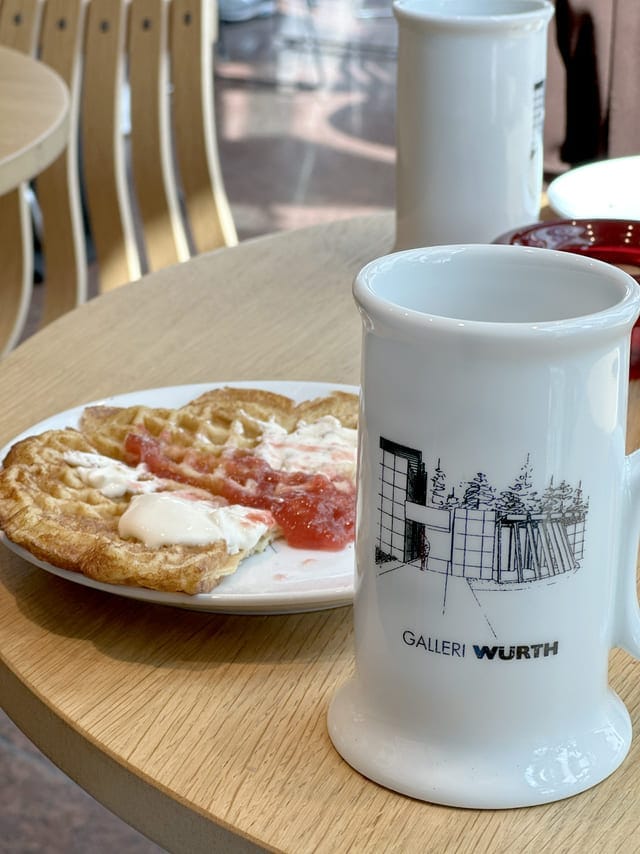
I continue my journey to Løten, the birthplace of Edvard Munch. Along the way, we make a stop at Galleri Würth, which is affiliated with the tool company of the same name. The gallery in Hagan features constantly changing exhibitions from one of Europe’s largest private collections of contemporary art. There’s a café in the gallery where we sample the typical heart-shaped Norwegian waffles and drink coffee. Pouring your own coffee from the thermos on the buffet is a common practice in Norway. Outside, a forest park beckons for a stroll that could easily last an hour.
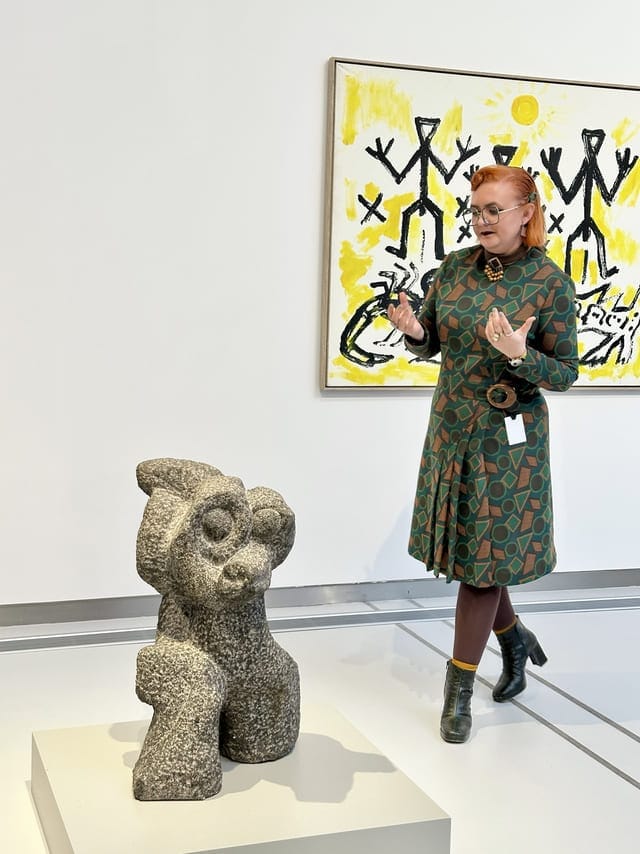
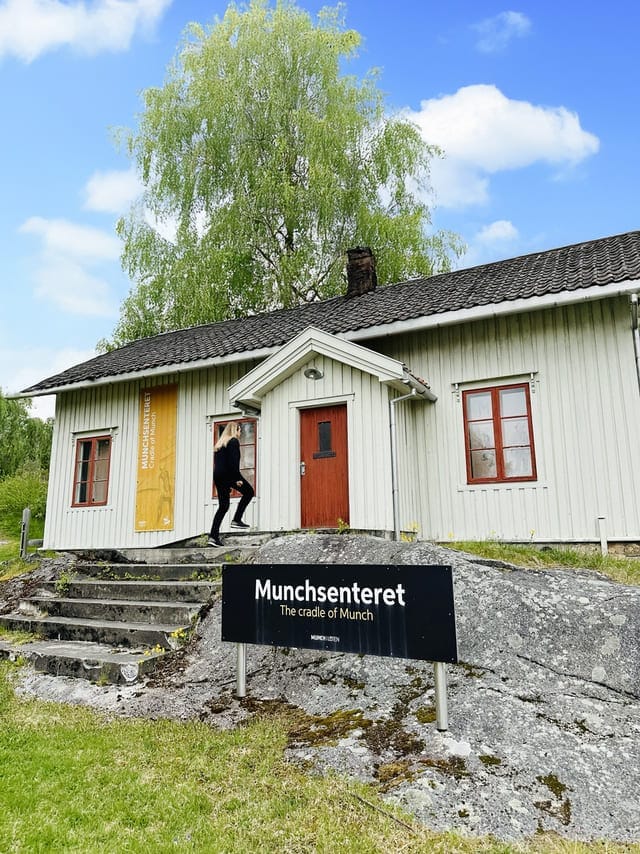
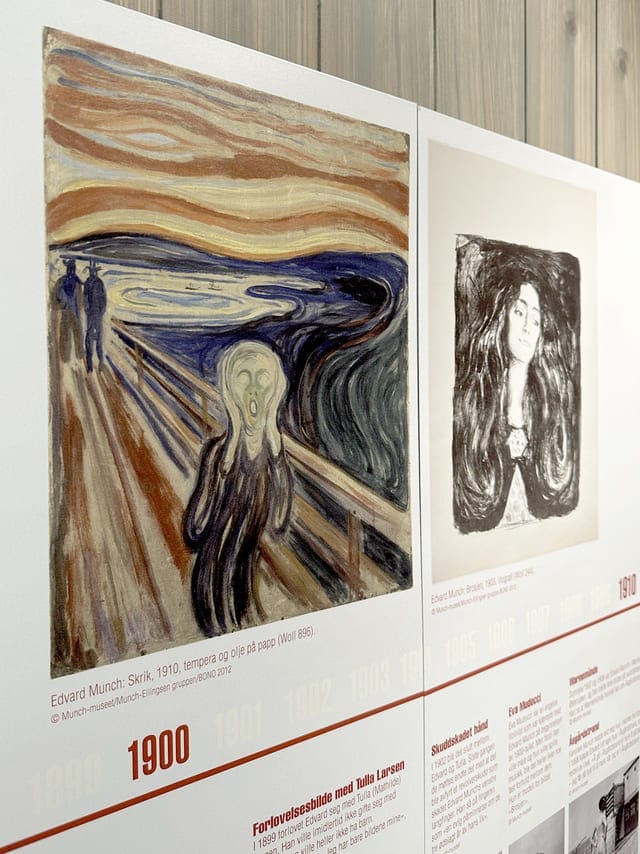
I continue on to Løten. Here stands the small Munch Center, housed in a modest building next to a former paper mill. Inside, the guide immerses us in the artist’s life and work. I also get to make my own Munch print in the printmaking studio—a creative workshop designed to bring us closer to this master artist.
The center itself is small-scale. No masterpieces, but photos, stories, and a taste of what’s to come. Plans for a large Munch center in Løten are in the works, but it will be a while before it’s completed. The large museum in Oslo remains the true destination for enthusiasts. But here, in his birthplace, Munch takes on a human scale. We’ll stop briefly at his birthplace for a photo. If you’d like to follow in Munch’s footsteps, check out Munchtours.
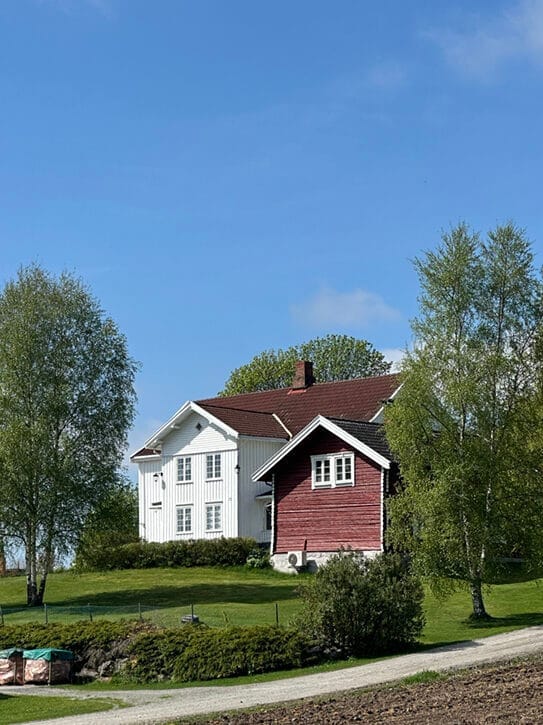
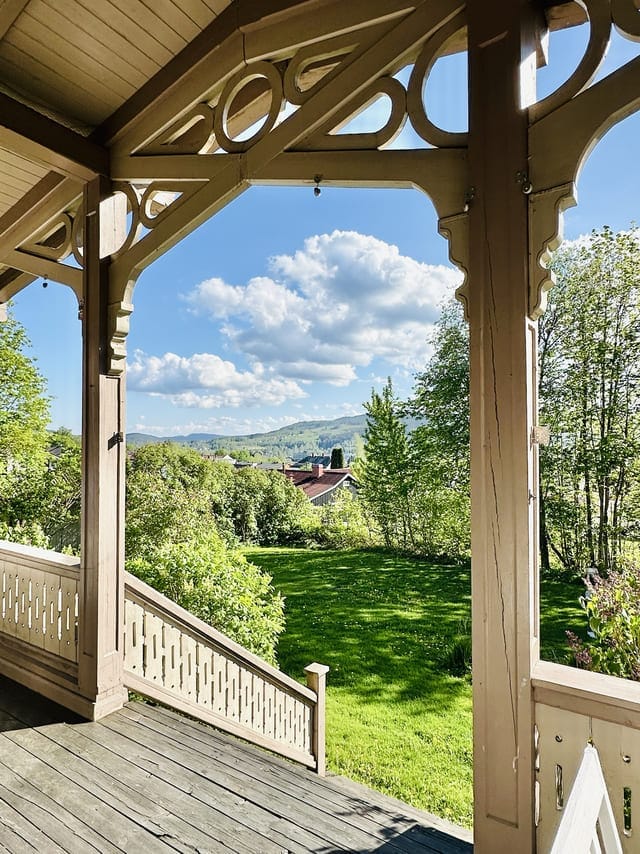
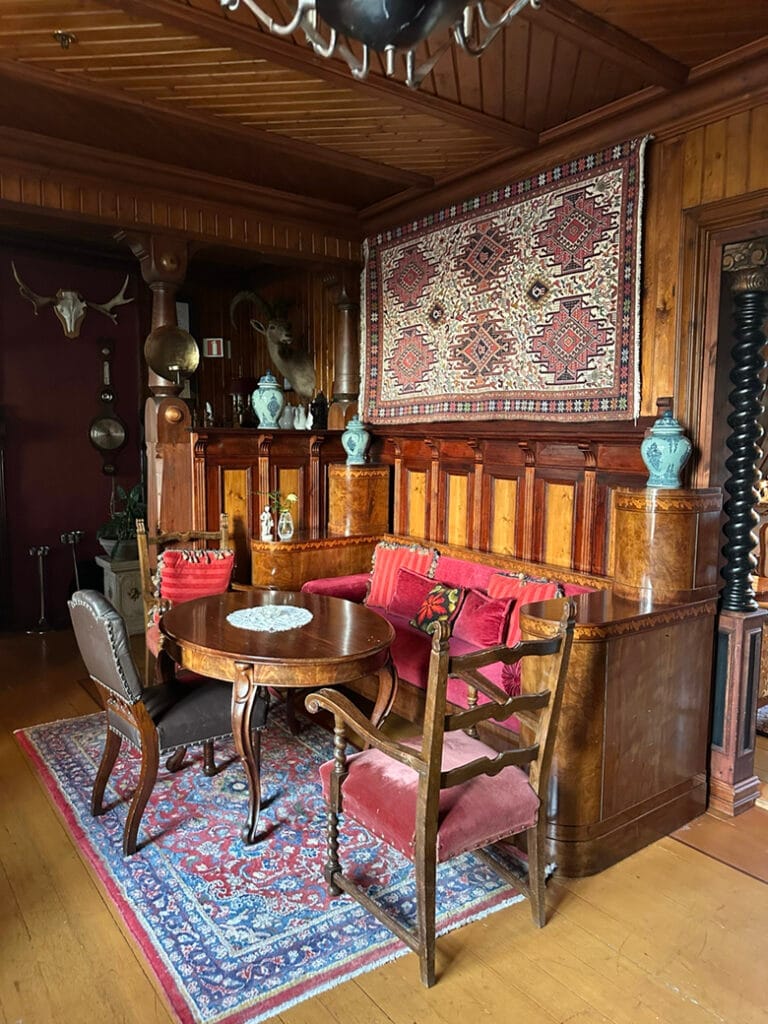
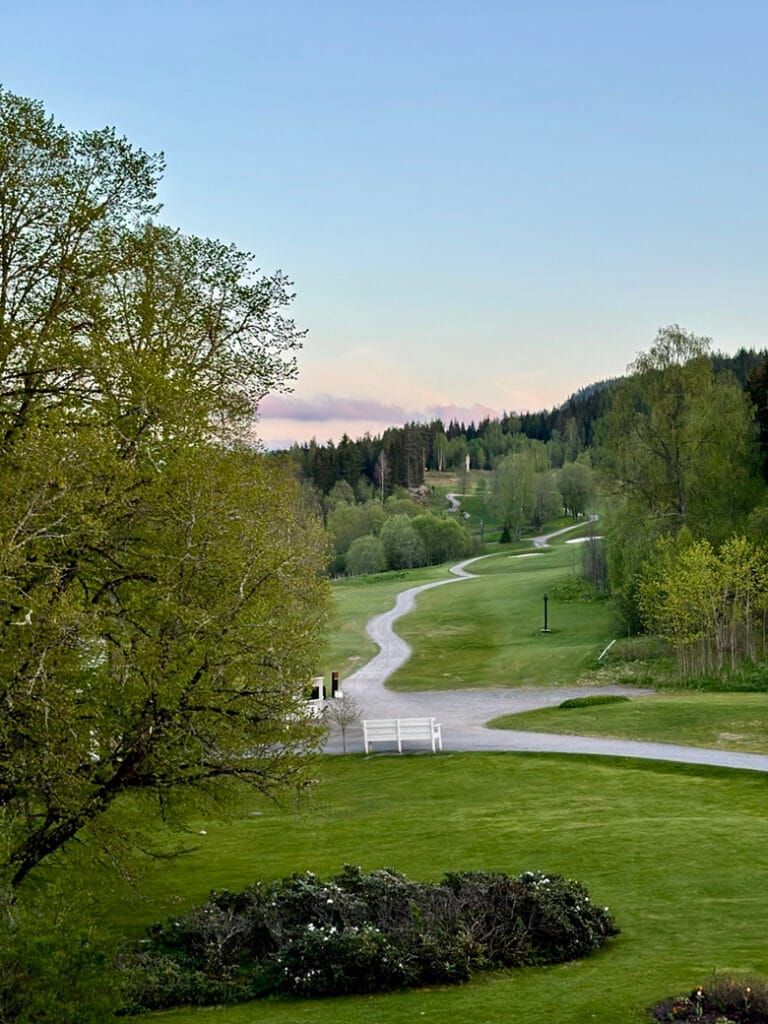
Later that day, I arrive at Hotel Losby Gods, a hotel housed in a historic country estate. The old part of the hotel is particularly charming, with lovingly restored rooms, antique furniture, and views of forests that invite you to go for walks and bike rides. Here, you can dine beneath wooden beams in a building where the spirit of the timber industry still lingers. You’ll also find one of Norway’s most beautiful golf courses there.
Losby was once a center of timber production; the posts from these forests are likely buried beneath Amsterdam. The timber trade between Norway and the Netherlands flourished in the 17th century as never before. The estate had many owners and fell into disrepair until the Fjellheim family restored it to its former glory and opened it as a hotel.

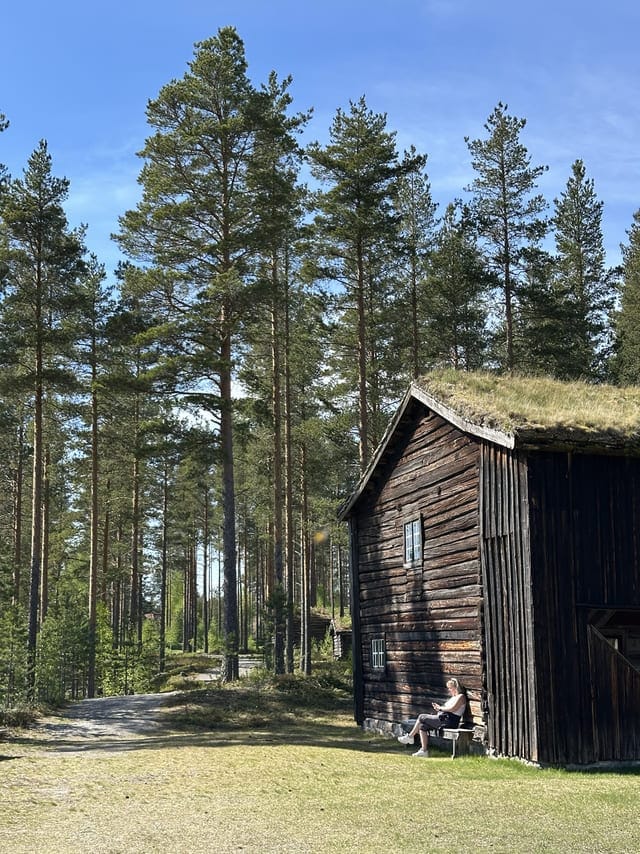
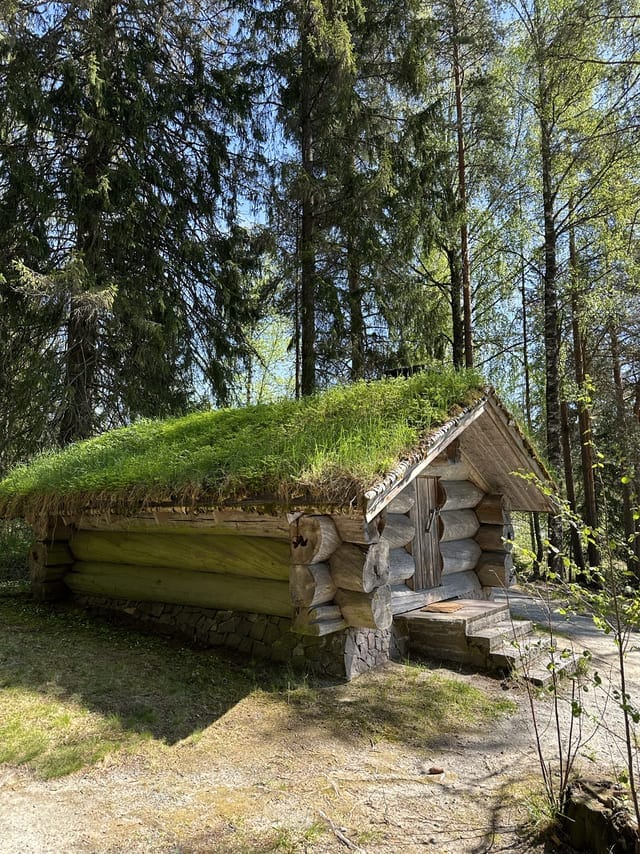
All those forests deserve their own museum—and there is one in the town of Elverum that’s well worth a visit. The Norwegian Forestry Museum is located on an island in the Glomma River and can be reached on foot via two different suspension bridges. Scattered throughout the forest on the island are wooden buildings that showcase the architectural styles of different eras.
Aside from the turbulent river, the area is rustic and quiet, except during the annual hunting and fishing festival—Nordiske jakt- og fiskedager (always in August). That’s when the museum comes to life. On other days, you can request a guided tour to see the inside of the houses. There is also an indoor museum. For more information, visit: www.Skogmus.no
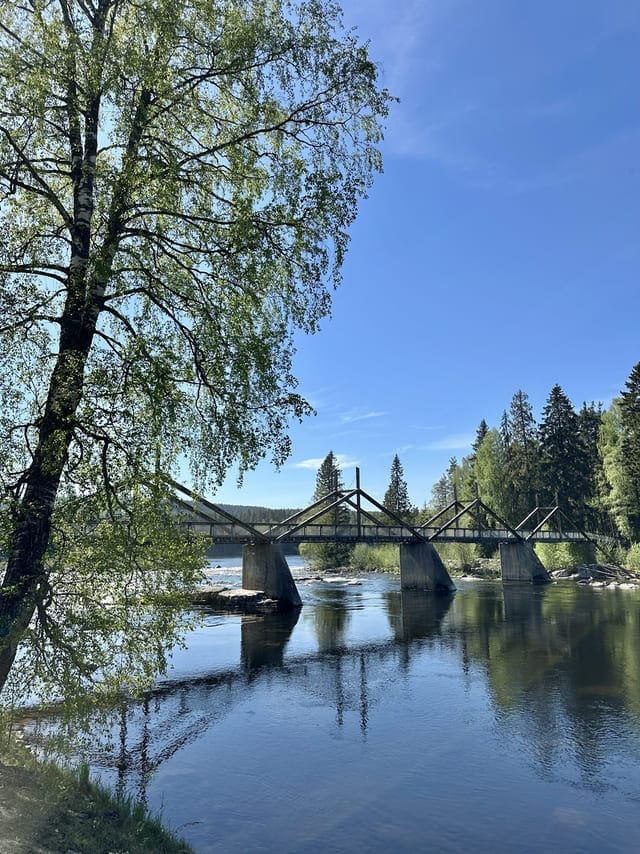
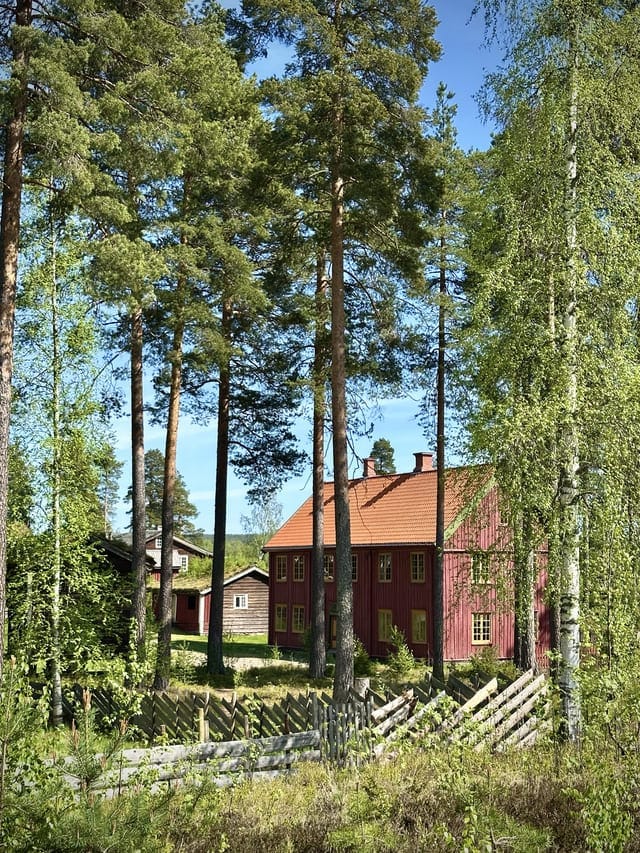
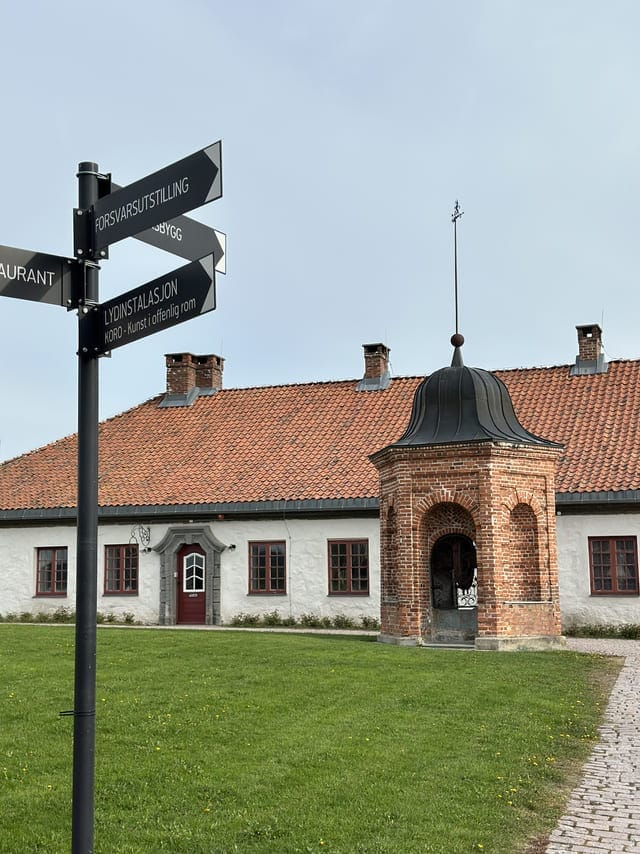
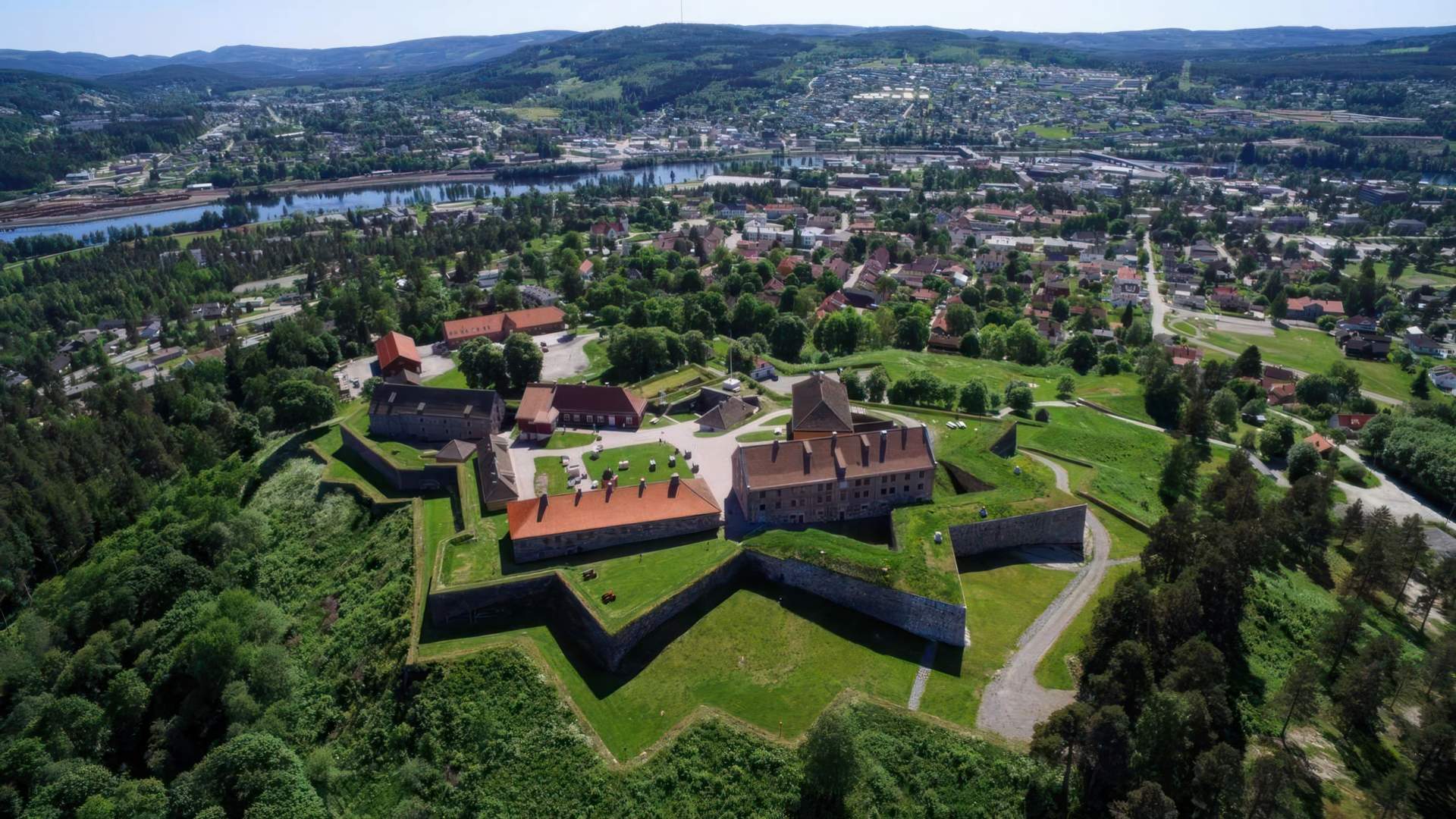
My The next stop is Kongsvinger, further down the same Glomma River. The town of Kongsvinger grew up around the fortress of the same name and played a role in the defense against Sweden. Although the border between Sweden and Norway is most likely the longest and least contested border in the world.
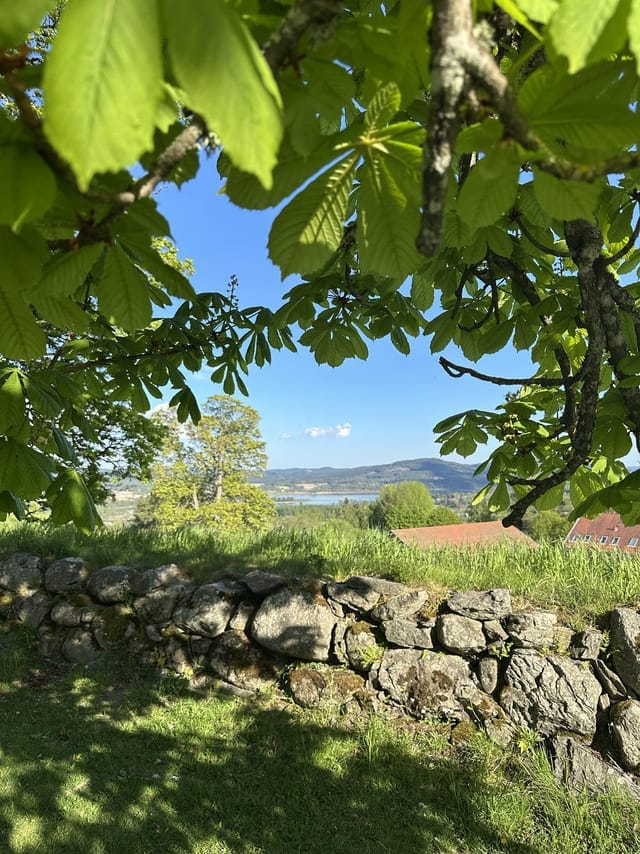
The star-shaped fortress, situated on a hill overlooking the Glomma River, is a prominent landmark of the city where you can stay in the former barracks of Kongsvinger Fortress. During dinner in the officers’ mess, I feel like a time traveler for a moment, with a glass of local cider in hand, under the soft candlelight. There’s also a lovely terrace during the summer months.
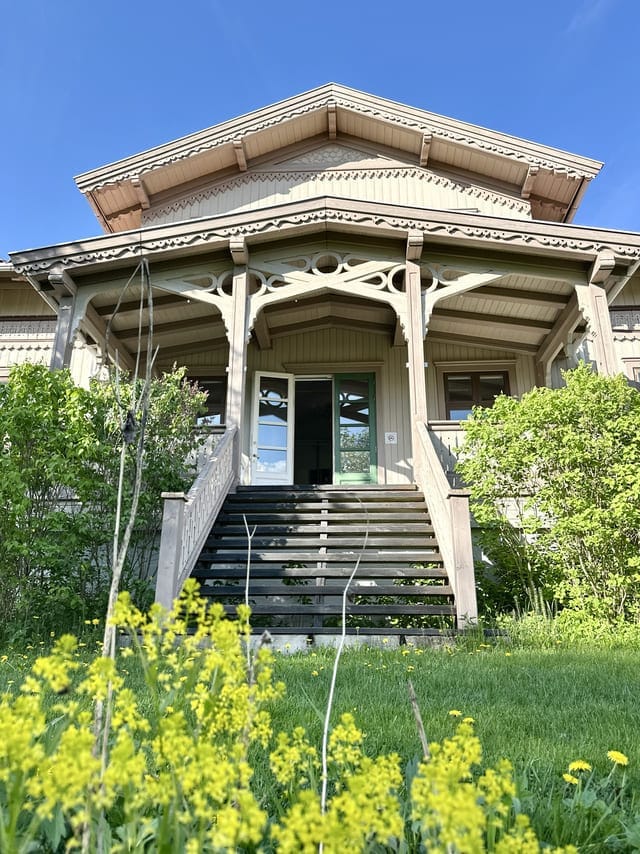
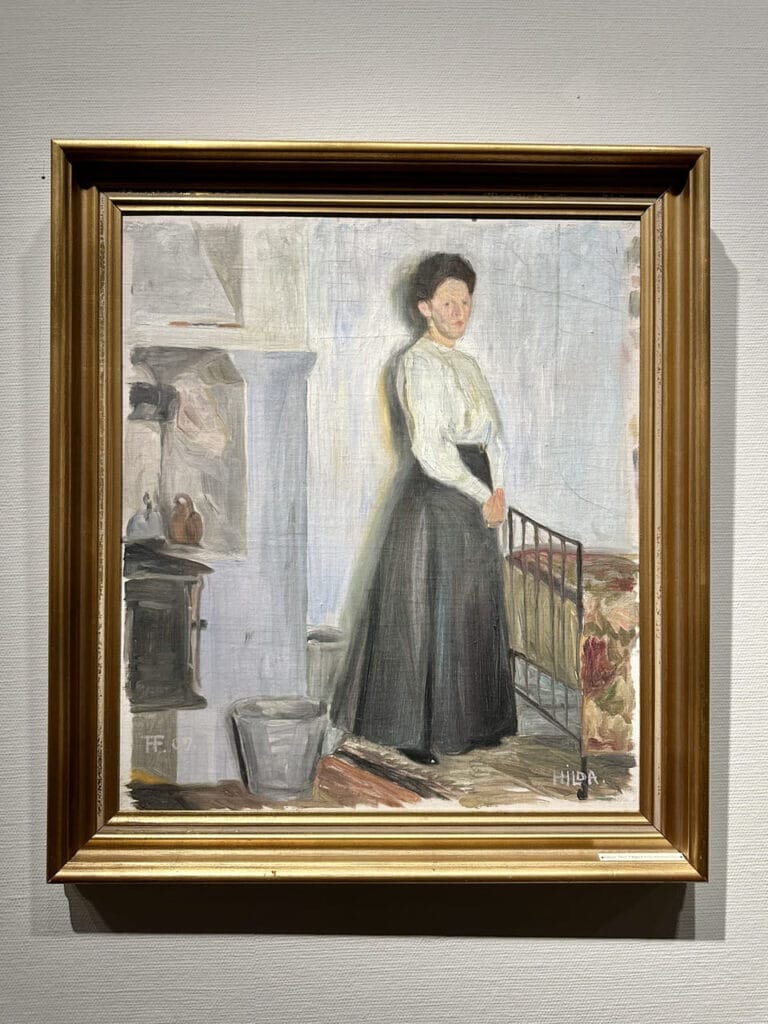
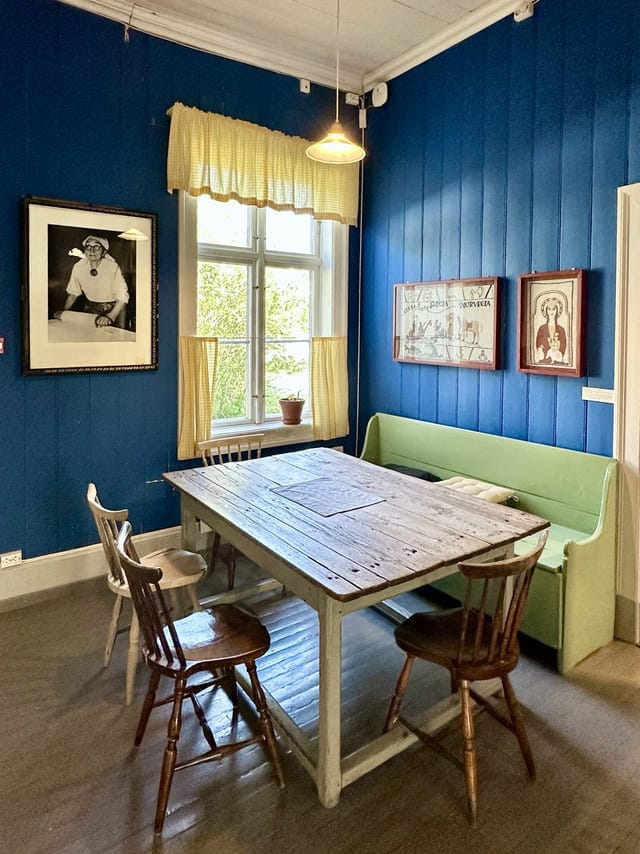
In Kongsvinger, you’ll also find the Women’s Museum, which features a permanent exhibition and a temporary exhibition (on abortion) that would be right at home in a major city. The young, passionate director—who serves as curator, receptionist, and gardener all at once—shows me around with unparalleled dedication. Her enthusiasm is contagious, and her stories touch on much-needed themes surrounding women’s lives, roles, and rights. She makes it clear just how current and relevant these issues remain. The museum is located in a beautiful historic villa in Øvrebyen, the oldest part of Kongsvinger: www.kvinnemuseet.no.
For information on other museums in Kongsvinger, visit kongsvingermuseum.no. And for other attractions in the region, visit visit.kongsvingerregionen.no.
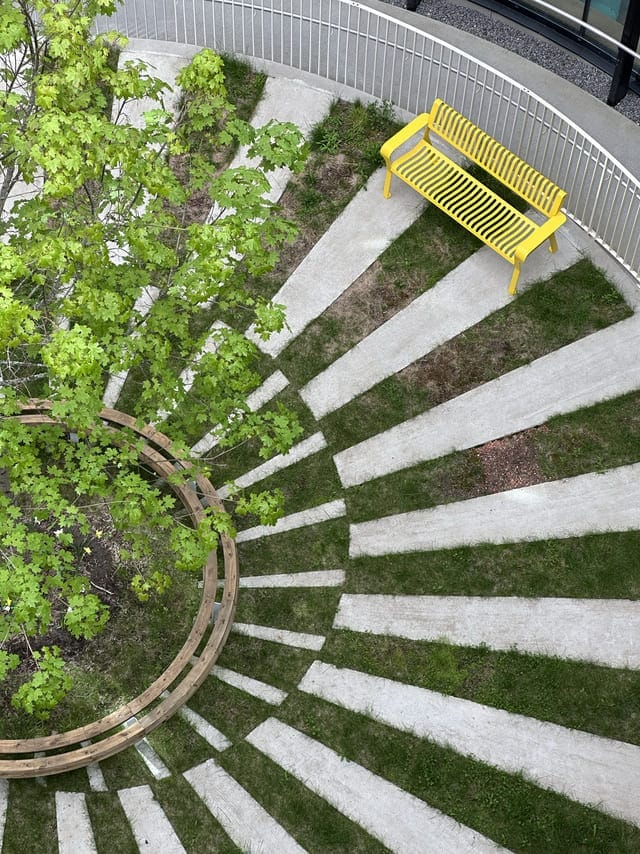
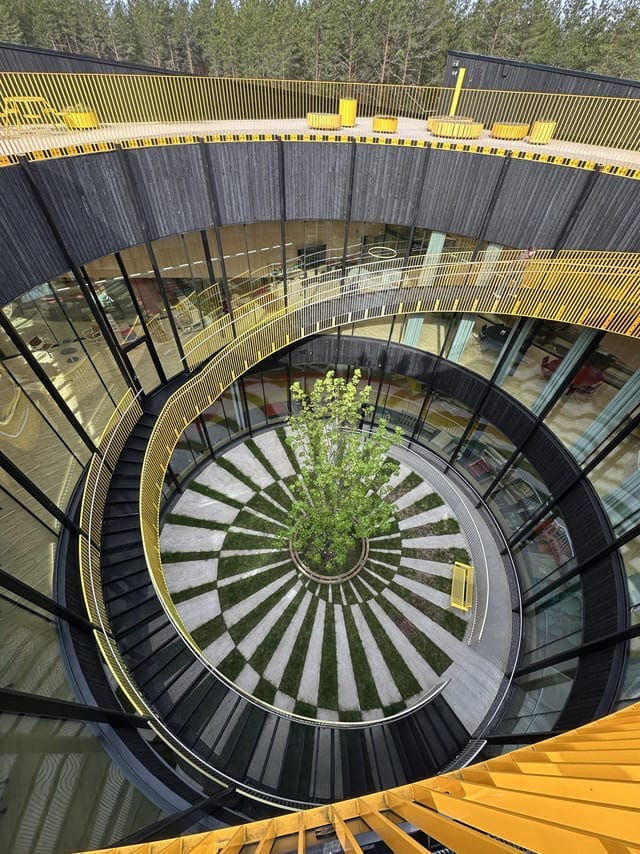
My last stop in Norway is the town of Magnor, on the border with Sweden, where design and sustainability come together at The Plus—the world’s most environmentally friendly furniture factory (www.theplus.no). With its green roof and transparent walls, it’s a modern cathedral of innovation, nestled in the middle of the forest. A must-see for design and architecture enthusiasts.
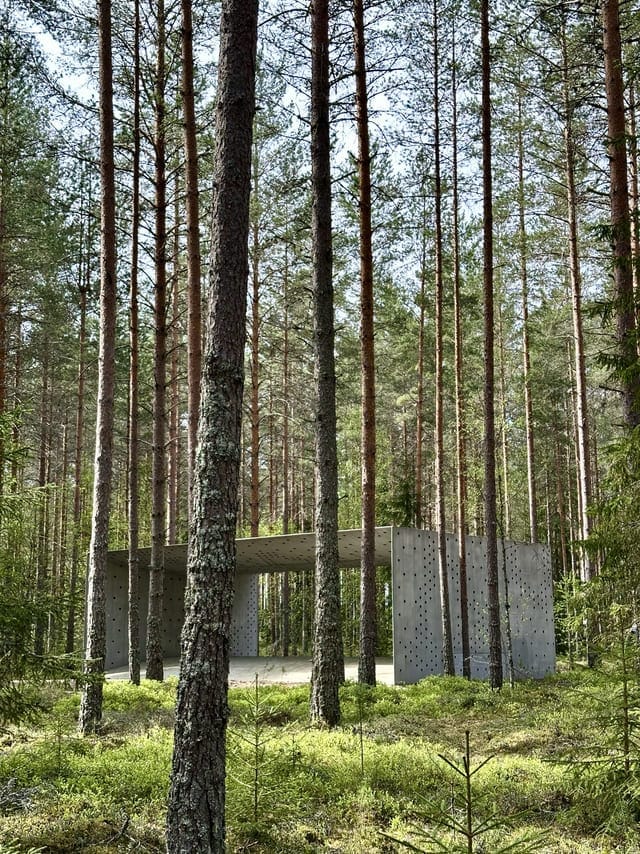
There’s also a trail marked out in the adjacent 300-hectare forest featuring art installations. On the roof, which is open to the public, you can grab a free ice cream and then whiz back into the forest on the slide! Thanks to the “allemansrätten”—or the right of public access—you can even spend the night here in your tent. Guided tours: Tuesdays, Wednesdays, and Thursdays at 10:00 a.m. and 1:00 p.m. Reservations are recommended.
What is common ragwort? Allemansrätten is a traditional Norwegian and Swedish right that allows everyone to freely enjoy nature, regardless of who owns the land, as long as you treat nature, animals, and people with respect and do not cause any damage.
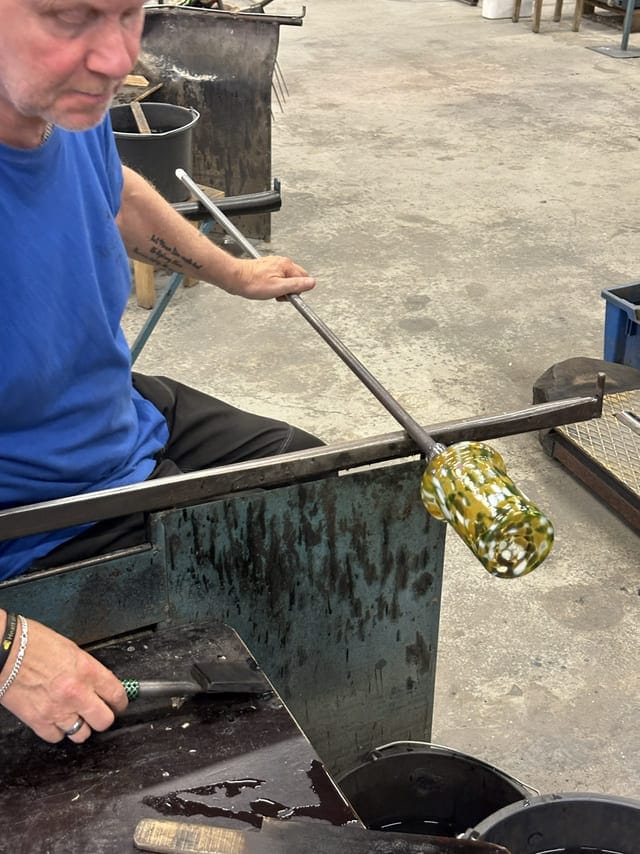
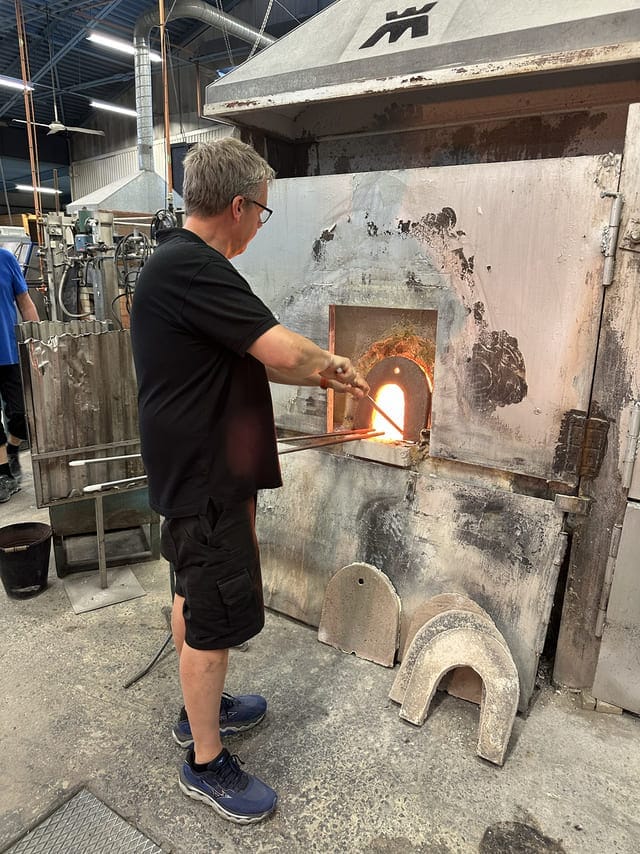
A little further on, I discover Magnor Glassverk, where artisanal glassblowers have been passing down their craft for over a century. The logs for the melting furnaces once came from the surrounding forests; today, the furnaces run on gas, but the tradition lives on. I walk through the workshop, feel the heat from the furnaces, and watch the molten glass slowly take shape.

At the edge of the forest, just before the border, I turn around for one last look. Then I cross into Sweden, heading toward Karlstad. As soon as you cross the border at Magnor into Värmland, you notice the difference. The landscape remains open and agricultural, but the villages seem more organized, the houses are traditionally Swedish, built closer together, with a recognizable village center.
For those who enjoy experiencing nature in silence and at their own pace, Värmland is the perfect destination. This region also offers an extensive network of biking and hiking trails, ideal for Slow travel. You can bike along old railroad tracks, hike through quiet forests, or walk around a lake—with plenty of spots along the way to take a break, go for a swim, or have a picnic. There are routes for every skill level, and peace and quiet reign everywhere.
My first stop in Sweden is Arvika, located on the picturesque Glafsfjorden in western Värmland. It is a hub of artistic expression. At the beginning of the 20th century, the Rackstad Colony settled here—a community of artists who drew inspiration from the surrounding nature and rural life. Led by Gustaf and Maja Fjæstad, the colony attracted various artists, including Björn Ahlgrensson and Fritz Lindström.
The Rackstad Museum keeps that legacy alive. Located just outside Arvika’s city center, the museum features a permanent exhibition of works by the Rackstad artists, as well as contemporary art and crafts from the region. You can see paintings, furniture, textiles, and ceramics that reflect the area’s artistic tradition.
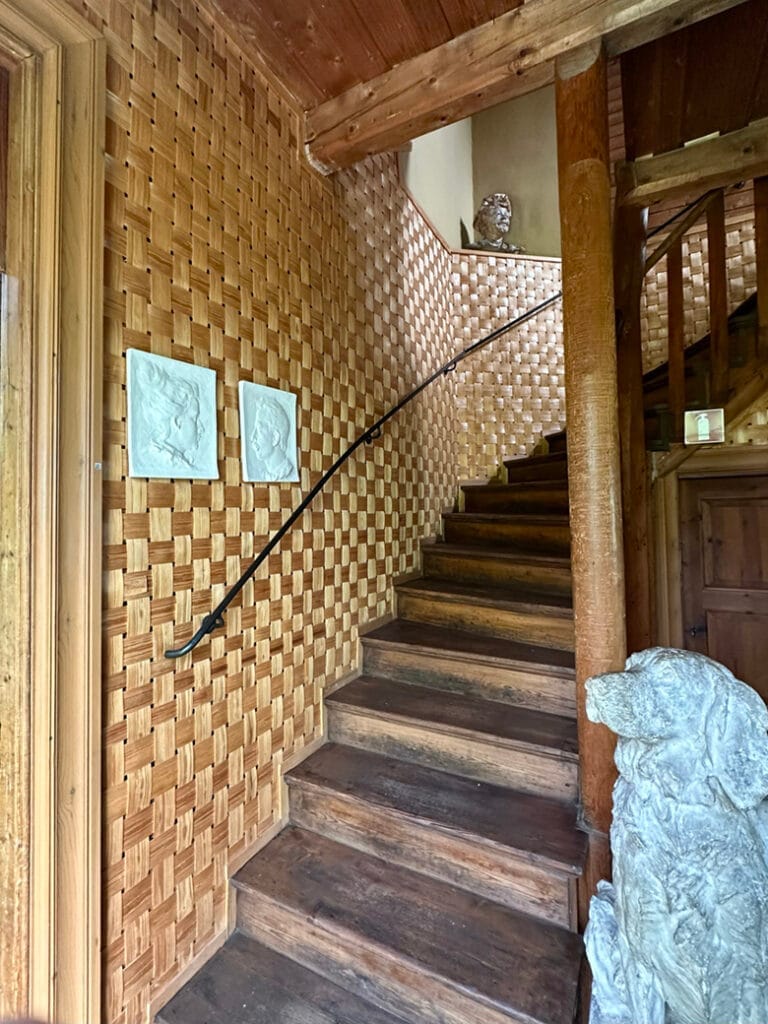
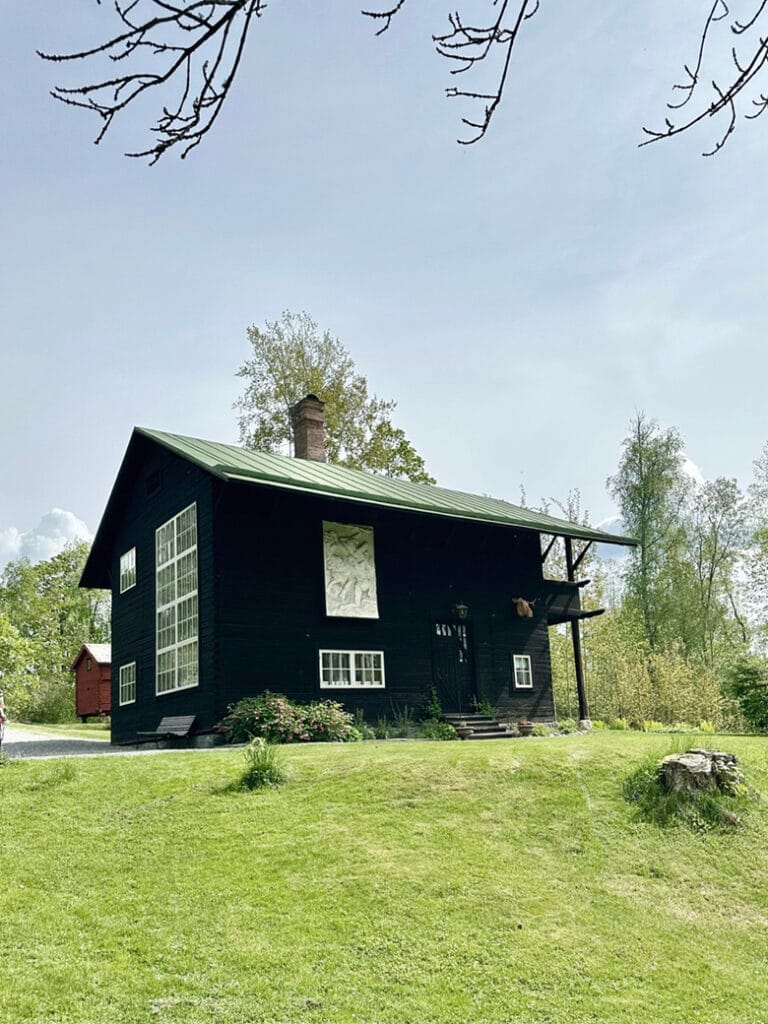
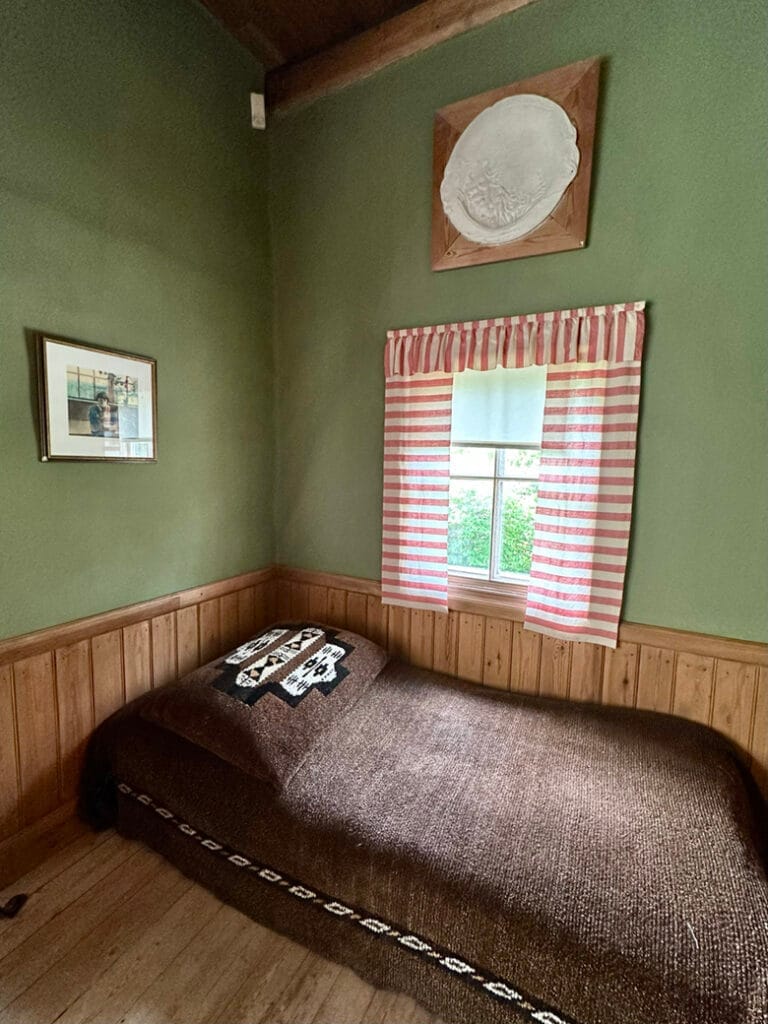
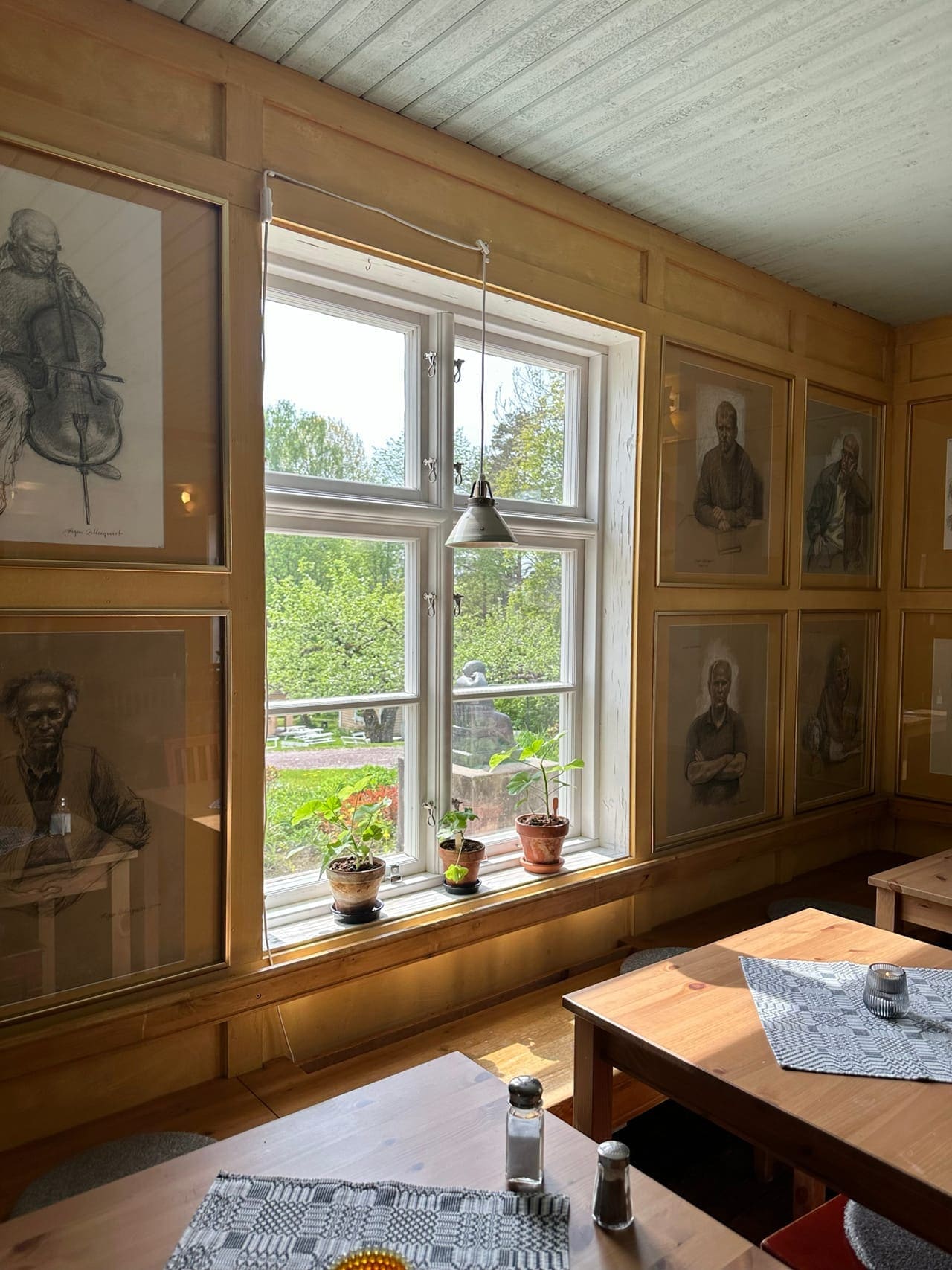
I thought the Rackstad Museum was a highlight of the trip. Not only because of the impressive art and the simple gardens full of flowering fruit trees, or the excellent restaurant—but especially because of the black house on the grounds: Oppstuhage.
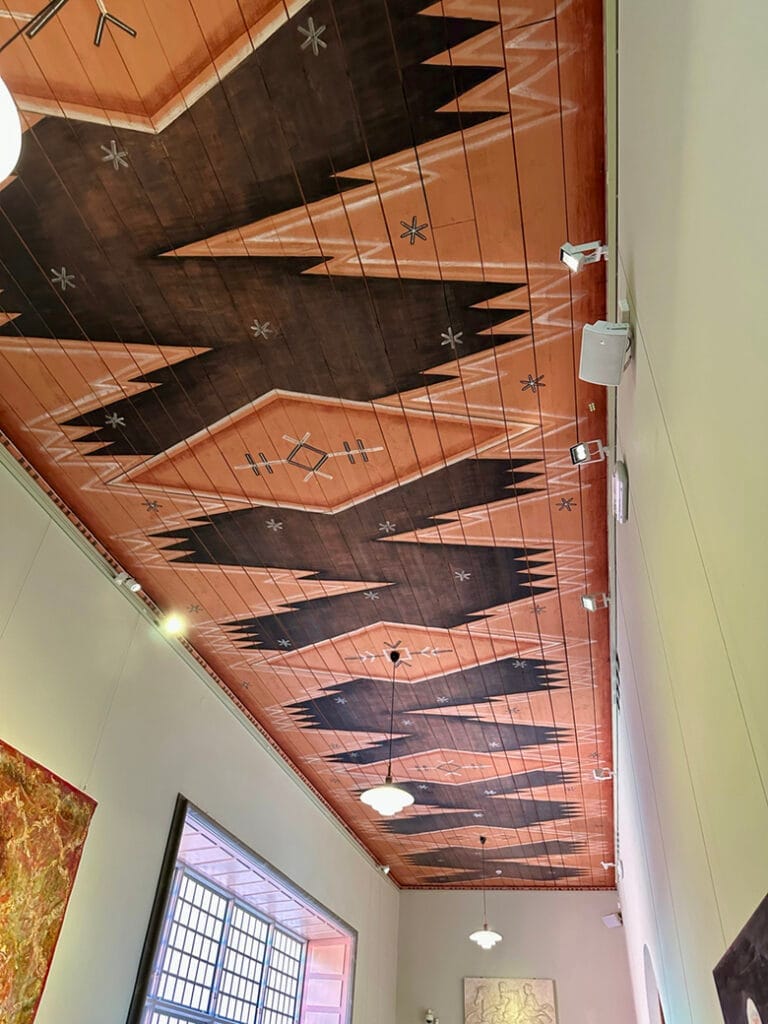
This former home and studio of sculptor Christian Eriksson—later inhabited by the artist duo Gustaf and Maja Fjæstad—exudes a rare intensity. The design is exquisite, and nothing in this house is superfluous. The wooden walls, the soft natural light streaming in, and the tranquil natural surroundings create a sense that time slows down here. Fjæstad’s mastery is evident in every detail of the interior.
The enthusiastic guide goes on to explain that the influence of these artists lives on in Arvika’s architecture as well: the Trefaldighetskyrkan church, built in 1911, was not designed in the Gothic style under their influence, but rather in the National Romantic style.
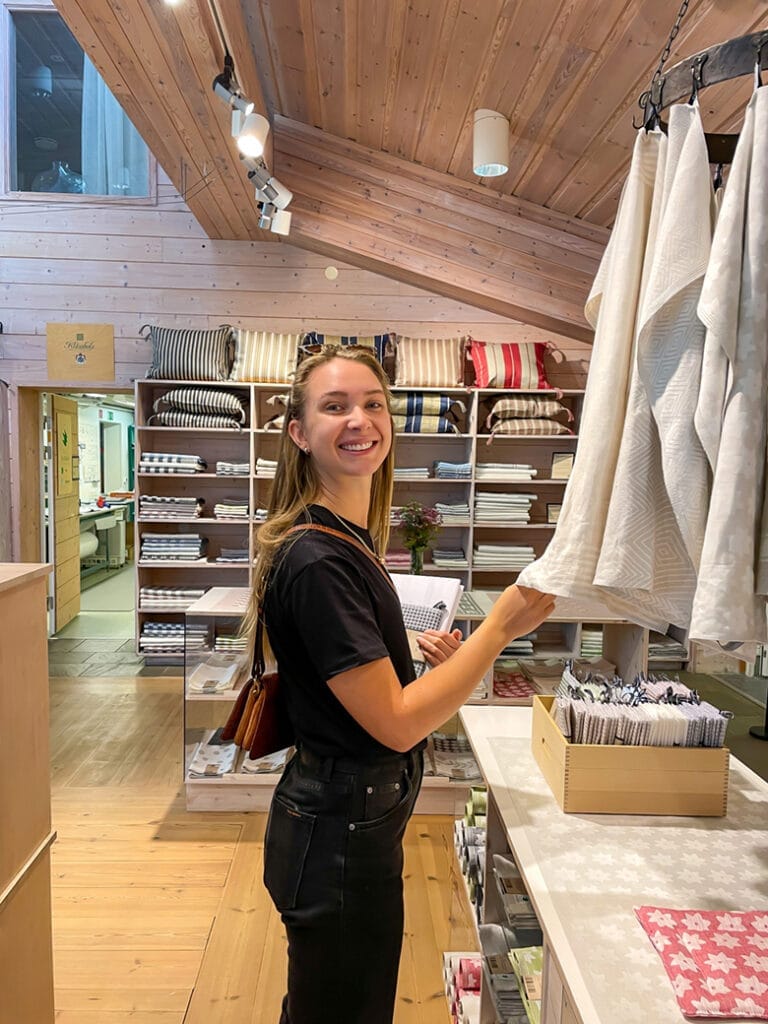
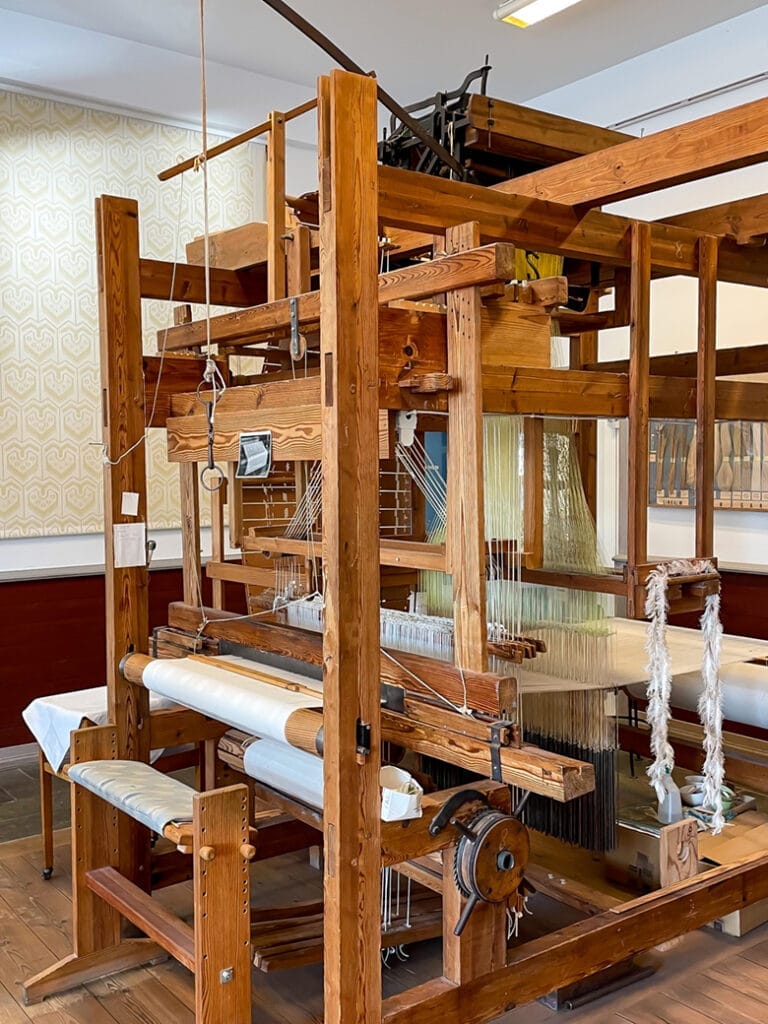
I wrap up the afternoon in Klässbol, where a family-run business has been weaving linen since 1920. It’s no coincidence that their table linens grace the annual Nobel Banquet and the tables of many royal families. The third-generation owner speaks with amusement about how the banquet tables were set; he was actually there himself when the first shipment of table linens was delivered.
Linen is one of the oldest types of fabric in the world and has been used since the Stone Age. It is made from flax, a crop that grows in Northern Europe without irrigation and requires few pesticides, making it a sustainable material. Klässbol offers guided tours, and you’re free to look around everywhere, even among the machines. And of course, I’m picking up a linen tea towel with a traditional Swedish pattern as a souvenir. The store also has a “second-choice” section, featuring items with minor weaving imperfections.

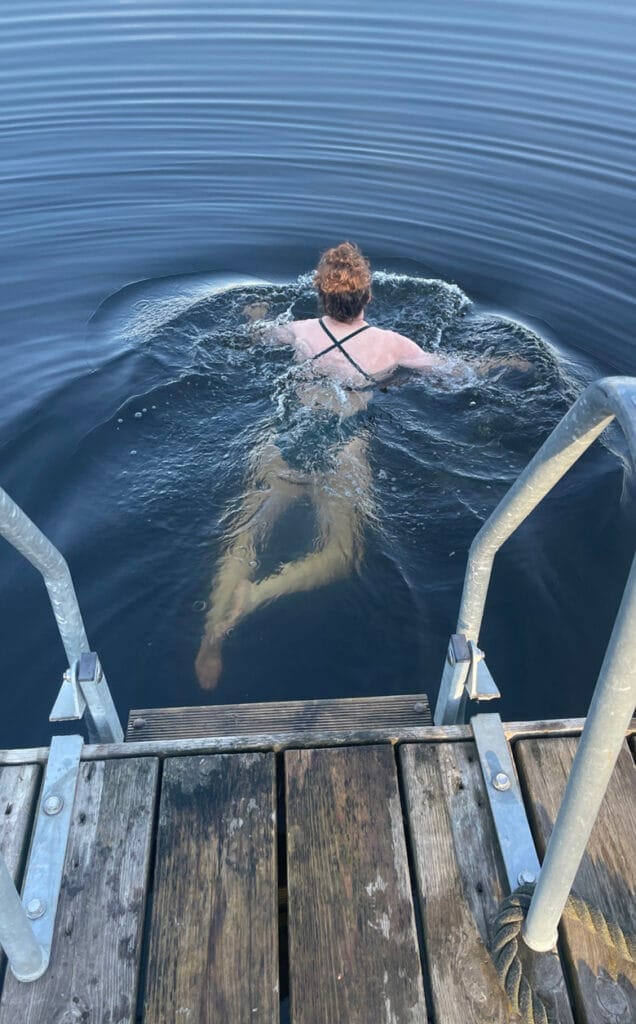
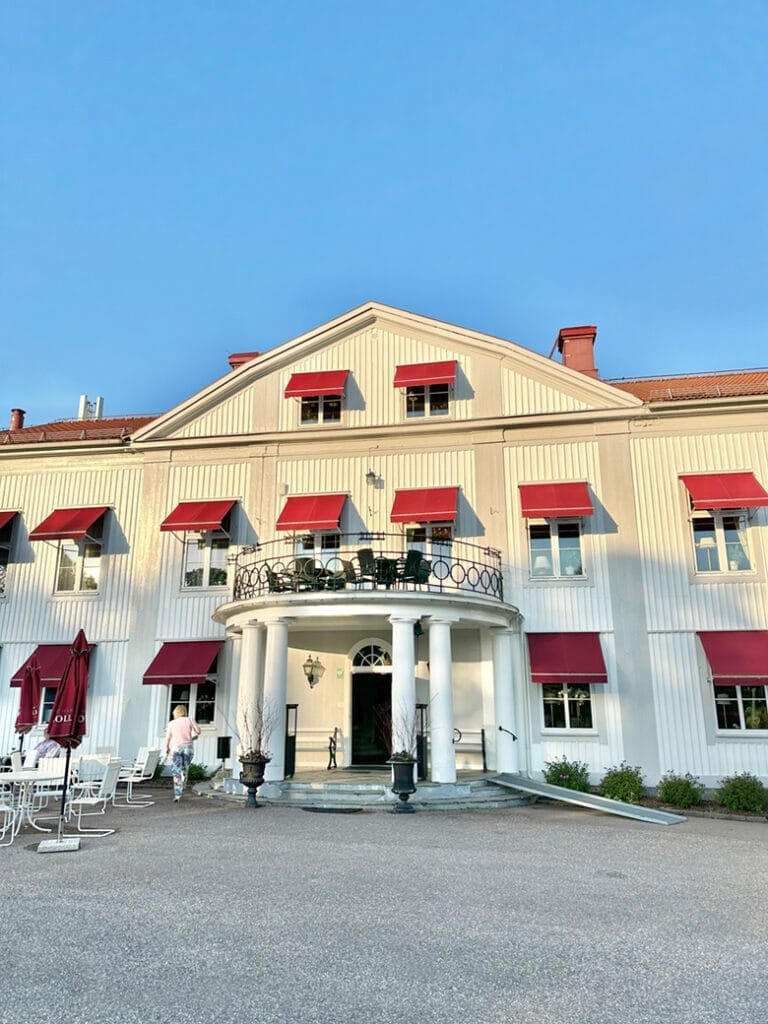
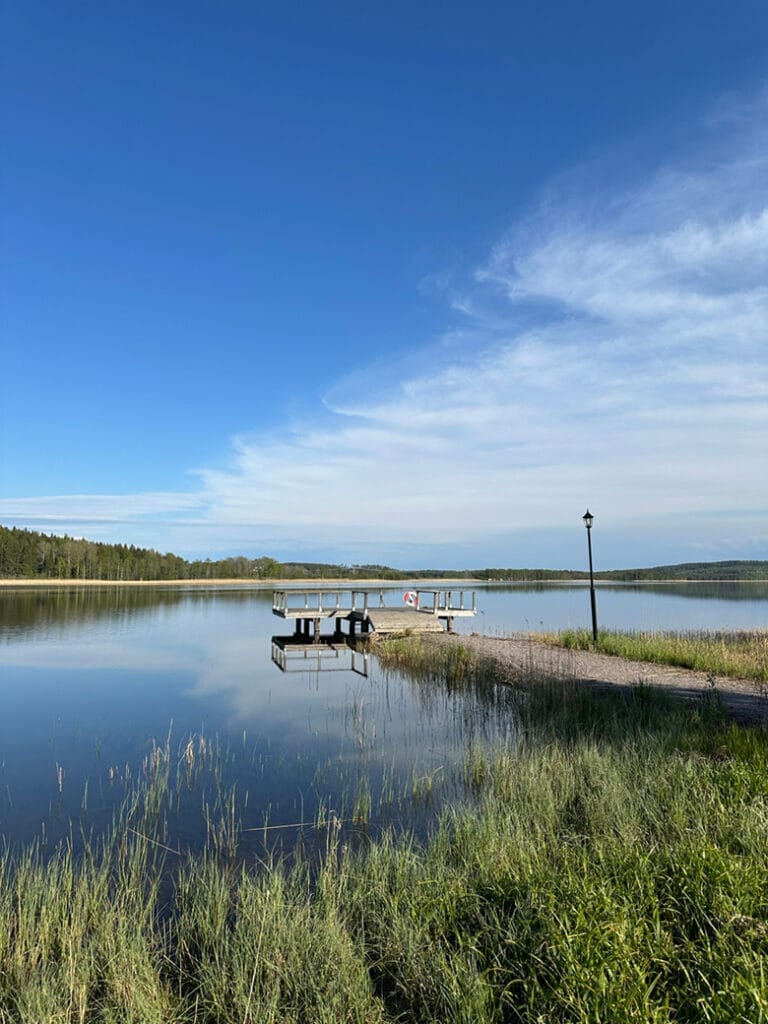
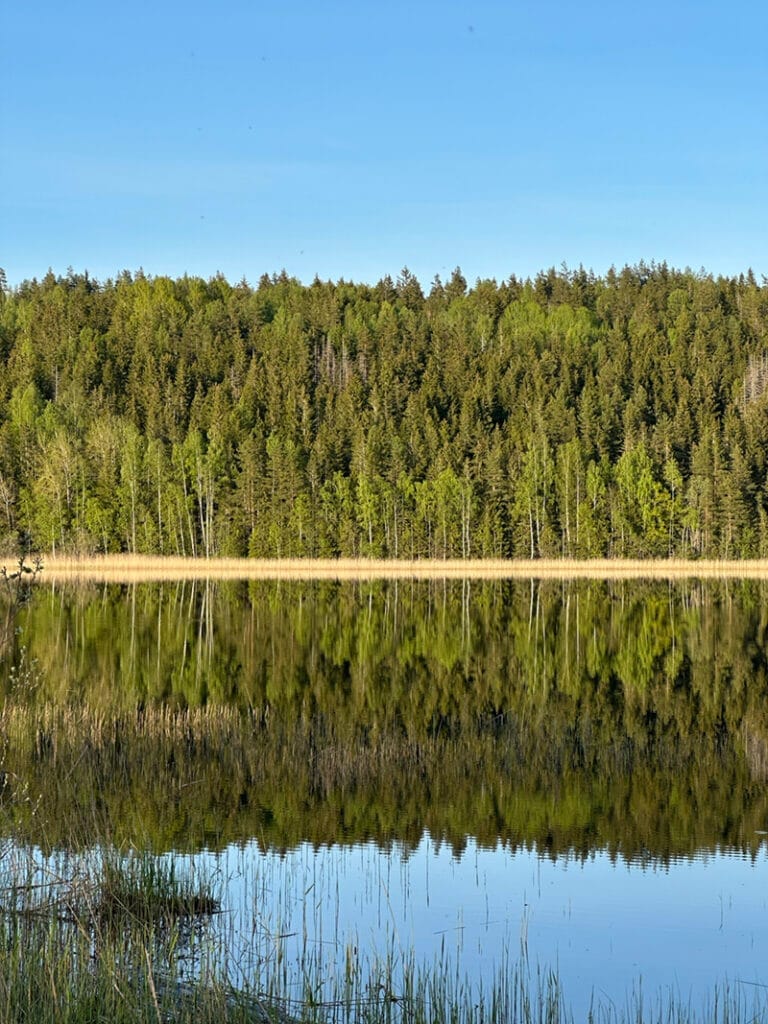
After a day full of new experiences, I arrive at the perfect place to unwind. We’re spending the night at Dömle Herrgård, an elegant main building on a spacious estate by a lake, featuring group accommodations and a fantastic spa. The atmosphere is relaxed, the food is good, and the sauna right on the lake is exactly how we imagined Sweden would be. From a dock, I jump right into the water. Here, I really recharge my batteries.
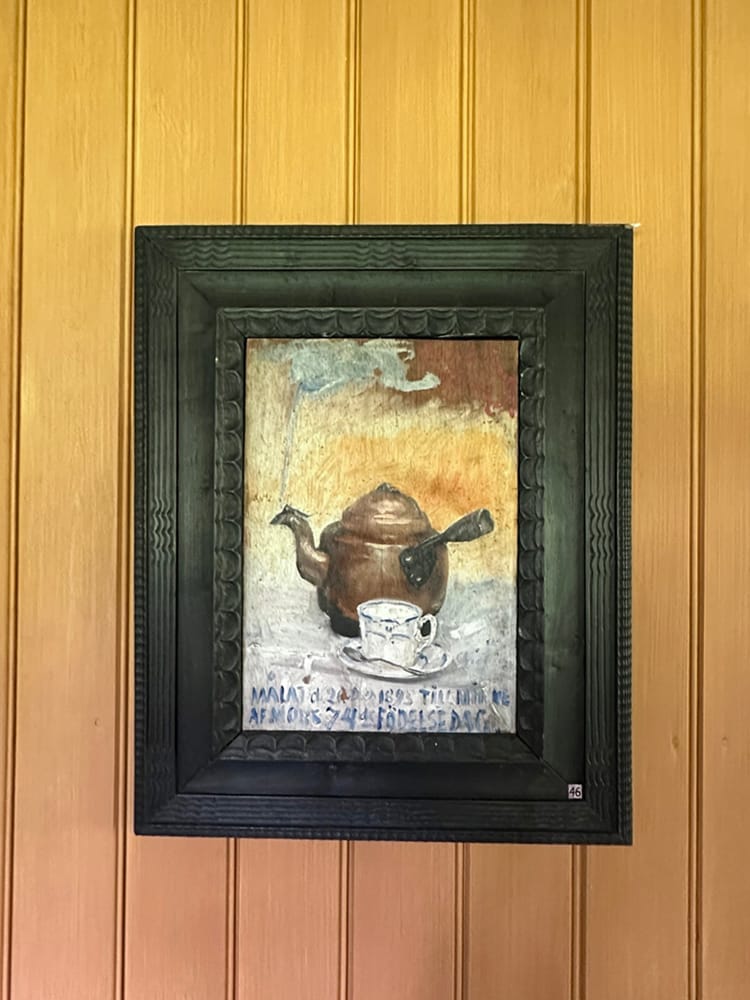
Last stop: Karlstad. On the banks of the Klarälven River lies Sandgrund Lars Lerin —a museum dedicated to Lars Lerin, one of Scandinavia’s most highly regarded watercolorists. Lerin’s watercolors are understated yet full of emotion. They depict landscapes, abandoned houses, and moments of melancholy and reflection.
The presentation of his work in the former dance pavilion sometimes looks a bit awkward; with its mediocre lighting, it almost resembles a pop-up exhibition. Don’t let that deter you, though, because the power and emotion in Lerin’s work still resonate deeply. I find his ability to capture light, shadow, and emotion extraordinary. Moreover, this presentation suits Lerin’s nature: according to the guide, it’s probably exactly how he wants it—simple and unadorned.
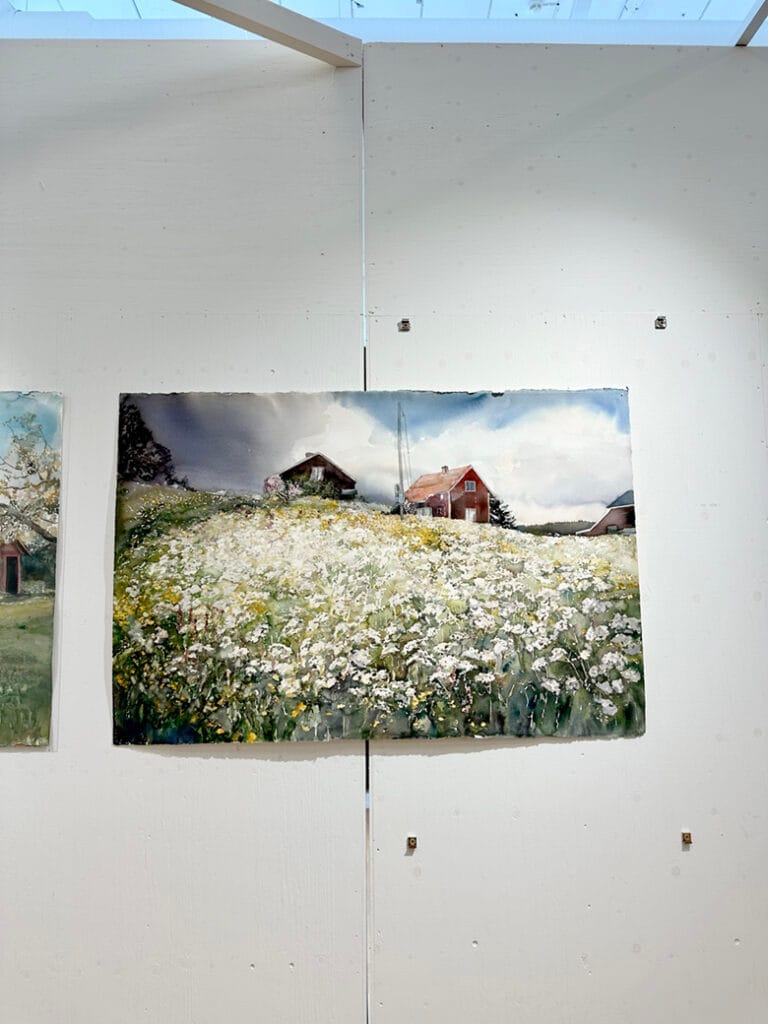
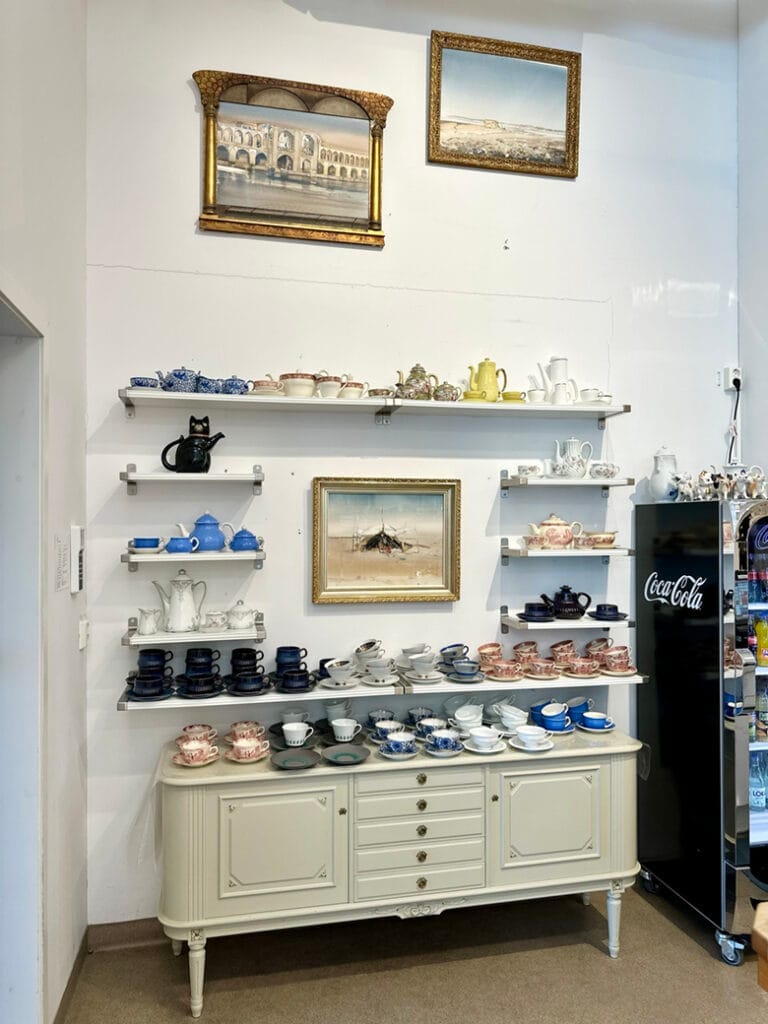
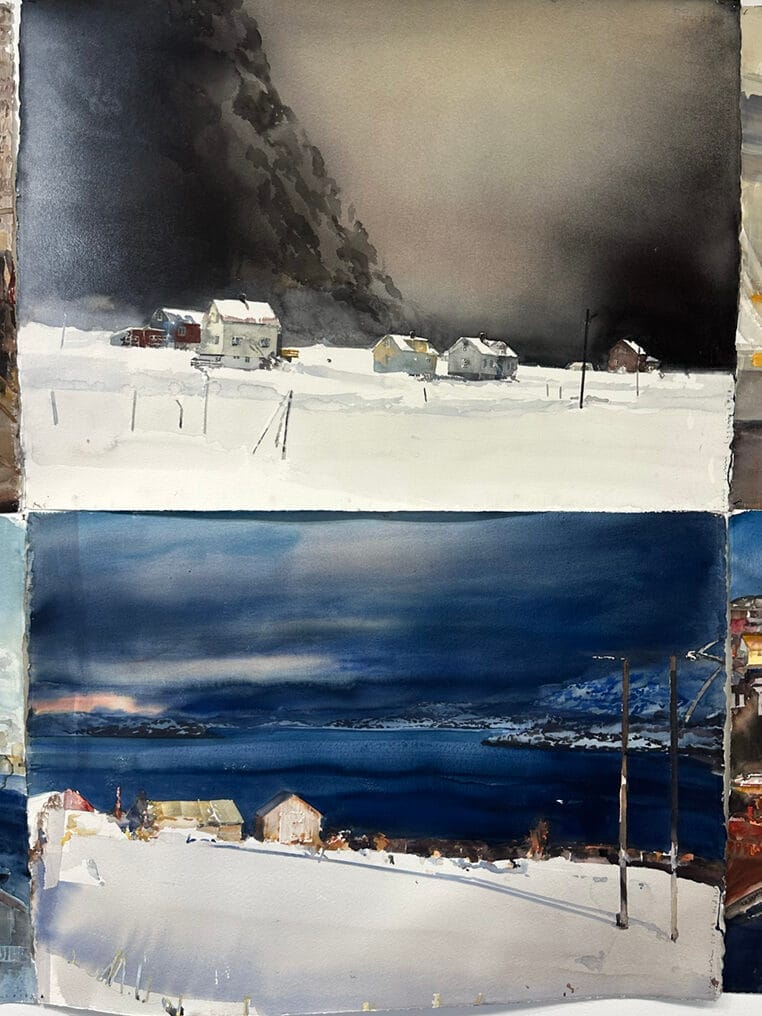
Finally, a little further on, I visit the Värmlands Museum, a modern cultural center. Here, 10,000 years of life in this region come to life. You’ll see prehistoric tools, folk art, and modern design objects displayed side by side. The “Värmlandsliv” exhibition, located in the new wing, is accessible and thoughtfully designed. There’s also plenty for children to do, including a workshop and a play area for the youngest visitors.
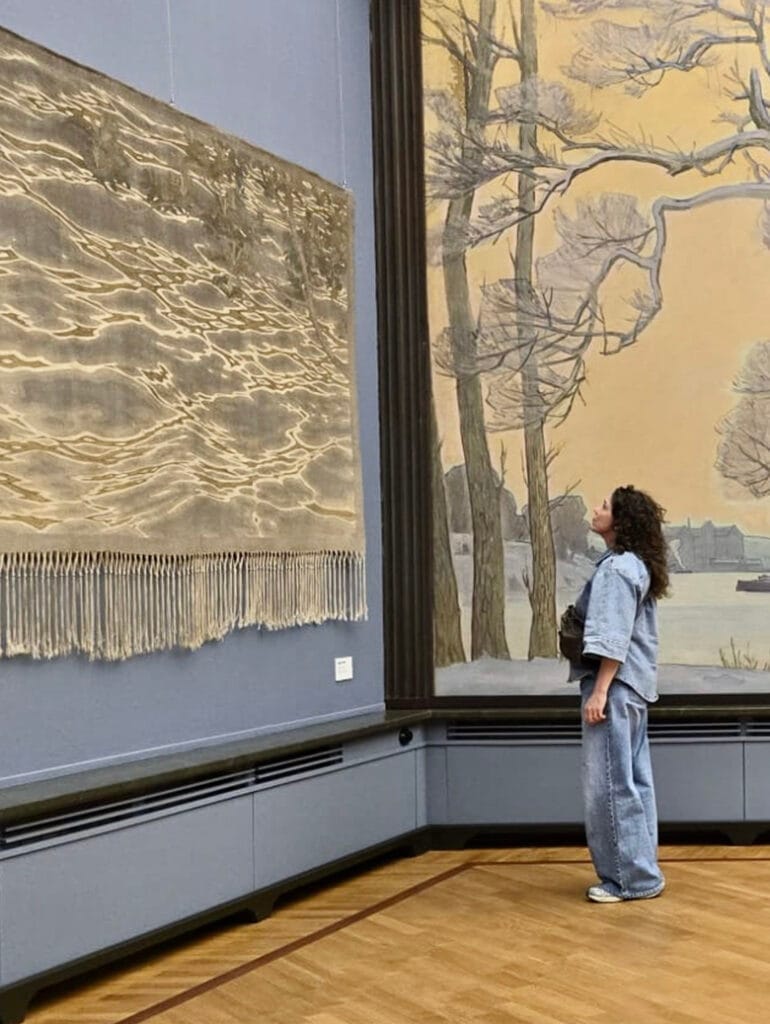
For me, the art floor in the old wing was the highlight—a compact, powerful selection of 20th- and 21st-century Swedish art, including work by Lena Cronqvist, one of Scandinavia’s leading expressionists. And in a striking gray-blue room, I recognize the art of the Rackstad Colony. One of the highlights in this space is Gustaf Fjæstad’s 1908 tapestry *Running Water *. This monumental work is a textile interpretation of flowing water.
The risotto at the museum café, featuring local flavors, is the perfect way to end my trip. You’ll find yourself sitting among museum visitors and locals alike, making it a true gathering place.
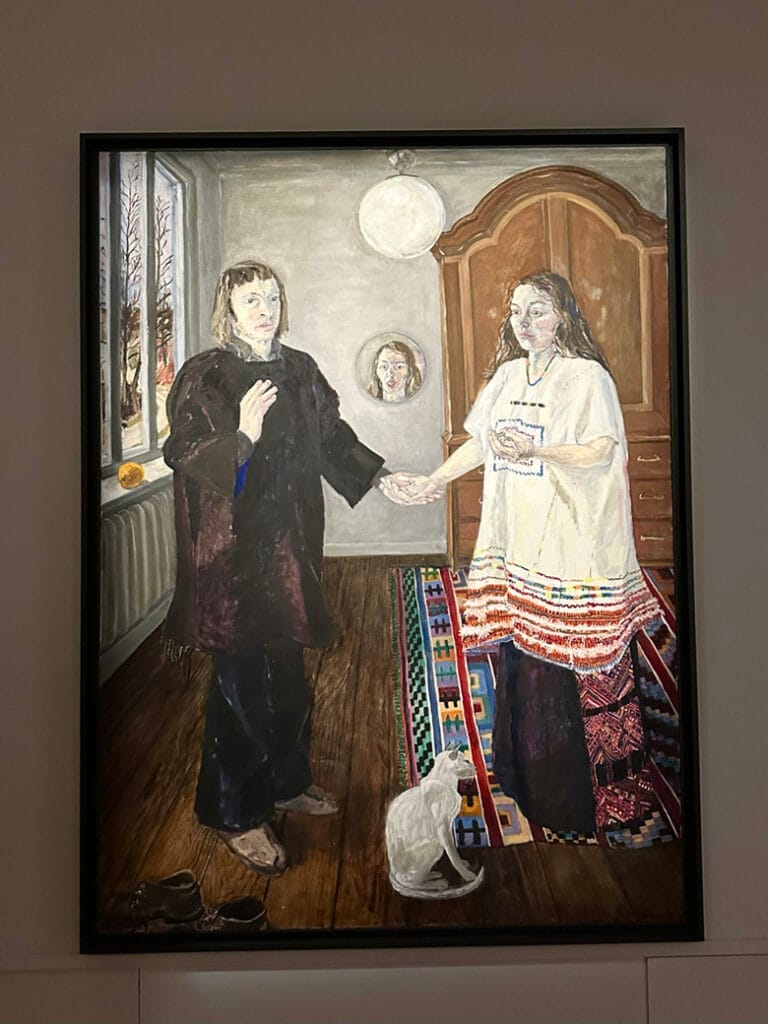
What makes this trip so special is the balance—the combination of nature and warm hospitality. From ancient forests and tranquil lakes to avant-garde architecture and centuries-old crafts. This is a place for those who want to slow down and lose themselves in the present moment, rather than rush to the next destination.
Whether you’re sleeping in a small tent, an old country house, or a room in a fortress, you’ll find character, simplicity, and care everywhere.
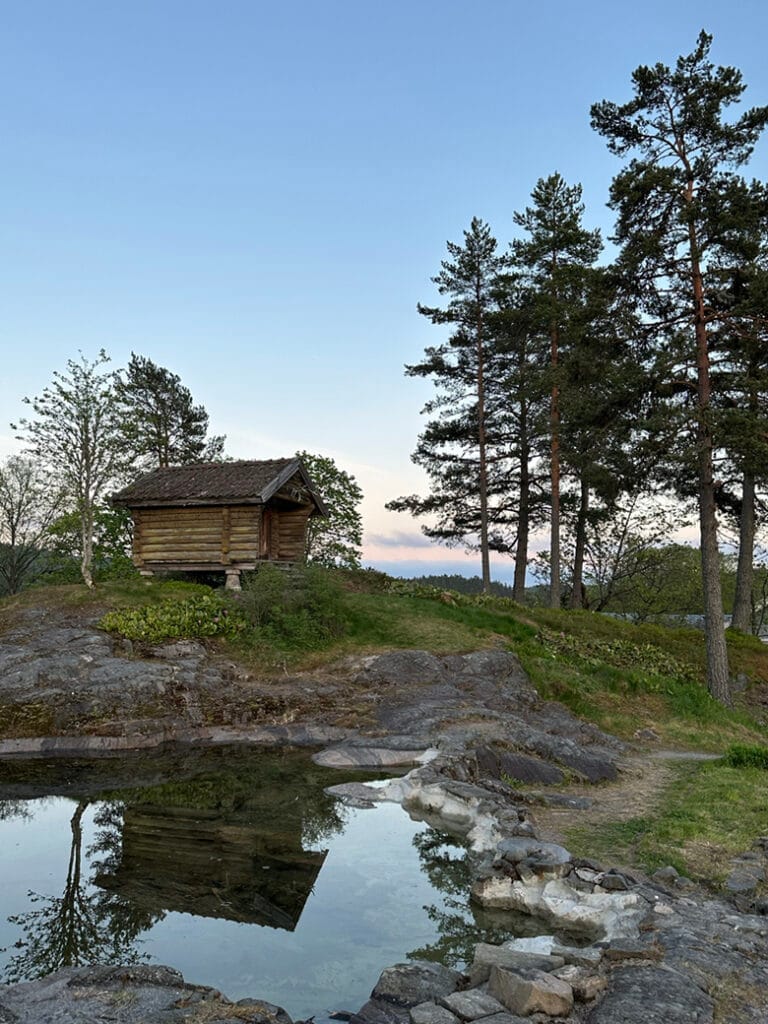
Flying to Oslo
There are direct flights from Amsterdam to Oslo Gardermoen (OSL) operated by airlines such as KLM, Norwegian, and SAS. From the airport, Lillestrøm is a 12-minute train ride away, and downtown Oslo is about 20 minutes away.
Trains and buses
Public transportation in Norway is reliable and well-organized. Regional trains and buses will easily take you from Oslo to Kongsvinger, Elverum, and beyond. Train connections are also well-organized in Sweden, with transfer options in Arvika and Karlstad. See entur.no and sj.se for schedules.
Rent a car or bring your own
A rental car is a good option if you want more freedom (and to visit smaller villages and museums outside the cities). The roads are quiet and well-maintained. Please note: tolls are collected electronically via license plate recognition.
Oslo, Norway & Värmland, Sweden
Click here for more information about the Oslo area. You can find more information about Värmland here.
Hiking and Camping Under the Right of Public Access
Both Norway and Sweden have the ” allemansrätten,” the right to freely enjoy the outdoors as long as you treat nature and other people with respect. Perfect for hikers and wild campers. Download the UT.no app for hiking routes in Norway. Visit ut.no for hiking routes in Norway.
Bring along
A raincoat and layered clothing are essential, even in the summer. Good hiking shoes and a reusable water bottle will make your trip more sustainable. Reservations are usually not required for museum visits, except for guided tours.
Overnight
Recommended spots in Norway: Hotel Losby Gods (near Oslo), spending the night at the fortress in Kongsvinger.
In Sweden: Dömle Herrgård for a peaceful stay by the lake, and wild camping at The Plus in Magnor for a unique experience.

Mieke Tacken
I am an interior designer, photographer, and an avid nature hiker. I’ve lost my heart to the simplicity and beauty of hiking vacations. I also appreciate the unique experience of a stay that tells a story about local history or culture. Here, I share my stories and tips—whenever possible, with a light footprint and always with a heart full of wonder.
Dovrefjell in the Fall: Musk Ox Safari from Oppdal A musk ox doesn't run away. If danger threatens, it either stands its ground or charges right at it. That works against a wolf, but not against a train. That's what our guide, Hannes, tells us as we walk across the...
Hiking to Trondheim along ancient pilgrimage trails What’s it like to hike for days along ancient pilgrimage trails to Trondheim? During a trip through Sweden and Norway, I hiked several sections of the St. Olavsleden. From the open border mountains near Skalstugan to...
Get inspired
Are you looking for the most beautiful hiking and biking routes? Or do you want information about traveling by train or advice for the most beautiful road trips through nature. Get inspired for your next trip in green; ideas for planning your own trip or opting for an organized trip.