
Gratis gids 10 verborgen natuurplekken in Europa
Gratis gids 10 verborgen natuurplekken in Europa. Meld je aan voor onze nieuwsbrief en ontvang inspirerende reistips en routes voor je volgende groene reis.

An agriturismo is a vacation rental on a working farm in Italy: you stay in the countryside and often get to sample what’s produced on the farm—from olive oil and wine to cheese, honey, or jam. The word comes from agricoltura (agriculture) + turismo (tourism).
What do I love so much about it? You naturally slow down. You’re surrounded by nature; there’s no rushed buffet or wake-up call. You’ll meet an owner who proudly talks about his harvest, get to know the people behind the farm, and (often) eat local and seasonal food.


In this article, I’ll explain exactly what an agriturismo is, how it differs from a B&B or masseria, how to choose a good one, and which regions are best for this type of stay. At the end, you’ll also find our own selection of agriturismos that we’ve personally chosen for Nature Travel Lab.
Want to choose right away? Check out our handpicked agriturismos in Italy and book direct with the owner.
In Italy, “agriturismo” is not a (marketing) term that can be used freely. It is a legally protected designation. According to national law (1985, revised in 2006), an agriturismo must meet a number of conditions:
Classification: Agriturismi are not rated with stars but with “spighe” (ears of wheat) ranging from 1 to 5. This system gives an indication of the level of comfort, the variety of services, and the quality of the surroundings. Tuscany has its own regional variation. Keep in mind: more ears of wheat do not necessarily mean a better experience; they simply indicate more amenities.
Agriturismo is all about hospitality linked to agriculture. The exact details and boundaries vary by region, but the core principle remains the same: the farm takes center stage, while tourism is secondary.


Italy offers many types of rural accommodations. Here’s how they differ:
| 🏡 Agriturismo – Active farm as a base – Legally regulated – Focus on in-house production – Personal contact with the owner – Located throughout Italy – From basic rooms to luxury estates | 🏰 Masseria – Southern Italian farmhouse/estate (Puglia, Sicily, Basilicata) – Often lavishly restored – More luxurious and larger than a typical agriturismo – Historic buildings (16th–18th centuries) – Not always actively farmed – Each masseria has its own style and atmosphere |
| 🍷 Tenuta – Estate, often surrounding a vineyard – Name commonly used in viticulture – Peace, luxury, and stylish rooms/suites – Sometimes features a wellness center, wine cellar, or tasting – Ideal for wine lovers – Not necessarily actively engaged in agriculture | 🏘️ Borgo – Originally a small mountain village – Restored as vacation accommodations – Charming historic atmosphere – Often features a shared pool – More of a “village” than a “farm” – Popular with groups and families |
And then there’s the fattoria (literally: farm, sometimes offering lodging but also purely agricultural) and the palazzo (a historic city palace, converted into a residence—high ceilings, frescoes, marble). Each type has its own charm; which one you choose depends on what you’re looking for.
Every agriturismo is different, and that’s exactly what makes them so charming. Still, there are a few things you’ll find at most of them:
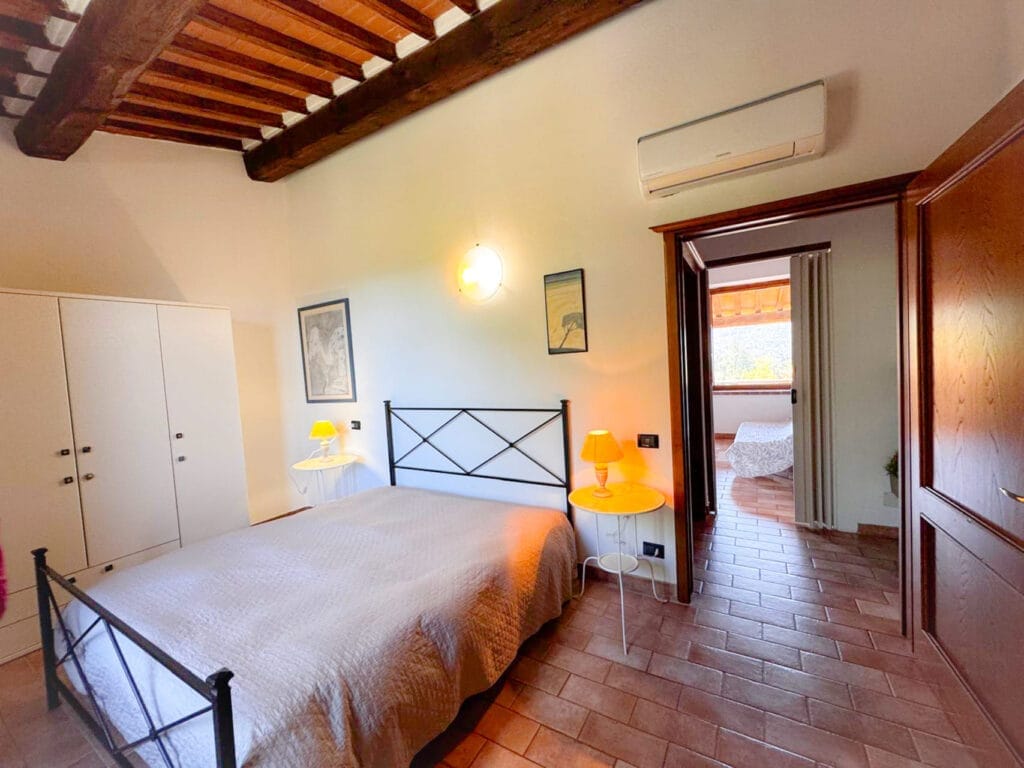
Think of cotto floors, wooden beam ceilings, terracotta, antique furniture, and décor that reflects the region. Not “sterile hotel-style.” Instead, warm and distinctive. Some agriturismi are deliberately kept simple; authenticity above all else. Others have evolved into luxury estates with swimming pools, wellness facilities, and multi-course dinners.
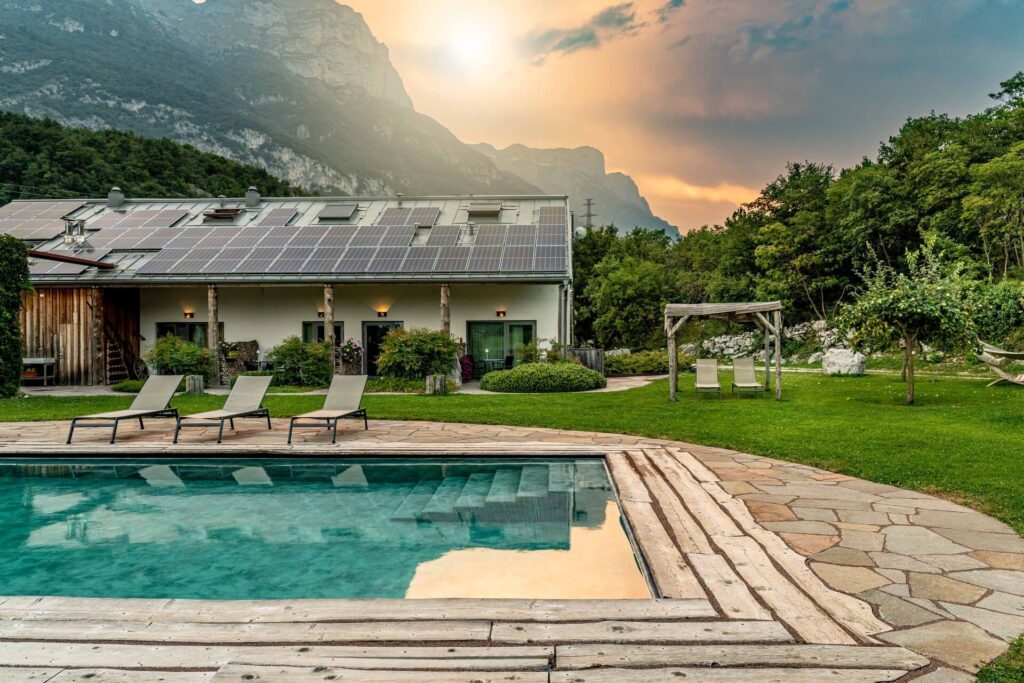
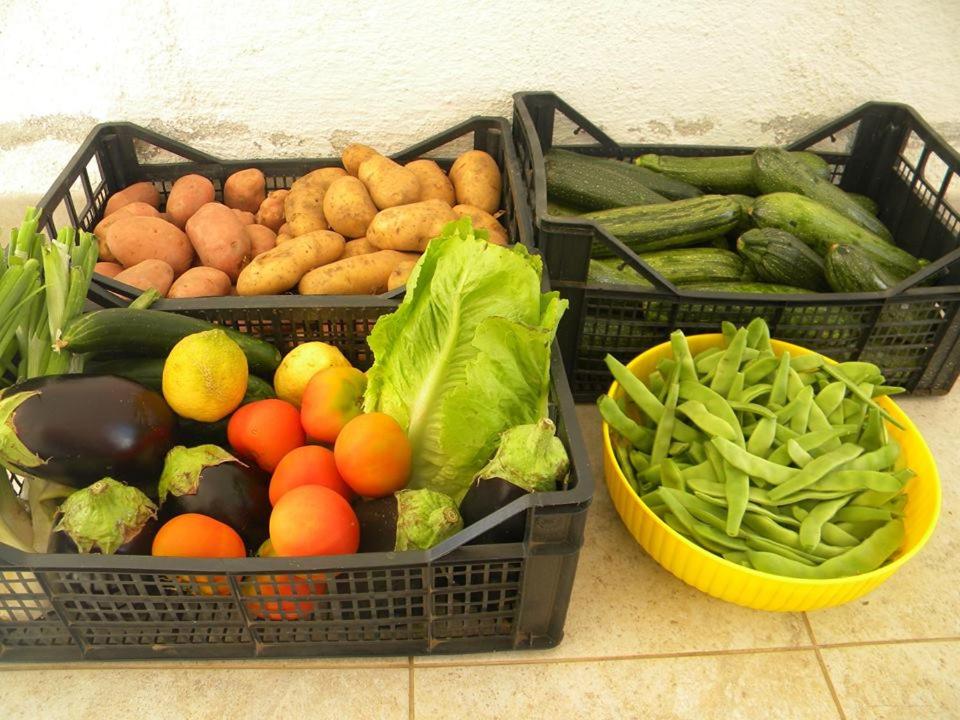
At an agriturismo, the food is often the highlight. Not because it’s trendy, but because it makes sense: you’re right at the source.
The law requires that meals consist largely of homegrown or local products , with a preference for typical, high-quality products.
Things to keep in mind:
Staying at an agriturismo can be a conscious choice, but staying on a farm isn’t automatically eco-friendly. These are the signs that really matter:
At Nature Travel Lab, we select only accommodations where the owner is actively involved in their country and community. Sustainability is a selection criterion.


Italy has nearly 25,000 agriturismi, spread from the Alps to Sicily. These are the regions with the most to offer:
Cypress trees, vineyards, hills, and agriturismos that have been in the same family for generations. Val d’Orcia (a UNESCO World Heritage Site) is the heart of the region. In Umbria, it’s quieter and less touristy, but the nature and scenery are just as beautiful.
Fewer tourists, more nature and open space. Le Marche combines the mountainous regions of the Apennines with the coast and boasts one of the richest traditions in regional cuisine (truffles, pecorino, vino cotto).
Here you’ll find the masseria: the grand Italian cousin of the agriturismo. Often lavishly restored, with views of olive groves and limestone cliffs. Add the Salento coast to that, and you have one of the most scenic nature reserves in southern Italy.
Two islands, each with a character all its own. In Sicily, you can combine an agriturismo experience with volcanic landscapes and Baroque heritage. Sardinia is rougher: granite, macchia, and wild herbs. Both are ideal if you really want to get away from it all.
→ agritourism farms in Sardinia
Here, agritourism is often called an “Urlaub auf dem Bauernhof” (a farm vacation in the South Tyrolean tradition). Mountain air, hiking trails starting right from the farm, and a culinary tradition that is both Italian and Alpine.
→ Accommodations in South Tyrol

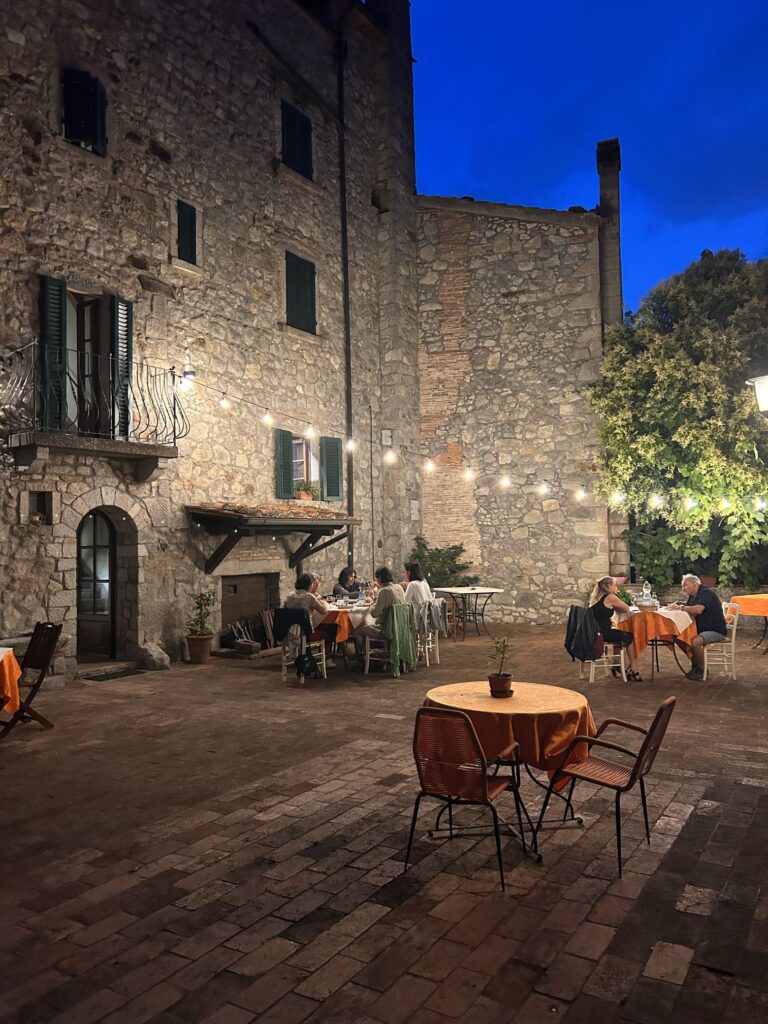
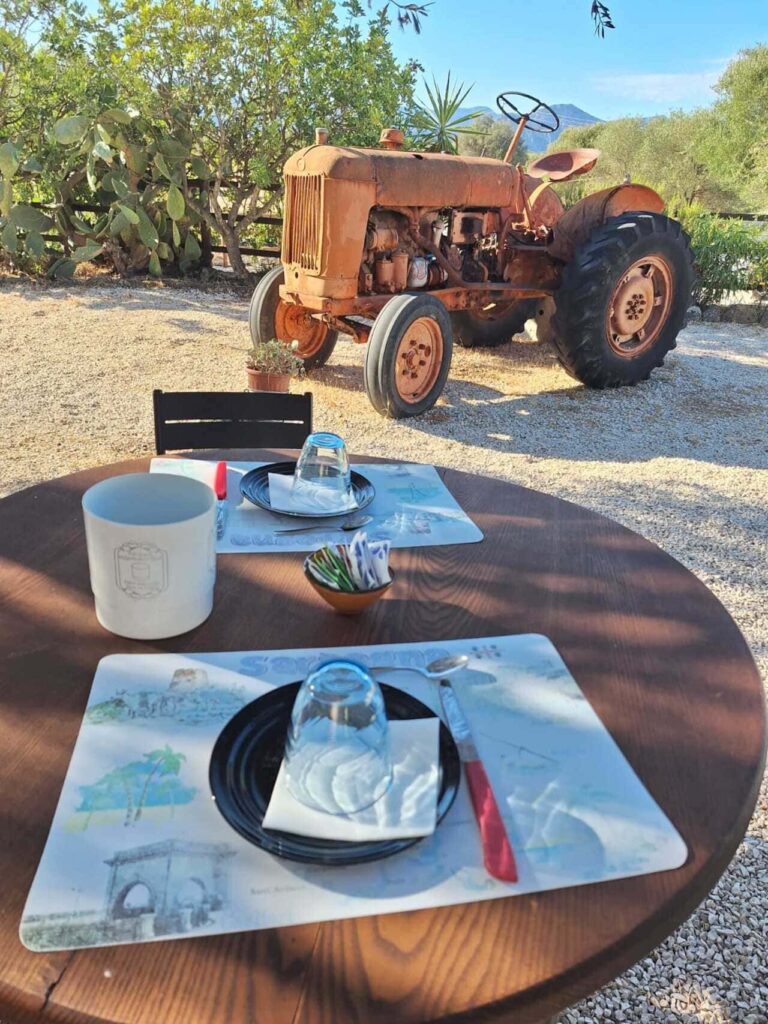
View all agriturismos in Italy.
Subject: Availability request – [dates] – [number of people]
“Hello! We’d love to stay at your agriturismo from [date] to [date] with [x] people. Do you have availability, and is breakfast/dinner included? Do you have any tips on how to get there without a car or from the nearest station? Thank you!”
Agriturismo is not a tourist concept devised by a marketing agency. It has genuine social roots. After World War II, a large portion of Italy’s rural population migrated to the cities. Historic farms fell into disrepair, and traditional agriculture disappeared.
In 1985, the first national law on agritourism went into effect, aimed at preserving rural areas and providing farmers with additional income. Since then, thousands of historic farms have been restored and preserved, thanks in part to the tourism that flows there every year.
Today, there are nearly 25,000 agriturismi in Italy, and new ones are added every year. Yet the core concept remains the same: the farm is the focus, and tourism is secondary.
What is an agriturismo? An agriturismo is a vacation rental on a working Italian farm, where guests can stay overnight and often enjoy meals made from what is produced on the farm—from olive oil and wine to cheese, honey, and jam. The word is a combination of “agricoltura” (agriculture) and “turismo” (tourism). By law, the farm must still be actively engaged in agriculture; tourism is supplementary, not the primary focus.
Is an agriturismo always a working farm? Yes, in Italy, “agriturismo” is a legally protected term. An agriturismo must be linked to an active agricultural business. The exact definition varies by region, but the core principle is this: the farm is central, and tourism is secondary. In practice, however, there is quite a bit of variation: from small family-run operations with just a few rooms to larger estates with a swimming pool and restaurant.
What is the difference between an agriturismo and a masseria? A masseria is a specific type of farmhouse found in southern Italy, particularly in Puglia, Basilicata, and Sicily. They originated between the 16th and 18th centuries and have often been lavishly restored. Agriturismi can be found throughout Italy and are legally tied to active farming. A masseria does not necessarily fall under that legal framework; it is more of an architectural and cultural concept. Both can be luxurious, but a masseria typically has a grander and more stately appearance.
How does an agriturismo differ from a B&B or hotel? The biggest difference is the connection to the land. At an agriturismo, you literally sleep and eat at the producer’s place. The olives on your plate and the wine in your glass come from the land around you. A B&B offers breakfast but has no connection to farming. A hotel has a front desk, more amenities, and a more anonymous atmosphere. The agriturismo is more personal, more spacious, and closer to nature than both alternatives.
Can you find luxury agriturismos in Italy as well? Yes. The options range from basic farmhouse rooms to estates with infinity pools, spas, and multi-course meals. Don’t expect a standardized star rating system; agriturismi are rated using “spighe” (ears of wheat, from 1 to 5). More ears of wheat indicate greater comfort and services, not necessarily a more authentic experience. Tuscany, Puglia, and Sardinia are popular regions for luxury agriturismi.
Is an agriturismo child-friendly? This is often the case: there’s plenty of space, sometimes there are animals, and most agriturismi have a swimming pool. Check in advance whether the property is “adults only,” how safe the grounds are for children, and whether there are activities that suit your family. Apartments or cottages on the property are more practical than rooms when traveling with children.
Do you need a car when staying at an agriturismo? That’s often the case. Agriturismi are usually located outside built-up areas, sometimes along unpaved roads (strada bianca). Some owners pick up guests at the nearest train station; be sure to ask about this in advance. In regions with good public transportation connections (such as Veneto or the area around Florence), a car is less necessary. In remote regions such as Abruzzo or Cilento, a car is almost indispensable.
What does “spighe” mean in the context of an agriturismo? Spighe (ears of wheat) is the official classification system for agriturismi in Italy, introduced in 2013. An agriturismo can earn 1 to 5 ears of wheat based on its level of comfort, the variety of services offered, and the quality of the surroundings. Tuscany has its own regional variant. Unlike hotel star ratings, this system says little about authenticity or the overall experience. A 2-spighe agriturismo can offer a more memorable experience than one with 5.
Thanks in part to the owner’s immense pride and hospitality, you’ll often interact with the residents and get to know their customs well. If this isn’t your thing and you’d rather spend your stay in privacy with your own group, the owners will accommodate that. But they’d love for you to try everything that’s prepared on the farm.
Your room—or, more often, an apartment or cottage—is located in the farmhouse or in a nearby residence on the property. In a casual atmosphere—there’s usually no reception desk—you’ll truly experience the feeling of outdoor life. Some agriturismi are very luxurious, but often they are simply furnished and have an authentic atmosphere with terracotta floors, wooden-beam ceilings, and antique furniture and beds. The style is often beautiful and in keeping with the region.
In Tuscany, in particular, the agriturismos are charmingly decorated. The owners usually still live on the estate or nearby, and in many cases, they are still active farmers who work their land.


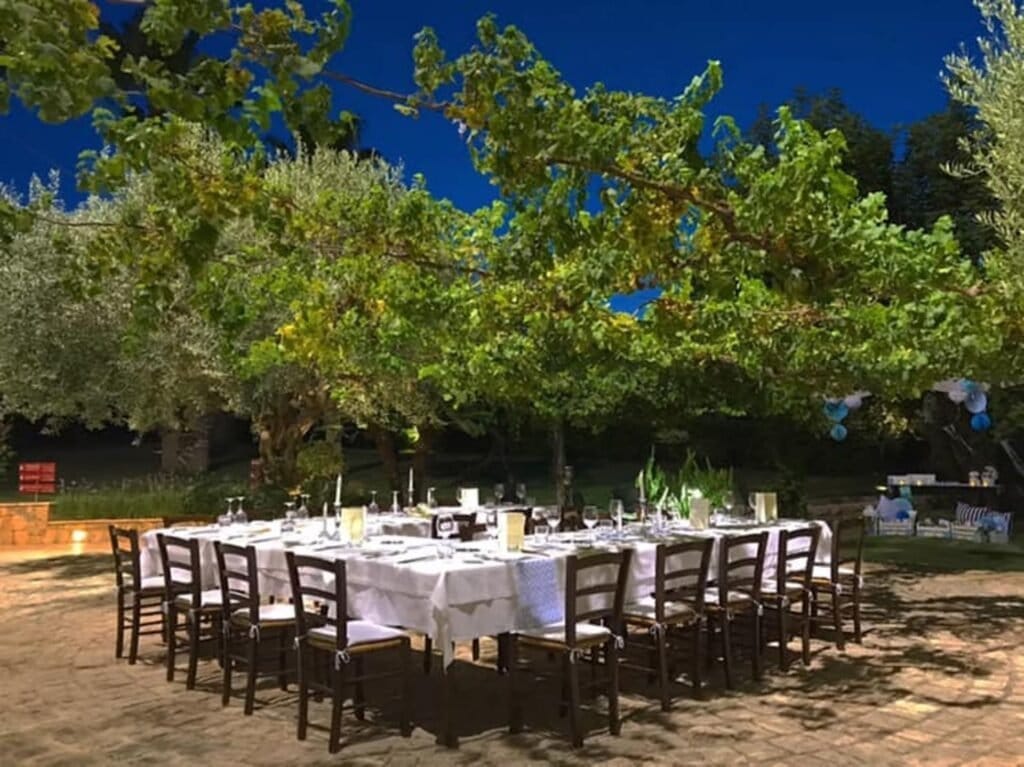
Eating together and sharing food plays an important social role in Italian life, so the combination of agriturismo and local products is wonderful if you want to experience a vacation in an authentic way. You’ll learn more about local products, the food, and the impact on the environment and animal welfare. And, not to mention, the food is often absolutely fantastic.
Agriturismos typically grow agricultural products such as grain. But they also often produce wine, olive oil, fruit, cheese, honey, and jam—and if there are animals on the property—cattle, sheep, or pigs—then, of course, meat as well. Le Balze is a good example of a Tuscan agriturismo.
Staying at an agriturismo is a form of sustainable tourism. You’re in the countryside, away from the big cities. Also, the average stay at an agriturismo is often a bit longer, because you really want to enjoy the peace and quiet and the surroundings. This is an ideal way to practice Slow travel.
Is an agriturismo always a working farm?
In Italy, agriturismo is supposed to be linked to agriculture; the specifics vary by region, but the idea is that the farm takes center stage.
Can you also find luxury agriturismos?
Yes; from basic accommodations to estates with swimming pools. Just don’t expect a uniform star rating system; quality and price can vary greatly from place to place.
Is agriturismo kid-friendly?
Often: space, animals, and a pool. Be sure to check if it’s “adults only” and how safe the property is.
Do you need a car?
Not always, but often practical. Sometimes you can arrange to be picked up at a station.
What is a masseria?
A masseria, sometimes also called a massaria, is an old farmhouse or stable in southern Italy. They are common in Puglia, Basilicata, and Sicily. They originated between the16th and18th centuries when Spain, in order to secure its grain supply, had the nobility establish villages in southern Italy, which was then known as the Kingdom of the Two Sicilies (Regno delle due Sicilie). Agriculture on these farms flourished, and later they were restored; since the 1990s, they have increasingly been converted into hotels or B&Bs. This approach also helps achieve the goal of preserving these historic buildings. Unlike the Paradores in Spain and the Relais & Châteaux in France, masserias are not managed by the state but by private owners.
They are often beautifully renovated historic buildings with a luxurious atmosphere.

With a passion for travel and photography and over 30 years of experience in the travel industry, I love to share my special nature travel tips. Travel is wonderful and important, you meet new people and cultures and it opens your view of the world.

Slow Food Puglia: Tasting Mussels and Clementines in Taranto Starting in the summer of 2026, in the province of Taranto, in the far south of Italy, you can literally sample what small-scale local producers have to offer. At the same time, during these excursions,...

Aachen Off Track: A Green City Trip Featuring a Forest, an Organic Garden, and Charlemagne A city with an imperial history, surrounded by forests stretching all the way to the Belgian and Dutch borders. Aachen cannot be taken in at a single glance: its historic...
Get inspired
Are you looking for the most beautiful hiking and biking routes? Or do you want information about traveling by train or advice for the most beautiful road trips through nature. Get inspired for your next trip in green; ideas for planning your own trip or opting for an organized trip.