
Gratis gids 10 verborgen natuurplekken in Europa
Gratis gids 10 verborgen natuurplekken in Europa. Meld je aan voor onze nieuwsbrief en ontvang inspirerende reistips en routes voor je volgende groene reis.

Tuscany is one of Italy’s most enchanting regions. I’ve been coming here for years, and I discover new gems every time. Of course, cities like Florence, Pisa, and Siena are the well-known attractions, but Tuscany has much more to offer. Especially for lovers of Slow travel can truly experience the region here.
In this article, I’ll share my favorite spots, tips for Slow travel, and how to enjoy Tuscany in a sustainable way.


Tuscany is located in central Italy and offers a varied landscape of rolling hills, picturesque villages, vast vineyards, and a beautiful coastline. By car, it takes about 13–14 hours to get there from the Netherlands, but you can also opt for a more eco-friendly train trip. Tuscany is an ideal destination for slow travel: exploring the region at your own pace and enjoying the local culture, nature, and cuisine.
In addition to Tuscany’s rich cultural history, there is also a wealth of natural beauty to discover. It is precisely in the smaller villages and in the countryside that you’ll find an authentic way of life that is more than worth exploring.

Here are my absolute favorites—places you have to see if you want to explore Tuscany at a leisurely pace:
1. Volpaia: a sleepy little village in the Chianti region with two fantastic restaurants: La Bottega di Volpaia and Osteria Volpaia. Be sure to ask about the daily specials!


2. Sant’Anna in Camprena (near Pienza): a 16th-century monastery, known for its appearance in *The English Patient*. Art workshops and classical concerts are held here. It is located near other gems such as Pienza and Montepulciano.


3. Abbazia di San Galgano: a mystical monastery ruin with an open roof, famous for the Rotonda di Montesiepi, a chapel with a unique atmosphere. A great spot for photography and summer concerts.
4. Terme di Saturnia: free thermal springs in a beautiful natural setting. Perfect for relaxing in warm, healing waters. Go early to avoid the crowds.

5. Lucignano: I’ve lost my heart to this sleepy little village. Not far from Arezzo, it’s an architectural gem where you can enjoy watching the old men chatting outside the bar and have a delicious meal at restaurants like La Tavernetta.
6. Cortona: Unfortunately, it’s gotten a bit more crowded with Americans since the publication of Frances Mayes’ book *Under the Sun*, but it’s still well worth a visit. I once happened to end up here by chance at an André Rieu concert right in the middle of the square—a fantastic experience! Despite the tourists, it’s still highly recommended for its atmosphere, the views, and its rich cultural offerings.


7. Monte Amiata: perfect for nature lovers and hikers. A mix of mountain forests and picturesque villages. Perfect for a day of hiking or relaxation. Read more here about the beautiful Monte Amiata nature reserve.
8. Marciano della Chiana: a small town with a medieval castle and a wonderful Osteria La Vecchia Rota.

9. Abbazia di Sant’Antimo: near Montalcino in the province of Siena. A beautiful monastery set in a picturesque landscape—a photographer’s dream.
Tuscany’s natural landscape offers such a variety: mountains, rolling hills, countryside, and wooded areas. From the picturesque hills covered with vineyards and olive groves nearSiena, Florence, and Arezzo to the lush forests in the regions around Lucca, Pisa, and Grosseto. The coastline alternates between volcanic sandy beaches and rocky shores at Punta Ala.


Choose to stay at an agriturismo. Here, you can not only spend the night, but also take part in activities such as wine tastings, cooking workshops, and olive oil production. Accommodation tips:


It’s easy to travel by train to Tuscany with just two transfers. There’s a direct overnight train to Basel, where you’ll transfer in Innsbruck and enjoy a beautiful ride through the Alps, then transfer one more time in Bologna to continue on to Florence. Alternatives include routes via Innsbruck, Munich, or Venice. The best option is to take the overnight train from Amsterdam and then change trains in one of these four cities. You can buy tickets through the Austrian Railways or Deutsche Bahn.
Take Your Bike on the Train to Tuscany
You can’t take your bike on all high-speed trains, but you can on regional trains. Click here for lots of useful information about train travel to Tuscany and here for ticket information. The earlier you book, the cheaper your ticket will be! Sometimes you’ll need to purchase a day pass for your bike on the spot; signs on the train indicate where you can board with your bike.

With a passion for travel and photography and over 30 years of experience in the travel industry, I love to share my special nature travel tips. Travel is wonderful and important, you meet new people and cultures and it opens your view of the world.

Slow Food Puglia: Tasting Mussels and Clementines in Taranto Starting in the summer of 2026, in the province of Taranto, in the far south of Italy, you can literally sample what small-scale local producers have to offer. At the same time, during these excursions,...
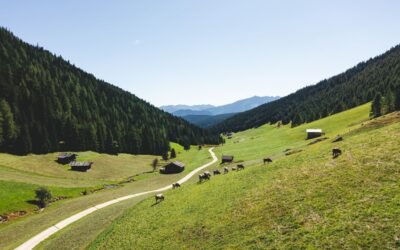
Gitschberg Jochtal: Hiking in the Summer, Skiing Away from the Crowds in the Winter Eight villages, no well-known name, and yet 300 kilometers of marked hiking trails in the summer and 55 kilometers of ski runs in the winter: that’s the Gitschberg Jochtal, on the...
Get inspired
Are you looking for the most beautiful hiking and biking routes? Or do you want information about traveling by train or advice for the most beautiful road trips through nature. Get inspired for your next trip in green; ideas for planning your own trip or opting for an organized trip.